
Explore Open Rooms
Thank you for your interest!
Our team will be in touch shortly to help with next steps.
Amalfi Hospice Care, Inc.

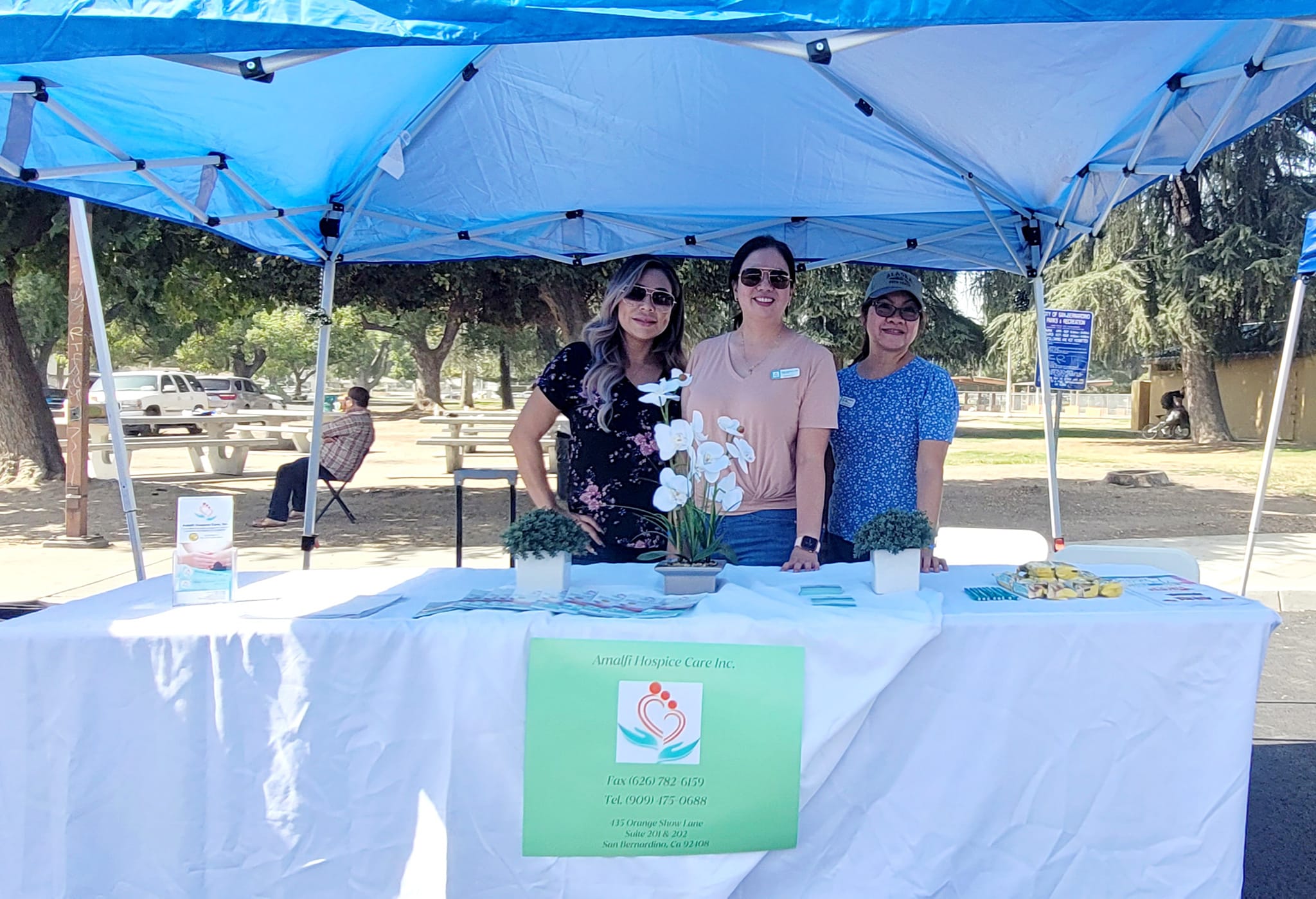
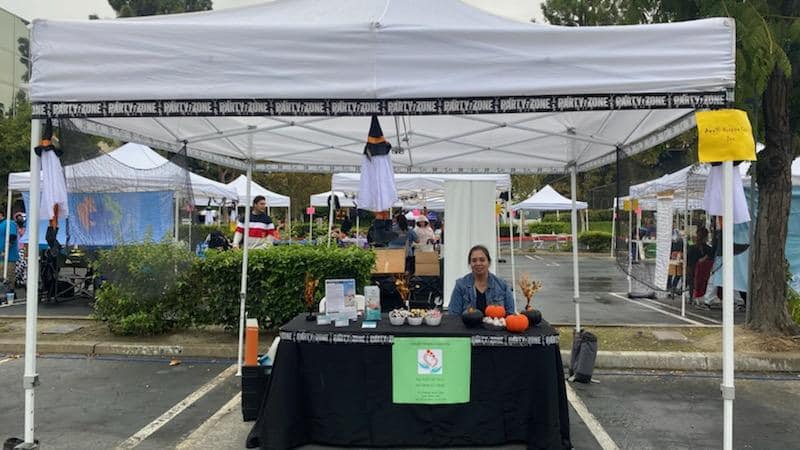
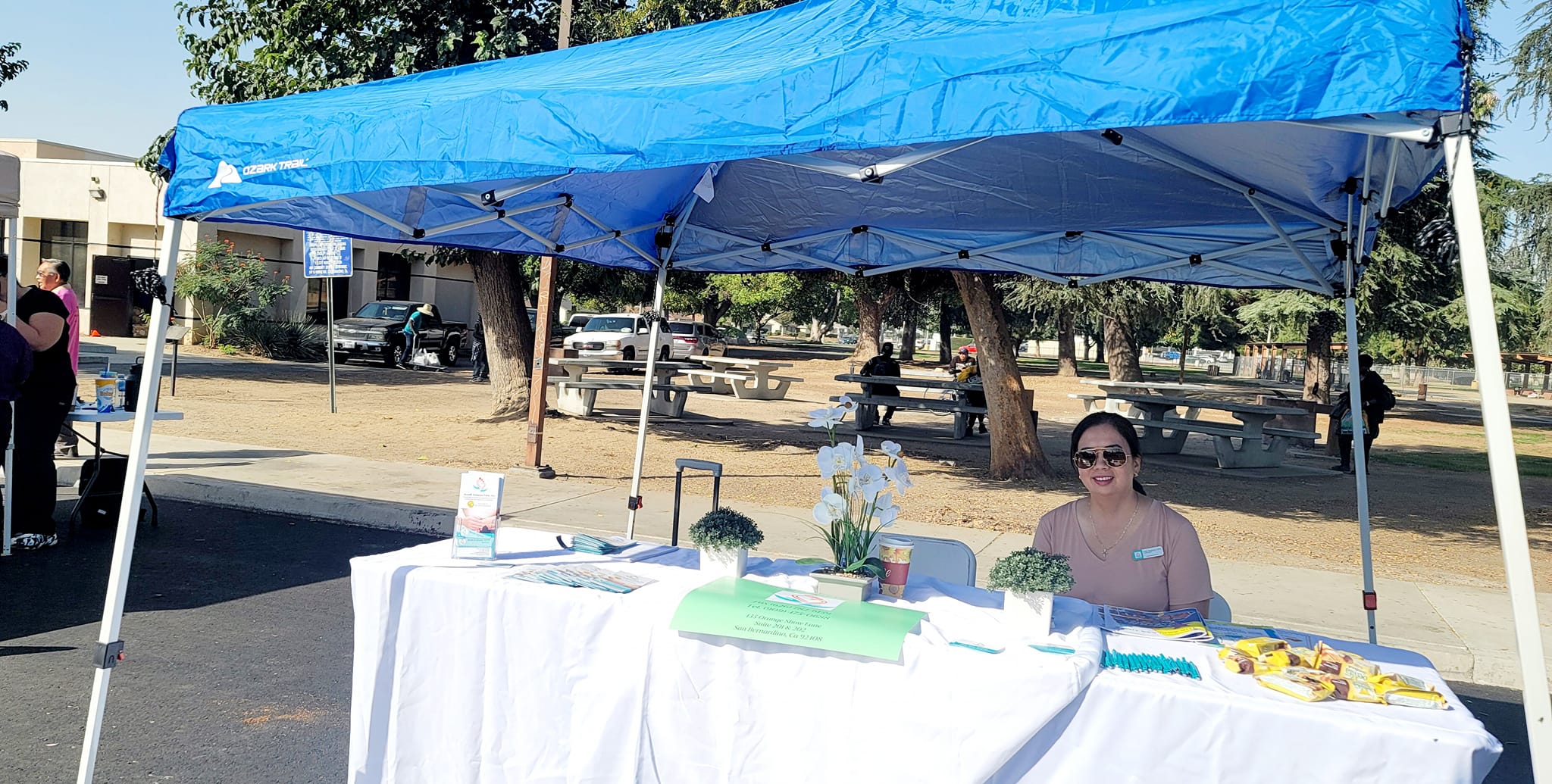


Begin your end-of-life journey with Amalfi Hospice Care, Inc., a dedicated community in San Bernardino, CA, that offers hospice care. With comprehensive care options, including nursing services, home health aide, and in-home therapy, older adults can rest assured of receiving the care they need. Medicare and Medicaid also cover the costs of hospice care, easing older adults’ financial burdens.
To help older adults and families come to terms with end-of-life care, the community also provides social services. Medications and medical supplies are also provided to meet older adults’ healthcare needs and ensure a worry-free lifestyle. The community is ideal for those looking to spend their later years in the comforts of their homes, especially with its dedicated care.


How BBB ratings work
Types of Care at Amalfi Hospice Care, Inc.
Compare Hospice Care around San Bernardino County The information below is reported by the California Department of Social Services and Department of Public Health.
Home Care Professional care delivered in the person's own home — from companionship and errands to skilled nursing and therapy. Allows seniors to age in place. Medicare covers skilled home health when medically necessary.
Home Care Professional care delivered in the person's own home — from companionship and errands to skilled nursing and therapy. Allows seniors to age in place. Medicare covers skilled home health when medically necessary.
Home Care Professional care delivered in the person's own home — from companionship and errands to skilled nursing and therapy. Allows seniors to age in place. Medicare covers skilled home health when medically necessary.
Home Care Professional care delivered in the person's own home — from companionship and errands to skilled nursing and therapy. Allows seniors to age in place. Medicare covers skilled home health when medically necessary.
Home Care Professional care delivered in the person's own home — from companionship and errands to skilled nursing and therapy. Allows seniors to age in place. Medicare covers skilled home health when medically necessary.
Home Care Professional care delivered in the person's own home — from companionship and errands to skilled nursing and therapy. Allows seniors to age in place. Medicare covers skilled home health when medically necessary.
Memory Care Secured, specialized care for people living with Alzheimer's or dementia. Staff trained in cognitive impairment, with higher staff-to-resident ratios and an environment designed to reduce confusion and wandering risk.
Home Care Professional care delivered in the person's own home — from companionship and errands to skilled nursing and therapy. Allows seniors to age in place. Medicare covers skilled home health when medically necessary.
Home Care Professional care delivered in the person's own home — from companionship and errands to skilled nursing and therapy. Allows seniors to age in place. Medicare covers skilled home health when medically necessary.




Places of interest near Amalfi Hospice Care, Inc.
 2.1 miles from city center
 435 W Orange Show Ln Suite 201 & 202, San Bernardino, CA 92408
Calculate Travel Distance to Amalfi Hospice Care, Inc.
Add your location
Guides for Better Senior Living
Care Cost Calculator: See Prices in Your Area
Nursing Home Data Explorer
Don’t Wait Too Long: 7 Red Flag Signs Your Parent Needs Assisted Living Now
The True Cost of Assisted Living in 2025 – And How Families Are Paying For It
Understanding Senior Living Costs: Pricing Models, Discounts & Financial Assistance
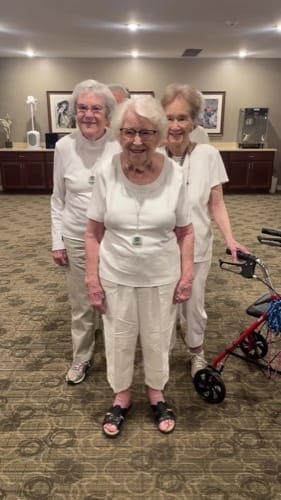

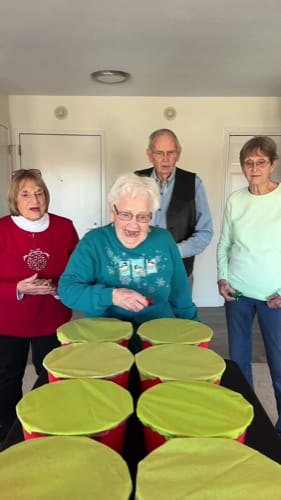


Financial Aid for California Seniors
Get financial aid guidanceContact Us



Touring Checklist for Senior Living
Touring a community? Use this expert-backed checklist to stay organized, ask the right questions, and find the perfect fit.
Location
Community Spaces and Overall Environment
Services
Staffing
Accommodations
Finances
Other Notes
Send Checklist to Your Email
We'll send you a PDF version of the touring checklist.