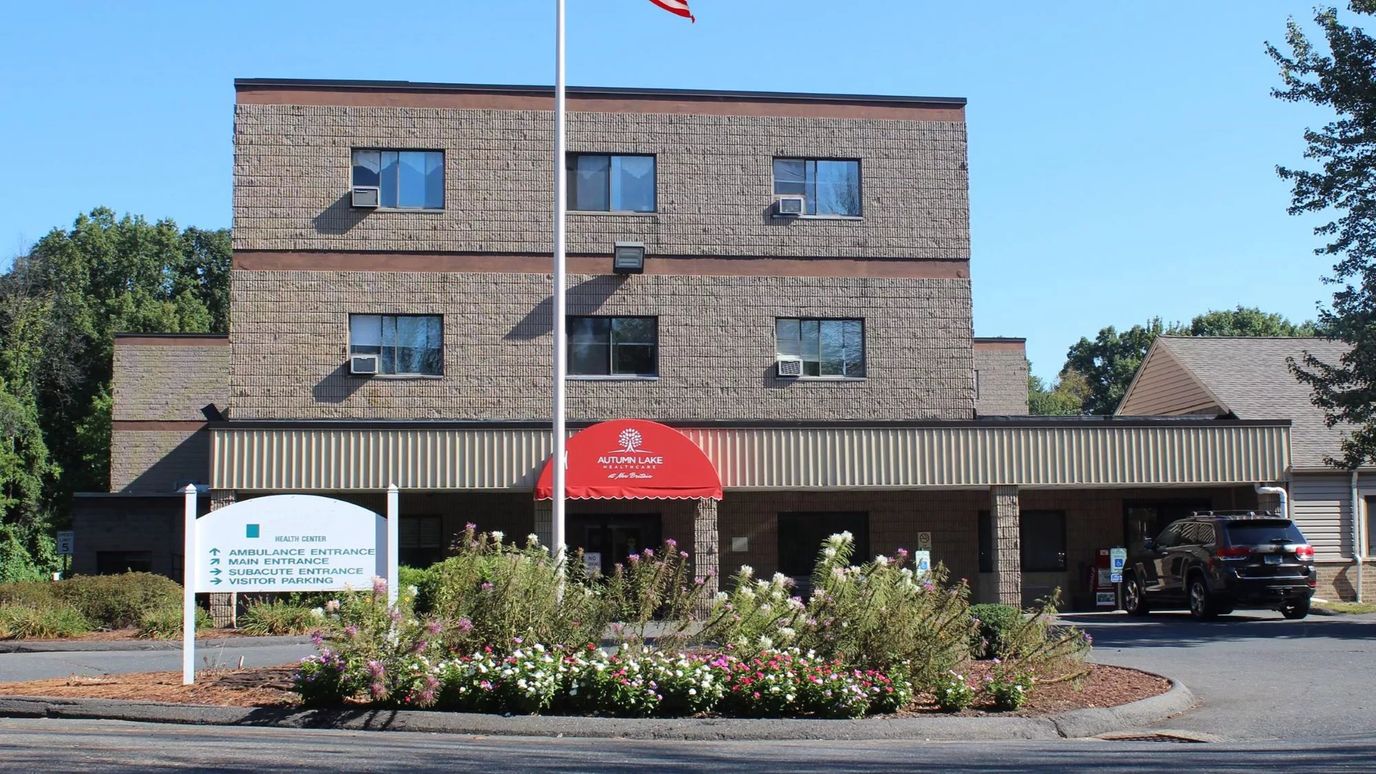
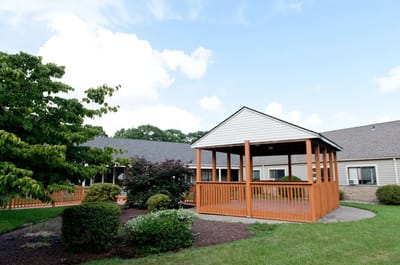
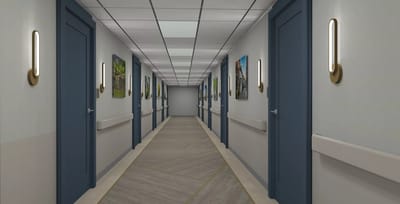
Tucked in New Britain, Connecticut, Autumn Lake Healthcare at New Britain redefines senior living with a blend of sophistication and accessibility. This esteemed community offers state-of-the-art amenities that elevate the experience for its residents, creating an exclusive yet inviting atmosphere akin to a resort.
With a focus on security and individuality, Autumn Lake Healthcare at New Britain provides a haven for seniors, particularly those with memory impairments. This close-knit community fosters exploration and self-expression without compromising safety. The facility accepts Medicare, Medicaid, most insurances, as well as private pay, ensuring that a wide range of individuals can enjoy its exceptional services. In this facility, the fusion of superior care and vibrant living results in a place where cherished memories flourish, complemented by private transportation options and engaging arts and crafts activities.
Autumn Lake Healthcare at New Britain is an independently owned and operated healthcare center that is licensed to use the Autumn Lake Healthcare name and receive non-healthcare related services. All healthcare-related services are provided solely by Autumn Lake Healthcare at New Britain.
37% of new residents, usually for short-term rehab.
Typical stay7 - 8 months
Private pay
47% of new residents, often for short stays.
Typical stay1 - 2 months
Medicaid
16% of new residents, often for long-term daily care.
Typical stay2 - 3 months
Finances and operations
Proprietary home
Individual
Home revenue
$34.3M
Profit
$3.3M
Proprietary home Individual
Home revenue
$34,349,556.00
Profit
$3,320,524.00
Payroll costsThe portion of the home's budget spent on staff, including nurses, caregivers, and other employees who support care and operations.
$2.9M
8.3% of revenue
Other operating costsAll remaining costs needed to run the home, such as food, utilities, building maintenance, supplies and administrative expenses.
$28.2M
Total costs$31.0M
Tooltip
Certification details
License Number:75292
Owner Name:NEW BRITAIN PARENT LLC
Rural vs. Urban:Urban
County:Capitol
Type of Control:Proprietary — Individual
Source: Centers for Medicare & Medicaid Services (CMS) and State data
Who this home usually serves
This view explains the types of residents this home most often serves, based on who is admitted and discharged over time. It reflects patterns, not individual cases.
Admissions
Indicate who is most often coming into the home.
Total752
PERCENTAGES
Medicare37%
Private Pay47%
Medicaid16%
Discharges
Show who is most often leaving the home, and under which coverage.
Total741
PERCENTAGES
Medicare31%
Private Pay41%
Medicaid28%
How we assess these insights
We analyze official CMS data and reported admissions information to understand the types of residents a nursing home most often serves.
This includes
Medicare, Medicaid, and private-pay admissions
Number of nights covered by each payment type
Typical length of stay
How we calculate length of stay
We calculate length of stay separately for each payment type (Medicare, Medicaid and private) by dividing total number of nights by total number of admissions.
What "optimal for" means
The tags you see are guidance, not recommendations. They highlight scenarios where this home's care model, stay length and payer mix may align well with certain needs.
11 years in operation
A community with a solid operating history and experience delivering ongoing care.
Walk Score: 34 / 100
Somewhat walkable. A few nearby services may be reachable on foot, but most trips require transportation.
Services
Cardiac; Orthopedic and Stroke
Dementia Care
Dialysis
HIV/AIDS
IV Therapy
Pain Management
Peritoneal Dialysis
Recreation
Rehabilitation Therapy
Respiratory Therapy
TBI
Wound Management
About this community
License Status
Active
Facility Type
Chronic & Convalescent Nursing Home
License Date
January 1, 2015
License Expiration
December 31, 2026
Additional licensing details
License number:2402
CMS Certification Number:75292
Room costs
Private Room (34 rooms)$588
Semi-Private Room (120 rooms)$513
Staffing
Key information about the people who lead and staff this community.
Languages Spoken by Staff
Languages:Polish, Spanish
Staff Composition (State Data)
Admin
3 FTE
Registered Nurse
8 FTE
Licensed Practical Nurse
14 FTE
Nursing Assistant
85 FTE
Recreation
5 FTE
Social Services
3 FTE
Food Service Supervisor
4 FTE
Physical Therapy
4 FTE
Occupational Therapy
3 FTE
Speech Therapy
3 FTE
Dietary
24 FTE
Other Staff
29 FTE
Care Services
Alzheimer's Certification
Additional Policies & Features
Religious Services:Catholic, Jewish
Types of Care at Autumn Lake Healthcare at New Britain
Respite Care
Nursing Home
Hospice Care
Memory Care
Types of Care
Assisted Living
Definition: Residential care for older adults who need help with activities of daily living (ADLs) such as medication management, bathing, dressing and meals.Purpose: Support independence while providing daily assistance and limited medical oversight — a step below nursing home care.Focus: Safety, personal care, social engagement and a community-based lifestyle.Amenities and Services: Often include:
• Recreational activities
• Housekeeping and laundry
• Transportation
• Meal servicesCare Level: 24/7 staff availability with personalized care plans; limited clinical care compared to nursing homes.
Home Care
Home care is a type of care wherein qualified professionals assist with activities of daily living (ADLs), like personal hygiene, meal preparation, and dressing, at home. This type of care provides a wide range of services, including personal care, skilled nursing care, rehabilitation services, and companionship. This is ideal for those looking to stay at home in retirement but needing care and support for ADLs and chronic conditions. Hourly care and live-in care are often provided for flexibility, ensuring older adults receive care tailored to their needs and preferences.
Skilled Nursing
Skilled nursing care is a type of care provided by registered nurses in a medical setting under a physician’s supervision, focusing on intensive medical care and rehabilitation. It is typically provided in hospitals and purposely built skilled nursing communities and healthcare centers, usually aimed at short-term and transitional care.
Nursing Care
Nursing care is usually provided in a nursing home environment by nursing aides and licensed practical nurses. This type of care focuses on helping older adults with activities of daily living (ADLs), like personal hygiene and medication, alongside medical care. Long-term residential care is provided, helping those with complex medical needs, chronic conditions, cognitive, functional, and behavioral issues.
Respite Care
Respite care, also known as short-term stay, allows primary caregivers to rest and have time for themselves by providing care for their loved ones. This type of care is temporary and may range from a few hours to weeks, provided either at home or in a senior care community.
Memory Care
Definition: Specialized residential care for people with memory loss, Alzheimer’s disease or other forms of dementia.Purpose: Provide a safe, structured environment with trained staff and programs tailored to cognitive impairment.Focus: Secure settings, enhanced supervision and routines that support memory and reduce stress.Amenities and Services: Typically include:
• Assistance with ADLs
• Cognitive stimulation and therapeutic activities
• Secure indoor/outdoor spacesCare Level: Staff specially trained in dementia care with higher caregiver-to-resident ratios.
Independent Living
Definition: A living option typically for those 55 and over, including senior housing, retirement homes, and active adult communities.Purpose: Ideal for those seeking to live with peers of the same age without needing support for activities of daily living (ADLs) or medical care.Focus: Emphasizes convenience and recreation, eliminating the hassles of housekeeping and maintenance.Amenities and Services: Offers a variety of amenities, which may include:
• Spa
• Concierge
• Community gathering spacesLuxury Levels: Amenities vary depending on the level of luxury provided by the community.
Hospice Care
Focusing on those with life-limiting conditions or terminal illness, hospice care provides physical, emotional, social, and spiritual support. This type of care aims to ease older adults’ discomfort and pain and does not focus on finding a cure. Typically provided with a multidisciplinary team of doctors, nurses, social workers, and hospice aides, in older adults’ preferred setting, may it be at home, hospital, or senior living community. Hospice care provides care for those with a life expectancy estimated at six months or less.
Nursing Home
This type of retirement option focuses on older adults who require advanced healthcare but do not necessarily require hospital care. Nursing homes often provide a wide range of personal care, health care, and skilled nursing, tailored to older adults’ healthcare needs. This is ideal for those who cannot stay at home due to complex healthcare needs but do not need to be in a hospital setting.
Residential Care
A senior living option that focuses on providing support with activities of daily living, including personal hygiene and medication management. However, unlike assisted living, this type of care provides a smaller and more intimate environment, catering to a smaller number of residents. This is ideal for those needing assistance with daily living without extensive medical care and preferring a smaller setting.
Adult Day Care
This type of care provides curated activities for older adults in a non-residential care setting, promoting holistic well-being with health, social, nutritional, and emotional support. Adult day care promotes social interactions in a supervised manner, allowing family caregivers to rest during the day. This is beneficial in terms of preventing loneliness in older adults and providing additional support for family caregivers.
Palliative Care
This type of care focuses on providing comfort, pain relief, and emotional support for those with serious illness. Unlike hospice care, palliative care provides support at any stage of the illness, even alongside curative treatments. This can be provided at home, in nursing homes, in hospitals, and in other senior living communities.
Continuing Care Retirement Communities (CCRC)
Continuing Care Retirement Community (CCRC) is a type of senior living community that provides a wide range of care options in a residential setting. Also known as a life plan community, CCRC often provides independent living, assisted living, memory care, and skilled nursing, allowing older adults to age in place. Due to its comprehensive care, older adults do not have to transfer to communities when the level of care increases.
In Connecticut, the Department of Public Health, Facility Licensing and Investigations Section conducts mandatory inspections and unannounced surveys to monitor the quality of care in long-term facilities.
Source: CMS Health Citations
(Jun 2019 – Jul 2024)
6
Inspections
26
Total Citations
0
Critical (J-L)
0
Serious (G-I)
4.33
Citations/Inspection
Jul 2024
Last Inspection
Citation Severity Distribution
Minor (A-C)
3
Moderate (D-F)
23
Serious (G-I)
0
Critical (J-L)
0
What do these levels mean?
Top Deficiency Categories
Resident Rights
7
27% of total
Quality of Life & Care
6
23% of total
Infection Control
2
8% of total
Pharmacy Services
2
8% of total
Administration
1
4% of total
Abuse, Neglect & Exploitation
1
4% of total
Citation Sources
Standard Inspections21
Complaint Investigations12
State Comparison (CT)
Avg Citations (State)
32
This Facility: 26
Avg Critical (State)
0.3
This Facility: 0
Recent Citations (Last 3 Years)
Date
Severity ?
Category
Tag
Status
Jul 18, 2024
D
Quality of Care
F0684
Corrected
Jul 18, 2024
D
Resident Rights
F0622
Corrected
Jun 11, 2024
D
Care Planning
F0656
Corrected
May 10, 2024
D
Infection Control
F0880
Corrected
May 10, 2024
B
Nursing Services
F0730
Corrected
May 10, 2024
D
Pharmacy
F0761
Corrected
May 10, 2024
D
Quality of Care
F0684
Corrected
May 10, 2024
E
Quality of Care
F0692
Corrected
May 10, 2024
B
Care Planning
F0638
Corrected
May 10, 2024
E
Care Planning
F0656
Corrected
May 10, 2024
D
Care Planning
F0658
Corrected
May 10, 2024
D
Resident Rights
F0554
Corrected
May 10, 2024
D
Resident Rights
F0578
Corrected
May 10, 2024
E
Resident Rights
F0580
Corrected
Sep 27, 2023
D
Administration
F0773
Corrected
Sep 27, 2023
D
Pharmacy
F0760
Corrected
Nov 24, 2021
D
Quality of Care
F0695
Corrected
Nov 24, 2021
D
Care Planning
F0658
Corrected
Nov 24, 2021
D
Resident Rights
F0578
Corrected
Jun 11, 2019
D
Abuse/Neglect
F0609
Corrected
Jun 11, 2019
D
Infection Control
F0880
Corrected
Jun 11, 2019
D
Quality of Care
F0684
Corrected
Jun 11, 2019
D
Quality of Care
F0686
Corrected
Jun 11, 2019
D
Care Planning
F0656
Corrected
Jun 11, 2019
B
Resident Rights
F0568
Corrected
Jun 11, 2019
D
Resident Rights
F0584
Corrected
Facility Characteristics
Source: CMS Long-Term Care Facility Characteristics
(Data as of Jan 2026)
Ownership: For-Profit LLC
Part of: AUTUMN LAKE HEALTHCARE
Resident Census by Payment Source
249Total Residents
Medicare40(16.1%)ⓘ
Medicaid169(67.9%)ⓘ
Private Pay/Other40(16.1%)ⓘ
Specialized Care Beds
57Total Specialty Beds
20.2%of Bed Capacity
20
Alzheimer's / Dementia Beds ⓘ
7.1%
9
Dialysis Beds ⓘ
3.2%
2
Head Trauma Beds ⓘ
0.7%
26
Hospice Beds ⓘ
9.2%
Programs & Services
Residents' Groupⓘ
Family Engagement
Active councils help families stay involved in care decisions and facility operations.
Active
Resident Council
ⓘ
Quality Measures
CMS quality measures assess care quality for long-stay and short-stay residents.
Lower percentages generally indicate better outcomes for most measures.
Source: CMS Nursing Home Compare
(Data as of Jan 2026)
High-Risk Clinical Events
11.8Score
14% worse than avgConnecticut avg: 10.4
Composite score based on pressure ulcers, falls with injury, weight loss, walking ability decline, and ADL decline
Functional Decline
24.7Score
17% worse than avgConnecticut avg: 21.1
Composite score based on ADL decline, walking ability decline, and incontinence
Long-Stay Resident Measures
Measures for residents who stay 101 days or more. For most measures, lower percentages indicate better care.
Need for Help with Daily Activities Increased
22.6%
Lost Too Much Weight
7.4%
Urinary Tract Infection
0.0%
Depressive Symptoms
14.6%
Falls with Major Injury
2.0%
Pneumococcal Vaccine
99.5%
Antipsychotic Use
7.8%
Walking Ability Worsened
24.0%
Influenza Vaccine
95.9%
High Risk Residents with Pressure Ulcers
3.3%
Low Risk Long-Stay Residents with Bowel/Bladder Incontinence
27.5%
Short-Stay Resident Measures
Measures for residents who stay 100 days or less (typically rehabilitation patients).
Pneumococcal Vaccine
97.4%
39% better than avg Connecticut: 70.1%
Short-Stay Residents Who Received a New Antipsychotic Medication