

County:
Baltimore

Explore Open Rooms
1
Contact details
2
What type of senior care service are you looking for?
3
What budget do you have in mind for senior care?
4
How soon do you need to find care?
5
Additional details
Thank you for your interest!
Our team will be in touch shortly to help with next steps.
Memory Care Home
Brightview Towson
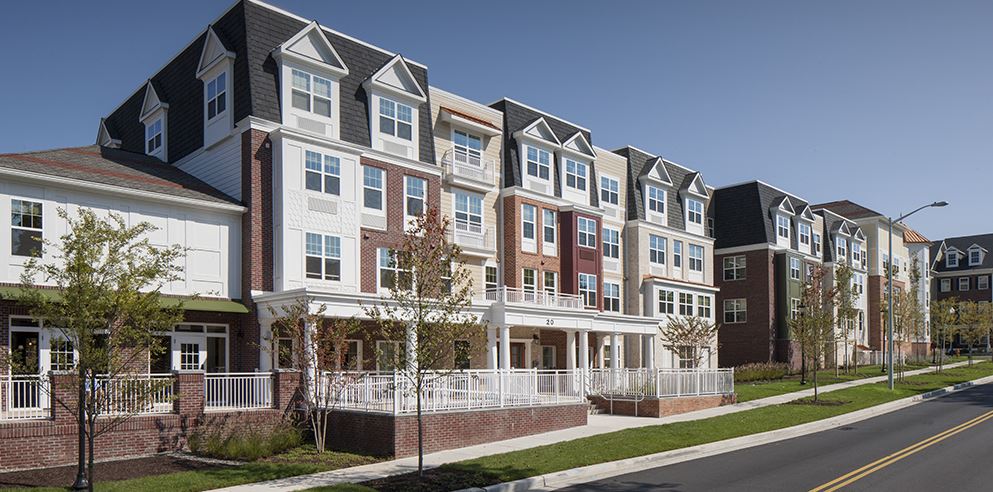
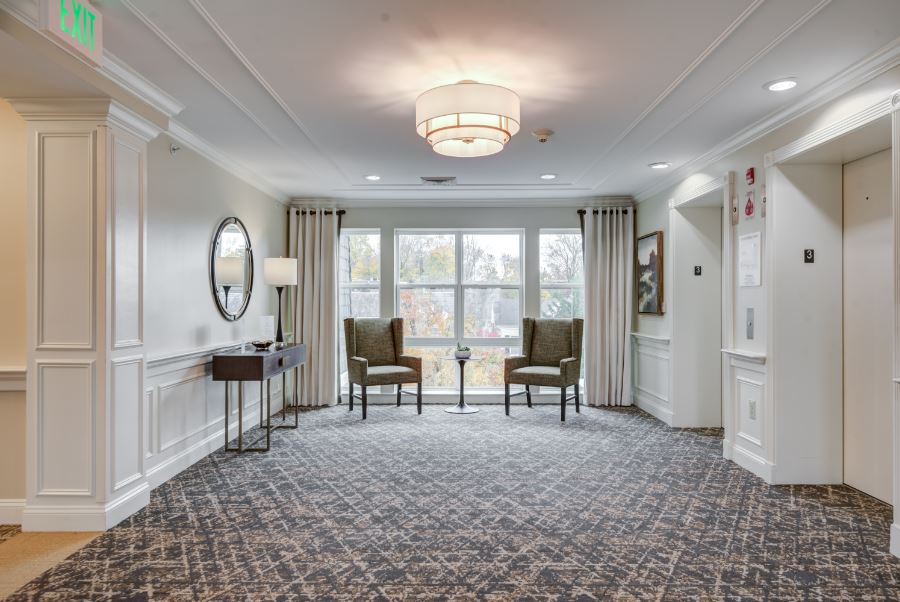
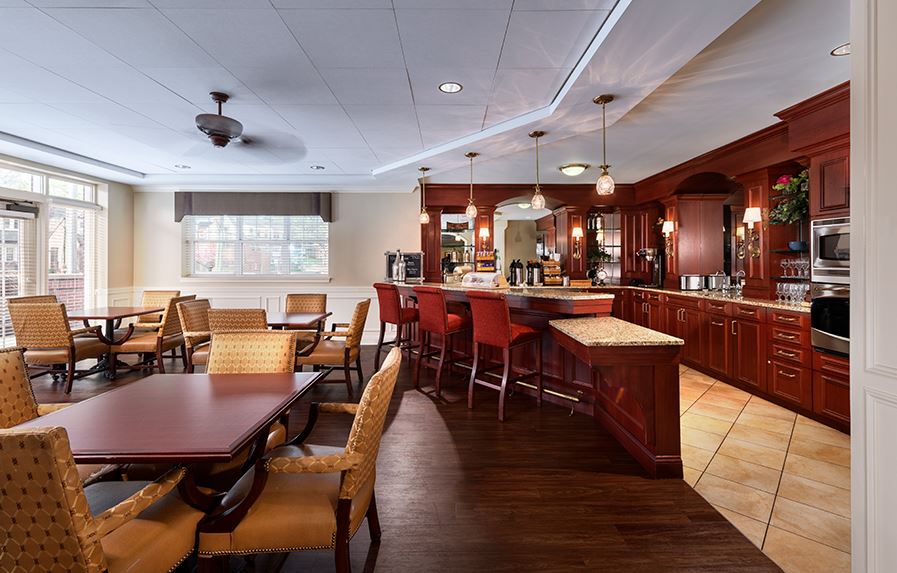
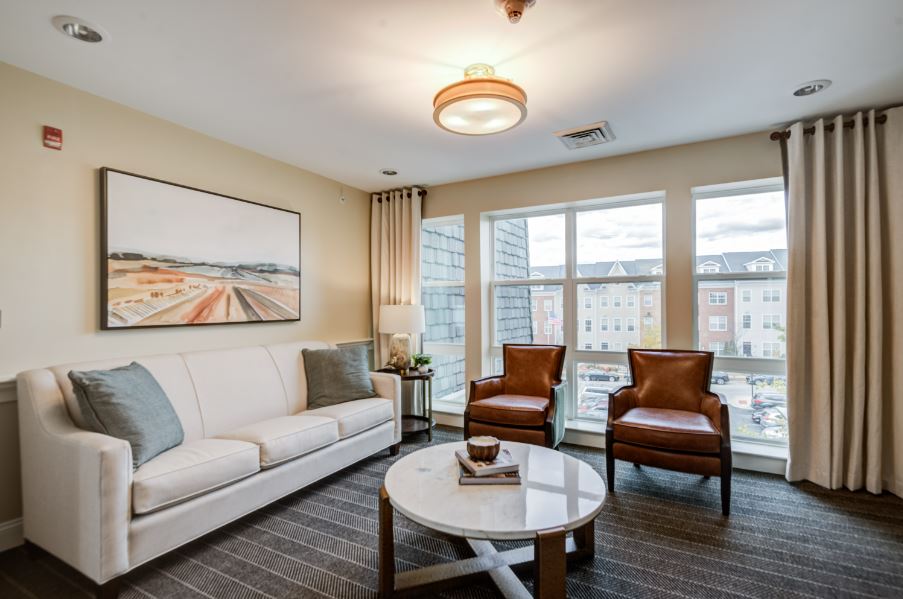
Overview of Brightview Towson


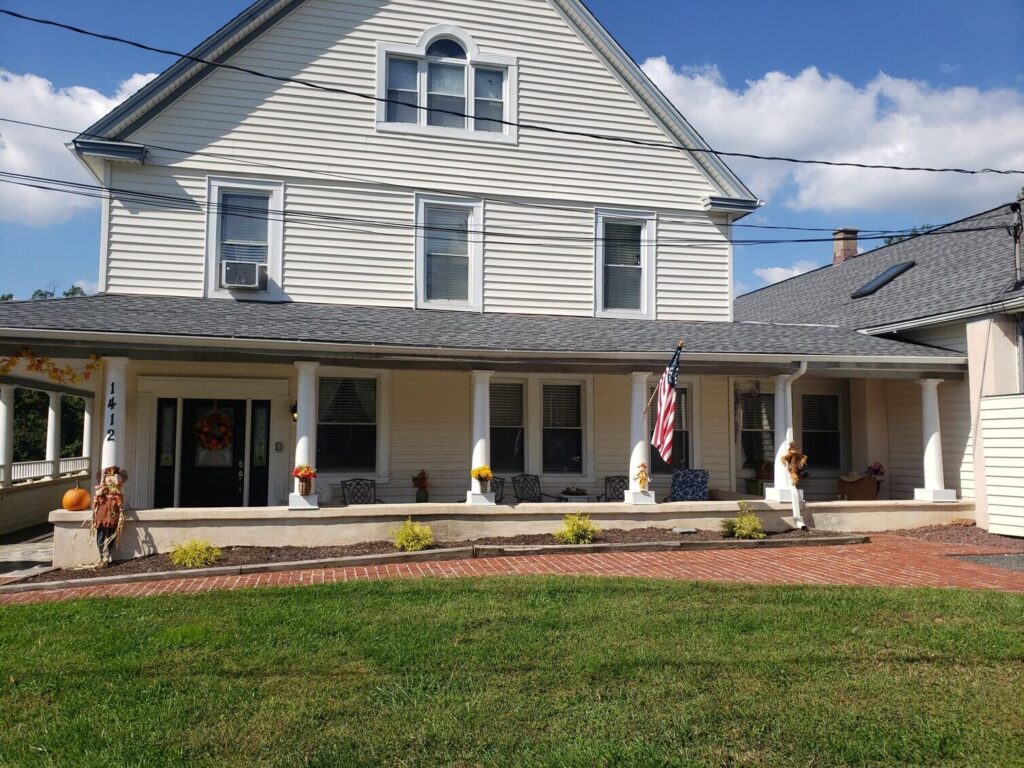
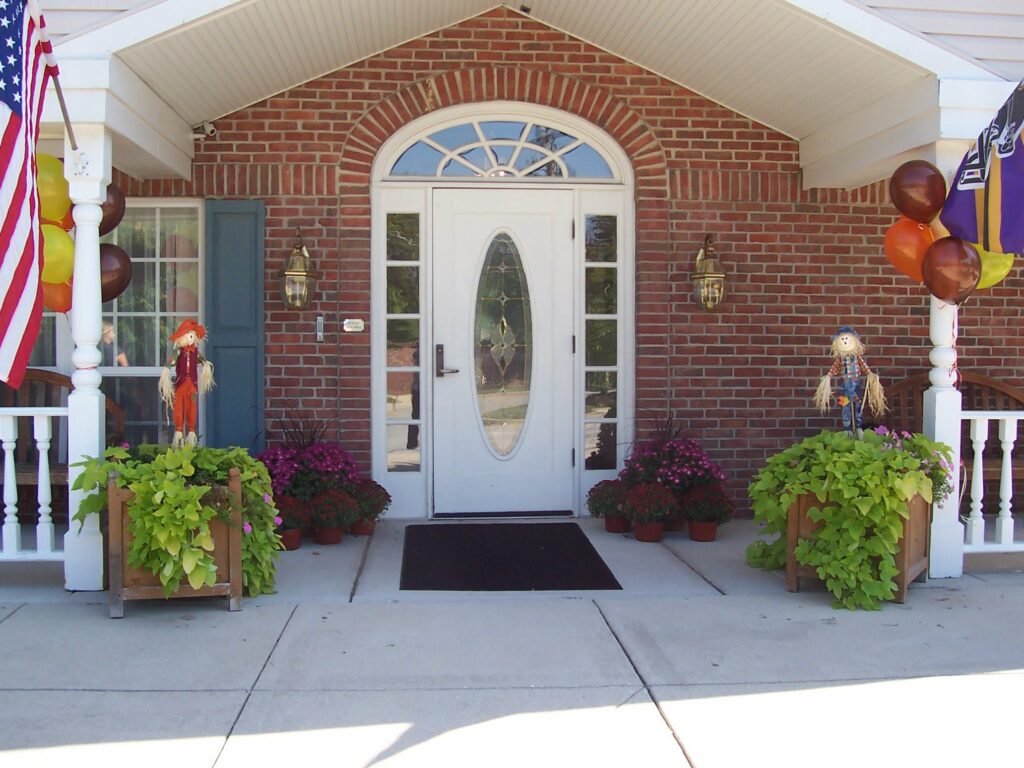
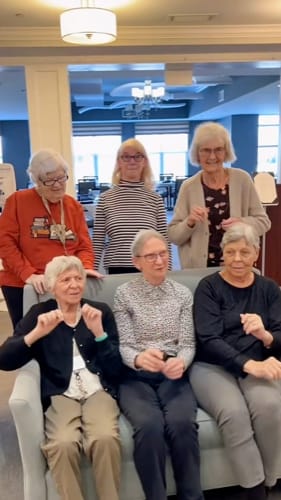
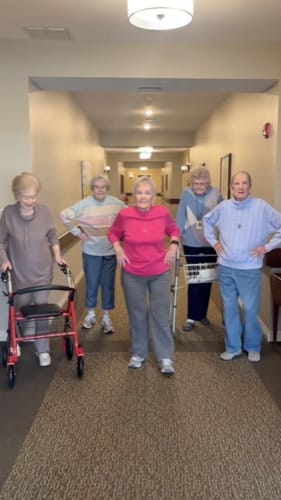
Brightview Towson is a leading senior living community, located in Towson, MD, offering assisted living, dementia care, and enhanced care. Residents can choose from a studio, one or two bedroom apartments with well-designed kitchenette, lots of closet space, and bathrooms designed with seniors’ safety and comfort in mind. The community features a dedicated Health Services Director that works closely with residents and their families in creating individualized care plans that comprehensively address residents’ unique needs.
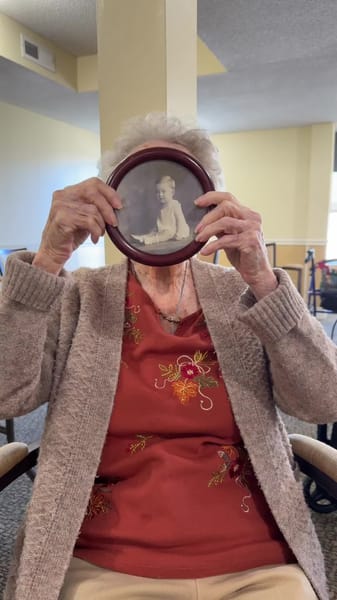
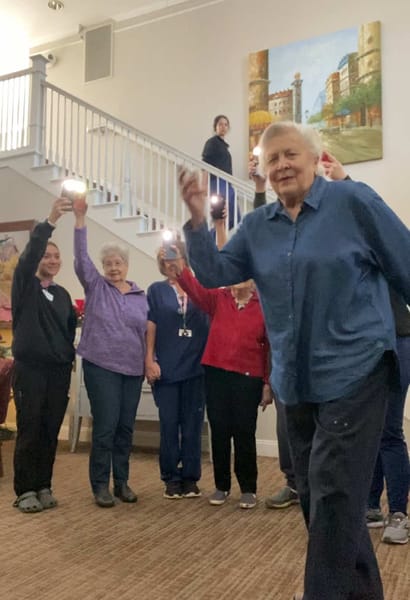
Residents dealing with the challenges of memory loss are provided with a secure neighborhood designed to foster independence, participation in social programs that are tailored to their abilities, interests and gifts, and be cared for by an exceptional care team. Additionally, the community offers an array of convenient amenities that foster social engagement, enjoyment, and fulfilling living experiences. Dining is an enjoyable experience with carefully prepared meals tailored to residents’ unique tastes and dietary needs.
Over 10 yearswith Brightview Towson
Katie A. is the Community Executive Director at Brightview Towson. She joined Brightview over 10 years ago, starting as a concierge and progressing through several community director roles. Katie now leads the community with extensive experience and a deep understanding of senior living operations.
Capacity and availability
Medium-capacity home
Offers a balance of services and community atmosphere.
Total beds
100

100-bed community
A larger shared setting that may offer more common spaces and organized community services.

13 years in operation
A community with a solid operating history and experience delivering ongoing care.

Walk Score: 92 / 100
Walker's paradise. Daily errands do not require a car, with many shops and services nearby.
Services
About this community
License details
Additional licensing details

Accreditations:
Best Workplace in Aging Services, Ranked by FORTUNE Magazine for seven consecutive years (2019 - 2025)
Awards:
Best Workplace in Aging Services, Ranked by FORTUNE Magazine for seven consecutive years (2019 - 2025)
Ownership & operating entity

Profit status:
true
Room costs
Private Room
$250 - $350 per day
Semi-Private Room
$200 - $225 per day
Safety & Compliance
Safety Features:
Safety and security with enhanced infection control measures
Hospice Affiliations

Staffing
Key information about the people who lead and staff this community.
Leadership
CNA Training Program
Care Services
Mild Alzheimer's Level
Moderate Alzheimer's Level
Severe Alzheimer's Level
Nursing Services
Respite Care
Memory Care
Independent Living
Licensed Nurses/CNAs
All Levels of Care
Additional Policies & Features
Continuing Care Retirement Community (CCRC)
Amenities & Lifestyle
Programs & Activities
Activities
Daily programs to stay active and social.
Branded Programs
Bright Minds Program
Specific Programs
Independent Living, Assisted Living, Memory Care, Enhanced Care
Pricing & Financial Information
Dining & Nutrition
Food Description
Chef-prepared meals daily.
Meals Included
Yes
What does this home offer?

Housing Options: Studio / 1 Bed / 2 Bed

Building Type: Mid-rise

Transportation Services

Fitness and Recreation
Types of Care at Brightview Towson
Assisted Living
Memory Care
Demographics
Resident demographic information for this facility.
Gender
- Female 72.2%
- Male 27.9%
Age Distribution
- Unknown 100%
Ethnicity
- Other 100%
Compare Assisted Living around Towson The information below is reported by the Maryland Department of Health, Office of Health Care Quality.
Brightview Towson
AL
Assisted Living A licensed, long-term care setting for seniors or individuals with disabilities who need help with daily activities — like bathing, dressing, and medication management — but not 24-hour skilled nursing. Offers housing, meals, and around-the-clock support while aiming to maximize resident independence.
MC
Memory Care Secured, specialized care for people living with Alzheimer's or dementia. Staff trained in cognitive impairment, with higher staff-to-resident ratios and an environment designed to reduce confusion and wandering risk.
Towson
100
No
-
92
Studio / 1 Bed / 2 Bed
Seaton Towson
AL
Assisted Living A licensed, long-term care setting for seniors or individuals with disabilities who need help with daily activities — like bathing, dressing, and medication management — but not 24-hour skilled nursing. Offers housing, meals, and around-the-clock support while aiming to maximize resident independence.
IL
Independent Living Lifestyle-focused communities for older adults offering dining, activities, and transportation with minimal personal care. Best for active, independent seniors who want community without medical support.
NH
Nursing Home Licensed facility providing 24/7 skilled nursing care for residents with complex, ongoing medical needs. Staffed by RNs, LPNs, and CNAs. Inspected and star-rated annually by CMS. Accepts Medicare (short-term rehab) and Medicaid (long-term care).
Towson
80
Yes
-
80
Studio / 1 Bed
Hampton Meadows Assisted Living
AL
Assisted Living A licensed, long-term care setting for seniors or individuals with disabilities who need help with daily activities — like bathing, dressing, and medication management — but not 24-hour skilled nursing. Offers housing, meals, and around-the-clock support while aiming to maximize resident independence.
Towson
15
No
-
5
Private / Semi-Private Rooms
Ideal Comfort Assisted Living
AL
Assisted Living A licensed, long-term care setting for seniors or individuals with disabilities who need help with daily activities — like bathing, dressing, and medication management — but not 24-hour skilled nursing. Offers housing, meals, and around-the-clock support while aiming to maximize resident independence.
MC
Memory Care Secured, specialized care for people living with Alzheimer's or dementia. Staff trained in cognitive impairment, with higher staff-to-resident ratios and an environment designed to reduce confusion and wandering risk.
Baltimore
-
No
-
-
Studio / 1 Bed / 2 Bed
Arden Courts A ProMedical Memory Care Community in Towson
AL
Assisted Living A licensed, long-term care setting for seniors or individuals with disabilities who need help with daily activities — like bathing, dressing, and medication management — but not 24-hour skilled nursing. Offers housing, meals, and around-the-clock support while aiming to maximize resident independence.
Towson
-
No
A+
33
Studio / 1 Bed / 2 Bed
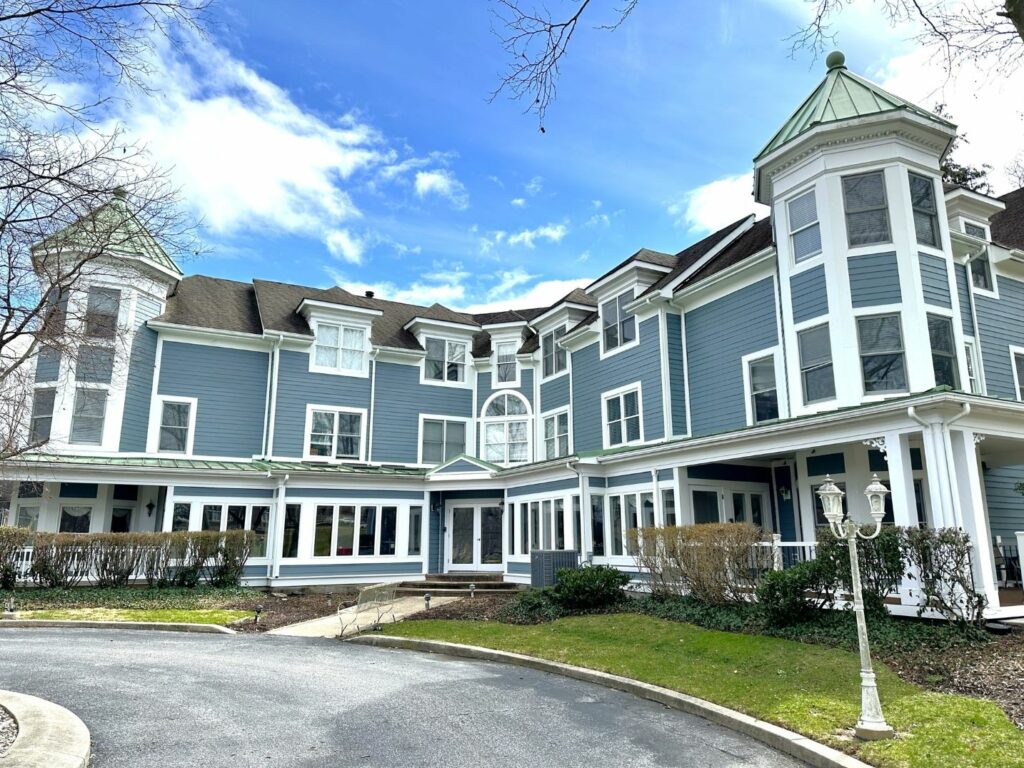

Places of interest near Brightview Towson
 14.8 miles from city center
 20 Burke Ave East, Towson, MD 21286
Calculate Travel Distance to Brightview Towson
Add your location
Guides for Better Senior Living
Care Cost Calculator: See Prices in Your Area
Nursing Home Data Explorer
Don’t Wait Too Long: 7 Red Flag Signs Your Parent Needs Assisted Living Now
The True Cost of Assisted Living in 2025 – And How Families Are Paying For It
Understanding Senior Living Costs: Pricing Models, Discounts & Financial Assistance





Financial Aid for Maryland Seniors
Get financial aid guidanceContact Us


Planning a tour? Check our touring checklist.

Thinking of living here? We can help you speak to a current resident

Looking for a job? Apply for Open Positions at Brightview Towson

Thinking about senior living? Use our bidding system to get competitive quotes from the best homes in your area.
Touring Checklist for Senior Living
Touring a community? Use this expert-backed checklist to stay organized, ask the right questions, and find the perfect fit.
Location
Community Spaces and Overall Environment
Services
Staffing
Accommodations
Finances
Other Notes
0/250
Send Checklist to Your Email
We'll send you a PDF version of the touring checklist.

Feedback