Carefield Pleasanton Memory Care
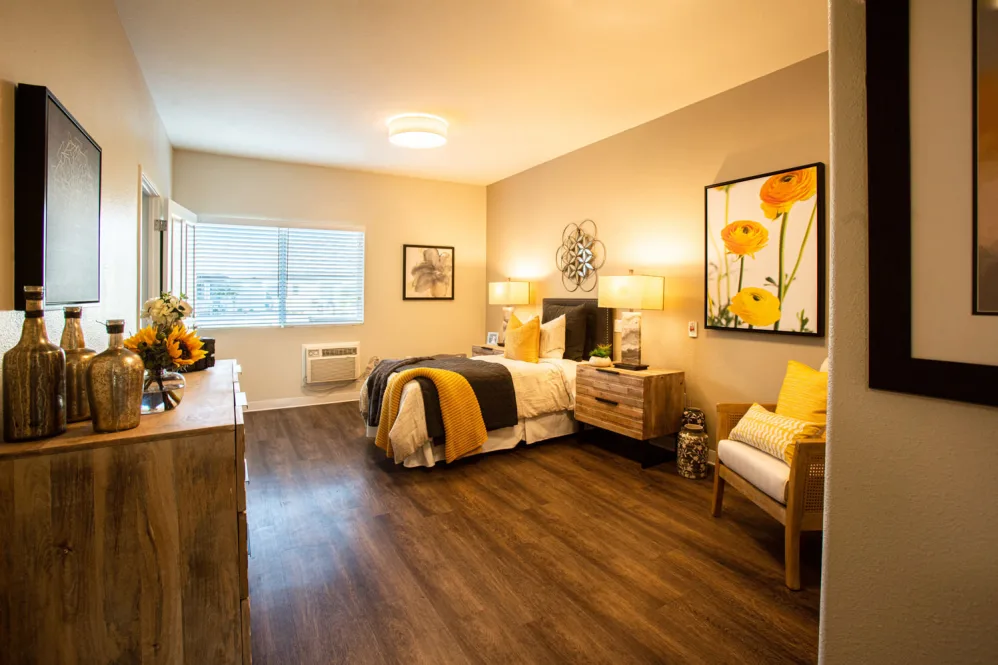


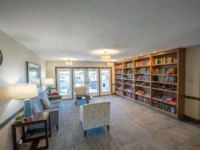
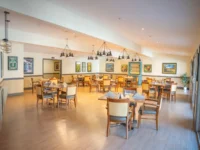
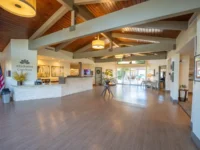

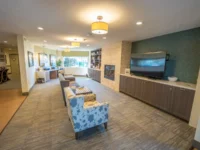

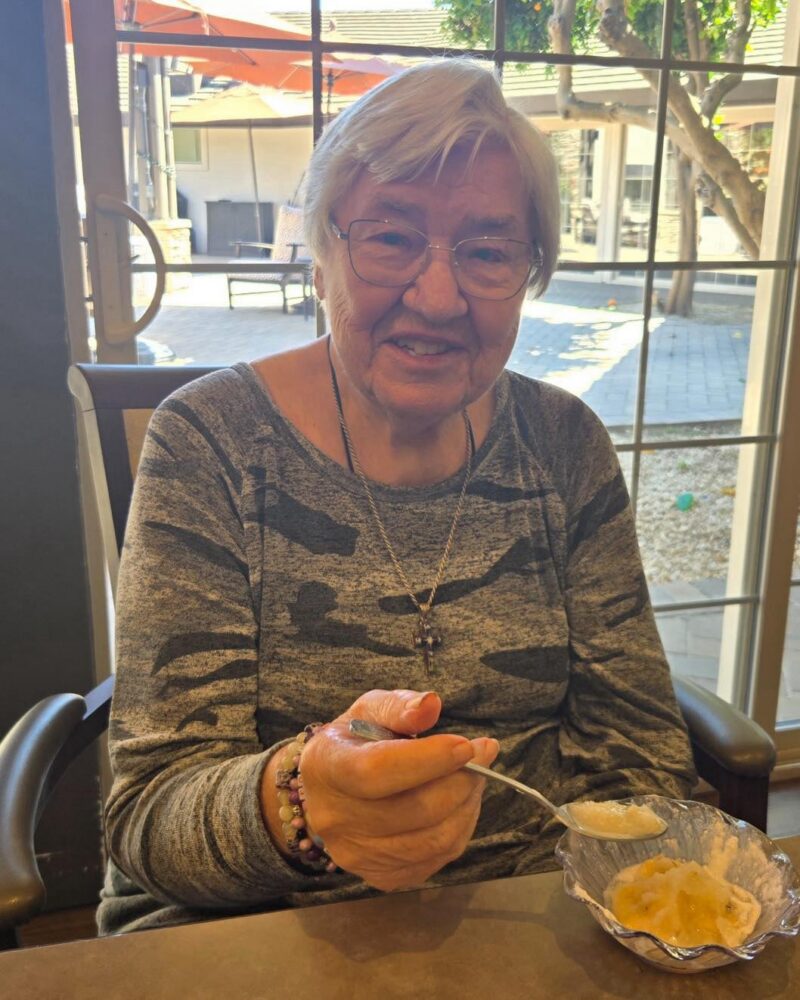


Carefield Pleasanton Memory Care


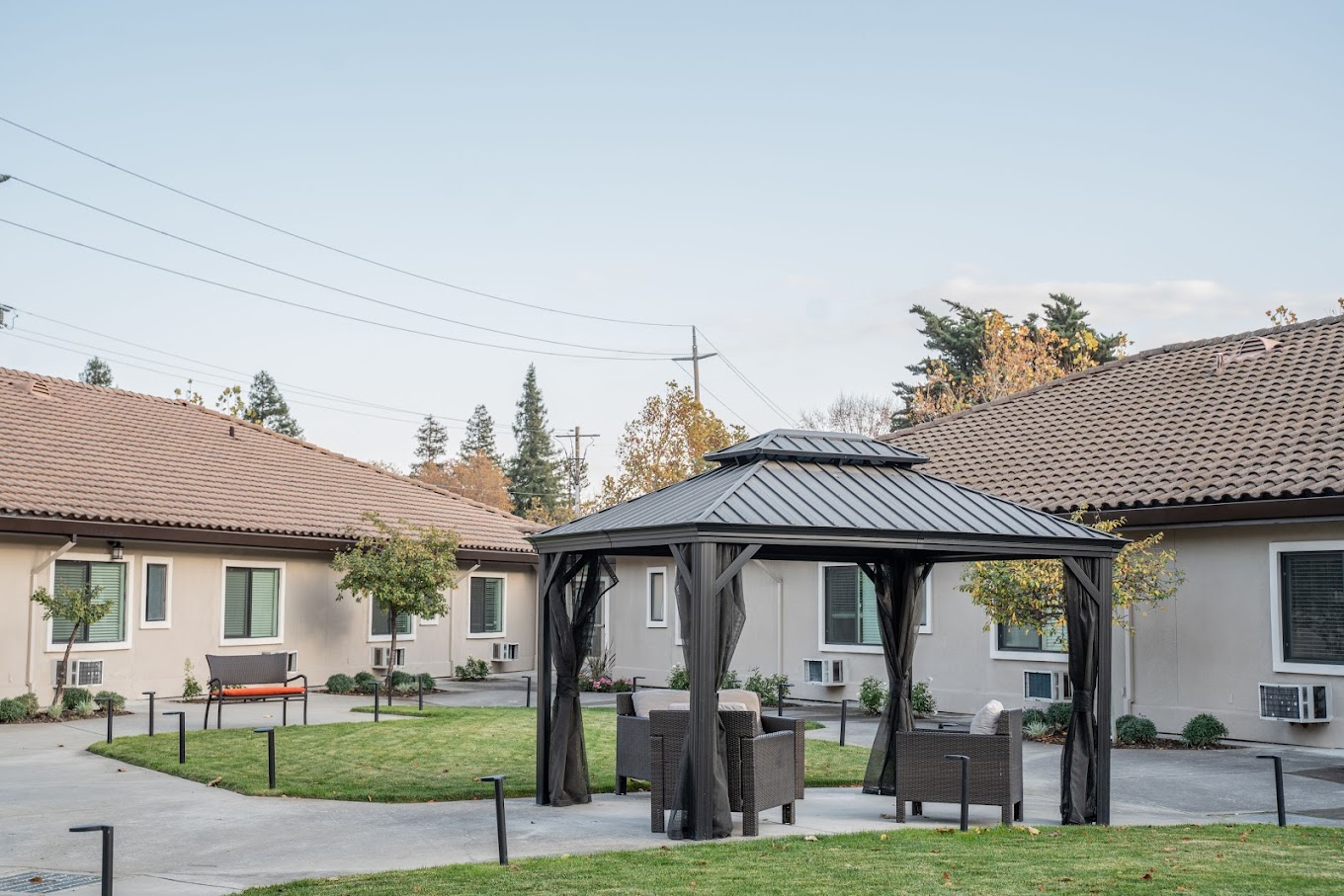
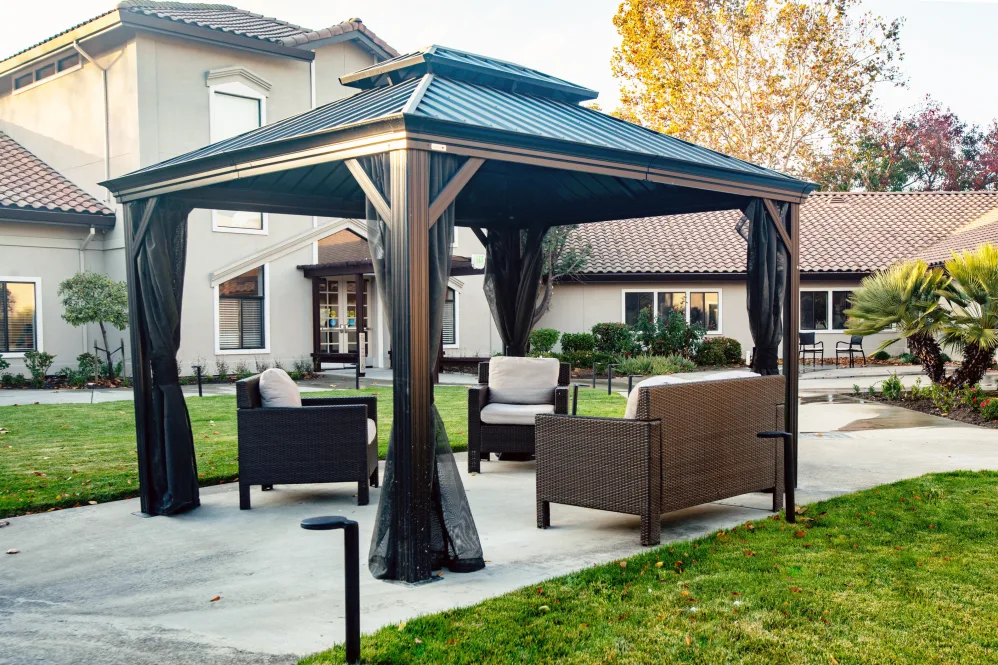
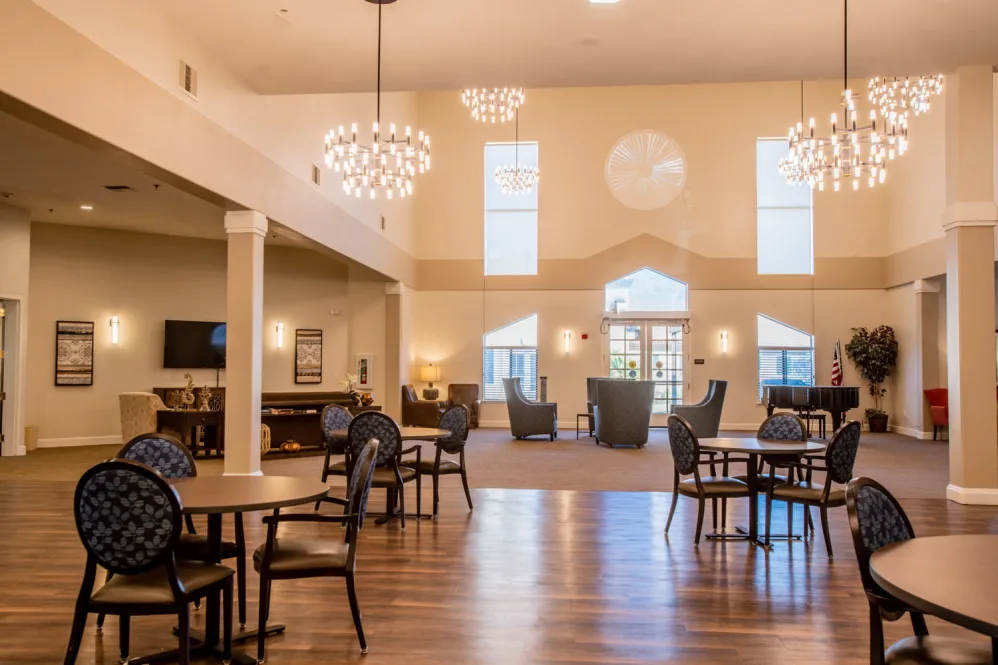
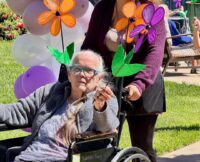
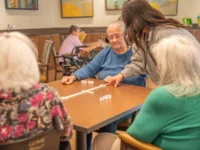
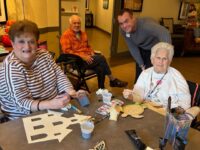
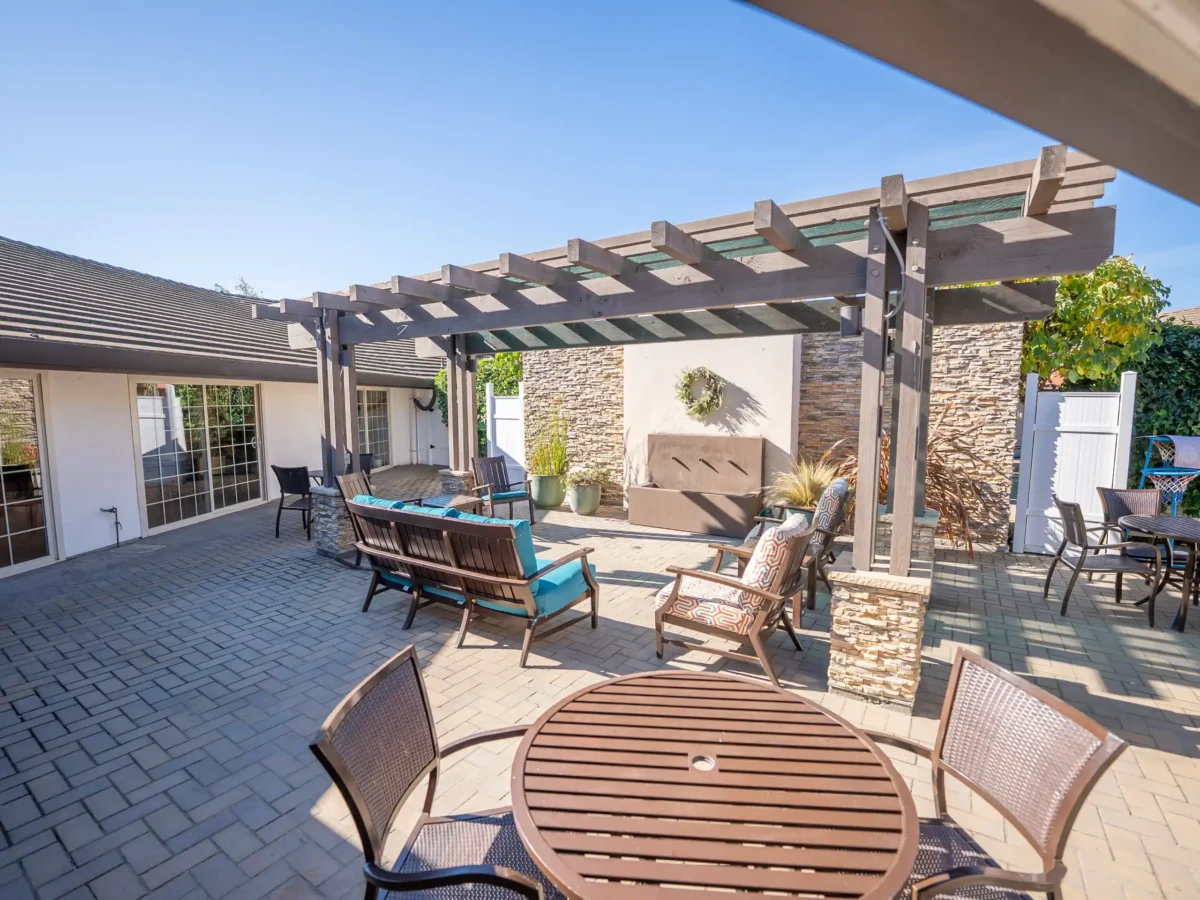
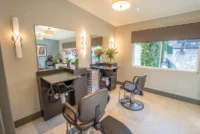
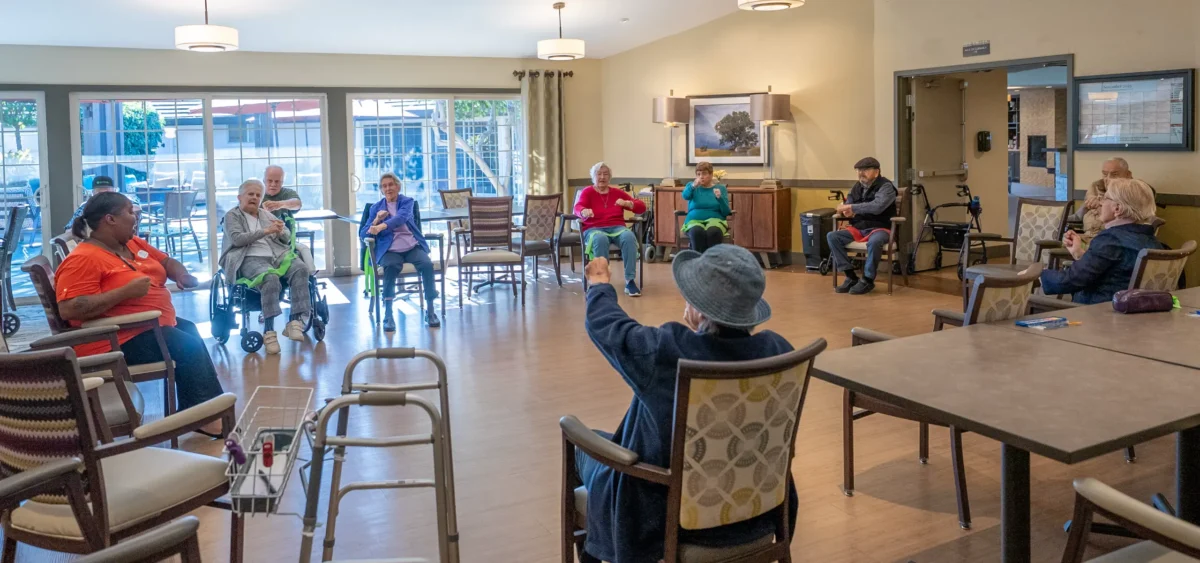
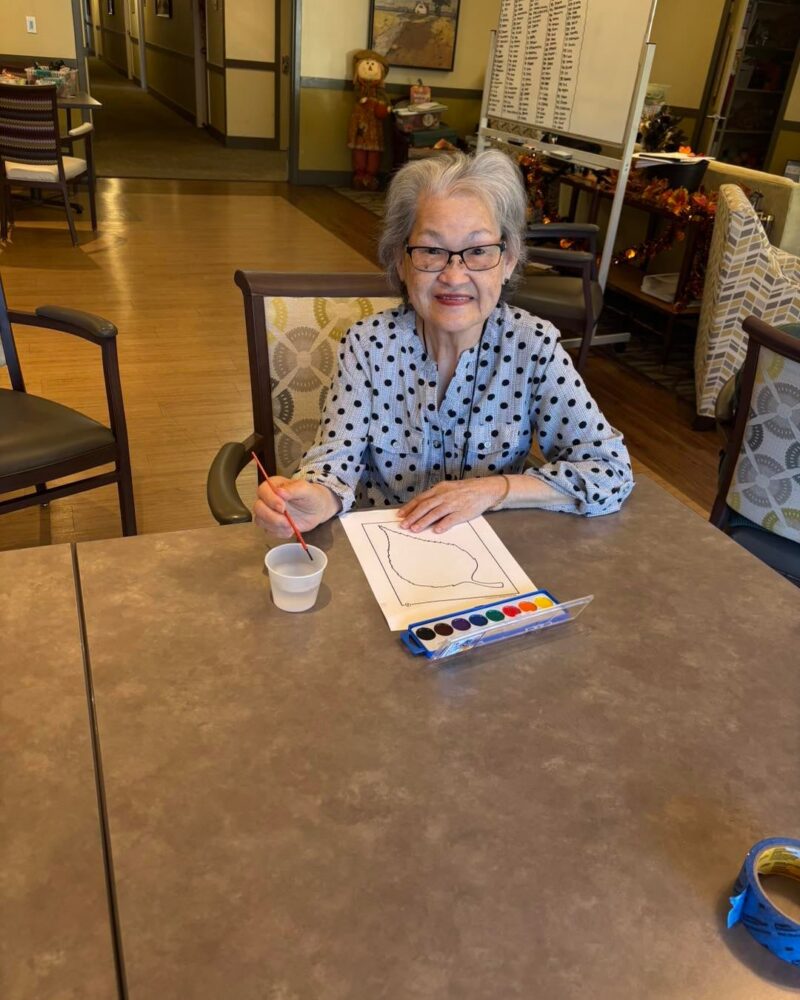
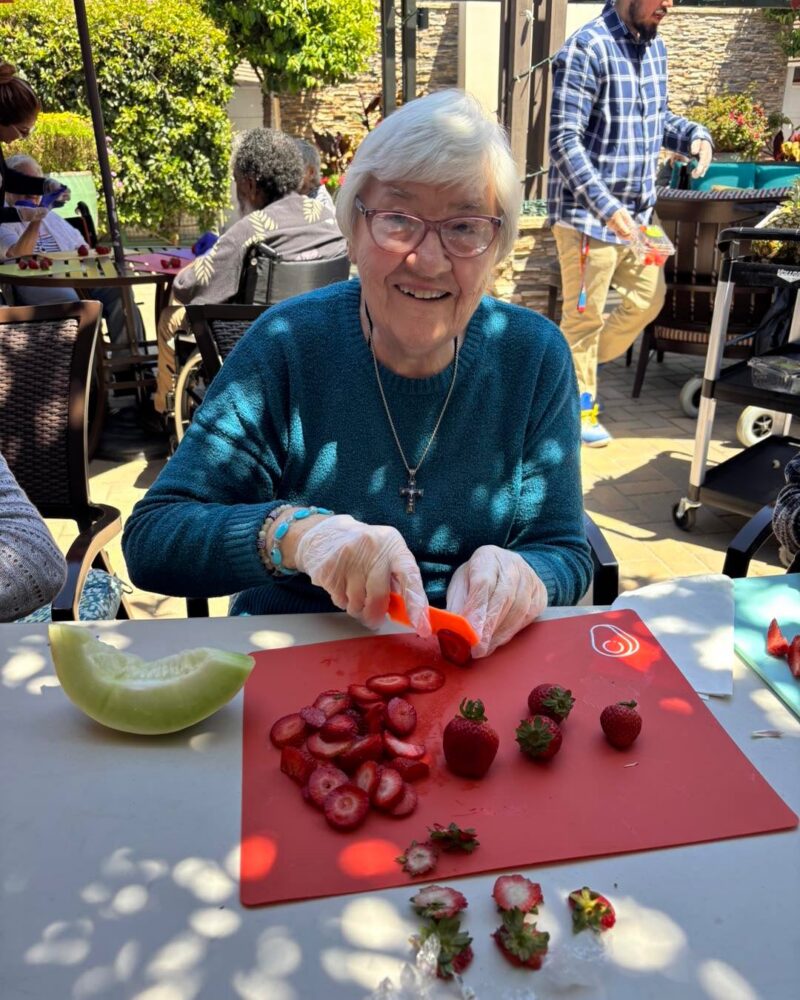
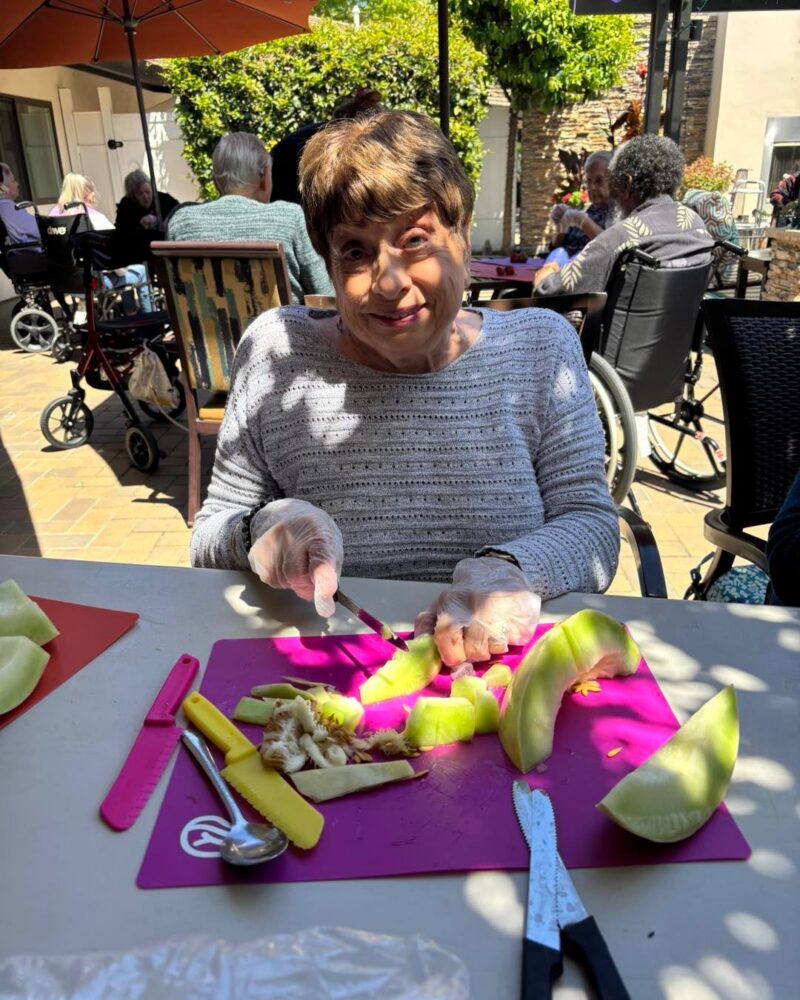
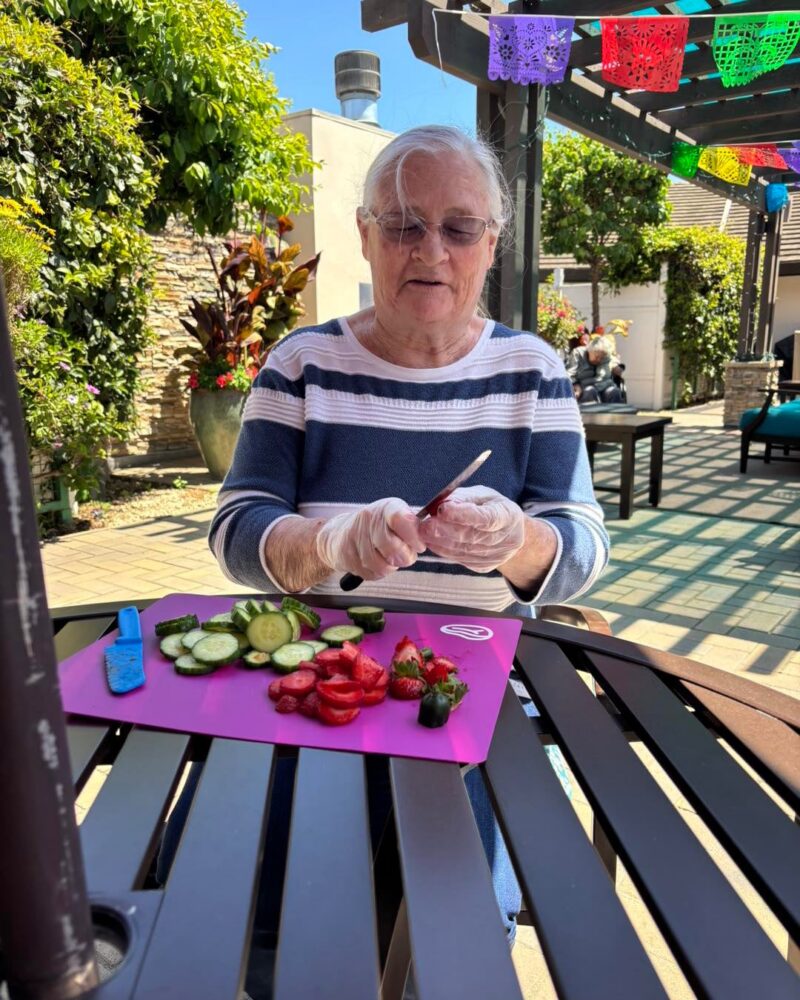
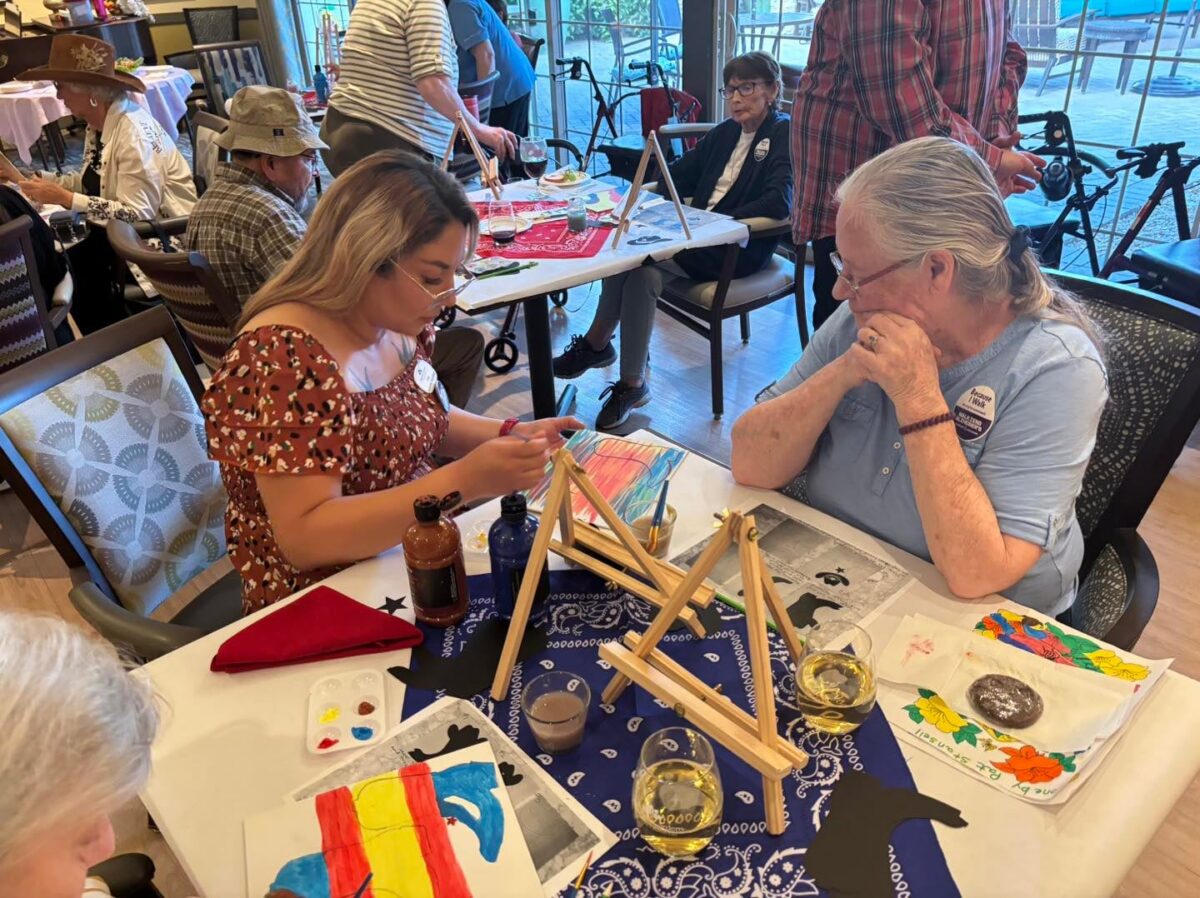
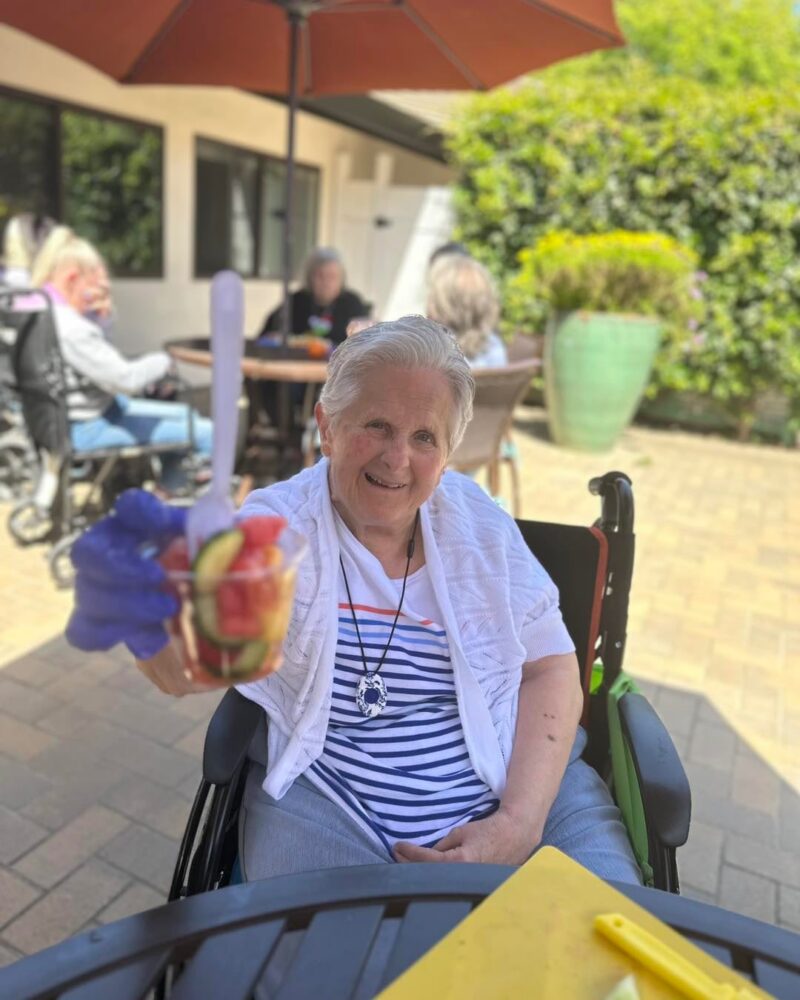
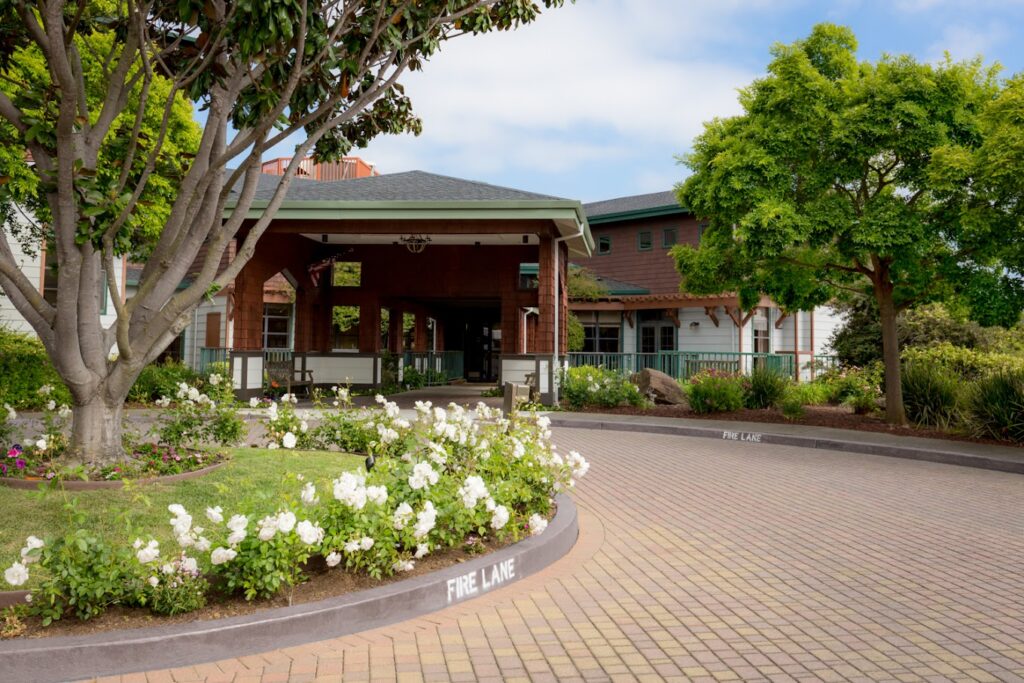
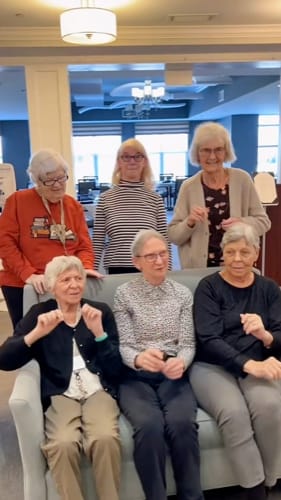
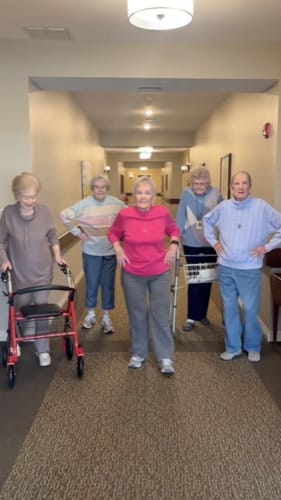
Carefield Pleasanton’s vision is to cultivate a community where seniors who require memory care thrive in a supportive and engaging environment. Located in Pleasanton, California, the community celebrates individuality while offering state-of-the-art programs and activities. Carefield Pleasanton aims to be an oasis of life enjoyment, fostering meaningful connections among residents, staff, friends, and family.
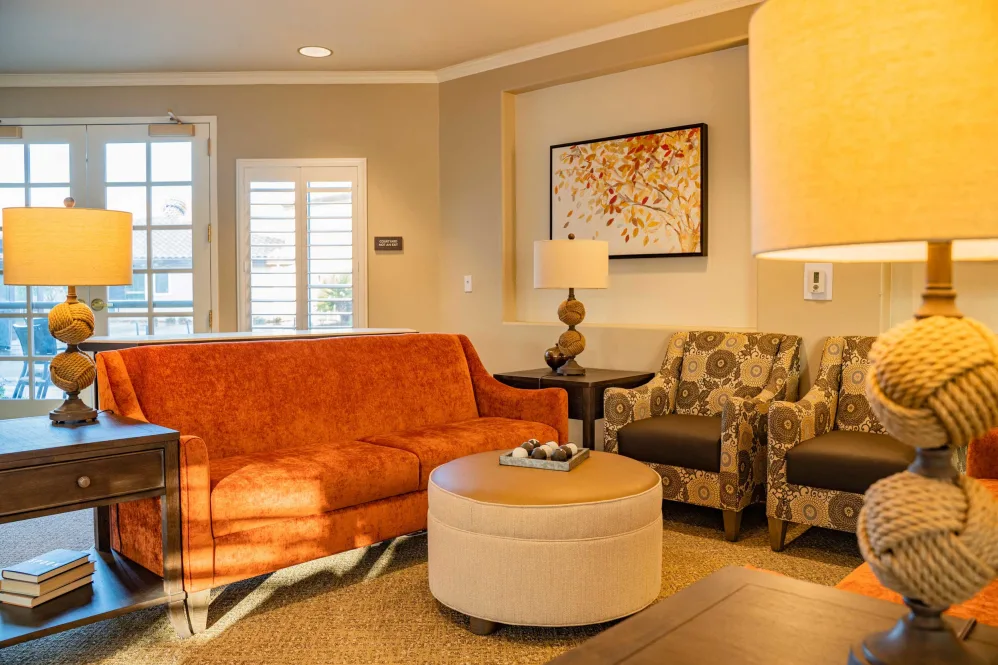
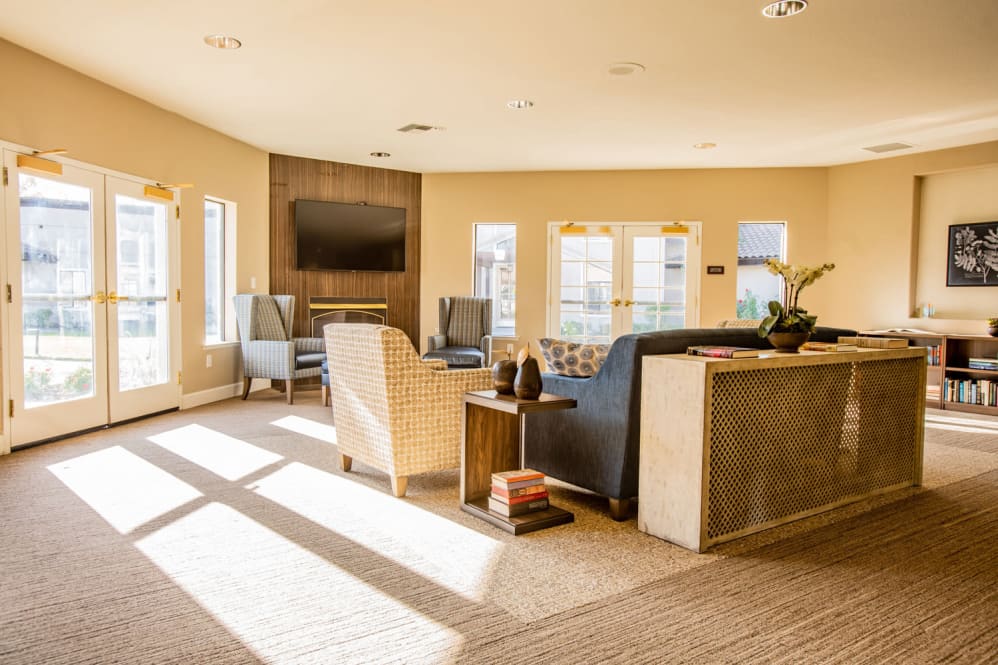
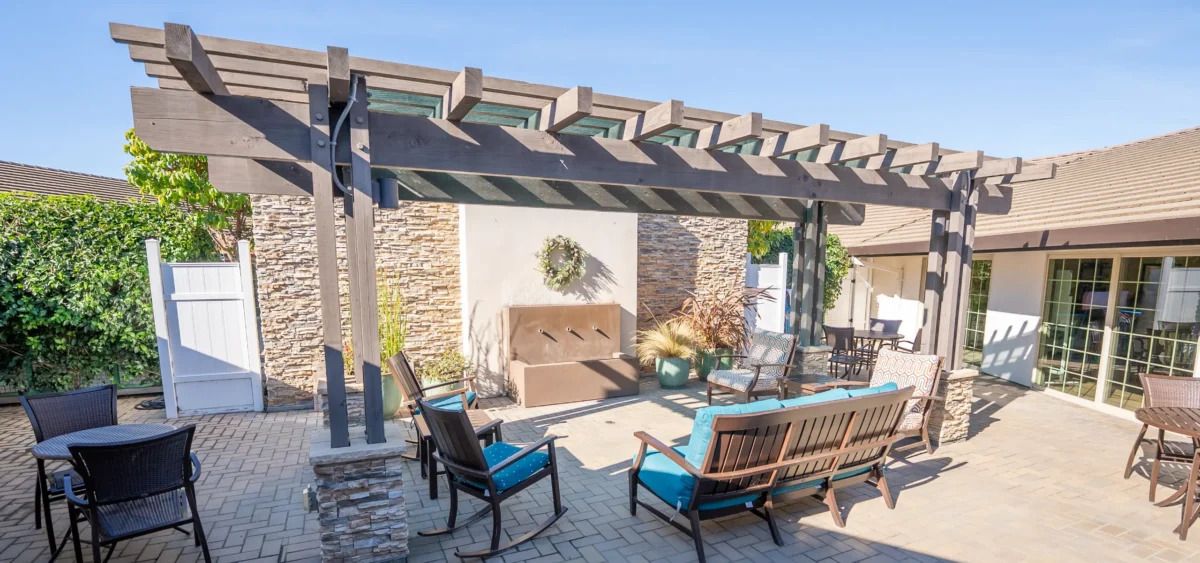
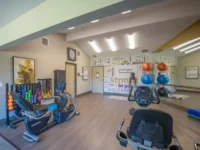
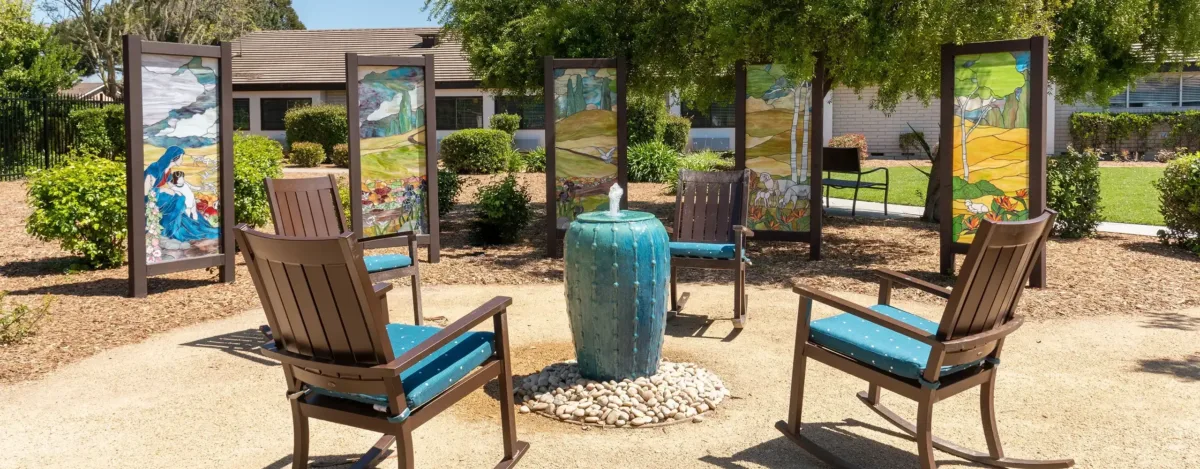
The community offers exemplary amenities and services to meet residents’ diverse needs. They ensure a comfortable and fulfilling lifestyle with 24-hour staffing, delicious meals, engaging programs, and beautiful outdoor spaces. Residents can enjoy social, cultural, and recreational activities, personalized care plans, and convenient transportation for medical appointments, all designed to promote well-being and happiness.

Eunice O’Farrell is the Executive Director at Carefield Pleasanton Memory Care. With over 15 years of senior living and skilled nursing experience, she has held diverse roles including HHA, CNA, and admissions coordinator. Eunice is deeply committed to senior care, inspired by her volunteer work with the Alzheimer’s Association. She values Carefield’s mission of exceptional resident care and employee support, and enjoys spending time with family, road trips, and California beaches.
Capacity and availability
Smaller home
May offer a more intimate, personalized care environment.
This home usually has availability
Lower occupancy suggests more openings may be available.


About this community
 LICENSED
Additional licensing details

Ownership & operating entity
Carefield Pleasanton Memory Care is legally operated by SH 10 PLEASANTON OPCO, LLC ; CRFLD MANAGEMENT, LLC.
Safety & Compliance
Care Services
All Levels of Care
Amenities & Lifestyle
Programs & Activities
Pricing & Financial Information
What does this home offer?

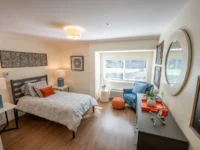
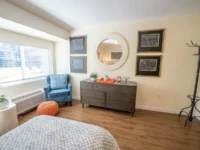
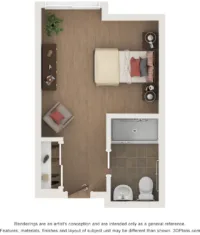
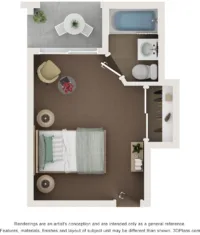
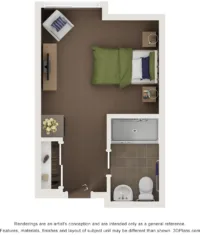
Housing Options: Studio

Building Type: Single-story

Transportation Services

Fitness and Recreation
Types of Care at Carefield Pleasanton Memory Care
Inspection History
In California, the Department of Social Services (for assisted living facilities) and the Department of Public Health (for nursing homes) conduct inspections to ensure resident safety and regulatory compliance.
12 visits

Breakdown by visit type
5 total complaint visits
7 other visits
 Other visits include regulatory visits that are not routine inspections or complaint investigations, such as administrative check-ins, follow-up reviews, or licensing-related visits.
 Show Inspection Reports
4 complaint investigations
Investigations can have many visits.
4 official inspections
12 total citations
Citations indicate regulatory violations. A higher number implies the facility had several areas requiring improvement.
5 serious citations
A violation that poses an immediate risk to resident health or safety, or represents a substantial failure to comply with licensing requirements.
7 moderate citations
A violation that does not pose an immediate risk to resident health or safety but requires correction to remain in compliance.
Latest inspection
12 deficiencies
Deficiencies indicate regulatory issues. A higher number implies the facility had several areas requiring improvement.
Inspection Report Summary for Carefield Pleasanton Memory Care
Most inspections found deficiencies, with issues primarily related to staff fingerprint clearance, training, and safety concerns such as hot water temperature and resident supervision. Several complaint investigations were unsubstantiated, including allegations about visitation restrictions and medication errors. The facility received a $500 civil penalty in January 2024 for employing a staff member without fingerprint clearance. The most recent report from August 12, 2025, cited a deficiency for hot water temperature exceeding allowed limits, posing an immediate health and safety risk. There is no clear pattern of improvement or decline, as deficiencies have appeared intermittently over time.
Compare Memory Care around California
The information below is reported by the California Department of Social Services and Department of Public Health.Assisted Living For seniors needing help with daily tasks but not full-time nursing.
Independent Living For self-sufficient seniors seeking community and minimal assistance.
Memory Care Specialized care for those with Memory Loss, Alzheimer's, or dementia, ensuring safety and support.
Nursing Homes 24/7 care needed
 -7%
-7%Assisted Living For seniors needing help with daily tasks but not full-time nursing.
Independent Living For self-sufficient seniors seeking community and minimal assistance.
Memory Care Specialized care for those with Memory Loss, Alzheimer's, or dementia, ensuring safety and support.
Nursing Homes 24/7 care needed
-30%Assisted Living For seniors needing help with daily tasks but not full-time nursing.
Memory Care Specialized care for those with Memory Loss, Alzheimer's, or dementia, ensuring safety and support.
-29%Assisted Living For seniors needing help with daily tasks but not full-time nursing.
Independent Living For self-sufficient seniors seeking community and minimal assistance.
Memory Care Specialized care for those with Memory Loss, Alzheimer's, or dementia, ensuring safety and support.
Nursing Homes 24/7 care needed
-31%Assisted Living For seniors needing help with daily tasks but not full-time nursing.
Independent Living For self-sufficient seniors seeking community and minimal assistance.
Memory Care Specialized care for those with Memory Loss, Alzheimer's, or dementia, ensuring safety and support.
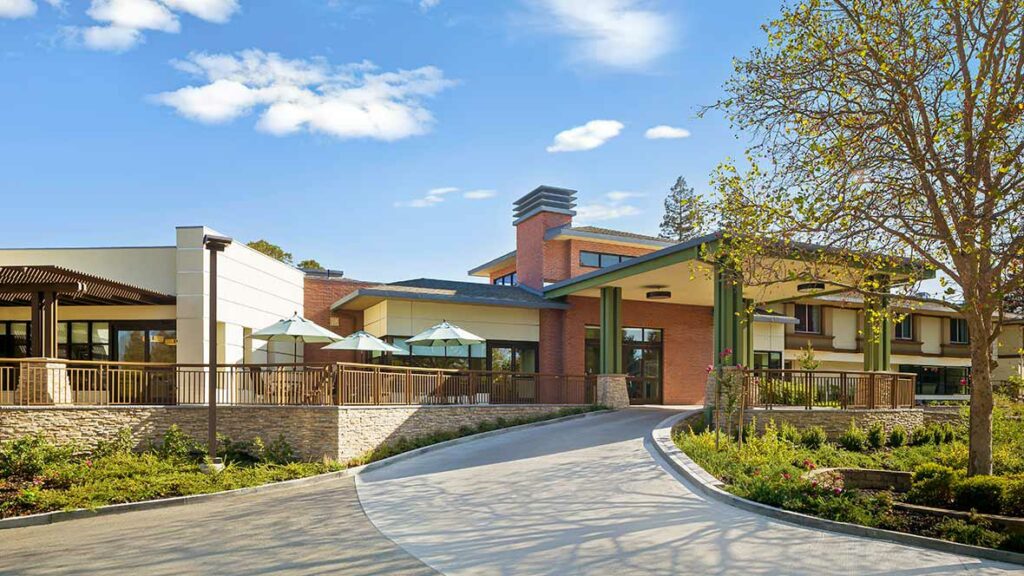 Atria Walnut Creek -7%
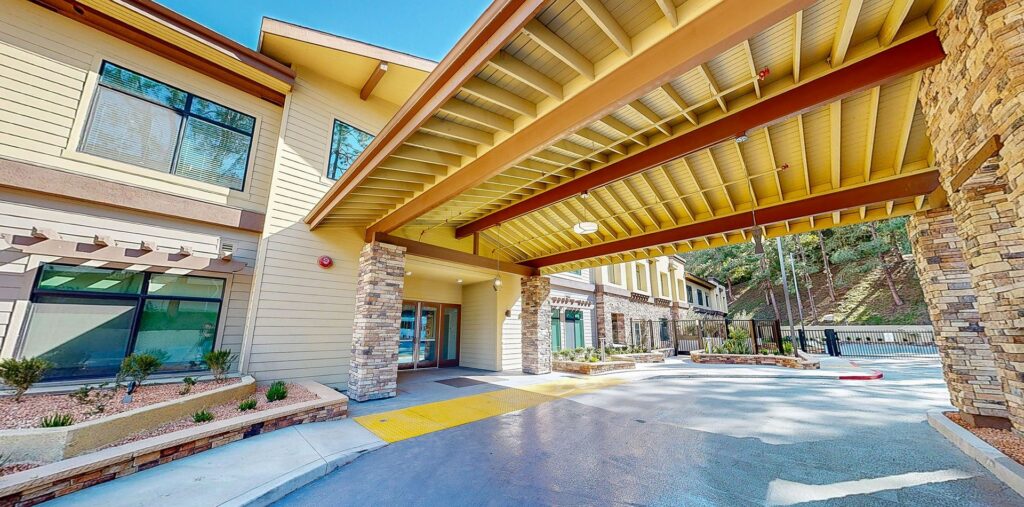 Peninsula Pointe by Cogir -30%
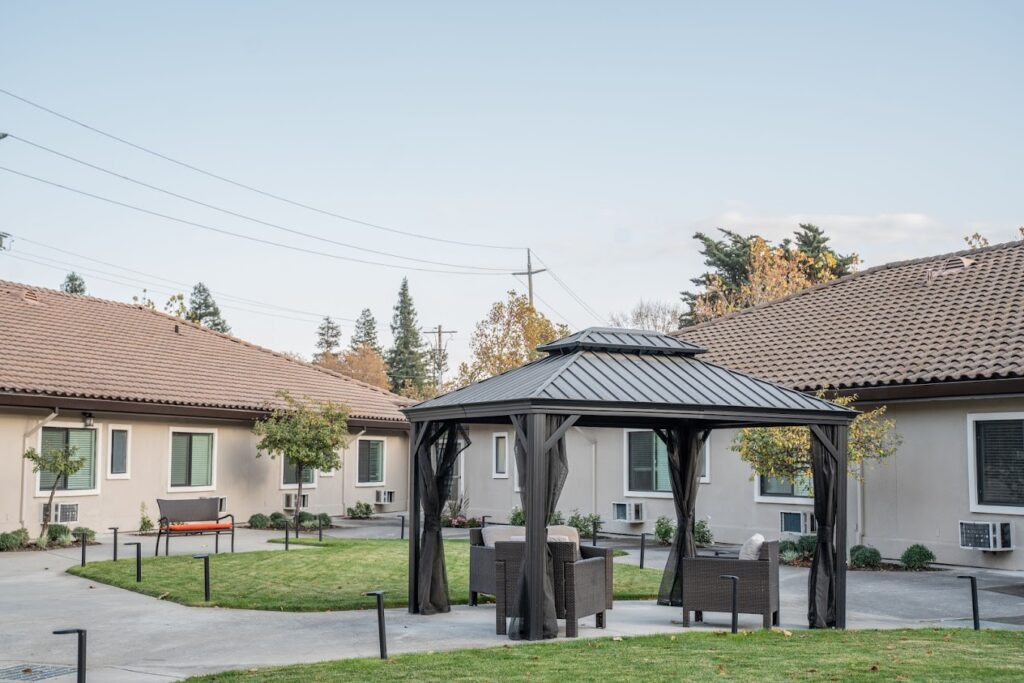 Carefield Pleasanton Memory Care -29%
 Cogir of Vallejo Hills -31%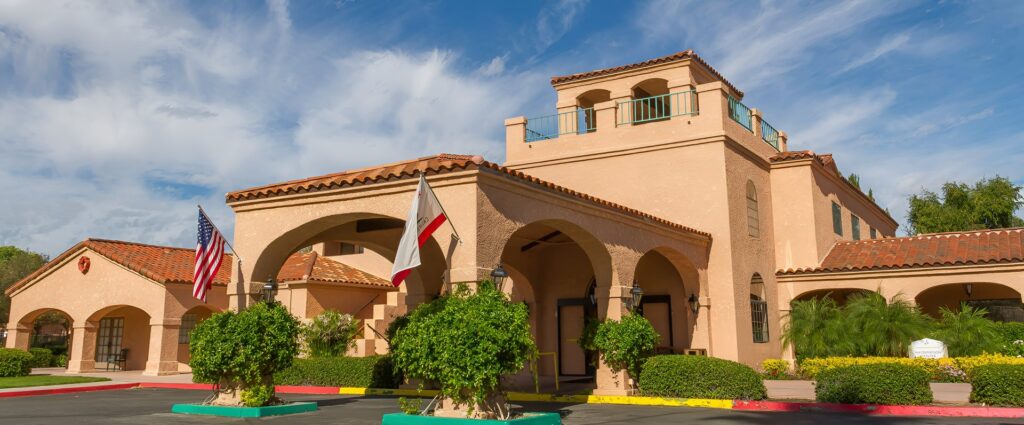
Living Spaces & Floor Plans
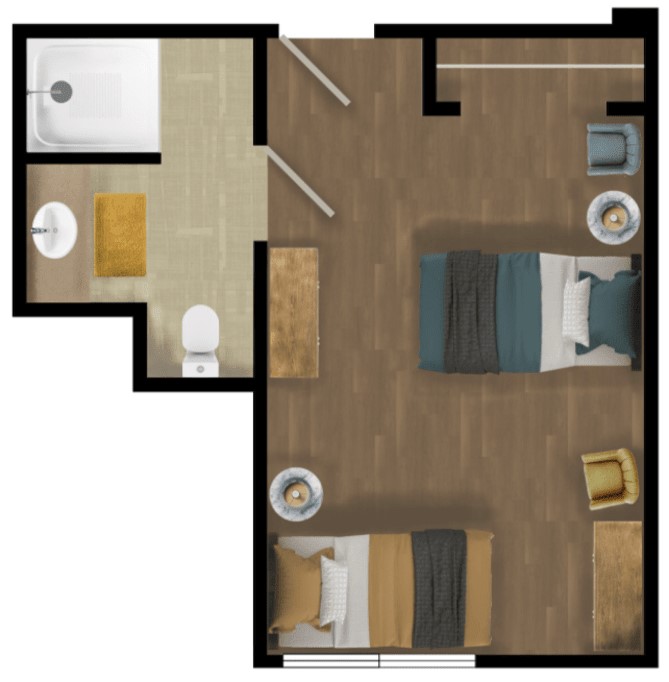
Carefield Pleasanton Memory Care 2
Places of interest near Carefield Pleasanton Memory Care
 1.6 miles from city center — 10.81 miles to nearest hospital (Neurology: Fremont Center: Palo Alto Medical Foundation)
 4115 Mohr Ave, Pleasanton, CA 94566
Calculate Travel Distance to Carefield Pleasanton Memory Care
Add your location
Guides for Better Senior Living
Care Cost Calculator: See Prices in Your Area
Nursing Home Data Explorer
Don’t Wait Too Long: 7 Red Flag Signs Your Parent Needs Assisted Living Now
The True Cost of Assisted Living in 2025 – And How Families Are Paying For It
Understanding Senior Living Costs: Pricing Models, Discounts & Financial Assistance

Financial Aid for California Seniors
Get financial aid guidanceContact Us
Your Senior Care Partner, Every Step of the Way
We help families find affordable senior communities and unlock same day discounts, Medicaid, and Medicare options tailored to your needs.
Contact us Today


Touring Checklist for Senior Living
Touring a community? Use this expert-backed checklist to stay organized, ask the right questions, and find the perfect fit.
Location
Community Spaces and Overall Environment
Services
Staffing
Accommodations
Finances
Other Notes
Send Checklist to Your Email
We'll send you a PDF version of the touring checklist.