
Explore Open Rooms
Thank you for your interest!
Our team will be in touch shortly to help with next steps.
Independent Living in Paterson
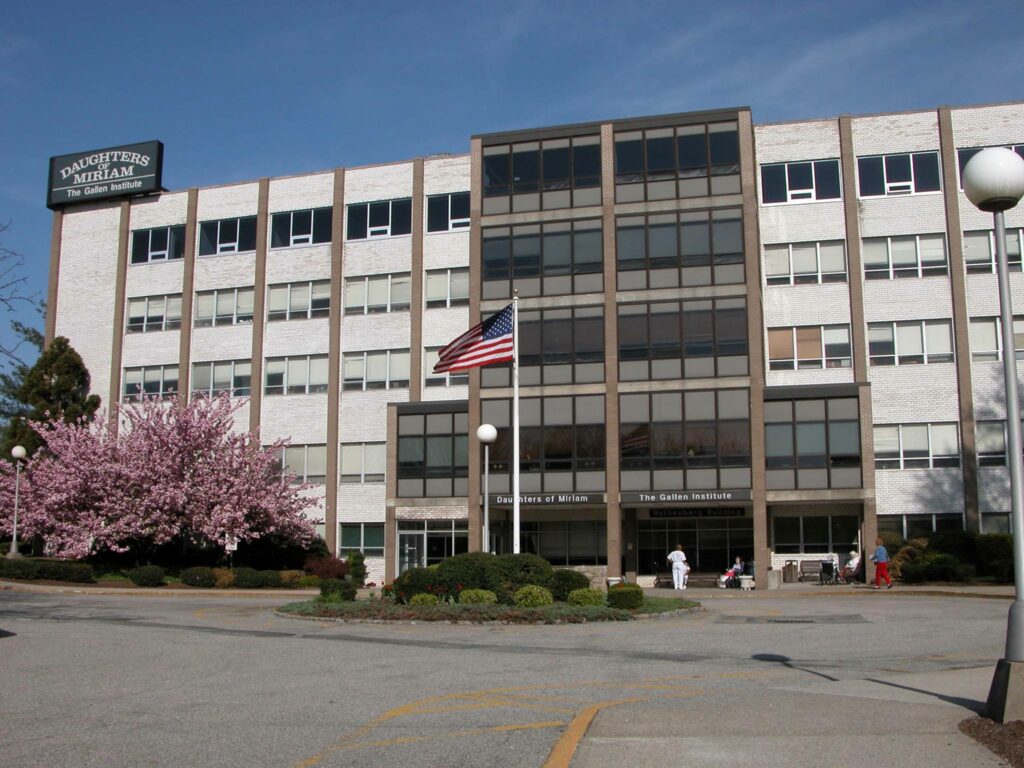
Daughters of Miriam Center
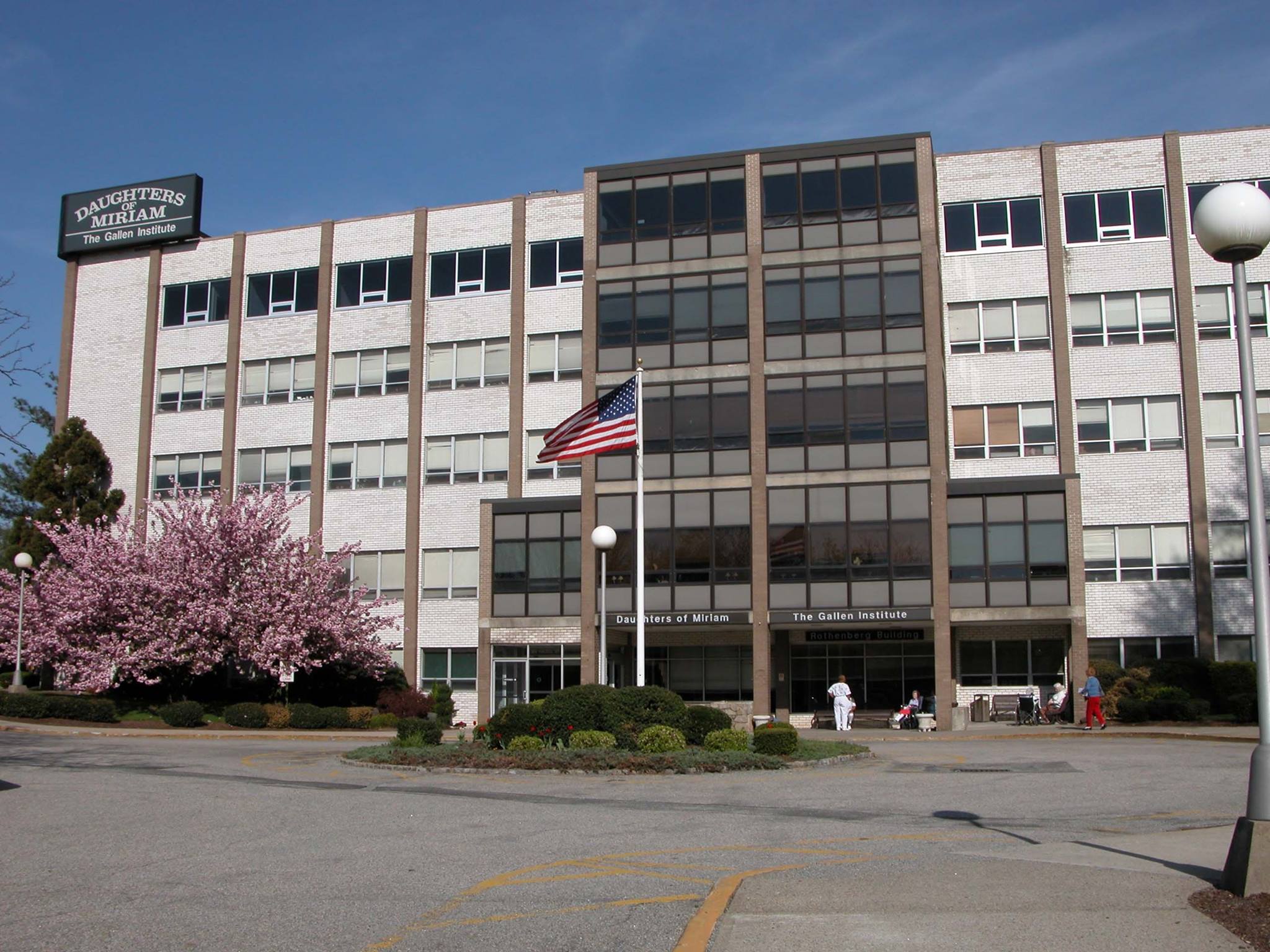


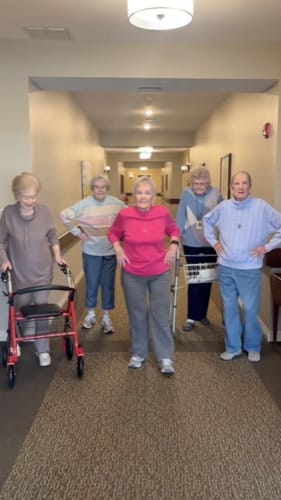
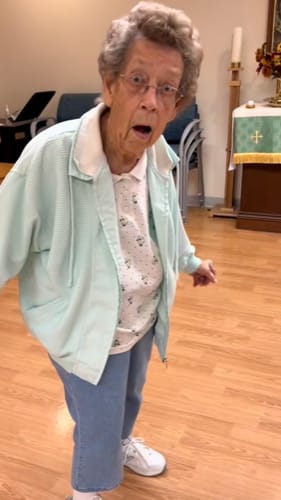
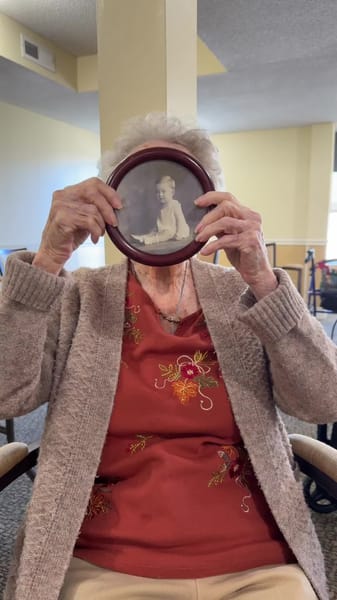
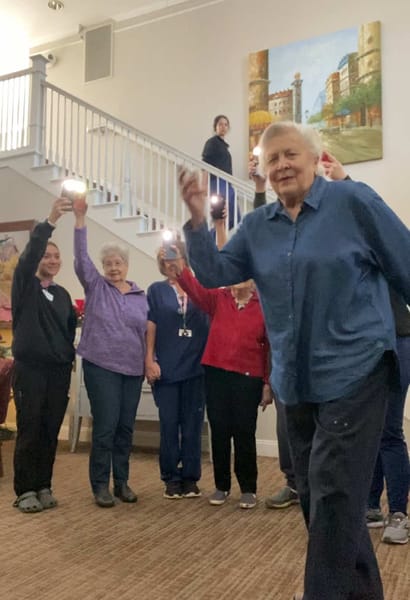
Daughters of Miriam Center (DMC) located in the suburban town of Clifton, New Jersey, is a 501(c)(3) not-for-profit facility. Accessible from the Garden State Parkway, DMC is committed to offering a range of services for the aged, infirm, and handicapped individuals. Since 1968, the center has maintained a steadfast commitment to high-quality housing solutions for the elderly. The Esther and Sam Schwartz Building, also known as the Miriam Apartments, constructed with assistance from the U.S. Department of Housing and Urban Development (HUD), serves those of 62 years and over or those with mobility impairments, regardless of race, color, creed, national origin, sex, or disability.
The center offers independent living with supportive services through the Esther and Sam Schwartz Building also known as the Miriam Apartments. These independent living homes provide tenants the perk of autonomous living within an apartment setting, along with the safety and companionship of community living. A legacy of over half a century in senior care enables Daughters of Miriam Center to offer a life of independence accompanied by dignity.


About this community
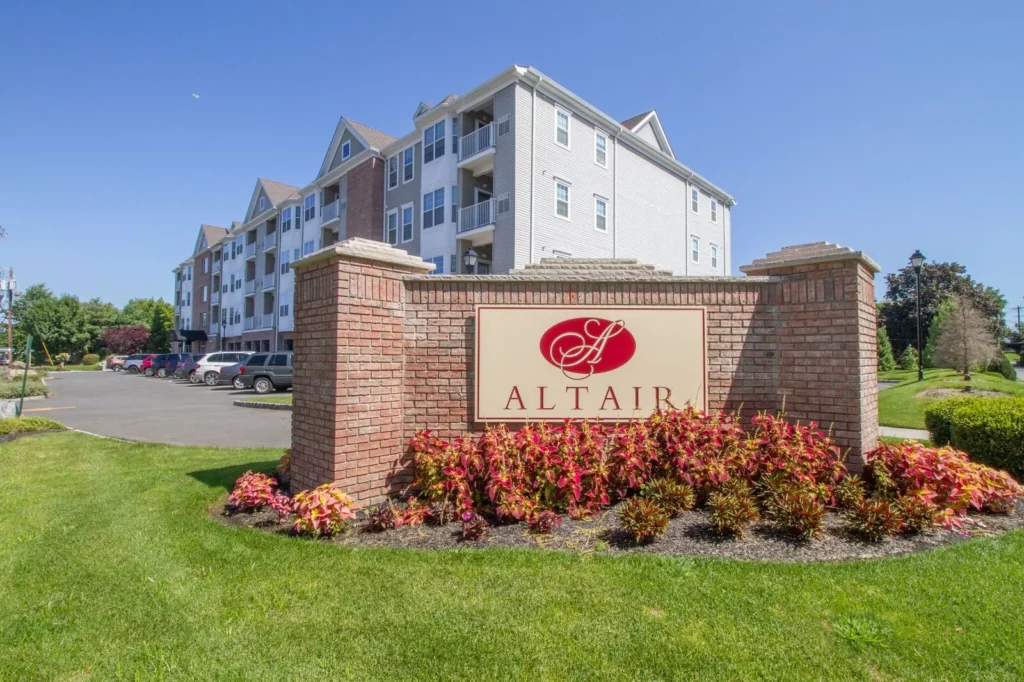
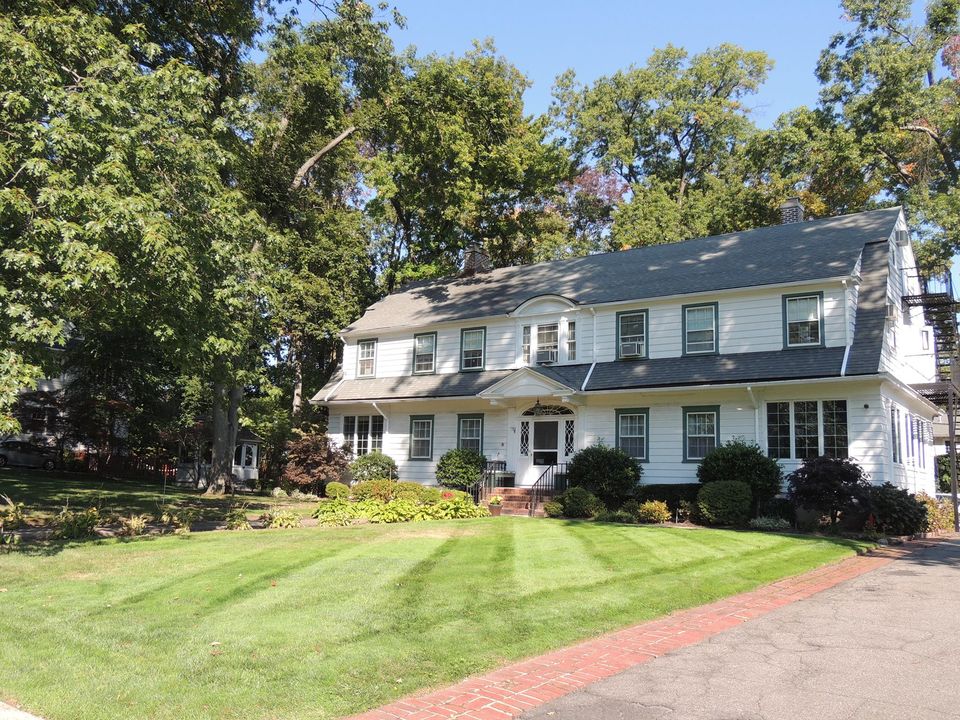
Compare Independent Living around Paterson The information below is reported by the New Jersey Department of Health, Health Facilities Evaluation and Licensing.
Assisted Living A licensed, long-term care setting for seniors or individuals with disabilities who need help with daily activities — like bathing, dressing, and medication management — but not 24-hour skilled nursing. Offers housing, meals, and around-the-clock support while aiming to maximize resident independence.
Assisted Living A licensed, long-term care setting for seniors or individuals with disabilities who need help with daily activities — like bathing, dressing, and medication management — but not 24-hour skilled nursing. Offers housing, meals, and around-the-clock support while aiming to maximize resident independence.
Assisted Living A licensed, long-term care setting for seniors or individuals with disabilities who need help with daily activities — like bathing, dressing, and medication management — but not 24-hour skilled nursing. Offers housing, meals, and around-the-clock support while aiming to maximize resident independence.
Guides for Better Senior Living
Care Cost Calculator: See Prices in Your Area
Nursing Home Data Explorer
Don’t Wait Too Long: 7 Red Flag Signs Your Parent Needs Assisted Living Now
The True Cost of Assisted Living in 2025 – And How Families Are Paying For It
Understanding Senior Living Costs: Pricing Models, Discounts & Financial Assistance
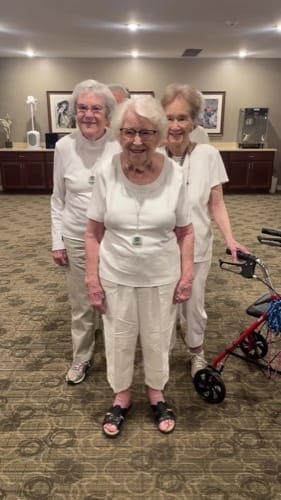


Financial Aid for New Jersey Seniors
Get financial aid guidanceContact Us


Touring Checklist for Senior Living
Touring a community? Use this expert-backed checklist to stay organized, ask the right questions, and find the perfect fit.
Location
Community Spaces and Overall Environment
Services
Staffing
Accommodations
Finances
Other Notes
Send Checklist to Your Email
We'll send you a PDF version of the touring checklist.