

Occupancy rate
62%
 9% lower than Indiana average
Indiana average: 68%

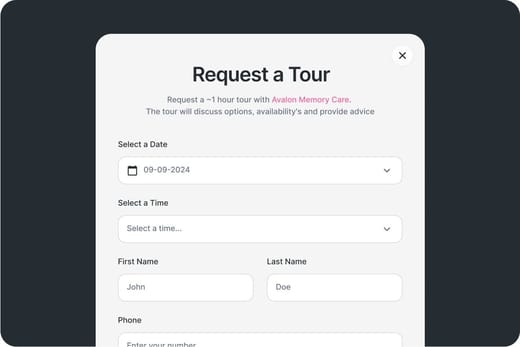
We arrange tours, appointments, and even moving support so you don’t have to

Thank you for your interest!
Our team will be in touch shortly to help with next steps.
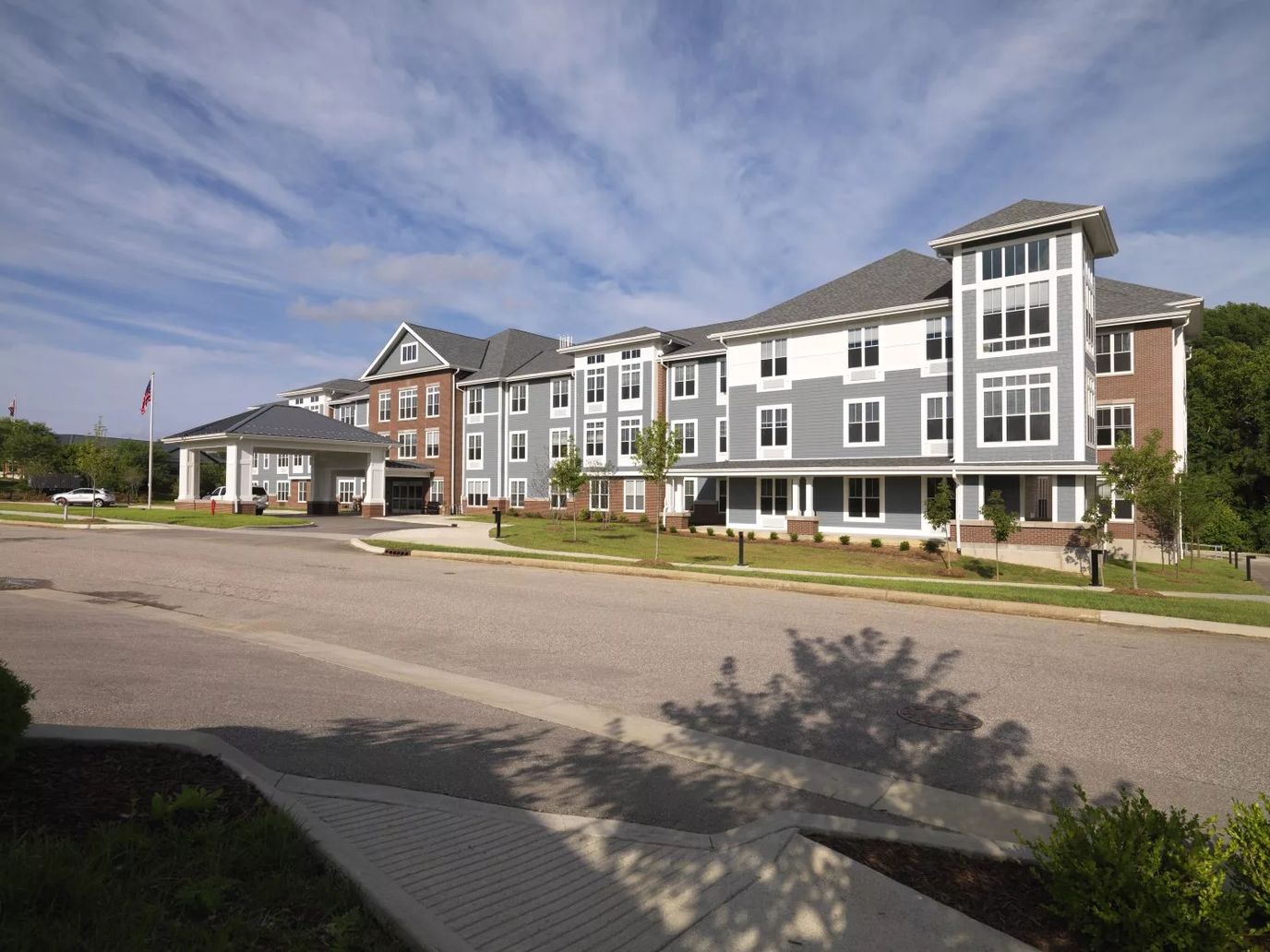
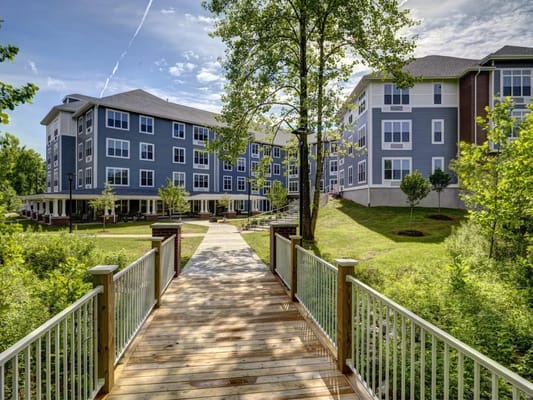
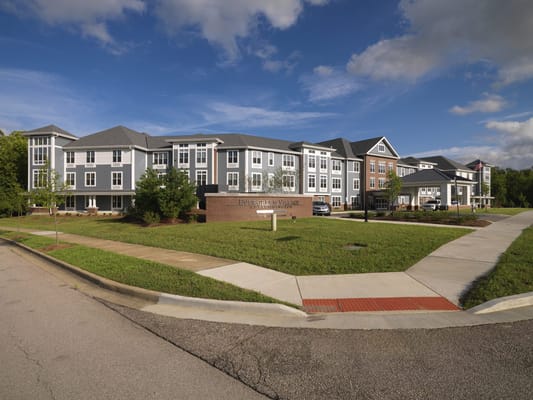
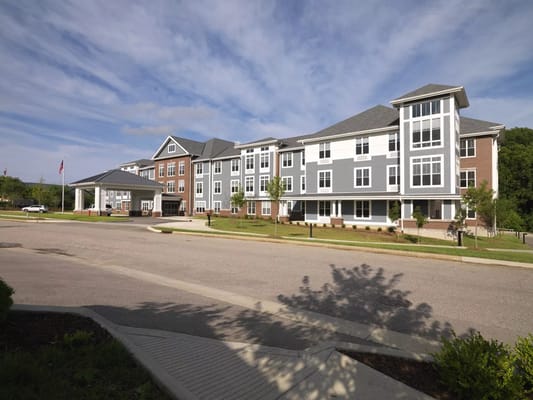
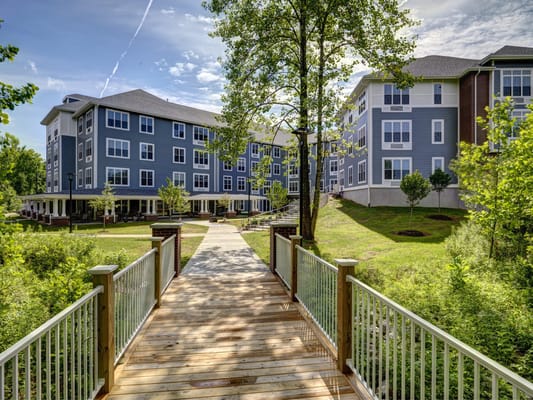
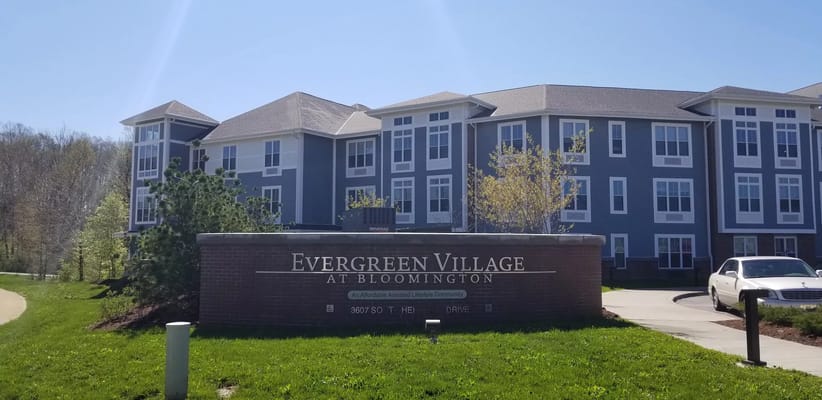
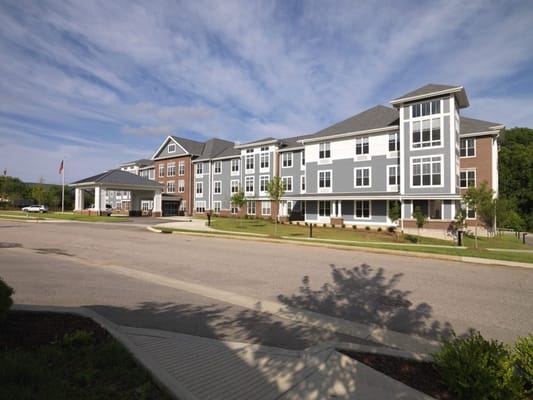
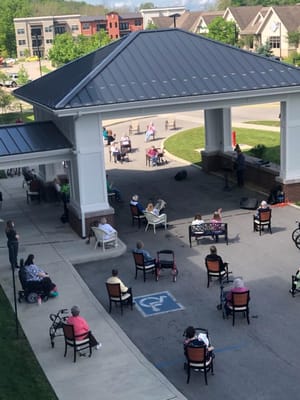
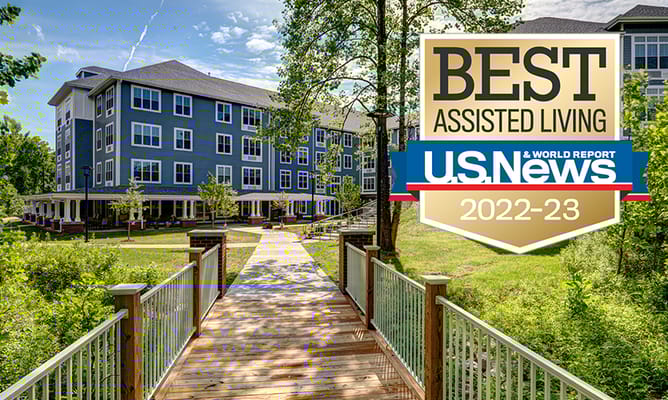
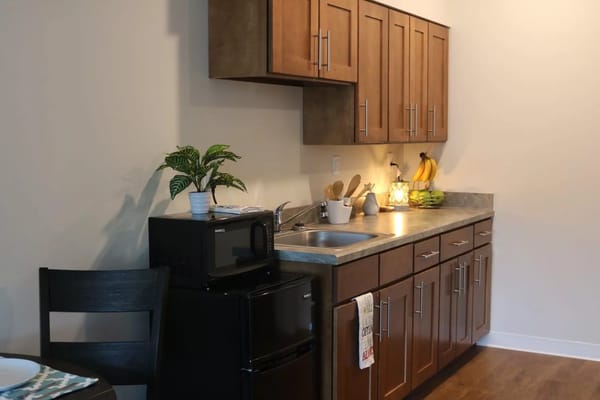
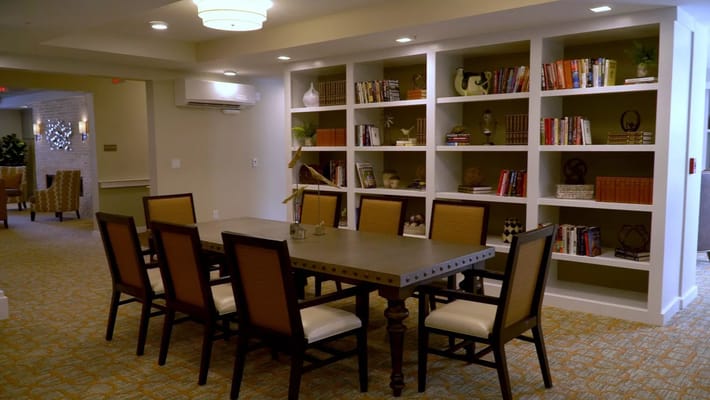
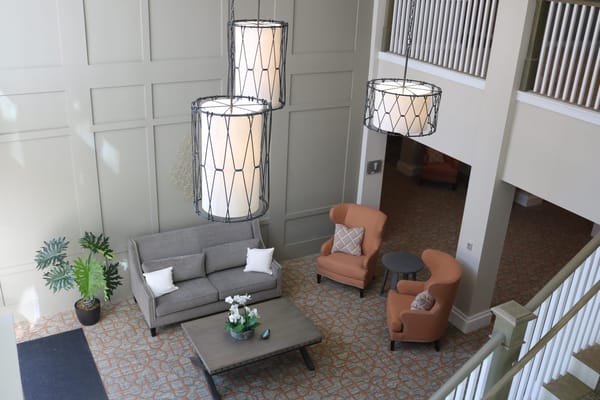
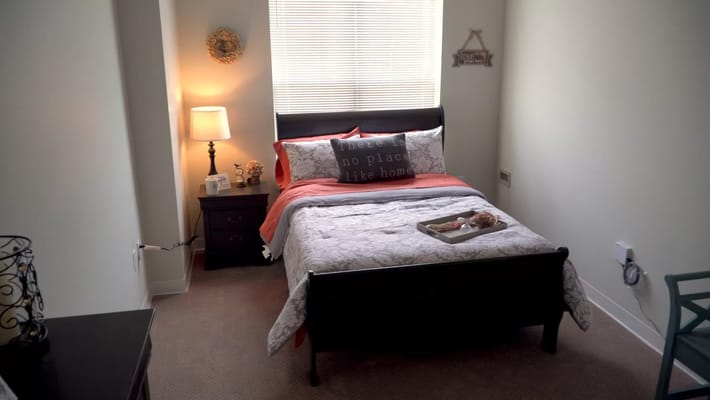
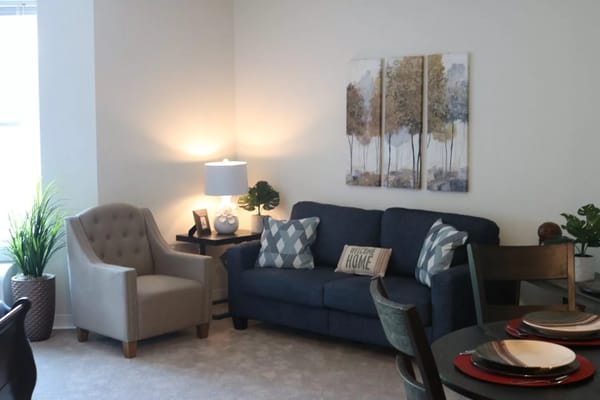
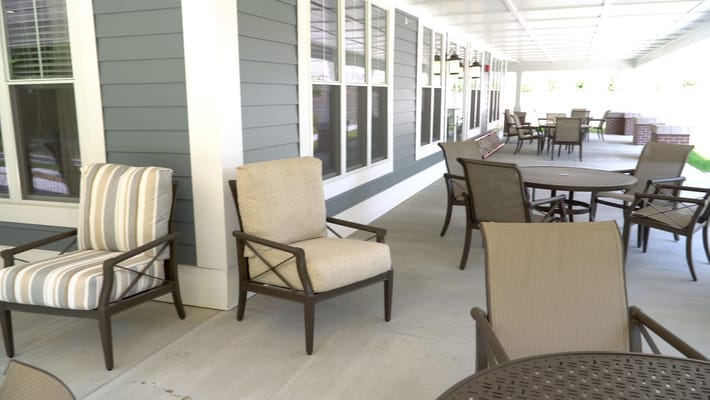

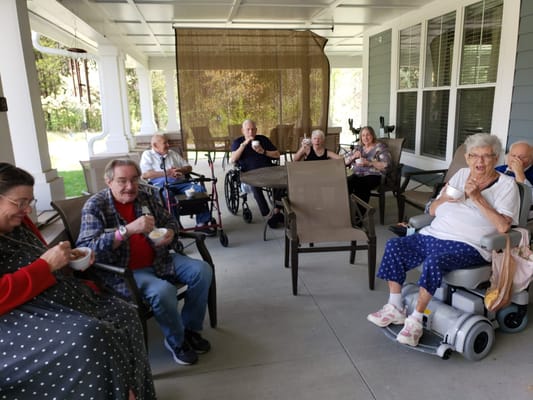
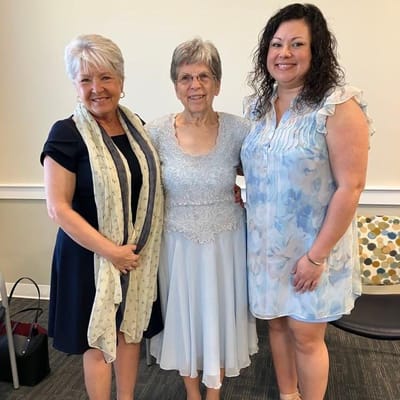




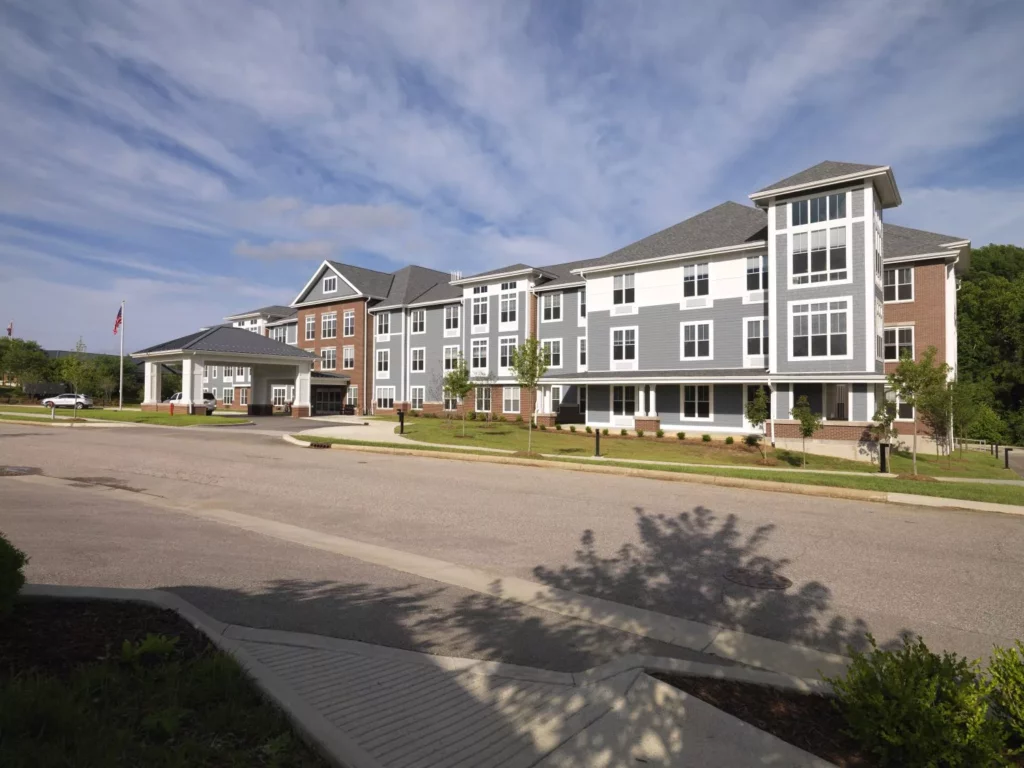
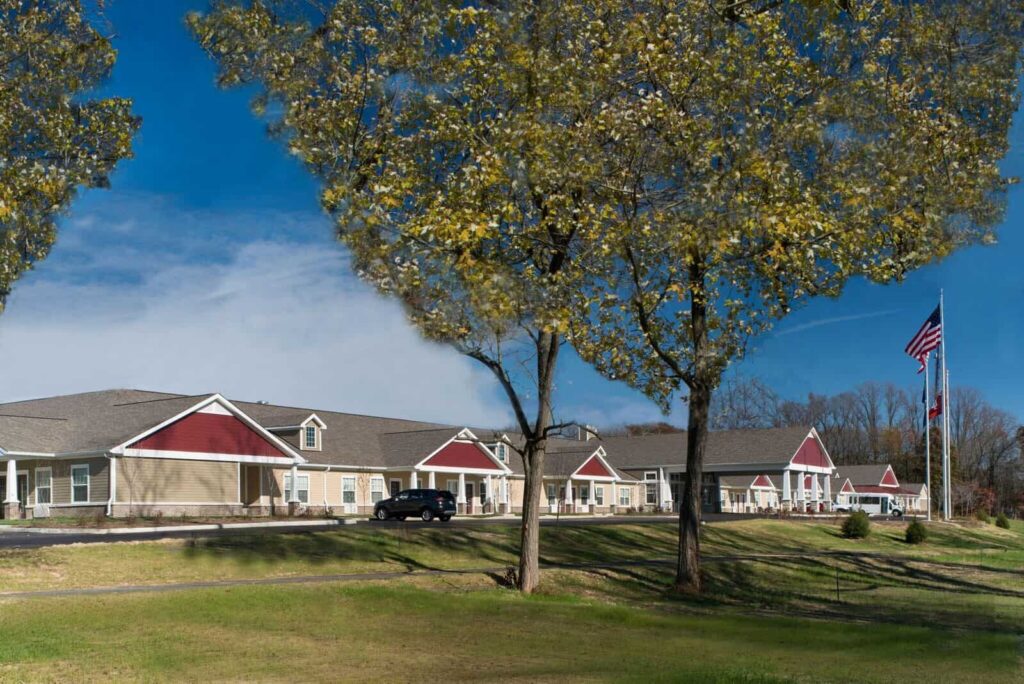
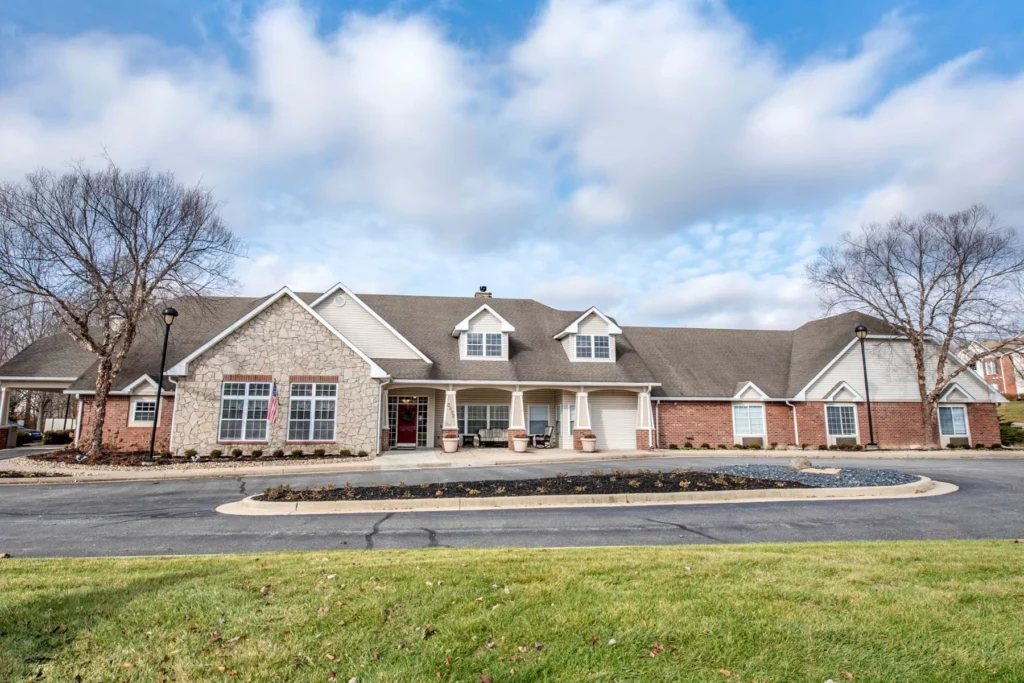
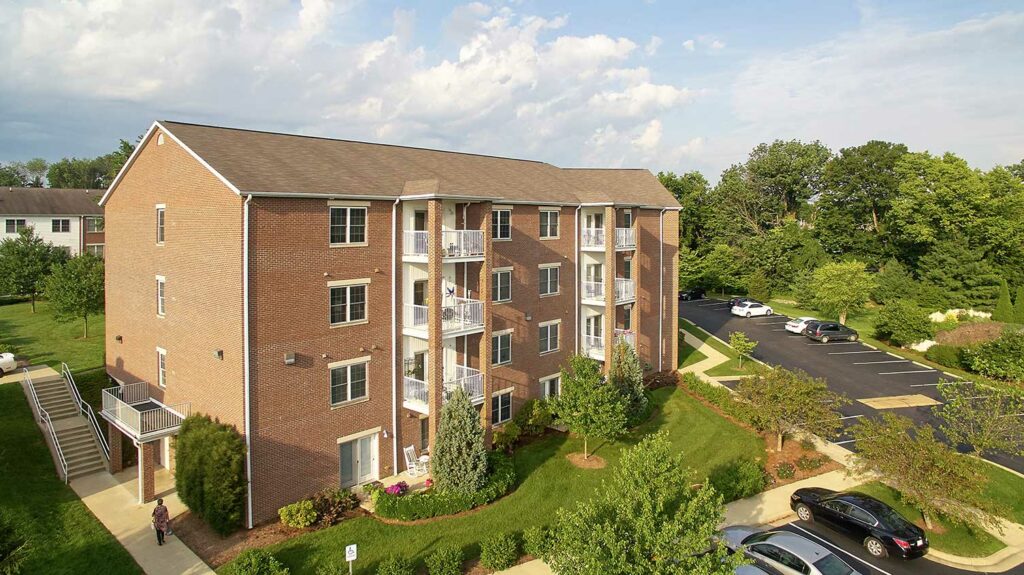
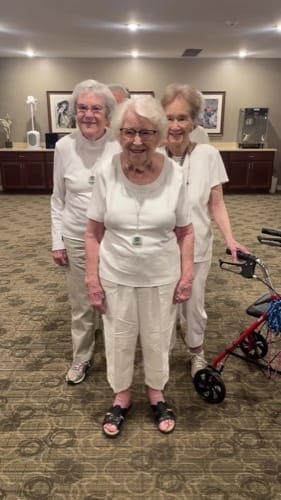
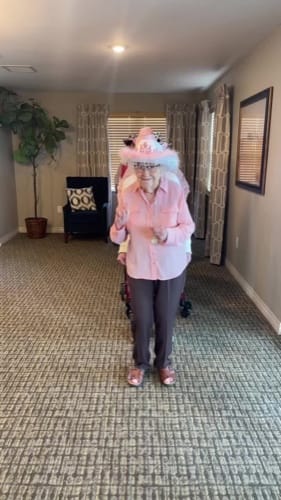
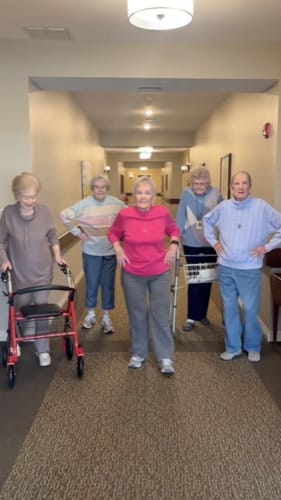
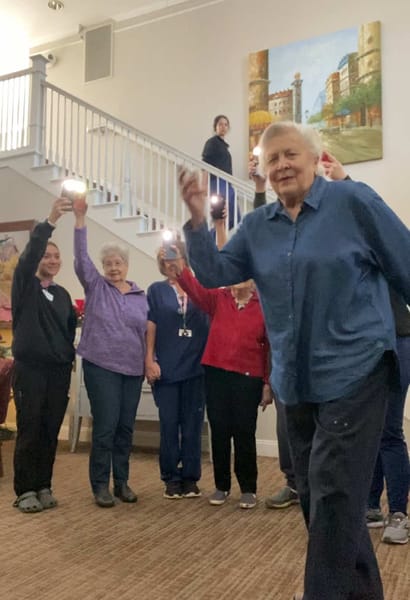
Evergreen Village at Bloomington offers luxury assisted living at an affordable rate. The senior assisted living screams elegance and comfort built at every corner of the community; residents are guaranteed to enjoy their stay because of the building’s astonishing, beautifully decorated interiors– adding to the community’s charm. The home strongly presents a warm, welcoming environment with resort-like hospitality that brings a vibrant lifestyle.
Evergreen Village promotes itself as a perfect alternative for those uncomfortable taking in their loved ones in a nursing home. The residential lifestyle is built to be individual-focused; community features are expected to ensure hassle-free living for every resident. The professional care staff is committed to delivering a compassionate and dignified approach to senior care– 24/7 nursing care, ADLs, medication management, specialized programs, and social gatherings.
Offers a balance of services and community atmosphere.
Lower occupancy suggests more openings may be available.


 9% lower than Indiana average
Indiana average: 68%
Evergreen Village at Bloomington is legally operated by Ev Bloomington Limited Partnership, and administrated by Nichole Mcnally.
Key information about the people who lead and staff this community.

Minimum Age: 55

Transportation Services

Fitness and Recreation
In Indiana, the Department of Health, Division of Long Term Care is the primary regulatory body that performs onsite inspections and quality of care reviews for all licensed facilities.
11 total visits · Indiana avg: 19
Ranked 98th of 388 in Indiana
Formal expressions of dissatisfaction or concern made by residents, or their families regarding various aspects of the care, services, and environment provided.
Indiana average: 5 complaints
Citations indicate regulatory violations. A higher number implies the facility had several areas requiring improvement.
Indiana average: 34 citations
Deficiencies indicate regulatory issues. A higher number implies the facility had several areas requiring improvement.
Indiana average: 36 deficiencies
The most recent inspection on May 1, 2025, found no deficiencies related to the complaint investigated at that time. Earlier inspections showed a mixed record, with most complaint investigations resulting in no deficiencies, but two substantiated complaints related to medication security and narcotic discrepancies were cited in late 2022 and late 2023. Deficiencies primarily involved medication management issues, specifically the protection and accurate accounting of controlled substances, as well as some minor issues with resident rights postings noted in mid-2024. No fines, immediate jeopardy findings, or license actions were listed in the available reports. The facility appears to have addressed some prior medication security concerns, as more recent complaint investigations have not identified related deficiencies.
Assisted Living A licensed, long-term care setting for seniors or individuals with disabilities who need help with daily activities — like bathing, dressing, and medication management — but not 24-hour skilled nursing. Offers housing, meals, and around-the-clock support while aiming to maximize resident independence.
Assisted Living A licensed, long-term care setting for seniors or individuals with disabilities who need help with daily activities — like bathing, dressing, and medication management — but not 24-hour skilled nursing. Offers housing, meals, and around-the-clock support while aiming to maximize resident independence.
Assisted Living A licensed, long-term care setting for seniors or individuals with disabilities who need help with daily activities — like bathing, dressing, and medication management — but not 24-hour skilled nursing. Offers housing, meals, and around-the-clock support while aiming to maximize resident independence.
Assisted Living A licensed, long-term care setting for seniors or individuals with disabilities who need help with daily activities — like bathing, dressing, and medication management — but not 24-hour skilled nursing. Offers housing, meals, and around-the-clock support while aiming to maximize resident independence.
Independent Living Lifestyle-focused communities for older adults offering dining, activities, and transportation with minimal personal care. Best for active, independent seniors who want community without medical support.
 4.5 miles from city center — 1.88 miles to nearest hospital (The Little Clinic)
Add your location
Care Cost Calculator: See Prices in Your Area
Nursing Home Data Explorer
Don’t Wait Too Long: 7 Red Flag Signs Your Parent Needs Assisted Living Now
The True Cost of Assisted Living in 2025 – And How Families Are Paying For It
Understanding Senior Living Costs: Pricing Models, Discounts & Financial Assistance



Touring a community? Use this expert-backed checklist to stay organized, ask the right questions, and find the perfect fit.
We'll send you a PDF version of the touring checklist.


 Show Inspection Reports