


Total health inspections
4
State average 6.5
Last Health inspection on May 2025

We arrange tours, appointments, and even moving support so you don’t have to
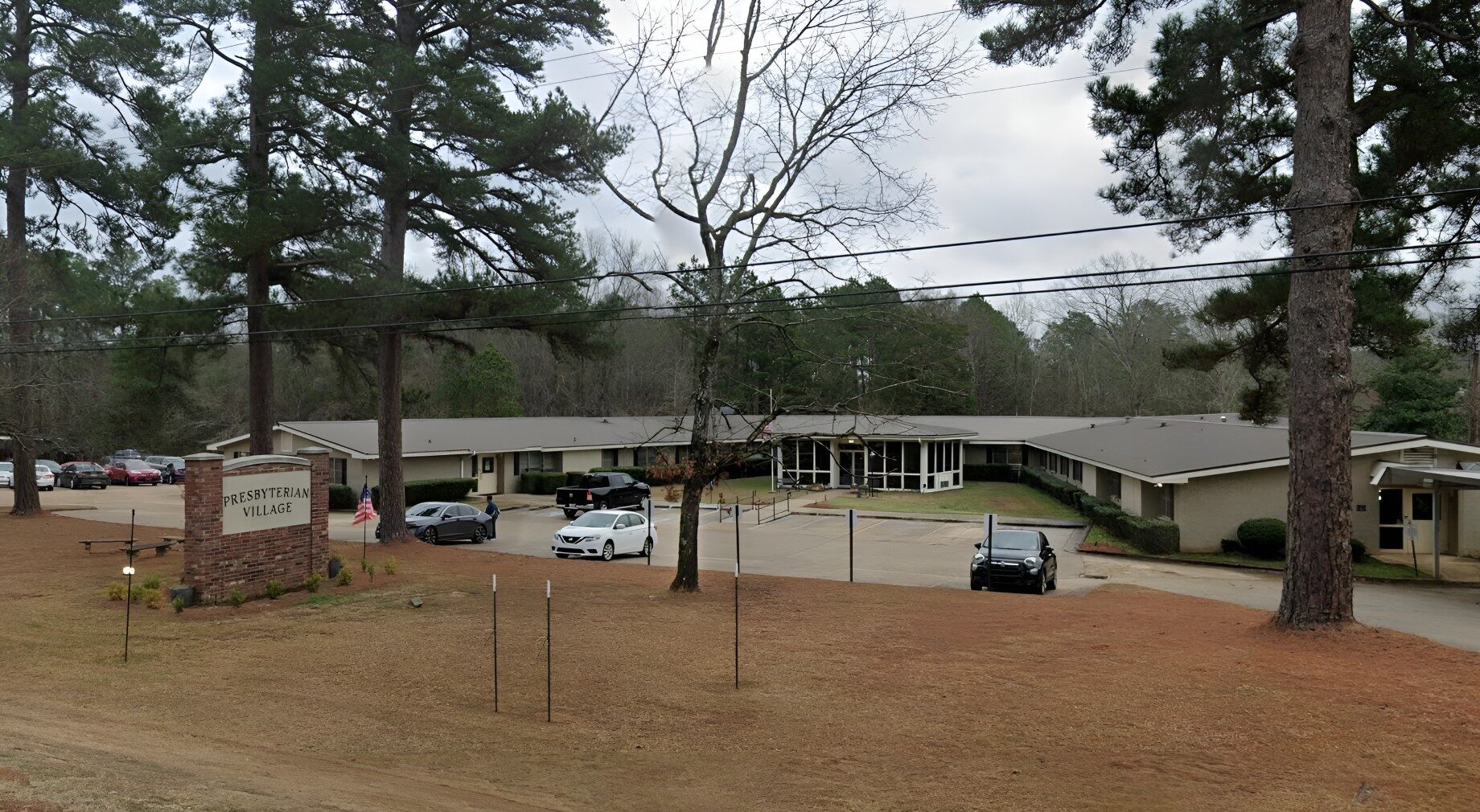




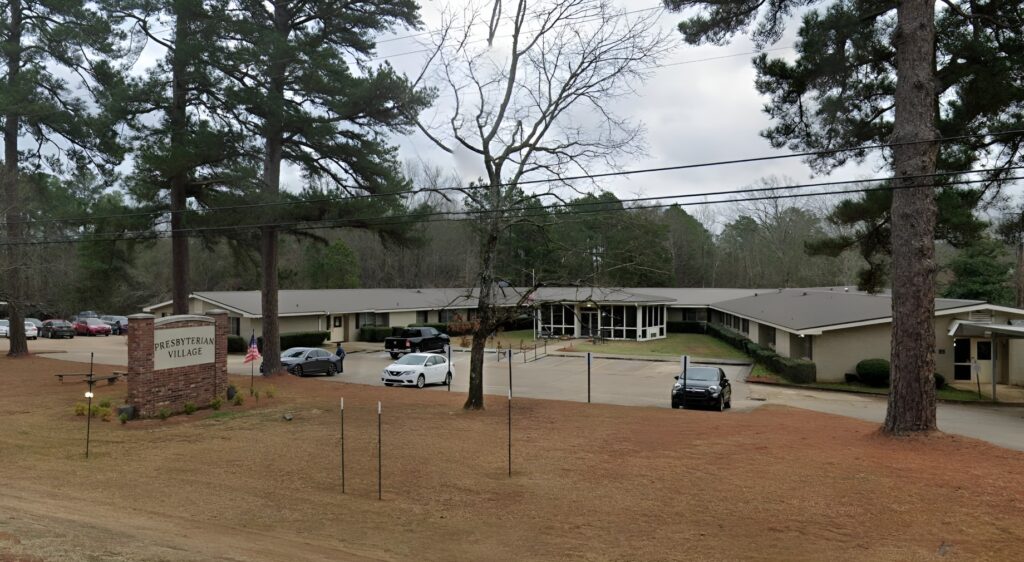
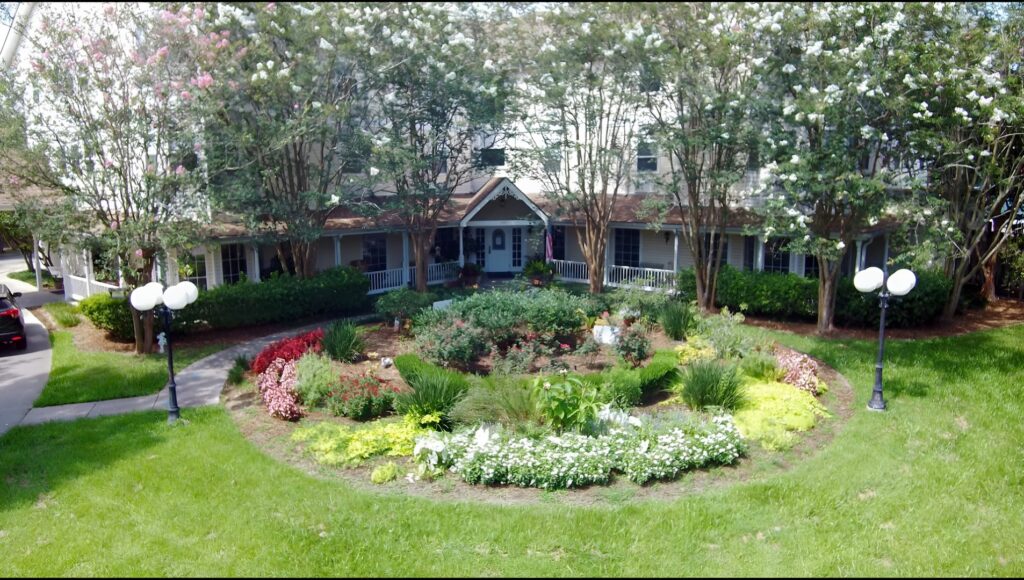
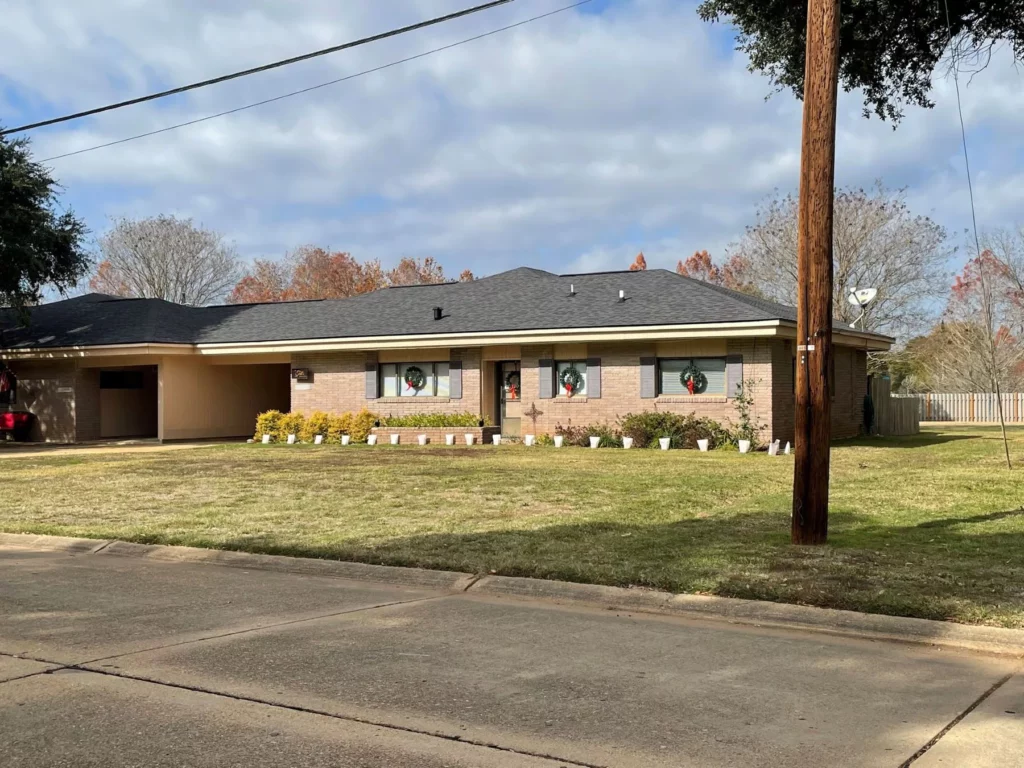
Make every moment of your best years count at Presbyterian Village of Homer, a distinguished community in Homer, LA, offering skilled nursing and rehabilitation. With comprehensive care options, residents receive top-notch care for their unique needs and preferences around the clock. To ease financial burdens, Medicare and Medicaid are also accepted.
Dedicated to enhancing residents’ cognition and living experiences, a thoughtfully curated calendar of engaging activities and enriching programs is conducted. Mealtimes also foster comfort and satisfy dietary needs with delicious and healthy dining options. Physical, occupational, and speech therapy are also provided to nehance residents’ living experiences. The community’s top-notch care and well-maintained amenities create the ideal setting for a blissful retirement.
 Official CMS rating based on health inspections, staffing and quality measures.
Official CMS rating based on deficiencies found during state health inspections.
Official CMS rating based on nurse staffing hours per resident per day.
Official CMS rating based on clinical outcomes for residents.
Average daily nursing hours per resident (adjusted for acuity). Higher values indicate more nursing time per resident.
Official CMS rating based on health inspections, staffing and quality measures.
Official CMS rating based on deficiencies found during state health inspections.
Official CMS rating based on nurse staffing hours per resident per day.
Official CMS rating based on clinical outcomes for residents.
Average daily nursing hours per resident (adjusted for acuity). Higher values indicate more nursing time per resident.
May offer a more intimate, personalized care environment.
Lower occupancy suggests more openings may be available.
Most residents typically stay for a few weeks or months before returning home or moving on.
56% of new residents, usually for short-term rehab.
28% of new residents, often for short stays.
16% of new residents, often for long-term daily care.
The portion of the home's budget spent on staff, including nurses, caregivers, and other employees who support care and operations.
All remaining costs needed to run the home, such as food, utilities, building maintenance, supplies and administrative expenses.


Key information about the people who lead and staff this community.


Accept Medicaid: Yes

Building Type: Single-story

Dining Services

Housekeeping Services

Social and Recreational Activities
State average 6.5
Last Health inspection on May 2025
Health citations are formal notices following inspections when they fail to comply with safety and care standards.
11 of 13 citations resulted from standard inspections; and 2 of 13 resulted from complaint investigations.
 0
0 100% better than State average
State average: 1.1
0
100% better than State averageState average: 0.5
 Corrected
Corrected
Corrected
Corrected
Corrected
Corrected
Corrected
Data sourced from CMS Health Deficiencies reports. Citation severity codes range from A (least serious) to L (most serious). Immediate Jeopardy (J-L) citations indicate situations where the facility's noncompliance has placed residents at risk of death or serious harm.
Nursing Home 24/7 care needed
Assisted Living For seniors needing help with daily tasks but not full-time nursing.
Assisted Living For seniors needing help with daily tasks but not full-time nursing.
Assisted Living For seniors needing help with daily tasks but not full-time nursing.
Assisted Living For seniors needing help with daily tasks but not full-time nursing.
Assisted Living For seniors needing help with daily tasks but not full-time nursing.
Independent Living For self-sufficient seniors seeking community and minimal assistance.
 11.9 miles from city center
 3700 Hwy. 79, South, Homer, LA 71040
Add your location
Source: CMS Payroll-Based Journal (Q2 2025)
| Role ⓘ | Count ⓘ | Avg Shift (hrs) ⓘ | Uses Contractors? ⓘ |
|---|---|---|---|
| Registered Nurse | 0 | 0 | No |
| Licensed Practical Nurse | 20 | 9.9 | Yes |
| Certified Nursing Assistant | 36 | 8.1 | Yes |
| Role ⓘ | Employees ⓘ | Contractors ⓘ | Total Staff ⓘ | Total Hours ⓘ | Days Worked ⓘ | % of Days ⓘ | Avg Shift (hrs) ⓘ |
|---|---|---|---|---|---|---|---|
| Certified Nursing Assistant | 20 | 16 | 36 | 8,763 | 91 | 100% | 8.1 |
| Licensed Practical Nurse | 13 | 7 | 20 | 4,253 | 90 | 99% | 9.9 |
| Physical Therapy Aide | 0 | 2 | 2 | 1,997 | 91 | 100% | 11 |
| RN Director of Nursing | 3 | 0 | 3 | 1,337 | 73 | 80% | 7.6 |
| Speech Language Pathologist | 0 | 1 | 1 | 1,009 | 91 | 100% | 11.1 |
| Physical Therapy Assistant | 0 | 1 | 1 | 866 | 89 | 98% | 9.7 |
| Clinical Nurse Specialist | 5 | 0 | 5 | 518 | 89 | 98% | 4.7 |
| Mental Health Service Worker | 1 | 0 | 1 | 512 | 59 | 65% | 8.7 |
| Administrator | 1 | 0 | 1 | 512 | 64 | 70% | 8 |
| Nurse Practitioner | 1 | 0 | 1 | 483 | 59 | 65% | 8.2 |
| Other Dietary Services Staff | 1 | 0 | 1 | 379 | 53 | 58% | 7.1 |
| Qualified Social Worker | 0 | 1 | 1 | 278 | 65 | 71% | 4.3 |
| Respiratory Therapy Technician | 0 | 1 | 1 | 93 | 38 | 42% | 2.5 |
Source: CMS Long-Term Care Facility Characteristics (Data as of Jan 2026)
Residents meet regularly to discuss policies, care quality, and activities
Organized group of residents that meets regularly to discuss facility policies, quality of life, and activities.
Data sourced from CMS Long-Term Care Facility Characteristics quarterly report. Payer mix reflects the current resident census by primary payment source.
These measures show how residents usually do over time at this home, based on health outcomes and preventive care.
A composite score based on pressure ulcers, falls with injury, weight loss, walking ability decline, and activities of daily living decline.
13.8
18% worse than Louisiana averageLouisiana average: 11.7
A composite score based on activities of daily living decline, walking ability decline, and incontinence.
26.0
28% worse than Louisiana averageLouisiana average: 20.4
Percent of long-stay residents whose need for help with daily activities has increased
23.8%
16% worse than Louisiana averageLouisiana average: 20.5%
Percent of long-stay residents whose ability to move independently worsened
30.5%
30% worse than Louisiana averageLouisiana average: 23.5%
Percent of low risk long-stay residents who lose control of their bowels or bladder
23.8%
39% worse than Louisiana averageLouisiana average: 17.1%
Percent of long-stay residents experiencing one or more falls with major injury
1.1%
69% better than Louisiana averageLouisiana average: 3.5%
Percent of long-stay high risk residents with pressure ulcers
5.5%
14% better than Louisiana averageLouisiana average: 6.4%
Percent of long-stay residents with a urinary tract infection
0.0%
100% better than Louisiana averageLouisiana average: 2.7%
Percent of long-stay residents who lose too much weight
8.3%
61% worse than Louisiana averageLouisiana average: 5.1%
Percent of long-stay residents who have depressive symptoms
3.1%
87% worse than Louisiana averageLouisiana average: 1.6%
Percent of long-stay residents who received an antipsychotic medication
29.4%
44% worse than Louisiana averageLouisiana average: 20.4%
Percent of long-stay residents assessed and appropriately given the pneumococcal vaccine
97.9%
7% better than Louisiana averageLouisiana average: 91.5%
Percent of long-stay residents assessed and appropriately given the seasonal influenza vaccine
92.2% In line with Louisiana average
Louisiana average: 94.9%
Percent of short-stay residents assessed and appropriately given the pneumococcal vaccine
85.7%
In line with Louisiana averageLouisiana average: 82.5%
Percent of short-stay residents who newly received an antipsychotic medication
2.9%
5% better than Louisiana averageLouisiana average: 3.1%
Percent of short-stay residents assessed and appropriately given the seasonal influenza vaccine
69.6%
9% worse than Louisiana averageLouisiana average: 76.2%
Quality measures are calculated from Minimum Data Set (MDS) assessments. For most measures, lower percentages indicate better care quality.
Historical financial and operational data for Presbyterian Village of Homer based on CMS SNF Cost Reports.
Loading trend charts...
Care Cost Calculator: See Prices in Your Area
Nursing Home Data Explorer
Don’t Wait Too Long: 7 Red Flag Signs Your Parent Needs Assisted Living Now
The True Cost of Assisted Living in 2025 – And How Families Are Paying For It
Understanding Senior Living Costs: Pricing Models, Discounts & Financial Assistance



Touring a community? Use this expert-backed checklist to stay organized, ask the right questions, and find the perfect fit.
We'll send you a PDF version of the touring checklist.