
Explore Open Rooms
Thank you for your interest!
Our team will be in touch shortly to help with next steps.
Retirement Home in London, England
Serene Care

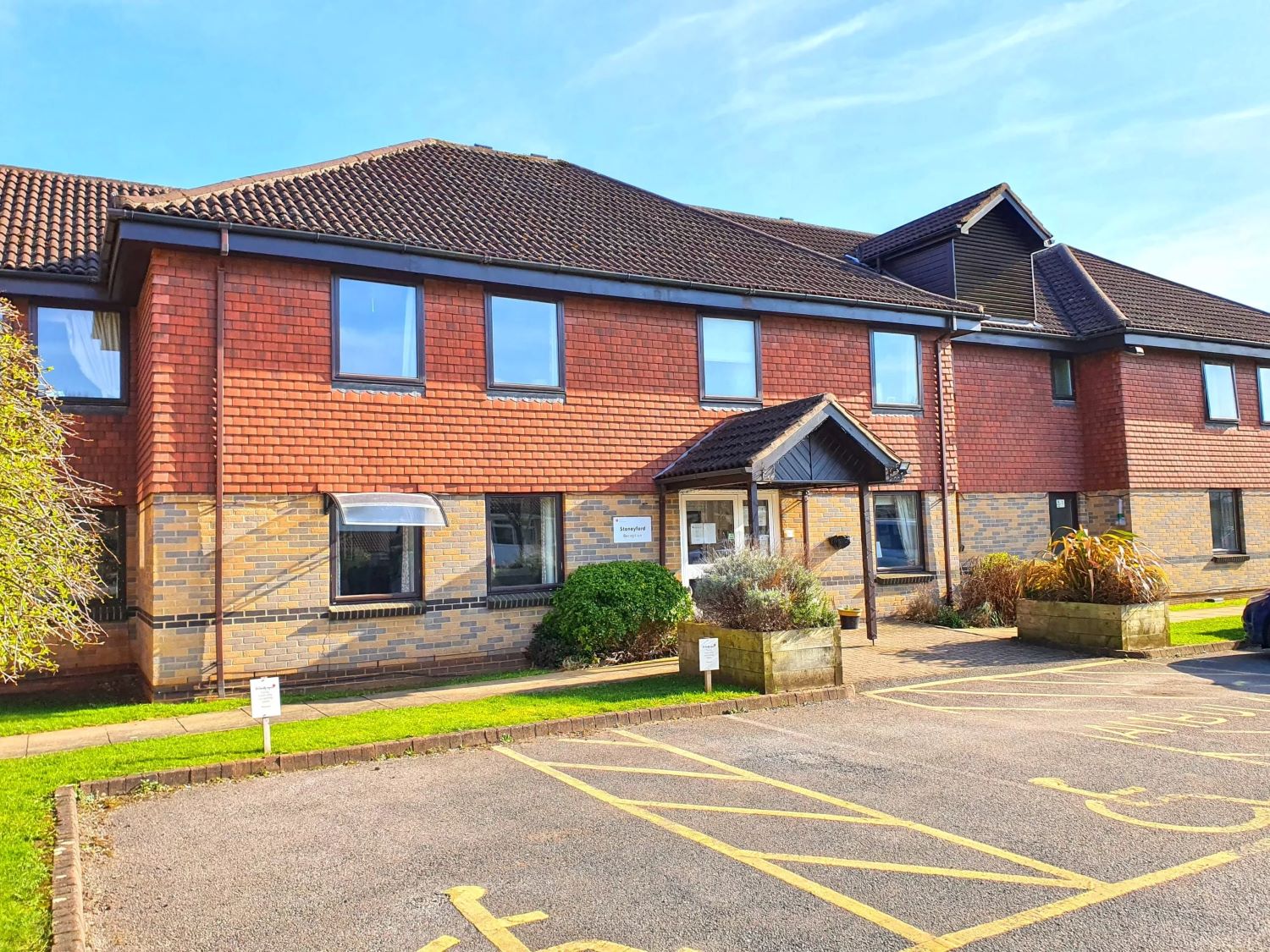
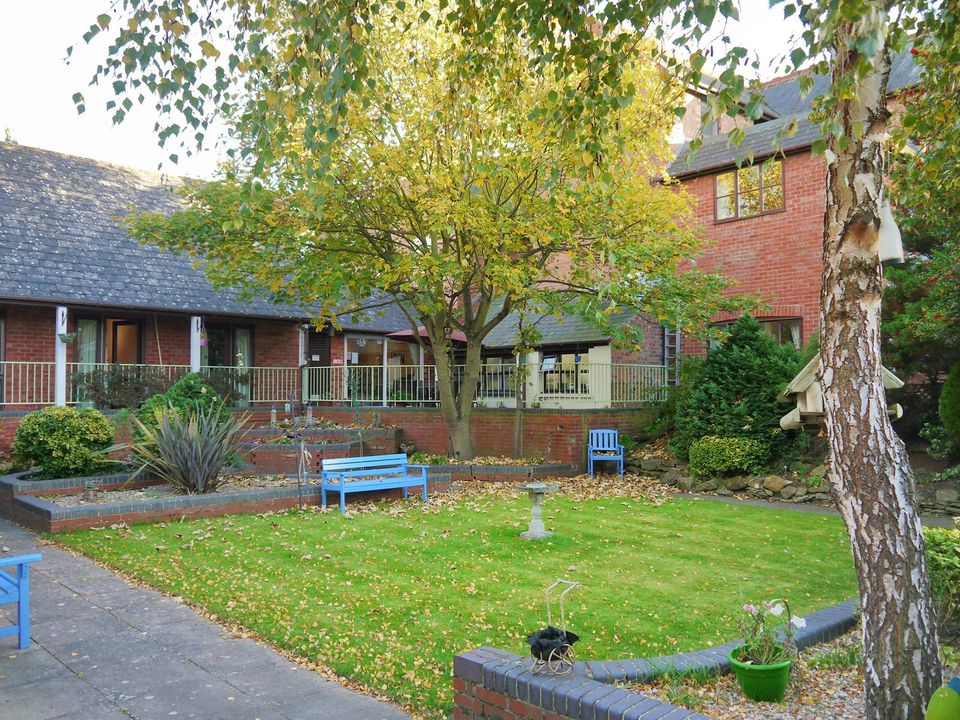
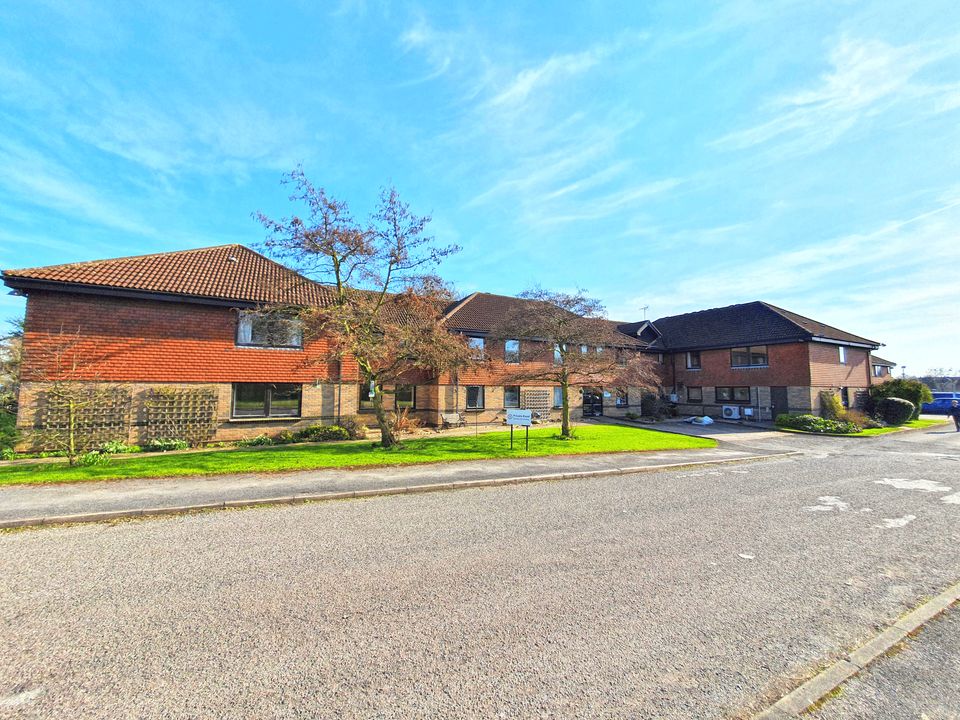
Retirement Home in London, England
Serene Care


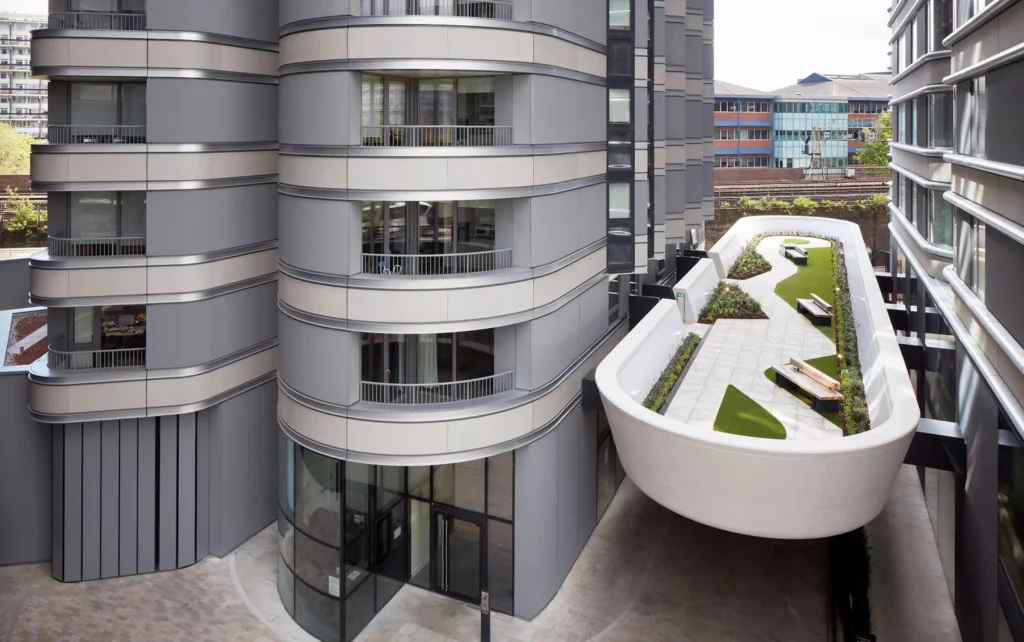
Serene Care is a leading healthcare facility located in the United Kingdom, renowned for its exceptional quality of care and tranquil environment. With a strong emphasis on patient well-being and comfort, the 3 facilities of Serene Care, namely Rugby Care Centre, Gables Residential & Care Home, and Stoneyford Care Home, offer both residential and dementia services designed to meet the unique needs of each individual. In addition, all three Serene Care homes provide respite, permanent, and daycare services. Their facilities boast state-of-the-art amenities, including spacious private rooms, beautifully landscaped gardens, and modern treatment areas, creating a serene and peaceful atmosphere for patients and their families.
At Serene Care, a team of highly skilled and compassionate healthcare professionals is dedicated to providing personalized care and support. The staff members are experienced in various medical disciplines and work collaboratively to ensure the highest standards of treatment and attention. Whether it’s medical care, rehabilitative services, or palliative support, they strive to create a nurturing and calming environment where patients can feel at ease while receiving the utmost care and attention. With a commitment to excellence and a focus on individualized care, Serene Care stands as a beacon of tranquility and compassion in the healthcare landscape of the United Kingdom.
What does this home offer?

Minimum Age: 65 Years Old

Total Residents: 58

Pets Allowed: Yes, Pets Allowed

Housing Options: 1 Bed

Building Type: Two-story

Care Cost
Types of Care at Serene Care
Compare Retirement Homes around the area
Assisted Living A licensed, long-term care setting for seniors or individuals with disabilities who need help with daily activities — like bathing, dressing, and medication management — but not 24-hour skilled nursing. Offers housing, meals, and around-the-clock support while aiming to maximize resident independence.
Independent Living Lifestyle-focused communities for older adults offering dining, activities, and transportation with minimal personal care. Best for active, independent seniors who want community without medical support.
Memory Care Secured, specialized care for people living with Alzheimer's or dementia. Staff trained in cognitive impairment, with higher staff-to-resident ratios and an environment designed to reduce confusion and wandering risk.
Nursing Home Licensed facility providing 24/7 skilled nursing care for residents with complex, ongoing medical needs. Staffed by RNs, LPNs, and CNAs. Inspected and star-rated annually by CMS. Accepts Medicare (short-term rehab) and Medicaid (long-term care).
Assisted Living A licensed, long-term care setting for seniors or individuals with disabilities who need help with daily activities — like bathing, dressing, and medication management — but not 24-hour skilled nursing. Offers housing, meals, and around-the-clock support while aiming to maximize resident independence.
Independent Living Lifestyle-focused communities for older adults offering dining, activities, and transportation with minimal personal care. Best for active, independent seniors who want community without medical support.
Memory Care Secured, specialized care for people living with Alzheimer's or dementia. Staff trained in cognitive impairment, with higher staff-to-resident ratios and an environment designed to reduce confusion and wandering risk.
Nursing Home Licensed facility providing 24/7 skilled nursing care for residents with complex, ongoing medical needs. Staffed by RNs, LPNs, and CNAs. Inspected and star-rated annually by CMS. Accepts Medicare (short-term rehab) and Medicaid (long-term care).
Assisted Living A licensed, long-term care setting for seniors or individuals with disabilities who need help with daily activities — like bathing, dressing, and medication management — but not 24-hour skilled nursing. Offers housing, meals, and around-the-clock support while aiming to maximize resident independence.
Assisted Living A licensed, long-term care setting for seniors or individuals with disabilities who need help with daily activities — like bathing, dressing, and medication management — but not 24-hour skilled nursing. Offers housing, meals, and around-the-clock support while aiming to maximize resident independence.
Assisted Living A licensed, long-term care setting for seniors or individuals with disabilities who need help with daily activities — like bathing, dressing, and medication management — but not 24-hour skilled nursing. Offers housing, meals, and around-the-clock support while aiming to maximize resident independence.
Independent Living Lifestyle-focused communities for older adults offering dining, activities, and transportation with minimal personal care. Best for active, independent seniors who want community without medical support.
Memory Care Secured, specialized care for people living with Alzheimer's or dementia. Staff trained in cognitive impairment, with higher staff-to-resident ratios and an environment designed to reduce confusion and wandering risk.
Nursing Home Licensed facility providing 24/7 skilled nursing care for residents with complex, ongoing medical needs. Staffed by RNs, LPNs, and CNAs. Inspected and star-rated annually by CMS. Accepts Medicare (short-term rehab) and Medicaid (long-term care).

Places of interest near Serene Care
 0.5 miles from city center
 Care Home, 53 Clifton Rd, Rugby CV21 3QE, United Kingdom
Calculate Travel Distance to Serene Care
Add your location
Guides for Better Senior Living
Care Cost Calculator: See Prices in Your Area
Nursing Home Data Explorer
Don’t Wait Too Long: 7 Red Flag Signs Your Parent Needs Assisted Living Now
The True Cost of Assisted Living in 2025 – And How Families Are Paying For It
Understanding Senior Living Costs: Pricing Models, Discounts & Financial Assistance






Contact Us



Touring Checklist for Senior Living
Touring a community? Use this expert-backed checklist to stay organized, ask the right questions, and find the perfect fit.
Location
Community Spaces and Overall Environment
Services
Staffing
Accommodations
Finances
Other Notes
Send Checklist to Your Email
We'll send you a PDF version of the touring checklist.