Traditions at Brookside


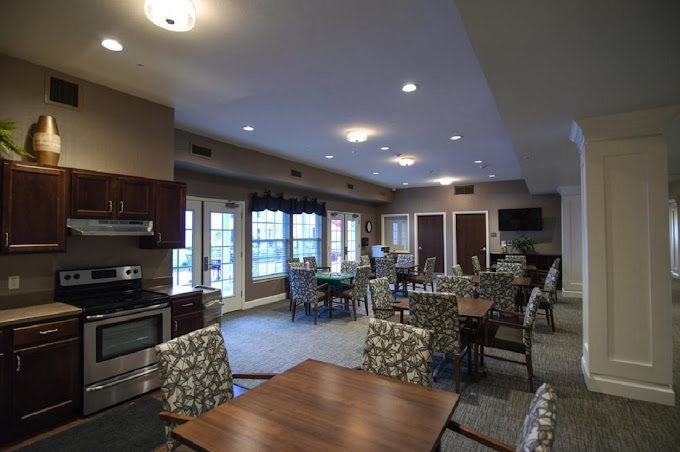
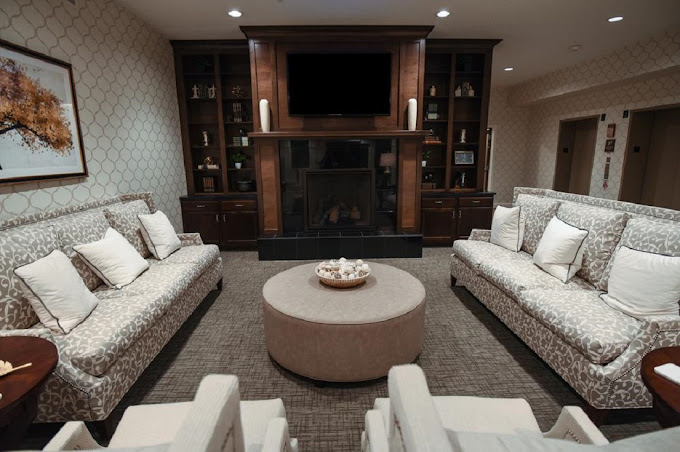







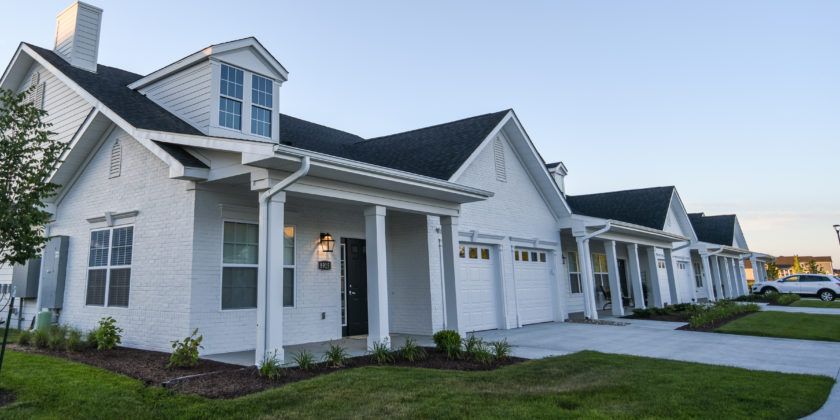








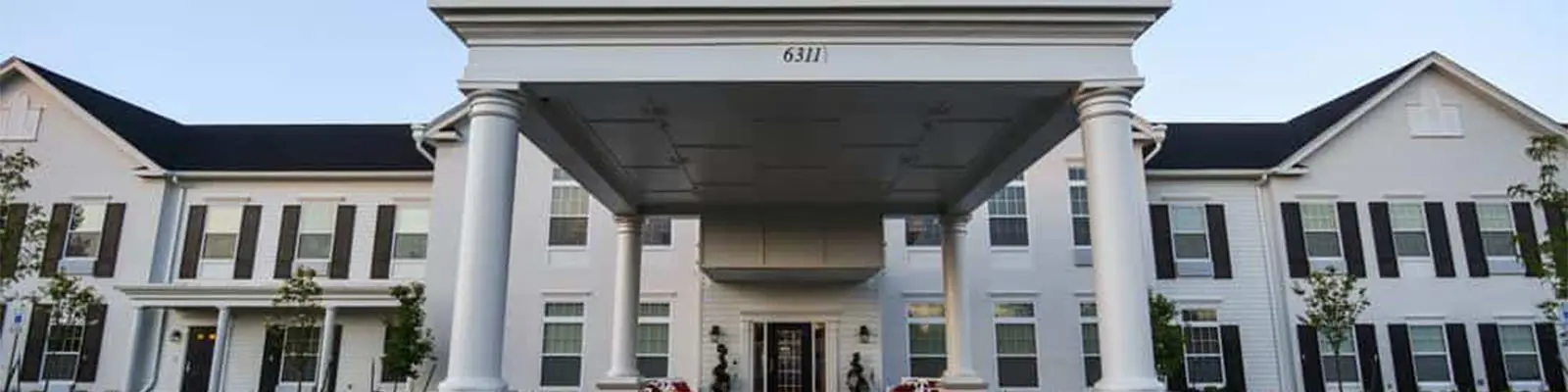
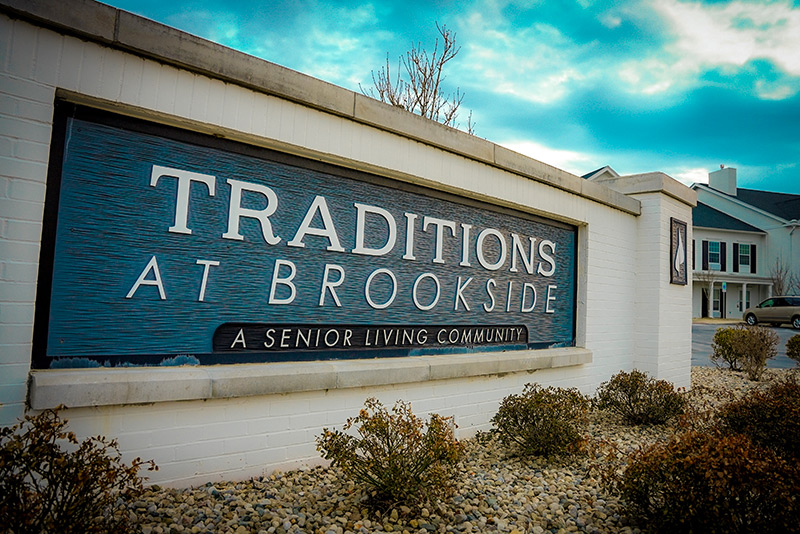
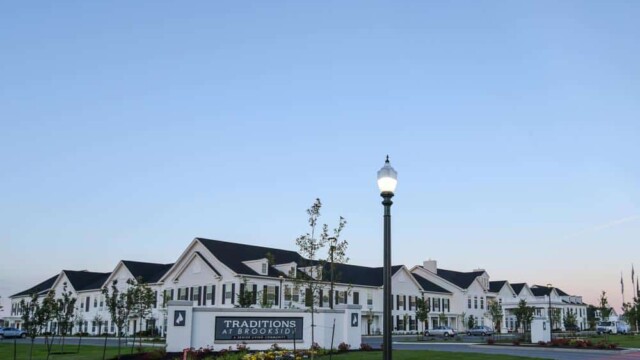
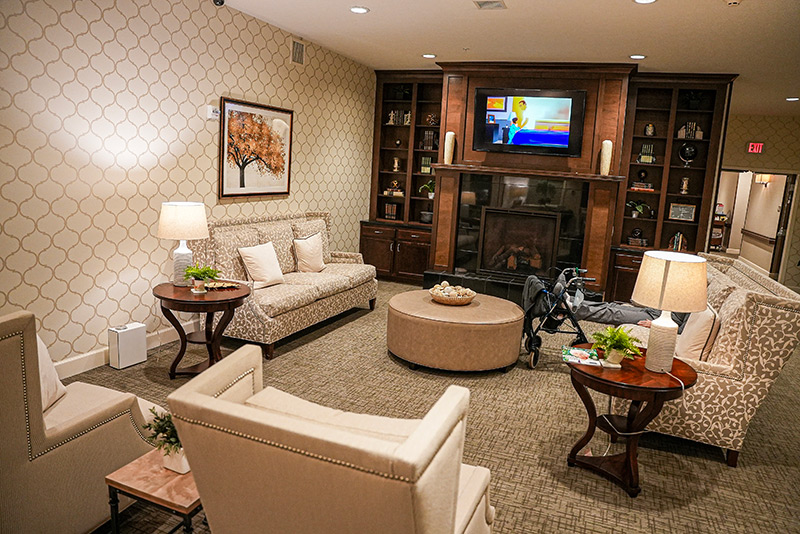


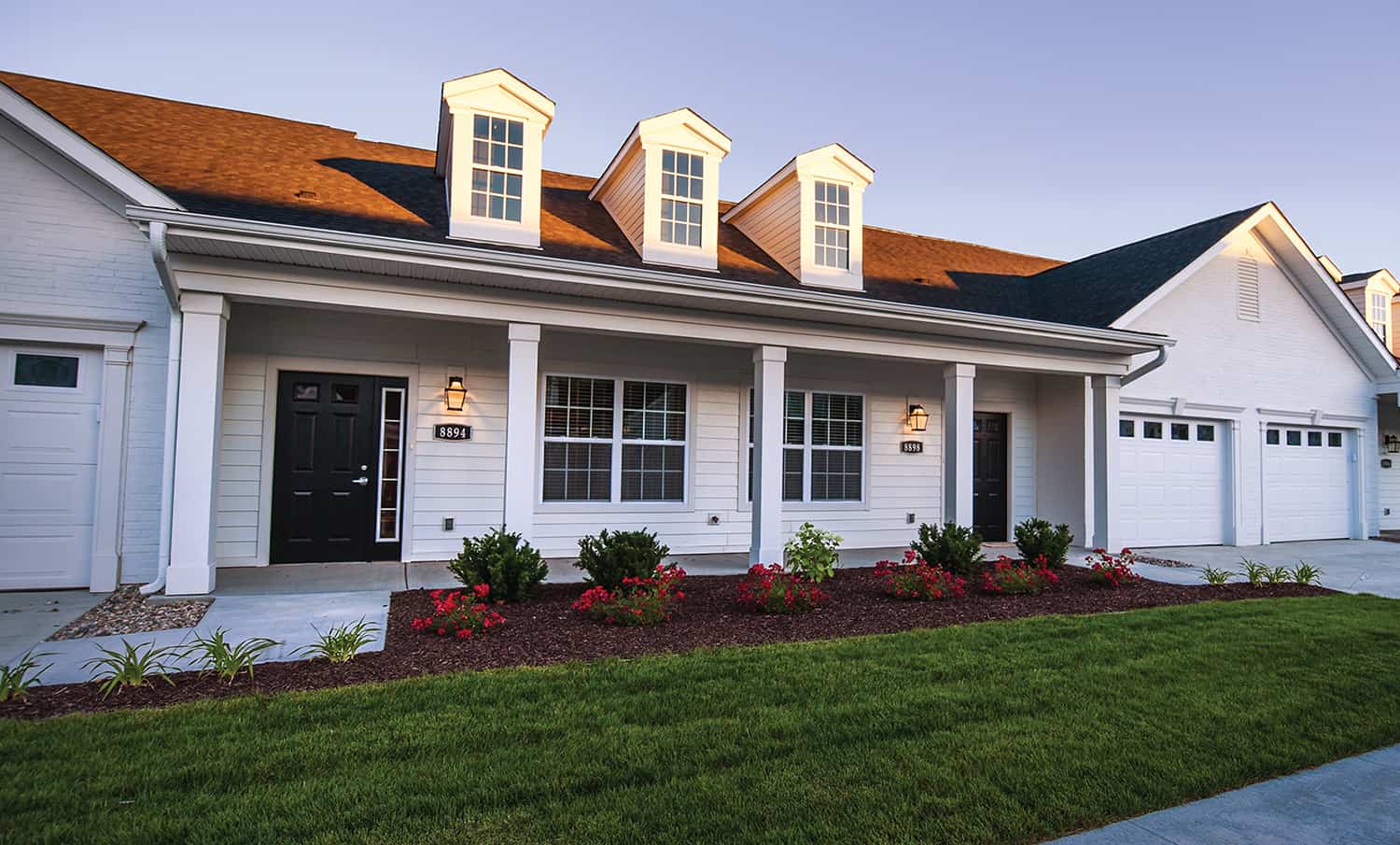
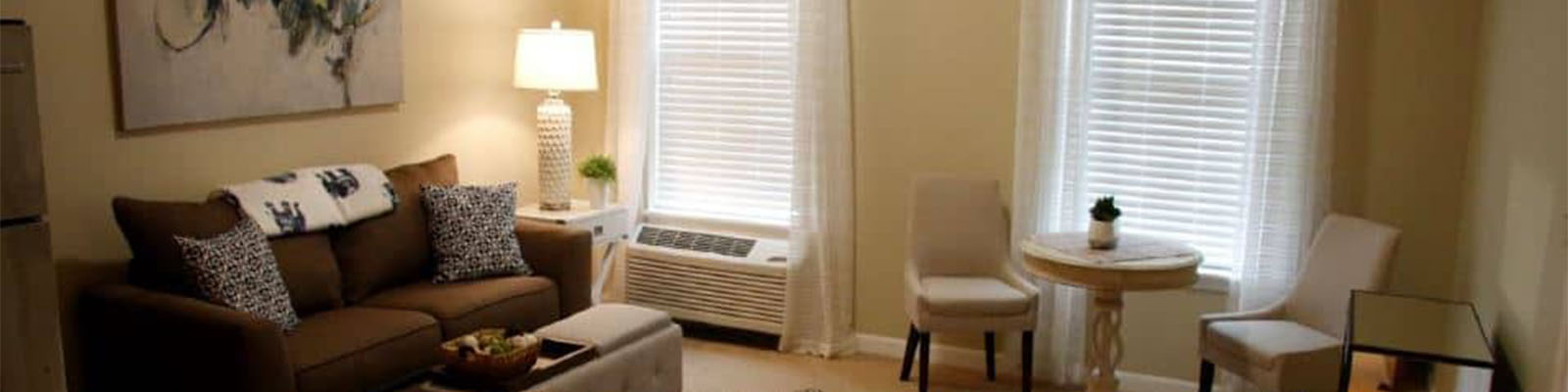
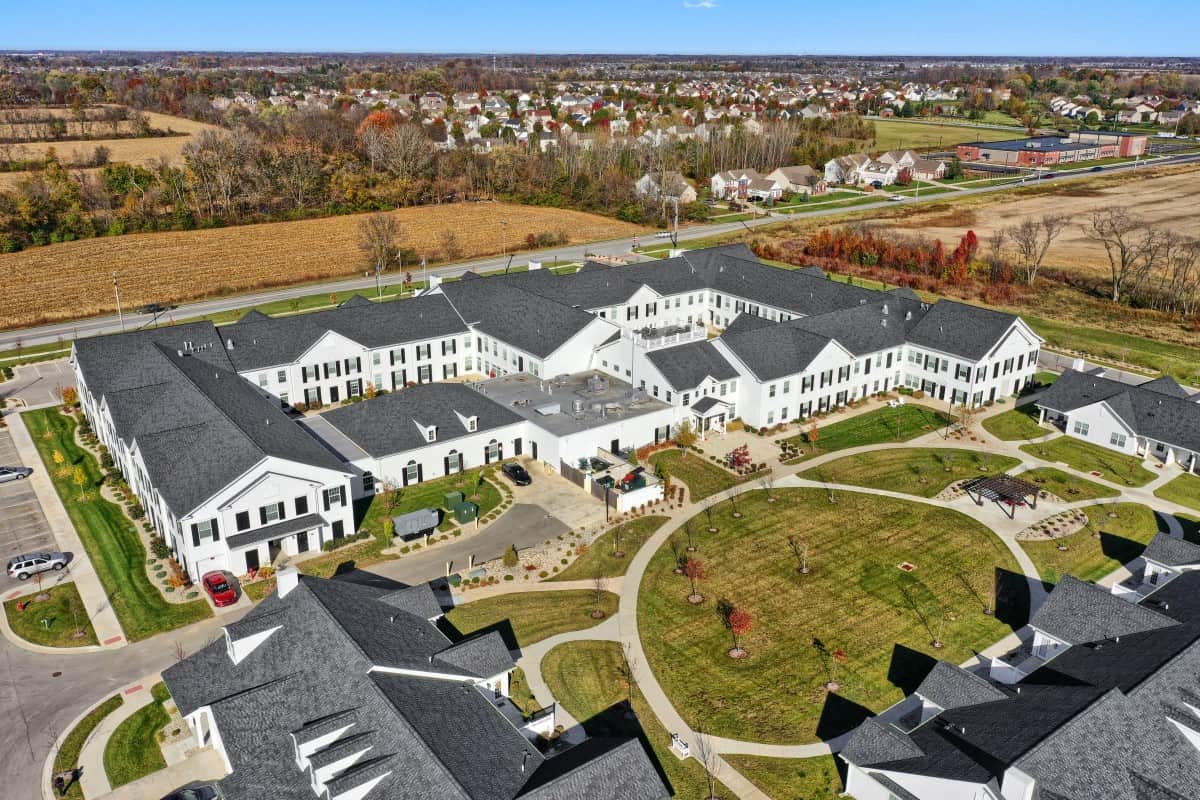


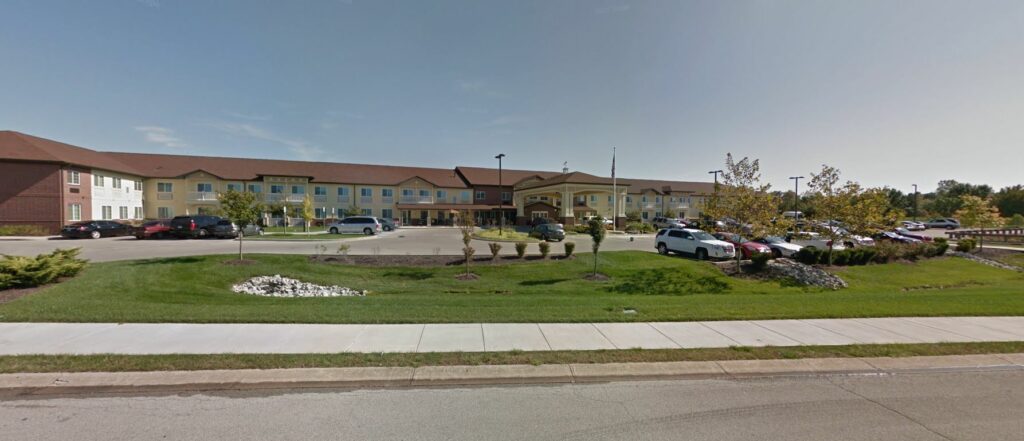
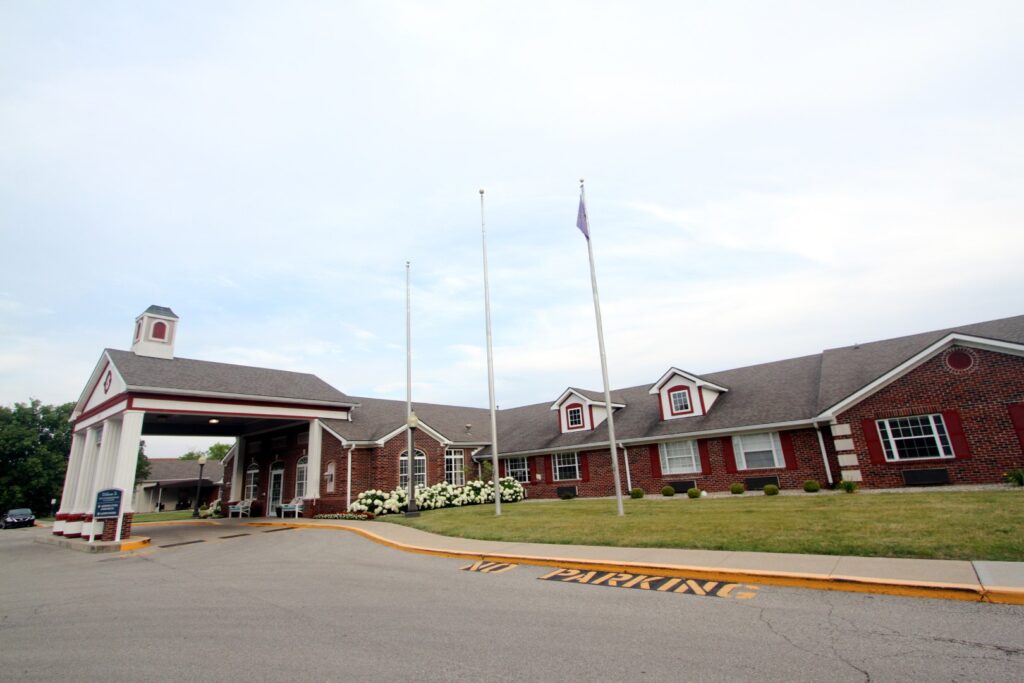
A twenty-minute drive from Fishers, Traditions at Brookside offers a range of living options, including independent living, assisted living, and memory care living embrace a maintenance-free lifestyle in a private residence within a secure and welcoming community. Each residence has a mobile emergency response system, providing residents with peace of mind. As needs evolve, assisted living services are readily available on the Brookside campus, ensuring seamless care and convenience.
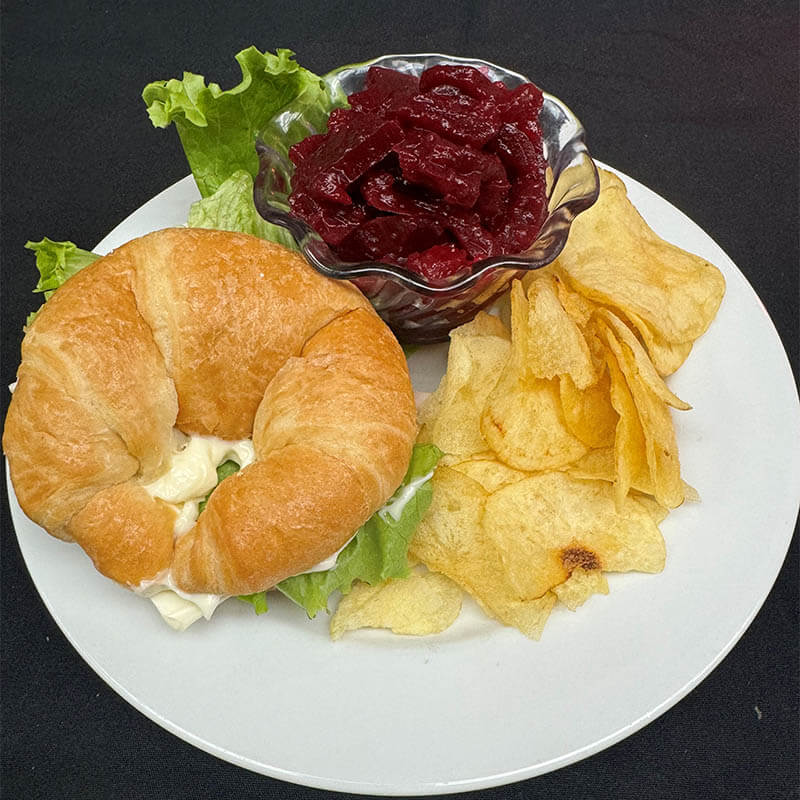
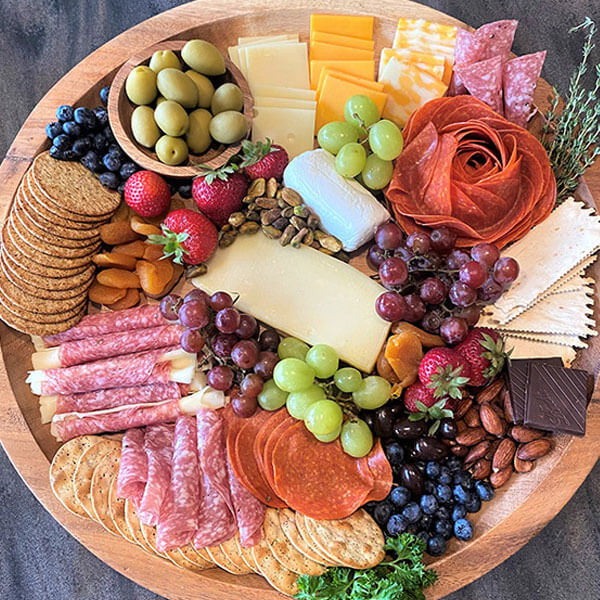
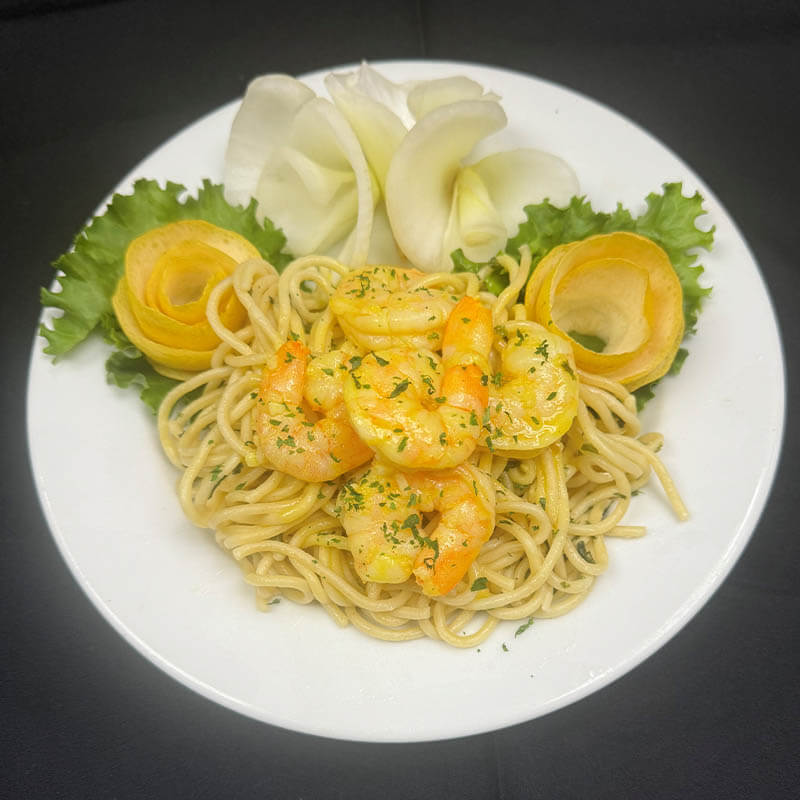
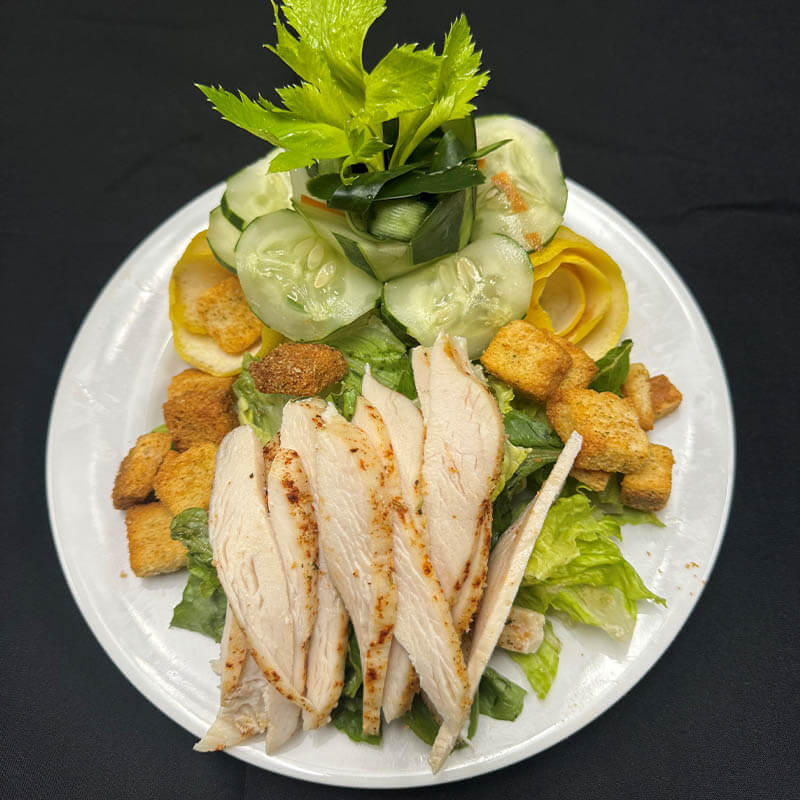
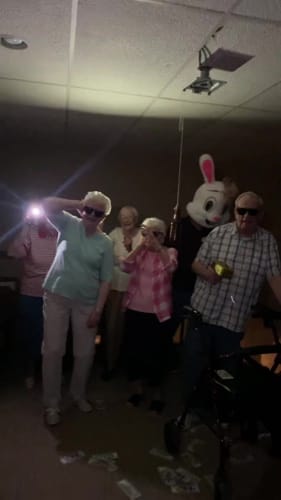
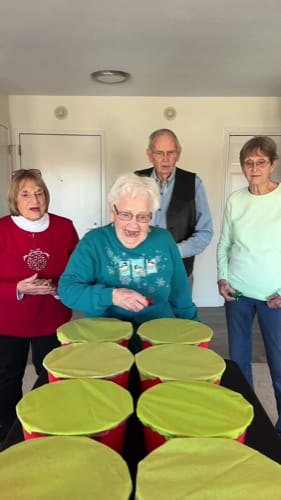
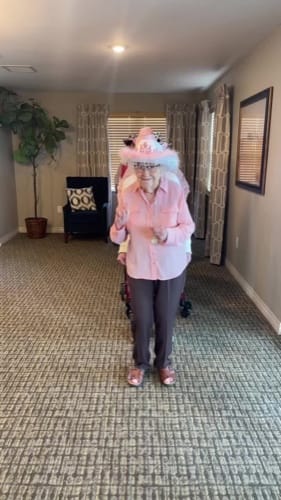
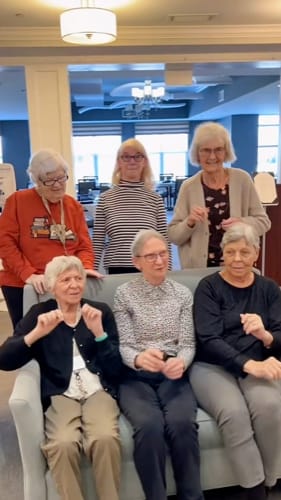
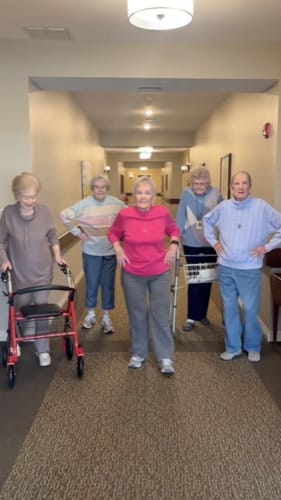
Traditions at Brookside offers a resort-like experience with professionally trained chefs providing fine dining experiences, salon services for rejuvenation, and a calendar of social, recreational, spiritual, and educational activities to foster connections and create lasting memories. Residents can enjoy life to the fullest while staying close to friends and engaging in enriching experiences in a nurturing environment.

Patty June is the Executive Director at Traditions at Brookside, bringing a blend of education, healthcare experience, and compassion to her role. A graduate of the University of Indianapolis and a licensed administrator, she is also an INALA board member and Dementia Certified Trainer. Patty prioritizes personal connections with residents, ensuring they feel valued and cared for every day.


How BBB ratings work
About this community
Safety & Compliance
Staffing
Key information about the people who lead and staff this community.
Leadership

Care Services
Additional Policies & Features
Amenities & Lifestyle
Programs & Activities
Pricing & Financial Information
Dining & Nutrition
What does this home offer?

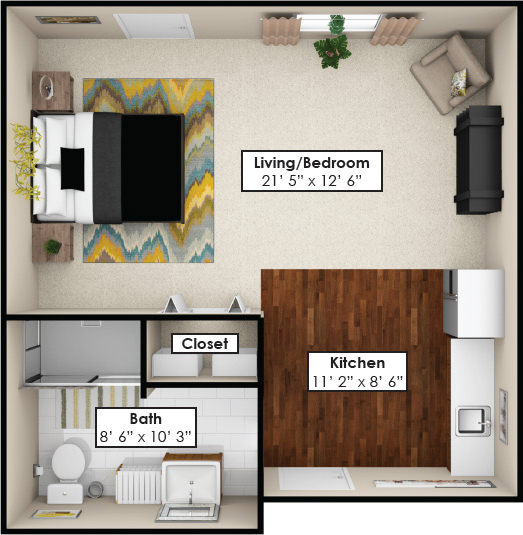
Housing Options: Studio / 1 Bed / 2 Bed

Building Type: Two-story

Transportation Services

Fitness and Recreation
Types of Care at Traditions at Brookside
Compare Independent Living around Fishers
The information below is reported by the Indiana Department of Health, Division of Long Term Care.Assisted Living For seniors needing help with daily tasks but not full-time nursing.
Independent Living For self-sufficient seniors seeking community and minimal assistance.
Memory Care Specialized care for those with Memory Loss, Alzheimer's, or dementia, ensuring safety and support.
Assisted Living For seniors needing help with daily tasks but not full-time nursing.
Independent Living For self-sufficient seniors seeking community and minimal assistance.
Respite Care
Assisted Living For seniors needing help with daily tasks but not full-time nursing.
Independent Living For self-sufficient seniors seeking community and minimal assistance.
Memory Care Specialized care for those with Memory Loss, Alzheimer's, or dementia, ensuring safety and support.
Independent Living For self-sufficient seniors seeking community and minimal assistance.
Assisted Living For seniors needing help with daily tasks but not full-time nursing.
Independent Living For self-sufficient seniors seeking community and minimal assistance.
Memory Care Specialized care for those with Memory Loss, Alzheimer's, or dementia, ensuring safety and support.

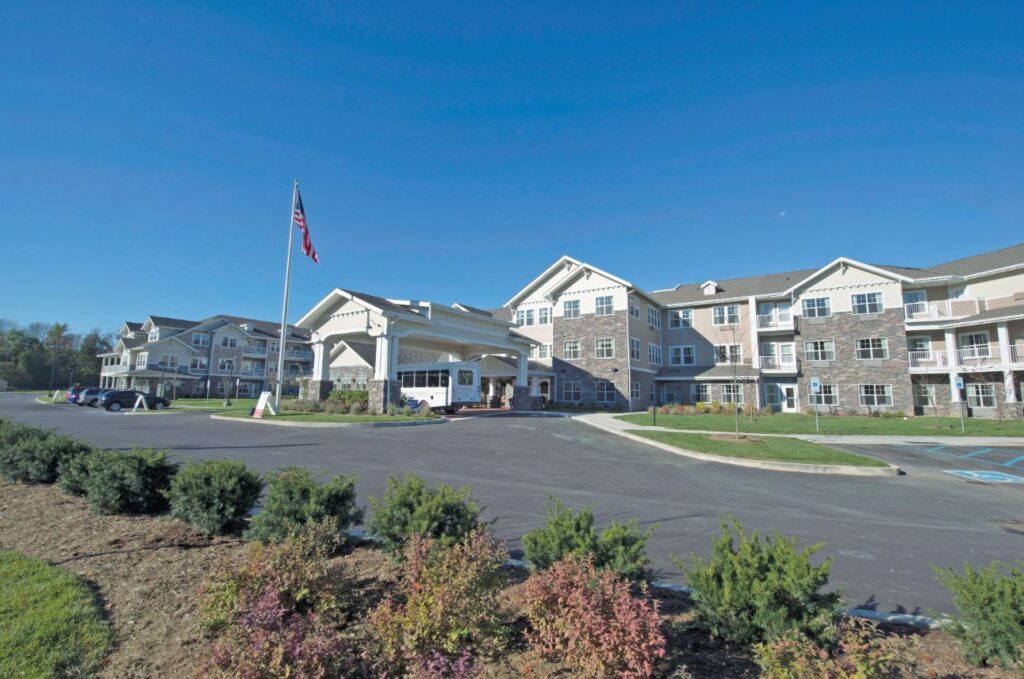
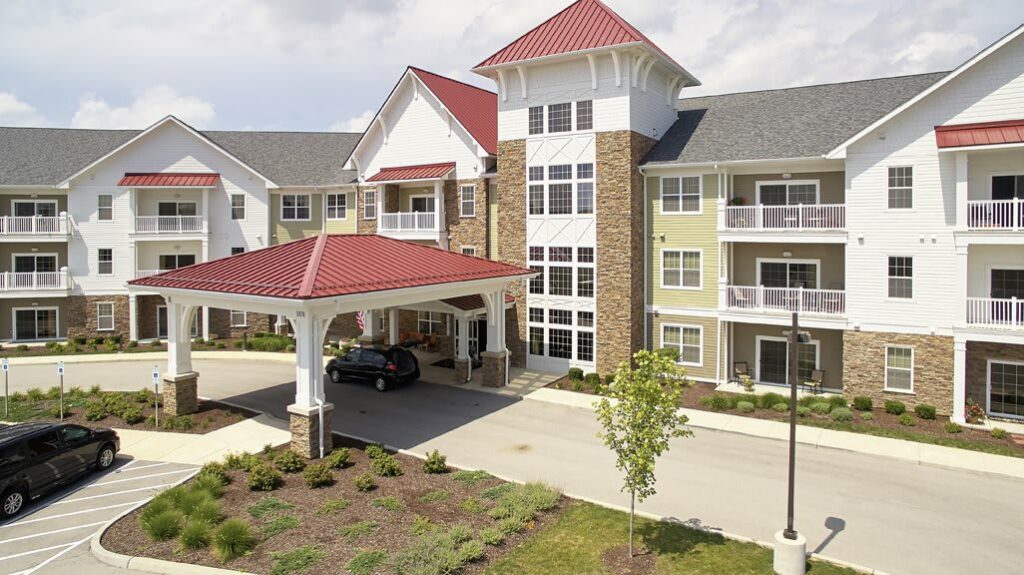
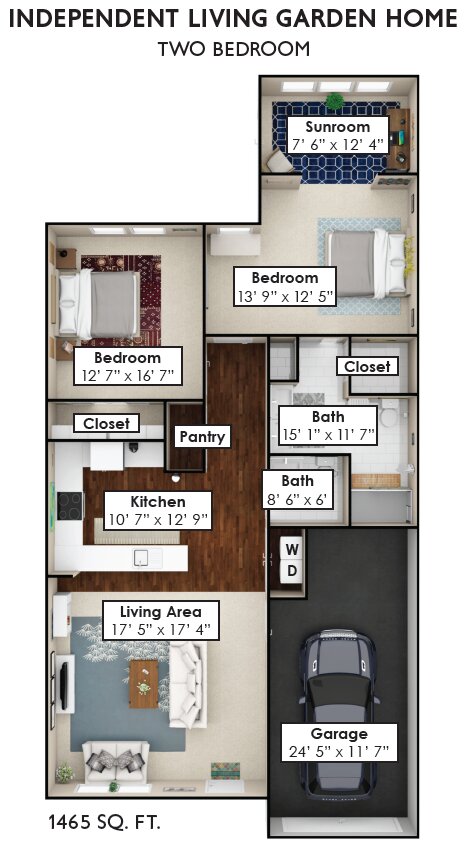
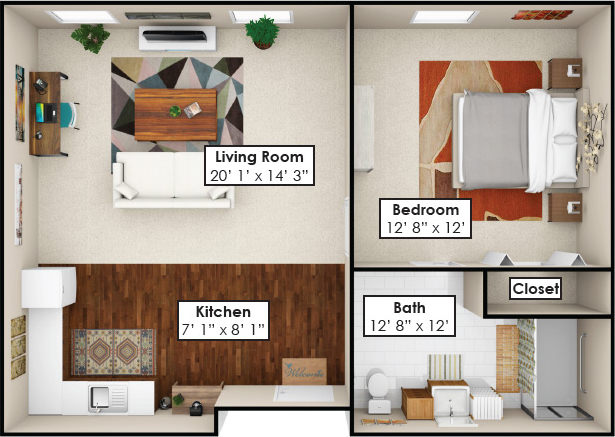
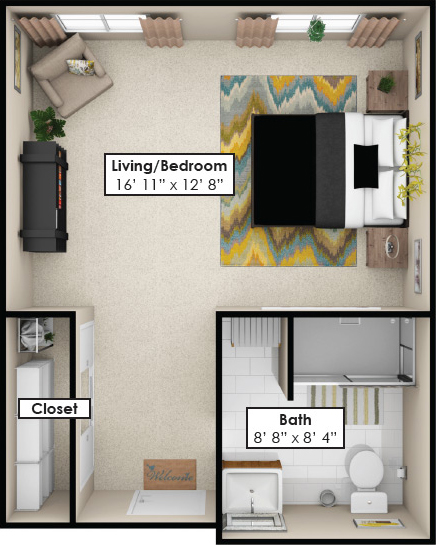
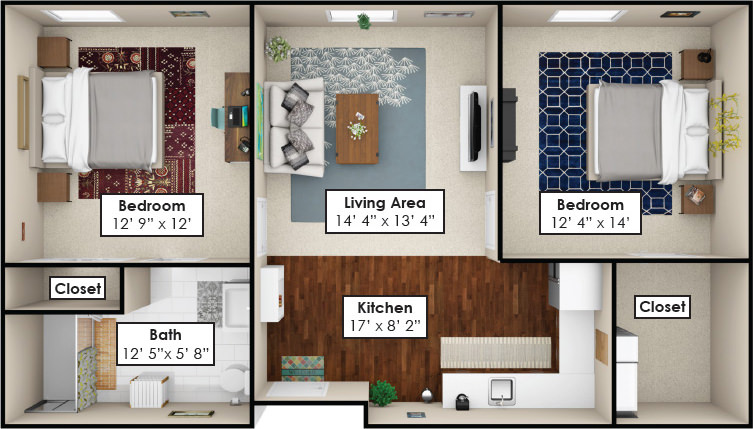
Living Spaces & Floor Plans
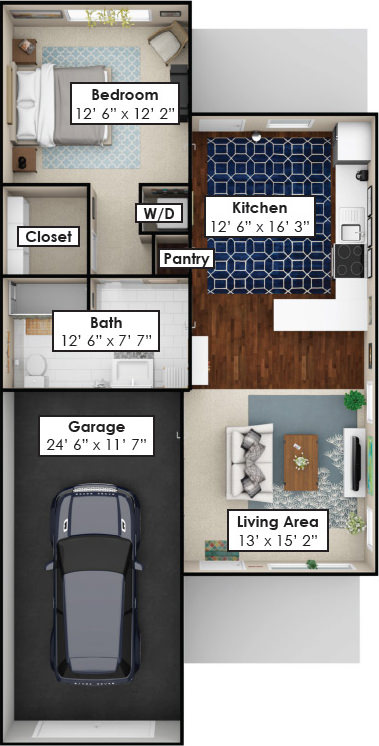
Traditions At Brookside Plan 4
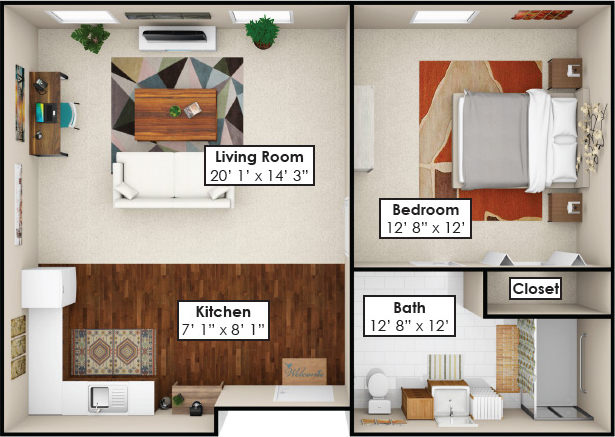
Traditions At Brookside Plan 3
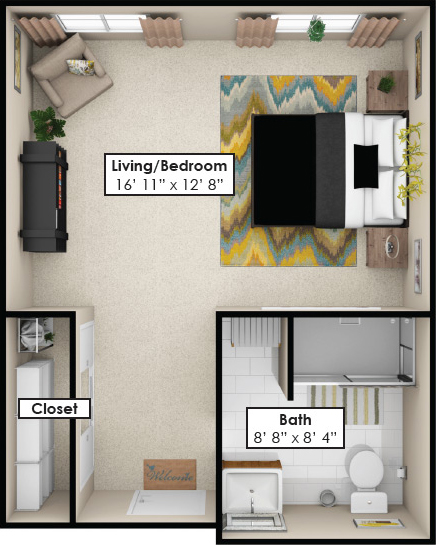
Traditions At Brookside Plan 2
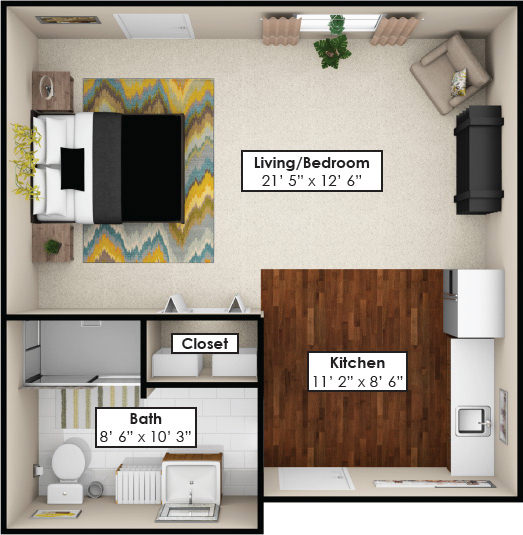
Traditions At Brookside Plan 1
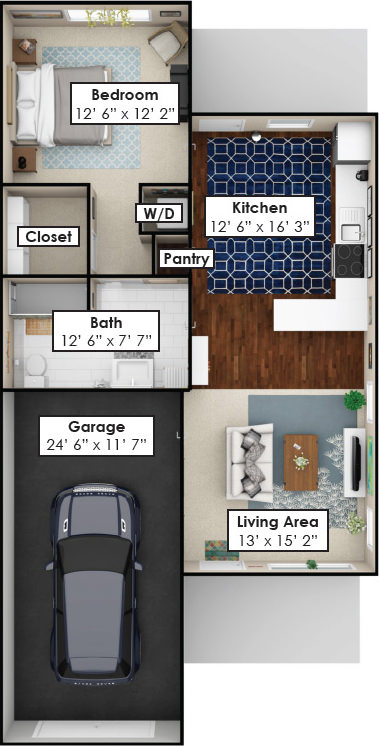
Traditions At Brookside Plan 5
Places of interest near Traditions at Brookside
 8.3 miles from city center — 5.17 miles to nearest hospital (IU Health Fishers)
 6311 W. CR, W 900 N, McCordsville, IN 46055
Calculate Travel Distance to Traditions at Brookside
Add your location
Guides for Better Senior Living
Care Cost Calculator: See Prices in Your Area
Nursing Home Data Explorer
Don’t Wait Too Long: 7 Red Flag Signs Your Parent Needs Assisted Living Now
The True Cost of Assisted Living in 2025 – And How Families Are Paying For It
Understanding Senior Living Costs: Pricing Models, Discounts & Financial Assistance
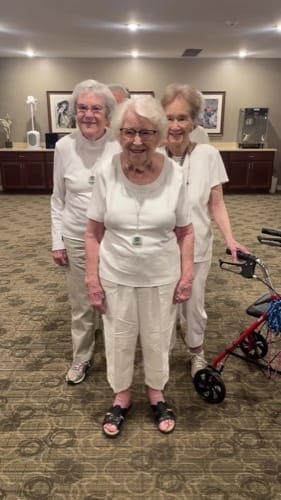
Financial Aid for Indiana Seniors
Get financial aid guidance


Touring Checklist for Senior Living
Touring a community? Use this expert-backed checklist to stay organized, ask the right questions, and find the perfect fit.
Location
Community Spaces and Overall Environment
Services
Staffing
Accommodations
Finances
Other Notes
Send Checklist to Your Email
We'll send you a PDF version of the touring checklist.