
Compare Senior Communities around North Carolina
The information below is reported by the North Carolina Department of Health and Human Services, Division of Health Service Regulation.
| Glenaire | SC NH AL IL | Cary (Glenaire) | 71
Facility
71
NC AVG
72
Rank
#183 / 388 | No |
25
Facility
25
NC AVG
33
Rank
#347 / 573 | 94.1% | 3 | - |
| Hillside Nursing & Rehab | SC AL NH SNF | Wake Forest | 130
Facility
130
NC AVG
72
Rank
#24 / 388 | No |
19
Facility
19
NC AVG
33
Rank
#385 / 573 | 85.6% | 3 | Private Rooms |
| St. Joseph of the Pines, a CCRC | SC AL IL MC NH SNF | Southern Pines | 176
Facility
176
NC AVG
72
Rank
#5 / 388 | Yes |
2
Facility
2
NC AVG
33
Rank
#527 / 573 | 41.0% | - | Private Rooms |
| The Rosewood Health Center – The Cypress of Raleigh | SC MC NH SNF | Raleigh (North Raleigh) | 57
Facility
57
NC AVG
72
Rank
#278 / 388 | No |
71
Facility
71
NC AVG
33
Rank
#28 / 573 | 80.4% | - | - |
| River Landing At Sandy Ridge | SC AL IL MC NH | Colfax | 60
Facility
60
NC AVG
72
Rank
#231 / 388 | Yes |
7
Facility
7
NC AVG
33
Rank
#477 / 573 | 92.5% | - | Apartments / Cottages / Townhomes / Villas |
| Piedmont Crossing | SC NH AL HC IL MC RC SNF | Thomasville (Hedrick Drive) | 104
Facility
104
NC AVG
72
Rank
#70 / 388 | Yes |
4
Facility
4
NC AVG
33
Rank
#507 / 573 | 74.0% | - | 1 Bed / 2 Bed |
| Friends Homes | SC NH AL IL MC SNF | Greensboro (Guilford College) | 69
Facility
69
NC AVG
72
Rank
#193 / 388 | No |
35
Facility
35
NC AVG
33
Rank
#261 / 573 | 87.5% | - | Villa Apartments / Townhomes / Apartments / Cottages |
| Carol Woods | SC AL IL NH SNF | Chapel Hill (Carol Woods) | 30
Facility
30
NC AVG
72
Rank
#327 / 388 | Yes |
13
Facility
13
NC AVG
33
Rank
#433 / 573 | 72.7% | 3 | Studio / 1 Bed / 2 Bed |
| Abernethy Laurels | SC NH AL HC IL MC RC SNF | Newton | 174
Facility
174
NC AVG
72
Rank
#6 / 388 | Yes |
0
Facility
0
NC AVG
33
Rank
#549 / 573 | 96.0% | - | 1 Bed /2 Bed |
| Village Green Health and Rehabilitation | SC NH SNF | Fayetteville (Terry Sanford) | 170
Facility
170
NC AVG
72
Rank
#7 / 388 | No |
48
Facility
48
NC AVG
33
Rank
#168 / 573 | 68.8% | - | - |
| BellaRose Nursing and Rehab | SC HOS NH RC SNF | Garner | 100
Facility
100
NC AVG
72
Rank
#78 / 388 | No |
4
Facility
4
NC AVG
33
Rank
#507 / 573 | 93.9% | - | Private / Semi-Private Suites |
| Perry Creek Health & Rehabilitation Center | SC NH SNF | Raleigh (Northeast Raleigh) | 90
Facility
90
NC AVG
72
Rank
#117 / 388 | No |
24
Facility
24
NC AVG
33
Rank
#350 / 573 | 84.0% | - | Private / Shared Rooms |
| Givens Highland Farms | SC HC IL NH RC SNF | Black Mountain | 60
Facility
60
NC AVG
72
Rank
#231 / 388 | Yes |
12
Facility
12
NC AVG
33
Rank
#441 / 573 | 84.7% | - | Studio / 1 Bed / 2 Bed / 3 Bed |
| Carolina Bay at Autumn Hall | SC AL IL MC NH SNF | Wilmington (Windemere) | 30
Facility
30
NC AVG
72
Rank
#327 / 388 | No |
18
Facility
18
NC AVG
33
Rank
#395 / 573 | 94.3% | - | 1 Bed / 2 Bed |
| Given Estates | SC AL NH RC SNF | Asheville (Stockwood) | 70
Facility
70
NC AVG
72
Rank
#184 / 388 | Yes |
29
Facility
29
NC AVG
33
Rank
#322 / 573 | 82.0% | - | - |
Liberty Commons, a healthcare facility in Wilmington, NC, is dedicated to providing a range of services, including assisted living and skilled nursing services. The accommodation options at Liberty Commons feature spacious private and semi-private suites equipped with amenities such as complimentary WiFi internet, flat-screen TVs with complimentary cable, and in-room refrigerators. The community’s focus on healthcare services extends to assisted living, where residents receive personalized support tailored to their individual needs, including dressing, bathing, and medication reminders.
Liberty Commons offers a variety of amenities to enhance the living experience for residents. In-room dining, outdoor and indoor gathering areas, salon services, and daily housekeeping and laundry services contribute to a comfortable and well-maintained environment. The community ensures convenience with admissions available seven days a week. Residents also engage in social activities, fostering a sense of community and connection. Liberty Commons stands as a healthcare facility committed to providing not only essential services but also a supportive and engaging living experience for its residents.
Guardian Community Care – Supporting Independence with Compassion
At Guardian Community Care, we believe every individual deserves to age with dignity, independence, and compassion. Based in Knightdale, North Carolina, we proudly serve Wake, Durham, Chatham, Cumberland, Wilson, and surrounding counties with a full range of non-medical home care services designed to meet the unique needs of each client.
Our team of dedicated caregivers and licensed nurses provide support with:
- – Personal Care: Bathing, dressing, grooming, and mobility assistance
- – Companionship: Meaningful social engagement to reduce loneliness and isolation
- – Medication Reminders & Safety Checks: Helping clients stay safe and on schedule
- – Household Support: Light housekeeping, meal preparation, and errands
- – Specialized Care: Dementia and Alzheimer’s support, fall prevention, and veteran care coordination
What sets Guardian Community Care apart is our commitment to community and family-centered care. We offer free in-home safety checks, personalized care plans, and ongoing communication with families to ensure peace of mind.
Our mission is simple: to bridge the gap between hospital and home by empowering families with reliable, compassionate care.
Learn more about our services at www.guardiancommunitycare.org or call us at (984) 275-9863 to schedule a free consultation.
Southfork is a 78-bed nursing home at 1345 Jonestown Road, Winston-Salem, Forsyth County, North Carolina. The facility provides 24-hour skilled nursing and secured living services; accepts Medicaid and respite care. A 3-star state rating places it tied for 40th of 138 North Carolina homes. Current occupancy is 60 percent (47 of 78 beds) which is below the state average of 76.4 percent.
Systemic failures in staffing, housekeeping, medication management, and resident care define Southfork’s regulatory record. The August 1, 2025 annual inspection found seven deficiencies that consolidate longstanding operational gaps. Aided residents in the Assisted Living unit experienced staffing shortages in 7 of 9 sampled shifts, with documented gaps ranging from 1 to 11.5 hours per shift; inadequate staffing led to delayed call bell responses and insufficient assistance for three sampled residents, violating their right to dignity and respect. Kitchen housekeeping was substandard: brown and black grease buildup contaminated floors; ice for resident consumption was stored uncovered.
Water was not served with meals to 31 of 37 assisted living residents, which is a violation of nutrition standards. Medication management failed for two residents: one did not receive ordered sertraline (six scheduled doses were not given), and documentation of insulin aspart administration proved inaccurate for another resident, with doses recorded as given but held.
Physical plant and fire safety deficiencies cluster across seven years, reflecting systemic maintenance failures. July 2023’s eleven citations encompassed automatic door closers removed from smoke barrier walls, emergency release switch covers screwed shut, absent fire and building inspection documentation, a bathroom converted to storage with 30 cardboard boxes, non-functional wanderer alarms, unsafe exterior premises (water damage, trip hazards), deteriorated furnishings and peeling ceilings, improper oxygen bottle storage, missing quarterly fire rehearsal records, compromised fire-resistant ceiling assemblies with bent sprinkler deflectors and electrical hazards, and absent exhaust ventilation. September 2017 and November 2019 surveys documented overlapping violations: improper corridor door latching, obstructed egress, dust and odor accumulation, inadequate grab bars in resident bathrooms, failed emergency lighting, missing fire extinguisher documentation, and gaps in fire-resistant construction. July 2015 identified eight deficiencies including code non-compliance on special locking arrangements with staff unaware of emergency override procedures; missing sanitation and fire safety reports; poor housekeeping with spider webs in 12 percent of bedroom closets; uncovered oxygen cylinders; improperly maintained fire doors; and non-functional exhaust in designated areas.
November 2023 and June 2024 follow-up surveys identified bent sprinkler deflectors impairing fire suppression capability. December 2022 and October 2019 annual inspections documented failure to implement physician orders (blood pressure, weight, and laboratory monitoring) and failure to serve mandated milk quantities to Special Care Unit residents.
Over seven years and across ten inspections, Southfork averaged 7.9 deficiencies annually, 52 percent above North Carolina’s 5.2-deficiency benchmark. The facility operates restaurant-style dining, entertainment and library rooms, outdoor common areas, transportation, housekeeping, and 24-hour staffing. No fines or license suspensions appear in the record.
Families should verify corrective actions taken following the August 2025 medication documentation, staffing hours, kitchen sanitation, and resident dignity deficiencies.
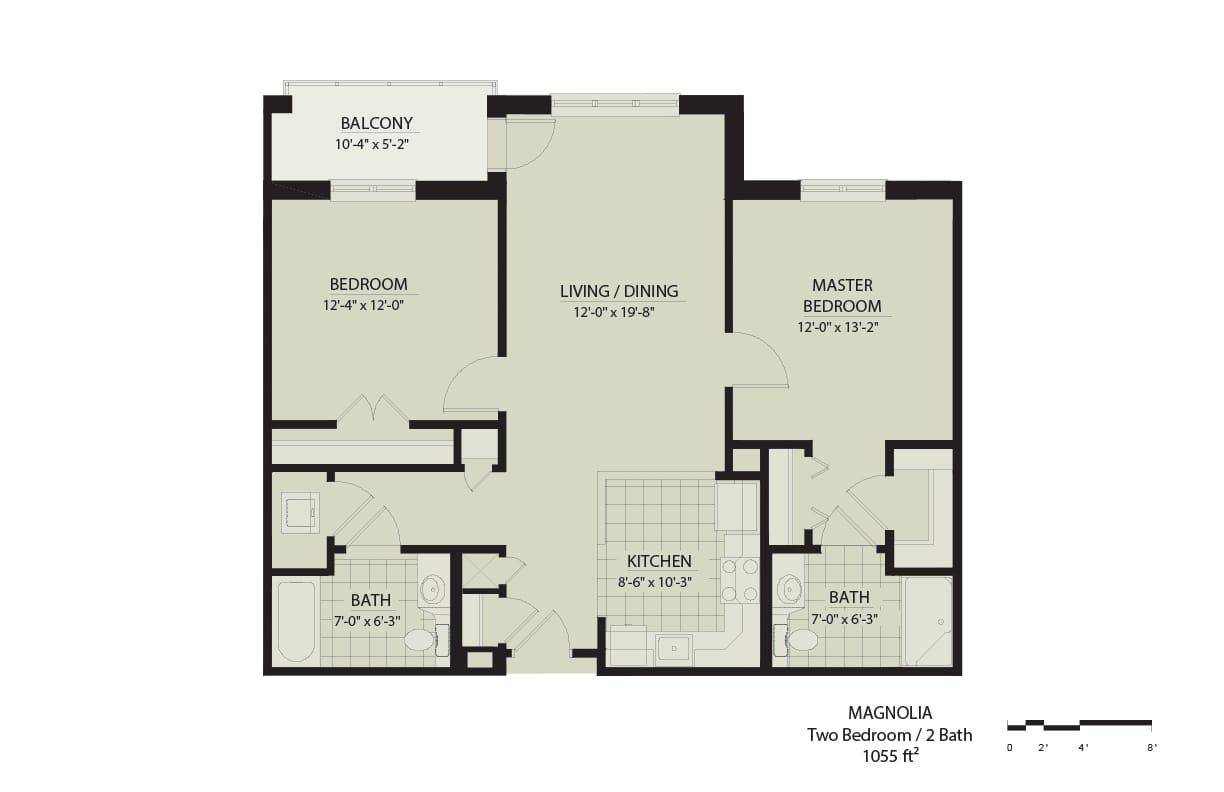
The Magnolia is an exceptional assisted living and memory care community in Charlotte, NC, that offers personal care and specialized care. Promoting a home-like setting, the community ensures older adults can find a place to spend their golden years comfortably, even when they’re away from home. Medication reminders, specialized therapies, and recreational programs are offered to enrich residents’ living experiences. The community doubles its efforts to enrich residents’ living experiences, providing personalized care plans.
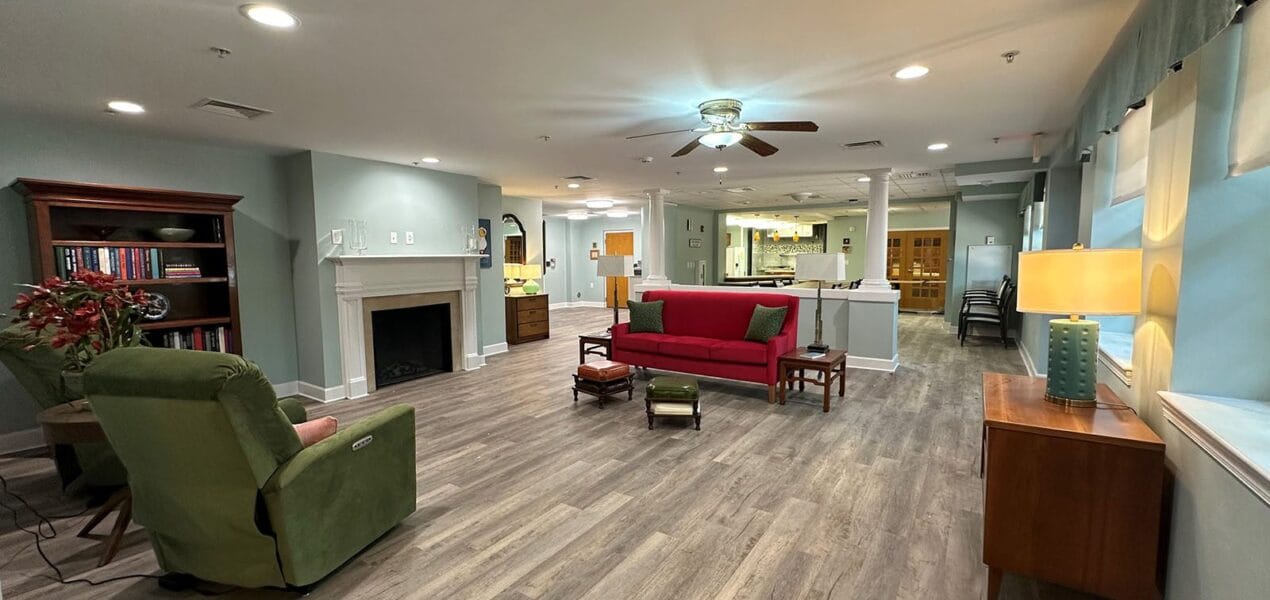
Gardening, light yoga, and walking groups allow residents to live actively and interact with their peers. Chef-prepared meal options are also offered to ensure residents have a delightful dining experience. With its serene location near local establishments and parks, the community guarantees accessibility and convenience. This assisted living community is a trusted choice for retirement in North Carolina, especially with its nurturing setting and cozy living spaces.
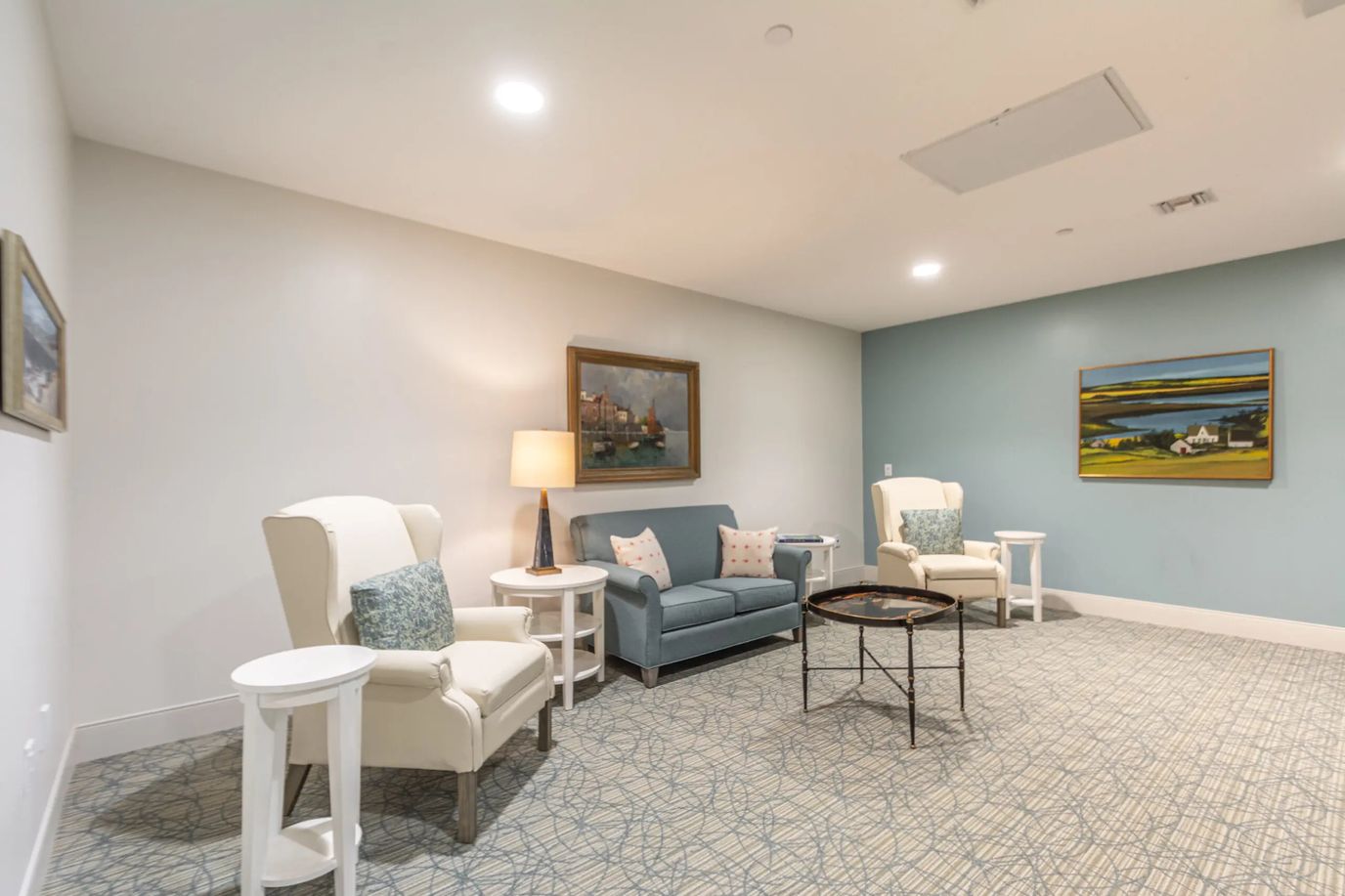
Cleveland House is a 72-bed home for the aged facility at 950 Hardin Drive, Shelby, Cleveland County, North Carolina. It provides 24-hour staffing and accepts Medicaid, focusing on residential senior care.
Serious resident care failures and systemic fire safety infrastructure deficiencies characterize Cleveland House’s regulatory record. Over six years, the facility averaged 10 deficiencies annually, 92 percent above North Carolina’s 5.2-deficiency benchmark. A substantiated January 2020 complaint investigation documented critical care failures during a norovirus outbreak. The facility failed to maintain temperature at 75°F in resident rooms and dining area during winter.
One of five staff members sampled had substantiated findings on the North Carolina Health Care Personnel Registry upon hire. Personal care failures resulted in untreated genital and buttock rash and dried soiled incontinent brief adhered to skin for two of five residents. Timely referral and follow-up failed for residents with untreated rash and psychotropic medication not administered for up to 28 days. Medications were improperly labeled for two residents; four residents did not receive medications as ordered (9.5 percent medication error rate).
Medication administration records were inaccurate for two residents. The facility failed to notify Cleveland County Department of Social Services of incidents resulting in injury or emergency medical evaluation for six of 26 residents involving falls. Residents were denied showers and personal care during outbreak. Infection control policy was not implemented per CDC guidelines.
A substantiated November 2019 complaint investigation identified four resident care deficiencies. The facility failed to provide adequate supervision for five sampled residents related to falls. Failed to assure timely referral and follow-up for acute health care needs. Failed to treat residents with dignity and respect.
Failed to notify local law enforcement of a resident’s unexpected death.
Physical plant and fire safety failures appear across inspection cycles.
June 2019 construction survey identified 10 deficiencies. Earlier inspections spanning 2015-2017 document persistent fire safety infrastructure failures including unprotected penetrations in smoke barriers, missing or damaged sprinkler heads, non-functioning emergency lighting, improperly stored portable oxygen cylinders, inadequate fire safety rehearsal documentation, electrical hazards, and non-functioning exhaust fans in multiple locations. Follow-up surveys in 2015 and 2017 confirmed some deficiencies remained uncorrected.
Medication administration deficiencies appear across clinical inspections. November 2022 annual survey documented failure to ensure physician contact for unclear medication order for one resident and inaccurate electronic medication administration records for wound care documentation. No fines or license suspensions appear in the record.
The pattern of serious resident care failures during the 2020 norovirus outbreak, combined with persistent fire safety and physical plant deficiencies, warrants careful family inquiry.
Families should ask about corrections following the January 2020 outbreak, fire safety, fall-risk supervision, and medication administration oversight and electronic record accuracy procedures.
Tre’ More Manor ALF is a 31-bed assisted living center at 6016 Pine Town Road, Oxford, Granville County, North Carolina, located in downtown Oxford. the facility offers assisted living, memory care, and rehabilitation with 24-hour staffing. Amenities include medication assistance, bathing and feeding assistance, daily housekeeping, scheduled transportation, in-house physician, psychiatric and physical therapists, and salon and barbershop facilities. CMS Overall Rating is 3 out of 5 stars.
The facility does not accept Medicaid or Medicare.
The regulatory record spans ten years of persistent deficiencies in medication management, facility maintenance, fire safety, infection control, and care practices. Over eight years, Tre’ More Manor logged 69 deficiencies, averaging 8.6 annually, 65 percent worse than North Carolina’s 5.2-deficiency benchmark. A February 18, 2015, construction survey cited sixteen deficiencies in fire safety reports, unstable handrails, sanitation, fire rehearsals, fire protection systems, prohibited electric heaters, and ventilation. A March 31, 2017, construction survey cited eight deficiencies in exterior railings, grab rails, paint, door hardware, shower piping, gaps, and fire-resistant ceilings.
A May 25, 2017, follow-up survey cited four deficiencies in separated ramp railings, separated grab rail, rotten fascia, and peeling paint. A November 29, 2018, annual survey cited nine deficiencies in bathroom cleanliness and furnishings, tuberculosis testing, dietary menus, milk service, pharmacy reviews, physical restraint use, and controlled substance screening. A February 27, 2019, construction survey cited nine deficiencies in inspection reports, outside premises, wall and ceiling repair, handrails, fire systems, and basement water damage. A March 14, 2019, follow-up survey cited one deficiency in improper physical restraint use without physician order or alternatives documentation.
A May 16, 2019, follow-up construction survey cited one deficiency in basement standing water causing damage. A March 24, 2022, annual survey cited eight deficiencies in tuberculosis testing, therapeutic diet menus, therapeutic diet service, medication administration records, medication aide training, and COVID-19 infection control. A December 7, 2023, construction survey cited eight deficiencies in fire and safety reports, bathroom accessibility, outside premises, wall repair, fire rehearsals, fire safety equipment and doors, ceiling penetrations, and heat detectors. An October 30, 2024, follow-up construction survey cited one deficiency in bathtub accessibility after renovation replaced it with shower.
A March 19, 2025, annual survey cited four deficiencies: failure to administer medications as ordered for one resident, failure to document medication administration immediately on eMAR, failure to implement infection control during medication administration with healthcare worker not changing gloves between residents, and failure to secure medications with unlocked medication carts, rooms, and offices. No fines or license suspensions are records.
The facility’s 3-star CMS rating combined with 65 percent worse-than-average deficiency rate spanning ten years reflects persistent operational failures. The March 2025 medication security failures with unlocked medication storage accessible to unauthorized persons and medication administration errors represent immediate patient safety risks. Decade-long facility maintenance failures including unrepaired railings, unstable handrails, basement water damage, and improper bathroom renovations removing required accessible bathtub demonstrate inability to maintain basic resident safety and accessibility.
Before placement, families should ask about the March 2025 medication security failures and current protocols for medication administration safeguards and facility maintenance.
The Bluefields is a 78-bed memory care and assisted living community at 1935 Lincoln Road, Leland, Brunswick County, North Carolina,, rated 3 out of 5 overall by the North Carolina Department of Health and Human Services, Division of Health Service Regulation, and ranked 40th (tied) among 138 homes statewide. A secured Special Care Unit serves residents with Alzheimer’s and dementia; 24-hour staffing and secured living are confirmed. Medicaid is accepted; Medicare is not. Occupancy stood at 50 of 78 beds (64 percent) as of October 2020, below the North Carolina average of 76.4 percent, with census having declined from 74 residents at the August 2019 inspection.
Amenities include restaurant-style dining, housekeeping, transportation, maintenance, a library, an entertainment room, and an outdoor common area.
The regulatory record here requires serious attention before any placement decision. Thirteen inspections from August 2015 through August 2021 average 7.7 deficiencies per year, 48 percent above the North Carolina benchmark of 5.2.
The most consequential finding is a substantiated April 2016 complaint investigation in which inadequate supervision during the assisted living dining room supper meal resulted in the injury and death of Resident 2. That same investigation found failure to notify Resident 2’s physician of health care needs and psychotherapist recommendations, and a staff member refusing to change a resident’s soiled bed linen while speaking to her disrespectfully.
The October 2020 complaint and COVID-19 infection control survey produced 11 deficiencies, including Memory Care Unit staffing shortages across multiple shifts, a vacant Memory Care Manager position that had gone unfilled for months, failure to call EMS or perform CPR on an unresponsive resident without a DNR, delayed health care referral leading to a second resident’s hospitalization and death, personal care failures, COVID-19 isolation and screening failures, and meal service dignity violations. The August 2019 annual inspection added 10 deficiencies: a 35 percent medication error rate, absent third-shift CPR certification on 14 of 15 sampled shifts, supervisor absent for 19 of 24 sampled shifts, and missed or delayed medical appointments for 5 residents.
Subsequent 2019 and 2020 follow-up surveys documented a 12 percent medication error rate and a 25-day delay in urological care for a resident passing blood in her urine. The August 2021 annual inspection found 5 deficiencies, including a staff member hired without required North Carolina Health Care Personnel Registry verification and a total-care resident transferred without the required two-person assist. Earlier substantiated complaints cover bed bug infestations in approximately 20 rooms in 2015, mold growth in 8 rooms from roof leaks and faulty HVAC equipment in 2017, and recurring physical plant failures.
No fines or license suspensions appear in the available record.
Leland sits roughly 10 miles west of Wilmington in Brunswick County; Novant Health Brunswick Medical Center is the primary nearby acute-care resource.
Families should ask administrators directly about corrective actions following the 2016 dining supervision death, current Memory Care Unit staffing levels, and medication administration audit protocols.
Wilson House is a senior living facility located in Wilson, North Carolina. It offers assisted living, memory care, and secured living options for seniors. The community focuses on providing personalized care and a supportive environment for residents.
Faith Assisted Living Facility
Faith Assisted Living Facility is a 30-bed assisted living facility with memory care at 3032 NC Highway 16 South, Taylorsville, Alexander County, North Carolina, licensed HAL-002-008 (Active), offering 24-hour care with personal care, three meals a day, medication administration and monitoring, housekeeping, laundry, emergency care, social and recreational activities, safety and security, transportation. Current occupancy is 16 of 30 beds (53 percent) as of January 2025, lower than North Carolina average of 76.4 percent. The facility does not accept Medicaid or Medicare and does not offer respite care or rehabilitation services. Overall rating is 4/5.
Occupancy remains at 53 percent, significantly below state average, potentially reflecting family and community awareness of documented safety and compliance failures. Taylorsville is in Alexander County in the Foothills region of North Carolina; Catawba Valley Medical Center is the primary nearby acute-care resource.
The facility’s regulatory record reflects systemic deficiencies, with a deficiency rate of 21.8 per year, 319 percent worse than North Carolina average of 5.2. Findings document critical safety failures and substantiated harm to residents.
The May 14, 2025, construction survey identified 14 current deficiencies. The January 8, 2025, annual survey documented failure to report confirmed influenza outbreak affecting 5 residents, resulting in 2 hospitalizations, and involving 2 staff members beginning December 31, 2024. The facility’s historical pattern of serious violations spans a decade. The October 2017 follow-up investigation substantiated 7 serious deficiencies.
The July 2017 complaint investigation documented 14 deficiencies including documented disrespectful treatment of residents.
The April 2017 annual survey revealed 13 serious deficiencies including inadequate supervision of residents with fall history and catastrophic controlled substance discrepancies with staff suspected of diversion. The August 2016 and July 2016 construction and complaint investigations documented additional deficiencies. The February 2016 follow-up found failure to provide minimum 14 hours of weekly activities. The December 2015 annual survey documented 12 deficiencies including inadequate supervision contributing to resident harm, insufficient activities and substantiated controlled drug diversion for 2 residents.
The April 2015 and January 2015 surveys documented additional infection control failures through shared lancet devices, medication administration errors, food contamination, missing table service, improper Schedule II medication storage, and 200 Percocet tablets stolen with staff competency and training gaps. Multiple medication aides and staff were terminated or suspended for suspected controlled substance diversion or regulatory violations.
No fines or license suspensions appear in the record.
Substantiated medication administration failures, massive controlled substance discrepancies totaling over 700 missing doses, documented staff drug diversion, inadequate supervision resulting in resident injuries, fire safety violations, infection control failures including shared blood glucose meters, and systemic staff training gaps create extreme placement risk.
Families should ask about medication administration oversight, infection control, fire safety since May 2025, staff background screening, and corrections implemented since May 2025.
The Bradford Village of Kernersville – West
The Bradford Village of Kernersville – West is a 62-bed assisted living and memory care center at 602 Piney Grove Road, Kernersville, Forsyth County, North Carolina, 0.9 miles from downtown. the facility offers assisted living and memory care with 24-hour staffing. Amenities include on-site beauty shop, physical therapy, occupational therapy, speech therapy, physician and podiatry services, and pharmacy. CMS Overall Rating is 3 out of 5 stars.
Current occupancy is 49 residents from a 62-bed capacity (79 percent). The facility accepts Medicaid but not Medicare.
The regulatory record spans ten years of severe and persistent deficiencies in medication administration, facility maintenance, fire safety, infection control, resident supervision, and health care coordination. Over ten years, The Bradford Village logged 110 deficiencies, averaging 11 annually, 112 percent worse than North Carolina’s 5.2-deficiency benchmark. A July 22, 2015, construction survey cited fourteen deficiencies including blocked exits, missing hand grips, improper linen and oxygen storage, unprotected penetrations, unsafe electrical systems, and inadequate ventilation. An October 13, 2015, annual survey cited four deficiencies in oxygen storage and therapeutic diet accuracy.
A March 15, 2016, follow-up survey cited two deficiencies in therapeutic diet compliance. A July 13, 2017, construction survey cited eight deficiencies including poor flooring, broken tiles, malfunctioning doors, gaps in fire-resistant ceilings, and non-operational exit signs. A November 7, 2017, follow-up survey cited three deficiencies in door sealing and plumbing. A May 16, 2019, annual survey and complaint investigation cited five deficiencies: failure to complete personal care training, failure to supervise resident with dementia resulting in multiple unwitnessed falls, failure to notify physician, medication administration errors, and inaccurate records.
A July 31, 2019, construction survey cited nine deficiencies including missing hand grips, peeling paint, resident on bare mattress, missing towel bars, and unsecured gas lines. An October 16, 2019, follow-up survey cited three deficiencies in medication administration. An October 23, 2020, complaint investigation and COVID-19 survey cited five deficiencies in sanitation, health care coordination, medication administration, staff training, and controlled substance records. A March 16, 2021, follow-up survey cited four deficiencies including critical medication errors: administering Humulin R U500 insulin with U100 syringes resulting in five times prescribed dose for multiple administrations, administering Humalog insulin outside physician parameters, unauthorized self-administration of emergency inhaler, and inaccurate controlled substance records.
A June 21, 2021, annual survey cited six deficiencies: failure to implement weight monitoring orders, failure to serve therapeutic diets, forced mask-wearing and facility restrictions violating resident dignity, medication administration errors, inaccurate controlled substance records, and infection control failures in glucometer use. An October 12, 2021, follow-up and complaint investigation cited seven deficiencies: inadequate third-shift staffing, failure to notify providers for health changes, failure to implement physician orders, medication errors, inaccurate controlled substance records, and infection control violations. A January 7, 2022, follow-up and complaint investigation cited five deficiencies: failure to provide personal care for five residents resulting in skin ulcer, inaccurate medication records, inaccurate controlled substance records, failure to timely report verbal abuse allegations, and failure to treat residents with respect and dignity. An April 7, 2022, follow-up survey cited seven deficiencies: medication aide training failures, failure to notify physicians for health changes, medication administration errors, inaccurate controlled substance records, and COVID-19 mask policy violations.
A June 22, 2023, follow-up survey cited five deficiencies: competency validation failures for medication staff, failure to follow-up health care referrals, failure to administer vitamins as ordered, inaccurate medication records, and improper medication refrigeration. A March 16, 2023, annual survey cited six deficiencies: failure to complete annual care plans, inadequate supervision after resident falls, failure to ensure health care referrals, failure to serve therapeutic diets, medication administration errors, and inaccurate records. A July 19, 2023, follow-up survey cited five deficiencies in fire alarm system and building safety. A December 28, 2023, follow-up survey cited one deficiency: incomplete fire alarm system.
A September 19, 2024, annual and follow-up survey cited three deficiencies: failure to document medication aide training, failure to administer insulin as ordered, and inaccurate eMAR documentation. A June 18, 2025, construction follow-up survey cited one deficiency: non-operational showers in two group bathrooms. Occupancy has remained stable between 49 and 62 residents. No fines or license suspensions are records.
The facility’s 3-star CMS rating and deficiency rate more than double the state average reflect severe systemic failures spanning a decade with critical medication administration errors, resident neglect, inadequate supervision, and persistent facility maintenance and safety issues. The March 2021 critical insulin dosing error administering five times prescribed dose through incorrect syringe selection represents a life-threatening medication safety incident. The January 2022 substantiated neglect resulting in resident skin ulcer, and the June 2021 forced mask-wearing and facility restrictions violating resident dignity demonstrate serious patient rights and safety breaches. Persistent deficiencies despite repeated corrective action plans since 2015 indicate systemic failure to implement sustainable improvements across medication administration, staff training, facility maintenance, infection control, and resident supervision.
This facility requires substantial verification of all operational and safety systems.
Families should ask about the March 2021 critical insulin medication error, the January 2022 neglect incident, and supervision for residents with dementia and fall risk.
Ranking Methodology
How we rank these communities
Every community above is evaluated across six weighted categories using public data including state inspection records, review platforms, BBB profiles, and operator-published materials.
Weighting overview
- 35%Resident Experience
- 25%Regulatory
- 15%Visual Media
- 10%Website
- 10%Stability
- 5%Environment
01
Resident & Family Experience 35%
The single largest share of every ranking. Aggregated review sentiment and volume from major platforms — the closest signal to real resident experience.
- Includes
- Review Sentiment
- Review Volume
02
Regulatory & Safety Record 25%
State inspection records, citations, and complaint visits. We weight per-inspection rates more heavily than raw counts.
- Includes
- State Inspections
- Citations/Inspection
- % Inspections w/ Citations
- Complaint Visits
- Accreditations
- BBB Rating
03
Visual Media & Transparency 15%
Communities that publish high-quality visuals give families a real preview. No photos or tours = a negative transparency signal.
- Includes
- Video Tours
- Virtual Walkthroughs
- Photo Quantity
- Photo Quality
04
Website & Operator Transparency 10%
Site quality and whether the operator publishes basic accountability information — staff names, contact details, ownership.
- Includes
- Website Content
- Mobile Usability
- Staff Info Available
- Owner Info Available
05
Community Stability 10%
Operational signals indicating whether a community is well-run and meeting demand.
- Includes
- Occupancy Rate
- Bed Options
06
Environment & Pricing 5%
Walkability and pricing transparency. Walk Score is weighted higher for Independent Living than for Memory Care, where most residents do not leave unaccompanied.
- Includes
- Walk Score
- Pricing Transparency
Who we are
Your Senior Care Partner, Every Step of the Way
We help families find affordable senior communities and unlock same day discounts, Medicaid, and Medicare options tailored to your needs.
Contact us Today
Frequently Asked Questions about Senior Communities in North Carolina
What is senior living?
Senior communities are residential settings designed for adults aged 55 or older, with options ranging from active independent living to assisted living and memory care.
How many senior communities are listed on this page?
This page features 543 senior communities in North Carolina. Use the filters and comparison tools above to compare ratings, amenities, and pricing.
How do I choose the right senior community in North Carolina?
Start by matching the level of care offered to the resident's current and anticipated needs, then compare licensing status, staff-to-resident ratios, recent inspection results, and pricing. Tour at least two or three communities in North Carolina, talk to current residents and families, and confirm what is included in the base rate versus billed as add-on services.
What should I look for when visiting senior communities in North Carolina?
Pay attention to staff interactions with residents, cleanliness and odor, food quality at meal times, the activity calendar, and how questions about pricing and care plans are answered. Ask to see the most recent state inspection report, the move-out / level-of-care-change policy, and a sample monthly bill that lists every fee.