


Total health inspections
5
Arkansas average 4.2
Last Health inspection on May 2025

We arrange tours, appointments, and even moving support so you don’t have to
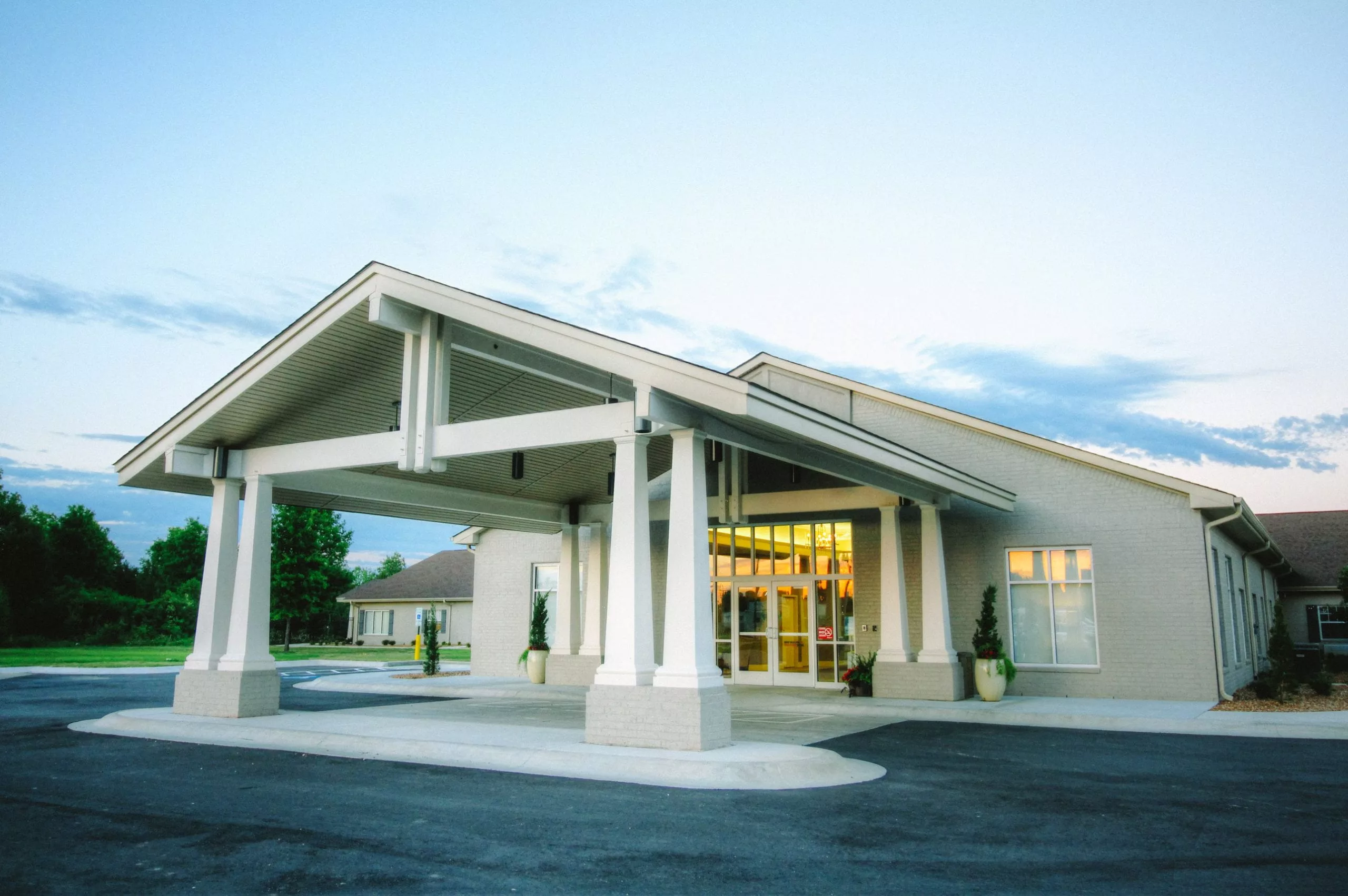
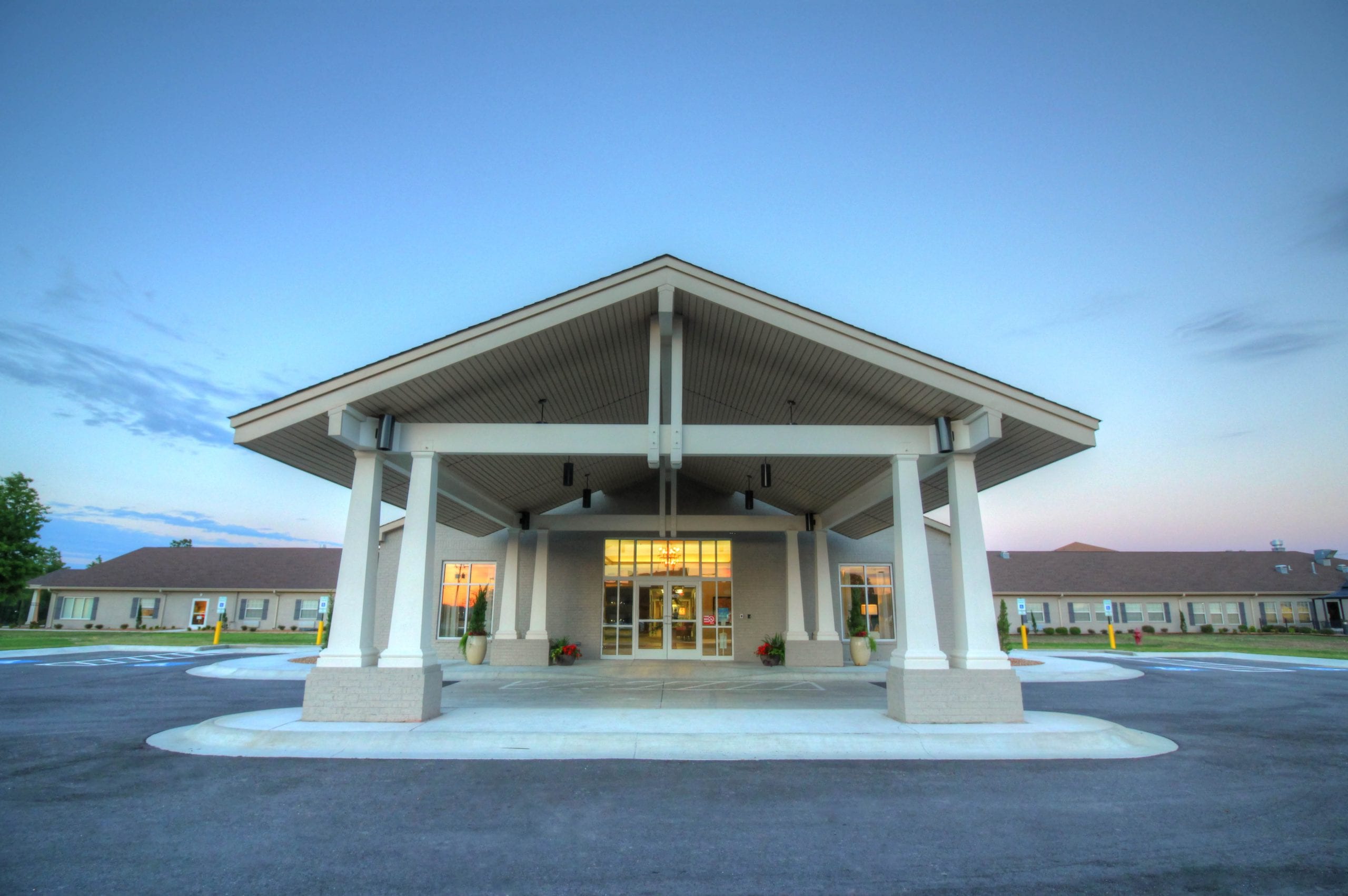
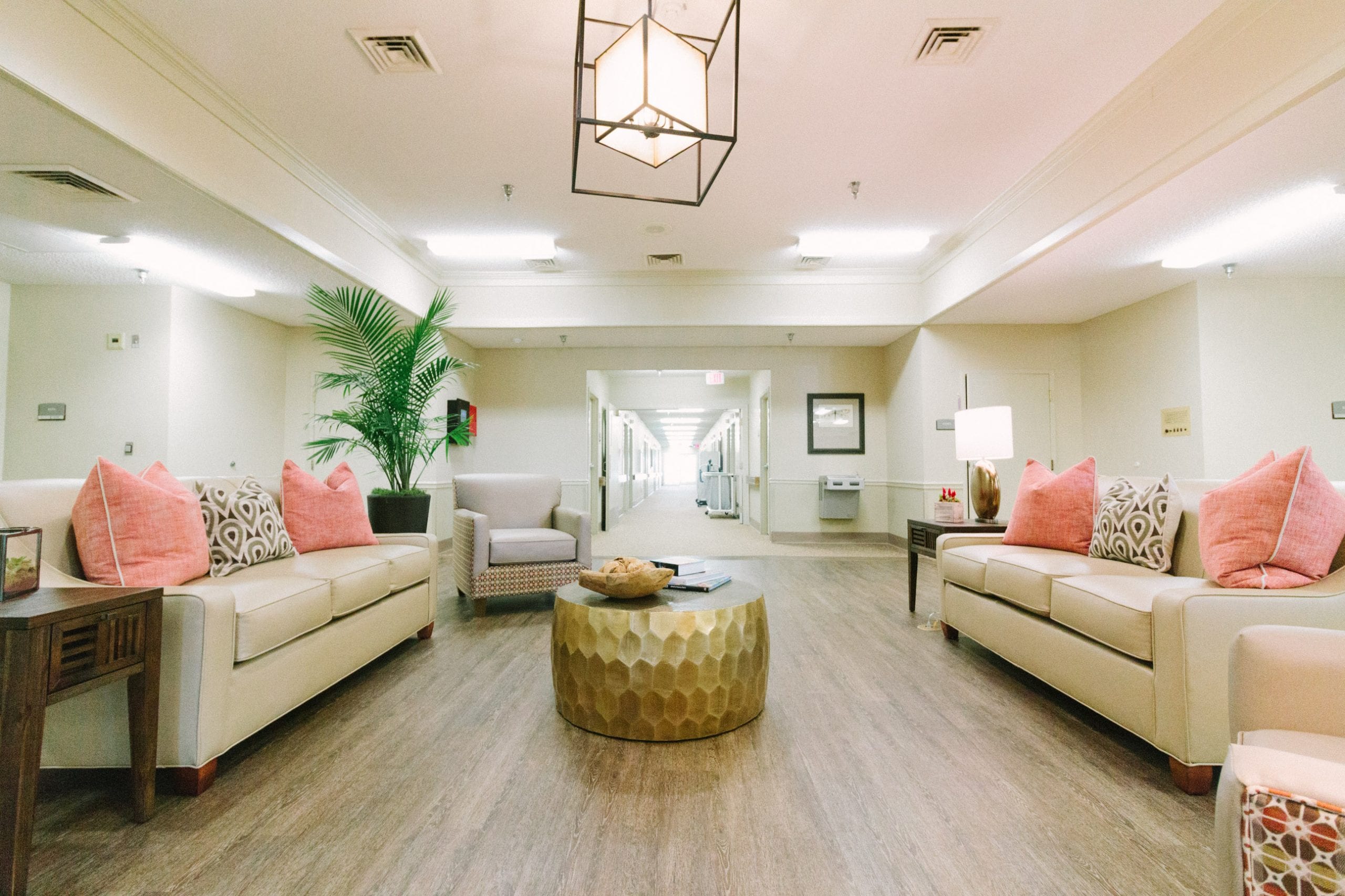
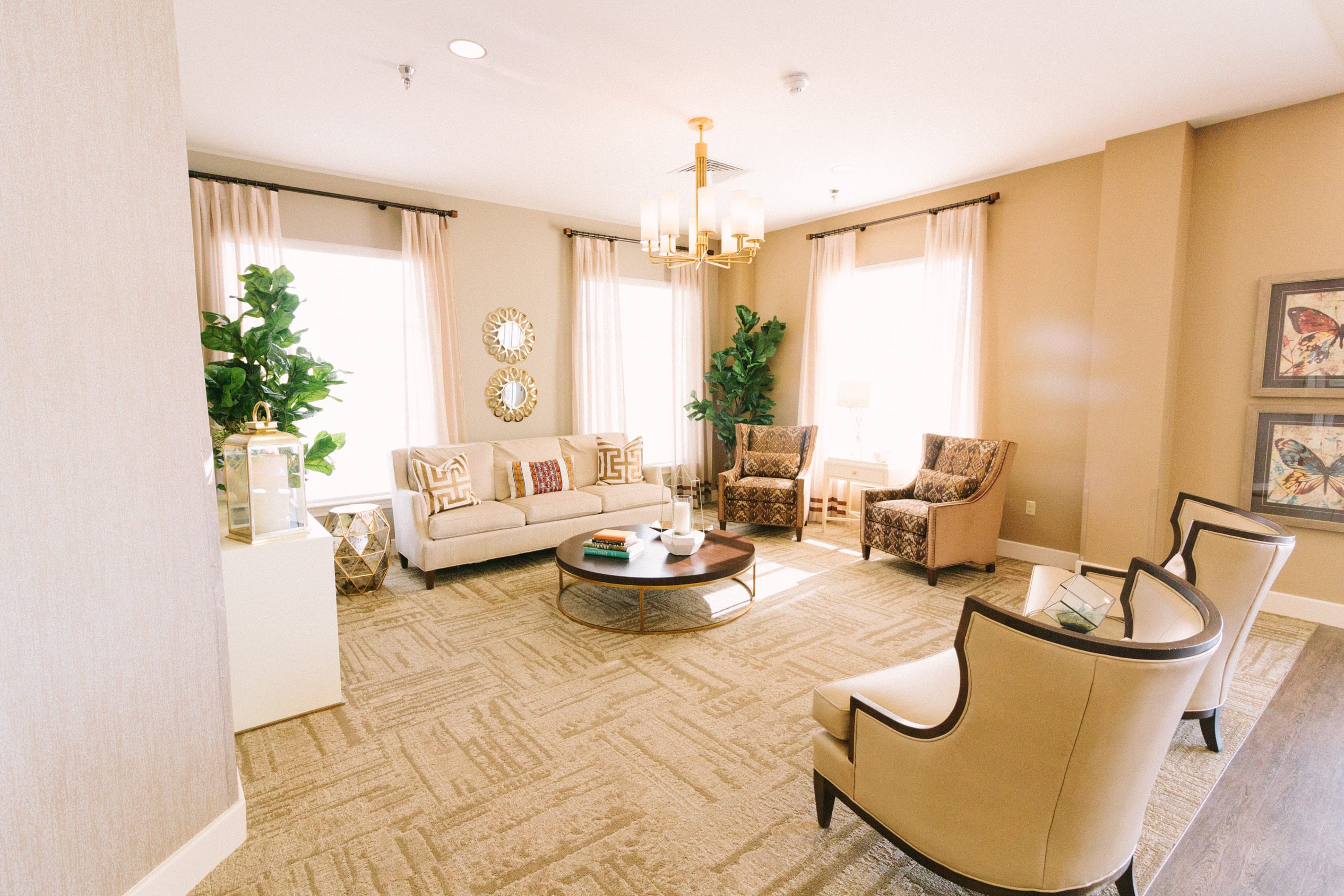
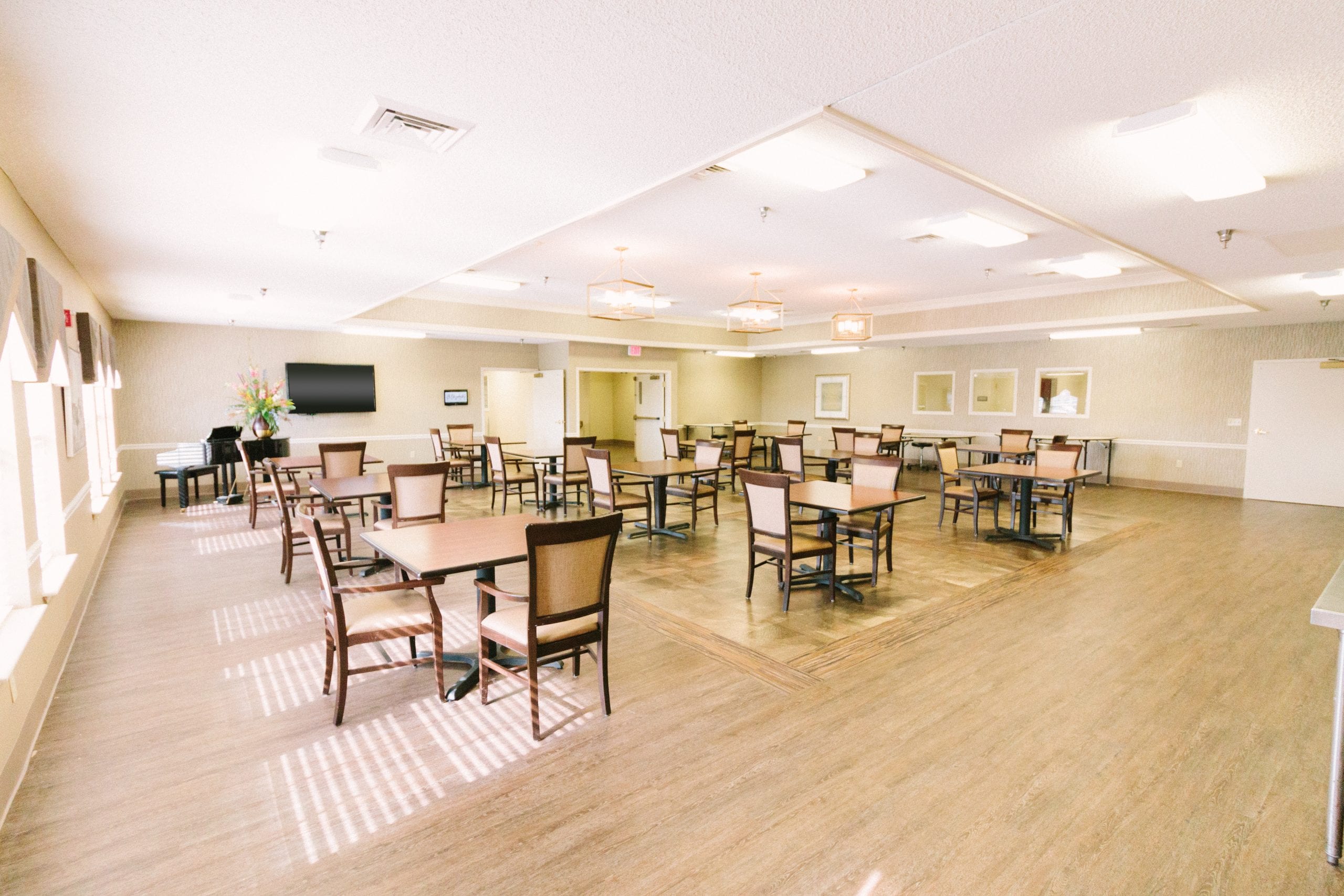


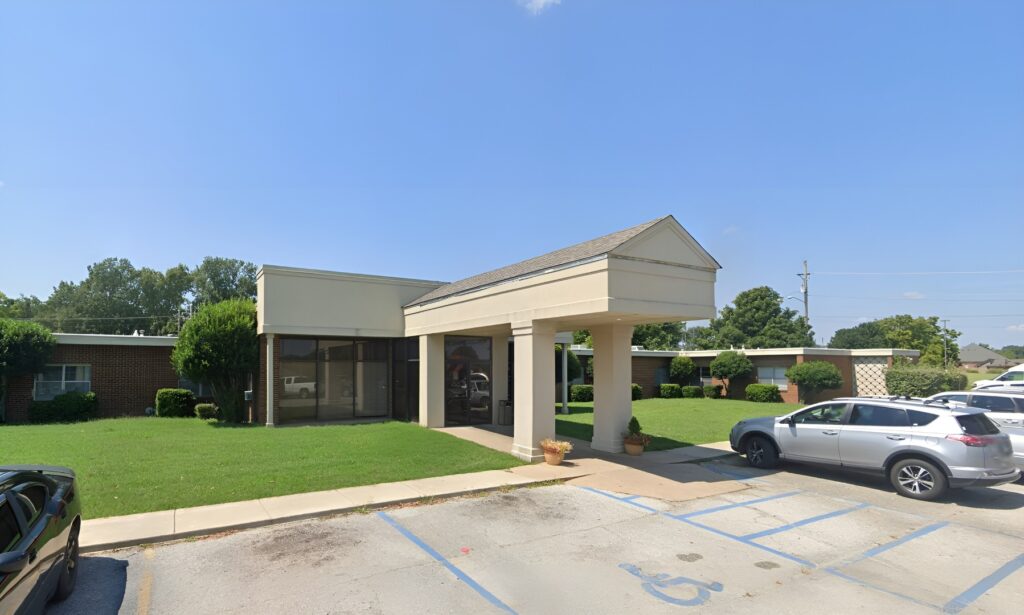
Nestled in the heart of Jonesboro, Arkansas, St. Elizabeth’s Place is a renowned senior care facility that offers exceptional short-term transitional and long-term care services. St. Elizabeth’s Place provides compassionate support and personalized care, whether you require specialized short-term rehabilitation to hasten your recovery or seek a comfortable long-term care setting.
As Medicare and Medicaid participants, they strive to ensure accessible and high-quality services for their residents and their families. With a commitment to excellence, St. Elizabeth’s Place is a trusted partner in enhancing its residents’ well-being and comfort throughout their care journey.
 Official CMS rating based on health inspections, staffing and quality measures.
Official CMS rating based on deficiencies found during state health inspections.
Official CMS rating based on nurse staffing hours per resident per day.
Official CMS rating based on clinical outcomes for residents.
Average daily nursing hours per resident (adjusted for acuity). Higher values indicate more nursing time per resident.
Hours of care per resident per day, broken down by staff type. Data from CMS Medicare.
Registered nurse hours per resident per day.
Licensed Practical Nurse / Licensed Vocational Nurse hours per resident per day.
Nurse aide hours per resident per day.
Total number of nurse staff hours per resident per day on weekends.
Registered nurse hours per resident per day on weekends.
Official CMS rating based on health inspections, staffing and quality measures.
Official CMS rating based on deficiencies found during state health inspections.
Official CMS rating based on nurse staffing hours per resident per day.
Official CMS rating based on clinical outcomes for residents.
Average daily nursing hours per resident (adjusted for acuity). Higher values indicate more nursing time per resident.
Hours of care per resident per day, broken down by staff type. Data from CMS Medicare.
Registered nurse hours per resident per day.
Licensed Practical Nurse / Licensed Vocational Nurse hours per resident per day.
Nurse aide hours per resident per day.
Total number of nurse staff hours per resident per day on weekends.
Registered nurse hours per resident per day on weekends.
Offers a balance of services and community atmosphere.
Lower occupancy suggests more openings may be available.
Residents typically stay for brief periods, with frequent admissions and discharges throughout the year.
25% of new residents, usually for short-term rehab.
72% of new residents, often for short stays.
3% of new residents, often for long-term daily care.
The portion of the home's budget spent on staff, including nurses, caregivers, and other employees who support care and operations.
All remaining costs needed to run the home, such as food, utilities, building maintenance, supplies and administrative expenses.


St. Elizabeth‘s Place is legally operated by Jonesboro Care and Rehabilitation Center, LLC, and administrated by Alexandria Washburn.
Assisted Living For seniors needing help with daily tasks but not full-time nursing.
Memory Care Specialized care for those with Memory Loss, Alzheimer's, or dementia, ensuring safety and support.
Nursing Homes 24/7 care needed
Respite Care
 -47%-7%
 +17%
+17%Nursing Home 24/7 care needed
Assisted Living For seniors needing help with daily tasks but not full-time nursing.
Nursing
+16%Assisted Living For seniors needing help with daily tasks but not full-time nursing.
Nursing Homes 24/7 care needed
-5%+23%Home Care
Memory Care Specialized care for those with Memory Loss, Alzheimer's, or dementia, ensuring safety and support.
Nursing Homes 24/7 care needed
 St. Elizabeth‘s Place -47%-7%+17%
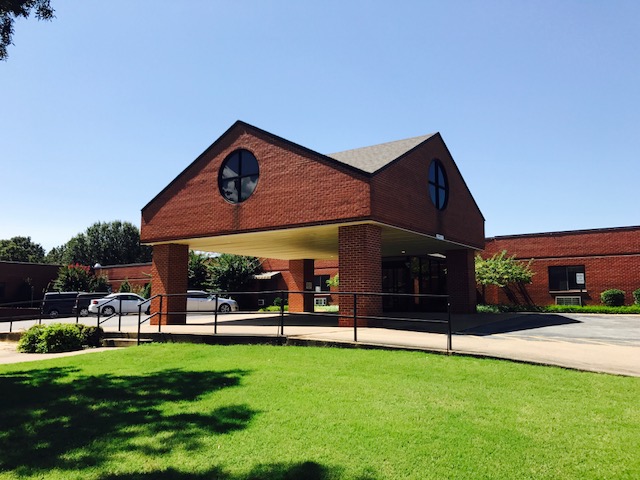 Craighead Nursing Center +16%
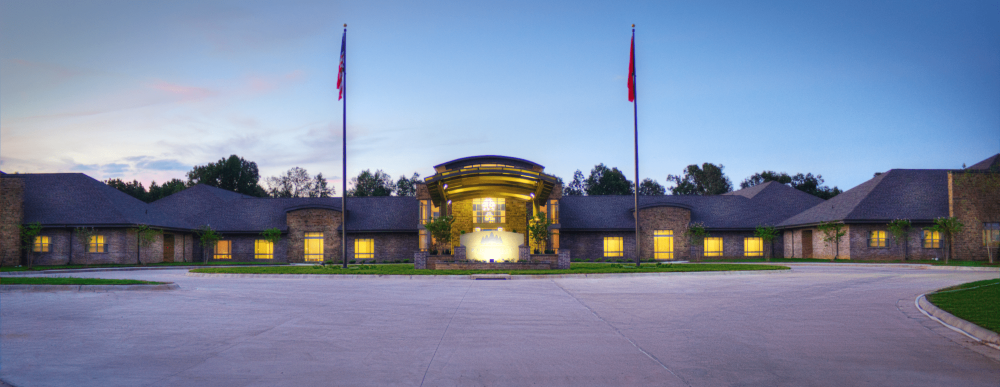 Ridgecrest Health and Rehabilitation -5%+23%
 232 miles from city center — 0.19 miles to nearest hospital (Elite Hospice)
 3010 Middlefield Dr, Jonesboro, AR 72401
Add your location
Source: CMS Payroll-Based Journal (Q2 2025)
| Role ⓘ | Count ⓘ | Avg Shift (hrs) ⓘ | Uses Contractors? ⓘ |
|---|---|---|---|
| Registered Nurse | 4 | 8.1 | No |
| Licensed Practical Nurse | 27 | 9.7 | No |
| Certified Nursing Assistant | 65 | 7.4 | No |
| Role ⓘ | Employees ⓘ | Contractors ⓘ | Total Staff ⓘ | Total Hours ⓘ | Days Worked ⓘ | % of Days ⓘ | Avg Shift (hrs) ⓘ |
|---|---|---|---|---|---|---|---|
| Certified Nursing Assistant | 65 | 0 | 65 | 18,386 | 91 | 100% | 7.4 |
| Licensed Practical Nurse | 27 | 0 | 27 | 6,040 | 91 | 100% | 9.7 |
| Clinical Nurse Specialist | 8 | 0 | 8 | 1,034 | 83 | 91% | 7.6 |
| RN Director of Nursing | 4 | 0 | 4 | 816 | 75 | 82% | 7.9 |
| Registered Nurse | 4 | 0 | 4 | 591 | 60 | 66% | 8.1 |
| Other Dietary Services Staff | 1 | 0 | 1 | 582 | 66 | 73% | 8.8 |
| Administrator | 1 | 0 | 1 | 504 | 63 | 69% | 8 |
| Mental Health Service Worker | 1 | 0 | 1 | 500 | 64 | 70% | 7.8 |
| Dental Services Staff | 1 | 0 | 1 | 498 | 61 | 67% | 8.2 |
| Nurse Aide in Training | 2 | 0 | 2 | 458 | 50 | 55% | 7.5 |
| Nurse Practitioner | 1 | 0 | 1 | 448 | 56 | 62% | 8 |
| Speech Language Pathologist | 0 | 1 | 1 | 415 | 66 | 73% | 6.3 |
| Physical Therapy Aide | 0 | 6 | 6 | 328 | 60 | 66% | 4.8 |
| Qualified Social Worker | 0 | 4 | 4 | 162 | 58 | 64% | 2.7 |
| Medication Aide/Technician | 1 | 0 | 1 | 154 | 20 | 22% | 7.7 |
| Physical Therapy Assistant | 0 | 6 | 6 | 112 | 44 | 48% | 2 |
| Occupational Therapy Aide | 2 | 0 | 2 | 96 | 22 | 24% | 4.1 |
| Respiratory Therapy Technician | 0 | 5 | 5 | 72 | 38 | 42% | 1.4 |
Arkansas average 4.2
Last Health inspection on May 2025
Health citations are formal notices following inspections when they fail to comply with safety and care standards.
21 of 25 citations resulted from standard inspections; and 4 of 25 resulted from complaint investigations.
 0
0 100% better than Arkansas average
Arkansas average: 0.4
1 400% worse than Arkansas average
Arkansas average: 0.2
Corrected
Corrected
Corrected
Corrected
Data sourced from CMS Health Deficiencies reports. Citation severity codes range from A (least serious) to L (most serious). Immediate Jeopardy (J-L) citations indicate situations where the facility's noncompliance has placed residents at risk of death or serious harm.
Source: CMS Long-Term Care Facility Characteristics (Data as of Jan 2026)
Active councils help families stay involved in care decisions and facility operations.
These measures show how residents usually do over time at this home, based on health outcomes and preventive care.
A composite score based on pressure ulcers, falls with injury, weight loss, walking ability decline, and activities of daily living decline.
14.6
90% worse than Arkansas averageArkansas average: 7.7
A composite score based on activities of daily living decline, walking ability decline, and incontinence.
22.3
67% worse than Arkansas averageArkansas average: 13.3
Percent of long-stay residents whose need for help with daily activities has increased
20.5%
78% worse than Arkansas averageArkansas average: 11.5%
Percent of long-stay residents whose ability to move independently worsened
27.4%
105% worse than Arkansas averageArkansas average: 13.4%
Percent of low risk long-stay residents who lose control of their bowels or bladder
19.1%
26% worse than Arkansas averageArkansas average: 15.1%
Percent of long-stay residents experiencing one or more falls with major injury
5.4%
37% worse than Arkansas averageArkansas average: 3.9%
Percent of long-stay high risk residents with pressure ulcers
8.1%
70% worse than Arkansas averageArkansas average: 4.7%
Percent of long-stay residents with a urinary tract infection
1.8%
40% worse than Arkansas averageArkansas average: 1.3%
Percent of long-stay residents who lose too much weight
11.7%
134% worse than Arkansas averageArkansas average: 5.0%
Percent of long-stay residents who have depressive symptoms
0.0%
100% better than Arkansas averageArkansas average: 1.5%
Percent of long-stay residents who received an antipsychotic medication
3.9%
62% better than Arkansas averageArkansas average: 10.5%
Percent of long-stay residents assessed and appropriately given the pneumococcal vaccine
85.4%
10% worse than Arkansas averageArkansas average: 94.4%
Percent of long-stay residents assessed and appropriately given the seasonal influenza vaccine
92.5% In line with Arkansas average
Arkansas average: 96.2%
Number of hospitalizations per 1,000 long-stay resident days.
2.54
29% worse than Arkansas averageArkansas average: 1.97
Number of outpatient emergency department visits per 1,000 long-stay resident days.
2.99
37% worse than Arkansas averageArkansas average: 2.18
Percent of short-stay residents assessed and appropriately given the pneumococcal vaccine
43.4%
46% worse than Arkansas averageArkansas average: 80.9%
Percent of short-stay residents who newly received an antipsychotic medication
0.3%
78% better than Arkansas averageArkansas average: 1.5%
Percent of short-stay residents assessed and appropriately given the seasonal influenza vaccine
41.6%
46% worse than Arkansas averageArkansas average: 77.7%
Percentage of short-stay residents who were re-hospitalized after their nursing home admission.
35.2%
40% worse than Arkansas averageArkansas average: 25.2%
Percentage of short-stay residents who had an outpatient emergency department visit.
16.0%
16% worse than Arkansas averageArkansas average: 13.8%
Percentage of SNF residents who experience falls with major injury during their stay.
2.3%
195% worse than Arkansas averageArkansas average: 0.8%
Percentage of residents at or above expected ability to care for themselves at discharge.
59.3%
10% better than Arkansas averageArkansas average: 53.7%
Rate of successful return to home or community from a skilled nursing facility.
40.2%
21% worse than Arkansas averageArkansas average: 50.6%
Quality measures are calculated from Minimum Data Set (MDS) assessments. For most measures, lower percentages indicate better care quality.
Federal penalties imposed by CMS for regulatory violations, including civil money penalties (fines) and denials of payment for new Medicare/Medicaid admissions.
Source: CMS Penalties Database (Data as of Jan 2026)
71% lower than Arkansas averageArkansas average: $26K
32% fewer fines than Arkansas averageArkansas average: 1.5
Serious action where Medicare and/or Medicaid temporarily stops payments for new residents until issues are fixed.
0
100% fewer payment denials than Arkansas averageArkansas average: 0.2
Penalties are imposed by CMS for violations of federal nursing home regulations.
Fines imposed for noncompliance, which can be assessed per day or per instance of violation.
Jul 21, 2023Last updated: Jan 2026
Historical financial and operational data for St. Elizabeth‘s Place based on CMS SNF Cost Reports.
Loading trend charts...
Care Cost Calculator: See Prices in Your Area
Nursing Home Data Explorer
Don’t Wait Too Long: 7 Red Flag Signs Your Parent Needs Assisted Living Now
The True Cost of Assisted Living in 2025 – And How Families Are Paying For It
Understanding Senior Living Costs: Pricing Models, Discounts & Financial Assistance

We help families find affordable senior communities and unlock same day discounts, Medicaid, and Medicare options tailored to your needs.
Contact us Today


Touring a community? Use this expert-backed checklist to stay organized, ask the right questions, and find the perfect fit.
We'll send you a PDF version of the touring checklist.