



Facility type
Assisted Living Facility
Status
 Licensed
Licensed

We arrange tours, appointments, and even moving support so you don’t have to

Thank you for your interest!
Our team will be in touch shortly to help with next steps.
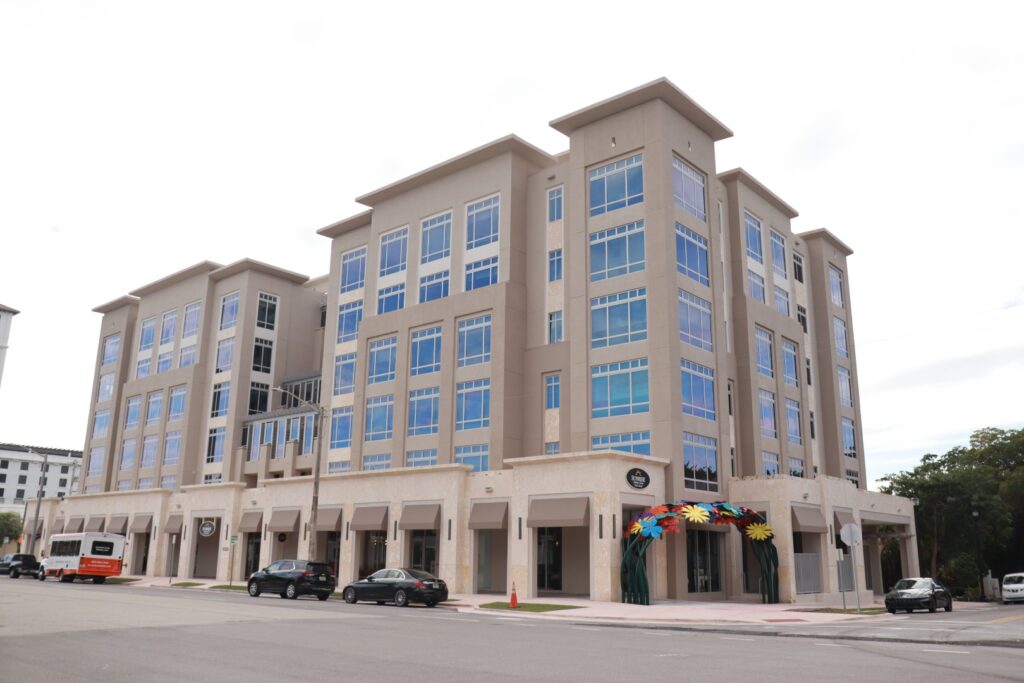
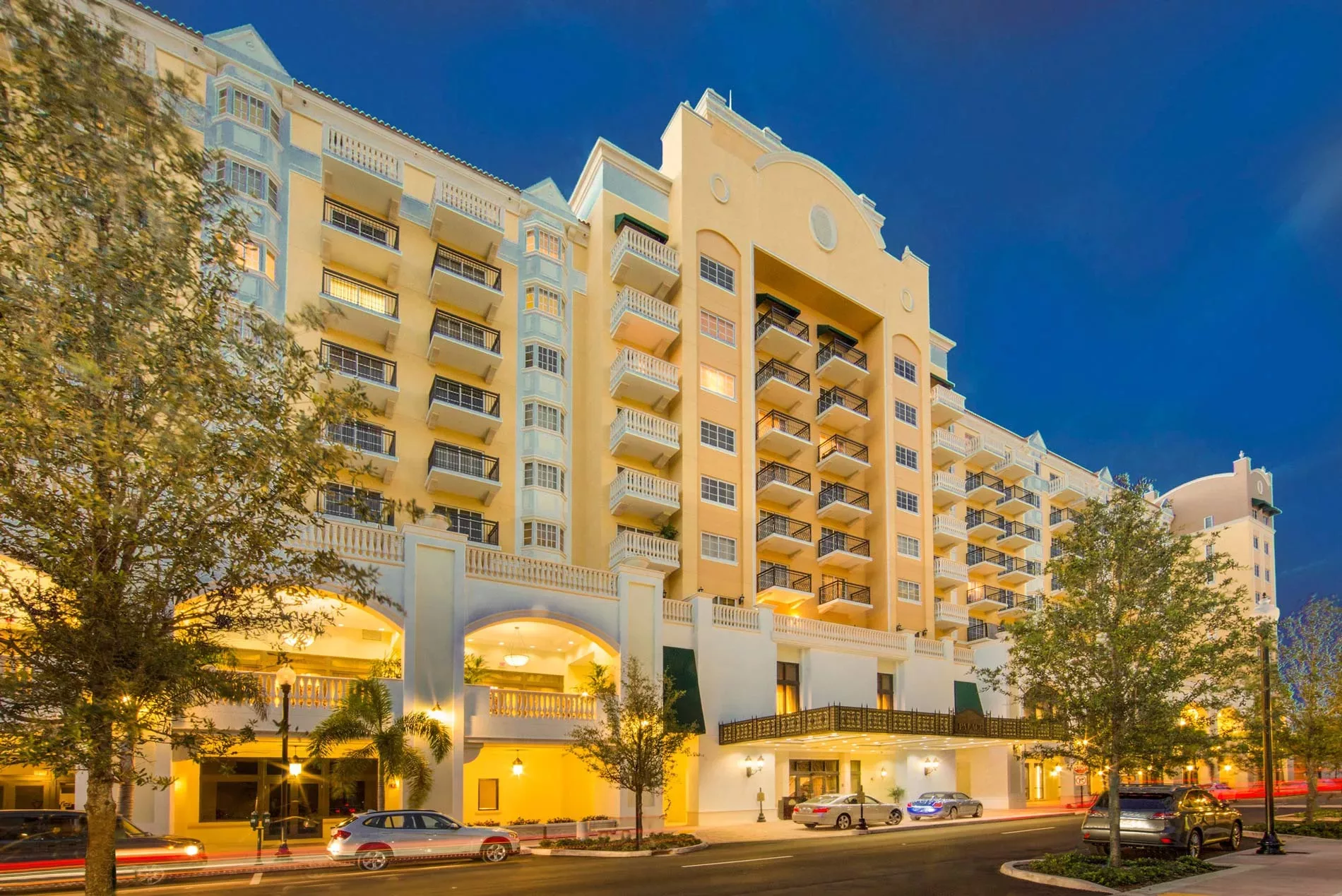
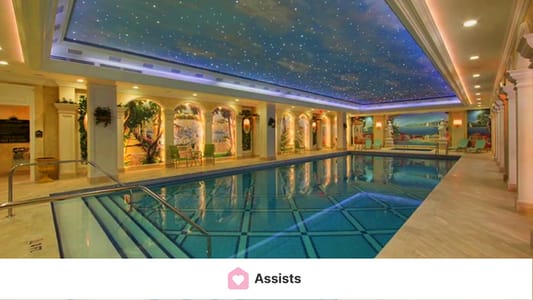
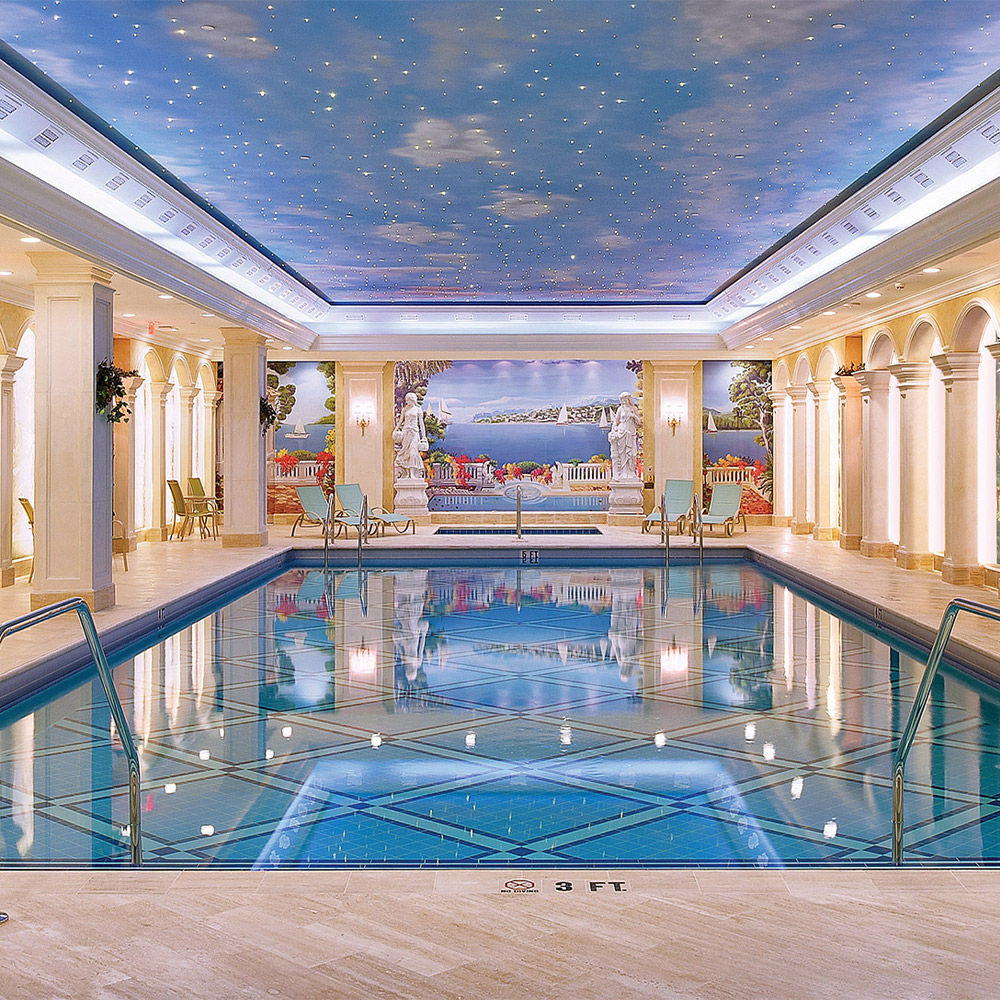
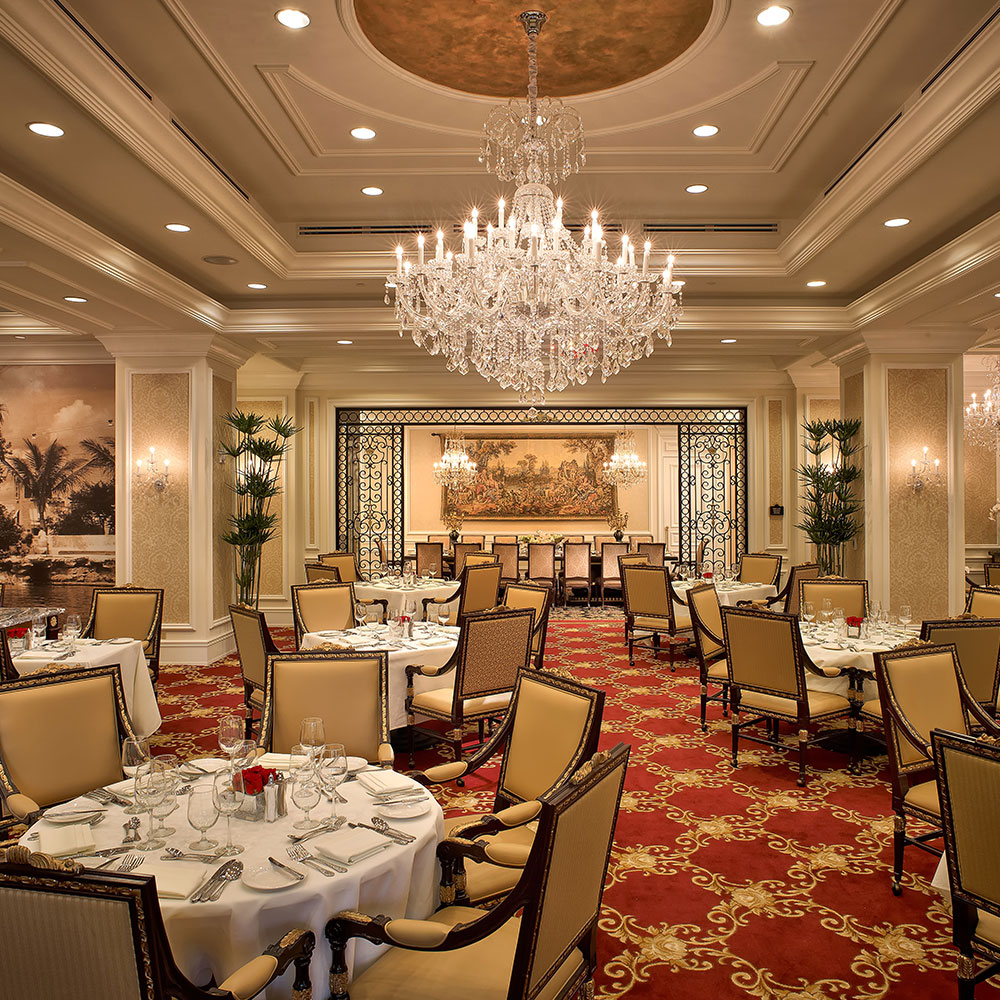
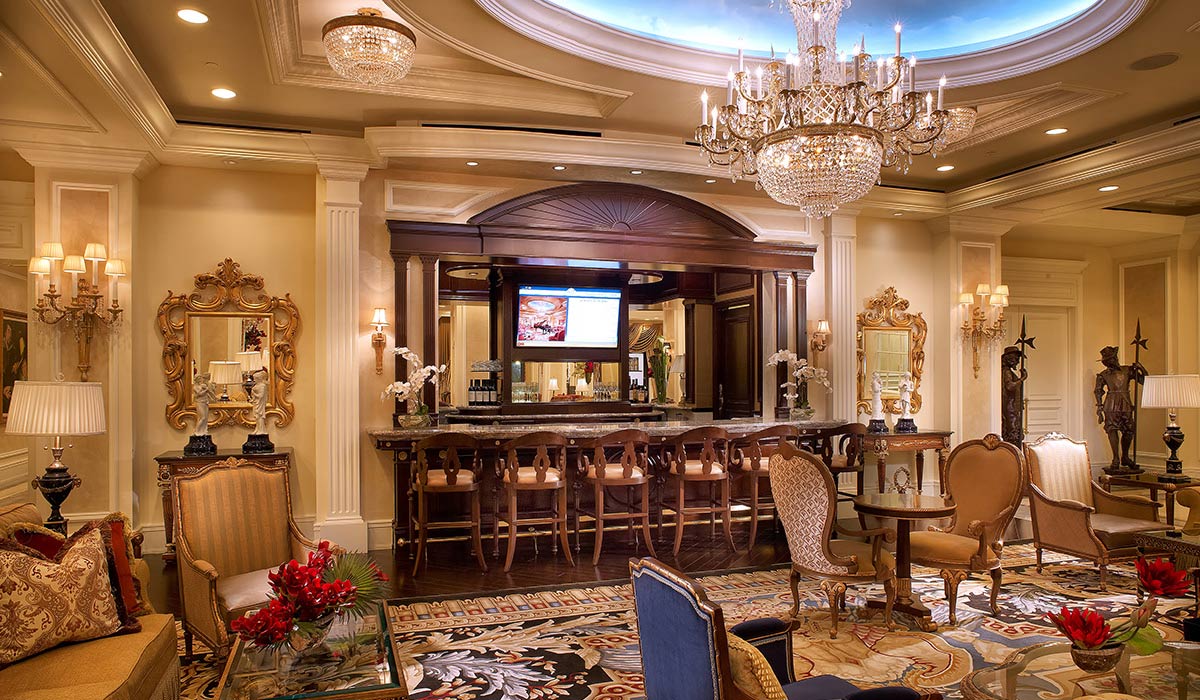
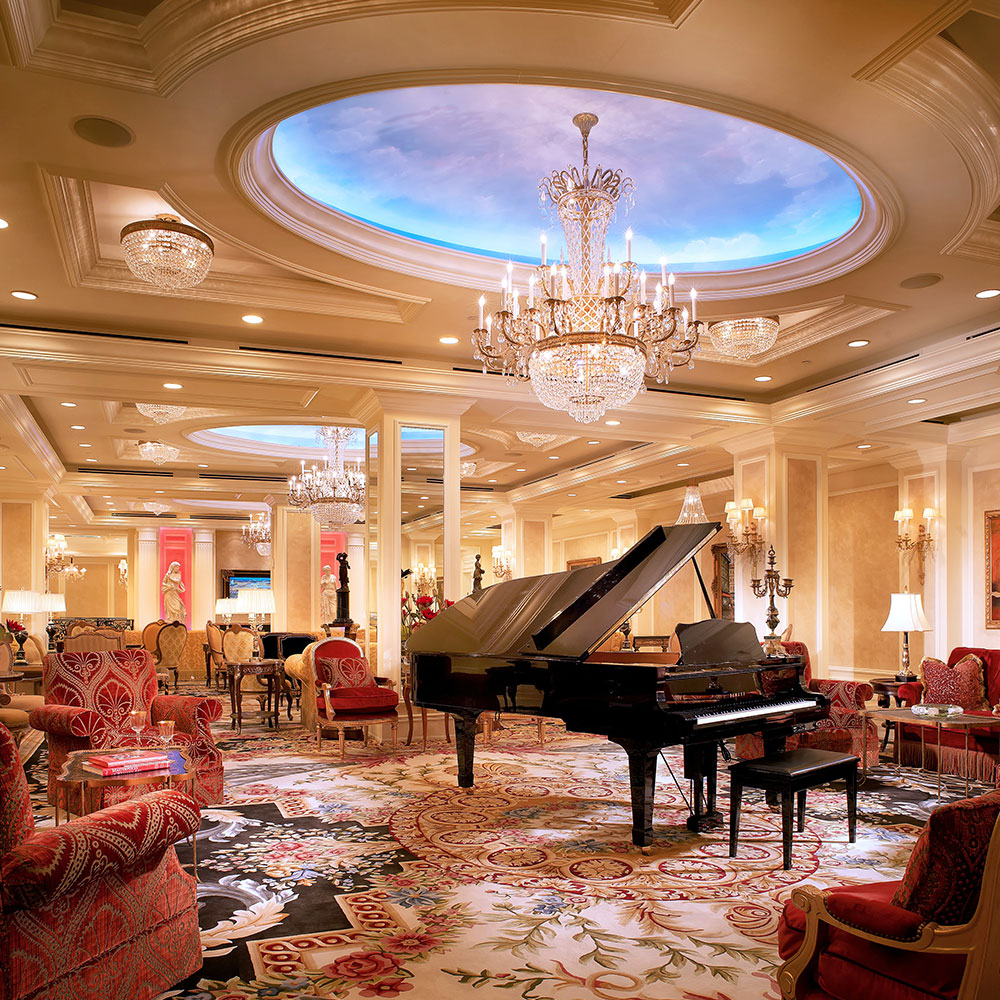
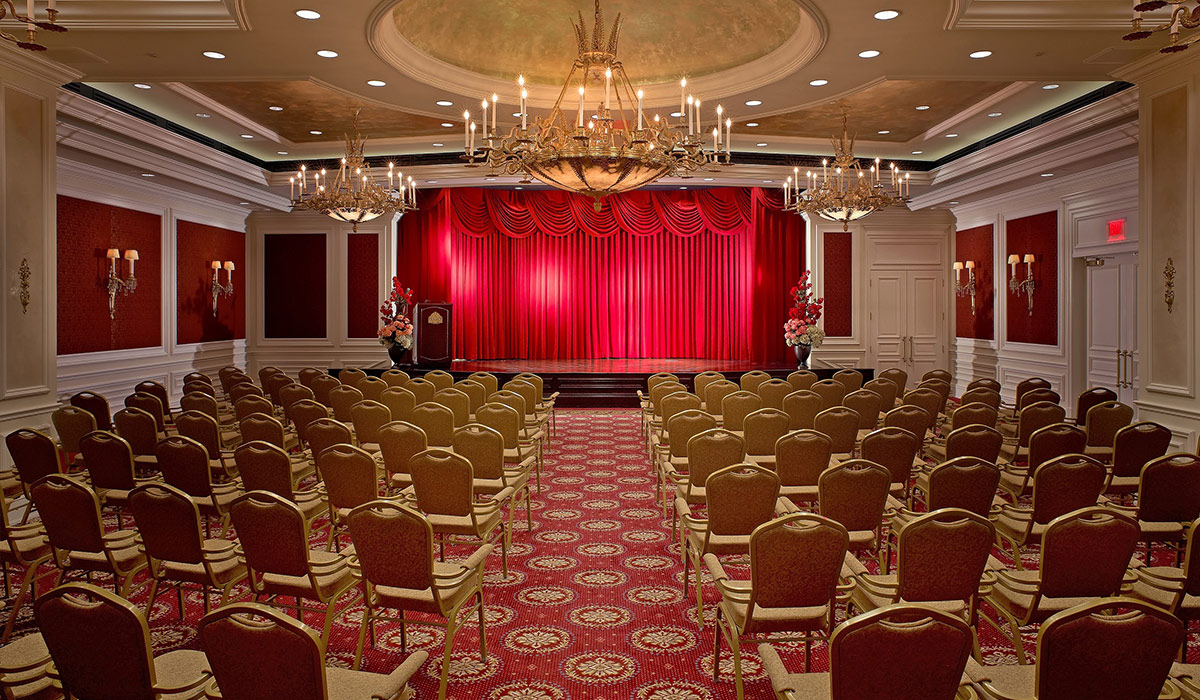
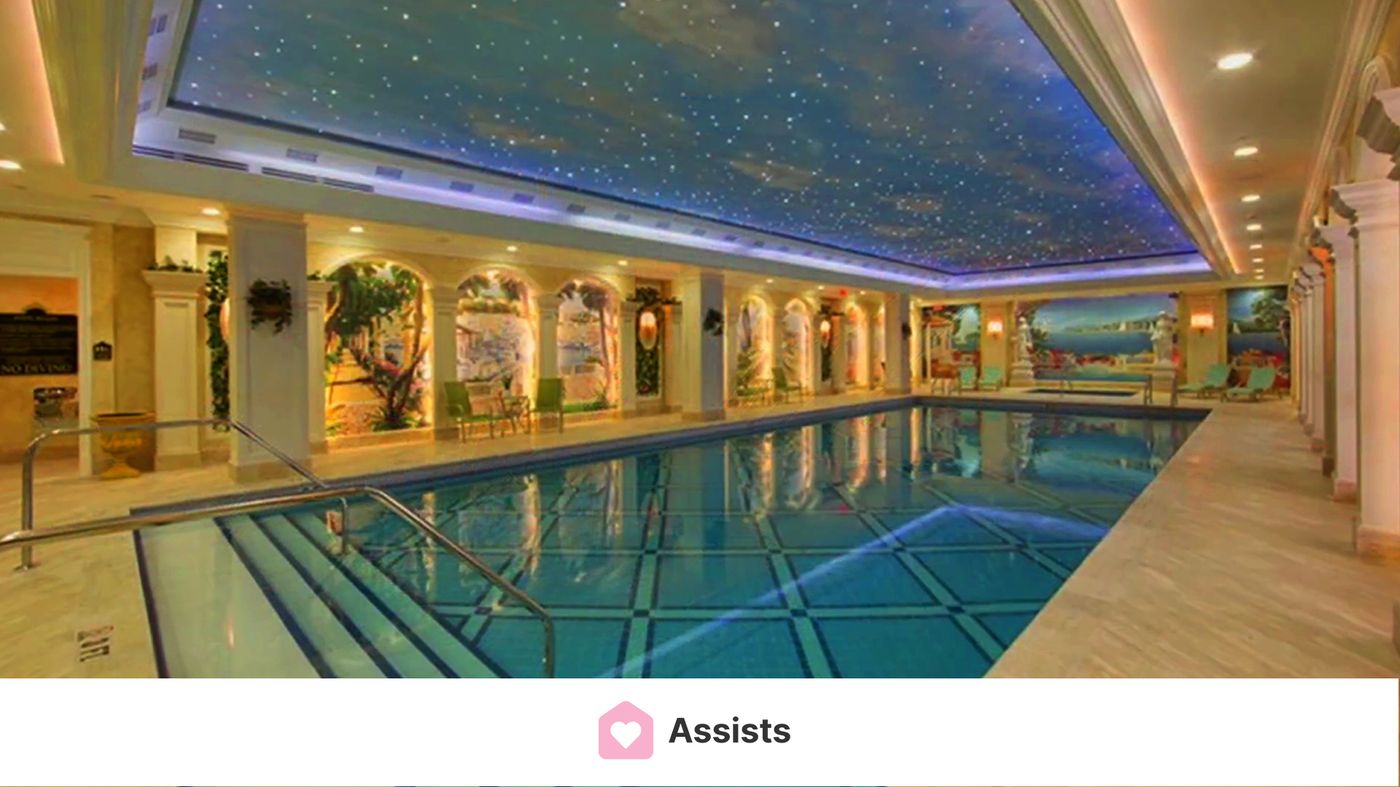
Awarded as the #1 Senior Living in America by The National Association of Homebuilders in 2014, The Palace at Coral Gables, known for its luxurious retirement living, is also considered one of the finest assisted living Coral Gables communities in Miami. The luxury building’s design and architecture draw inspiration from the Four Seasons George V Hotel in Paris, renowned for its exquisite aesthetics, and The Palace strives to achieve similar recognition in Miami. This magnificent community offers top-tier amenities and services that enhance the lifestyle of every senior. The Palace at Coral Gables is a proud member of The Palace Group, dedicated to delivering nothing but the best and extraordinary in assisted living Coral Gables.
The community is highly protected with its security and maintenance, adding to their fire-protection fire alarm system and 24-hour security system. Their elegant palace-like rooms all have private terraces that are equipped with glass windows that are also made to be hurricane-proof. Lifestyle at The Palace at Coral Gables offers concierge services, scheduled transportation, and complimentary valet parking. There are University of Miami OSHER Lifelong Learning classes weekly; a physical therapy center; an on-site Home Health Agency for health related needs; and an in-house social director planning activities and events. The Palace at Coral Gables is ranked as world-class and with the exclusive amenities offered, its title is rightfully so.
May offer a more intimate, personalized care environment.


 Licensed

The Palace at Coral Gables is legally operated by THE PALACE MANAGEMENT GROUP LLC, and administrated by JOSIAN CABRERA.

Key information about the people who lead and staff this community.

Total Residents: 240

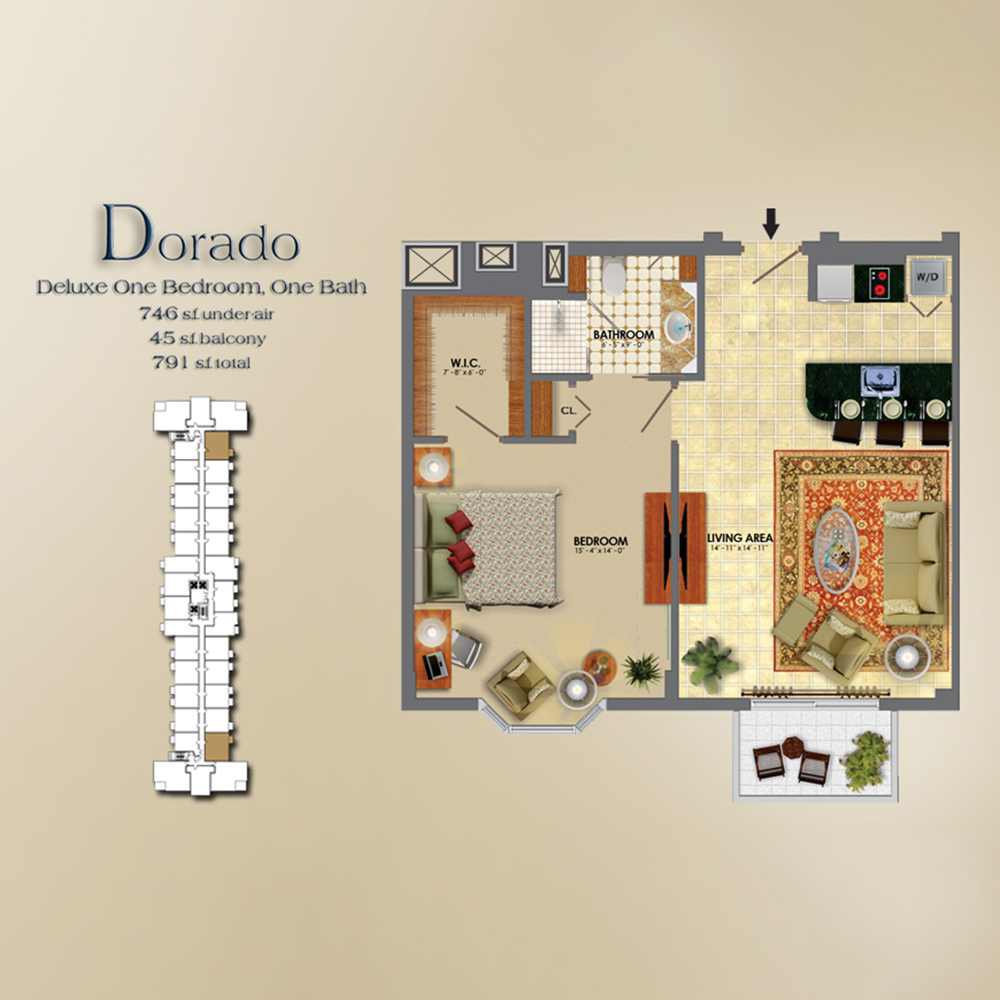
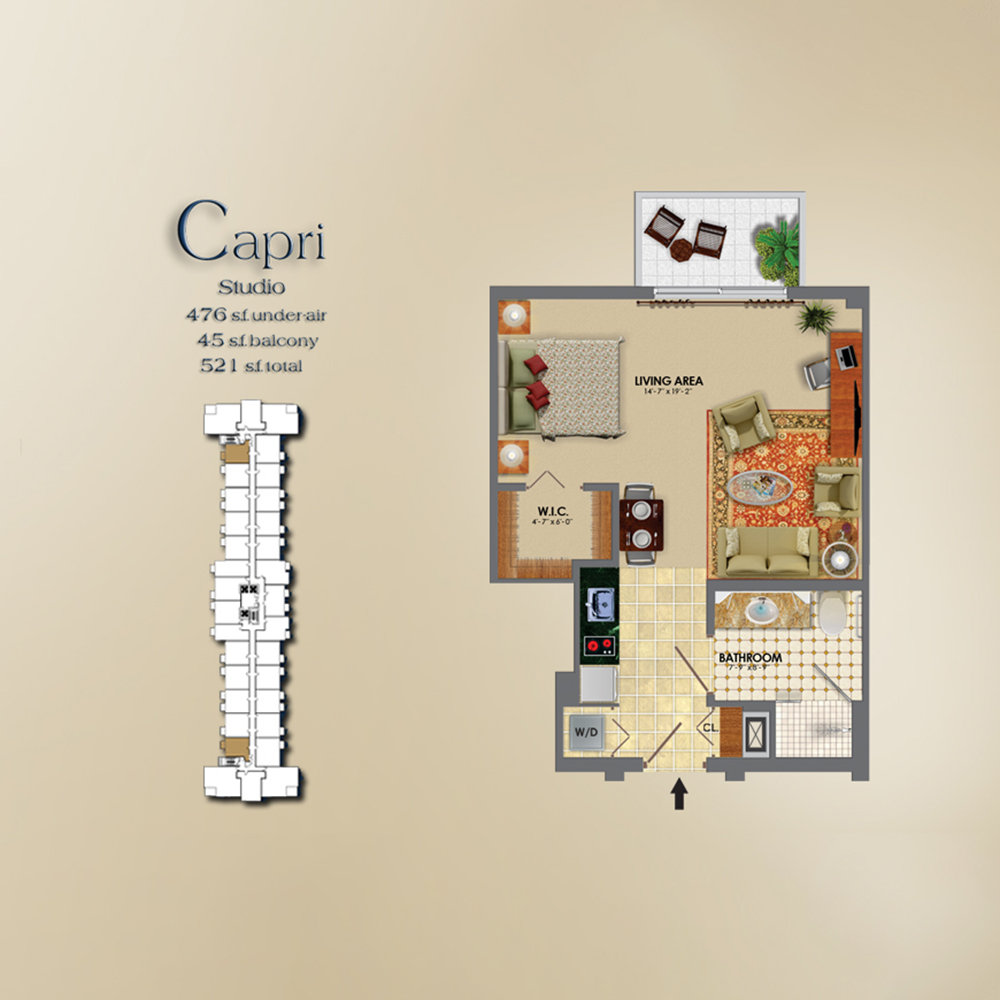
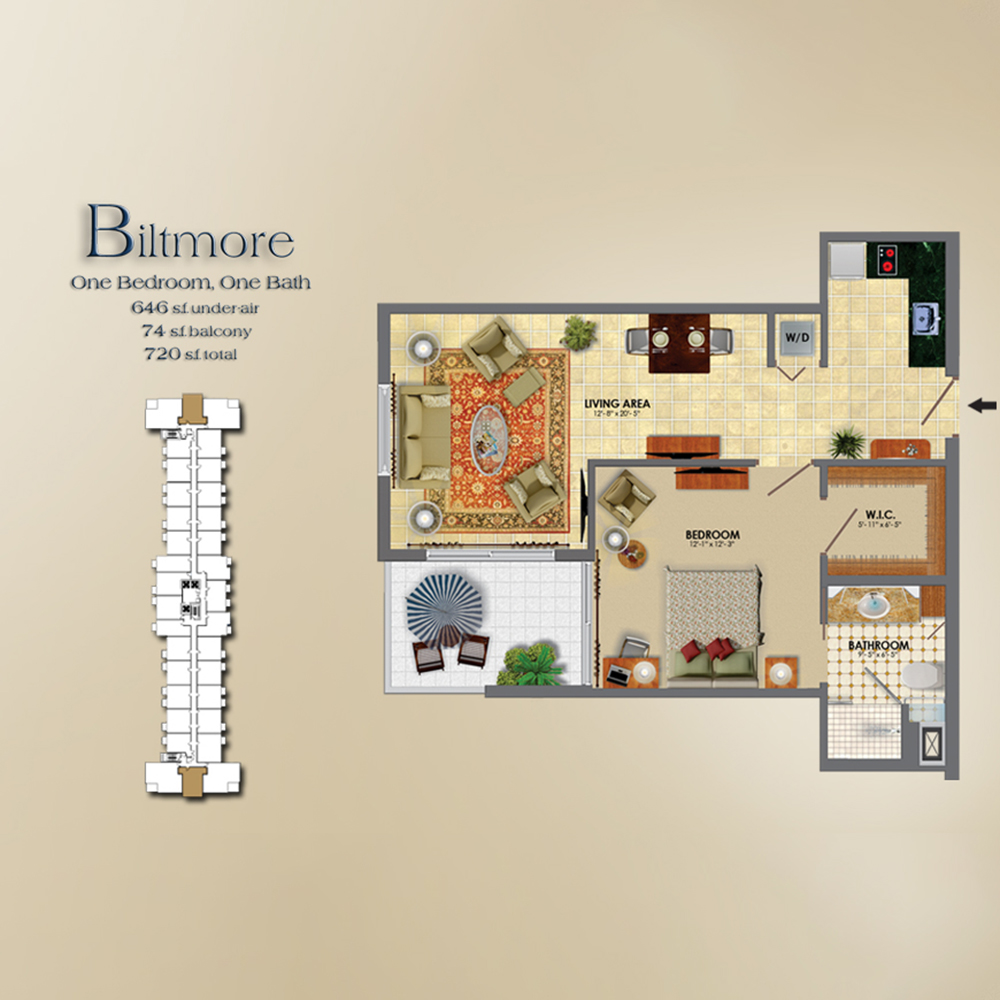
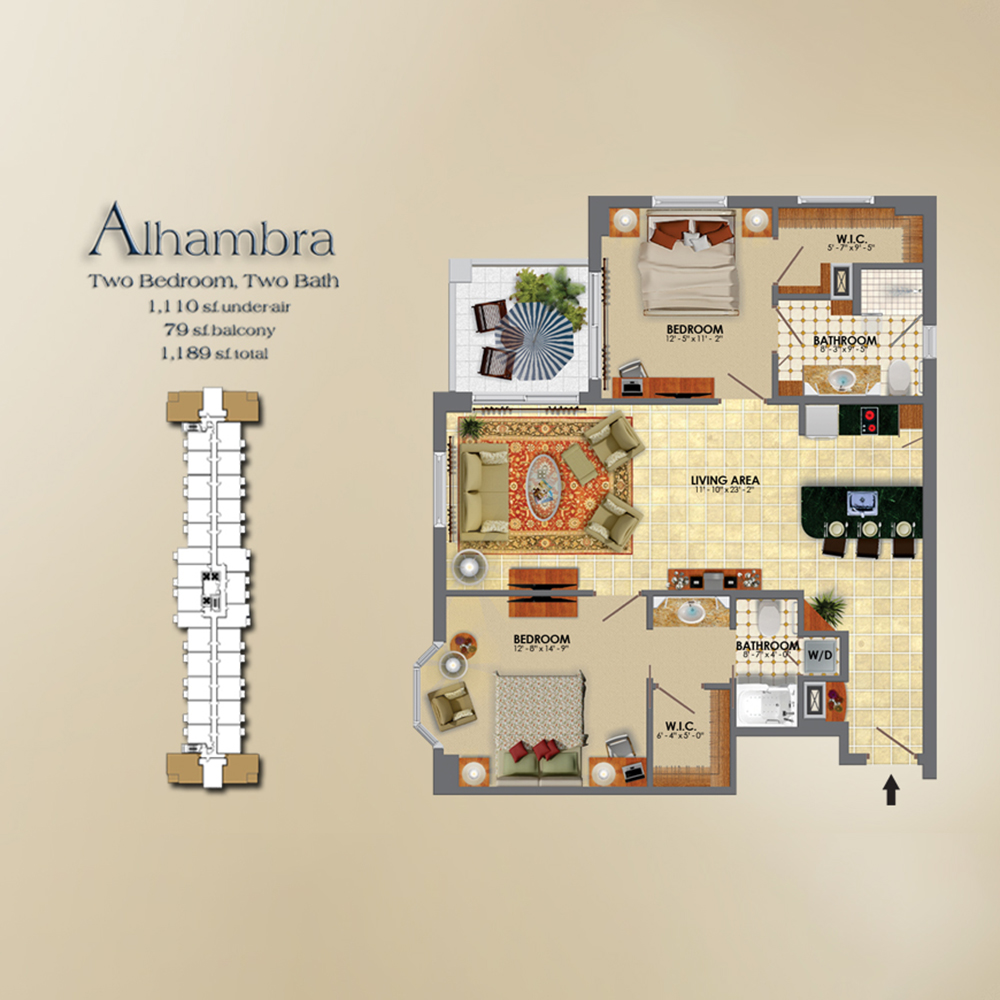
Room Sizes: 521 / 629 / 671 / 690 / 715 / 720 / 716 / 745 / 759 / 788 / 791 / 828 / 1189 sq. ft

Housing Options: Studio / 1 Bed / 2 Bed

Building Type: Mid-rise

Transportation Services

Fitness and Recreation
In Florida, the Agency for Health Care Administration (AHCA) is the primary authority that conducts unannounced inspections and completes official health quality reports for all healthcare facilities.
2 with citations
9 without citations
Florida average: 16 inspections with citations
Citations indicate regulatory violations. A higher number implies the facility had several areas requiring improvement.
Florida average: 33 citations
Deficiencies indicate regulatory issues. A higher number implies the facility had several areas requiring improvement.
Florida average: 5 fines
Florida average: $11,623.53
Florida average: 3 legal actions
The most recent inspection on January 25, 2024, found no deficiencies. Earlier inspections were mostly free of deficiencies, with the exception of one inspection in March 2022 that cited a single Class 3 deficiency related to physical restraints, which was later corrected. There were no fines, enforcement actions, or substantiated complaints listed in the available reports. Complaint investigations during the period were unsubstantiated or found no deficiencies. The facility’s inspection history shows a generally clean record with an isolated issue that has since been resolved.
Assisted Living A licensed, long-term care setting for seniors or individuals with disabilities who need help with daily activities — like bathing, dressing, and medication management — but not 24-hour skilled nursing. Offers housing, meals, and around-the-clock support while aiming to maximize resident independence.
Assisted Living A licensed, long-term care setting for seniors or individuals with disabilities who need help with daily activities — like bathing, dressing, and medication management — but not 24-hour skilled nursing. Offers housing, meals, and around-the-clock support while aiming to maximize resident independence.
Memory Care Secured, specialized care for people living with Alzheimer's or dementia. Staff trained in cognitive impairment, with higher staff-to-resident ratios and an environment designed to reduce confusion and wandering risk.
Assisted Living A licensed, long-term care setting for seniors or individuals with disabilities who need help with daily activities — like bathing, dressing, and medication management — but not 24-hour skilled nursing. Offers housing, meals, and around-the-clock support while aiming to maximize resident independence.
Independent Living Lifestyle-focused communities for older adults offering dining, activities, and transportation with minimal personal care. Best for active, independent seniors who want community without medical support.
Assisted Living A licensed, long-term care setting for seniors or individuals with disabilities who need help with daily activities — like bathing, dressing, and medication management — but not 24-hour skilled nursing. Offers housing, meals, and around-the-clock support while aiming to maximize resident independence.
Independent Living Lifestyle-focused communities for older adults offering dining, activities, and transportation with minimal personal care. Best for active, independent seniors who want community without medical support.
Memory Care Secured, specialized care for people living with Alzheimer's or dementia. Staff trained in cognitive impairment, with higher staff-to-resident ratios and an environment designed to reduce confusion and wandering risk.
Nursing Home Licensed facility providing 24/7 skilled nursing care for residents with complex, ongoing medical needs. Staffed by RNs, LPNs, and CNAs. Inspected and star-rated annually by CMS. Accepts Medicare (short-term rehab) and Medicaid (long-term care).
Assisted Living A licensed, long-term care setting for seniors or individuals with disabilities who need help with daily activities — like bathing, dressing, and medication management — but not 24-hour skilled nursing. Offers housing, meals, and around-the-clock support while aiming to maximize resident independence.

 4.4 miles from city center — 0.37 miles to nearest hospital (Coral Gables Hospital)
 One Andalusia Avenue, Coral Gables, FL 33134
Add your location
Care Cost Calculator: See Prices in Your Area
Nursing Home Data Explorer
Don’t Wait Too Long: 7 Red Flag Signs Your Parent Needs Assisted Living Now
The True Cost of Assisted Living in 2025 – And How Families Are Paying For It
Understanding Senior Living Costs: Pricing Models, Discounts & Financial Assistance


Touring a community? Use this expert-backed checklist to stay organized, ask the right questions, and find the perfect fit.
We'll send you a PDF version of the touring checklist.


 Show Inspection Reports