
Thank you for your interest!
Our team will be in touch shortly to help with next steps.
Memory Care in Flint
Vicinia Gardens

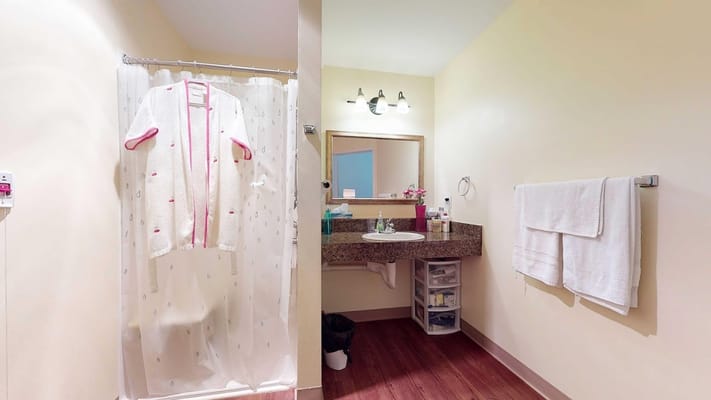
Memory Care in Flint
Vicinia Gardens


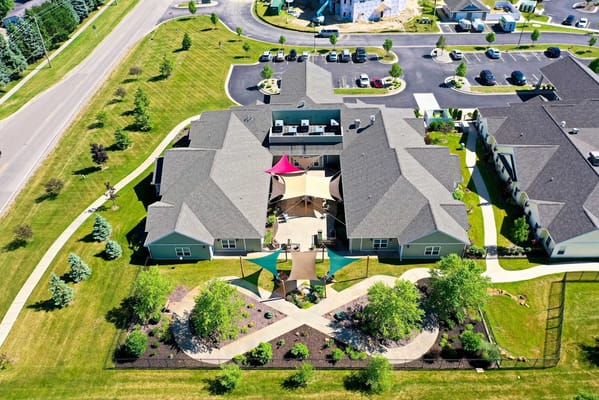
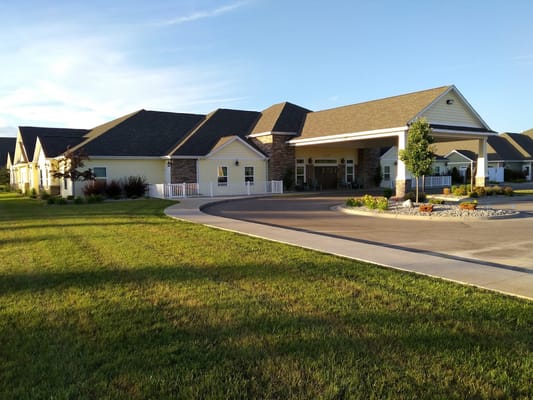
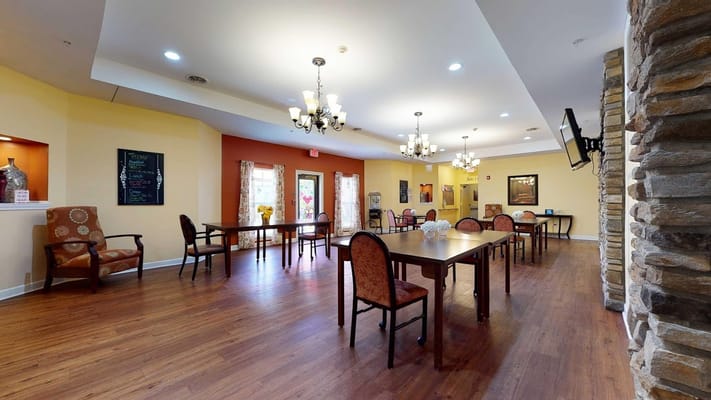
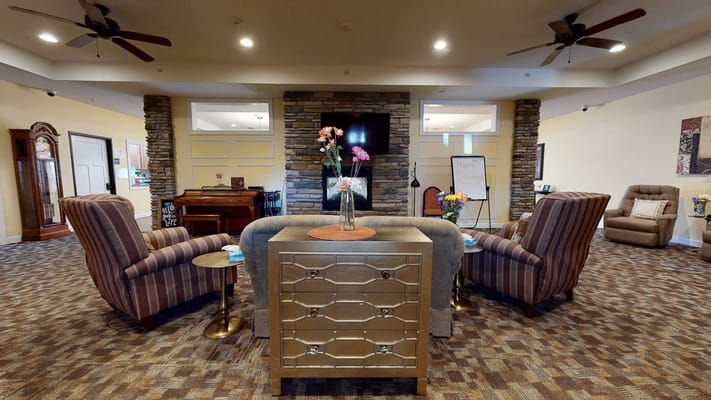
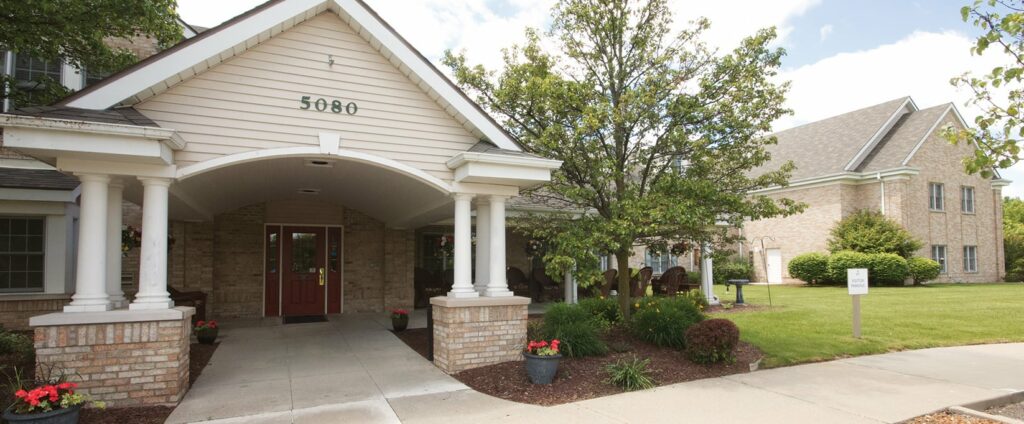
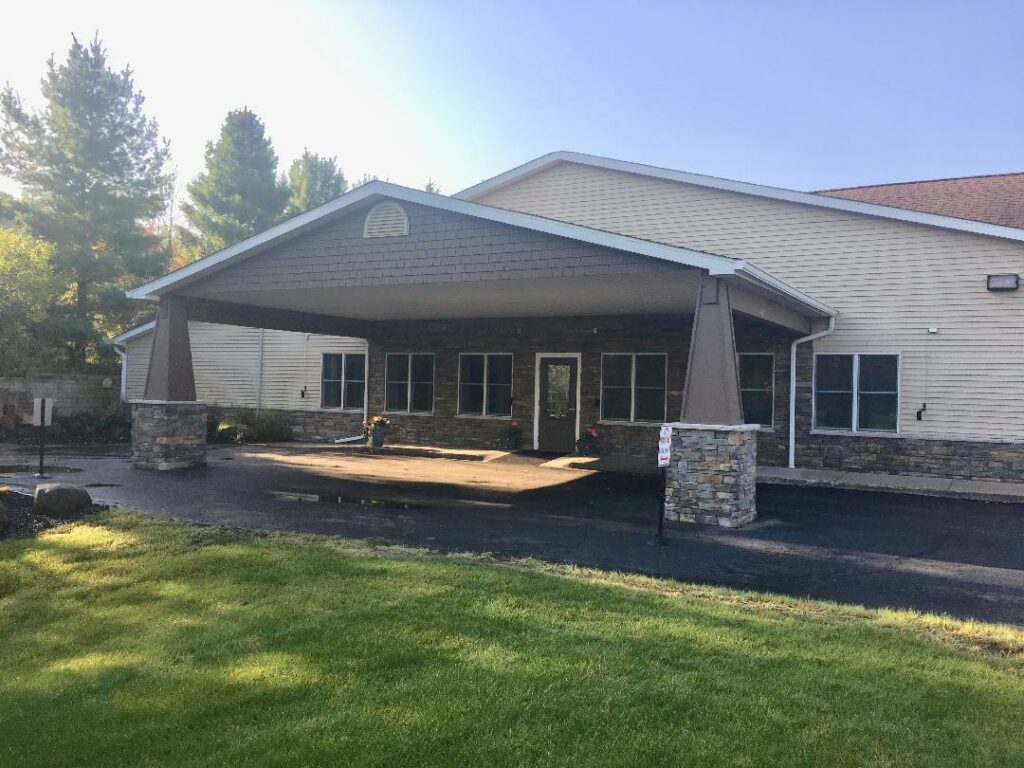
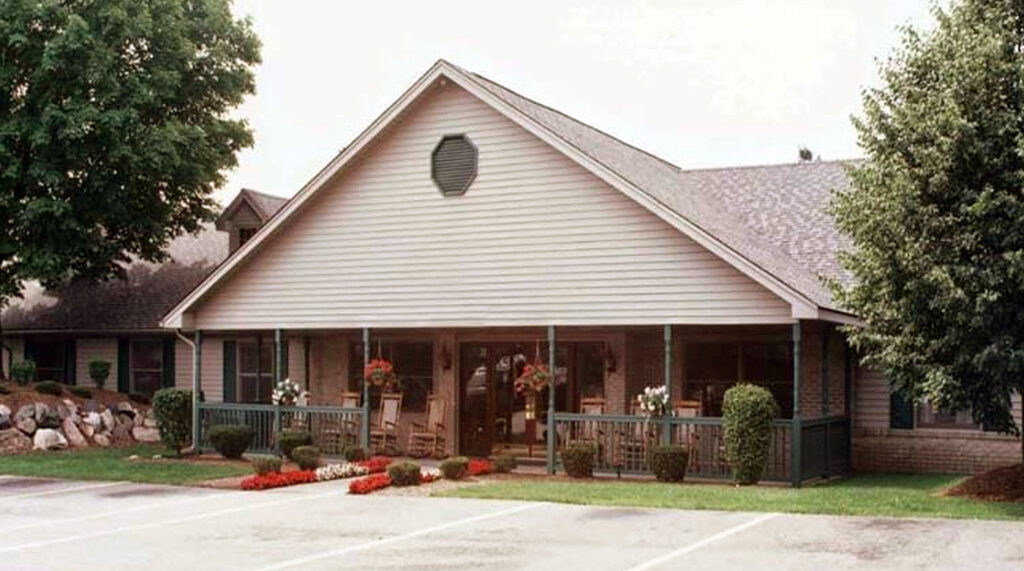
Vicinia Gardens, located in Fenton, MI, is a blissful senior living community that offers a wide range of care options that empower older adults to flourish. The community offers independent living, assisted living, and memory care for residents with Alzheimer’s disease, and other types of memory loss. With the community’s ideal location, residents enjoy convenient access to restaurants, shopping, parks, freeways, and other necessary local amenities needed for a lively and fulfilling way of living.
Residents are guaranteed to find something to enjoy and inspire them with a wide variety of regularly conducted activities that are designed based on their talents, skills, and interests. With hands-on crafts, games, movies, exercise, reading, and outside entertainment, there’s never a scarcity of fun things to do within the community. Comprehensive services, including 24-hour assistance by a dedicated care team, deliciously prepared meals, weekly maintenance, and housekeeping, allow residents to focus more on their well-being and happiness and less on worrying about daily chores and common hassles of daily living.

Capacity and availability
Smaller home
May offer a more intimate, personalized care environment.


Population served
About this community
Vicinia Gardens is legally operated by Vicinia Gardens Assisted Living of Fenton LLC.
What does this home offer?

Housing Options: Standard Suite, Kitchenette Suite, Companion Suite

Building Type: Single-story

Transportation Services

Medication Management / Administration

Daily Meals ( Breakfast , Lunch , Dinner )

Utility Services, Housekeeping, Laundry / Linen Sevices

Wireless Internet

Life-Enrichment Program

24-Hour Staff

State-of-the-Art Safety and Security Systems

House Beauty & Barber Shop

Travelling Manicurist

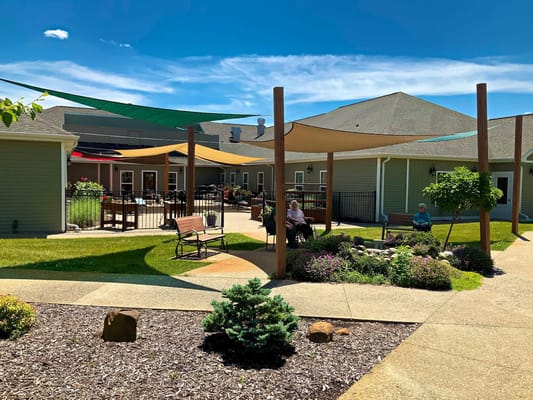
Outdoor Garden
Types of Care at Vicinia Gardens
Inspection History
In Michigan, the Department of Licensing and Regulatory Affairs (LARA) conducts unannounced inspections and investigations to ensure long-term care facilities comply with state health codes.

 Show Inspection Reports
Latest inspection
Compare Assisted Living around Fenton The information below is reported by the Michigan Department of Licensing and Regulatory Affairs (LARA).
Assisted Living A licensed, long-term care setting for seniors or individuals with disabilities who need help with daily activities — like bathing, dressing, and medication management — but not 24-hour skilled nursing. Offers housing, meals, and around-the-clock support while aiming to maximize resident independence.
Assisted Living A licensed, long-term care setting for seniors or individuals with disabilities who need help with daily activities — like bathing, dressing, and medication management — but not 24-hour skilled nursing. Offers housing, meals, and around-the-clock support while aiming to maximize resident independence.
Independent Living Lifestyle-focused communities for older adults offering dining, activities, and transportation with minimal personal care. Best for active, independent seniors who want community without medical support.
Memory Care Secured, specialized care for people living with Alzheimer's or dementia. Staff trained in cognitive impairment, with higher staff-to-resident ratios and an environment designed to reduce confusion and wandering risk.
Assisted Living A licensed, long-term care setting for seniors or individuals with disabilities who need help with daily activities — like bathing, dressing, and medication management — but not 24-hour skilled nursing. Offers housing, meals, and around-the-clock support while aiming to maximize resident independence.
Memory Care Secured, specialized care for people living with Alzheimer's or dementia. Staff trained in cognitive impairment, with higher staff-to-resident ratios and an environment designed to reduce confusion and wandering risk.
Assisted Living A licensed, long-term care setting for seniors or individuals with disabilities who need help with daily activities — like bathing, dressing, and medication management — but not 24-hour skilled nursing. Offers housing, meals, and around-the-clock support while aiming to maximize resident independence.
Assisted Living A licensed, long-term care setting for seniors or individuals with disabilities who need help with daily activities — like bathing, dressing, and medication management — but not 24-hour skilled nursing. Offers housing, meals, and around-the-clock support while aiming to maximize resident independence.

Places of interest near Vicinia Gardens
 2.7 miles from city center — 9.11 miles to nearest hospital (Henry Ford Genesys Hospital)
Calculate Travel Distance to Vicinia Gardens
Add your location
Guides for Better Senior Living
Care Cost Calculator: See Prices in Your Area
Nursing Home Data Explorer
Don’t Wait Too Long: 7 Red Flag Signs Your Parent Needs Assisted Living Now
The True Cost of Assisted Living in 2025 – And How Families Are Paying For It
Understanding Senior Living Costs: Pricing Models, Discounts & Financial Assistance
Financial Aid for Michigan Seniors
Get financial aid guidance


Touring Checklist for Senior Living
Touring a community? Use this expert-backed checklist to stay organized, ask the right questions, and find the perfect fit.
Location
Community Spaces and Overall Environment
Services
Staffing
Accommodations
Finances
Other Notes
Send Checklist to Your Email
We'll send you a PDF version of the touring checklist.

Write a review for Vicinia Gardens
Rate your overall experience with this community


Need Help?
Let us help you or a loved one find the perfect senior home.