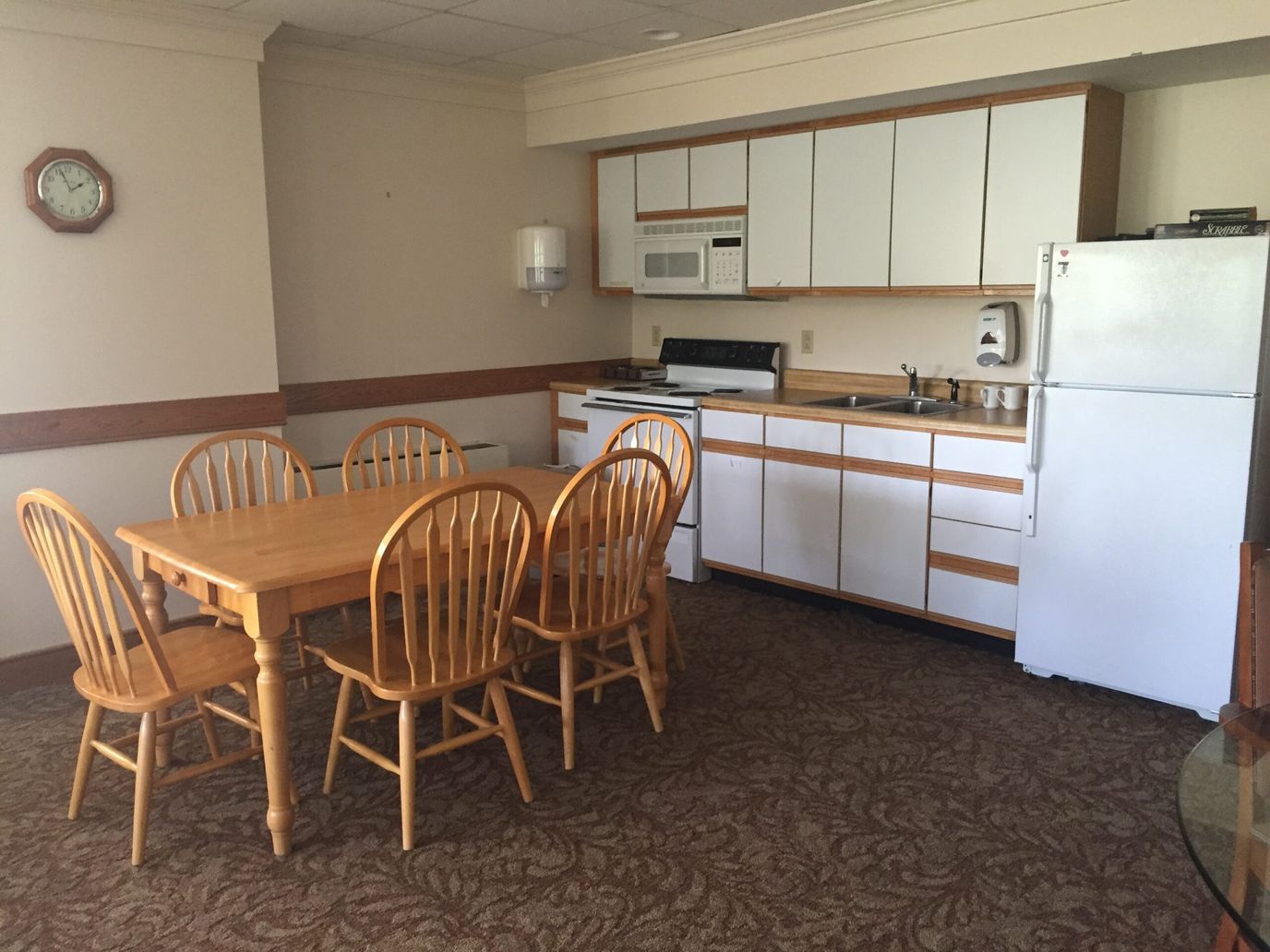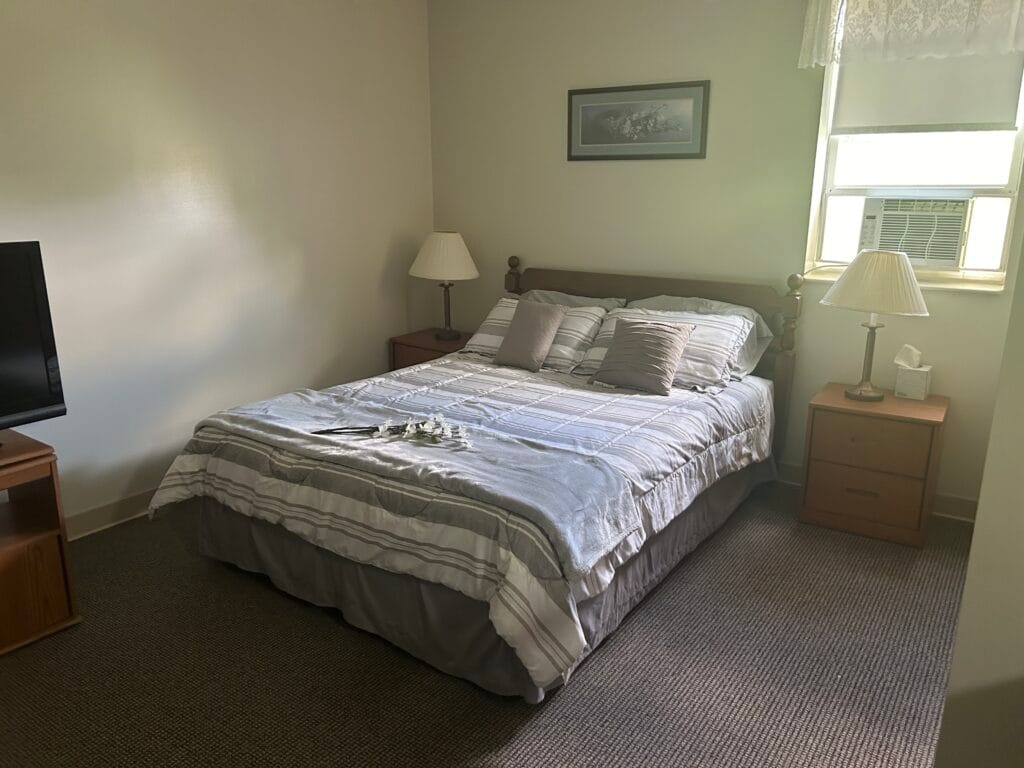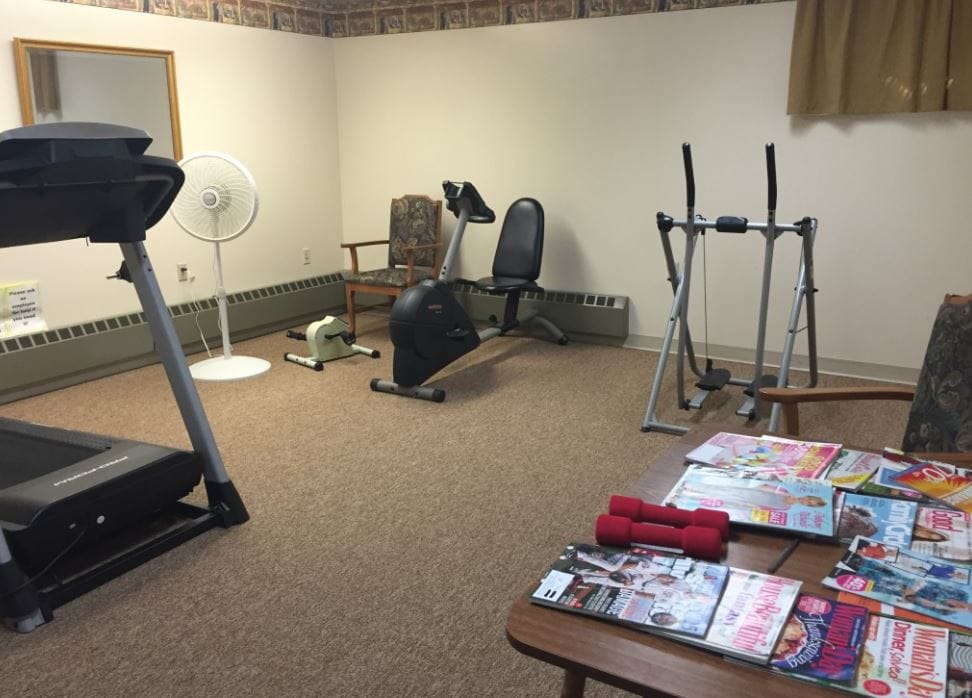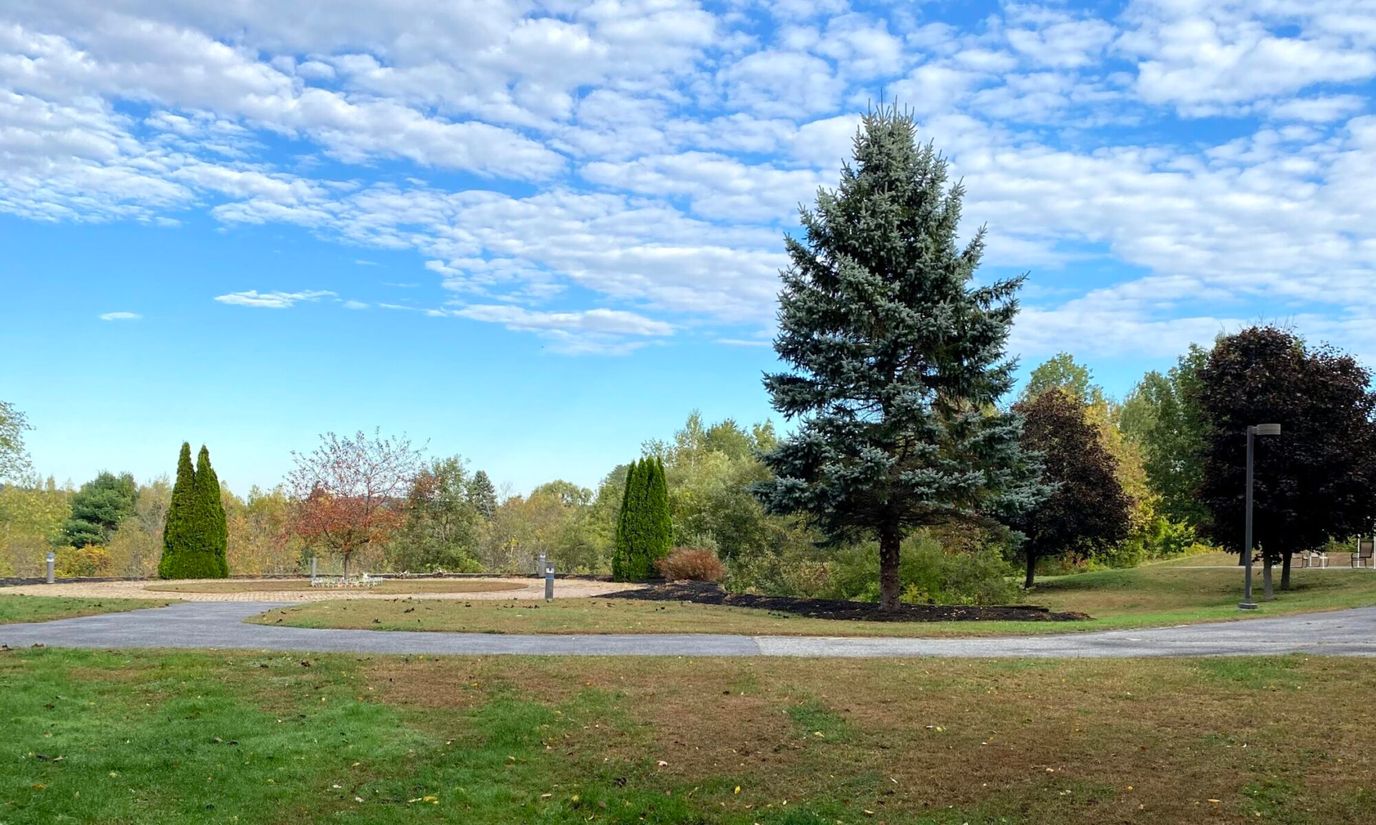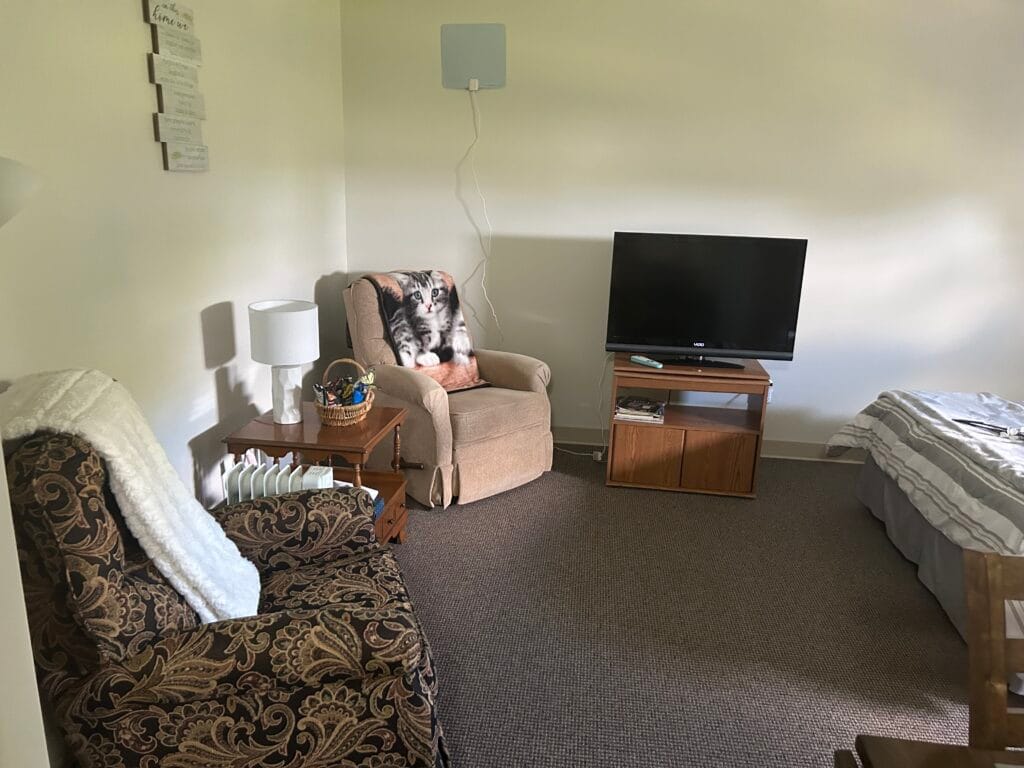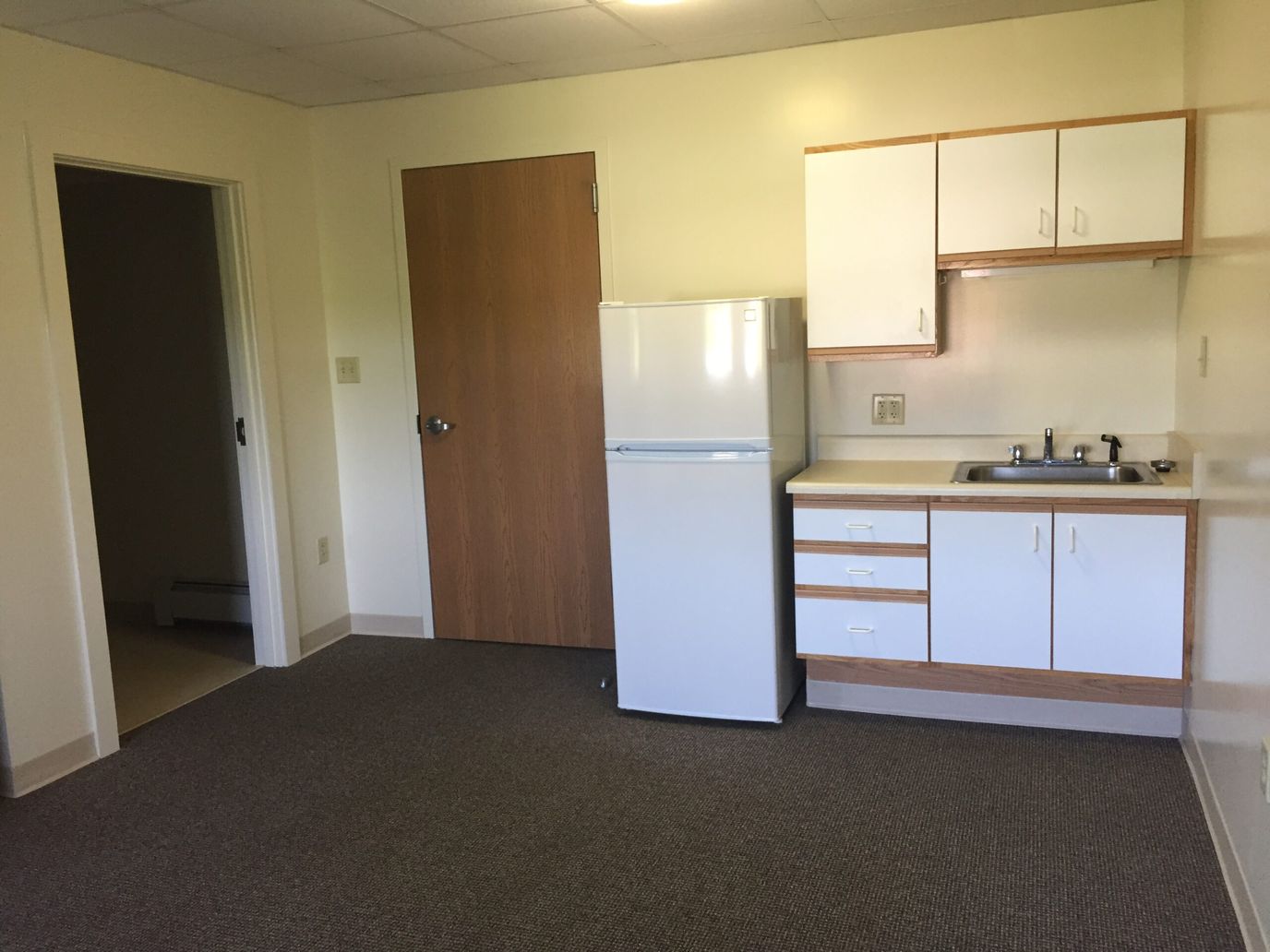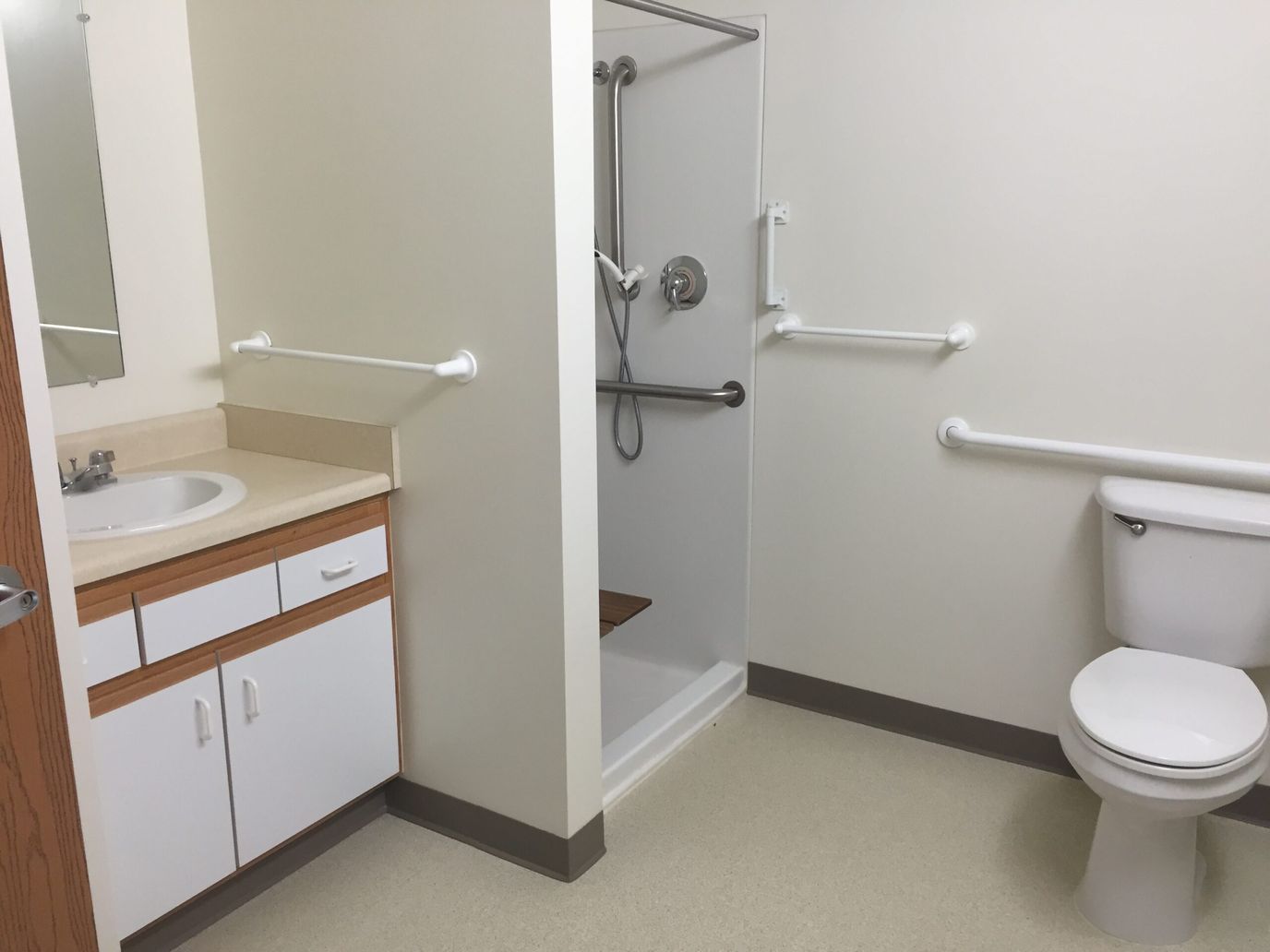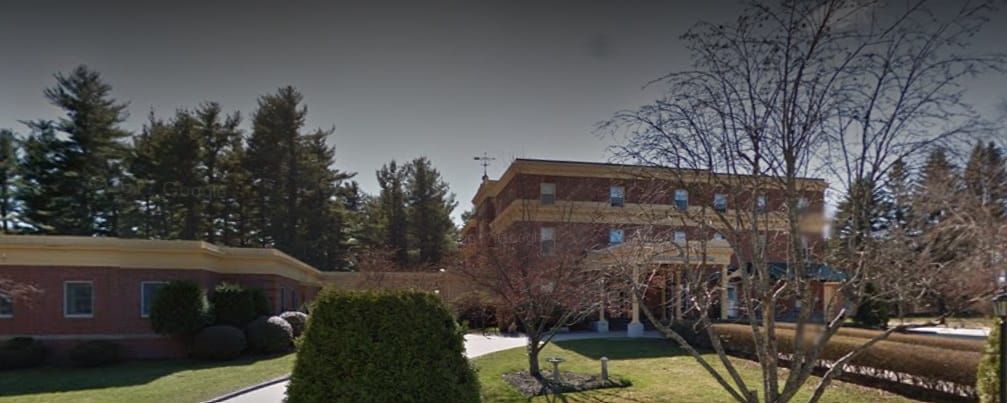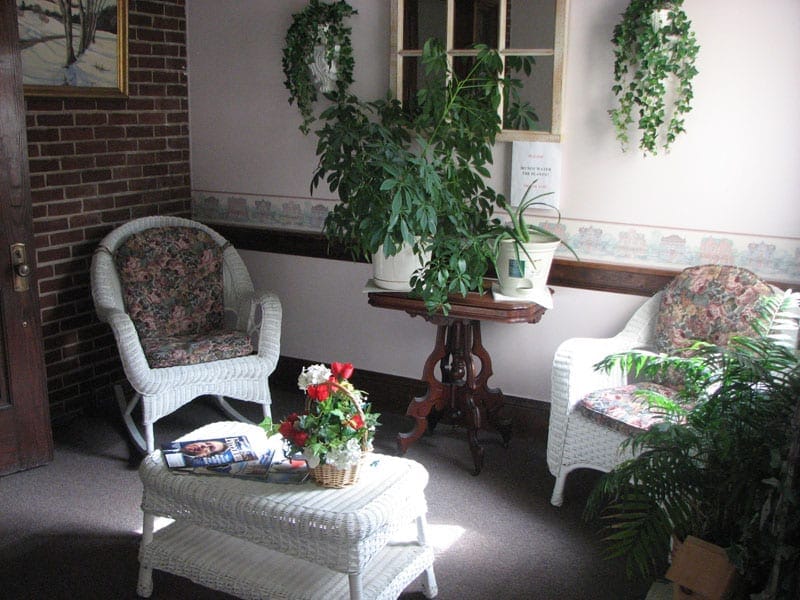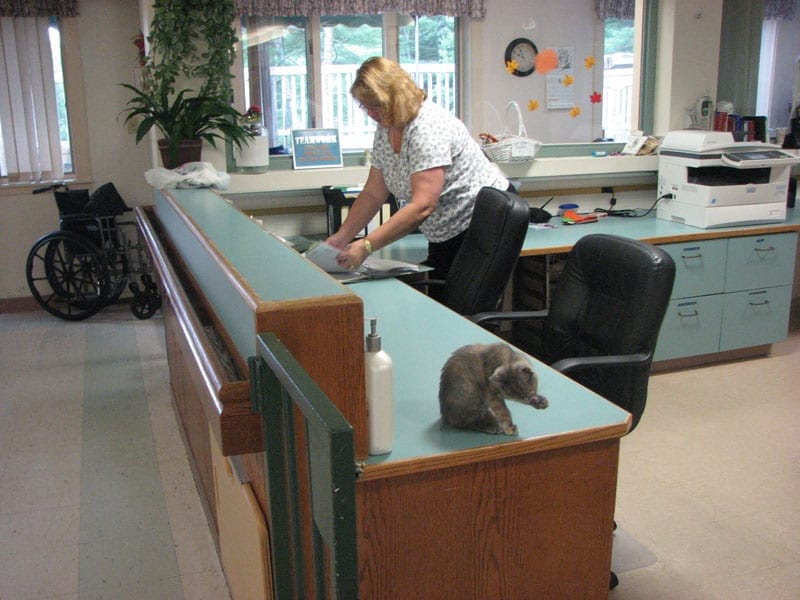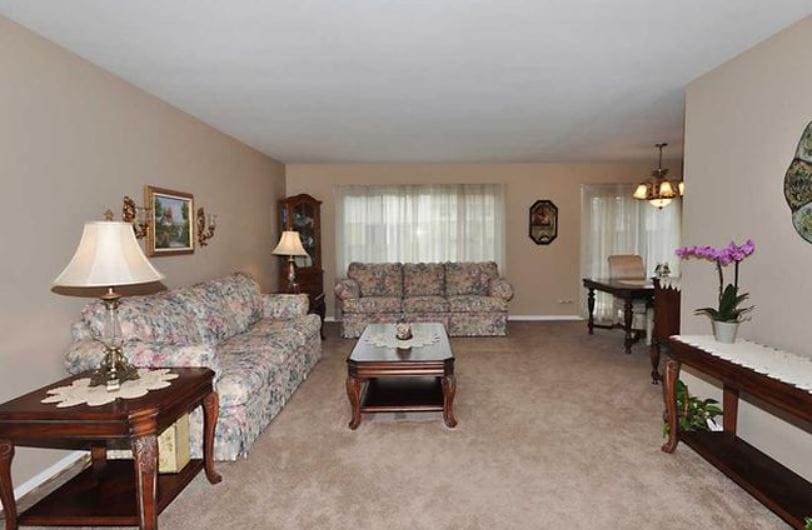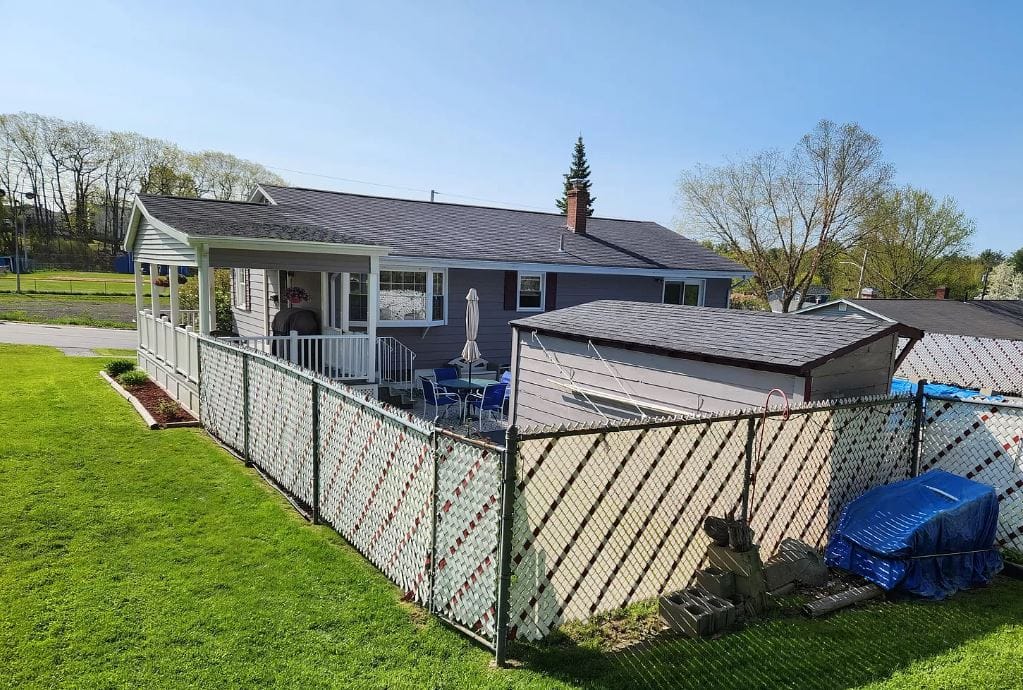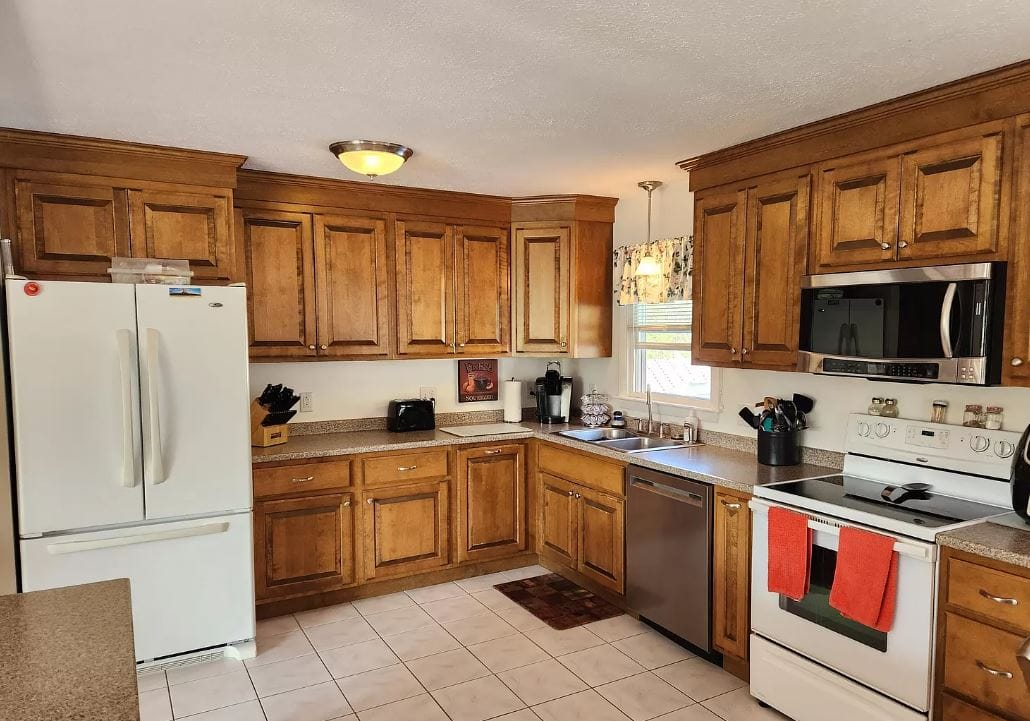

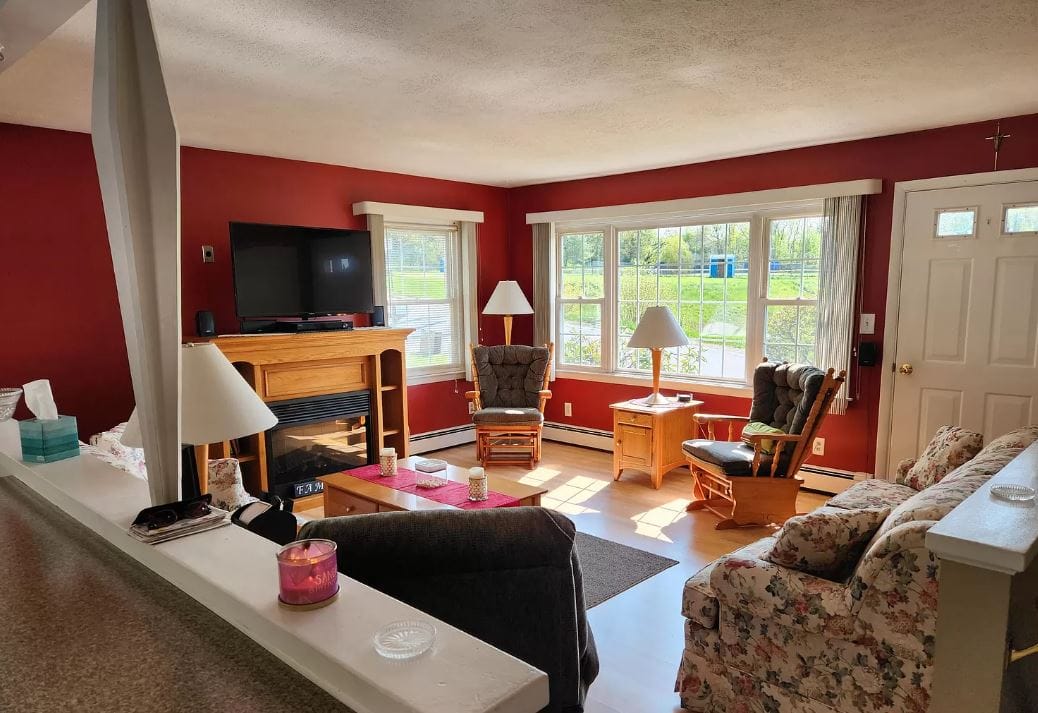
At 15 Marguerette Street in Lewiston, Glory House operates as a specialized 2-bed Level I Residential Care Facility focused entirely on substance abuse recovery and residential treatment. The program combines evidence-based residential counseling with outpatient services, methamphetamine-specific interventions, electronic monitoring, and comprehensive case management, reflecting a clinical approach to addiction recovery rather than traditional assisted living. Both licensed beds remain continuously occupied, reflecting sustained placement demand.
State inspections show consistent regulatory compliance. Four inspections since 2024, including a biennial survey in April 2024, identified zero deficiencies and found the facility in substantial compliance with all state regulations. No fines, enforcement actions, complaints substantiation, or license violations appear in available records.
The facility receives far fewer inspections than typical Maine residential care facilities, 80% below state average, indicating regulatory confidence based on track record.
Yet a public review raises operational concerns that diverge sharply from the regulatory record. A community member reported unsafe staff conduct near the facility (workers speeding near a school bus stop), described inadequate emergency response capacity, cited minimal meal quality, and documented unresponsive communication when attempting to lodge complaints.
The facility offers 24-hour staffing, medication oversight, activities, housekeeping, laundry, and meals, but the review suggests these services may not meet resident or community expectations despite regulatory approval.
This disconnect between perfect state compliance alongside documented community concerns suggests Glory House passes formal inspections while potentially falling short on operational safety and responsiveness as experienced by residents and neighbors.
The specialized focus on substance abuse treatment is appropriate for that population, yet families considering placement should directly verify both communication responsiveness and the safety protocols the review questioned, rather than relying solely on the facility’s regulatory standing.