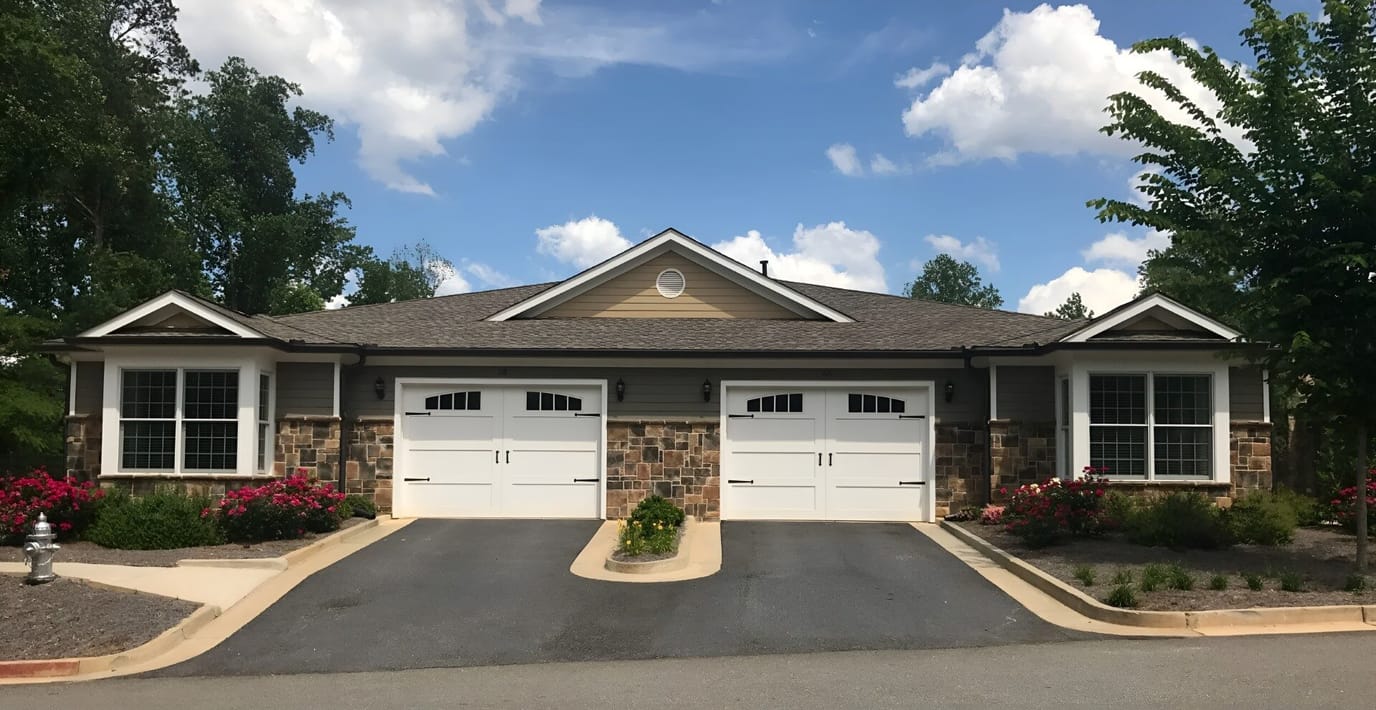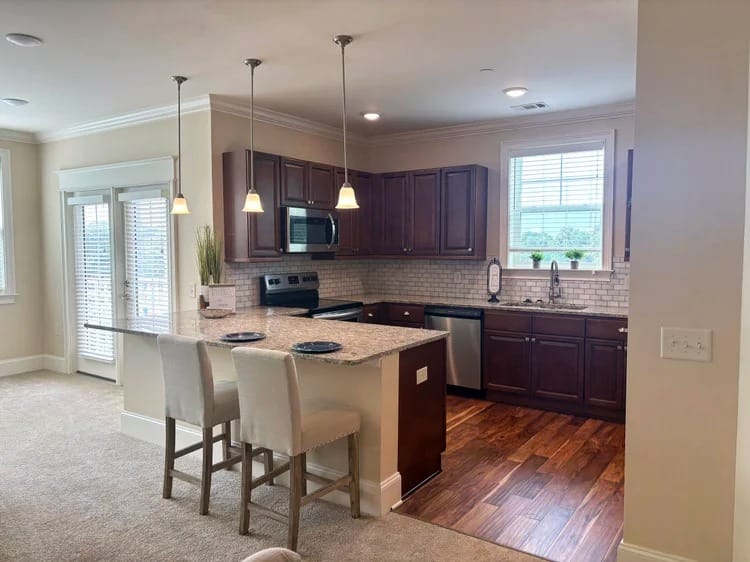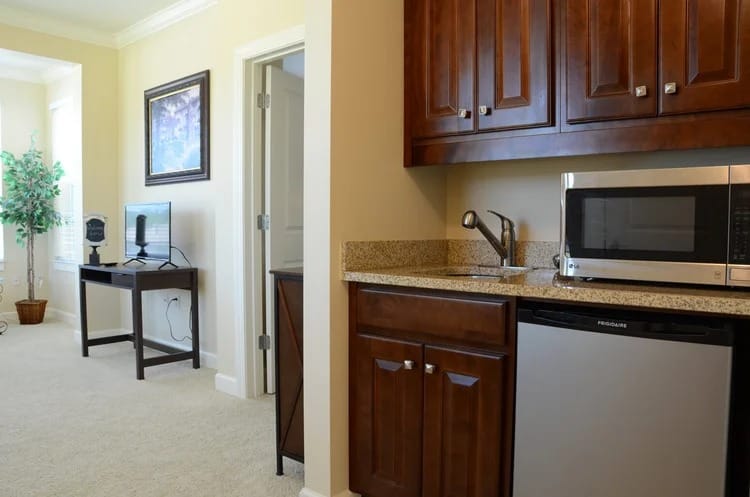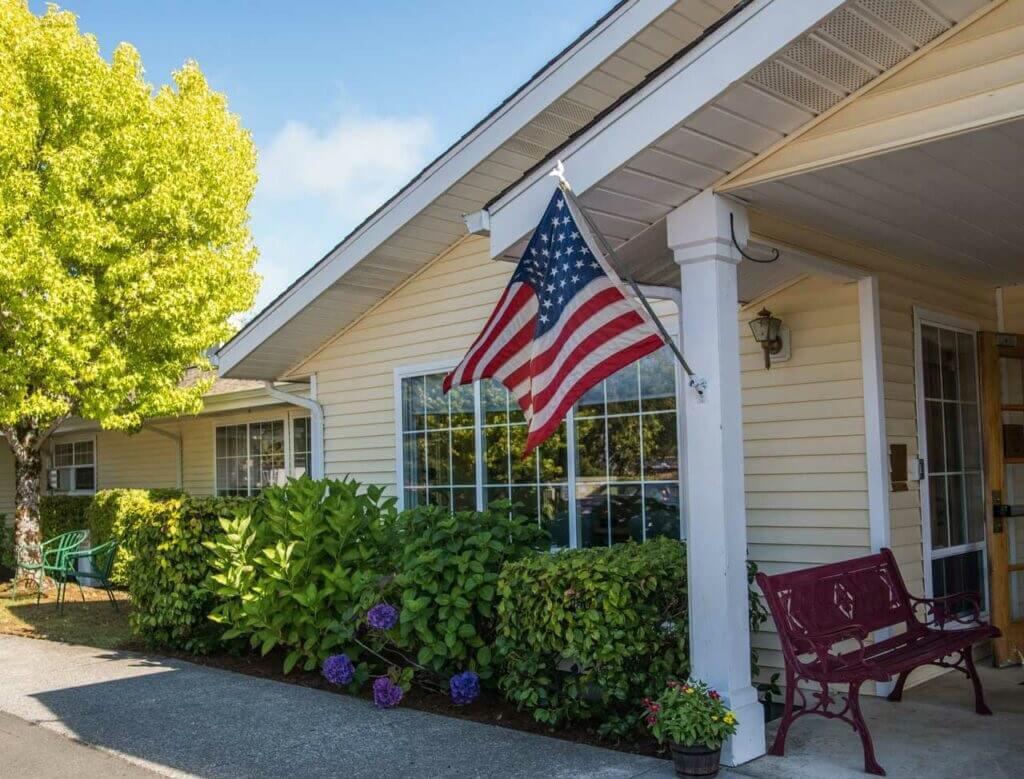




Heritage Healthcare Center offers nursing home and skilled nursing care, assisted living, hospice care, memory care, and respite care in Tallahassee, Florida. Nursing home and skilled nursing care provide licensed nursing care on site around the clock. Assisted living helps with daily tasks such as bathing, dressing, and medication management, while memory care provides a secured setting with supervision for someone at risk of wandering.
Hospice care supports residents with end of life needs, and respite care provides a short term stay when a family caregiver needs to travel or recover. Several care levels are available, so a resident whose needs grow can move between levels without leaving the community or starting over socially. Heritage Healthcare Center may suit someone whose care needs are likely to change over time.
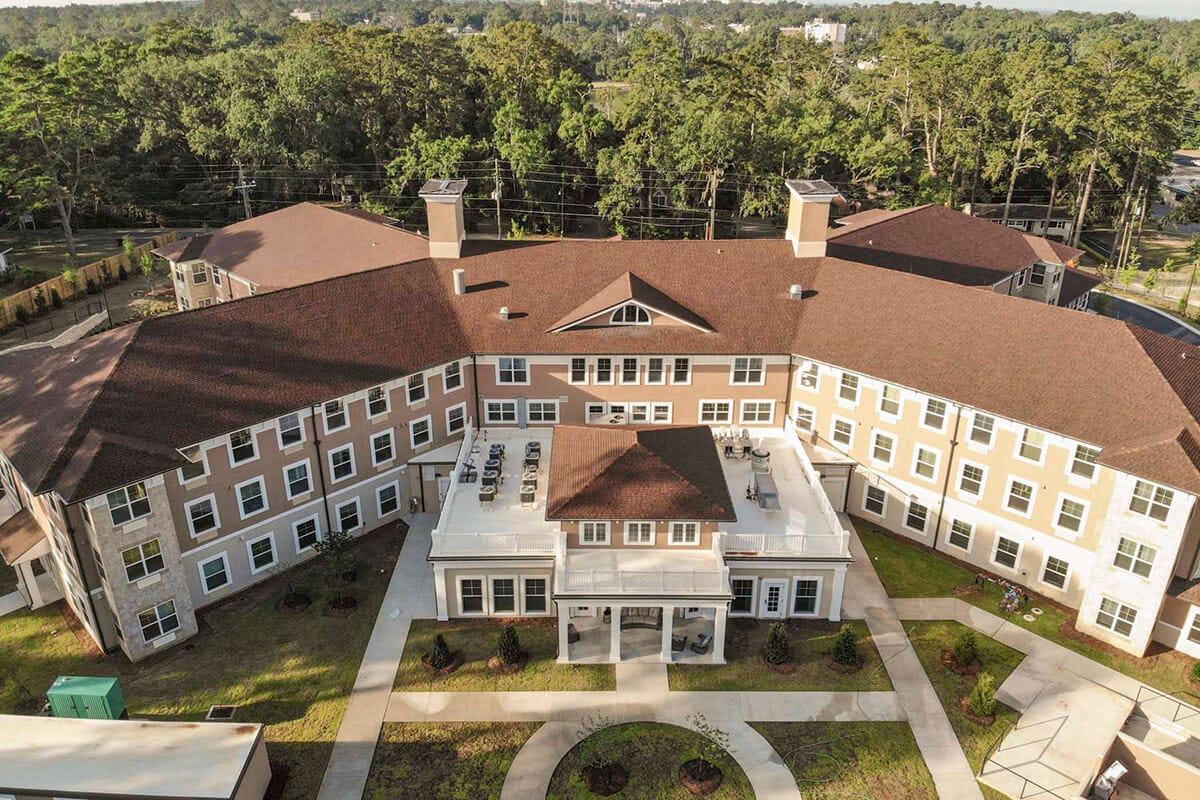
The center has 180 beds, giving it capacity for more residents and supporting a larger staff and broader programming than a smaller community. Total nurse staffing is 3 hours and 48 minutes per resident per day, representing daily hands on nursing time for each resident. Payment options include Medicare, Medicaid, and private pay, allowing families to use public coverage or pay directly as applicable.
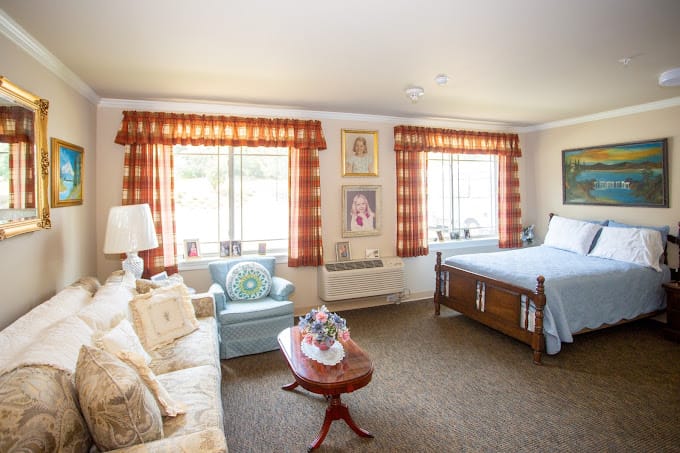
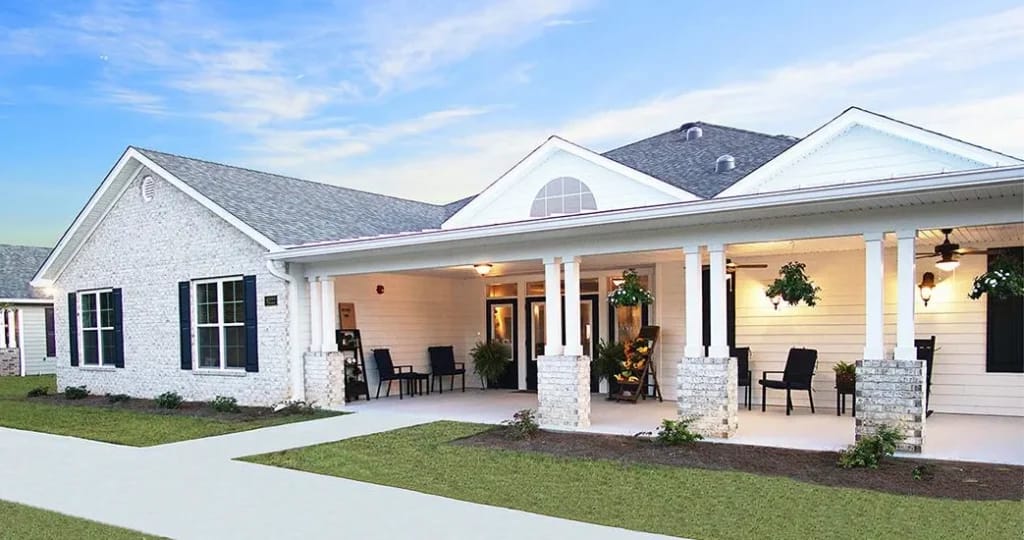
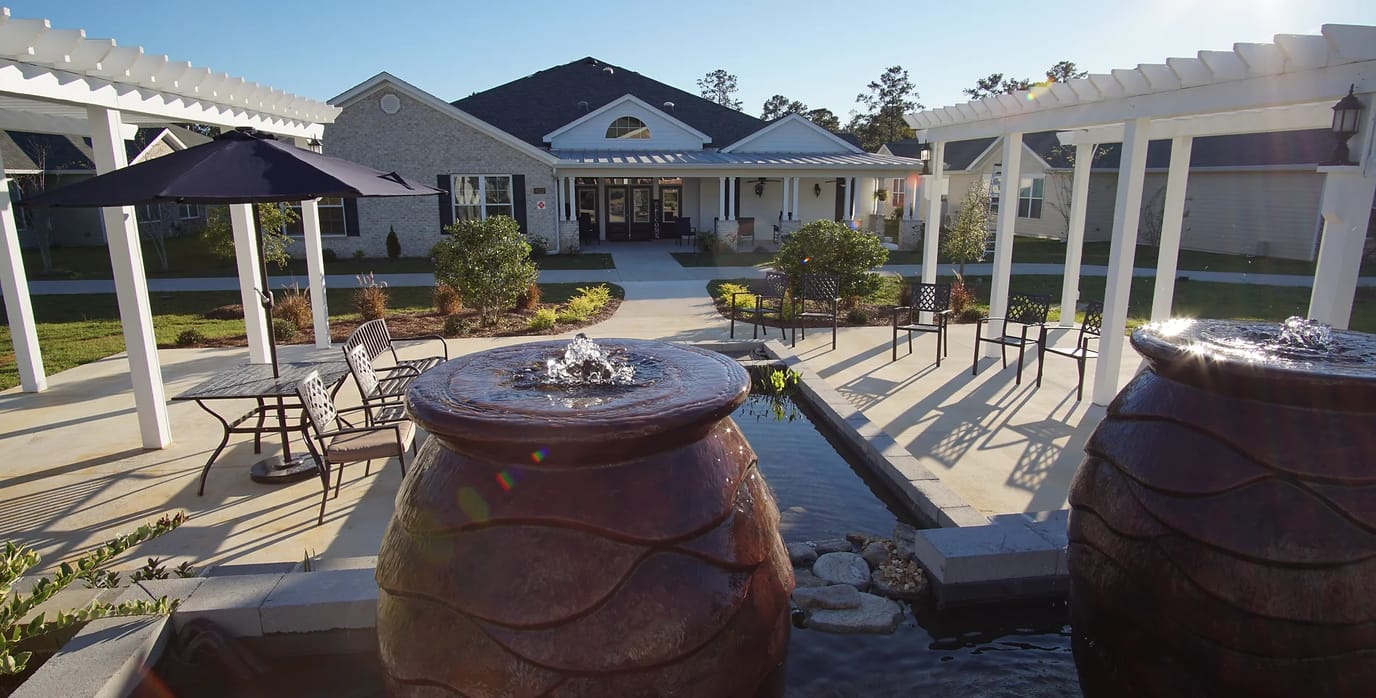
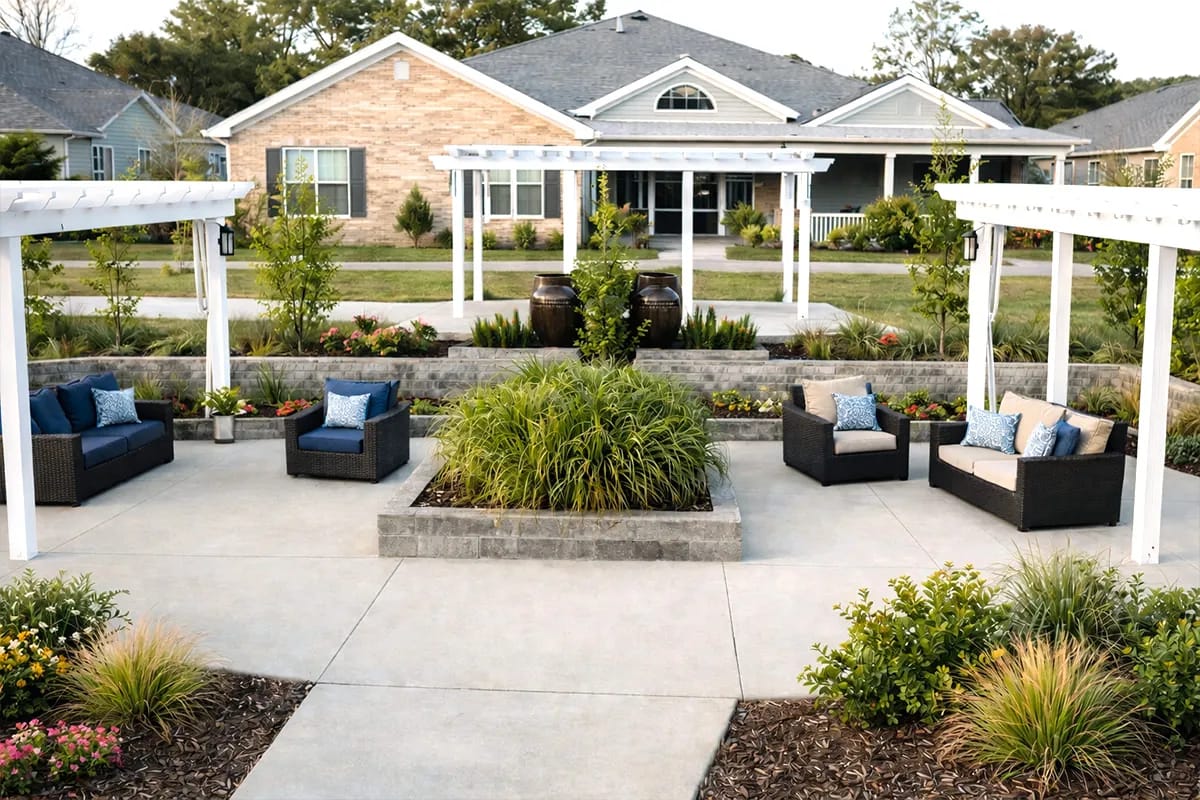
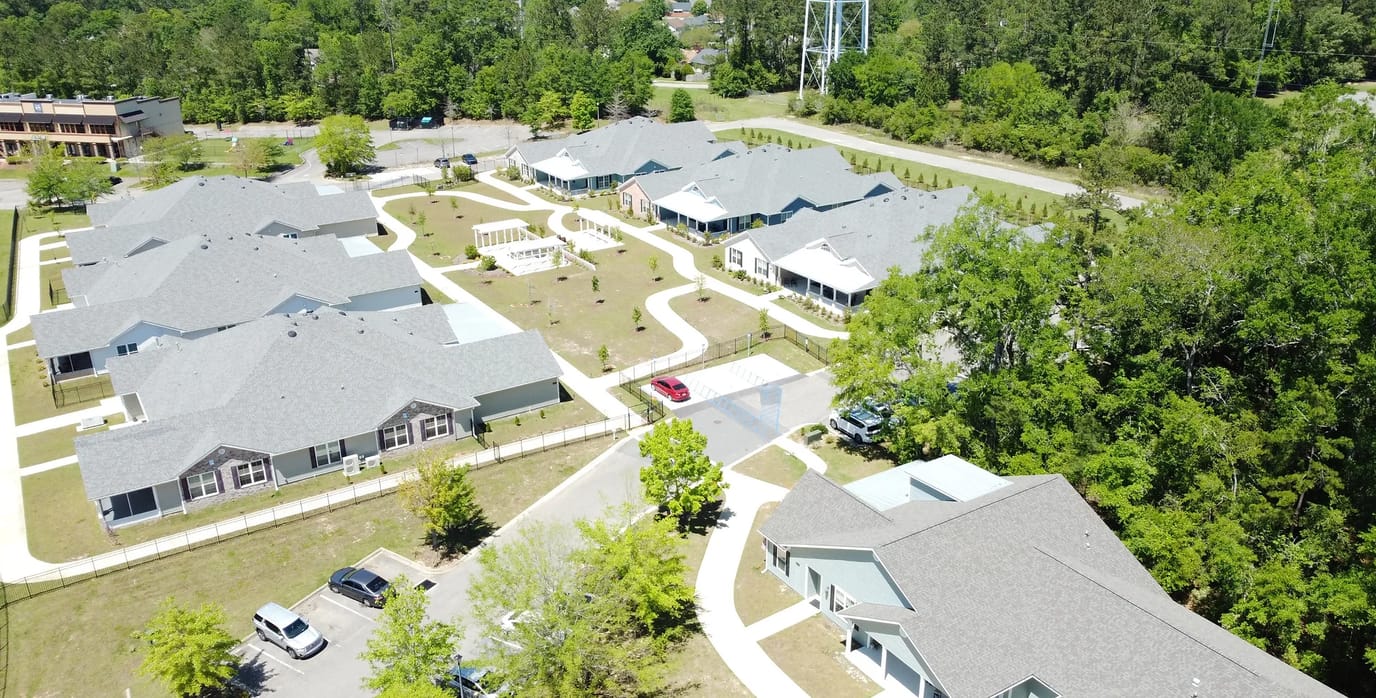
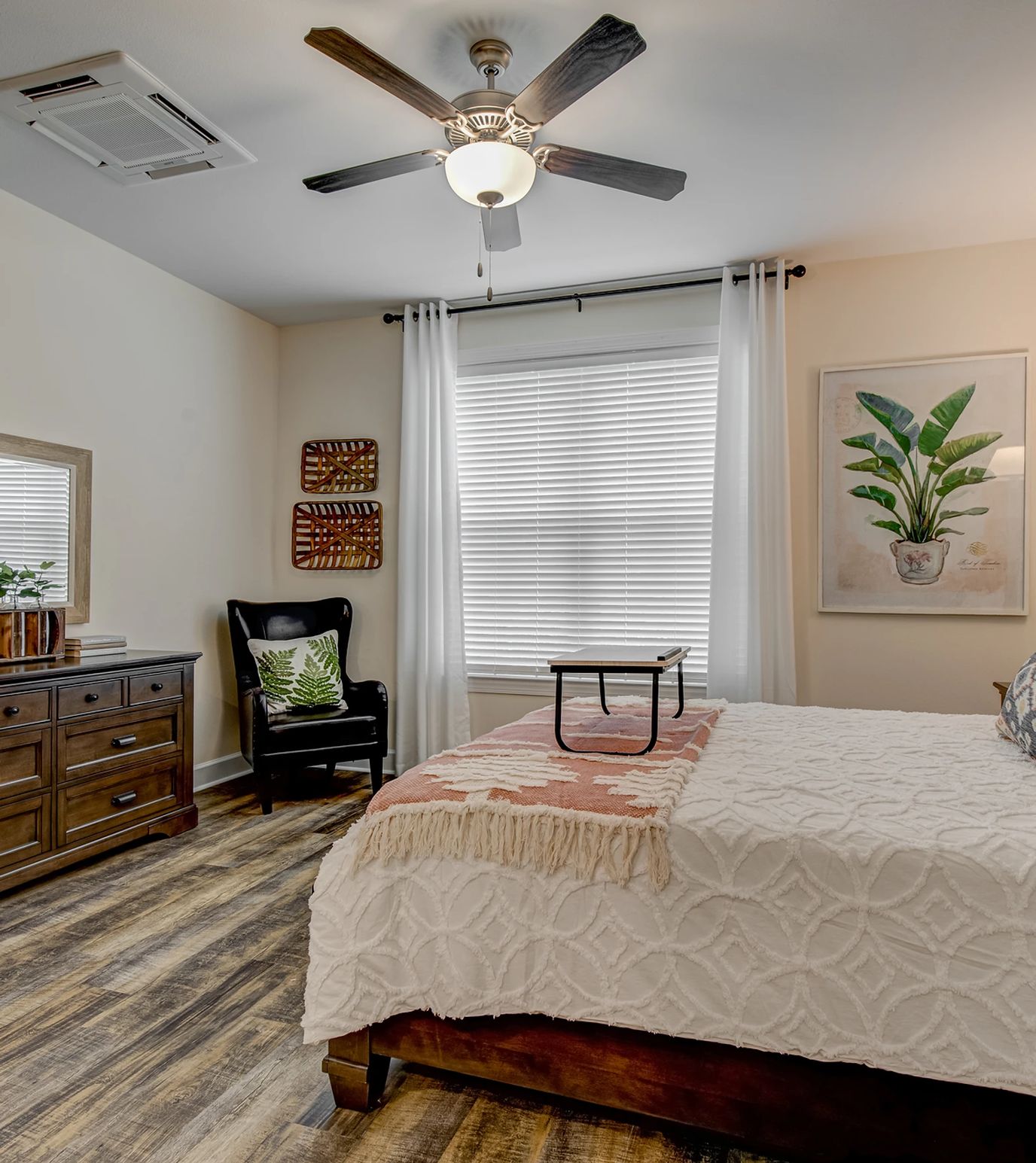
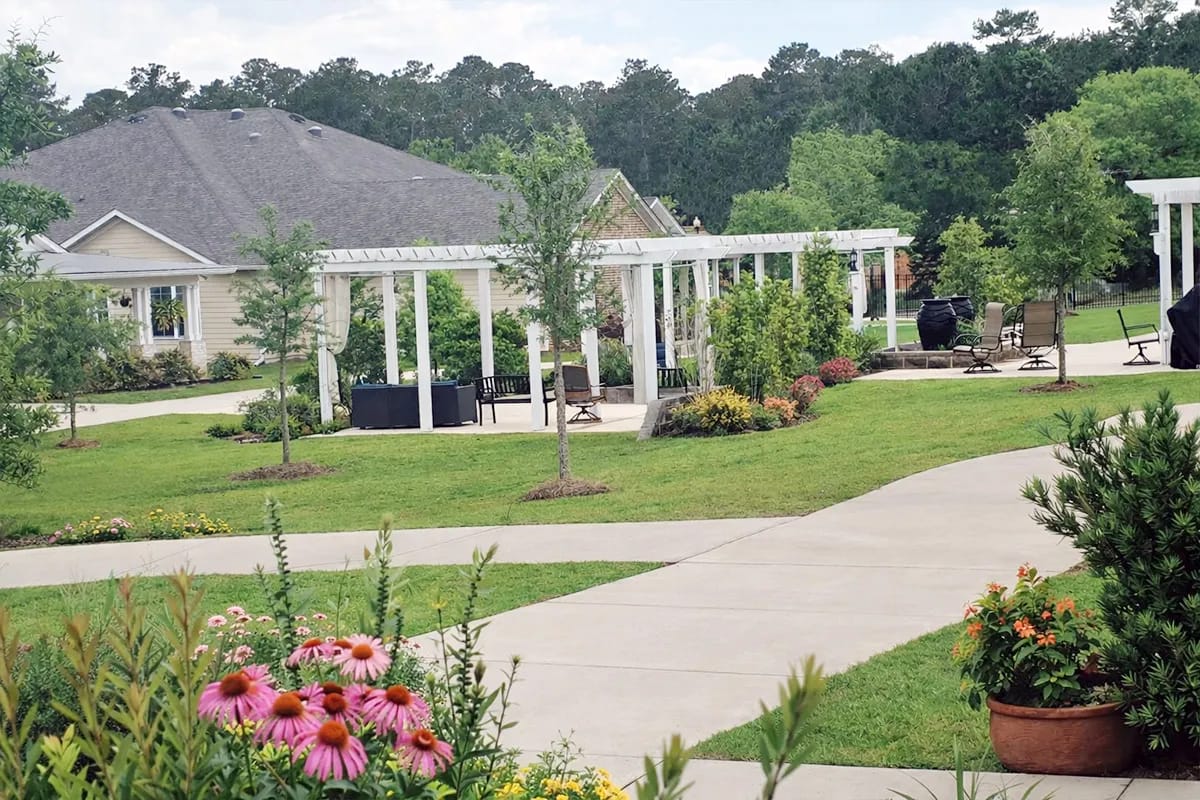
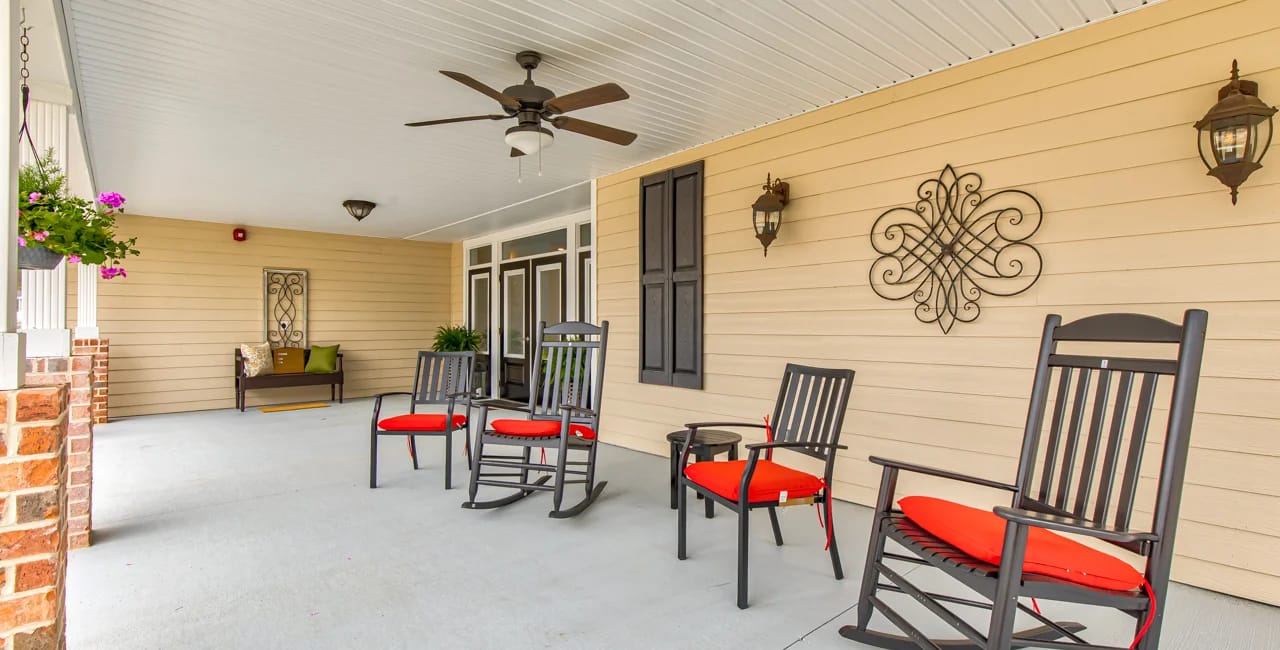
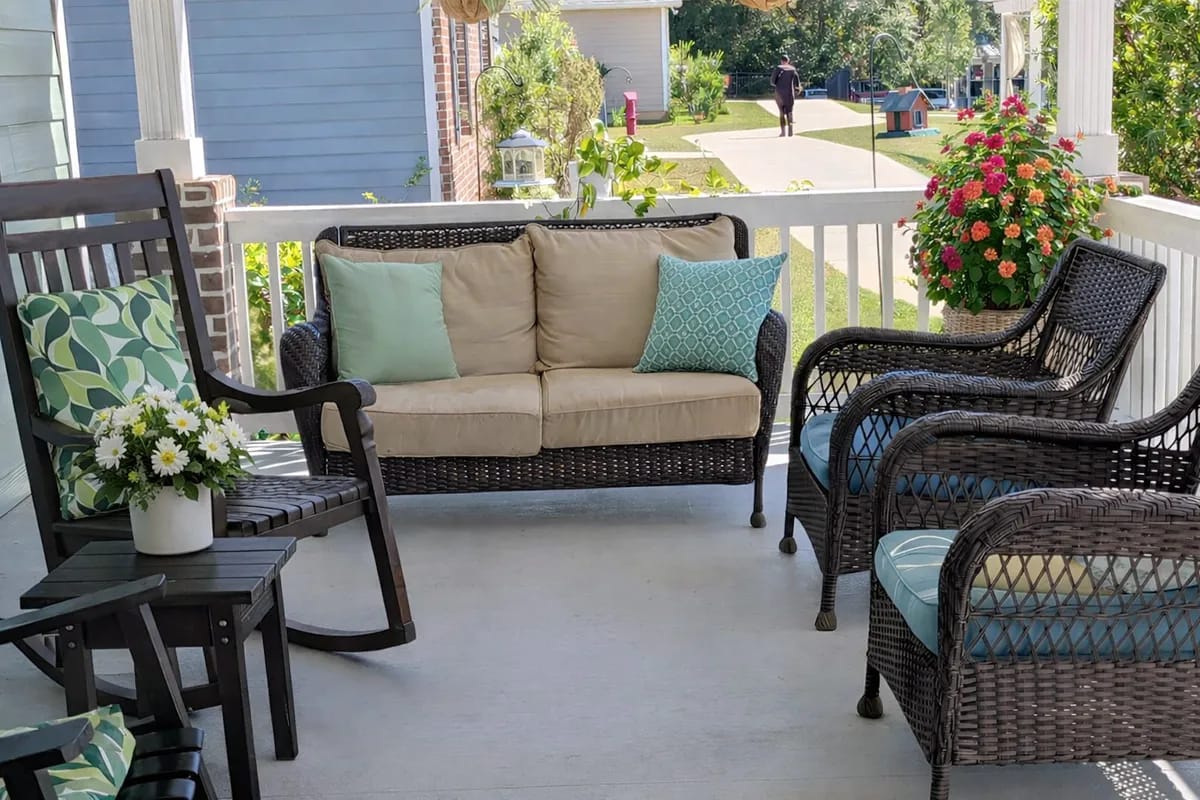
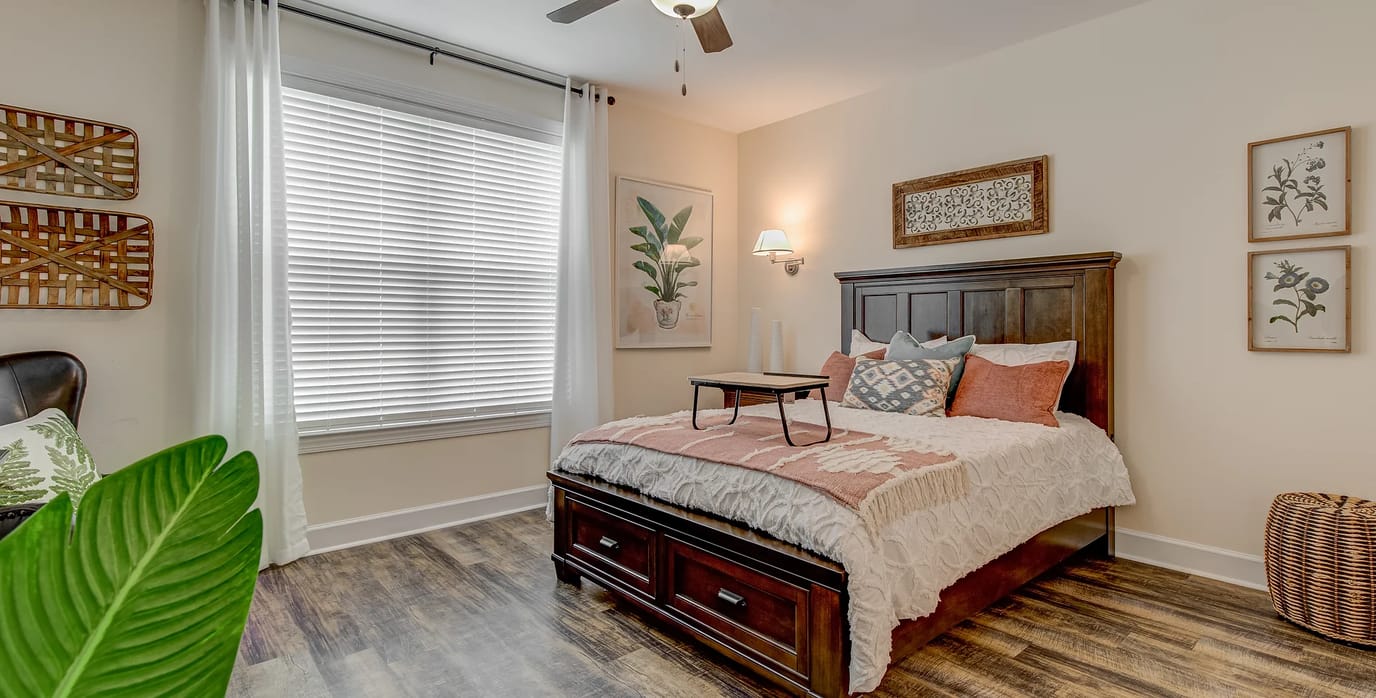
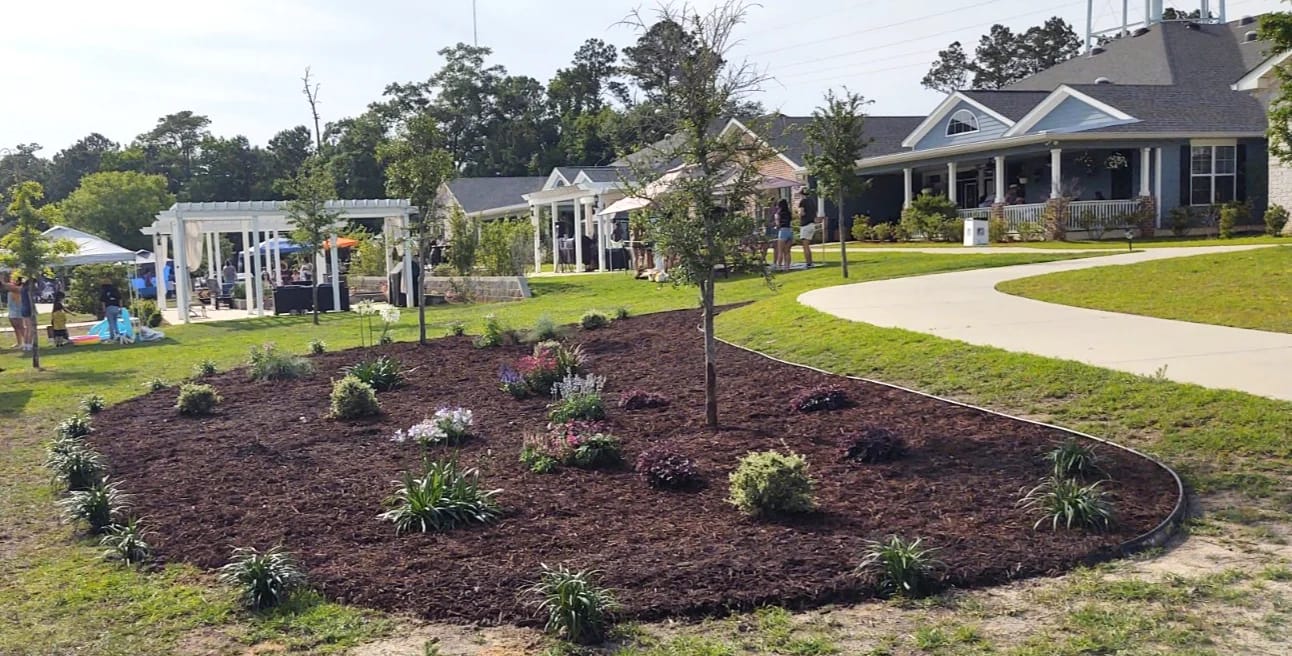
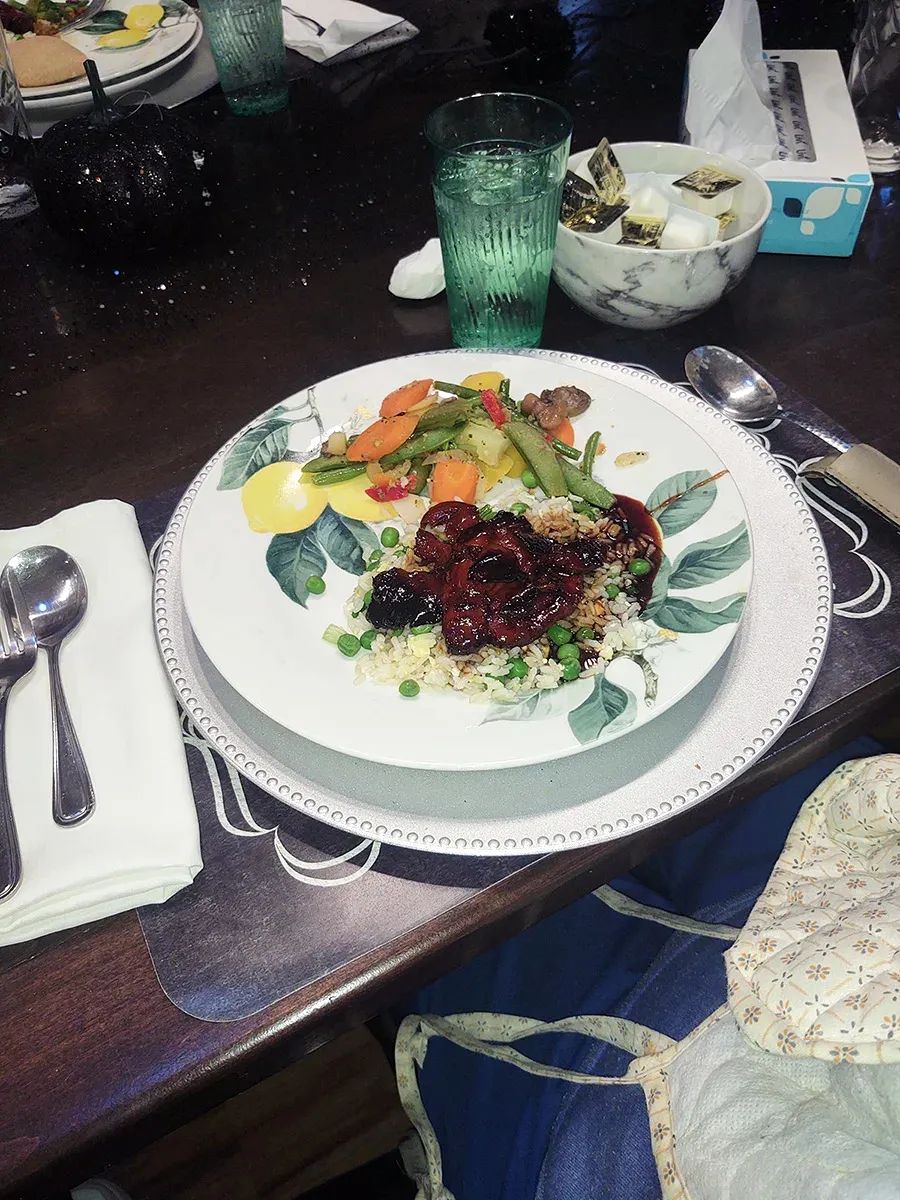
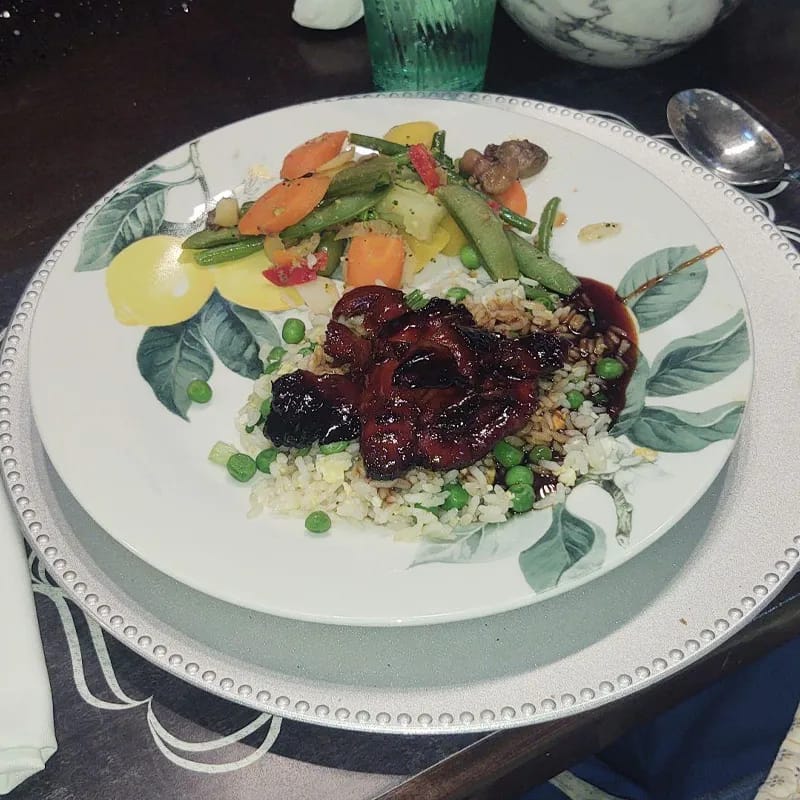
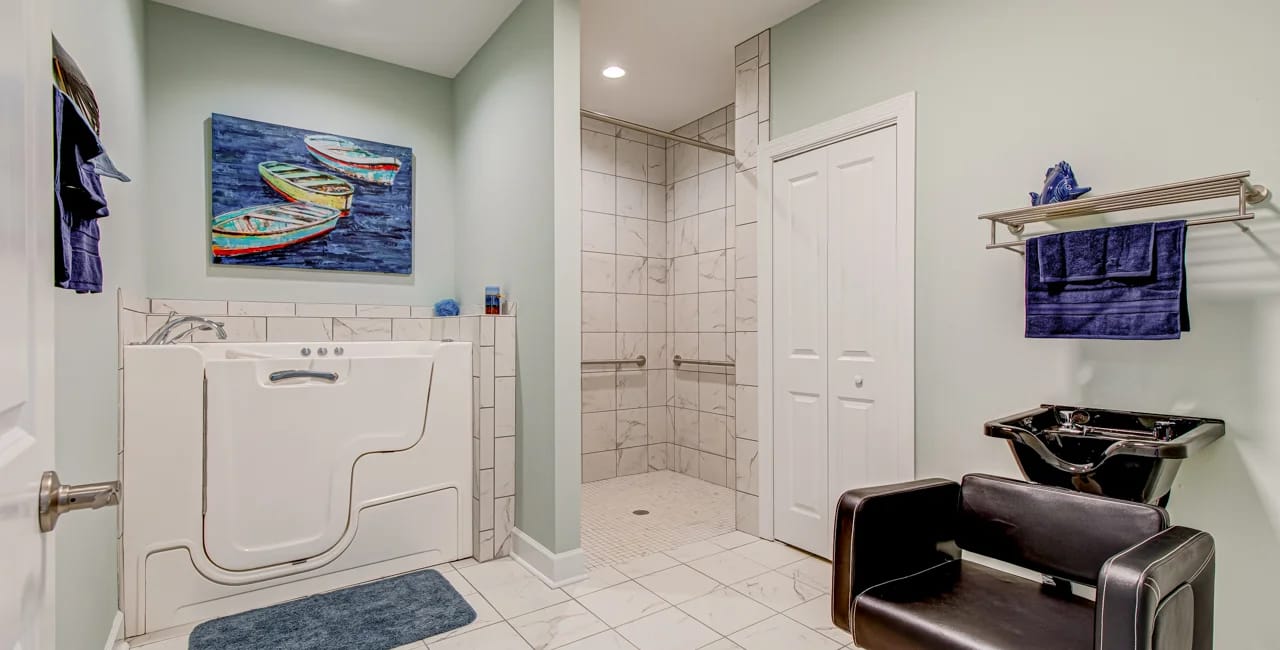
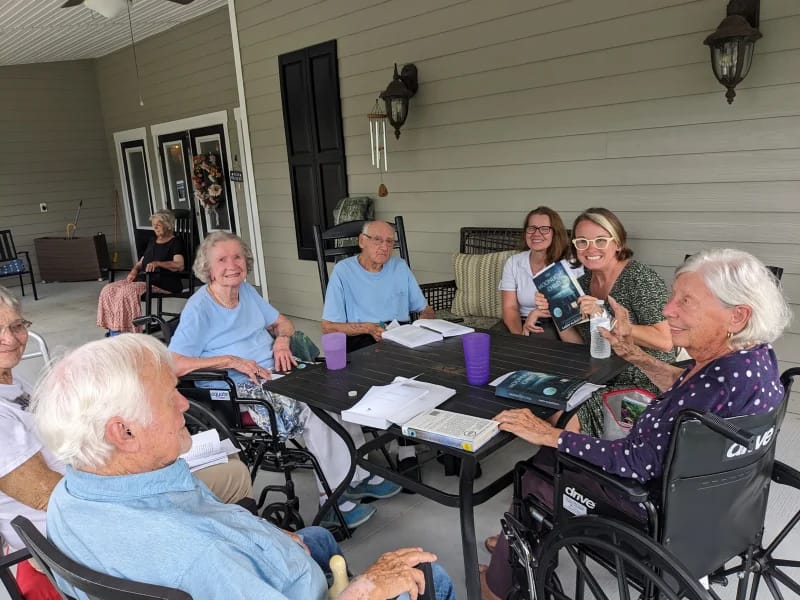
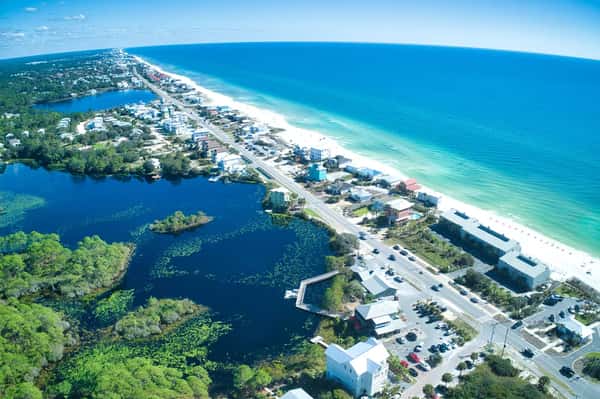
A Walk Score of 98 places the area in the walker’s paradise category, meaning daily errands do not require a car and a resident who no longer drives can still get out independently. An on site dialysis program allows dialysis treatment without arranging every treatment trip elsewhere, while rehabilitation services support recovery needs. Private bedrooms provide a single sleeping space, and outdoor living space gives residents an area to spend time outside; freshly prepared meals include Kosher selections for residents who follow kosher practices.