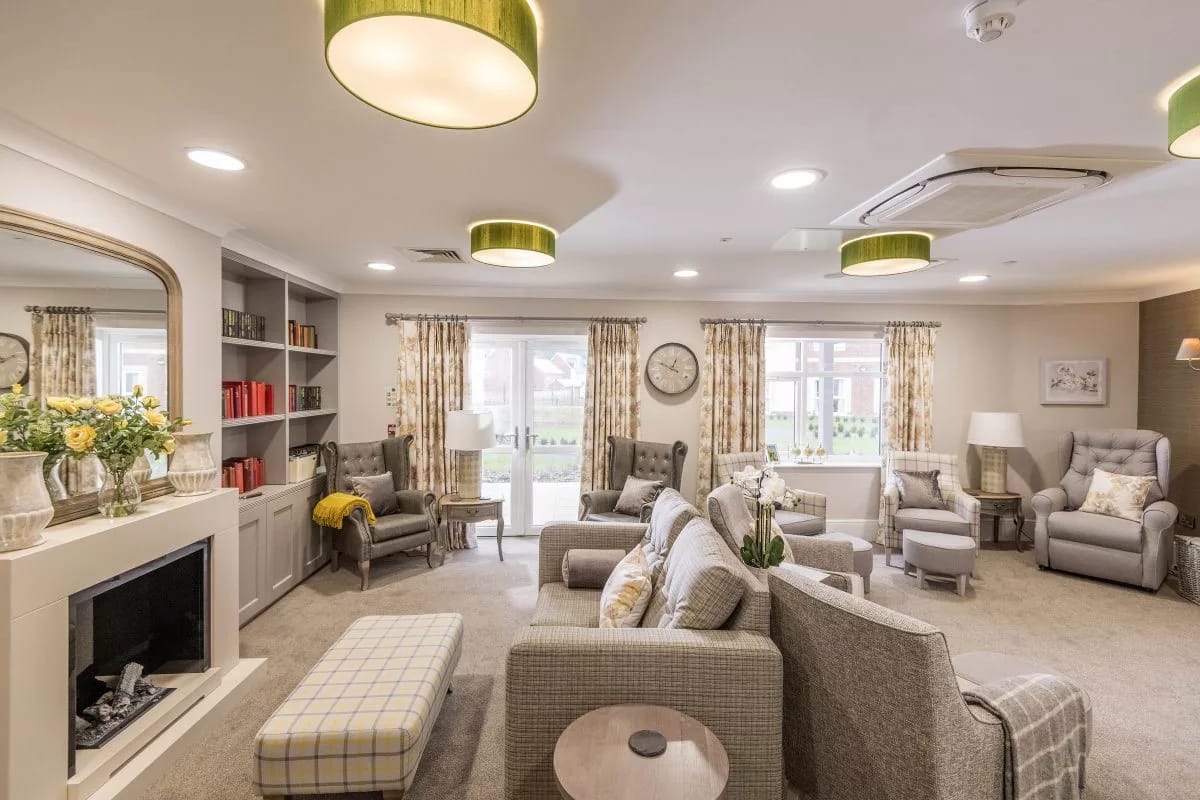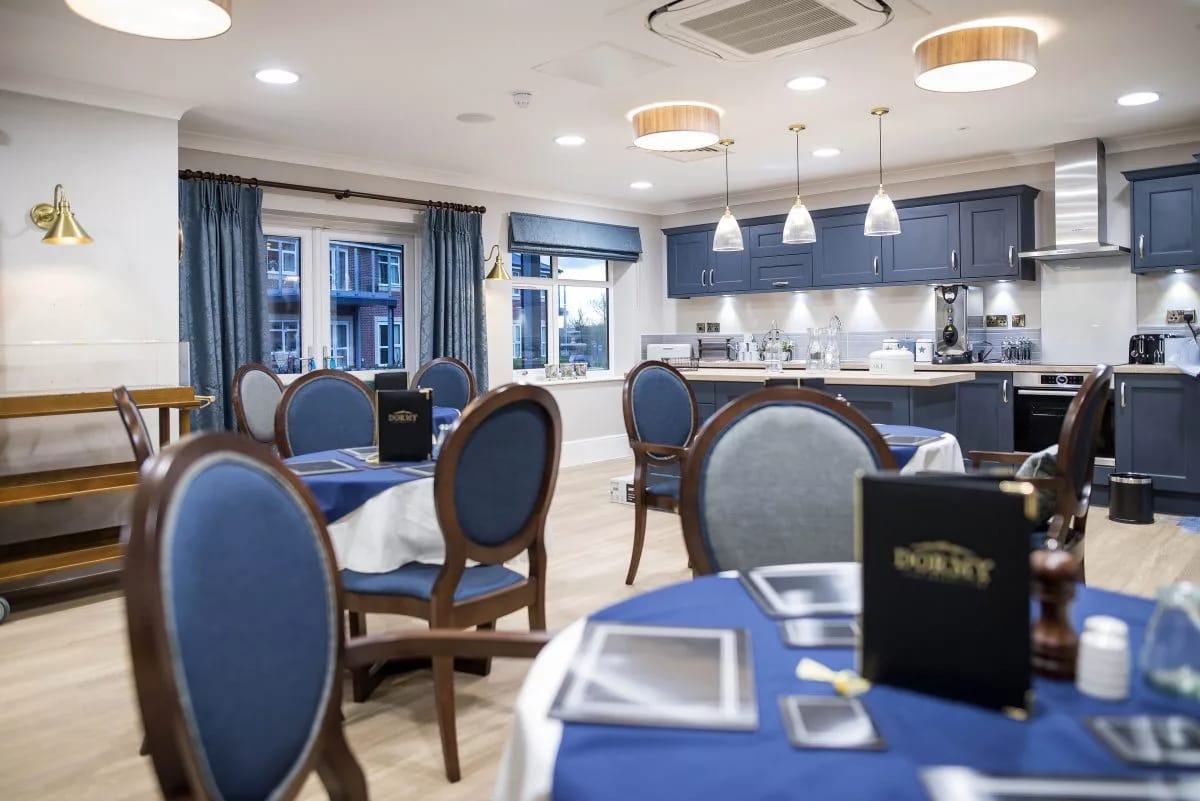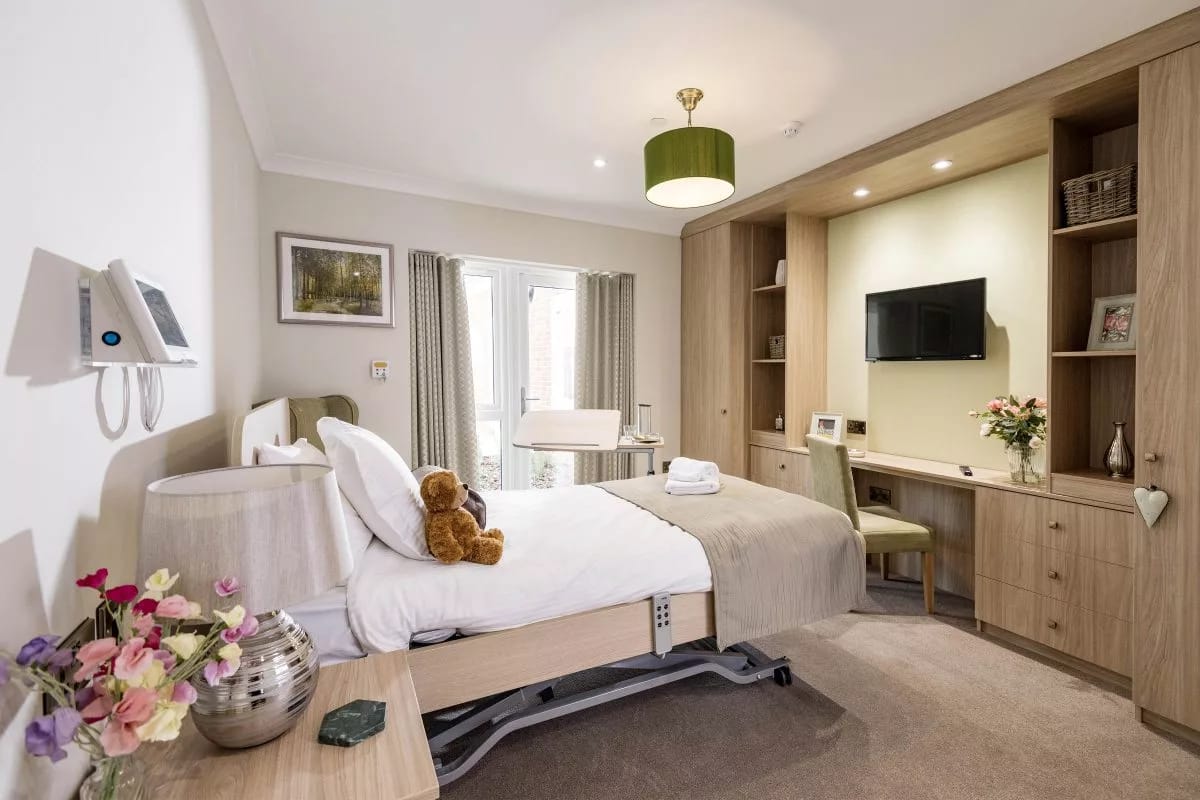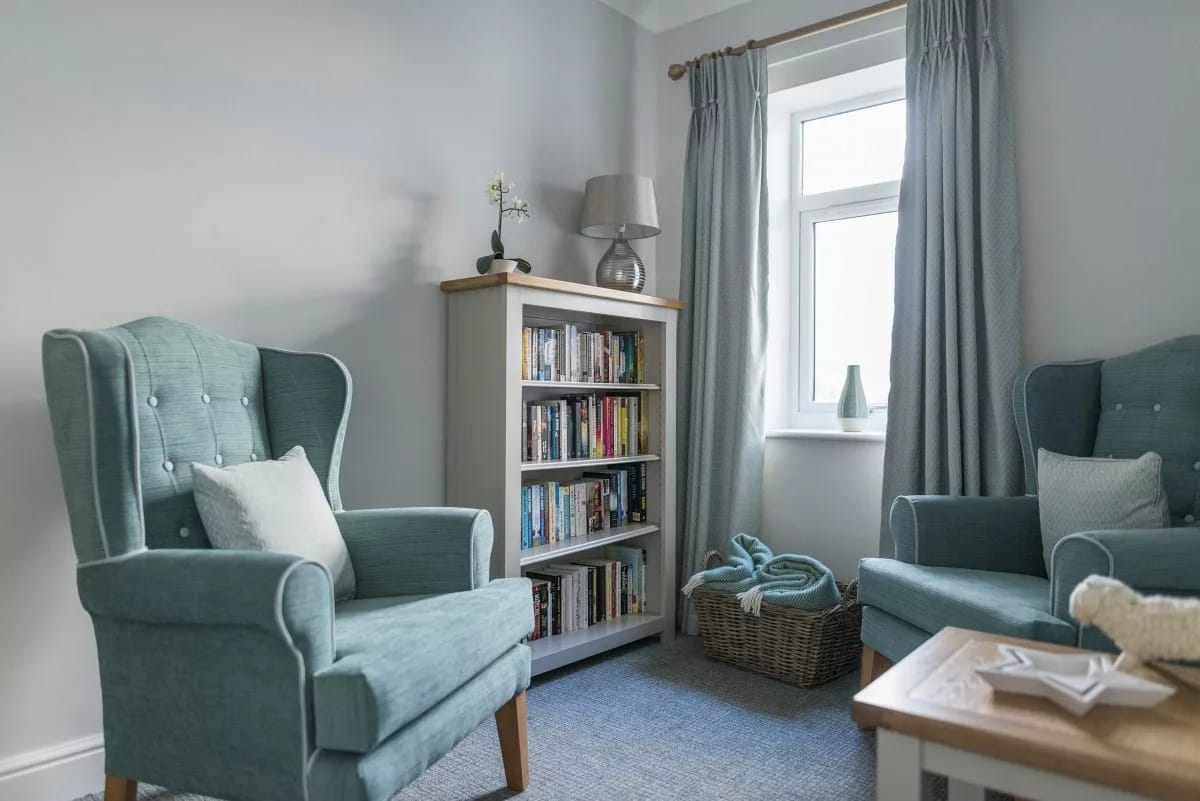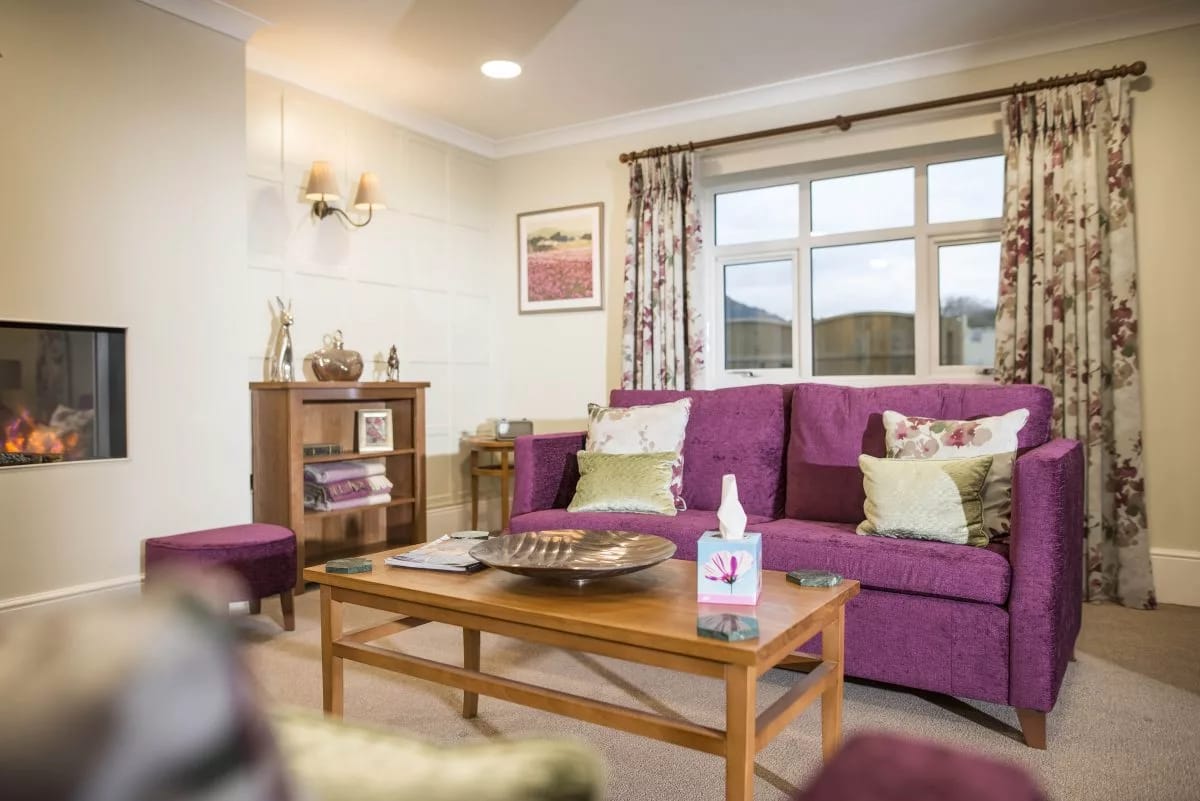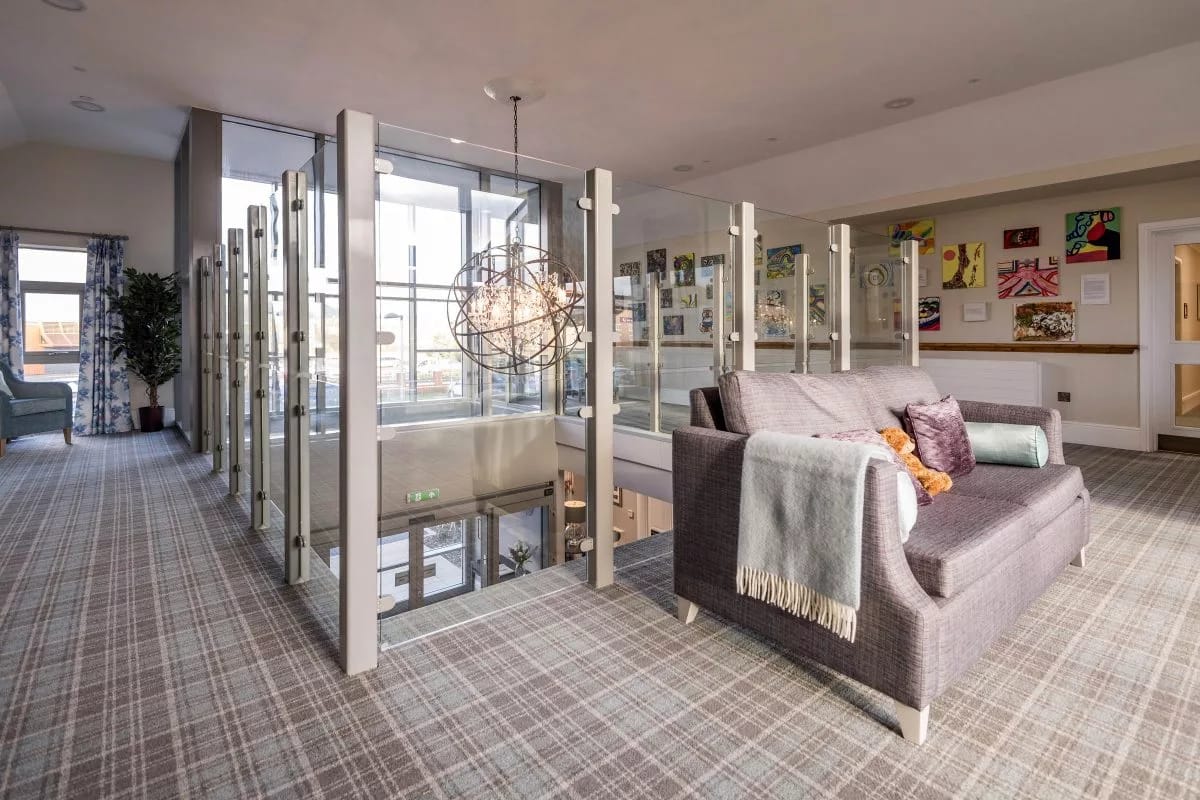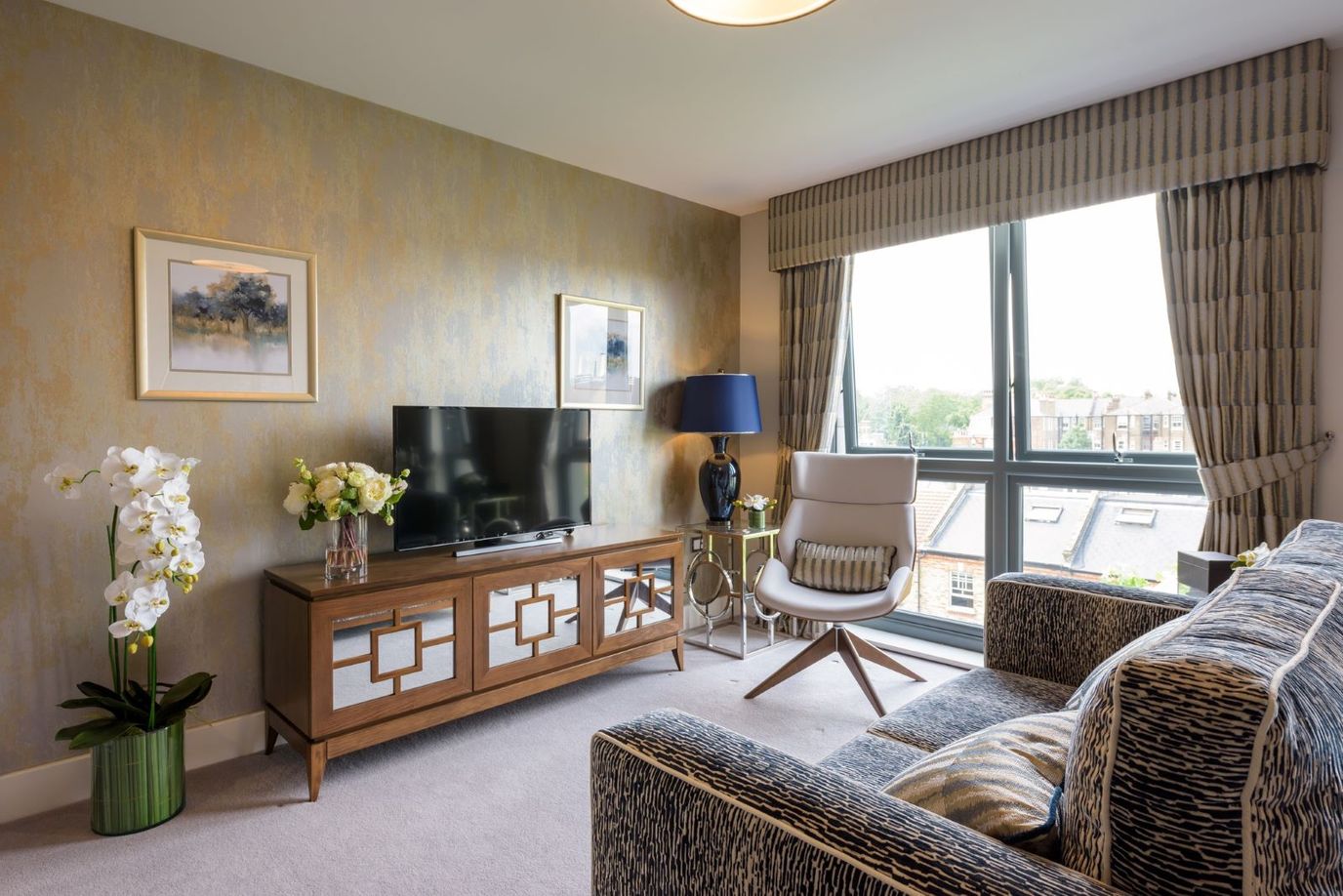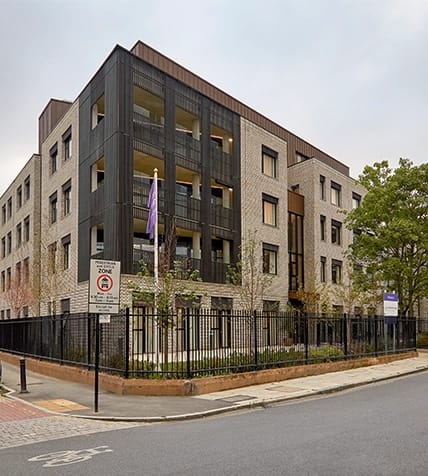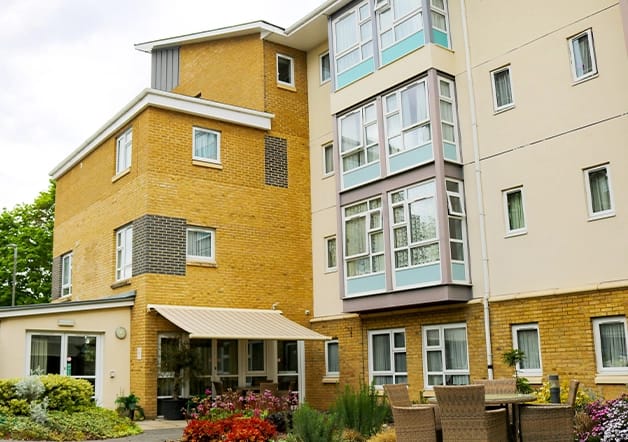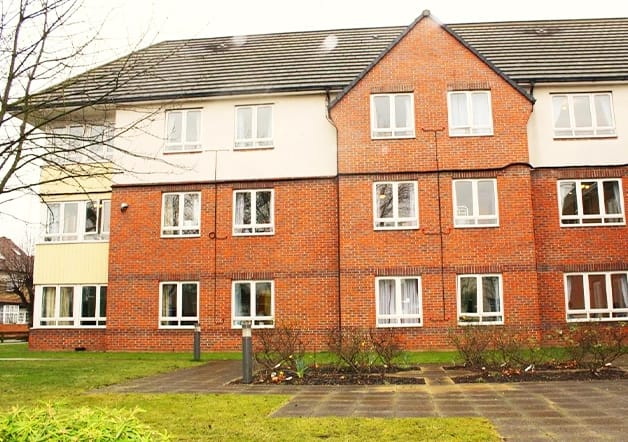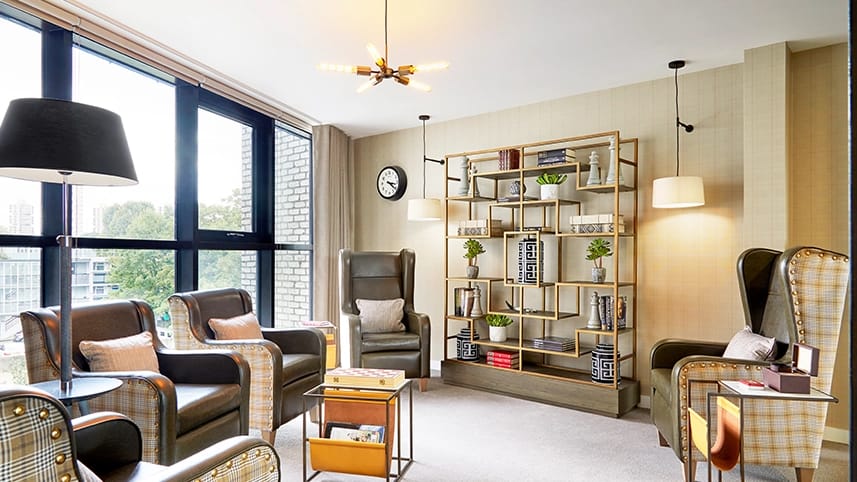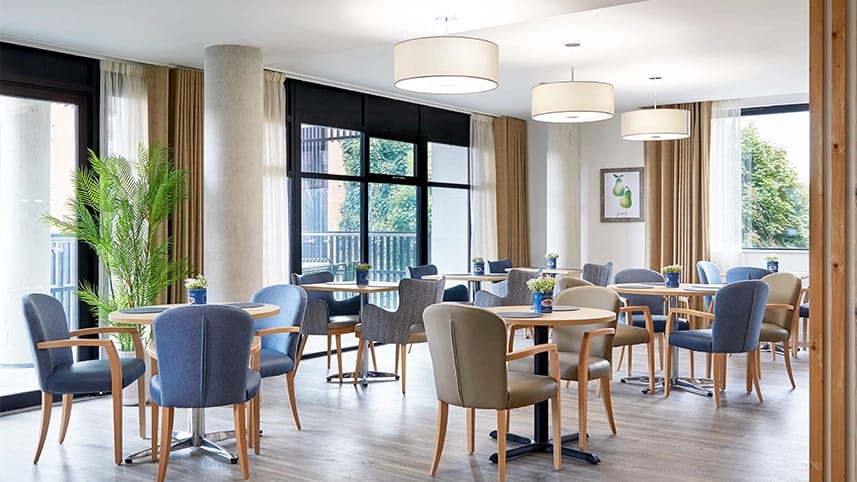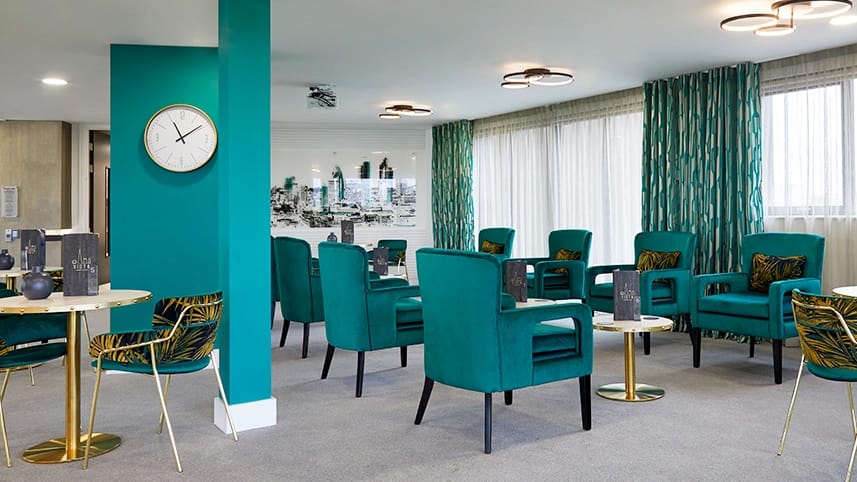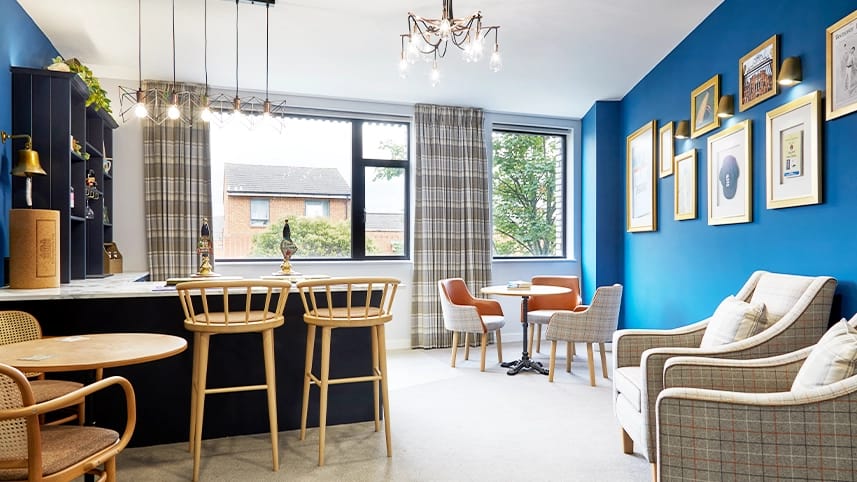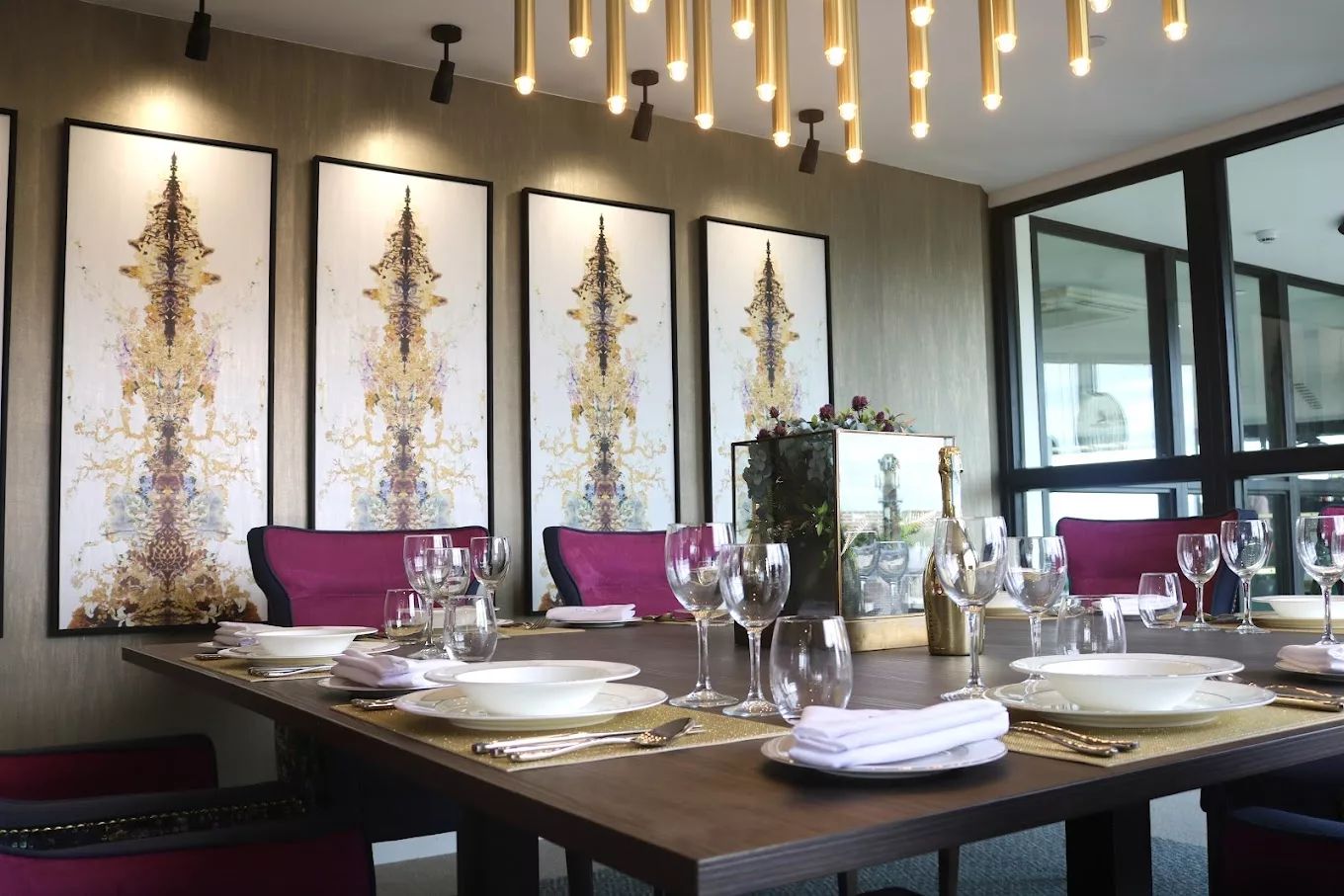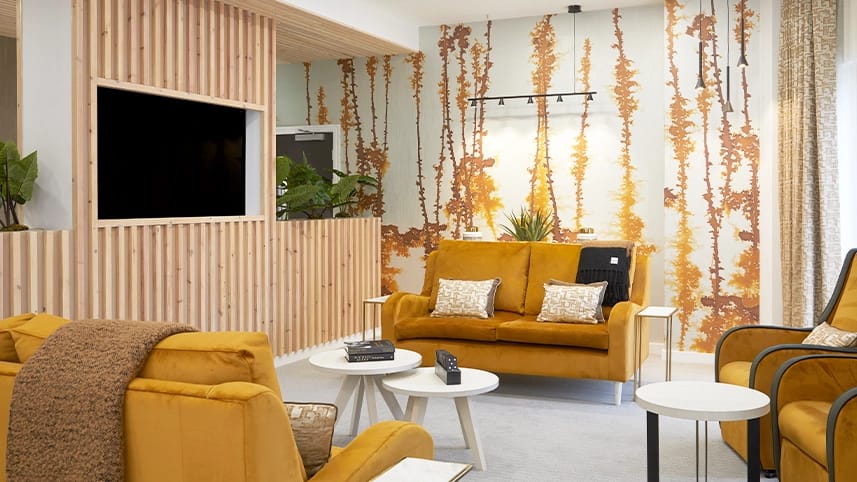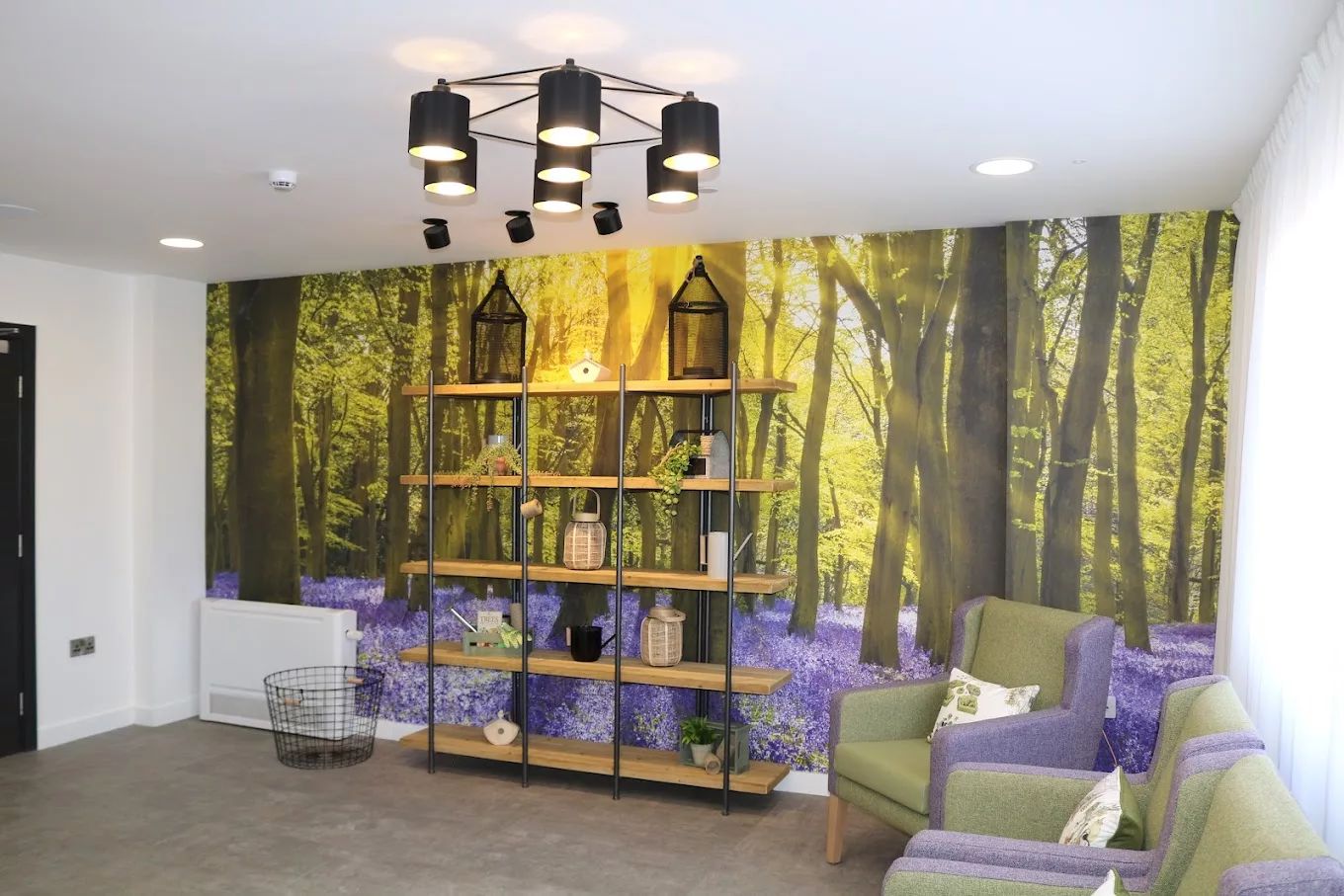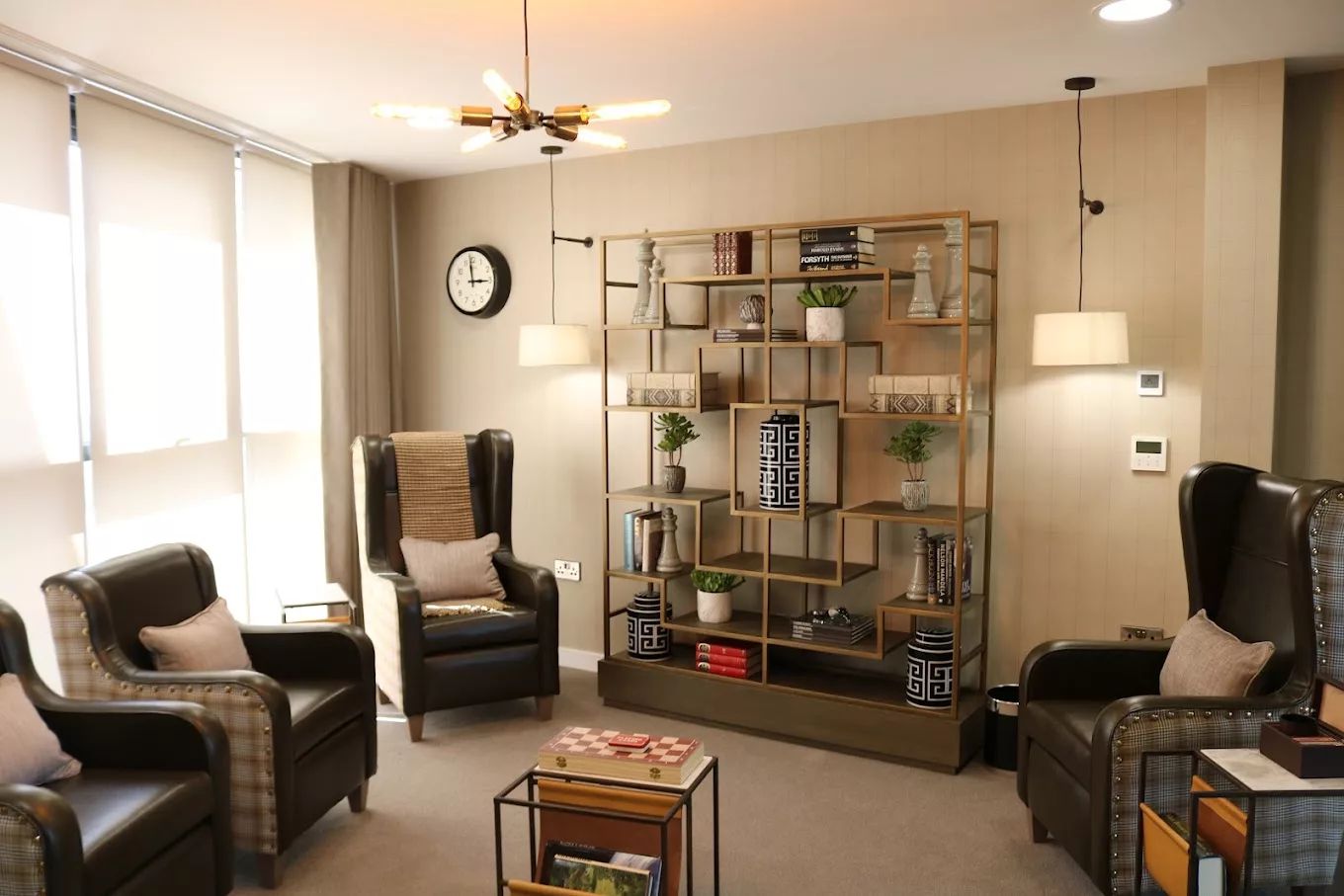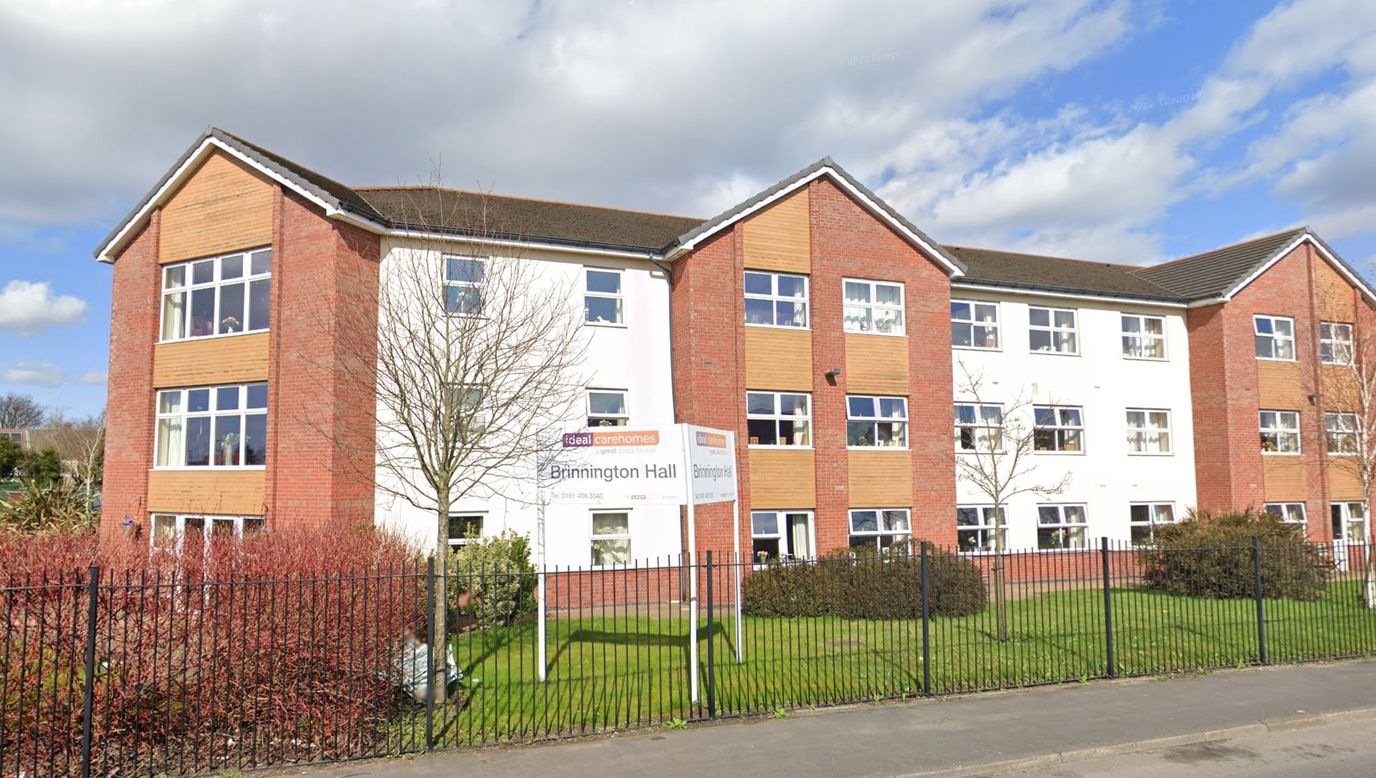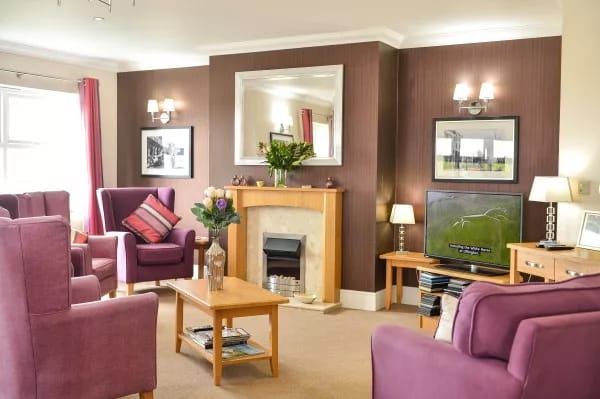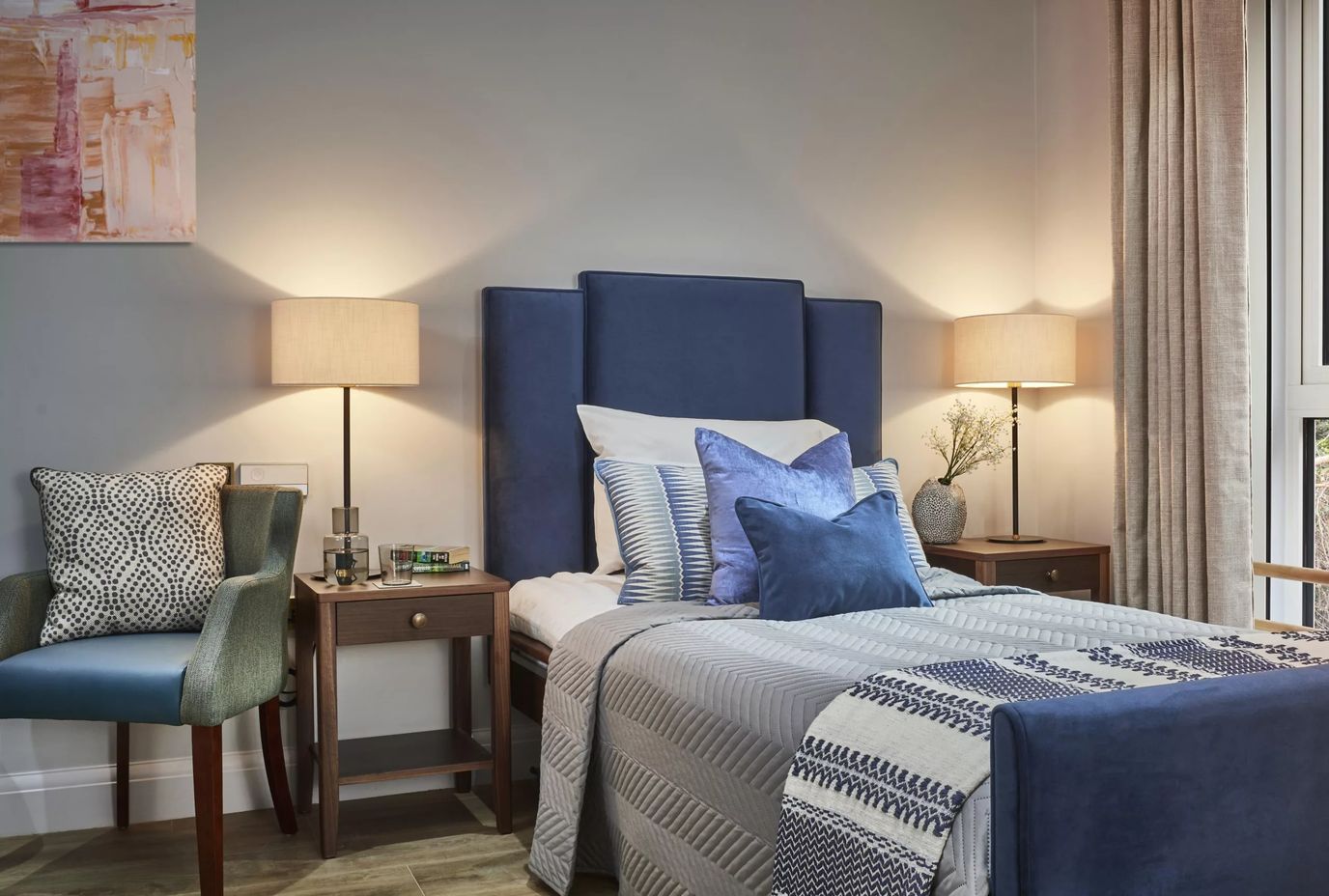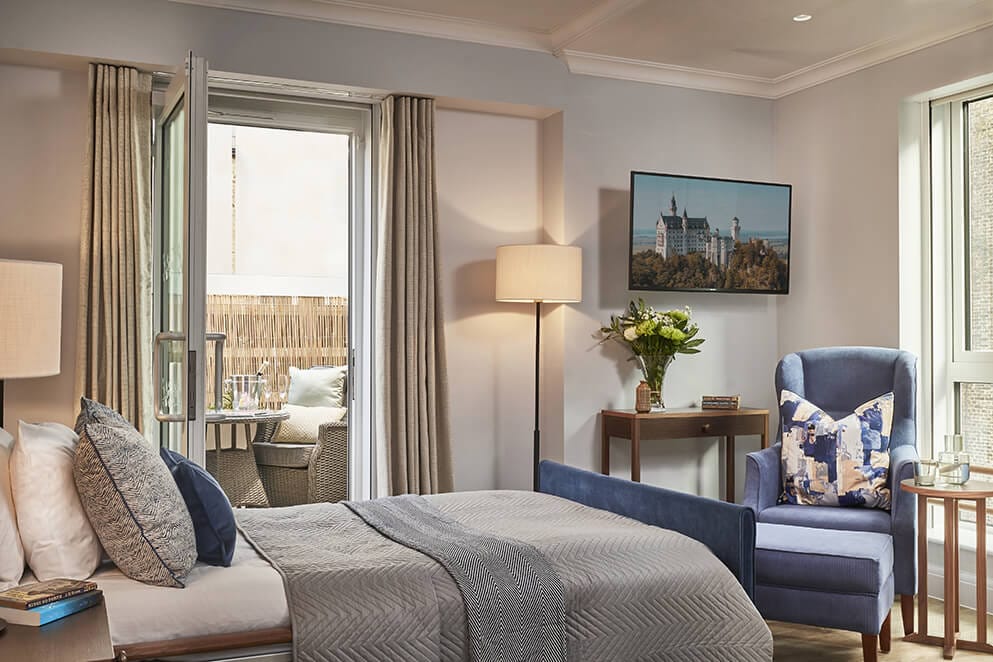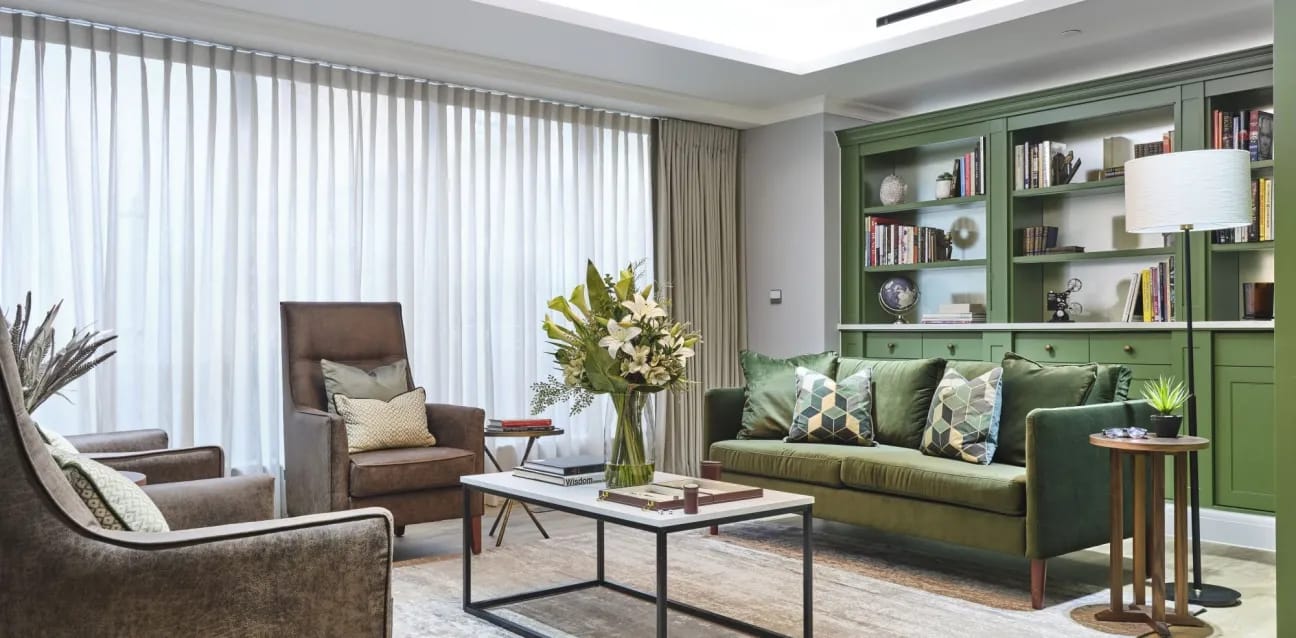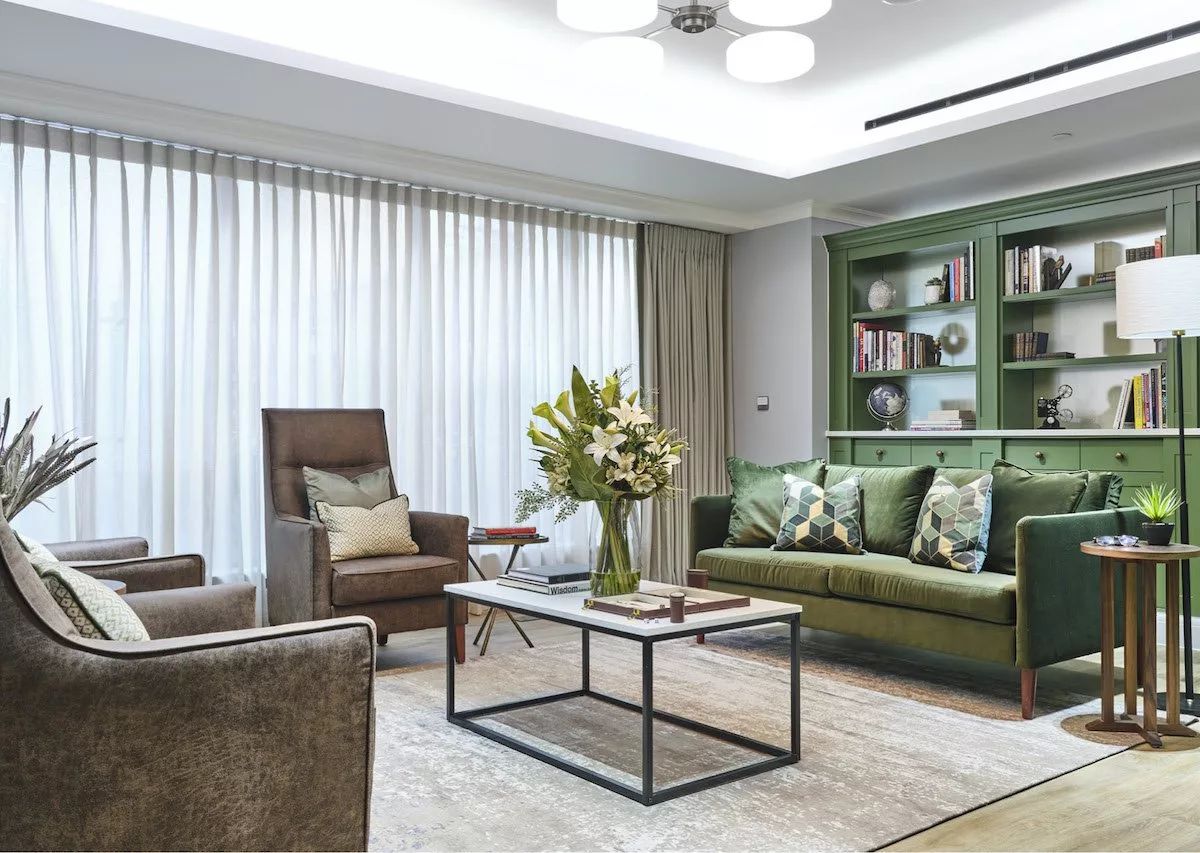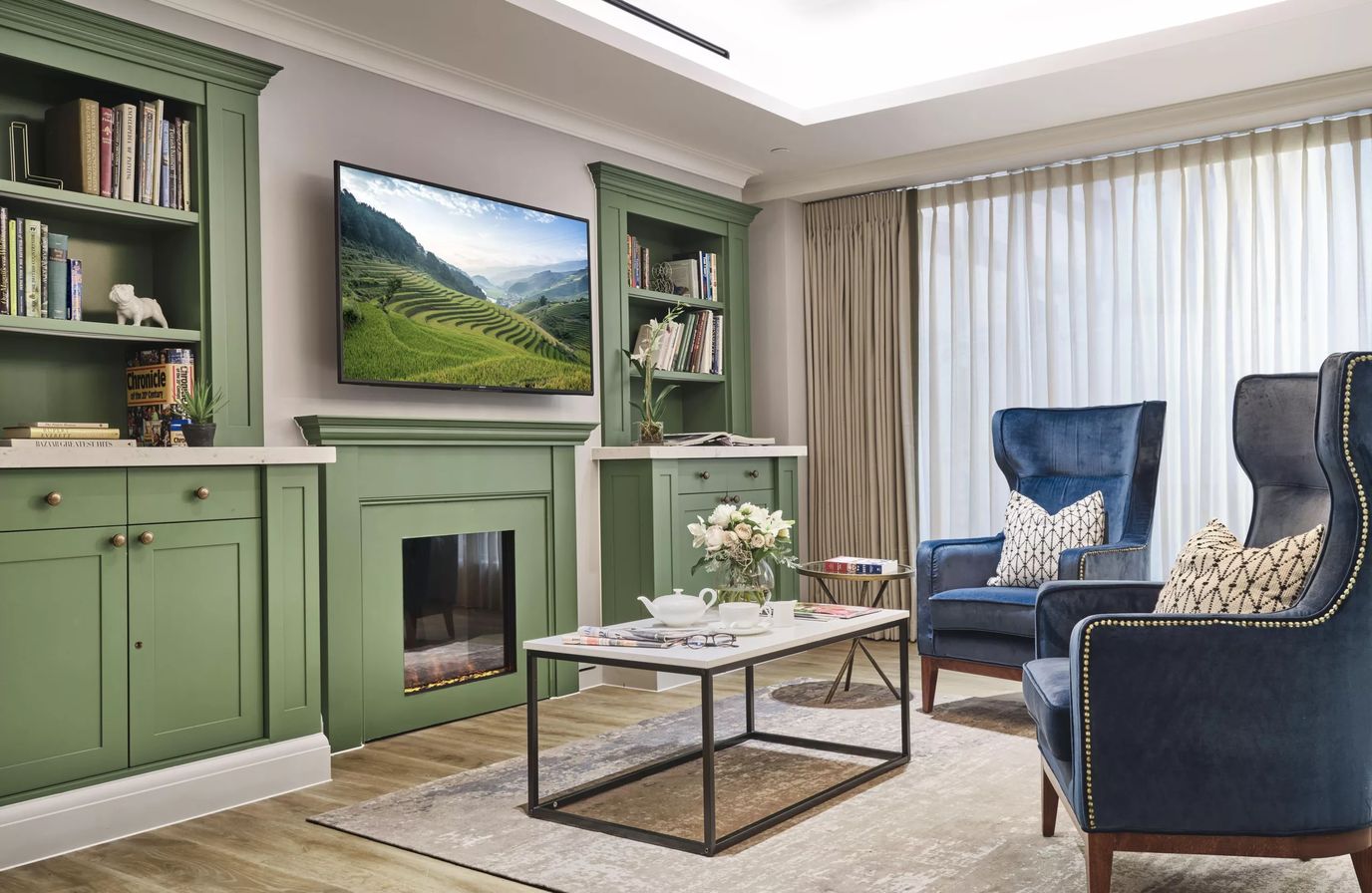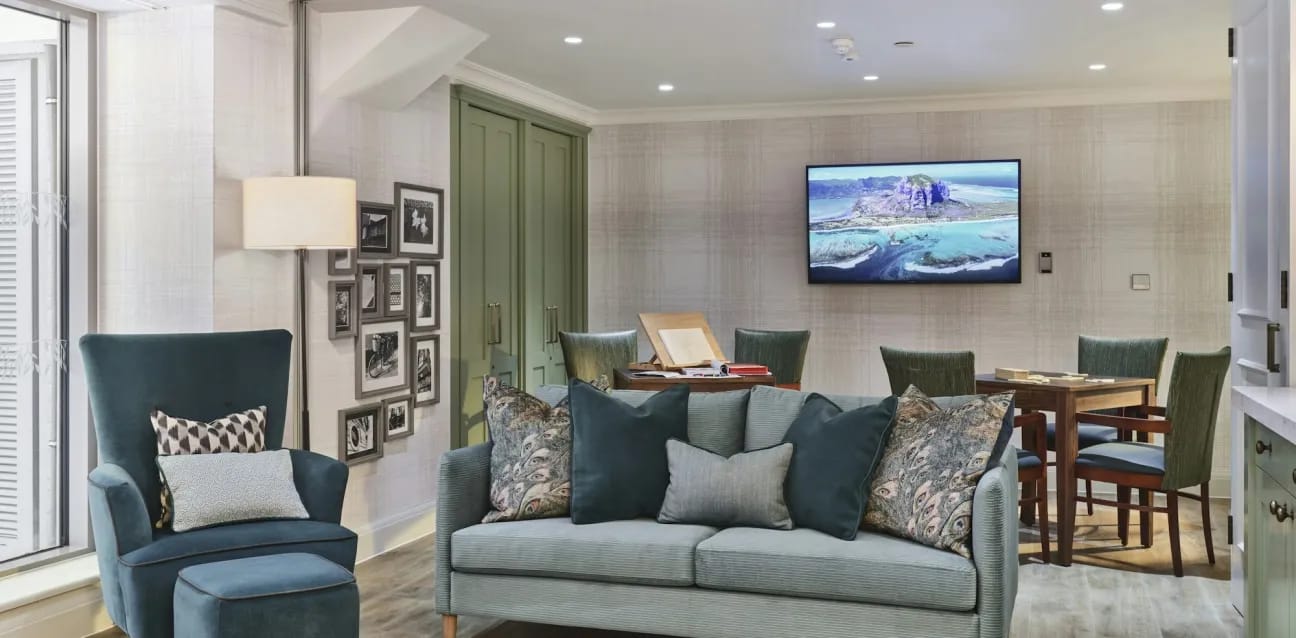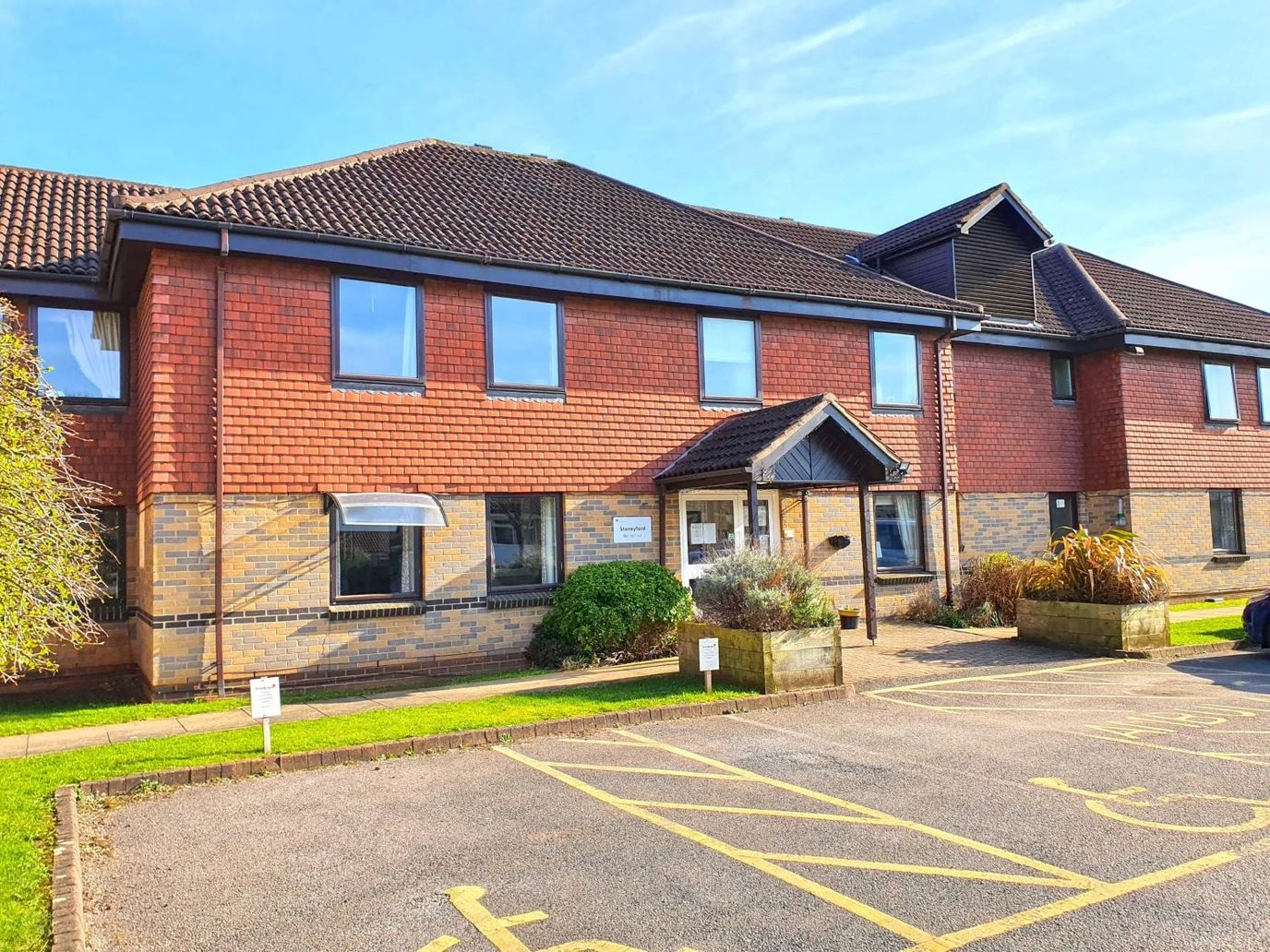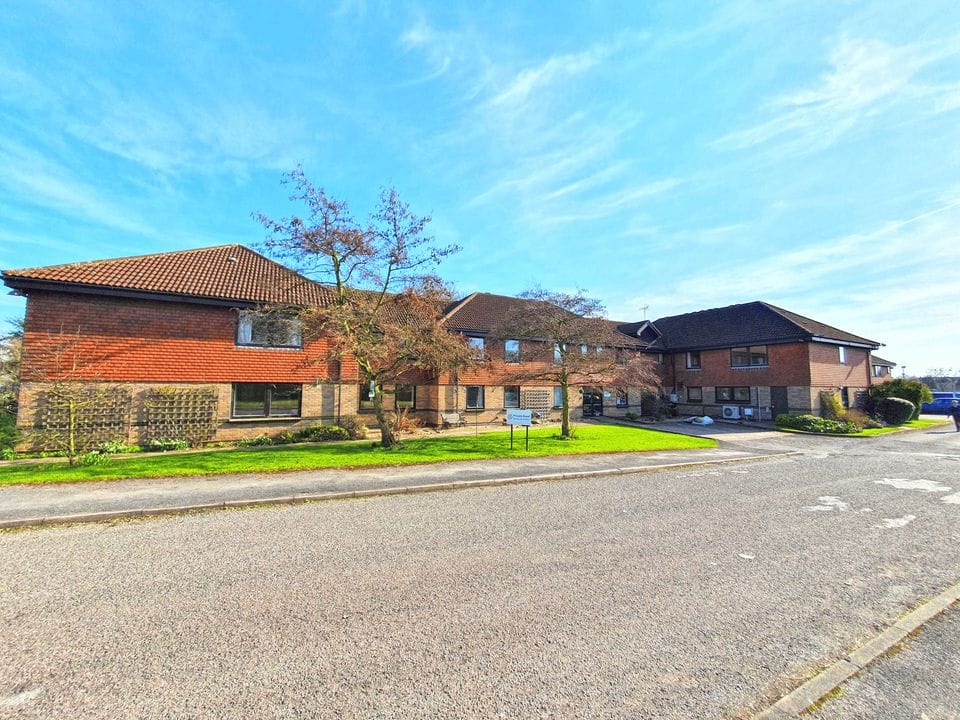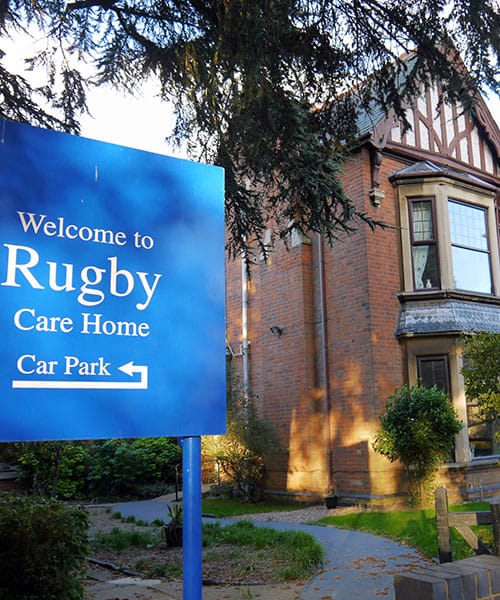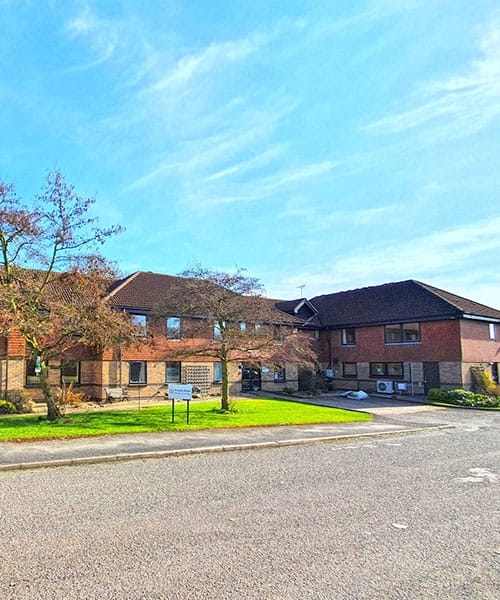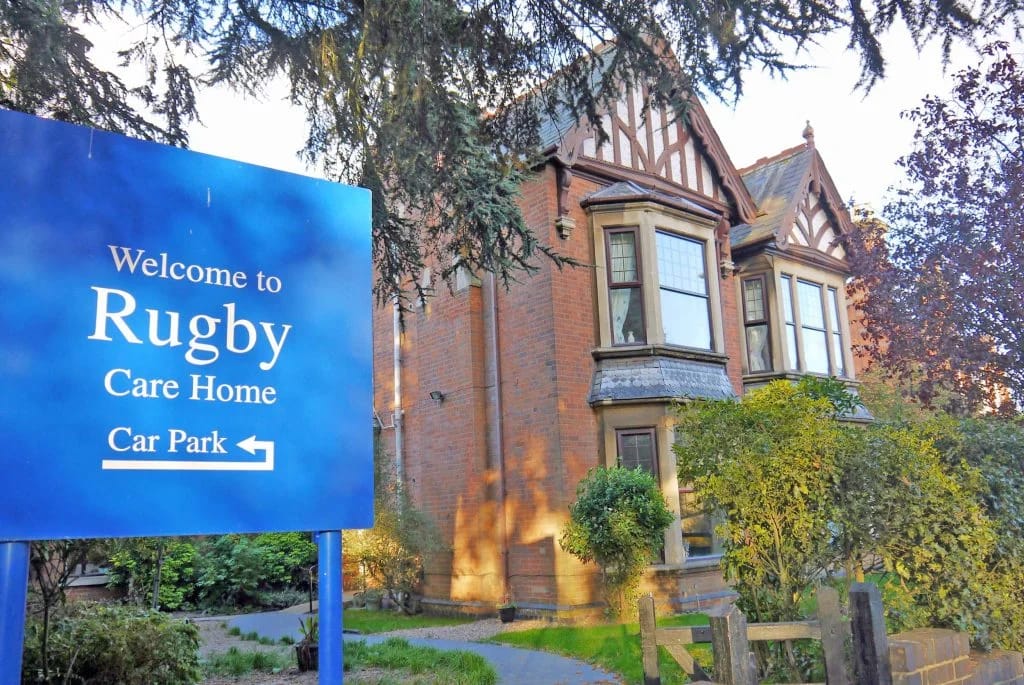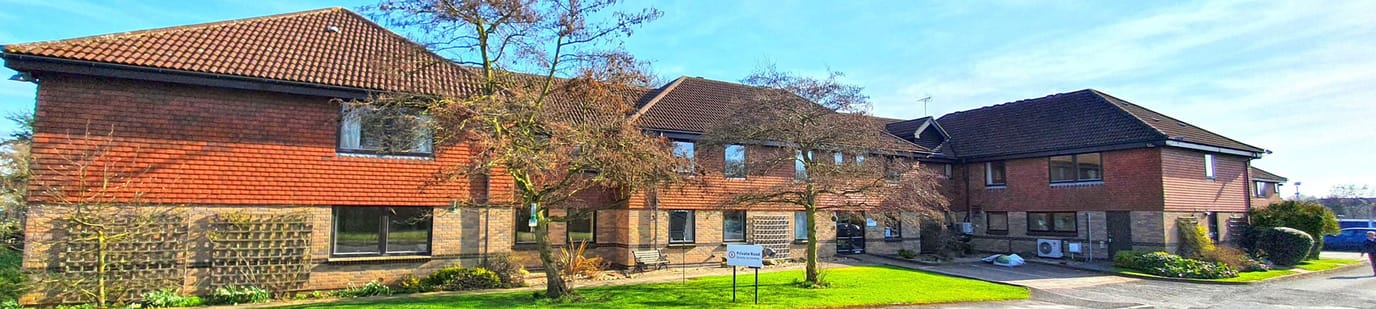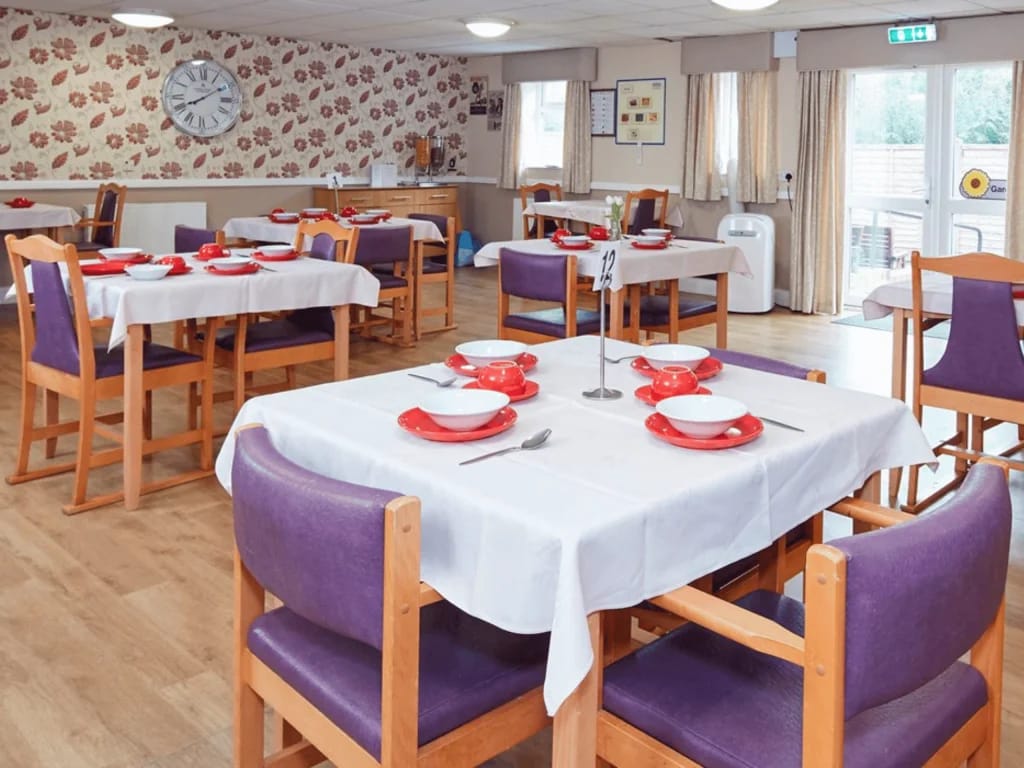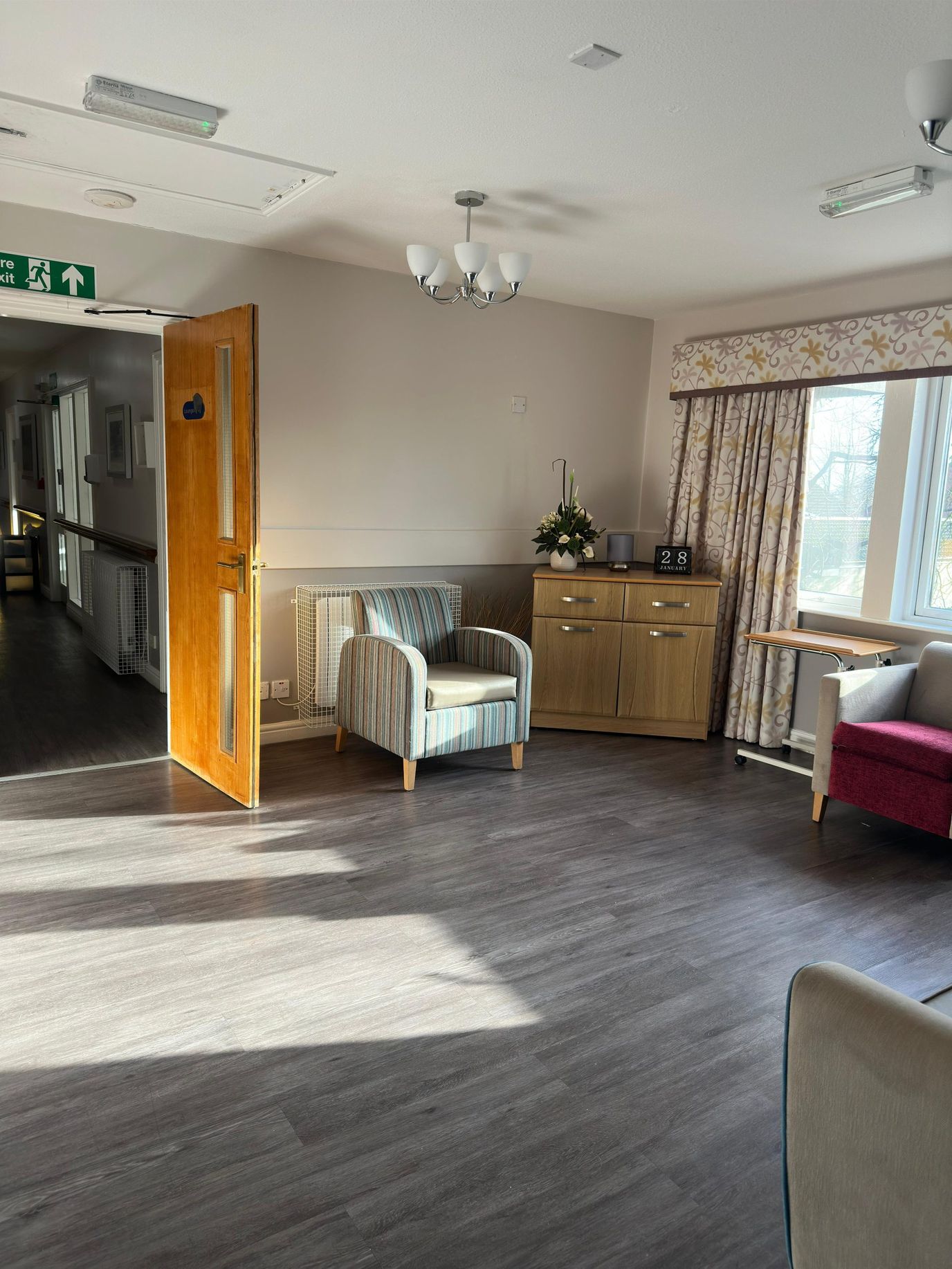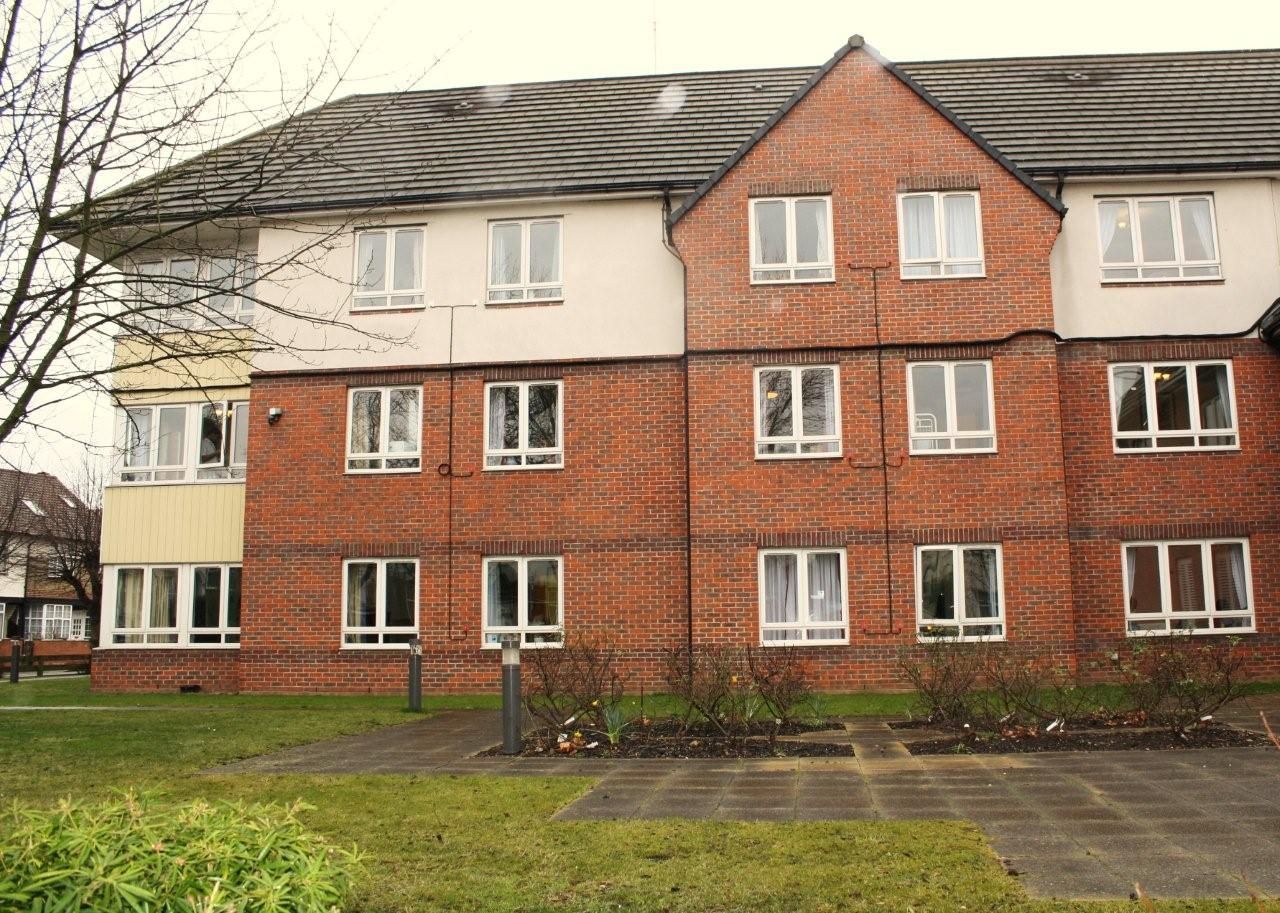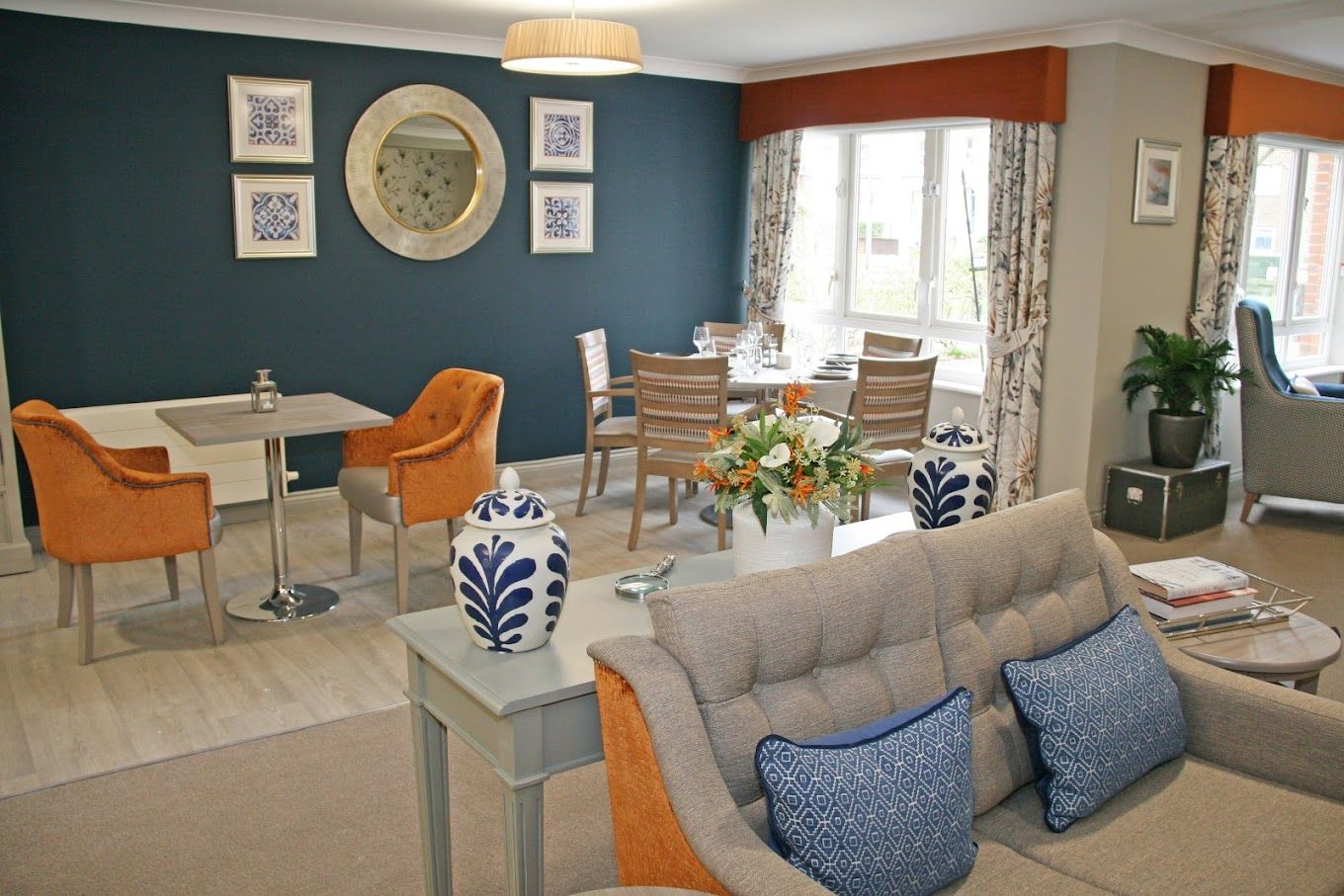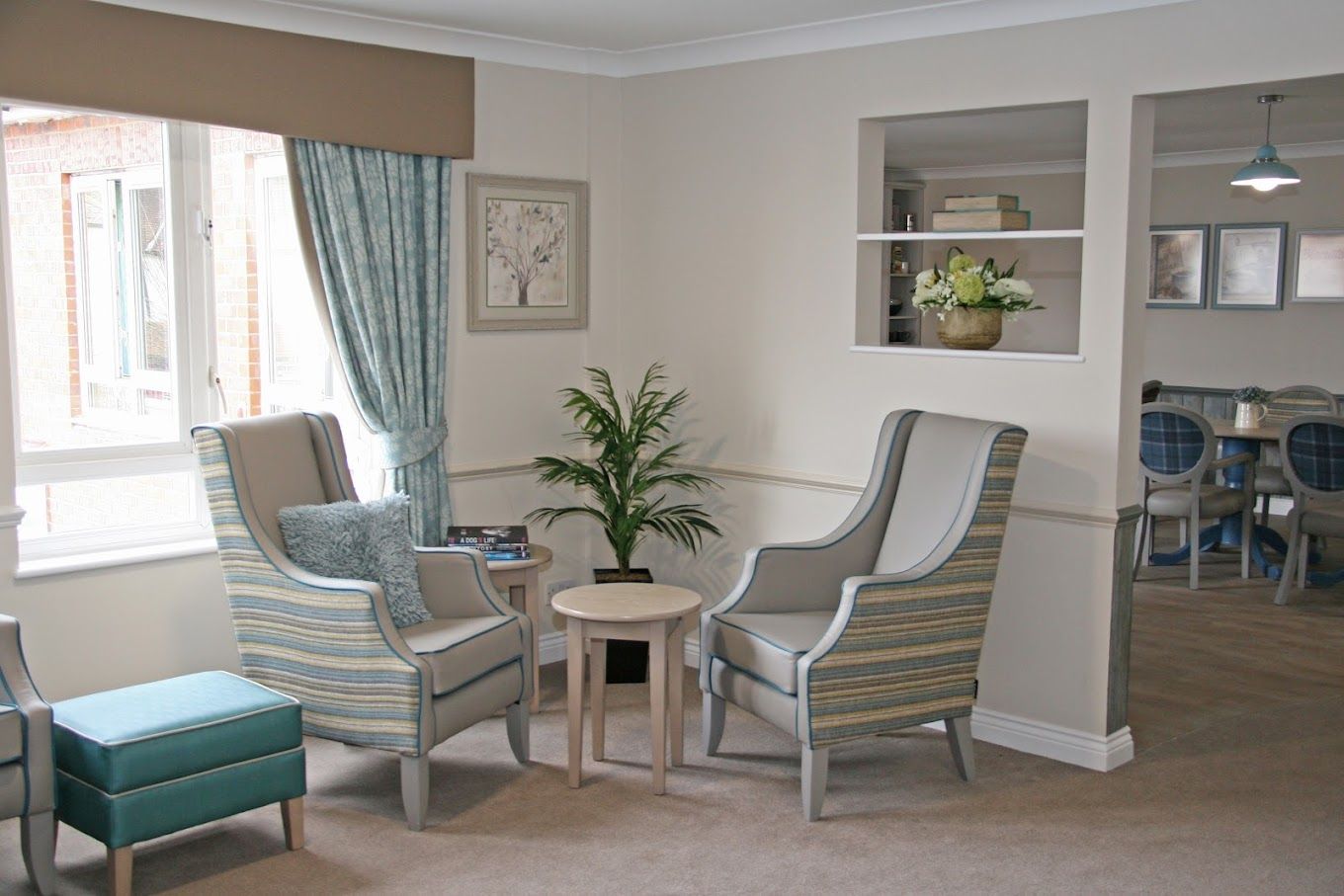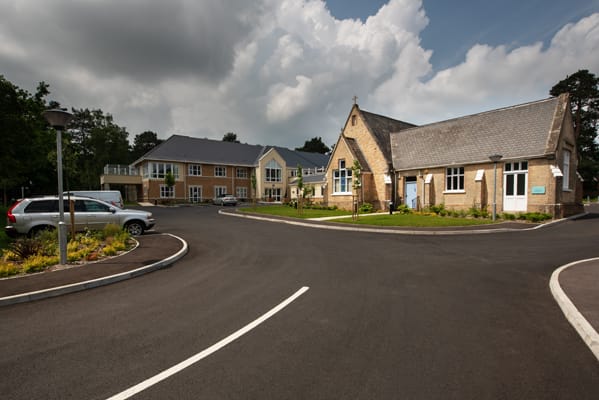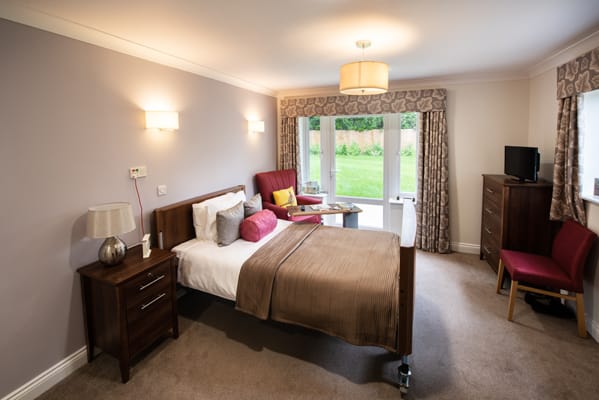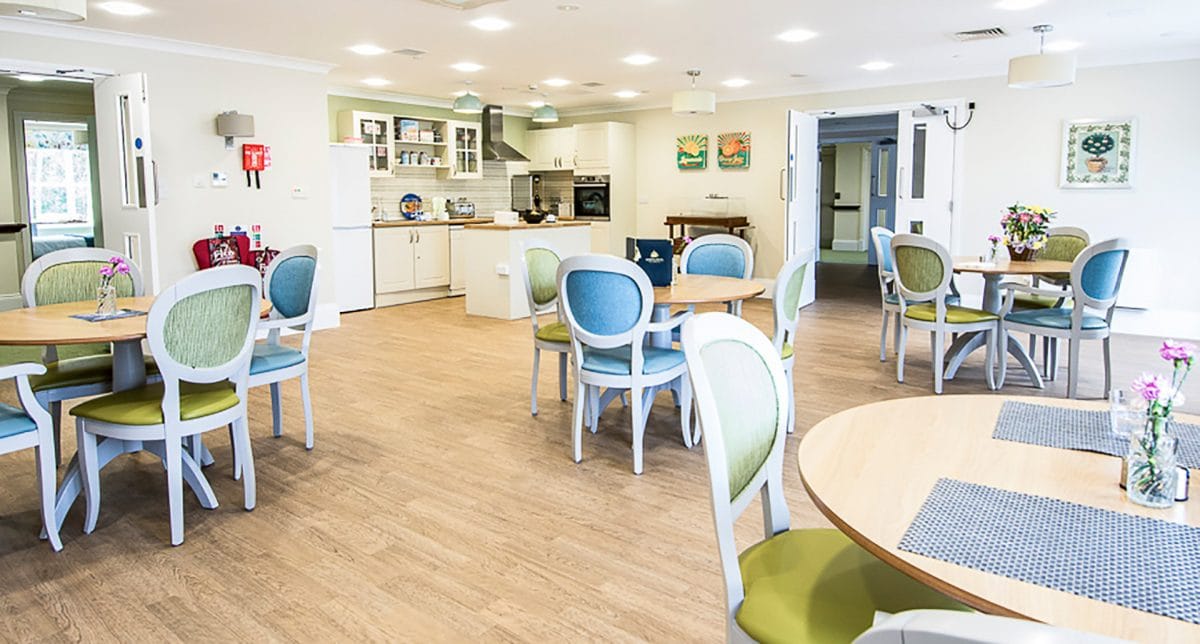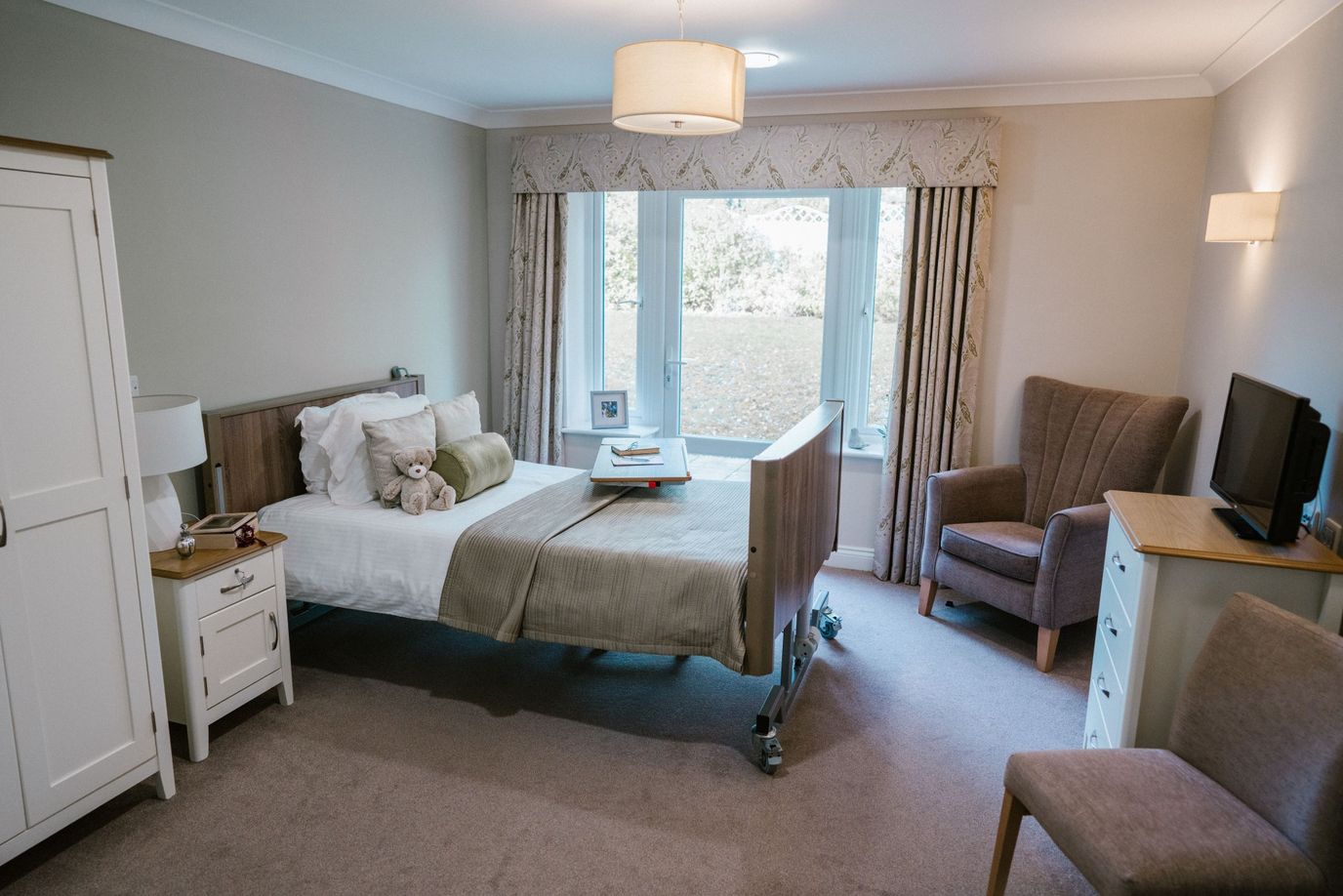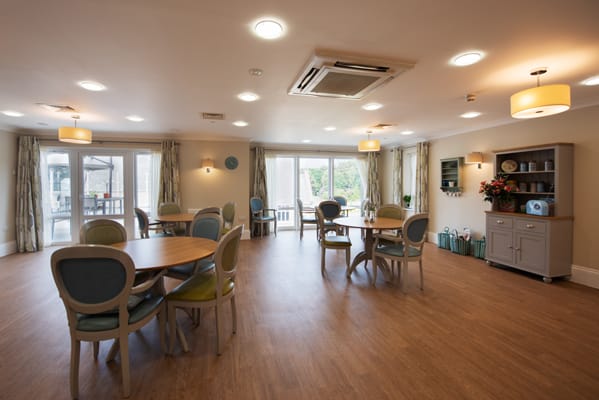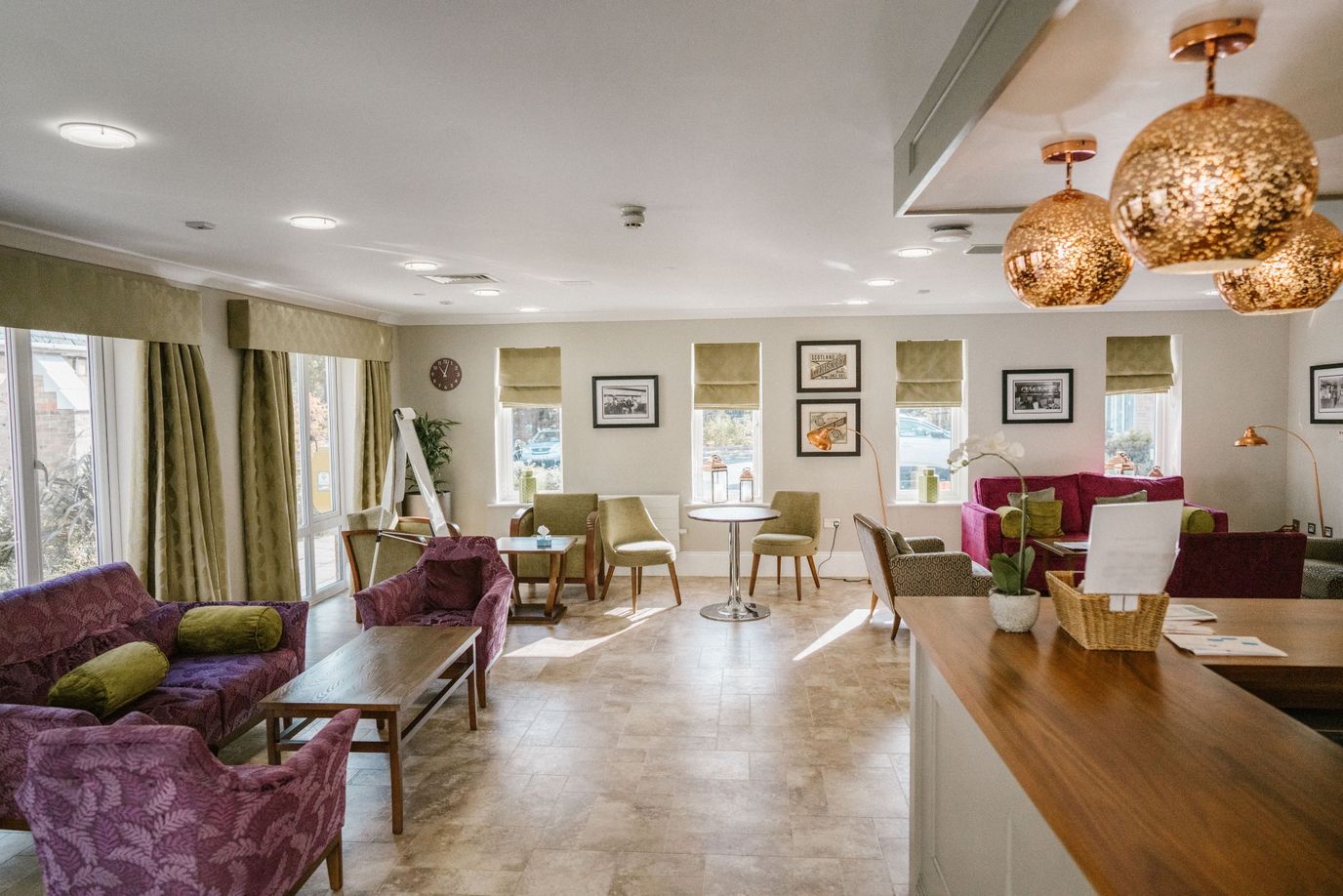

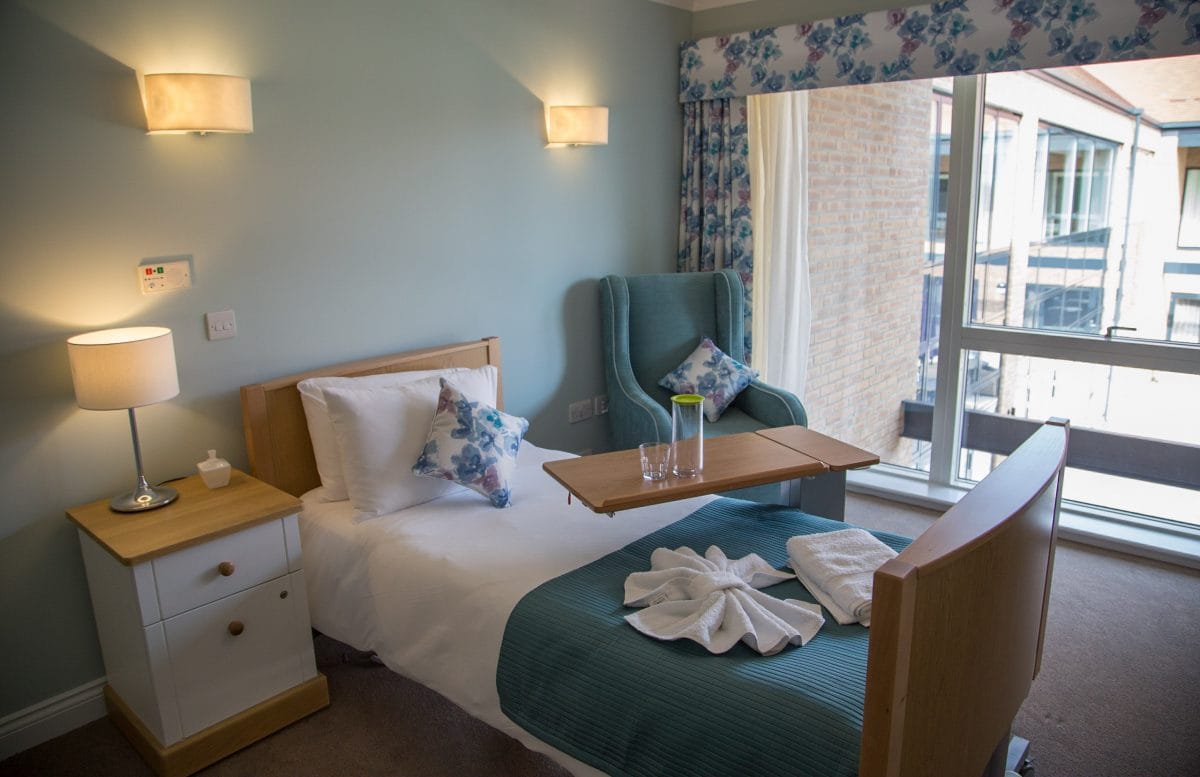
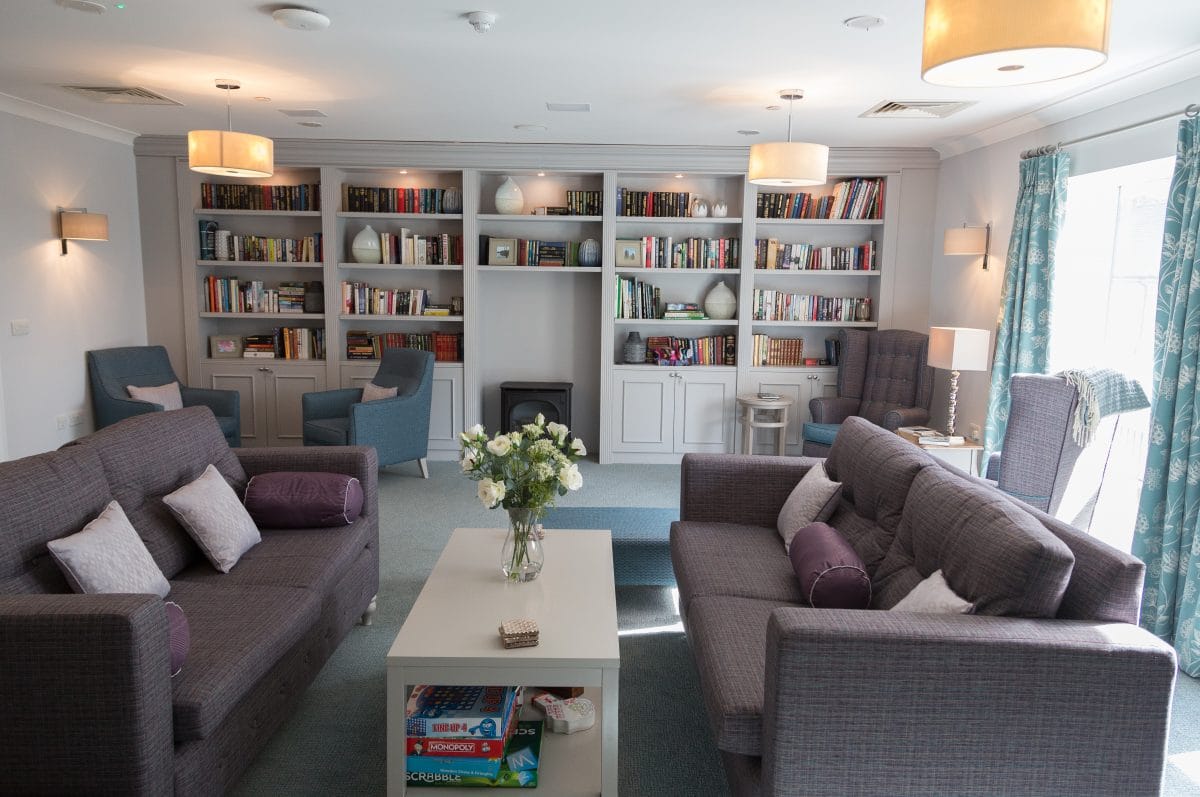
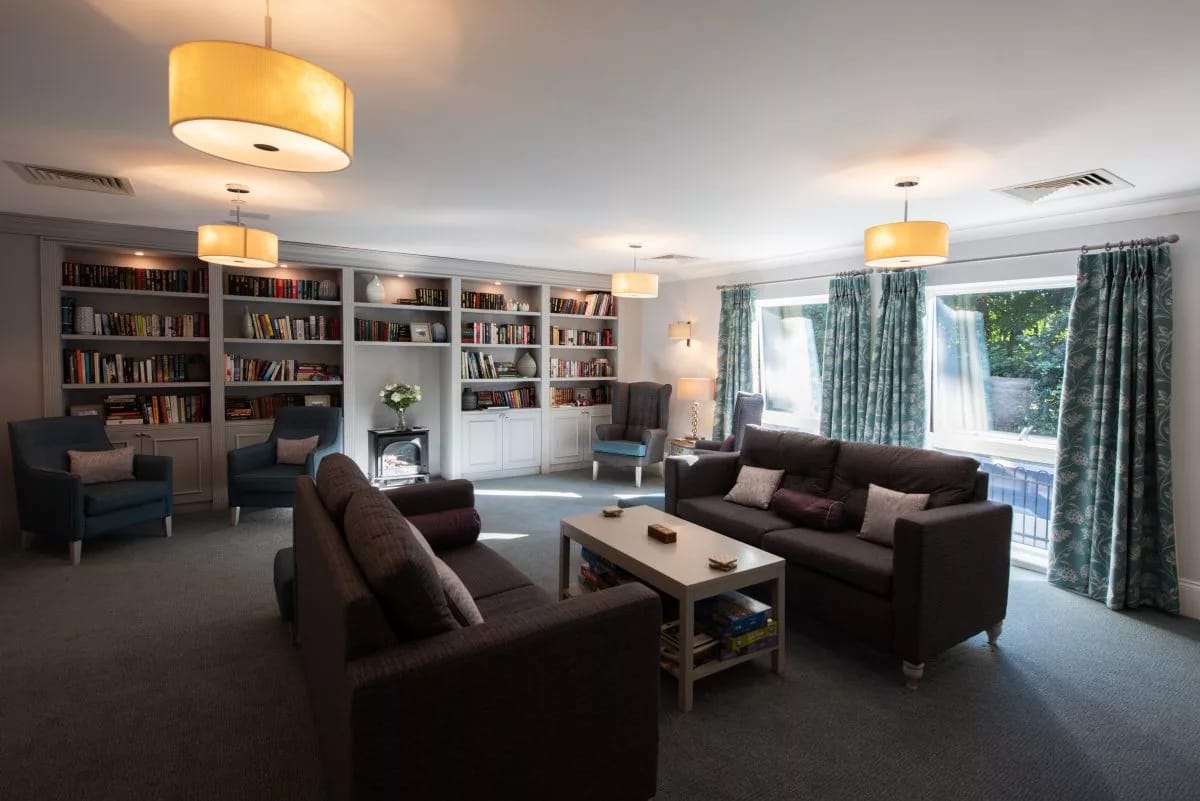
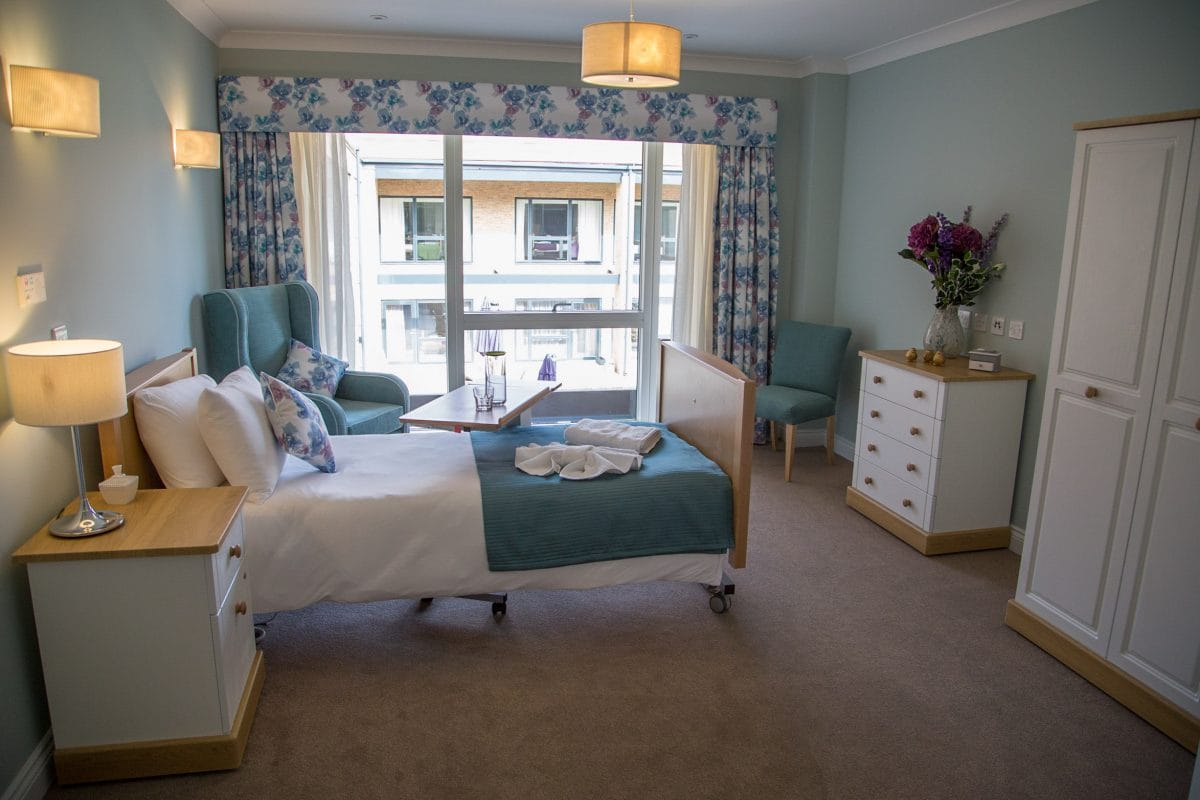
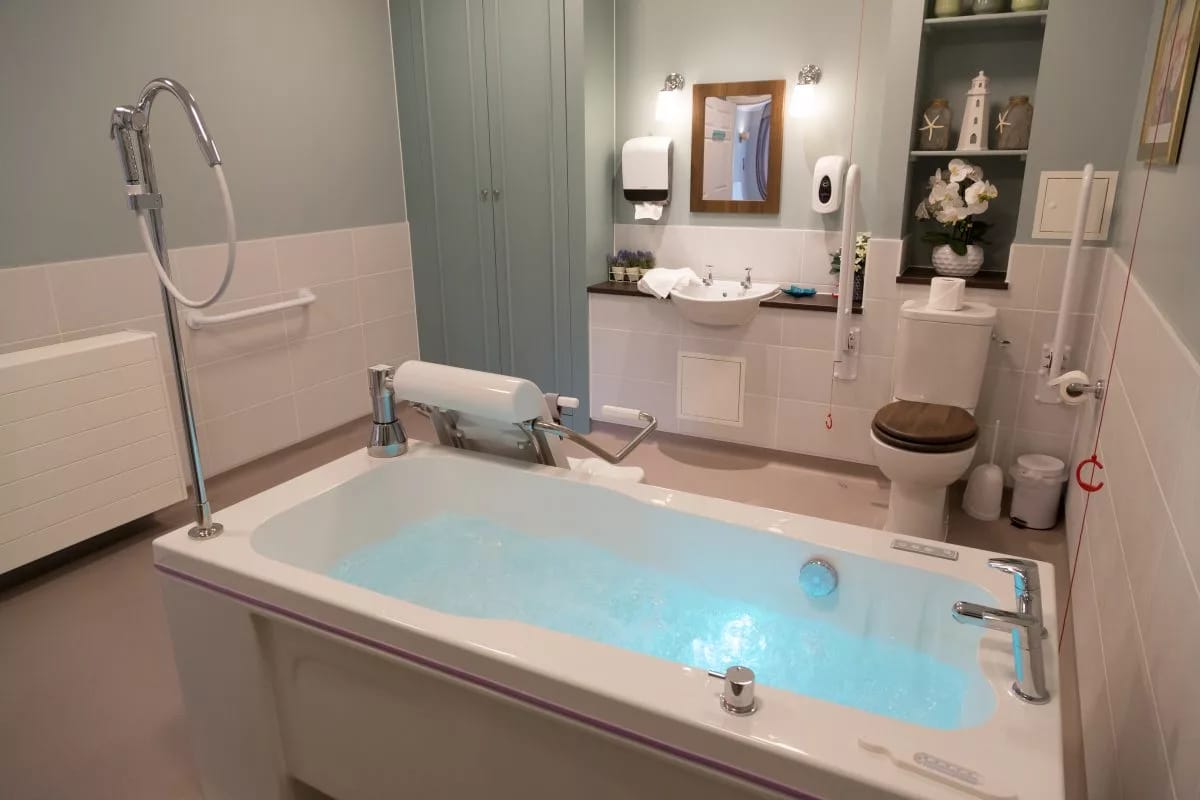
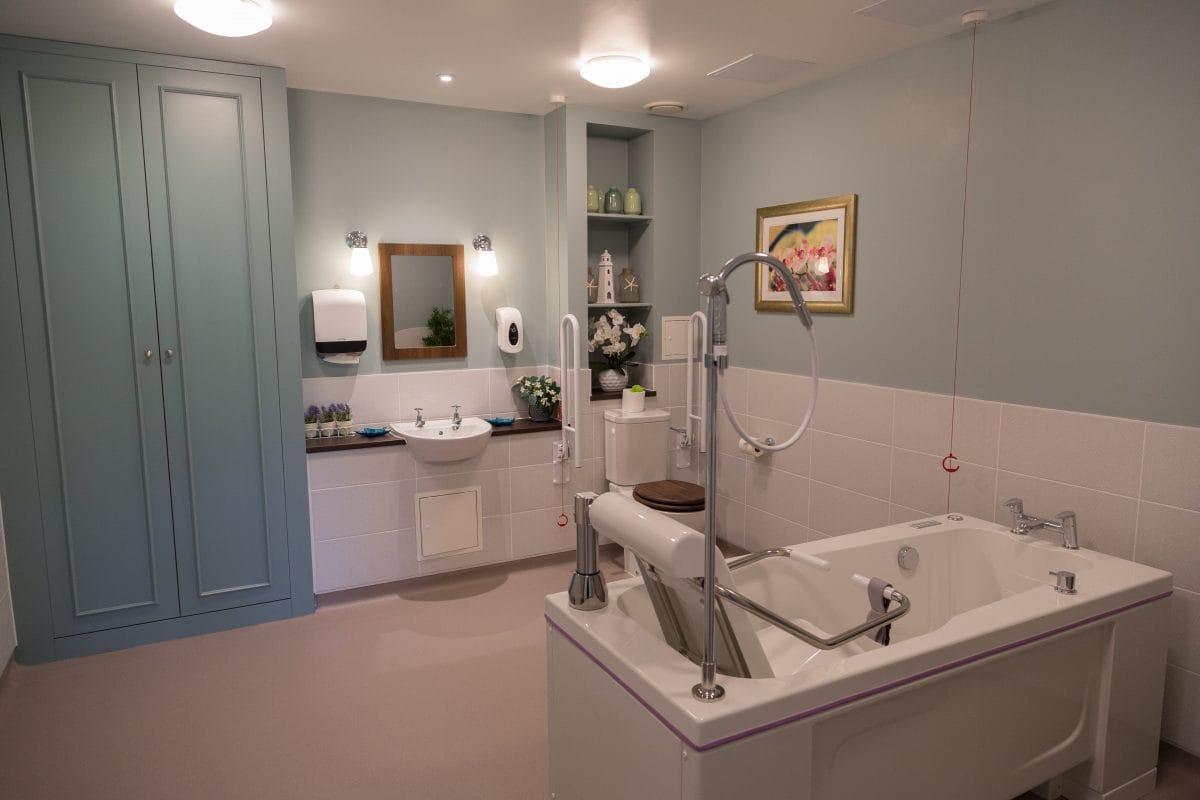
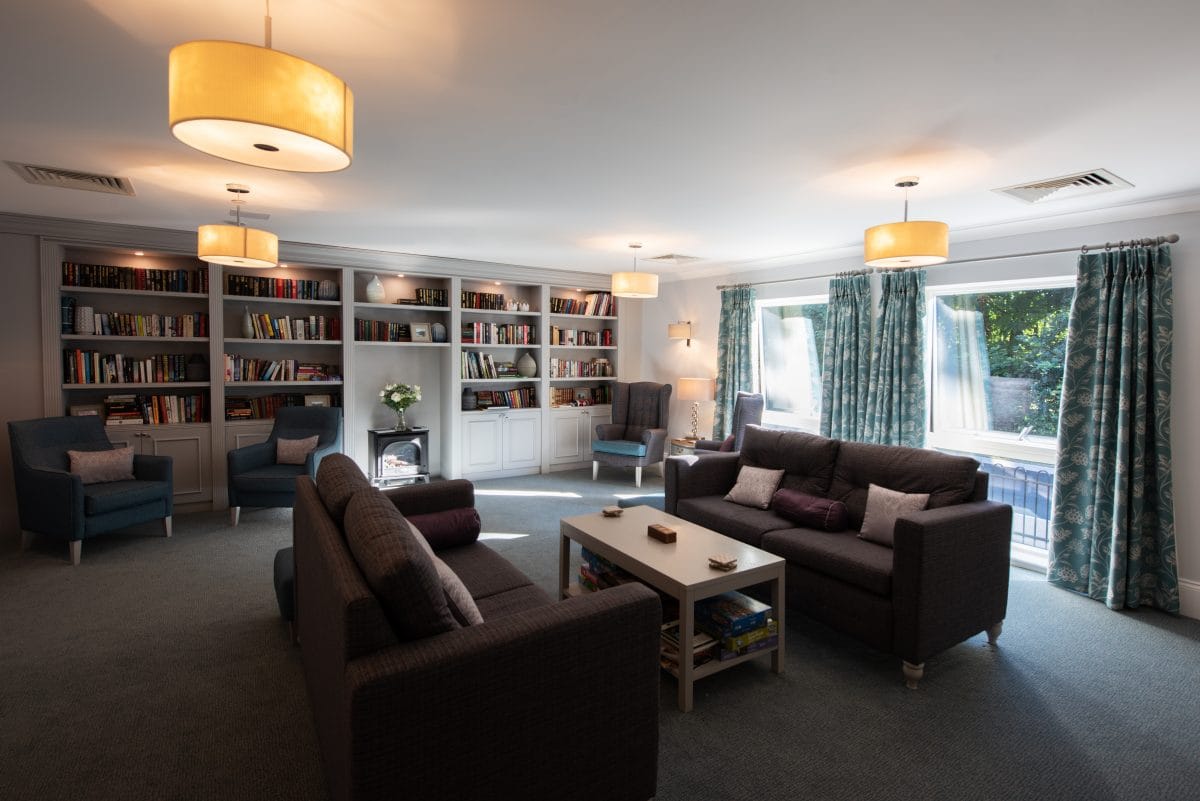
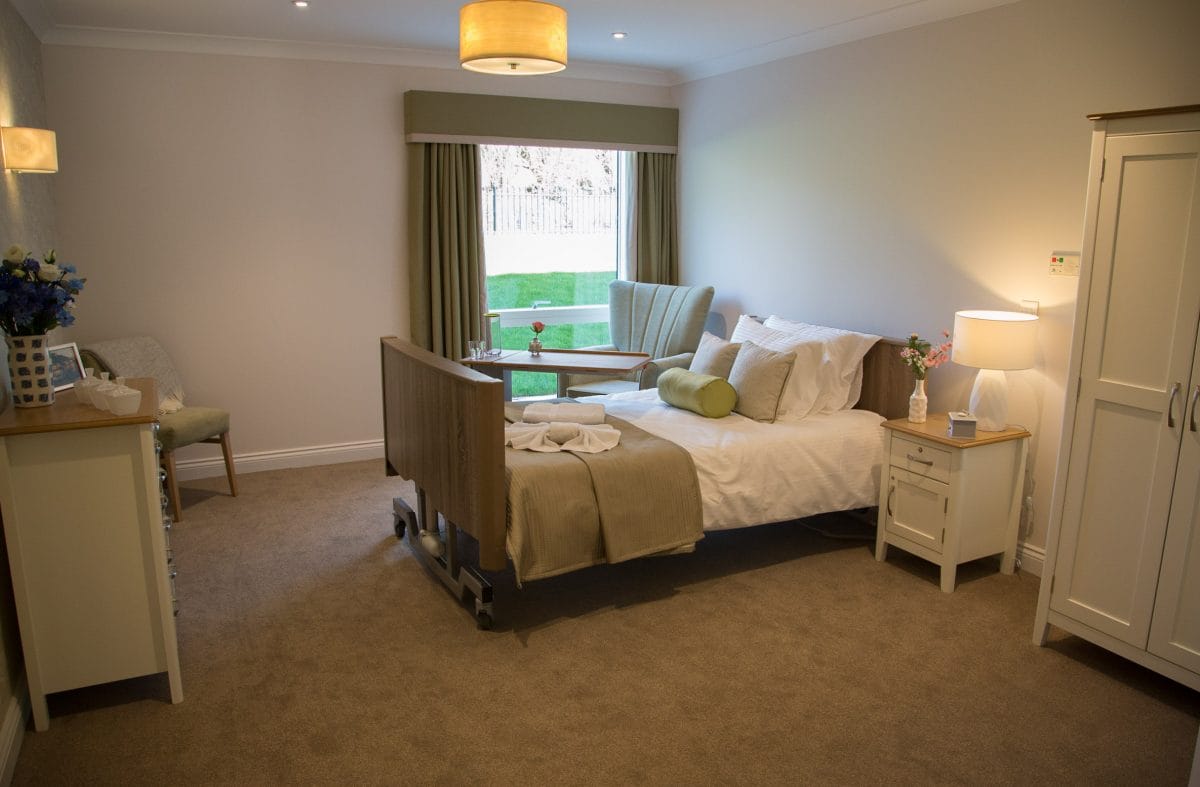
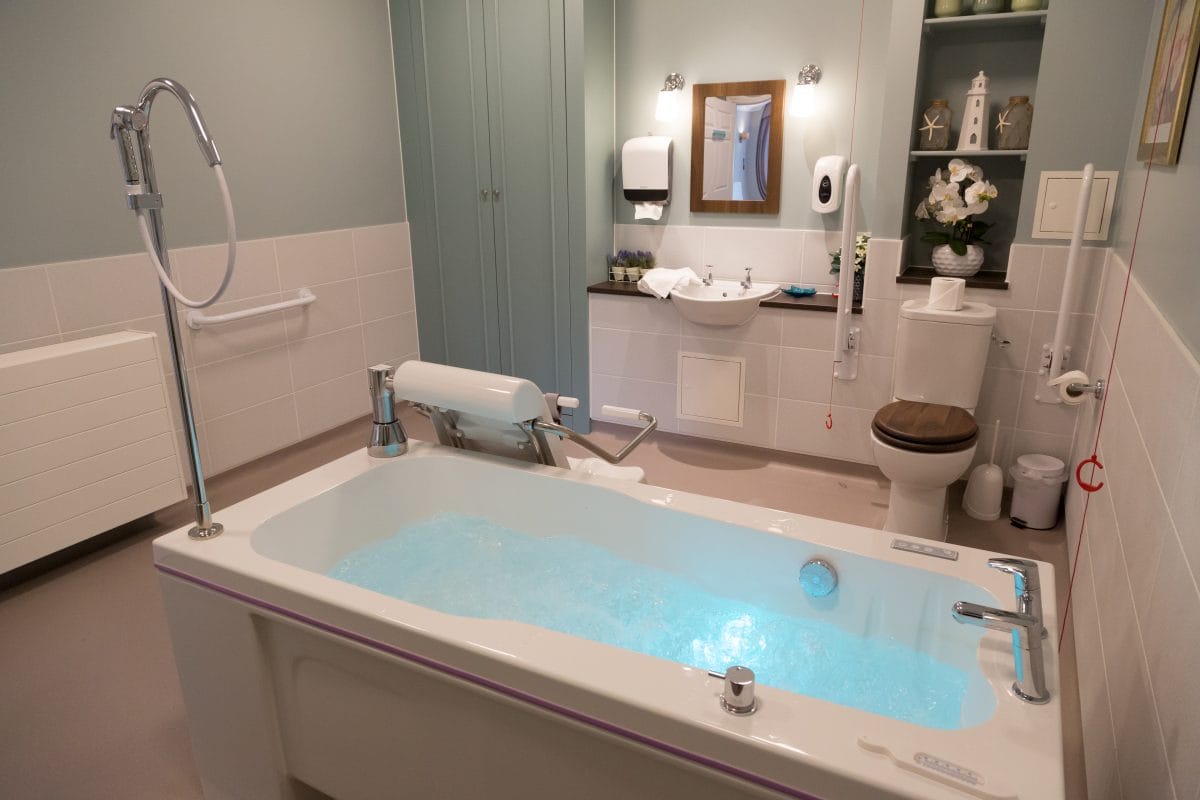
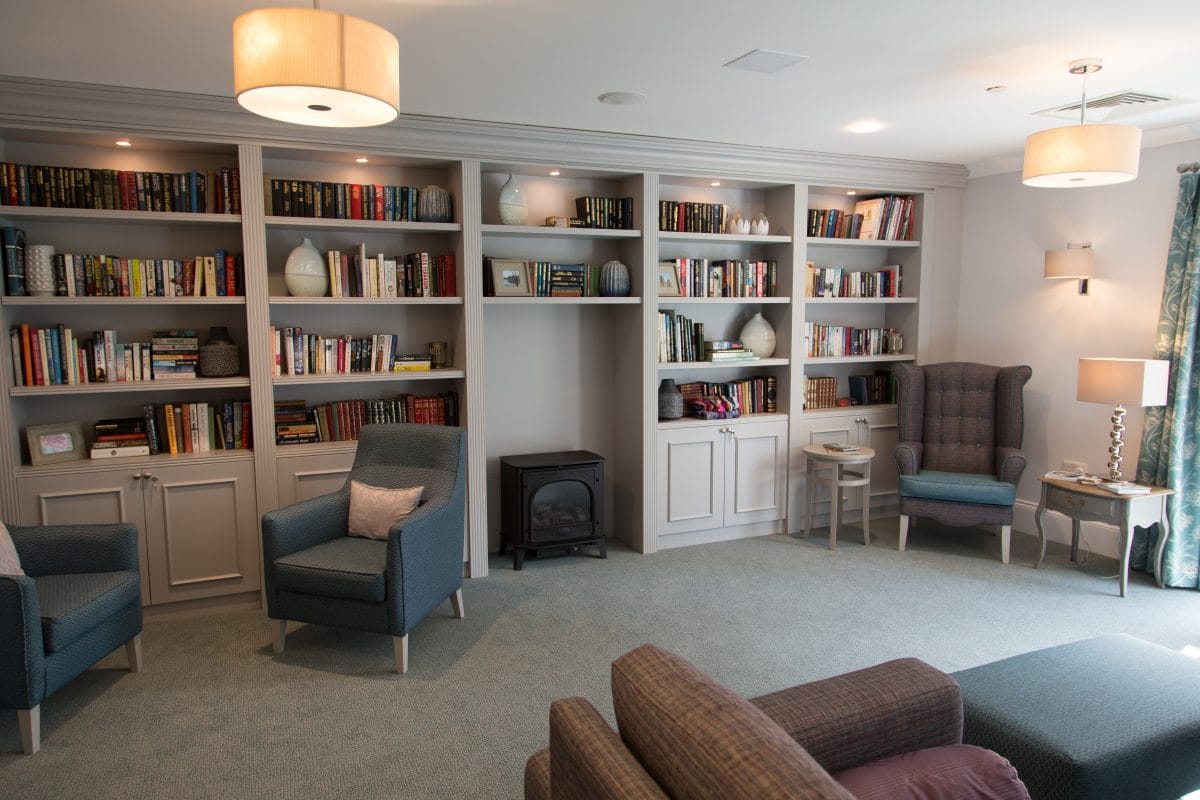
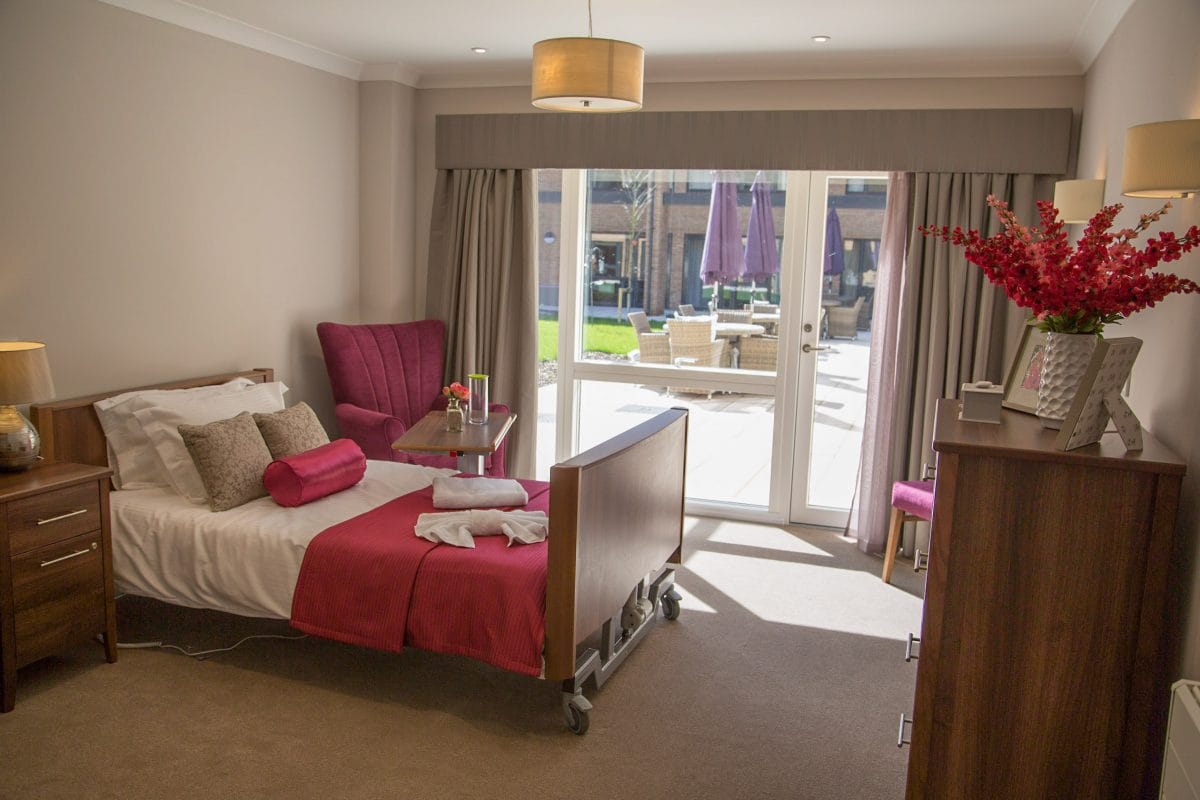
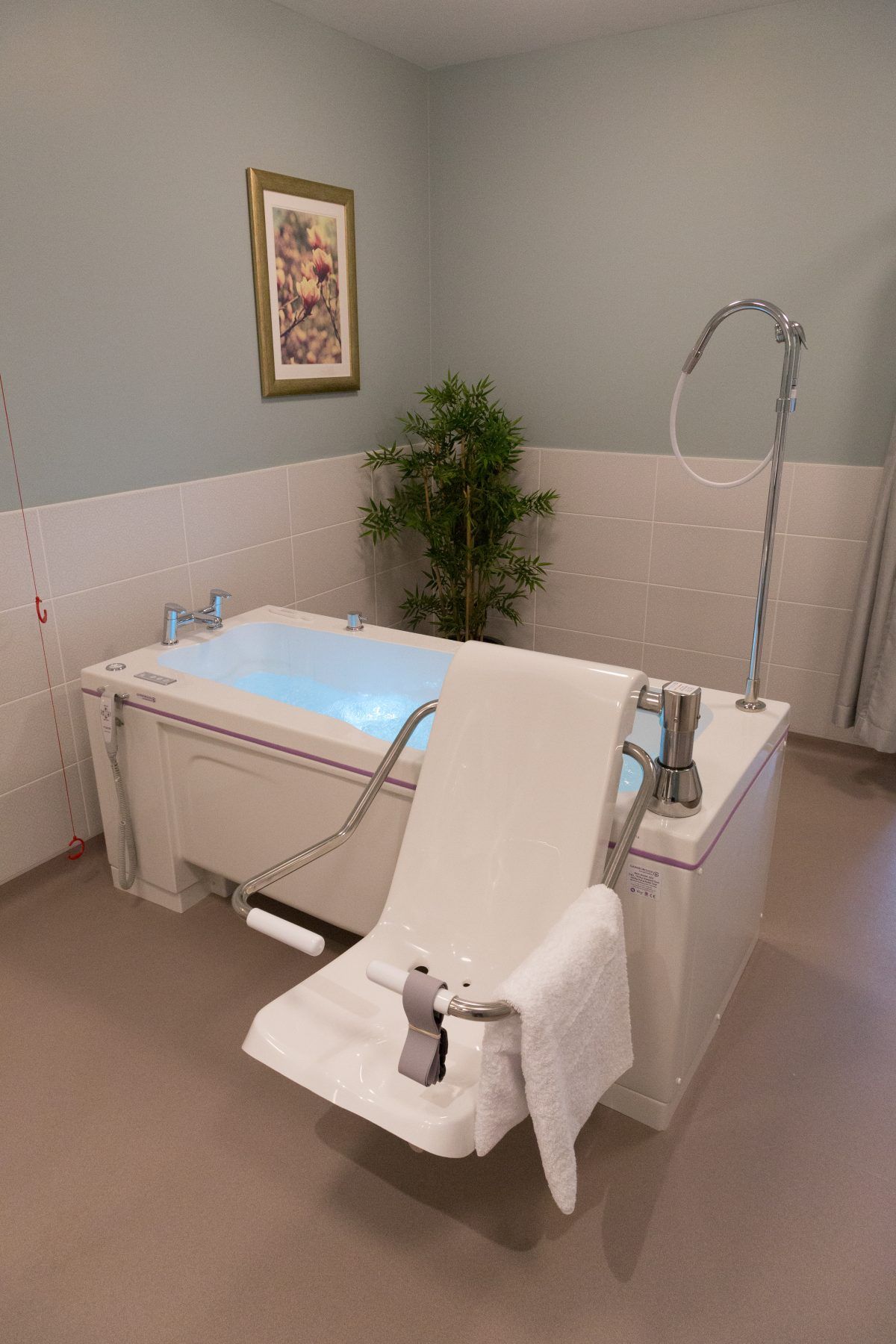
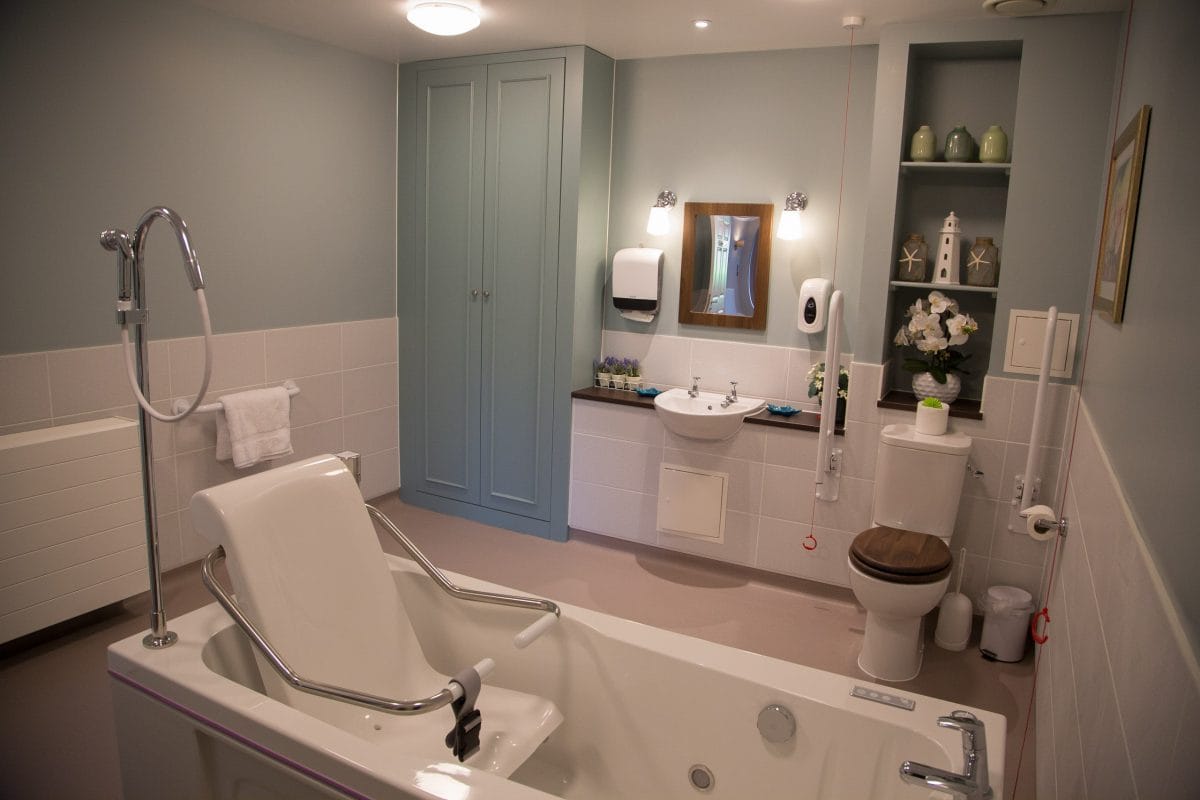


Bramshott Grange Care Home provides memory care, nursing care, palliative care and respite care in Liphook, Hampshire. Memory care offers a supervised setting for someone living with dementia, while nursing care provides licensed nursing on site around the clock.
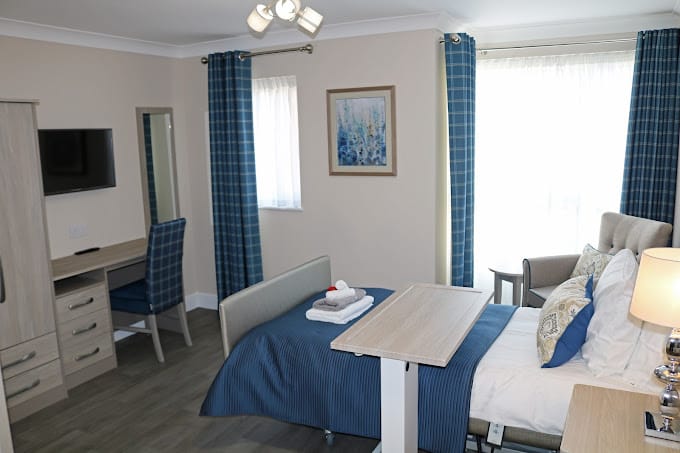
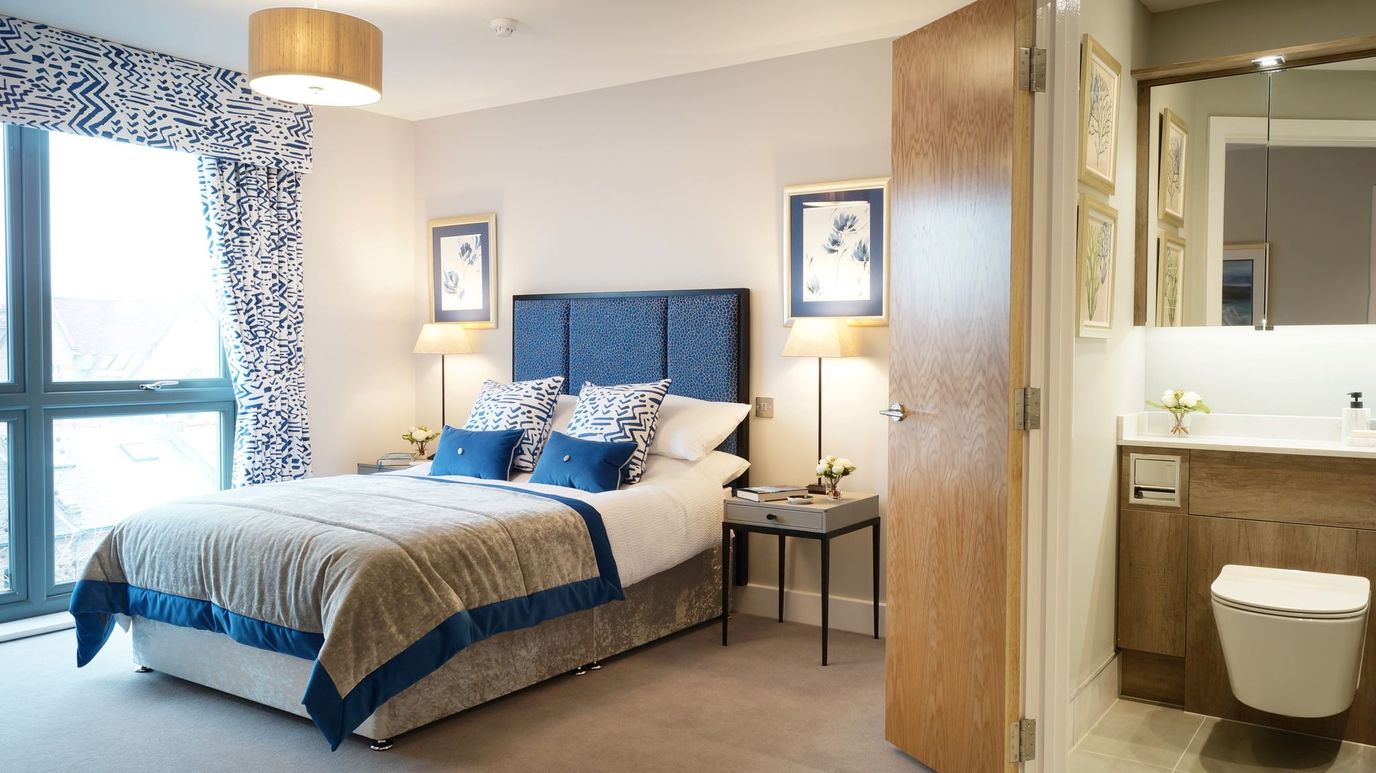
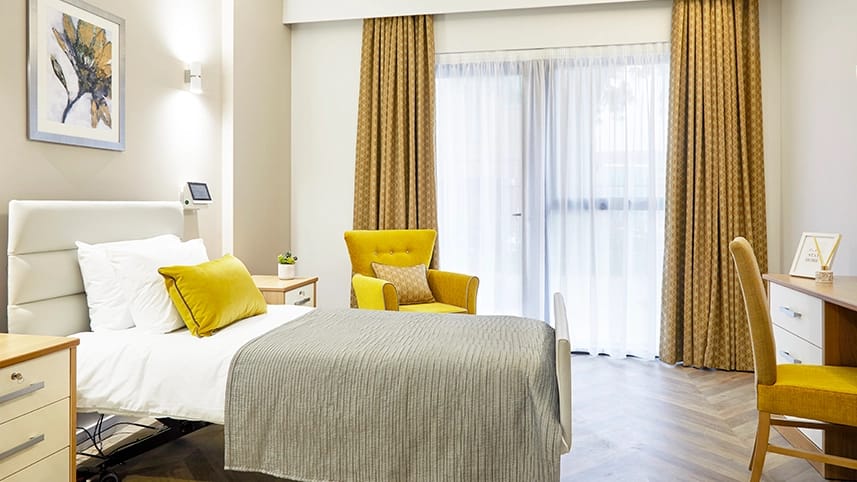
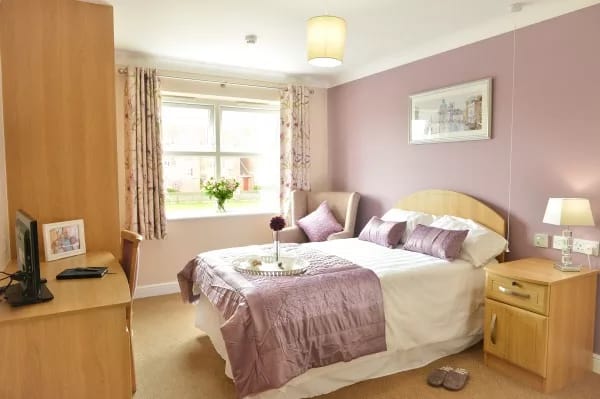
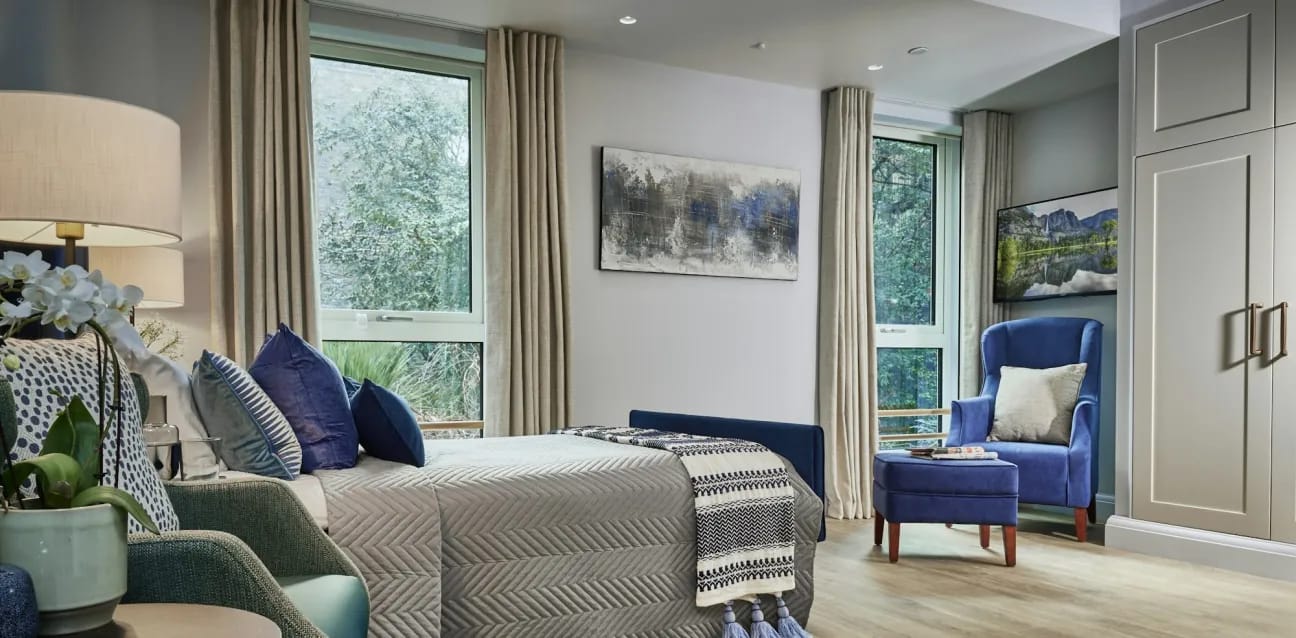
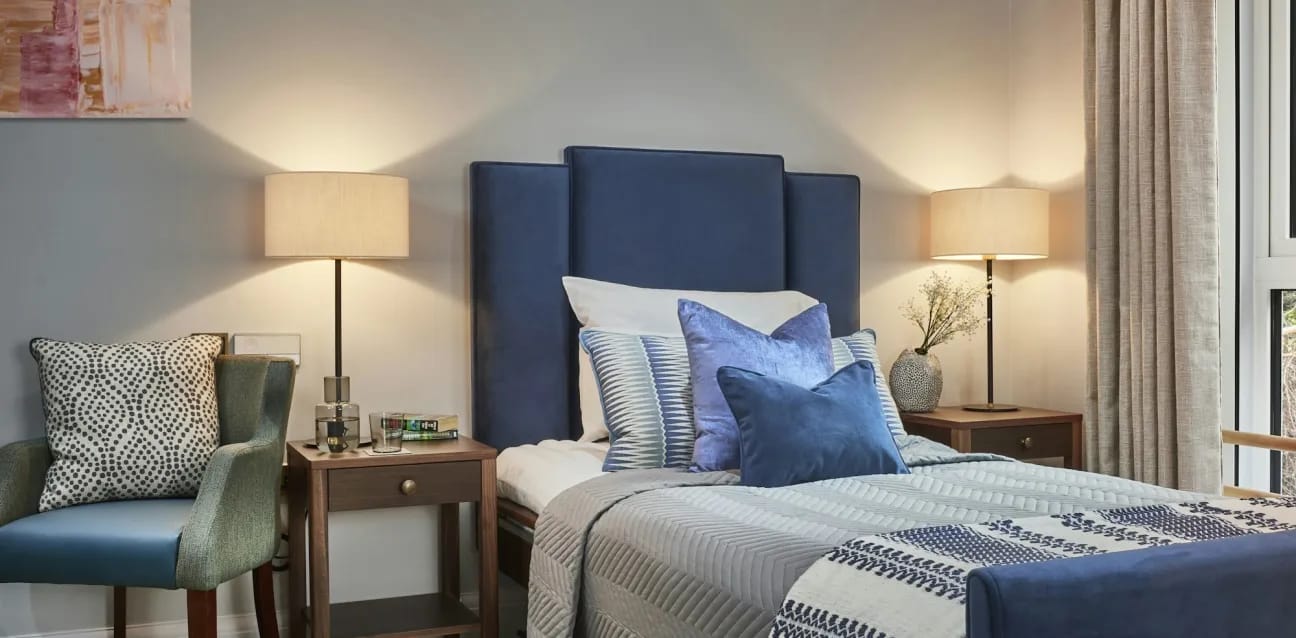
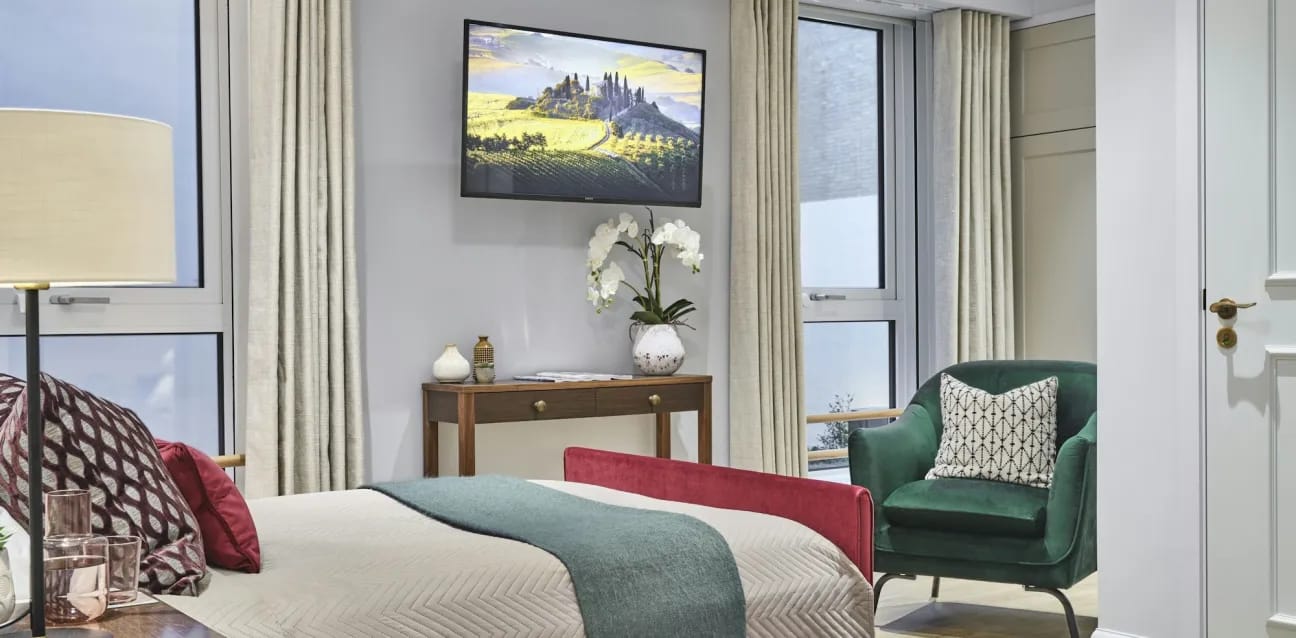
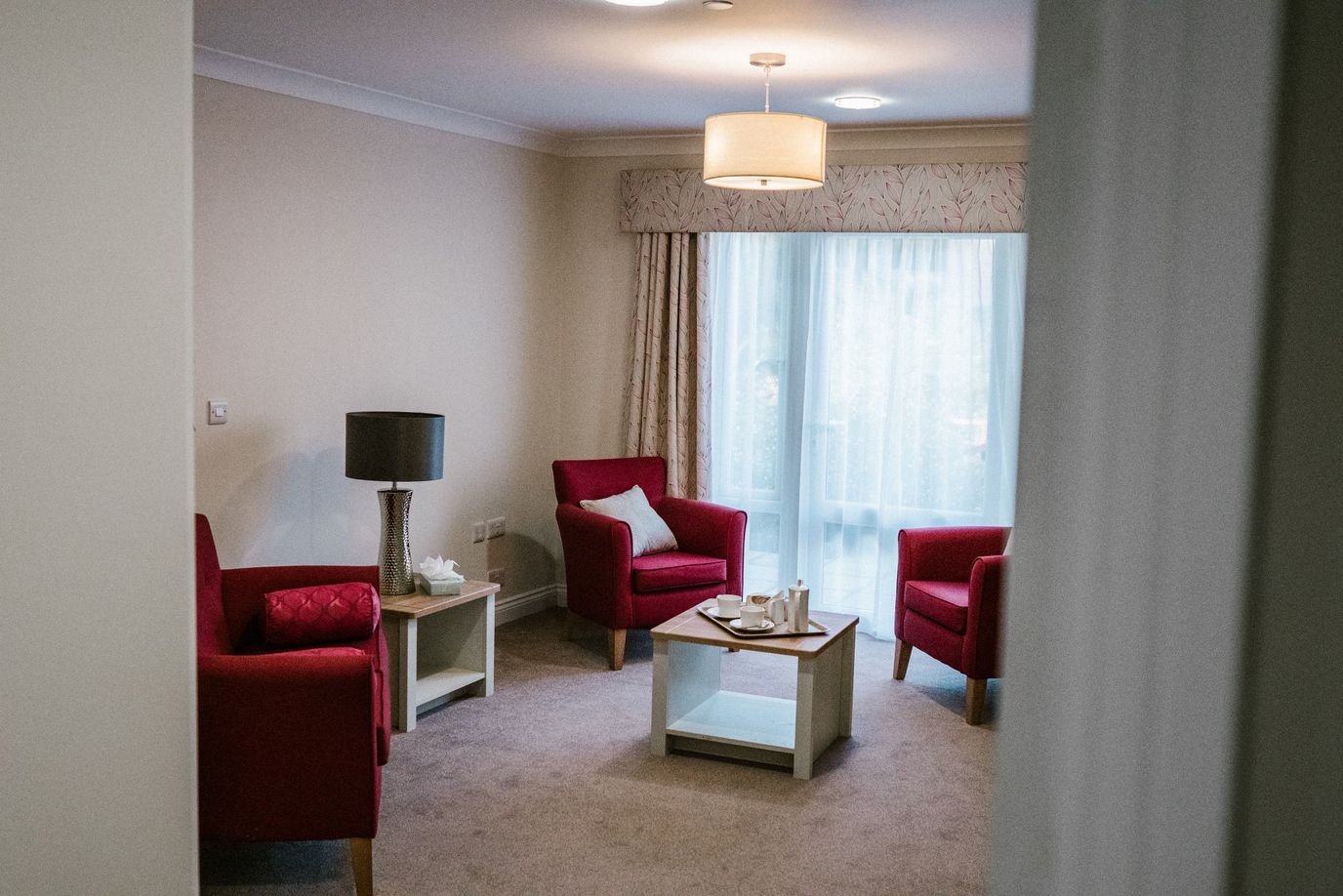
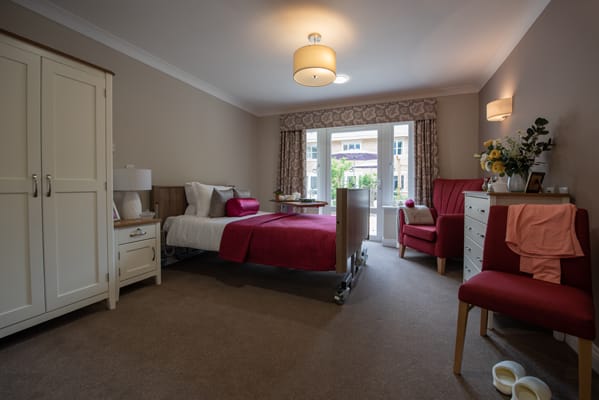
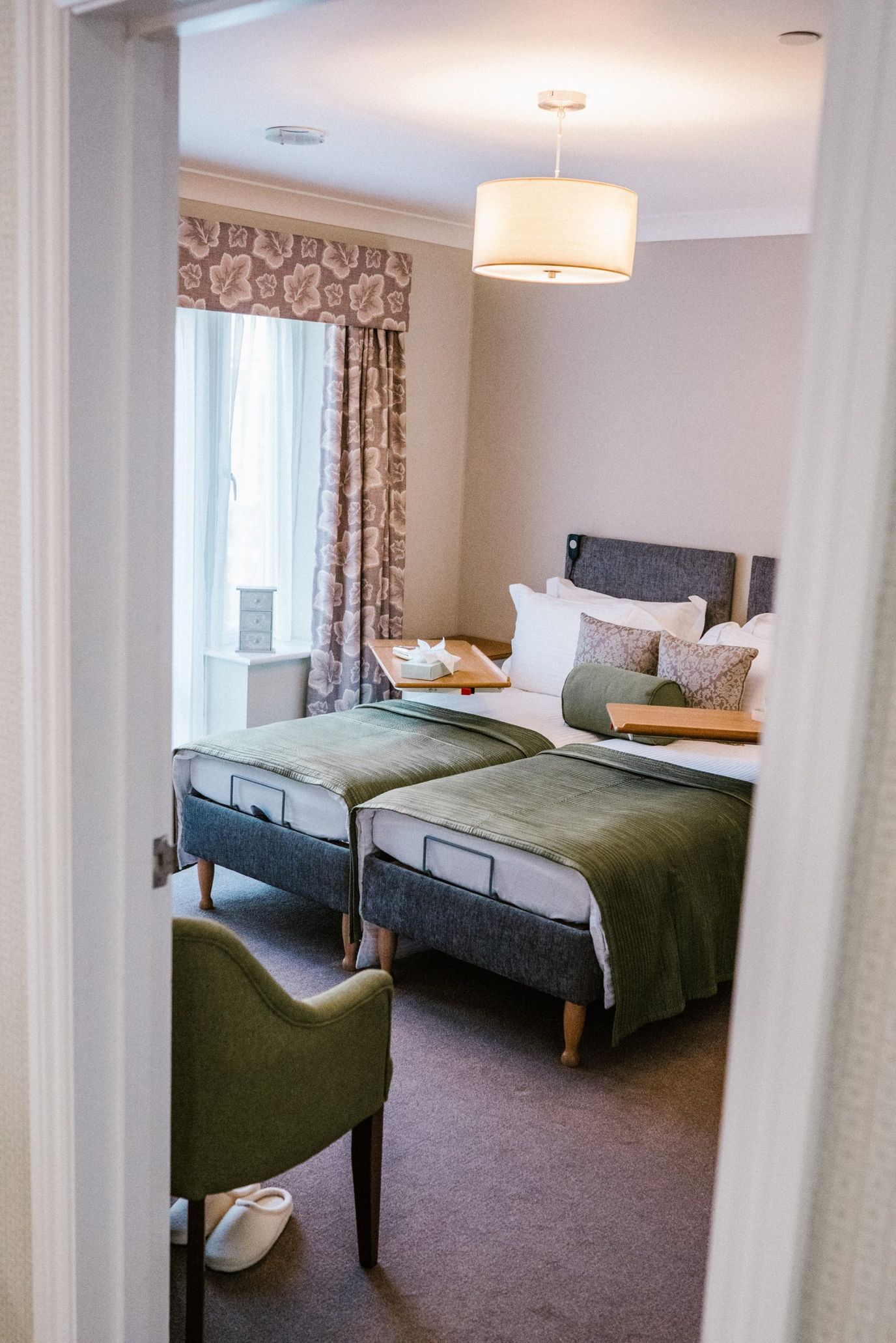
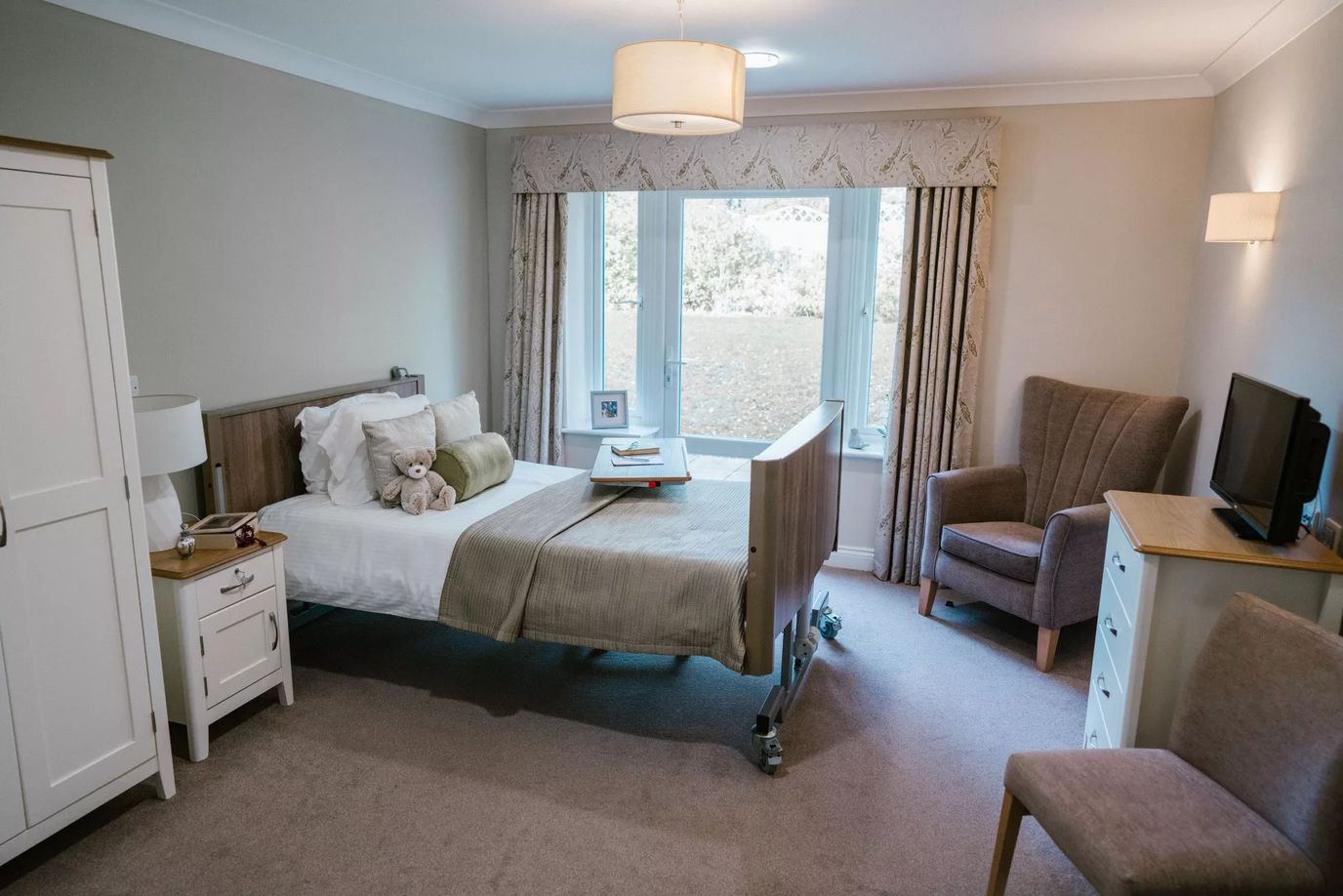
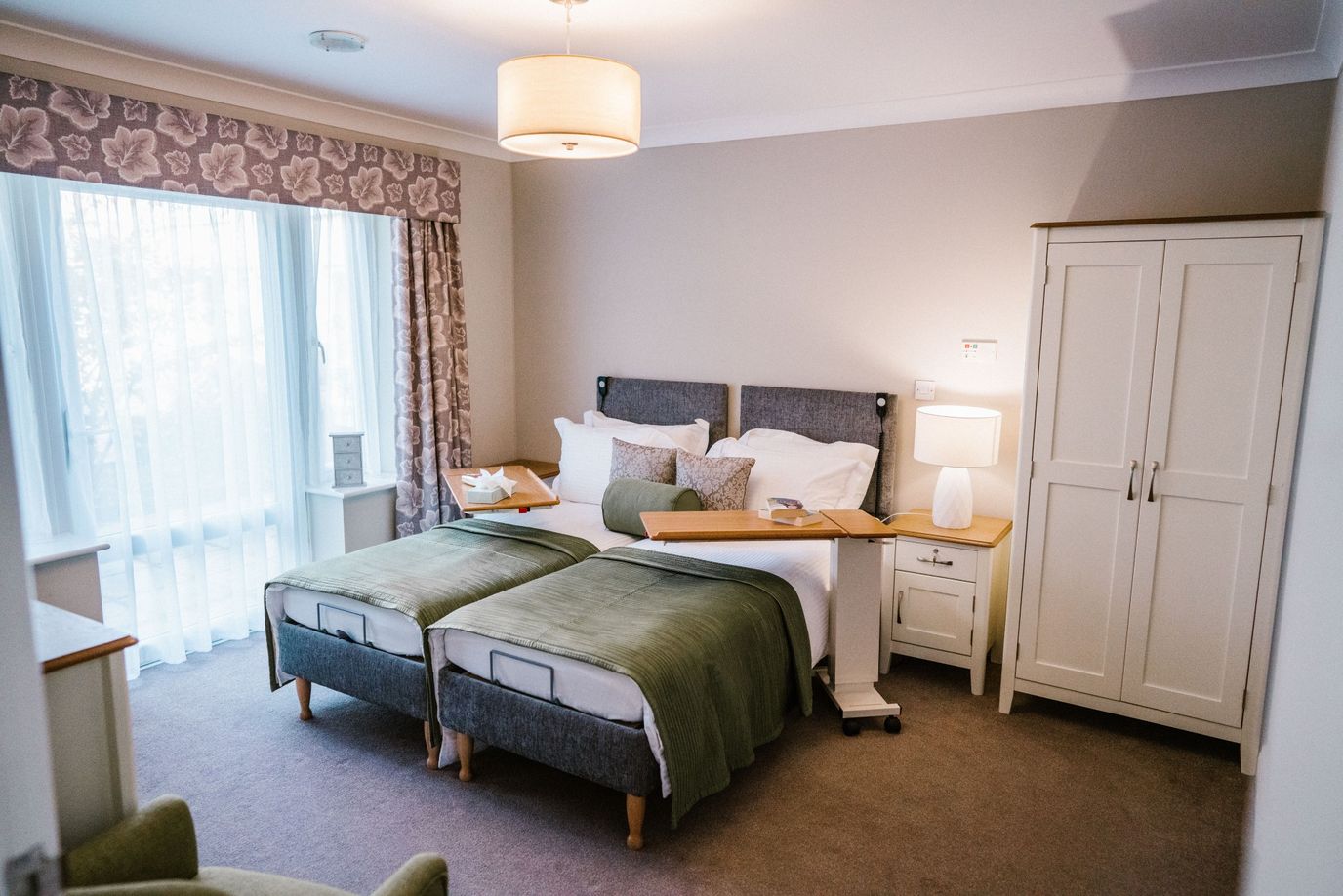
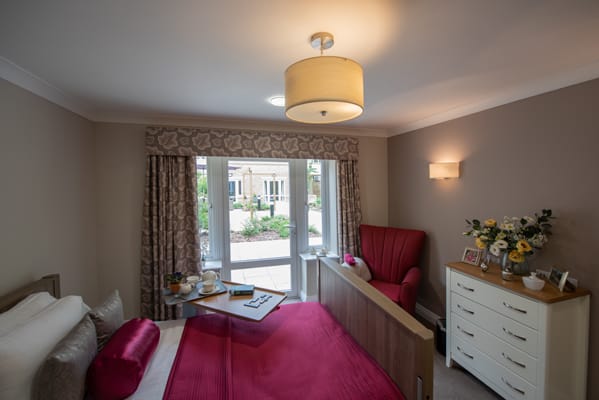
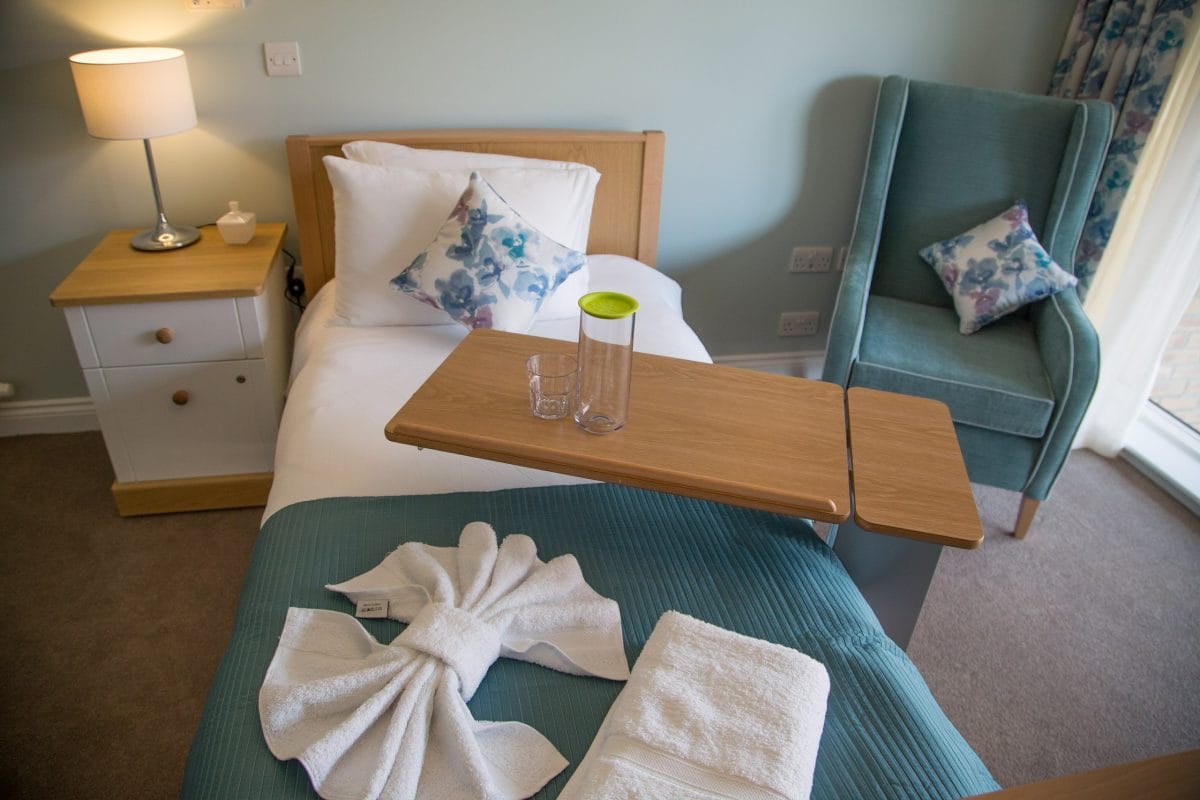
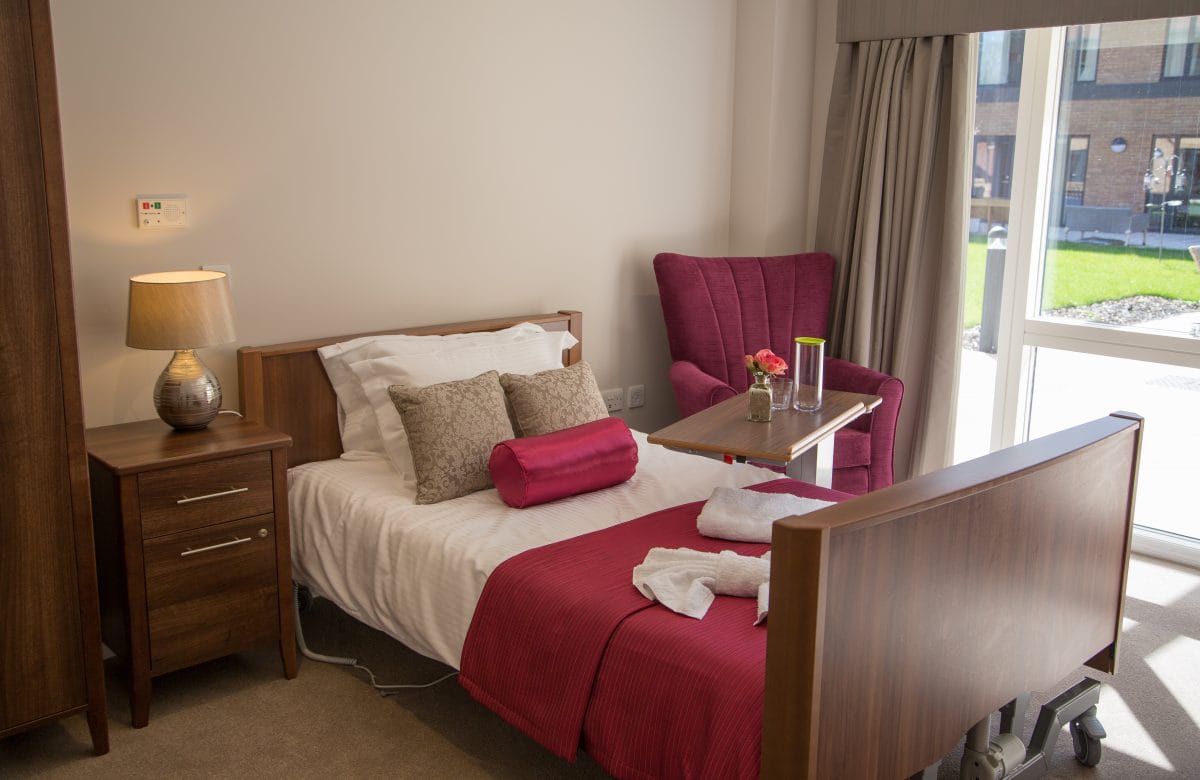
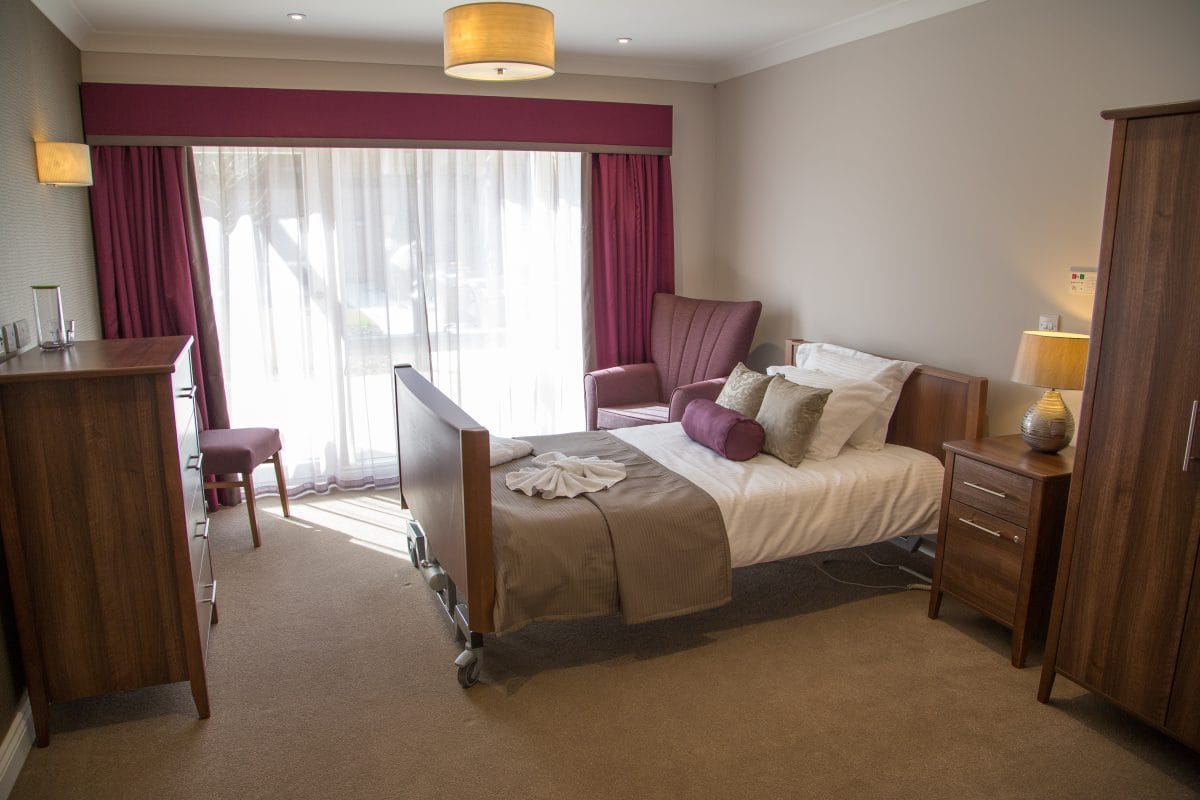
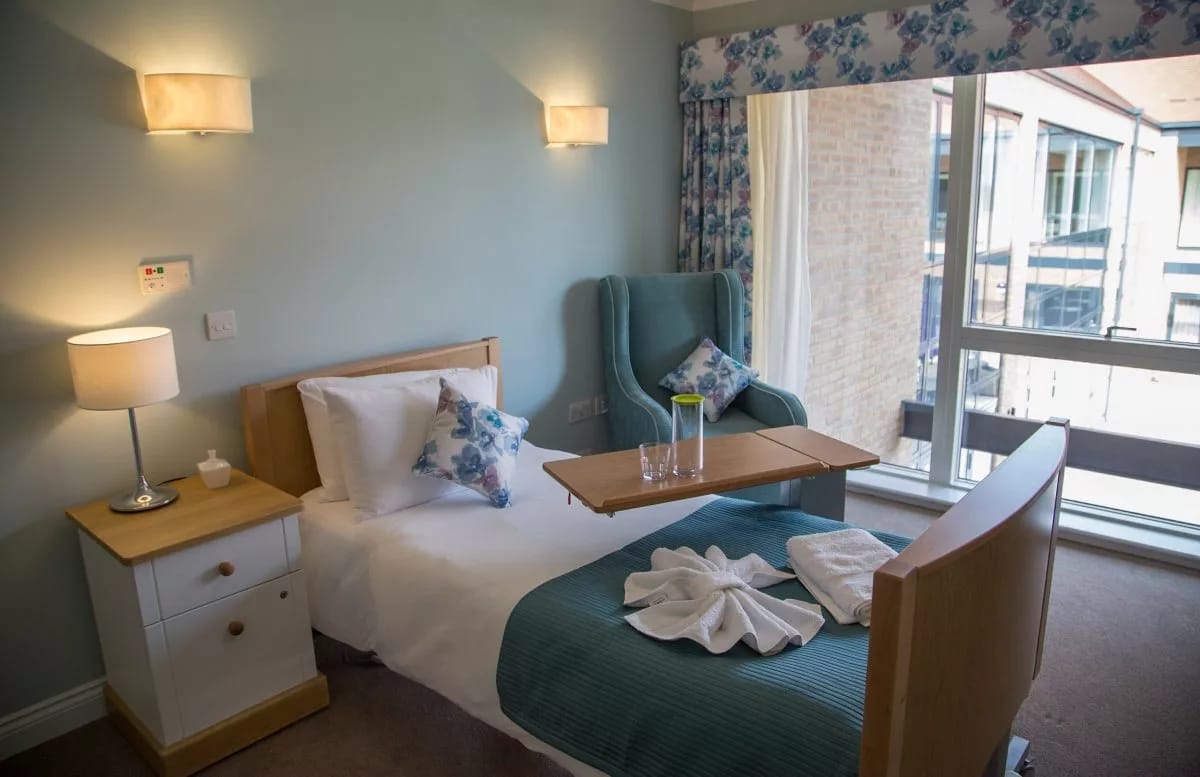
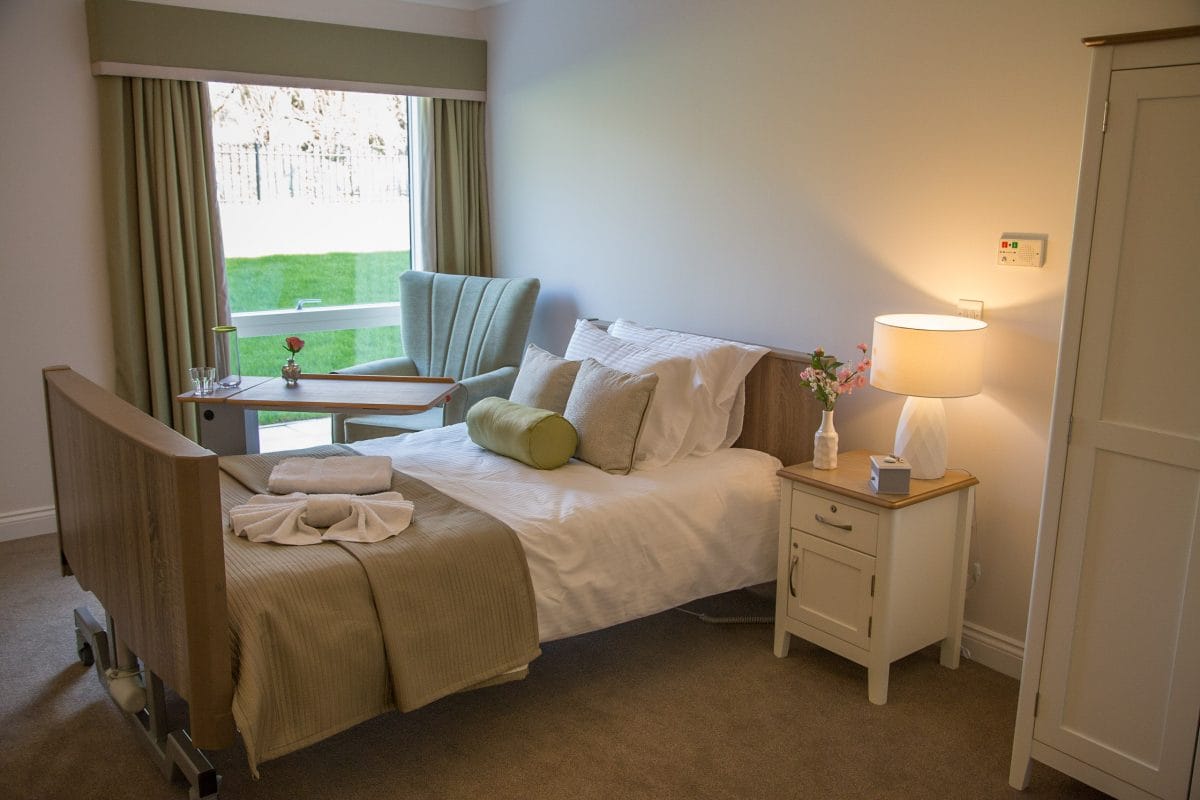
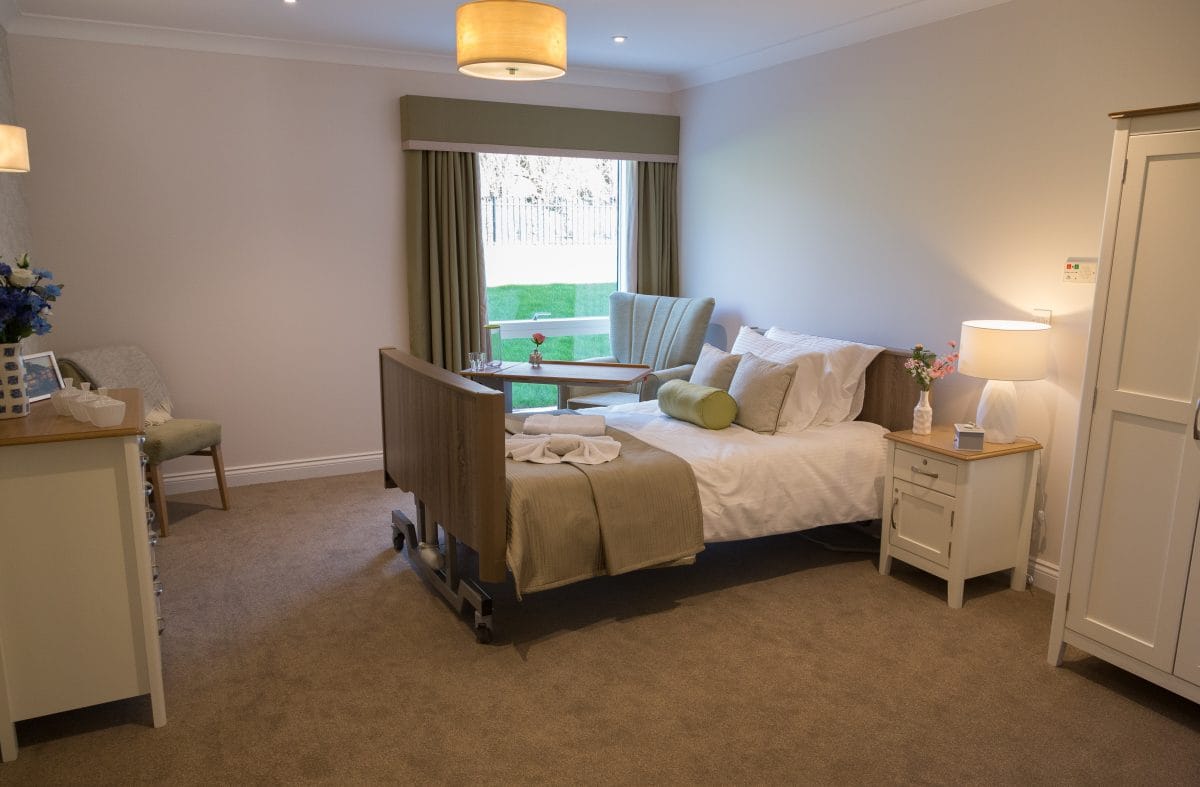
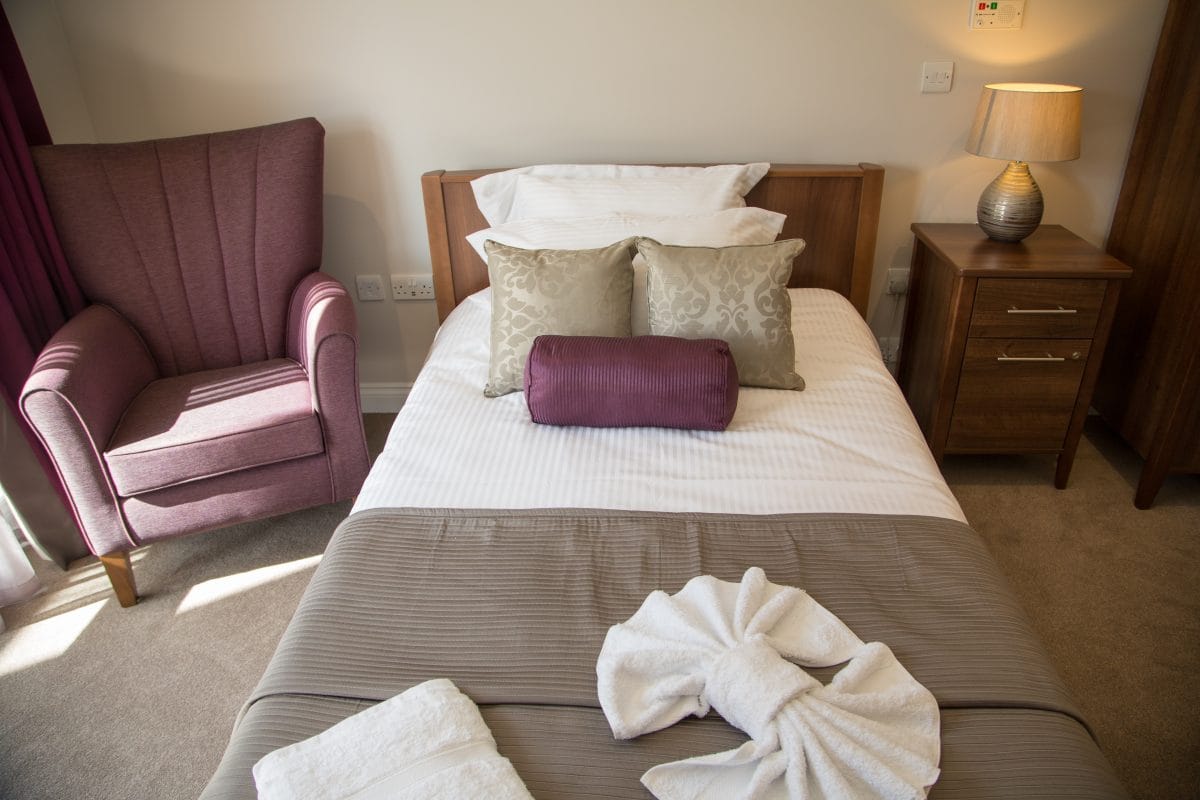
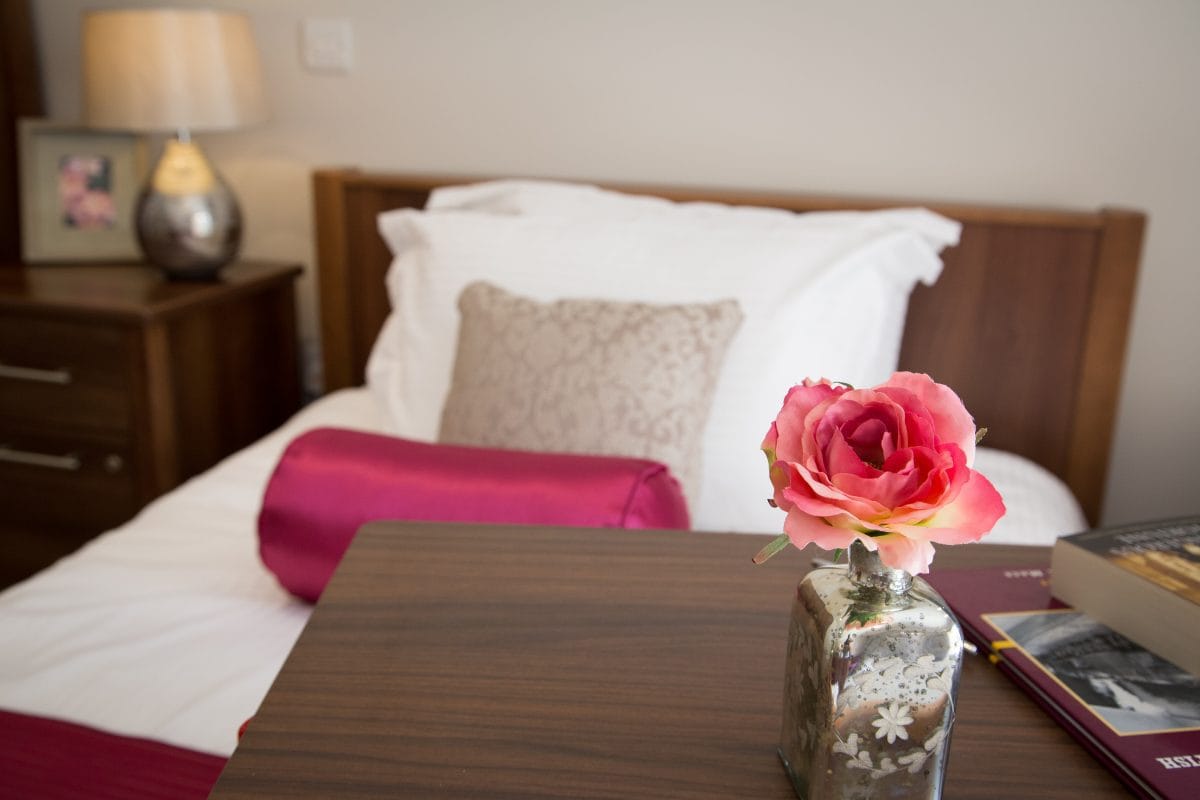
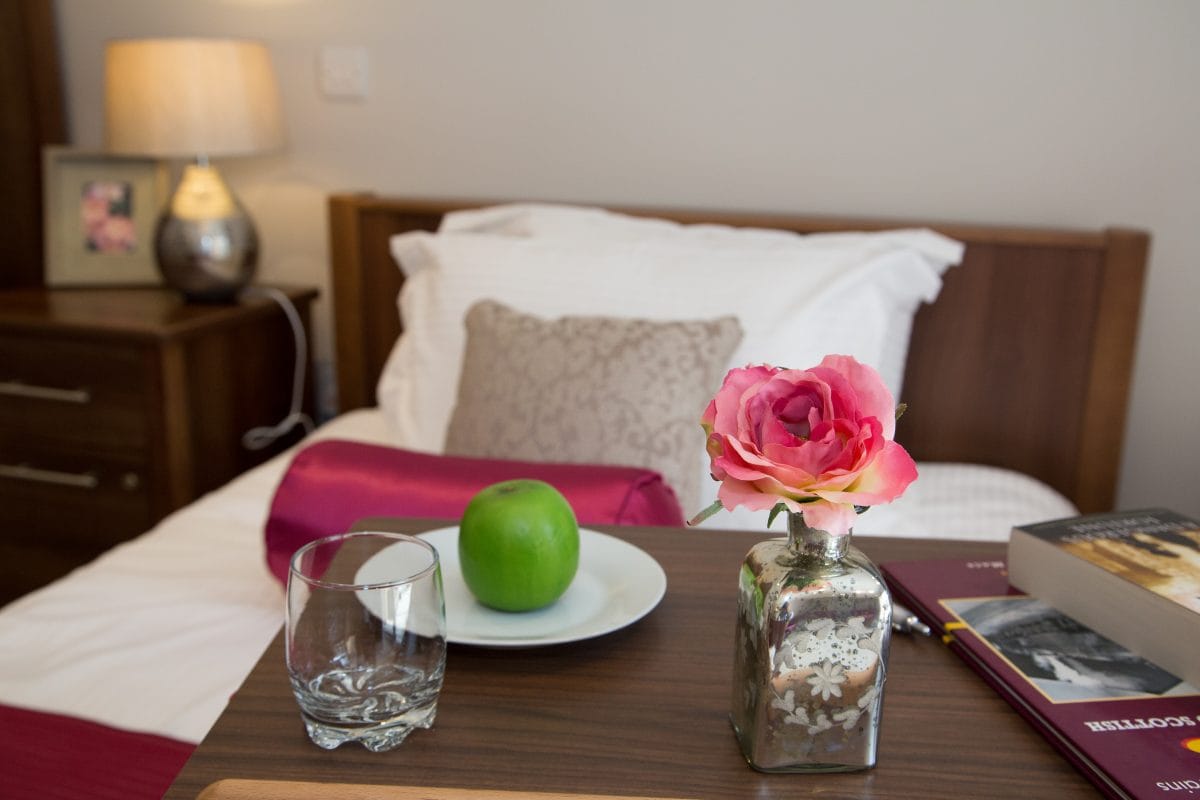
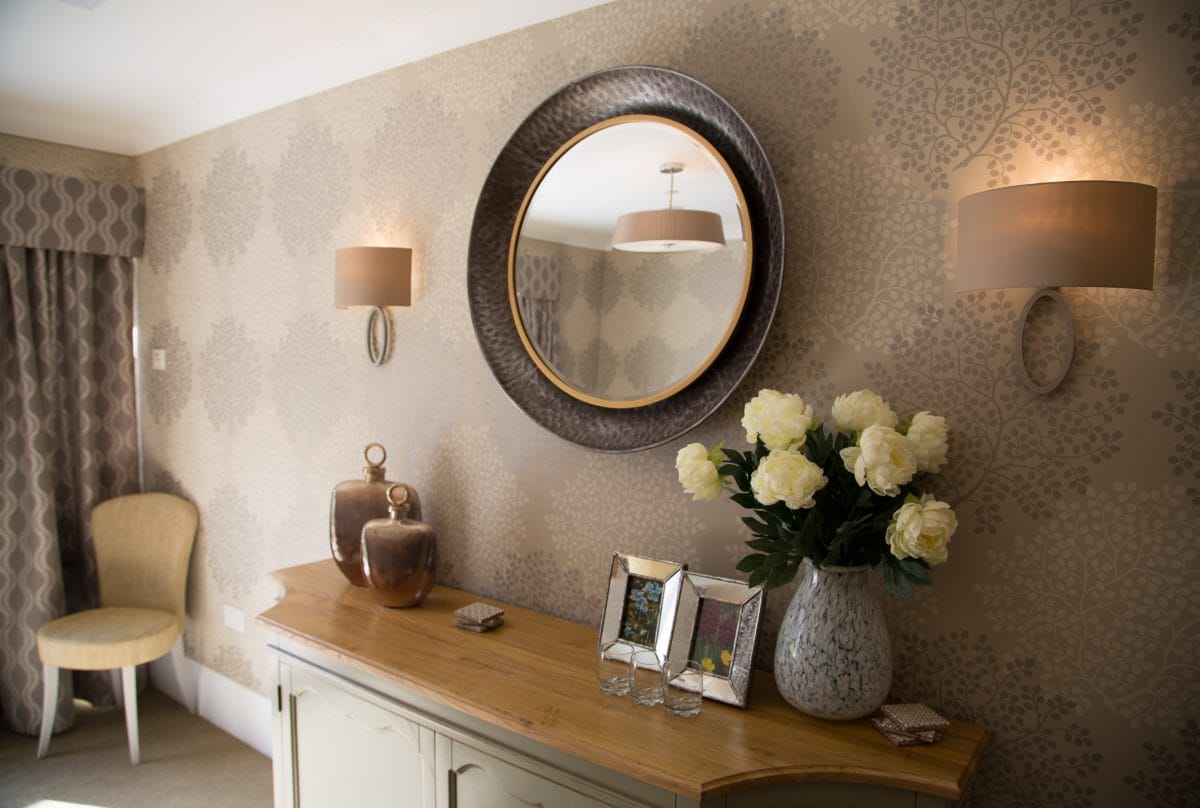
Palliative care supports residents receiving end of life care, and respite care provides a short term stay when a family’s usual caregiver needs to travel or recover. The home has 67 beds, with one bedroom accommodation for residents who want their own private space.
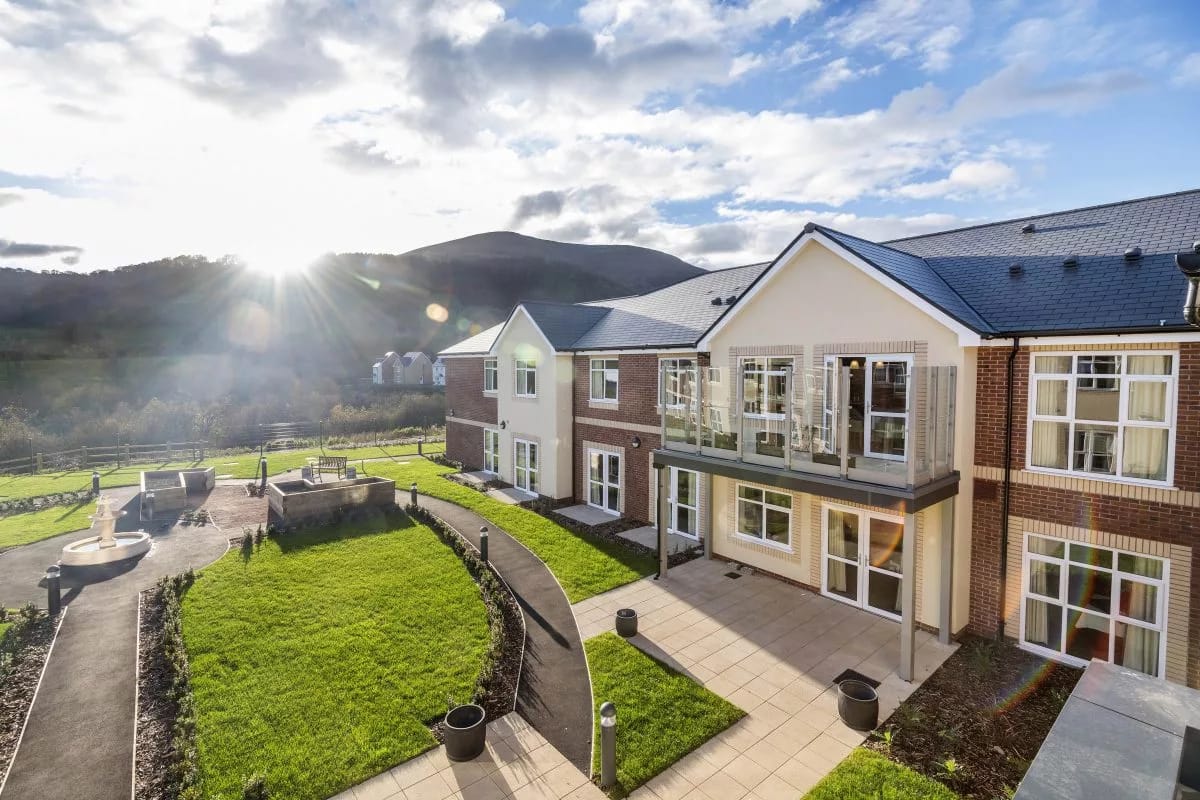
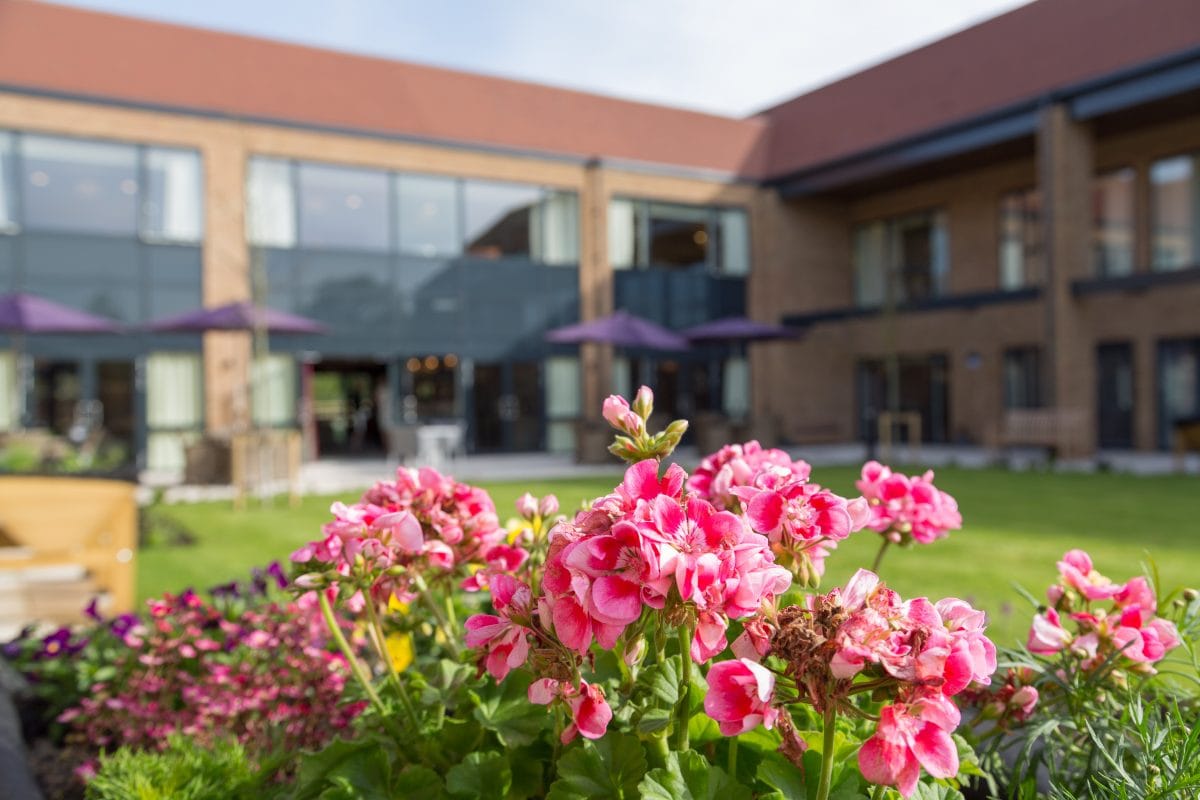
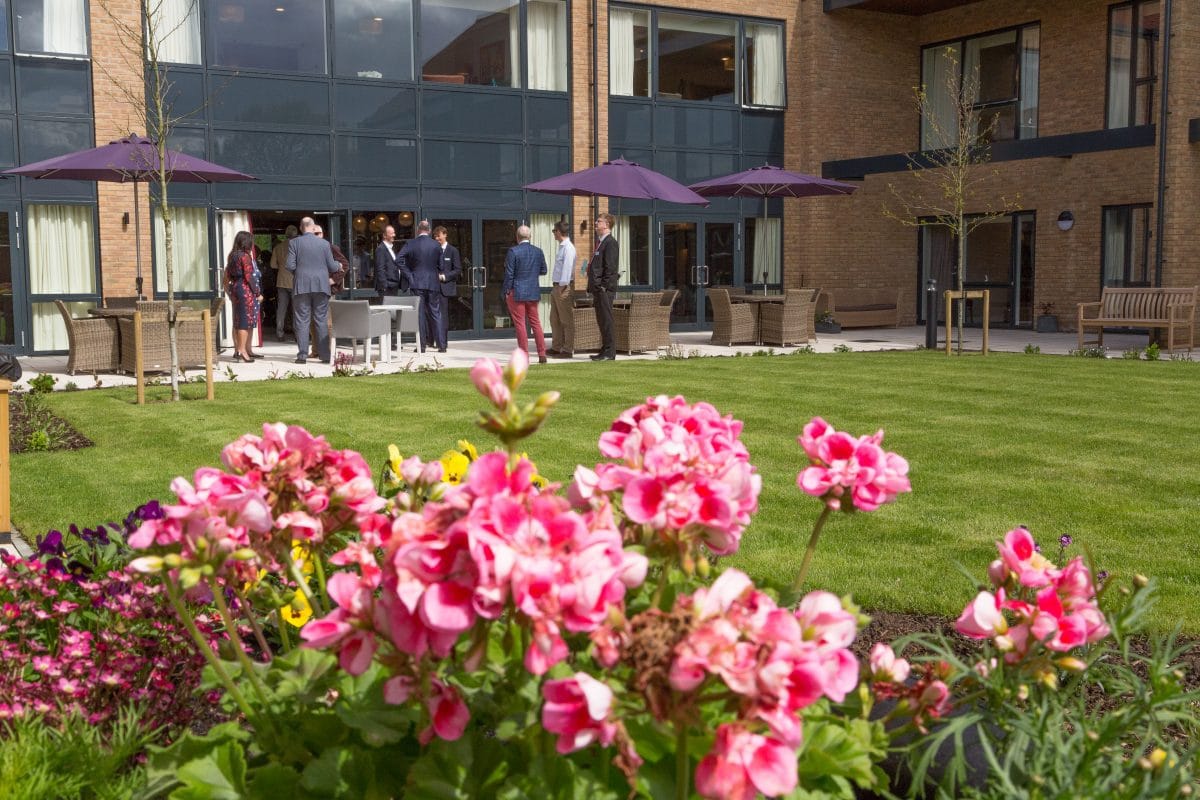
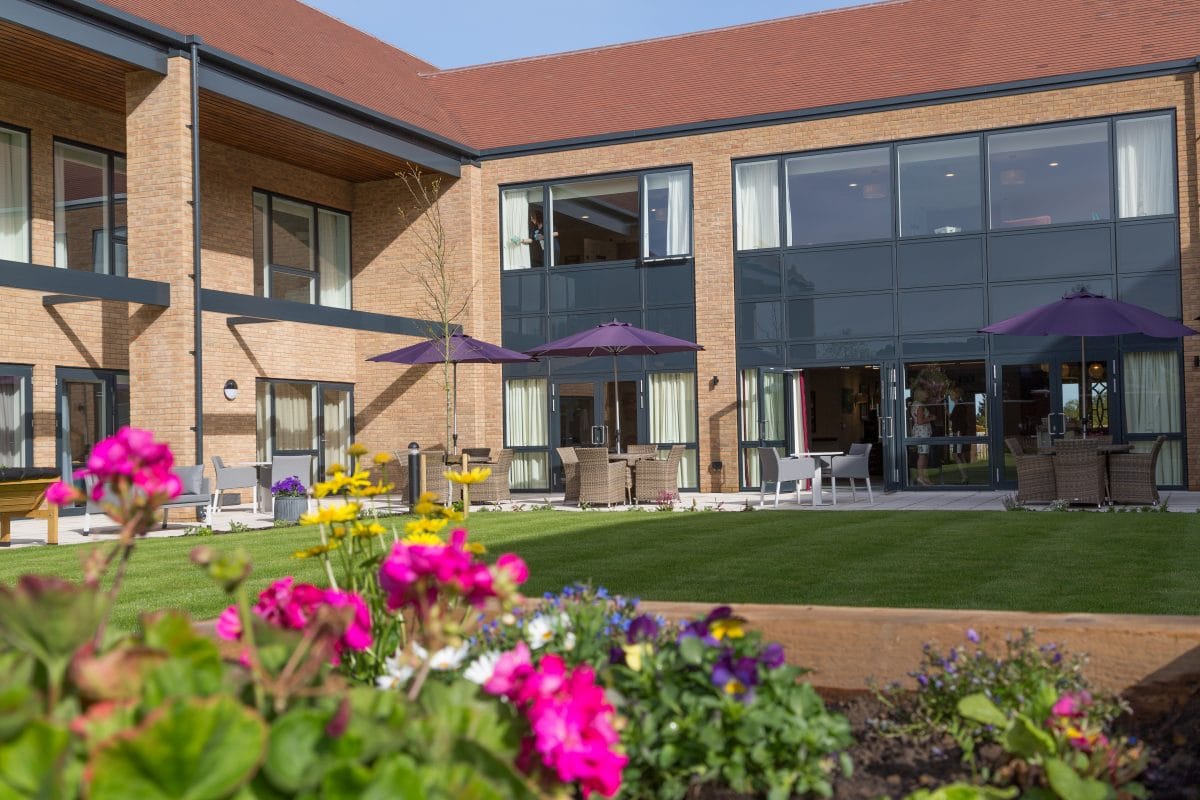
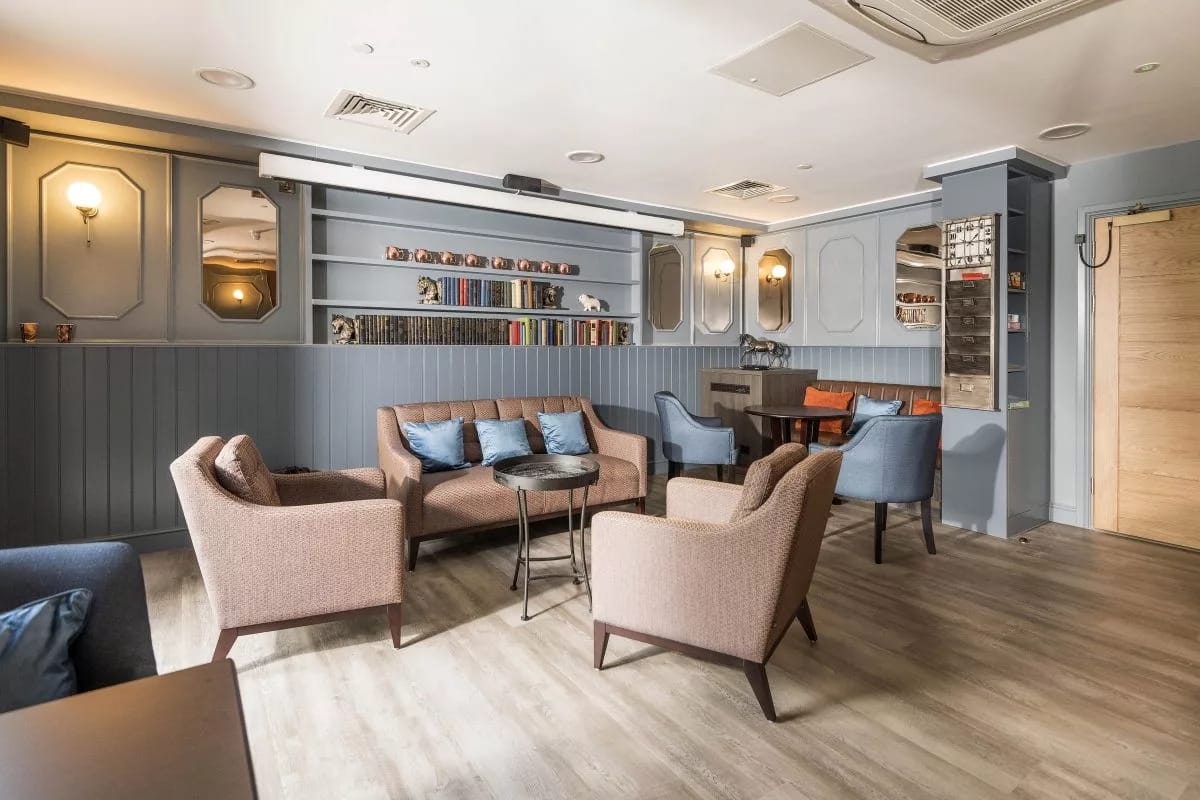
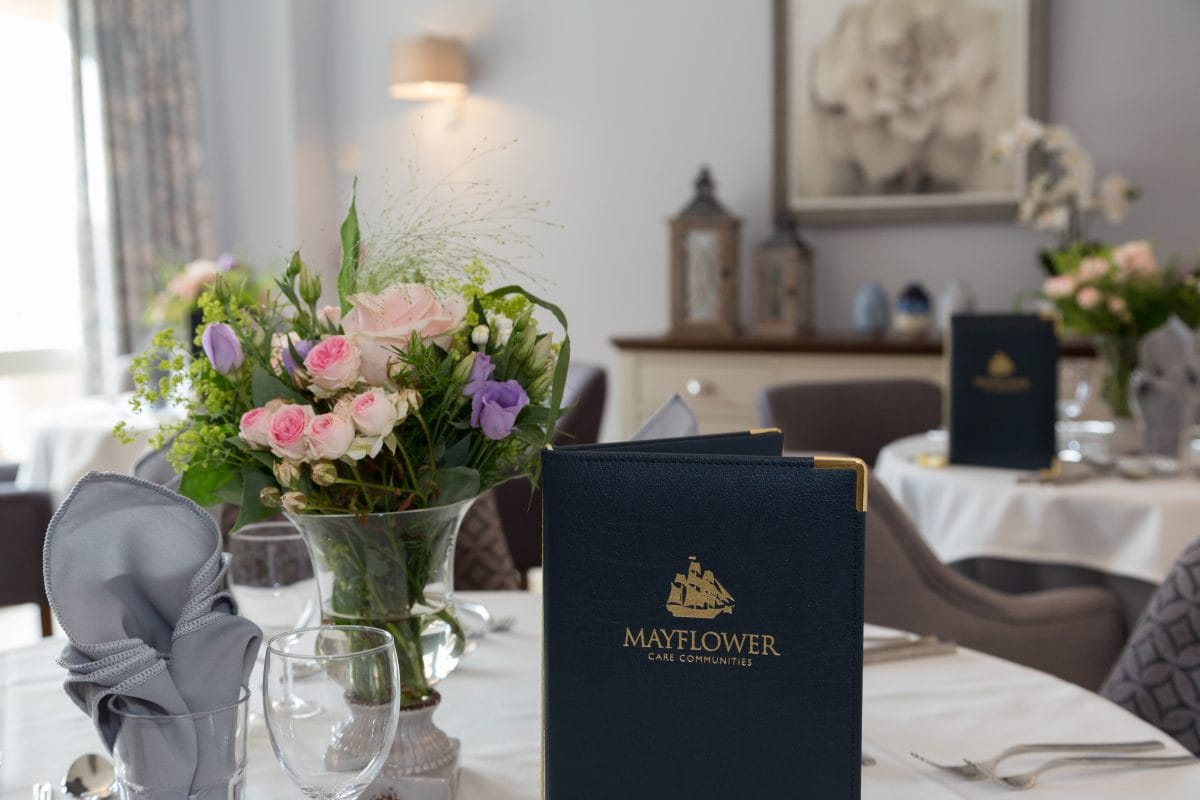
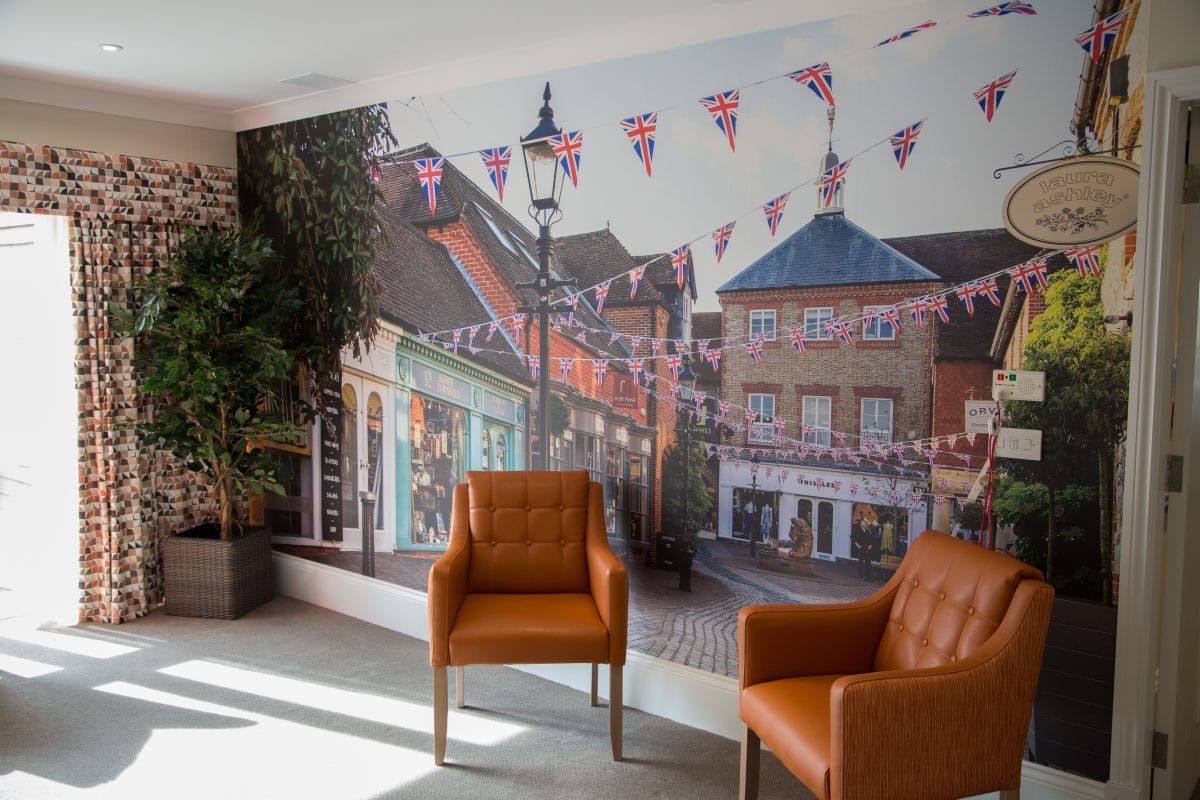
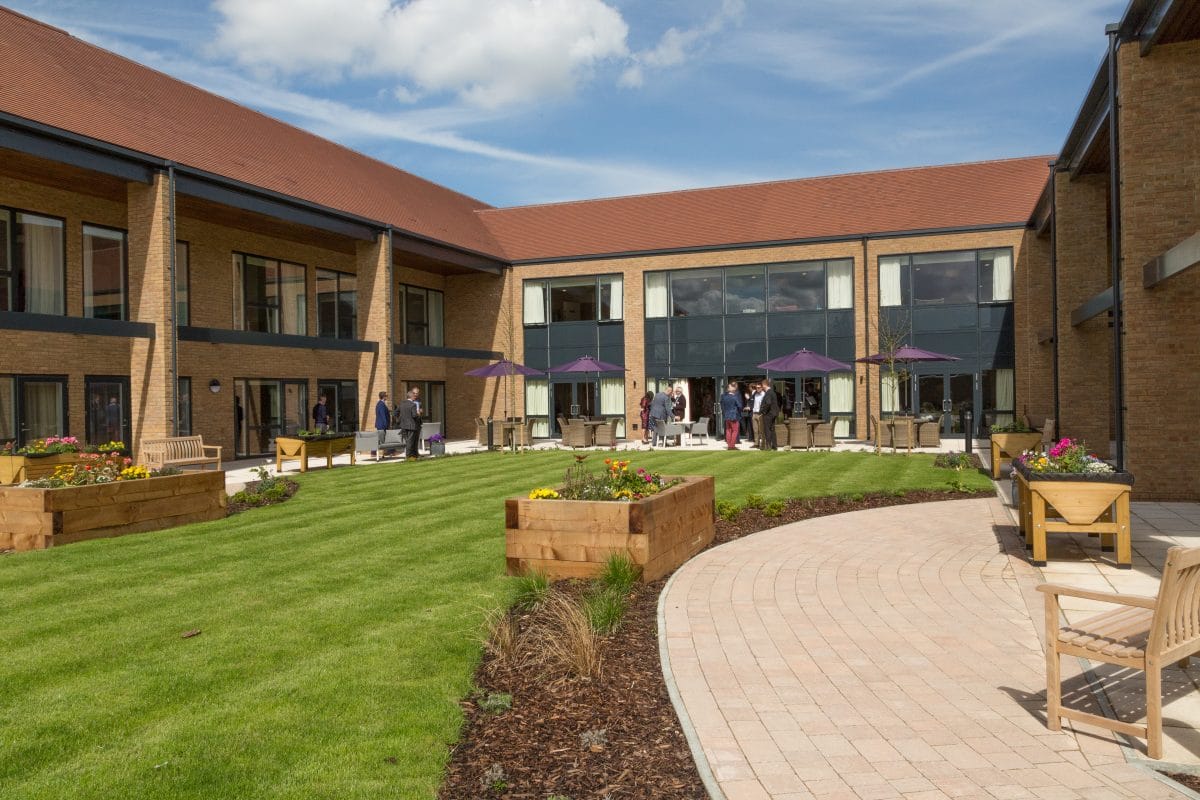
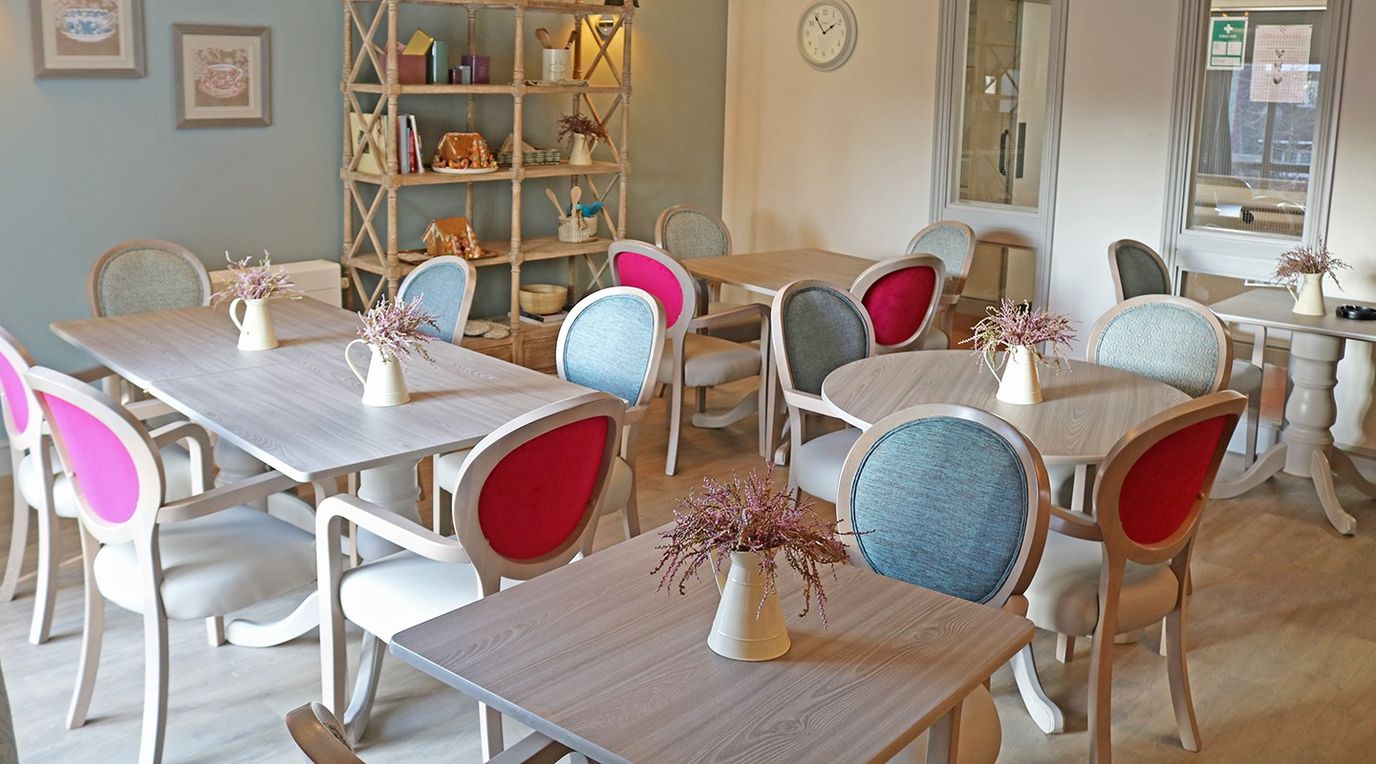
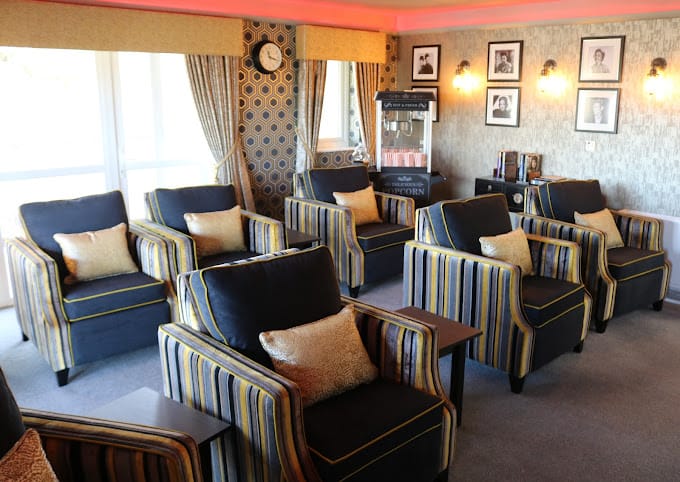
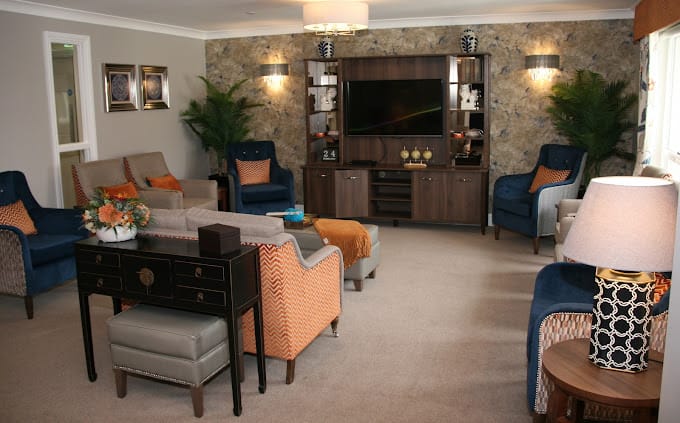
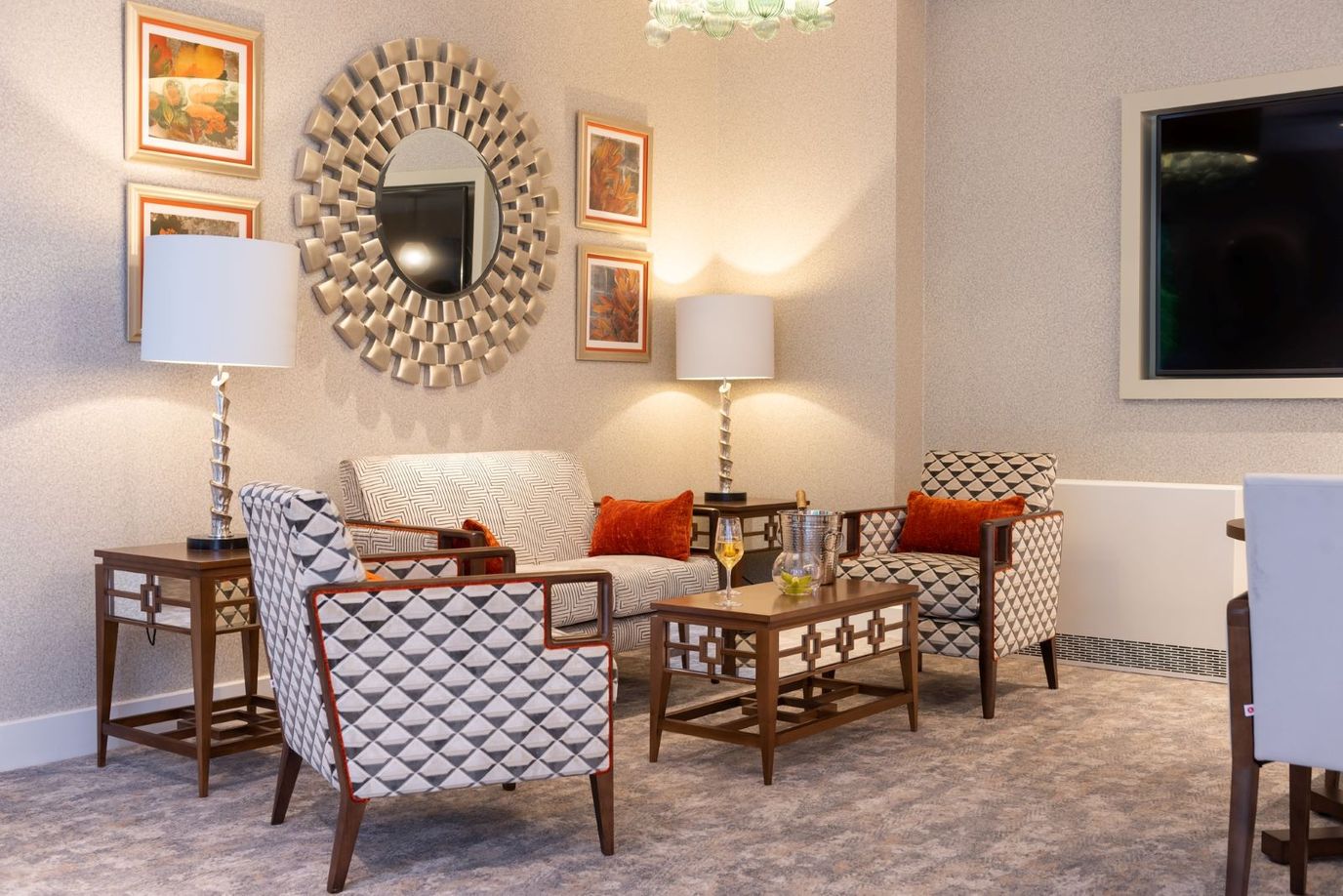
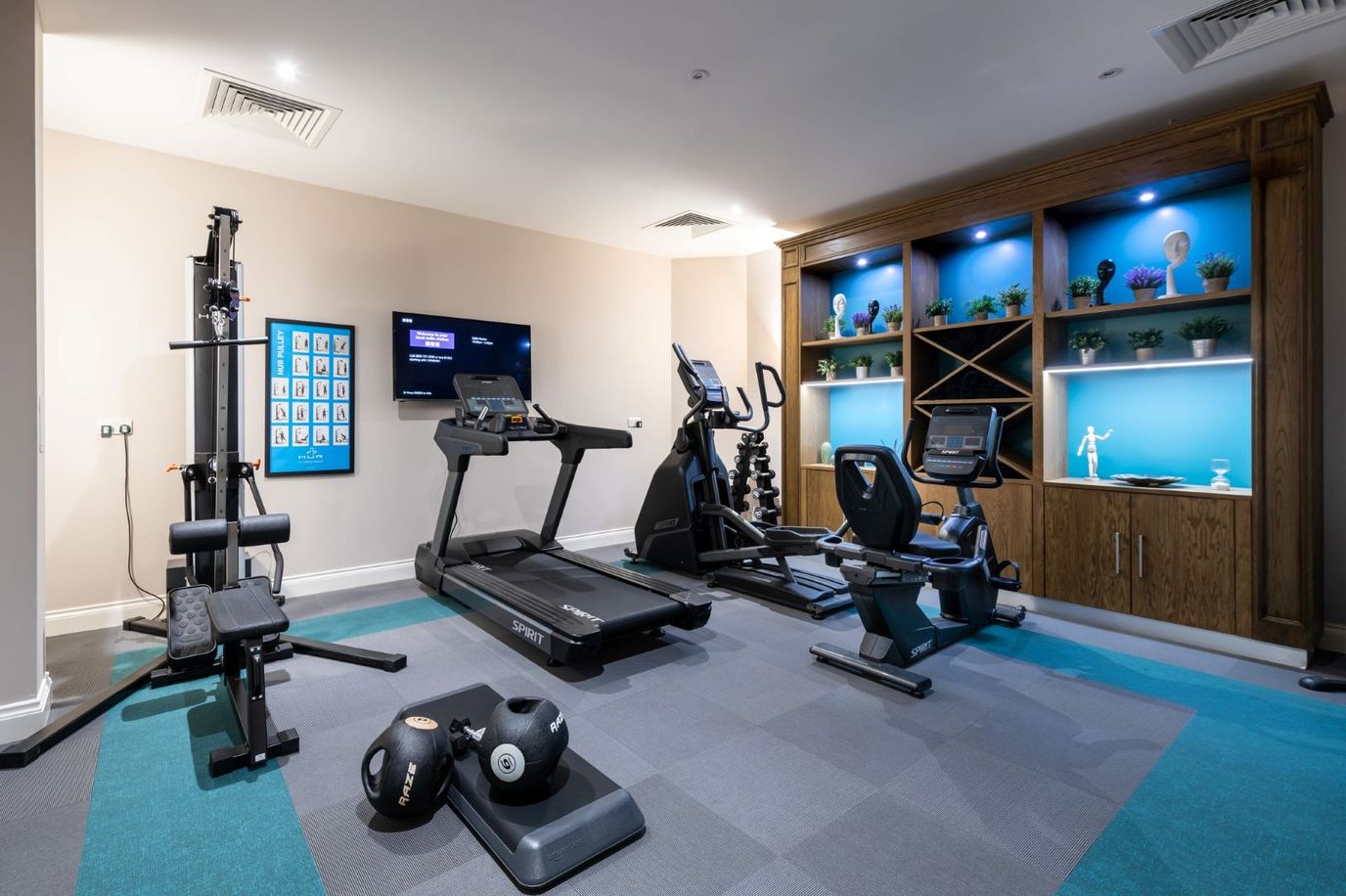
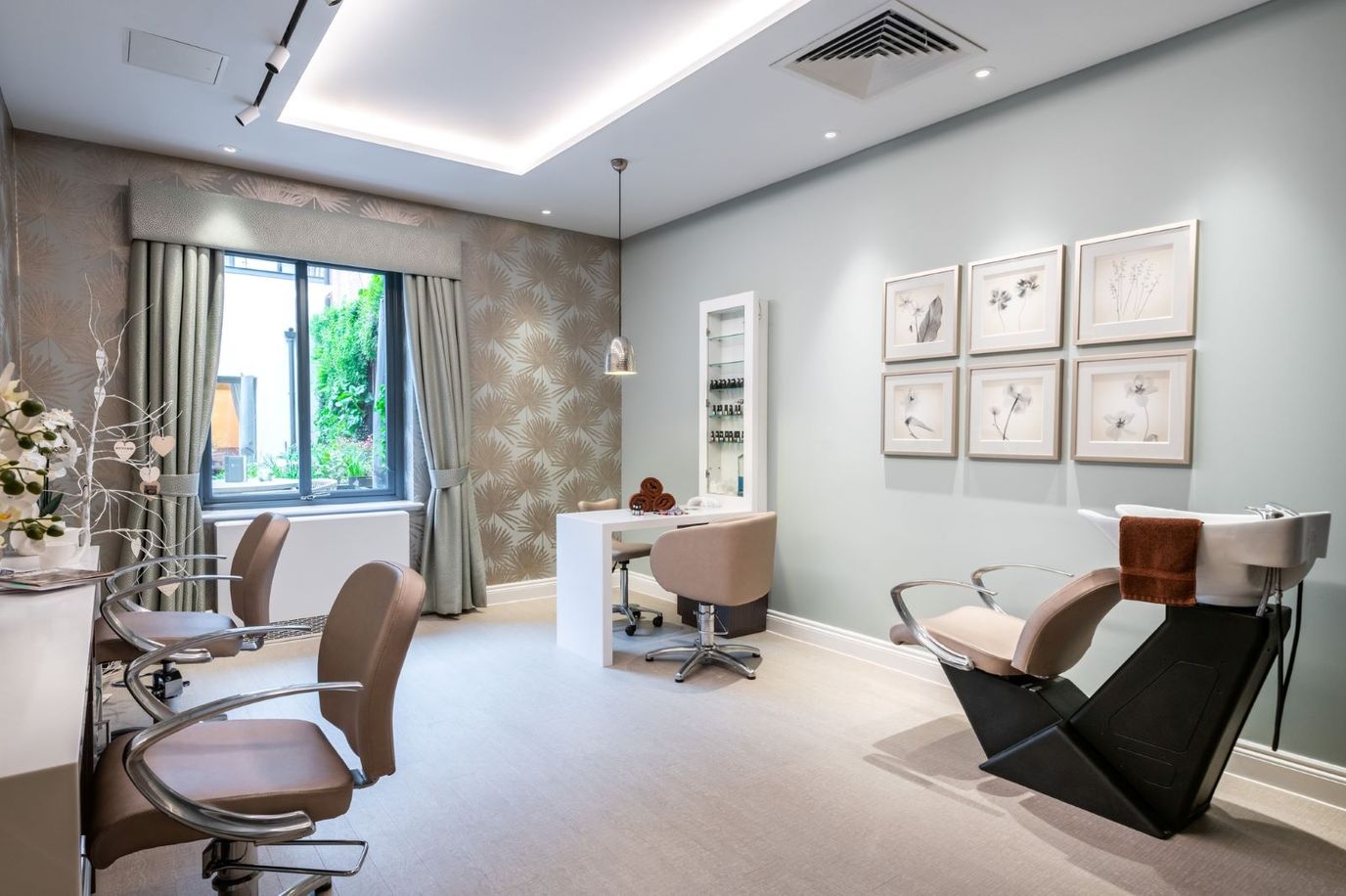
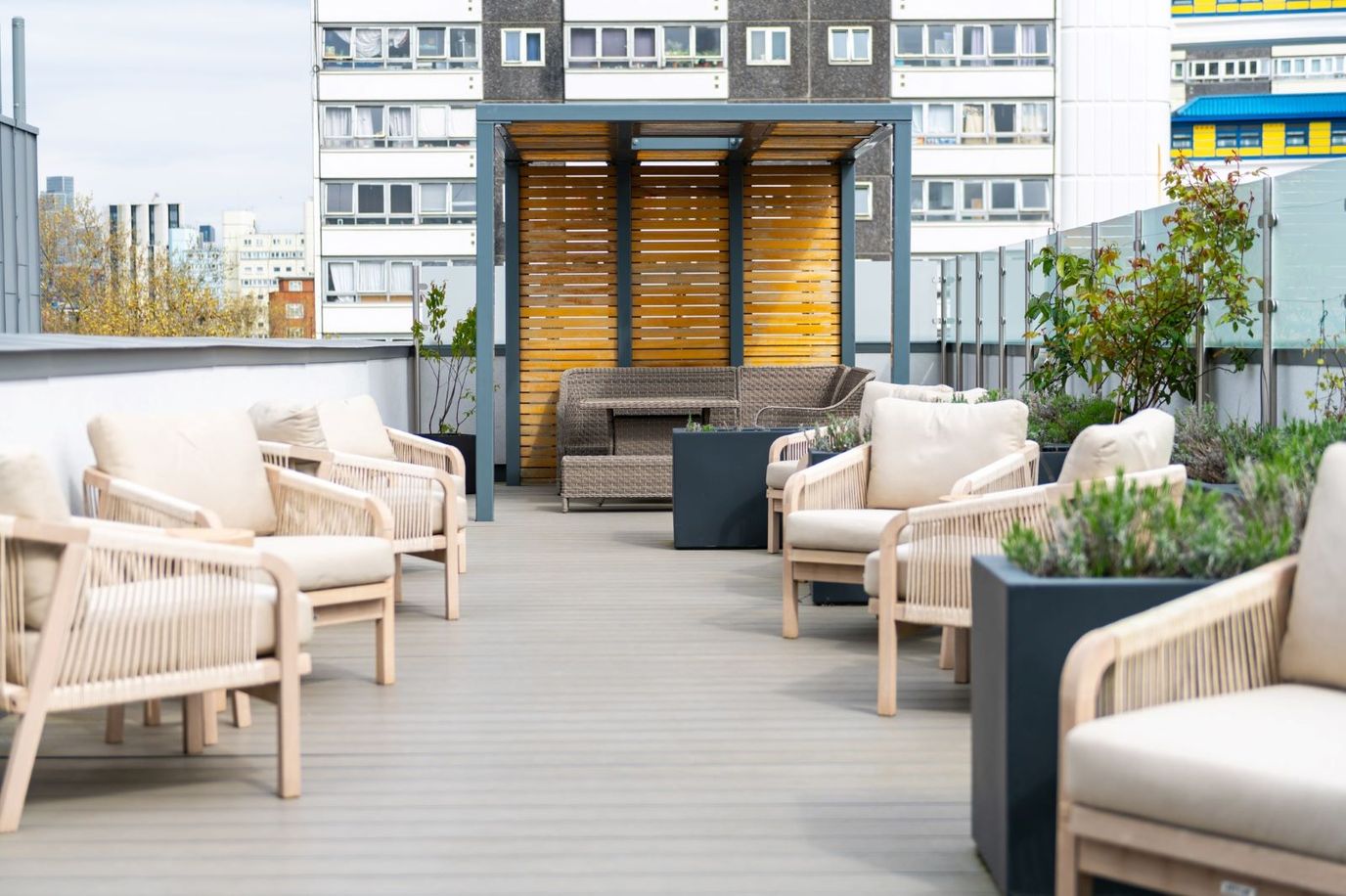
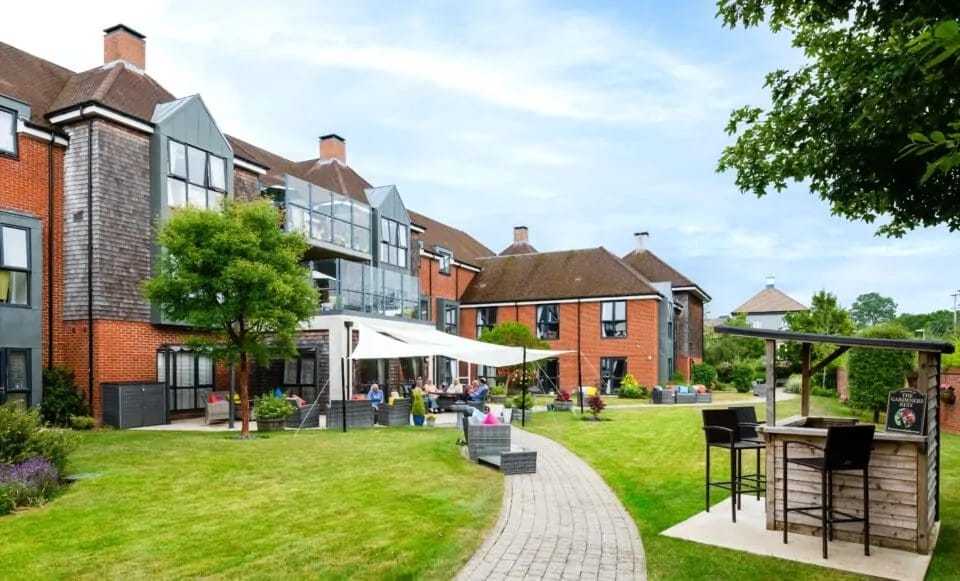
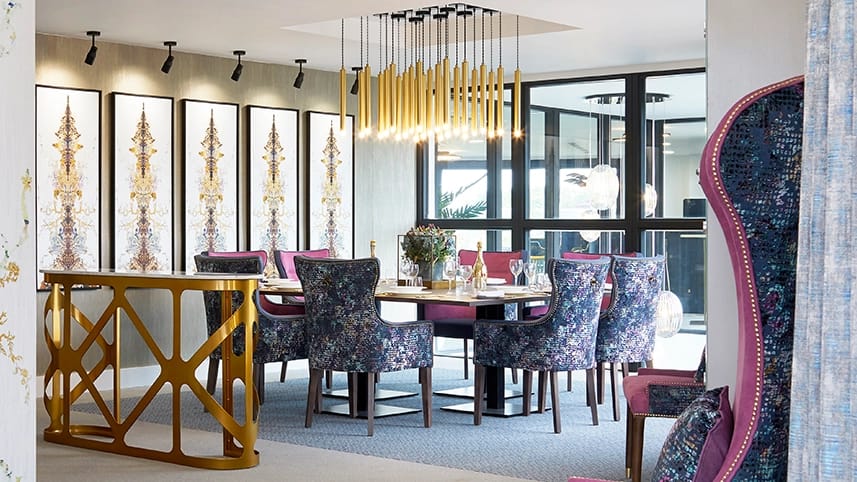
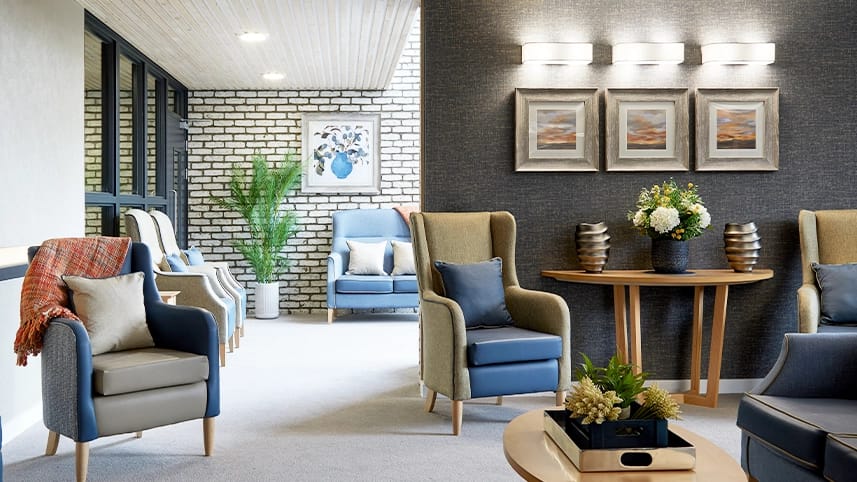
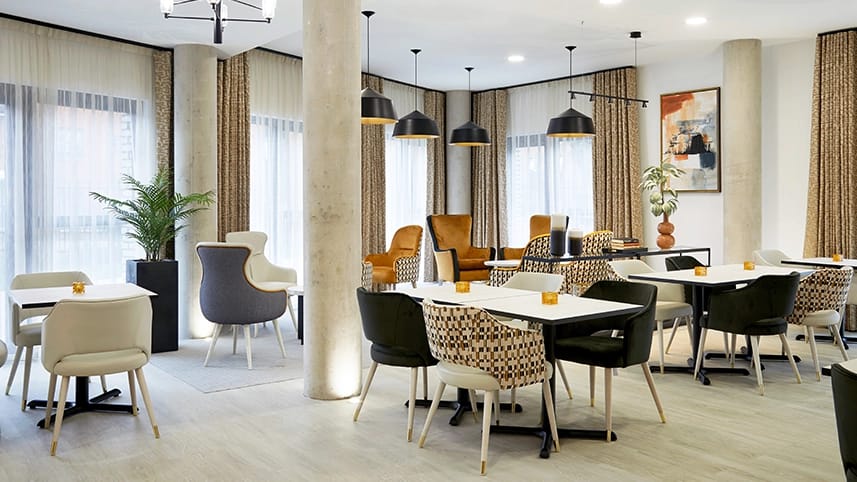
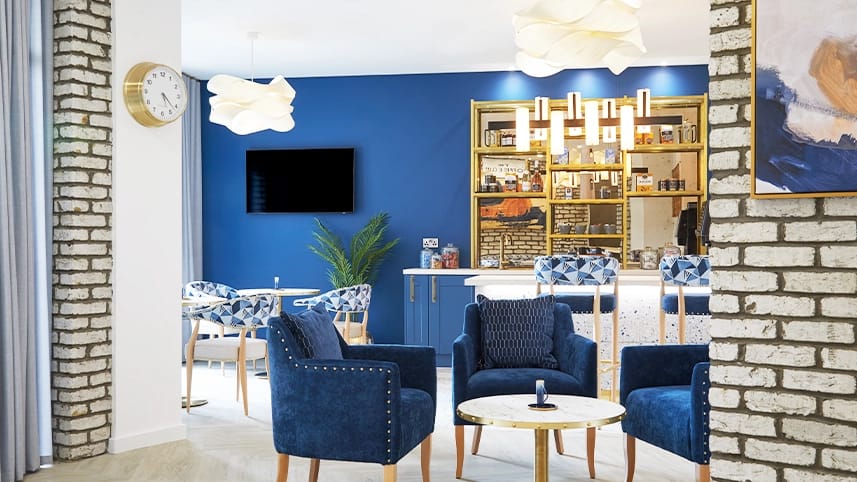
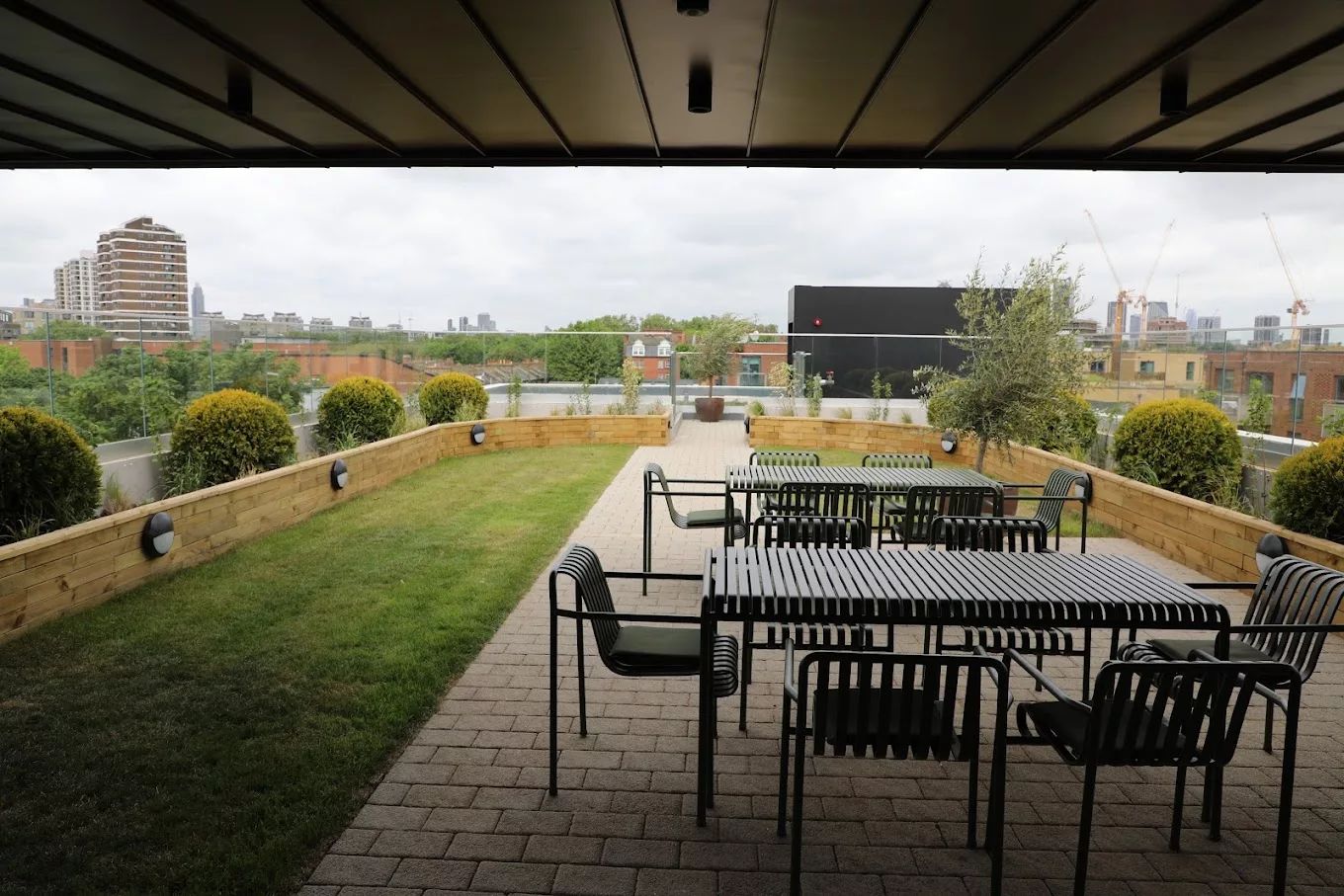
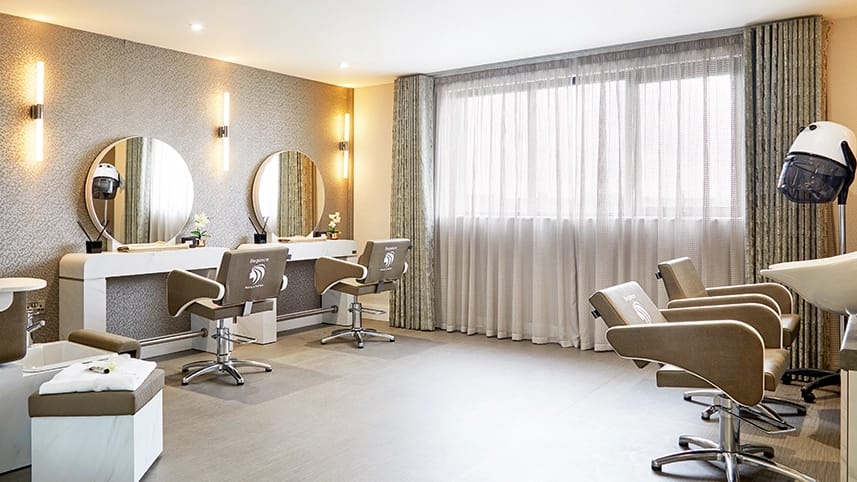
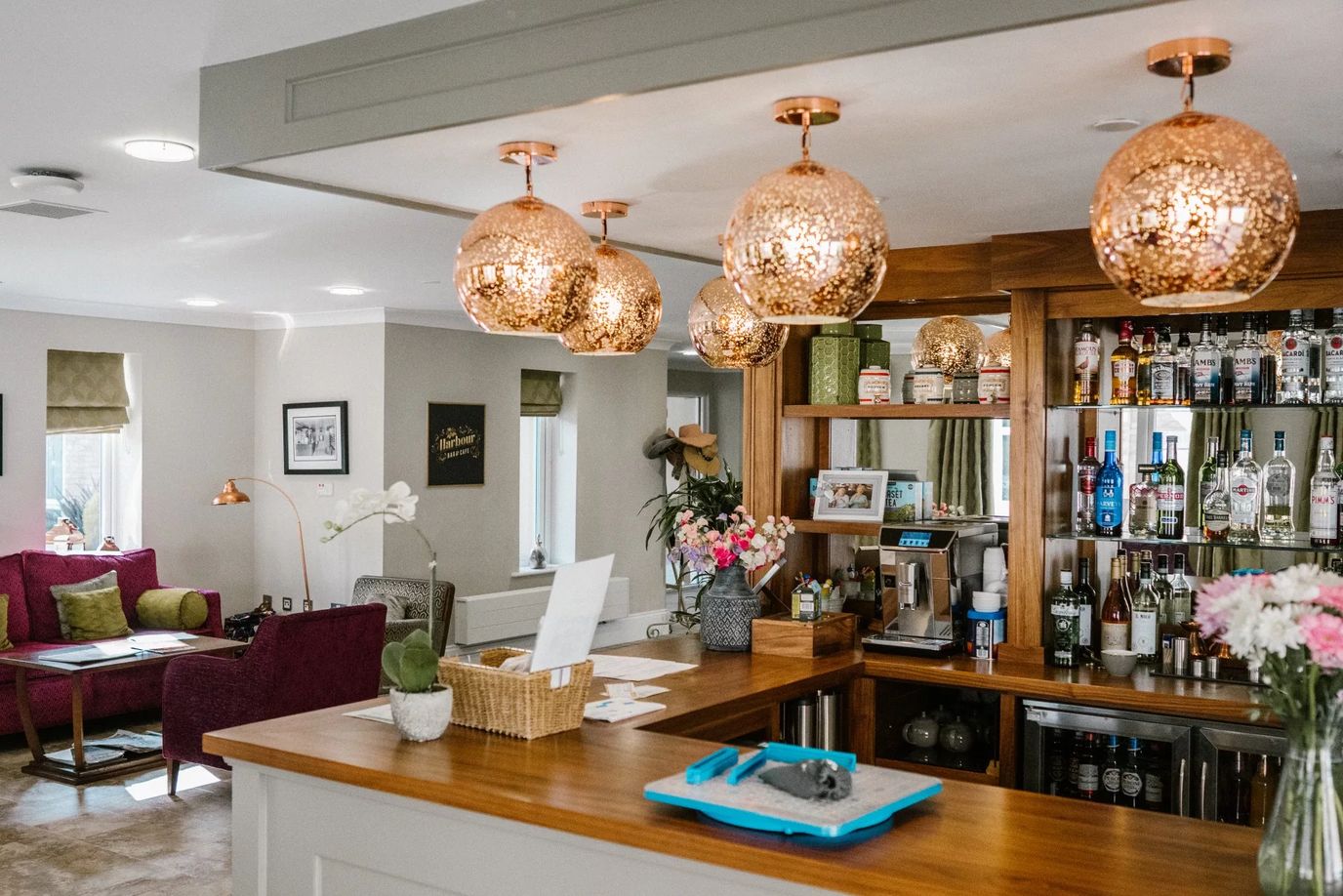
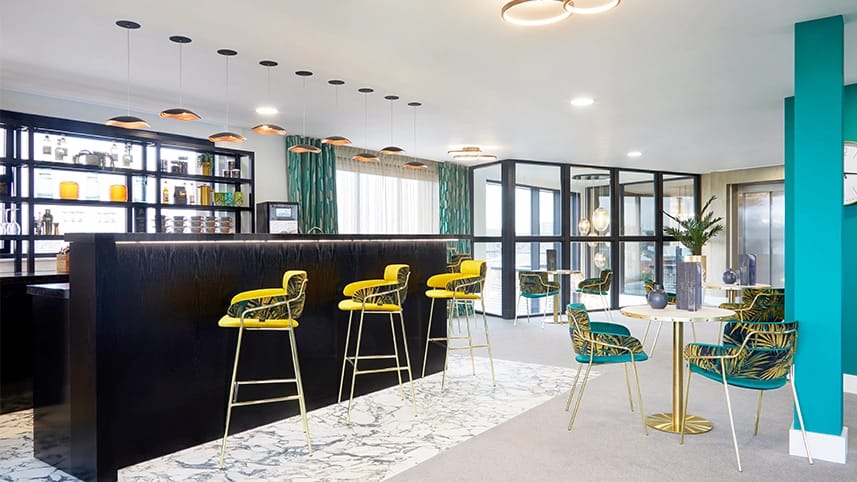
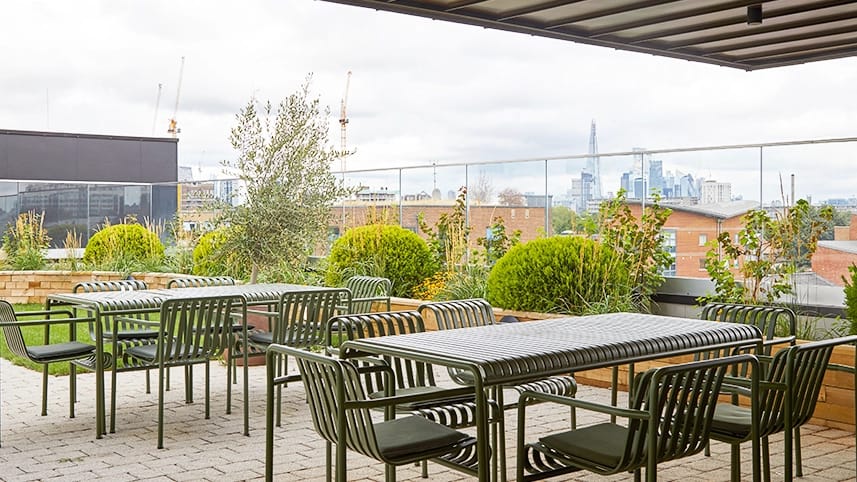
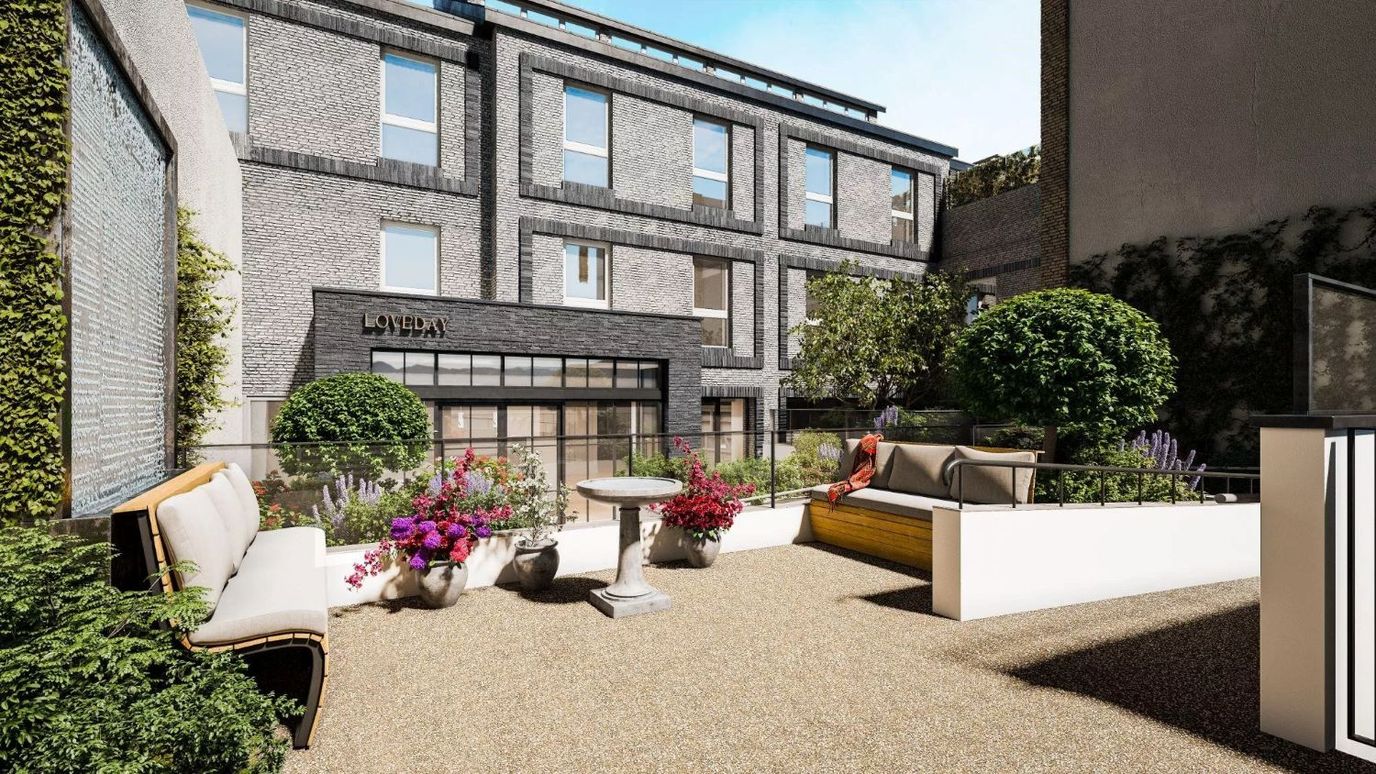
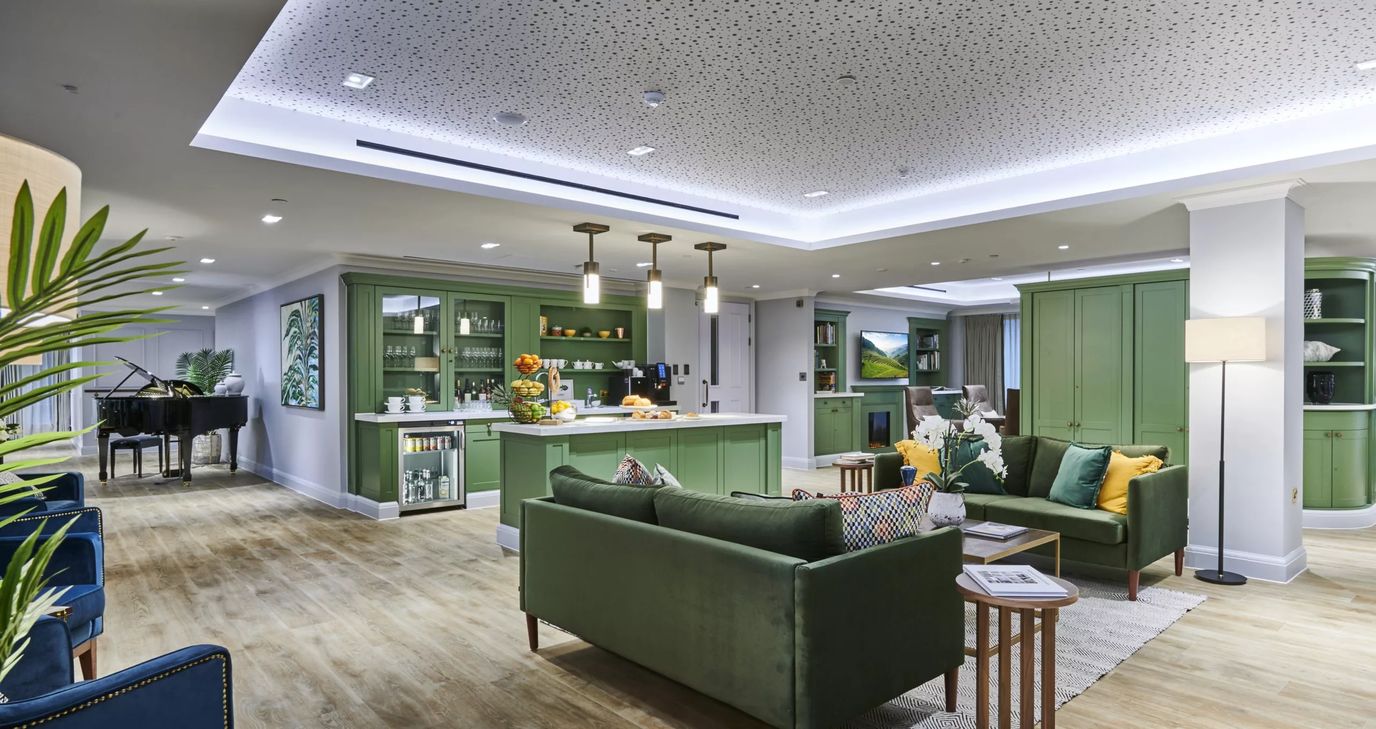
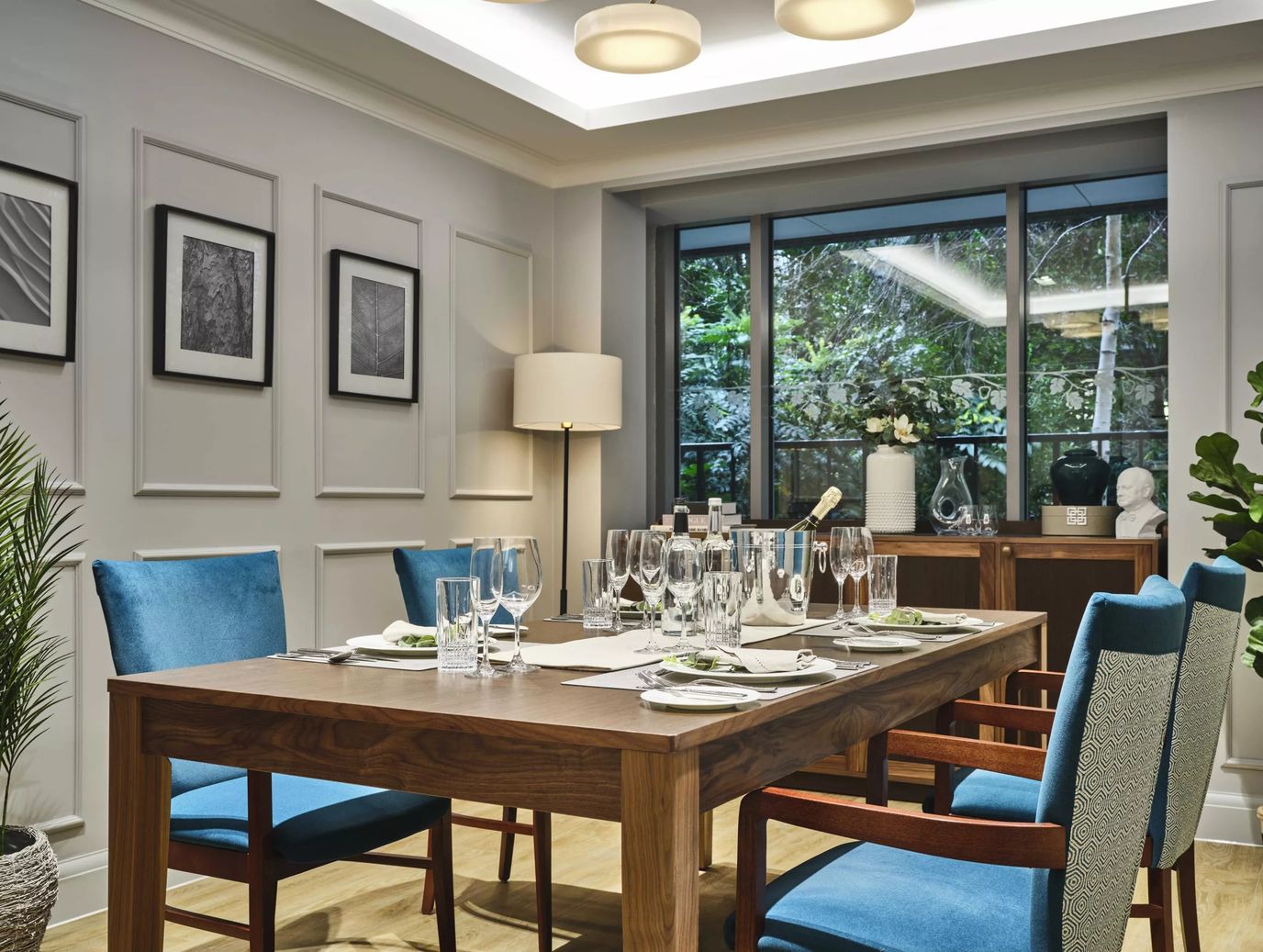
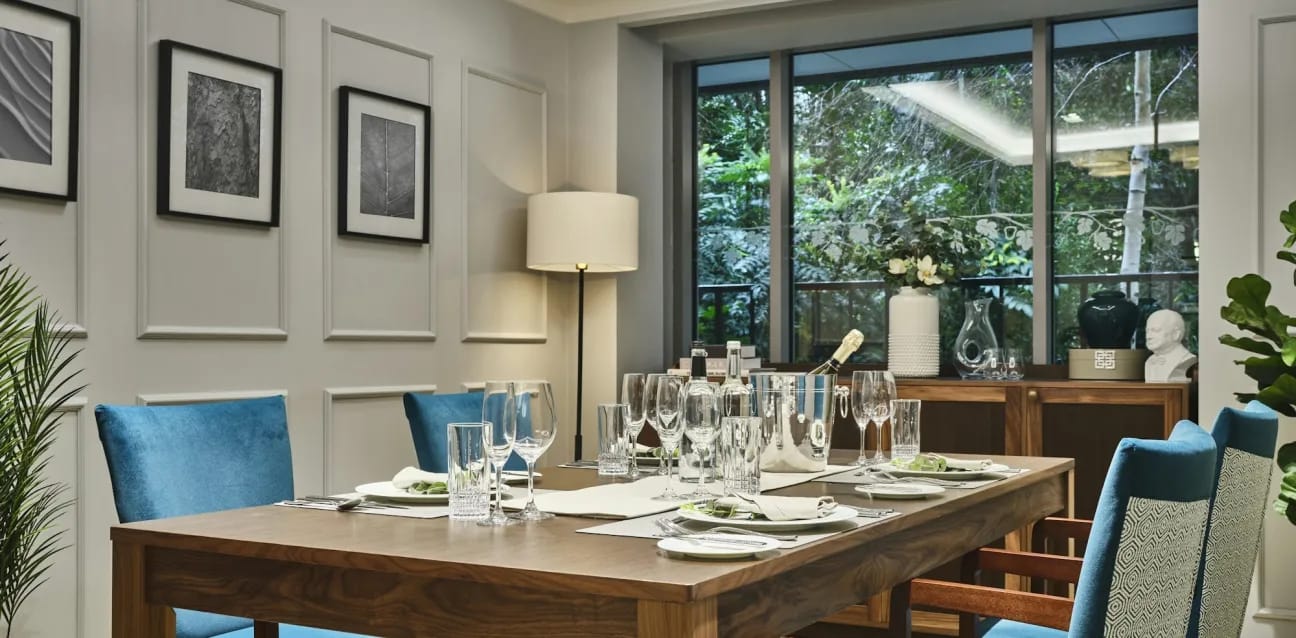
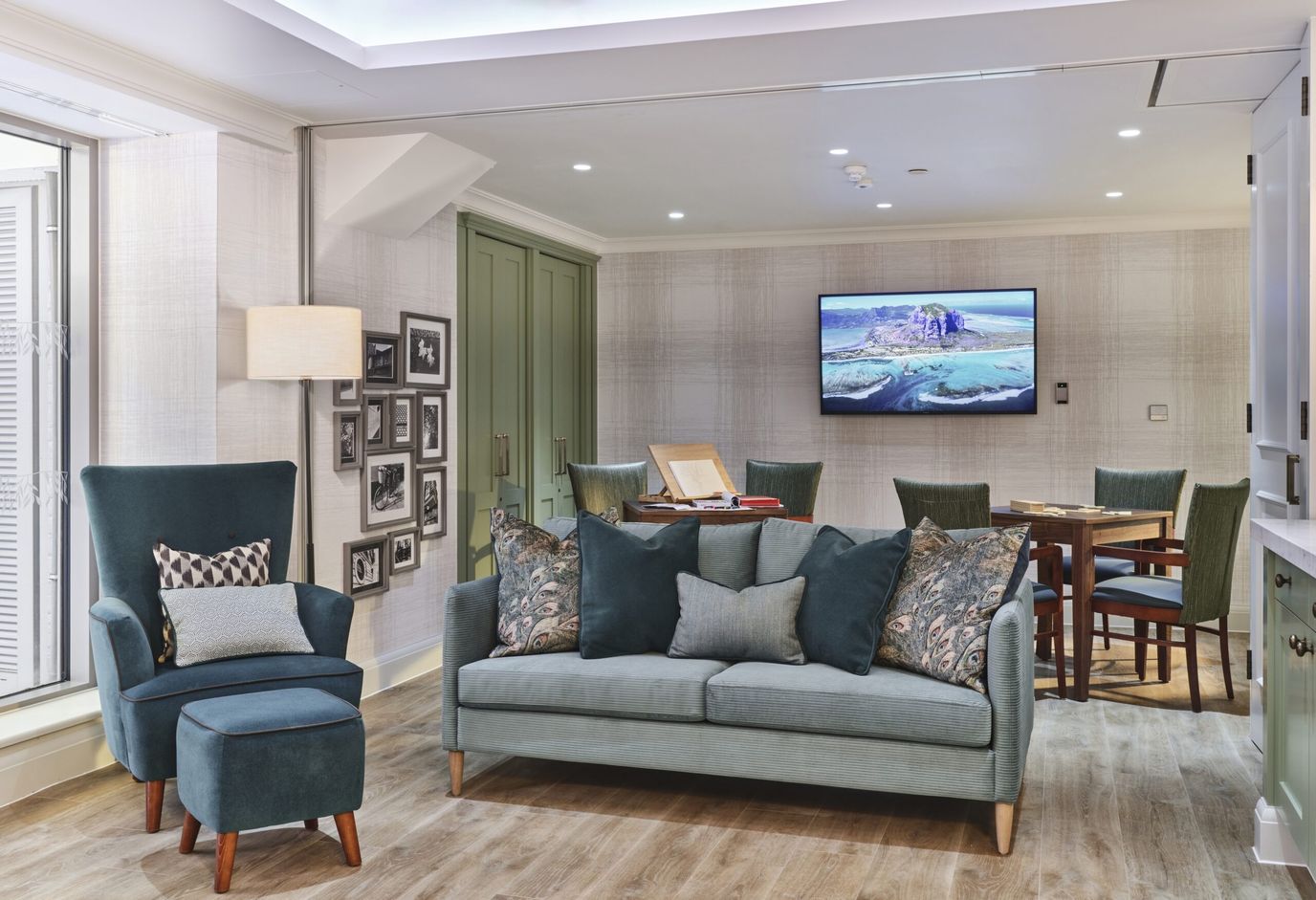
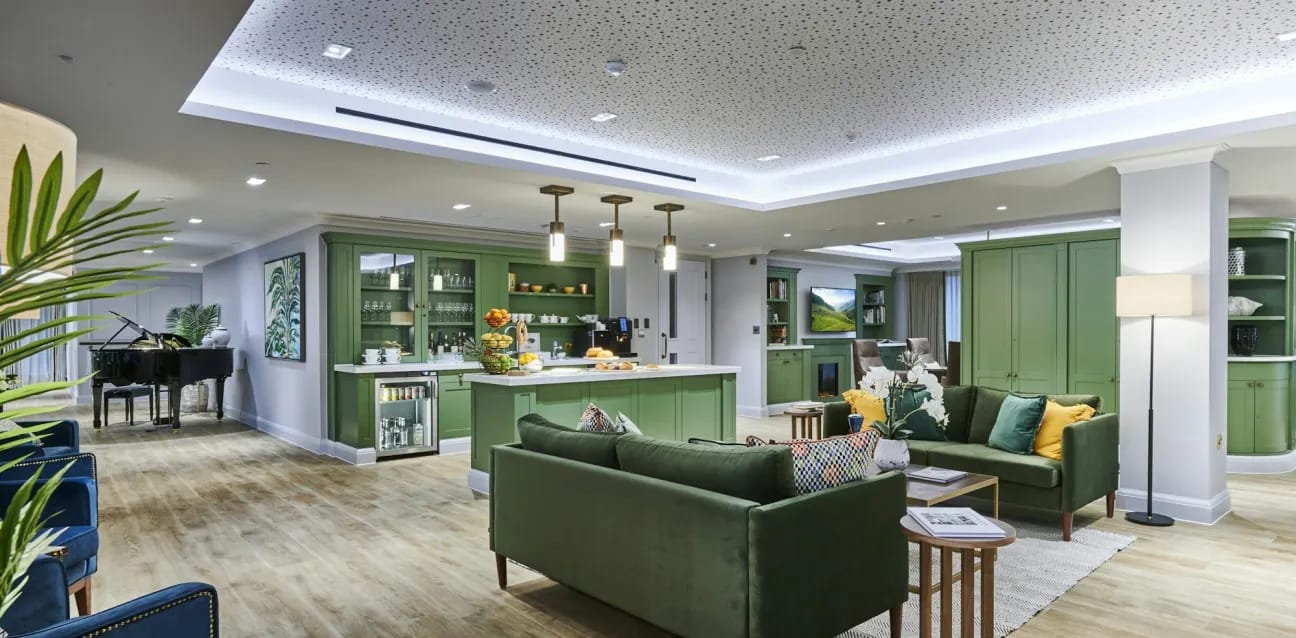
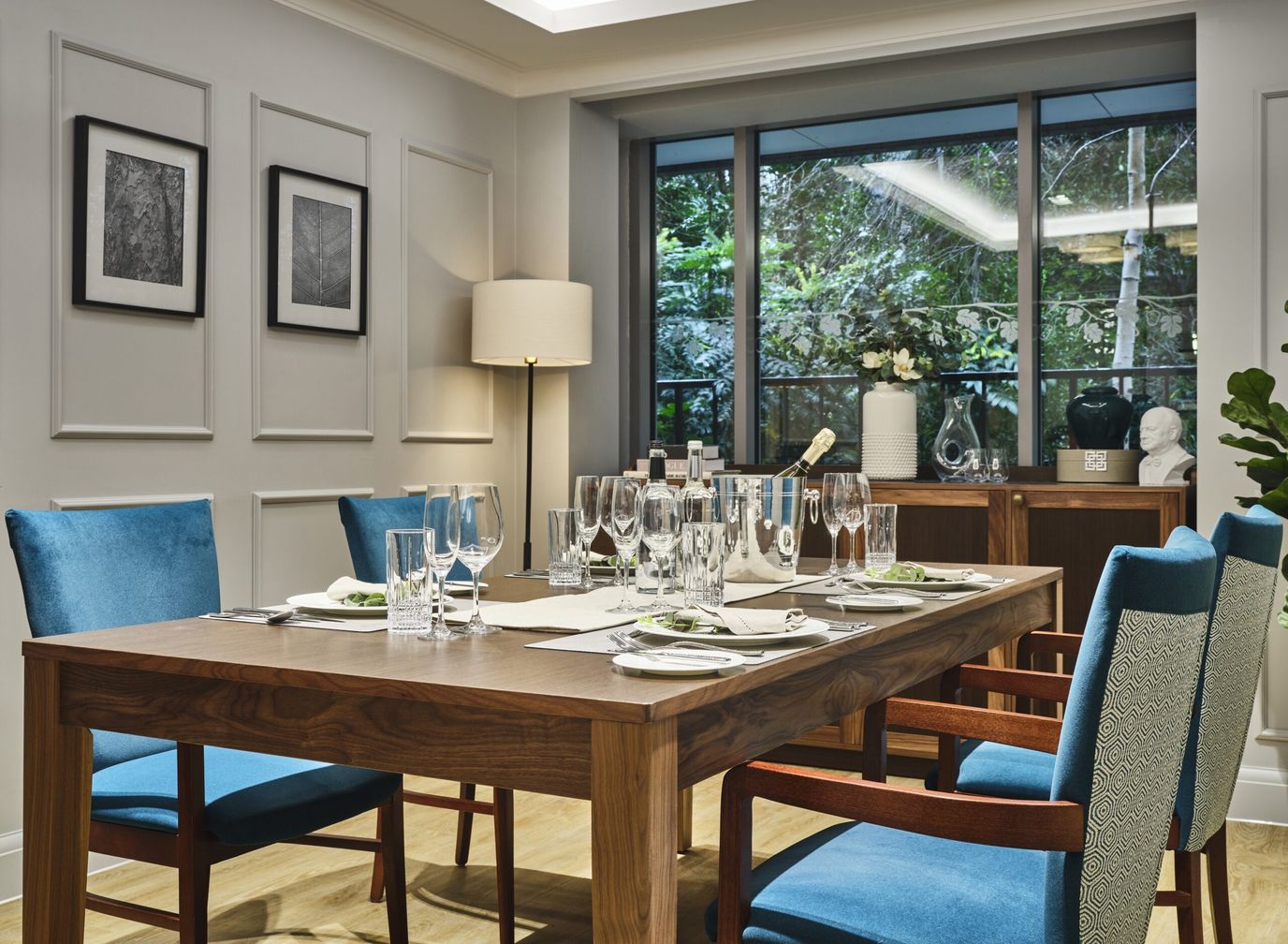
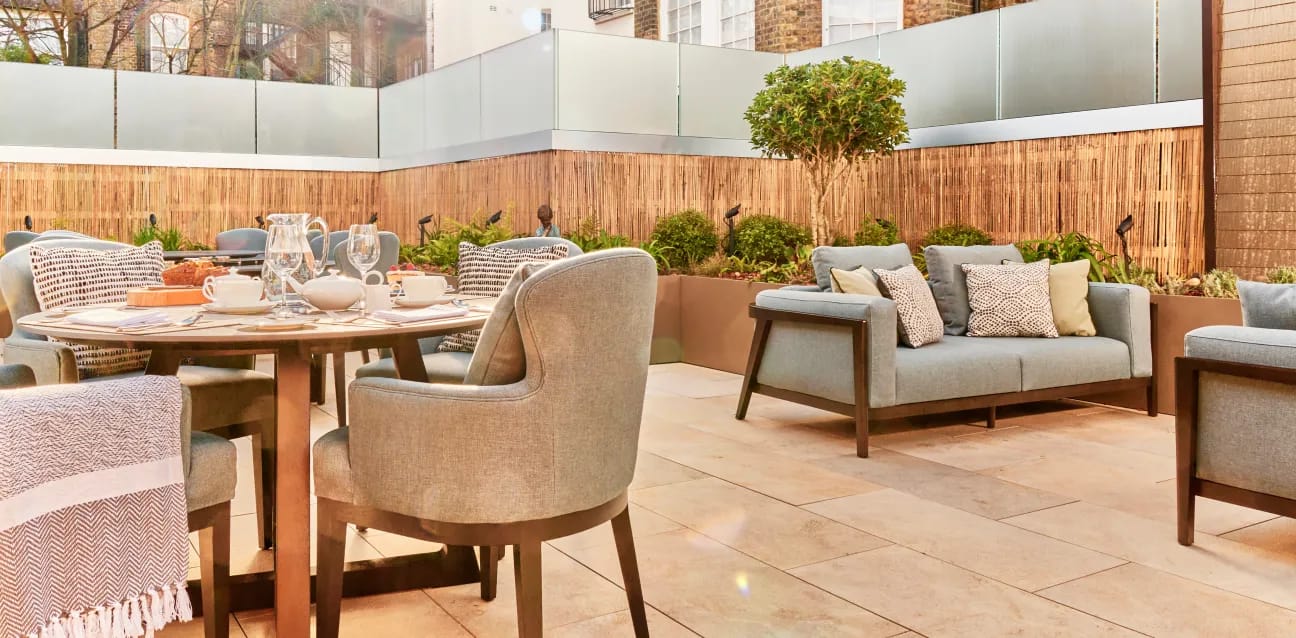
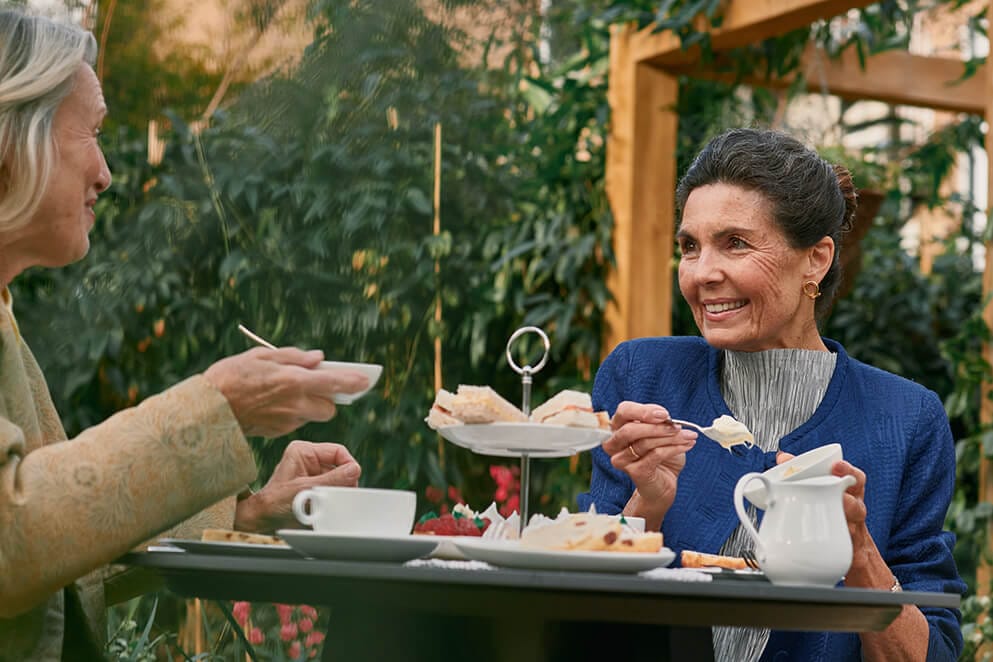
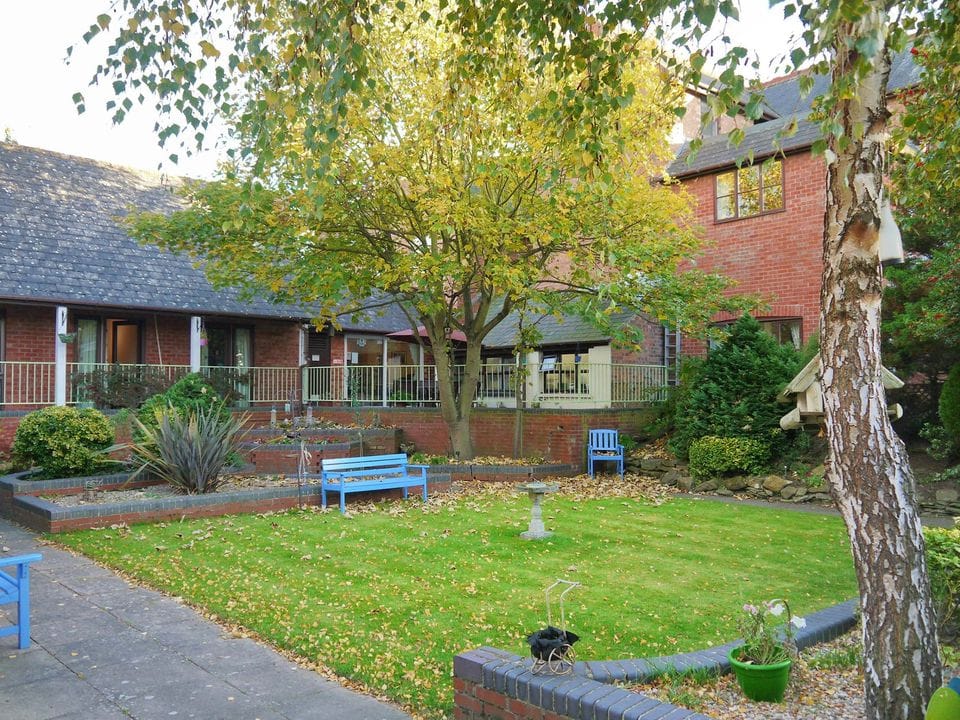
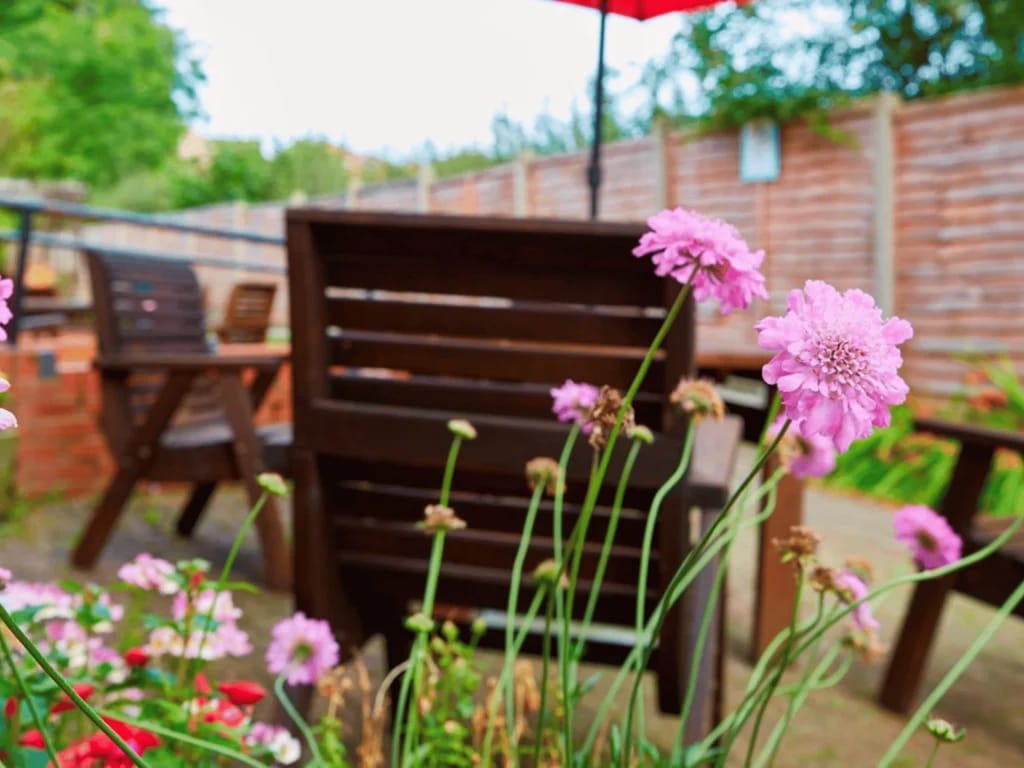
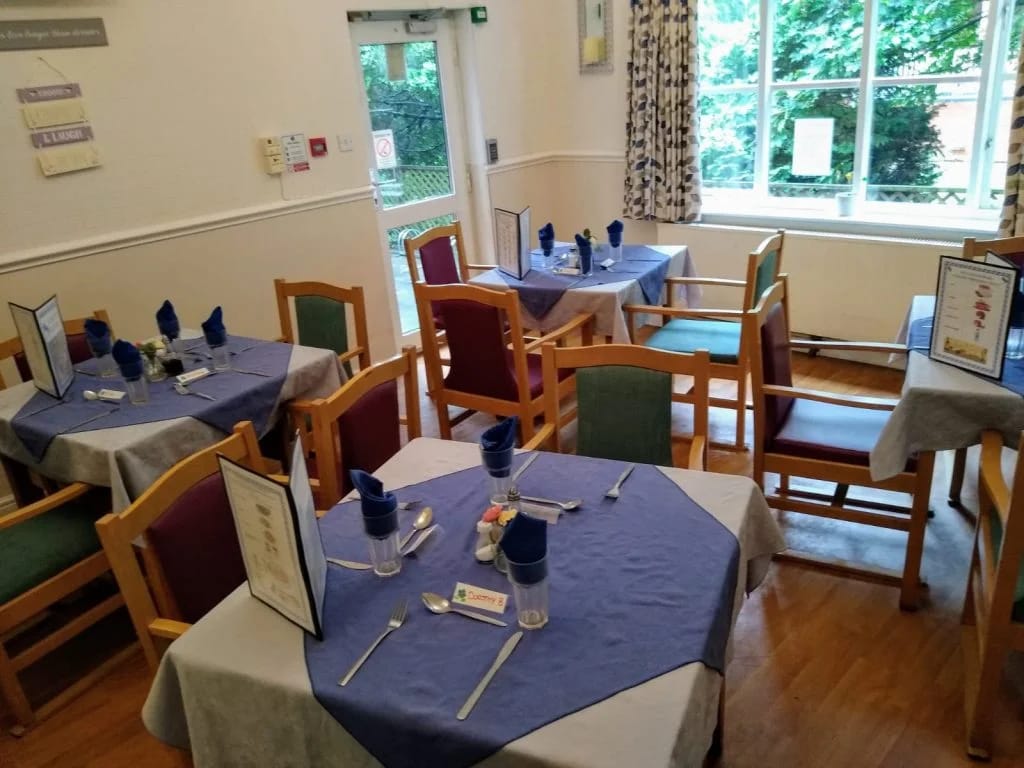
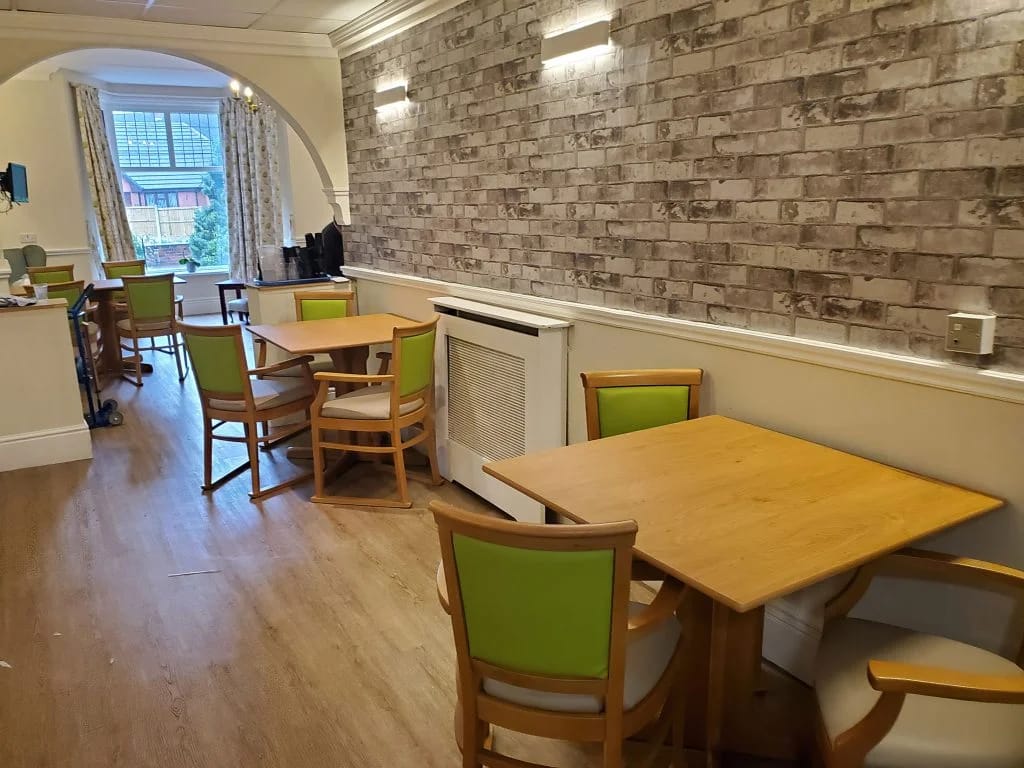
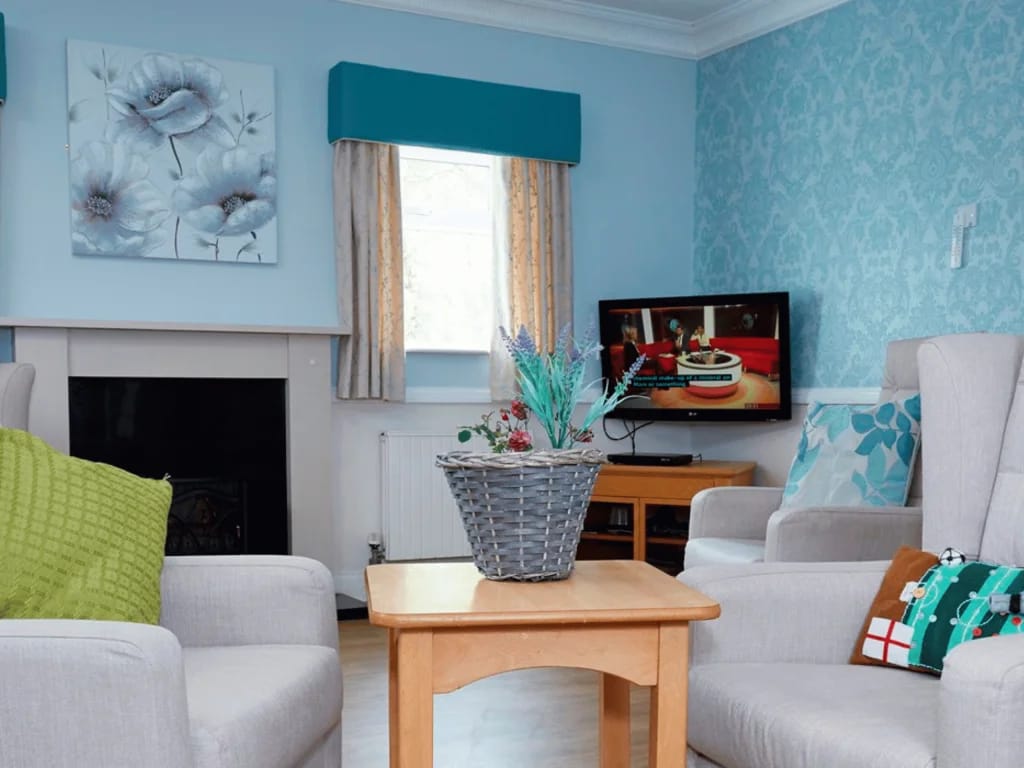
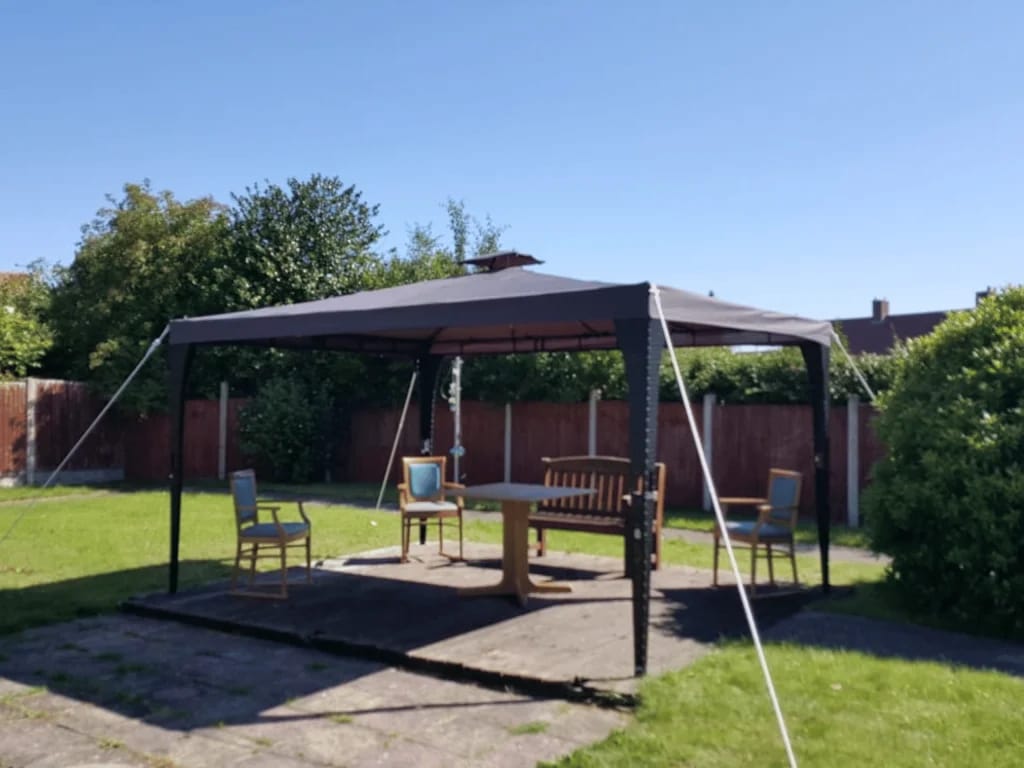
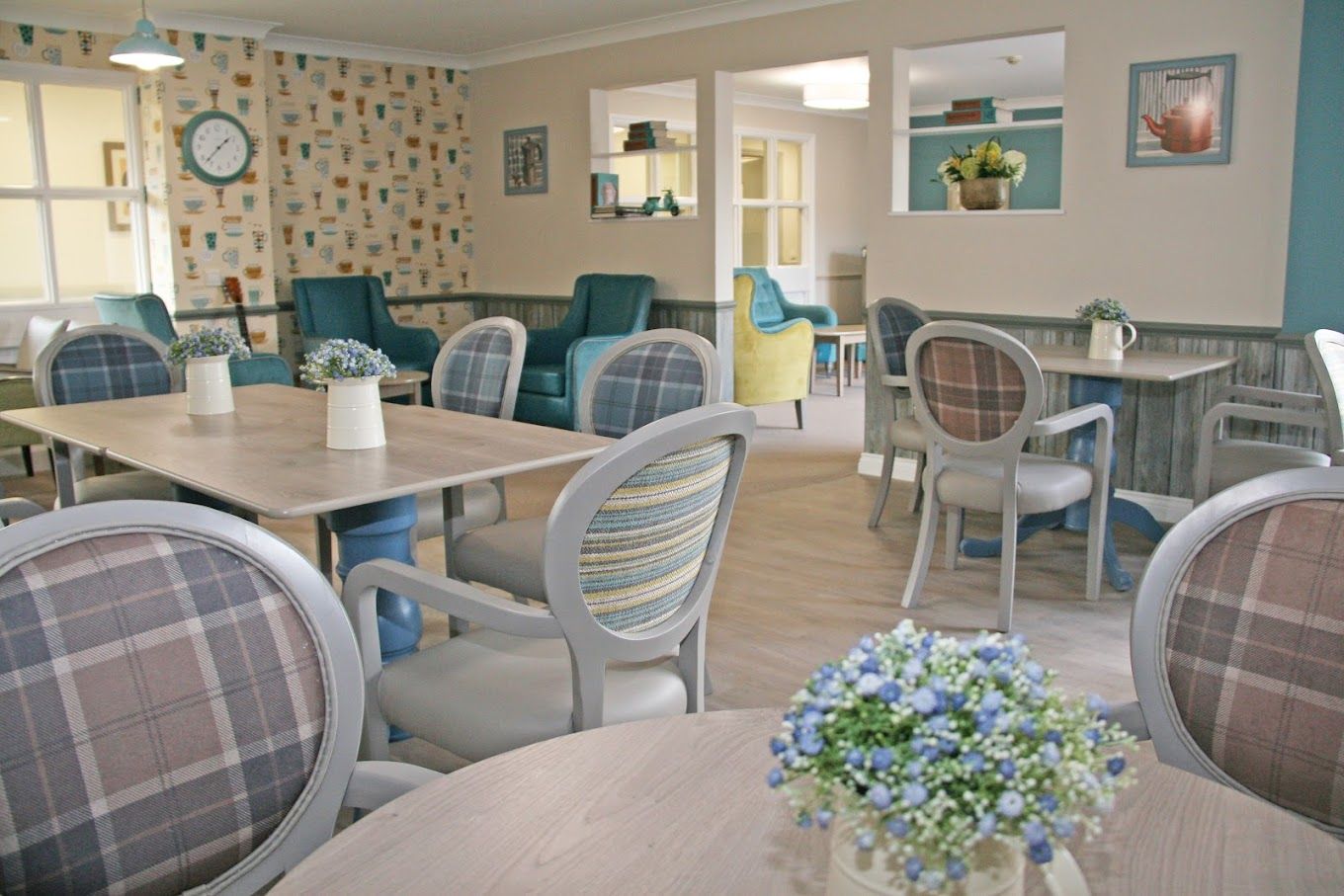
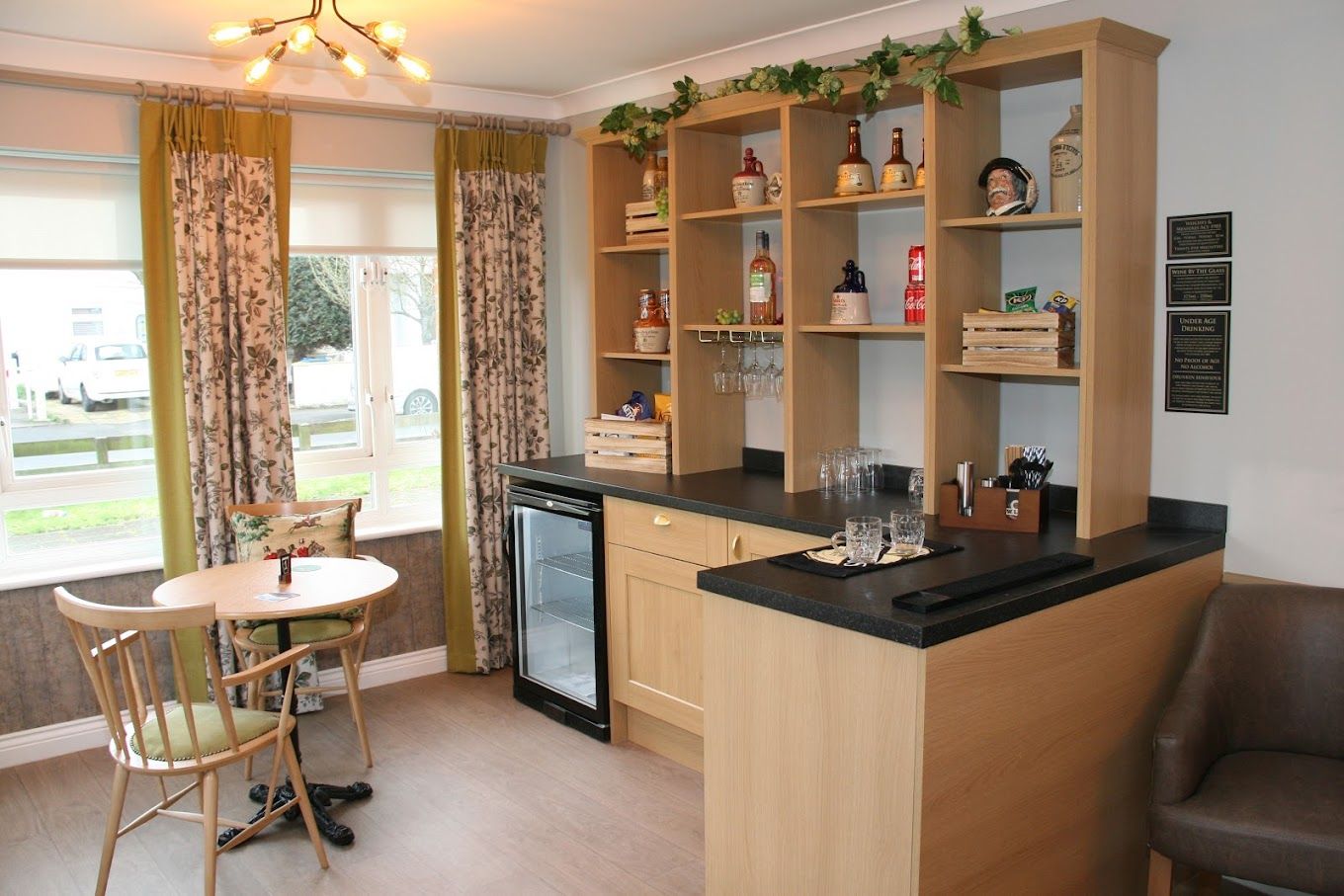
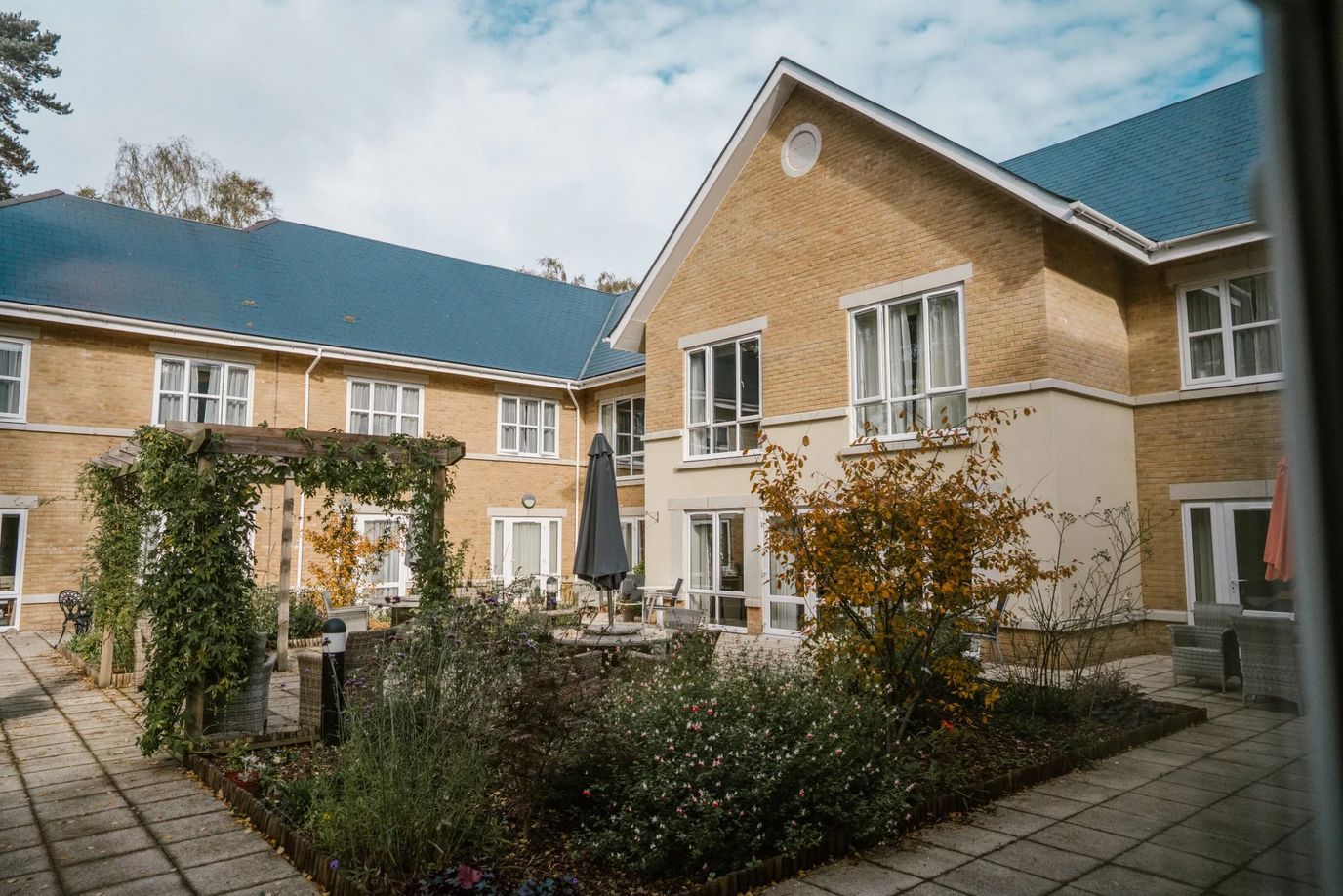
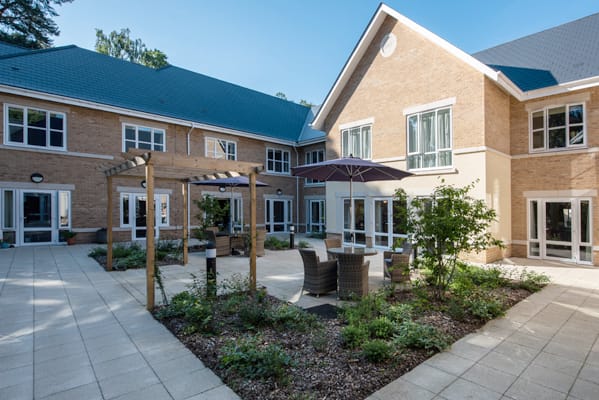
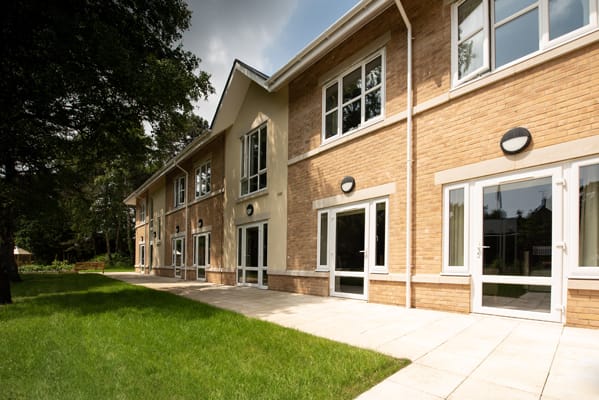
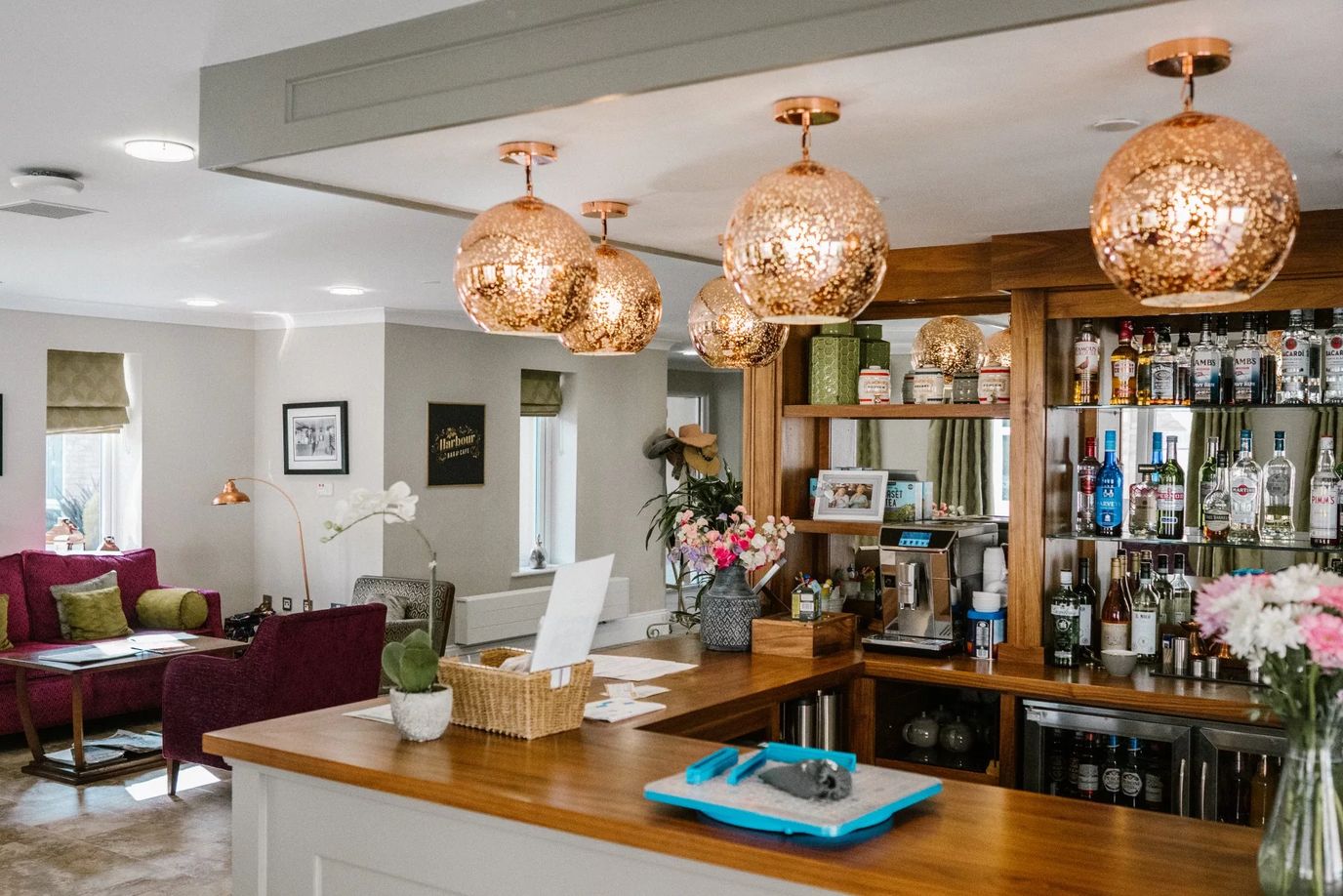
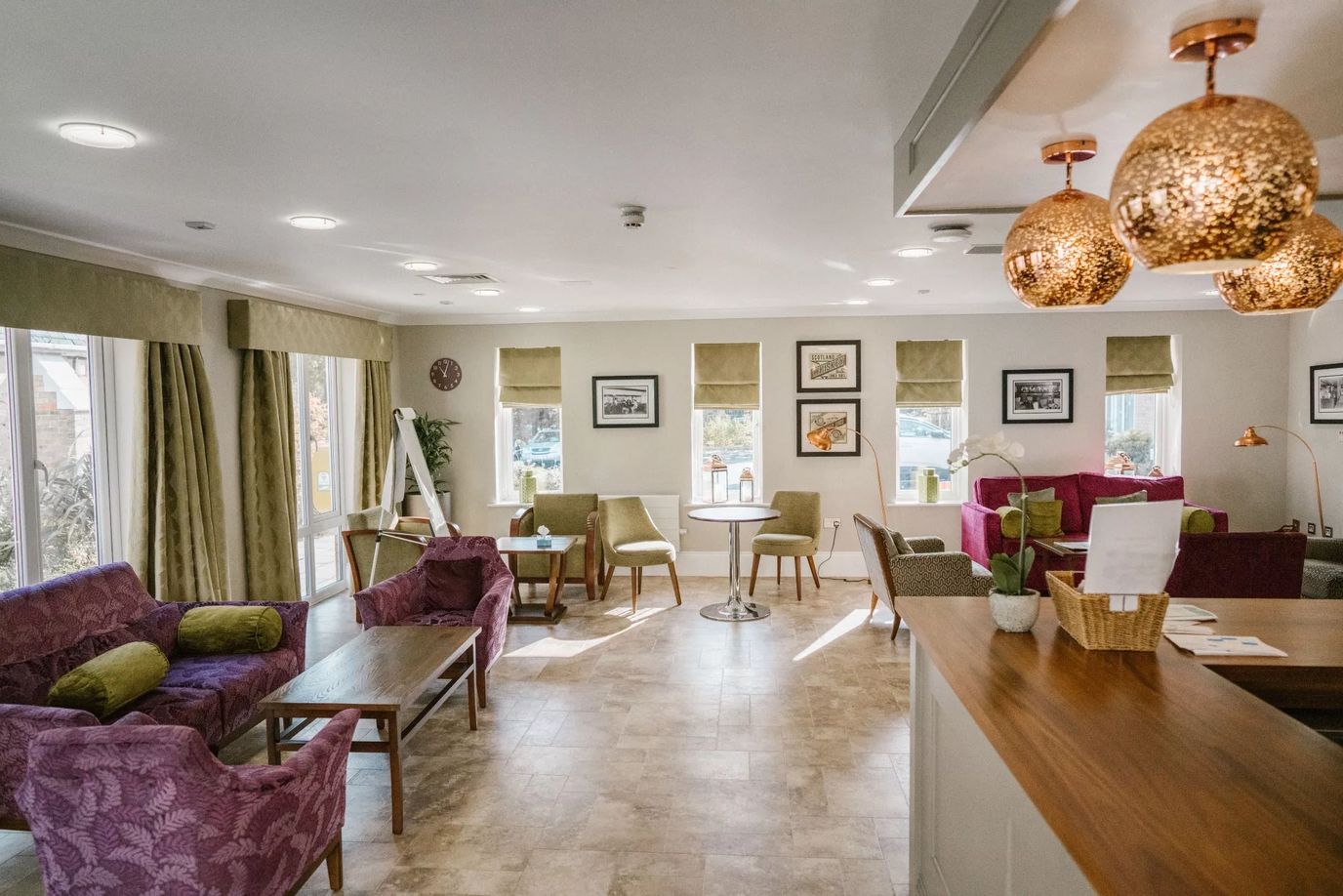
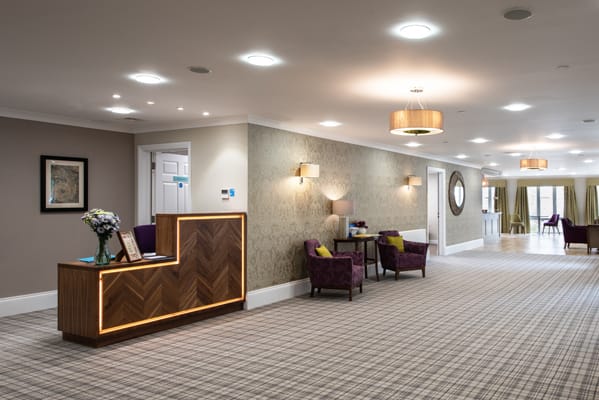
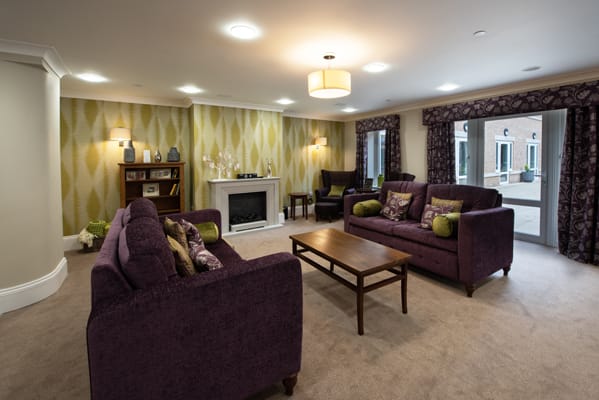
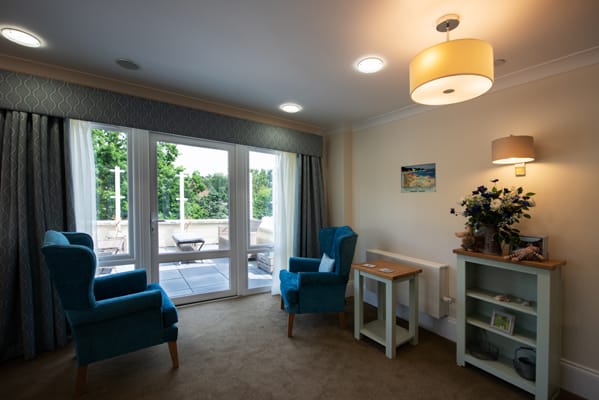
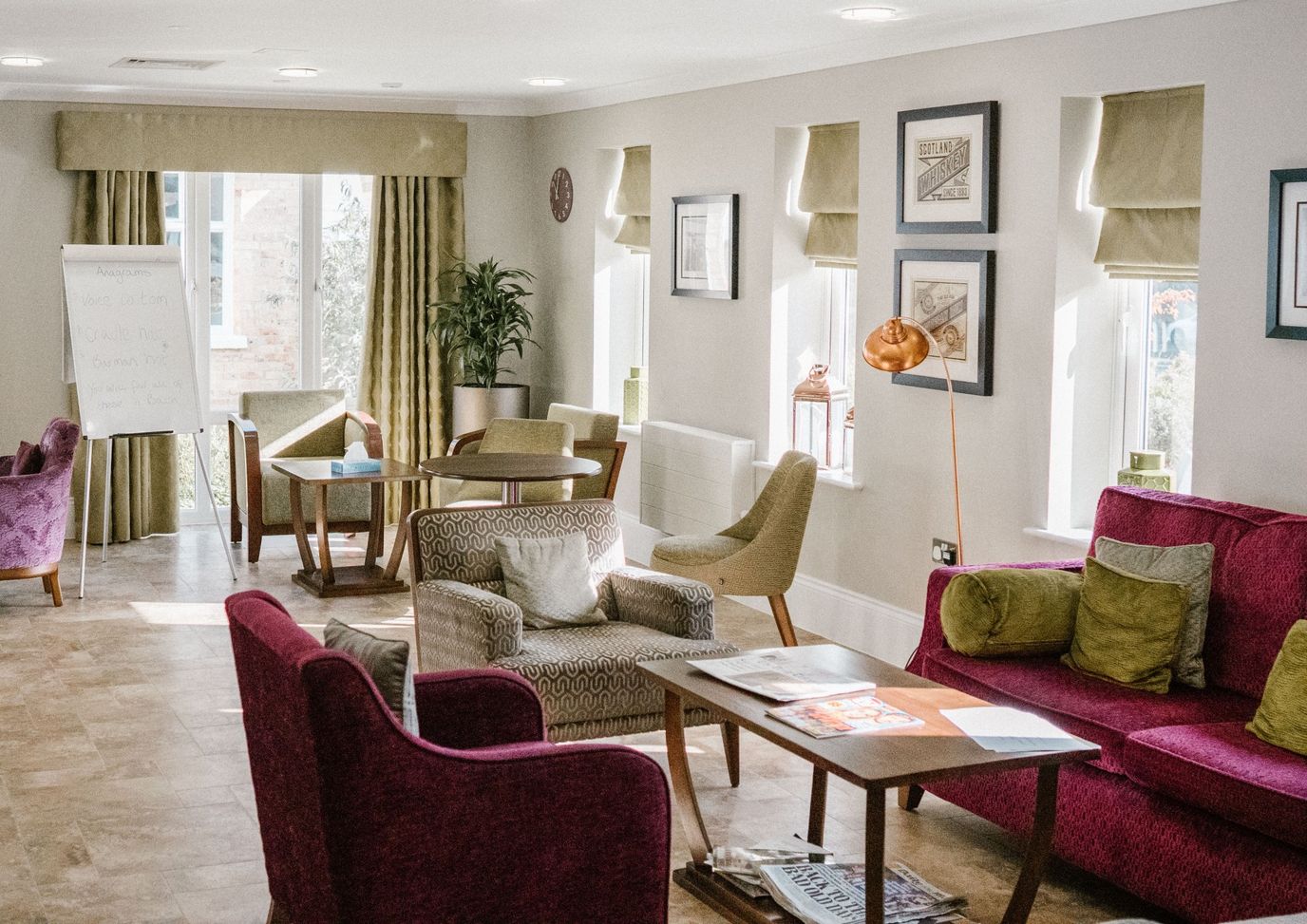
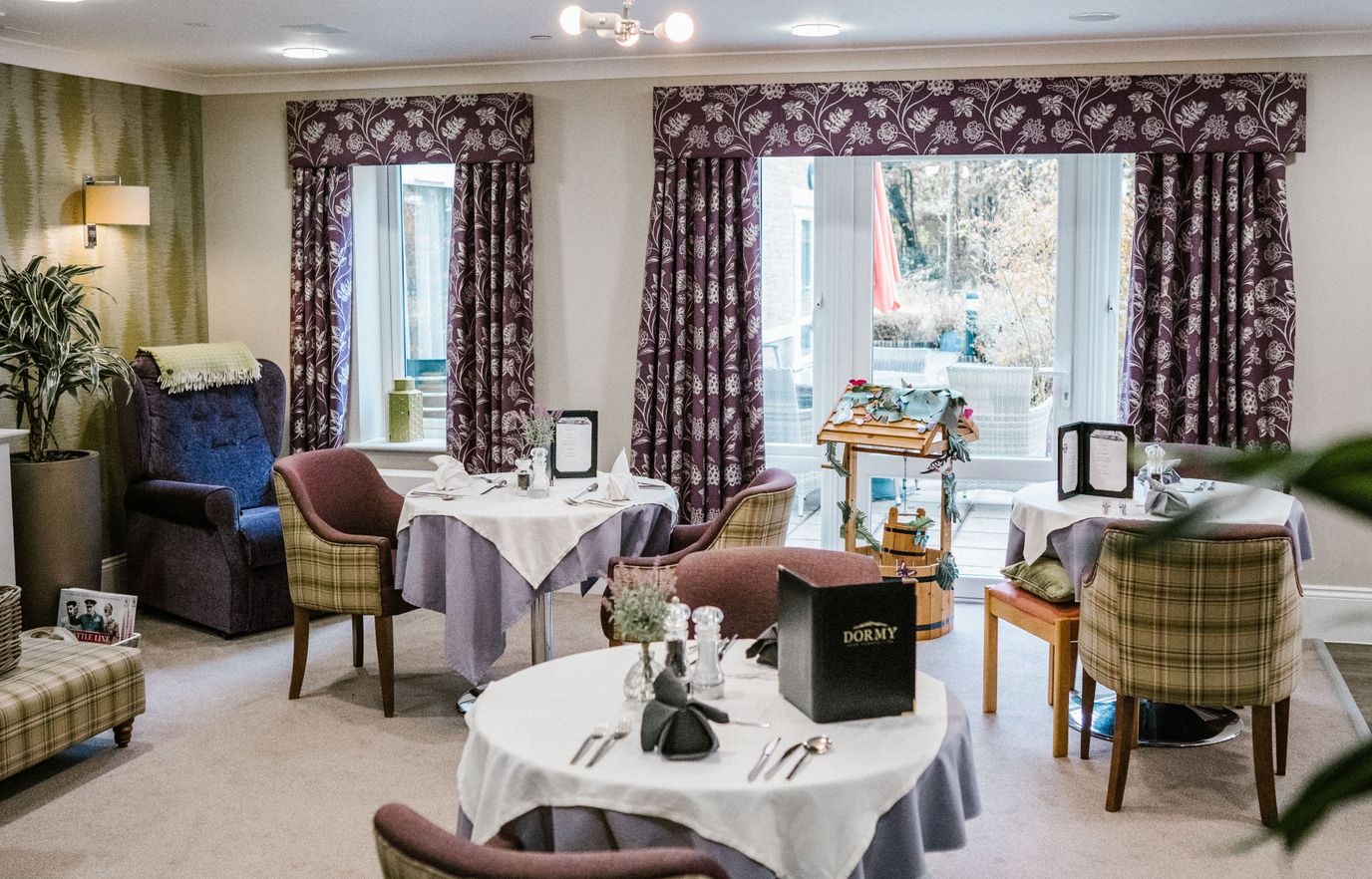
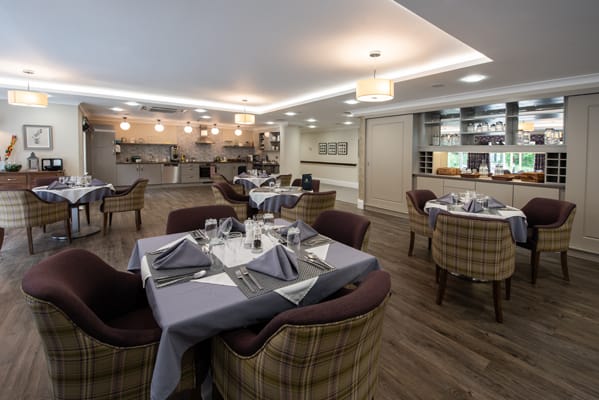
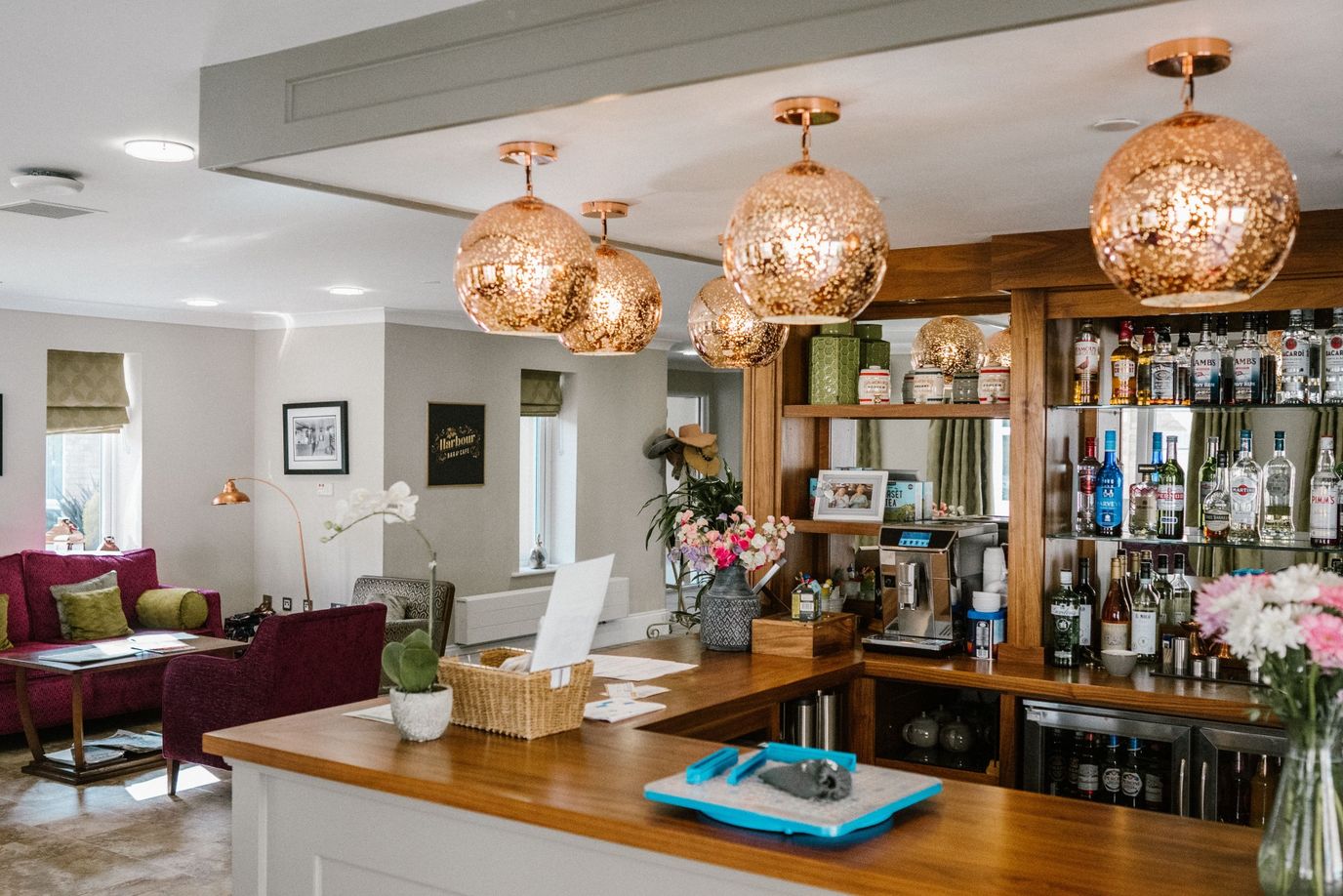
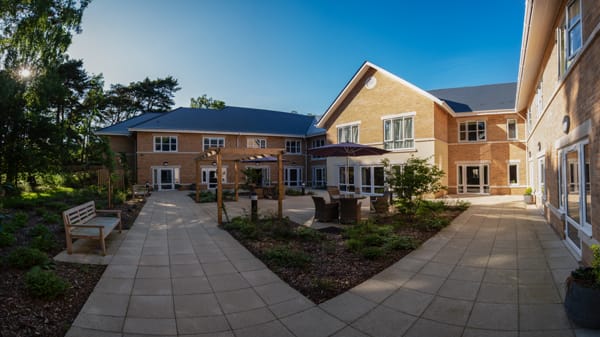
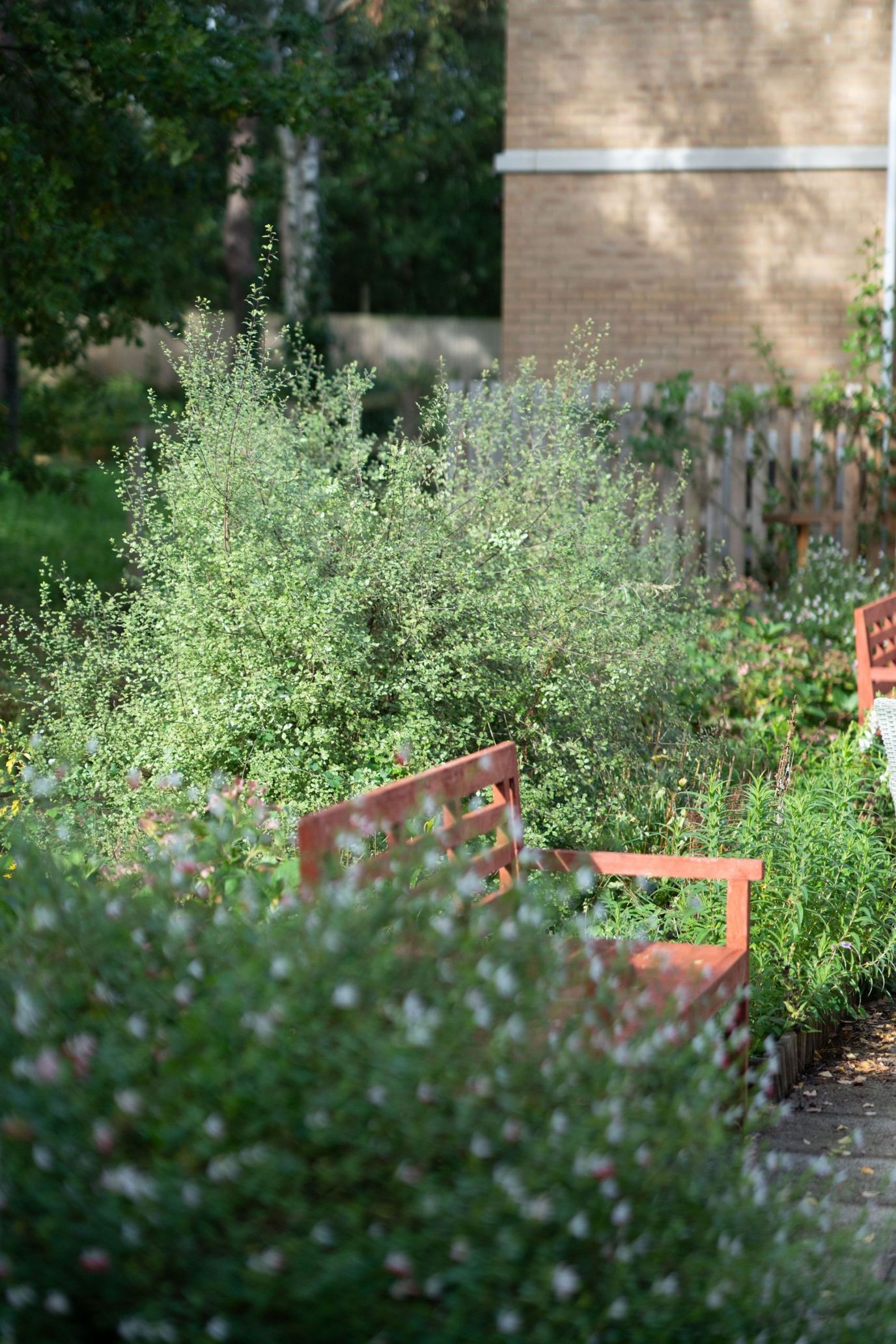
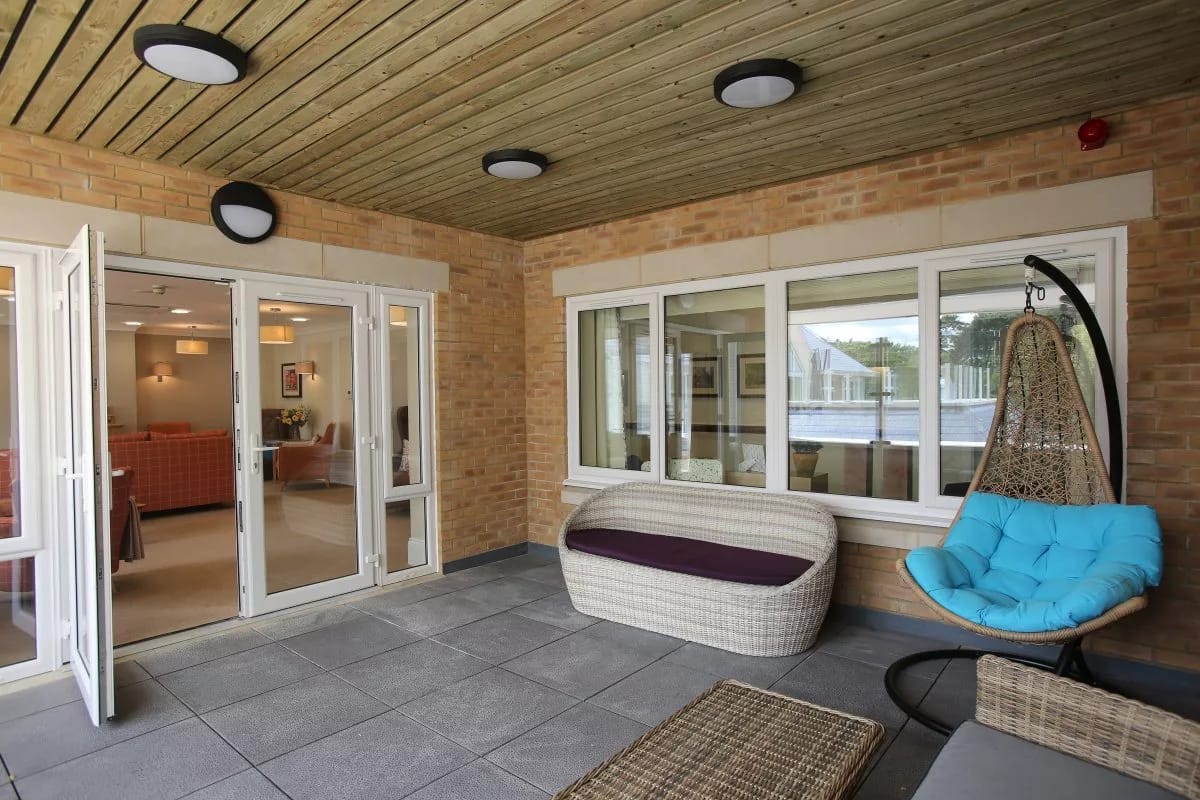
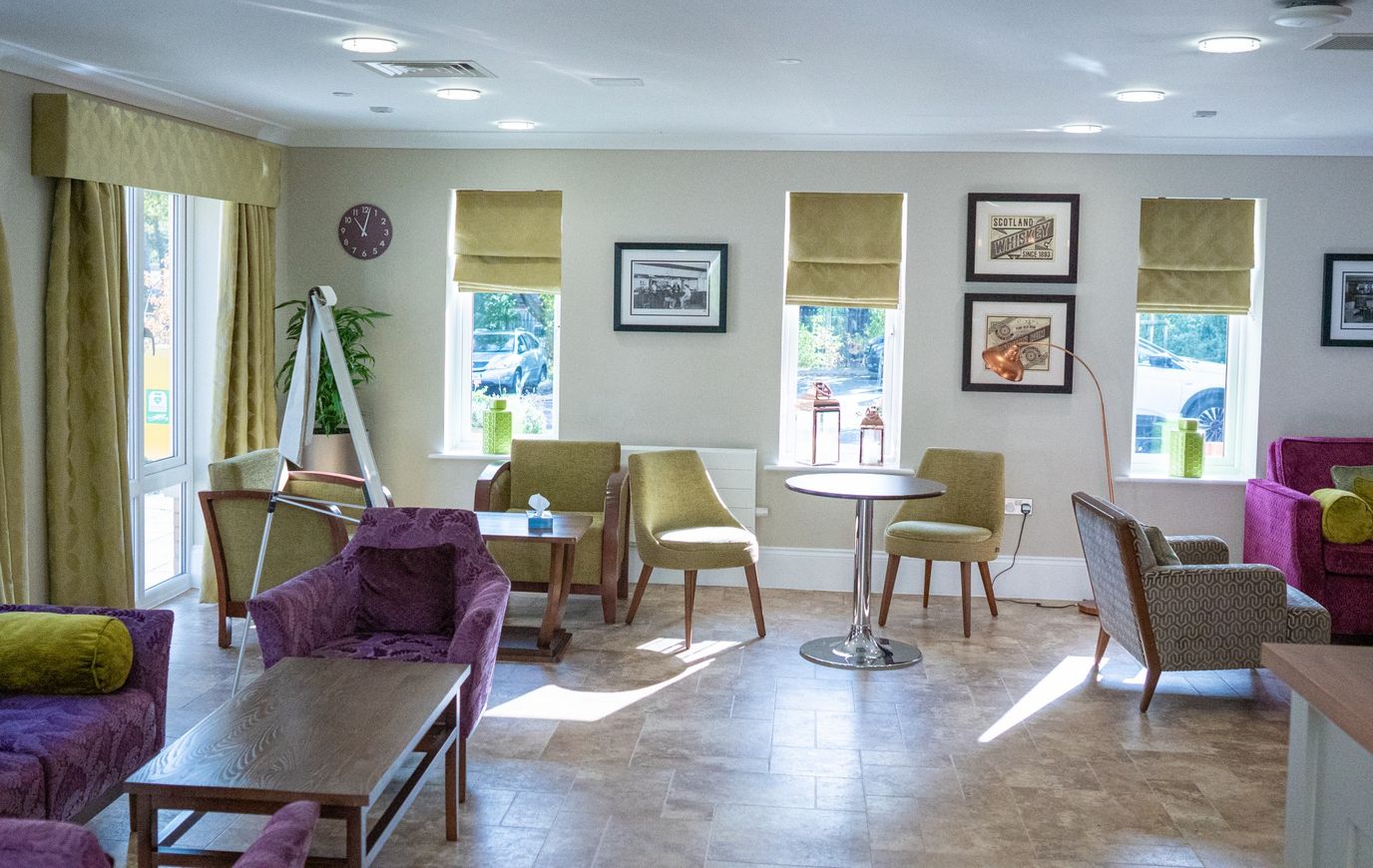
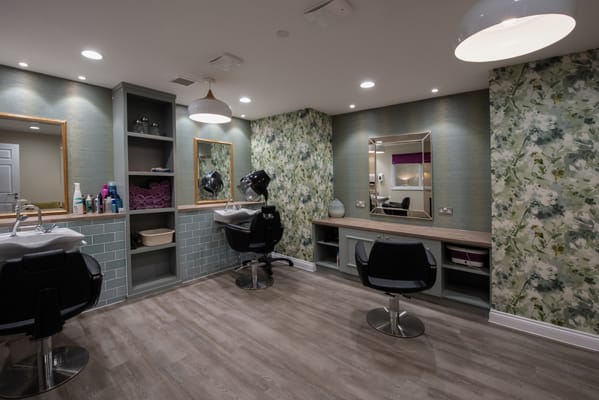
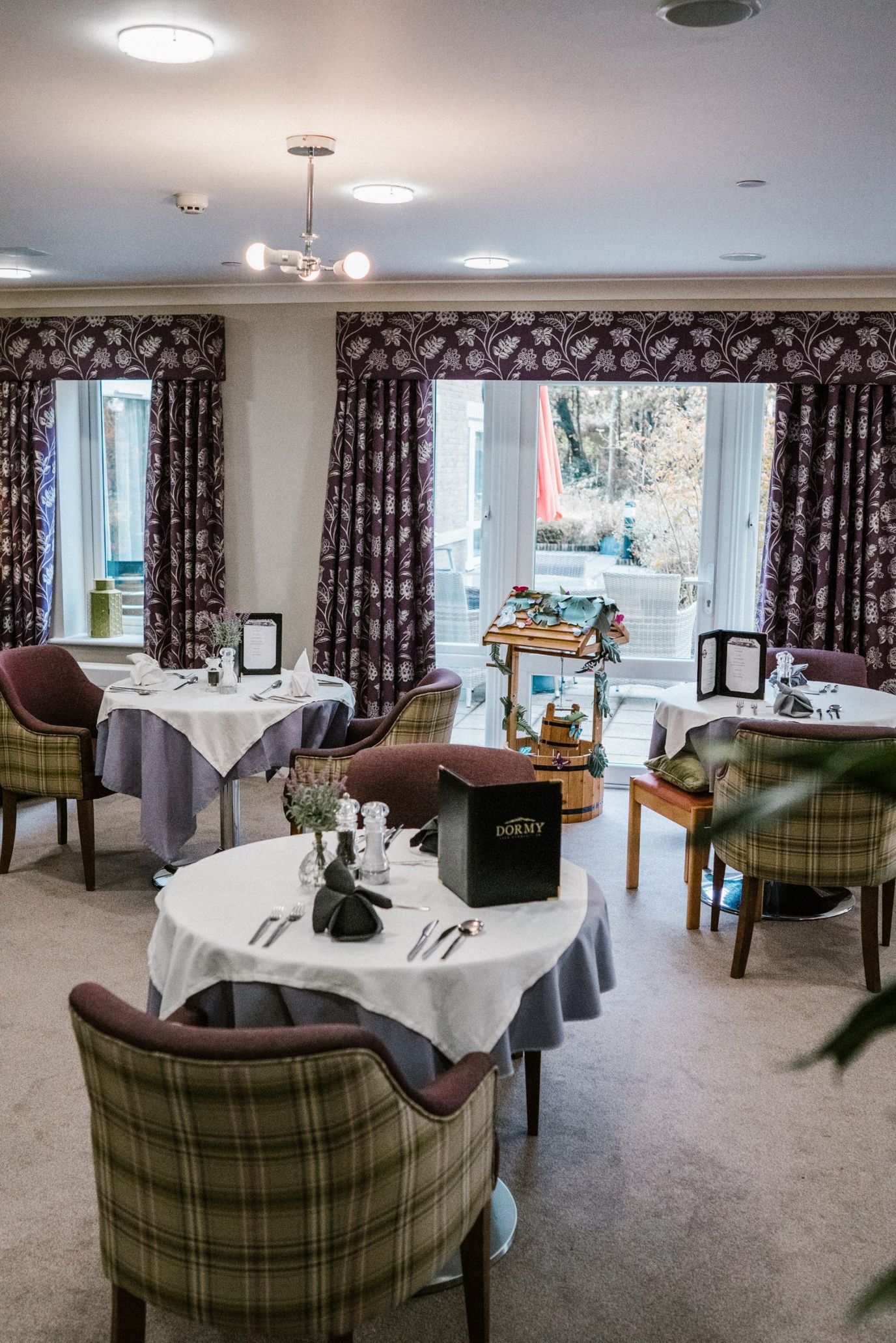
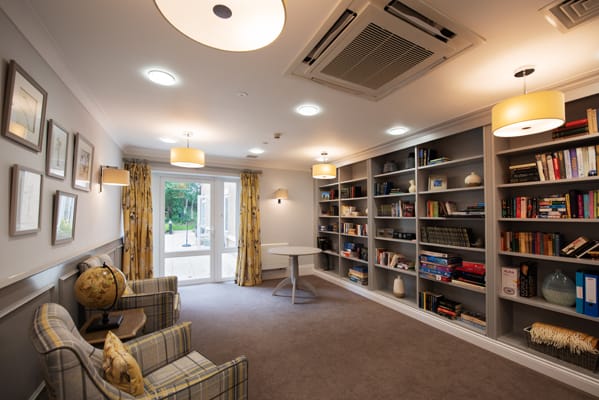
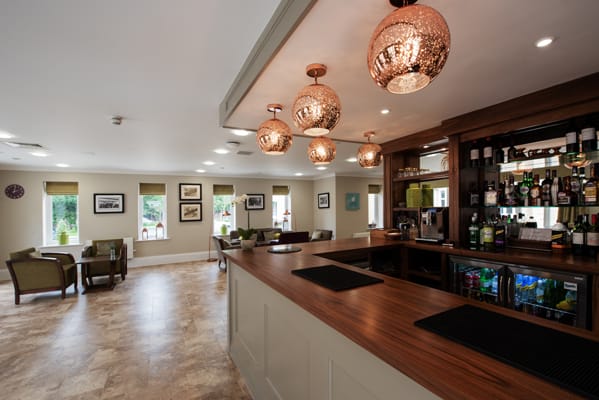
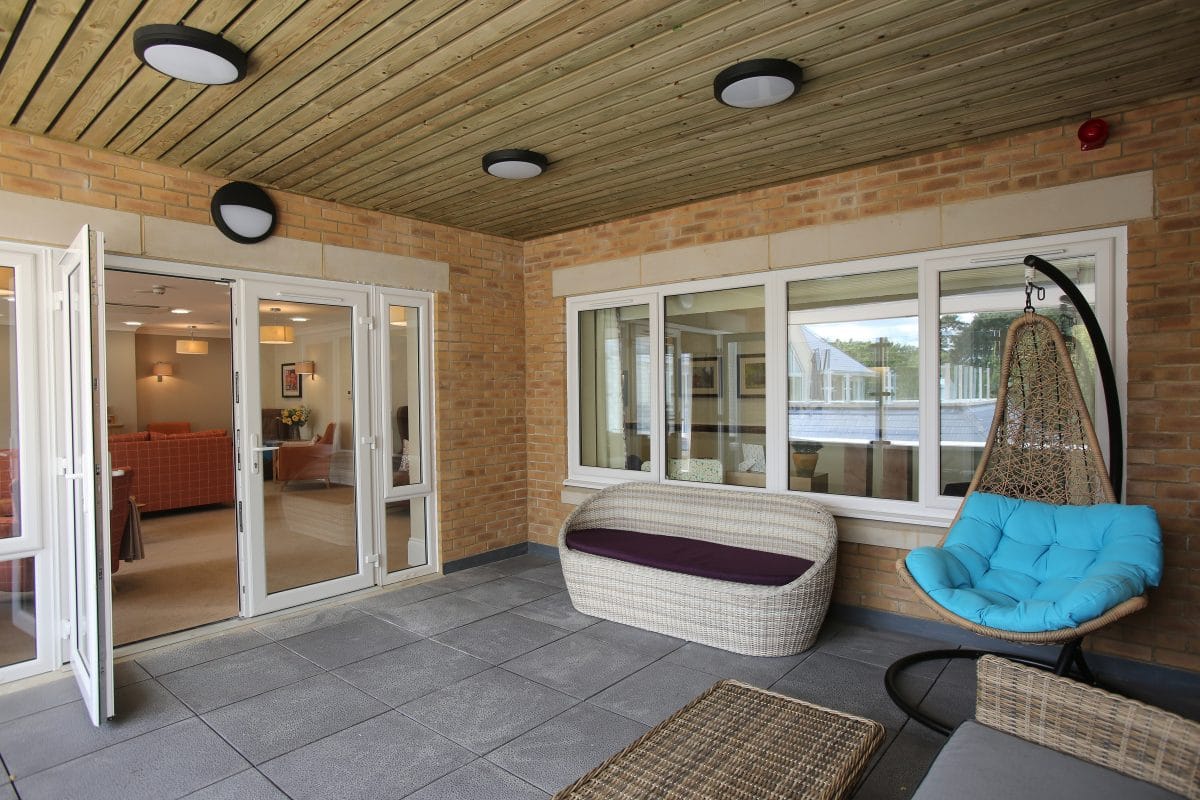
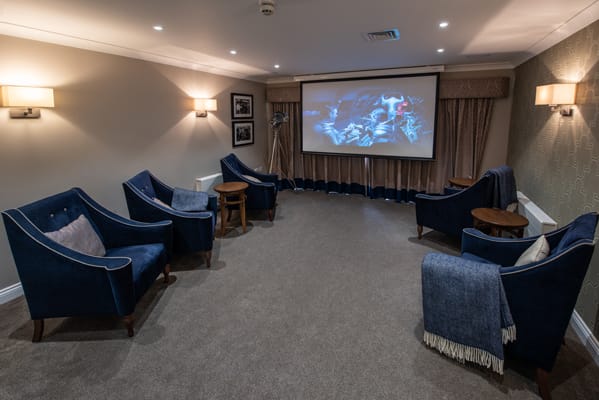
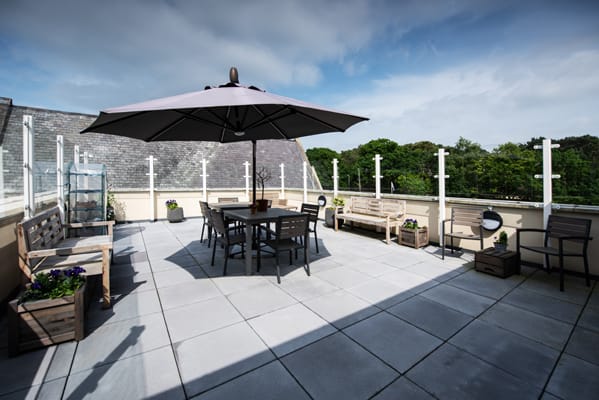
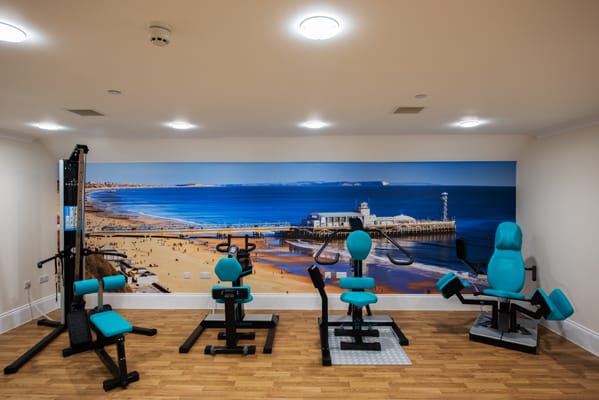
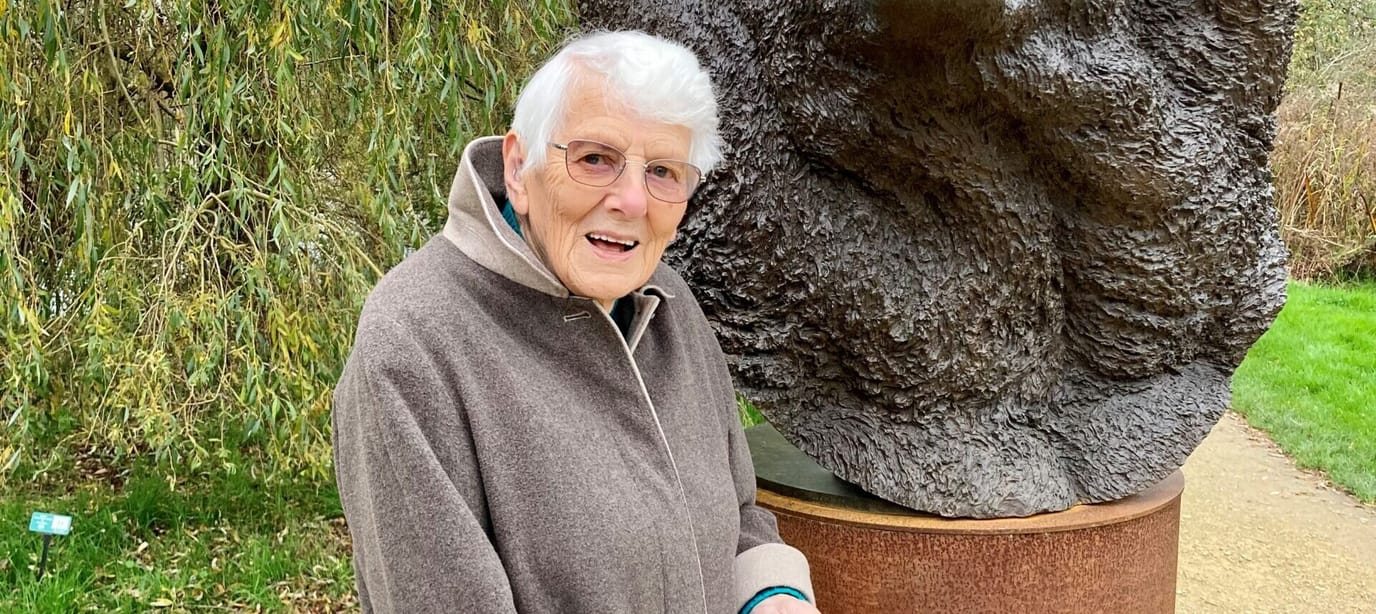
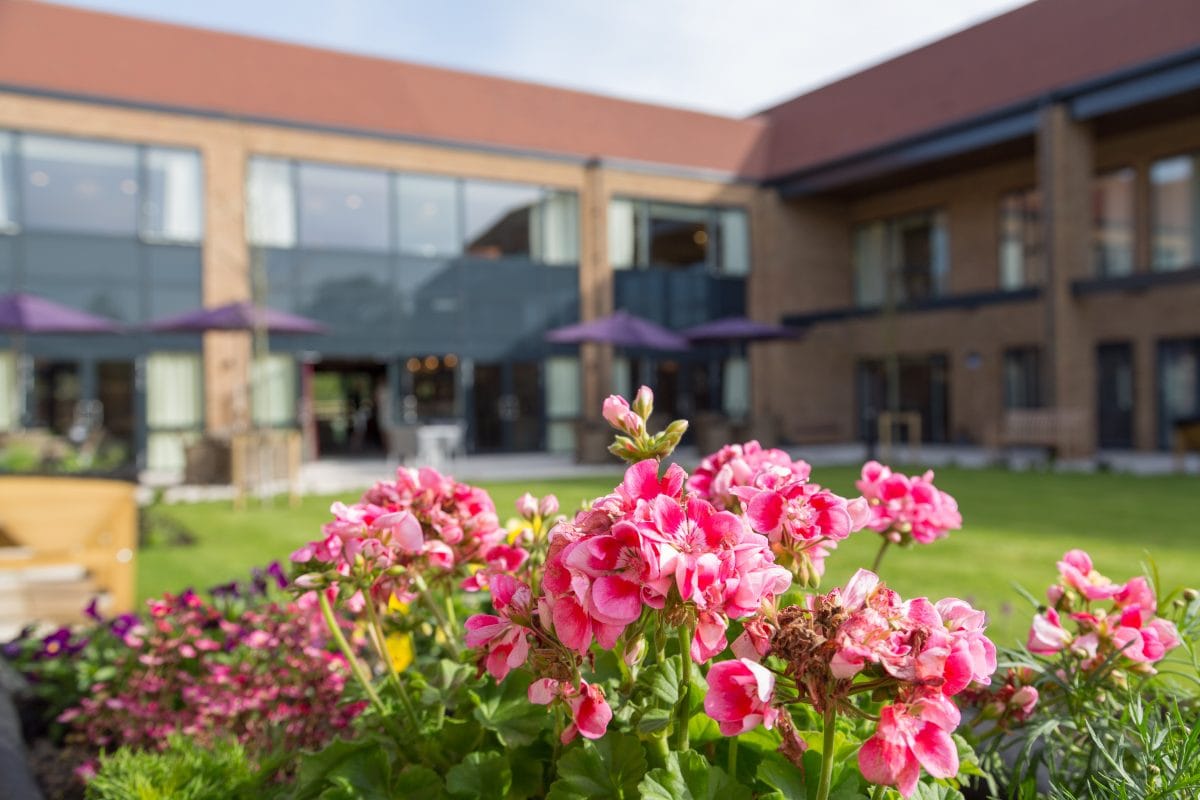
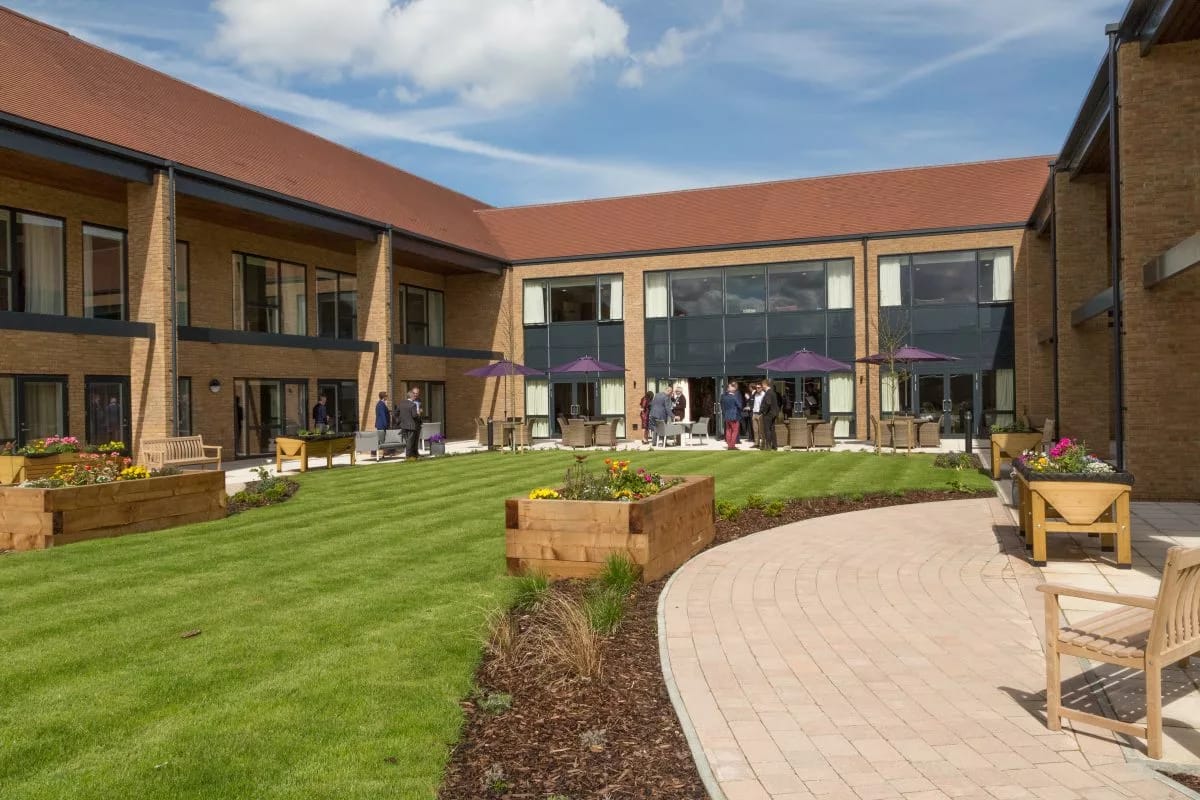
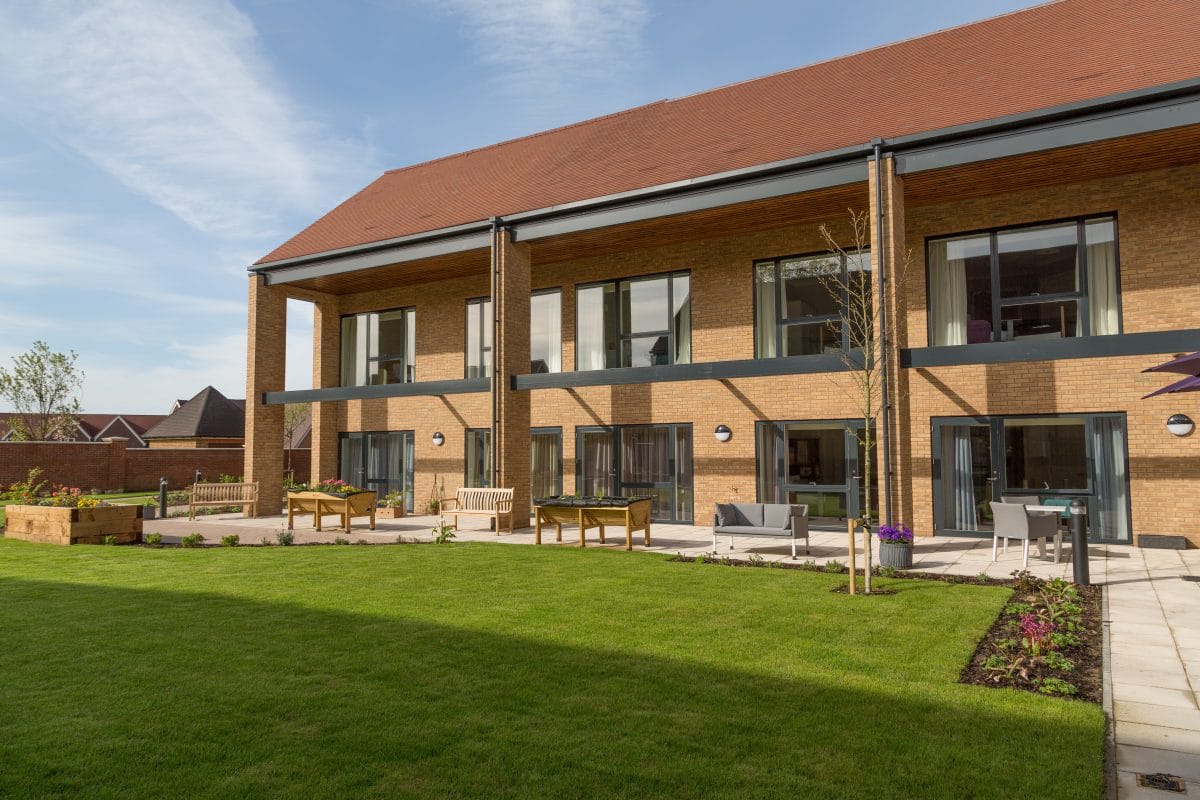
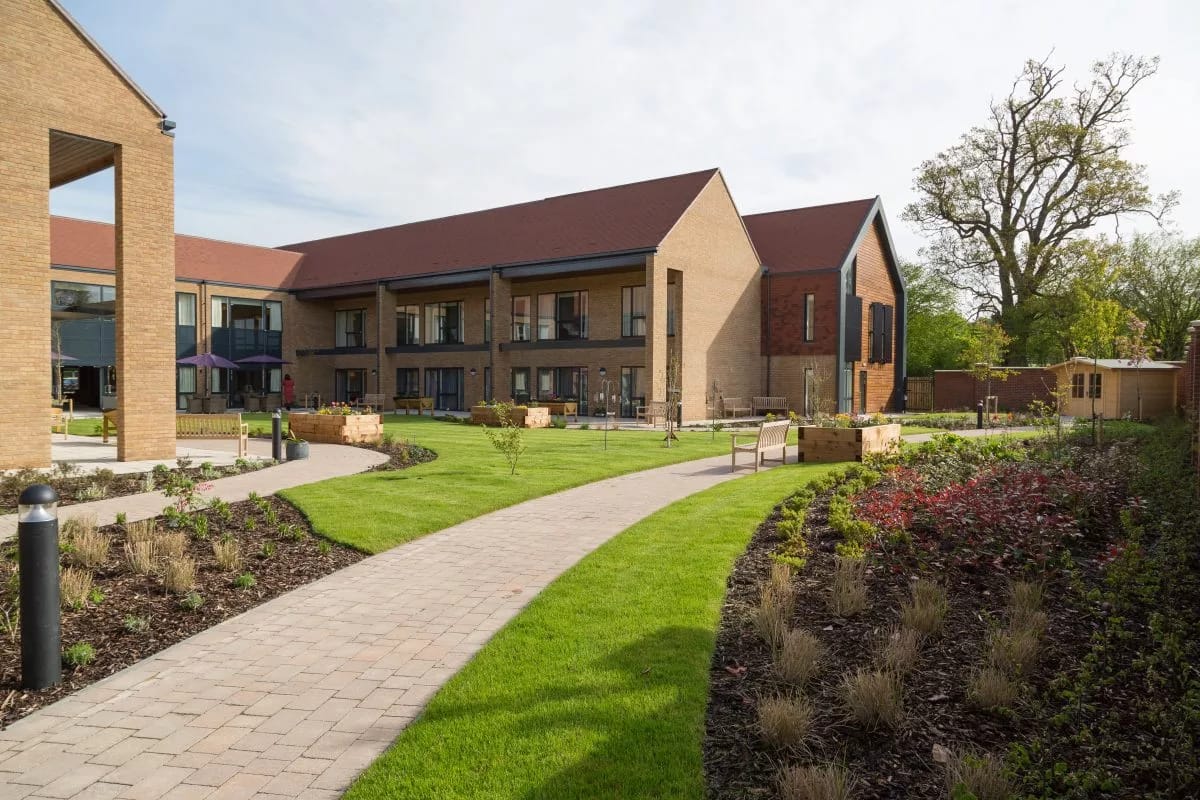
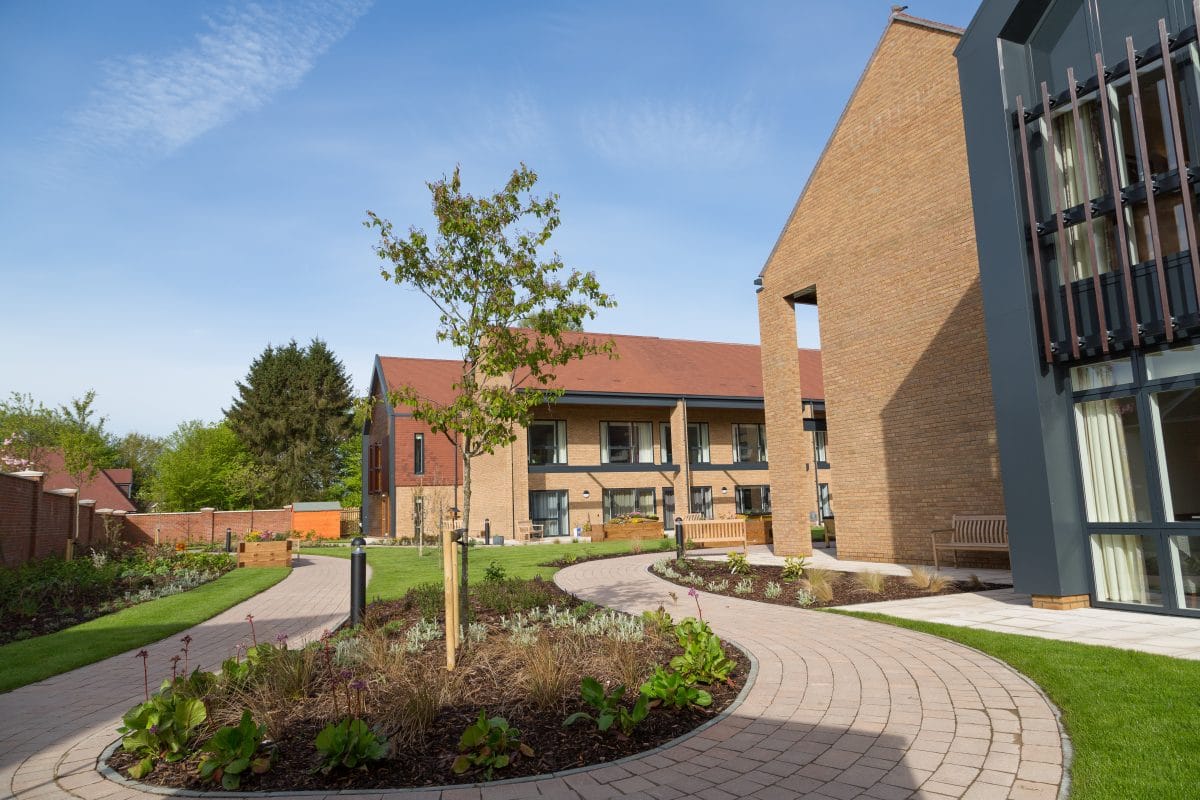
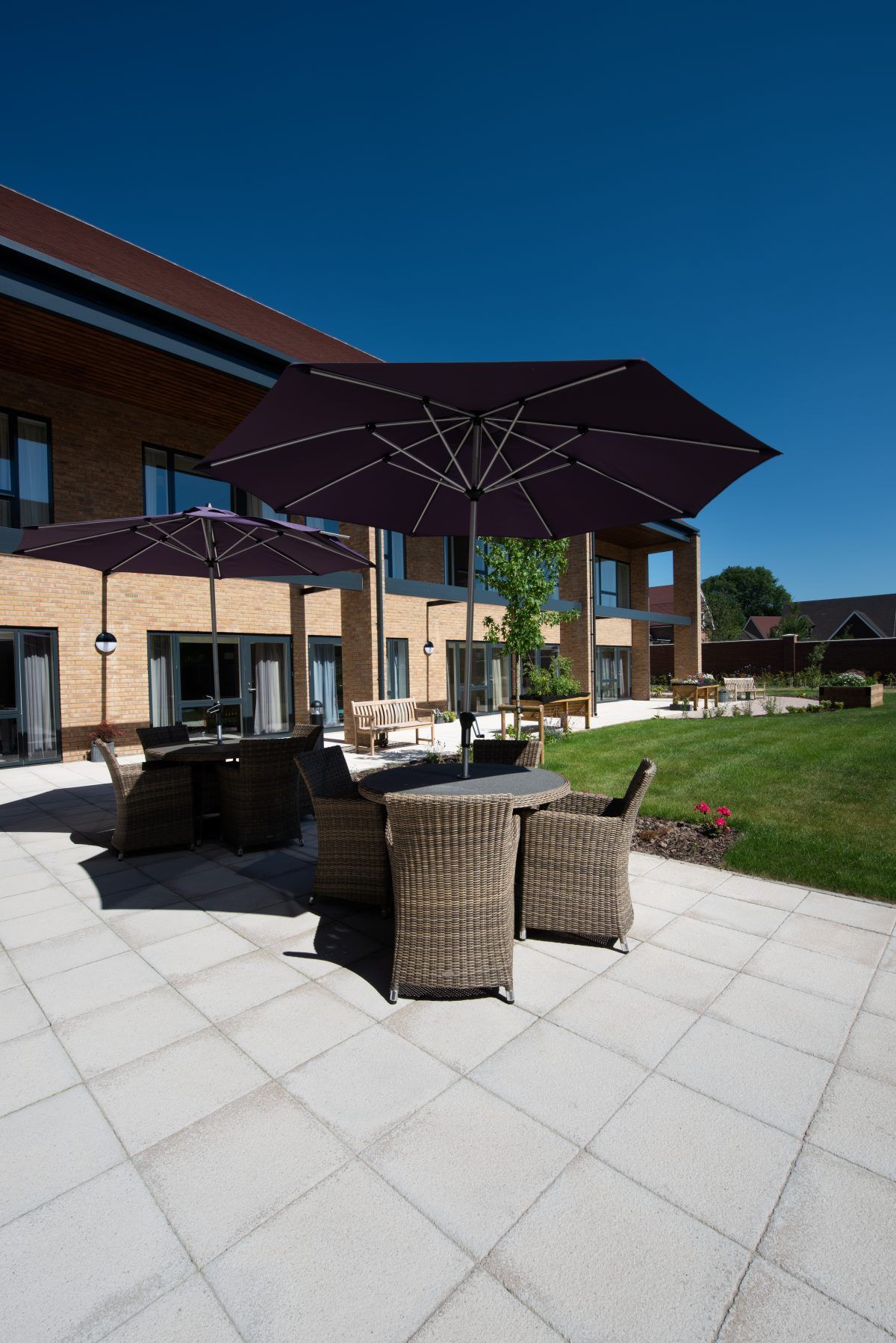
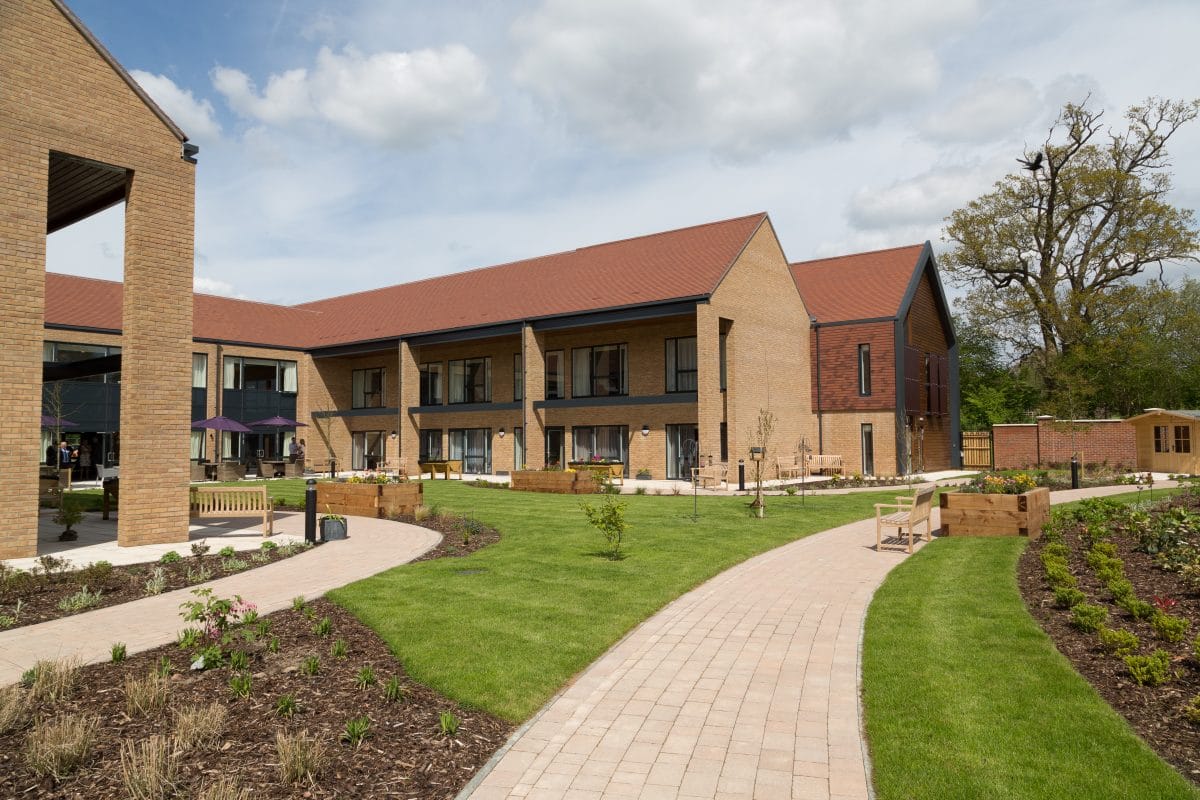
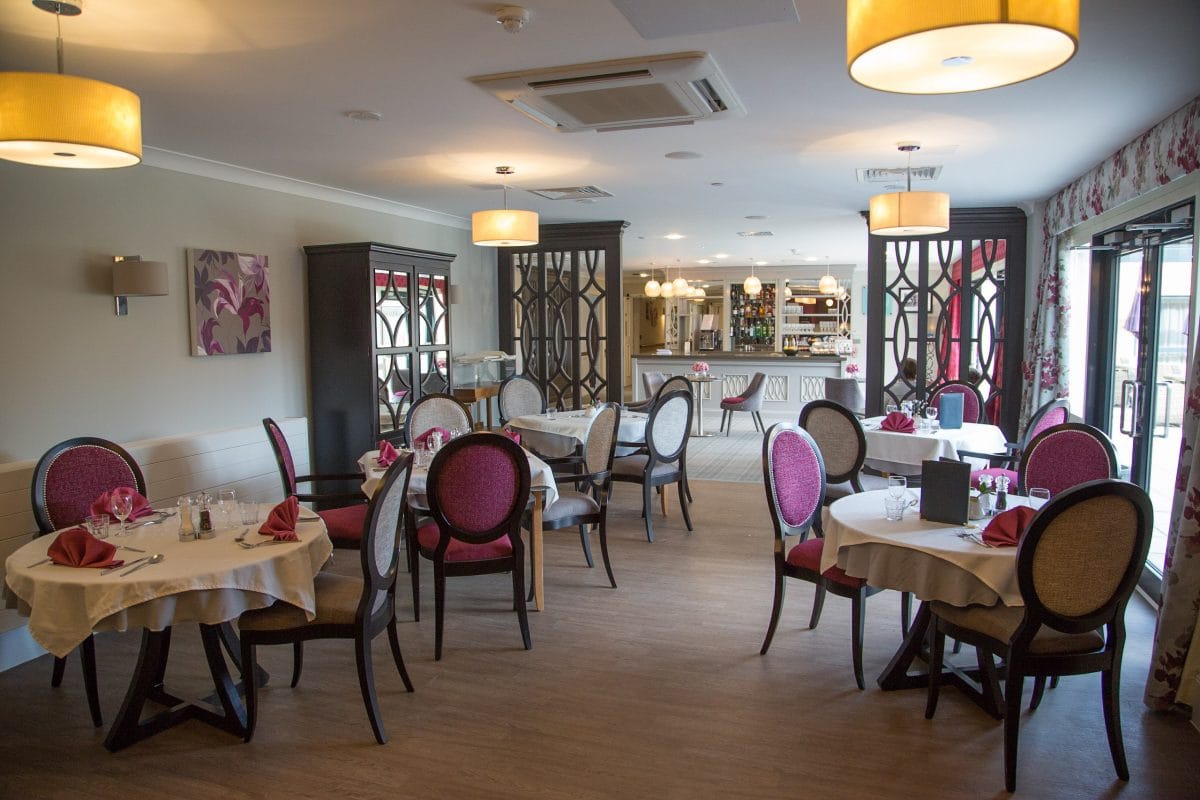
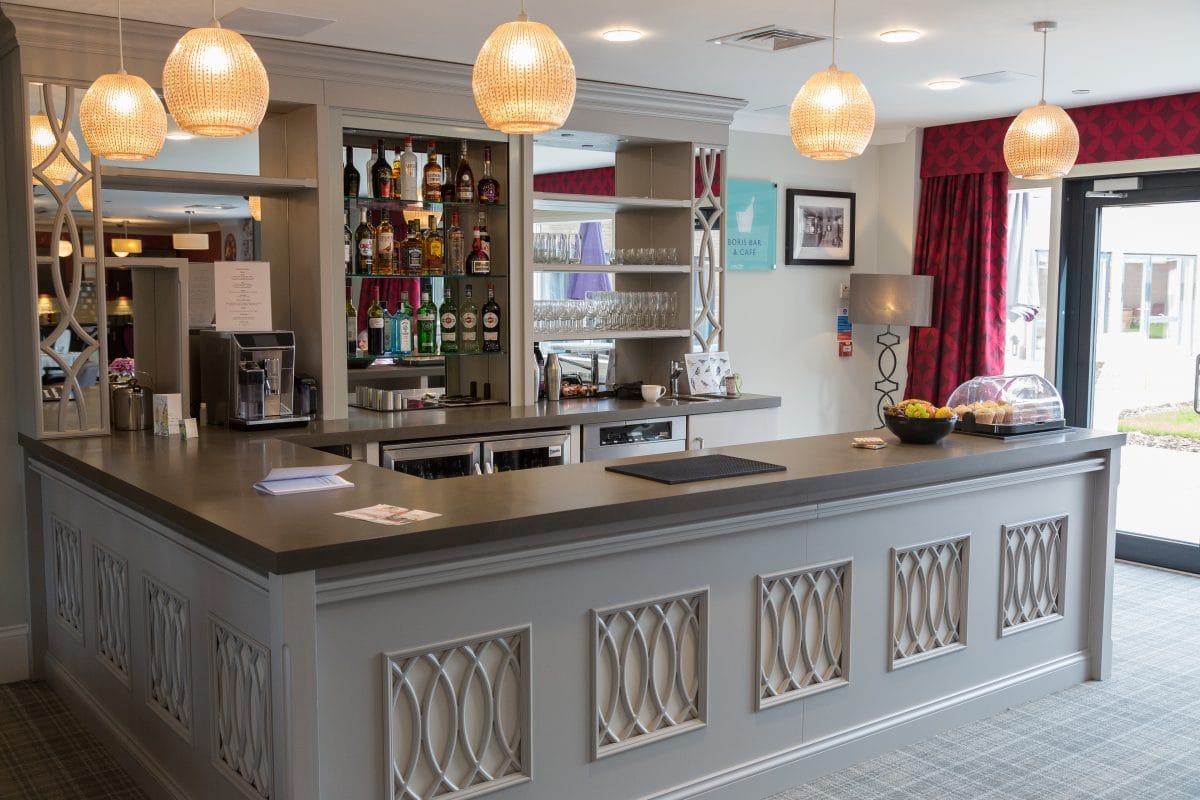
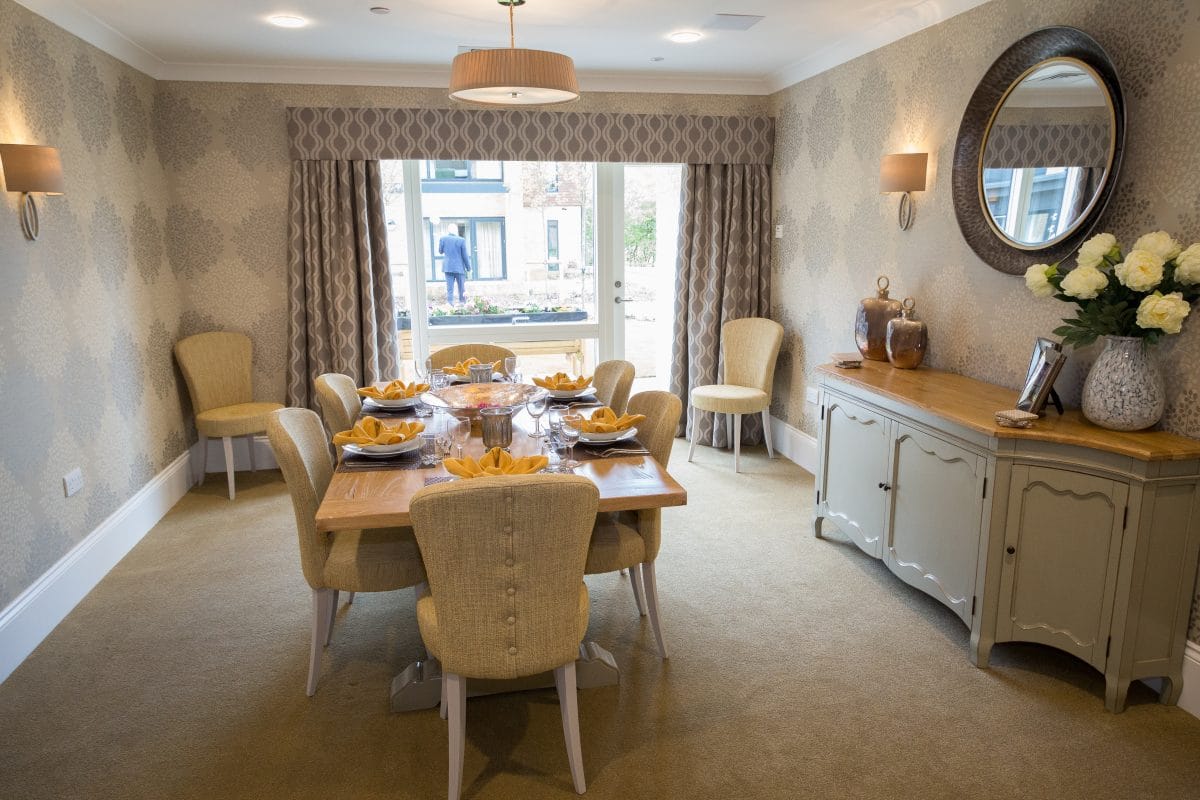
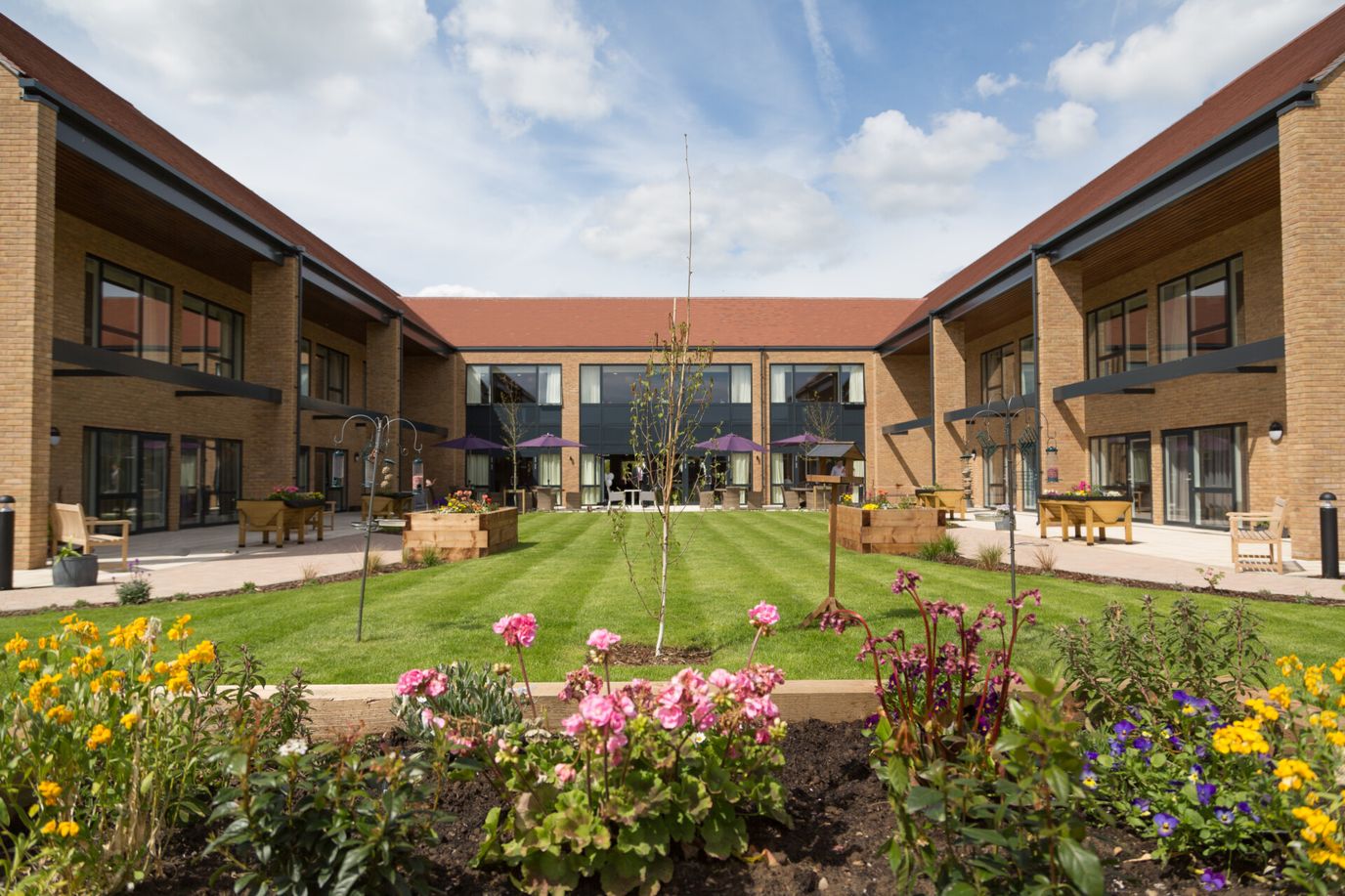
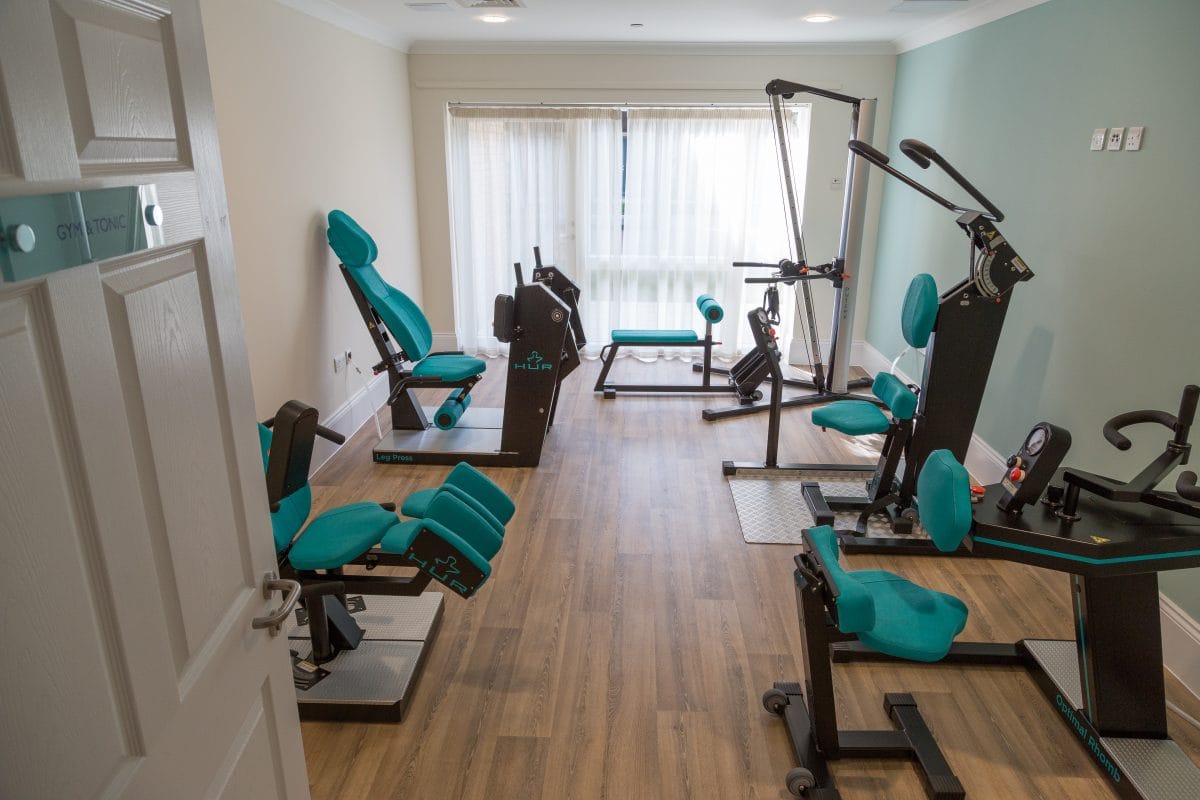
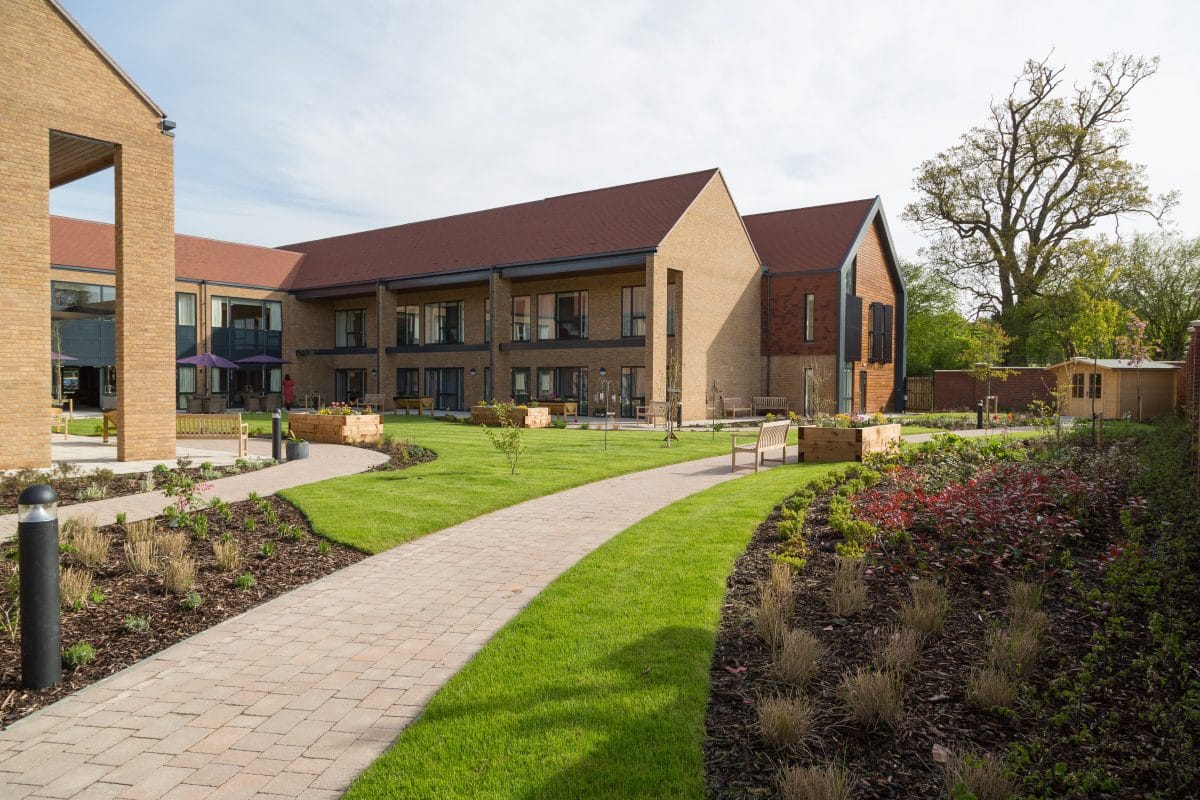
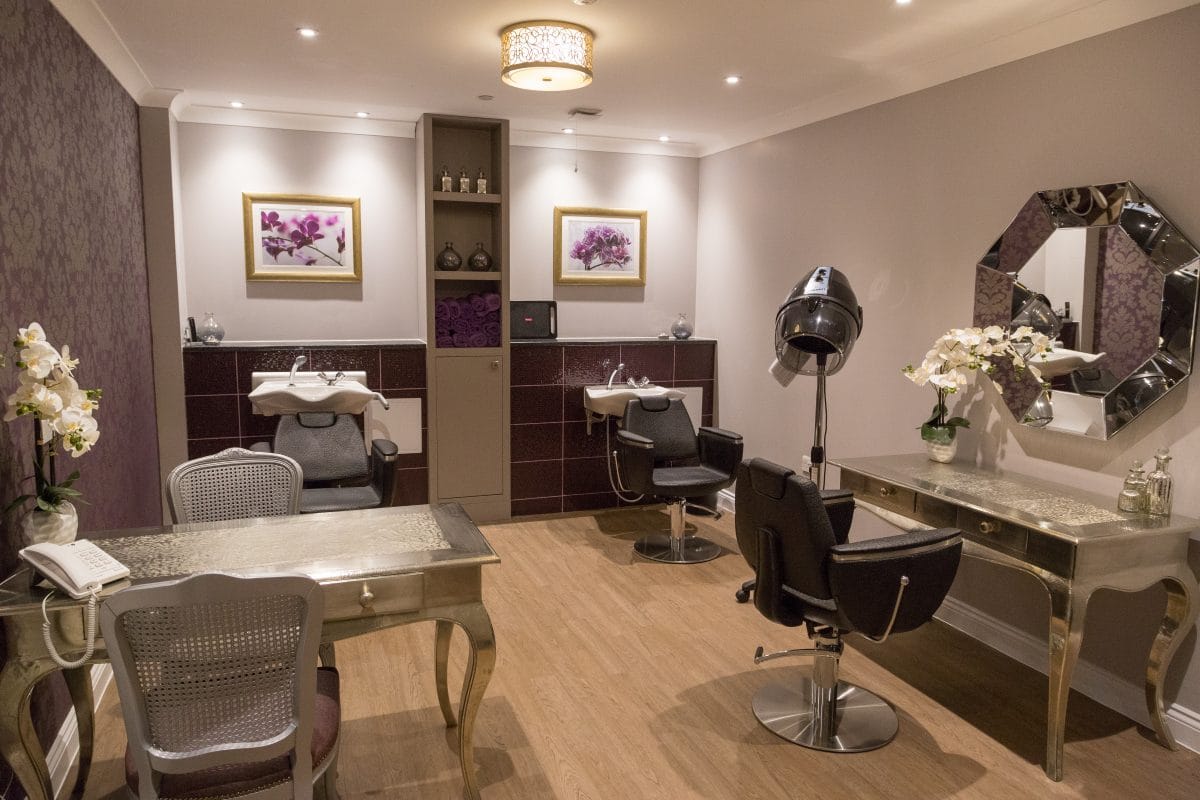
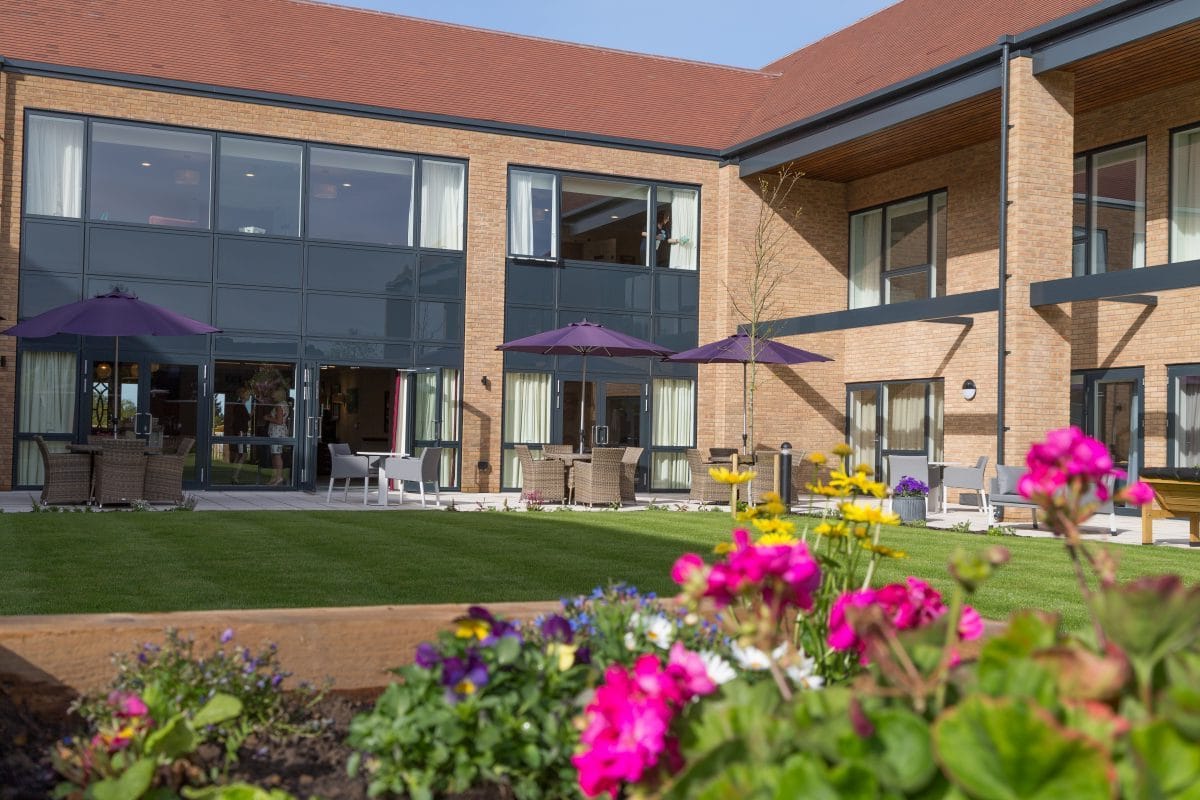
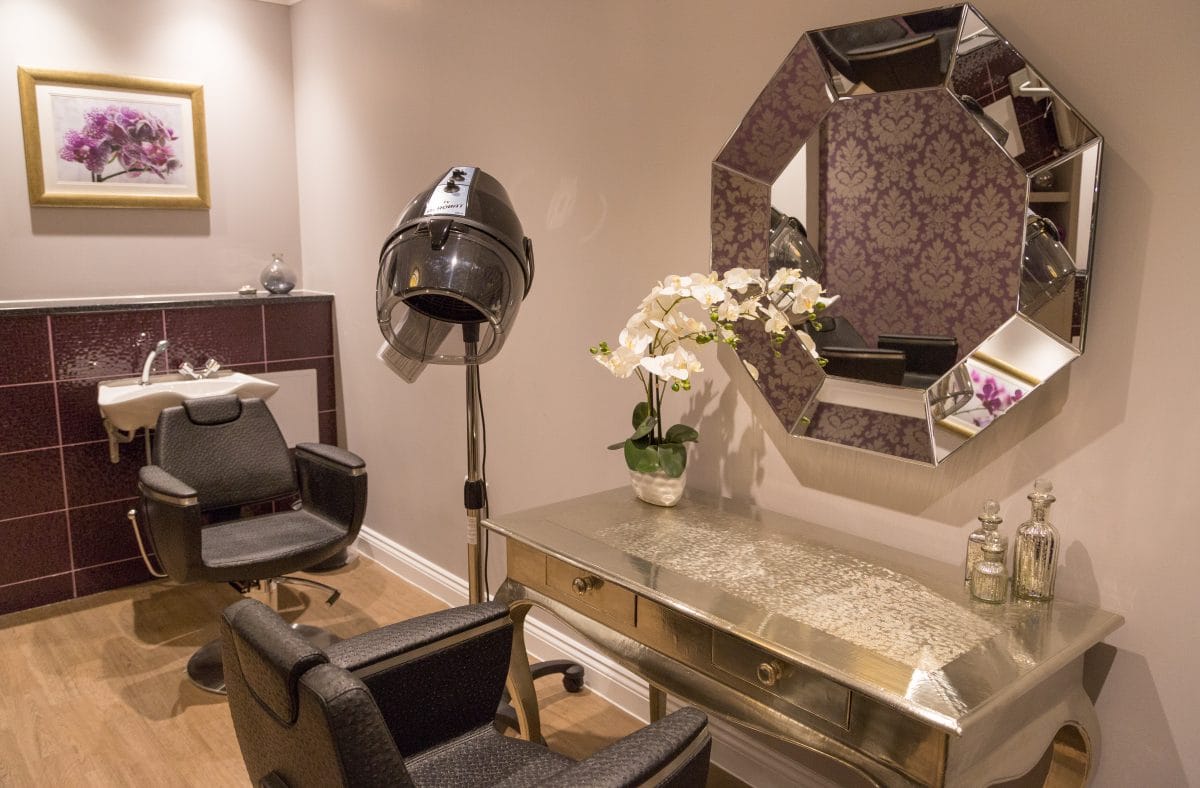
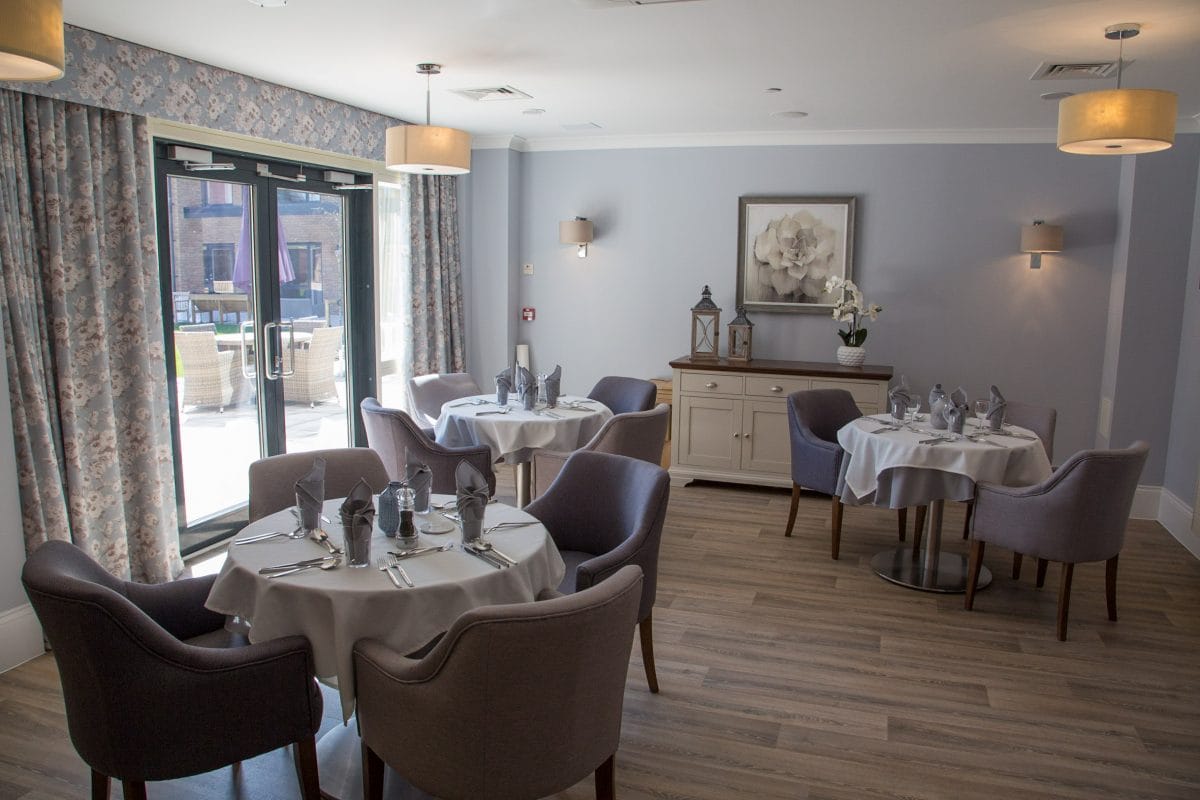
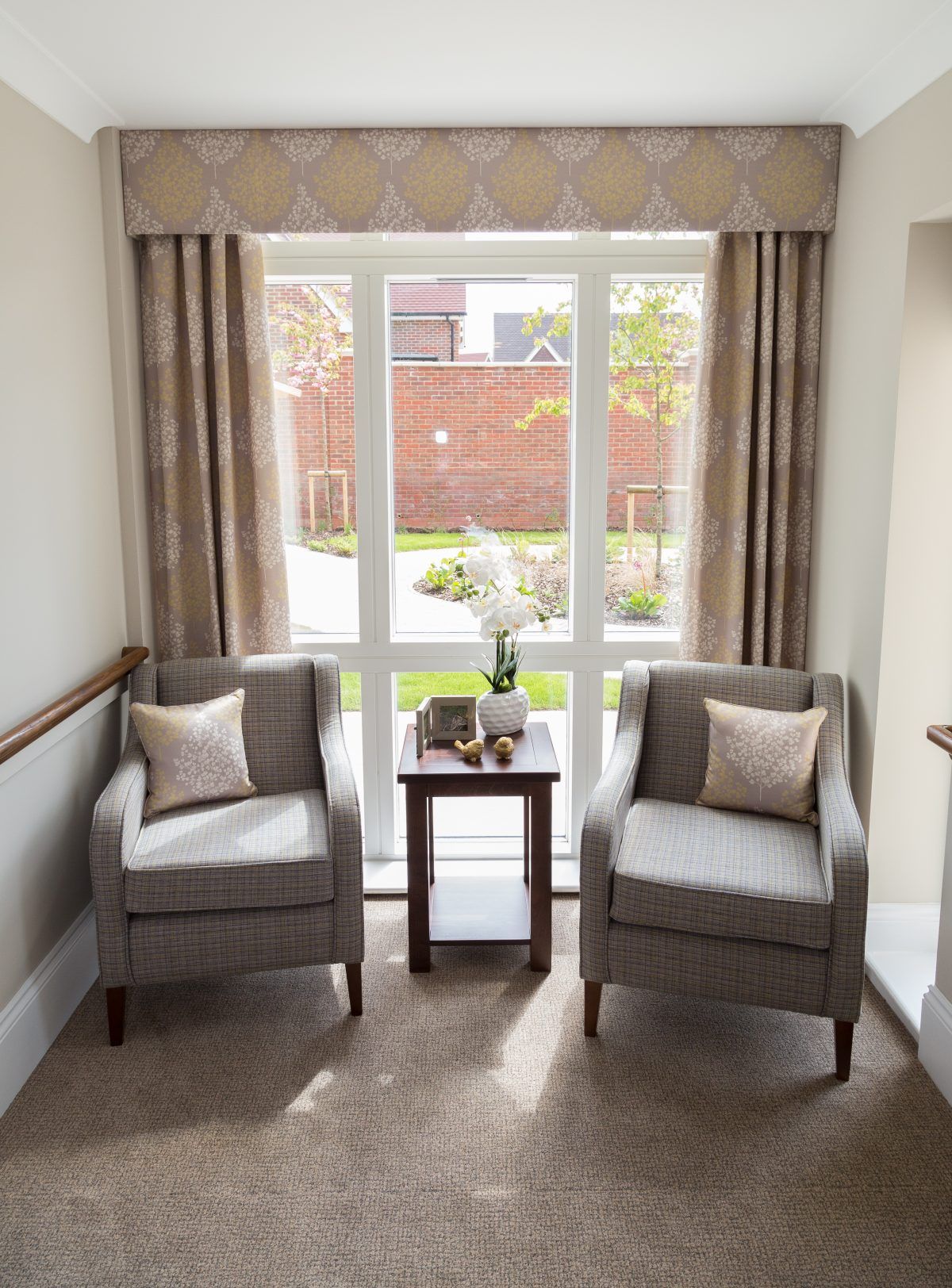
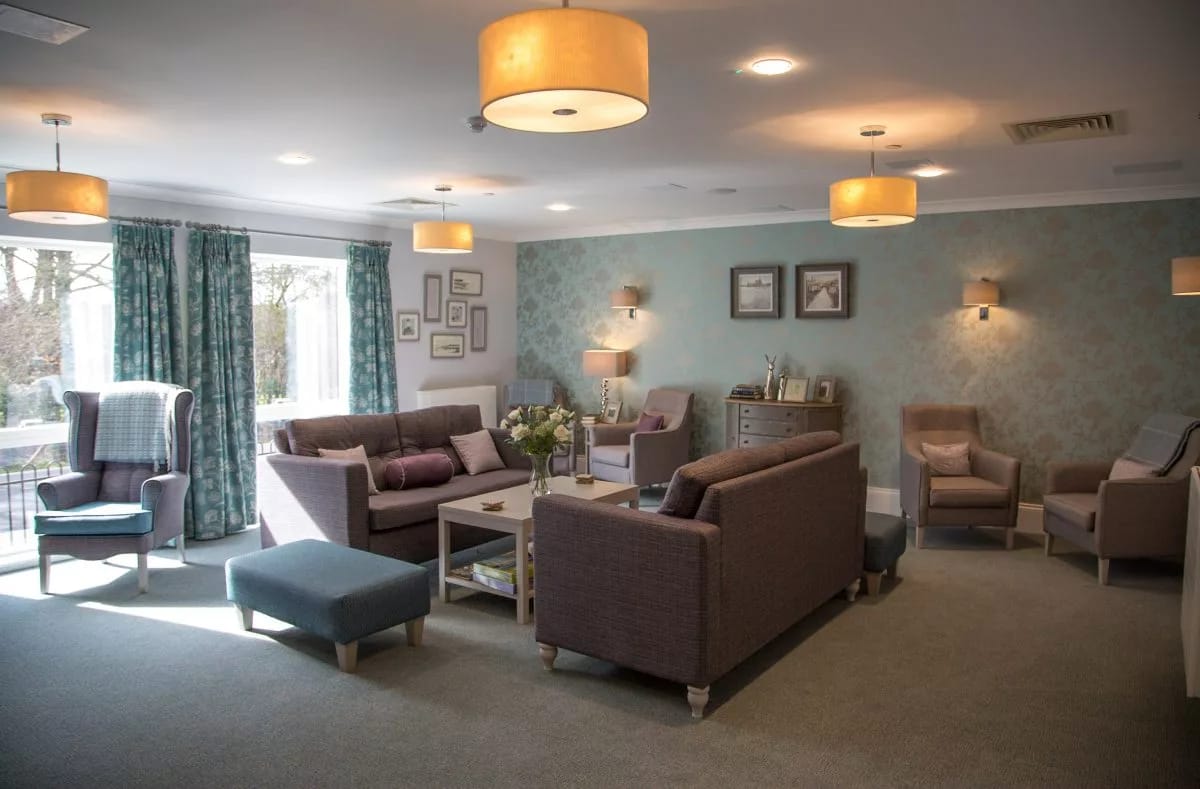
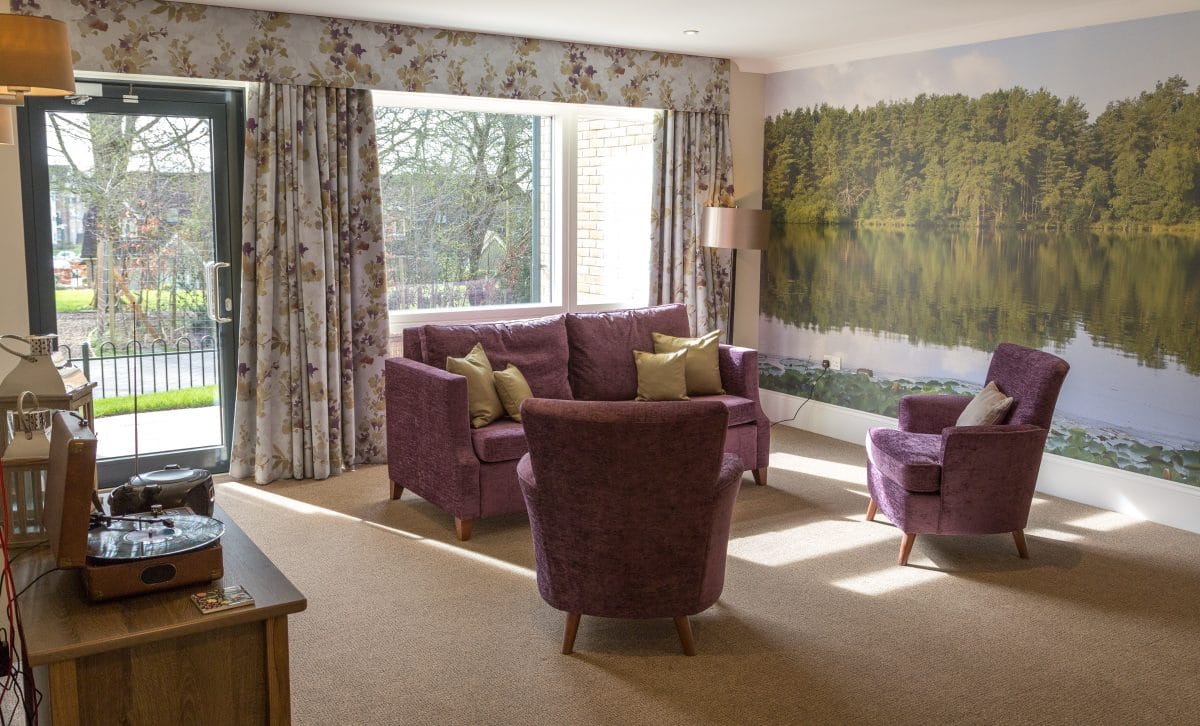
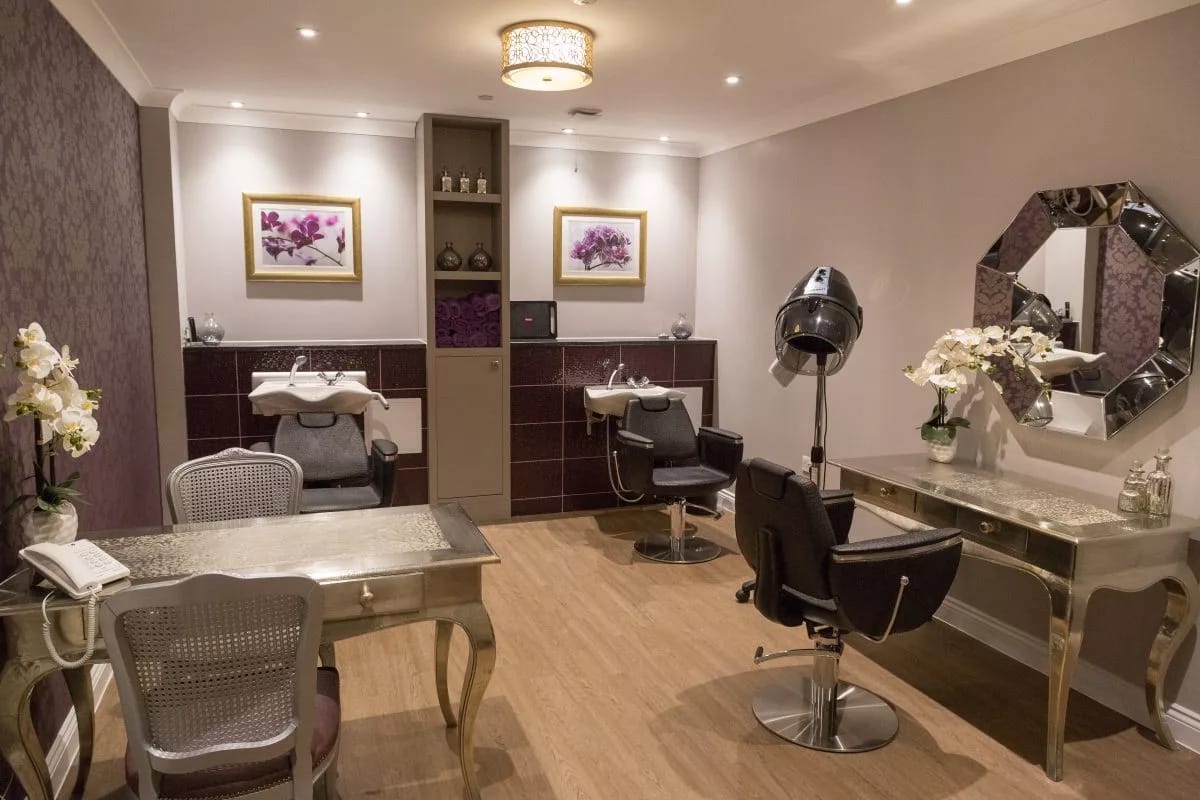
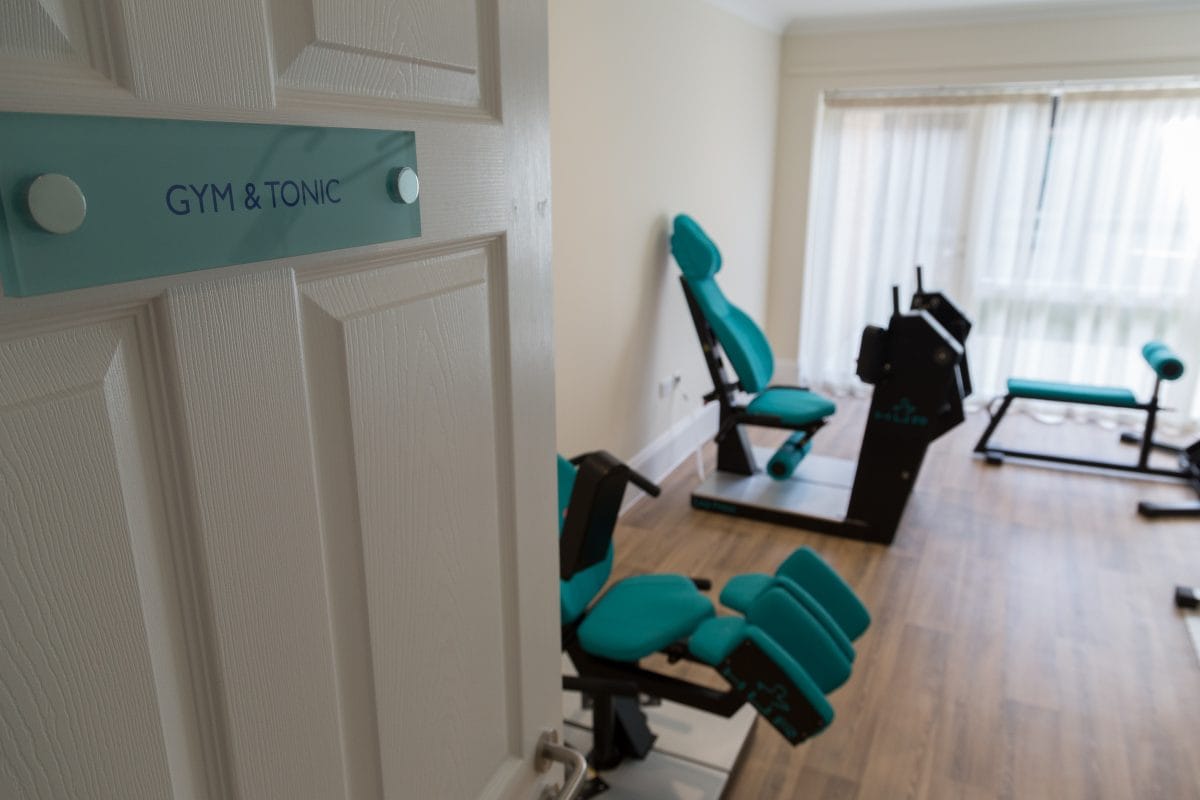
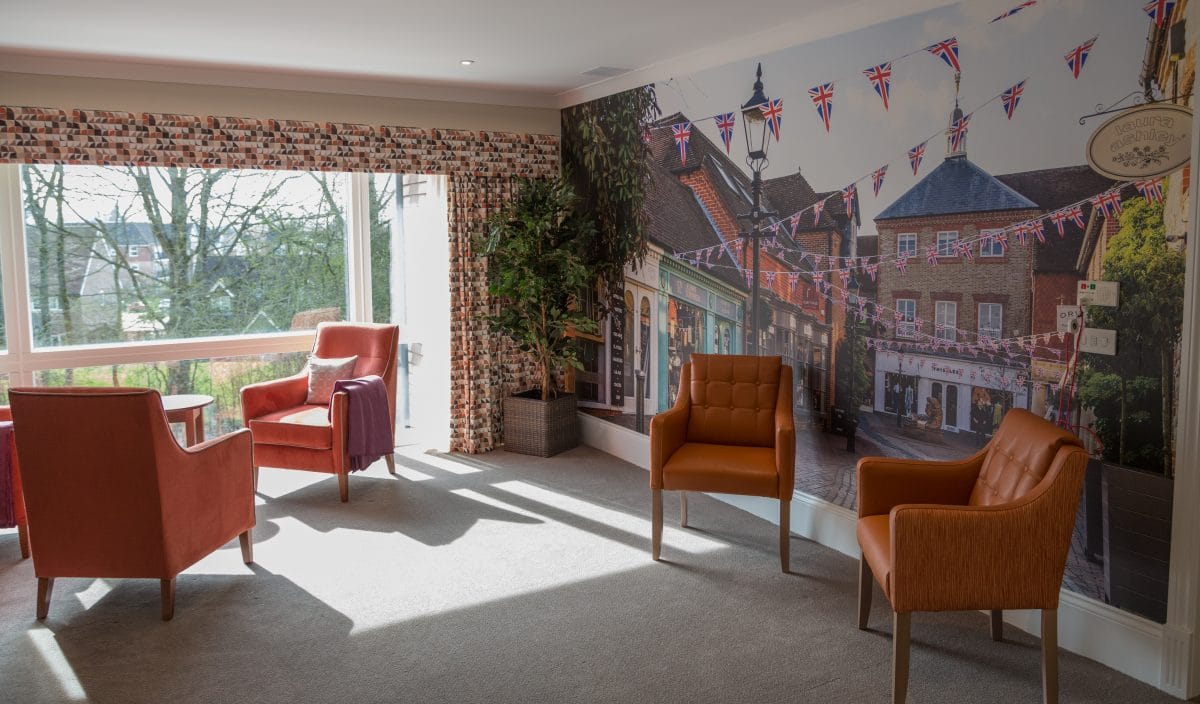
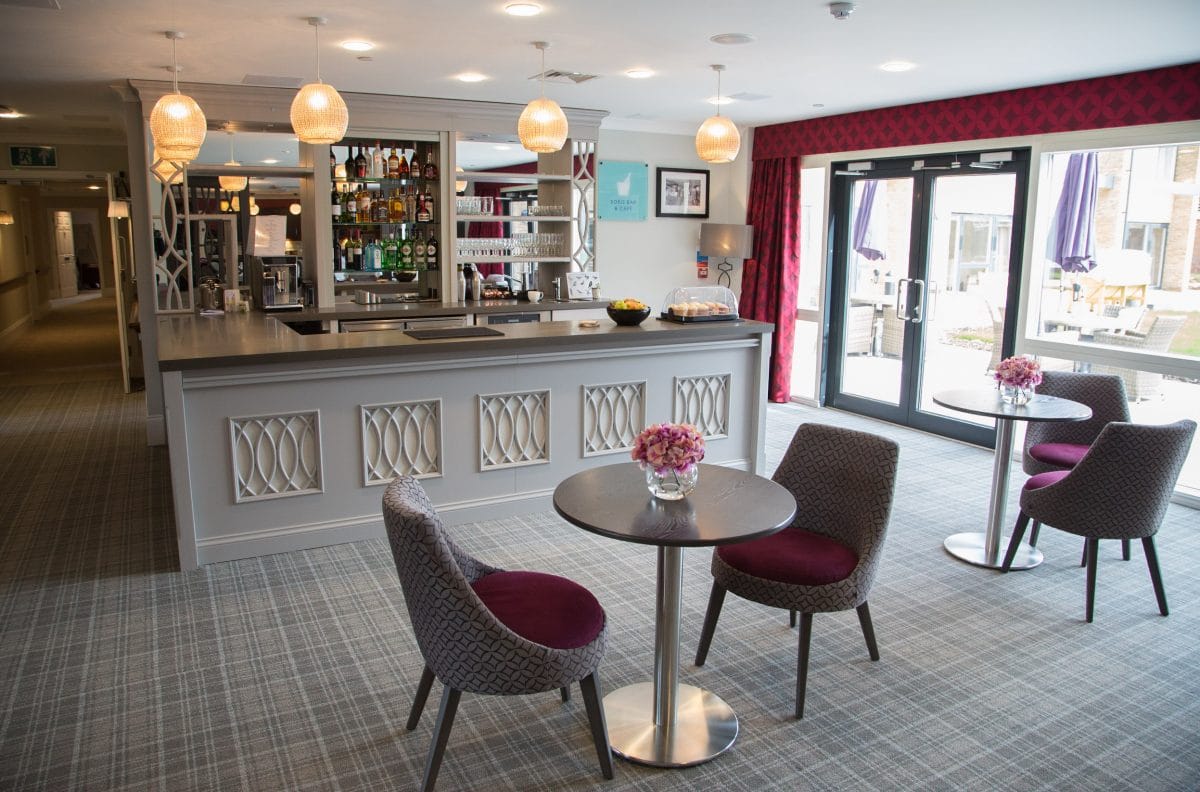
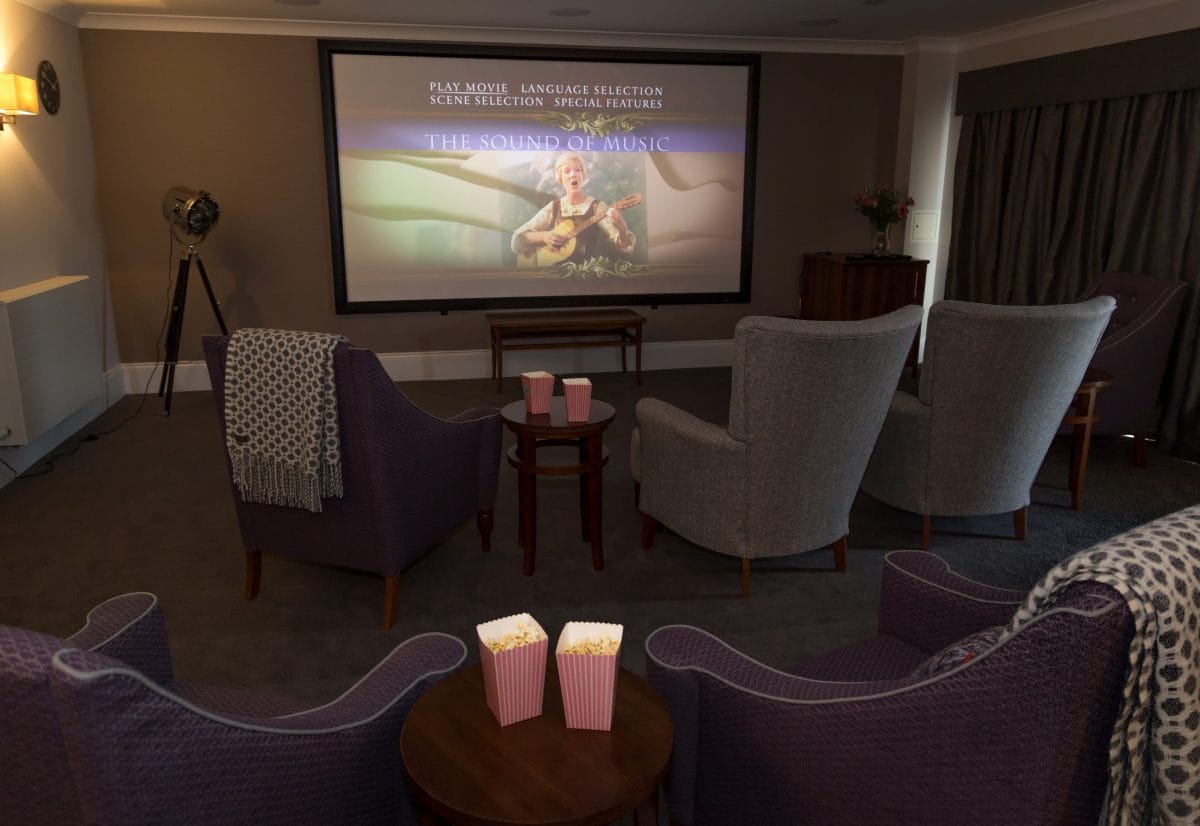
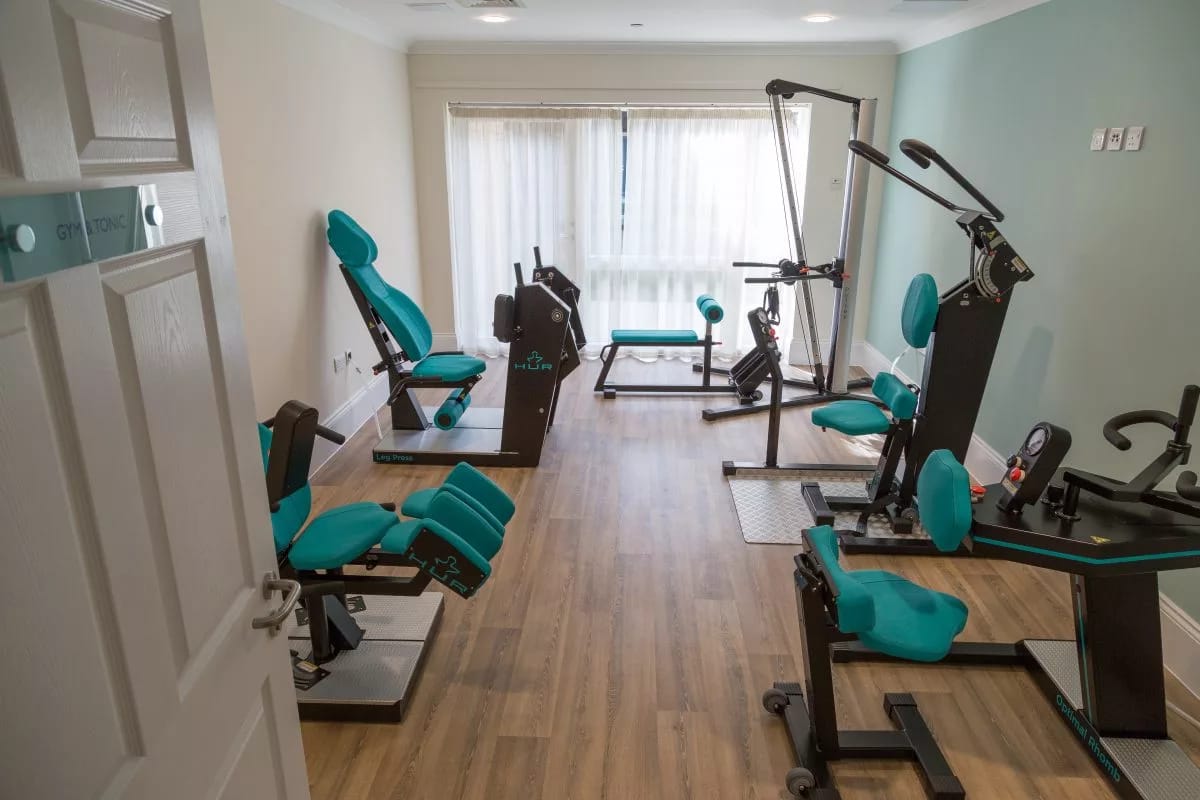
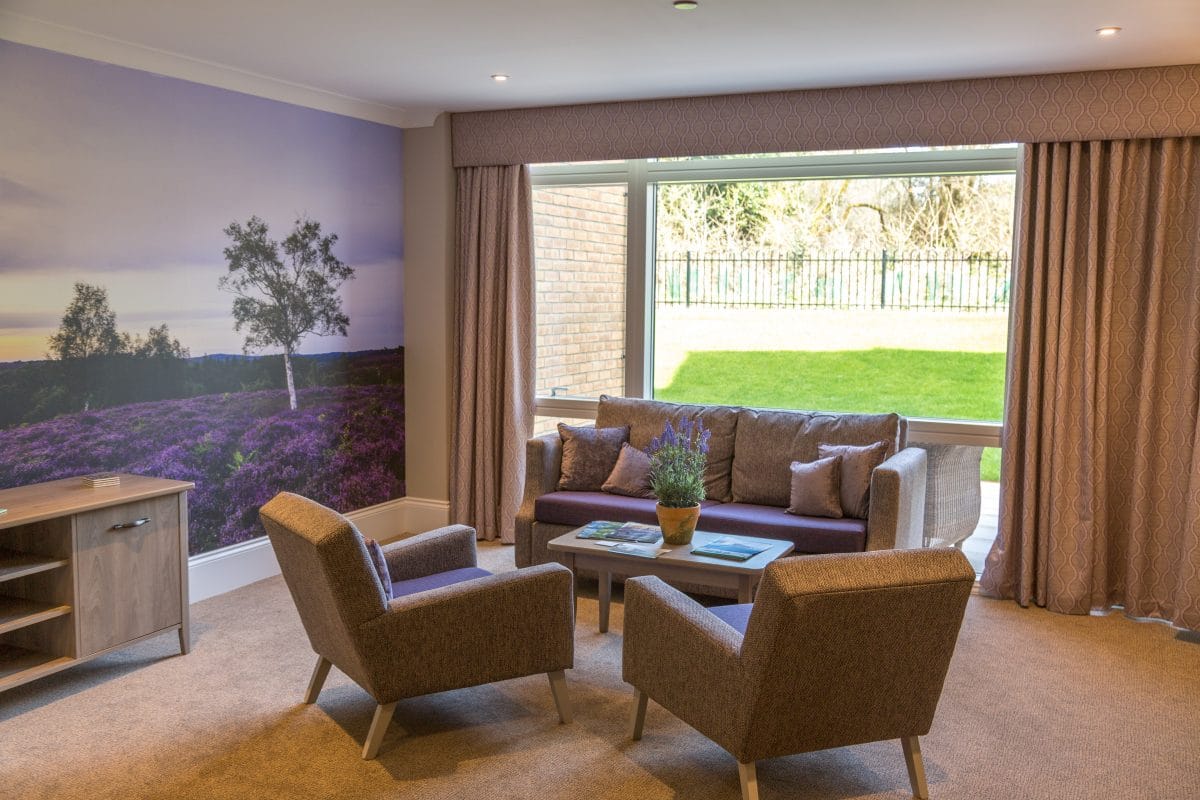
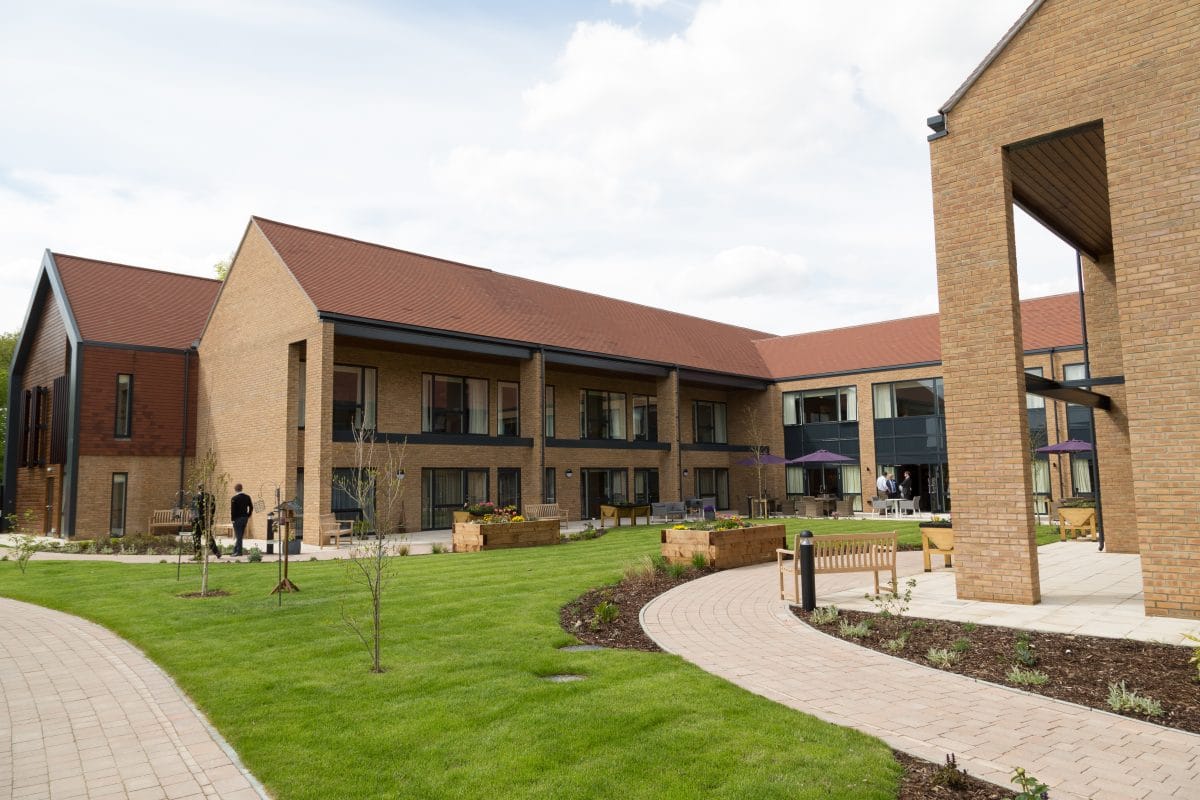
Pets are allowed, and residents can use the salon, cinema, bar and restaurant on site. Outside, seating, gardens and accessible walks give residents places to spend time outdoors, while rehabilitation services provide therapy without arranging care elsewhere.
A Walk Score of 46 places the area in a car dependent setting, where most errands require a car or a ride, so a resident who no longer drives would need transportation for routine errands. Operated by Dormy Care Communities South, the home may suit a family seeking short term support while a primary caregiver is away or recovering.