Other senior care options in Alabama:

Page 7 of Best Hospice Care in Alabama

Why trust this guide? Our editorial team analyzed 64 hospice communities in AL using AL Dept. of Public Health (ADPH) data, inspection records, complaints, amenities, and facility-level details. How we rank hospice in AL
Reviewed by
Last updated
Jul 2026
We analyzed
64 homes
Other senior care options in Alabama:
Avg Walk Score: 36/ 100The average Walk Score across facilities in Alabama. A third-party neighborhood walkability score (0–100) measuring convenience and context, not healthcare quality. Individual facilities can vary widely from this average.
National Average: 50/ 100
Avg No. of Beds: 90The average licensed bed capacity across facilities in Alabama. Individual facilities can vary widely from this average.
National Average: 90
Overview of Diversicare of Bessemer

Diversicare of Bessemer is a 180-bed skilled nursing facility owned by Maria Ephraim in Bessemer, Alabama, on Golf Course Road. It focuses on short-term rehabilitation and complex medical care, taking Medicare, Medicaid, and private pay. This means families have many ways for coverage, whether they’re seeking post-acute rehabilitation following a hospital stay or ongoing nursing care.

The facility keeps a 77 percent occupancy rate, with an average stay of 139 days, indicating a blend of rehabilitation residents and those in longer-term care. Total nursing care averages roughly 4 hours and 13 minutes per resident day, with support from registered nurses, licensed practical nurses, and nursing aides. Such a level of daily care supports hands-on attention for residents managing complex medical needs or healing from hospitalization. The surrounding area rates 3 on the Walk Score measure, meaning most errands and destinations need a car. That’s typical for Bessemer’s setting, but it means the neighborhood is not walkable for residents or visiting family.

Infection control practices, care planning documentation, food safety and quality, building maintenance, and consistent delivery of direct resident care have been the deficiencies identified by the state inspections. Such findings have shown up across numerous inspection cycles.

Families touring the facility can inquire about how Diversicare of Bessemer is addressing and overseeing the mentioned operational areas.

Contact Diversicare of Bessemer

Overview of Diversicare of Foley

Diversicare of Foley is a skilled nursing and rehabilitation center serving the surrounding community on North Alston Street in Foley, Alabama. Accepted are Medicare, Medicaid, and private pay, offering flexibility for short-term post-hospital recovery and longer-term skilled care. At 154 beds and running at 87 percent occupancy, the community maintains a focused operation. The average stay duration is about 108 days, mirroring a census that blends rehabilitation patients with those needing active medical care.

Short-term rehabilitation and complex medical support are the home’s clinical emphasis, with total nursing care averaging three hours and thirty-three minutes per resident day. That foundation of diligent nursing time bolsters residents recuperating from surgery, illness, or hospital stays. Staffing breaks down to registered nurses providing 29 minutes daily per resident, nursing aides 2 hours and 1 minute, and LPN/LVN care at 29 minutes. The team describes itself as committed to a welcoming environment backed by highly trained caregivers. The surrounding area scores 12 on the walk scale, indicating a car-dependent neighborhood where most errands need a vehicle. While Foley offers modest walkability, the location is close to local services and affords easy family access by car.

State inspections over the past eight years have raised concerns in many recurring areas: care protocols and daily living support activities, medication safety and physician order management, infection control and food handling hygiene, and staff training on specialized units. These denote the types of operational details families can ask the home about when touring, to understand how each area is managed daily.

For prospective residents and families evaluating Diversicare of Foley, an on-site visit will paint a clear picture of the care setting, the room options, and how the team handles everyday operations.

Contact Diversicare of Foley

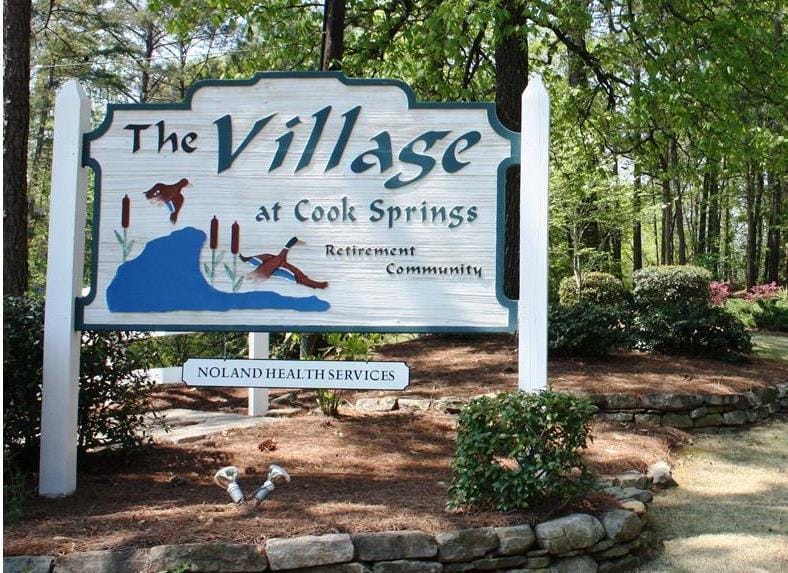
Overview of Village at Cook Springs Skilled Nursing Facility

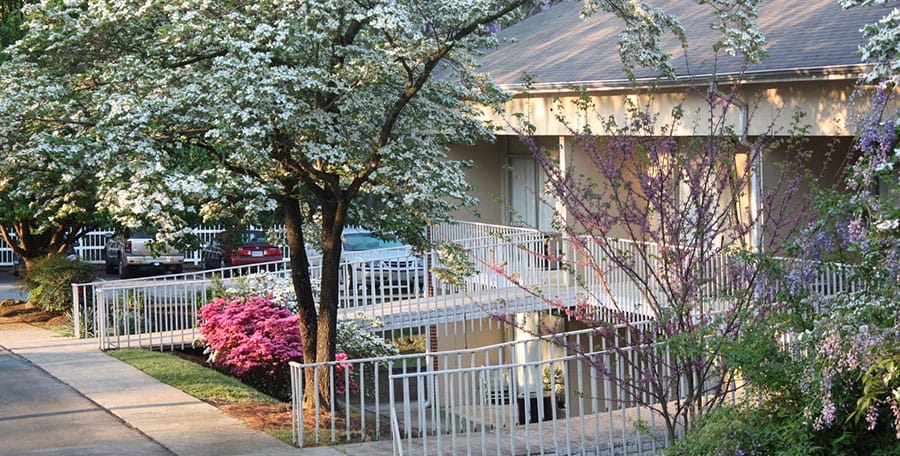
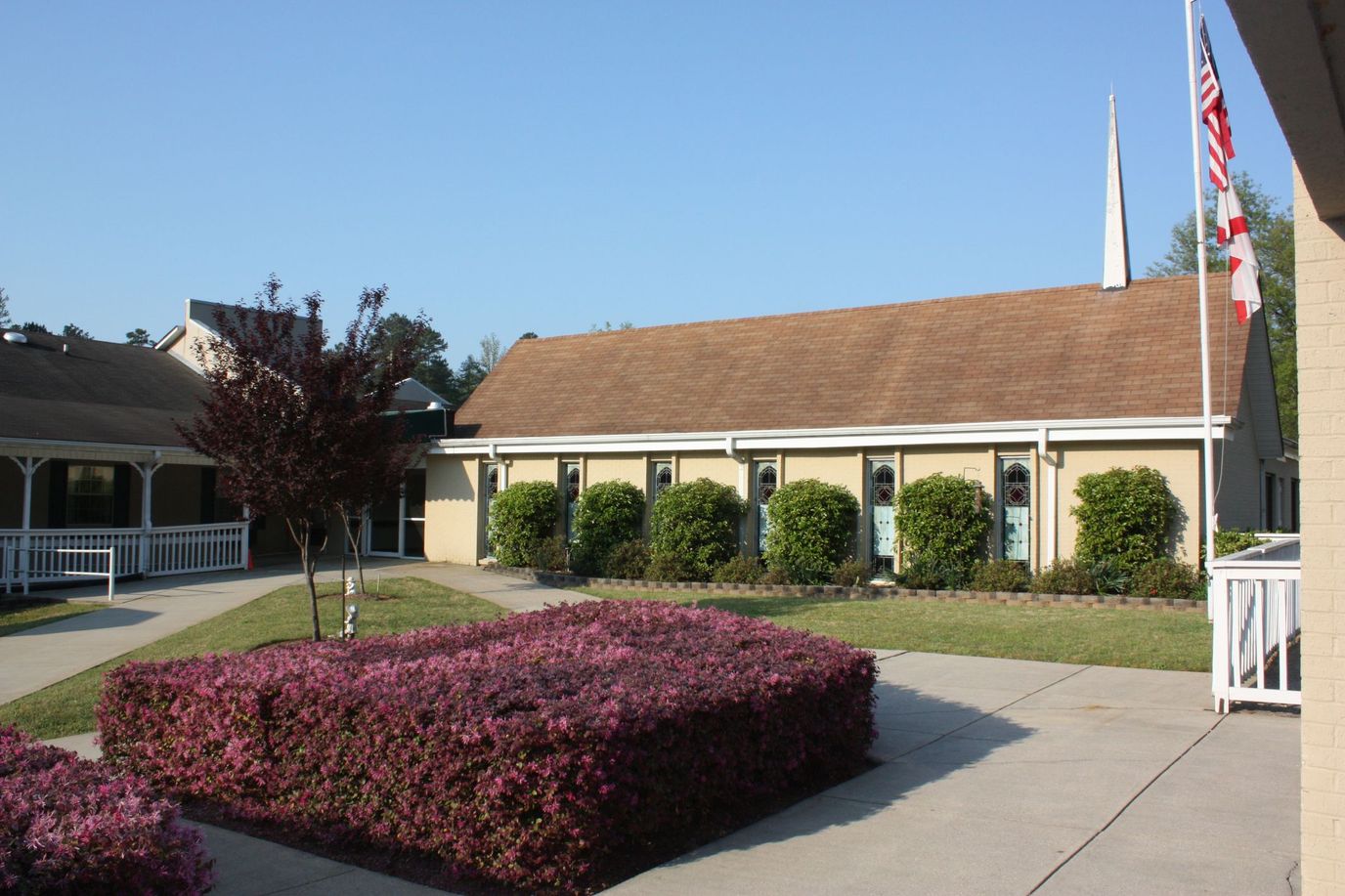
Village at Cook Springs Skilled Nursing Facility is a 168-bed skilled nursing facility at 415 Cook Springs Road in Pell City, Alabama, in St. Clair County. A voluntary non-profit organization administered by Randolph Pickell under Gregory Flippo’s ownership, it holds CMS Certification and accepts Medicare, Medicaid, and private pay. It attracts a heavily private-pay mix for a non-profit SNF: 47 percent of admissions are private pay with typical stays of two to three months, Medicaid accounts for 30 percent with stays of nine to ten months, and Medicare covers 23 percent with short stays averaging 18 days. The January 2026 census of 91 residents reflects a 73.8 percent occupancy rate, below the Alabama average of 80.8 percent. The facility is also part of a larger Continuing Care Retirement Community on a 200-plus-acre campus, which features walking trails, serene country views, apartment homes, and all-inclusive independent living suites that distinguish its setting from conventional nursing homes in the region.

The inspection record is the primary driver of the 1-star rating. Across 4 surveys in August 2018, July 2019, May 2022, and December 2023, the facility accumulated 12 citations at 4.0 per inspection, above the 3.46 Alabama average. The most significant finding is 3 critical citations over the eight-year window, 329 percent above the 0.7 Alabama average, a figure that places the facility well outside the norm on severity. Two of those critical citations emerged from the July 2019 survey in the Abuse, Neglect, and Exploitation category (one critical, one moderate). The December 2023 survey cited Infection Control and Quality of Care, both moderate and corrected. No fines or penalties have been issued in the past three years, which is a meaningful indicator that more recent performance has not triggered federal enforcement. CMS rates the facility the lowest tier of 1 star overall, fueled by a weak health inspection rating (65.0 percent below Alabama average) and below-average quality measures (32.2 percent below). The staffing dimension is an upside, rating 11.1 percent above average. Total adjusted nursing hours reach 4 hours 41 minutes per resident per day, ranking 37th of 121 Alabama SNFs, with CNA hours of 2 hours 43 minutes per day running 9 percent above the state benchmark. RN hours (32 minutes, −16 percent vs. state) and LPN hours (42 minutes, −11 percent vs state) are both below average, and weekend RN coverage at 16 minutes is 27 percent below the 22 minutes state average. Q2 2025 staffing data shows 196 total staff, 164 employees, and 32 contractors (4.4 percent contractor hours), with a headline staff-to-resident ratio of 2.15:1, though this figure is inflated by the multi-level CCRC campus structure and shouldn’t be read as a pure SNF staffing metric. Quality measure outcomes for long-stay residents present a mixed picture. Composite clinical scores are modestly better than the Alabama average, and ADL decline, walking decline, incontinence, and pressure ulcer rates all outperform state benchmarks. UTI rates, however, are 109 percent above the Alabama average (5.7 percent vs. 2.7 percent), the most significant clinical quality gap in the profile. Falls with major injury run 27 percent above average. For short-stay residents, zero falls with major injury and in-line return-to-community rates are positive, but re-hospitalization (27.4 percent vs. 24.5 percent) and new antipsychotic medication initiation (3.5 percent vs 2.1 percent) are both above average. Both pneumococcal and influenza vaccination rates reach 100 percent for long-stay residents. Financially, the facility is stable: $14.7 million in annual revenue, a $958,000 operating surplus, and payroll at 50.2 percent of revenue, slightly below the 54–69 percent benchmark range for well-run Alabama SNFs, though consistent with a multi-level CCRC where some staff serve non-SNF campus residents.

Amenities include a chapel with daily services, a library, a beauty and barbershop, public Wi-Fi, and a full calendar of social, cultural, and educational programming.

Village at Cook Springs may fit families needing a campus-style non-profit CCRC environment with nature access, above-average CNA staffing, and a broad continuum of care on one site. The 1-star CMS rating, three critical citations particularly Abuse/Neglect findings from 2019, and the elevated UTI rate are crucial concerns that families should address with facility leadership before placement. Reviewing the full inspection reports through CMS Care Compare is strongly recommended.

Contact Village at Cook Springs Skilled Nursing Facility

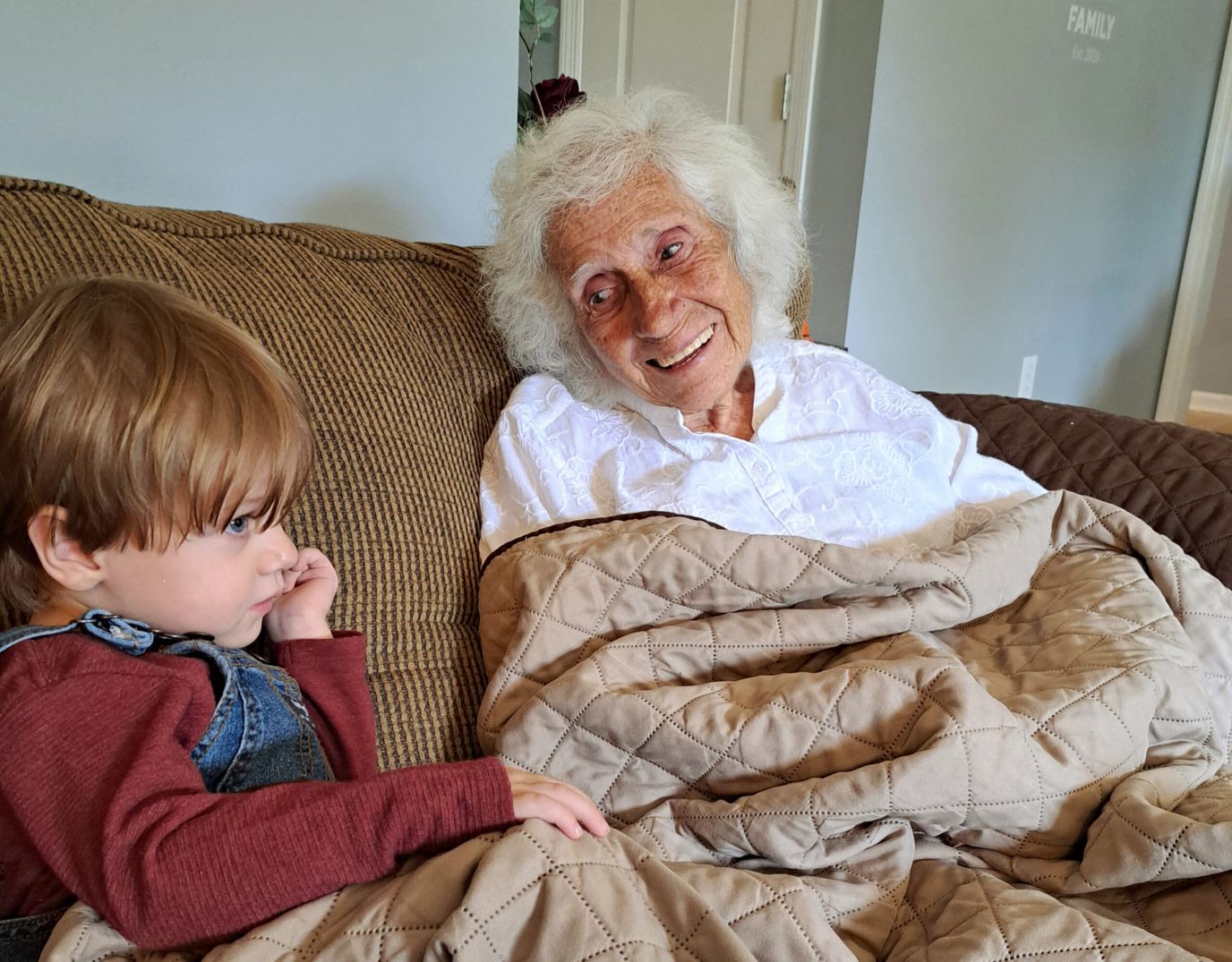
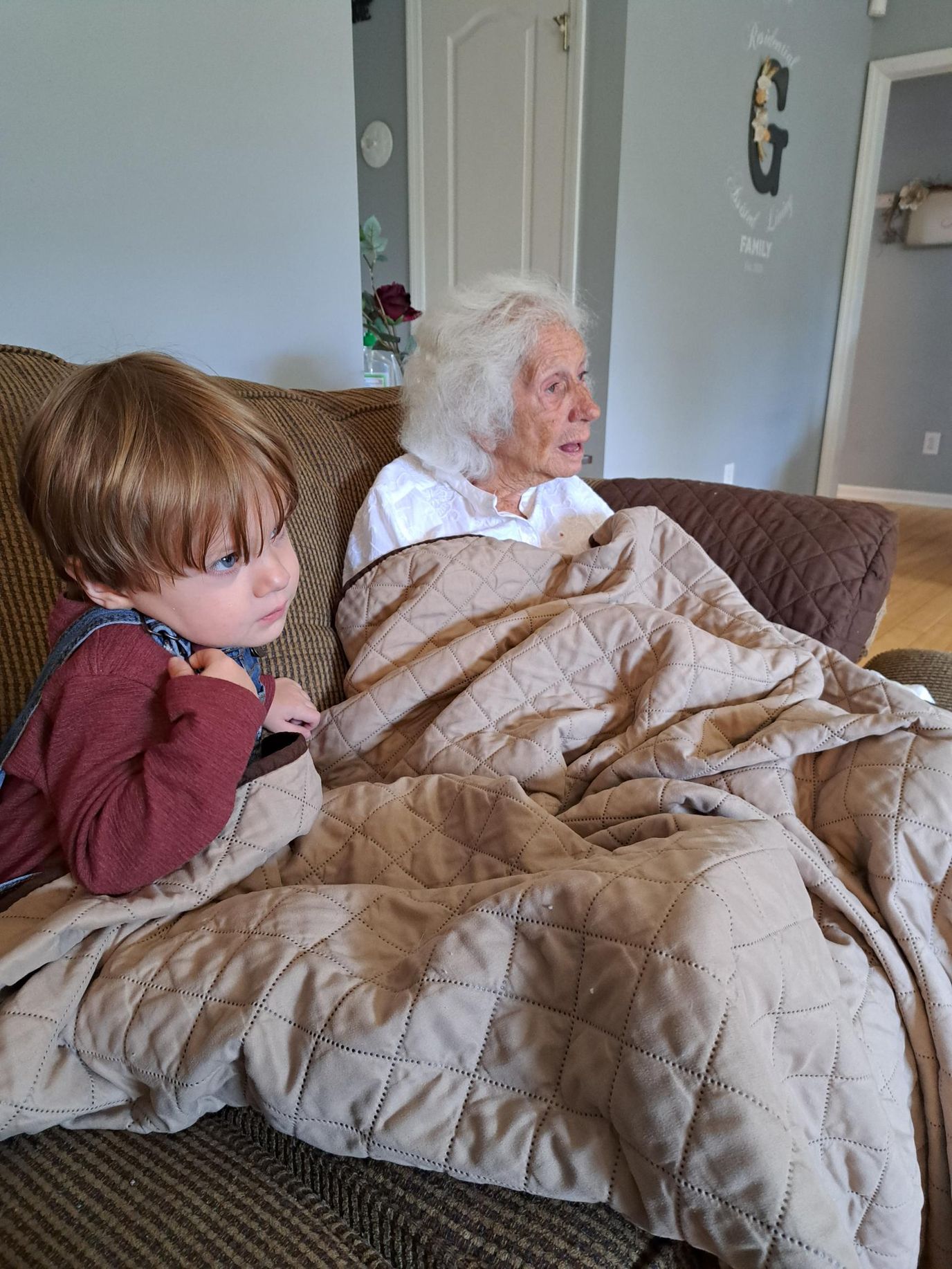
Overview of Grace Residential Assisted Living

Grace Residential Assisted Living is a nurturing assisted living community in Huntsville, AL, that offers personal care and memory care. Here, older adults can find a home away from home, especially with its warm and supportive environment. With home-cooked meals, grooming services, and hospice care, residents can age comfortably. The community is dedicated to improving older adults’ quality of life through one-on-one care, anchored to its Christian-based values.
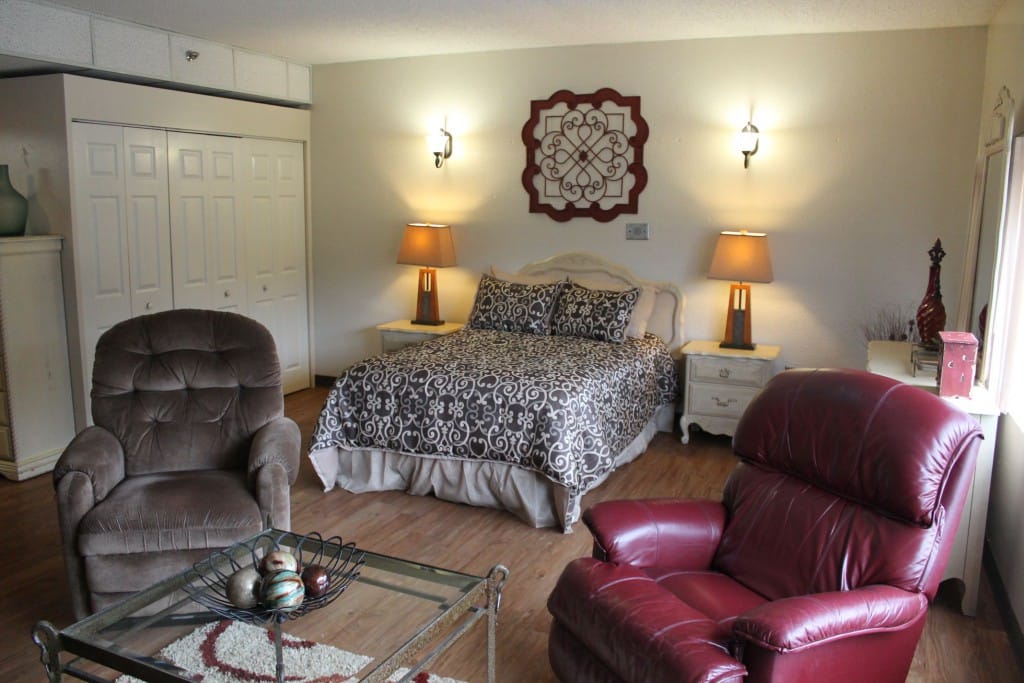
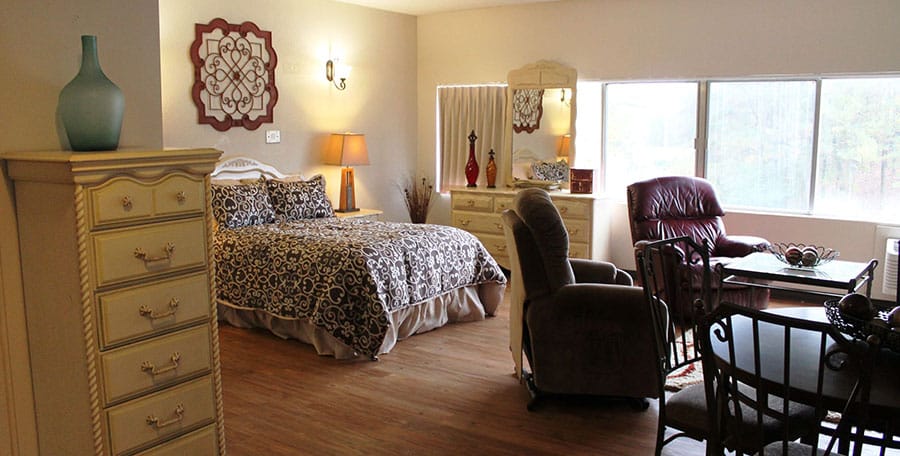
Physical therapy, mind-stimulating activities, and social gatherings provide residents with more opportunities to explore hobbies and gain meaningful experiences. Spacious rooms and lively gathering areas provide residents with more avenues for relaxation and interactions. Residents also have a laid-back retirement, with its peaceful setting in the residential area of Huntsville. Providing exceptional services in a home-like setting, this assisted living community is a trusted choice for senior living in Alabama.

Type of Care Available

Assisted Living Hospice Care Memory Care

Contact Grace Residential Assisted Living

Nearby Cities

Who we are

Your Senior Care Partner, Every Step of the Way

We help families find affordable senior communities and unlock same day discounts, Medicaid, and Medicare options tailored to your needs.

Contact us Today

Frequently Asked Questions

What government services provide money for senior housing?

Several government programs offer financial assistance for senior housing in various countries, focusing on the United States for a broad overview:

  • Medicaid: Medicaid is a state and federally funded program that can cover the costs of nursing home care for those who meet eligibility criteria, including income and asset limits. Some states also offer Medicaid waivers that help pay for home and community-based services to prevent or delay nursing home placement.
  • Medicare: Medicare, primarily a health insurance program for people aged 65 and over, does not cover long-term housing costs. However, it can cover short-term stays in a skilled nursing facility under specific conditions following a hospital stay.
  • Section 202 Supportive Housing for the Elderly Program: This program provides housing for low-income seniors. It offers rental assistance and access to supportive services, such as cleaning, cooking, and transportation.
  • Low-Income Housing Tax Credit (LIHTC) Properties: While not a direct subsidy, LIHTC encourages developers to create affordable housing. Seniors with low incomes can find reduced-rent apartments through this program.
  • State and Local Programs: Many states, counties, and cities offer their own programs to assist seniors with housing costs. These can include property tax relief programs, rental assistance programs, and programs that offer affordable senior housing options.
  • Veterans Affairs (VA): The VA offers several programs for veterans, including the Aid and Attendance benefit, which provides monthly payments to veterans who require the aid of another person, or are housebound, to help cover the cost of care in homes, nursing homes, and assisted living facilities.
  • Social Security: While Social Security primarily provides retirement income, for many seniors, these benefits are a crucial part of their budget, including housing costs.
How do you pick the homes you recommend?

Before recommending homes, we conduct a thorough evaluation on crucial factors that define a senior home such as the quality of care they provide, the reputation of the organization, and a comprehensive review of community testimonials as well. Every detail is assessed to assure that seniors are offered not just senior care options, but trustworthy homes where they can experience the care that they deserve.

Do you help families that need Medicaid?

Yes. Assisting families who need Medicaid is important to us as it plays a crucial role in offering financial support to seniors confronting economic challenges. We would like to keep essential healthcare services accessible to all community members, irrespective of one’s financial circumstances.

How much does this service cost?

We extend our services at no cost, ensuring that families and seniors can benefit from tailored assistance in their search for care and home options. Our ability to offer personalized guidance without charge to families and seniors is made possible through the support and funding from the communities with which we team up. 

What services do you offer?
  • Finding and ranking the best assisted living facilities
  • Finding and ranking the best nursing homes
  • Finding and ranking the best memory care facilities
  • Our concierge service helps seniors move into the perfect home for them
  • Helping seniors use medicare, medicaid, and other government programs to pay for their homes
  • Helping seniors avoid senior homes that have bad service or fraud
  • Memory care specialists
  • Finding and ranking the best independent living communities