

Occupancy rate
87%
 In line with Delaware average
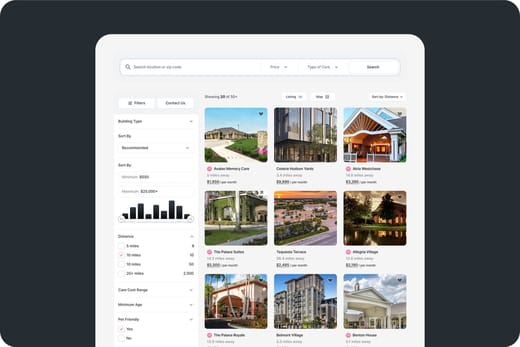
We arrange tours, appointments, and even moving support so you don’t have to

Thank you for your interest!
Our team will be in touch shortly to help with next steps.
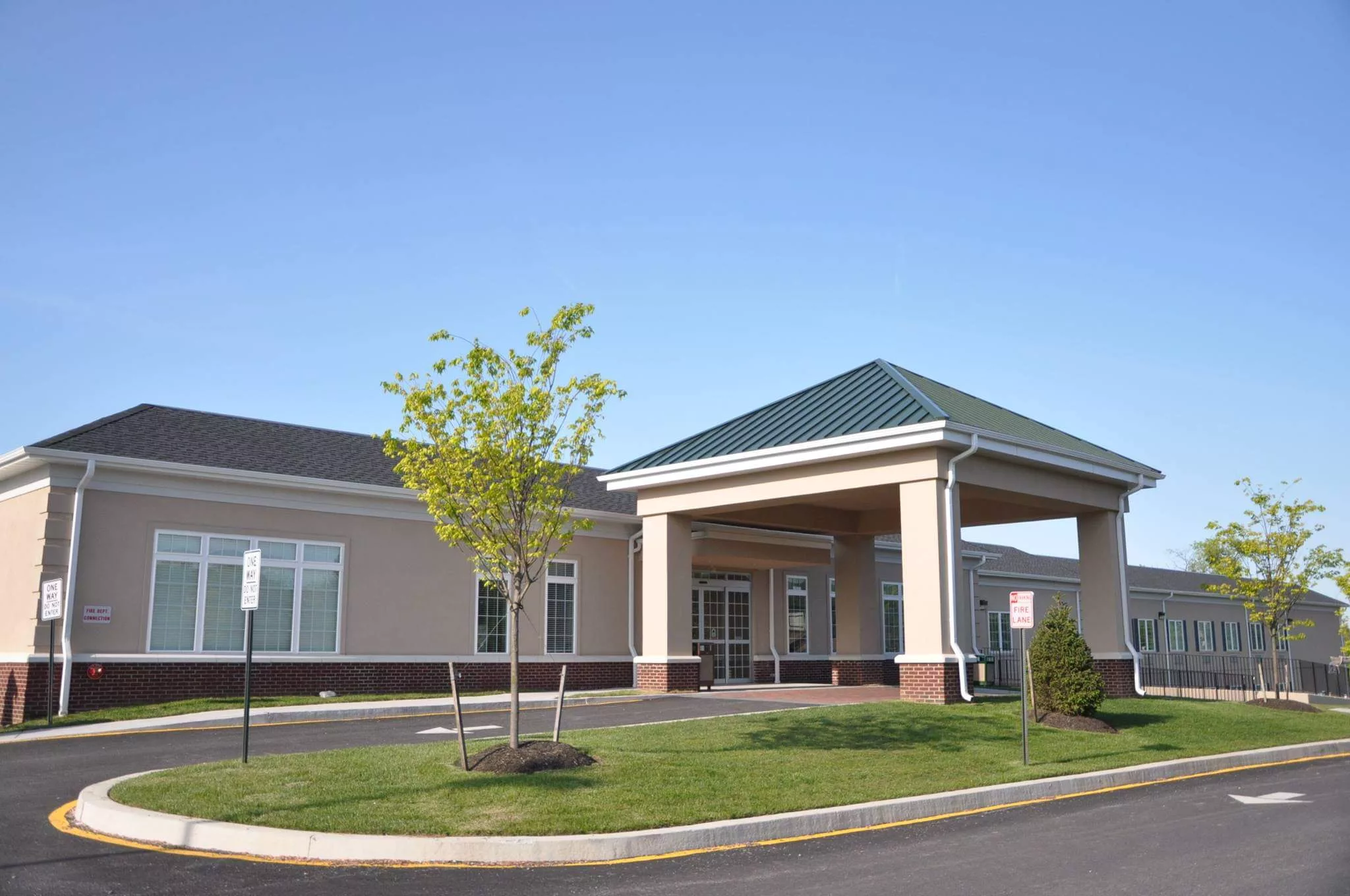
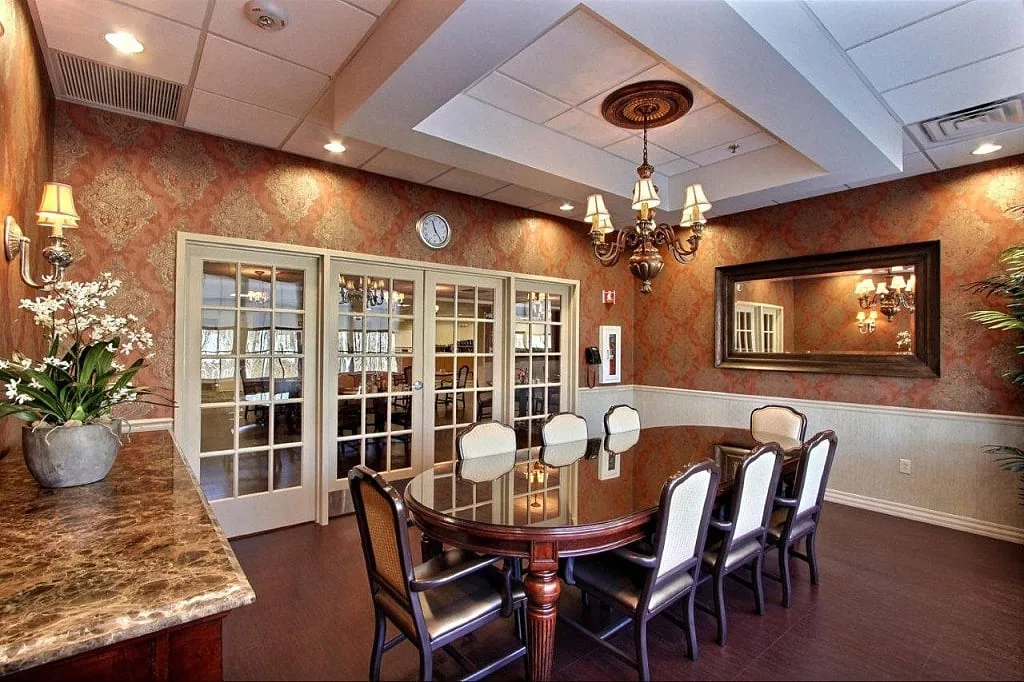
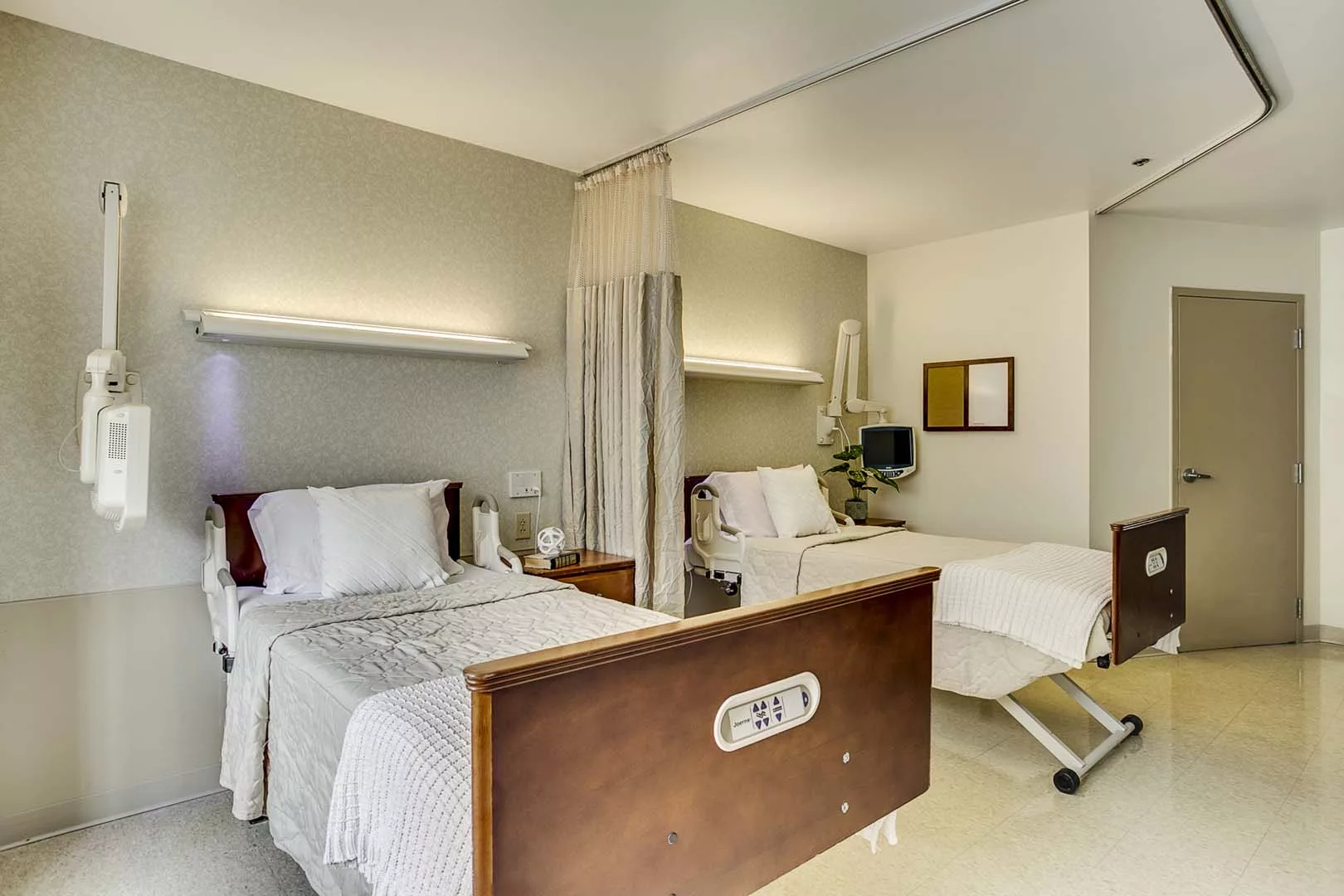
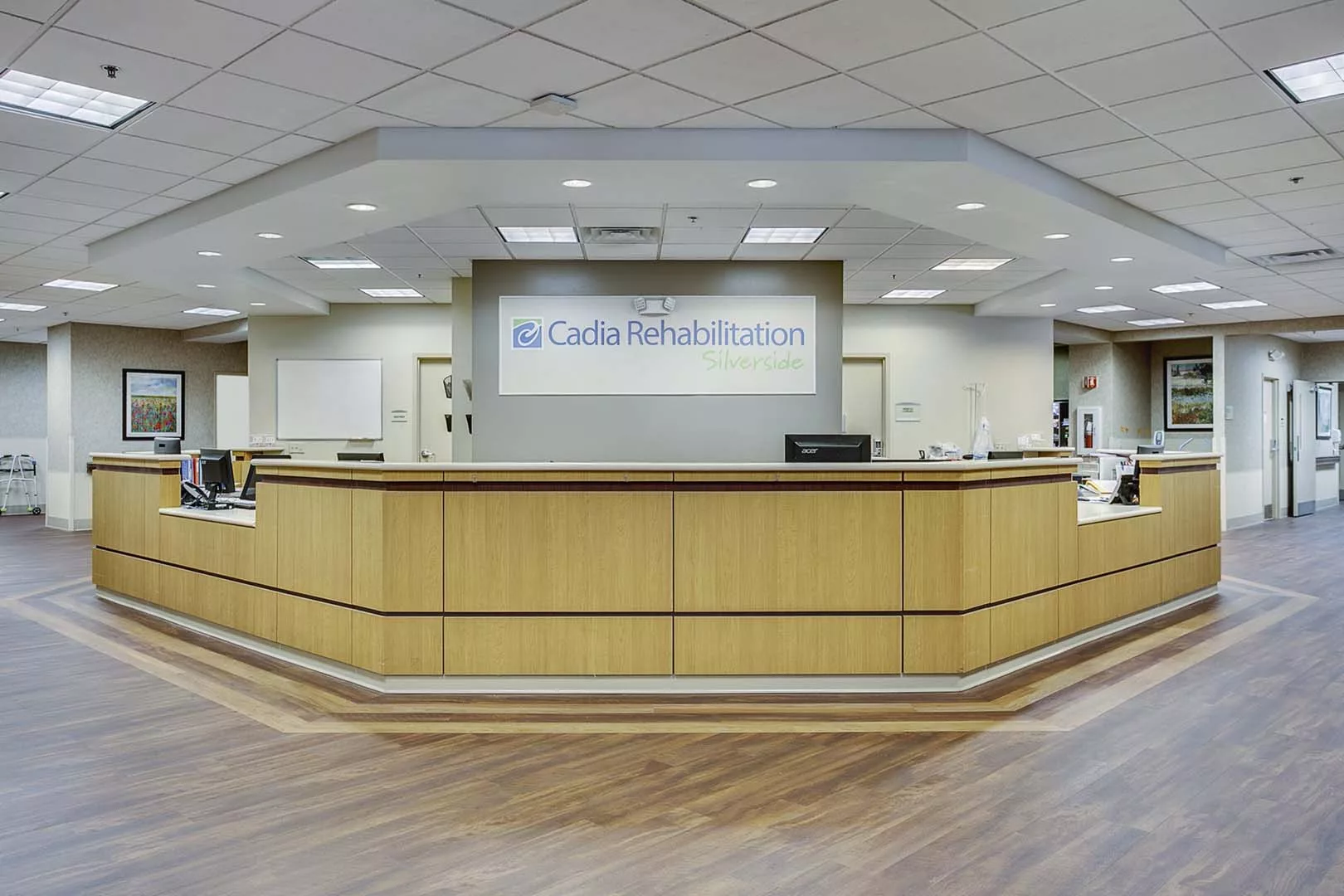
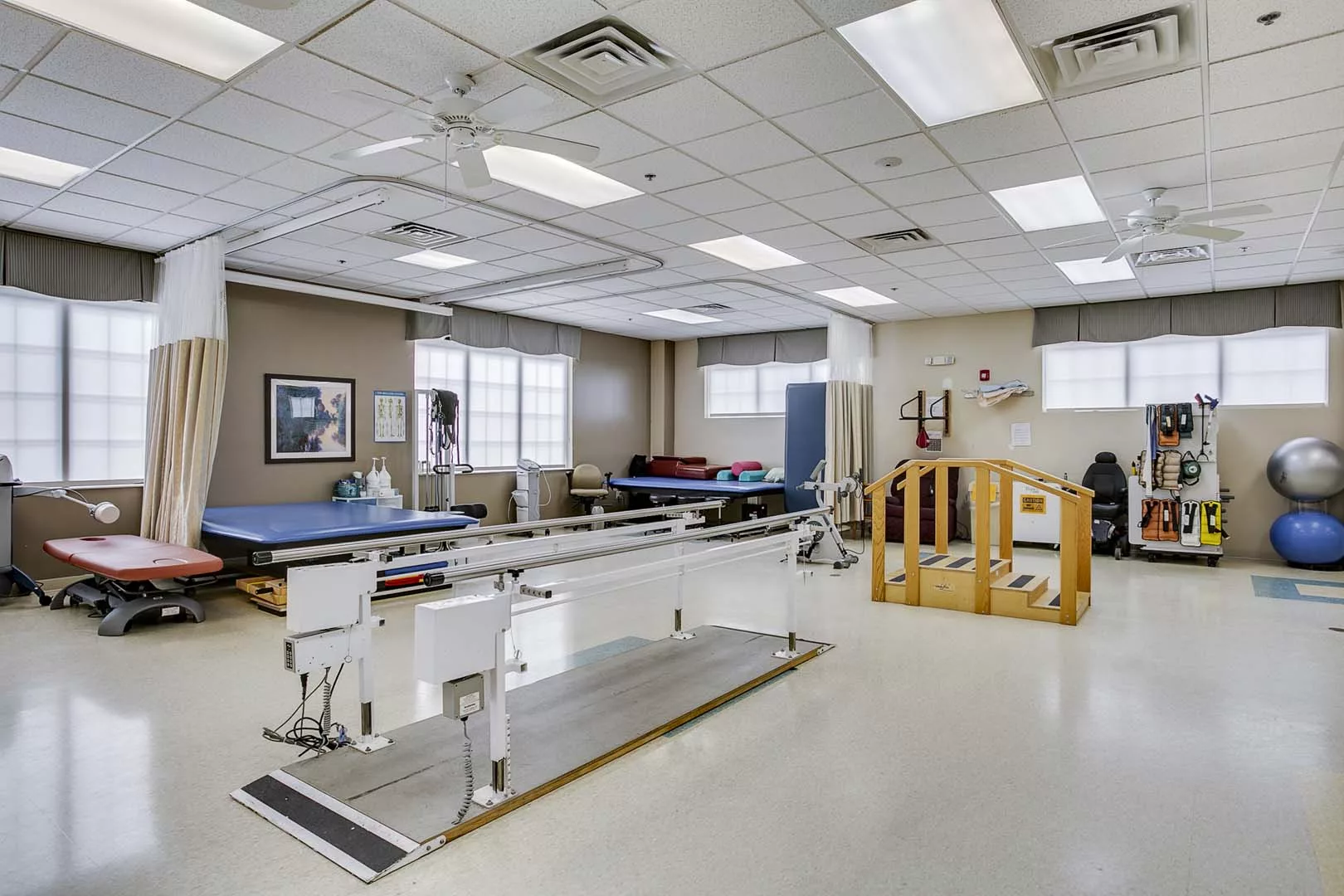
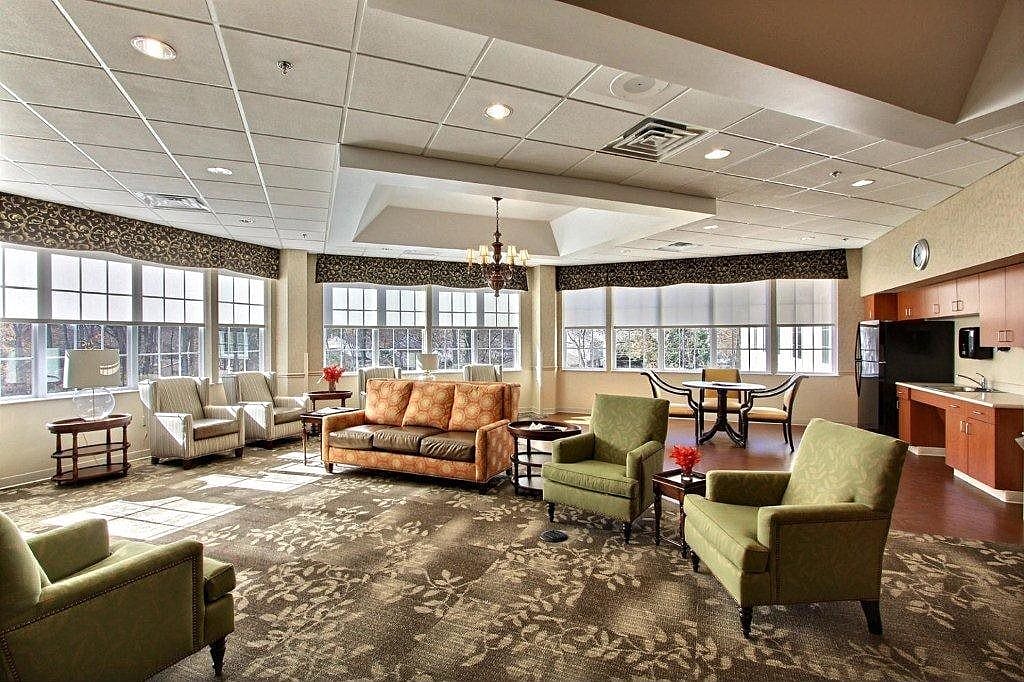

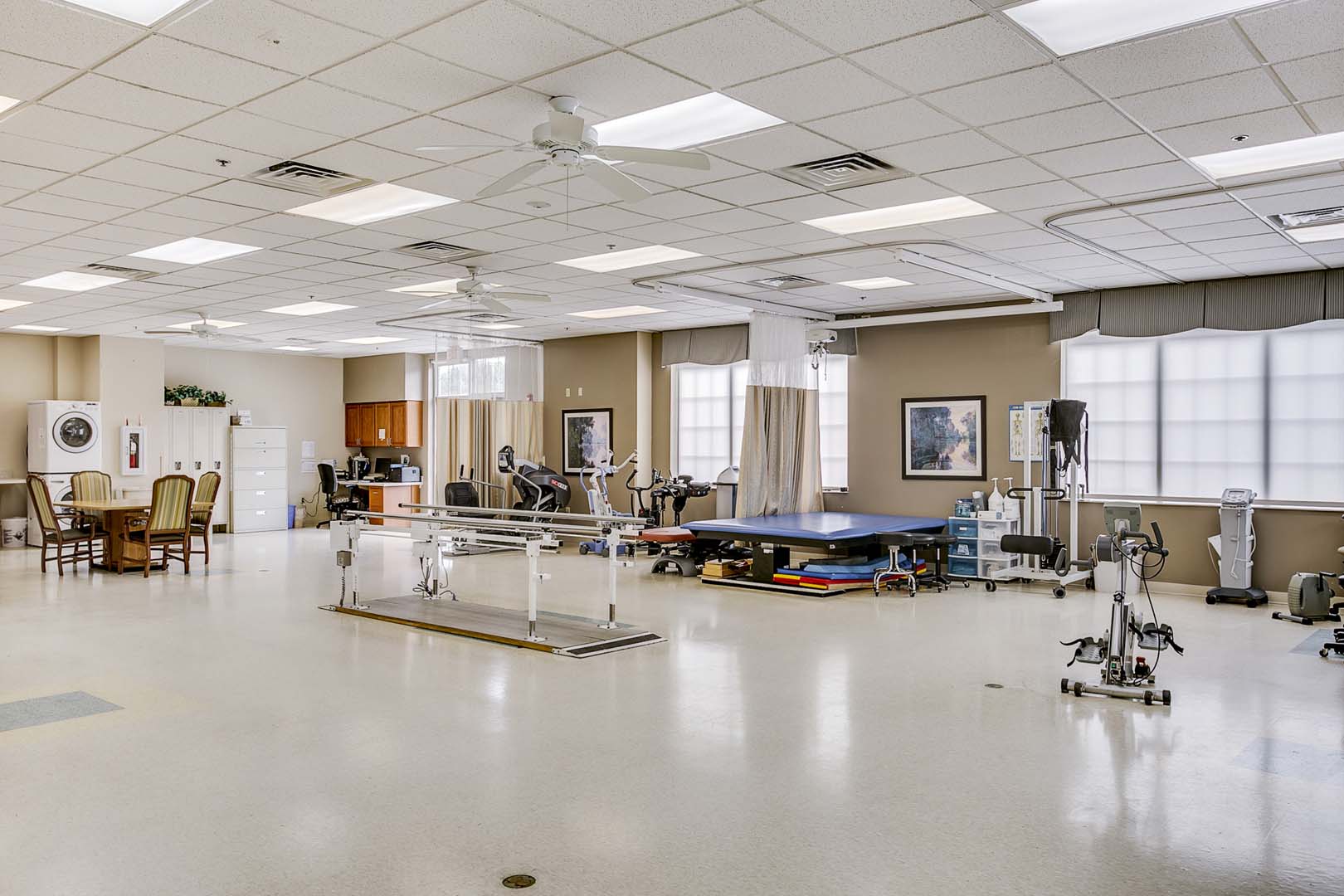
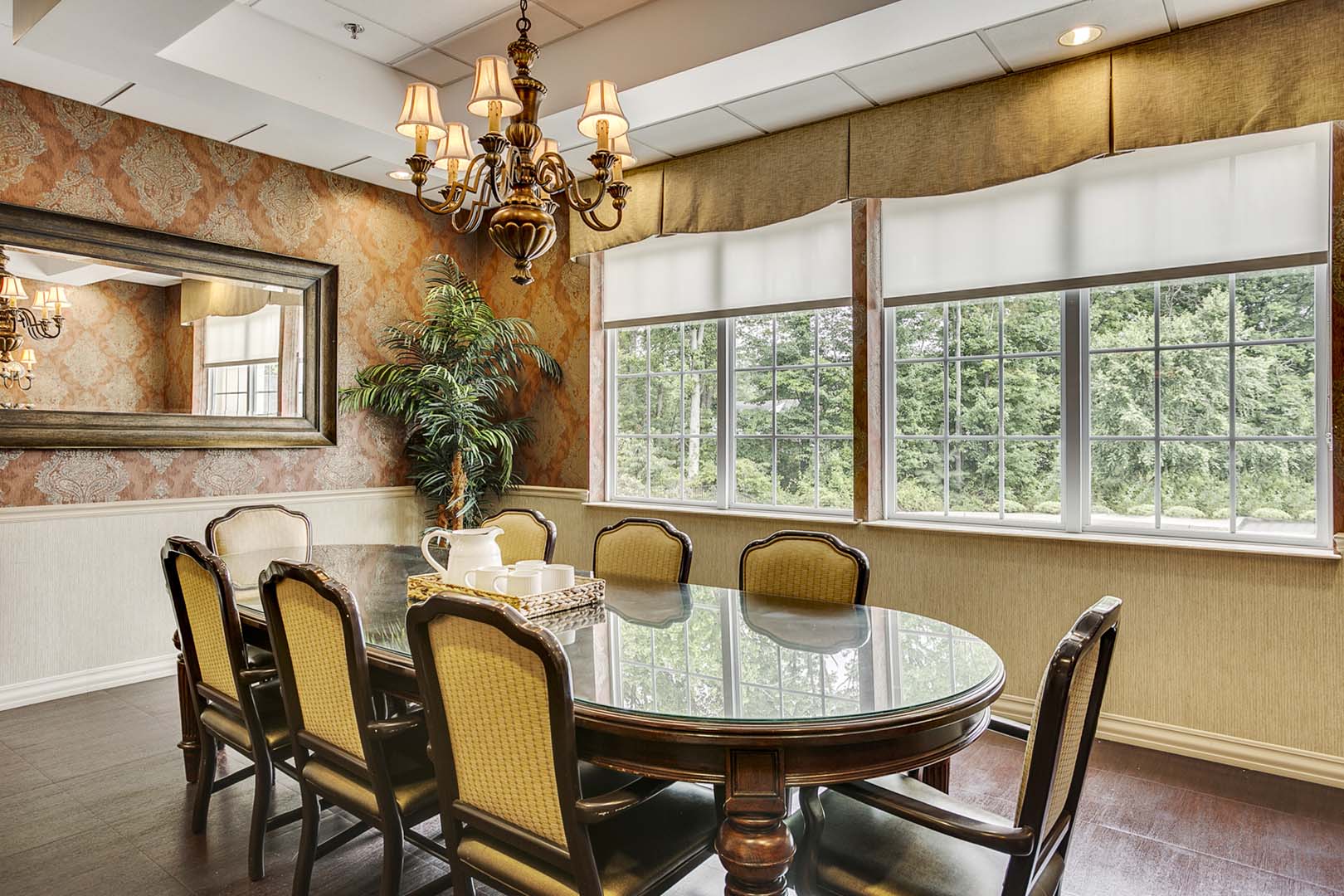
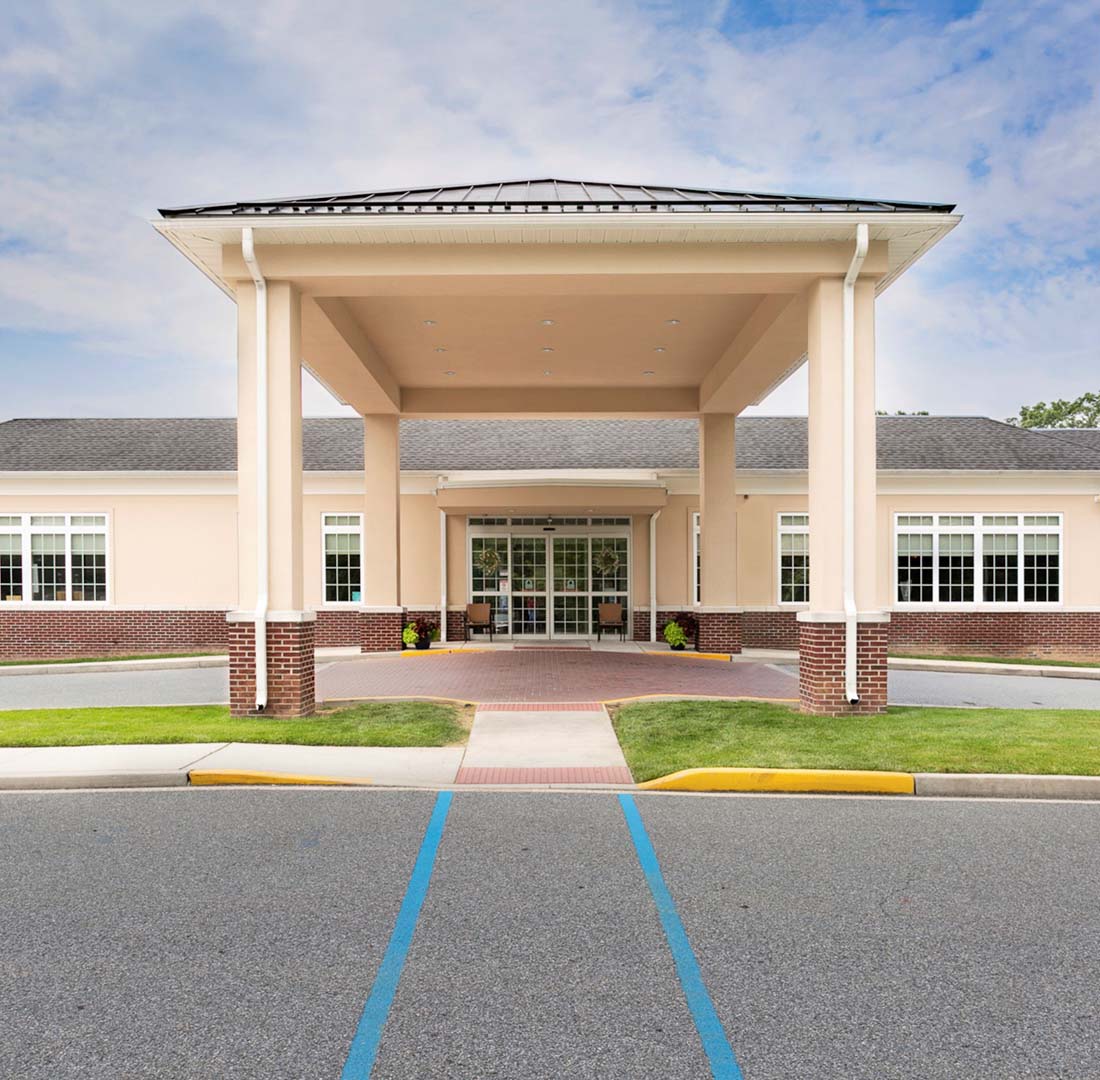

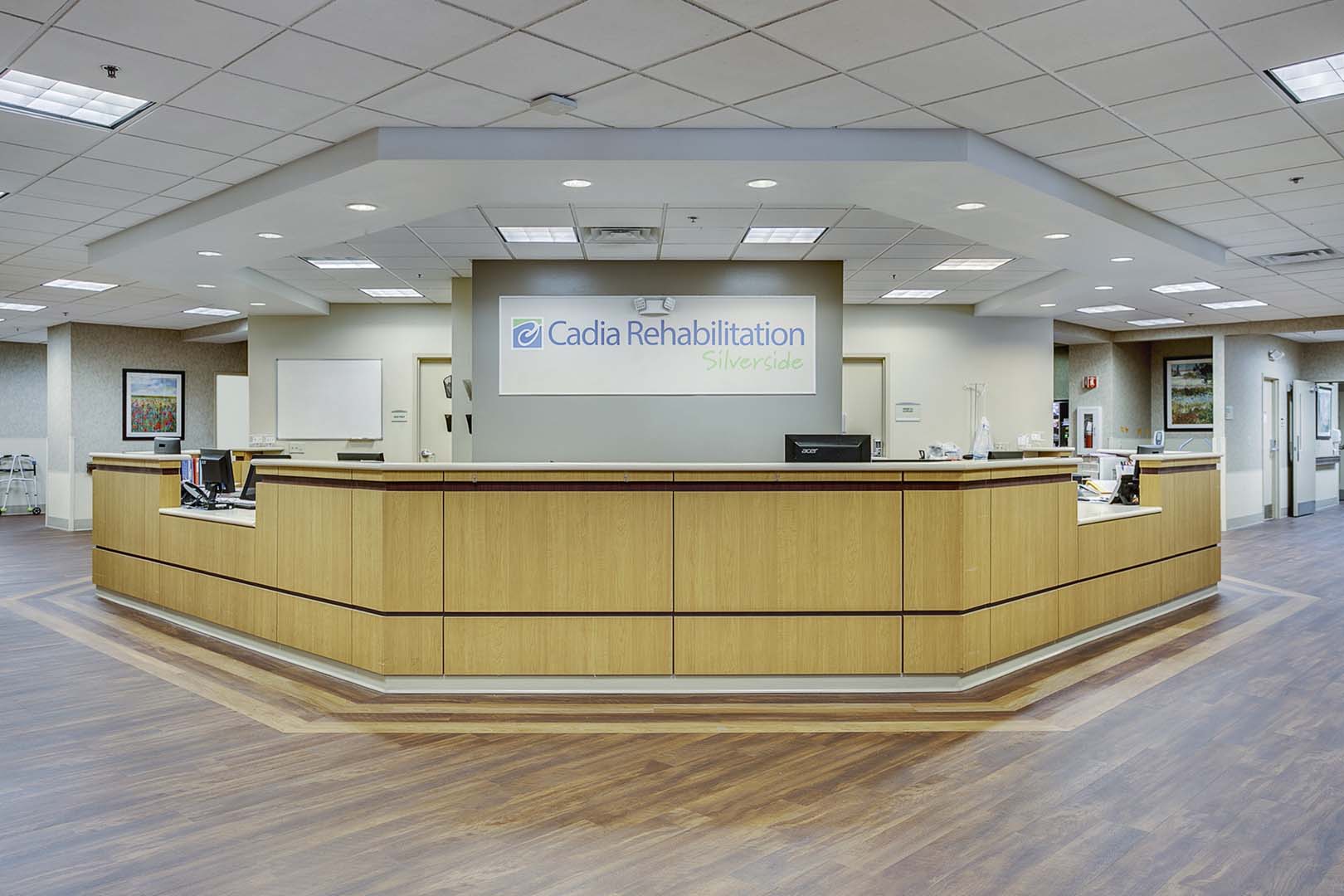
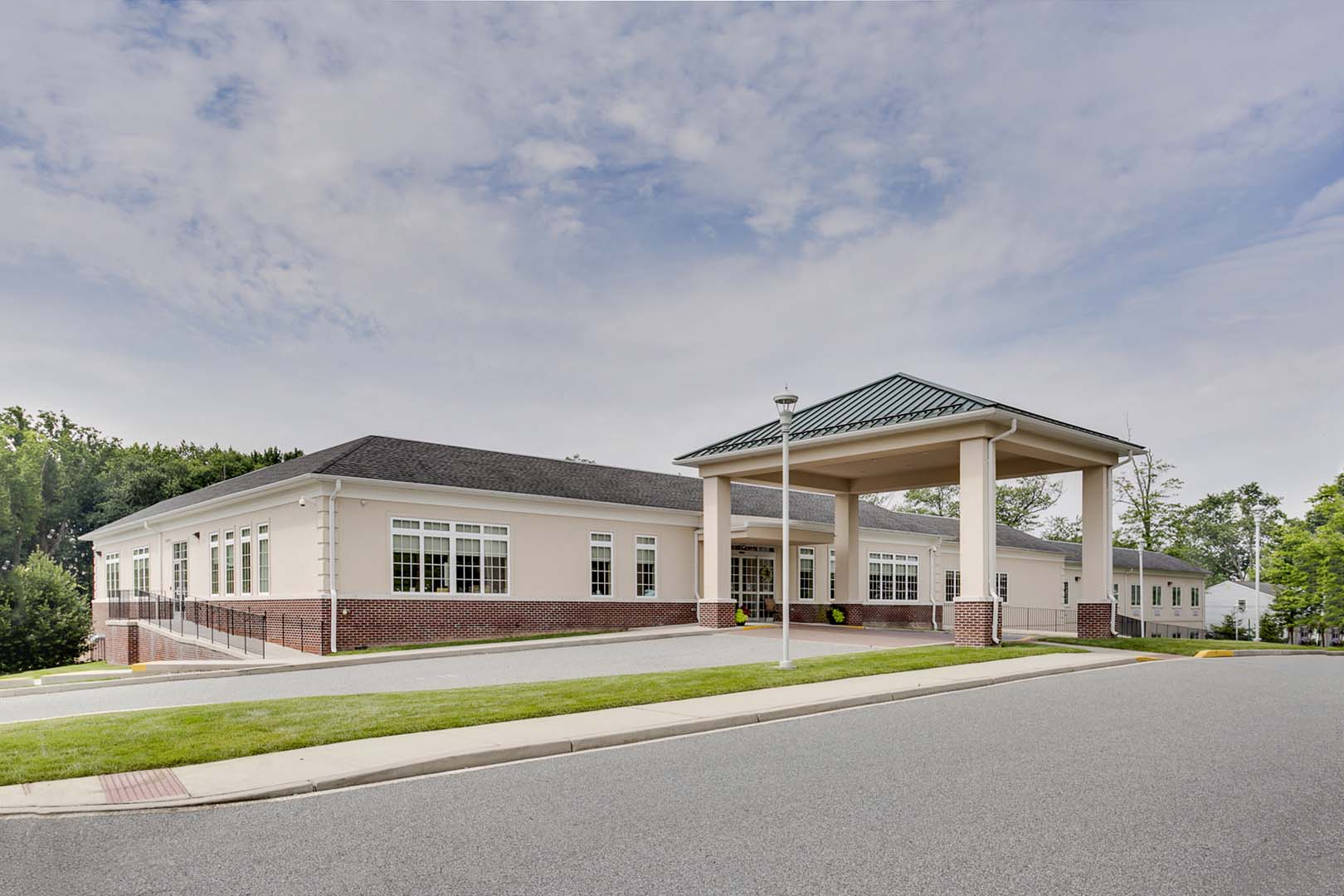
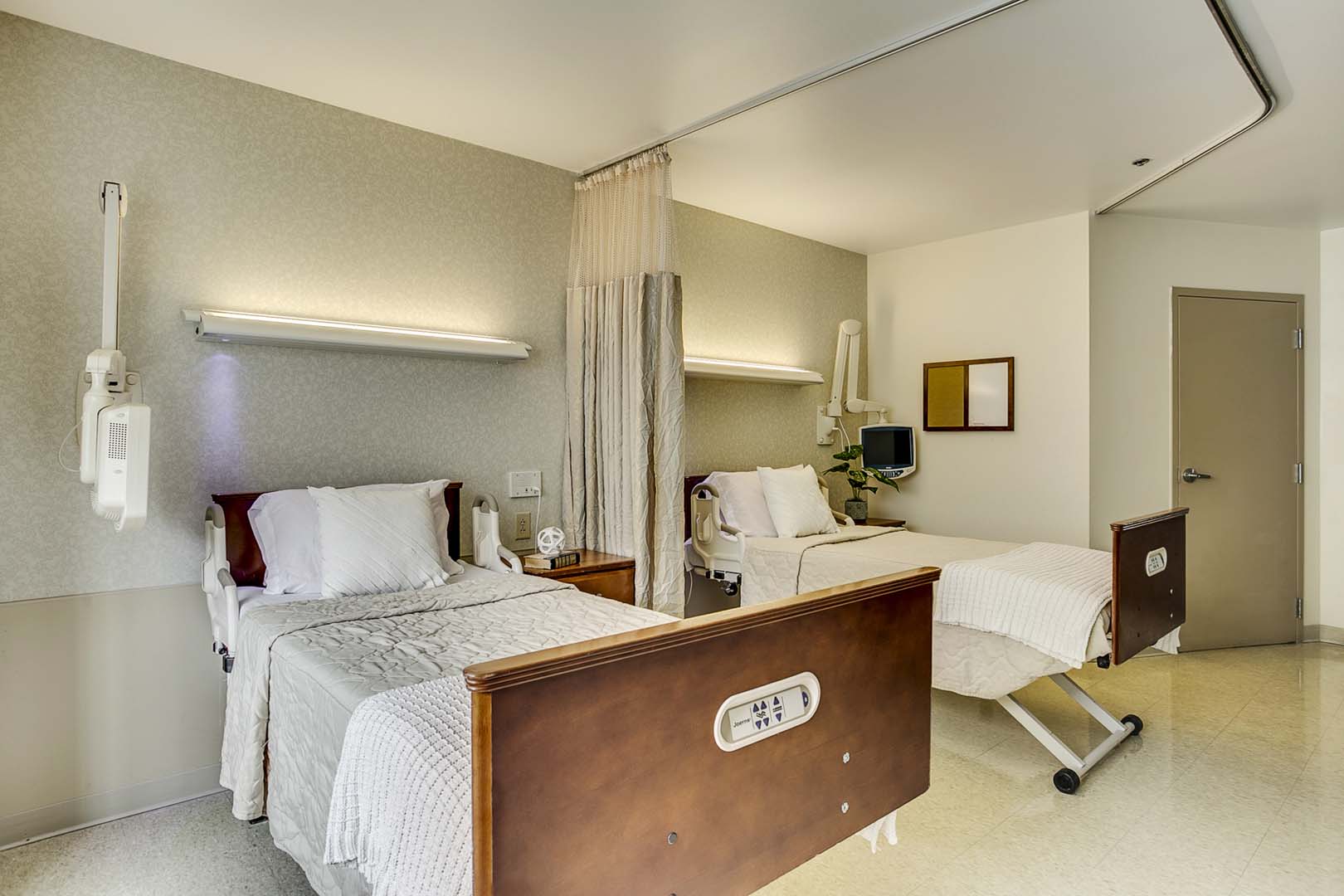
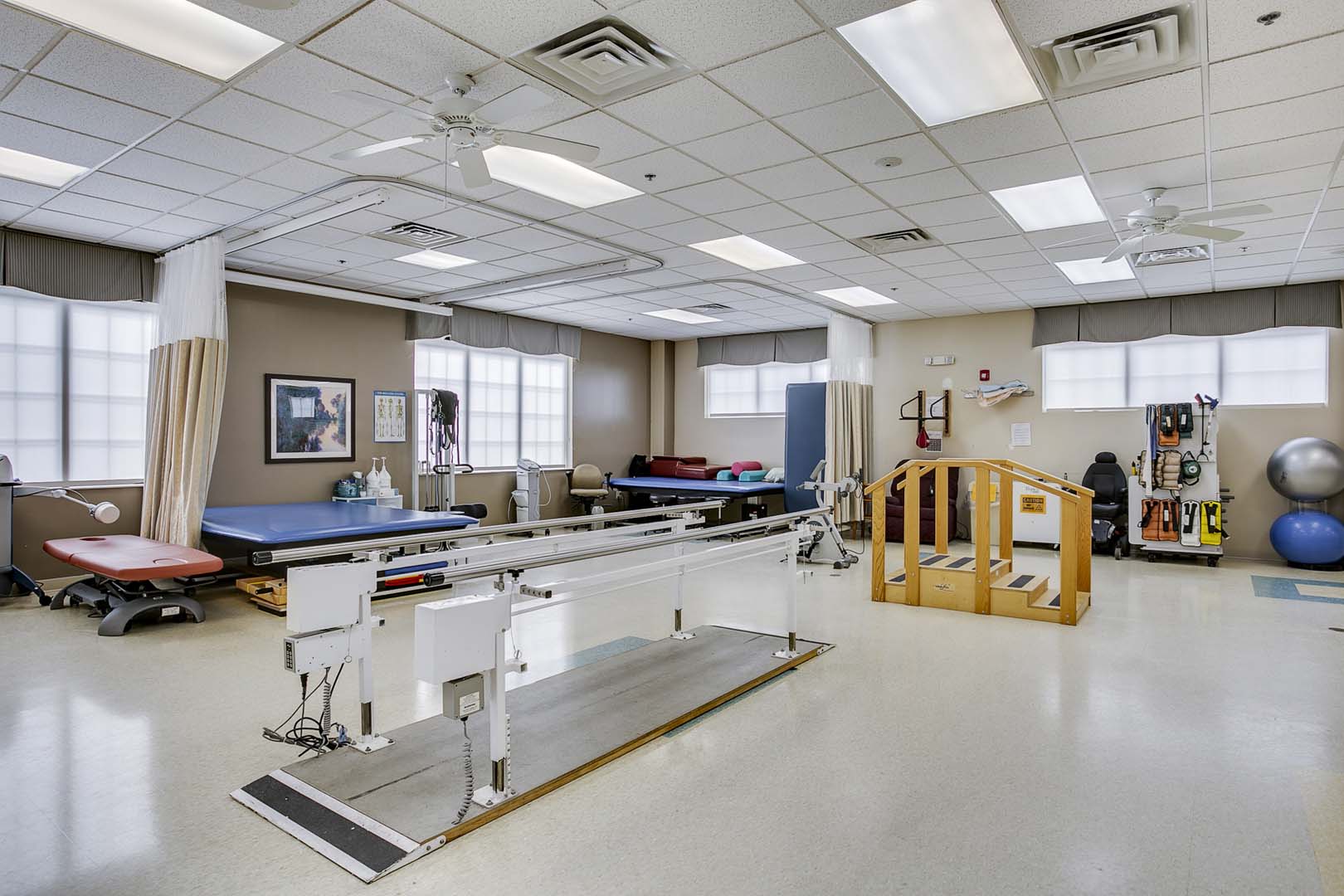
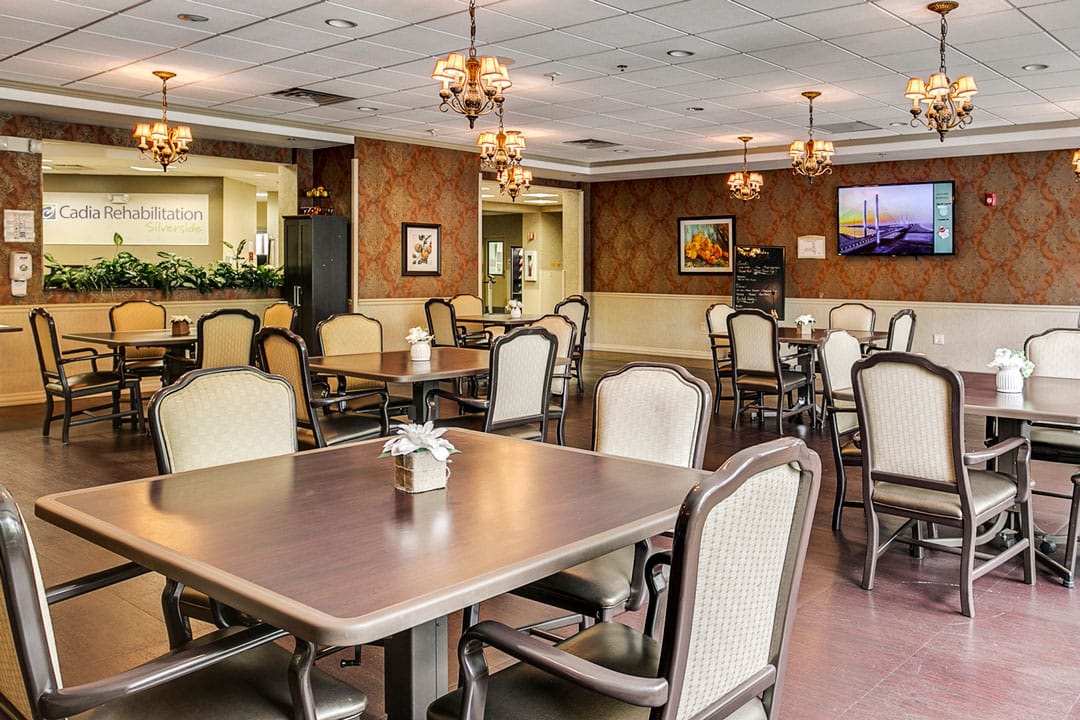


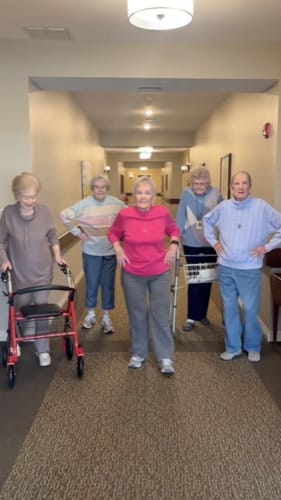
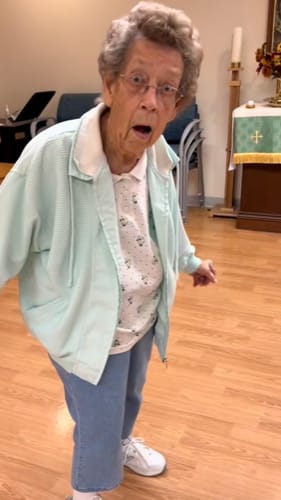
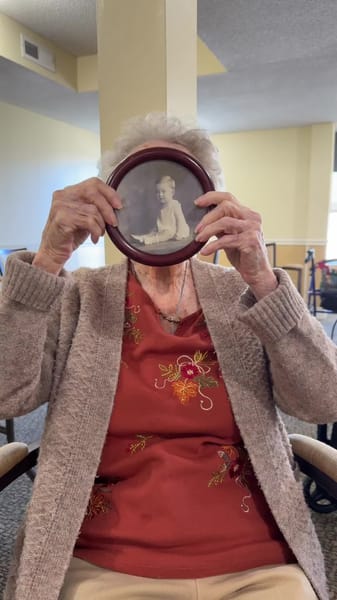
Tucked in the picturesque Pike Creek Valley is Cardia Healthcare, a two-story house that serves as a haven for those in need of care and rehabilitation. The rehabilitation suites here are private and semi-private, offering a comfortable and peaceful atmosphere for residents to recover and heal. With advanced therapeutic technologies tailored to individual needs, they also offer extensive respiratory care in close collaboration with an interdisciplinary team.
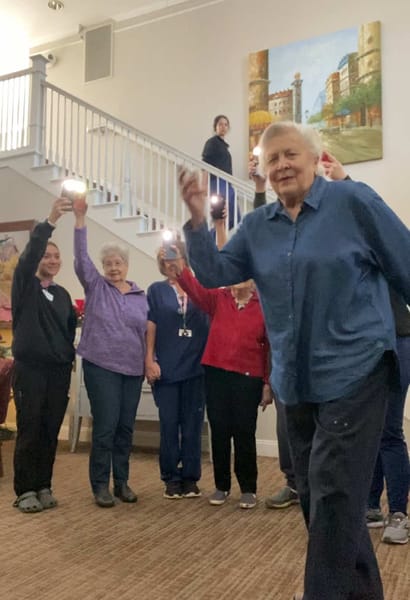
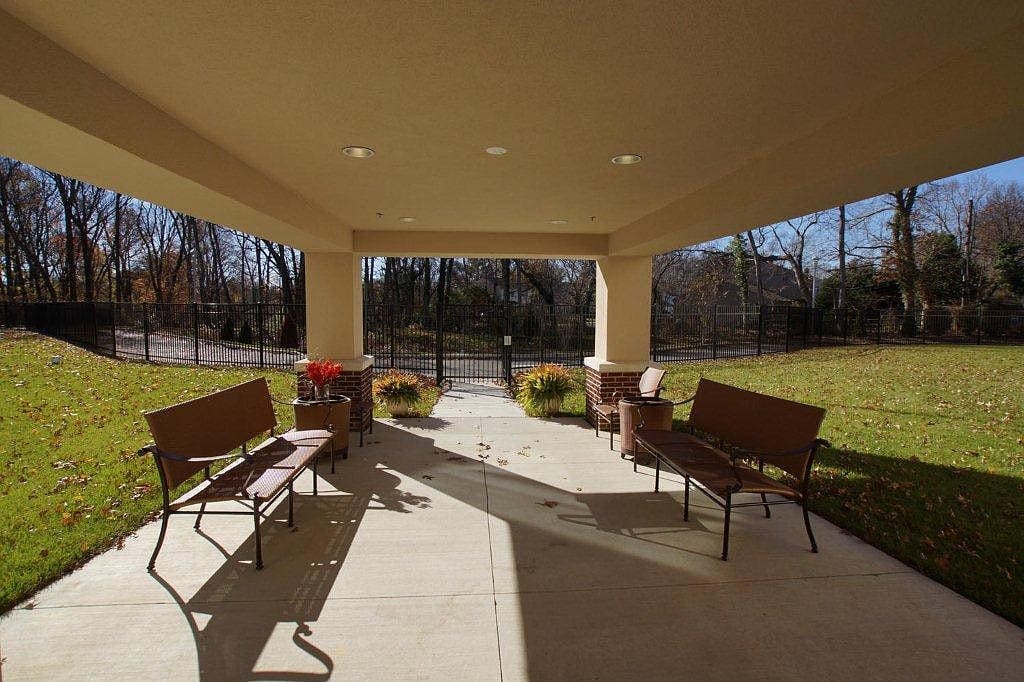
At Cardia Healthcare, they value the importance of family and visitors, which is why they provide ample parking and a spacious outdoor setting. The team of professionals here boasts expertise and the highest quality of nursing and rehabilitation care. They prioritize helping residents transition smoothly and regain their maximum level of functioning to enable them to return home as soon as possible. Dialysis services are also available, making Cardia Healthcare a comprehensive care center.
 The Overall CMS Rating combines results from health inspections, staffing levels and quality measures. Health inspections carry the most weight. Staffing and quality scores can increase or decrease the final rating based on performance compared to state and national standards.
Based on the results of the facility's three most recent standard inspections and any complaint investigations. CMS reviews the number, scope, and severity of deficiencies, with more recent findings weighted more heavily.
Measures average nursing staff hours per resident per day, including Registered Nurses (RNs) and total nursing staff. Ratings are adjusted based on the level of care residents require and are compared to state and national benchmarks.
Based on clinical and physical health indicators reported to CMS, such as hospital readmissions, falls, pressure ulcers, and improvements in mobility. These measures reflect how well residents' health needs are being managed.
This shows how many total hours of nursing staff time are available per resident each day. Higher numbers usually mean more staff support.
The Overall CMS Rating combines results from health inspections, staffing levels and quality measures. Health inspections carry the most weight. Staffing and quality scores can increase or decrease the final rating based on performance compared to state and national standards.
Based on the results of the facility's three most recent standard inspections and any complaint investigations. CMS reviews the number, scope, and severity of deficiencies, with more recent findings weighted more heavily.
Measures average nursing staff hours per resident per day, including Registered Nurses (RNs) and total nursing staff. Ratings are adjusted based on the level of care residents require and are compared to state and national benchmarks.
Based on clinical and physical health indicators reported to CMS, such as hospital readmissions, falls, pressure ulcers, and improvements in mobility. These measures reflect how well residents' health needs are being managed.
This shows how many total hours of nursing staff time are available per resident each day. Higher numbers usually mean more staff support.
Offers a balance of services and community atmosphere.
Occupancy is moderate, suggesting balanced demand.
Most residents typically stay for a few weeks or months before returning home or moving on.
58% of new residents, usually for short-term rehab.
32% of new residents, often for short stays.
10% of new residents, often for long-term daily care.
The portion of the home's budget spent on staff, including nurses, caregivers, and other employees who support care and operations.
All remaining costs needed to run the home, such as food, utilities, building maintenance, supplies and administrative expenses.


 In line with Delaware average
Cardia Healthcare Silverside is administrated by Nichole Nolan.
Key information about the people who lead and staff this community.


In Delaware, the Department of Health and Social Services, Division of Health Care Quality is responsible for the oversight, unannounced inspection, and licensing of all long-term care settings.
Deficiencies indicate regulatory issues. A higher number implies the facility had several areas requiring improvement.
The most recent inspection on March 27, 2025 identified deficiencies related to grievances, abuse and neglect, quality of care, medication errors, infection control, and other regulatory requirements. Earlier inspections also noted issues with abuse and neglect, medication errors, infection control, and documentation, with substantiated complaints leading to staff terminations in some cases. Inspectors cited recurring themes of failure to protect residents from abuse, inadequate investigation and reporting of abuse allegations, medication administration errors, and lapses in infection control practices. Several complaint investigations were substantiated, including cases involving abuse and neglect as well as incomplete medical records contributing to adverse outcomes. The inspection history shows ongoing challenges with resident safety and care quality, with no clear improvement trend in recent years.
Delaware average 4.4
Last Health inspection on Mar 2025
Delaware average 38.9
Delaware average 8.72
Health citations are formal notices following inspections when they fail to comply with safety and care standards.
13 of 22 citations resulted from standard inspections; 7 of 22 resulted from complaint investigations; and 2 of 22 came from combined inspections (standard and complaint).
1 11% worse than Delaware average
Delaware average: 0.9
0 100% better than Delaware average
Delaware average: 1.2
Issues related to protecting resident's from harm, including abuse, neglect, or mistreatment.
Mar 27, 2025
Corrected
Issues related to protecting resident's from harm, including abuse, neglect, or mistreatment.
Mar 27, 2025
Corrected
Issues related to protecting resident's from harm, including abuse, neglect, or mistreatment.
Mar 27, 2025
Corrected
Issues related to preventing and controlling infections, including hygiene practices and safety protocols.
Mar 27, 2025
Corrected
Data sourced from CMS Health Deficiencies reports. Citation severity codes range from A (least serious) to L (most serious). Immediate Jeopardy (J-L) citations indicate situations where the facility's noncompliance has placed residents at risk of death or serious harm.
Nursing Home Licensed facility providing 24/7 skilled nursing care for residents with complex, ongoing medical needs. Staffed by RNs, LPNs, and CNAs. Inspected and star-rated annually by CMS. Accepts Medicare (short-term rehab) and Medicaid (long-term care).
Assisted Living A licensed, long-term care setting for seniors or individuals with disabilities who need help with daily activities — like bathing, dressing, and medication management — but not 24-hour skilled nursing. Offers housing, meals, and around-the-clock support while aiming to maximize resident independence.
Nursing Home Licensed facility providing 24/7 skilled nursing care for residents with complex, ongoing medical needs. Staffed by RNs, LPNs, and CNAs. Inspected and star-rated annually by CMS. Accepts Medicare (short-term rehab) and Medicaid (long-term care).
Assisted Living A licensed, long-term care setting for seniors or individuals with disabilities who need help with daily activities — like bathing, dressing, and medication management — but not 24-hour skilled nursing. Offers housing, meals, and around-the-clock support while aiming to maximize resident independence.
Nursing Home Licensed facility providing 24/7 skilled nursing care for residents with complex, ongoing medical needs. Staffed by RNs, LPNs, and CNAs. Inspected and star-rated annually by CMS. Accepts Medicare (short-term rehab) and Medicaid (long-term care).
Assisted Living A licensed, long-term care setting for seniors or individuals with disabilities who need help with daily activities — like bathing, dressing, and medication management — but not 24-hour skilled nursing. Offers housing, meals, and around-the-clock support while aiming to maximize resident independence.
Assisted Living A licensed, long-term care setting for seniors or individuals with disabilities who need help with daily activities — like bathing, dressing, and medication management — but not 24-hour skilled nursing. Offers housing, meals, and around-the-clock support while aiming to maximize resident independence.
Nursing Home Licensed facility providing 24/7 skilled nursing care for residents with complex, ongoing medical needs. Staffed by RNs, LPNs, and CNAs. Inspected and star-rated annually by CMS. Accepts Medicare (short-term rehab) and Medicaid (long-term care).
Nursing Home Licensed facility providing 24/7 skilled nursing care for residents with complex, ongoing medical needs. Staffed by RNs, LPNs, and CNAs. Inspected and star-rated annually by CMS. Accepts Medicare (short-term rehab) and Medicaid (long-term care).
Assisted Living A licensed, long-term care setting for seniors or individuals with disabilities who need help with daily activities — like bathing, dressing, and medication management — but not 24-hour skilled nursing. Offers housing, meals, and around-the-clock support while aiming to maximize resident independence.
 3.5 miles from city center — 0.4 miles to nearest hospital (Forrest General Hospital)
 3322 Silverside Rd, Wilmington, DE 19810
Add your location
This data corresponds to Q2 2025 and is based on CMS Payroll-Based Journal.
0% compared with Delaware averageDelaware average ratio: 1.61:1
0% compared with Delaware averageDelaware average: 7.6 hours
Manages medical care and health needs.
Average shift length. Calculated as total hours divided by days worked and average staff per day.
8.3 hoursNo contractors work on this role.
Assists with medical care and medications.
Average shift length. Calculated as total hours divided by days worked and average staff per day.
8.6 hoursNo contractors work on this role.
Helps with daily care and mobility.
Average shift length. Calculated as total hours divided by days worked and average staff per day.
7.4 hoursNo contractors work on this role.
Total hours from contractors
631 contractor hours this quarter
| Certified Nursing Assistant | 82 | 0 | 82 | 21,009 | 91 | 100% | 7.4 |
| Licensed Practical Nurse | 24 | 0 | 24 | 7,403 | 91 | 100% | 8.6 |
| Registered Nurse | 17 | 0 | 17 | 4,652 | 91 | 100% | 8.3 |
| Clinical Nurse Specialist | 11 | 0 | 11 | 2,986 | 91 | 100% | 8.4 |
| Physical Therapy Assistant | 6 | 0 | 6 | 2,288 | 83 | 91% | 7.7 |
| Speech Language Pathologist | 8 | 0 | 8 | 1,848 | 81 | 89% | 7.4 |
| RN Director of Nursing | 4 | 0 | 4 | 1,698 | 78 | 86% | 8.2 |
| Physical Therapy Aide | 6 | 0 | 6 | 1,396 | 78 | 86% | 7.4 |
| Respiratory Therapy Technician | 5 | 1 | 6 | 1,207 | 72 | 79% | 7.6 |
| Mental Health Service Worker | 2 | 0 | 2 | 1,007 | 65 | 71% | 7.9 |
| Other Dietary Services Staff | 3 | 0 | 3 | 906 | 88 | 97% | 7.4 |
| Qualified Social Worker | 3 | 0 | 3 | 867 | 64 | 70% | 7.6 |
| Nurse Practitioner | 1 | 0 | 1 | 483 | 60 | 66% | 8.1 |
| Dietitian | 1 | 0 | 1 | 466 | 61 | 67% | 7.6 |
| Administrator | 0 | 1 | 1 | 464 | 58 | 64% | 8 |
| Occupational Therapy Aide | 2 | 0 | 2 | 419 | 60 | 66% | 7 |
| Medical Director | 0 | 1 | 1 | 67 | 23 | 25% | 2.9 |
| Occupational Therapy Assistant | 0 | 1 | 1 | 60 | 12 | 13% | 5 |
Source: CMS Long-Term Care Facility Characteristics (Data as of Jan 2026)
Residents meet regularly to discuss policies, care quality, and activities
Organized group of residents that meets regularly to discuss facility policies, quality of life, and activities.
Data sourced from CMS Long-Term Care Facility Characteristics quarterly report. Payer mix reflects the current resident census by primary payment source.
These measures show how residents usually do over time at this home, based on health outcomes and preventive care.
A composite score based on pressure ulcers, falls with injury, weight loss, walking ability decline, and activities of daily living decline.
5.8
40% better than Delaware averageDelaware average: 9.6
A composite score based on activities of daily living decline, walking ability decline, and incontinence.
15.2
20% better than Delaware averageDelaware average: 19.0
Percent of long-stay residents whose need for help with daily activities has increased
11.9%
23% better than Delaware averageDelaware average: 15.4%
Percent of long-stay residents whose ability to move independently worsened
13.4%
32% better than Delaware averageDelaware average: 19.8%
Percent of low risk long-stay residents who lose control of their bowels or bladder
20.4%
8% better than Delaware averageDelaware average: 22.1%
Percent of long-stay residents experiencing one or more falls with major injury
1.8%
40% better than Delaware averageDelaware average: 3.0%
Percent of long-stay high risk residents with pressure ulcers
0.6%
86% better than Delaware averageDelaware average: 4.4%
Percent of long-stay residents with a urinary tract infection
1.1%
49% better than Delaware averageDelaware average: 2.1%
Percent of long-stay residents who lose too much weight
1.1%
81% better than Delaware averageDelaware average: 5.8%
Percent of long-stay residents who have depressive symptoms
6.0%
In line with Delaware averageDelaware average: 6.0%
Percent of long-stay residents who received an antipsychotic medication
0.7%
93% better than Delaware averageDelaware average: 11.0%
Percent of long-stay residents assessed and appropriately given the pneumococcal vaccine
98.6%
In line with Delaware averageDelaware average: 95.3%
Percent of long-stay residents assessed and appropriately given the seasonal influenza vaccine
100.0%
In line with Delaware averageDelaware average: 97.4%
Percent of short-stay residents assessed and appropriately given the pneumococcal vaccine
96.9%
18% better than Delaware averageDelaware average: 82.1%
Percent of short-stay residents who newly received an antipsychotic medication
0.0%
100% better than Delaware averageDelaware average: 0.9%
Percent of short-stay residents assessed and appropriately given the seasonal influenza vaccine
92.1%
11% better than Delaware averageDelaware average: 83.1%
Quality measures are calculated from Minimum Data Set (MDS) assessments. For most measures, lower percentages indicate better care quality.
Federal penalties imposed by CMS for regulatory violations, including civil money penalties (fines) and denials of payment for new Medicare/Medicaid admissions.
Source: CMS Penalties Database (Data as of Jan 2026)
89% lower than Delaware averageDelaware average: $98K
46% fewer fines than Delaware averageDelaware average: 1.9
Serious action where Medicare and/or Medicaid temporarily stops payments for new residents until issues are fixed.
0
100% fewer payment denials than Delaware averageDelaware average: 0.2
Penalties are imposed by CMS for violations of federal nursing home regulations.
Fines imposed for noncompliance, which can be assessed per day or per instance of violation.
Mar 27, 2025Last updated: Jan 2026
Historical financial and operational data for Cardia Healthcare Silverside based on CMS SNF Cost Reports.
Loading trend charts...
Care Cost Calculator: See Prices in Your Area
Nursing Home Data Explorer
Don’t Wait Too Long: 7 Red Flag Signs Your Parent Needs Assisted Living Now
The True Cost of Assisted Living in 2025 – And How Families Are Paying For It
Understanding Senior Living Costs: Pricing Models, Discounts & Financial Assistance


Touring a community? Use this expert-backed checklist to stay organized, ask the right questions, and find the perfect fit.
We'll send you a PDF version of the touring checklist.


 Show Inspection Reports