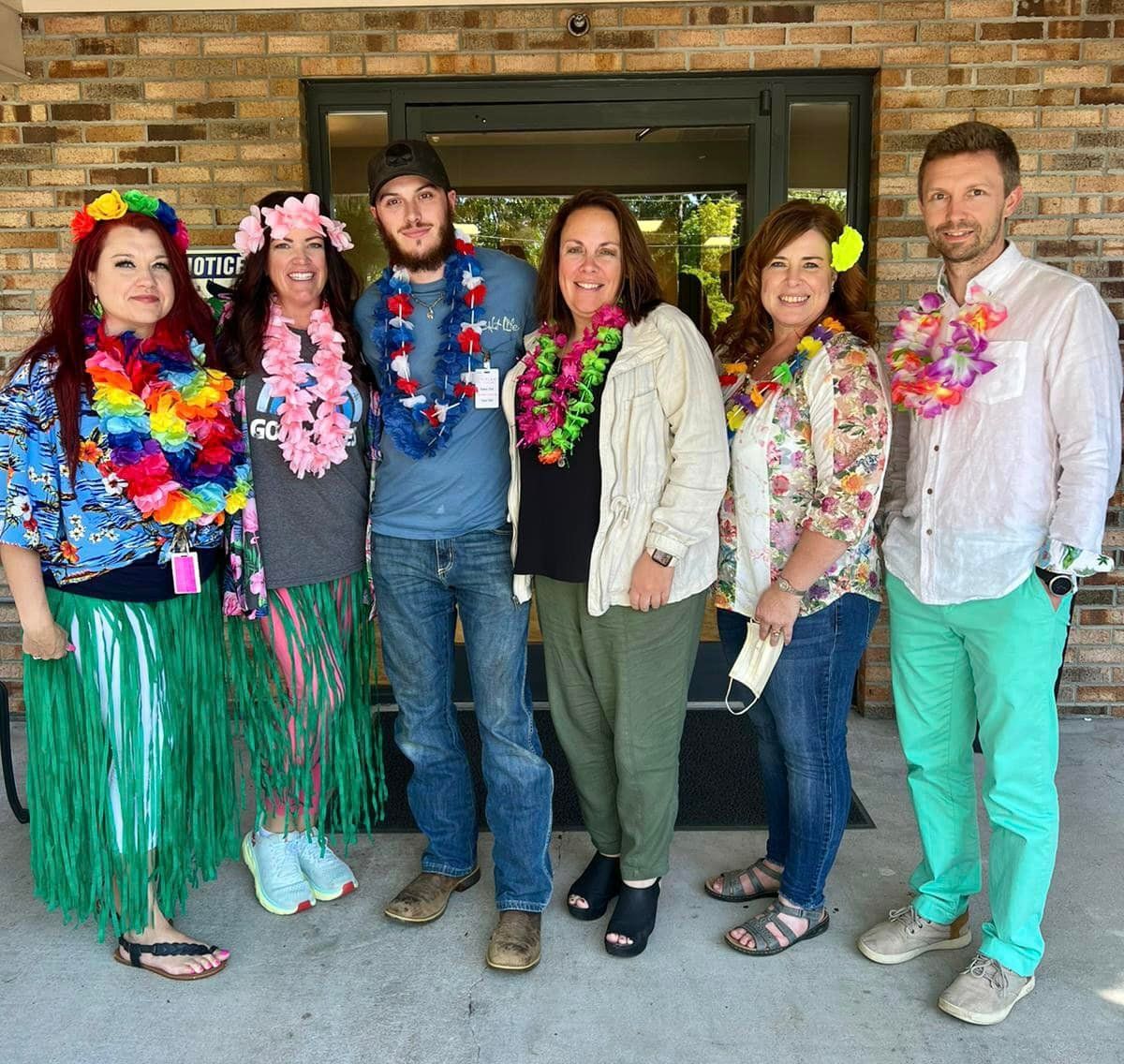

Set in the idyllic neighborhood of Chattanooga, Tennessee, Consulate Health Care of Chattanooga is a reliable senior care provider, offering a range of senior services, including skilled nursing, long-term care, and rehabilitation. The community features 127 units of comfortably designed accommodations that provide residents with utmost comfort and convenience. Featuring a team of compassionate and professional care teams, the community ensures residents will receive the care and support they need to get back to their feet.
Residents here enjoy convenient access to the nearby churches, retail stores, health care services, and other local conveniences that allows for a comfortable and fulfilling living experience. The community also offers an array of activities designed to give residents plenty of opportunities for entertainment, recreation, and socialization. With convenient access to an array of services and the support of a reliable team, residents here are sure to maintain their highest functionality.
Staff Professionalism and Care - Users consistently praise the facility's staff for their professionalism, attentive care, and supportive environment. Many reviews highlight the staff's ability to make both residents and their families feel welcomed and supported throughout their stay, contributing to overall positive experiences.
Care & staff
Personalized attention and individual support
Effective Communication and Coordination - Reviewers appreciate the facility's strong communication channels and coordination, particularly during the admission process and ongoing care. This includes clear explanations of procedures, responsiveness to questions, and opportunities for family meetings with department heads, fostering confidence in the care provided.
Personal attentionCommunityCare & staff
Overall quality of life and resident wellbeing
Comprehensive and Comfortable Care Environment - The facility is noted for its comprehensive care approach, where both the medical and personal needs of residents are well-managed. This includes high-quality therapy services, responsive case workers, clean facilities, and even positive remarks about the food, contributing to a comfortable and effective rehabilitation environment.
Quality of lifePersonal attentionCare & staff
Home Information CHATTANOOGA HEALTH AND REHAB CENTER
Occupancy trails most facilities in the state, suggesting excess open capacity. The facility operates with a larger bed count than most state competitors, supporting broader intake. Residents generally stay for shorter periods than state peers, pointing to quicker turnover.
Home revenue sits below most peers, indicating modest billing throughput. Payroll costs fall below most facilities, hinting at lean staffing budgets. Total income exceeds the majority of state facilities, highlighting strong profitability.
Medicare nights lag behind other facilities, revealing limited Medicare demand. Medicaid nights fall below most peers, pointing to lighter Medicaid reliance. Private pay nights trail most peers, signaling limited market-rate volume.
Occupancy
Beds
127
Occupancy
38.4%
Total Bed Days Available
11430
Avg. Length of Stay
63 days
Avg. Residents per Day
64
Finance
Home Revenue
$511,020.00
Payroll Costs
$193,181.00
Profit
$1,905,509.00
Total Home Costs
$766,972.00
Payroll % of Revenue
Percentage of home revenue spent on payroll costs.
37.8%
House Specifics:
CCN
445205
Owner Name
CHATTANOOGA ONE OP HOLDINGS LLC
Rural vs. Urban
Urban
County
Hamilton
Type of Control
Proprietary — Individual
Operations
Total Admissions
15
Total Discharges
49
% Medicaid Admissions
20%
% Medicare Admissions
27%
% Private Pay Admissions
53%
% Medicaid Discharges
59%
% Medicare Discharges
6%
% Private Pay Discharges
35%
Quality Ratings
Overall Rating
CMS 5-star rating based on health inspections, staffing, and quality measures.
2 / 5
Health Inspection Rating
Rating based on deficiencies found during state health inspections.
2 / 5
Staffing Rating
Rating based on nurse staffing hours per resident per day.
2 / 5
QM Rating
Quality Measures rating based on clinical outcomes for residents.
4 / 5
Nurse Hours / Resident / Day
Total nurse staffing hours per resident per day.
3.59 hrs
Number of Fines
1
Medicaid, Medicare & Private
Medicare Nights
Number of resident nights paid by Medicare for short-term or rehab care.
2384
Medicaid Nights
Resident nights covered by Medicaid for long-term care or support services.
69
Free Market Nights
Nights paid privately by residents or families, without Medicare/Medicaid coverage.
611
Walk Score: 17 / 100
Car-dependent. Most errands require a car, with limited nearby walkable options.
Touring a community? Use this expert-backed checklist to stay organized, ask the right questions, and find the perfect fit.
Location
Community Spaces and Overall Environment
Services
Staffing
Accommodations
Finances
Other Notes
0/250
Send Checklist to Your Email
We'll send you a PDF version of the touring checklist.
Types of Care at Consulate Health Care of Chattanooga
Nursing Home
Types of Care
Assisted Living
Definition: Residential care for older adults who need help with activities of daily living (ADLs) such as medication management, bathing, dressing and meals.Purpose: Support independence while providing daily assistance and limited medical oversight — a step below nursing home care.Focus: Safety, personal care, social engagement and a community-based lifestyle.Amenities and Services: Often include:
• Recreational activities
• Housekeeping and laundry
• Transportation
• Meal servicesCare Level: 24/7 staff availability with personalized care plans; limited clinical care compared to nursing homes.
Home Care
Home care is a type of care wherein qualified professionals assist with activities of daily living (ADLs), like personal hygiene, meal preparation, and dressing, at home. This type of care provides a wide range of services, including personal care, skilled nursing care, rehabilitation services, and companionship. This is ideal for those looking to stay at home in retirement but needing care and support for ADLs and chronic conditions. Hourly care and live-in care are often provided for flexibility, ensuring older adults receive care tailored to their needs and preferences.
Skilled Nursing
Skilled nursing care is a type of care provided by registered nurses in a medical setting under a physician’s supervision, focusing on intensive medical care and rehabilitation. It is typically provided in hospitals and purposely built skilled nursing communities and healthcare centers, usually aimed at short-term and transitional care.
Nursing Care
Nursing care is usually provided in a nursing home environment by nursing aides and licensed practical nurses. This type of care focuses on helping older adults with activities of daily living (ADLs), like personal hygiene and medication, alongside medical care. Long-term residential care is provided, helping those with complex medical needs, chronic conditions, cognitive, functional, and behavioral issues.
Respite Care
Respite care, also known as short-term stay, allows primary caregivers to rest and have time for themselves by providing care for their loved ones. This type of care is temporary and may range from a few hours to weeks, provided either at home or in a senior care community.
Memory Care
Definition: Specialized residential care for people with memory loss, Alzheimer’s disease or other forms of dementia.Purpose: Provide a safe, structured environment with trained staff and programs tailored to cognitive impairment.Focus: Secure settings, enhanced supervision and routines that support memory and reduce stress.Amenities and Services: Typically include:
• Assistance with ADLs
• Cognitive stimulation and therapeutic activities
• Secure indoor/outdoor spacesCare Level: Staff specially trained in dementia care with higher caregiver-to-resident ratios.
Independent Living
Definition: A living option typically for those 55 and over, including senior housing, retirement homes, and active adult communities.Purpose: Ideal for those seeking to live with peers of the same age without needing support for activities of daily living (ADLs) or medical care.Focus: Emphasizes convenience and recreation, eliminating the hassles of housekeeping and maintenance.Amenities and Services: Offers a variety of amenities, which may include:
• Spa
• Concierge
• Community gathering spacesLuxury Levels: Amenities vary depending on the level of luxury provided by the community.
Hospice Care
Focusing on those with life-limiting conditions or terminal illness, hospice care provides physical, emotional, social, and spiritual support. This type of care aims to ease older adults’ discomfort and pain and does not focus on finding a cure. Typically provided with a multidisciplinary team of doctors, nurses, social workers, and hospice aides, in older adults’ preferred setting, may it be at home, hospital, or senior living community. Hospice care provides care for those with a life expectancy estimated at six months or less.
Nursing Home
This type of retirement option focuses on older adults who require advanced healthcare but do not necessarily require hospital care. Nursing homes often provide a wide range of personal care, health care, and skilled nursing, tailored to older adults’ healthcare needs. This is ideal for those who cannot stay at home due to complex healthcare needs but do not need to be in a hospital setting.
Residential Care
A senior living option that focuses on providing support with activities of daily living, including personal hygiene and medication management. However, unlike assisted living, this type of care provides a smaller and more intimate environment, catering to a smaller number of residents. This is ideal for those needing assistance with daily living without extensive medical care and preferring a smaller setting.
Adult Day Care
This type of care provides curated activities for older adults in a non-residential care setting, promoting holistic well-being with health, social, nutritional, and emotional support. Adult day care promotes social interactions in a supervised manner, allowing family caregivers to rest during the day. This is beneficial in terms of preventing loneliness in older adults and providing additional support for family caregivers.
Palliative Care
This type of care focuses on providing comfort, pain relief, and emotional support for those with serious illness. Unlike hospice care, palliative care provides support at any stage of the illness, even alongside curative treatments. This can be provided at home, in nursing homes, in hospitals, and in other senior living communities.
Continuing Care Retirement Communities (CCRC)
Continuing Care Retirement Community (CCRC) is a type of senior living community that provides a wide range of care options in a residential setting. Also known as a life plan community, CCRC often provides independent living, assisted living, memory care, and skilled nursing, allowing older adults to age in place. Due to its comprehensive care, older adults do not have to transfer to communities when the level of care increases.