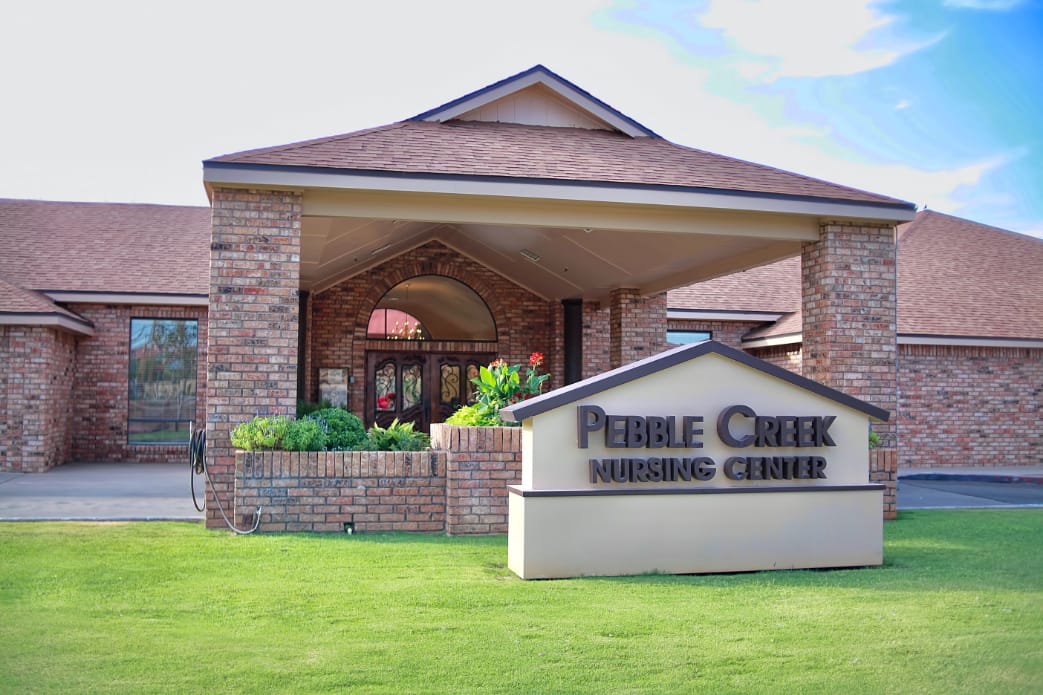
Pebble Creek Healthcare Center, located in Akron, Ohio, is a distinguished skilled nursing center that offers a comprehensive range of services to address short-term recovery, senior rehabilitation, and long-term care needs, all while prioritizing emotional and physical well-being. The facility’s approach is deeply personalized, aiming to help each patient achieve this goal through specialized care. Pebble Creek Healthcare Center places a strong emphasis on understanding the unique challenges posed by chronic conditions. Their team strives to cultivate a supportive environment that caters to the individual needs of guests, residents, and their families. The ultimate measure of success for Pebble Creek Healthcare Center’s skilled nursing services is witnessing individuals return home to their families in a state of happiness and health.
Mixed quality of care and staff attentiveness — Some reviews highlight caring and attentive staff, particularly naming specific individuals, while others report neglect and inadequate medical attention leading to serious consequences.
Quality of lifePersonal attentionCare & staff
Cleanliness, hygiene, and facility upkeep
Cleanliness and environment — The facility is consistently noted for its cleanliness, with one review specifically mentioning it does not smell like urine, which is often a concern in similar facilities.
Cleanliness
Sense of community and social connection
Communication and transparency issues — There are significant concerns about the lack of communication and transparency regarding patients' health conditions, with some family members feeling misled about the true state of their loved ones' health.
Community
Rating
5 / 5
Overall rating based on health inspections, staffing and quality measures.
Rating breakdown
Overall ratingBased on deficiencies found during state health inspections.
5 / 5
Health inspection ratingBased on deficiencies found during state health inspections.
5 / 5
Staffing ratingBased on nurse staffing hours per resident per day.
3 / 5
Quality Measures ratingBased on clinical outcomes for residents.
5 / 5
Nurse hours per resident3.40/day
Capacity and availability
Medium-capacity home
Offers a balance of services and community atmosphere.
Total beds150
This home is often near full
That suggests steady demand, but availability may be limited.
25% of new residents, usually for short-term rehab.
Typical stay4 - 5 months
Private pay
75% of new residents, often for short stays.
Typical stay29 days
Finances and operations
Voluntary non-profit home
Church
Home revenue
$23.9M
Surplus of revenue
$1.8M
Voluntary non-profit home Church
Home revenue
$23,875,476.00
Surplus of revenue
$1,798,233.00
Payroll costsThe portion of the home's budget spent on staff, including nurses, caregivers, and other employees who support care and operations.
$7.1M
29.6% of revenue
Other operating costsAll remaining costs needed to run the home, such as food, utilities, building maintenance, supplies and administrative expenses.
$9.2M
Total costs$16.2M
Tooltip
Certification details
License Number:365727
Owner Name:TEMPLETON, CARI
Rural vs. Urban:Urban
County:Summit
Type of Control:Voluntary Nonprofit — Church
Source: Centers for Medicare & Medicaid Services (CMS) and State data
Who this home usually serves
This view explains the types of residents this home most often serves, based on who is admitted and discharged over time. It reflects patterns, not individual cases.
Admissions
Indicate who is most often coming into the home.
Total904
PERCENTAGES
Medicare25%
Private Pay75%
Discharges
Show who is most often leaving the home, and under which coverage.
Total897
PERCENTAGES
Medicare18%
Private Pay82%
How we assess these insights
We analyze official CMS data and reported admissions information to understand the types of residents a nursing home most often serves.
This includes
Medicare, Medicaid, and private-pay admissions
Number of nights covered by each payment type
Typical length of stay
How we calculate length of stay
We calculate length of stay separately for each payment type (Medicare, Medicaid and private) by dividing total number of nights by total number of admissions.
What "optimal for" means
The tags you see are guidance, not recommendations. They highlight scenarios where this home's care model, stay length and payer mix may align well with certain needs.