

Primarily short stays
Residents typically stay for brief periods, with frequent admissions and discharges throughout the year.

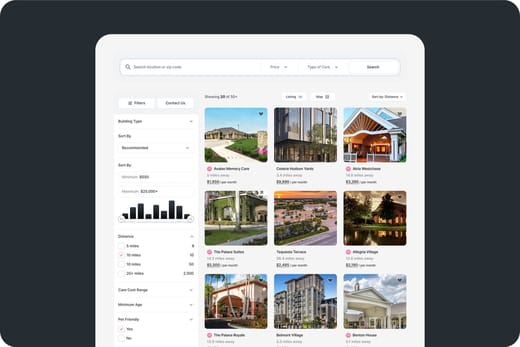
We arrange tours, appointments, and even moving support so you don’t have to
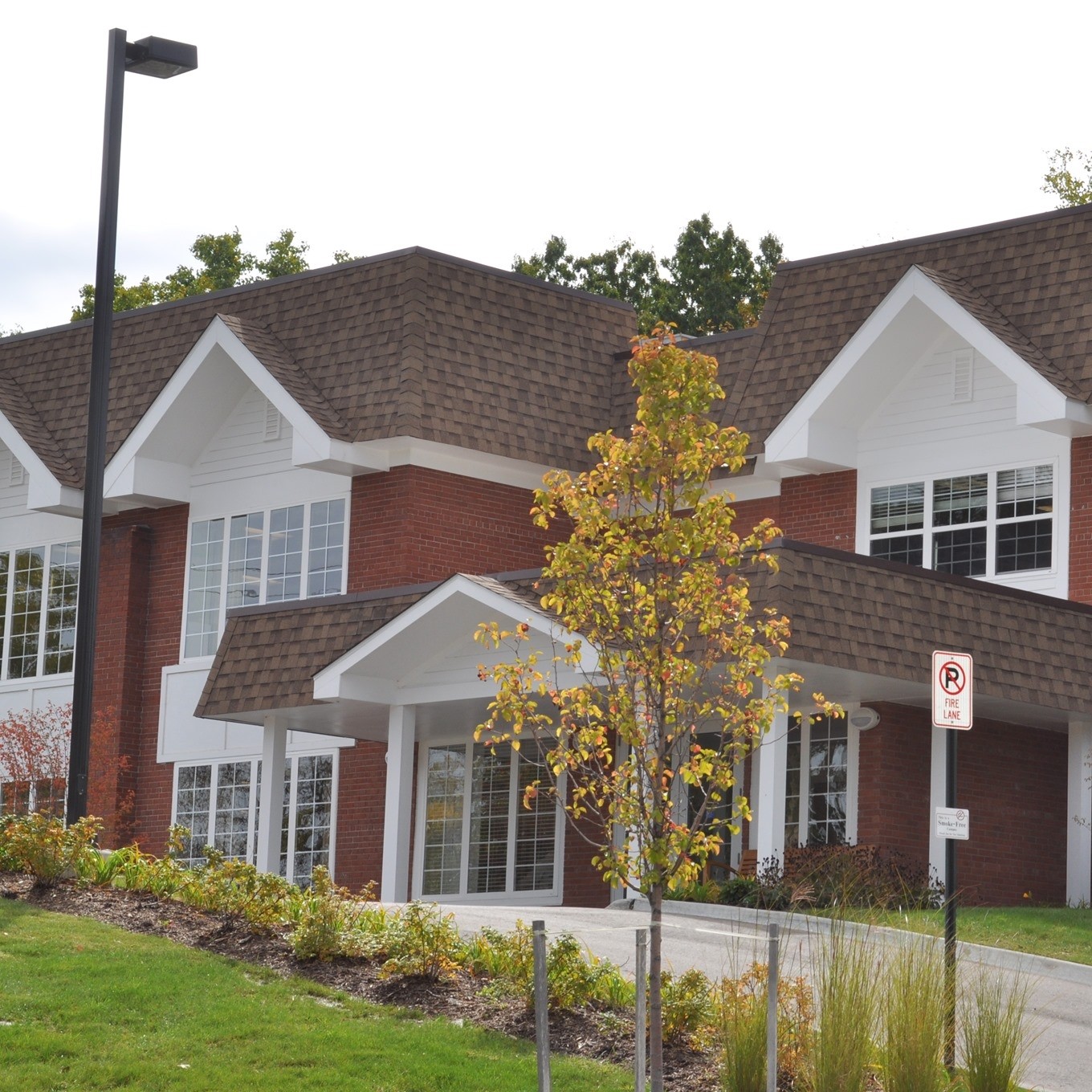
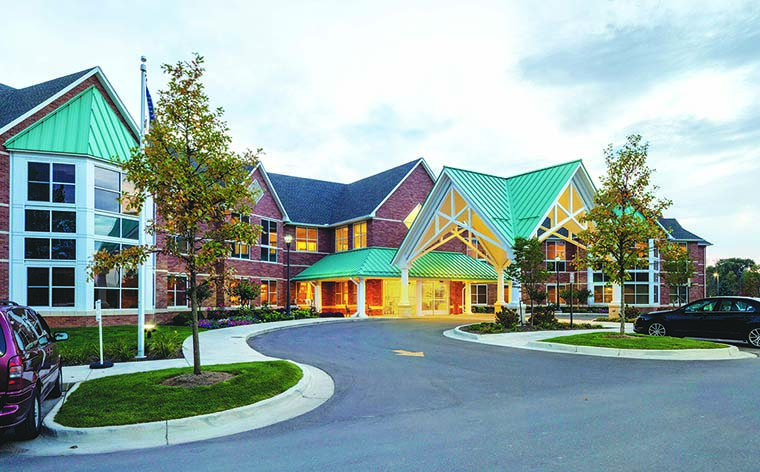
Regency at Bluffs Park is an assisted living community for seniors seeking both long-term care and short-term sub-acute rehabilitative services. Nestled within a state-of-the-art facility adorned with modern-living amenities in Ann Arbor, Michigan, Regency at Bluffs Park stands as a beacon of high-quality care and compassionate support.
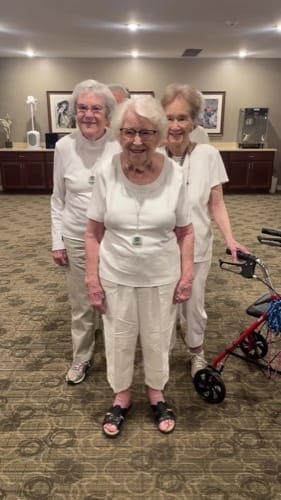
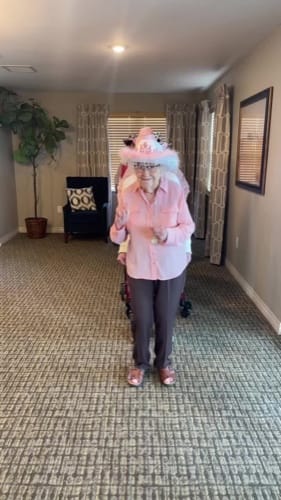
Here, residents are enveloped in an environment where personalized care takes center stage, orchestrated by a team of highly qualified, dedicated, and empathetic professionals. Focused attention and innovative best practices are at the heart of our approach, ensuring that each individual’s unique needs are met with unwavering commitment. At Regency at Bluffs Park, the promise of superior care intertwines with the comforts of modern living, creating a space where well-being flourishes and lives are enriched.
 Official CMS rating based on health inspections, staffing and quality measures.
Official CMS rating based on deficiencies found during state health inspections.
Official CMS rating based on nurse staffing hours per resident per day.
Official CMS rating based on clinical outcomes for residents.
Average daily nursing hours per resident (adjusted for acuity). Higher values indicate more nursing time per resident.
Official CMS rating based on health inspections, staffing and quality measures.
Official CMS rating based on deficiencies found during state health inspections.
Official CMS rating based on nurse staffing hours per resident per day.
Official CMS rating based on clinical outcomes for residents.
Average daily nursing hours per resident (adjusted for acuity). Higher values indicate more nursing time per resident.
May offer a more intimate, personalized care environment.
Occupancy is moderate, suggesting balanced demand.
Residents typically stay for brief periods, with frequent admissions and discharges throughout the year.
36% of new residents, usually for short-term rehab.
64% of new residents, often for short stays.
The portion of the home's budget spent on staff, including nurses, caregivers, and other employees who support care and operations.
All remaining costs needed to run the home, such as food, utilities, building maintenance, supplies and administrative expenses.
Nursing Home 24/7 care needed
Assisted Living For seniors needing help with daily tasks but not full-time nursing.
Nursing Home 24/7 care needed
Assisted Living For seniors needing help with daily tasks but not full-time nursing.
Nursing Home 24/7 care needed
Assisted Living For seniors needing help with daily tasks but not full-time nursing.
Nursing Home 24/7 care needed
Assisted Living For seniors needing help with daily tasks but not full-time nursing.
Nursing Home 24/7 care needed
Assisted Living For seniors needing help with daily tasks but not full-time nursing.
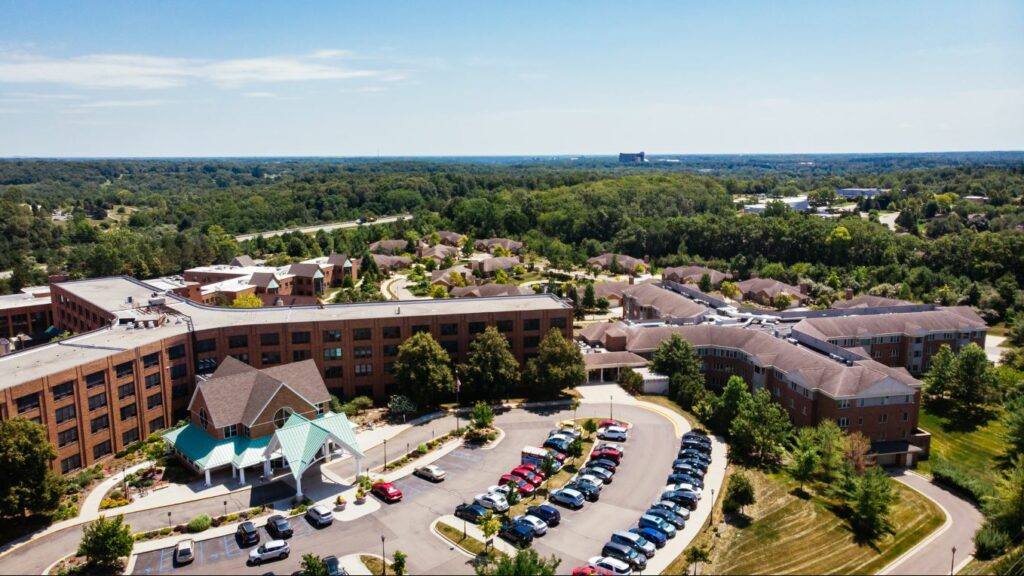 Glacier Hills
 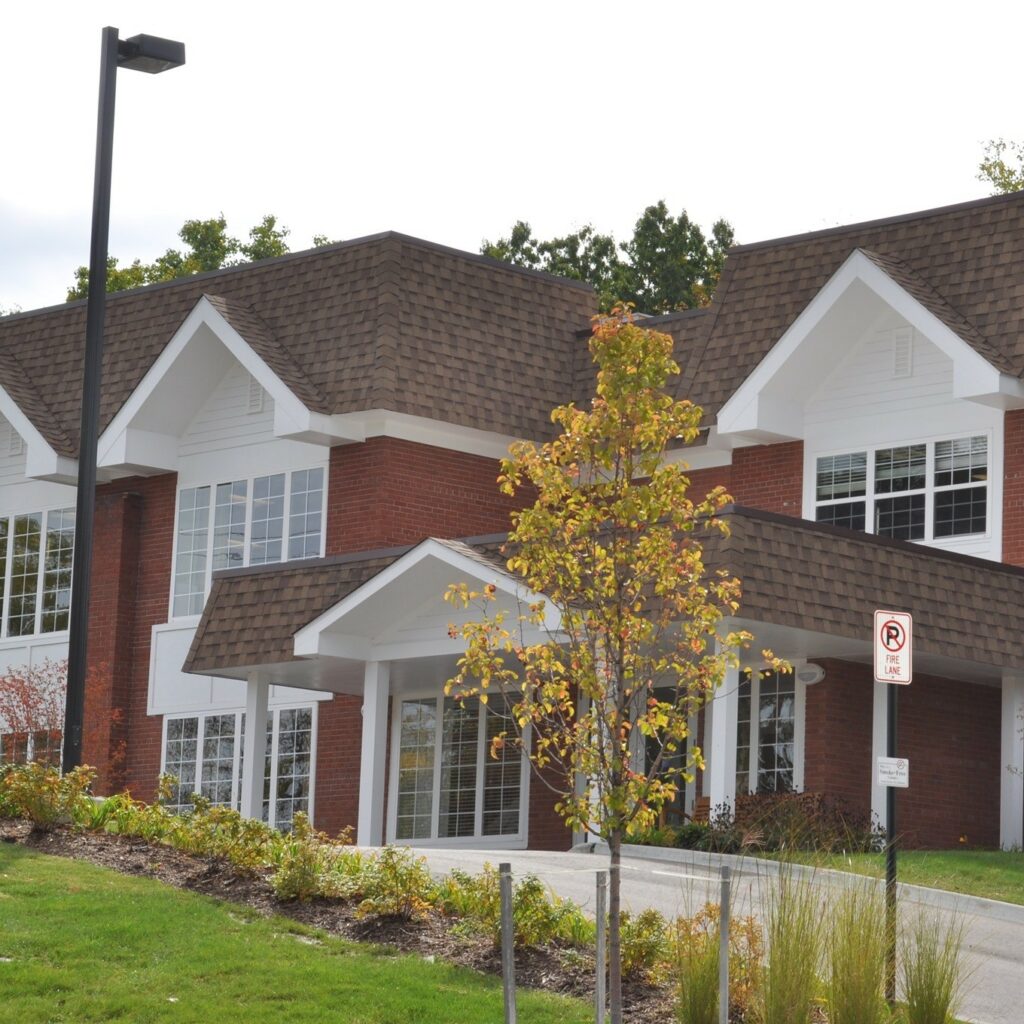 Regency At Bluffs Park
 Care Cost Calculator: See Prices in Your Area
Nursing Home Data Explorer
Don’t Wait Too Long: 7 Red Flag Signs Your Parent Needs Assisted Living Now
The True Cost of Assisted Living in 2025 – And How Families Are Paying For It
Understanding Senior Living Costs: Pricing Models, Discounts & Financial Assistance
We help families find affordable senior communities and unlock same day discounts, Medicaid, and Medicare options tailored to your needs.
Contact us Today


Touring a community? Use this expert-backed checklist to stay organized, ask the right questions, and find the perfect fit.
We'll send you a PDF version of the touring checklist.