

 Every person who worked here at any point in the quarter, employees and contractors. It is not how many are on site at once: that is the "on an average day" figure.
97
97 employees · 0 contractors · 41 on an average day
Sunset Ridge Rehabilitation and Nursing Center
Nursing Home, Palliative Care, Respite Care & Skilled Nursing · Bloomsburg, PA
ALM Inspection Grade
C
ALM's inspection grade is 73 / 100, a C — 7 points below the Pennsylvania average for CMS-certified facilities (80/100) · A proprietary Assisted Living Magazine grade.A 0–100 score of a facility's regulatory inspection record, shown as a letter and compared with other facilities of the same kind in the same state. It is not a government rating.
ALM's inspection grade is 73 / 100, a C — 7 points below the Pennsylvania average for CMS-certified facilities (80/100) · A proprietary Assisted Living Magazine grade.A 0–100 score of a facility's regulatory inspection record, shown as a letter and compared with other facilities of the same kind in the same state. It is not a government rating.
CMS overall rating

 4/5
CMS (the Centers for Medicare & Medicaid Services) is the federal agency that rates nursing home quality. Its Overall Rating runs from 1 to 5 stars, combining health inspections, staffing, and quality measures, with inspections weighted most heavily.
4/5
CMS (the Centers for Medicare & Medicaid Services) is the federal agency that rates nursing home quality. Its Overall Rating runs from 1 to 5 stars, combining health inspections, staffing, and quality measures, with inspections weighted most heavily.
Sunset Ridge Rehabilitation and Nursing Center
Nursing Home, Palliative Care, Respite Care & Skilled Nursing · Bloomsburg, PA
ALM Inspection Grade
C
ALM's inspection grade is 73 / 100, a C — 7 points below the Pennsylvania average for CMS-certified facilities (80/100) · A proprietary Assisted Living Magazine grade.A 0–100 score of a facility's regulatory inspection record, shown as a letter and compared with other facilities of the same kind in the same state. It is not a government rating.
ALM's inspection grade is 73 / 100, a C — 7 points below the Pennsylvania average for CMS-certified facilities (80/100) · A proprietary Assisted Living Magazine grade.A 0–100 score of a facility's regulatory inspection record, shown as a letter and compared with other facilities of the same kind in the same state. It is not a government rating.
CMS overall rating
4/5
CMS (the Centers for Medicare & Medicaid Services) is the federal agency that rates nursing home quality. Its Overall Rating runs from 1 to 5 stars, combining health inspections, staffing, and quality measures, with inspections weighted most heavily.
4/5
CMS (the Centers for Medicare & Medicaid Services) is the federal agency that rates nursing home quality. Its Overall Rating runs from 1 to 5 stars, combining health inspections, staffing, and quality measures, with inspections weighted most heavily.
Sunset Ridge Rehabilitation and Nursing Center accepts Medicare, Medicaid, and private pay.
Overview of Sunset Ridge Rehabilitation and Nursing Center


Sunset Ridge Rehabilitation and Nursing Center is a nursing home in Bloomsburg, PA, offering skilled nursing, palliative care, and respite care. Nursing home care provides ongoing residential nursing support, while skilled nursing means licensed nursing care is available on site around the clock. Palliative care aims to ease discomfort and manage symptoms, while respite care provides temporary housing for someone whose regular caregiver is away or healing.
The combination may suit someone who needs ongoing nursing support or a family seeking temporary care. The home has 66 beds and a 96% occupancy rate, so nearly all beds are filled. Private and semi private rooms give residents the choice of an individual room or a shared arrangement, while total nurse staffing is 3 hours 20 minutes per resident per day, representing the daily nursing staff time allocated to each resident.
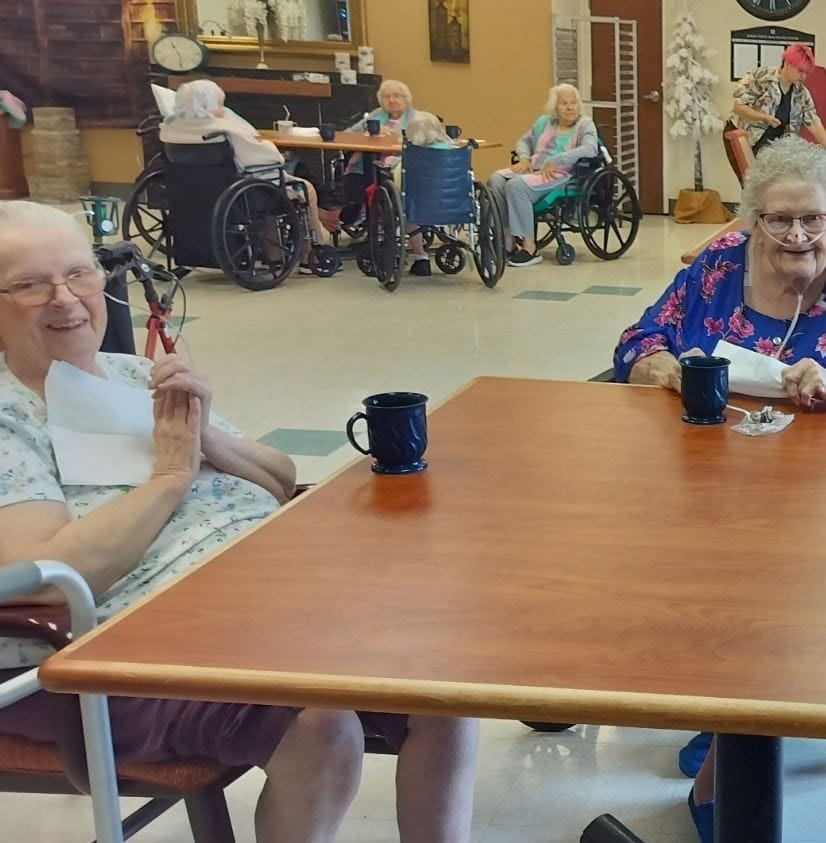
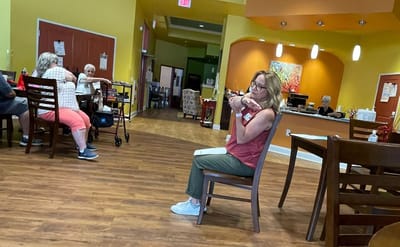
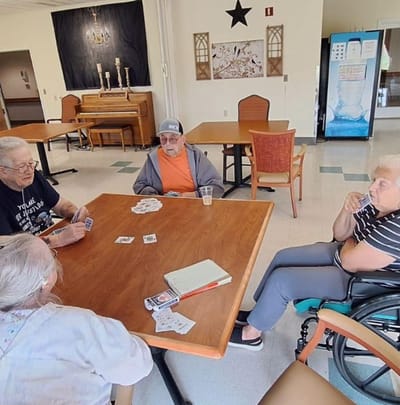
Families can pay through Medicare, Medicaid, or private pay. A beauty and barber salon lets residents receive grooming services on site, and the courtyard, atrium garden, and outdoor patio provide places to spend time outside. Scheduled activities include Bible study and holy communions, and the home is operated by Allaire Health Services.
Quality ratings
The Overall CMS Rating combines results from health inspections, staffing levels and quality measures. Health inspections carry the most weight. Staffing and quality scores can increase or decrease the final rating based on performance compared to state and national standards.
Based on the results of the facility's three most recent standard inspections and any complaint investigations. CMS reviews the number, scope, and severity of deficiencies, with more recent findings weighted more heavily.
Measures average nursing staff hours per resident per day, including Registered Nurses (RNs) and total nursing staff. Ratings are adjusted based on the level of care residents require and are compared to state and national benchmarks.
Based on clinical and physical health indicators reported to CMS, such as hospital readmissions, falls, pressure ulcers, and improvements in mobility. These measures reflect how well residents' health needs are being managed.
Staffing
Data period: Q2 2026 (April 1 – June 30, 2026).
Nursing care per resident per day and state rankings: CMS Provider Information.
Headcount, shifts and contractors: CMS Payroll-Based Journal (PBJ).
Resident count: CMS Long-Term Care Facility Characteristics (data as of Sep 2026).
Total nursing care per resident / day
This nursing home is ranked 142nd out of 180 nursing homes we track in Pennsylvania for nurse hours. Total adjusted nursing hours per resident per day, combining RN, LPN, and aide time. CMS adjusts this for case-mix so facilities can be fairly compared.
3h 20m
This nursing home is ranked 142nd out of 180 nursing homes we track in Pennsylvania for nurse hours. Total adjusted nursing hours per resident per day, combining RN, LPN, and aide time. CMS adjusts this for case-mix so facilities can be fairly compared.
3h 20mStandout metric: Physical therapist is +60% above Pennsylvania average
5 of 6 metrics below Pennsylvania average
Daily care time per resident, by role
Registered nurse (RN)
RNs hold the highest nursing license and can assess residents, interpret test results, and direct care plans. More RN hours per day often signals stronger clinical oversight and faster response to health changes. All 14 are the facility's own employees; no agency contractors work in this role.
14 staff · 6.9-hour shifts
40m
↓ 14% · PA 47mThis facility: 40m per resident per day, 14% below the Pennsylvania average of 47m (among Pennsylvania facilities reporting a recent figure).
RNs hold the highest nursing license and can assess residents, interpret test results, and direct care plans. More RN hours per day often signals stronger clinical oversight and faster response to health changes. All 14 are the facility's own employees; no agency contractors work in this role.
14 staff · 6.9-hour shiftsUS average: 41m.Green: 5% or more better than the state average. Yellow: within 5%. Red: 5% or more worse. US 41m
LPN / LVN
Licensed Practical Nurses (LPNs) or Licensed Vocational Nurses (LVNs) deliver routine hands-on care — medication administration, wound dressing, and monitoring vital signs. They work under RN supervision and make up a large share of daily bedside care. All 15 are the facility's own employees; no agency contractors work in this role.
15 staff · 7.8-hour shifts
45m
↓ 18% · PA 55mThis facility: 45m per resident per day, 18% below the Pennsylvania average of 55m (among Pennsylvania facilities reporting a recent figure).
Licensed Practical Nurses (LPNs) or Licensed Vocational Nurses (LVNs) deliver routine hands-on care — medication administration, wound dressing, and monitoring vital signs. They work under RN supervision and make up a large share of daily bedside care. All 15 are the facility's own employees; no agency contractors work in this role.
15 staff · 7.8-hour shiftsUS average: 52m.Green: 5% or more better than the state average. Yellow: within 5%. Red: 5% or more worse. US 52m
Certified nursing assistant
Certified Nurse Aides (CNAs) provide the most direct day-to-day assistance: bathing, dressing, feeding, and mobility. Nurse aide hours are typically the largest staffing category and directly affect residents' quality of life. All 42 are the facility's own employees; no agency contractors work in this role.
42 staff · 6.7-hour shifts
1h 54m
↓ 14% · PA 2h 12mThis facility: 1h 54m per resident per day, 14% below the Pennsylvania average of 2h 12m (among Pennsylvania facilities reporting a recent figure).
Certified Nurse Aides (CNAs) provide the most direct day-to-day assistance: bathing, dressing, feeding, and mobility. Nurse aide hours are typically the largest staffing category and directly affect residents' quality of life. All 42 are the facility's own employees; no agency contractors work in this role.
42 staff · 6.7-hour shiftsUS average: 2h 21m.Green: 5% or more better than the state average. Yellow: within 5%. Red: 5% or more worse. US 2h 21m
Physical therapist
Hours per resident per day provided by licensed Physical Therapists (PTs) or PT Assistants. PT services help residents recover mobility after injury or illness and are especially important for post-acute (short-stay) rehabilitation.
10m
↑ 60% · PA 6mThis facility: 10m per resident per day, 60% above the Pennsylvania average of 6m (among Pennsylvania facilities reporting a recent figure).
Hours per resident per day provided by licensed Physical Therapists (PTs) or PT Assistants. PT services help residents recover mobility after injury or illness and are especially important for post-acute (short-stay) rehabilitation.
US average: 4m.Green: 5% or more better than the state average. Yellow: within 5%. Red: 5% or more worse. US 4m
Total nursing, weekends
Combined nursing hours (RN + LPN + Nurse Aide) per resident per day on weekends. Staffing often drops on weekends — this figure reveals whether the facility maintains adequate coverage outside of weekday hours.
RN + LPN + aide · Sat–Sun
2h 54m
↓ 18% · PA 3h 31mThis facility: 2h 54m per resident per day, 18% below the Pennsylvania average of 3h 31m (among Pennsylvania facilities reporting a recent figure).
Combined nursing hours (RN + LPN + Nurse Aide) per resident per day on weekends. Staffing often drops on weekends — this figure reveals whether the facility maintains adequate coverage outside of weekday hours.
RN + LPN + aide · Sat–SunUS average: 3h 26m.Green: 5% or more better than the state average. Yellow: within 5%. Red: 5% or more worse. US 3h 26m
RN, weekends
Registered nurse hours specifically on weekends. Facilities sometimes reduce RN presence on Saturdays and Sundays — a low weekend RN figure compared to weekday hours can indicate reduced clinical oversight when most administrative staff are absent.
Sat–Sun
27m
↓ 19% · PA 33mThis facility: 27m per resident per day, 19% below the Pennsylvania average of 33m (among Pennsylvania facilities reporting a recent figure).
Registered nurse hours specifically on weekends. Facilities sometimes reduce RN presence on Saturdays and Sundays — a low weekend RN figure compared to weekday hours can indicate reduced clinical oversight when most administrative staff are absent.
Sat–SunUS average: 29m.Green: 5% or more better than the state average. Yellow: within 5%. Red: 5% or more worse. US 29m
Headcount
Every person who worked here at any point in the quarter, employees and contractors. It is not how many are on site at once: that is the "on an average day" figure.
97
97 employees · 0 contractors · 41 on an average day
97 total staff / 65 residents. Residents: CMS Long-Term Care Facility Characteristics (data as of Sep 2026); staff: CMS Payroll-Based Journal (Q2 2026).Residents and staff come from two different CMS releases, so the two counts can be a few months apart.
1.49 : 1
↓ 18% · PA 1.81This facility: 1.49 total staff per resident, 18% below the Pennsylvania average of 1.81 (among Pennsylvania facilities reporting a recent figure).Green: 5% or more better than the state average. Yellow: within 5%. Red: 5% or more worse.
97 staff ÷ 65 residents
See full Pennsylvania ranking →
Average hours one staff member works on a day they are on shift, across every role.
7 h
↓ 10% · PA 7.8 hThis facility: 7 h, 10% below the Pennsylvania average of 7.8 h (among Pennsylvania facilities reporting a recent figure).Green: 5% or more better than the state average. Yellow: within 5%. Red: 5% or more worse.
26,074 staff hours this quarter
See full Pennsylvania ranking →100% of staff hours were worked by the facility's own employees
Pennsylvania average: 87.6% · No agency contractors this quarter
Why it matters: employees work here week after week and get to know each resident's routines and needs. Agency contractors often rotate between facilities, so a higher employee share usually means more consistent care.
By The Numbers
Community insights.
Bed count
A smaller, more intimate setting that may offer a quieter environment and closer staff-resident interactions.
66
Rank #184 / 201Bed count — State benchmarked This nursing home is ranked 184th out of 201 nursing homes we track in Pennsylvania for bed count. Shows this facility's certified or reported bed count compared to other Pennsylvania facilities. Larger communities may offer more amenities, programs, and on-site services for residents and families. Communities with the same value for a metric share the same rank. Rankings compare like with like: every nursing home we track in Pennsylvania that reports data for that category. Nursing homes without available data are excluded, so the pool size varies from metric to metric.
A smaller, more intimate setting that may offer a quieter environment and closer staff-resident interactions.
66
Rank #184 / 201Bed count — State benchmarked This nursing home is ranked 184th out of 201 nursing homes we track in Pennsylvania for bed count. Shows this facility's certified or reported bed count compared to other Pennsylvania facilities. Larger communities may offer more amenities, programs, and on-site services for residents and families. Communities with the same value for a metric share the same rank. Rankings compare like with like: every nursing home we track in Pennsylvania that reports data for that category. Nursing homes without available data are excluded, so the pool size varies from metric to metric.Smaller home · May offer a more intimate, personalized care environment.
Walk Score
Car-dependent. Most errands require a car, with limited nearby walkable options.
Rank #202 / 207Walk Score — State benchmarked This nursing home is ranked 202nd out of 207 nursing homes we track in Pennsylvania for walk score. Shows how walkable this facility's neighborhood is compared to the average walk score across Pennsylvania facilities. Higher scores benefit residents, families, and staff. Communities with the same value for a metric share the same rank. Rankings compare like with like: every nursing home we track in Pennsylvania that reports data for that category. Nursing homes without available data are excluded, so the pool size varies from metric to metric.
Car-dependent. Most errands require a car, with limited nearby walkable options.
Rank #202 / 207Walk Score — State benchmarked This nursing home is ranked 202nd out of 207 nursing homes we track in Pennsylvania for walk score. Shows how walkable this facility's neighborhood is compared to the average walk score across Pennsylvania facilities. Higher scores benefit residents, families, and staff. Communities with the same value for a metric share the same rank. Rankings compare like with like: every nursing home we track in Pennsylvania that reports data for that category. Nursing homes without available data are excluded, so the pool size varies from metric to metric.
4
/ 100
Occupancy rate
Occupancy higher than 95% suggests steady demand, but availability may be limited.
Rank #12 / 165Occupancy rate — State benchmarked This nursing home is ranked 12th out of 165 nursing homes we track in Pennsylvania for occupancy. Shows this facility's occupancy rate versus the Pennsylvania average, with its Statewide rank out of 165. Higher occupancy signals strong local demand and financial stability. Communities with the same value for a metric share the same rank. Rankings compare like with like: every nursing home we track in Pennsylvania that reports data for that category. Nursing homes without available data are excluded, so the pool size varies from metric to metric.
Occupancy higher than 95% suggests steady demand, but availability may be limited.
Rank #12 / 165Occupancy rate — State benchmarked This nursing home is ranked 12th out of 165 nursing homes we track in Pennsylvania for occupancy. Shows this facility's occupancy rate versus the Pennsylvania average, with its Statewide rank out of 165. Higher occupancy signals strong local demand and financial stability. Communities with the same value for a metric share the same rank. Rankings compare like with like: every nursing home we track in Pennsylvania that reports data for that category. Nursing homes without available data are excluded, so the pool size varies from metric to metric.
95.6%
This home is often near full
Based on residents per day and 66 beds.
 Higher than the Pennsylvania average: 75.8%
Residents per day (avg)
The average number of residents living at this facility on a given day. CMS calculates this figure from the facility's Minimum Data Set (MDS) assessments and uses this value for other measures like Hours Per Resident Per Day (HPRD) and 5-Star Staffing rating.
The average number of residents living at this facility on a given day. CMS calculates this figure from the facility's Minimum Data Set (MDS) assessments and uses this value for other measures like Hours Per Resident Per Day (HPRD) and 5-Star Staffing rating.
63
Source: CMS Provider Information, average daily residents (data as of Oct 2026)
Avg. Length of Stay
Average number of days residents stay at this facility, based on CMS cost report data. Shorter stays often reflect post-acute or rehab care; longer stays reflect long-term care.
Average number of days residents stay at this facility, based on CMS cost report data. Shorter stays often reflect post-acute or rehab care; longer stays reflect long-term care.
85
days
About This Community
Resident Council
Orthopedic CareMedical care for bone, joint, muscle, and connective-tissue problems, including injuries, arthritis, and mobility concerns. It may involve orthopedic specialists or treatment plans.
Physician Consults
Respite CareRespite care provides families and unpaid caregivers with short-term relief from caregiving duties. Care can range from a few hours to a few weeks.
ConciergeListed as: Patient concierge available 24/7
Housekeeping
Laundry & Linen
TransportationListed as: Transportation to medical appointments
Pets not allowed
Wi-Fi
Cable Tv
Courtyard
Garden
Patio
Beauty Salon
Spacious Lounges and Family Areas
Religious Services for All Faiths
Pastoral Care Staff
Bible Study
Communion
Building TypeSingle-story
Room Types
Private Room
Semi-Private / Shared Room
CMS Health Inspection History
ALM Inspection Grade
73 / 100
Calculated from CMS inspection data for this community's nursing-home beds
How it compares
7 points below the Pennsylvania average for CMS-certified facilities (80/100)
Category breakdown
Citations
Concern
84 severity-weighted points (33 citations) · 2× higher than the typical CMS-certified PA facility (median: 40)
Enforcement
Concern
$100,369 in fines · 1 enforcement action
Persistence
Concern
44 days to fix issues · slower than the typical CMS-certified PA facility (median: 38)
Total health inspections
3
↓ 59% · PA 7.3This facility: 3, 59% below the Pennsylvania average of 7.3 (among Pennsylvania facilities reporting a recent figure).Green: 5% or more better than the state average. Yellow: within 5%. Red: 5% or more worse.
Total health citations
33
Rank #128 / 179Health citations — State benchmarked This nursing home is ranked 128th out of 179 nursing homes we track in Pennsylvania for health citations. Shows this facility's total health deficiency citations benchmarked to the Pennsylvania State average, with a ranking across all 179 PA facilities. Lower citation counts earn a better rank. Communities with the same value for a metric share the same rank. Rankings compare like with like: every nursing home we track in Pennsylvania that reports data for that category. Nursing homes without available data are excluded, so the pool size varies from metric to metric.↑ 4% · PA 31.8This facility: 33, 4% above the Pennsylvania average of 31.8 (among Pennsylvania facilities reporting a recent figure).Green: 5% or more better than the state average. Yellow: within 5%. Red: 5% or more worse.
Citations per inspection
11
Rank #179 / 179Citations per inspection — State benchmarked This nursing home is ranked 179th out of 179 nursing homes we track in Pennsylvania for citations per inspection. Shows average deficiency citations per CMS inspection for this facility versus the Pennsylvania mean across 179 facilities with citation data. Lower is better. Communities with the same value for a metric share the same rank. Rankings compare like with like: every nursing home we track in Pennsylvania that reports data for that category. Nursing homes without available data are excluded, so the pool size varies from metric to metric.↑ 168% · PA 4.11This facility: 11, 168% above the Pennsylvania average of 4.11 (among Pennsylvania facilities reporting a recent figure).Green: 5% or more better than the state average. Yellow: within 5%. Red: 5% or more worse.
Citation severity
100% corrected
33 of 33 citations corrected
Critical
J–L
0
↓ 100% · PA 0.4This facility: 0, 100% below the Pennsylvania average of 0.4 (among Pennsylvania facilities reporting a recent figure).Green: 5% or more better than the state average. Yellow: within 5%. Red: 5% or more worse.
Immediate jeopardy
Serious
G–I
1
↑ 25% · PA 0.8This facility: 1, 25% above the Pennsylvania average of 0.8 (among Pennsylvania facilities reporting a recent figure).Green: 5% or more better than the state average. Yellow: within 5%. Red: 5% or more worse.
Actual harm
Moderate
D–F
30
↑ 1% · PA 29.7This facility: 30, 1% above the Pennsylvania average of 29.7 (among Pennsylvania facilities reporting a recent figure).Green: 5% or more better than the state average. Yellow: within 5%. Red: 5% or more worse.
No harm, more than minimal risk
Minor
A–C
2
↑ 122% · PA 0.9This facility: 2, 122% above the Pennsylvania average of 0.9 (among Pennsylvania facilities reporting a recent figure).Green: 5% or more better than the state average. Yellow: within 5%. Red: 5% or more worse.
No harm, minimal riskLatest inspection: Jan 23, 2026 · 10 citations, all corrected
Most cited category: Quality of Life & Care, 6 of 33 citations · 8 categories in total
Citations history
Most recent first
Jan 23, 2026
10 citations
Resident Rights moderate citation
Corrected
Corrected
Quality of Care moderate citation
Corrected
Corrected
Nutrition moderate citation
Corrected
Corrected
Resident Rights moderate citation
Corrected
Corrected
Abuse/Neglect moderate citation
Corrected
Corrected
Care Planning moderate citation
Corrected
Corrected
Quality of Care moderate citation
Corrected
Corrected
Pharmacy moderate citation
Corrected
Corrected
Pharmacy moderate citation
Corrected
Corrected
Pharmacy moderate citation
Corrected
Corrected
Mar 13, 2025
11 citations
Nutrition moderate citation
Corrected
Corrected
Nutrition moderate citation
Corrected
Corrected
Infection Control moderate citation
Corrected
Corrected
Infection Control moderate citation
Corrected
Corrected
Quality of Care moderate citation
Corrected
Corrected
Quality of Care moderate citation
Corrected
Corrected
Quality of Care moderate citation
Corrected
Corrected
Pharmacy moderate citation
Corrected
Corrected
Pharmacy moderate citation
Corrected
Corrected
Care Planning moderate citation
Corrected
Corrected
Administration moderate citation
Corrected
Corrected
Apr 25, 2024
12 citations
Abuse/Neglect serious citation
Corrected
Corrected
Abuse/Neglect moderate citation
Corrected
Corrected
Abuse/Neglect moderate citation
Corrected
Corrected
Care Planning moderate citation
Corrected
Corrected
Quality of Care moderate citation
Corrected
Corrected
Nutrition moderate citation
Corrected
Corrected
Care Planning moderate citation
Corrected
Corrected
Infection Control moderate citation
Corrected
Corrected
Resident Rights moderate citation
Corrected
Corrected
Abuse/Neglect moderate citation
Corrected
Corrected
Resident Rights minor citation
Corrected
Corrected
Resident Rights minor citation
Corrected
Corrected
Top deficiency categories
Share of 33 citations
Quality of Life & Care
6 deficiencies (18%)
Resident Rights
5 deficiencies (15%)
Abuse, Neglect & Exploitation
5 deficiencies (15%)
Pharmacy Services
5 deficiencies (15%)
Resident Assessment & Care Planning
4 deficiencies (12%)
Nutrition & Dietary
4 deficiencies (12%)
Infection Control
3 deficiencies (9%)
Administration
1 deficiency (3%)
How citations are counted
Health citations are formal notices following inspections when they fail to comply with safety and care standards.
All 33 citations resulted from standard inspections.
Includes all CMS health inspection records for this property, which could include management/ownership changes.
Source
Data sourced from CMS Health Deficiencies reports. Citation severity codes range from A (least serious) to L (most serious). Immediate Jeopardy (J-L) citations indicate situations where the facility's noncompliance has placed residents at risk of death or serious harm.
Show Inspection Reports
Enforcement
Penalties and fines
Penalties and fines
Federal penalties imposed by CMS for regulatory violations, including civil money penalties (fines) and denials of payment for new Medicare/Medicaid admissions.
Source: CMS Penalties Database · Data as of Oct 2026
1 penalty in the past 3 years
Latest: Apr 25, 2024 · $100,369 civil money penalty
Apr 25, 2024 · $100,369 civil money penalty
Total fines
$100,369
↑ 72% · PA $58KThis facility: $100,369, 72% above the Pennsylvania average of $58,340. Average among the 301 Pennsylvania facilities with a penalty on record.Green: 5% or more better than the state average. Yellow: within 5%. Red: 5% or more worse.US avg $66KUS average: $66,281, among the 6,725 US facilities with a penalty on record.Rank #175 / 183Federal fines — State benchmarked This nursing home is ranked 175th out of 183 nursing homes we track in Pennsylvania for federal fines. Shows this facility's cumulative CMS federal fine dollars versus the Pennsylvania average among facilities with fines, and where it ranks among 183 facilities in the pool. Lower total dollars mean a better rank. Communities with the same value for a metric share the same rank. Rankings compare like with like: every nursing home we track in Pennsylvania that reports data for that category. Nursing homes without available data are excluded, so the pool size varies from metric to metric.
Number of fines
1
↓ 45% · PA 1.82This facility: 1, 45% below the Pennsylvania average of 1.82. Average among the 301 Pennsylvania facilities with a penalty on record.Green: 5% or more better than the state average. Yellow: within 5%. Red: 5% or more worse.US avg 1.88US average: 1.88, among the 6,725 US facilities with a penalty on record.
Payment denials
Serious action where Medicare and/or Medicaid temporarily stops payments for new residents until issues are fixed.
Serious action where Medicare and/or Medicaid temporarily stops payments for new residents until issues are fixed.
0
PA avg 0.15Pennsylvania average: 0.15. Average among the 301 Pennsylvania facilities with a penalty on record.US avg 0.35US average: 0.35, among the 6,725 US facilities with a penalty on record.
Penalty history · past 3 years
Apr 25, 2024
Civil money penalty
Fines imposed for noncompliance, which can be assessed per day or per instance of violation.
$100,369
Fines imposed for noncompliance, which can be assessed per day or per instance of violation.
$100,369Fine amount comparison
This facility
$100,369
Pennsylvania average
$58,340
US average
$66,281
Totals count every penalty on record; the history lists the past 3 years. Pennsylvania and US averages are among facilities with a penalty on record.
A civil money penalty is a fine for noncompliance, per day or per instance. A payment denial stops Medicare/Medicaid payments for new residents until issues are fixed.
Health Outcomes
Quality of care over time
How residents at this home fare on health outcomes and preventive care, compared with the Pennsylvania average.
CMS star rating for the care of long-stay residents, who live at the home for 100 days or more. It is built from the long-stay quality measures below. 5 stars is the best.
5
/ 5
Significantly above average
↑ 34% · PA 3.7This facility: 5.0, 34% above the PA average of 3.7 (among PA facilities reporting a recent figure).Green: 5% or more better than the state average. Yellow: within 5%. Red: 5% or more worse.
CMS star rating for the care of short-stay residents, mostly people recovering after a hospital stay for under 100 days. It is built from the short-stay quality measures below. 5 stars is the best.
4
/ 5
Above average
↑ 23% · PA 3.2This facility: 4.0, 23% above the PA average of 3.2 (among PA facilities reporting a recent figure).Green: 5% or more better than the state average. Yellow: within 5%. Red: 5% or more worse.
Average of five long-stay measures: pressure ulcers, falls with major injury, unplanned weight loss, worsening ability to walk, and needing more help with daily activities. Each is the % of residents affected, so lower is better.
3.2
Score · lower is better
↓ 64% · PA 9.1This facility: 3.2, 64% below the PA average of 9.1 (among PA facilities reporting a recent figure).Green: 5% or more better than the state average. Yellow: within 5%. Red: 5% or more worse.
Average of three long-stay measures: needing more help with daily activities, worsening ability to walk, and loss of bowel or bladder control. Each is the % of residents affected, so lower is better.
12.1
Score · lower is better
↓ 36% · PA 19.0This facility: 12.1, 36% below the PA average of 19.0 (among PA facilities reporting a recent figure).Green: 5% or more better than the state average. Yellow: within 5%. Red: 5% or more worse.13 long-stay measures: 8 better, 5 worse
8 short-stay measures: 4 better, 1 worse, 3 compared with US only
Long-stay residents
People who live at the home · 13 measures
Daily care & independence
Needed more help with daily activities
Percent of long-stay residents whose need for help with daily activities has increased
4.4%
↓ 74% · PA 16.4This facility: 4.4, 74% below the PA average of 16.4 (among PA facilities reporting a recent figure).Green: 5% or more better than the state average. Yellow: within 5%. Red: 5% or more worse.
Percent of long-stay residents whose need for help with daily activities has increased
4.4%
↓ 74% · PA 16.4This facility: 4.4, 74% below the PA average of 16.4 (among PA facilities reporting a recent figure).Green: 5% or more better than the state average. Yellow: within 5%. Red: 5% or more worse.
Walking ability worsened
Percent of long-stay residents whose ability to move independently worsened
3.7%
↓ 76% · PA 15.4This facility: 3.7, 76% below the PA average of 15.4 (among PA facilities reporting a recent figure).Green: 5% or more better than the state average. Yellow: within 5%. Red: 5% or more worse.
Percent of long-stay residents whose ability to move independently worsened
3.7%
↓ 76% · PA 15.4This facility: 3.7, 76% below the PA average of 15.4 (among PA facilities reporting a recent figure).Green: 5% or more better than the state average. Yellow: within 5%. Red: 5% or more worse.
Bowel or bladder incontinence (low-risk residents)
Percent of low risk long-stay residents who lose control of their bowels or bladder
28.1%
↑ 12% · PA 25.0This facility: 28.1, 12% above the PA average of 25.0 (among PA facilities reporting a recent figure).Green: 5% or more better than the state average. Yellow: within 5%. Red: 5% or more worse.
Percent of low risk long-stay residents who lose control of their bowels or bladder
28.1%
↑ 12% · PA 25.0This facility: 28.1, 12% above the PA average of 25.0 (among PA facilities reporting a recent figure).Green: 5% or more better than the state average. Yellow: within 5%. Red: 5% or more worse.Safety & clinical stability
Urinary tract infection
Percent of long-stay residents with a urinary tract infection
0.5%
↓ 65% · PA 1.4This facility: 0.5, 65% below the PA average of 1.4 (among PA facilities reporting a recent figure).Green: 5% or more better than the state average. Yellow: within 5%. Red: 5% or more worse.
Percent of long-stay residents with a urinary tract infection
0.5%
↓ 65% · PA 1.4This facility: 0.5, 65% below the PA average of 1.4 (among PA facilities reporting a recent figure).Green: 5% or more better than the state average. Yellow: within 5%. Red: 5% or more worse.
Falls with major injury
Percent of long-stay residents experiencing one or more falls with major injury
5.6%
↑ 79% · PA 3.1This facility: 5.6, 79% above the PA average of 3.1 (among PA facilities reporting a recent figure).Green: 5% or more better than the state average. Yellow: within 5%. Red: 5% or more worse.
Percent of long-stay residents experiencing one or more falls with major injury
5.6%
↑ 79% · PA 3.1This facility: 5.6, 79% above the PA average of 3.1 (among PA facilities reporting a recent figure).Green: 5% or more better than the state average. Yellow: within 5%. Red: 5% or more worse.
Pressure ulcers (high-risk residents)
Percent of long-stay high risk residents with pressure ulcers
0.4%
↓ 91% · PA 4.7This facility: 0.4, 91% below the PA average of 4.7 (among PA facilities reporting a recent figure).Green: 5% or more better than the state average. Yellow: within 5%. Red: 5% or more worse.
Percent of long-stay high risk residents with pressure ulcers
0.4%
↓ 91% · PA 4.7This facility: 0.4, 91% below the PA average of 4.7 (among PA facilities reporting a recent figure).Green: 5% or more better than the state average. Yellow: within 5%. Red: 5% or more worse.Physical & mental health
Lost too much weight
Percent of long-stay residents who lose too much weight
2.0%
↓ 66% · PA 6.0This facility: 2.0, 66% below the PA average of 6.0 (among PA facilities reporting a recent figure).Green: 5% or more better than the state average. Yellow: within 5%. Red: 5% or more worse.
Percent of long-stay residents who lose too much weight
2.0%
↓ 66% · PA 6.0This facility: 2.0, 66% below the PA average of 6.0 (among PA facilities reporting a recent figure).Green: 5% or more better than the state average. Yellow: within 5%. Red: 5% or more worse.
Depressive symptoms
Percent of long-stay residents who have depressive symptoms
18.3%
↑ 33% · PA 13.8This facility: 18.3, 33% above the PA average of 13.8 (among PA facilities reporting a recent figure).Green: 5% or more better than the state average. Yellow: within 5%. Red: 5% or more worse.
Percent of long-stay residents who have depressive symptoms
18.3%
↑ 33% · PA 13.8This facility: 18.3, 33% above the PA average of 13.8 (among PA facilities reporting a recent figure).Green: 5% or more better than the state average. Yellow: within 5%. Red: 5% or more worse.
Antipsychotic use
Percent of long-stay residents who received an antipsychotic medication
7.1%
↓ 60% · PA 17.6This facility: 7.1, 60% below the PA average of 17.6 (among PA facilities reporting a recent figure).Green: 5% or more better than the state average. Yellow: within 5%. Red: 5% or more worse.
Percent of long-stay residents who received an antipsychotic medication
7.1%
↓ 60% · PA 17.6This facility: 7.1, 60% below the PA average of 17.6 (among PA facilities reporting a recent figure).Green: 5% or more better than the state average. Yellow: within 5%. Red: 5% or more worse.Preventive care
Pneumococcal vaccine
Percent of long-stay residents assessed and appropriately given the pneumococcal vaccine
100.0%
↑ 14% · PA 87.8This facility: 100.0, 14% above the PA average of 87.8 (among PA facilities reporting a recent figure).Green: 5% or more better than the state average. Yellow: within 5%. Red: 5% or more worse.
Percent of long-stay residents assessed and appropriately given the pneumococcal vaccine
100.0%
↑ 14% · PA 87.8This facility: 100.0, 14% above the PA average of 87.8 (among PA facilities reporting a recent figure).Green: 5% or more better than the state average. Yellow: within 5%. Red: 5% or more worse.
Flu vaccine
Percent of long-stay residents assessed and appropriately given the seasonal influenza vaccine
100.0%
↑ 7% · PA 93.7This facility: 100.0, 7% above the PA average of 93.7 (among PA facilities reporting a recent figure).Green: 5% or more better than the state average. Yellow: within 5%. Red: 5% or more worse.
Percent of long-stay residents assessed and appropriately given the seasonal influenza vaccine
100.0%
↑ 7% · PA 93.7This facility: 100.0, 7% above the PA average of 93.7 (among PA facilities reporting a recent figure).Green: 5% or more better than the state average. Yellow: within 5%. Red: 5% or more worse.Hospital & emergency visits
Hospitalizations per 1,000 days
Number of hospitalizations per 1,000 long-stay resident days.
2.84
↑ 69% · PA 1.68This facility: 2.84, 69% above the PA average of 1.68 (among PA facilities reporting a recent figure).Green: 5% or more better than the state average. Yellow: within 5%. Red: 5% or more worse.
Number of hospitalizations per 1,000 long-stay resident days.
2.84
↑ 69% · PA 1.68This facility: 2.84, 69% above the PA average of 1.68 (among PA facilities reporting a recent figure).Green: 5% or more better than the state average. Yellow: within 5%. Red: 5% or more worse.
ER visits per 1,000 days
Number of outpatient emergency department visits per 1,000 long-stay resident days.
1.92
↑ 60% · PA 1.20This facility: 1.92, 60% above the PA average of 1.20 (among PA facilities reporting a recent figure).Green: 5% or more better than the state average. Yellow: within 5%. Red: 5% or more worse.
Number of outpatient emergency department visits per 1,000 long-stay resident days.
1.92
↑ 60% · PA 1.20This facility: 1.92, 60% above the PA average of 1.20 (among PA facilities reporting a recent figure).Green: 5% or more better than the state average. Yellow: within 5%. Red: 5% or more worse.Short-stay residents
Rehab and recovery after a hospital stay · 8 measures
Daily care & independence
Able to care for self at discharge
Percentage of residents at or above expected ability to care for themselves at discharge.
50.0%
↓ 7% · US 53.7This facility: 50.0, 7% below the US average of 53.7 (among US facilities reporting a recent figure).
Percentage of residents at or above expected ability to care for themselves at discharge.
50.0%
↓ 7% · US 53.7This facility: 50.0, 7% below the US average of 53.7 (among US facilities reporting a recent figure).
Returned home or to the community
Rate of successful return to home or community from a skilled nursing facility.
53.0%
↑ 5% · US 50.6This facility: 53.0, 5% above the US average of 50.6 (among US facilities reporting a recent figure).
Rate of successful return to home or community from a skilled nursing facility.
53.0%
↑ 5% · US 50.6This facility: 53.0, 5% above the US average of 50.6 (among US facilities reporting a recent figure).Safety & clinical stability
Falls with major injury
Percentage of SNF residents who experience falls with major injury during their stay.
3.3%
↑ 326% · US 0.8This facility: 3.3, 326% above the US average of 0.8 (among US facilities reporting a recent figure).
Percentage of SNF residents who experience falls with major injury during their stay.
3.3%
↑ 326% · US 0.8This facility: 3.3, 326% above the US average of 0.8 (among US facilities reporting a recent figure).Physical & mental health
New antipsychotic medication
Percent of short-stay residents who newly received an antipsychotic medication
0.0%
↓ 100% · PA 1.4This facility: 0.0, 100% below the PA average of 1.4 (among PA facilities reporting a recent figure).Green: 5% or more better than the state average. Yellow: within 5%. Red: 5% or more worse.
Percent of short-stay residents who newly received an antipsychotic medication
0.0%
↓ 100% · PA 1.4This facility: 0.0, 100% below the PA average of 1.4 (among PA facilities reporting a recent figure).Green: 5% or more better than the state average. Yellow: within 5%. Red: 5% or more worse.Preventive care
Pneumococcal vaccine
Percent of short-stay residents assessed and appropriately given the pneumococcal vaccine
99.3%
↑ 40% · PA 70.8This facility: 99.3, 40% above the PA average of 70.8 (among PA facilities reporting a recent figure).Green: 5% or more better than the state average. Yellow: within 5%. Red: 5% or more worse.
Percent of short-stay residents assessed and appropriately given the pneumococcal vaccine
99.3%
↑ 40% · PA 70.8This facility: 99.3, 40% above the PA average of 70.8 (among PA facilities reporting a recent figure).Green: 5% or more better than the state average. Yellow: within 5%. Red: 5% or more worse.
Flu vaccine
Percent of short-stay residents assessed and appropriately given the seasonal influenza vaccine
91.9%
↑ 30% · PA 70.9This facility: 91.9, 30% above the PA average of 70.9 (among PA facilities reporting a recent figure).Green: 5% or more better than the state average. Yellow: within 5%. Red: 5% or more worse.
Percent of short-stay residents assessed and appropriately given the seasonal influenza vaccine
91.9%
↑ 30% · PA 70.9This facility: 91.9, 30% above the PA average of 70.9 (among PA facilities reporting a recent figure).Green: 5% or more better than the state average. Yellow: within 5%. Red: 5% or more worse.Hospital & emergency visits
Re-hospitalized after admission
Percentage of short-stay residents who were re-hospitalized after their nursing home admission.
24.4%
↑ 6% · PA 23.1This facility: 24.4, 6% above the PA average of 23.1 (among PA facilities reporting a recent figure).Green: 5% or more better than the state average. Yellow: within 5%. Red: 5% or more worse.
Percentage of short-stay residents who were re-hospitalized after their nursing home admission.
24.4%
↑ 6% · PA 23.1This facility: 24.4, 6% above the PA average of 23.1 (among PA facilities reporting a recent figure).Green: 5% or more better than the state average. Yellow: within 5%. Red: 5% or more worse.
ER visits
Percentage of short-stay residents who had an outpatient emergency department visit.
7.8%
↓ 20% · PA 9.8This facility: 7.8, 20% below the PA average of 9.8 (among PA facilities reporting a recent figure).Green: 5% or more better than the state average. Yellow: within 5%. Red: 5% or more worse.
Percentage of short-stay residents who had an outpatient emergency department visit.
7.8%
↓ 20% · PA 9.8This facility: 7.8, 20% below the PA average of 9.8 (among PA facilities reporting a recent figure).Green: 5% or more better than the state average. Yellow: within 5%. Red: 5% or more worse.Arrows show whether a figure is above or below the average. Green is better for residents, red is worse, and yellow means within 5% of the average. Grey compares with the US average only, because CMS publishes no state figure. The line on each bar marks the average.
Quality measures are calculated by CMS from Minimum Data Set (MDS) resident assessments and Medicare claims.
Money and staffing.
Sunset Ridge Rehabilitation and Nursing Center’s finances from its CMS cost report for the fiscal year ending December 2024, compared with 177 Pennsylvania nursing homes that filed a recent report. Includes all financial data for this property, which could include management/ownership changes.
FY Dec 2024
Fiscal 2024 adds up two reports filed back to back, usually after a change of operator.
Is it financially stable?
Breaking even on care
0.1% operating margin
+36.6 pts vs prior year
Positive margin in 2 of the last 8 reported years. Net income $1.5M after other income.
Does it invest in staff?
Spends less on payroll than most Pennsylvania homes
52.7% payroll share of revenue
PA average 70.1%Rank #99 / 177Payroll % of net patient revenue — State benchmarked This nursing home is ranked 99th out of 177 nursing homes we track in Pennsylvania for payroll % of net patient revenue. Shows payroll as a percentage of net patient revenue versus the Pennsylvania average, among facilities reporting a recent fiscal year. Below 25% may signal understaffing or heavy agency use — read with Staffing ratings. Communities with the same value for a metric share the same rank. Rankings compare like with like: every nursing home we track in Pennsylvania that reports data for that category. Nursing homes without available data are excluded, so the pool size varies from metric to metric.
Payroll rose $0.4M while revenue rose $1.6M. A low share can mean leaner staffing; check hours per resident in the staffing section.
FY 2024 scorecard
Each row shows the FY 2024 figure, the change since the prior report, the trend, and how it compares with Pennsylvania homes.
Revenue & profit
Profitable on care
| Metric | FY 2024 | vs prior year | Trend 2014 → 2024Trend | PA median | Compared with PA homesRank in PA | In short |
|---|---|---|---|---|---|---|
| Net patient revenue What the home earns from resident care, after discounts and bad debt. | $8.0M | +$1.6M | Trend 20142024 | PA median $17.4M | Rank in PA Rank #161 / 177Net patient revenue — State benchmarked This nursing home is ranked 161st out of 177 nursing homes we track in Pennsylvania for net patient revenue. Shows this facility's net patient revenue compared to the Pennsylvania average, among facilities reporting a recent fiscal year. Higher revenue generally means more resources for staffing and capital — read alongside Payroll %. Communities with the same value for a metric share the same rank. Rankings compare like with like: every nursing home we track in Pennsylvania that reports data for that category. Nursing homes without available data are excluded, so the pool size varies from metric to metric. Higher than 9% of homes | Below PA median Higher net patient revenue than 9% of PA homes that filed a recent report. Revenue mostly follows how big a home is. |
| Operating expenses Everything it costs to run the home: staff, supplies, rent, admin. | $8.0M | −$0.8M | Trend 20142024 | PA median $20.7M | Rank in PA Rank #172 / 177Operating expenses — State benchmarked This nursing home is ranked 172nd out of 177 nursing homes we track in Pennsylvania for operating expenses. Shows everything it cost to run the home — staff, supplies, rent, admin — compared with other Pennsylvania homes reporting a recent fiscal year. Expenses in dollars mostly follow how big a home is, so this compares size, not efficiency; read it next to operating margin. Communities with the same value for a metric share the same rank. Rankings compare like with like: every nursing home we track in Pennsylvania that reports data for that category. Nursing homes without available data are excluded, so the pool size varies from metric to metric. Higher than 3% of homes | Within revenue Operating expenses are lower than net patient revenue, so resident care covers its costs. |
| Net patient income Revenue minus operating expenses. Negative means care loses money. | $0.0M | +$2.3M | Trend 20142024 | PA median −$1.3M | Rank in PA Rank #47 / 177Net patient income — State benchmarked This nursing home is ranked 47th out of 177 nursing homes we track in Pennsylvania for net patient income. Shows net patient revenue minus operating expenses, compared with other Pennsylvania homes reporting a recent fiscal year. Homes that lost money on care are in the pool too, so a rank in the bottom half usually means a loss. Communities with the same value for a metric share the same rank. Rankings compare like with like: every nursing home we track in Pennsylvania that reports data for that category. Nursing homes without available data are excluded, so the pool size varies from metric to metric. Higher than 74% of homes | Profit, growing Resident care made money this year, more than in the prior report. |
| Operating margin Net patient income as a share of revenue. The clearest health signal. | 0.1% | +36.6 pts | Trend 20142024 | PA median −7.4% | Rank in PA Rank #47 / 177Operating margin — State benchmarked This nursing home is ranked 47th out of 177 nursing homes we track in Pennsylvania for operating margin. Shows net patient income as a share of net patient revenue, compared with other Pennsylvania homes reporting a recent fiscal year. Unlike the dollar figures it does not follow size, so it is the fairest comparison of financial health between a small home and a large one. Communities with the same value for a metric share the same rank. Rankings compare like with like: every nursing home we track in Pennsylvania that reports data for that category. Nursing homes without available data are excluded, so the pool size varies from metric to metric. Higher than 74% of homes | Thin margin A margin from 0% to 5% of revenue leaves little room for unexpected costs. |
| Net income The bottom line after other income. | $1.5M | +$2.9M | Trend — | PA median $0.4M | Rank in PA Rank #53 / 177Net income — State benchmarked This nursing home is ranked 53rd out of 177 nursing homes we track in Pennsylvania for net income. Shows the bottom line after other income, compared with other Pennsylvania homes reporting a recent fiscal year. Homes with a net loss are in the pool too, so a rank in the bottom half usually means a loss. Communities with the same value for a metric share the same rank. Rankings compare like with like: every nursing home we track in Pennsylvania that reports data for that category. Nursing homes without available data are excluded, so the pool size varies from metric to metric. Higher than 70% of homes | Profit The bottom line is above zero after other income. |
Staffing spend
Spends less of revenue on staff than most Pennsylvania homes
| Metric | FY 2024 | vs prior year | Trend 2014 → 2024Trend | PA median | Compared with PA homesRank in PA | In short |
|---|---|---|---|---|---|---|
| Payroll costs Salaries and wage-related benefits, not counting contract labor. | $4.2M | +$0.4M | Trend 20142024 | PA median $9.9M | Rank in PA Rank #173 / 177Payroll costs — State benchmarked This nursing home is ranked 173rd out of 177 nursing homes we track in Pennsylvania for payroll costs. Shows total staff payroll — salaries plus wage-related benefits — benchmarked to the Pennsylvania average, among facilities reporting a recent fiscal year. Higher payroll relative to peers often signals better staffing and less reliance on contract labor. Communities with the same value for a metric share the same rank. Rankings compare like with like: every nursing home we track in Pennsylvania that reports data for that category. Nursing homes without available data are excluded, so the pool size varies from metric to metric. Higher than 2% of homes | Below PA median Higher payroll than 2% of PA homes. Payroll in dollars mostly follows how big a home is, so this compares size, not staffing levels. |
| Payroll share of revenue Payroll divided by revenue. Higher usually means more staff per resident. | 52.7% | −6.3 pts | Trend 20142024 | PA median 54.6% | Rank in PA Rank #99 / 177Payroll % of net patient revenue — State benchmarked This nursing home is ranked 99th out of 177 nursing homes we track in Pennsylvania for payroll % of net patient revenue. Shows payroll as a percentage of net patient revenue versus the Pennsylvania average, among facilities reporting a recent fiscal year. Below 25% may signal understaffing or heavy agency use — read with Staffing ratings. Communities with the same value for a metric share the same rank. Rankings compare like with like: every nursing home we track in Pennsylvania that reports data for that category. Nursing homes without available data are excluded, so the pool size varies from metric to metric. Higher than 44% of homes | 17.4 pts under PA average The PA average is 70.1% of revenue. Within 3 points of it reads as near the average. |
Charts, 2014–2024 2 charts · PA benchmark drawn as a dashed line
Revenue, expenses and income
What the home earned from resident care (net patient revenue), what it cost to run (operating expenses) and the difference between the two (net patient income), for each fiscal year it filed a CMS cost report.
USD, millions
Net patient revenue Operating expenses Net patient income No report
Where revenue goes
Both lines are a share of net patient revenue. Payroll share is what goes to salaries and wage-related benefits; operating margin is what is left after every operating cost (below 0%, resident care lost money). The dashed line is the Pennsylvania payroll average.
% of net patient revenue
Payroll share Operating margin PA payroll average No report
Year-by-year data, 2014–2024 every reported year · latest first, scroll sideways
| Metric | 2014 | 2015no report | 2016no report | 2017 | 2018no report | 2019 | 2020 | 2021 | 2022 | 2023 | 2024 |
|---|---|---|---|---|---|---|---|---|---|---|---|
| Net patient revenue | $5.9M | $6.1M | $5.7M | $5.5M | $5.8M | $6.0M | $6.4M | $8.0M | |||
| Operating expenses | $5.3M | $6.7M | $6.6M | $6.3M | $7.7M | $7.3M | $8.7M | $8.0M | |||
| Net patient income | $0.6M | −$0.6M | −$0.9M | −$0.8M | −$1.9M | −$1.3M | −$2.3M | $0.0M | |||
| Operating margin | 9.4% | −10.6% | −16.7% | −14.2% | −32.6% | −21.8% | −36.5% | 0.1% | |||
| Net income | $0.6M | −$0.6M | −$0.2M | $0.6M | −$0.8M | −$0.4M | −$1.4M | $1.5M | |||
| Payroll costs | $2.6M | $2.8M | $2.9M | $2.7M | $2.5M | $3.0M | $3.8M | $4.2M | |||
| Payroll share of revenue | 44.9% | 45.5% | 51.8% | 48.7% | 43.6% | 50.6% | 59.0% | 52.7% | |||
| Beds | 66 | 66 | 66 | 66 | 66 | 66 | 66 | 66 | |||
| Gross revenue | $7.6M | $8.9M | $8.7M | $8.3M | $8.0M | $8.7M | $8.9M | $8.8M | |||
| Salaries | $2.0M | $2.3M | $2.3M | $2.2M | $2.1M | $2.5M | $3.1M | $3.6M | |||
| Wage-related costs | $0.6M | $0.4M | $0.6M | $0.5M | $0.4M | $0.5M | $0.7M | $0.6M | |||
| Contract labor | $0.3M | — | $0.7M | $0.6M | $1.4M | $1.1M | $0.8M | $0.6M | |||
| Other operating costs | $2.7M | $3.9M | $3.7M | $3.6M | $5.1M | $4.2M | $4.9M | $3.8M | |||
| Net patient revenue per day | $254 | $269 | $247 | $261 | $292 | $272 | $285 | $364 | |||
| Cost per day | $230 | $298 | $289 | $298 | $387 | $332 | $389 | $364 | |||
| Average length of stay | 140.3 days | 210.2 days | 369.8 days | 307.5 days | 263.9 days | 575.6 days | 575.0 days | 316.5 days |
Showing 2024–2022 · scroll sideways for 8 earlier years
Earlier and partial years are in the download. Download CSV
Who this home usually serves
Residents split by who pays for their care: Medicare, Medicaid, or private pay and other sources.
Over a year: CMS SNF Cost Report, FY2024
Snapshot: CMS Long-Term Care Facility Characteristics (quarterly), Sep 2026
Arriving
194 admissions · FY2024
Residents admitted during the year.
Medicare
51 · 26%
Medicaid
45 · 23%
Private pay & other
98 · 51%
Resident snapshot
65 residents · Sep 2026
Residents counted on the date of the latest CMS report, which updates quarterly.
Medicare
10 · 15%
Medicaid
6 · 9%
Private pay & other
49 · 75%
Leaving
189 discharges · FY2024
Residents discharged during the year.
Medicare
30 · 16%
Medicaid
74 · 39%
Private pay & other
85 · 45%
Mix of rehab and long-term care
This home supports both short-term rehab and long-term care, with residents staying for a wide range of durations.
Places of interest near Sunset Ridge Rehabilitation and Nursing Center
 4.0 miles from city center
Estimated distance in miles from Bloomsburg's city center to Sunset Ridge Rehabilitation and Nursing Center's address, calculated via Google Maps.
Calculate Travel Distance to Sunset Ridge Rehabilitation and Nursing Center
Add your location
Financial assistance
Get financial aid guidance Programs that may help with care and living costs in Pennsylvania
Sunset Ridge Rehabilitation and Nursing Center is in Bloomsburg, Pennsylvania. These programs may support different care settings or living expenses. A listing does not confirm this community participates; our concierge team can help confirm.
Community HealthChoices (CHC)
Community HealthChoices (CHC)
Eligibility
- General
- Age 21+ and enrolled in both Medicare and Medicaid, or receiving qualifying Medicaid long-term services and supports, subject to listed exclusions. Nursing-facility level of care is not a requirement for every dual-eligible CHC enrollee.
- PA specifics
- CHC is a managed-care coordination program; separate service and financial criteria govern long-term supports. Certain developmental-disability program participants and state-facility residents are excluded.
What it provides
- Coordination of health coverage and authorized long-term services and supports when eligible.
VA Aid and Attendance (A&A) and Housebound Benefits
VA Aid and Attendance (A&A) and Housebound Benefits
- Who it is for
- Veterans or survivors with VA pension eligibility and an Aid and Attendance or Housebound medical need
- Income limit
- 2026 · Countable income is compared with the applicable maximum annual pension rate (MAPR), which varies by dependents and benefit category. For a veteran with one dependent and Aid and Attendance, MAPR is $34,488/year.
- Asset limit
- VA pension net-worth ceiling is $163,699 from December 1, 2025 through November 30, 2026. Net worth includes countable assets plus income for VA purposes; exclusions and transfer rules apply.
Eligibility
- General
- Aid and Attendance or Housebound is an increased VA pension rate for eligible veterans or surviving spouses who meet pension and additional care/disability requirements; it is not a stand-alone state benefit.
- PA specifics
- Federal VA pension rules apply nationwide.
What it provides
- Monthly pension is based on the applicable MAPR less countable annual income; divided by 12. Maximum annual veteran Aid and Attendance rates are $29,093 without dependents and $34,488 with one dependent; actual payments may be lower.
Pennsylvania OPTIONS Program
Pennsylvania OPTIONS Program
- Income limit
- No income requirement to participate; income-based sliding copayments may apply.
Eligibility
- General
- Pennsylvania resident age 60+ needing help to remain at home, subject to assessment and program availability.
What it provides
- Assessed support to help remain at home; service mix and copayment depend on individual assessment.
Family Caregiver Support Program (FCSP)
Family Caregiver Support Program (FCSP)
- Who it is for
- Family or informal caregivers of an adult 60+ or of someone of any age with dementia
- Income limit
- Financial reimbursement is income-based: care-receiver household income up to 200% of federal poverty guidelines receives the full applicable percentage; 200%–380% receives reduced reimbursement; above 380% no reimbursement, although nonreimbursable services may remain available.
Eligibility
- General
- Pennsylvania caregivers and care recipients in qualifying categories: adult caregivers of functionally dependent adults age 60+ or people with dementia; and eligible relative caregivers age 55+ caring for children or disabled adults. Enrollment in Medicaid long-term-care programs excludes participation.
What it provides
- Reimbursement of approved caregiving services and supplies up to $600/month; multiplied by the applicable income-based reimbursement percentage; care management; education and support. No fixed respite-hours package is guaranteed.
Medicare Savings Program (MSP)
Medicare Savings Program (MSP)
- Who it is for
- Medicare beneficiaries with limited income who need help with premiums or cost sharing
Eligibility
- General
- Medicare beneficiary; the state determines the applicable Medicare Savings Program. QMB helps with premiums and Medicare cost sharing; SLMB and QI generally help with Part B premiums.
- PA specifics
- QI requires annual application and is funded first-come, first-served with priority for prior recipients. QMB, SLMB and QI confer Part D Extra Help.
What it provides
- QMB pays eligible Part A/Part B premiums and Medicare deductibles and cost sharing; SLMB and QI pay Part B premiums. The exact benefit depends on the approved program.
Low-Income Home Energy Assistance Program (LIHEAP)
Low-Income Home Energy Assistance Program (LIHEAP)
- Who it is for
- Income-eligible households responsible for home heating or energy costs
Eligibility
- General
- Income-eligible households with qualifying home-energy costs; the administering agency applies household-size and program eligibility rules.
What it provides
- Grants to help eligible households pay heating bills.
Property Tax/Rent Rebate Program (PTRR)
Property Tax/Rent Rebate Program (PTRR)
- Income limit
- 2025 claims filed in 2026 · Eligible annual household income no more than $48,110, applying program exclusions including one-half of Social Security income.
Eligibility
- General
- Pennsylvania homeowners or renters age 65+; widows or widowers age 50+; or adults age 18+ with disabilities, subject to household-income and tax or rent-payment requirements.
- PA specifics
- The deadline to apply for a rebate of 2025 property taxes or rent is December 31, 2026. A future tax-year ceiling is not interchangeable with this application year.
What it provides
- Standard rebate up to $1,000; based on eligible income and property tax or rent paid; special supplemental rules may apply.
PACE and PACENET Prescription Assistance
PACE and PACENET Prescription Assistance
- Income limit
- PACE: up to $14,500 single or $17,700 married. PACENET: $14,501–$33,500 single or $17,701–$41,500 married; based on the prior calendar year.
Eligibility
- General
- Pennsylvania residents 65+ who lived in the state at least 90 days before applying and are not enrolled in the state Medicaid prescription benefit. Prior-calendar-year income determines eligibility.
What it provides
- Prescription-cost assistance coordinated with Medicare Part D and other drug coverage; PACE and PACENET use different income tiers.
Know before you visit
Frequently Asked Questions about Sunset Ridge Rehabilitation and Nursing Center
Quick answers from public records and the community's own listing.01 What neighborhood is Sunset Ridge Rehabilitation and Nursing Center in?

Sunset Ridge Rehabilitation and Nursing Center is in the Scott Township neighborhood of Bloomsburg.
02 Is Sunset Ridge Rehabilitation and Nursing Center in a walkable area?
Sunset Ridge Rehabilitation and Nursing Center has a walk score of 4. Car-dependent. Most errands require a car, with limited nearby walkable options.
03 What is the occupancy rate at Sunset Ridge Rehabilitation and Nursing Center?
Sunset Ridge Rehabilitation and Nursing Center's occupancy is 95.6%.
04 Are pets allowed at Sunset Ridge Rehabilitation and Nursing Center?
No, Sunset Ridge Rehabilitation and Nursing Center has a no-pet policy.
05 What is the best email address for Sunset Ridge Rehabilitation and Nursing Center?
The team at Sunset Ridge Rehabilitation and Nursing Center can be reached at info@sunsetridge.com.
06 Does Sunset Ridge Rehabilitation and Nursing Center operate as a for-profit or non-profit?
Sunset Ridge Rehabilitation and Nursing Center is registered as a for-profit.
07 What is the overall rating for Sunset Ridge Rehabilitation and Nursing Center?
Sunset Ridge Rehabilitation and Nursing Center received a 4-star overall rating from the CMS (Centers for Medicare and Medicaid Services). This score combines results from staffing levels, quality measures, and health inspections.

Updated on