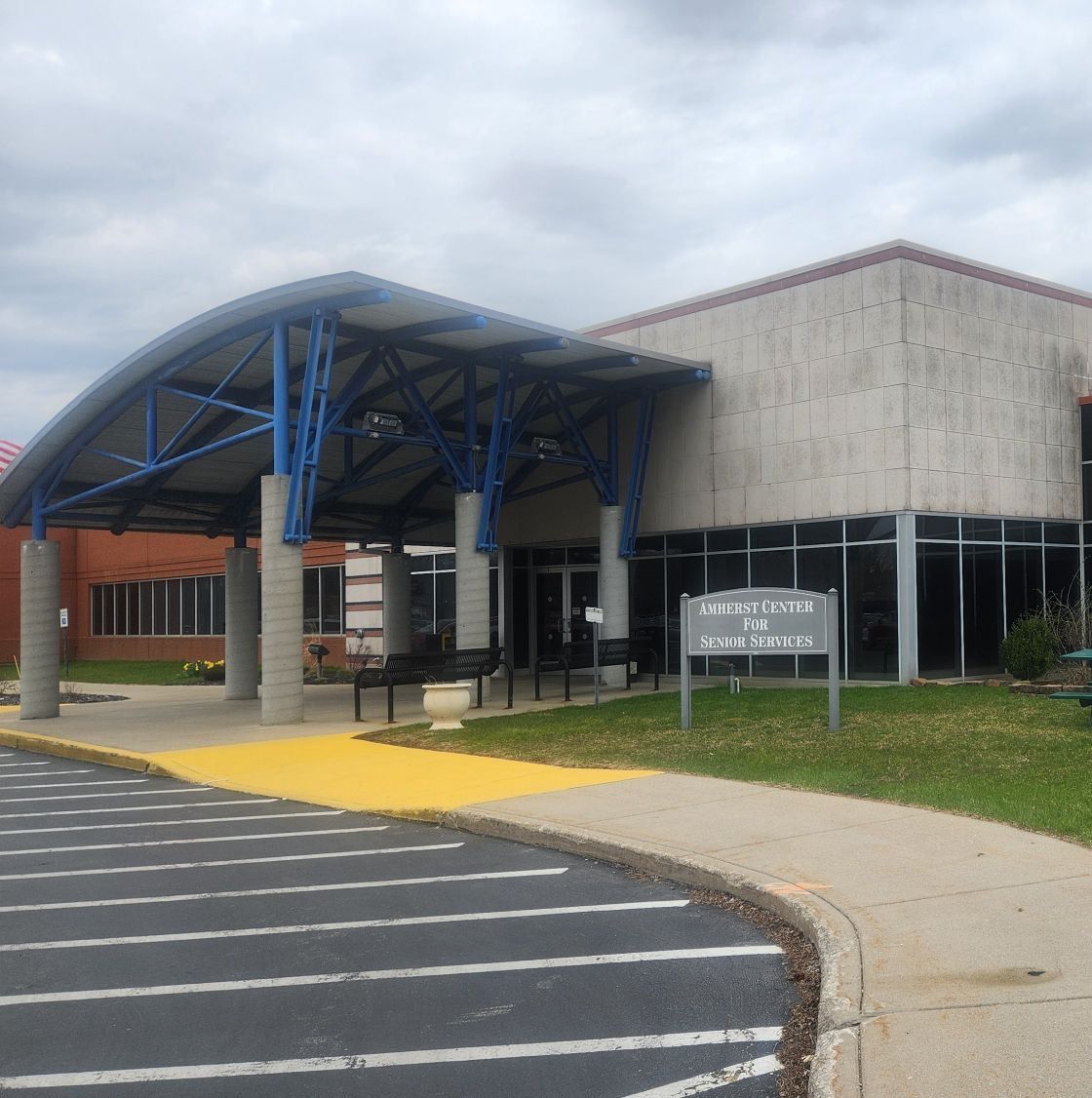
The Amherst Center for Senior Services
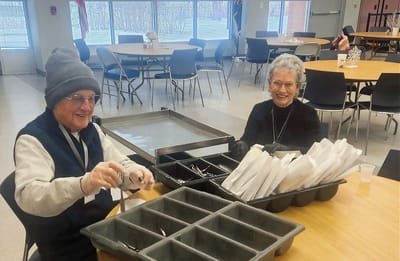
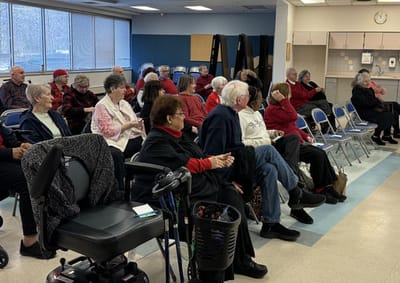
The Amherst Center for Senior Services is an active retirement community in Amherst, NY, that offers a variety of senior services. Dedicated to those 50+, this non-residential community conducts activities, support groups, and programs related to older adults. Over 40 different clubs, fitness classes, and nutritious meals await older adults as they join the community. The community fosters diversity and inclusivity, so older adults can freely interact with their surroundings.
Focusing on older adults’ holistic wellness, the community has plenty of activities, including yoga, strength training, art classes, and technology programs. With nutrition support, older adults are encouraged to make healthy choices, even with their meals. Surrounded by local amenities and near Walton Woods Trailway, the community ensures older adults and families can easily visit. This senior service center is a good choice for those looking to live actively in retirement, especially with its comprehensive programs dedicated to their well-being.
Community insights.
About This Community
- Government program application assistance (SNAP, HEAP, MSP, EPIC)
- Support groups (caregiver, men's, widow/widowers, kinship, Parkinson's, women's, loss and grief, veterans coffee)
Places of interest near The Amherst Center for Senior Services
370 John James Audubon Pkwy, Buffalo, NY 14228
Calculate Travel Distance to The Amherst Center for Senior Services
Add your location
Programs that may help with care and living costs in New York State
The Amherst Center for Senior Services is in Buffalo, New York State. These programs may support different care settings or living expenses. A listing does not confirm this community participates; our concierge team can help confirm.
Community First Choice Option
- Who it is for
- New York Medicaid members who need attendant services and supports at home
Eligibility
- General
- Medicaid Community First Choice Option supplies home/community attendant services and supports to eligible individuals needing an institutional level of care.
What it provides
- Home and community-based assistance with daily activities and health-related tasks that can be performed by an aide or direct-care worker.
Expanded In-Home Services for the Elderly Program (EISEP)
- Who it is for
- New Yorkers 60+ who need help with personal care or chores and are not eligible for Medicaid
- Income limit
- EISEP uses income-based sliding cost sharing.
Eligibility
- General
- Age 60+ with need for help with personal care or household chores, not eligible for Medicaid; locally assessed for nonmedical in-home support.
What it provides
- Case management and; when assessed and available; in-home assistance; noninstitutional respite and ancillary support.
Nursing Home Transition and Diversion (NHTD) Medicaid Waiver
- Who it is for
- New York Medicaid recipients with nursing-facility level of care who can live safely in the community
Eligibility
- General
- Medicaid recipients with community-based long-term-care coverage, nursing-facility level of care, and a safe community plan; age 65+, or age 18–64 with a physical disability. Conflicting case-management or managed long-term-care enrollment must be resolved.
What it provides
- Assessed waiver supports that allow eligible people to leave a nursing facility or avoid admission and live in the community.
Elderly Pharmaceutical Insurance Coverage (EPIC)

- Who it is for
- New Yorkers 65+ with qualifying income who have, or can get, Medicare Part D
- Income limit
- Annual income up to $75,000 single or $100,000 married.
Eligibility
- General
- New York residents 65+ with qualifying income who are enrolled or eligible to enroll in Medicare Part D and are not receiving full Medicaid benefits. Enrollment is available throughout the year.
What it provides
- Supplements eligible Medicare Part D prescription costs through income-based fee or deductible plans; premium assistance depends on program rules.