
Contemporary Senior Care: How Facilities Have Changed Over Time
In this ever-evolving world, the landscape of senior living has undergone remarkable transformations throughout different generations. From the rapid advancement of technology to new healthcare regulations, every facet of senior care has witnessed a progressive shift. As the needs of seniors change, so do the expectations for senior living communities and providers. This article delves […]


- Senior care now spans assisted living, independent living, memory care, rehabilitation, home care, and hospice, with services tailored to different needs and changing levels of support.
- Technology can support telehealth, medication administration, emergency response, and family connection, potentially making some aspects of care more convenient and cost-effective.
- Facilities are moving beyond institutional settings toward accessible, safety-conscious, homelike spaces with amenities and social activities that support independence and connection.
In this ever-evolving world, the landscape of senior living has undergone remarkable transformations throughout different generations. From the rapid advancement of technology to new healthcare regulations, every facet of senior care has witnessed a progressive shift. As the needs of seniors change, so do the expectations for senior living communities and providers.
This article delves into the multifaceted changes in senior living, exploring how the industry has adapted to provide advanced and personalized care for seniors in their golden years.
Diverse and Specialized Care Choices for Seniors
Traditionally, the scope of senior care is centered on nursing homes, providing generalized assistance for aging individuals requiring medical attention and therapies. Today, with the evolving needs of a diverse senior population, a range of specialized care options has emerged to cater to unique needs. Seniors, coming from various backgrounds and walks of life, possess distinct needs and preferences. Modern senior living recognizes this diversity, presenting advanced care options such as assisted living, independent living, memory care, skilled nursing rehabilitation, home care, and hospice facilities.
Each care type adopts a specialized and individualized approach, ensuring flexibility as seniors’ needs evolve. Assisted living, for instance, is tailored for seniors needing help with daily activities (ADLs) but not necessarily requiring medical care. In contrast, memory care focuses on those with Alzheimer’s and dementia, offering secure and structured environments with therapeutic activities to enhance residents’ cognitive experiences and safety.
Cutting-Edge Technology
In senior care, technology stands as a transformative instrument, simplifying the monitoring, tracking, and assessment of seniors within facilities. From user-friendly mobile applications providing entertainment and tech literacy for seniors to apps facilitating fast and secure on-demand transportation services, the range of innovations is vast. Mobility devices, assistive equipment, and continually improved medication administration all benefit from the advancements in technology. Air purifiers are now deployed to safeguard seniors against diseases, while telehealth and personal emergency response systems ensure enhanced connectivity and support. Virtual technology plays a pivotal role as well, allowing family members to engage seamlessly with their loved ones in facilities.
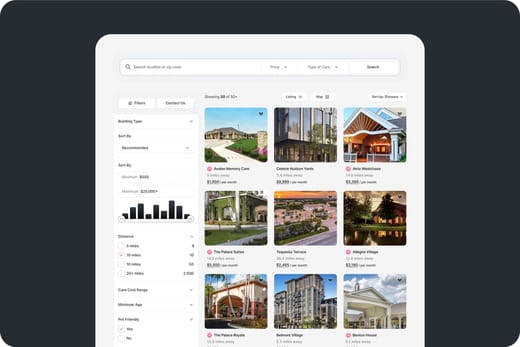
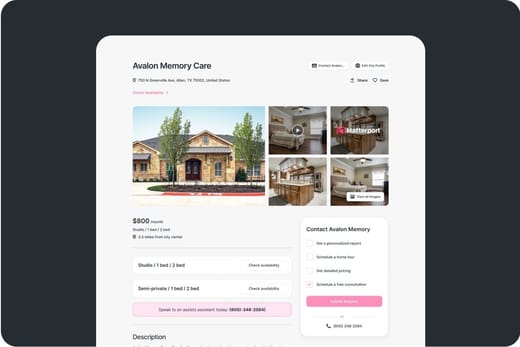
The constant emergence of cost-effective and accessible technologies is elevating the quality of senior care, exemplified by platforms like Assisted Living Magazine simplifying the search for a senior home through easy navigation, virtual tours, and detailed insights.
Architecture and Interior Design in Senior Care
Whether chosen out of necessity or preference, facilities accommodating seniors should prioritize creating an ideal setting tailored to their unique needs. Key considerations encompass factors such as spaciousness, environmental well-being, and the overall security of the space, recognizing their profound impact on cognitive function. Thoughtful interior design, including color schemes and patterns, contributes to stimulating the minds of seniors. Accessibility is non-negotiable, with facilities featuring no-step entries and wheelchair-friendly infrastructure, allowing seniors to navigate independently.
Innovative design choices extend to practical elements like rocker-type light switches, enhancing ease of use for seniors. Ample natural light through large windows becomes more than an aesthetic choice—it’s a necessity to seniors’ well-being, offering them views of the outdoors and fostering social interaction as well. Pathways are meticulously paved with materials to minimize hazards, ensuring a safe and pleasant environment for seniors. These considerations are integral in the blueprint of an ideal senior care facility, aiming to enhance the quality of life for residents in their golden years.
Affordability and Accessibility
Navigating the costs of senior care is a personalized journey influenced by unique circumstances, location, and specific care requirements. Today, positive shifts make senior care appear more financially accessible than ever.
Range of Options
A wealth of senior care options now caters not only to diverse needs but also to various financial situations. Different facilities offer customized arrangements and packages, providing relief to wallets while ensuring quality care. Seniors and families can only take what they need and want.
Tech-Driven Care
Embracing technology, like telehealth and remote monitoring, introduces cost-effective avenues for specific aspects of care. Virtual consultations with healthcare professionals minimize the necessity for frequent in-person visits, offering convenience and potential savings.
Government Support for Financial Ease
Crucially, increased awareness and access to government assistance programs—Medicaid, Medicare, and veterans’ benefits—play a pivotal role in alleviating the financial burden of senior care. These programs actively aim to empower seniors with limited financial resources.
Private Insurance Backing
Private insurance plans covering long-term care services stand as an invaluable resource for financial support. It’s worth noting that the costs and coverage of these plans can vary, necessitating careful consideration.
Senior Communities as a Trend Among Younger Seniors
An increasing number of younger seniors are now embracing the choice of senior living, not only to meet their healthcare needs but to relish their golden years fully. Opting for senior living means enjoying a plethora of amenities, guaranteed security, and hassle-free home maintenance. With dining options available thrice daily, a variety of activities, social groups, classes, and clubs, the opportunities for a fulfilling life are limitless—everything is conveniently within reach. These communities often provide a range of care options, offering seniors peace of mind, knowing their evolving needs will be met. The atmosphere is one of camaraderie and belonging, making senior living feel less institutional and more like a welcoming home.
Gone are the days when seniors envisioned a standard of care that is traditionally institutional. The contemporary senior living experience now boasts improved facilities with innovative science-based programs and a diverse range of services and amenities in a homely environment.