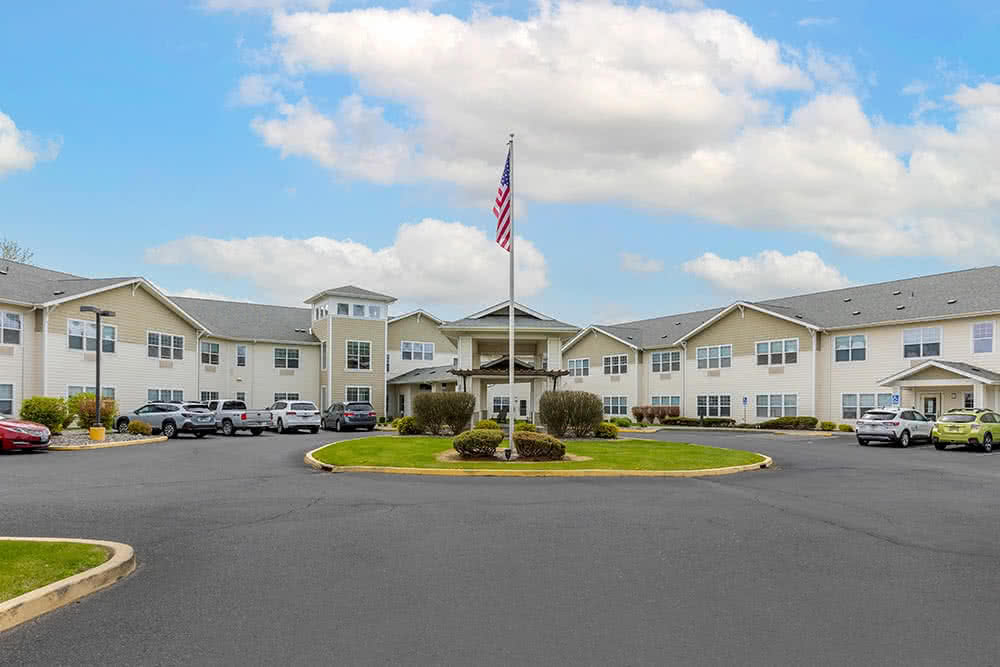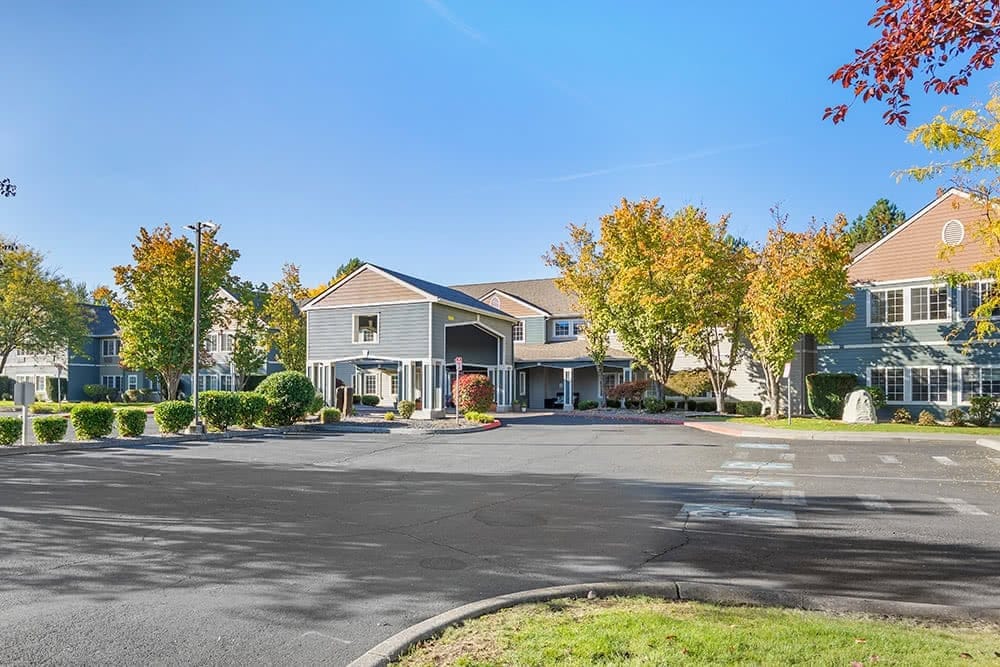
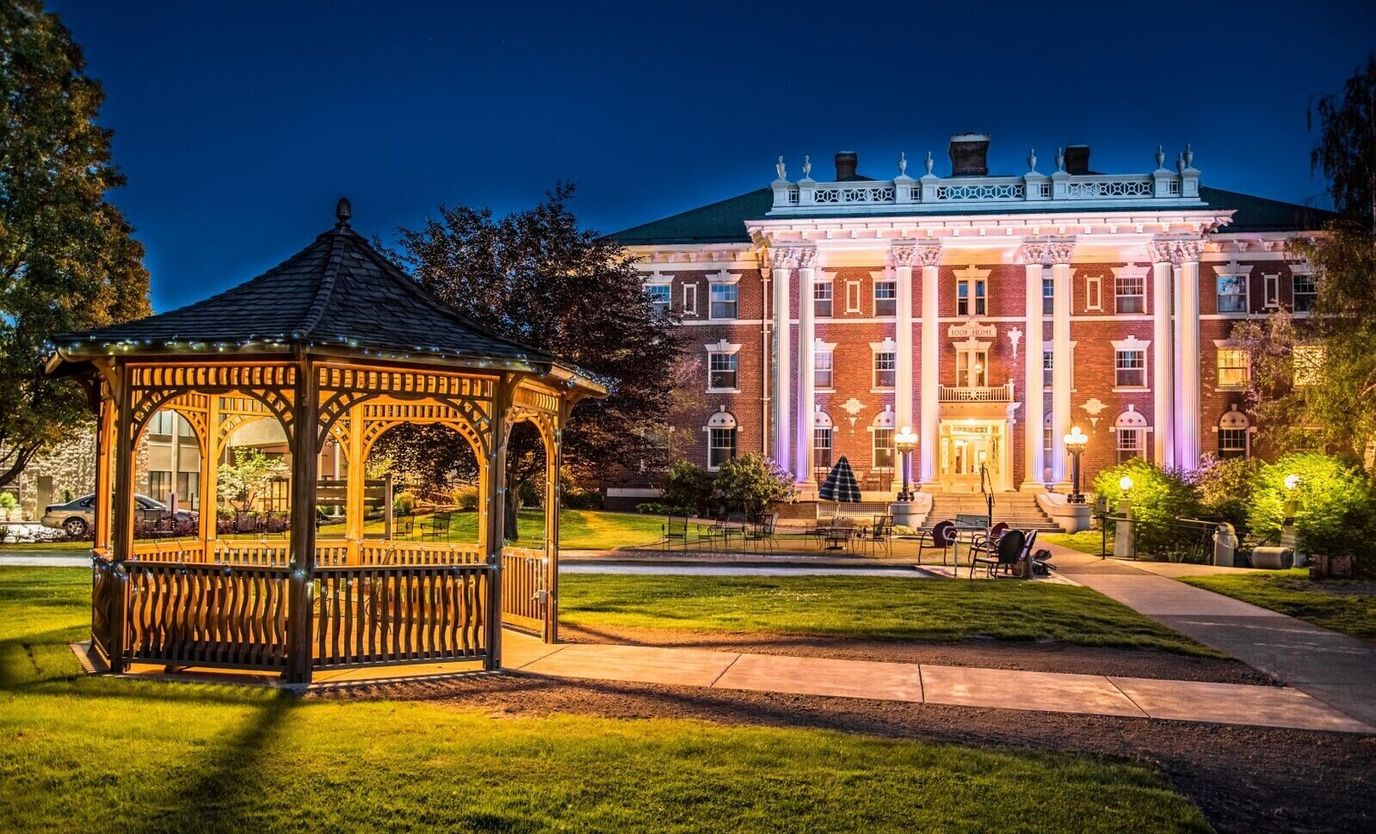
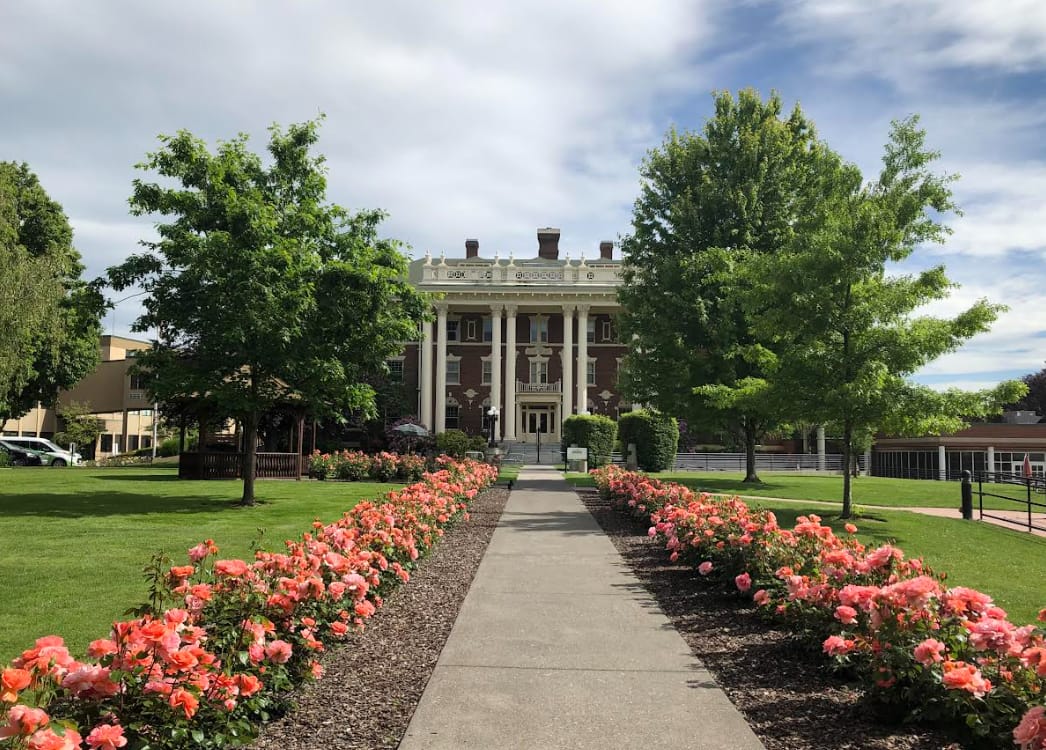

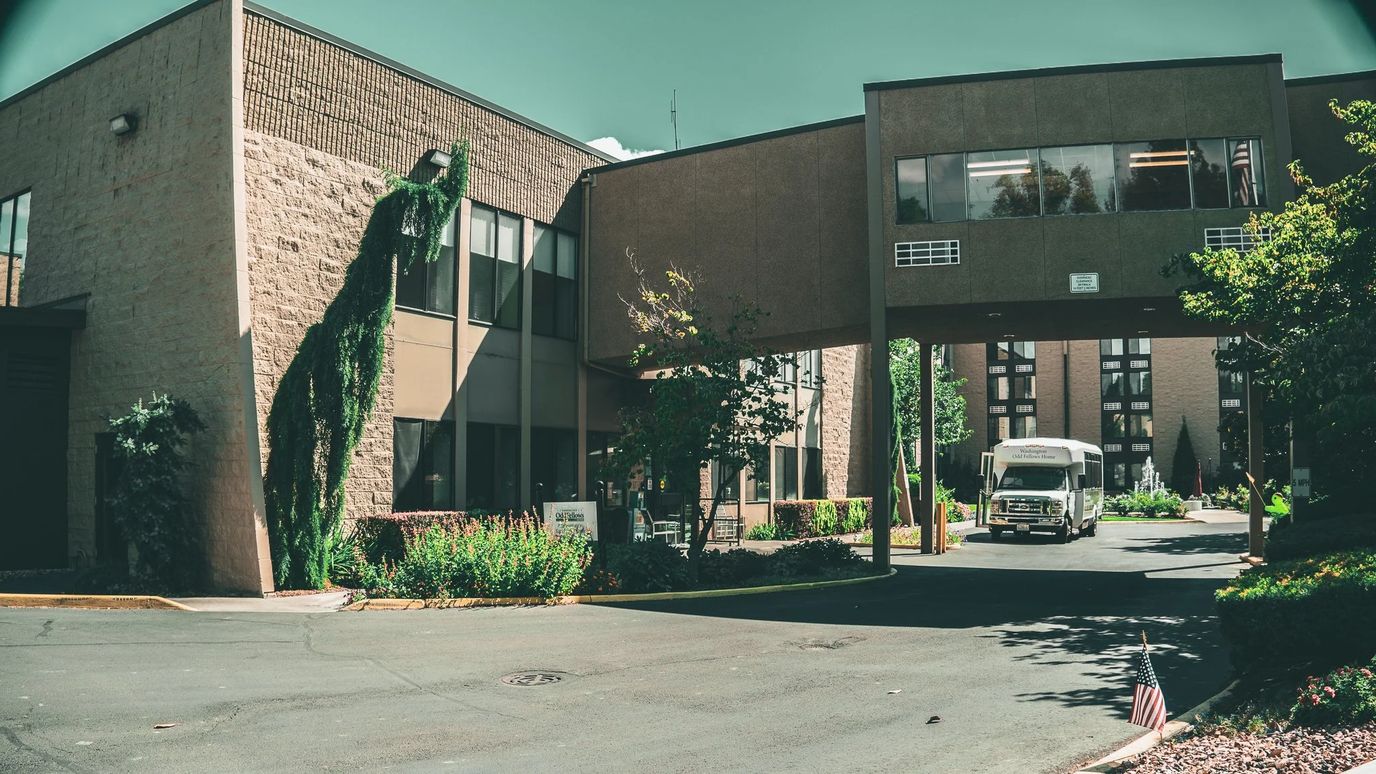
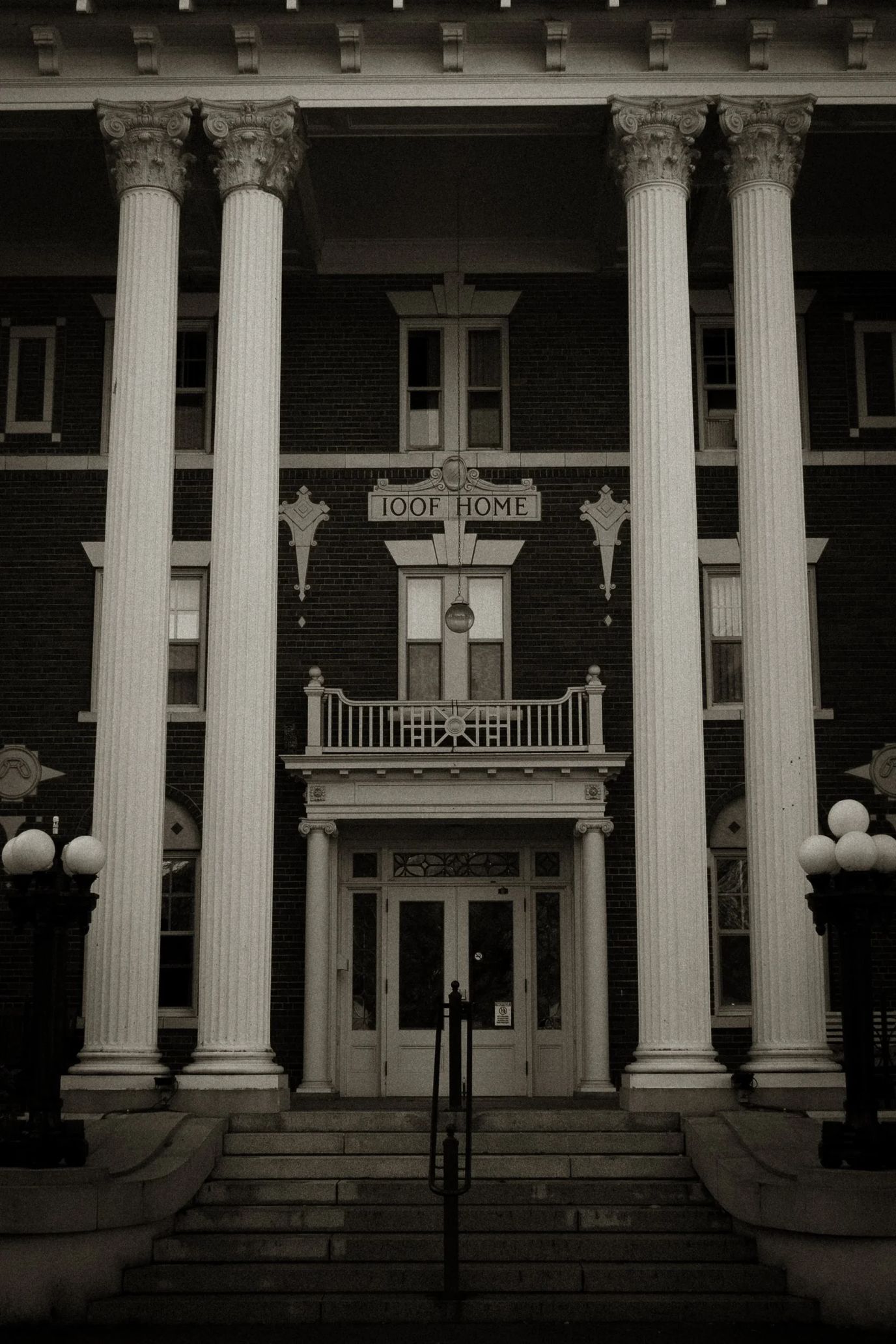
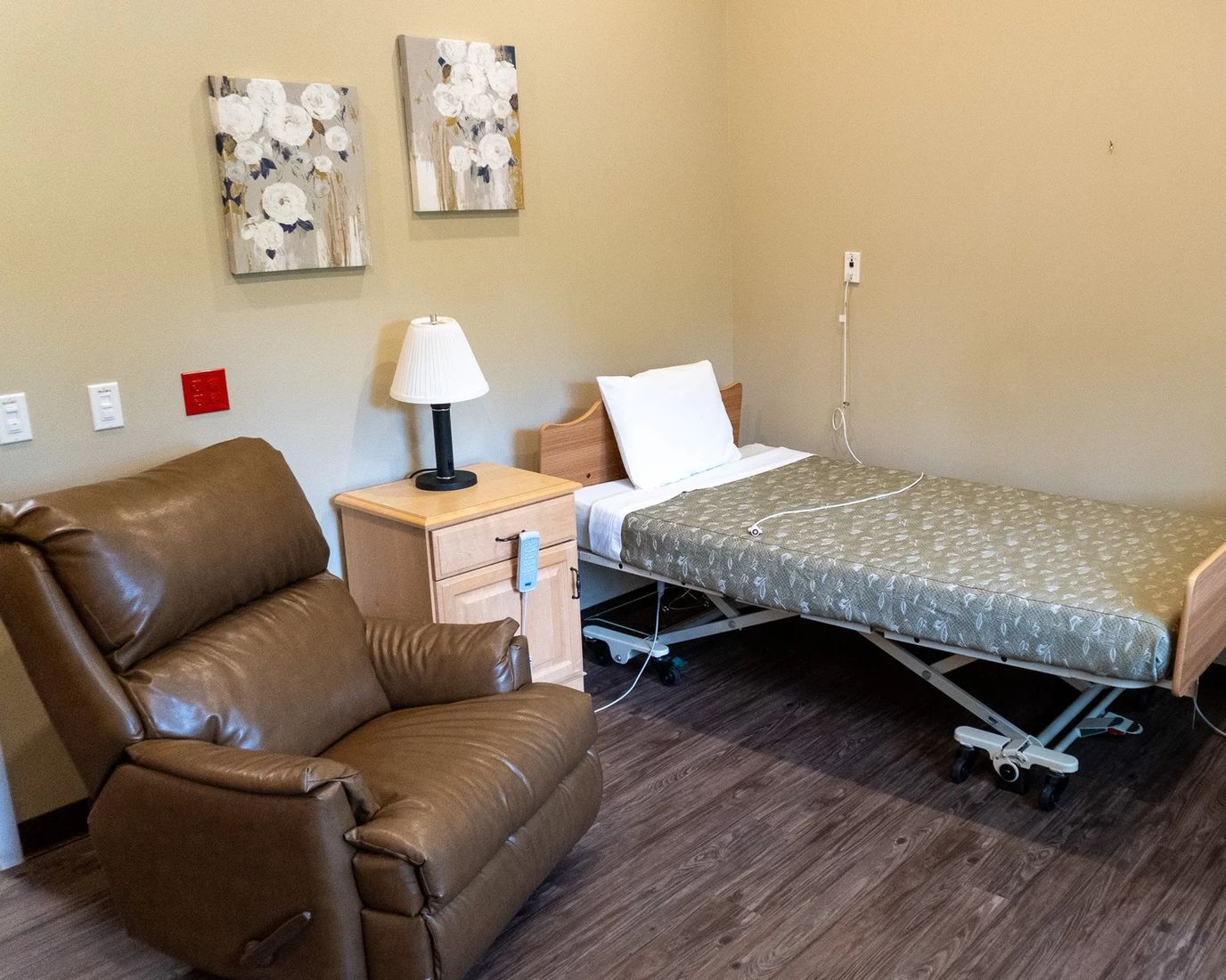
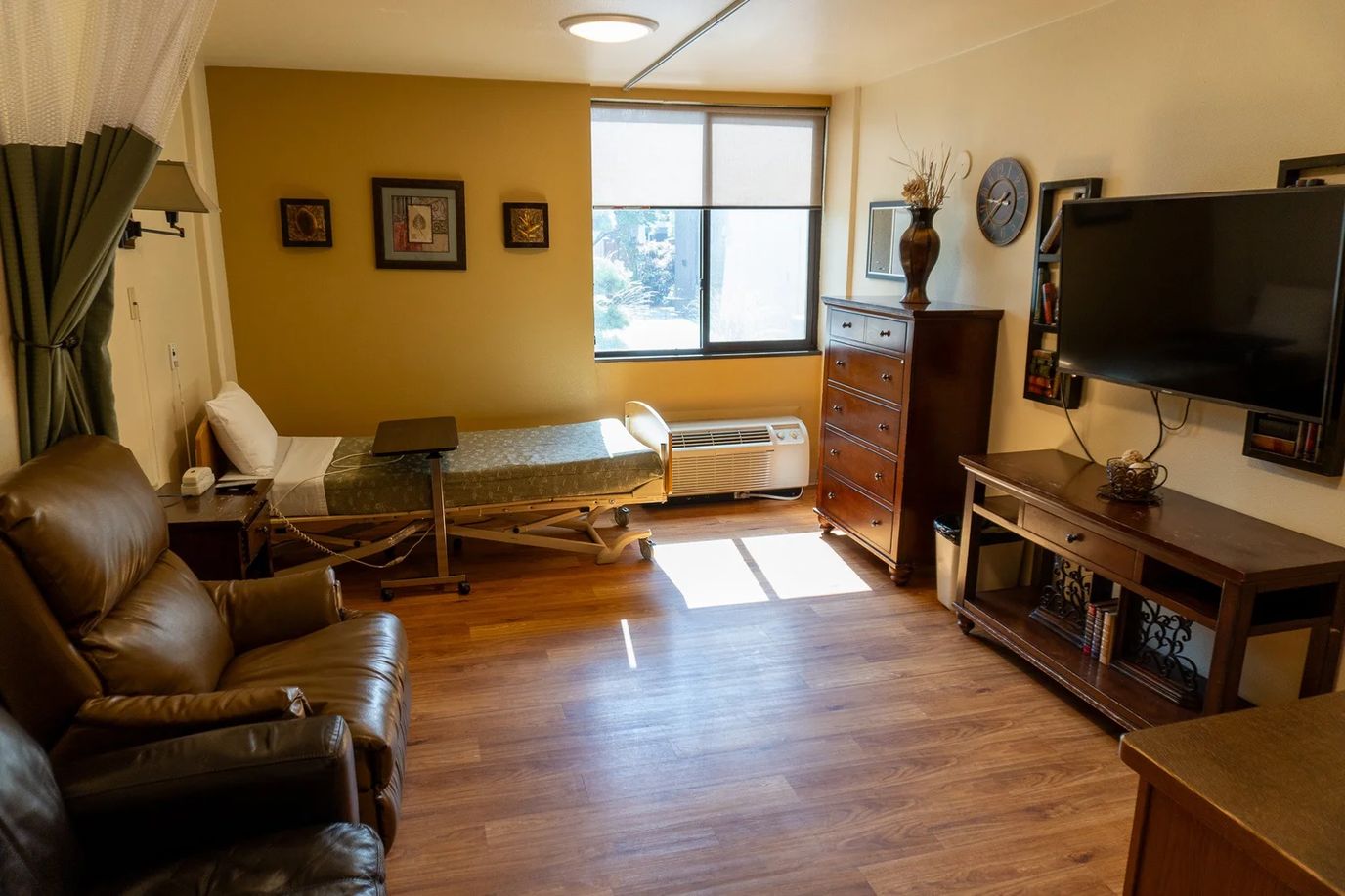
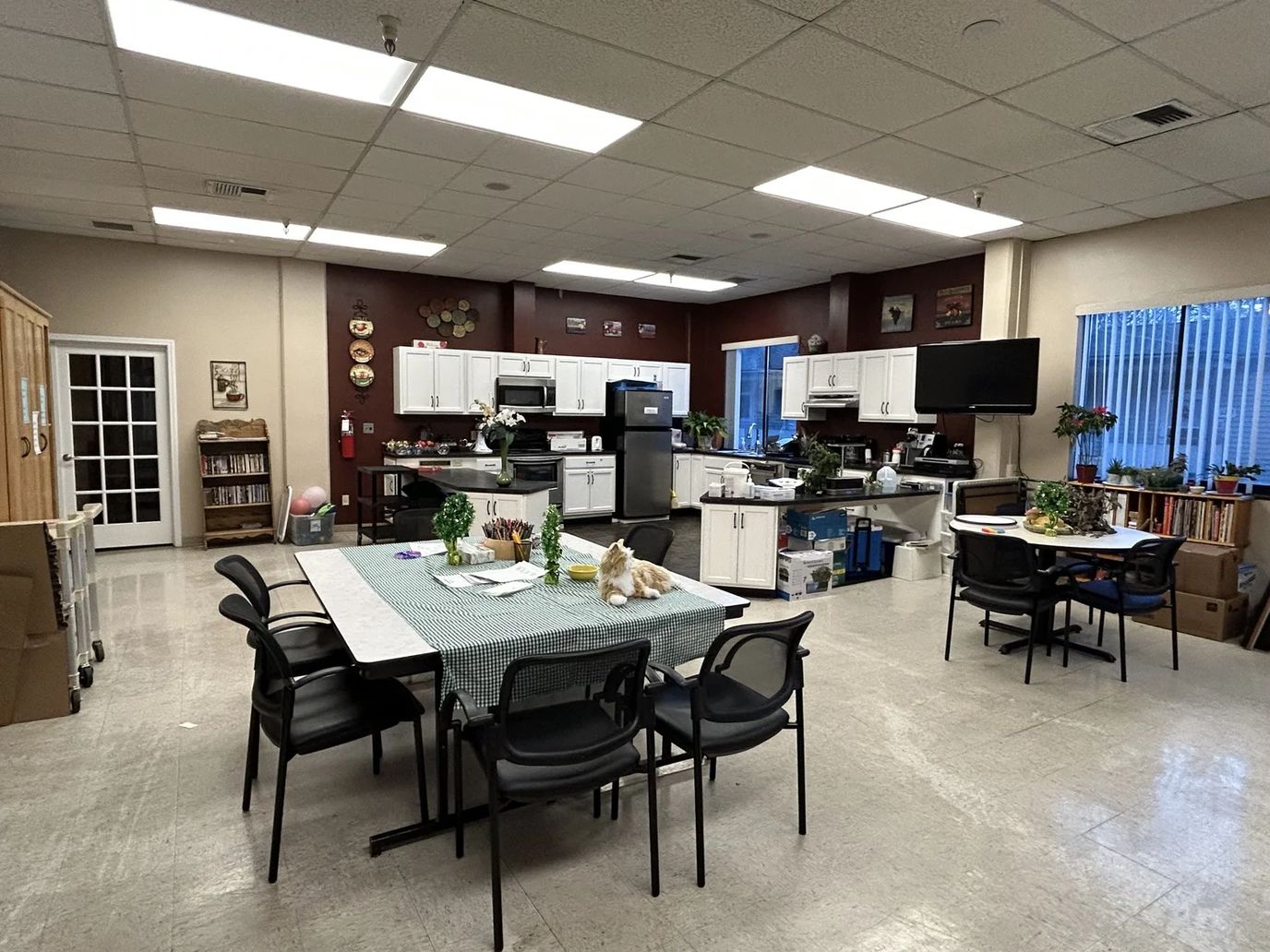
Situated at 534 Boyer Ave in Walla Walla, Washington Odd Fellows Home is a 71-bed nonprofit facility operating at 72% occupancy (51 of 71 beds filled) with a typical length of stay of 175 days.
The community serves a mixed payer population: primarily Medicare-funded short-term rehabilitation admissions, along with Medicaid long-term residents and private-pay patients.
It maintains an active resident council.
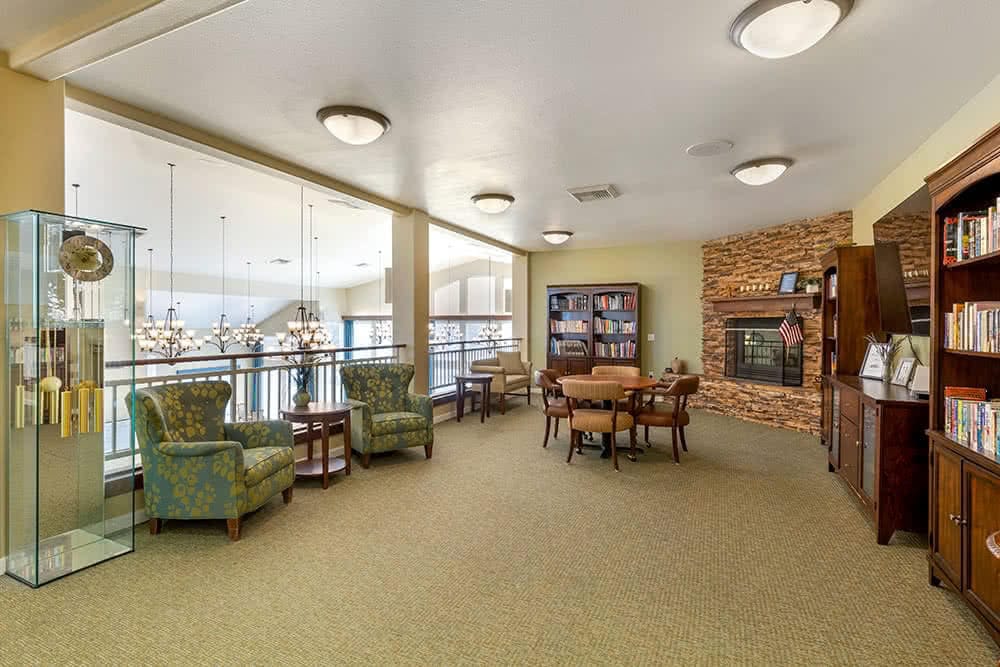
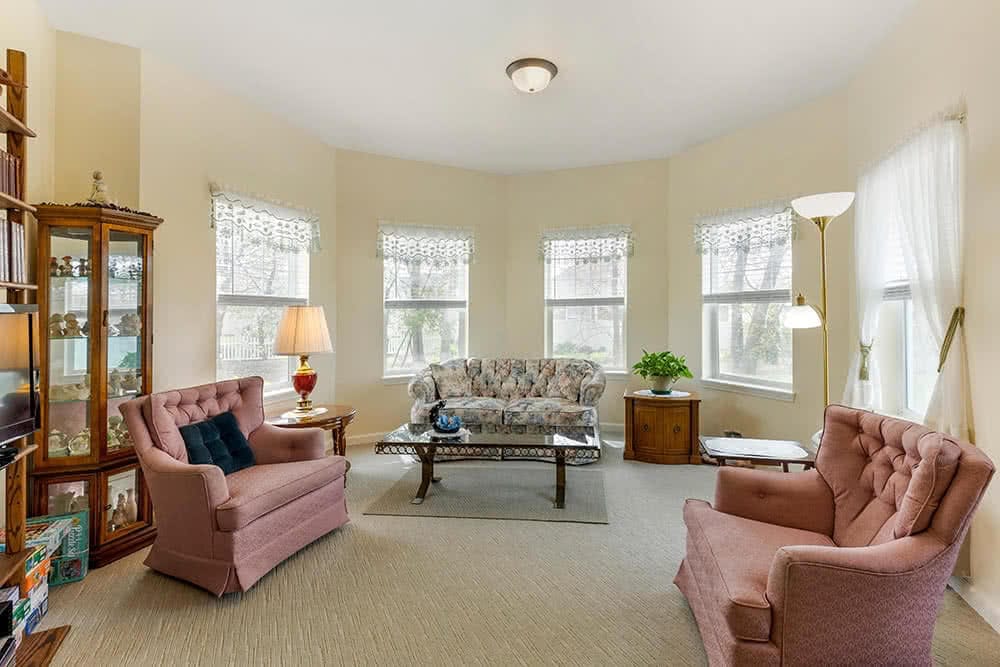
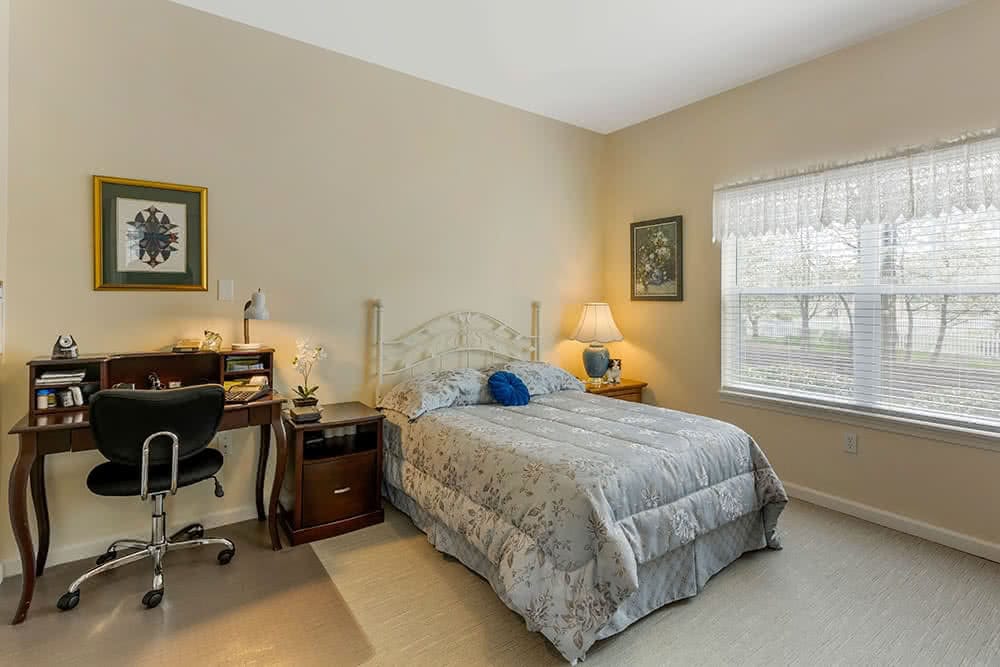
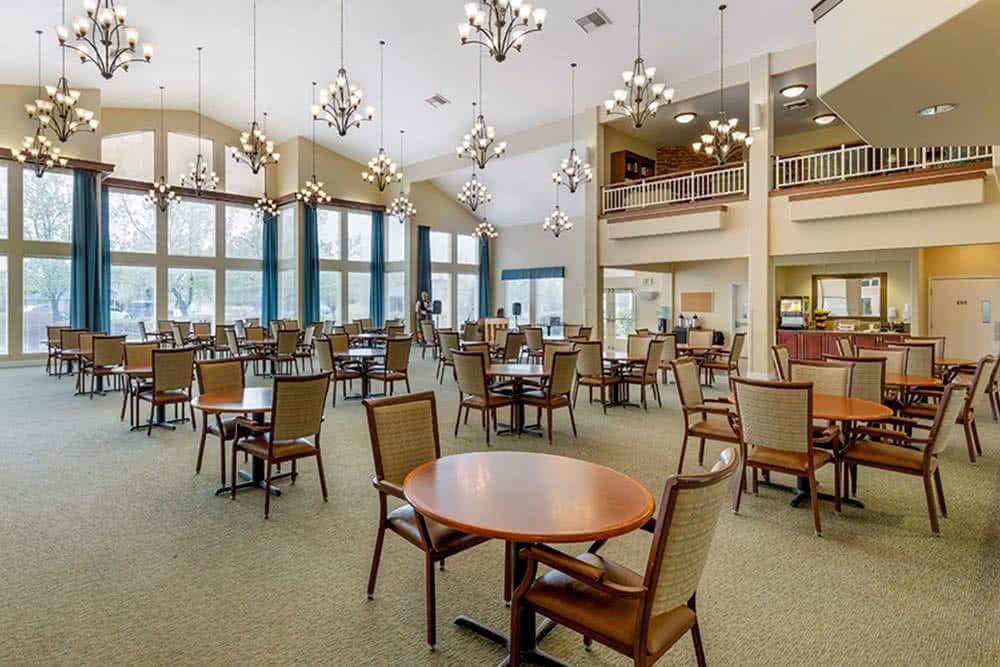
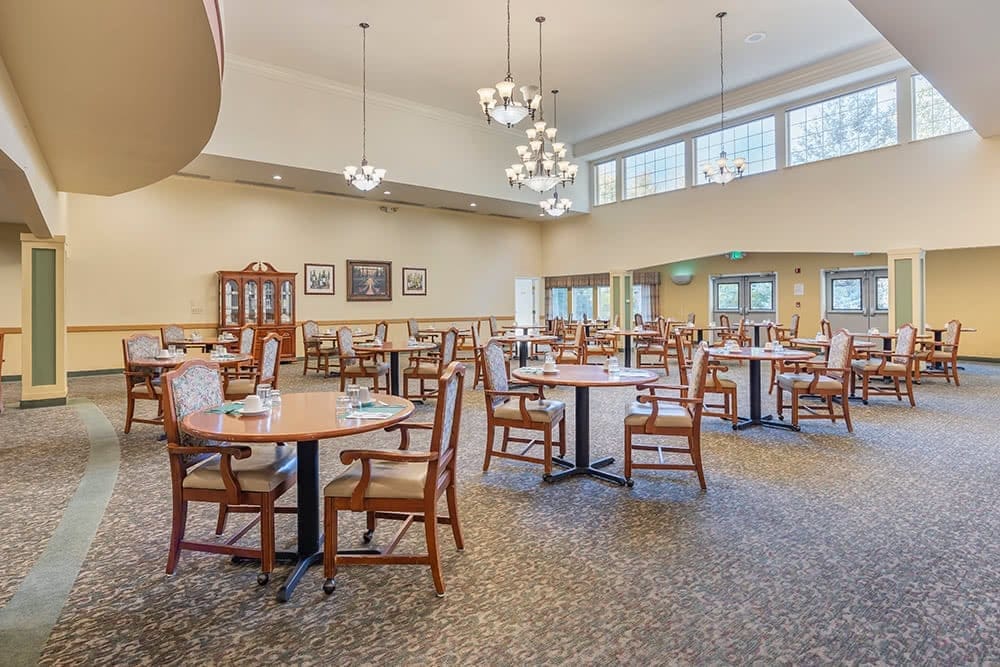
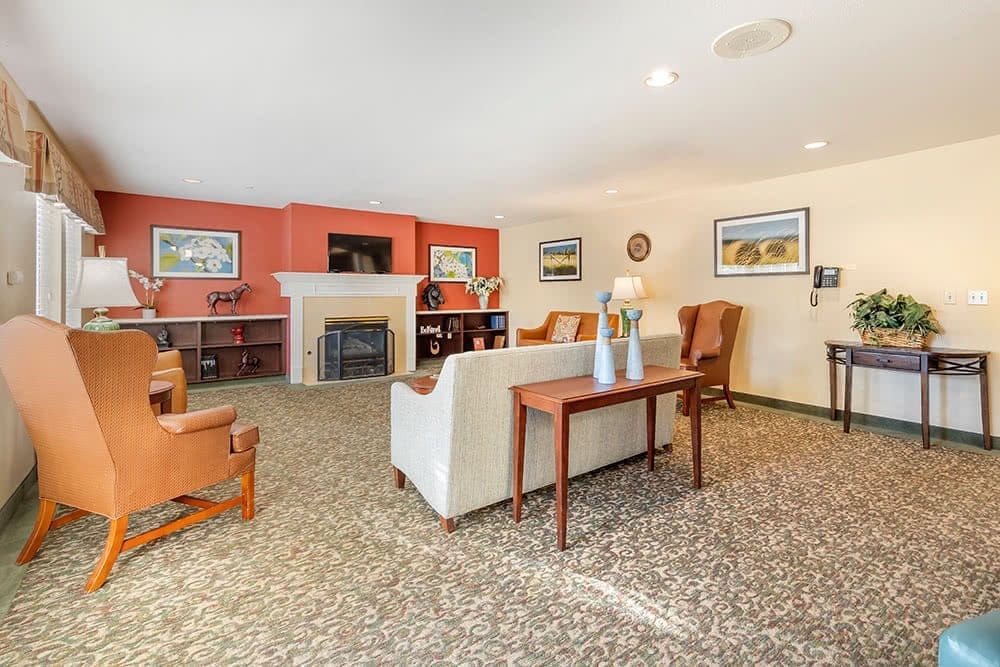
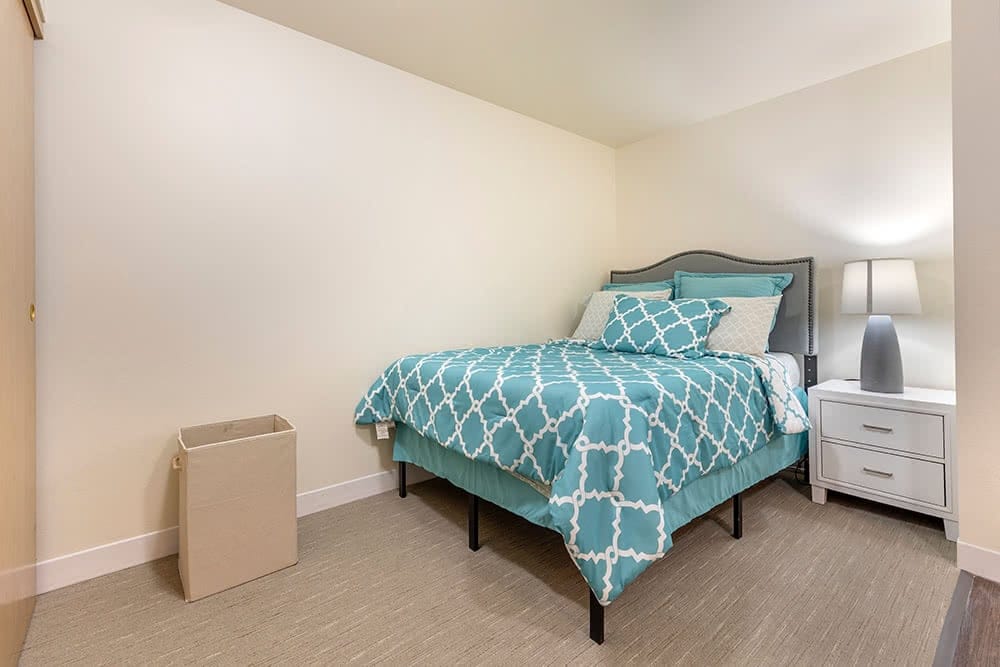
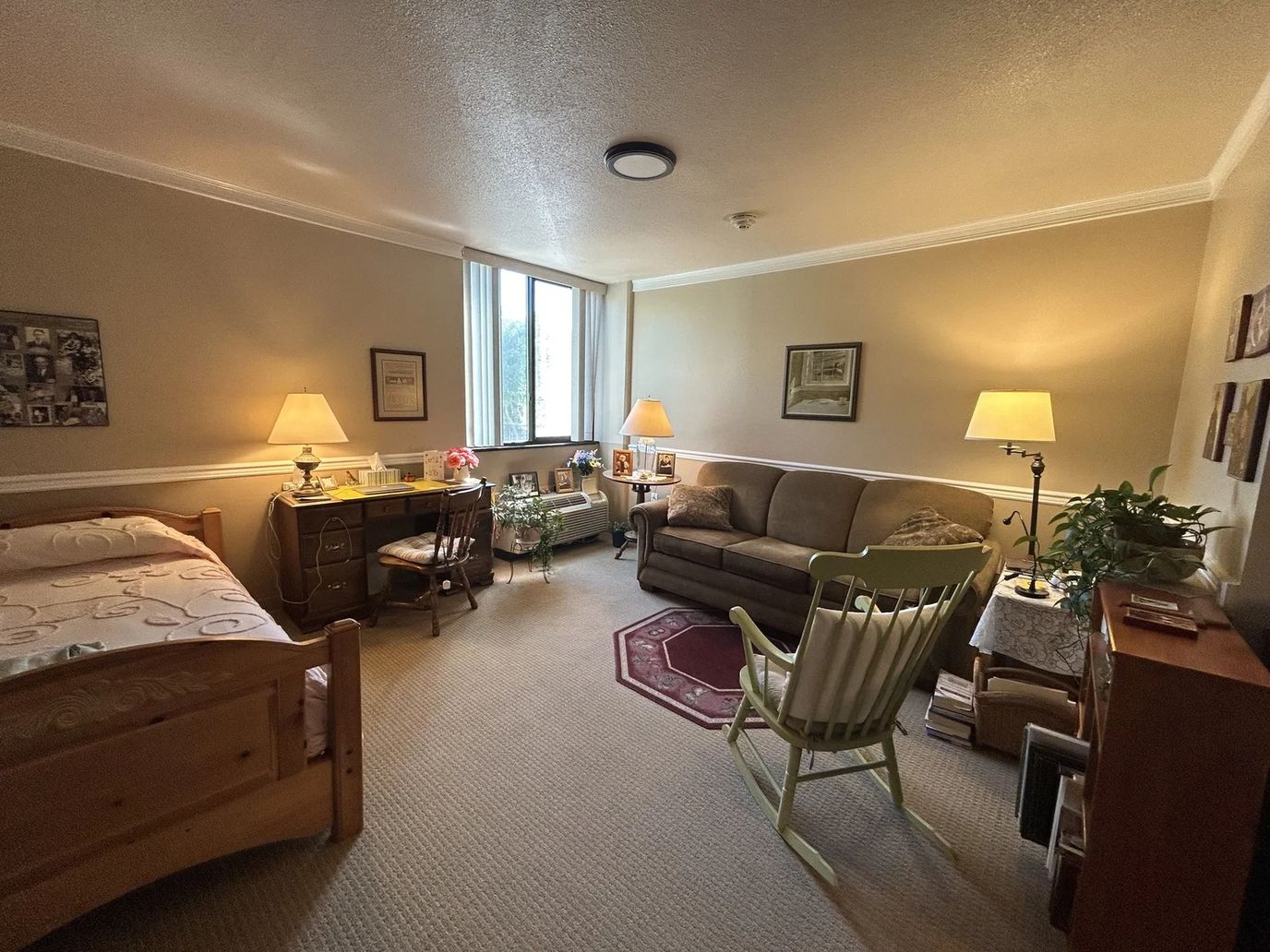
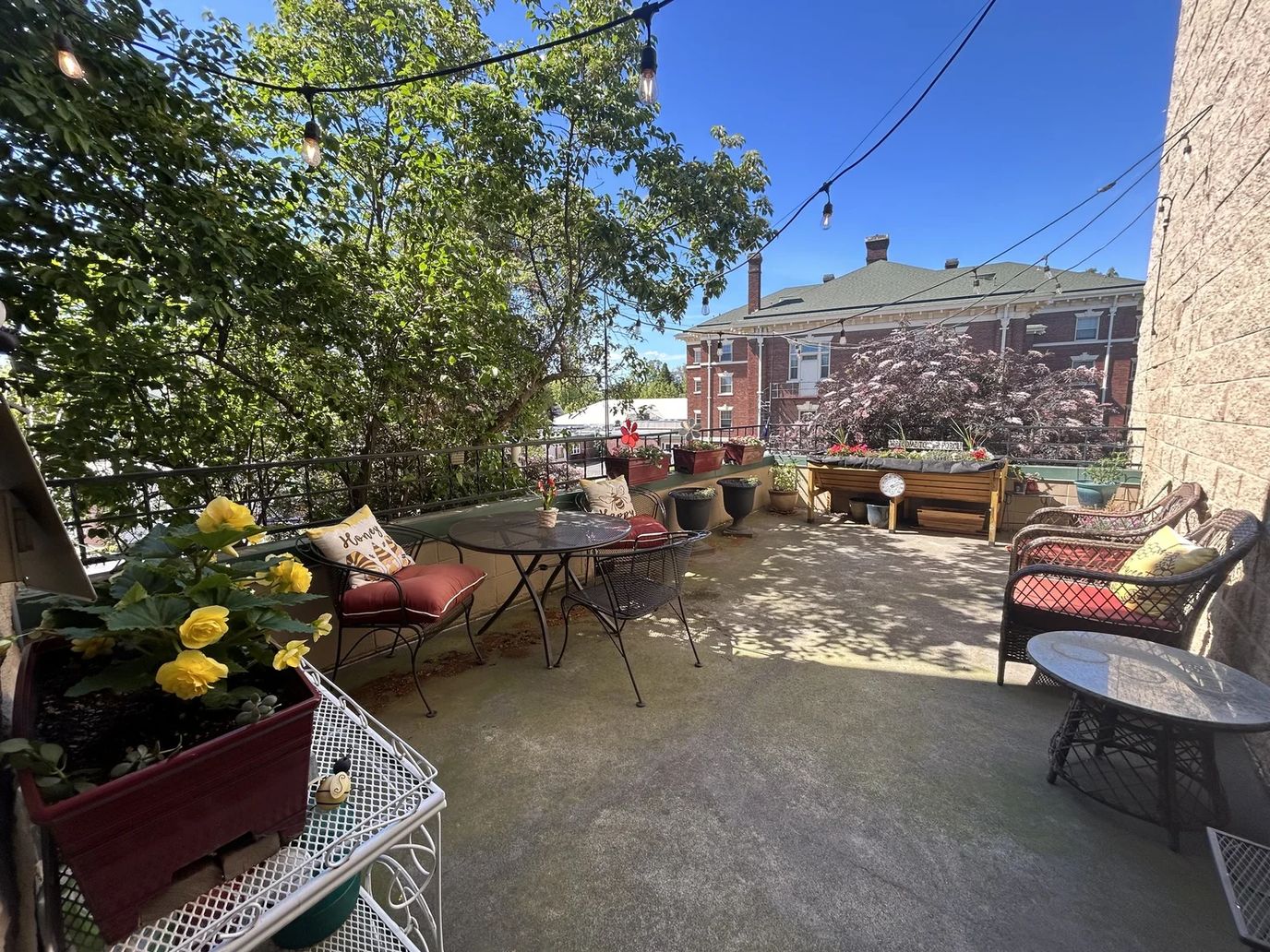
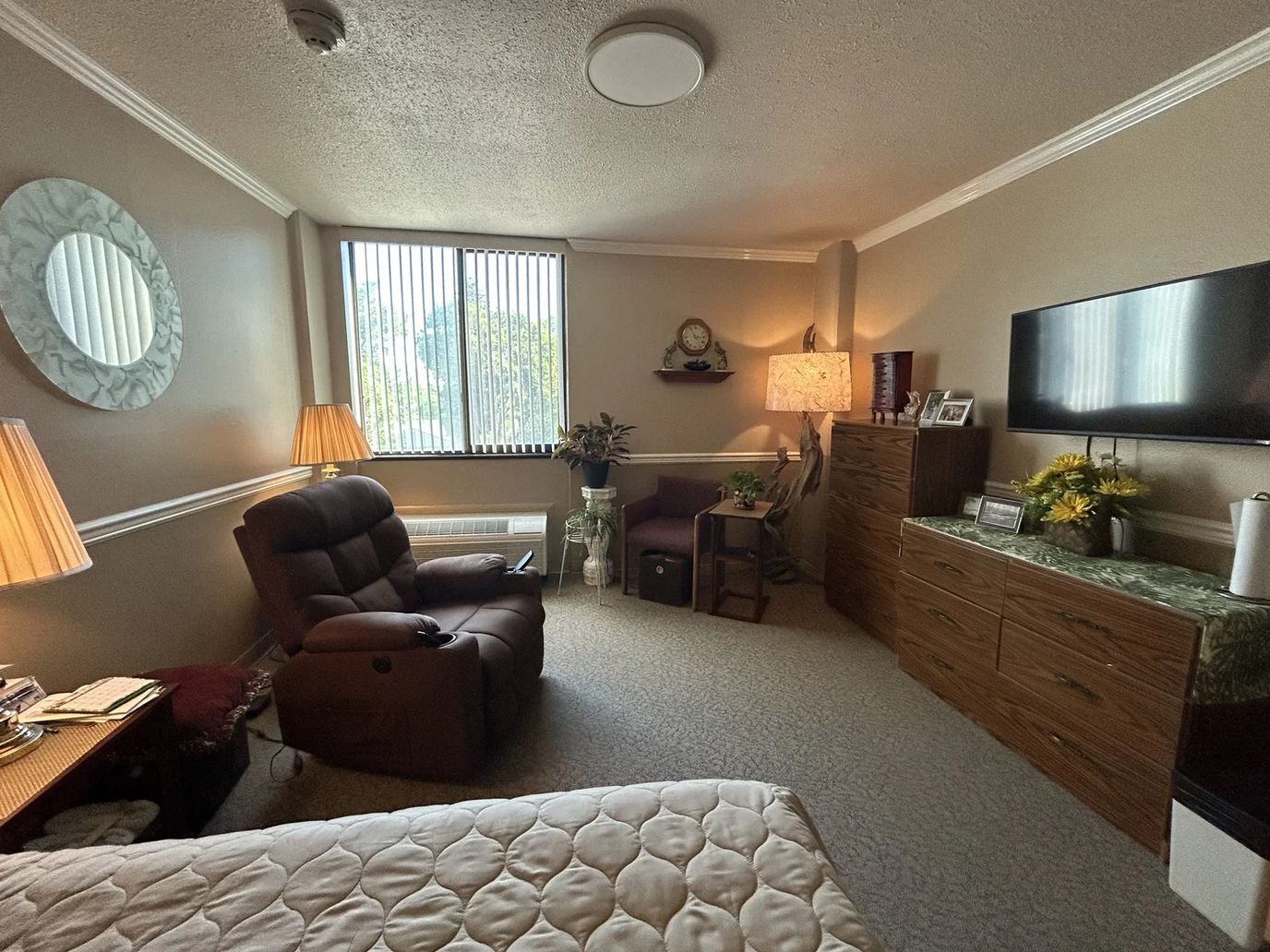
Services include skilled nursing, assisted living, rehabilitation, and programming around meals, activities, housekeeping, and laundry delivered through a 3-story building containing studio and 1-bed units.
The facility’s staffing profile falls notably short of state benchmarks. In Q4 2025, 84 total staff members (54 employees, 30 contractors) provided care to 49 residents, yielding a staff-to-resident ratio of 1.71:1; 8% worse than the state average of 1.86:1.
Daily nursing care averaged 3 hours 40 minutes per resident, 16% below the state average. The nursing team comprised 7 RNs, 8 LPNs (including 4 contractors), and 41 CNAs (31 employees, 10 contractors). This staffing structure supported a CMS overall rating of 2 stars (42% below state average), with health inspection and staffing ratings both substantially depressed.
Inspection findings since 2023 reveal a pattern of fire safety noncompliance. A May 2023 life safety inspection cited overdue fire door inspections, sprinkler system testing exceeding 5-year intervals, a newly installed duct completely blocking sprinkler spray pattern, and missing generator documentation. October 2025 identified persisting fire code violations—improper sprinkler head clearance in a resident room and non-self-closing dry storage doors in the kitchen. January 2025 complaint investigation documented improper resident discharge to a homeless shelter unable to provide medication management and ADL assistance; the resident subsequently presented multiple times to the emergency department after the facility declined to readmit them.
Long-stay resident outcomes raise substantial clinical concerns. Depressive symptoms affected 91.8% of long-stay residents; 466% worse than the state average. Hospitalizations occurred at 2.26 per 1,000 resident days (64% above state average), with emergency department visits at 2.52 per 1,000 days (67% above).
The gap between low deficiency counts and these adverse outcomes suggests compliance with regulatory structure has not translated to resident clinical stability.