



Type of Care Available
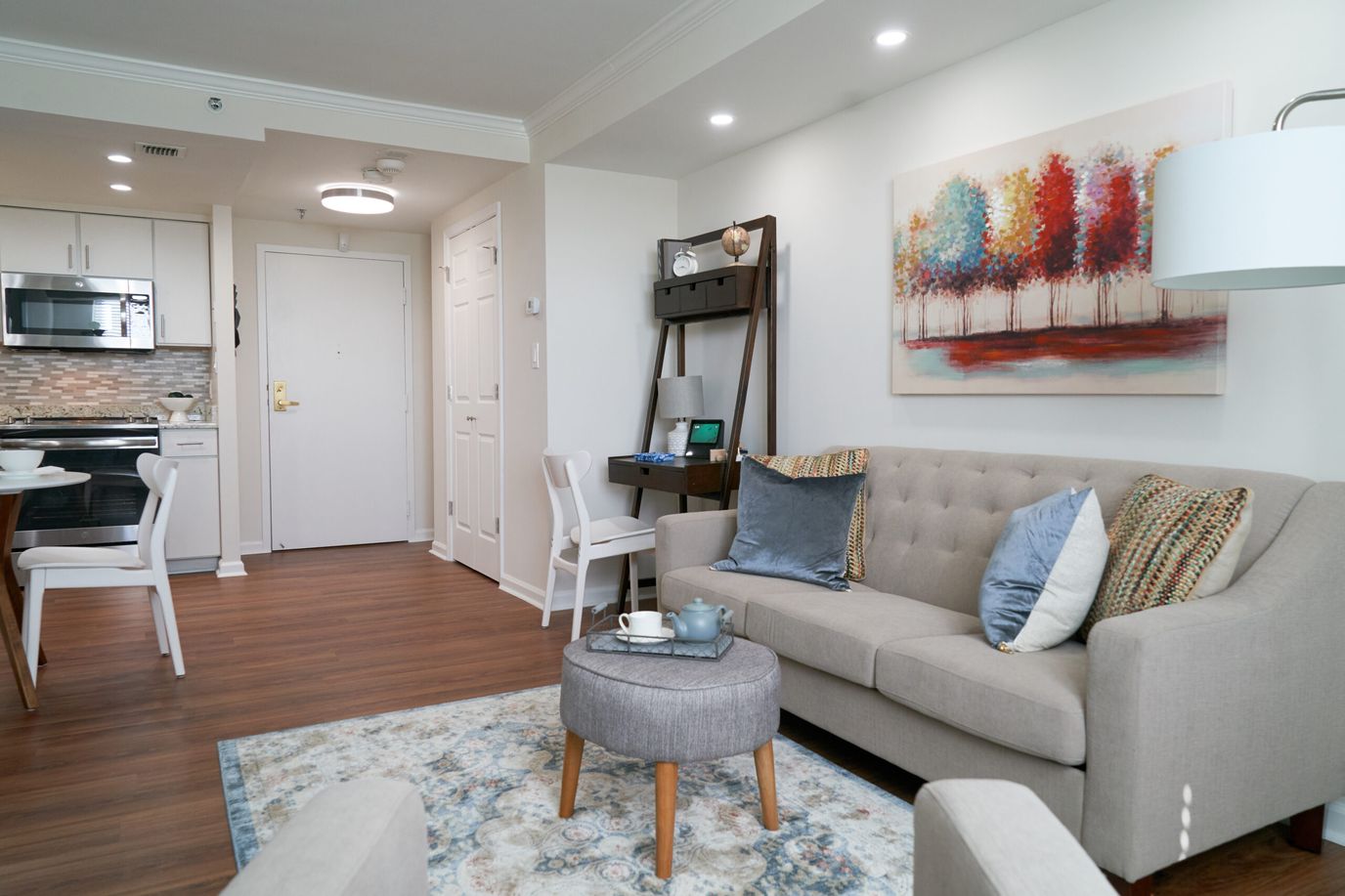
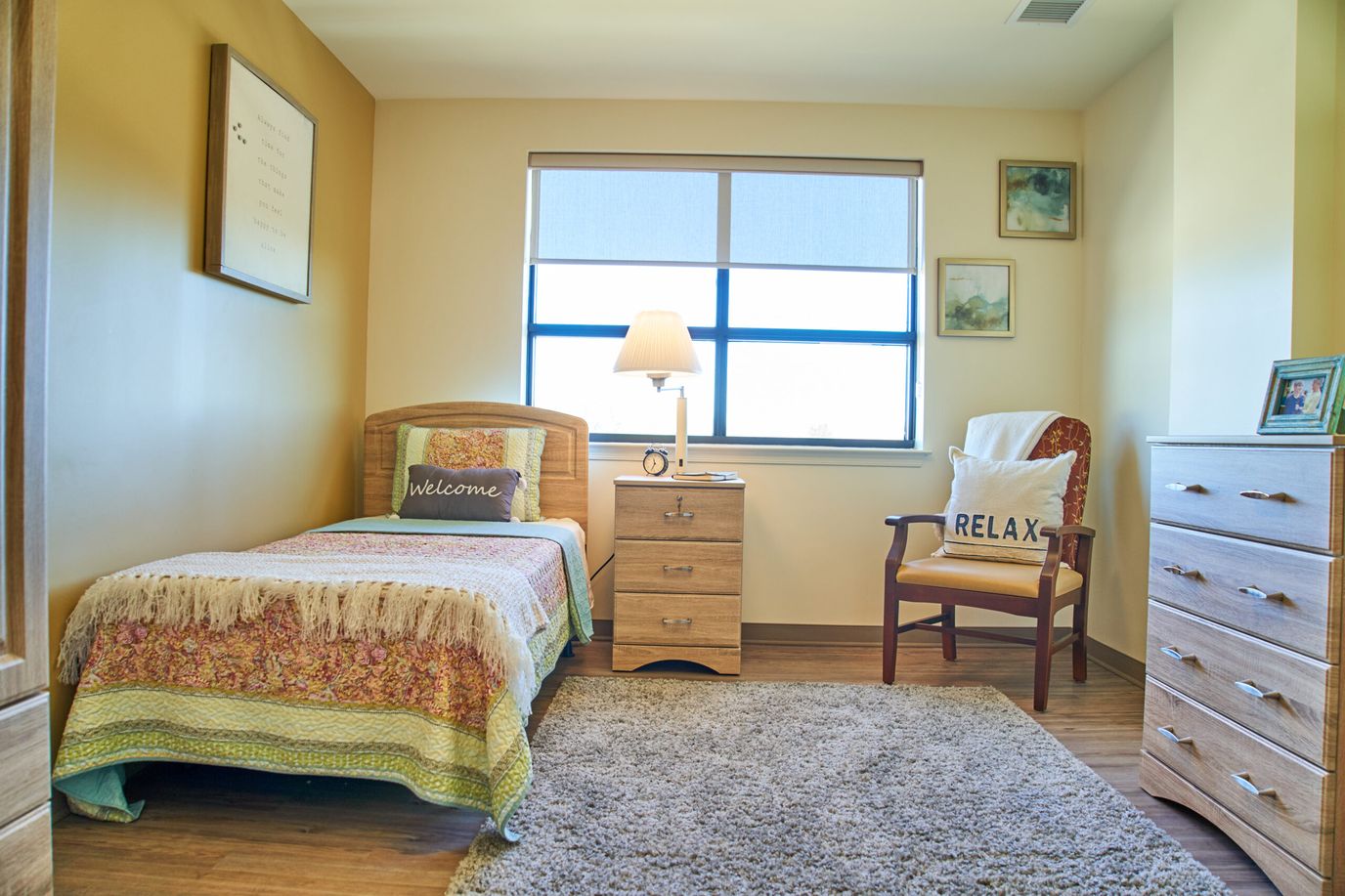
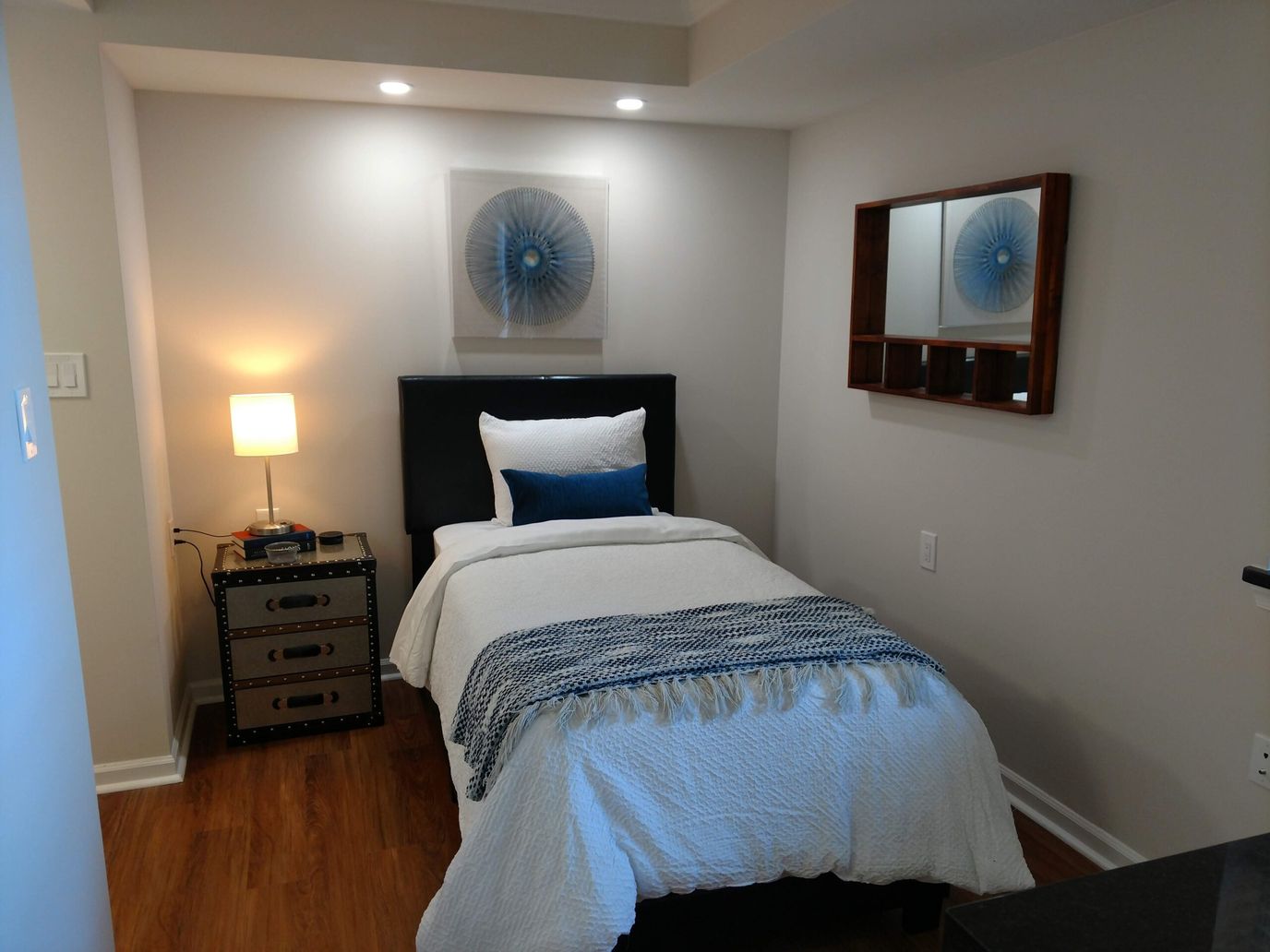
Definition: Residential care for older adults who need help with activities of daily living (ADLs) such as medication management, bathing, dressing and meals.Purpose: Support independence while providing daily assistance and limited medical oversight — a step below nursing home care.Focus: Safety, personal care, social engagement and a community-based lifestyle.Amenities and Services: Often include: • Recreational activities • Housekeeping and laundry • Transportation • Meal servicesCare Level: 24/7 staff availability with personalized care plans; limited clinical care compared to nursing homes.
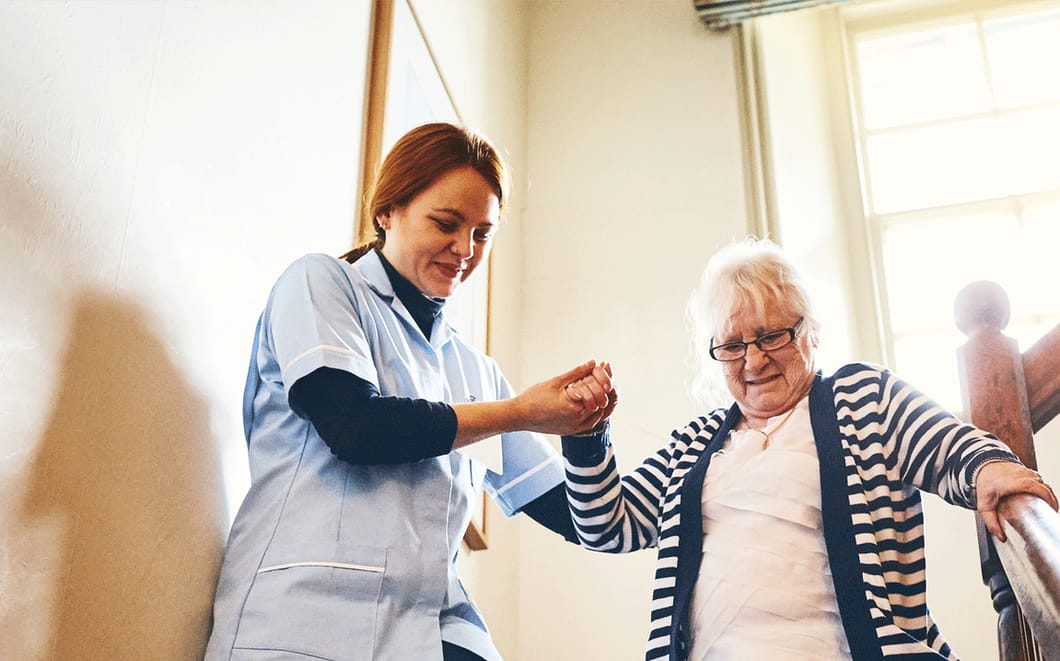
Home care is a type of care wherein qualified professionals assist with activities of daily living (ADLs), like personal hygiene, meal preparation, and dressing, at home. This type of care provides a wide range of services, including personal care, skilled nursing care, rehabilitation services, and companionship. This is ideal for those looking to stay at home in retirement but needing care and support for ADLs and chronic conditions. Hourly care and live-in care are often provided for flexibility, ensuring older adults receive care tailored to their needs and preferences.
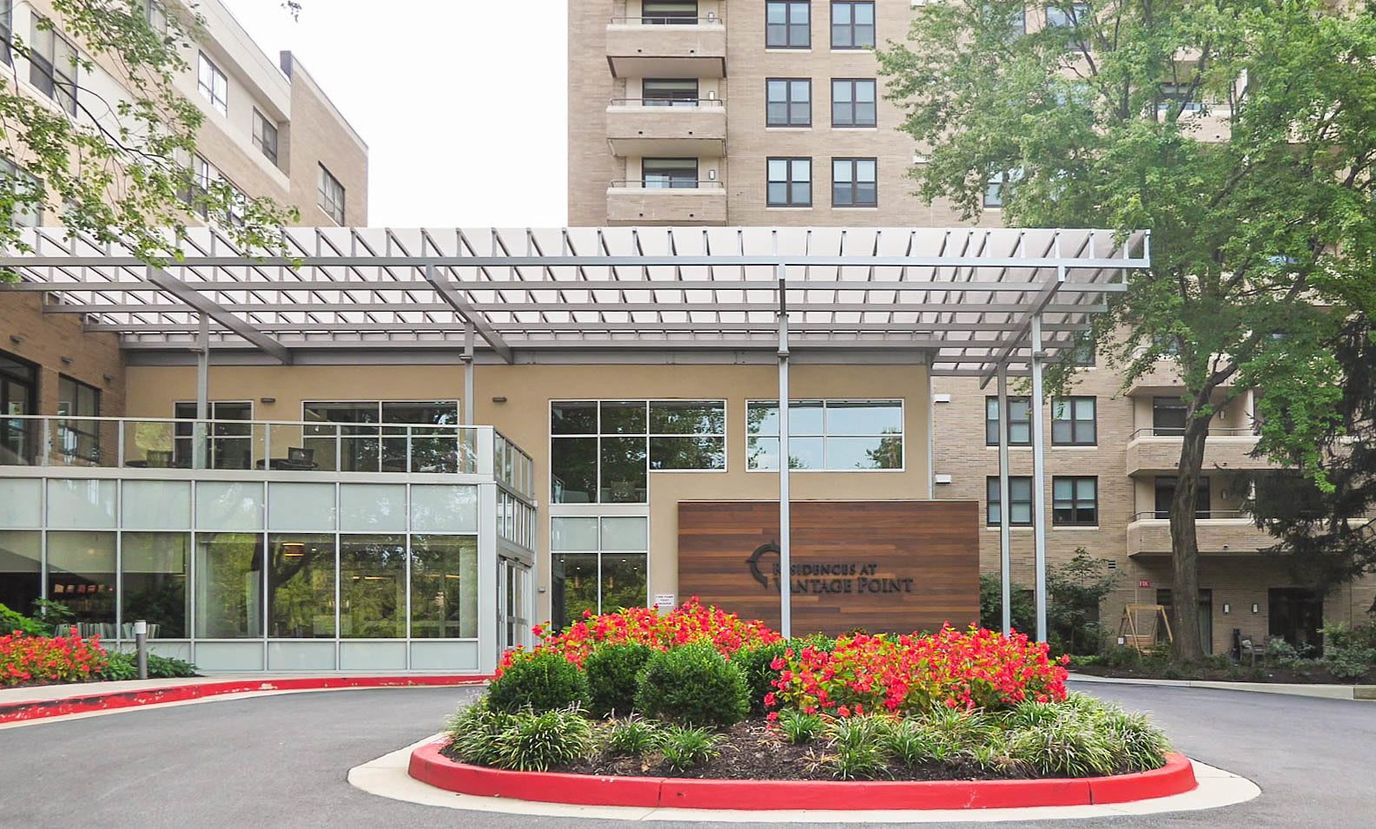
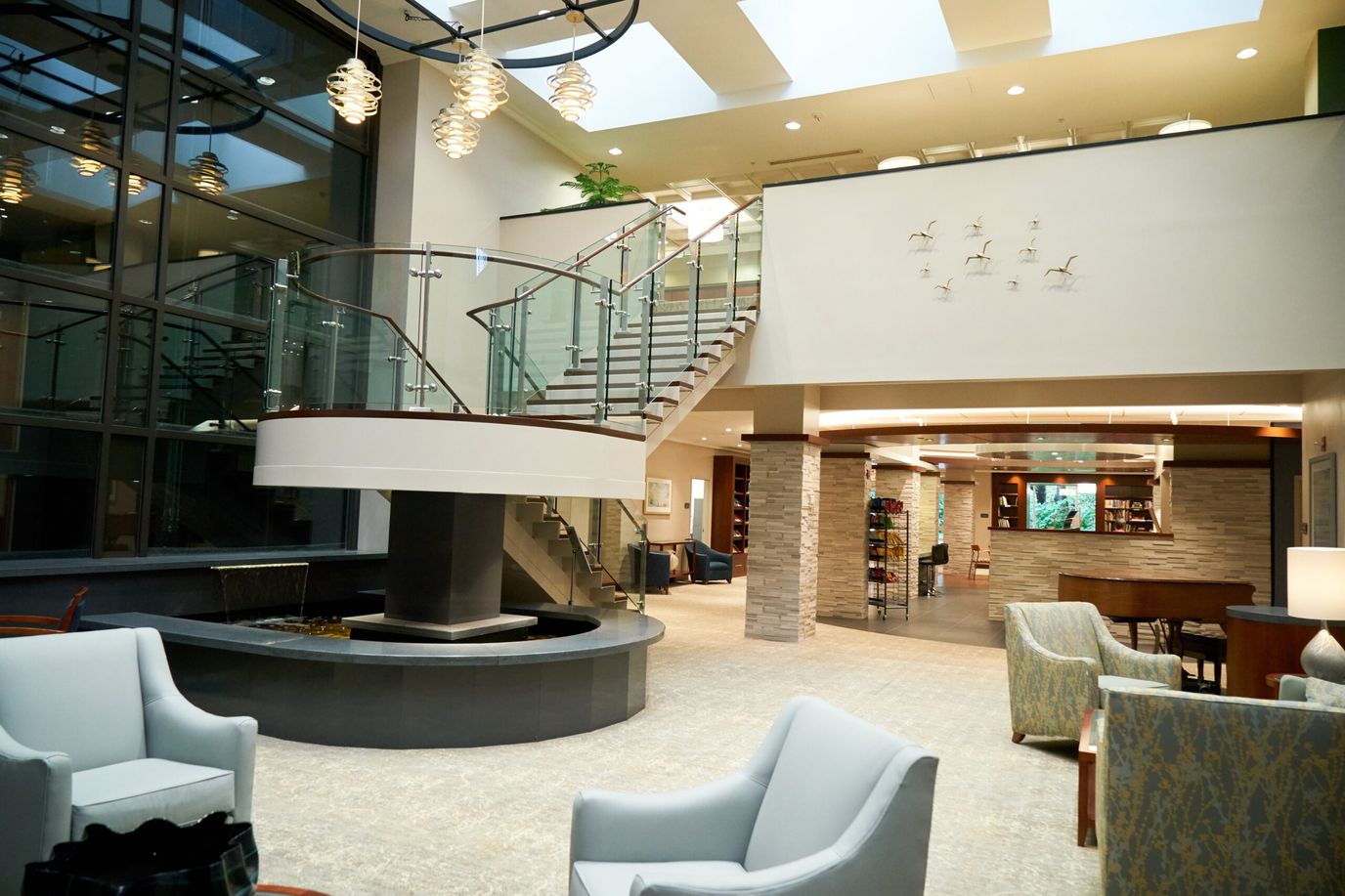
Definition: A living option typically for those 55 and over, including senior housing, retirement homes, and active adult communities.Purpose: Ideal for those seeking to live with peers of the same age without needing support for activities of daily living (ADLs) or medical care.Focus: Emphasizes convenience and recreation, eliminating the hassles of housekeeping and maintenance.Amenities and Services: Offers a variety of amenities, which may include: • Spa • Concierge • Community gathering spacesLuxury Levels: Amenities vary depending on the level of luxury provided by the community.
Definition: Specialized residential care for people with memory loss, Alzheimer’s disease or other forms of dementia.Purpose: Provide a safe, structured environment with trained staff and programs tailored to cognitive impairment.Focus: Secure settings, enhanced supervision and routines that support memory and reduce stress.Amenities and Services: Typically include: • Assistance with ADLs • Cognitive stimulation and therapeutic activities • Secure indoor/outdoor spacesCare Level: Staff specially trained in dementia care with higher caregiver-to-resident ratios.
Nursing care is usually provided in a nursing home environment by nursing aides and licensed practical nurses. This type of care focuses on helping older adults with activities of daily living (ADLs), like personal hygiene and medication, alongside medical care. Long-term residential care is provided, helping those with complex medical needs, chronic conditions, cognitive, functional, and behavioral issues.
Skilled nursing care is a type of care provided by registered nurses in a medical setting under a physician’s supervision, focusing on intensive medical care and rehabilitation. It is typically provided in hospitals and purposely built skilled nursing communities and healthcare centers, usually aimed at short-term and transitional care.