

Other senior care options in Kentucky:

Best Home Care in Kentucky

Why trust this guide? Our editorial team analyzed 3 home care providers in KY using KY Cabinet for Health & Family Services (CHFS) data, inspection records, complaints, and provider-level details. How we rank home care in KY
Reviewed by
Last updated
Jul 2026
We analyzed
3 providers
Other senior care options in Kentucky:

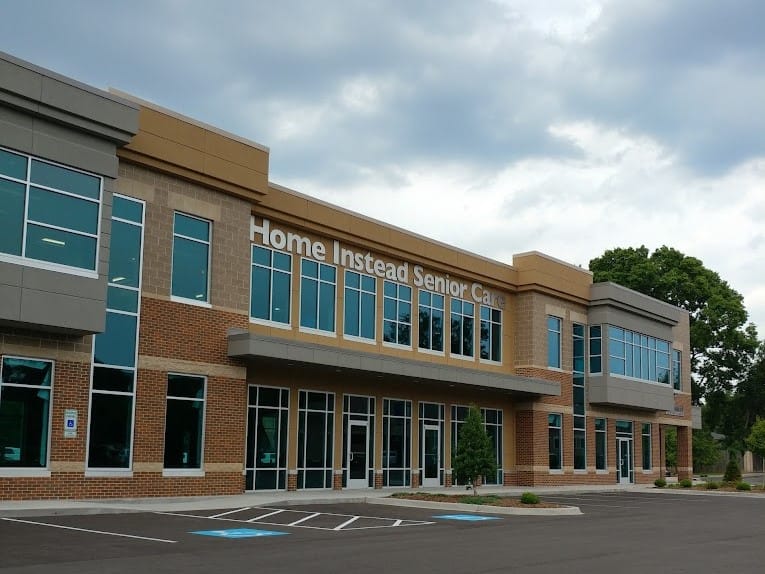
Home Instead

4101 Taylorsville Rd Unit 200, Louisville, KY 40220
Overview of Home Instead

Home Instead is a home care agency in Greensboro, North Carolina, with 21 years behind it in the local market. The office sits in a moderately walkable stretch of the city, Walk Score 55, about 4.7 miles out from downtown. Some errands work on foot around here, though not all of them.

This is home care in the literal sense: caregivers go to clients, not the other way around. There is no building full of residents to picture, just support delivered where people already live. Rehabilitation support and respite care sit at the center of that, with respite giving primary caregivers actual breathing room when they need it.

Staffing runs around the clock through licensed nurses and certified nursing assistants, so clinical support is not limited to business hours. Religious services are part of the offering too, for families who want that built into daily care. Grab bar installation shows up as a listed safety feature, a small but practical piece of making a client’s home safer to move through.

Two decades in one market tends to mean something. It usually points to a provider that has weathered the day-to-day grind of care work long enough to know what actually helps.

Home Instead comes off as a fit for families who want in-home support with round-the-clock nursing on call and real respite relief. A few practical extras, religious services and home safety help, round out the picture.

Types of Care Available

Home Care Memory Care Respite Care

Contact Home Instead

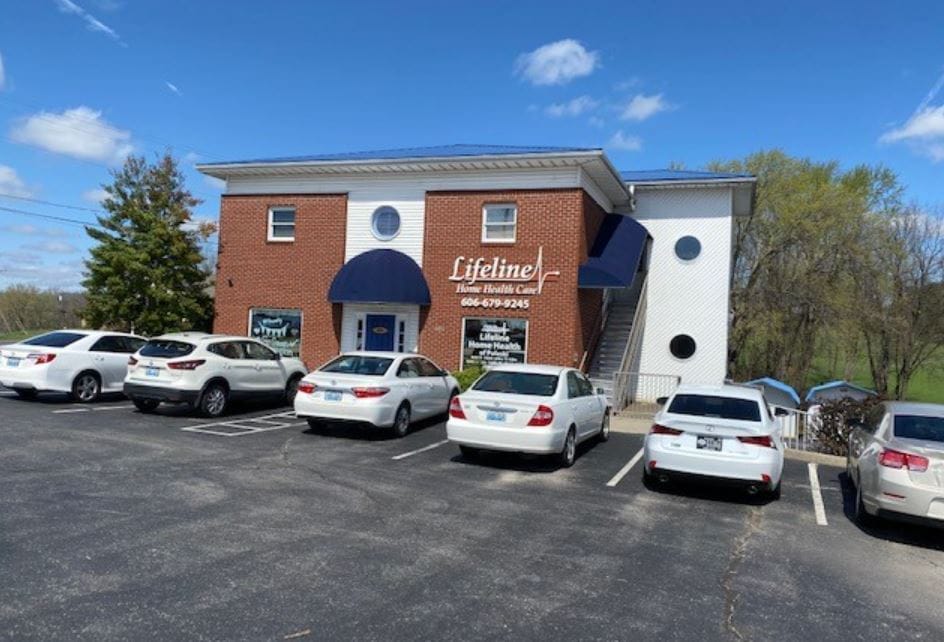
Overview of Lifeline Health Care of Pulaski

Situated in Somerset, Kentucky, Lifeline Health Care of Pulaski caters to the unique needs of seniors. Not only does it offer cost-effective services, but it also boasts a team of highly competent staff capable of delivering the level of care typically associated with skilled nursing facilities or hospitals. This person-centered and quality-focused senior care provider specializes in an array of services, ranging from skilled nursing to physical, speech, and occupational therapy.

The home goes beyond conventional offerings, providing essential care specialties such as medication management, transitions, Alzheimer’s, dementia care, wound care, ostomy care, and continence nursing. With a holistic approach that includes homes with memory care, nursing home facilities, and senior living services, Lifeline Health Care of Pulaski ensures comprehensive and attentive healthcare tailored to the individual needs of each senior resident.

Type of Care Available

Home Care

Contact Lifeline Health Care of Pulaski

Overview of Masonic Homes Kentucky

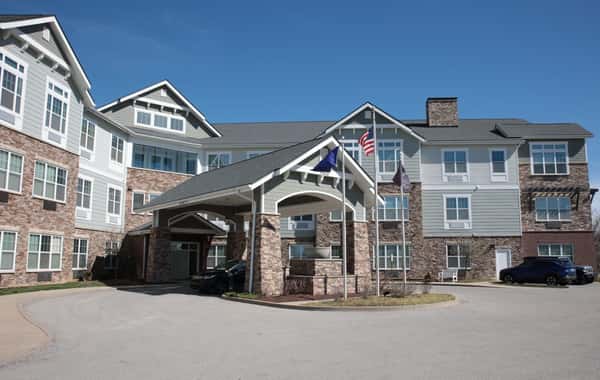
Masonic Homes Kentucky is a 136-bed nursing home in Louisville, tucked into a very walkable pocket of the city. Walk Score puts it at 72, so a lot of daily errands are doable on foot. University of Louisville Medical Center sits close by too, which matters when extra healthcare access comes up.

Occupancy runs around 71.5%, and the average stay lands at 84 days. That number tells its own story: this is a place built for both short recovery stays and longer-term nursing care, not just one or the other. Someone bouncing back from surgery and someone settling in for months could both be down the same hallway.

Nursing hours land at about 5 hours and 12 minutes per resident each day, split across RNs, LPNs, and nurse aides. Rehab services run alongside that daily care, which matters most for residents working to rebuild strength or mobility after a hospital stay, an injury, or surgery.

Paying for care has a few routes here: Medicare, Medicaid, and private pay are all accepted, so families are not boxed into one option.

The facts point toward a facility built for range; there is enough daily nursing support and rehab access to serve someone who needs a short recovery window, and enough structure to support someone settling in for a longer stay. Either way, the staffing and rehab combination gives residents a real shot at recovery or steady, ongoing care.
Types of Care Available

Assisted Living Continuing Care Retirement Communities (CCRC) Home Care Independent Living Memory Care Nursing Home Skilled Nursing

Contact Masonic Homes Kentucky

Who we are

Your Senior Care Partner, Every Step of the Way

We help families find affordable senior communities and unlock same day discounts, Medicaid, and Medicare options tailored to your needs.

Contact us Today

Frequently Asked Questions

What government services provide money for senior housing?

Several government programs offer financial assistance for senior housing in various countries, focusing on the United States for a broad overview:

  • Medicaid: Medicaid is a state and federally funded program that can cover the costs of nursing home care for those who meet eligibility criteria, including income and asset limits. Some states also offer Medicaid waivers that help pay for home and community-based services to prevent or delay nursing home placement.
  • Medicare: Medicare, primarily a health insurance program for people aged 65 and over, does not cover long-term housing costs. However, it can cover short-term stays in a skilled nursing facility under specific conditions following a hospital stay.
  • Section 202 Supportive Housing for the Elderly Program: This program provides housing for low-income seniors. It offers rental assistance and access to supportive services, such as cleaning, cooking, and transportation.
  • Low-Income Housing Tax Credit (LIHTC) Properties: While not a direct subsidy, LIHTC encourages developers to create affordable housing. Seniors with low incomes can find reduced-rent apartments through this program.
  • State and Local Programs: Many states, counties, and cities offer their own programs to assist seniors with housing costs. These can include property tax relief programs, rental assistance programs, and programs that offer affordable senior housing options.
  • Veterans Affairs (VA): The VA offers several programs for veterans, including the Aid and Attendance benefit, which provides monthly payments to veterans who require the aid of another person, or are housebound, to help cover the cost of care in homes, nursing homes, and assisted living facilities.
  • Social Security: While Social Security primarily provides retirement income, for many seniors, these benefits are a crucial part of their budget, including housing costs.
How do you pick the homes you recommend?

Before recommending homes, we conduct a thorough evaluation on crucial factors that define a senior home such as the quality of care they provide, the reputation of the organization, and a comprehensive review of community testimonials as well. Every detail is assessed to assure that seniors are offered not just senior care options, but trustworthy homes where they can experience the care that they deserve.

Do you help families that need Medicaid?

Yes. Assisting families who need Medicaid is important to us as it plays a crucial role in offering financial support to seniors confronting economic challenges. We would like to keep essential healthcare services accessible to all community members, irrespective of one’s financial circumstances.

How much does this service cost?

We extend our services at no cost, ensuring that families and seniors can benefit from tailored assistance in their search for care and home options. Our ability to offer personalized guidance without charge to families and seniors is made possible through the support and funding from the communities with which we team up. 

What services do you offer?
  • Finding and ranking the best assisted living facilities
  • Finding and ranking the best nursing homes
  • Finding and ranking the best memory care facilities
  • Our concierge service helps seniors move into the perfect home for them
  • Helping seniors use medicare, medicaid, and other government programs to pay for their homes
  • Helping seniors avoid senior homes that have bad service or fraud
  • Memory care specialists
  • Finding and ranking the best independent living communities

Frequently Asked Questions about Home Care in Kentucky

What is home care?

Home care brings non-medical caregivers into a senior's own home to assist with daily tasks, companionship, and supervision — without requiring a move to a community.

How many home care providers are listed on this page?

This page features 3 home care providers in Kentucky. Use the filters and comparison tools above to compare ratings, amenities, and pricing.

How do I choose the right home care provider in Kentucky?

Start by matching the level of care offered to the resident's current and anticipated needs, then compare licensing status, staff-to-resident ratios, recent inspection results, and pricing. Tour at least two or three communities in Kentucky, talk to current residents and families, and confirm what is included in the base rate versus billed as add-on services.

What should I look for when visiting home care providers in Kentucky?

Pay attention to staff interactions with residents, cleanliness and odor, food quality at meal times, the activity calendar, and how questions about pricing and care plans are answered. Ask to see the most recent state inspection report, the move-out / level-of-care-change policy, and a sample monthly bill that lists every fee.