

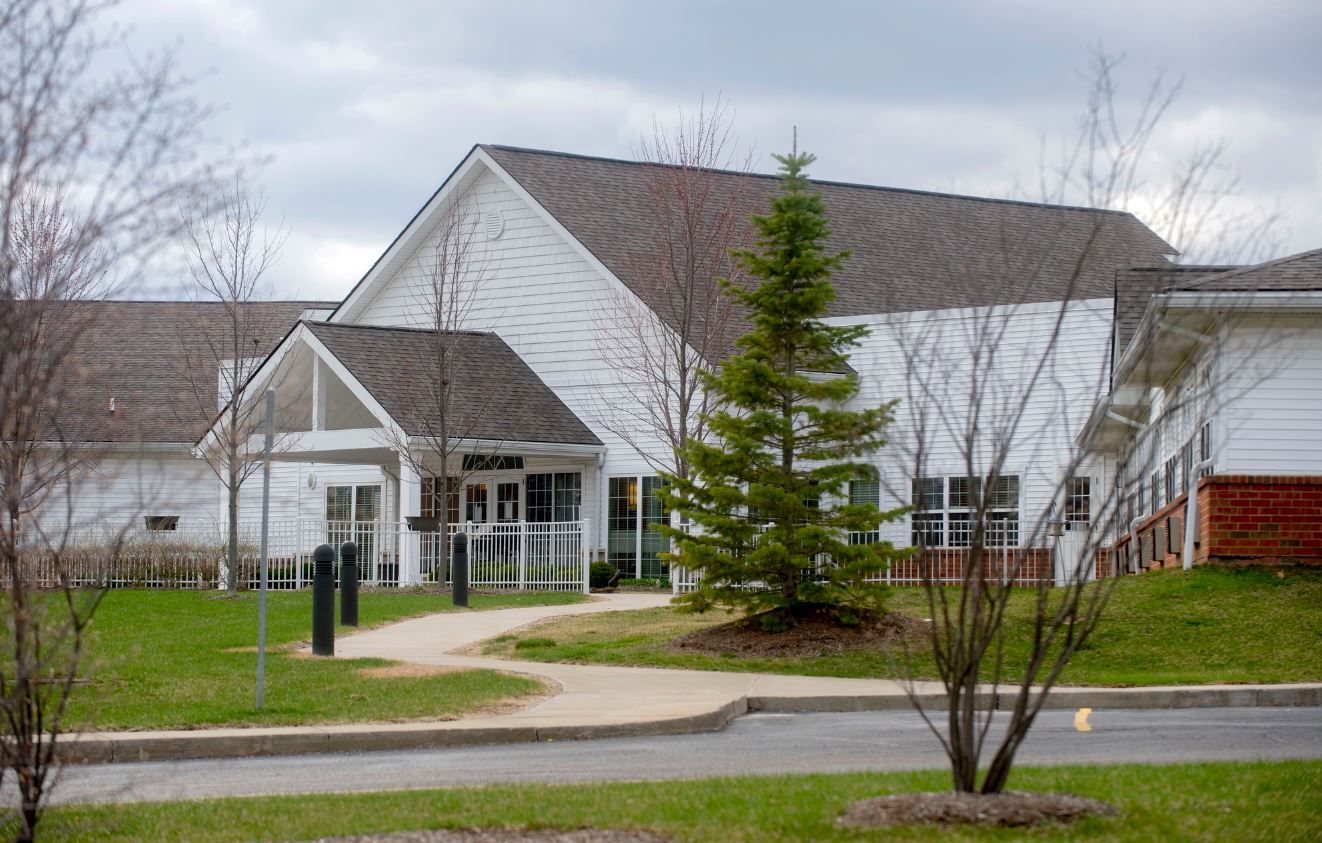


Thirty-five days. That’s the average length of stay at Regency at Grand Blanc, which puts it at the acute end of post-acute care. People arrive from a hospital, recover, and leave. The neighborhood has a Walk Score of 20, car-dependent in all directions, which matters less when the stay is measured in weeks rather than months. Medicare and private pay are accepted.
The clinical infrastructure here goes well past standard short-term rehab. Cardiac rehabilitation, bariatric care, tracheostomy care, IV therapy, total parenteral nutrition, a sepsis program, and substance abuse management services are all confirmed. Pharmacy, laboratory, and radiology are on-site rather than referred out. Telemedicine access is available.
Outpatient therapy extends the facility’s services beyond discharge for patients who need continuity. A physician is on staff. Case management, discharge planning, and social work are built into the model rather than bolted on.
That breadth of clinical programming makes sense when the average stay is five weeks. Regency is handling patients who need medically complex recovery support in a concentrated window, not people settling in for a longer arc of residential care.
Staffing reflects the clinical orientation. Total nursing care runs 3 hours and 46 minutes per resident daily. RNs hold 1 hour and 8 minutes of that, which is notably high relative to other facilities in this region. Nurse aides carry 1 hour and 51 minutes, and LPNs and LVNs add 53 minutes. Activities include life enrichment classes, barbecues, puzzles, and crafts. A courtyard is on-site.
Regency at Grand Blanc operates as a medically intensive short-stay facility built for patients who need more than standard post-acute rehab in a concentrated five-week window.