

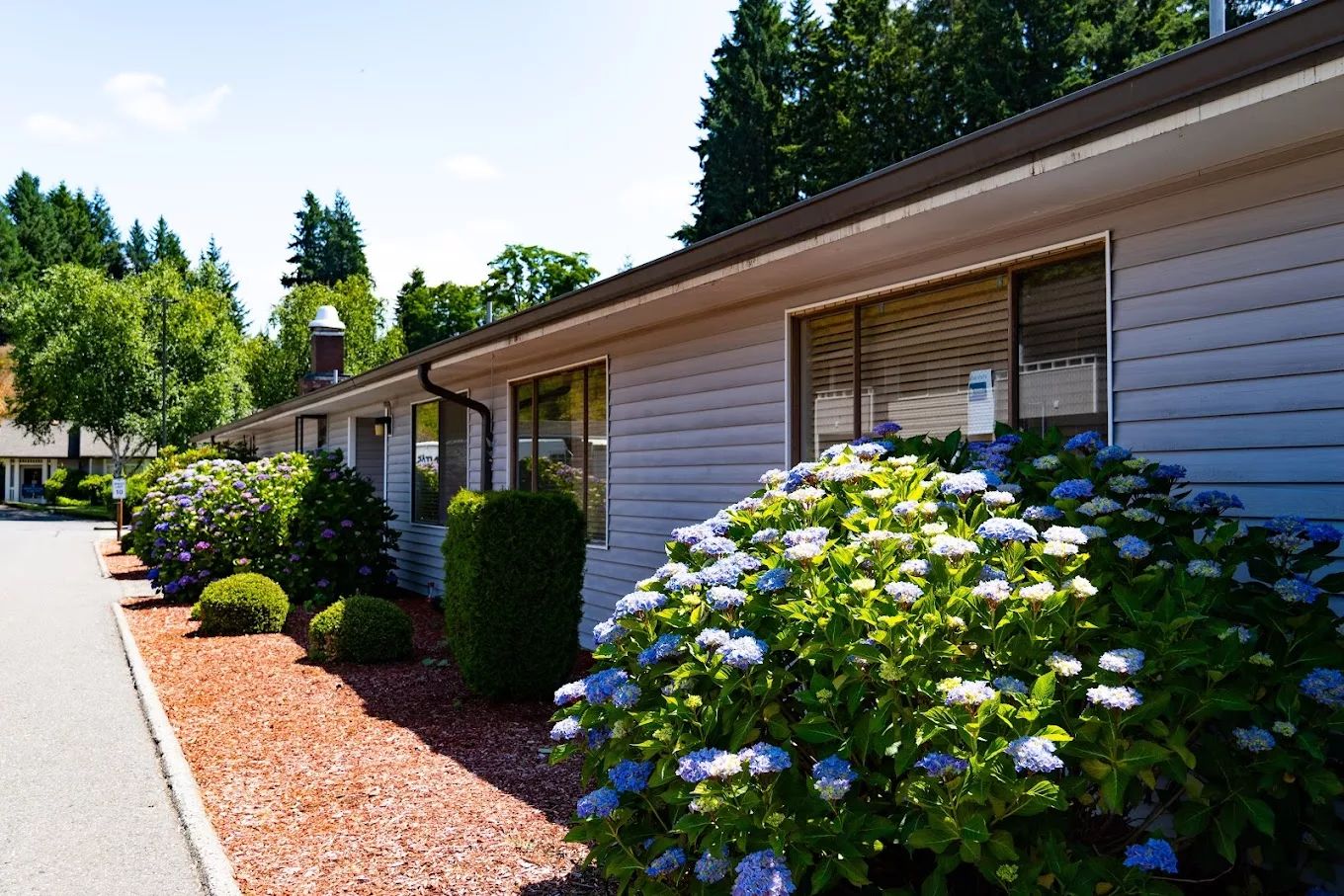
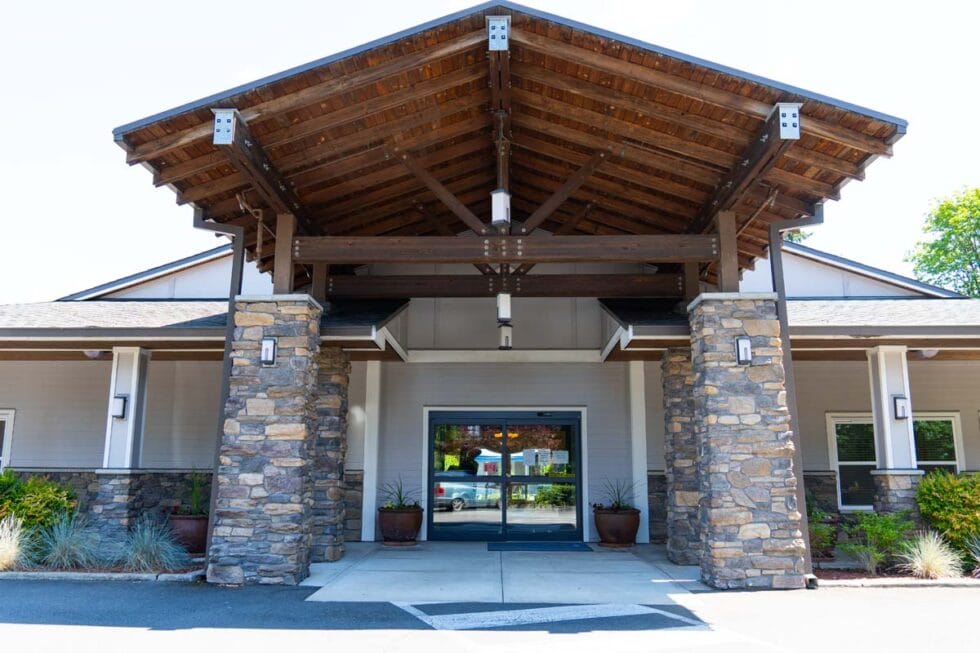


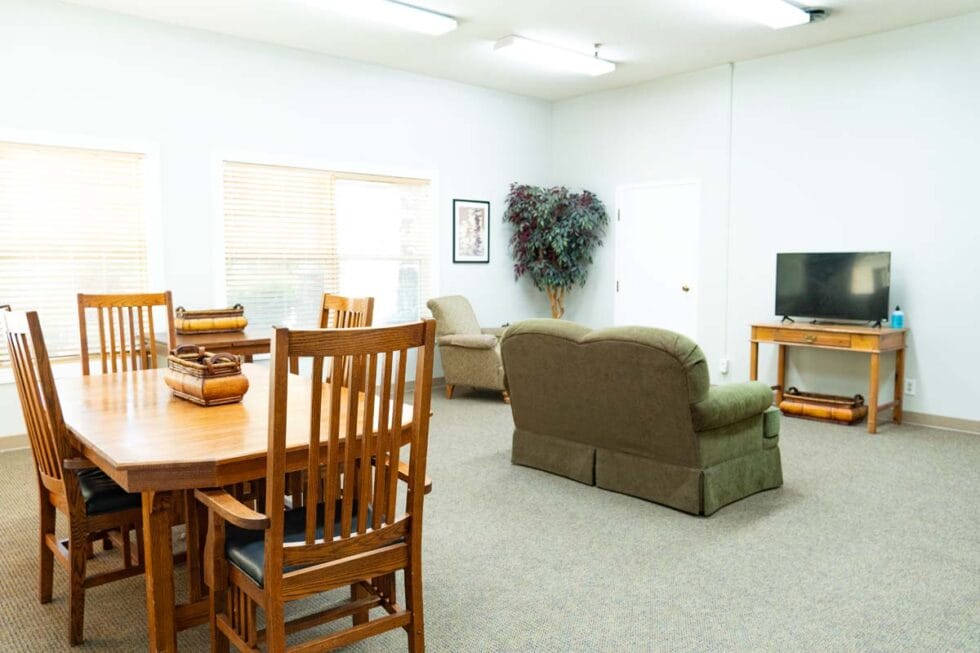

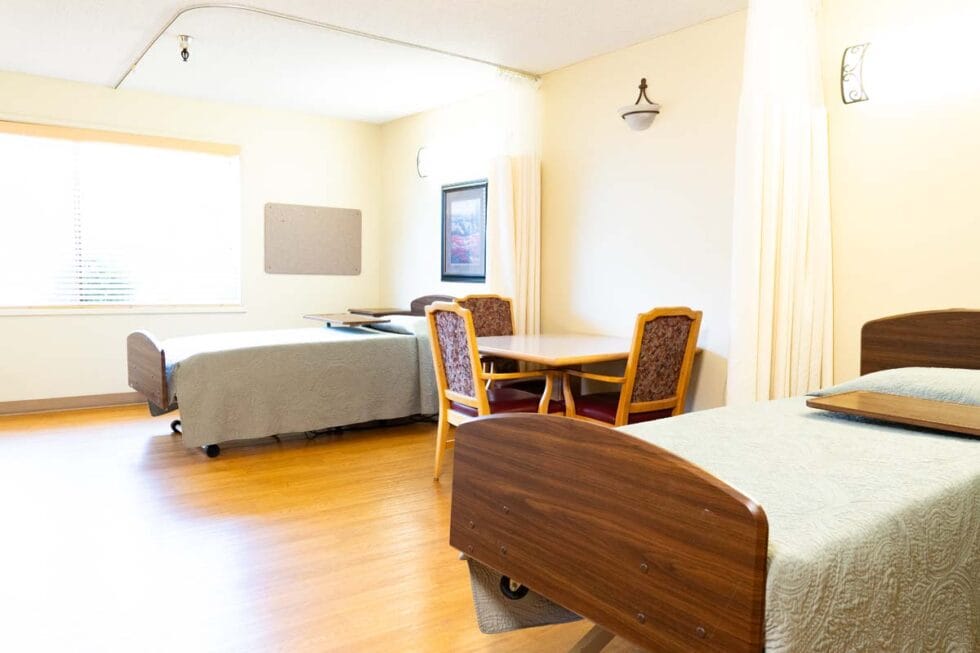
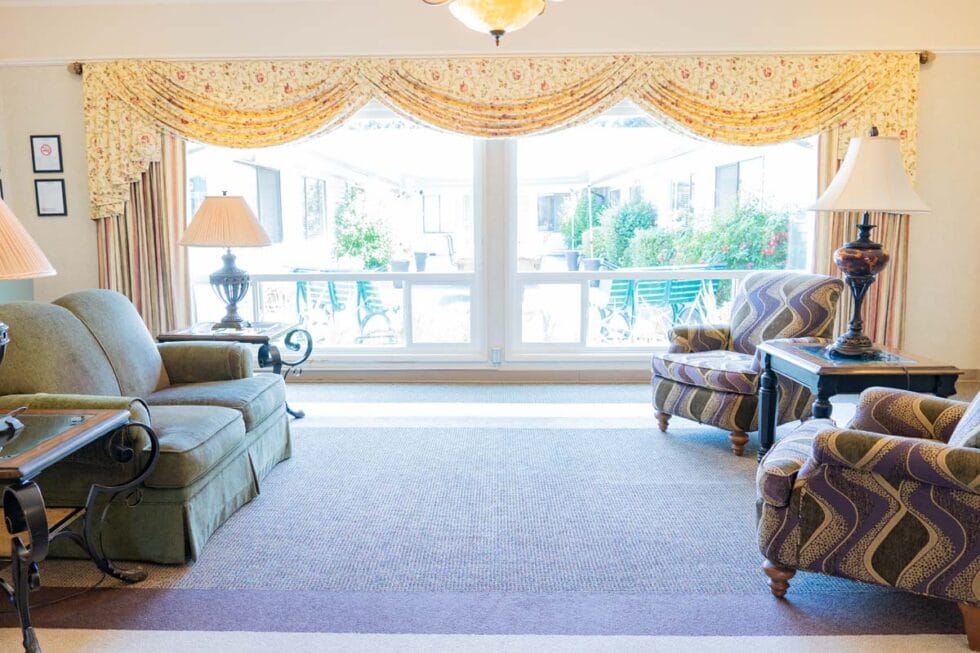
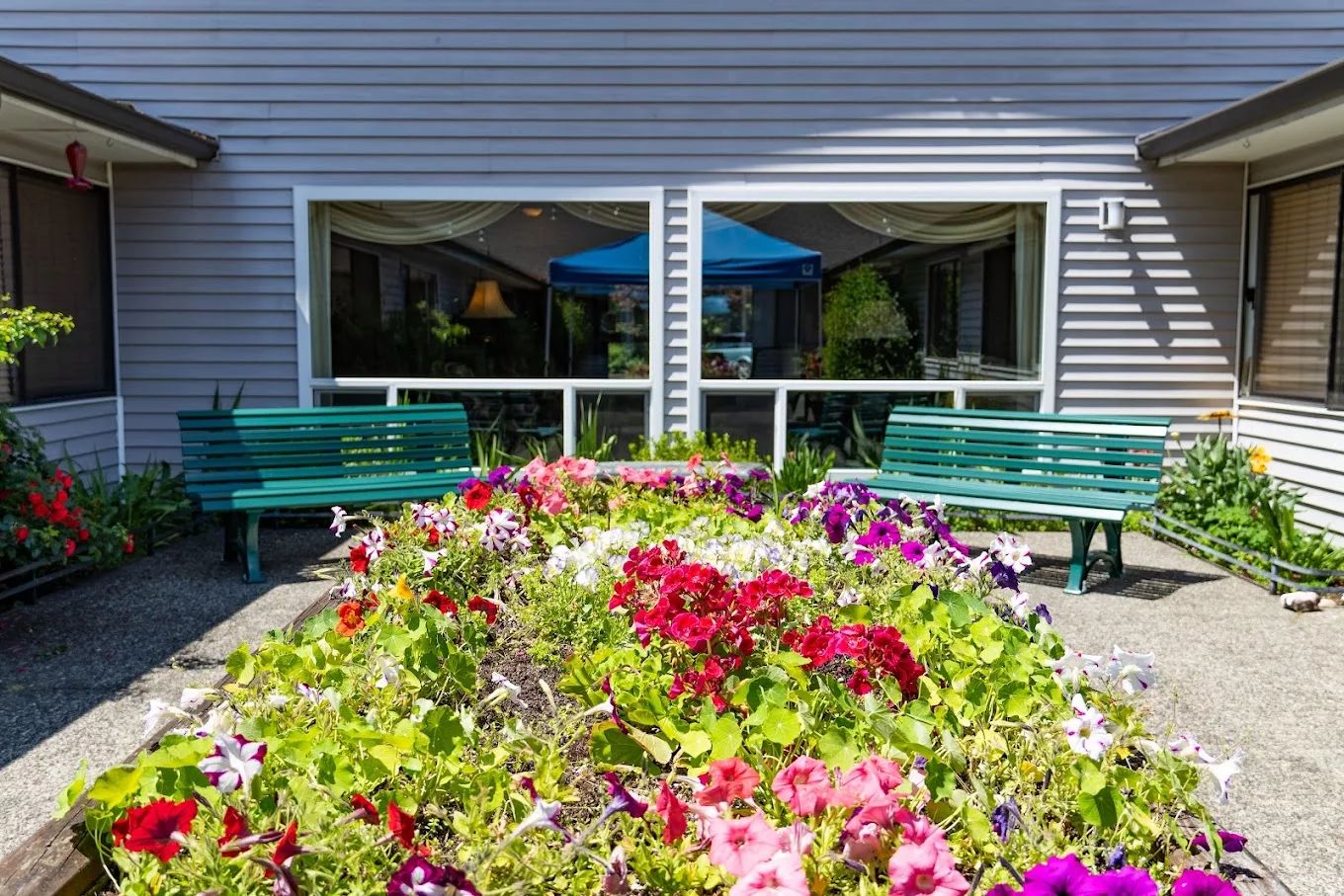
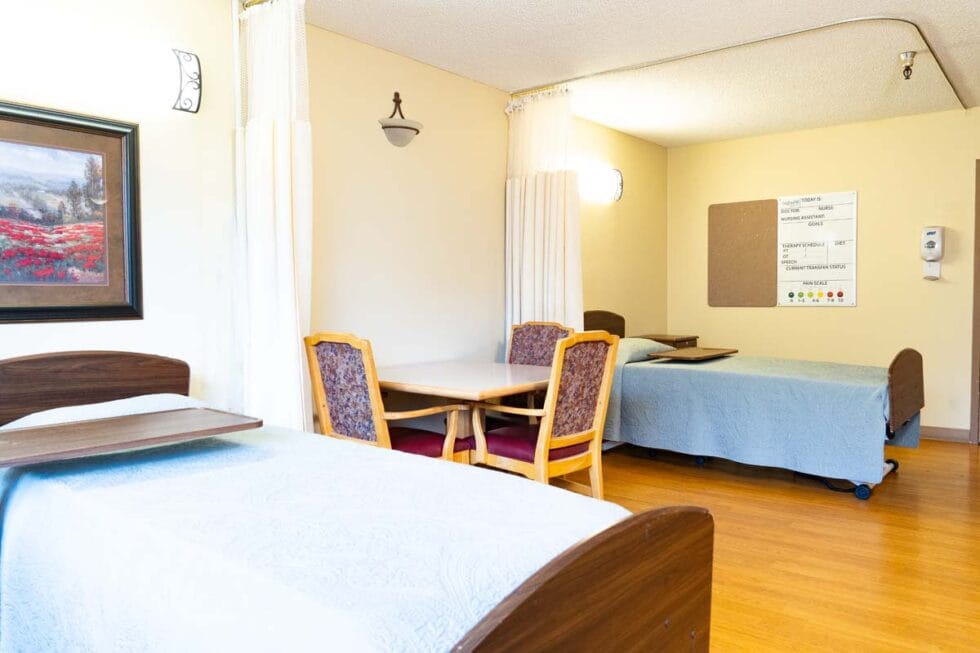
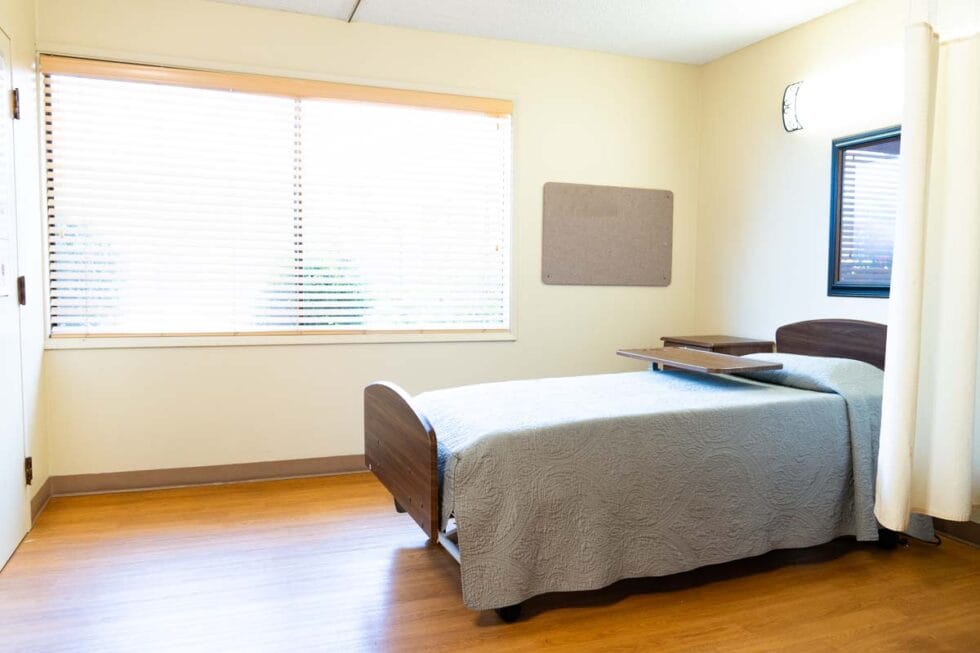
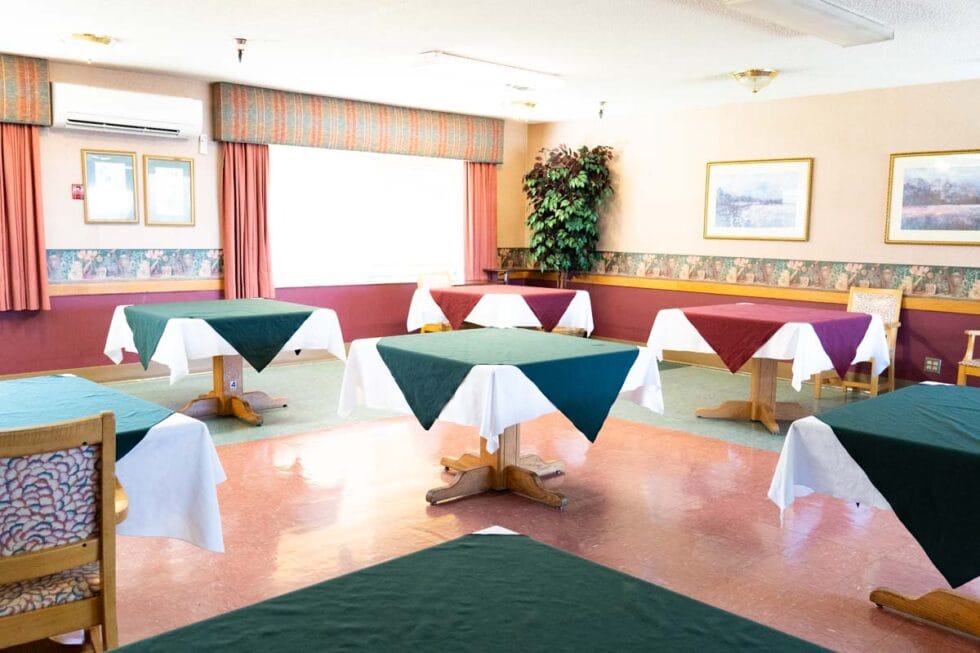
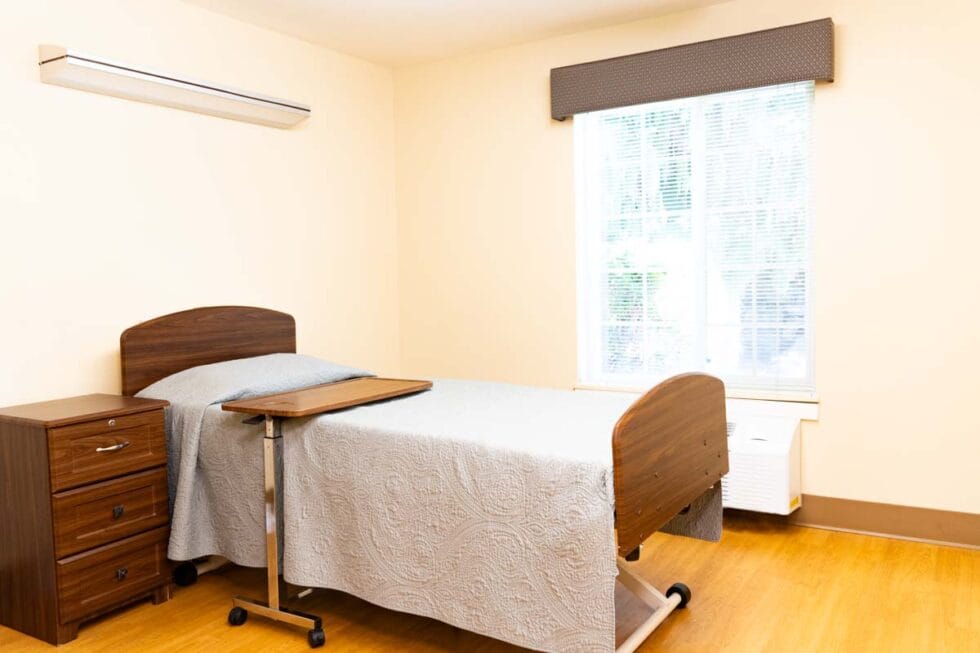
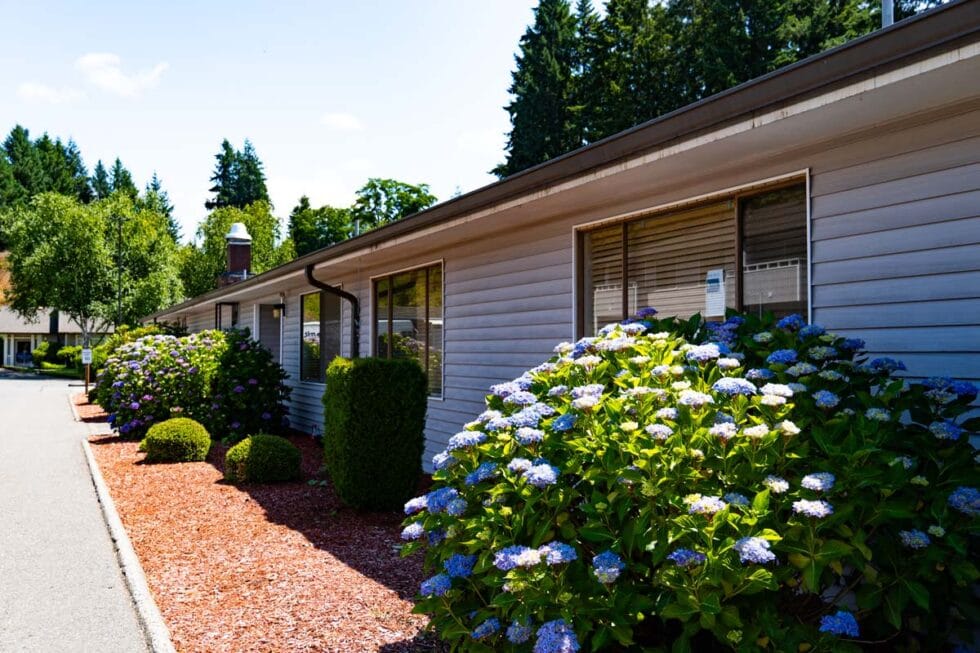
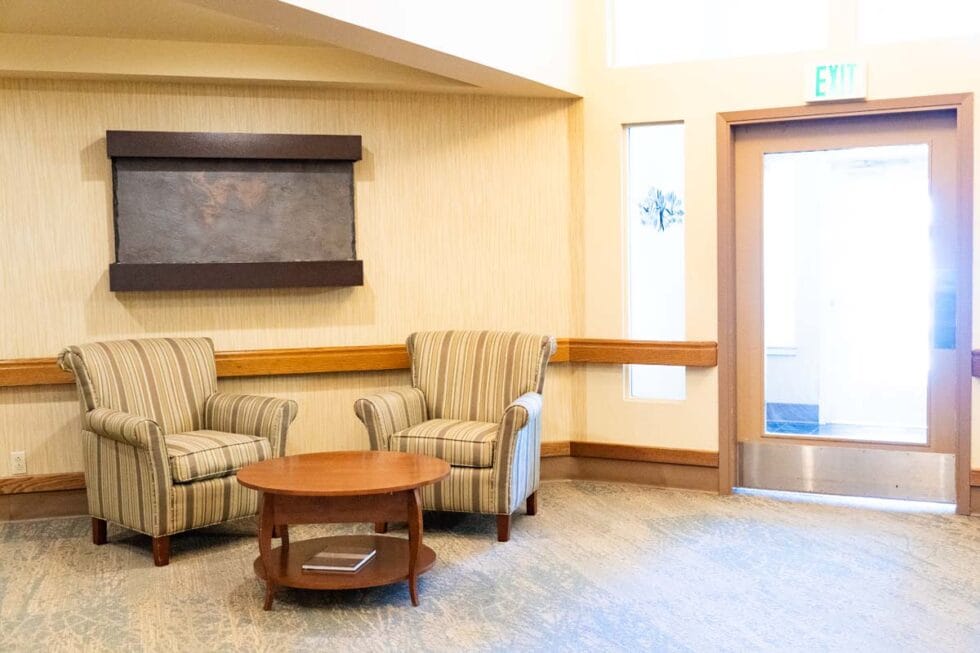
At 2051 Pottery Ave in Port Orchard, Kitsap County, Avamere Rehabilitation at Ridgemont is a 96-bed skilled nursing facility operated privately by Scott Carlston. The community splits its mission across two distinct populations: 65% of new admissions are Medicare patients cycling through short-term post-acute rehab (averaging 9 days), while the resident census leans Medicaid (51.9%) and private-pay (32.5%) for longer stays.
Avamere Ridgemont’s regulatory record is clean, with no federal penalties in three years and a 4-star health inspection rating (42% above Washington standards). That strength sits alongside substantial staffing constraints.
Licensed nursing hours total 3h 28m per resident daily; 18% below the state average, ranking the facility 76th of 89 Washington skilled nursing homes. The profile is complicated: RN coverage runs 32% below state benchmarks while LPN staffing surges 45% above, a trade-off that shapes daily care dynamics. Staffing ratios sit at 1.65:1, below the state average of 1.86:1.
Long-stay residents show strong outcomes in pressure ulcer prevention (2.4% versus 4.9% statewide) and infection control; urinary tract infections hit 0%, and vaccination rates reach 100% for both pneumococcal and seasonal flu shots. Short-stay Medicare patients discharge with meaningful functional independence: 64.5% achieve successful return to home or community, outperforming the 50.6% state average.
The facility carries real operational weight. Depressive symptoms in long-stay residents run 59.6%, more than five times the 16.2% state norm, a signal of either acuity or care-management challenge. Short-stay readmissions and emergency department visits both exceed state benchmarks substantially (30.2% and 23.6% respectively, versus 19.9% and 13.2% statewide).
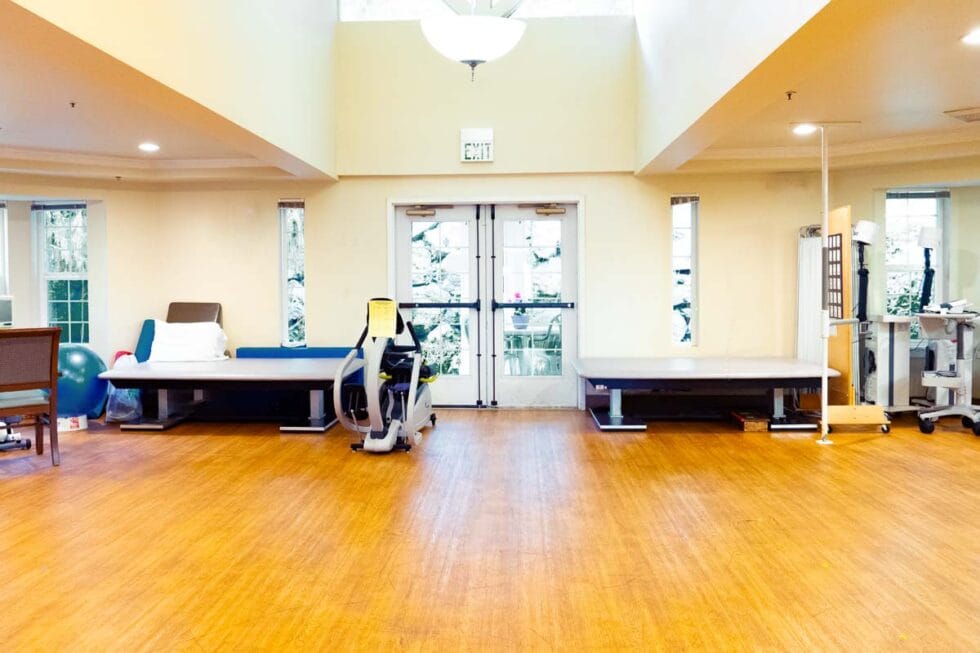
Services include on-site therapy infrastructure, licensed therapists, telemedicine access, and physician collaboration. The facility operates 24-hour staffed care.
Avamere Ridgemont orients toward short-stay post-acute rehabilitation with strong discharge planning, though the elevated mental health symptom profile and readmission patterns reflect mixed outcomes across its mixed-acuity base.