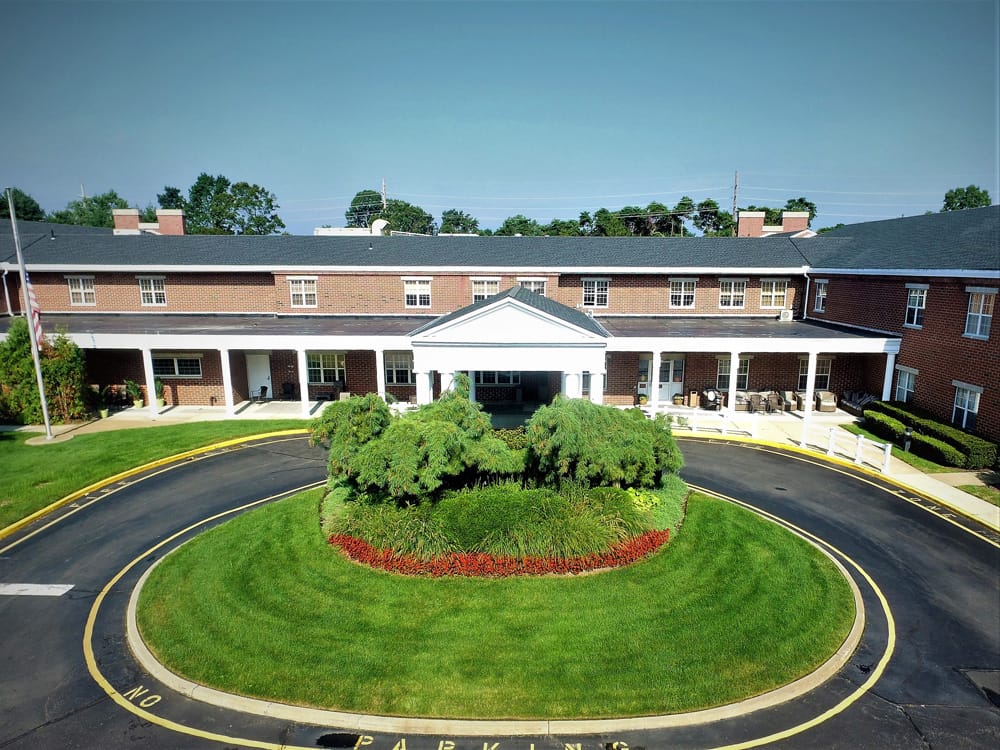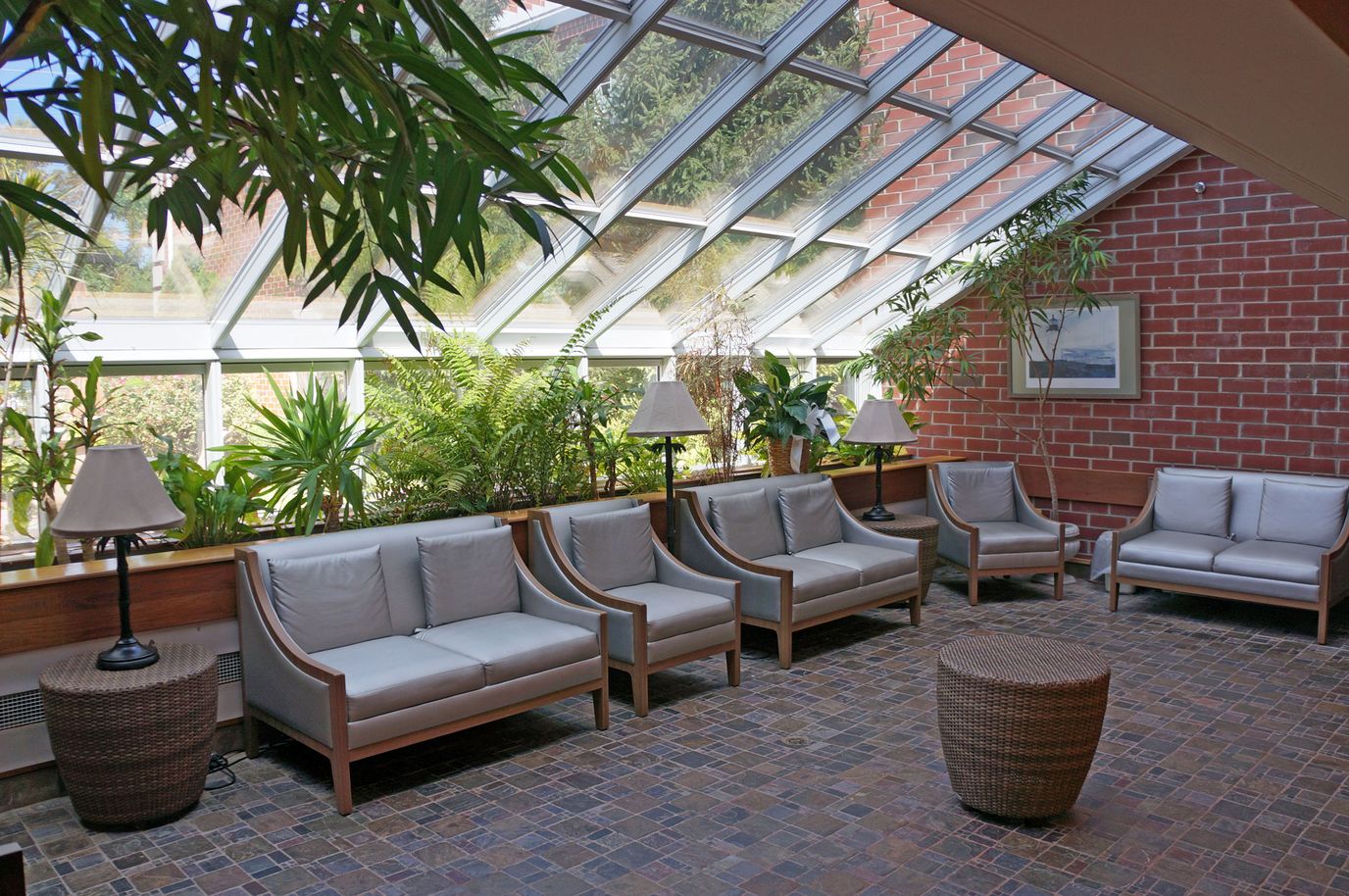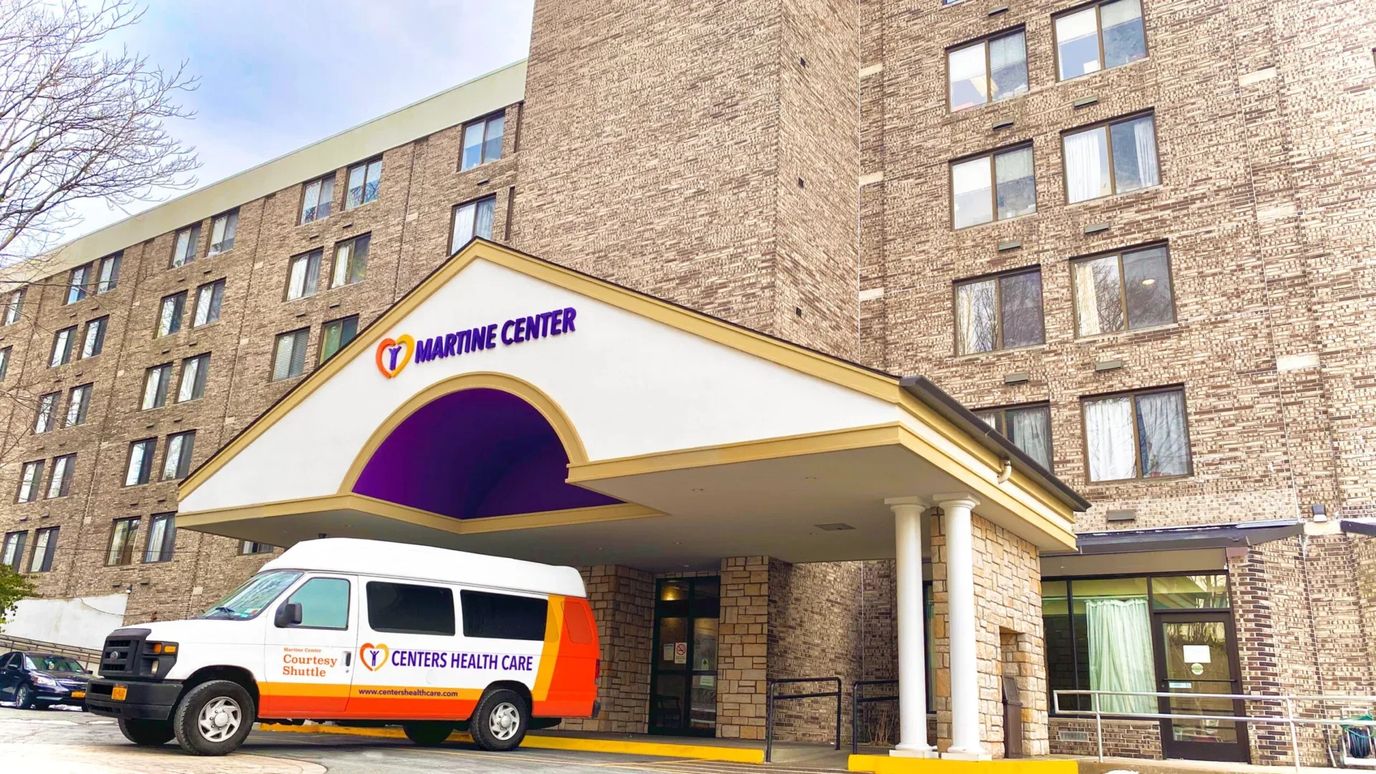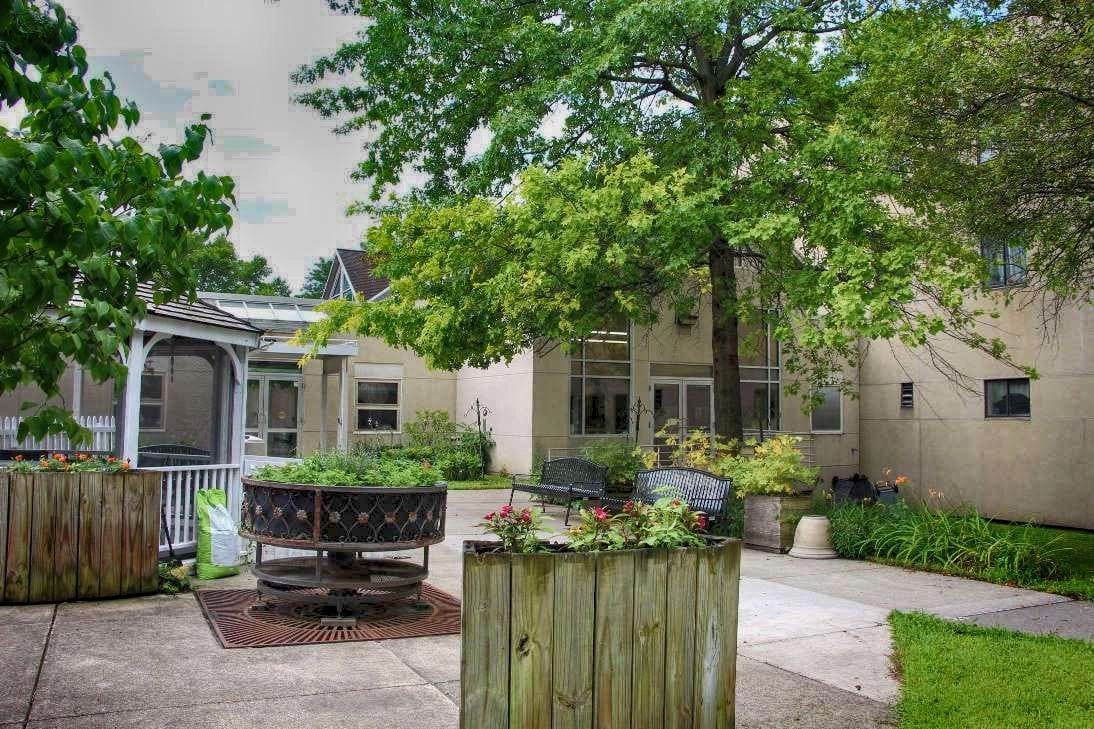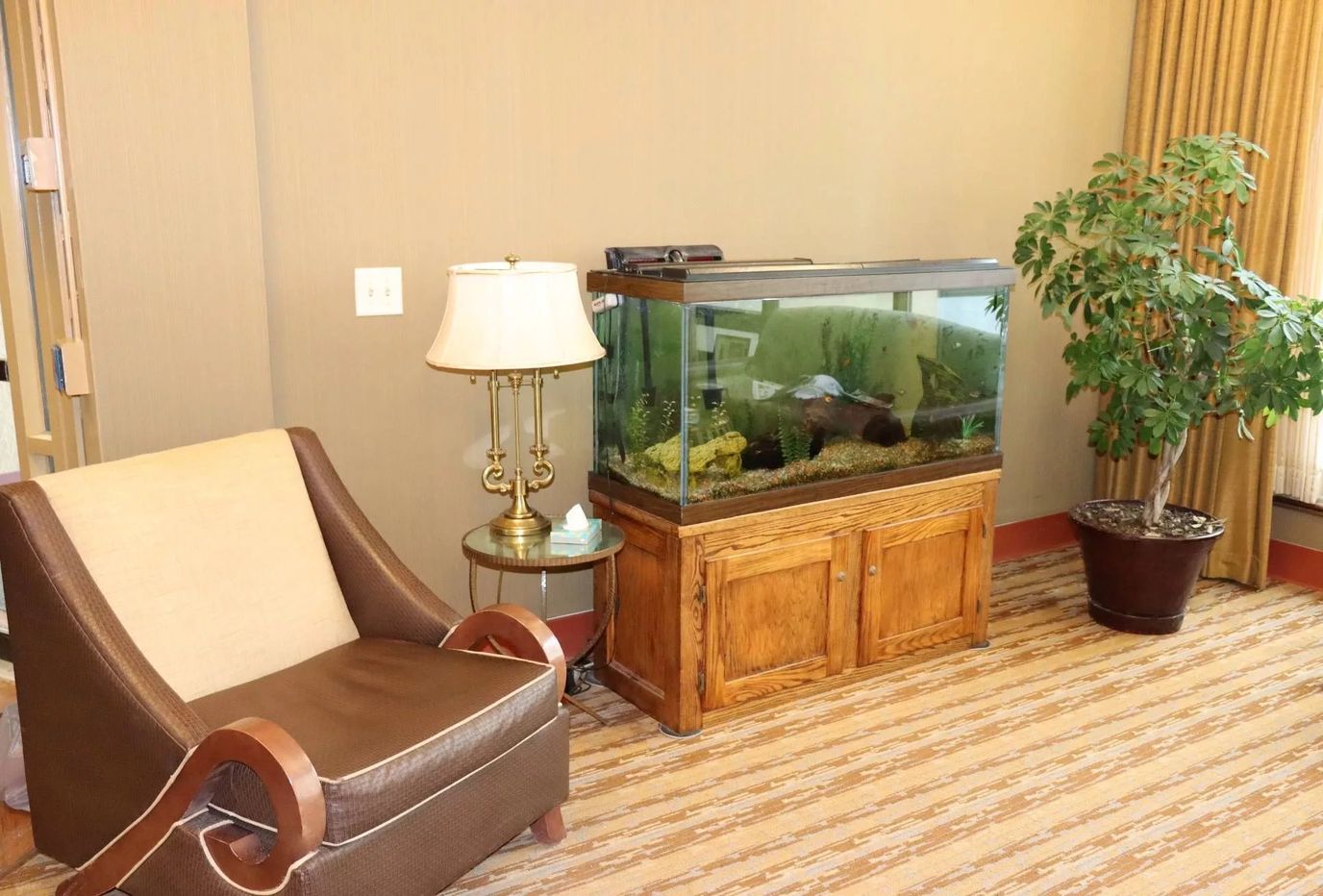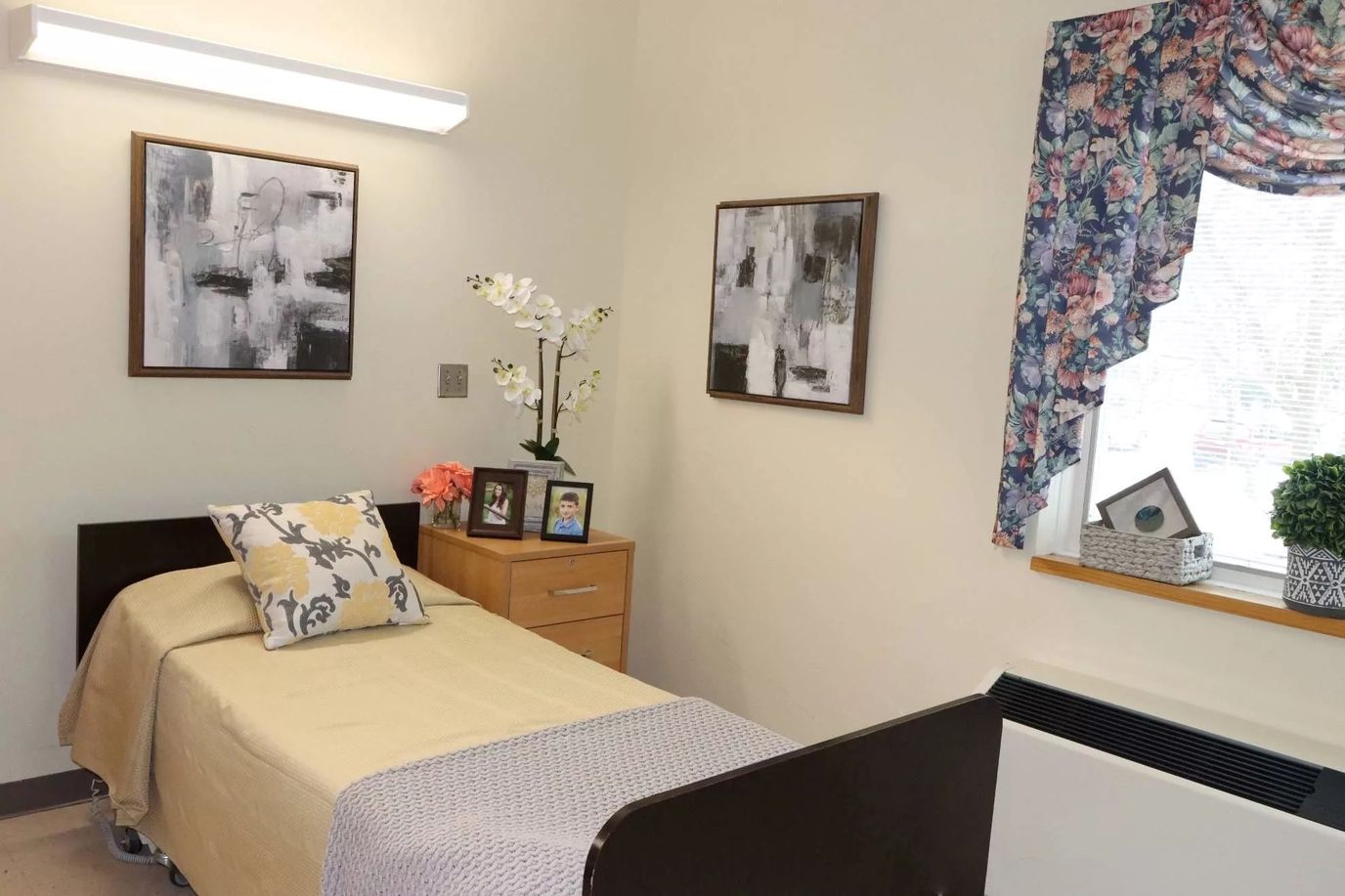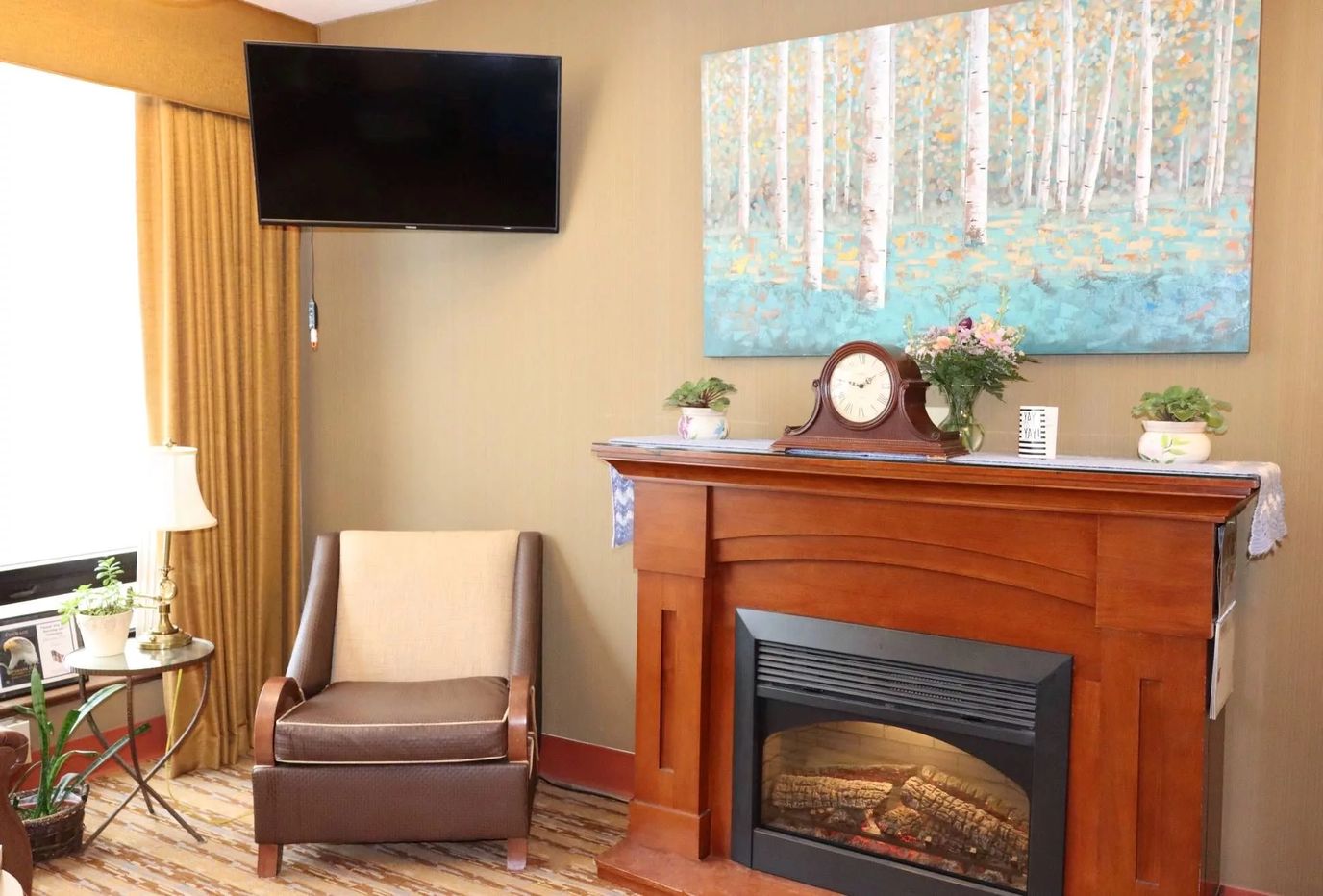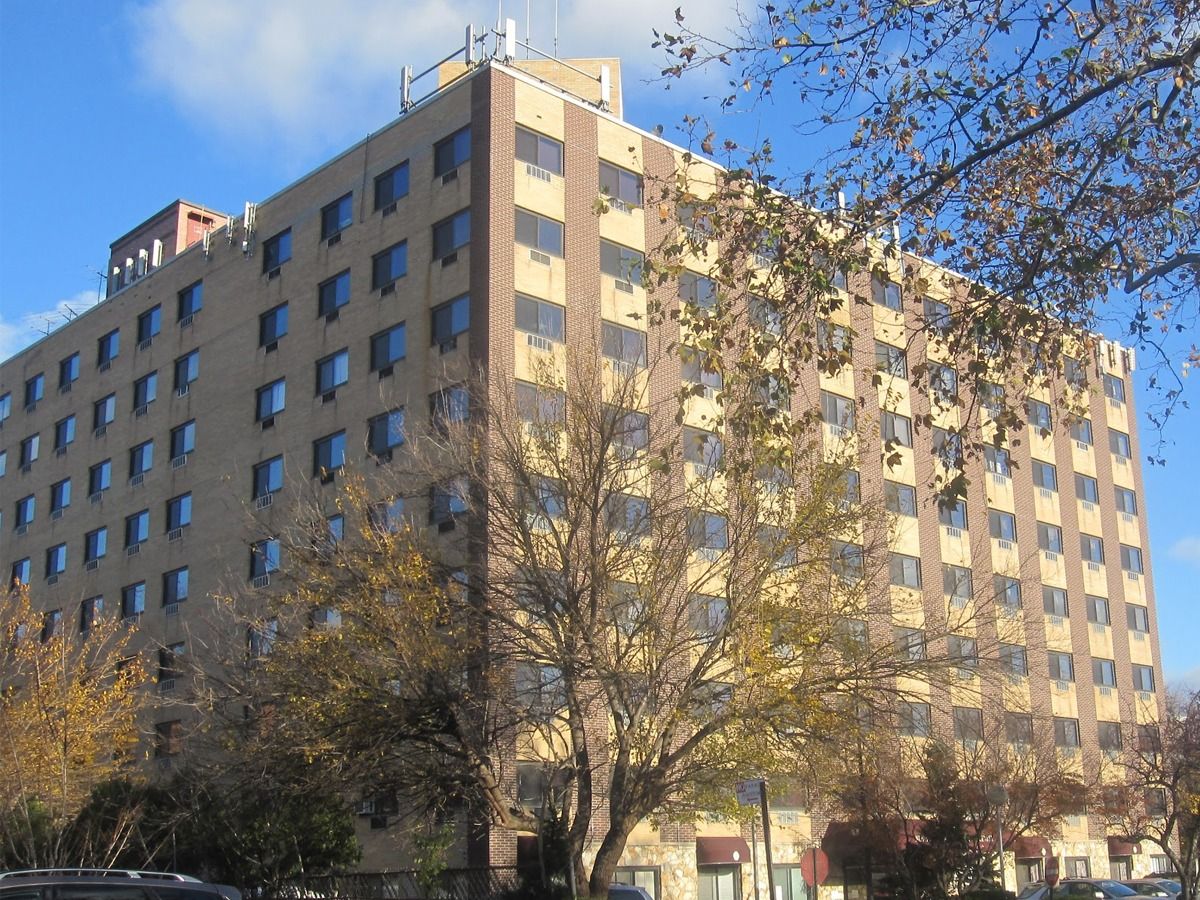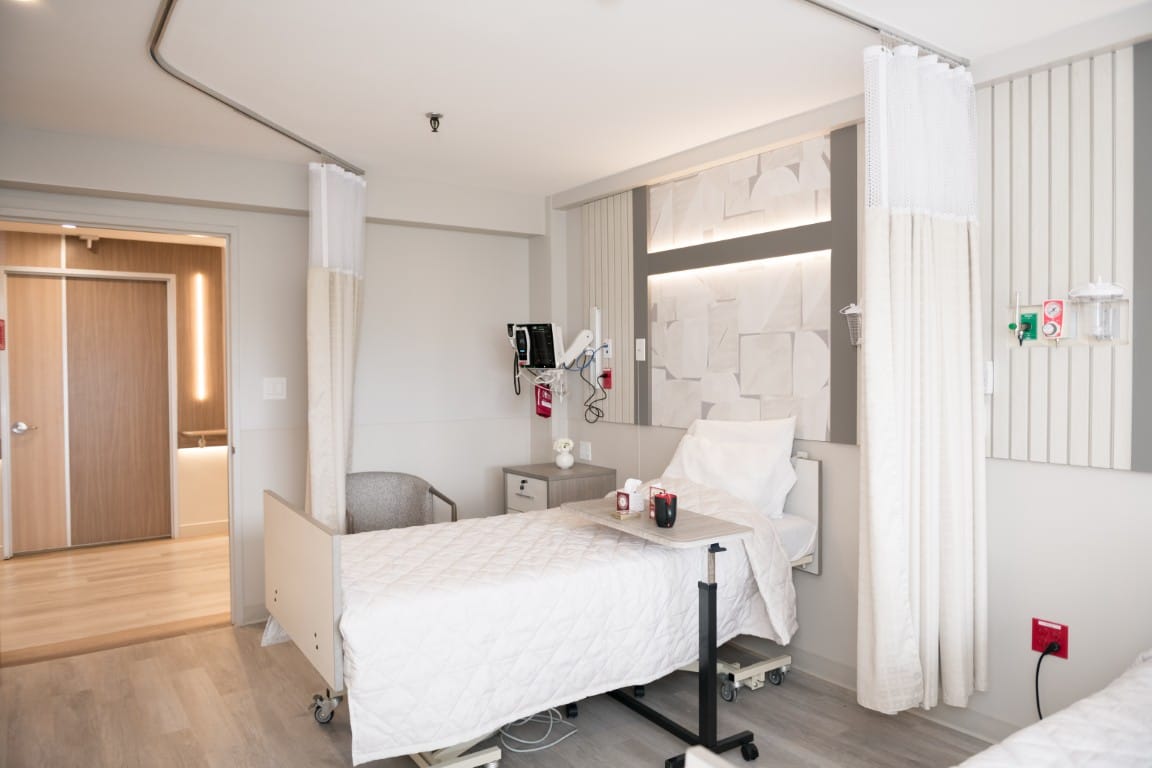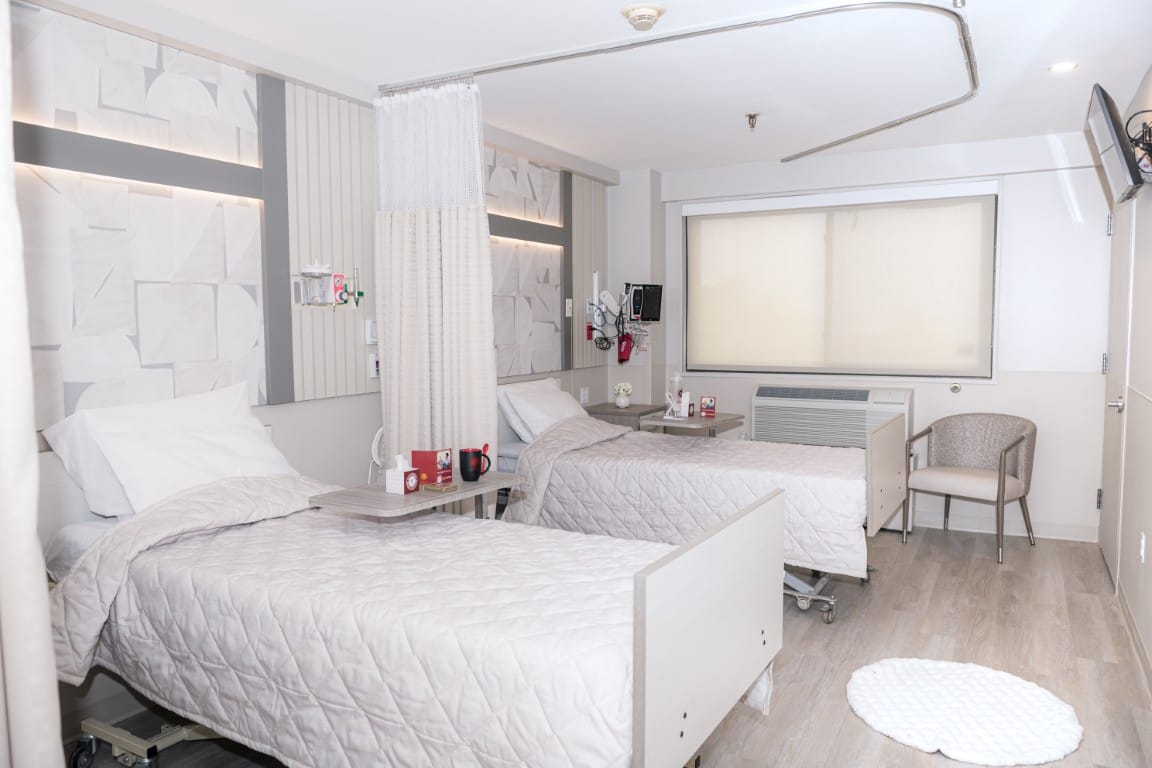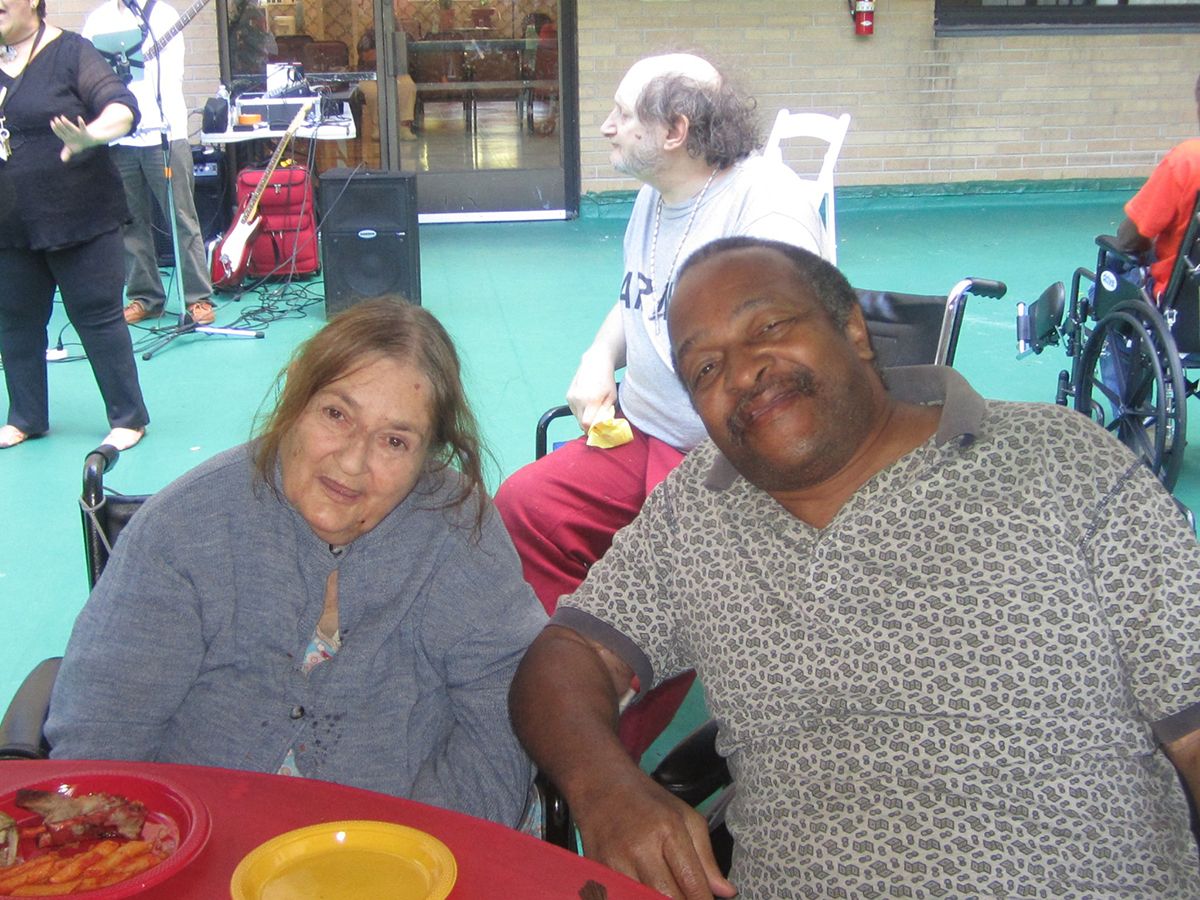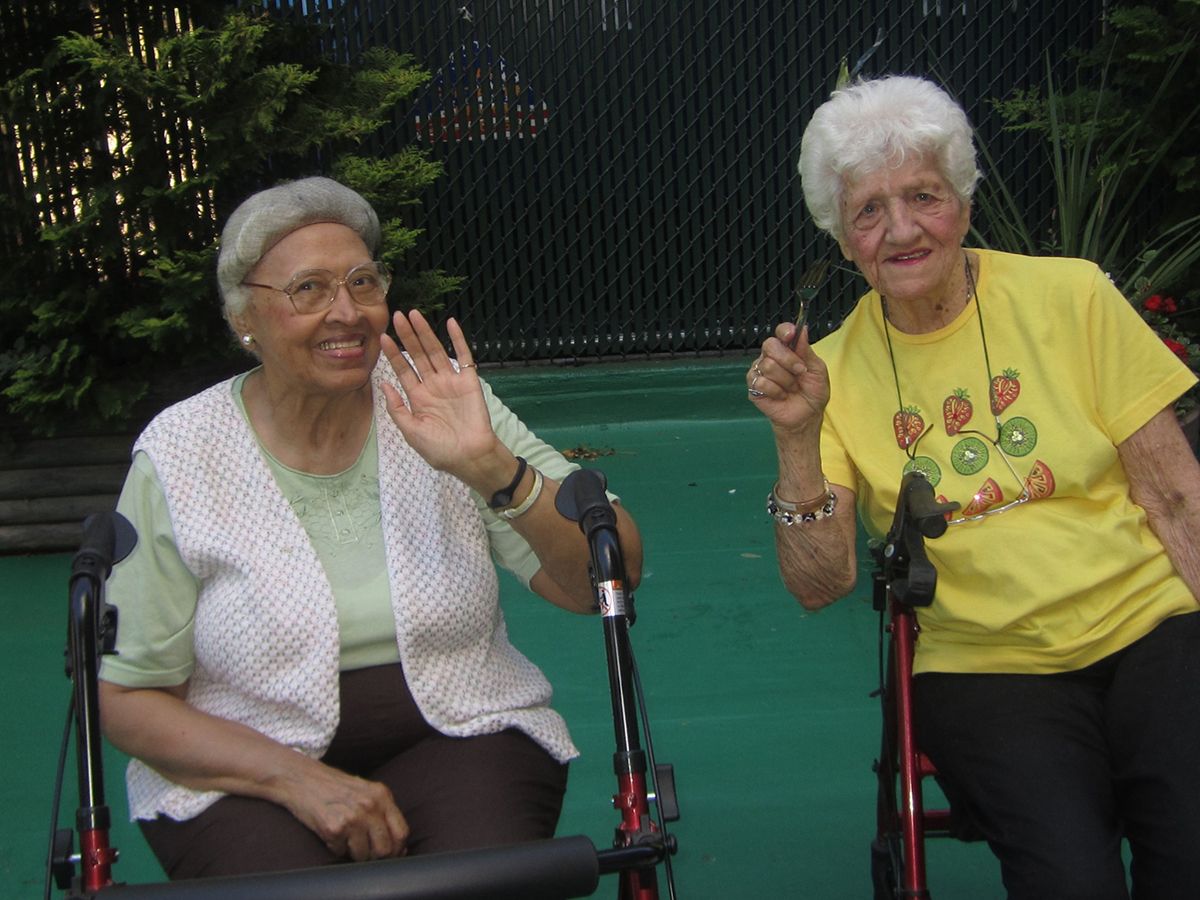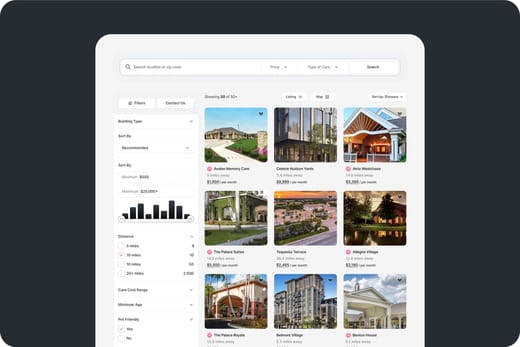

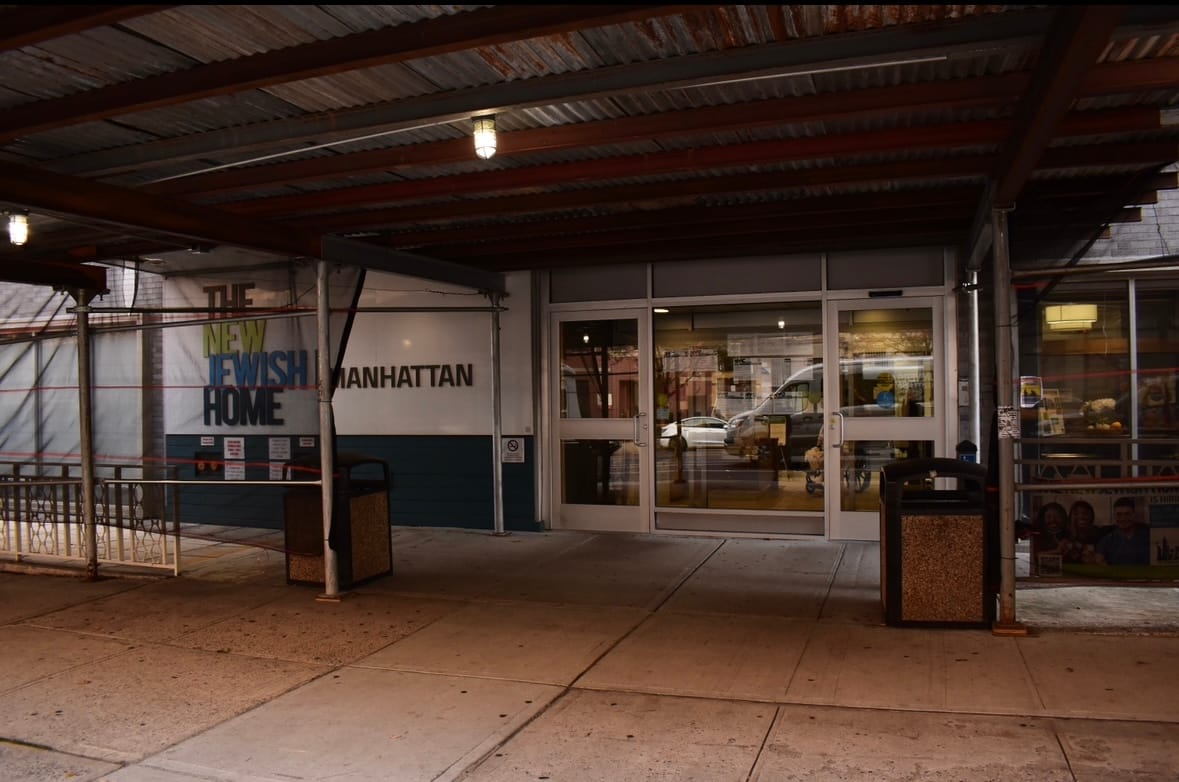
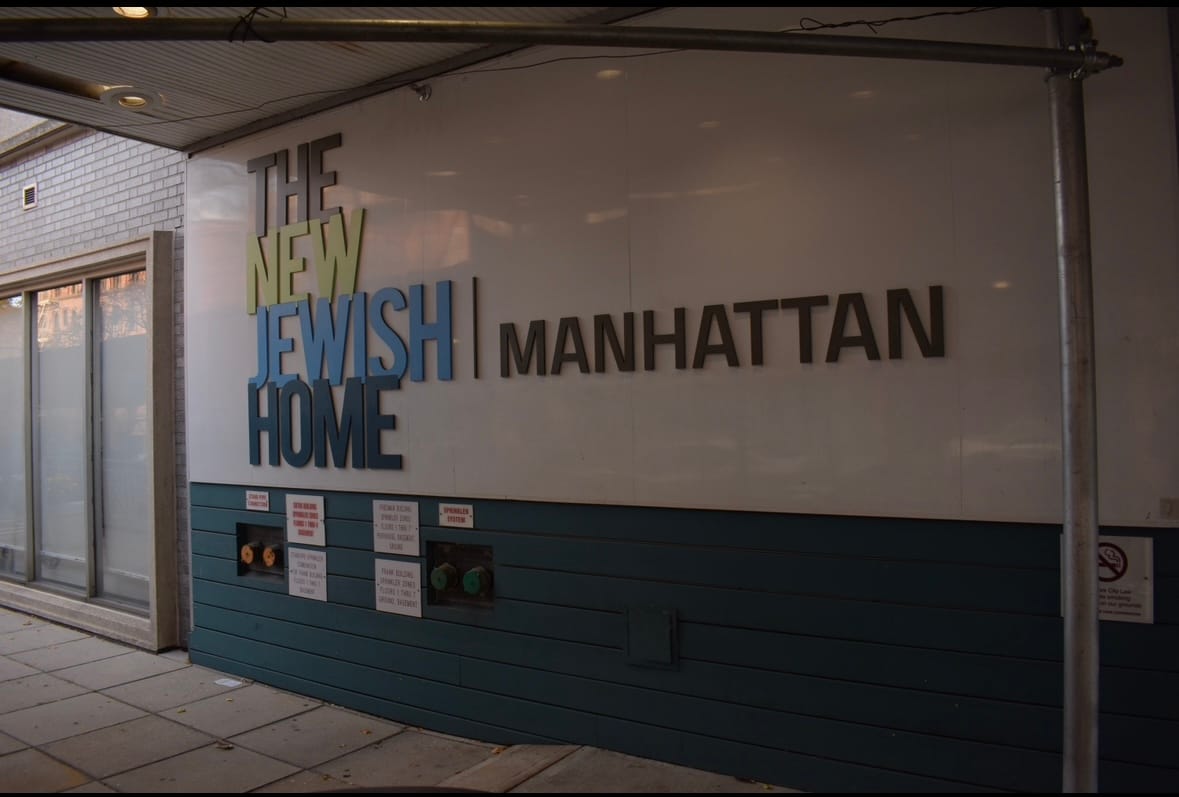
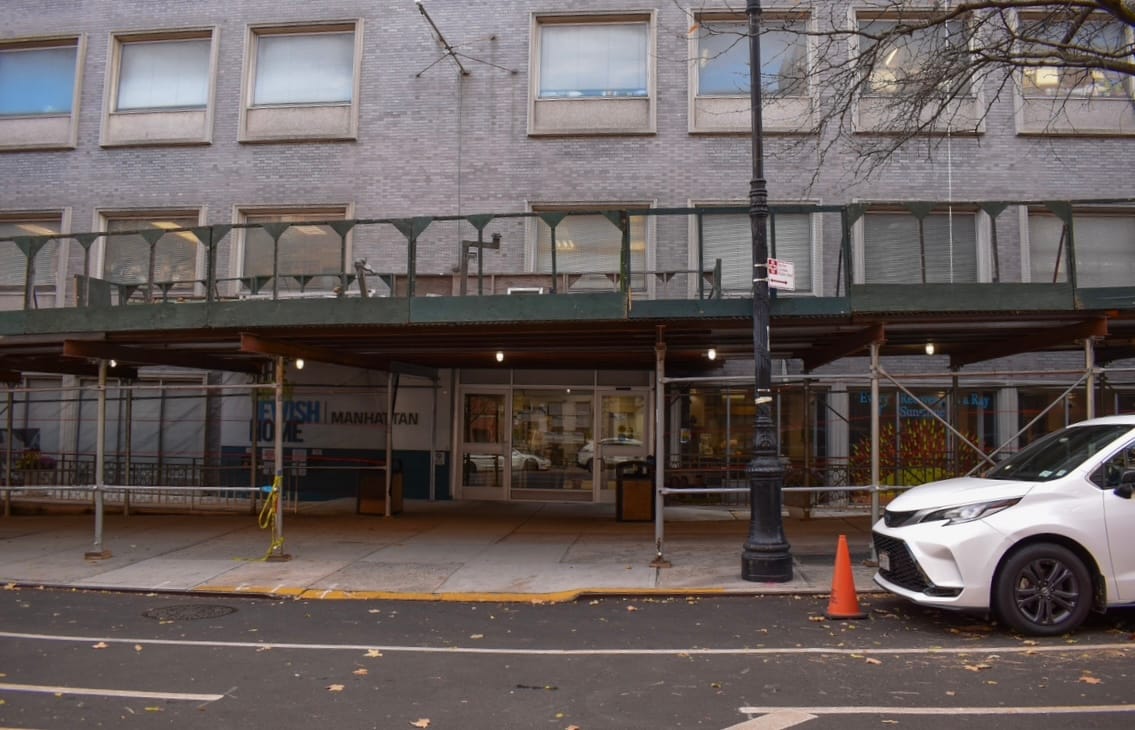
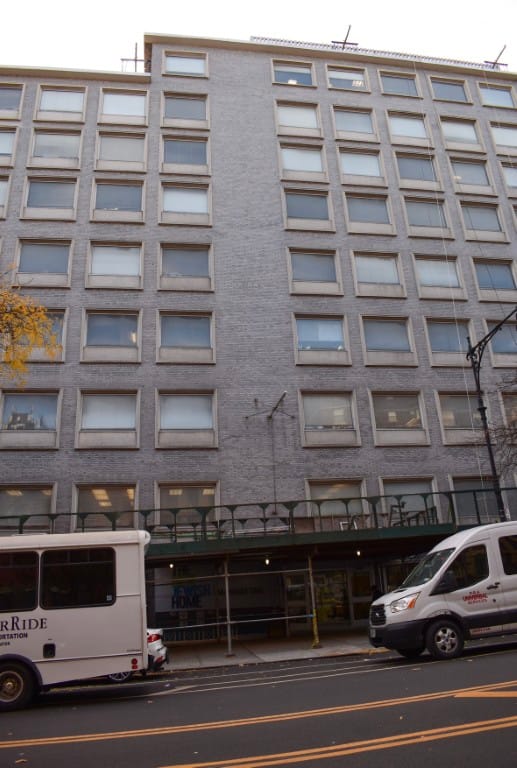
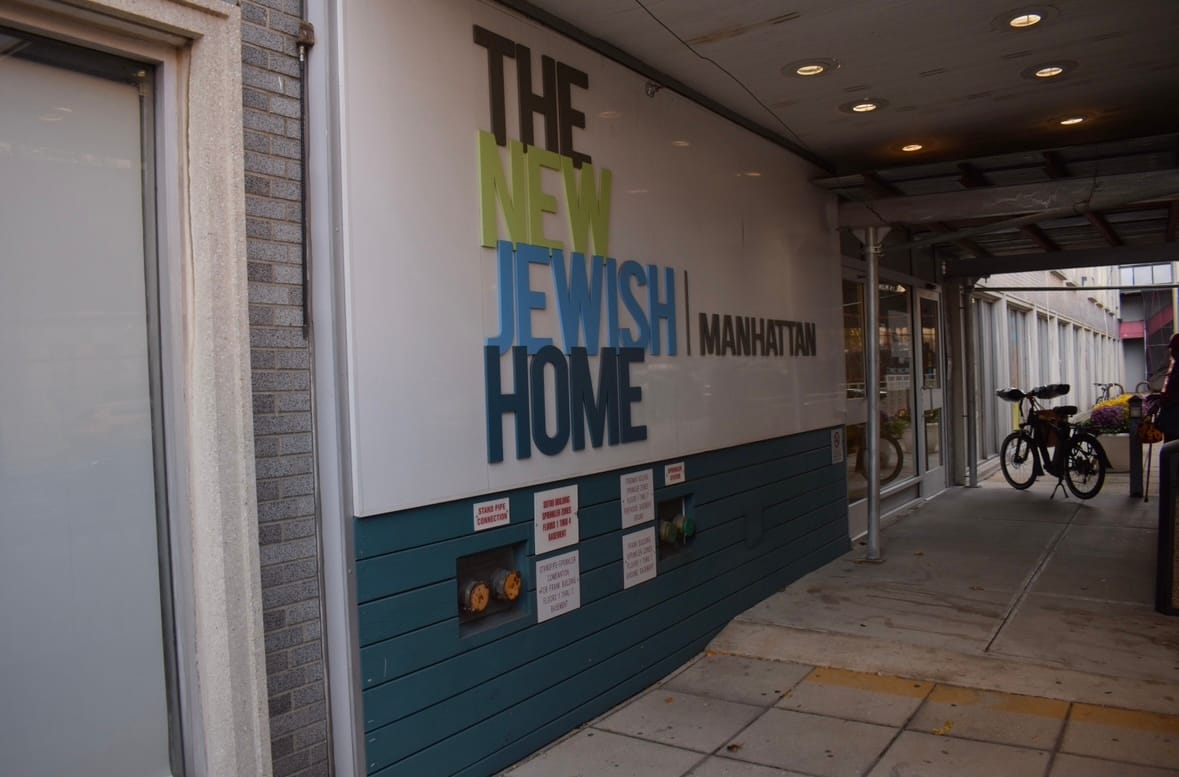
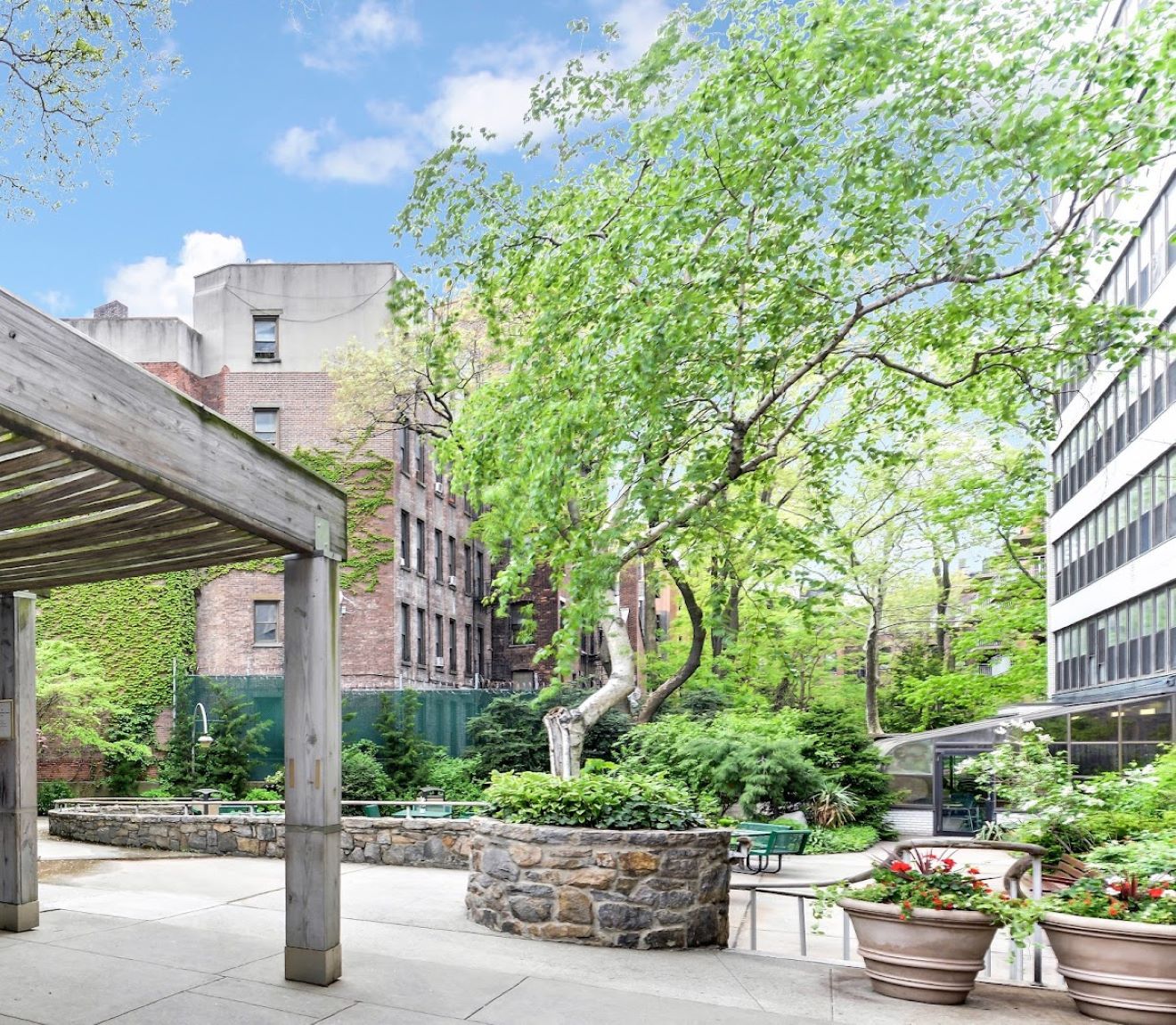


The New Jewish Home, Manhattan offers nursing home, adult day care, home care, nursing care, and skilled nursing in New York, NY. Nursing and skilled nursing services provide licensed nursing care on site around the clock, while adult day care offers daytime support without a residential stay and home care supports care needs in a person’s own home.
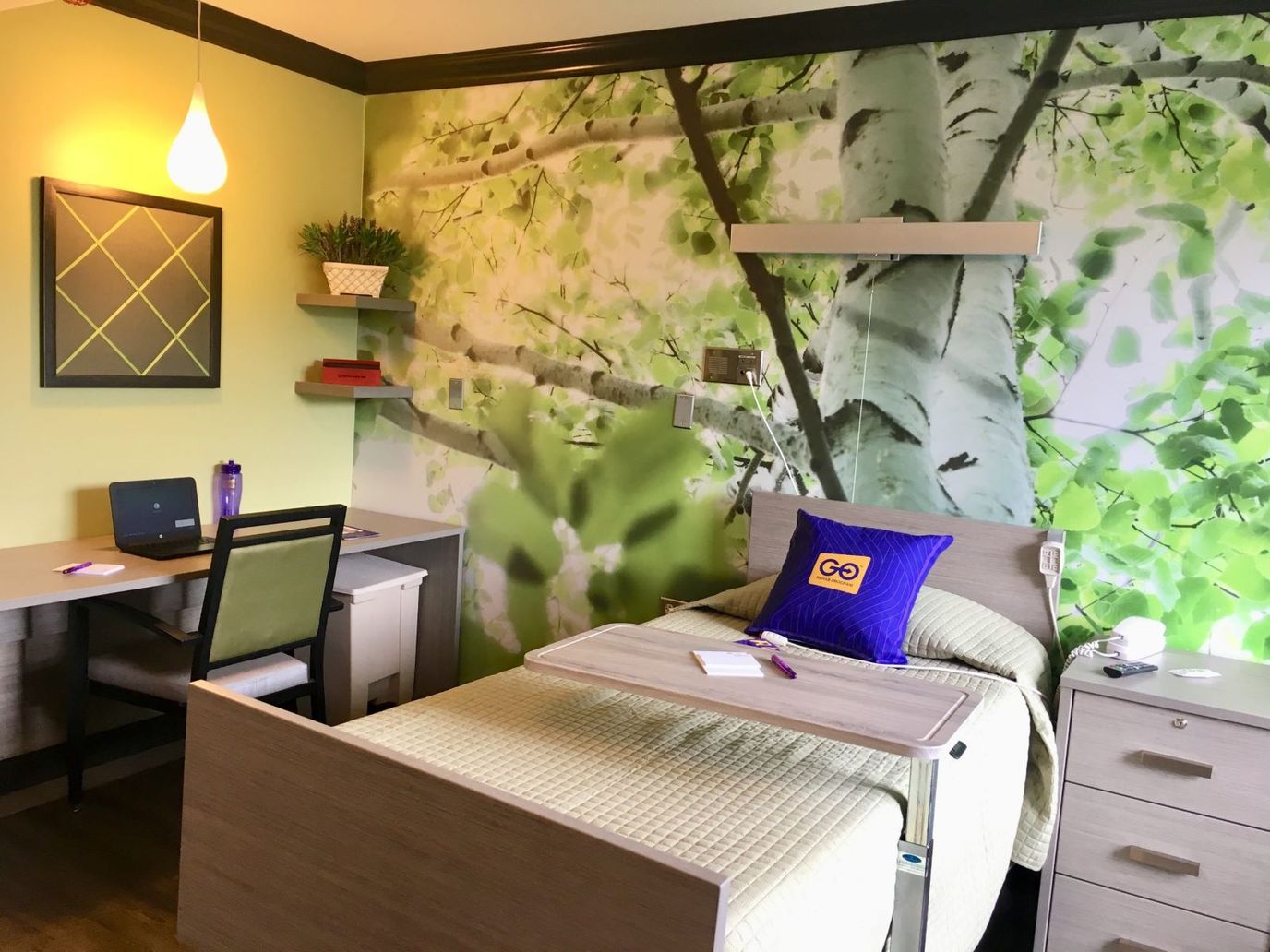
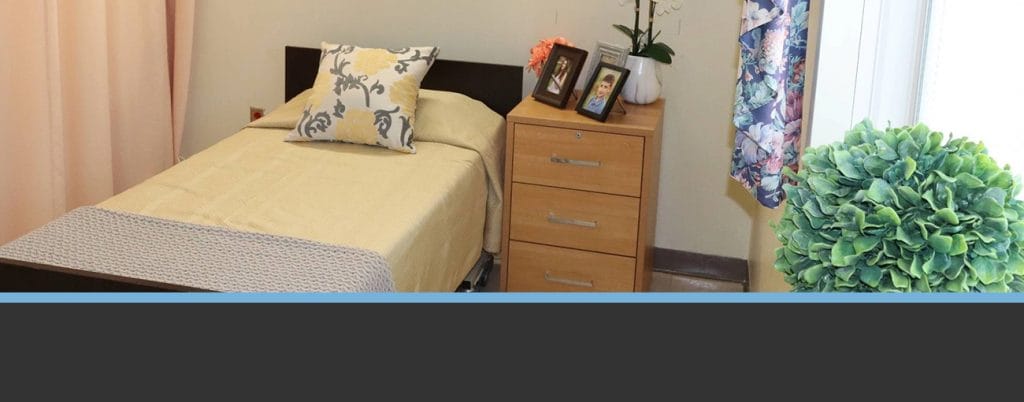
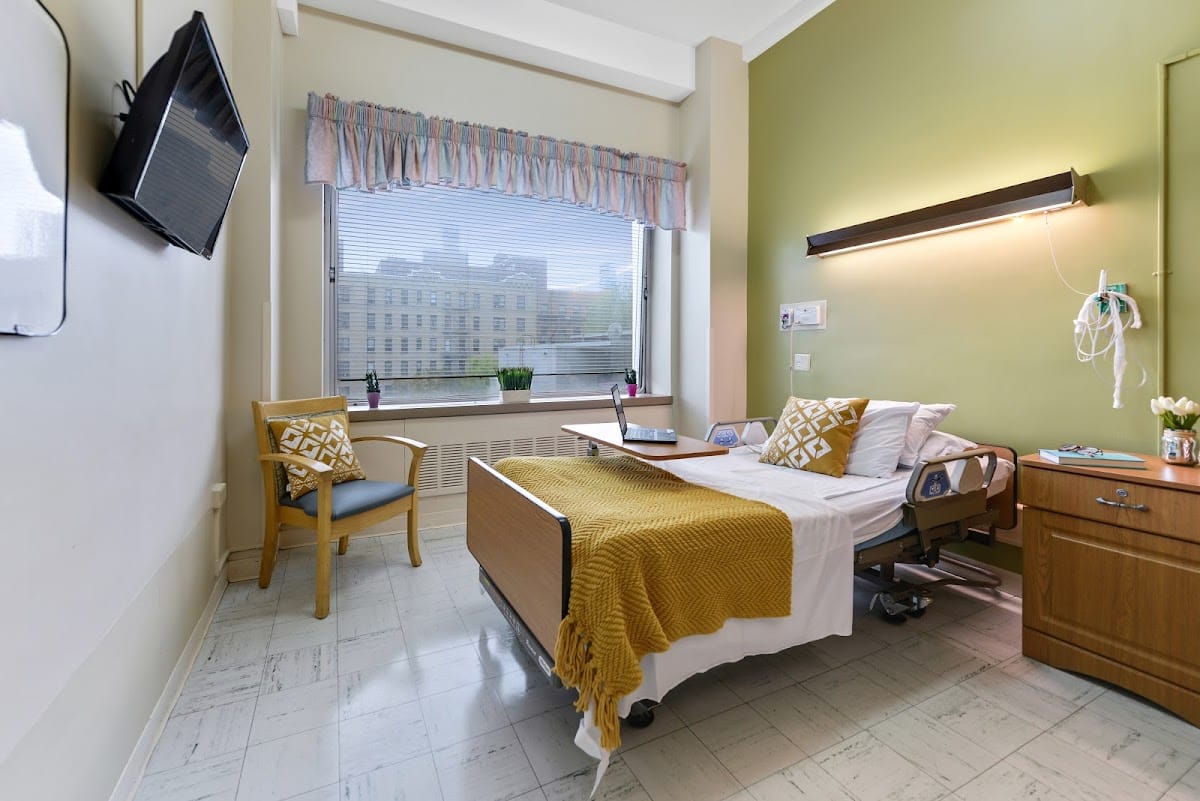
The community has 514 beds, creating a setting with more residents, staff, and programming. Studio and one-bedroom housing options provide either one open living space or separate bedroom and living areas, and the community may be a good fit for someone who needs skilled nursing or rehabilitation, or for a family seeking adult day care or home care.
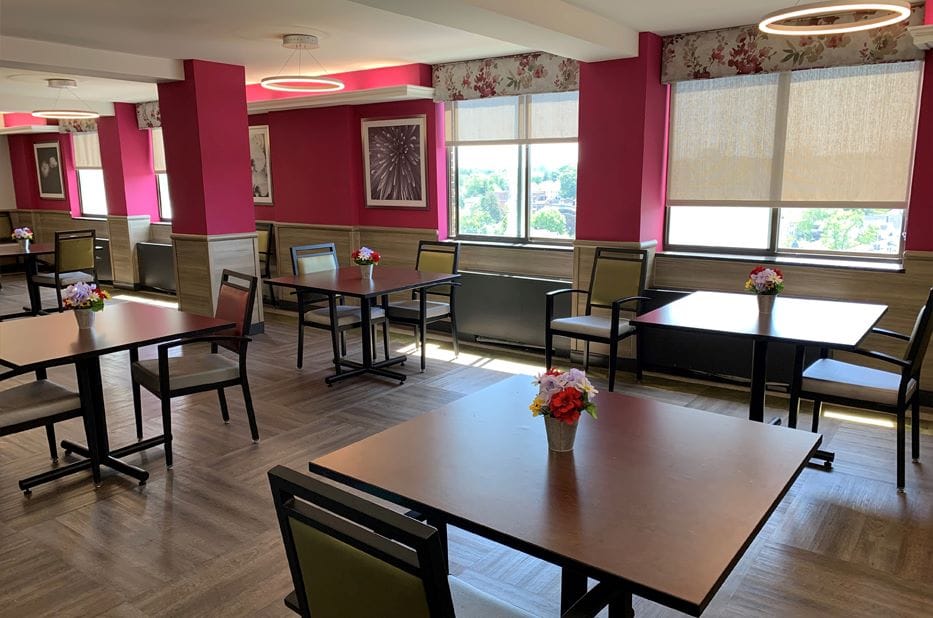
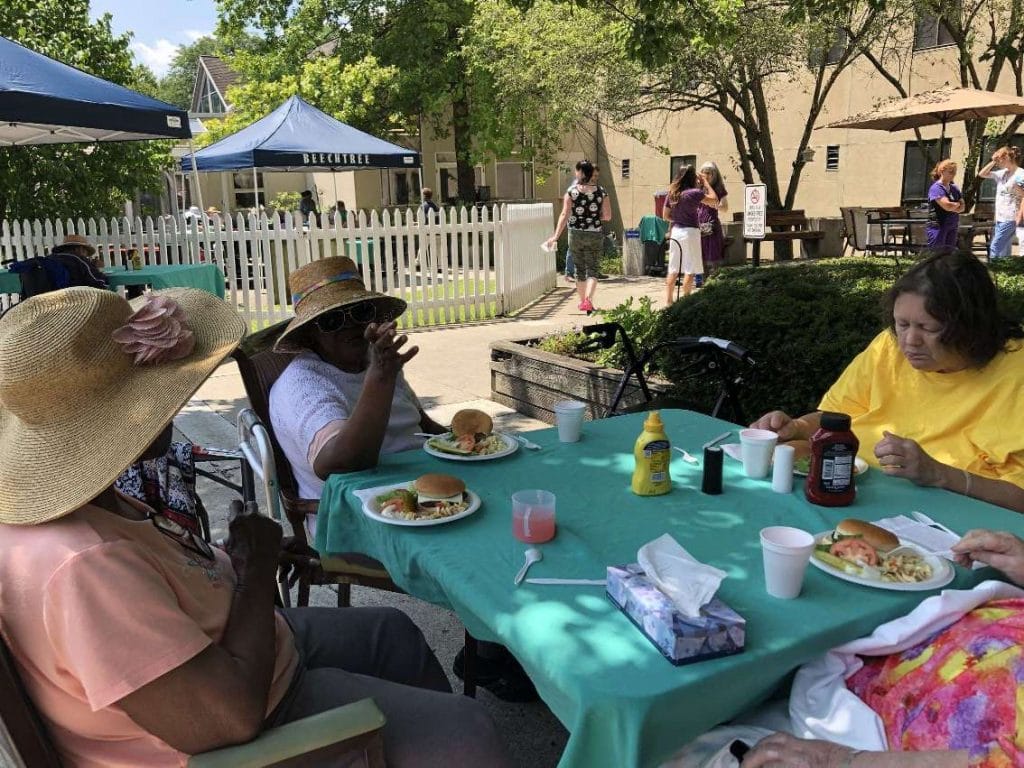
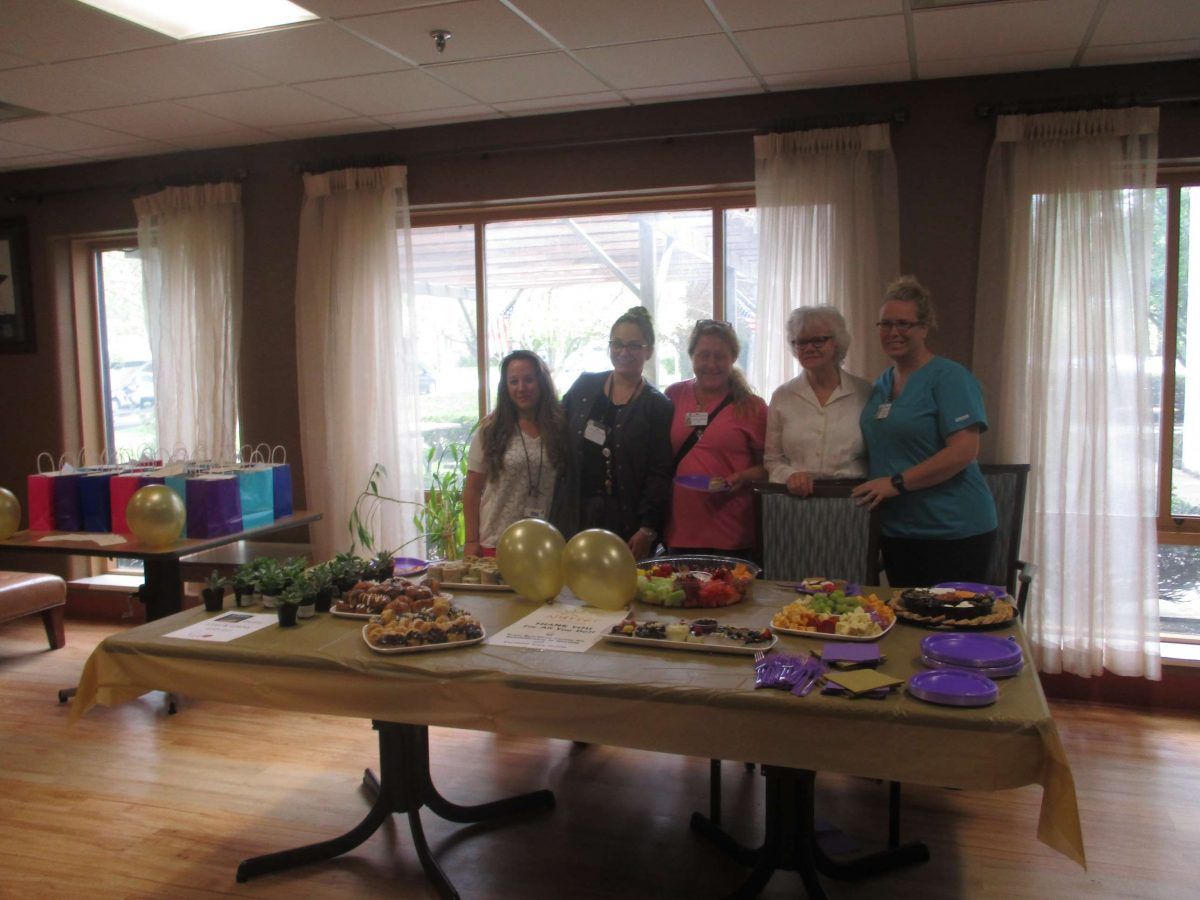
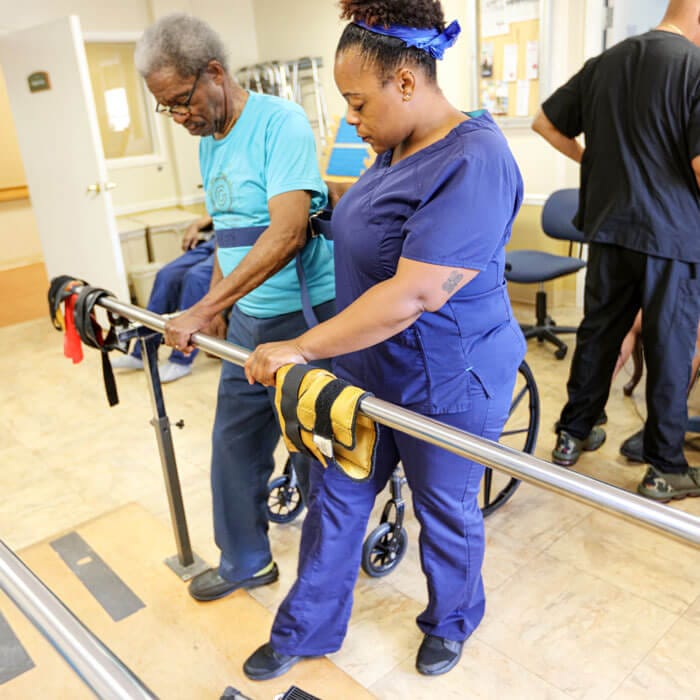
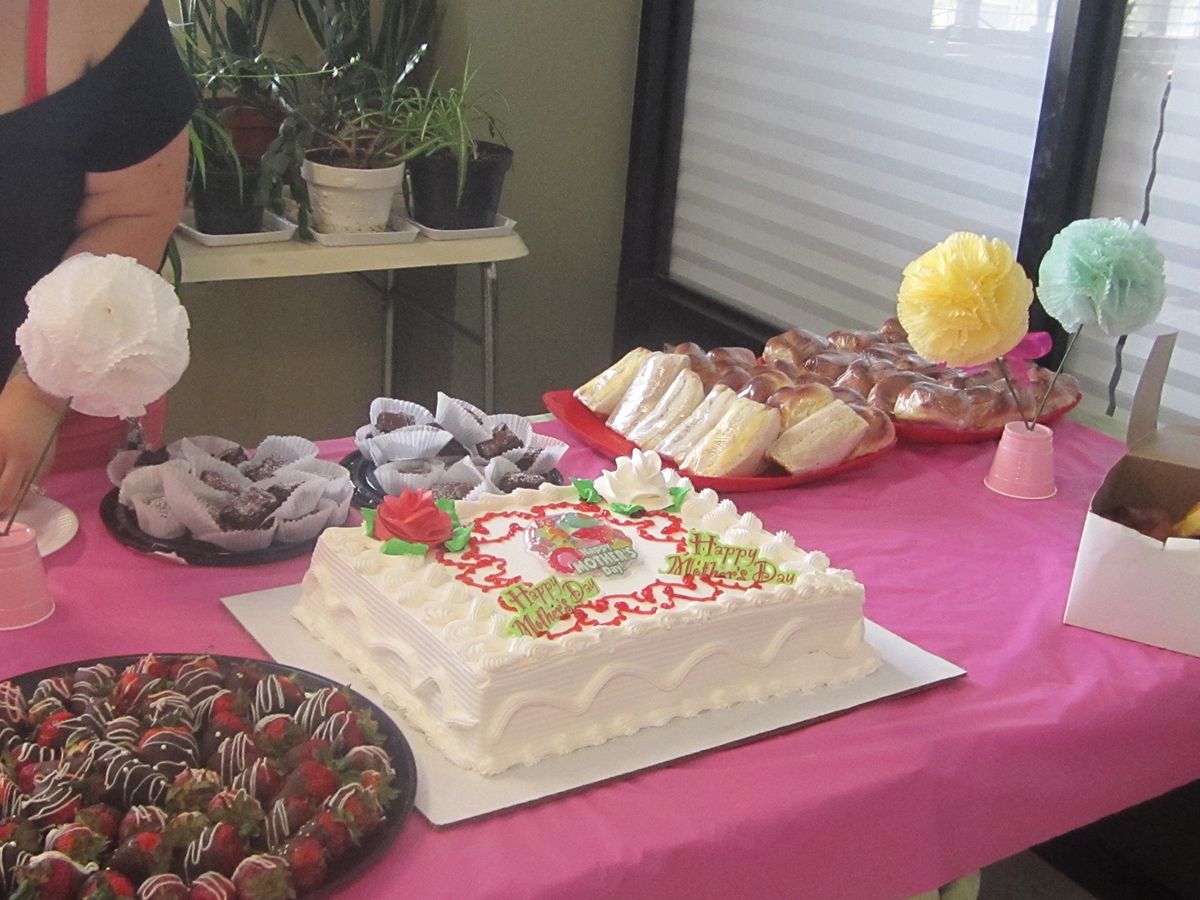
Rehabilitation and Recovery, an Orthopedic Rehabilitation Center, a Cardiac Rehabilitation Center, and Post-Acute Care address recovery needs, including orthopedic and cardiac rehabilitation. The Hospitality Program includes dining and celebrations, while Medicare, Medicaid, and private pay are accepted; total nurse staffing is 3h 44m per resident per day, representing the daily nurse time available for each resident. Jewish Home Lifecare, Manhattan operates the community, which is also described as offering rehabilitation, skilled nursing, and adult day health care as part of a broader health care system for older adults.