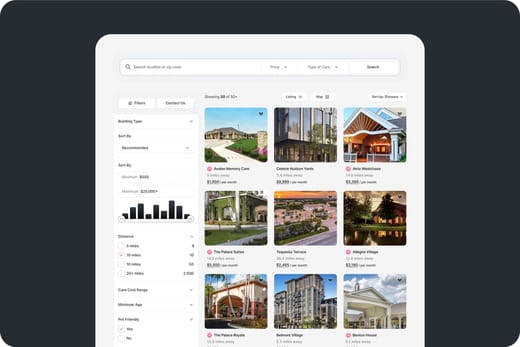
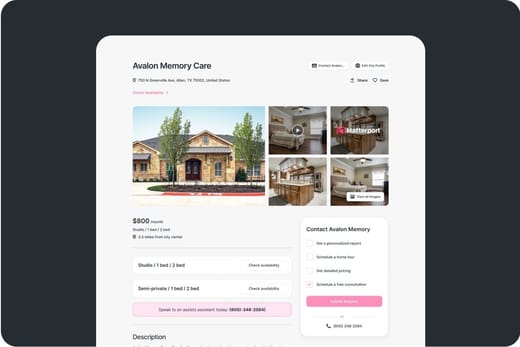




We arrange tours, appointments, and even moving support so you don’t have to
2
Ranked on Data, Not Dollars
We rank communities on objective measures like inspection records, quality scores, and care data, so you can find trusted options without the guesswork.
3
Personalized Guidance
From lifestyle matching to help with insurance and financial assistance, we make sure the community is the right fit
Explore Open Rooms
1Contact details
2What type of senior care service are you looking for?
3What budget do you have in mind for senior care?
4How soon do you need to find care?
5Additional details
Thank you for your interest!
A member of our team will be in touch by phone or email shortly to help with next steps.
Why trust this guide?
Our editorial team analyzed 576 senior care communities in WI using WI Dept. of Health Services (DHS) data, inspection records, complaints, amenities, and facility-level details. How we rank senior care in WI
We analyzedThese are the facilities in Wisconsin our team has analyzed — not a count of every senior care provider in Wisconsin.
576 homes
Compare Senior Care around Wisconsin
Info below is compiled from the WI Dept. of Health Services (DHS), senior community websites & trusted data sources such as Walk Score & BBB.
Communities are listed from highest-ranked to lowest-ranked based on our methodology.
Care Types in This TableAL (Assisted Living):
Housing with help for daily activities like bathing, dressing, and medication, without 24-hour skilled nursing.
NH (Nursing Home):
24/7 skilled nursing care for residents with complex, ongoing medical needs.
SNF (Skilled Nursing Facility):
Round-the-clock nursing care, often for recovery after surgery, injury, or illness.
MC (Memory Care):
Secured, specialized care for people living with Alzheimer's or dementia.
RC (Respite Care):
Short-term temporary care that gives family caregivers a break.
IL (Independent Living):
Community living with dining, activities, and transportation for active seniors who need little personal care.
HOS (Hospice Care):
Comfort-focused care for those with a terminal illness, prioritizing quality of life over treatment.
CCRC (Continuing Care Retirement Community):
A campus with multiple care levels so residents can age in place without moving.
SC (Senior Care):
City and state of the facility. Used for mapping and state-average comparisons.
Licensed bed capacity (maximum allowed). Not the same as how many beds are currently filled.
Indicates whether residents are allowed to have pets in the facility.
Third-party neighborhood walkability score (0–100). Convenience/context metric, not a healthcare quality measure.
Description of bed or unit types offered (e.g. assisted living, memory care), as reported in state or facility disclosures.
Number of years the company has been in operation.
Reported or derived occupancy for the facility—typically how fully licensed capacity is utilized. Compare across peers in the same market.
Better Business Bureau grade for the operating company. Reflects complaint handling and business practices, not clinical care quality.
A named contact for the facility. Hover the name to see their role — Administrator (state administrator of record or facility-provided administrator), Nursing Director, Medical Director, or Staff. The most authoritative available is shown.
Name of the licensed owner, operator, or managing entity as filed with the state. Useful for grouping facilities under the same organization.
Count of regulatory inspections in the reporting window. Higher volume can reflect more oversight visits, complaint-driven surveys, or routine licensure cycles.
Number of inspections triggered by complaints or allegations. Useful for spotting facilities that receive frequent complaint-driven scrutiny.
Total count of deficiencies (cited regulatory issues) recorded in the selected reporting period. Read alongside inspection counts for context.
The average number of deficiencies this facility receives each time it's inspected, calculated as total deficiencies ÷ total inspections. A lower number suggests more consistent compliance with safety and care standards.
Thirty-four residents live in a 42-bed building at Lincoln Village in Port Washington, Wisconsin, which is small enough that nobody is anonymous. Assisted living here covers help with dressing, bathing, and medication while a resident keeps running most of their own day.
That scale suits someone who would rather be known by the staff than processed by them. Hsl 3 operates the community.
Francis House provides hospice care in South Milwaukee, Wisconsin, serving people with terminal illnesses who need end-of-life care in a residential setting. It opened in 1991 and has 64 beds. Chi Living Communities operates the community.
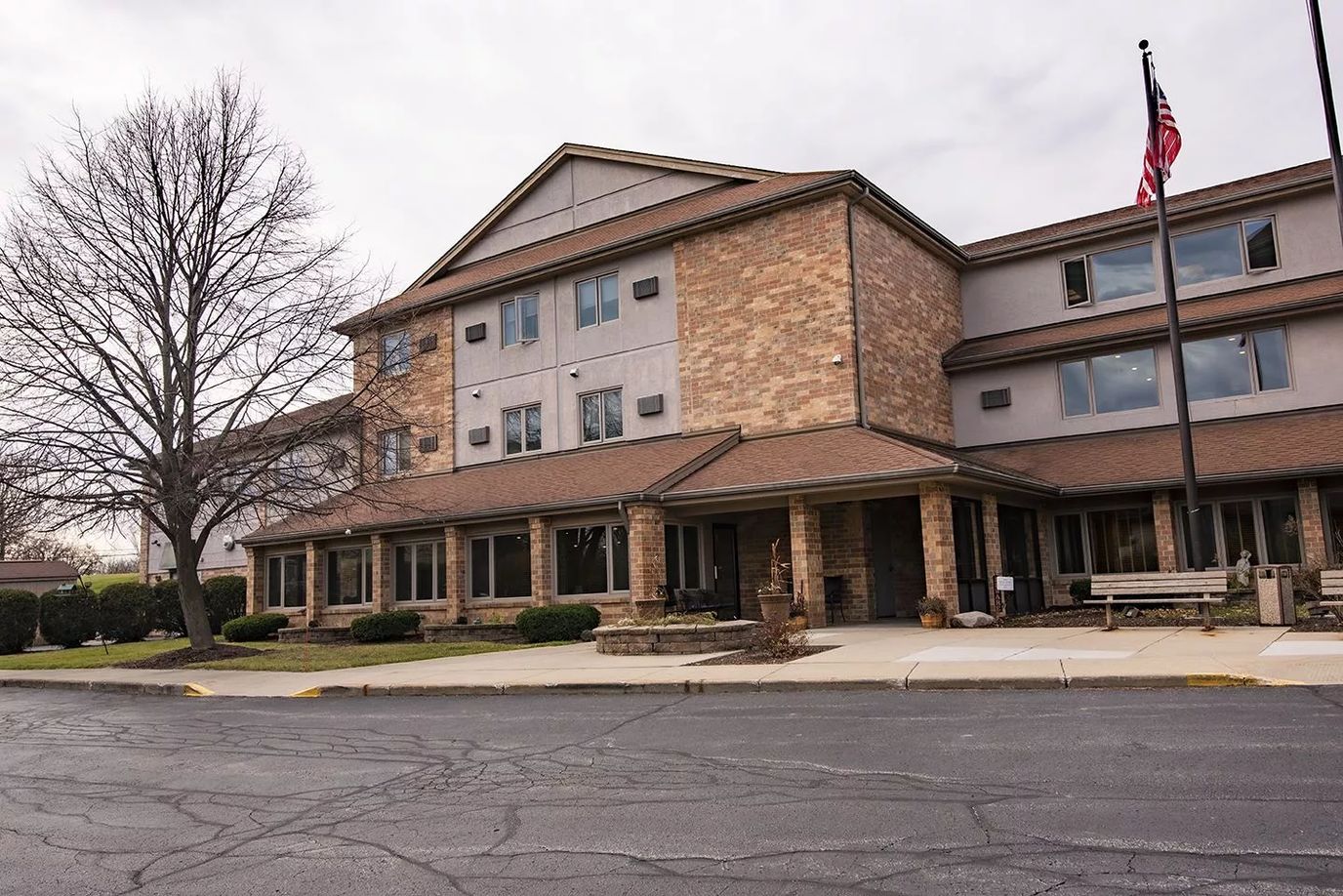
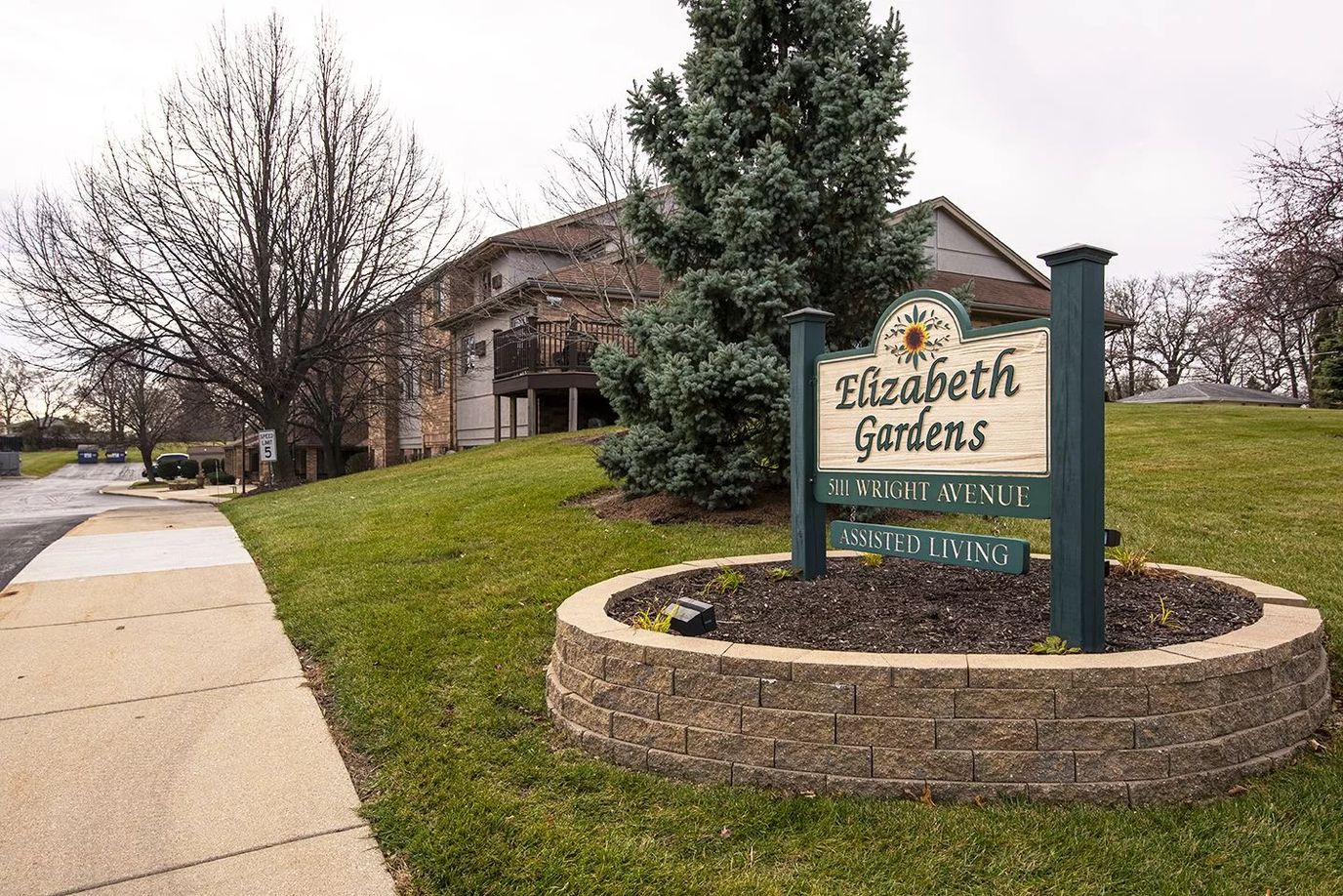
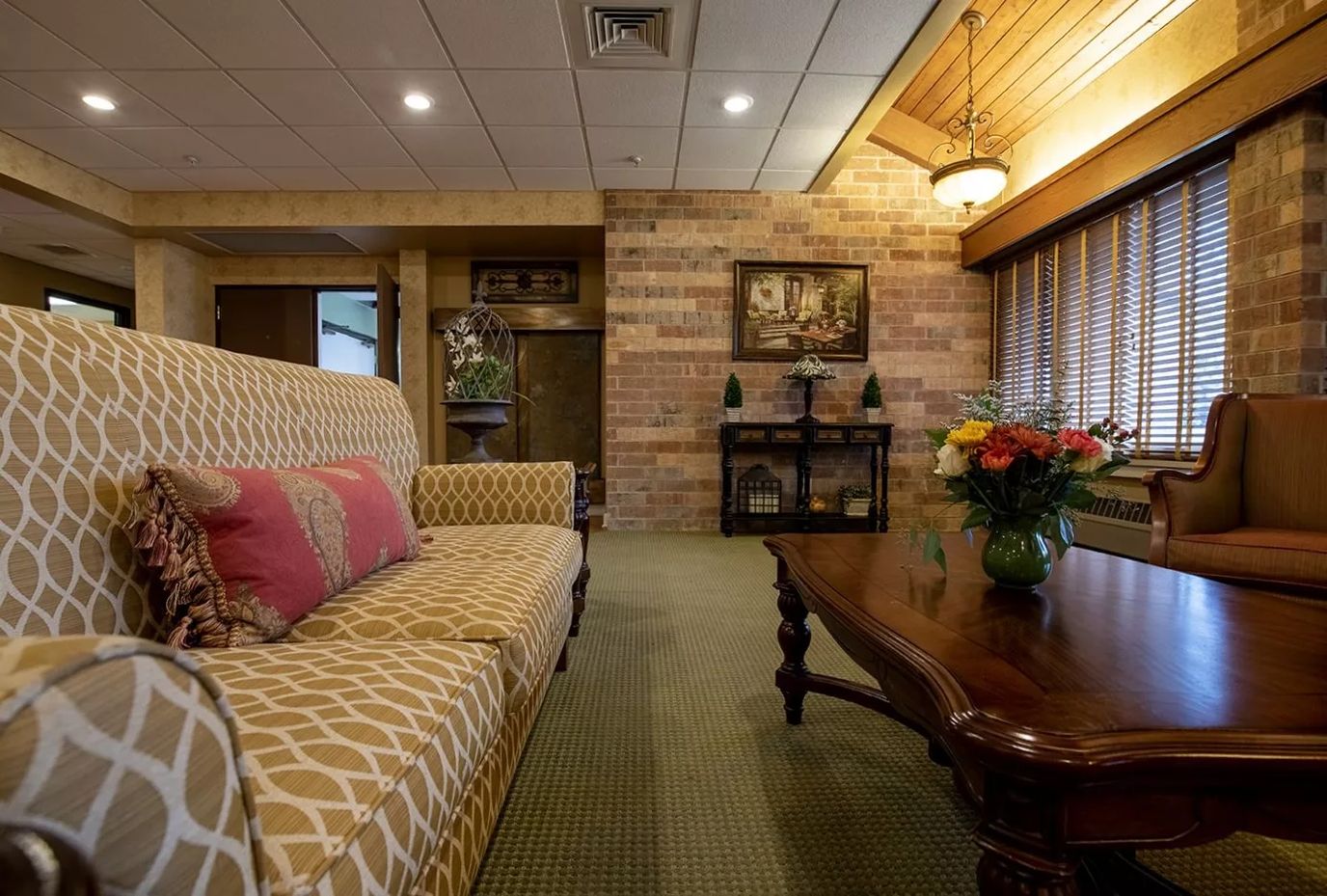
Elizabeth Gardens provides assisted living and memory care in Racine, Wisconsin’s West Racine neighborhood. Assisted living residents have support with daily tasks such as dressing, bathing, and medication while continuing to live in their own apartments. Memory care offers supervision in a secured setting for someone who may be at risk of wandering.
With 30 beds, Elizabeth Gardens is a smaller community where staff and residents can get to know one another. Both care levels are available here, which may suit a resident whose needs could grow over time and who may be able to move between assisted living and memory care without leaving the community. A Walk Score of 64 means the area is somewhat walkable, with some errands possible on foot, so a resident who no longer drives may still be able to manage certain nearby errands independently. Richard Coury serves as administrator, and Erac operates Elizabeth Gardens.
Nestled in Kenosha, Wisconsin, Kenosha Brookside Care Center is a cornerstone of compassionate care within its community. As a county-administered establishment, it boasts Medicare and Medicaid certification, ensuring comprehensive support for its residents. Offering both long-term skilled nursing and short-term rehabilitation services, this esteemed facility, with its 154-bed capacity, provides a spacious and nurturing environment.
Kenosha Brookside Care Center distinguishes itself by its unwavering dedication to excellence in care. While not affiliated with a continuing care retirement community, it actively engages with Medicare and Medicaid programs, underscoring its commitment to accessible and high-quality services. Within the walls of Kenosha Brookside Care Center, residents find not just a place to reside, but a supportive community devoted to their well-being and recovery journey.
Three Oaks Health Services in Marshfield, Wisconsin, functions as a 75-bed nursing home delivering residential care alongside clinical support. Current operations reflect an 89% occupancy rate under administrator Kevin Quigley and operator Nsh Three Oaks.
Daily nursing staff allocations average 3 hours and 42 minutes per resident. Payment sources accepted across the facility encompass Medicare, Medicaid, and private funds.
Older adults exploring local nursing options can get in touch with Three Oaks Health Services to confirm room availability, verify insurance coverage, or book an visit to view the facility.
Five of the named programs at Alden Estates of Jefferson carry rehabilitation in the title, and the sixth is MedicallyComplexPro™. Orthopedic, Cardiac, NeuroStroke, Pulmonary, and Short-Term rehabilitation are the named five. Naming them by body system lets a family see which applies before anyone moves in.
Jefferson, Wisconsin, is the setting, with 120 beds offering nursing home and skilled nursing care. Skilled nursing is the level of care for a person needing medical support past help with dressing and washing. Short-term rehabilitation points to a stay that ends.
Therapy happens in the building, so a course of rehabilitation is not also a course of car trips. Nursing time comes out at 3 hours and 20 minutes per resident each day. Someone recovering from an illness, an injury, or a procedure is who that side is built for.
Medicare and Medicaid both work here, as does paying privately. Medicare handles short-term skilled care in the weeks after a hospital admission, and Medicaid helps afterward for covering a longer stay. Those two payers work for two opposite cases.
Nikolina Kuljanin Thompson administers the home for Alden Estates of Countryside. Four-course meals are served at lunch and dinner. A salon is part of the building’s offering too.
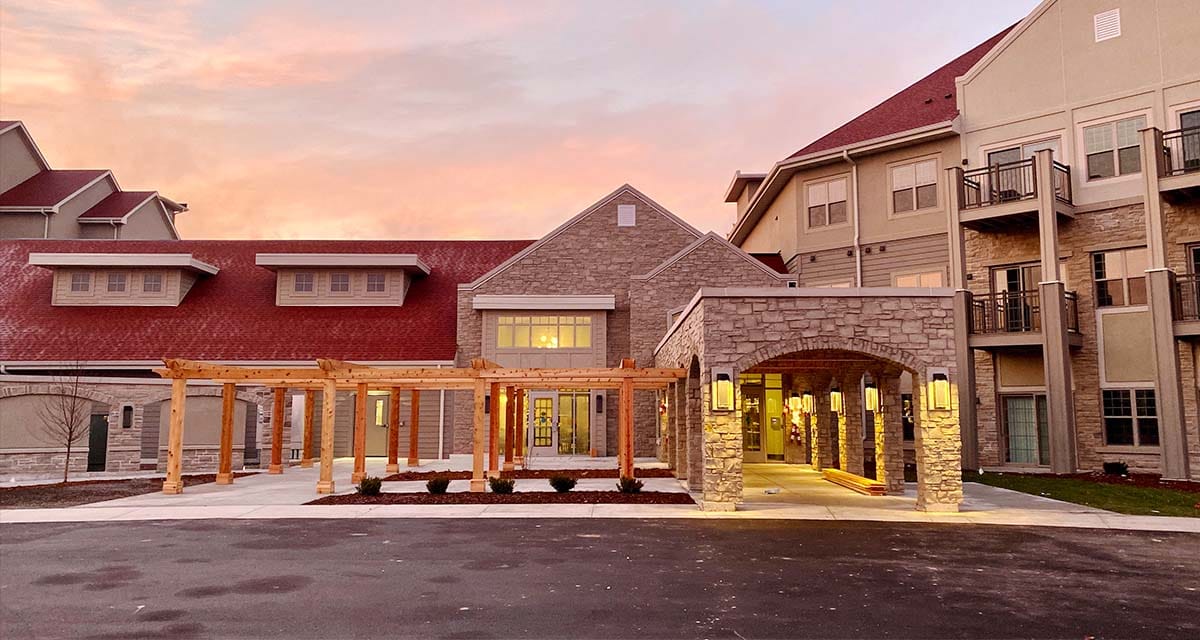
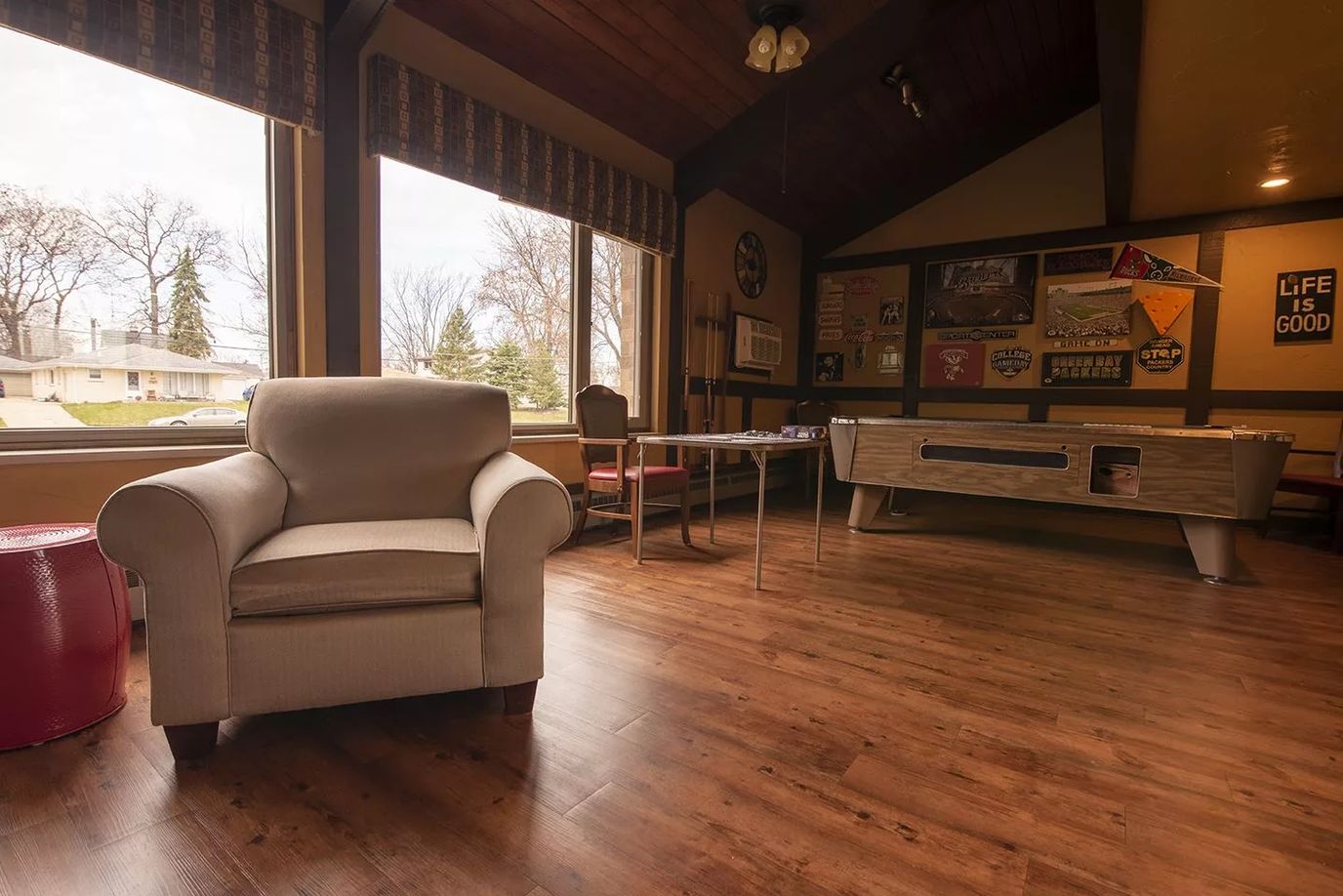
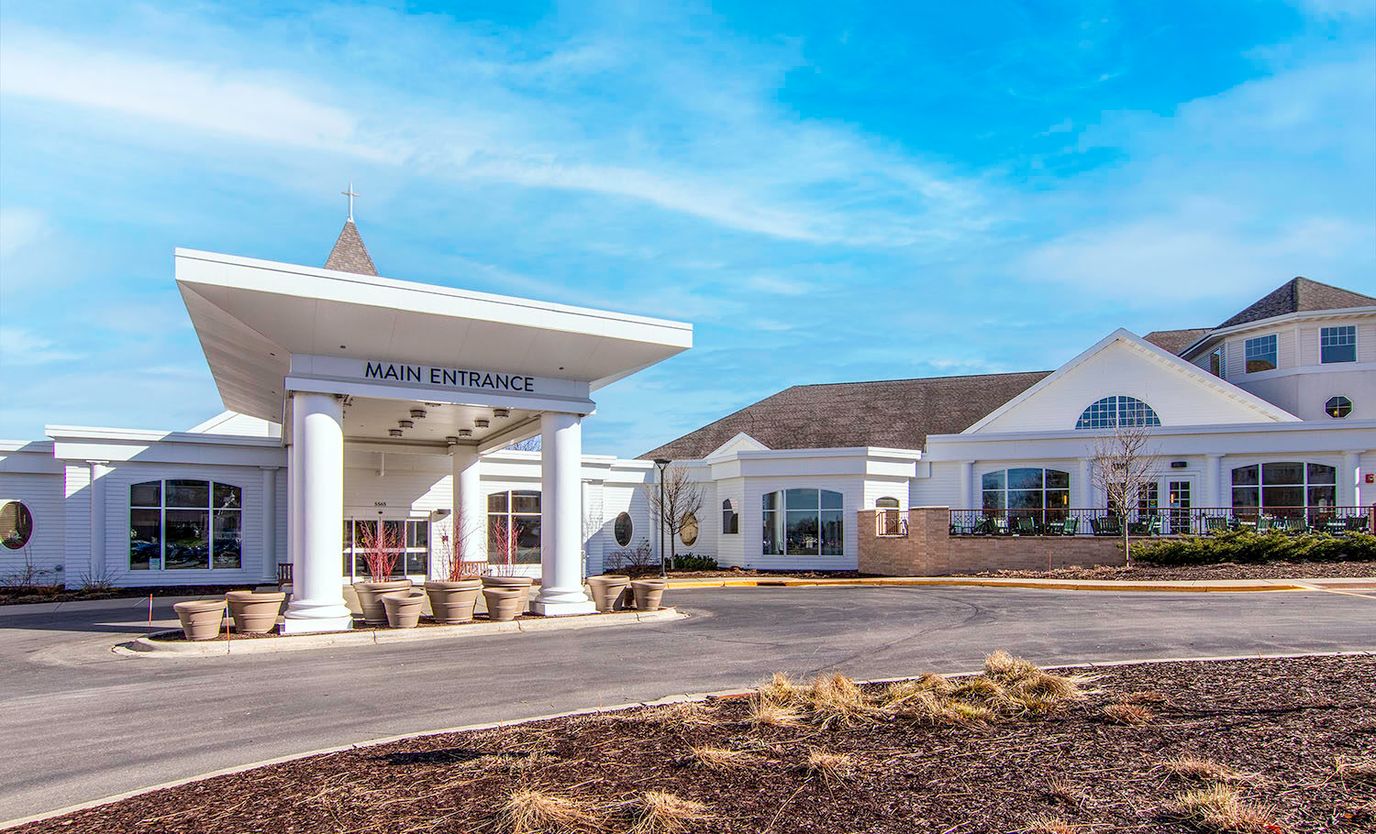
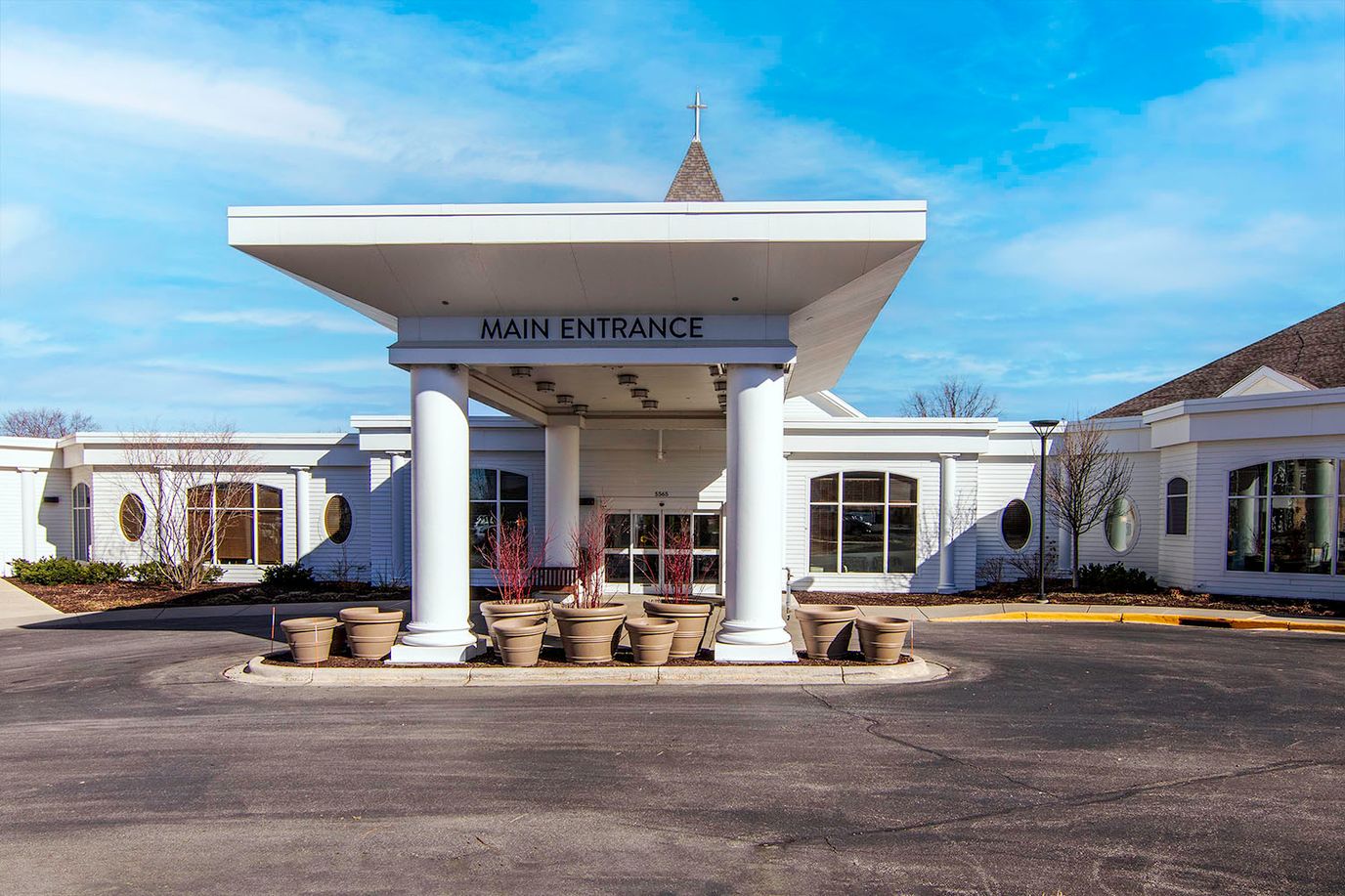
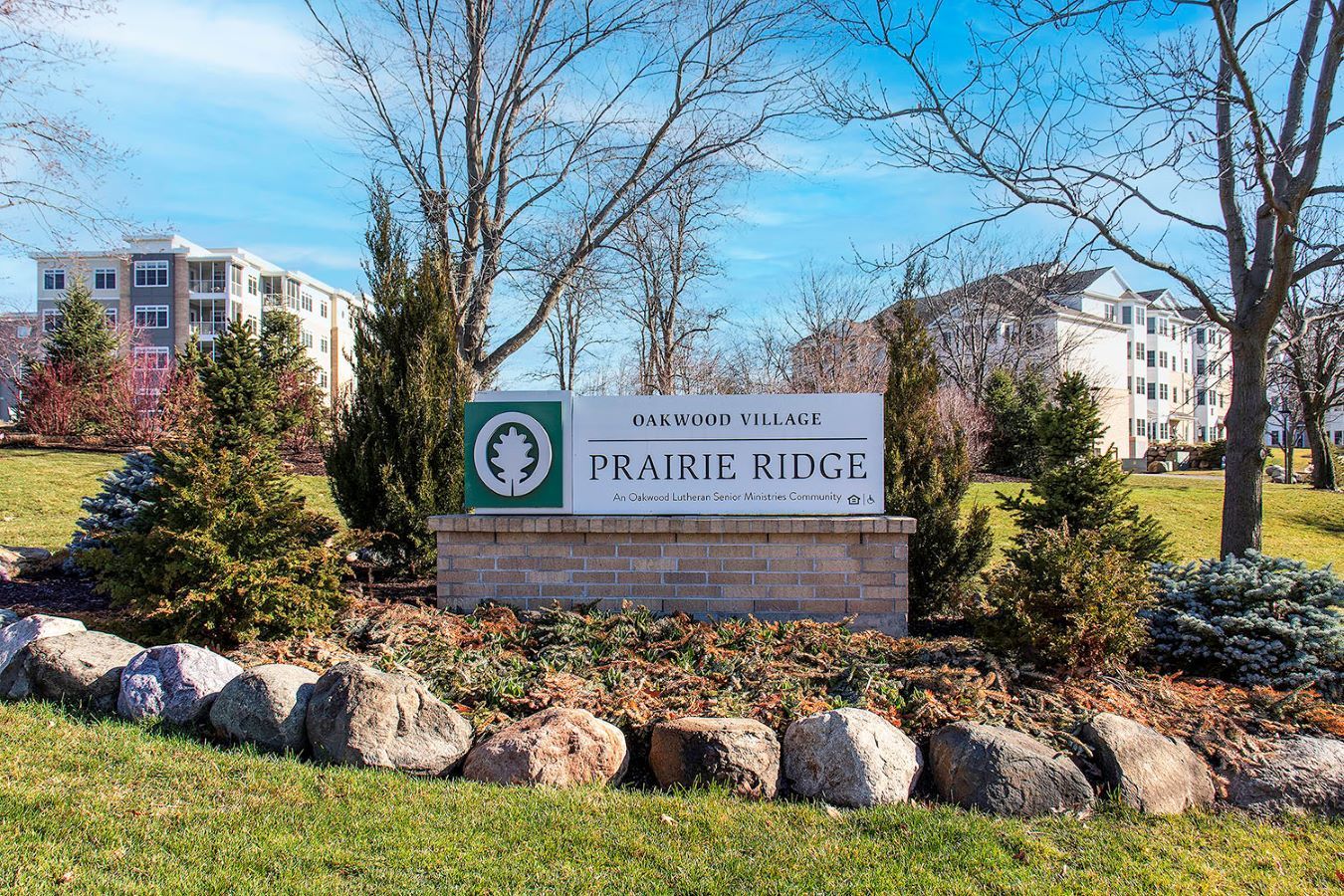
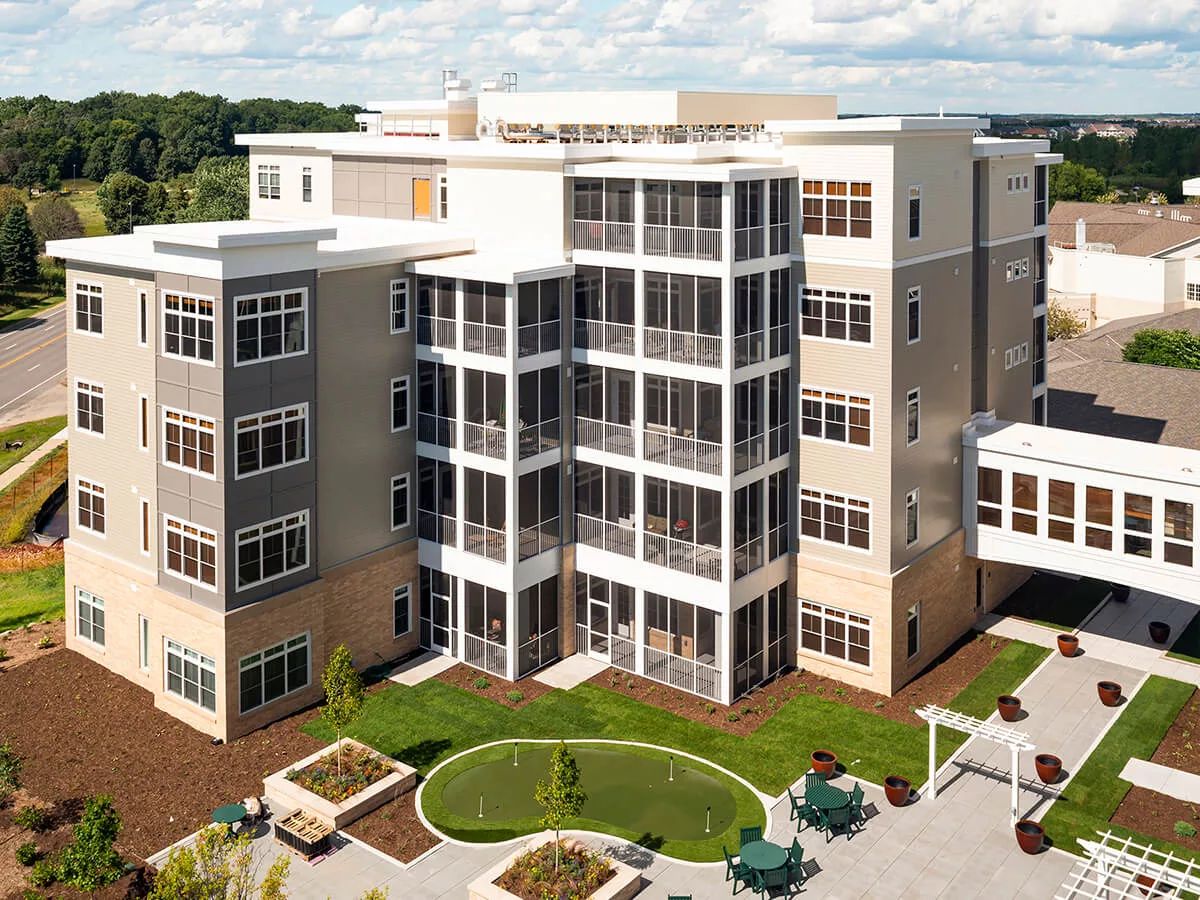
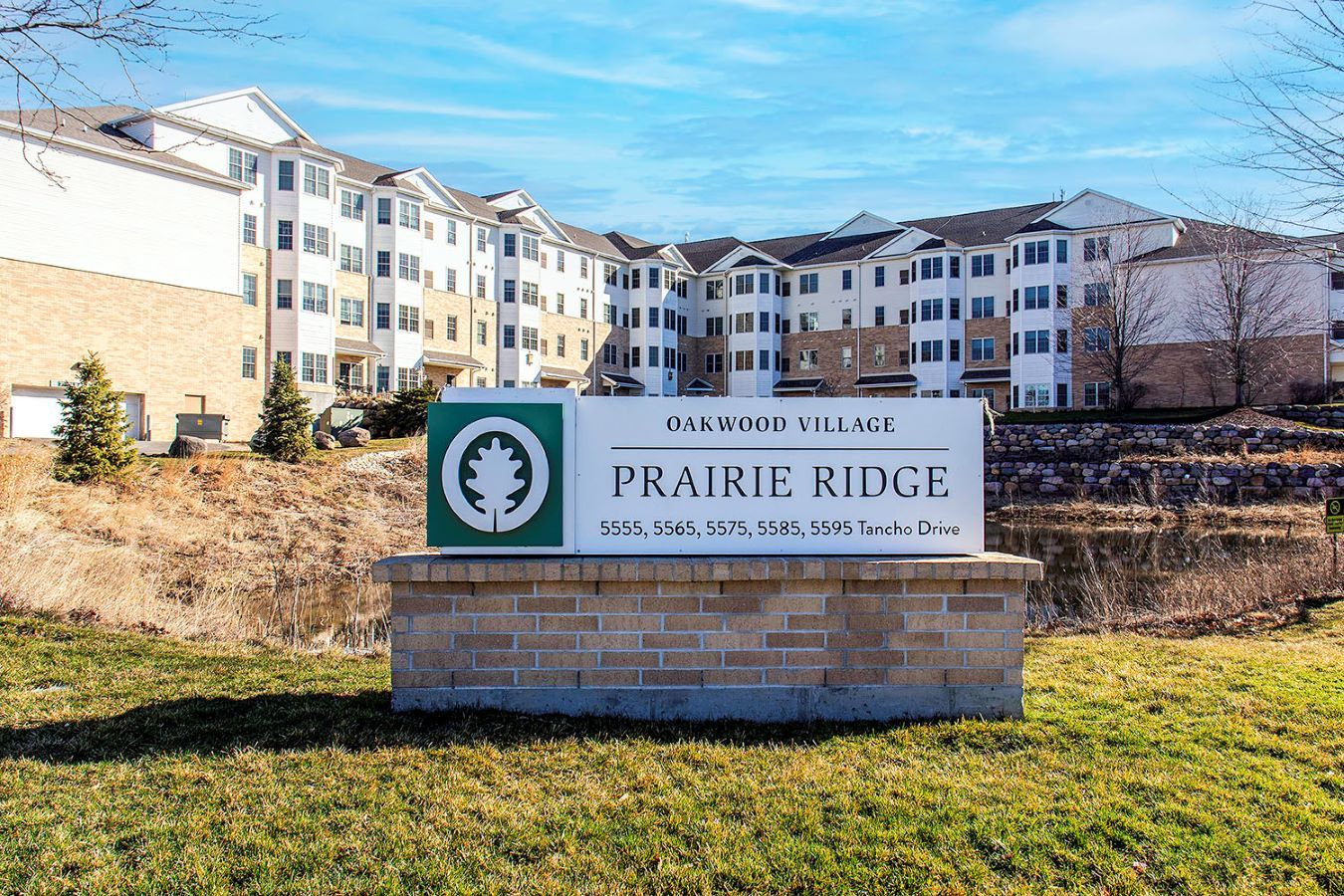
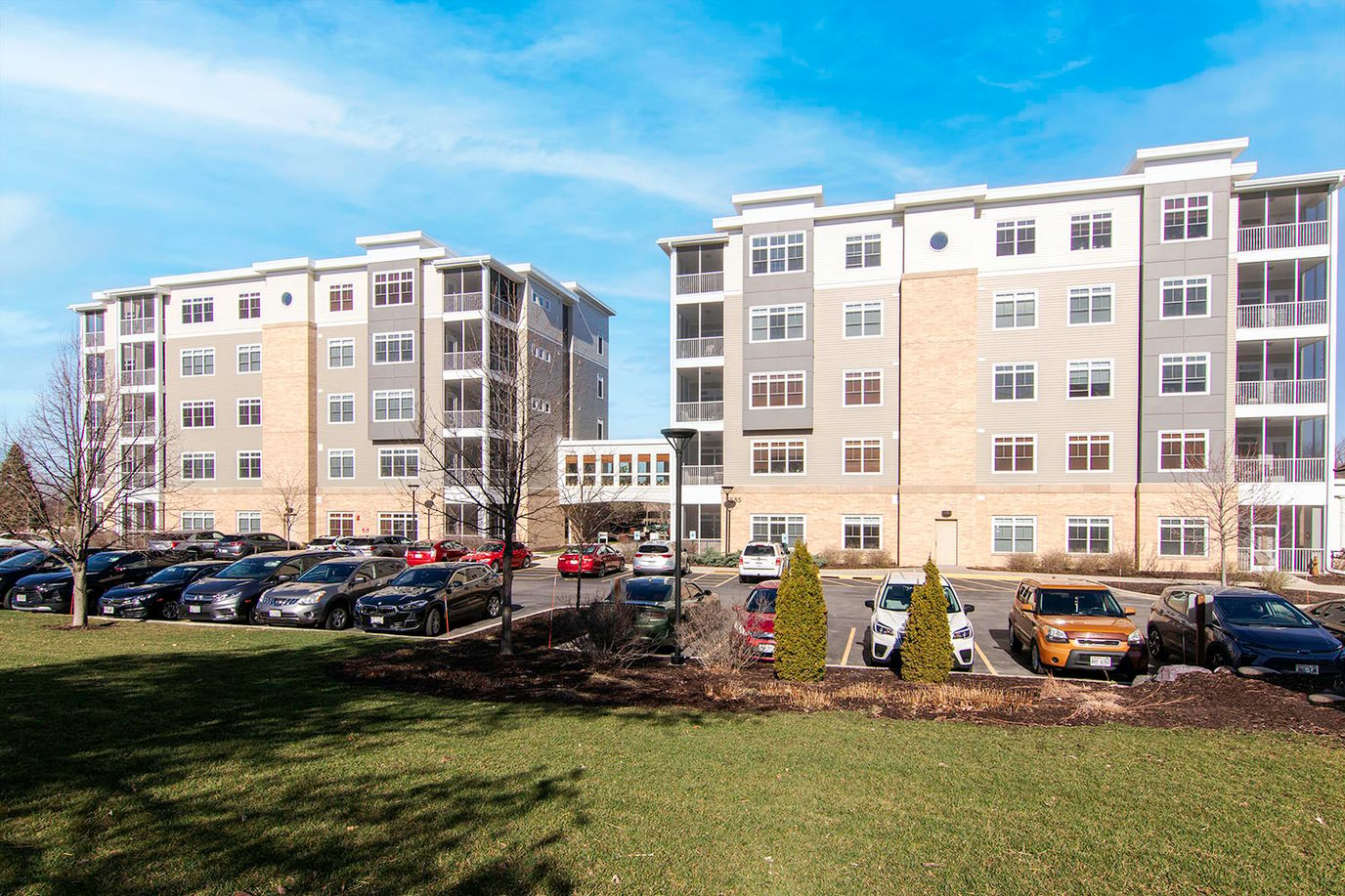
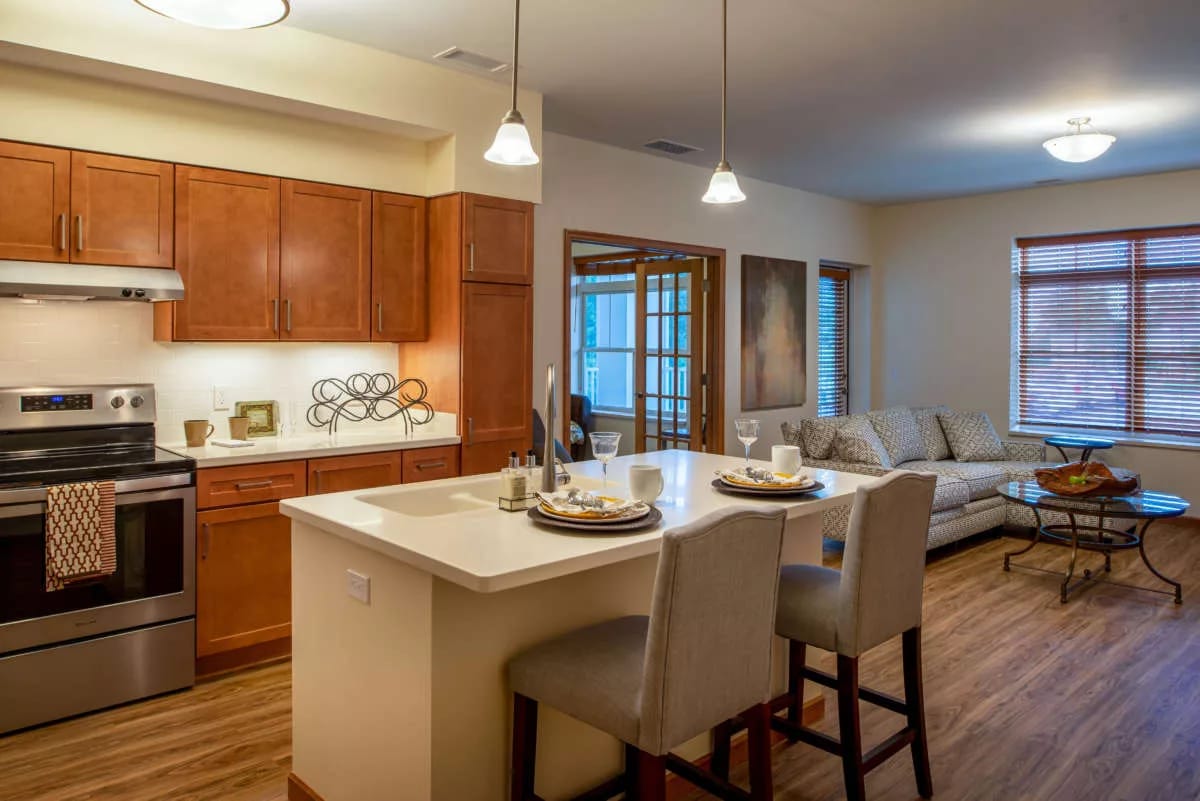
A monthly rate between $694 and $1,154 is the figure most families will want to understand first, and it sets the frame for everything else about Oakwood Village Prairie Ridge. This 206-bed community in Madison, Wisconsin, offers assisted living, memory care, and hospice care, and it does not accept Medicare or Medicaid. Costs are covered by residents through private funding. That is a structural fact about who this community is built for, and it belongs at the front of any honest evaluation.
The location is car-dependent, with a Walk Score of 13, about 10.9 miles from Madison’s city center. UW Health E Terrace Dr Medical Center sits less than a mile away, which matters for a community serving residents with memory care and hospice needs. The facility has been operating for 26 years and holds 206 beds.
What stands out in the amenity structure is how much is bundled into residency. Utilities, including water, sewer, gas, and electricity, are covered. So are scheduled housekeeping, daily check-ins, scheduled transportation, a personal emergency response pendant, social worker access, and spiritual care programming. Heated underground parking, additional storage, snow removal, exterior window washing, and grounds maintenance are all included. Property and liability insurance comes with the package. Religious services are available, and residents are given priority access to advanced care levels if needs escalate over time.
Oakwood Village East Apartment Homes Inc operates the community. For families financing care privately and prioritizing an assisted living setting that includes memory care and hospice under one roof, the amenity structure here is more inclusive than most in its price range.
Killarney Kourt provides independent and assisted living options in Sturtevant, Wisconsin, operating as a 55-bed residential campus. Private one- and two-bedroom layouts accommodate individuals as well as couples desiring shared space, and pet-friendly policies apply across the property.
Operator Chiara Communities manages the campus alongside Administrator Glenwood Choban. On-site features include a fitness center, wellness program, salon, spa, garden, patio, and chapel, alongside scheduled activities, transportation, and rehabilitation options. Daily errands generally require a vehicle given the location’s walk score of 48.
Prospective residents looking for flexible residential care combined with accessible on-site amenities can reach out to Killarney Kourt for current space availability.
Situated in Kenosha, Wisconsin, Library Terrace Apartment is an assisted living community that provides personal care within a single-story building. Operated by Michael Collins and administered by Scal Kenosha LLC, the community has been in operation for over 10 years. 26 apartment-style units are also offered in a variety of studio, one-bedroom, and two-bedroom layouts, with monthly rates ranging from $3,157 to $7,000.
Utilities are included in each apartment, along with walk-in showers, to help simplify day-to-day living for older adults. Additionally, shared amenities include an outdoor lounge, garden and patio areas, a hair salon, a media room with a large-screen TV, resident parking, and a fireplace common area. Transportation services and fitness and recreation programming are also available. A pet-friendly policy also helps older adults remain with companion animals during their transition into the community.
With a Walk Score of 70, the surrounding neighborhood is very walkable, allowing older adults to complete many errands on foot while still having access to transportation when needed.
Gabriel’s Villa offers assisted living and respite care in Oshkosh, WI. Assisted living includes help with daily tasks such as dressing, bathing, and taking medication while a resident keeps a private living space. Respite care provides a short term stay when a family’s usual caregiver needs to travel or recover. The combination may suit someone who needs daily support or a family seeking temporary care.
With 39 beds, Gabriel’s Villa is a smaller community where staff and residents can get to know one another. Housing includes single bed and two bed accommodations, with the two bed option suited to a couple or someone who wants a companion. Monthly rates range from $2,010 to $2,700, giving families a defined lower and upper range for budgeting. Lutheran Homes Of Oshkosh operates the community, which allows pets and has a Walk Score of 65, meaning a resident who no longer drives may be able to complete some errands on foot.
Every community above is evaluated across six weighted categories using public data including state inspection records, review platforms, BBB profiles, and operator-published materials. Rank badges compare each community against others offering the same care type in the same state — never against a different care type.
The single largest share of every ranking. Aggregated review sentiment and volume from major platforms — the closest signal to real resident experience.
Includes
Review Sentiment
Review Volume
02
Regulatory & Safety Record 25%
State inspection records, citations, and complaint visits. We weight per-inspection rates more heavily than raw counts.
Includes
State Inspections
Citations/Inspection
% Inspections w/ Citations
Complaint Visits
Accreditations
BBB Rating
03
Visual Media & Transparency 15%
Communities that publish high-quality visuals give families a real preview. No photos or tours = a negative transparency signal.
Includes
Video Tours
Virtual Walkthroughs
Photo Quantity
Photo Quality
04
Website & Operator Transparency 10%
Site quality and whether the operator publishes basic accountability information — staff names, contact details, ownership.
Includes
Website Content
Mobile Usability
Staff Info Available
Owner Info Available
05
Community Stability 10%
Operational signals indicating whether a community is well-run and meeting demand.
Includes
Occupancy Rate
Bed Options
06
Environment & Pricing 5%
Walkability and pricing transparency. Walk Score is weighted higher for Independent Living than for Memory Care, where most residents do not leave unaccompanied.
Includes
Walk Score
Pricing Transparency
No paid rankingsCommunities cannot pay to influence placement.
How we're paid:If we help you find a community and you move in, that community may pay us a referral fee. This never affects where they rank or what you pay. Learn more
Avg Walk Score:44/ 100The average Walk Score across facilities in Wisconsin. A third-party neighborhood walkability score (0–100) measuring convenience and context, not healthcare quality. Individual facilities can vary widely from this average.
National Average:50/ 100
Avg No. of Beds:54The average licensed bed capacity across facilities in Wisconsin. Individual facilities can vary widely from this average.
National Average:90
Nearby Cities
Who we are
Your Senior Care Partner, Every Step of the Way
We help families find affordable senior communities and unlock same day discounts, Medicaid, and Medicare options tailored to your needs.
Can’t find what you’re looking for? Visit our Contact Support
What government services provide money for senior housing?
Several government programs offer financial assistance for senior housing in various countries, focusing on the United States for a broad overview:
Medicaid: Medicaid is a state and federally funded program that can cover the costs of nursing home care for those who meet eligibility criteria, including income and asset limits. Some states also offer Medicaid waivers that help pay for home and community-based services to prevent or delay nursing home placement.
Medicare: Medicare, primarily a health insurance program for people aged 65 and over, does not cover long-term housing costs. However, it can cover short-term stays in a skilled nursing facility under specific conditions following a hospital stay.
Section 202 Supportive Housing for the Elderly Program: This program provides housing for low-income seniors. It offers rental assistance and access to supportive services, such as cleaning, cooking, and transportation.
Low-Income Housing Tax Credit (LIHTC) Properties: While not a direct subsidy, LIHTC encourages developers to create affordable housing. Seniors with low incomes can find reduced-rent apartments through this program.
State and Local Programs: Many states, counties, and cities offer their own programs to assist seniors with housing costs. These can include property tax relief programs, rental assistance programs, and programs that offer affordable senior housing options.
Veterans Affairs (VA): The VA offers several programs for veterans, including the Aid and Attendance benefit, which provides monthly payments to veterans who require the aid of another person, or are housebound, to help cover the cost of care in homes, nursing homes, and assisted living facilities.
Social Security: While Social Security primarily provides retirement income, for many seniors, these benefits are a crucial part of their budget, including housing costs.
How do you pick the homes you recommend?
Before recommending homes, we conduct a thorough evaluation on crucial factors that define a senior home such as the quality of care they provide, the reputation of the organization, and a comprehensive review of community testimonials as well. Every detail is assessed to assure that seniors are offered not just senior care options, but trustworthy homes where they can experience the care that they deserve.
Do you help families that need Medicaid?
Yes. Assisting families who need Medicaid is important to us as it plays a crucial role in offering financial support to seniors confronting economic challenges. We would like to keep essential healthcare services accessible to all community members, irrespective of one’s financial circumstances.
How much does this service cost?
We extend our services at no cost, ensuring that families and seniors can benefit from tailored assistance in their search for care and home options. Our ability to offer personalized guidance without charge to families and seniors is made possible through the support and funding from the communities with which we team up.
What services do you offer?
Finding and ranking the best assisted living facilities
Finding and ranking the best nursing homes
Finding and ranking the best memory care facilities
Our concierge service helps seniors move into the perfect home for them
Helping seniors use medicare, medicaid, and other government programs to pay for their homes
Helping seniors avoid senior homes that have bad service or fraud
Memory care specialists
Finding and ranking the best independent living communities
If you move into a community through us, that community may pay us a referral fee. This never changes your cost or which options we recommend. Learn more
Need Help?
Let us help you or a loved one find the perfect senior home.
We've received your request
Thank you for your interest!
Our team will be in touch shortly to help with next steps.