


Catering to older adults with cognitive conditions like Alzheimer’s, dementia, and others, memory care provides a secure and structured setting with specialized services. Referencing trusted data from the Genworth Cost of Care Survey 2025 and the U.S. Department of Health and Human Services, this article provides a guide about memory care- its services, costs, benefits, and funding options.
What is Memory Care?
Memory care is a type of retirement option that focuses on older adults with cognitive impairments like Alzheimer’s and dementia. The Alzheimer’s Association reported that Alzheimer’s, the most common form of dementia, affects over 7.2 million Americans 65+ in 2025. In contrast to assisted living, memory care provides specially trained caregivers, enhanced supervision, and a stimulating environment, which helps improve older adults’ cognition. Memory care units can be a part of assisted living communities and nursing homes, a standalone community, or within a Continuing Care Retirement Community (CCRC).
In memory care communities, residents receive help with activities of daily living (ADLs), including bathing, dressing, and eating, alongside dementia care. Safety, cognitive stimulation, and programs focusing on memory loss, agitation, and impaired judgment are prioritized within memory care communities, as noted by the National Institute on Aging.
Services
- 24/7 Supervision and Security
- Often, gated communities, secured amenities, and alarmed doors as noted by NCAL.
- Compared to assisted living with a 1:15 staff-to-resident ratio, memory care has a higher ratio to ensure the utmost attention with a 1:6 staff-to-resident ratio.
- Personalized Care
- Assistance with ADLs, such as feeding, grooming, toileting, and bathing.
- Dementia-focused treatments and medication management.
- The Alzheimer’s Association recommends individualized care plans addressing cognitive and behavioral changes.
- Specialized Activities
- Alternative therapies aimed at improving cognition, like music and art therapy, and reminiscence activities.
- Routined activities to prevent confusion and anxiety.
- Sensory rooms or pet therapy for emotional support.
- Trained Staff
- Caregivers are required to undergo dementia-specific training with over 12 hours of initial training and continuous education, which covers behavior management and communication, as recommended by the Alzheimer’s Association.
- Safe Environment
- The National Institute on Aging suggests securing outdoor spaces to prevent wandering and ensure safety.
- Fall prevention measures like grab bars and non-slip floors are placed all over the community.
- Floor plans are simplified, hallways are color-coded, and signage is in place to ease anxiety and confusion.
- Dining and Nutrition
- Dining usually promotes social interactions, as noted by SeniorLiving.org
- Provides assistance for those with swallowing issues or memory-related eating challenges.
- Family Support
- Visitation policies differ by community.
- Educational resources, regular updates for families, and support groups are usually provided for families.
- Health Services
- Coordination with physicians and doctors, and limited onsite medical care.
Memory care is essentially different from assisted living, as its focus is mainly on older adults with cognitive conditions, and from nursing homes due to its limited medical care.
Costs of Memory Care in 2025
Compared to assisted living, memory care costs more due to specialized care, enhanced supervision, and secure environments. Costs still differ according to the state, level of care, and facility type. Utilizing data from Genworth 2025, below is a comprehensive table for memory care costs in 2025.
National Average
- Monthly – $7,908 monthly or $264 per day for a private room.
- Yearly – $94,896 annually.
- Range – $5,000 to $12,000 monthly, varying by state, luxury level, and level of care.
- Comparison
- Assisted Living – $5,676 monthly, which is 28% lower than memory care, due to a lower level of care provided.
- Nursing Home – $9,197 to $10,326 monthly for semi-private and private rooms, which is 16 to 30% higher due to more complex care.
- 24/7 In-Home Care – $21,823 to $24,006 per month, which is significantly higher but allows aging in place.
State-by-State Variations
Costs are heavily influenced by the cost of living, labor markets, and demand. The table shows the monthly average cost of memory in 2025, referencing Genworth 2025.
| State | Median Monthly Cost | Annual Cost |
| Alabama | $5,500 | $66,000 |
| Alaska | $9,500 | $114,000 |
| Arizona | $6,800 | $81,600 |
| Arkansas | $5,300 | $63,600 |
| California | $8,500 | $102,000 |
| Colorado | $7,500 | $90,000 |
| Connecticut | $9,000 | $108,000 |
| Delaware | $8,200 | $98,400 |
| Florida | $6,900 | $82,800 |
| Georgia | $6,200 | $74,400 |
| Hawaii | $8,800 | $105,600 |
| Idaho | $6,000 | $72,000 |
| Illinois | $6,700 | $80,400 |
| Indiana | $6,300 | $75,600 |
| Iowa | $6,200 | $74,400 |
| Kansas | $6,100 | $73,200 |
| Kentucky | $5,900 | $70,800 |
| Louisiana | $5,600 | $67,200 |
| Maine | $8,400 | $100,800 |
| Maryland | $7,800 | $93,600 |
| Massachusetts | $9,200 | $110,400 |
| Michigan | $6,600 | $79,200 |
| Minnesota | $7,400 | $88,800 |
| Mississippi | $5,200 | $62,400 |
| Missouri | $5,500 | $66,000 |
| Montana | $6,500 | $78,000 |
| Nebraska | $6,300 | $75,600 |
| Nevada | $6,800 | $81,600 |
| New Hampshire | $8,700 | $104,400 |
| New Jersey | $9,000 | $108,000 |
| New Mexico | $6,400 | $76,800 |
| New York | $8,300 | $99,600 |
| North Carolina | $6,500 | $78,000 |
| North Dakota | $6,200 | $74,400 |
| Ohio | $6,600 | $79,200 |
| Oklahoma | $5,700 | $68,400 |
| Oregon | $7,600 | $91,200 |
| Pennsylvania | $7,200 | $86,400 |
| Rhode Island | $8,500 | $102,000 |
| South Carolina | $6,300 | $75,600 |
| South Dakota | $6,100 | $73,200 |
| Tennessee | $6,200 | $74,400 |
| Texas | $6,000 | $72,000 |
| Utah | $6,500 | $78,000 |
| Vermont | $8,200 | $98,400 |
| Virginia | $7,400 | $88,800 |
| Washington | $7,800 | $93,600 |
| West Virginia | $6,000 | $72,000 |
| Wisconsin | $6,800 | $81,600 |
| Wyoming | $6,500 | $78,000 |
Most Expensive States
The top three most expensive states are:
- Massachusetts – $9,200 monthly
- Connecticut – $9,000 monthly
- New Jersey – $9,000 monthly
This is widely influenced by the state’s high cost of living and demand.
Least Expensive States
Meanwhile, the top three cheapest states in terms of memory care are:
- Mississippi – $5,200 monthly
- Arkansas – $5,300 monthly
- Missouri – $5,500 monthly
These states have relatively lower labor and real estate costs.
Other observations
- Genworth noted that states in the Northeast and West Coast have higher rates, while Southeast and Midwest are more affordable.
- Urban areas like San Francisco ($10,000+) or Boston($10,000+) tend to have higher memory care rates than the state average, which are significantly higher than rural areas like Mississippi ($4,500).
Additional Fees
- Entrance/Community Fee: One-time fee of $1,000–$5,000, which covers administrative costs.
- Care Level Fees: Higher dementia stages, like advanced Dementia, may add $500–$2,000/month, per SeniorLiving.org.
- Second-Person Fee: For couples, $800–$2,000/month extra, lowering the overall expense for two people.
- Other Fees: Pet fees ($25–$100/month), parking ($50/month), or premium services (e.g., therapy, $100–$500/month).
Funding Options
CMS notes that Medicare does not cover room and board, but can cover medical-related services.
- Medicaid – Eligible older adults with assets less than $2,000 and income less than $2,523 monthly may apply for state waivers, which can cover costs, not including room and board.
- Veterans Benefits – Eligible veterans may receive $2,300 monthly, while surviving spouses receive $1,478 per month through VA Aid and Attendance.
- Long-Term Care Insurance – Payouts differ by policy, with some covering memory care.
- Personal Savings or Retirement Funds – Can be supplementary, especially with Social Security COLA increasing by 2.5% in 2025.
- Reverse Mortgages – Selling a house, renting it out, or using equity may help with memory care expenses.
- Tax Deductions – Medical expenses, like ADL assistance exceeding 7.5% of adjusted gross income, are deductible, according to IRS.gov.
- Life Insurance Conversion – As suggested by Caring.com, policies can be used for long-term care benefits.
Benefits of Memory Care
- Improved safety
- According to the Alzheimer’s Association, 60% of those with Alzheimer’s are at risk for wandering, hence, memory care’s secure environments can be beneficial, alongside round-the-clock monitoring to prevent falls and accidents.
- Specialized Care
- Specially-trained team manages behaviors like agitation or sundowning, as suggested by SeniorLiving.org
- Cognitive and Emotional Support
- The National Institute on Aging suggests activities like music or art therapy to improve cognition and lessen anxiety.
- Social Engagement
- A relatively small group promotes social connections, which helps prevent loneliness and depression.
- Family Relief
- Support groups help families cope and understand their loved ones’ conditions better.
- Health Management
- NIH reported that 80% of dementia patients are at risk for comorbidities like diabetes and heart disease, hence, coordinated care helps address it.
Considerations for Memory Care
- Care Needs – Ensure that the care needed is right for the condition present to receive appropriate care, as suggested by the Alzheimer’s Association.
- Staff Training – NCAL notes that it is better to confirm the community’s staff-to-resident ratio and dementia-focused training.
- Environment – Seek a secure and stress-free setting to avoid agitation and confusion.
- Activities – Look for a community whose programs align with the residents’ abilities.
- Pet Policies – Visiting pets and therapy animals are often allowed, however, resident-owned pets may be restricted due to care challenges.
- Location – NIH notes that proximity to family benefits 80% of residents.
- Cost Transparency – Care level affects the costs of memory care; the more advanced the condition is, the higher the rates are. Hence, it is better to request detailed quotations.
Planning Tips
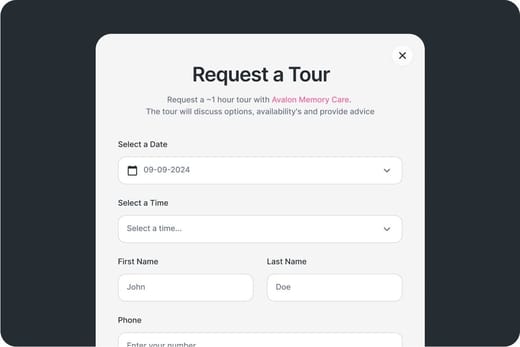
- Tour Facilities: Visit several communities to compare and contrast security, environment, and activities.
- Get Quotes: Costs vary within states. Ask for itemized estimates.
- Explore Funding: Apply early for Medicaid, VA benefits, or insurance to optimize coverage.
- Plan for Progression: Dementia continuously progresses, increasing care costs by $1,000–$3,000/month in later stages, per Genworth.
Conclusion
Memory care costs around $7,908 monthly, with Mississippi as the cheapest at $5,200 and Alaska as the most expensive at $9,500 monthly. Older adults with cognitive conditions like dementia and Alzheimer’s benefit from memory care communities due to their specialized care, secure setting, and cognitive-related programs. In contrast to assisted living ($5,676 monthly), memory care costs more but provides a higher level of care, while compared to nursing homes ($9,197-$10,326 monthly), memory care costs less due to the lack of intensive medical care. As costs are projected to reach $10,000 monthly by 2035, it is better to plan accordingly and provide allowances for better budgeting. Applying early to Medicaid, VA Benefits, and long-term care insurance may help lessen financial burdens.