




 Every person who worked here at any point in the quarter, employees and contractors. It is not how many are on site at once: that is the "on an average day" figure.
61
41 employees · 20 contractors · 19 on an average day
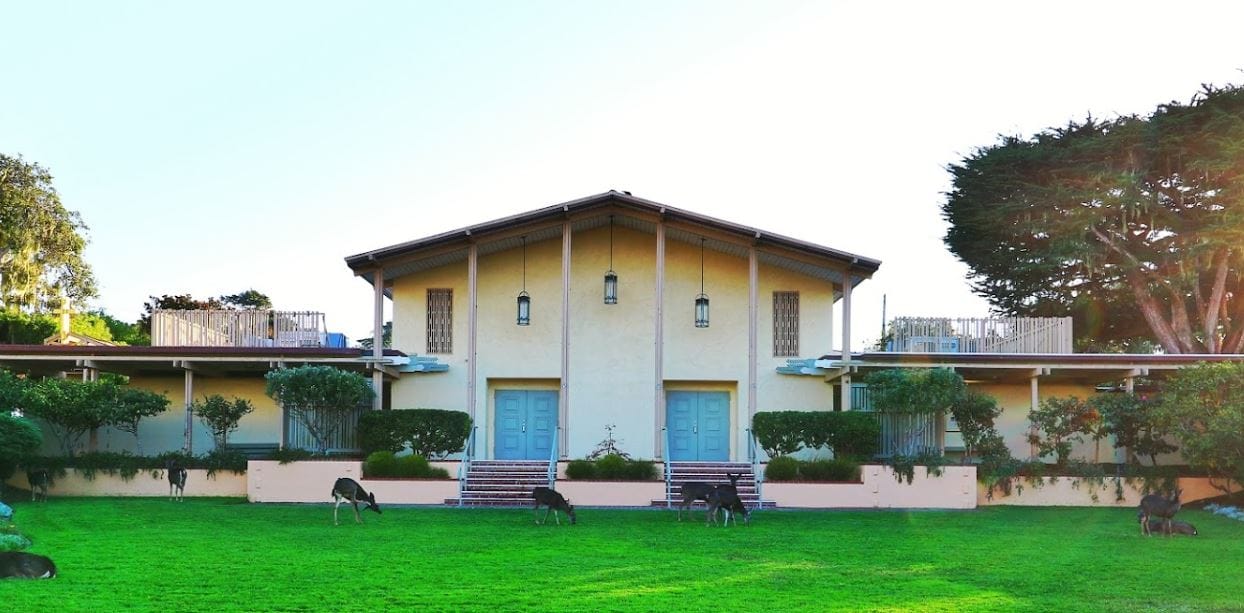
Canterbury Woods
Nursing Home, Assisted Living, Independent Living & Skilled Nursing · Pacific Grove, CA
ALM Inspection Grade
A-
ALM's inspection grade is 91 / 100, an A- — a combined grade: its CMS-certified nursing-home beds and its state-licensed beds, weighted by bed count · A proprietary Assisted Living Magazine grade.A 0–100 score of a facility's regulatory inspection record, shown as a letter and compared with other facilities of the same kind in the same state. It is not a government rating.
ALM's inspection grade is 91 / 100, an A- — a combined grade: its CMS-certified nursing-home beds and its state-licensed beds, weighted by bed count · A proprietary Assisted Living Magazine grade.A 0–100 score of a facility's regulatory inspection record, shown as a letter and compared with other facilities of the same kind in the same state. It is not a government rating.
CMS overall rating
 5/5
CMS (the Centers for Medicare & Medicaid Services) is the federal agency that rates nursing home quality. Its Overall Rating runs from 1 to 5 stars, combining health inspections, staffing, and quality measures, with inspections weighted most heavily.
5/5
CMS (the Centers for Medicare & Medicaid Services) is the federal agency that rates nursing home quality. Its Overall Rating runs from 1 to 5 stars, combining health inspections, staffing, and quality measures, with inspections weighted most heavily.


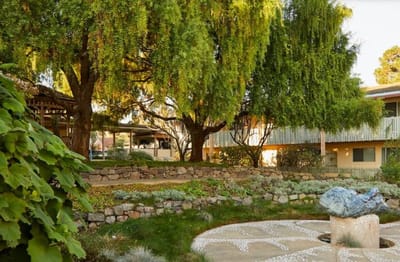
Canterbury Woods
Nursing Home, Assisted Living, Independent Living & Skilled Nursing · Pacific Grove, CA
ALM Inspection Grade
A-
ALM's inspection grade is 91 / 100, an A- — a combined grade: its CMS-certified nursing-home beds and its state-licensed beds, weighted by bed count · A proprietary Assisted Living Magazine grade.A 0–100 score of a facility's regulatory inspection record, shown as a letter and compared with other facilities of the same kind in the same state. It is not a government rating.
ALM's inspection grade is 91 / 100, an A- — a combined grade: its CMS-certified nursing-home beds and its state-licensed beds, weighted by bed count · A proprietary Assisted Living Magazine grade.A 0–100 score of a facility's regulatory inspection record, shown as a letter and compared with other facilities of the same kind in the same state. It is not a government rating.
CMS overall rating
5/5
CMS (the Centers for Medicare & Medicaid Services) is the federal agency that rates nursing home quality. Its Overall Rating runs from 1 to 5 stars, combining health inspections, staffing, and quality measures, with inspections weighted most heavily.
5/5
CMS (the Centers for Medicare & Medicaid Services) is the federal agency that rates nursing home quality. Its Overall Rating runs from 1 to 5 stars, combining health inspections, staffing, and quality measures, with inspections weighted most heavily.
Canterbury Woods accepts Medicare and private pay.
Canterbury Woods offers independent living, assisted living, nursing home care, and skilled nursing in Pacific Grove, CA. Independent living offers private apartments along with community amenities but no help every day, whereas assisted living includes assistance with personal care and keeping track of medication. Skilled nursing and nursing home services deliver licensed nursing care available 24 hours a day, allowing residents to stay in the community even if their care needs increase.
With 190 beds, Canterbury Woods has more residents, staff, and usually programming than a smaller community. Total nurse staffing is 5h 56m per resident per day, representing that amount of daily hands-on nursing time for each resident. Pets are allowed, so residents may keep a pet with them at the community.
A Walk Score of 81 out of 100 means the area is very walkable, with most errands possible on foot. Someone who does not drive anymore can still go out on their own. Medicare and private pay are accepted, Ryan Banner serves as administrator, and Front Porch Communities And Services operates the community.
Quality ratings
The Overall CMS Rating combines results from health inspections, staffing levels and quality measures. Health inspections carry the most weight. Staffing and quality scores can increase or decrease the final rating based on performance compared to state and national standards.
Based on the results of the facility's three most recent standard inspections and any complaint investigations. CMS reviews the number, scope, and severity of deficiencies, with more recent findings weighted more heavily.
Measures average nursing staff hours per resident per day, including Registered Nurses (RNs) and total nursing staff. Ratings are adjusted based on the level of care residents require and are compared to state and national benchmarks.
Based on clinical and physical health indicators reported to CMS, such as hospital readmissions, falls, pressure ulcers, and improvements in mobility. These measures reflect how well residents' health needs are being managed.
Staffing
Data period: Q2 2026 (April 1 – June 30, 2026).
Nursing care per resident per day and state rankings: CMS Provider Information.
Headcount, shifts and contractors: CMS Payroll-Based Journal (PBJ).
Total nursing care per resident / day
This nursing home is ranked 8th out of 291 nursing homes we track in California for nurse hours. Total adjusted nursing hours per resident per day, combining RN, LPN, and aide time. CMS adjusts this for case-mix so facilities can be fairly compared.
5h 56m
This nursing home is ranked 8th out of 291 nursing homes we track in California for nurse hours. Total adjusted nursing hours per resident per day, combining RN, LPN, and aide time. CMS adjusts this for case-mix so facilities can be fairly compared.
5h 56mStandout metric: Physical therapist is +200% above California average
0 of 6 metrics below California average
Daily care time per resident, by role
Registered nurse (RN)
RNs hold the highest nursing license and can assess residents, interpret test results, and direct care plans. More RN hours per day often signals stronger clinical oversight and faster response to health changes. All 6 are the facility's own employees; no agency contractors work in this role.
6 staff · 8.3-hour shifts
1h 20m
↑ 104% · CA 39mThis facility: 1h 20m per resident per day, 104% above the California average of 39m (among California facilities reporting a recent figure).
RNs hold the highest nursing license and can assess residents, interpret test results, and direct care plans. More RN hours per day often signals stronger clinical oversight and faster response to health changes. All 6 are the facility's own employees; no agency contractors work in this role.
6 staff · 8.3-hour shiftsUS average: 41m.Green: 5% or more better than the state average. Yellow: within 5%. Red: 5% or more worse. US 41m
LPN / LVN
Licensed Practical Nurses (LPNs) or Licensed Vocational Nurses (LVNs) deliver routine hands-on care — medication administration, wound dressing, and monitoring vital signs. They work under RN supervision and make up a large share of daily bedside care. All 6 are the facility's own employees; no agency contractors work in this role.
6 staff · 8.9-hour shifts
1h 21m
↑ 11% · CA 1h 13mThis facility: 1h 21m per resident per day, 11% above the California average of 1h 13m (among California facilities reporting a recent figure).
Licensed Practical Nurses (LPNs) or Licensed Vocational Nurses (LVNs) deliver routine hands-on care — medication administration, wound dressing, and monitoring vital signs. They work under RN supervision and make up a large share of daily bedside care. All 6 are the facility's own employees; no agency contractors work in this role.
6 staff · 8.9-hour shiftsUS average: 52m.Green: 5% or more better than the state average. Yellow: within 5%. Red: 5% or more worse. US 52m
Certified nursing assistant
Certified Nurse Aides (CNAs) provide the most direct day-to-day assistance: bathing, dressing, feeding, and mobility. Nurse aide hours are typically the largest staffing category and directly affect residents' quality of life. All 19 are the facility's own employees; no agency contractors work in this role.
19 staff · 7.7-hour shifts
3h 15m
↑ 23% · CA 2h 38mThis facility: 3h 15m per resident per day, 23% above the California average of 2h 38m (among California facilities reporting a recent figure).
Certified Nurse Aides (CNAs) provide the most direct day-to-day assistance: bathing, dressing, feeding, and mobility. Nurse aide hours are typically the largest staffing category and directly affect residents' quality of life. All 19 are the facility's own employees; no agency contractors work in this role.
19 staff · 7.7-hour shiftsUS average: 2h 20m.Green: 5% or more better than the state average. Yellow: within 5%. Red: 5% or more worse. US 2h 20m
Physical therapist
Hours per resident per day provided by licensed Physical Therapists (PTs) or PT Assistants. PT services help residents recover mobility after injury or illness and are especially important for post-acute (short-stay) rehabilitation.
15m
↑ 200% · CA 5mThis facility: 15m per resident per day, 200% above the California average of 5m (among California facilities reporting a recent figure).
Hours per resident per day provided by licensed Physical Therapists (PTs) or PT Assistants. PT services help residents recover mobility after injury or illness and are especially important for post-acute (short-stay) rehabilitation.
US average: 4m.Green: 5% or more better than the state average. Yellow: within 5%. Red: 5% or more worse. US 4m
Total nursing, weekends
Combined nursing hours (RN + LPN + Nurse Aide) per resident per day on weekends. Staffing often drops on weekends — this figure reveals whether the facility maintains adequate coverage outside of weekday hours.
RN + LPN + aide · Sat–Sun
4h 56m
↑ 21% · CA 4h 5mThis facility: 4h 56m per resident per day, 21% above the California average of 4h 5m (among California facilities reporting a recent figure).
Combined nursing hours (RN + LPN + Nurse Aide) per resident per day on weekends. Staffing often drops on weekends — this figure reveals whether the facility maintains adequate coverage outside of weekday hours.
RN + LPN + aide · Sat–SunUS average: 3h 26m.Green: 5% or more better than the state average. Yellow: within 5%. Red: 5% or more worse. US 3h 26m
RN, weekends
Registered nurse hours specifically on weekends. Facilities sometimes reduce RN presence on Saturdays and Sundays — a low weekend RN figure compared to weekday hours can indicate reduced clinical oversight when most administrative staff are absent.
Sat–Sun
1h 6m
↑ 120% · CA 30mThis facility: 1h 6m per resident per day, 120% above the California average of 30m (among California facilities reporting a recent figure).
Registered nurse hours specifically on weekends. Facilities sometimes reduce RN presence on Saturdays and Sundays — a low weekend RN figure compared to weekday hours can indicate reduced clinical oversight when most administrative staff are absent.
Sat–SunUS average: 28m.Green: 5% or more better than the state average. Yellow: within 5%. Red: 5% or more worse. US 28m
Headcount
Every person who worked here at any point in the quarter, employees and contractors. It is not how many are on site at once: that is the "on an average day" figure.
61
41 employees · 20 contractors · 19 on an average day
Average hours one staff member works on a day they are on shift, across every role.
7.1 h
↓ 8% · CA 7.7 hThis facility: 7.1 h, 8% below the California average of 7.7 h (among California facilities reporting a recent figure).Green: 5% or more better than the state average. Yellow: within 5%. Red: 5% or more worse.
12,290 staff hours this quarter
See full California ranking →83.8% of staff hours were worked by the facility's own employees
California average: 95.5% · Contractors this quarter: Respiratory Therapy Technician (5), Physical Therapy Assistant (4), Physical Therapy Aide (3), Speech Language Pathologist (2), Qualified Social Worker (2), Administrator (1), Occupational Therapy Aide (1), Medical Director (1), Occupational Therapy Assistant (1)
Why it matters: employees work here week after week and get to know each resident's routines and needs. Agency contractors often rotate between facilities, so a higher employee share usually means more consistent care.
By The Numbers
Community insights.
Bed count
A large-scale community that may provide a wide range of amenities, services, and structured programs.
214
Rank #74 / 345Bed count — State benchmarked This nursing home is ranked 74th out of 345 nursing homes we track in California for bed count. Shows this facility's certified or reported bed count compared to other California facilities. Larger communities may offer more amenities, programs, and on-site services for residents and families. Communities with the same value for a metric share the same rank. Rankings compare like with like: every nursing home we track in California that reports data for that category. Nursing homes without available data are excluded, so the pool size varies from metric to metric.
A large-scale community that may provide a wide range of amenities, services, and structured programs.
214
Rank #74 / 345Bed count — State benchmarked This nursing home is ranked 74th out of 345 nursing homes we track in California for bed count. Shows this facility's certified or reported bed count compared to other California facilities. Larger communities may offer more amenities, programs, and on-site services for residents and families. Communities with the same value for a metric share the same rank. Rankings compare like with like: every nursing home we track in California that reports data for that category. Nursing homes without available data are excluded, so the pool size varies from metric to metric.High-capacity home · May provide extensive amenities, services and programs.
24 nursing-home beds (CMS) + 190 state-licensed beds.
Years of operating
A longer operating history, which may indicate experience navigating regulations and delivering ongoing care. This is the number of years in operation under current management.
Rank #24 / 198Years in operation — State benchmarked This nursing home is ranked 24th out of 198 nursing homes we track in California for years in operation. Shows how long this facility has been in operation compared to other California facilities. Longer operating histories may benefit residents, families, and staff. Communities with the same value for a metric share the same rank. Rankings compare like with like: every nursing home we track in California that reports data for that category. Nursing homes without available data are excluded, so the pool size varies from metric to metric.
A longer operating history, which may indicate experience navigating regulations and delivering ongoing care. This is the number of years in operation under current management.
Rank #24 / 198Years in operation — State benchmarked This nursing home is ranked 24th out of 198 nursing homes we track in California for years in operation. Shows how long this facility has been in operation compared to other California facilities. Longer operating histories may benefit residents, families, and staff. Communities with the same value for a metric share the same rank. Rankings compare like with like: every nursing home we track in California that reports data for that category. Nursing homes without available data are excluded, so the pool size varies from metric to metric.
42
years
Walk Score
Very walkable. Most errands can be accomplished on foot, and many essentials are within a short walk.
Rank #64 / 343Walk Score — State benchmarked This nursing home is ranked 64th out of 343 nursing homes we track in California for walk score. Shows how walkable this facility's neighborhood is compared to the average walk score across California facilities. Higher scores benefit residents, families, and staff. Communities with the same value for a metric share the same rank. Rankings compare like with like: every nursing home we track in California that reports data for that category. Nursing homes without available data are excluded, so the pool size varies from metric to metric.
Very walkable. Most errands can be accomplished on foot, and many essentials are within a short walk.
Rank #64 / 343Walk Score — State benchmarked This nursing home is ranked 64th out of 343 nursing homes we track in California for walk score. Shows how walkable this facility's neighborhood is compared to the average walk score across California facilities. Higher scores benefit residents, families, and staff. Communities with the same value for a metric share the same rank. Rankings compare like with like: every nursing home we track in California that reports data for that category. Nursing homes without available data are excluded, so the pool size varies from metric to metric.
81
/ 100
Occupancy rate
Occupancy lower than 85% suggests more openings may be available.
Rank #236 / 303Occupancy rate — State benchmarked This nursing home is ranked 236th out of 303 nursing homes we track in California for occupancy. Shows this facility's occupancy rate versus the California average, with its Statewide rank out of 303. Higher occupancy signals strong local demand and financial stability. Communities with the same value for a metric share the same rank. Rankings compare like with like: every nursing home we track in California that reports data for that category. Nursing homes without available data are excluded, so the pool size varies from metric to metric.
Occupancy lower than 85% suggests more openings may be available.
Rank #236 / 303Occupancy rate — State benchmarked This nursing home is ranked 236th out of 303 nursing homes we track in California for occupancy. Shows this facility's occupancy rate versus the California average, with its Statewide rank out of 303. Higher occupancy signals strong local demand and financial stability. Communities with the same value for a metric share the same rank. Rankings compare like with like: every nursing home we track in California that reports data for that category. Nursing homes without available data are excluded, so the pool size varies from metric to metric.
72.6%
This home usually has availability
 Lower than the California average: 82.3%
Avg. Length of Stay
Average number of days residents stay at this facility, based on CMS cost report data. Shorter stays often reflect post-acute or rehab care; longer stays reflect long-term care.
Average number of days residents stay at this facility, based on CMS cost report data. Shorter stays often reflect post-acute or rehab care; longer stays reflect long-term care.
43
days
BBB Rating
An independent rating from the Better Business Bureau based on factors such as complaint history, transparency, and business practices.
An independent rating from the Better Business Bureau based on factors such as complaint history, transparency, and business practices.
A+
Not Accredited
How BBB ratings workAbout This Community
Facility TypeRCFE-Continuing Care Retirement Community
IssuanceSeptember 15, 1989
CountyMonterey
CMS Certification Number055303
RCFE NumberLic 270708224 COA 323
Canterbury Woods is legally operated by Front Porch Communities And Services, and administered by Ryan Banner.
Pets Allowed
Two inspection records, one community. California inspects its 190 state-licensed beds; CMS inspects its 24 nursing-home beds.
Inspection History and the Inspection Scorecard below are the state record. CMS Health Inspection History, further down, is the federal record. Each covers only its own beds, visits and dates, so the totals are not meant to match, and nothing is counted twice.
Inspection History
In California, the Department of Social Services (for assisted living facilities) and the Department of Public Health (for nursing homes) conduct inspections to ensure resident safety and regulatory compliance.
ALM Inspection Grade
91 / 100
Combined grade: CMS inspection data for this community's nursing-home beds and
California inspection data for its
state-licensed beds, weighted by bed count
How the two records combine
Nursing-home beds (CMS) · 11% of the grade
A+ · 97/100
15 points above the California average for CMS-certified facilities (82/100).
24 certified beds, 11% of the grade. Graded with CMS-certified facilities on the national scale.
Citations
Strong
47 severity-weighted points (26 citations) · 2× lower than the typical CMS-certified CA facility (median: 94)
Enforcement
Strong
No fines on record · 0 enforcement actions
Persistence
Strong
17 days to fix issues · faster than the typical CMS-certified CA facility (median: 25)
California state-licensed beds · 89% of the grade
A- · 90/100
7 points above the California average for state-licensed facilities (83/100).
190 licensed beds, 89% of the grade. Graded with California state-licensed facilities on the California scale.
Serious citations
Typical
1 serious citation in 13 inspections
Moderate citations
Typical
0.15 moderate citations per inspection (2 in 13 inspections) · about the same as the typical state-licensed CA facility (median: 0.15)
Complaint visits
Strong
1.1 complaint visits per 100 resident beds (2 across 190 beds) · 8× fewer than the typical state-licensed CA facility (median: 7.9)
How the final grade is calculated
A- · 91/100
97 × 11% + 90 × 89% = 91 / 100
The two grades are combined in proportion to the beds each record covers: 24 CMS-certified nursing-home beds (11%) and 190 California state-licensed beds (89%). The result, 91 out of 100, is an A- on the same scale every ALM Inspection Grade uses.
Inspection Scorecard
This scorecard compares key inspection, citation, and complaint metrics at this facility against the California state average. Metrics rated ≥15% worse than average are highlighted in red; those ≥15% better are highlighted in green.
Overall vs. CA average
0 Worse
No metrics in this bucket.
4 Better
Metrics better than California average:
• Total citations (45% below)
• Serious citations (Type A) (67% below)
• Moderate citations (Type B) (50% below)
• Citations per inspection (11% below)
• Total citations (45% below)
• Serious citations (Type A) (67% below)
• Moderate citations (Type B) (50% below)
• Citations per inspection (11% below)
Citations
| This Facility | CA Average | vs. CA Avg |
|---|---|---|---|
|
Total citations
Formal regulatory issues recorded by inspectors across all inspection types.
| 3 | 5.5 | This facility has 45% fewer total citations than a typical California nursing home (3 vs. CA avg 5.49).↓ 45% better |
|
Serious citations (Type A)
Citations that pose an immediate risk to resident health or safety. Type A citations are the most serious and typically require prompt corrective action.
| 1 | 3.0 | This facility has 67% fewer serious citations (type a) than a typical California nursing home (1 vs. CA avg 3).↓ 67% better Rank #1 / 294 Serious citations (Type A) — State benchmarked This nursing home is ranked 1st out of 294 nursing homes we track in California for # of serious citations. Shows this facility's # of serious citations compared to the California average among the 294 nursing homes in the ranking pool. Communities with the same value for a metric share the same rank. Rankings compare like with like: every nursing home we track in California that reports data for that category. Nursing homes without available data are excluded, so the pool size varies from metric to metric. |
|
Moderate citations (Type B)
Citations that do not pose an immediate risk but still represent a departure from required care or operational standards.
| 2 | 4.0 | This facility has 50% fewer moderate citations (type b) than a typical California nursing home (2 vs. CA avg 4).↓ 50% better |
|
Citations per inspection
Average citations per inspection.
| 0.2 | 0.3 | This facility has 11% fewer citations per inspection than a typical California nursing home (0.23 vs. CA avg 0.26).↓ 11% better |
Inspections & Visits
| This Facility | CA Average | vs. CA Avg |
|---|---|---|---|
|
Total inspections
Combined count of official scheduled inspections, complaint visits and other regulatory visits. California counts each evaluation report, so one trip can count twice when it serves two purposes.
| 13 | 19.0 | This facility has had 32% fewer total inspections than the California average (13 vs. CA avg 19). More inspections can mean more regulatory scrutiny rather than worse care.↓ 32% fewer |
|
Complaint visits
On-site visits triggered by formal complaints filed by residents, families, or staff.
| 2 | 6.0 | This facility has had 67% fewer complaint visits than the California average (2 vs. CA avg 6). More inspections can mean more regulatory scrutiny rather than worse care.↓ 67% fewer |
|
Other visits
Regulatory visits that are neither routine inspections nor complaint investigations — administrative check-ins, follow-up reviews, licensing-related visits.
| 7 | 5.0 | This facility has had 40% more other visits than the California average (7 vs. CA avg 5). More inspections can mean more regulatory scrutiny rather than worse care.↑ 40% more |
|
Official inspections
Routine, scheduled inspections conducted by state regulators to evaluate whether the facility meets federal and state standards.
| 4 | 4.0 | This facility has official inspections in line with the California average (4 vs. CA avg 4).— At avg |
|
Complaint investigations
On-site investigations triggered by complaints filed with California regulators.
| 1 | 8.0 | This facility has had 88% fewer complaint investigations than the California average (1 vs. CA avg 8). More inspections can mean more regulatory scrutiny rather than worse care.↓ 88% fewer |
CMS Health Inspection History
Federal inspection data published by CMS, covering this home's Medicare and/or Medicaid-certified skilled-nursing/nursing beds only.
Total health inspections
4
↓ 67% · CA 12This facility: 4, 67% below the California average of 12 (among California facilities reporting a recent figure).Green: 5% or more better than the state average. Yellow: within 5%. Red: 5% or more worse.
Total health citations
26
Rank #77 / 294Health citations — State benchmarked This nursing home is ranked 77th out of 294 nursing homes we track in California for health citations. Shows this facility's total health deficiency citations benchmarked to the California State average, with a ranking across all 294 CA facilities. Lower citation counts earn a better rank. Communities with the same value for a metric share the same rank. Rankings compare like with like: every nursing home we track in California that reports data for that category. Nursing homes without available data are excluded, so the pool size varies from metric to metric.↓ 48% · CA 49.7This facility: 26, 48% below the California average of 49.7 (among California facilities reporting a recent figure).Green: 5% or more better than the state average. Yellow: within 5%. Red: 5% or more worse.
Citations per inspection
6.5
Rank #249 / 294Citations per inspection — State benchmarked This nursing home is ranked 249th out of 294 nursing homes we track in California for citations per inspection. Shows average deficiency citations per CMS inspection for this facility versus the California mean across 294 facilities with citation data. Lower is better. Communities with the same value for a metric share the same rank. Rankings compare like with like: every nursing home we track in California that reports data for that category. Nursing homes without available data are excluded, so the pool size varies from metric to metric.↑ 36% · CA 4.77This facility: 6.5, 36% above the California average of 4.77 (among California facilities reporting a recent figure).Green: 5% or more better than the state average. Yellow: within 5%. Red: 5% or more worse.
Citation severity
 100% corrected
26 of 26 citations corrected
Critical
J–L
0
↓ 100% · CA 0.3This facility: 0, 100% below the California average of 0.3 (among California facilities reporting a recent figure).Green: 5% or more better than the state average. Yellow: within 5%. Red: 5% or more worse.
Immediate jeopardy
Serious
G–I
0
↓ 100% · CA 0.9This facility: 0, 100% below the California average of 0.9 (among California facilities reporting a recent figure).Green: 5% or more better than the state average. Yellow: within 5%. Red: 5% or more worse.
Actual harm
Moderate
D–F
26
↓ 45% · CA 47.1This facility: 26, 45% below the California average of 47.1 (among California facilities reporting a recent figure).Green: 5% or more better than the state average. Yellow: within 5%. Red: 5% or more worse.
No harm, more than minimal risk
Minor
A–C
0
↓ 100% · CA 1.5This facility: 0, 100% below the California average of 1.5 (among California facilities reporting a recent figure).Green: 5% or more better than the state average. Yellow: within 5%. Red: 5% or more worse.
No harm, minimal riskLatest inspection: Feb 27, 2026 · 2 citations, all corrected
Most cited category: Quality of Life & Care, 6 of 26 citations · 8 categories in total
Citations history
Most recent first
Feb 27, 2026
2 citations
Nutrition moderate citation
Corrected
Corrected
Administration moderate citation
Corrected
Corrected
Feb 12, 2026
1 citation
Care Planning moderate citation
Corrected
Corrected
Sep 13, 2024
11 citations
Pharmacy moderate citation
Corrected
Corrected
Nutrition moderate citation
Corrected
Corrected
Resident Rights moderate citation
Corrected
Corrected
Care Planning moderate citation
Corrected
Corrected
Quality of Care moderate citation
Corrected
Corrected
Quality of Care moderate citation
Corrected
Corrected
Quality of Care moderate citation
Corrected
Corrected
Pharmacy moderate citation
Corrected
Corrected
Nutrition moderate citation
Corrected
Corrected
Administration moderate citation
Corrected
Corrected
Infection Control moderate citation
Corrected
Corrected
Jul 21, 2023
12 citations
Nutrition moderate citation
Corrected
Corrected
Nutrition moderate citation
Corrected
Corrected
Quality of Care moderate citation
Corrected
Corrected
Nursing Services moderate citation
Corrected
Corrected
Pharmacy moderate citation
Corrected
Corrected
Infection Control moderate citation
Corrected
Corrected
Resident Rights moderate citation
Corrected
Corrected
Resident Rights moderate citation
Corrected
Corrected
Care Planning moderate citation
Corrected
Corrected
Quality of Care moderate citation
Corrected
Corrected
Quality of Care moderate citation
Corrected
Corrected
Pharmacy moderate citation
Corrected
Corrected
Top deficiency categories
Share of 26 citations
Quality of Life & Care
6 deficiencies (23%)
Nutrition & Dietary
5 deficiencies (19%)
Pharmacy Services
4 deficiencies (15%)
Resident Rights
3 deficiencies (12%)
Resident Assessment & Care Planning
3 deficiencies (12%)
Infection Control
2 deficiencies (8%)
Administration
2 deficiencies (8%)
Nursing & Physician Services
1 deficiency (4%)
How citations are counted
Health citations are formal notices following inspections when they fail to comply with safety and care standards.
25 of 26 citations resulted from standard inspections; and 1 of 26 resulted from complaint investigations.
Includes all CMS health inspection records for this property, which could include management/ownership changes.
Source
Data sourced from CMS Health Deficiencies reports, which cover the Medicare and/or Medicaid-certified skilled-nursing and nursing beds and no other part of the community. Citation severity codes range from A (least serious) to L (most serious). Immediate Jeopardy (J-L) citations indicate situations where the facility's noncompliance has placed residents at risk of death or serious harm.
Enforcement
Penalties and fines
Penalties and fines
Federal penalties imposed by CMS for regulatory violations, including civil money penalties (fines) and denials of payment for new Medicare/Medicaid admissions.
Source: CMS Penalties Database · Data as of Oct 2026
No penalties in the past 3 years
No civil money penalties or payment denials on record since Oct 2023.
Total fines
$0
CA avg $57KCalifornia average: $56,949. Average among the 478 California facilities with a penalty on record.US avg $66KUS average: $66,281, among the 6,725 US facilities with a penalty on record.
Number of fines
0
CA avg 1.85California average: 1.85. Average among the 478 California facilities with a penalty on record.US avg 1.88US average: 1.88, among the 6,725 US facilities with a penalty on record.
Payment denials
Serious action where Medicare and/or Medicaid temporarily stops payments for new residents until issues are fixed.
Serious action where Medicare and/or Medicaid temporarily stops payments for new residents until issues are fixed.
0
CA avg 0.59California average: 0.59. Average among the 478 California facilities with a penalty on record.US avg 0.35US average: 0.35, among the 6,725 US facilities with a penalty on record.
Health Outcomes
Quality of care over time
How residents at this home fare on health outcomes and preventive care, compared with the California average.
CMS star rating for the care of long-stay residents, who live at the home for 100 days or more. It is built from the long-stay quality measures below. 5 stars is the best.
Not Available
Not enough data available to calculate a star rating.
CMS star rating for the care of short-stay residents, mostly people recovering after a hospital stay for under 100 days. It is built from the short-stay quality measures below. 5 stars is the best.
3
/ 5
Average
↓ 15% · CA 3.5This facility: 3.0, 15% below the CA average of 3.5 (among CA facilities reporting a recent figure).Green: 5% or more better than the state average. Yellow: within 5%. Red: 5% or more worse.11 long-stay measures: 11 not available
8 short-stay measures: 2 better, 1 worse, 2 near CA average, 3 compared with US only
Long-stay residents
People who live at the home · 11 measures
Daily care & independence
Needed more help with daily activities
Percent of long-stay residents whose need for help with daily activities has increased
Not Available
The number of residents or resident stays is too small to report. Call the facility to discuss this quality measure.
Percent of long-stay residents whose need for help with daily activities has increased
Not Available
The number of residents or resident stays is too small to report. Call the facility to discuss this quality measure.
Walking ability worsened
Percent of long-stay residents whose ability to move independently worsened
Not Available
The number of residents or resident stays is too small to report. Call the facility to discuss this quality measure.
Percent of long-stay residents whose ability to move independently worsened
Not Available
The number of residents or resident stays is too small to report. Call the facility to discuss this quality measure.
Bowel or bladder incontinence (low-risk residents)
Percent of low risk long-stay residents who lose control of their bowels or bladder
Not Available
The number of residents or resident stays is too small to report. Call the facility to discuss this quality measure.
Percent of low risk long-stay residents who lose control of their bowels or bladder
Not Available
The number of residents or resident stays is too small to report. Call the facility to discuss this quality measure.
Safety & clinical stability
Urinary tract infection
Percent of long-stay residents with a urinary tract infection
Not Available
The number of residents or resident stays is too small to report. Call the facility to discuss this quality measure.
Percent of long-stay residents with a urinary tract infection
Not Available
The number of residents or resident stays is too small to report. Call the facility to discuss this quality measure.
Falls with major injury
Percent of long-stay residents experiencing one or more falls with major injury
Not Available
The number of residents or resident stays is too small to report. Call the facility to discuss this quality measure.
Percent of long-stay residents experiencing one or more falls with major injury
Not Available
The number of residents or resident stays is too small to report. Call the facility to discuss this quality measure.
Pressure ulcers (high-risk residents)
Percent of long-stay high risk residents with pressure ulcers
Not Available
The number of residents or resident stays is too small to report. Call the facility to discuss this quality measure.
Percent of long-stay high risk residents with pressure ulcers
Not Available
The number of residents or resident stays is too small to report. Call the facility to discuss this quality measure.
Physical & mental health
Lost too much weight
Percent of long-stay residents who lose too much weight
Not Available
The number of residents or resident stays is too small to report. Call the facility to discuss this quality measure.
Percent of long-stay residents who lose too much weight
Not Available
The number of residents or resident stays is too small to report. Call the facility to discuss this quality measure.
Depressive symptoms
Percent of long-stay residents who have depressive symptoms
Not Available
The number of residents or resident stays is too small to report. Call the facility to discuss this quality measure.
Percent of long-stay residents who have depressive symptoms
Not Available
The number of residents or resident stays is too small to report. Call the facility to discuss this quality measure.
Antipsychotic use
Percent of long-stay residents who received an antipsychotic medication
Not Available
The number of residents or resident stays is too small to report. Call the facility to discuss this quality measure.
Percent of long-stay residents who received an antipsychotic medication
Not Available
The number of residents or resident stays is too small to report. Call the facility to discuss this quality measure.
Preventive care
Pneumococcal vaccine
Percent of long-stay residents assessed and appropriately given the pneumococcal vaccine
Not Available
The number of residents or resident stays is too small to report. Call the facility to discuss this quality measure.
Percent of long-stay residents assessed and appropriately given the pneumococcal vaccine
Not Available
The number of residents or resident stays is too small to report. Call the facility to discuss this quality measure.
Flu vaccine
Percent of long-stay residents assessed and appropriately given the seasonal influenza vaccine
Not Available
The number of residents or resident stays is too small to report. Call the facility to discuss this quality measure.
Percent of long-stay residents assessed and appropriately given the seasonal influenza vaccine
Not Available
The number of residents or resident stays is too small to report. Call the facility to discuss this quality measure.
Short-stay residents
Rehab and recovery after a hospital stay · 8 measures
Daily care & independence
Able to care for self at discharge
Percentage of residents at or above expected ability to care for themselves at discharge.
65.7%
↑ 22% · US 53.7This facility: 65.7, 22% above the US average of 53.7 (among US facilities reporting a recent figure).
Percentage of residents at or above expected ability to care for themselves at discharge.
65.7%
↑ 22% · US 53.7This facility: 65.7, 22% above the US average of 53.7 (among US facilities reporting a recent figure).
Returned home or to the community
Rate of successful return to home or community from a skilled nursing facility.
62.0%
↑ 23% · US 50.6This facility: 62.0, 23% above the US average of 50.6 (among US facilities reporting a recent figure).
Rate of successful return to home or community from a skilled nursing facility.
62.0%
↑ 23% · US 50.6This facility: 62.0, 23% above the US average of 50.6 (among US facilities reporting a recent figure).Safety & clinical stability
Falls with major injury
Percentage of SNF residents who experience falls with major injury during their stay.
0.0%
↓ 100% · US 0.8This facility: 0.0, 100% below the US average of 0.8 (among US facilities reporting a recent figure).
Percentage of SNF residents who experience falls with major injury during their stay.
0.0%
↓ 100% · US 0.8This facility: 0.0, 100% below the US average of 0.8 (among US facilities reporting a recent figure).Physical & mental health
New antipsychotic medication
Percent of short-stay residents who newly received an antipsychotic medication
0.0%
↓ 100% · CA 1.3This facility: 0.0, 100% below the CA average of 1.3 (among CA facilities reporting a recent figure).Green: 5% or more better than the state average. Yellow: within 5%. Red: 5% or more worse.
Percent of short-stay residents who newly received an antipsychotic medication
0.0%
↓ 100% · CA 1.3This facility: 0.0, 100% below the CA average of 1.3 (among CA facilities reporting a recent figure).Green: 5% or more better than the state average. Yellow: within 5%. Red: 5% or more worse.Preventive care
Pneumococcal vaccine
Percent of short-stay residents assessed and appropriately given the pneumococcal vaccine
98.7%
↑ 4% · CA 94.6This facility: 98.7, 4% above the CA average of 94.6 (among CA facilities reporting a recent figure).Green: 5% or more better than the state average. Yellow: within 5%. Red: 5% or more worse.
Percent of short-stay residents assessed and appropriately given the pneumococcal vaccine
98.7%
↑ 4% · CA 94.6This facility: 98.7, 4% above the CA average of 94.6 (among CA facilities reporting a recent figure).Green: 5% or more better than the state average. Yellow: within 5%. Red: 5% or more worse.
Flu vaccine
Percent of short-stay residents assessed and appropriately given the seasonal influenza vaccine
94.3%
↑ 1% · CA 93.1This facility: 94.3, 1% above the CA average of 93.1 (among CA facilities reporting a recent figure).Green: 5% or more better than the state average. Yellow: within 5%. Red: 5% or more worse.
Percent of short-stay residents assessed and appropriately given the seasonal influenza vaccine
94.3%
↑ 1% · CA 93.1This facility: 94.3, 1% above the CA average of 93.1 (among CA facilities reporting a recent figure).Green: 5% or more better than the state average. Yellow: within 5%. Red: 5% or more worse.Hospital & emergency visits
Re-hospitalized after admission
Percentage of short-stay residents who were re-hospitalized after their nursing home admission.
34.8%
↑ 50% · CA 23.2This facility: 34.8, 50% above the CA average of 23.2 (among CA facilities reporting a recent figure).Green: 5% or more better than the state average. Yellow: within 5%. Red: 5% or more worse.
Percentage of short-stay residents who were re-hospitalized after their nursing home admission.
34.8%
↑ 50% · CA 23.2This facility: 34.8, 50% above the CA average of 23.2 (among CA facilities reporting a recent figure).Green: 5% or more better than the state average. Yellow: within 5%. Red: 5% or more worse.
ER visits
Percentage of short-stay residents who had an outpatient emergency department visit.
7.6%
↓ 32% · CA 11.2This facility: 7.6, 32% below the CA average of 11.2 (among CA facilities reporting a recent figure).Green: 5% or more better than the state average. Yellow: within 5%. Red: 5% or more worse.
Percentage of short-stay residents who had an outpatient emergency department visit.
7.6%
↓ 32% · CA 11.2This facility: 7.6, 32% below the CA average of 11.2 (among CA facilities reporting a recent figure).Green: 5% or more better than the state average. Yellow: within 5%. Red: 5% or more worse.Arrows show whether a figure is above or below the average. Green is better for residents, red is worse, and yellow means within 5% of the average. Grey compares with the US average only, because CMS publishes no state figure. The line on each bar marks the average.
Quality measures are calculated by CMS from Minimum Data Set (MDS) resident assessments and Medicare claims.
Money and staffing.
Canterbury Woods’s finances from its CMS cost report for the fiscal year ending March 2025, compared with 289 California nursing homes that filed a recent report. Includes all financial data for this property, which could include management/ownership changes.
FY Mar 2025
Is it financially stable?
Losing money on care, and more than last year
−369.7% operating margin
−23.5 pts vs prior year
An operating loss in 8 of the last 8 reported years. Other income ($12.2M) trims the net loss to −$1.1M. Watch for cost-cutting that reaches staffing.
Does it invest in staff?
Spends more on payroll than most California homes
183.7% payroll share of revenue
CA average 61.6%Rank #5 / 289Payroll % of net patient revenue — State benchmarked This nursing home is ranked 5th out of 289 nursing homes we track in California for payroll % of net patient revenue. Shows payroll as a percentage of net patient revenue versus the California average, among facilities reporting a recent fiscal year. Below 25% may signal understaffing or heavy agency use — read with Staffing ratings. Communities with the same value for a metric share the same rank. Rankings compare like with like: every nursing home we track in California that reports data for that category. Nursing homes without available data are excluded, so the pool size varies from metric to metric.
Payroll rose $0.9M while revenue rose $0.4M. Check hours per resident in the staffing section to confirm it reaches the floor.
FY 2025 scorecard
Each row shows the FY 2025 figure, the change since the prior report, the trend, and how it compares with California homes.
Revenue & profit
Losing money on care
| Metric | FY 2025 | vs prior year | Trend 2018 → 2025Trend | CA median | Compared with CA homesRank in CA | In short |
|---|---|---|---|---|---|---|
| Net patient revenue What the home earns from resident care, after discounts and bad debt. | $3.6M | +$0.4M | Trend 20182025 | CA median $15.3M | Rank in CA Rank #288 / 289Net patient revenue — State benchmarked This nursing home is ranked 288th out of 289 nursing homes we track in California for net patient revenue. Shows this facility's net patient revenue compared to the California average, among facilities reporting a recent fiscal year. Higher revenue generally means more resources for staffing and capital — read alongside Payroll %. Communities with the same value for a metric share the same rank. Rankings compare like with like: every nursing home we track in California that reports data for that category. Nursing homes without available data are excluded, so the pool size varies from metric to metric. Higher than 0% of homes | Below CA median Higher net patient revenue than 0% of CA homes that filed a recent report. Revenue mostly follows how big a home is. |
| Operating expenses Everything it costs to run the home: staff, supplies, rent, admin. | $17.0M | +$2.5M | Trend 20182025 | CA median $16.0M | Rank in CA Rank #135 / 289Operating expenses — State benchmarked This nursing home is ranked 135th out of 289 nursing homes we track in California for operating expenses. Shows everything it cost to run the home — staff, supplies, rent, admin — compared with other California homes reporting a recent fiscal year. Expenses in dollars mostly follow how big a home is, so this compares size, not efficiency; read it next to operating margin. Communities with the same value for a metric share the same rank. Rankings compare like with like: every nursing home we track in California that reports data for that category. Nursing homes without available data are excluded, so the pool size varies from metric to metric. Higher than 53% of homes | Exceeds revenue Operating expenses are higher than net patient revenue, so resident care runs at a loss. |
| Net patient income Revenue minus operating expenses. Negative means care loses money. | −$13.4M | −$2.1M | Trend 20182025 | CA median $0.5M | Rank in CA Rank #272 / 289Net patient income — State benchmarked This nursing home is ranked 272nd out of 289 nursing homes we track in California for net patient income. Shows net patient revenue minus operating expenses, compared with other California homes reporting a recent fiscal year. Homes that lost money on care are in the pool too, so a rank in the bottom half usually means a loss. Communities with the same value for a metric share the same rank. Rankings compare like with like: every nursing home we track in California that reports data for that category. Nursing homes without available data are excluded, so the pool size varies from metric to metric. Higher than 6% of homes | Loss, widening Resident care lost money this year, more than in the prior report. |
| Operating margin Net patient income as a share of revenue. The clearest health signal. | −369.7% | −23.5 pts | Trend 20182025 | CA median 3.3% | Rank in CA Rank #281 / 289Operating margin — State benchmarked This nursing home is ranked 281st out of 289 nursing homes we track in California for operating margin. Shows net patient income as a share of net patient revenue, compared with other California homes reporting a recent fiscal year. Unlike the dollar figures it does not follow size, so it is the fairest comparison of financial health between a small home and a large one. Communities with the same value for a metric share the same rank. Rankings compare like with like: every nursing home we track in California that reports data for that category. Nursing homes without available data are excluded, so the pool size varies from metric to metric. Higher than 3% of homes | Loss A negative margin means resident care costs more than it earns. |
| Other income Money not from resident care: investments, grants, services. | $12.2M | — | Trend — | CA median $0.1M | Rank in CA Rank #22 / 283Other income — State benchmarked This nursing home is ranked 22nd out of 283 nursing homes we track in California for other income. Shows income from outside resident care — investments, grants, rentals, services — compared with other California homes reporting a recent fiscal year. It is not part of net patient revenue; a high rank here can offset a loss on care. Communities with the same value for a metric share the same rank. Rankings compare like with like: every nursing home we track in California that reports data for that category. Nursing homes without available data are excluded, so the pool size varies from metric to metric. Higher than 93% of homes | Offsets part of the loss Income from outside resident care covers part of the loss on care. |
| Net income The bottom line after other income. | −$1.1M | −$1.4M | Trend — | CA median $1.1M | Rank in CA Rank #254 / 289Net income — State benchmarked This nursing home is ranked 254th out of 289 nursing homes we track in California for net income. Shows the bottom line after other income, compared with other California homes reporting a recent fiscal year. Homes with a net loss are in the pool too, so a rank in the bottom half usually means a loss. Communities with the same value for a metric share the same rank. Rankings compare like with like: every nursing home we track in California that reports data for that category. Nursing homes without available data are excluded, so the pool size varies from metric to metric. Higher than 12% of homes | Loss The bottom line is below zero even after other income. |
Staffing spend
Spends more of revenue on staff than most California homes
| Metric | FY 2025 | vs prior year | Trend 2018 → 2025Trend | CA median | Compared with CA homesRank in CA | In short |
|---|---|---|---|---|---|---|
| Payroll costs Salaries and wage-related benefits, not counting contract labor. | $6.6M | +$0.9M | Trend 20182025 | CA median $8.8M | Rank in CA Rank #213 / 289Payroll costs — State benchmarked This nursing home is ranked 213th out of 289 nursing homes we track in California for payroll costs. Shows total staff payroll — salaries plus wage-related benefits — benchmarked to the California average, among facilities reporting a recent fiscal year. Higher payroll relative to peers often signals better staffing and less reliance on contract labor. Communities with the same value for a metric share the same rank. Rankings compare like with like: every nursing home we track in California that reports data for that category. Nursing homes without available data are excluded, so the pool size varies from metric to metric. Higher than 26% of homes | Below CA median Higher payroll than 26% of CA homes. Payroll in dollars mostly follows how big a home is, so this compares size, not staffing levels. |
| Payroll share of revenue Payroll divided by revenue. Higher usually means more staff per resident. | 183.7% | +7.0 pts | Trend 20182025 | CA median 53.8% | Rank in CA Rank #5 / 289Payroll % of net patient revenue — State benchmarked This nursing home is ranked 5th out of 289 nursing homes we track in California for payroll % of net patient revenue. Shows payroll as a percentage of net patient revenue versus the California average, among facilities reporting a recent fiscal year. Below 25% may signal understaffing or heavy agency use — read with Staffing ratings. Communities with the same value for a metric share the same rank. Rankings compare like with like: every nursing home we track in California that reports data for that category. Nursing homes without available data are excluded, so the pool size varies from metric to metric. Higher than 99% of homes | 122.1 pts over CA average The CA average is 61.6% of revenue. Within 3 points of it reads as near the average. |
Charts, 2018–2025 2 charts · CA benchmark drawn as a dashed line
Revenue, expenses and income
What the home earned from resident care (net patient revenue), what it cost to run (operating expenses) and the difference between the two (net patient income), for each fiscal year it filed a CMS cost report.
USD, millions
Net patient revenue Operating expenses Net patient income
Where revenue goes
Both lines are a share of net patient revenue. Payroll share is what goes to salaries and wage-related benefits; operating margin is what is left after every operating cost (below 0%, resident care lost money). The dashed line is the California payroll average.
% of net patient revenue
Payroll share Operating margin CA payroll average
Year-by-year data, 2018–2025 every reported year · latest first, scroll sideways
| Metric | 2018 | 2019 | 2020 | 2021 | 2022 | 2023 | 2024 | 2025 |
|---|---|---|---|---|---|---|---|---|
| Net patient revenue | $6.0M | $6.1M | $6.1M | $5.6M | $11.6M | $3.2M | $3.2M | $3.6M |
| Operating expenses | $11.8M | $12.7M | $12.8M | $13.1M | $12.8M | $14.4M | $14.5M | $17.0M |
| Net patient income | −$5.8M | −$6.6M | −$6.7M | −$7.4M | −$1.2M | −$11.2M | −$11.2M | −$13.4M |
| Operating margin | −96.4% | −108.7% | −110.7% | −131.8% | −10.3% | −345.6% | −346.2% | −369.7% |
| Net income | −$0.2M | −$0.8M | −$0.7M | −$0.2M | $16.9M | −$0.5M | $0.2M | −$1.1M |
| Payroll costs | $5.7M | $6.3M | $6.3M | $6.3M | $6.1M | $6.5M | $5.7M | $6.6M |
| Payroll share of revenue | 94.7% | 103.5% | 102.7% | 111.1% | 52.2% | 202.4% | 176.7% | 183.7% |
| Beds | 175 | 175 | 177 | 175 | 175 | 24 | 24 | 24 |
| Gross revenue | $6.0M | $6.1M | $6.3M | $6.2M | $12.2M | $3.6M | $5.0M | $5.6M |
| Salaries | $4.4M | $4.6M | $4.6M | $4.8M | $4.7M | $5.0M | $5.2M | $6.0M |
| Wage-related costs | $1.3M | $1.7M | $1.7M | $1.5M | $1.3M | $1.5M | $0.5M | $0.6M |
| Contract labor | $0.2M | $0.1M | $0.2M | $0.2M | $0.2M | — | $0.4M | $0.4M |
| Other operating costs | $6.1M | $6.4M | $6.6M | $6.8M | $6.7M | $7.8M | $8.7M | $10.3M |
| Net patient revenue per day | $1,151 | $98 | $97 | $91 | $830 | $504 | $527 | $237 |
| Cost per day | $2,260 | $205 | $204 | $210 | $915 | $2,245 | $2,350 | $1,112 |
| Average length of stay | 158.5 days | 172.8 days | 179.8 days | 160.4 days | 101.1 days | 55.7 days | 56.0 days | 43.4 days |
Showing 2025–2023 · scroll sideways for 5 earlier years
Earlier and partial years are in the download. Download CSV
Who this home usually serves
Residents split by who pays for their care: Medicare, Medicaid, or private pay and other sources.
Over a year: CMS SNF Cost Report, FY2025
Arriving
138 admissions · FY2025
Residents admitted during the year.
Medicare
120 · 87%
Medicaid
0 · 0%
Private pay & other
18 · 13%
Leaving
133 discharges · FY2025
Residents discharged during the year.
Medicare
109 · 82%
Medicaid
0 · 0%
Private pay & other
24 · 18%
Mostly short-term rehab stays
Most residents typically stay for a few weeks or months before returning home or moving on.
Places of interest near Canterbury Woods
 0.5 miles from city center
Estimated distance in miles from Pacific Grove's city center to Canterbury Woods's address, calculated via Google Maps.
Calculate Travel Distance to Canterbury Woods
Add your location
Financial assistance
Get financial aid guidance Programs that may help with care and living costs in California
Canterbury Woods is in Pacific Grove, California. These programs may support different care settings or living expenses. A listing does not confirm this community participates; our concierge team can help confirm.
SSI/SSP Nonmedical Out-of-Home Care Support
California SSI/SSP — Nonmedical Out-of-Home Care (NMOHC)
- Who it is for
- SSI/SSP-eligible Californians 65+, or blind or disabled, living in licensed nonmedical residential care
- Income limit
- Countable income and living arrangement affect eligibility and payment; SSA makes the determination.
- Asset limit
- Countable-resource limits are $2,000 for an individual and $3,000 for a couple.
Eligibility
- General
- Cash support for California residents age 65+ or blind or disabled who meet SSA eligibility rules and have a qualifying nonmedical residential living arrangement.
- CA specifics
- The nonmedical out-of-home-care category must be verified.
What it provides
- Combined federal SSI and California SSP cash support. From January 1; 2026; the individual licensed-facility NMOHC maximum payment standard is $1,626.07/month before countable-income reductions. This is not an extra payment on top of regular SSI/SSP or a guarantee of full facility fees.
Cash Assistance Program for Immigrants
California Cash Assistance Program for Immigrants (CAPI)
- Who it is for
- Immigrants 65+, or blind or disabled, in California who cannot get SSI because of immigration status
- Income limit
- Income must meet the CAPI payment standard for the person’s living arrangement; the county determines the individual award.
- Asset limit
- Countable-resource limits are $2,000 for an individual and $3,000 for a couple.
Eligibility
- General
- Cash support for California residents age 65+ or blind or disabled who meet CAPI immigration rules and cannot receive SSI/SSP solely because of immigration status.
- CA specifics
- County staff review proof of SSI/SSP ineligibility. A residential payment category requires its own determination.
What it provides
- State-funded monthly cash assistance with payment standards equivalent to SSI/SSP; including a qualifying nonmedical out-of-home-care category. Actual payments vary; Medi-Cal and IHSS require separate applications.
Multipurpose Senior Services Program
MSSP (Medi-Cal Waiver)
- Who it is for
- Medi-Cal members 60+ who meet nursing-facility level of care and can be served at home
- Asset limit
- For affected non-MAGI Medi-Cal categories, the 2026 countable-asset limit is $130,000 for one person plus $65,000 for each additional eligible family member (up to ten people). Exclusions and spousal protections apply.
Eligibility
- General
- Adults age 60+ with a qualifying Medi-Cal aid code who meet nursing-facility level-of-care criteria and can be served in the community.
- CA specifics
- Enrollment and a team-developed plan are required. The current program age is 60, not 65.
What it provides
- Care management and authorized support such as adult day care; respite; personal care; meals; transportation and minor home modifications.
In-Home Supportive Services (IHSS)
California IHSS
- Who it is for
- Californians who are aged, blind or disabled and need help to stay safely at home
- Asset limit
- For affected non-MAGI Medi-Cal categories, the 2026 countable-asset limit is $130,000 for one person plus $65,000 for each additional eligible family member (up to ten people). Exclusions and spousal protections apply.
Eligibility
- General
- California residents who are aged, blind or disabled (including eligible children) and need assistance to remain safely in their own home; Medi-Cal eligibility and health certification are required.
- CA specifics
- A county social worker assesses tasks and authorized hours; the recipient generally hires and supervises a provider.
What it provides
- Authorized in-home assistance with daily needs; the approved hours depend on the county assessment and applicable program limits.
Property Tax Postponement Program (PTP)
CA PTP
- Who it is for
- California homeowners 62+, or blind or disabled, with limited income who want to defer property taxes
- Income limit
- 2026 · For the 2026–2027 application cycle, 2025 total household income must not exceed $57,002.
- Asset limit
- At least 40% equity in the home is required; a reverse mortgage disqualifies participation.
Eligibility
- General
- California homeowner age 62+ or blind or disabled who occupies the property as a principal residence and meets all program conditions.
- CA specifics
- Applications for the 2026–2027 cycle run October 1 2026 through February 10 2027; limited funding is first come, first served.
What it provides
- Deferral of eligible property taxes secured by a lien; 5% simple annual interest accrues and repayment is triggered by specified events. This is a loan-like deferral; not a grant.
Low-Income Home Energy Assistance Program (LIHEAP)
CA LIHEAP
- Who it is for
- Income-eligible California households responsible for home energy costs
- Income limit
- 2026 · Published 2026 monthly limits: $3,331.66 for one person; $4,356.83 for two; $5,382 for three; larger households use the CSD table.
Eligibility
- General
- California households meeting local LIHEAP eligibility and prioritization rules; energy costs and household vulnerability are considered.
- CA specifics
- Apply through the local provider. Funds are limited and assistance is prioritized under program rules.
What it provides
- One-time energy-bill help; eligible crisis assistance and weatherization; award amounts depend on program rules and available funds.
Know before you visit
Frequently Asked Questions about Canterbury Woods
Quick answers from public records and the community's own listing.01 Who is the owner of Canterbury Woods?

Canterbury Woods is legally operated by Front Porch Communities And Services, and administered by Ryan Banner.
02 Is Canterbury Woods in a walkable area?
Canterbury Woods has a walk score of 81. Very walkable. Most errands can be accomplished on foot, and many essentials are within a short walk.
03 What is the occupancy rate at Canterbury Woods?
Canterbury Woods's occupancy is 72.6%.
04 How long has Canterbury Woods been in business?
Canterbury Woods has been operating for approximately 42 years, based on available licensing and registration records.
05 Are pets allowed at Canterbury Woods?
Yes, Canterbury Woods allows residents to bring their pets.
06 Who is the administrator of Canterbury Woods?
Ryan Banner is the administrator of Canterbury Woods.
07 What is the overall rating for Canterbury Woods?
Canterbury Woods received a 5-star overall rating from the CMS (Centers for Medicare and Medicaid Services). This score combines results from staffing levels, quality measures, and health inspections.


Updated on


