Kīnā ‘Ole Estate
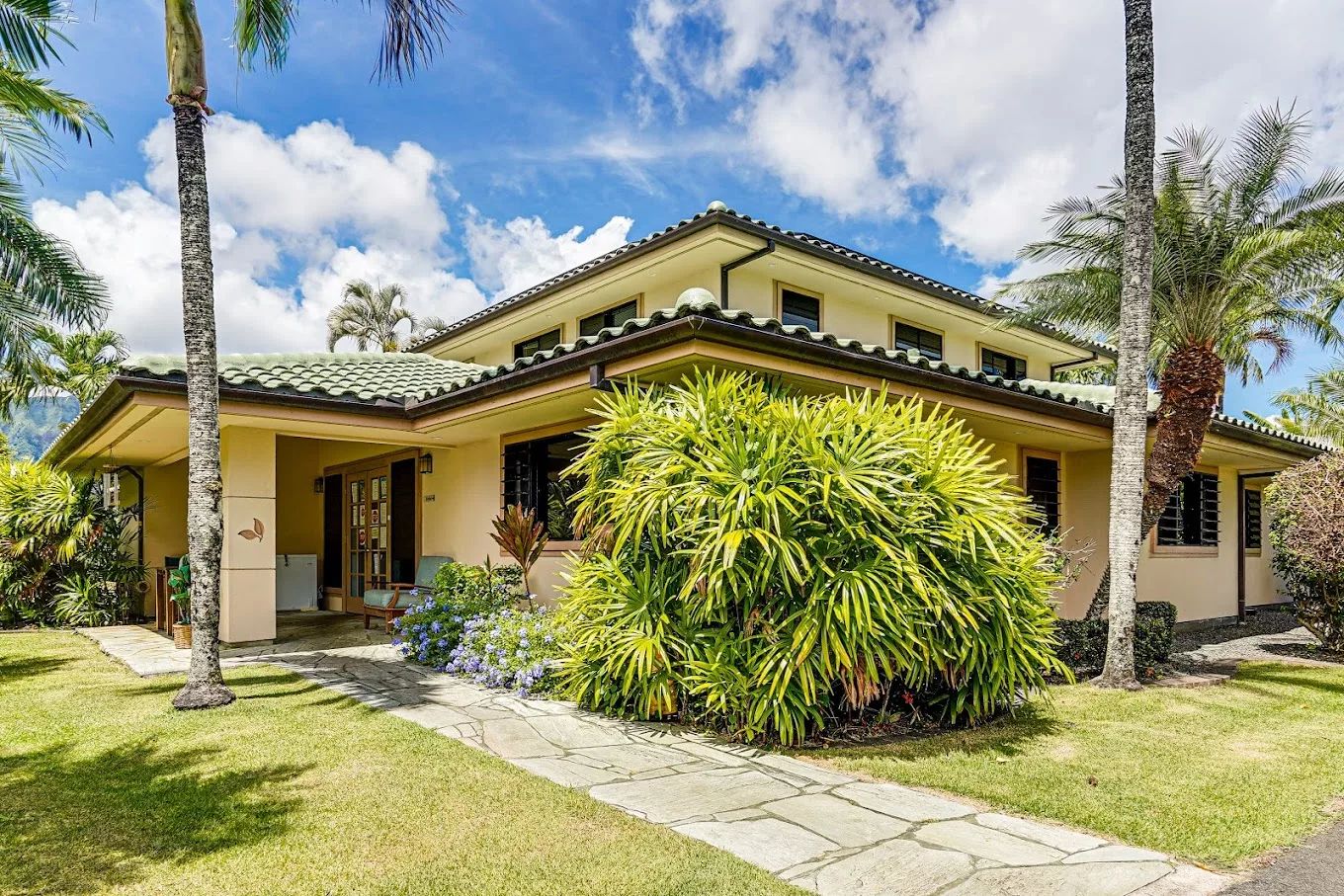
Kīnāʻole Estate offers assisted living, hospice care, memory care, nursing home care, respite care, and skilled nursing in Kaneohe, HI. In assisted living, a resident can receive help with bathing, dressing, and medication management while living in a private room or suite. Memory care provides a secured setting with supervision for someone at risk of wandering, and skilled nursing provides licensed nursing care around the clock. Hospice care centers on comfort and support for a resident with a terminal illness, while respite care offers a short stay when a family’s usual caregiver needs to travel or recover.
Each home accommodates eight senior residents who live there, creating a small setting that may suit someone who prefers a smaller community. Private rooms and partially furnished private suites are available, and the suite option includes some furnishings at move-in. Staff are present 24 hours a day. Rehabilitation services are also available, allowing a resident to receive therapy without arranging transportation elsewhere.
Residents can join monthly excursions and weekly music, art, and movement therapy sessions. A Walk Score of 56 means some errands can be done on foot, so a resident who no longer drives may be able to reach some nearby destinations independently.
Community insights.
About This Community
Places of interest near Kīnā ‘Ole Estate
1.0 miles from city center
Estimated distance in miles from Kaneohe's city center to Kīnā ‘Ole Estate's address, calculated via Google Maps.
— 3.52 miles to nearest hospital (Adventist Health Castle)
Calculate Travel Distance to Kīnā ‘Ole Estate
Add your location
Compare Assisted Living around Kaneohe
Info below is compiled from the HI Dept. of Health, senior community websites & trusted data sources such as Walk Score & BBB.
Communities are listed from highest-ranked to lowest-ranked based on our methodology.
Care Types in This Table
AL (Assisted Living):
Housing with help for daily activities like bathing, dressing, and medication, without 24-hour skilled nursing.
NH (Nursing Home):
24/7 skilled nursing care for residents with complex, ongoing medical needs.
SNF (Skilled Nursing Facility):
Round-the-clock nursing care, often for recovery after surgery, injury, or illness.
MC (Memory Care):
Secured, specialized care for people living with Alzheimer's or dementia.
RC (Respite Care):
Short-term temporary care that gives family caregivers a break.
IL (Independent Living):
Community living with dining, activities, and transportation for active seniors who need little personal care.
HOS (Hospice Care):
Comfort-focused care for those with a terminal illness, prioritizing quality of life over treatment.
|
City and state of the facility. Used for mapping and state-average comparisons.
|
Licensed bed capacity (maximum allowed). Not the same as how many beds are currently filled.
|
Indicates whether residents are allowed to have pets in the facility.
|
Third-party neighborhood walkability score (0–100). Convenience/context metric, not a healthcare quality measure.
|
Description of bed or unit types offered (e.g. assisted living, memory care), as reported in state or facility disclosures.
| |
|---|---|---|---|---|---|---|
| Good Samaritan Society – Pohai Nani | AL IL NH RC SNF | Kaneohe | 44
Facility
44
HI AVG
23
Rank
#7 / 55 | No |
18
Facility
18
HI AVG
43
Rank
#73 / 92 | Studio / 1 Bed / 2 Bed |
| Kīnā ‘Ole Estate | AL HOS MC NH RC SNF | Kaneohe | - | No |
56
Facility
56
HI AVG
43
Rank
#30 / 92 | - |
Rank badges are statewide and care-type specific: each assisted living community is ranked against every other HI assisted living community we track that reports that metric, not just the 2 on this page. See how we rank facilities
Programs that may help with care and living costs in Hawaii
Kīnā ‘Ole Estate is in Kaneohe, Hawaii. These programs may support different care settings or living expenses. A listing does not confirm this community participates; our concierge team can help confirm.
QUEST Integration
Hawaii Medicaid QUEST Integration
Eligibility
- General
- People eligible for Hawaii Medicaid under a covered eligibility group. Long-term services require the applicable clinical and financial assessment; QUEST Integration is not limited to seniors.
- HI specifics
- Benefits are based on medical necessity and clinical criteria.
What it provides
- Medicaid health benefits and; for eligible members; institutional or home/community-based long-term services and supports.
VA Aid and Attendance (A&A) and Housebound Benefits
VA Pension Aid and Attendance and Housebound Benefits (Federal)
- Who it is for
- Veterans or survivors with VA pension eligibility and an Aid and Attendance or Housebound medical need
- Income limit
- No single monthly income cutoff. VA compares countable annual income, after permitted deductions, with the applicable Maximum Annual Pension Rate for the household and benefit category.
- Asset limit
- Net-worth limit is $163,699 from December 1, 2025 through November 30, 2026. Net worth includes countable assets plus annual income; exclusions and transfer rules apply.
Eligibility
- General
- Veterans or eligible survivors who qualify for VA Pension or Survivors Pension and meet the additional Aid and Attendance or Housebound criteria. Service, discharge, family status and pension eligibility rules also apply.
- HI specifics
- A federal VA pension benefit; Aid and Attendance and Housebound enhancements cannot be received together.
What it provides
- A higher pension ceiling for eligible Aid and Attendance or Housebound recipients. Actual pension equals the applicable annual maximum minus countable income; the two enhancements cannot be paid together.
Kupuna Care
Hawaii Kupuna Care
Eligibility
- General
- Eligible care recipients and caregivers assessed by the county Area Agency on Aging under Hawaii's Kupuna Care rules and an individualized support plan.
- HI specifics
- Services depend on assessed need and available funding.
What it provides
- Authorized traditional or participant-directed long-term supports to help people remain at home and support caregivers; funding is paid for approved services.
Family Caregiver Support Program
Family Caregiver Support Program (Hawaii)
- Who it is for
- Family or informal caregivers of an adult 60+ or of someone of any age with dementia
Eligibility
- General
- Adult family or informal caregivers of adults age 60 or older or people of any age with Alzheimer's disease or a related disorder. The federal program also supports specified older-relative caregiver categories.
What it provides
- Caregiver information and access assistance; counseling and training; support groups; respite and limited supplemental services under the federal caregiver-support framework.
Chore Services Program
Hawaii Chore Services Program
Eligibility
- General
- Adults eligible for SSI or Hawaii DHS financial or Medicaid assistance who meet program requirements. People already receiving services from Medicaid health plans for aged, blind or disabled members are not eligible for this service.
- HI specifics
- The state explicitly describes Chore Services as available statewide.
What it provides
- Approved housekeeping help; including cleaning; laundry; shopping and meal preparation; to support living in the community.
Medicare Savings Program (MSP)
Hawaii Medicare Savings Program
- Who it is for
- Medicare beneficiaries with limited income who need help with premiums or cost sharing
Eligibility
- General
- Medicare beneficiaries meeting the applicable state Medicare Savings Program eligibility rules.
- HI specifics
- Applications are administered by the state Medicaid program.
What it provides
- Assistance with Medicare premiums and; for qualified QMB beneficiaries; Medicare-covered deductibles and coinsurance. The qualifying category determines which costs are paid.
Aid to the Aged, Blind and Disabled (AABD) Cash Assistance
Hawaii Aid to the Aged, Blind and Disabled (AABD) Cash Assistance
- Asset limit
- Countable resources no more than $2,000 for a single person or $3,000 for a couple.
Eligibility
- General
- Hawaii residents age 65 or older or meeting Social Security blindness/disability criteria who meet the state financial rules. This gap-group benefit serves people with little or no federal benefits; households with a dependent child are referred to family assistance.
What it provides
- Cash help with food; clothing; shelter and other essential living expenses.