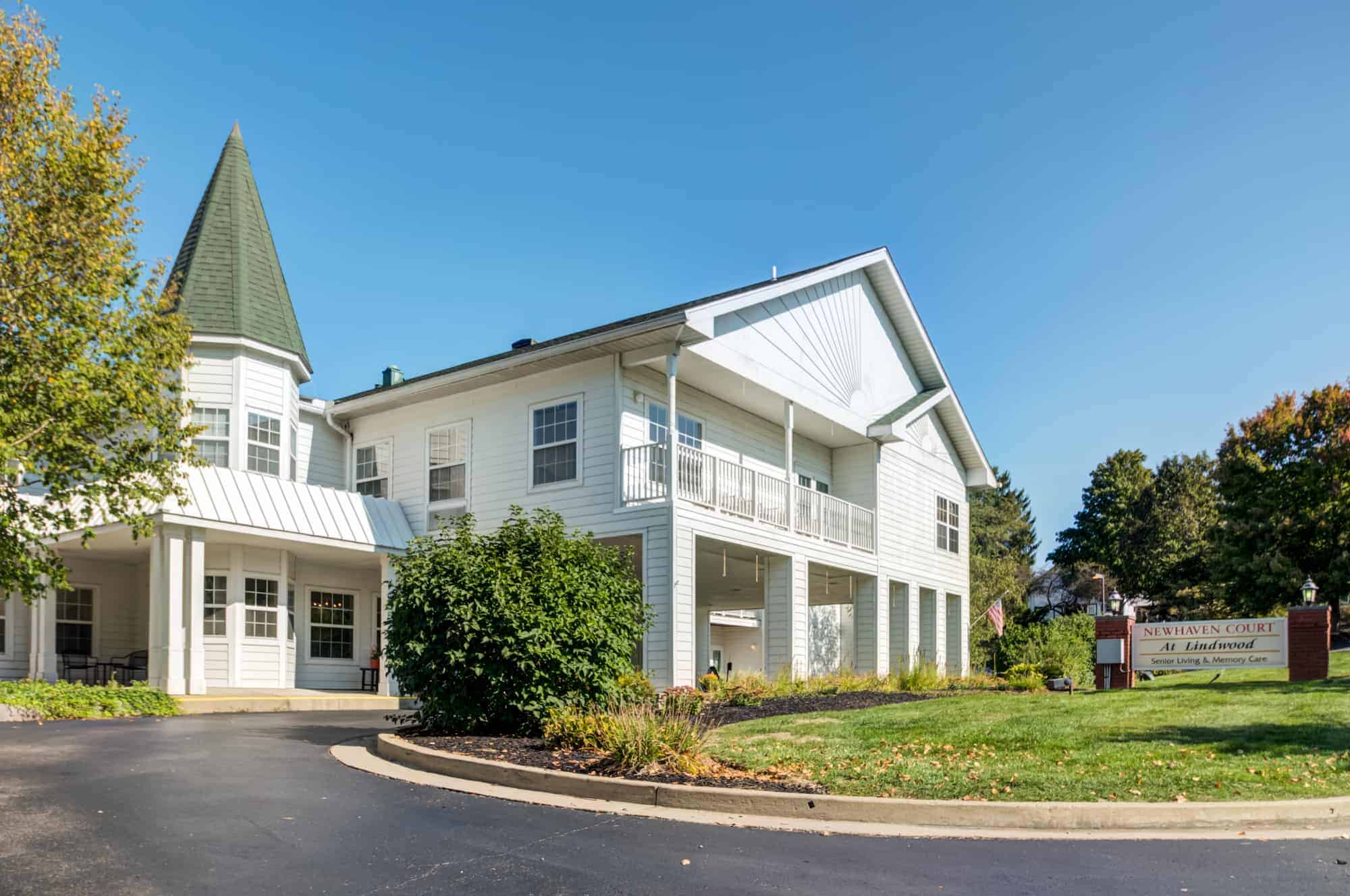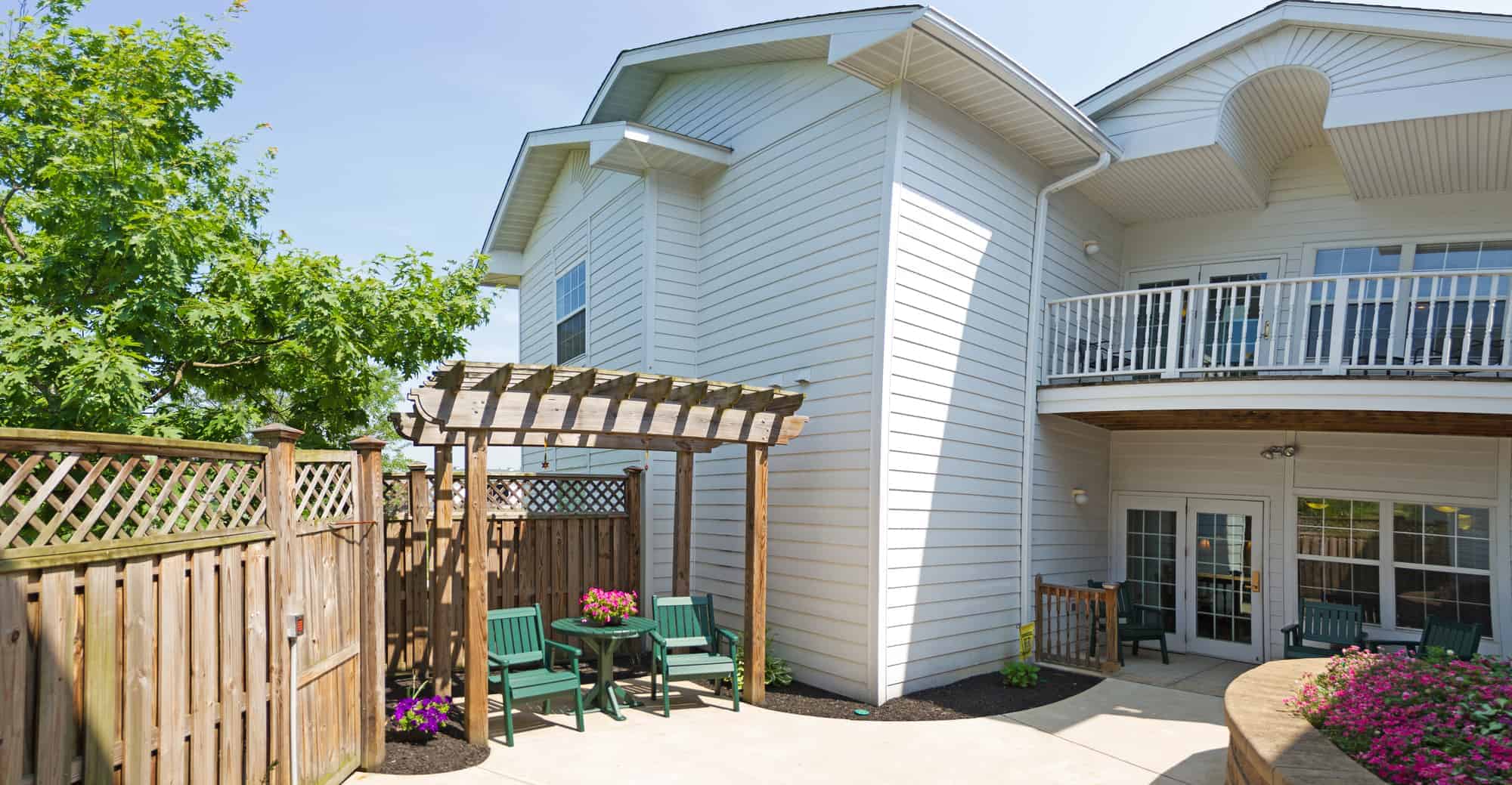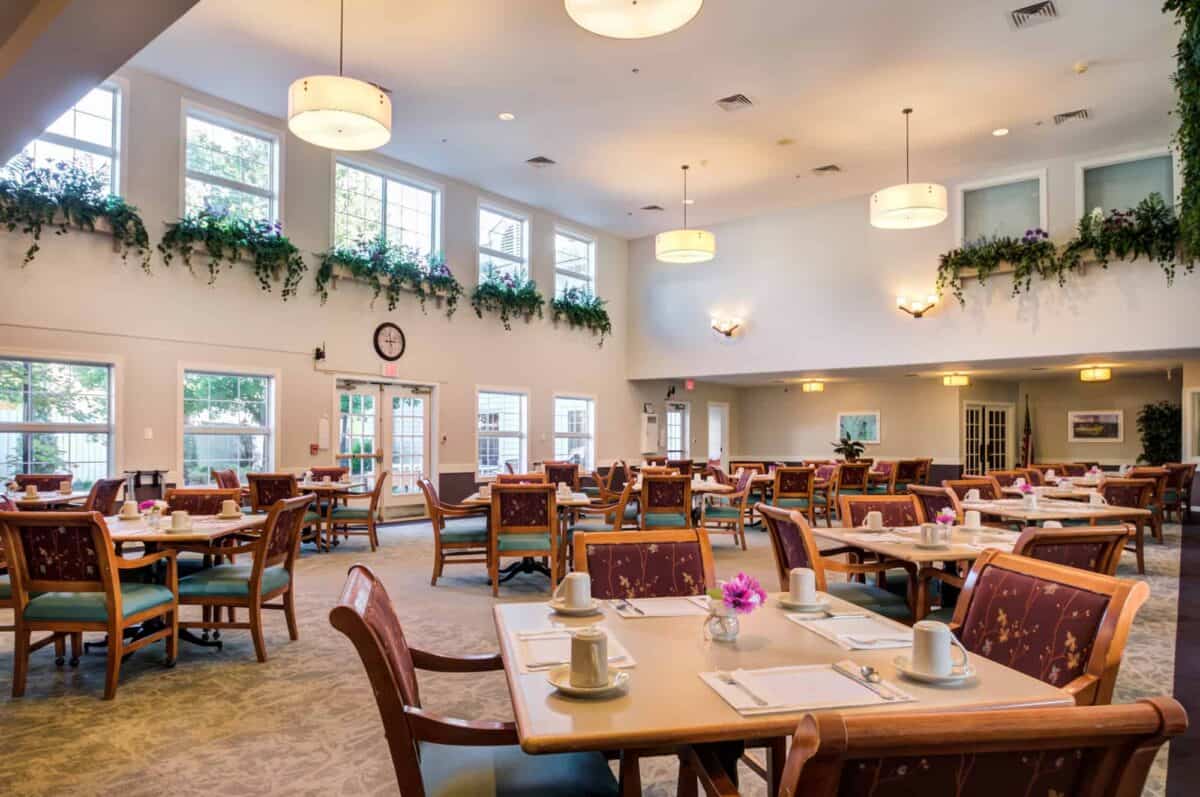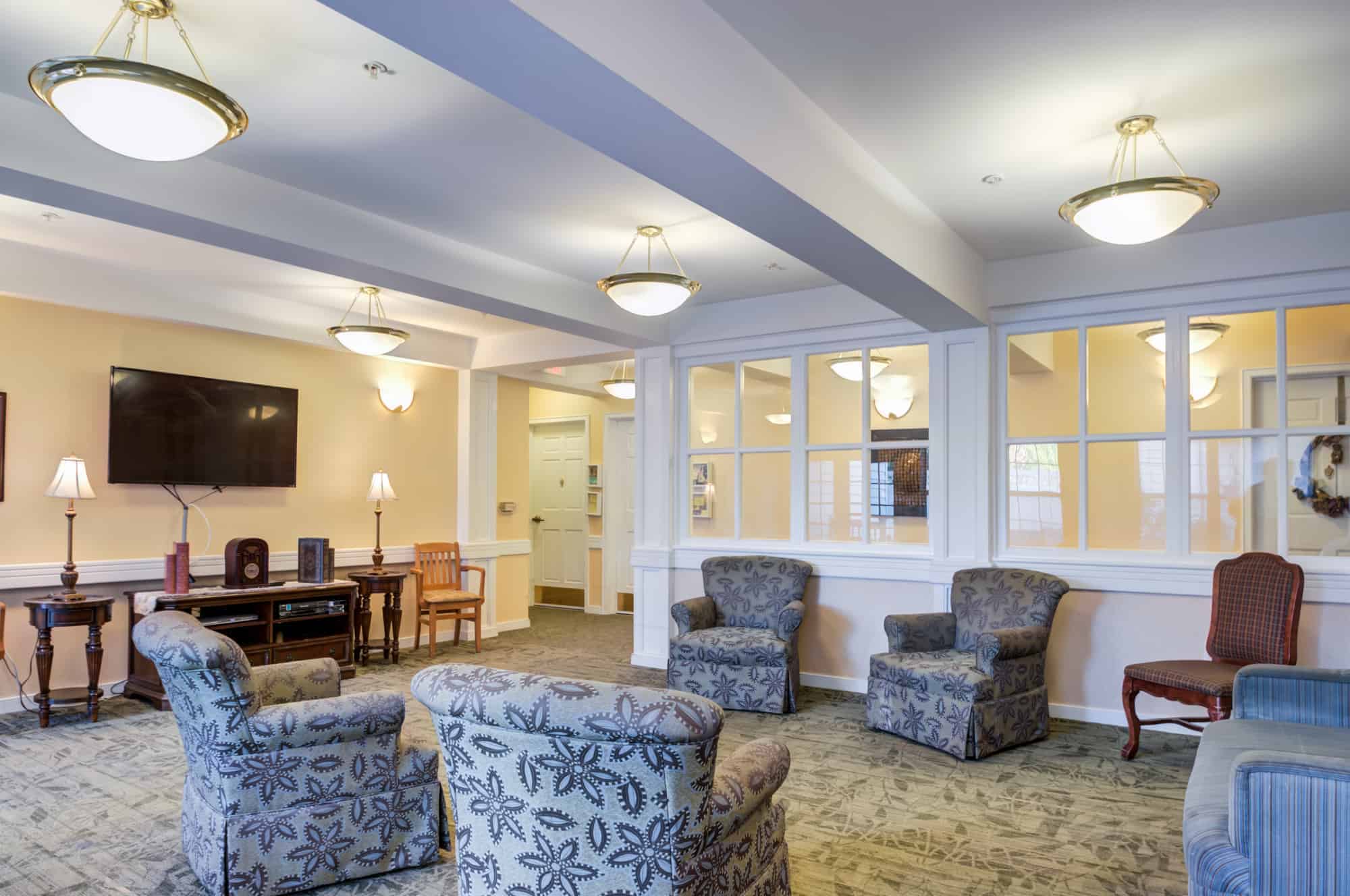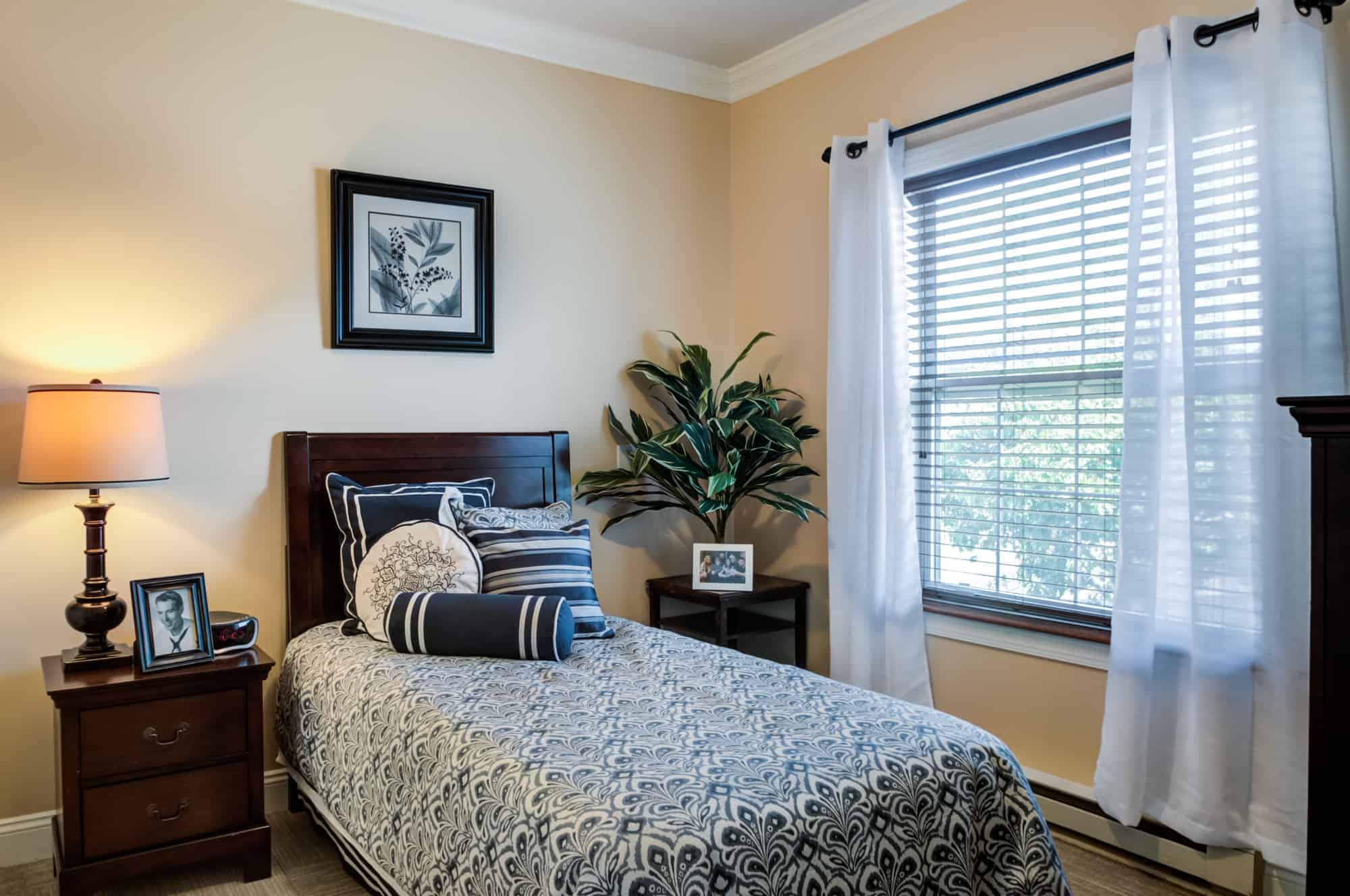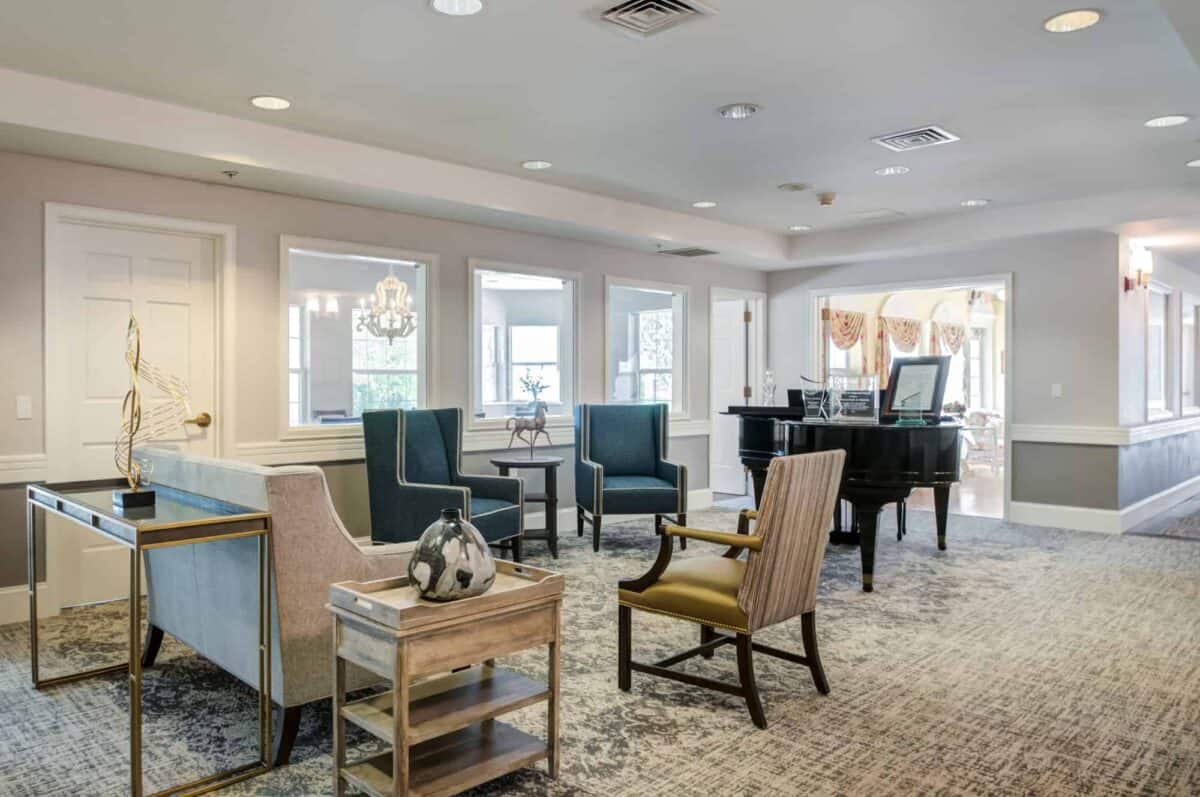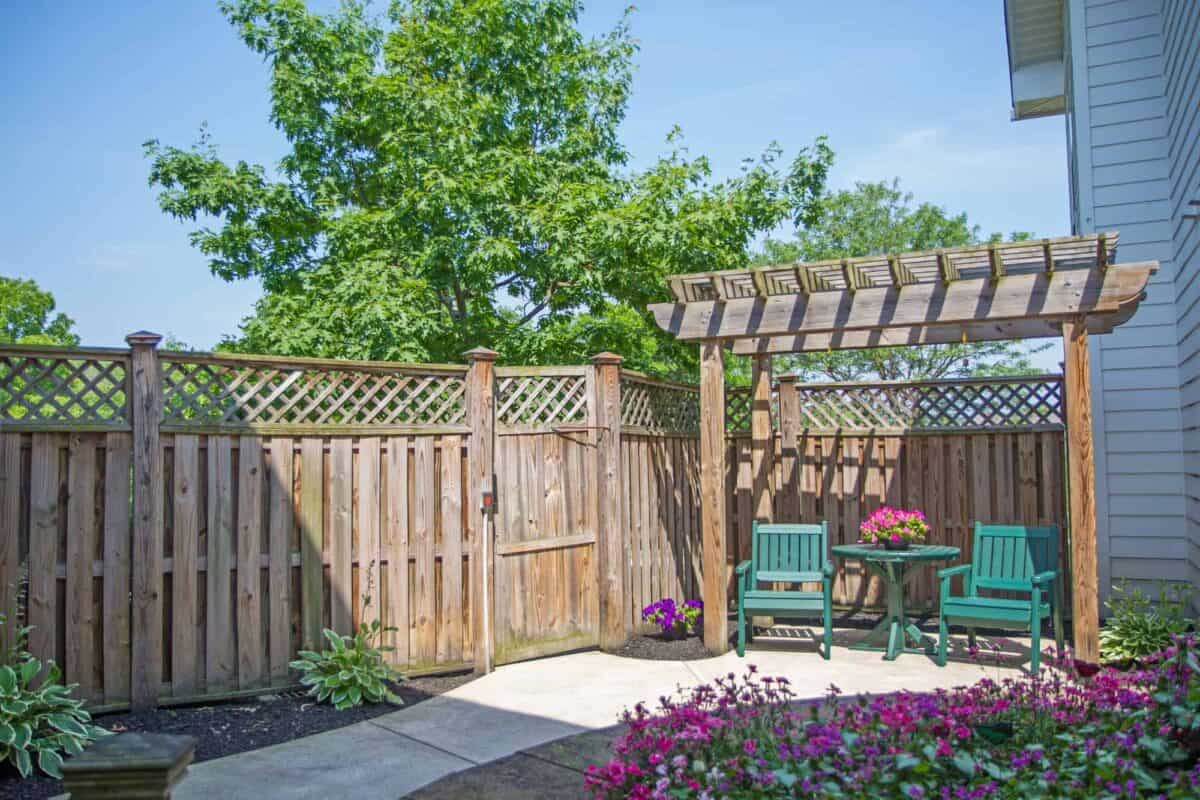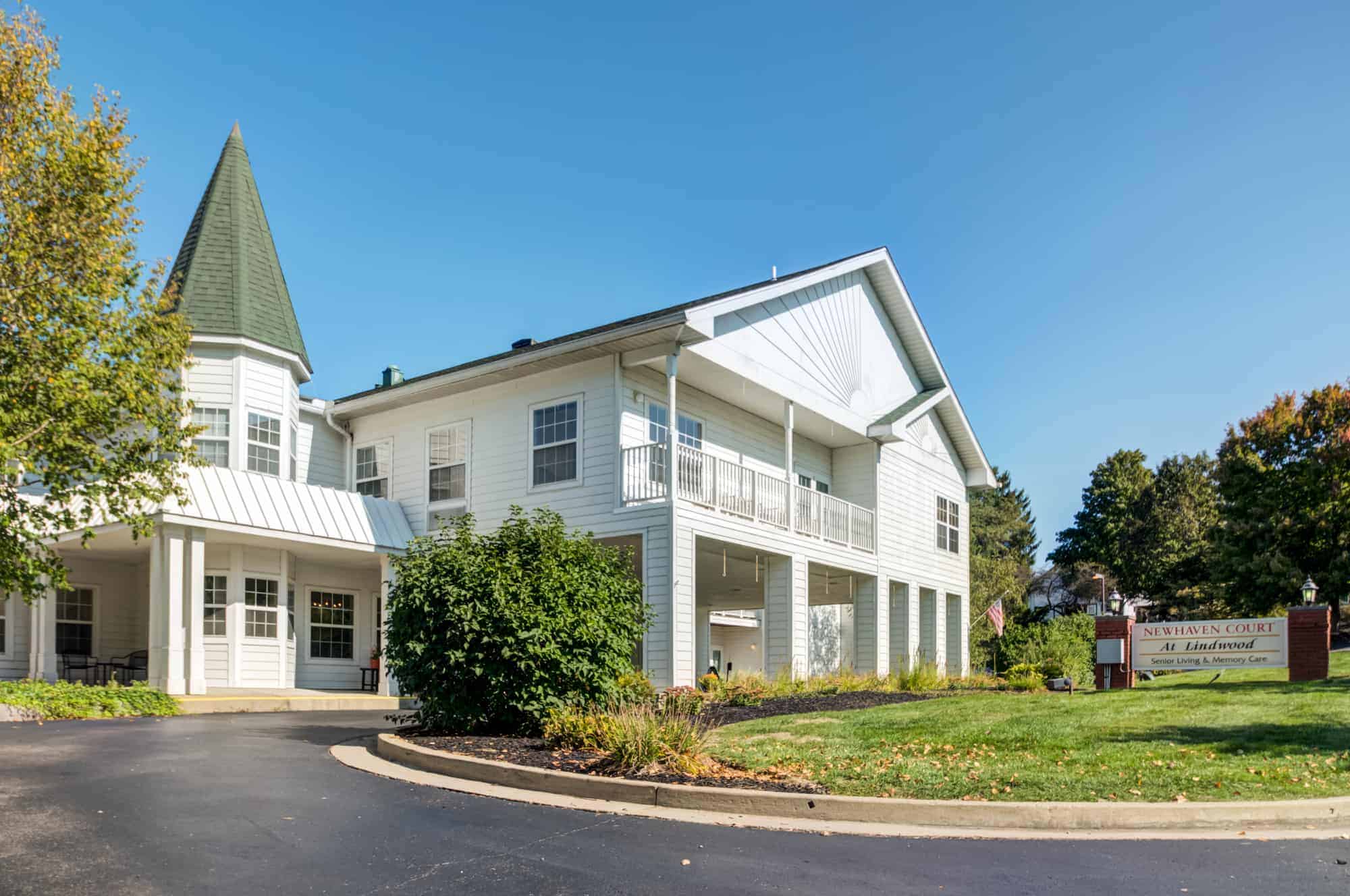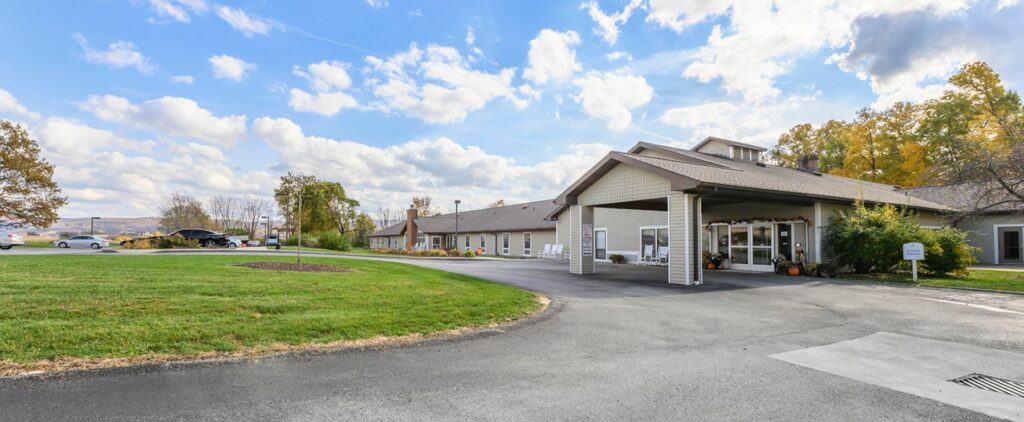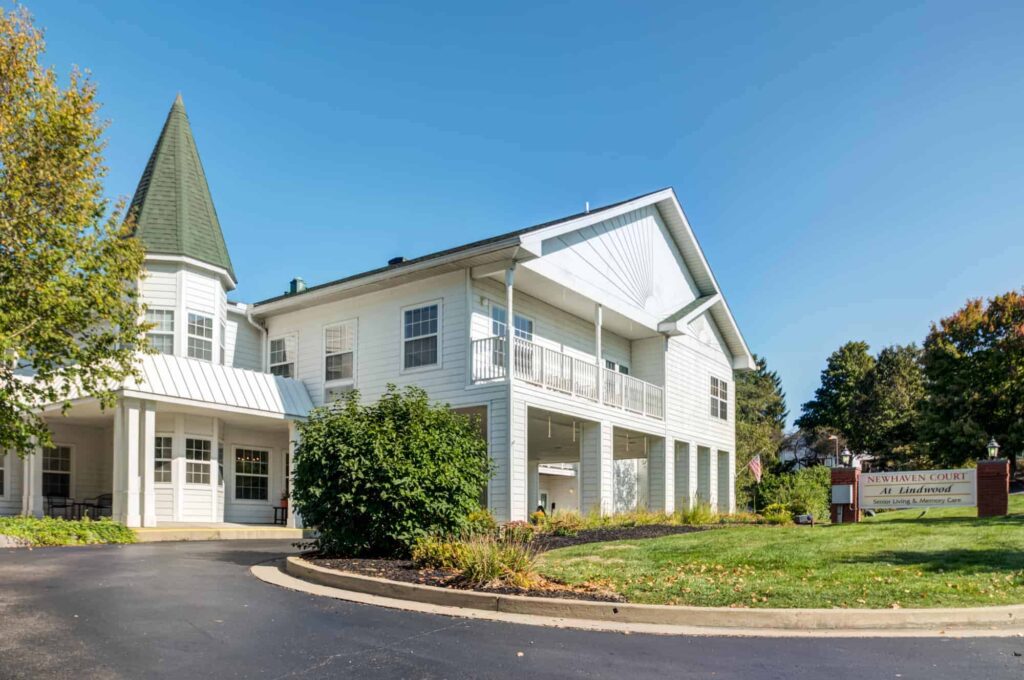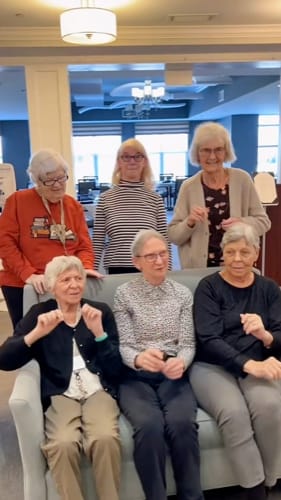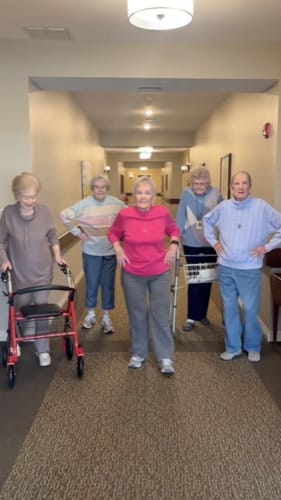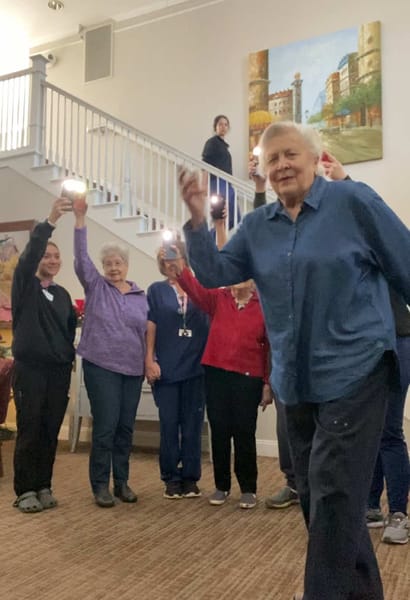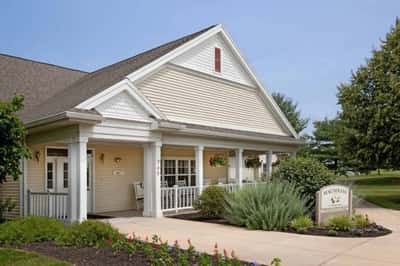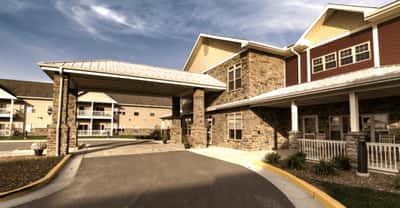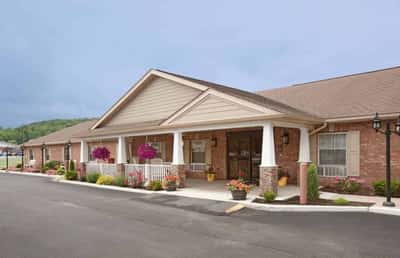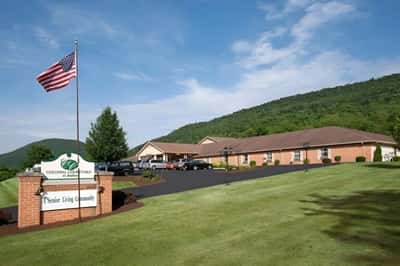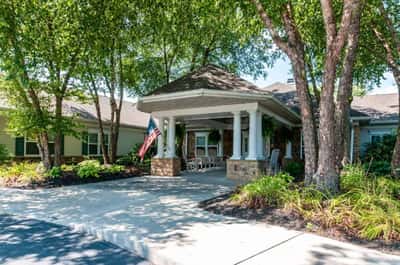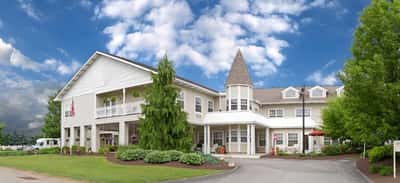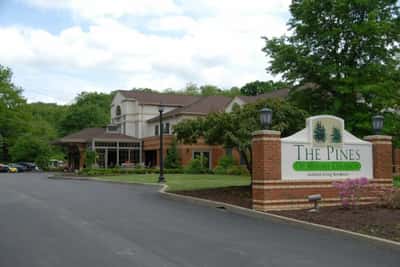
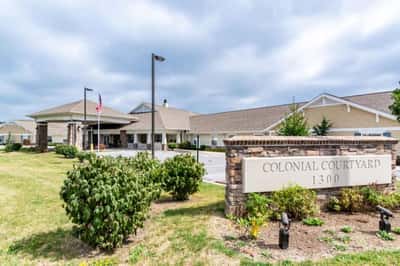
Newhaven Court at Lindwood offers a harmonious blend of country living and elegance in Greensburg, Pennsylvania. This assisted living community provides 24/7 Personal Care and Memory Care services to cater to the needs of its residents.
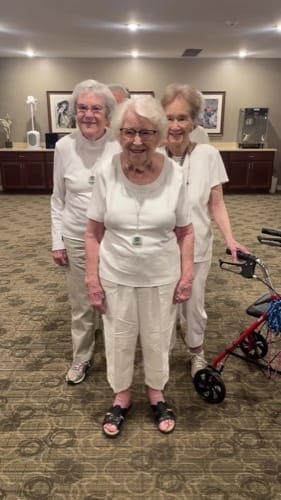
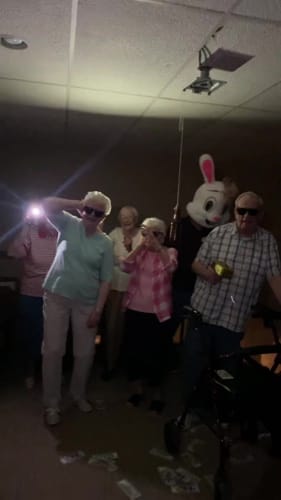
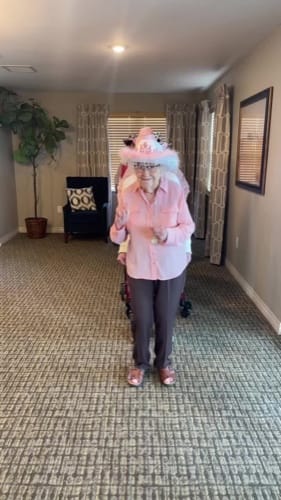
Newhaven Court boasts a variety of relaxing spaces, engaging activities, and dedicated services that contribute to the overall well-being of its residents. Additionally, senior residents get access to their elegant guest dining room and state-of-the-art movie theater. The inviting ambiance of Newhaven Court at Lindwood ensures that residents enjoy a comfortable and enriched lifestyle.
The staff at New Haven Court are generally praised for being friendly, respectful, and dedicated, with specific mentions of individuals like Michael Brandonio and Noelle for their professionalism and assistance.
Care & staff
Overall quality of life and resident wellbeing
While the facility is described as clean and well-maintained, there are significant concerns about the quality of care provided to residents with disabilities, highlighting issues with safety, inadequate response to falls, and cleanliness in some rooms.
Quality of lifeCare & staffCleanliness
Home Information Newhaven Court at Lindwood
131-bed community
A larger shared setting that may offer more common spaces and organized community services.
Walk Score: 1 / 100
Car-dependent. Most errands require a car, with limited nearby walkable options.
About this community
License Status
LICENSED
Facility Type
PERSONAL CARE HOMES
License Date
June 10, 2025
License Expiration
June 10, 2026
Additional licensing details
License number:429360
County:WESTMORELAND
Ownership & operating entity
Newhaven Court at Lindwood is legally operated by TITHONUS GREENSBURG LP.
Profit status:PROFIT
Nonprofit ownership:No
Types of Care at Newhaven Court at Lindwood
Assisted Living
Memory Care
Respite Care
Types of Care
Assisted Living
Definition: Residential care for older adults who need help with activities of daily living (ADLs) such as medication management, bathing, dressing and meals.Purpose: Support independence while providing daily assistance and limited medical oversight — a step below nursing home care.Focus: Safety, personal care, social engagement and a community-based lifestyle.Amenities and Services: Often include:
• Recreational activities
• Housekeeping and laundry
• Transportation
• Meal servicesCare Level: 24/7 staff availability with personalized care plans; limited clinical care compared to nursing homes.
Home Care
Home care is a type of care wherein qualified professionals assist with activities of daily living (ADLs), like personal hygiene, meal preparation, and dressing, at home. This type of care provides a wide range of services, including personal care, skilled nursing care, rehabilitation services, and companionship. This is ideal for those looking to stay at home in retirement but needing care and support for ADLs and chronic conditions. Hourly care and live-in care are often provided for flexibility, ensuring older adults receive care tailored to their needs and preferences.
Skilled Nursing
Skilled nursing care is a type of care provided by registered nurses in a medical setting under a physician’s supervision, focusing on intensive medical care and rehabilitation. It is typically provided in hospitals and purposely built skilled nursing communities and healthcare centers, usually aimed at short-term and transitional care.
Nursing Care
Nursing care is usually provided in a nursing home environment by nursing aides and licensed practical nurses. This type of care focuses on helping older adults with activities of daily living (ADLs), like personal hygiene and medication, alongside medical care. Long-term residential care is provided, helping those with complex medical needs, chronic conditions, cognitive, functional, and behavioral issues.
Respite Care
Respite care, also known as short-term stay, allows primary caregivers to rest and have time for themselves by providing care for their loved ones. This type of care is temporary and may range from a few hours to weeks, provided either at home or in a senior care community.
Memory Care
Definition: Specialized residential care for people with memory loss, Alzheimer’s disease or other forms of dementia.Purpose: Provide a safe, structured environment with trained staff and programs tailored to cognitive impairment.Focus: Secure settings, enhanced supervision and routines that support memory and reduce stress.Amenities and Services: Typically include:
• Assistance with ADLs
• Cognitive stimulation and therapeutic activities
• Secure indoor/outdoor spacesCare Level: Staff specially trained in dementia care with higher caregiver-to-resident ratios.
Independent Living
Definition: A living option typically for those 55 and over, including senior housing, retirement homes, and active adult communities.Purpose: Ideal for those seeking to live with peers of the same age without needing support for activities of daily living (ADLs) or medical care.Focus: Emphasizes convenience and recreation, eliminating the hassles of housekeeping and maintenance.Amenities and Services: Offers a variety of amenities, which may include:
• Spa
• Concierge
• Community gathering spacesLuxury Levels: Amenities vary depending on the level of luxury provided by the community.
Hospice Care
Focusing on those with life-limiting conditions or terminal illness, hospice care provides physical, emotional, social, and spiritual support. This type of care aims to ease older adults’ discomfort and pain and does not focus on finding a cure. Typically provided with a multidisciplinary team of doctors, nurses, social workers, and hospice aides, in older adults’ preferred setting, may it be at home, hospital, or senior living community. Hospice care provides care for those with a life expectancy estimated at six months or less.
Nursing Home
This type of retirement option focuses on older adults who require advanced healthcare but do not necessarily require hospital care. Nursing homes often provide a wide range of personal care, health care, and skilled nursing, tailored to older adults’ healthcare needs. This is ideal for those who cannot stay at home due to complex healthcare needs but do not need to be in a hospital setting.
Residential Care
A senior living option that focuses on providing support with activities of daily living, including personal hygiene and medication management. However, unlike assisted living, this type of care provides a smaller and more intimate environment, catering to a smaller number of residents. This is ideal for those needing assistance with daily living without extensive medical care and preferring a smaller setting.
Adult Day Care
This type of care provides curated activities for older adults in a non-residential care setting, promoting holistic well-being with health, social, nutritional, and emotional support. Adult day care promotes social interactions in a supervised manner, allowing family caregivers to rest during the day. This is beneficial in terms of preventing loneliness in older adults and providing additional support for family caregivers.
Palliative Care
This type of care focuses on providing comfort, pain relief, and emotional support for those with serious illness. Unlike hospice care, palliative care provides support at any stage of the illness, even alongside curative treatments. This can be provided at home, in nursing homes, in hospitals, and in other senior living communities.
Continuing Care Retirement Communities (CCRC)
Continuing Care Retirement Community (CCRC) is a type of senior living community that provides a wide range of care options in a residential setting. Also known as a life plan community, CCRC often provides independent living, assisted living, memory care, and skilled nursing, allowing older adults to age in place. Due to its comprehensive care, older adults do not have to transfer to communities when the level of care increases.
In Pennsylvania, the Department of Social Services (for ALFs) and the Department of Public Health (for nursing homes) conduct inspections to ensure resident safety and regulatory compliance.
15 visits/inspections
6 visits/inspections triggered by complaints
Results
11 with citations
4 without citations
6 complaints
Formal expressions of dissatisfaction or concern made by residents, or their families regarding various aspects of the care, services, and environment provided.
Pennsylvania average: 5 complaints
32 citations
Citations indicate regulatory violations. A higher number implies the facility had several areas requiring improvement.
Pennsylvania average: 75 citations
1 enforcement action
Penalties or interventions imposed by state regulators when facilities do not comply with quality, safety or regulatory standards.
Waivers: 1
Inspection Reports
Loading reports...
Places of interest near Newhaven Court at Lindwood
2.2 miles from city center
Quick search
100 Freedom Way Greensburg, PA 15601
Calculate Travel Distance to Newhaven Court at Lindwood
Add your location
Address:
100 Freedom Way Greensburg, PA 15601
Comparison Chart
The information below is reported by the Pennsylvania Department of Human Services and Department of Health.
PA Specifics: Managed care model; high urban demand (e.g., Philadelphia, Pittsburgh).
Services: Personal care (5-7 hours/day, e.g., bathing, dressing), respite care (up to 240 hours/year), adult day care ($70/day), home modifications ($1,500 avg.).
Managed care model; high urban demand (e.g., Philadelphia, Pittsburgh).
Benefits without Contact:
Services: Personal care (5-7 hours/day, e.g., bathing, dressing), respite care (up to 240 hours/year), adult day care ($70/day), home modifications ($1,500 avg.).