


Occupancy rate
33%
 55% lower than California average
California average: 73%

We arrange tours, appointments, and even moving support so you don’t have to

Thank you for your interest!
Our team will be in touch shortly to help with next steps.

 The Overall CMS Rating combines results from health inspections, staffing levels and quality measures. Health inspections carry the most weight. Staffing and quality scores can increase or decrease the final rating based on performance compared to state and national standards.


 The Overall CMS Rating combines results from health inspections, staffing levels and quality measures. Health inspections carry the most weight. Staffing and quality scores can increase or decrease the final rating based on performance compared to state and national standards.
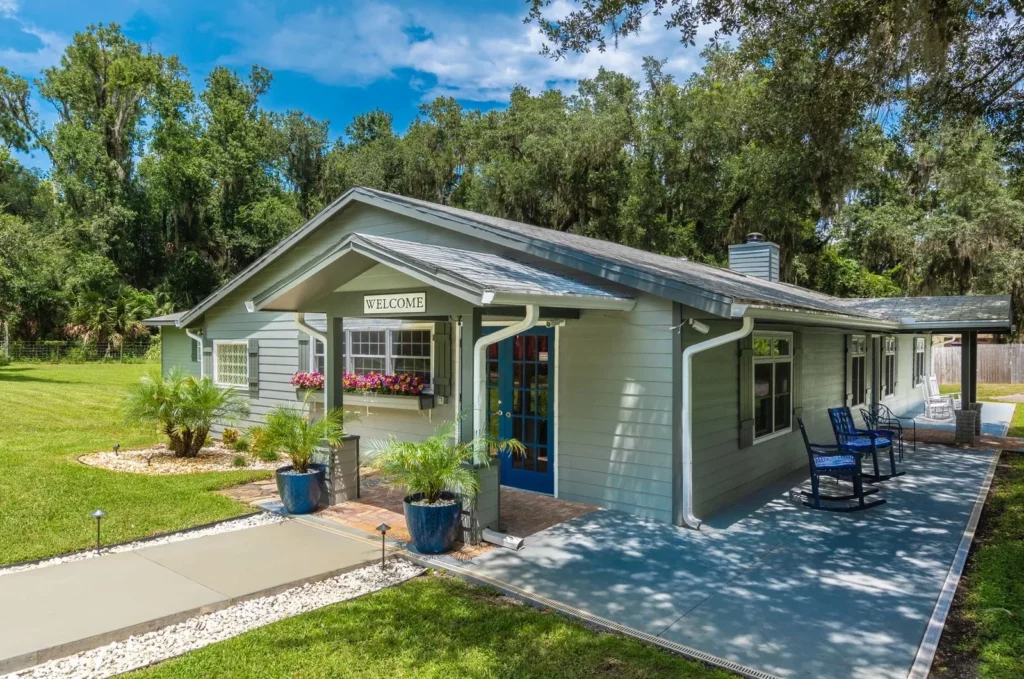
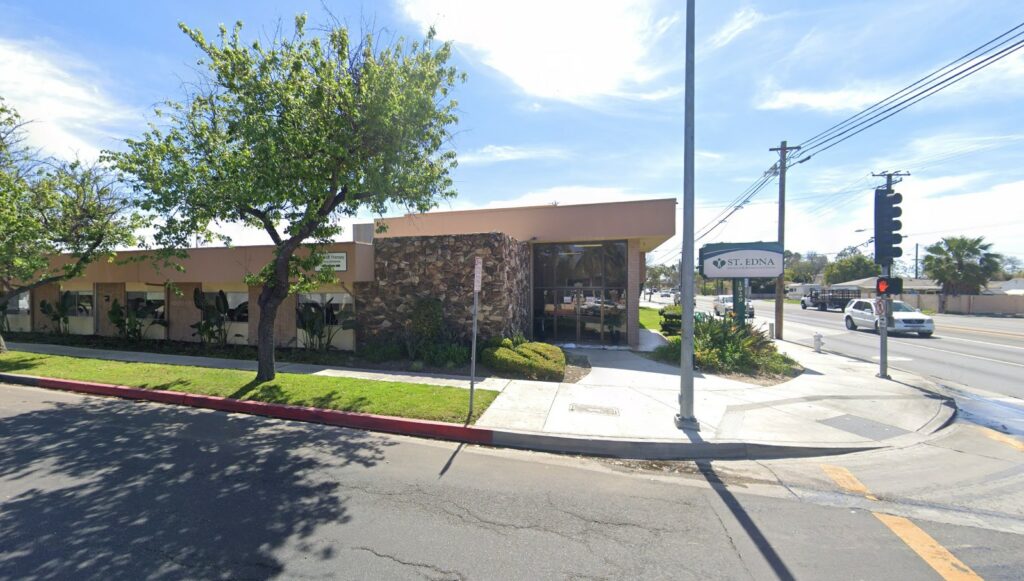
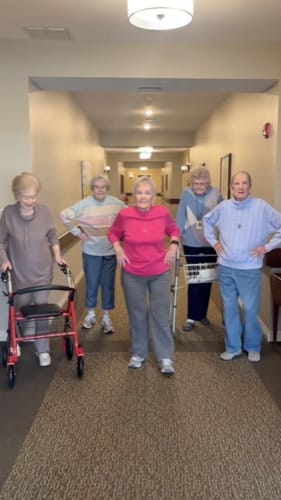
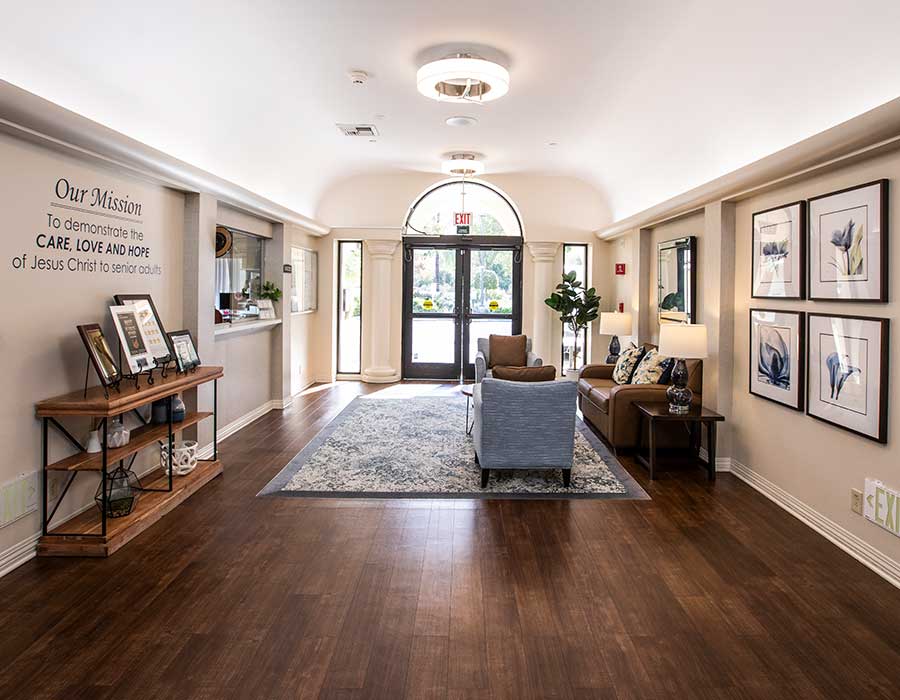
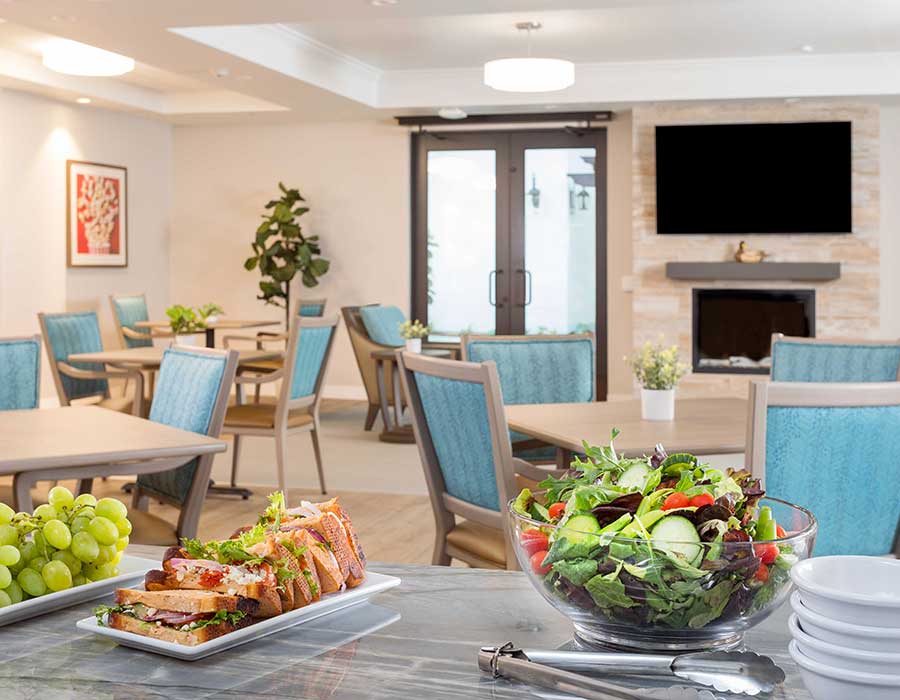
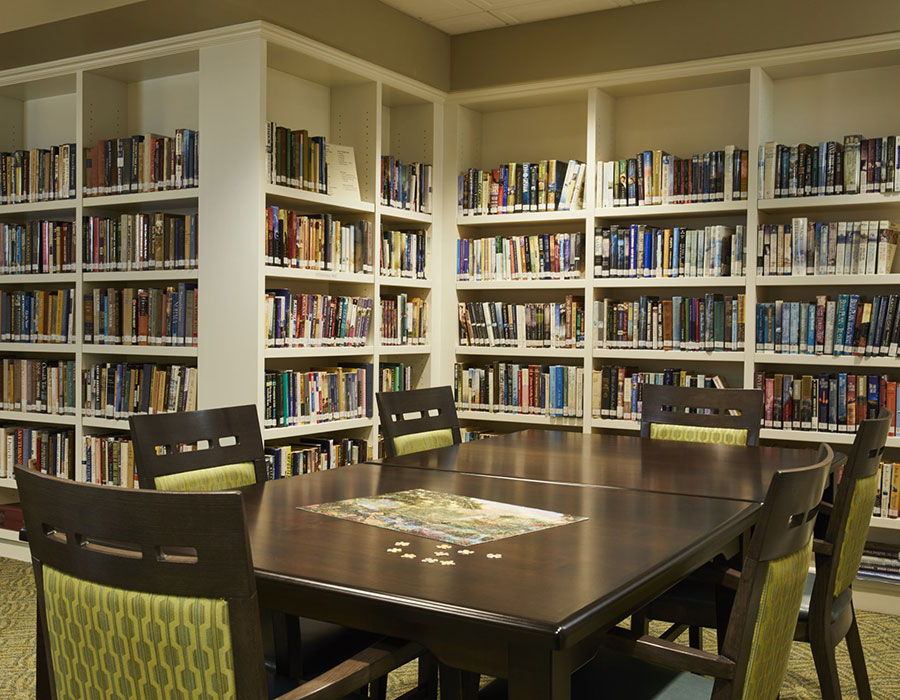
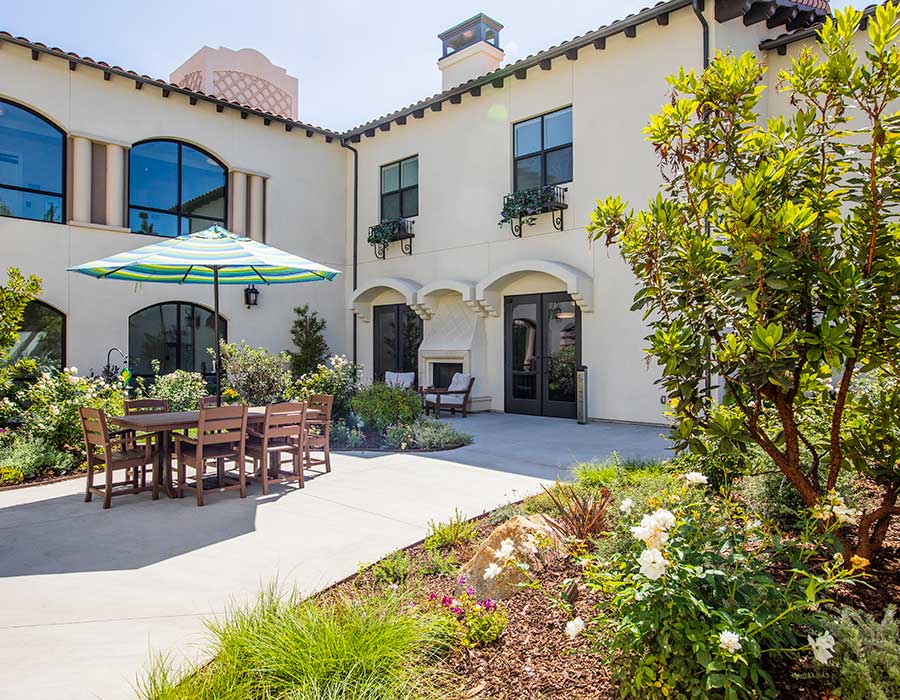
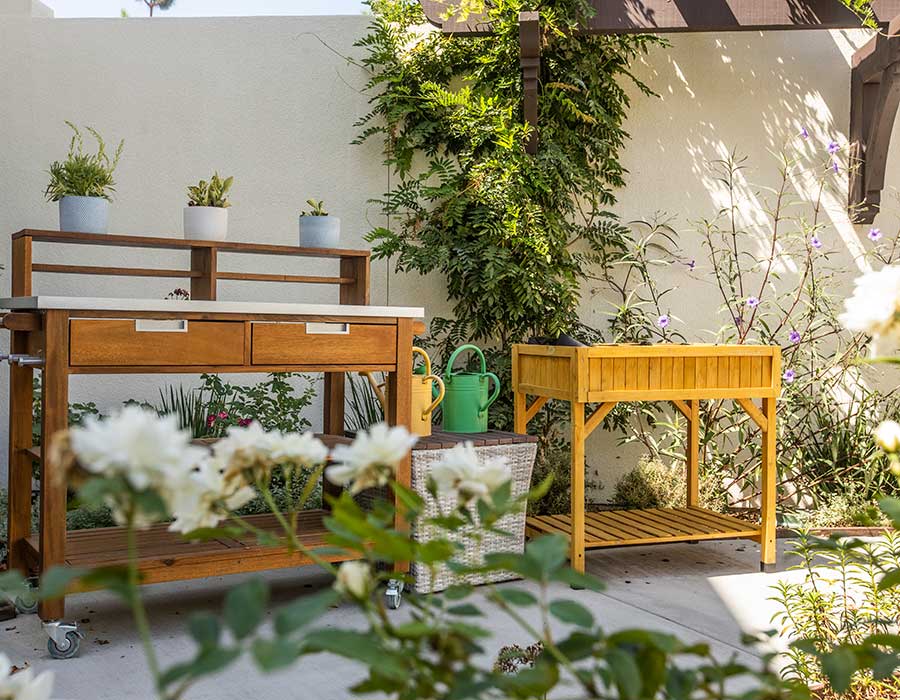
Located in the heart of Santa Ana, California, Town & Country is a distinguished non-profit Life Plan Community tailored to the needs of individuals aged 62 and above. This exceptional community offers various options, including active independent living, comprehensive assisted living, and the renowned five-star-rated skilled nursing and short-term rehabilitation care. In 2021, Town & Country proudly introduced a cutting-edge memory care community known as Grace Gardens Memory Care, reflecting its ongoing commitment to providing innovative and compassionate care. One of the community’s standout achievements is being the sole free-standing skilled nursing facility in Orange County to hold a remarkable five-star rating across every category.
Town & Country’s unique identity is deeply rooted in Christian values, evident in its intentions and actions. The community embraces individuals of all faiths, fostering an inclusive environment where respect and support are extended to everyone. Positioned in a highly walkable neighborhood within central Orange County, Town & Country provides a dynamic and vibrant lifestyle within the serene confines of a picturesque garden setting. For nearly half a century, the community has been dedicated to delivering a superior living environment while maintaining exceptional value for its residents. Their dedication to excellence is further acknowledged by prestigious Medicare and the American Health Care Association (AHCA) awards, attesting to Town & Country’s unwavering commitment to providing the highest level of care and services.
The Overall CMS Rating combines results from health inspections, staffing levels and quality measures. Health inspections carry the most weight. Staffing and quality scores can increase or decrease the final rating based on performance compared to state and national standards.
Based on the results of the facility's three most recent standard inspections and any complaint investigations. CMS reviews the number, scope, and severity of deficiencies, with more recent findings weighted more heavily.
Measures average nursing staff hours per resident per day, including Registered Nurses (RNs) and total nursing staff. Ratings are adjusted based on the level of care residents require and are compared to state and national benchmarks.
Based on clinical and physical health indicators reported to CMS, such as hospital readmissions, falls, pressure ulcers, and improvements in mobility. These measures reflect how well residents' health needs are being managed.
This shows how many total hours of nursing staff time are available per resident each day. Higher numbers usually mean more staff support.
Hours of care per resident per day, broken down by staff type. Data from CMS Medicare.
Registered nurse hours per resident per day.
Nurse aide hours per resident per day.
Total number of nurse staff hours per resident per day on weekends.
Physical therapist staff hours per resident per day.
Registered nurse hours per resident per day on weekends.
May provide extensive amenities, services and programs.
Lower occupancy suggests more openings may be available.
Most residents typically stay for a few weeks or months before returning home or moving on.
59% of new residents, usually for short-term rehab.
41% of new residents, often for short stays.
1% of new residents, often for long-term daily care.
The portion of the home's budget spent on staff, including nurses, caregivers, and other employees who support care and operations.
All remaining costs needed to run the home, such as food, utilities, building maintenance, supplies and administrative expenses.


 55% lower than California average
California average: 73%
Town & Country is legally operated by Christian And Missionary Alliance.
In California, the Department of Social Services (for assisted living facilities) and the Department of Public Health (for nursing homes) conduct inspections to ensure resident safety and regulatory compliance.
California average: 16 visits
26 total complaint visits
8 other visits
Other visits include regulatory visits that are not routine inspections or complaint investigations, such as administrative check-ins, follow-up reviews, or licensing-related visits.
13 total complaint visits
7 other visits
Inspections conducted in response to complaints filed by residents, families, staff, or others about possible problems at the facility.
Investigations can have many visits.
California average: 10 complaint investigations
Routine inspections conducted by state regulators to evaluate whether the facility meets federal and state care and safety standards.
California average: 4 official inspections
Citations indicate regulatory violations. A higher number implies the facility had several areas requiring improvement.
California average: 10 citations
A violation that poses an immediate risk to resident health or safety, or represents a substantial failure to comply with licensing requirements.
California average: 3 serious citations
A violation that does not pose an immediate risk to resident health or safety but requires correction to remain in compliance.
California average: 4 moderate citations
Deficiencies indicate regulatory issues. A higher number implies the facility had several areas requiring improvement.
California average: 8 deficiencies
Most inspections found no deficiencies, and several complaint investigations were unsubstantiated, indicating that many concerns raised were not supported by evidence. The most recent report from October 28, 2025, identified one minor deficiency related to a delay in walkie-talkie alert response, posing a potential health and safety risk. Earlier reports included some substantiated issues such as unsecured cleaning chemicals and missed medications in August 2025, and a resident elopement due to lack of supervision in November 2023, which led to a deficiency citation. There were no fines, license suspensions, or immediate jeopardy findings listed in the available reports. The facility appears to have addressed previous deficiencies, with the latest inspection showing only a minor issue and no clear pattern of worsening conditions.
California average 12.5
Last Health inspection on Jul 2025
California average 50.2
California average 4.65
Health citations are formal notices following inspections when they fail to comply with safety and care standards.
26 of 31 citations resulted from standard inspections; and 5 of 31 resulted from complaint investigations.
0 100% better than California average
California average: 0.4
0
100% better than California averageCalifornia average: 1
Issues related to how well residents receive appropriate treatment and support for their medical and daily care needs.
Jul 24, 2025
Corrected
Issues related to creating and updating personalized care plans for residents based on their needs and conditions.
Jul 24, 2025
Corrected
Issues related to creating and updating personalized care plans for residents based on their needs and conditions.
Jul 24, 2025
Corrected
Issues related to preventing and controlling infections, including hygiene practices and safety protocols.
Nov 07, 2024
Corrected
Data sourced from CMS Health Deficiencies reports. Citation severity codes range from A (least serious) to L (most serious). Immediate Jeopardy (J-L) citations indicate situations where the facility's noncompliance has placed residents at risk of death or serious harm.
Assisted Living A licensed, long-term care setting for seniors or individuals with disabilities who need help with daily activities — like bathing, dressing, and medication management — but not 24-hour skilled nursing. Offers housing, meals, and around-the-clock support while aiming to maximize resident independence.
Independent Living Lifestyle-focused communities for older adults offering dining, activities, and transportation with minimal personal care. Best for active, independent seniors who want community without medical support.
Memory Care Secured, specialized care for people living with Alzheimer's or dementia. Staff trained in cognitive impairment, with higher staff-to-resident ratios and an environment designed to reduce confusion and wandering risk.
Nursing Home Licensed facility providing 24/7 skilled nursing care for residents with complex, ongoing medical needs. Staffed by RNs, LPNs, and CNAs. Inspected and star-rated annually by CMS. Accepts Medicare (short-term rehab) and Medicaid (long-term care).
Nursing Home Licensed facility providing 24/7 skilled nursing care for residents with complex, ongoing medical needs. Staffed by RNs, LPNs, and CNAs. Inspected and star-rated annually by CMS. Accepts Medicare (short-term rehab) and Medicaid (long-term care).
Assisted Living A licensed, long-term care setting for seniors or individuals with disabilities who need help with daily activities — like bathing, dressing, and medication management — but not 24-hour skilled nursing. Offers housing, meals, and around-the-clock support while aiming to maximize resident independence.
Nursing Home Licensed facility providing 24/7 skilled nursing care for residents with complex, ongoing medical needs. Staffed by RNs, LPNs, and CNAs. Inspected and star-rated annually by CMS. Accepts Medicare (short-term rehab) and Medicaid (long-term care).
Nursing Home Licensed facility providing 24/7 skilled nursing care for residents with complex, ongoing medical needs. Staffed by RNs, LPNs, and CNAs. Inspected and star-rated annually by CMS. Accepts Medicare (short-term rehab) and Medicaid (long-term care).
Nursing Home Licensed facility providing 24/7 skilled nursing care for residents with complex, ongoing medical needs. Staffed by RNs, LPNs, and CNAs. Inspected and star-rated annually by CMS. Accepts Medicare (short-term rehab) and Medicaid (long-term care).
Assisted Living A licensed, long-term care setting for seniors or individuals with disabilities who need help with daily activities — like bathing, dressing, and medication management — but not 24-hour skilled nursing. Offers housing, meals, and around-the-clock support while aiming to maximize resident independence.
Memory Care Secured, specialized care for people living with Alzheimer's or dementia. Staff trained in cognitive impairment, with higher staff-to-resident ratios and an environment designed to reduce confusion and wandering risk.
 2.2 miles from city center — 7.1 miles to nearest hospital (Orange County Heart Institute and Research Center)
 555 E Memory Ln, Santa Ana, CA 92706
Add your location
This data corresponds to Q2 2025 and is based on CMS Payroll-Based Journal.
2090809% better than California averageCalifornia average ratio: 0.00:1
6% worse than California averageCalifornia average: 7.7 hours
Manages medical care and health needs.
Average shift length. Calculated as total hours divided by days worked and average staff per day.
7.5 hoursNo contractors work on this role.
Assists with medical care and medications.
Average shift length. Calculated as total hours divided by days worked and average staff per day.
7.5 hoursNo contractors work on this role.
Helps with daily care and mobility.
Average shift length. Calculated as total hours divided by days worked and average staff per day.
7.1 hoursNo contractors work on this role.
Total hours from contractors
632 contractor hours this quarter
| Certified Nursing Assistant | 74 | 0 | 74 | 23,645 | 91 | 100% | 7.1 |
| Licensed Practical Nurse | 34 | 0 | 34 | 11,771 | 91 | 100% | 7.5 |
| Registered Nurse | 11 | 0 | 11 | 3,760 | 91 | 100% | 7.5 |
| Physical Therapy Aide | 5 | 0 | 5 | 1,852 | 71 | 78% | 7.4 |
| Speech Language Pathologist | 6 | 0 | 6 | 1,785 | 72 | 79% | 7.4 |
| Dental Services Staff | 3 | 0 | 3 | 1,420 | 65 | 71% | 7.9 |
| Other Dietary Services Staff | 3 | 0 | 3 | 1,058 | 90 | 99% | 7.7 |
| Respiratory Therapy Technician | 4 | 0 | 4 | 735 | 74 | 81% | 6.3 |
| Physical Therapy Assistant | 5 | 0 | 5 | 678 | 74 | 81% | 6.7 |
| Nurse Practitioner | 1 | 0 | 1 | 512 | 64 | 70% | 8 |
| Administrator | 1 | 0 | 1 | 504 | 63 | 69% | 8 |
| Occupational Therapy Aide | 0 | 3 | 3 | 501 | 63 | 69% | 7.9 |
| Clinical Nurse Specialist | 1 | 0 | 1 | 488 | 61 | 67% | 8 |
| Dietitian | 1 | 0 | 1 | 484 | 61 | 67% | 7.9 |
| RN Director of Nursing | 1 | 0 | 1 | 344 | 43 | 47% | 8 |
| Qualified Social Worker | 5 | 0 | 5 | 210 | 52 | 57% | 3.4 |
| Medical Director | 0 | 1 | 1 | 72 | 12 | 13% | 6 |
| Occupational Therapy Assistant | 0 | 2 | 2 | 59 | 52 | 57% | 1.1 |
Source: CMS Long-Term Care Facility Characteristics (Data as of Jan 2026)
Residents meet regularly to discuss policies, care quality, and activities
State-approved Nurse Aide Training and Competency Evaluation Program on-site
Part of a Continuing Care Retirement Community offering multiple care levels
Organized group of residents that meets regularly to discuss facility policies, quality of life, and activities.
Data sourced from CMS Long-Term Care Facility Characteristics quarterly report. Payer mix reflects the current resident census by primary payment source.
These measures show how residents usually do over time at this home, based on health outcomes and preventive care.
A composite score based on pressure ulcers, falls with injury, weight loss, walking ability decline, and activities of daily living decline.
4.5
32% better than California averageCalifornia average: 6.6
A composite score based on activities of daily living decline, walking ability decline, and incontinence.
8.7
24% better than California averageCalifornia average: 11.3
CMS star rating based on long-stay quality measure performance. 5 stars = significantly above average, 1 star = significantly below average.
Percent of long-stay residents whose need for help with daily activities has increased
5.6%
49% better than California averageCalifornia average: 11.1%
Percent of long-stay residents whose ability to move independently worsened
13.9%
16% worse than California averageCalifornia average: 12.0%
Percent of low risk long-stay residents who lose control of their bowels or bladder
6.4%
43% better than California averageCalifornia average: 11.3%
Percent of long-stay residents experiencing one or more falls with major injury
0.0%
100% better than California averageCalifornia average: 1.7%
Percent of long-stay high risk residents with pressure ulcers
1.2%
76% better than California averageCalifornia average: 5.0%
Percent of long-stay residents with a urinary tract infection
1.6%
32% worse than California averageCalifornia average: 1.2%
Percent of long-stay residents who lose too much weight
1.9%
54% better than California averageCalifornia average: 4.2%
Percent of long-stay residents who have depressive symptoms
0.0%
100% better than California averageCalifornia average: 6.7%
Percent of long-stay residents who received an antipsychotic medication
1.6%
84% better than California averageCalifornia average: 10.1%
Percent of long-stay residents assessed and appropriately given the pneumococcal vaccine
99.5% In line with California average
California average: 98.5%
Percent of long-stay residents assessed and appropriately given the seasonal influenza vaccine
100.0%
In line with California averageCalifornia average: 98.2%
Number of hospitalizations per 1,000 long-stay resident days.
0.73
68% better than California averageCalifornia average: 2.25
Number of outpatient emergency department visits per 1,000 long-stay resident days.
0.42
74% better than California averageCalifornia average: 1.59
CMS star rating based on short-stay quality measure performance. 5 stars = much above average, 1 star = much below average.
Percent of short-stay residents assessed and appropriately given the pneumococcal vaccine
100.0%
6% better than California averageCalifornia average: 94.0%
Percent of short-stay residents who newly received an antipsychotic medication
0.3%
80% better than California averageCalifornia average: 1.5%
Percent of short-stay residents assessed and appropriately given the seasonal influenza vaccine
99.6%
7% better than California averageCalifornia average: 93.2%
Percentage of short-stay residents who were re-hospitalized after their nursing home admission.
20.2%
13% better than California averageCalifornia average: 23.2%
Percentage of short-stay residents who had an outpatient emergency department visit.
11.8%
5% worse than California averageCalifornia average: 11.2%
Percentage of SNF residents who experience falls with major injury during their stay.
0.0%
100% better than California averageCalifornia average: 0.8%
Percentage of residents at or above expected ability to care for themselves at discharge.
21.8%
59% worse than California averageCalifornia average: 53.7%
Rate of successful return to home or community from a skilled nursing facility.
50.5%
In line with California averageCalifornia average: 50.6%
Quality measures are calculated from Minimum Data Set (MDS) assessments. For most measures, lower percentages indicate better care quality.
Historical financial and operational data for Town & Country based on CMS SNF Cost Reports.
Loading trend charts...
Care Cost Calculator: See Prices in Your Area
Nursing Home Data Explorer
Don’t Wait Too Long: 7 Red Flag Signs Your Parent Needs Assisted Living Now
The True Cost of Assisted Living in 2025 – And How Families Are Paying For It
Understanding Senior Living Costs: Pricing Models, Discounts & Financial Assistance



Touring a community? Use this expert-backed checklist to stay organized, ask the right questions, and find the perfect fit.
We'll send you a PDF version of the touring checklist.


 Show Inspection Reports