
Primarily short stays
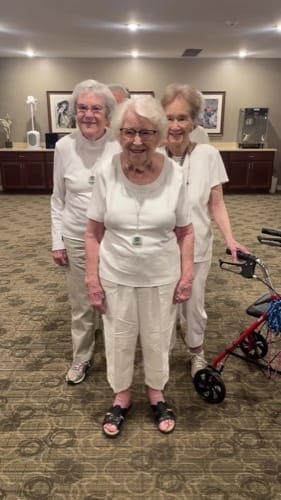
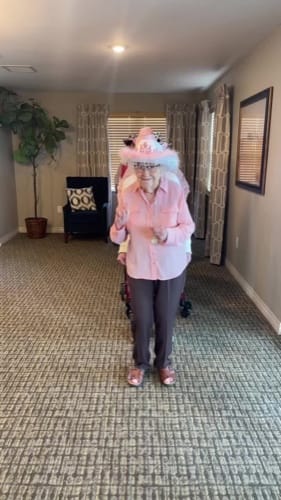
Residents typically stay for brief periods, with frequent admissions and discharges throughout the year.

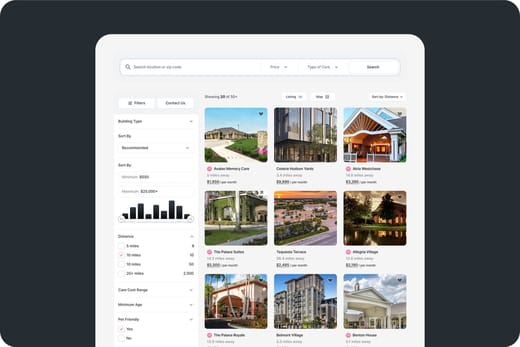
We arrange tours, appointments, and even moving support so you don’t have to
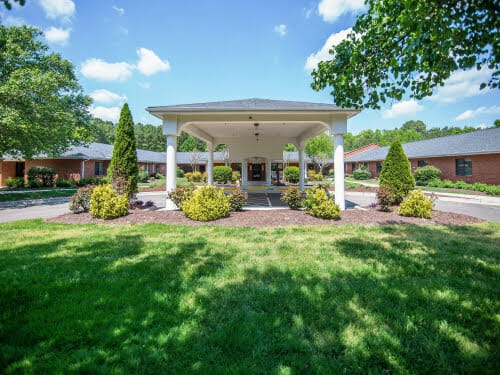


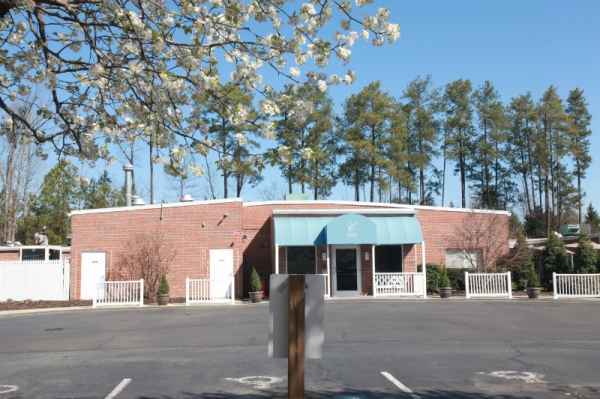
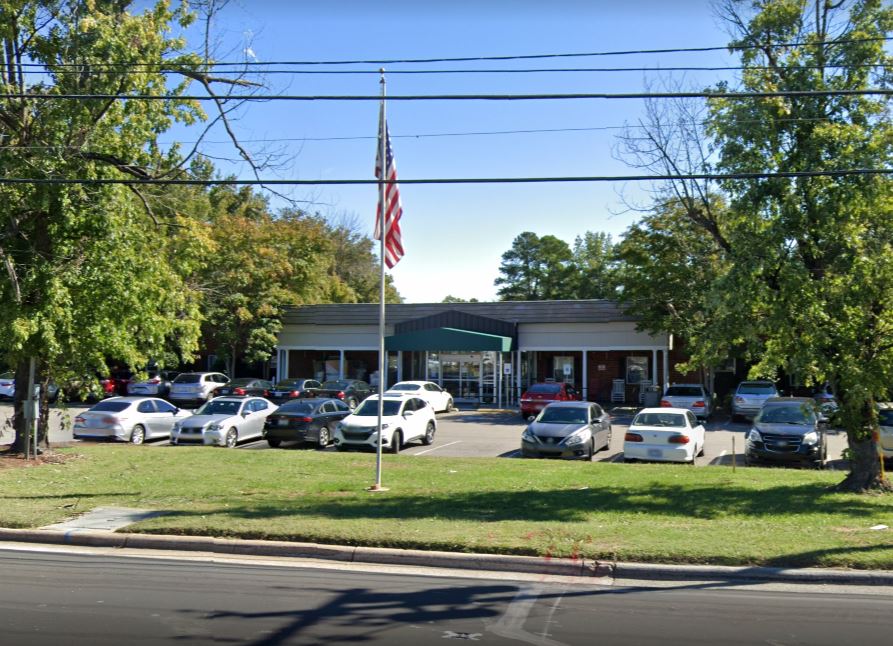
Treyburn Rehabilitation Center is distinguished by its commitment to enhancing patient care, the center places a distinct emphasis on introducing specialized clinical programs for their senior residents. In certain instances, the staff undergoes additional training and education to operate specialized equipment and administer tailored treatment protocols, potentially expediting recovery processes. Treyburn Rehabilitation Center is a prominent assisted living community in Durham, North Carolina.
This assisted living community offers a unique proposition to patients who have been hospitalized for a minimum of three nights—providing the option for a short-term stay within their premises, where round-the-clock nursing care and comprehensive Physical, Occupational, and Speech Therapy are available up to seven days each week. Additionally, patients can opt for a brief Respite in-patient stay, spanning from a few days to several months, effectively creating an avenue for short-term care tailored to individual needs.
 Official CMS rating based on health inspections, staffing and quality measures.
Official CMS rating based on deficiencies found during state health inspections.
Official CMS rating based on nurse staffing hours per resident per day.
Official CMS rating based on clinical outcomes for residents.
Official CMS rating based on health inspections, staffing and quality measures.
Official CMS rating based on deficiencies found during state health inspections.
Official CMS rating based on nurse staffing hours per resident per day.
Official CMS rating based on clinical outcomes for residents.
Offers a balance of services and community atmosphere.
Occupancy is moderate, suggesting balanced demand.
Residents typically stay for brief periods, with frequent admissions and discharges throughout the year.
29% of new residents, usually for short-term rehab.
63% of new residents, often for short stays.
8% of new residents, often for long-term daily care.
The portion of the home's budget spent on staff, including nurses, caregivers, and other employees who support care and operations.
All remaining costs needed to run the home, such as food, utilities, building maintenance, supplies and administrative expenses.
Nursing Home 24/7 care needed
Assisted Living For seniors needing help with daily tasks but not full-time nursing.
Nursing Home 24/7 care needed
Assisted Living For seniors needing help with daily tasks but not full-time nursing.
 -23%
-23% +45%+8%
Nursing Home 24/7 care needed
Assisted Living For seniors needing help with daily tasks but not full-time nursing.
Nursing Home 24/7 care needed
Assisted Living For seniors needing help with daily tasks but not full-time nursing.
Nursing Home 24/7 care needed
Assisted Living For seniors needing help with daily tasks but not full-time nursing.
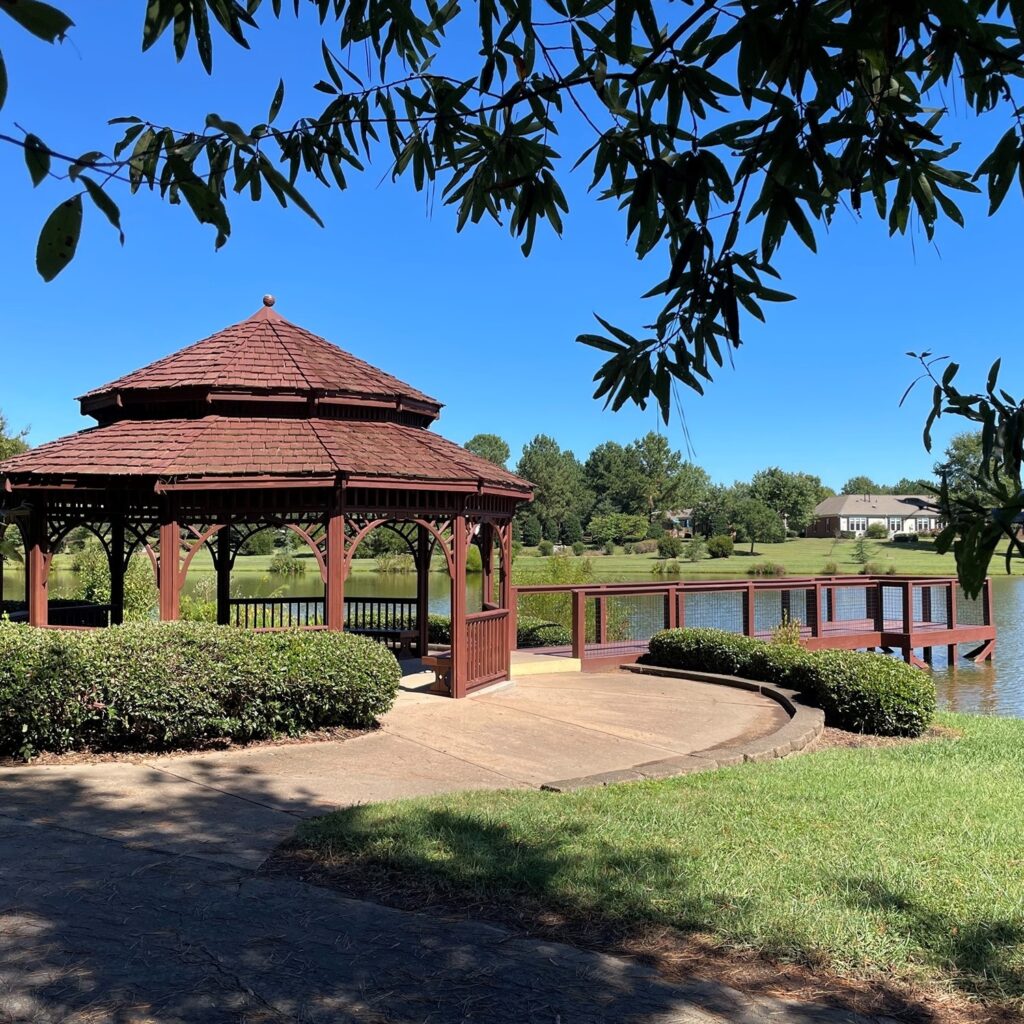 Croasdaile Village
 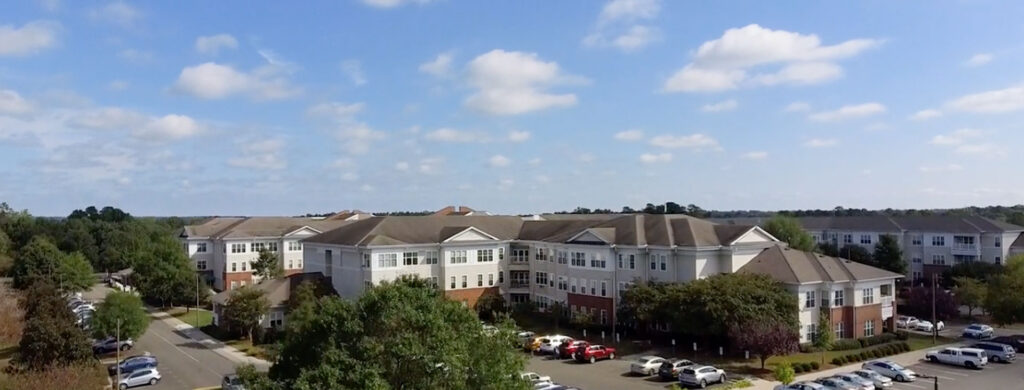 Croasdaile Village -23%+45%+8%
Treyburn Rehabilitation Center
Croasdaile Village -23%+45%+8%
Treyburn Rehabilitation Center Care Cost Calculator: See Prices in Your Area
Nursing Home Data Explorer
Don’t Wait Too Long: 7 Red Flag Signs Your Parent Needs Assisted Living Now
The True Cost of Assisted Living in 2025 – And How Families Are Paying For It
Understanding Senior Living Costs: Pricing Models, Discounts & Financial Assistance
We help families find affordable senior communities and unlock same day discounts, Medicaid, and Medicare options tailored to your needs.
Contact us Today


Touring a community? Use this expert-backed checklist to stay organized, ask the right questions, and find the perfect fit.
We'll send you a PDF version of the touring checklist.