
Tailored Care for Seniors: The Concierge Medicine Advantage
Access to concierge medicine is not only beneficial but crucial for seniors, who require direct access and personalized care as they navigate the challenges of aging. This exclusive form of care aims to promote long-term better health. Direct primary care provides patients with a sense of ease, knowing that their physicians are familiar with their […]


- Concierge practices can offer same-day appointments, direct physician access, and longer visitsu2014typically 60 to 90 minutes for new patients and 45 minutes for follow-ups.
- More time with a physician can support a stronger relationship and care tailored to seniorsu2019 medical histories, lifestyles, long-term goals, and surroundings.
- Membership fees and services vary; compare local providersu2019 offerings and costs, since direct primary care may provide lower-cost subscription options.
Access to concierge medicine is not only beneficial but crucial for seniors, who require direct access and personalized care as they navigate the challenges of aging. This exclusive form of care aims to promote long-term better health. Direct primary care provides patients with a sense of ease, knowing that their physicians are familiar with their personal health histories. Those with long-term or chronic medical conditions can benefit from same-day appointments, and seniors can also establish strong relationships with their physicians, resulting in a guided care experience day in and day out.
Defining Concierge Medicine
Concierge medicine is a membership-based healthcare that combines personalized and exclusive care with convenience and accessibility. It typically includes unlimited office and telehealth visits, allowing patients to receive direct care from a doctor without additional fees or co-pays, thanks to a fixed monthly fee. This approach operates independently of insurance or corporate health systems, which means there’s a direct doctor-patient relationship. In the mid-1990s, concierge medicine was perceived as a luxury medical option, often associated with high prices and VIP treatment. Today, rates vary widely, with more affordable alternatives available. For example, direct primary care (DPC) practices offer different models of high-quality subscription-based care at lower costs, catering to various patient needs.
What are the benefits for seniors?
Doctor Availability
Gone are the days of waiting for weeks or enduring long appointment times. Concierge medicine not only reduces the number of patients physicians handle but also extends the length of visits, enabling them to see seniors more frequently and provide higher quality and more tailored healthcare. In-person visits with concierge physicians vary depending on the patient’s needs, but typically, new patient appointments last 60 to 90 minutes, while routine follow-ups can last 45 minutes. This ample time allows for thorough discussions of symptoms and underlying issues, ensuring patients receive comprehensive care.
Streamline Administrative Processes
In the US, about 30% of healthcare expenditures are for administrative costs. Thankfully, concierge medicine streamlines access to doctors by providing patients with direct access to their physician without the need to navigate through administrative personnel. Seniors can communicate directly with their doctor, eliminating the need for long queues or pre-booking. This direct access, including the ability to reach doctors via personal cell phones, results in unlimited visits with no co-pay fees, simplifying the healthcare process and reducing administrative burdens.
Affordability
Despite common misconceptions, concierge medicine affordability is actually more attainable than many believe. While it may initially seem like an expensive option reserved for the elite, the annual fee covers additional benefits such as 24/7 access to healthcare providers, same-day appointments, and other services. Concierge medicine can save seniors’ money by offering transparent payment terms, discounted services, and medication. This clarity and efficiency can then result in long-term financial savings for individuals in their golden years.
House Visits
House visits are a convenient option for seniors to receive healthcare from the comfort of their own familiar space. Concierge physicians often accommodate house visits, which is very beneficial and even necessary for those with chronic illnesses requiring frequent medical attention. In most cases, concierge physicians are more than willing to accompany seniors to specialist appointments, further enhancing the convenience and continuity of care.
Meaningful Doctor-Patient Relationship
Establishing trust and transparency is just as important as receiving the right treatments in healthcare, and concierge medicine fosters meaningful, peaceful, and enhanced doctor-patient relationships. The additional time spent with physicians allows for thorough examinations and enables doctors to gain a deeper understanding of their patients’ lifestyles, long-term goals, and overall health. This personalized approach to care promotes holistic healthcare, ultimately benefiting seniors during their golden years by addressing both medical and environmental factors, and promoting overall wellness.
These are just a few of the benefits of concierge medicine, emphasizing its preventative nature and how it considers environmental and lifestyle factors. This holistic approach to healthcare can significantly improve the quality of life for both seniors and their families.
Getting Started with Concierge Medicine
To get started, it’s important to explore the concierge medical practices available in your location, ensuring they are convenient and accessible to you. Take time to research the perks and services offered by each provider, and check reviews for insights from other patients. It’s also advisable to contact each provider directly to gain a better understanding of their offerings and to avoid any misinformation.
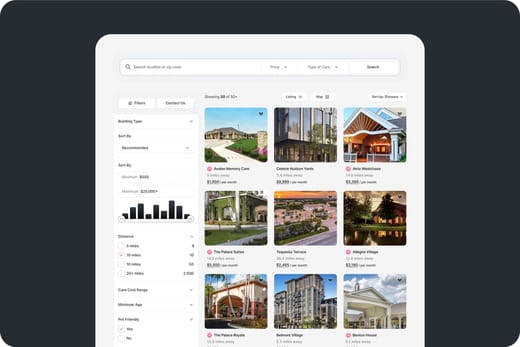
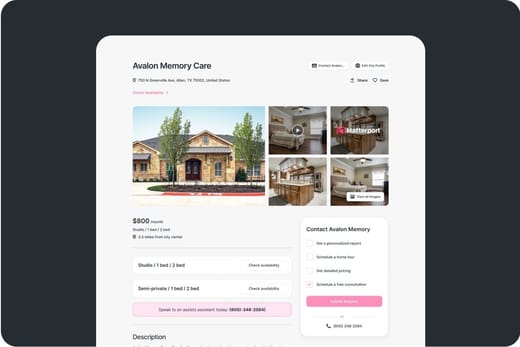
Assisted Living Magazine can be a valuable resource for obtaining more information on senior care. It provides articles, discussions, and information on healthcare options. It also offers insights into healthcare trends in senior care and provides a directory of services. What’s more, its team of experts can assist you in scheduling home tours, obtaining personalized reports, detailed pricing information, and scheduling free consultations to your chosen provider, among other services.
Of course, before embarking on this journey, it’s essential to have your finances, budget, and schedule planned ahead to ensure a smoother transition to concierge medicine.