NCE Homecare
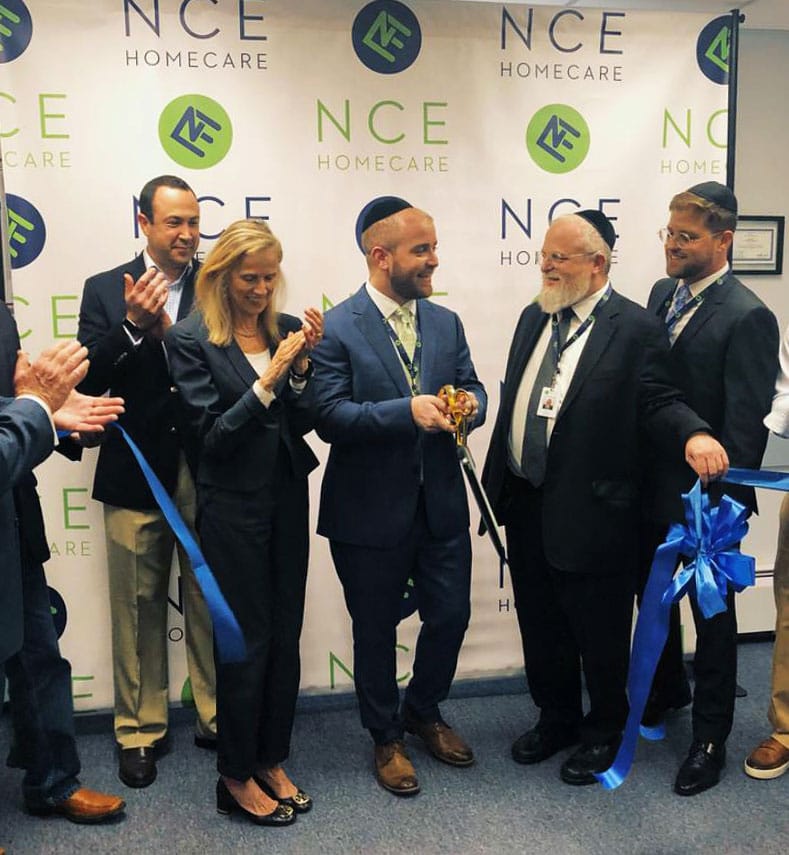
Nce Homecare provides home care in Waterbury, CT. Its personalized care plans include assistance with day-to-day activities, helping clients manage routine tasks while receiving care at home. Rehabilitation services are also available, and 24-hour staffing supports care needs that arise throughout the day and night. Nce Homecare may be a good fit for someone who needs help with daily activities and rehabilitation while continuing to live at home.
The starting price is $2,750, giving families a baseline for planning care expenses. Medicaid is accepted for payment, so eligible clients may use that coverage toward services. Located in the Burnt Hill area, a Walk Score of 71 indicates the neighborhood is very walkable, allowing many errands to be completed by walking; this can help someone getting home care maintain some independence without driving.
Community insights.
About This Community
Pricing & Financial Information
The below pricing was updated on
Places of interest near NCE Homecare
1.9 miles from city center
Estimated distance in miles from Waterbury's city center to NCE Homecare's address, calculated via Google Maps.
— 1.97 miles to nearest hospital (UConn Health Waterbury Hospital)
Calculate Travel Distance to NCE Homecare
Add your location
Compare Home Care around the area
Info below is compiled from the CT Dept. of Public Health (DPH), senior community websites & trusted data sources such as Walk Score & BBB.
Communities are listed from highest-ranked to lowest-ranked based on our methodology.
Care Types in This Table
AL (Assisted Living):
Housing with help for daily activities like bathing, dressing, and medication, without 24-hour skilled nursing.
NH (Nursing Home):
24/7 skilled nursing care for residents with complex, ongoing medical needs.
SNF (Skilled Nursing Facility):
Round-the-clock nursing care, often for recovery after surgery, injury, or illness.
MC (Memory Care):
Secured, specialized care for people living with Alzheimer's or dementia.
RC (Respite Care):
Short-term temporary care that gives family caregivers a break.
IL (Independent Living):
Community living with dining, activities, and transportation for active seniors who need little personal care.
HC (Home Care):
Professional care delivered in the person's own home, from companionship to skilled nursing.
HOS (Hospice Care):
Comfort-focused care for those with a terminal illness, prioritizing quality of life over treatment.
PC (Palliative Care):
Comfort-focused care for serious illness at any stage, including alongside curative treatment.
CCRC (Continuing Care Retirement Community):
A campus with multiple care levels so residents can age in place without moving.
|
City and state of the facility. Used for mapping and state-average comparisons.
|
Licensed bed capacity (maximum allowed). Not the same as how many beds are currently filled.
|
Indicates whether residents are allowed to have pets in the facility.
|
Third-party neighborhood walkability score (0–100). Convenience/context metric, not a healthcare quality measure.
|
Description of bed or unit types offered (e.g. assisted living, memory care), as reported in state or facility disclosures.
|
Number of years the company has been in operation.
|
Reported or derived occupancy for the facility—typically how fully licensed capacity is utilized. Compare across peers in the same market.
|
Better Business Bureau grade for the operating company. Reflects complaint handling and business practices, not clinical care quality.
|
Count of regulatory inspections in the reporting window. Higher volume can reflect more oversight visits, complaint-driven surveys, or routine licensure cycles.
|
Total count of deficiencies (cited regulatory issues) recorded in the selected reporting period. Read alongside inspection counts for context.
|
The average number of deficiencies this facility receives each time it's inspected, calculated as total deficiencies ÷ total inspections. A lower number suggests more consistent compliance with safety and care standards.
| |
|---|---|---|---|---|---|---|---|---|---|---|---|---|
| Masonic Healthcare Center | HC AL HOS MC NH PC RC SNF | Wallingford | 260 | Yes | 33 | Private / Semi-Private Rooms | 16 | 89.0% | - | 21 | 29 | 1.4 |
| Waveny LifeCare Network | HC AL CCRC HOS IL MC NH RC SNF | New Canaan | 106 | No | - | Studio / 1 Bed | - | 65.2% | - | - | - | - |
| Maefair Health Care Center | HC NH SNF | Trumbull (Trumbull Center) | 134 | No | 25 | - | - | 90.5% | - | - | - | - |
| Countryside Manor of Bristol | HC AL HOS NH | Bristol | 90 | Yes | - | Private Rooms | - | - | - | - | - | - |
| NCE Homecare | HC | Waterbury (Burnt Hill) | - | No | 71 | - | 9 | - | A+ | - | - | - |
Programs that may help with care and living costs in Connecticut
NCE Homecare is in Waterbury, Connecticut. These programs may support different care settings or living expenses. A listing does not confirm this community participates; our concierge team can help confirm.
Connecticut Home Care Program for Elders
CHCPE
- Income limit
- 2026 · Medicaid-funded individual limit is $2,982/month. The state-funded program uses different eligibility and applied-income rules.
- Asset limit
- Medicaid-funded individual limit is $1,600. State-funded limits are $48,798 for a single person and $65,064 for a married couple in 2026.
Eligibility
- General
- Connecticut residents age 65+ with assessed home-care needs; Medicaid-funded and state-funded CHCPE have different eligibility and cost-sharing rules.
- CT specifics
- Needs assessment determines the pathway. State-funded participants generally contribute 3% of care cost; applied-income rules may add contributions above the applicable allowance.
What it provides
- Assessed home-care services under an approved plan; no automatic daily personal-care or respite-hour entitlement.
Statewide Respite Care Program
CT Respite Care
Eligibility
- General
- Connecticut residents with Alzheimer disease or a related dementia whose caregivers need respite and who meet program screening rules.
- CT specifics
- A care plan determines agency-based or self-directed respite; availability depends on assessment and funds.
What it provides
- Respite assistance up to $7,500/year based on assessed need and funding; not an automatic payment of the maximum.
State Supplement for the Aged, Blind or Disabled
Connecticut State Supplement Cash Assistance
- Income limit
- DSS compares income with allowable needs. Boarding-home and residential-care-home costs receive separate consideration; do not treat a general income screen as a universal housing cap.
- Asset limit
- Countable assets may not exceed $1,600 for a single person or $2,400 for a married couple.
Eligibility
- General
- Cash assistance for Connecticut residents age 65+ or qualifying blind/disabled adults with income to supplement. It can assist with eligible living expenses, including qualifying boarding homes and residential care homes.
- CT specifics
- DSS determines the award and eligible housing costs.
What it provides
- State-funded cash supplement for eligible living expenses; including qualifying boarding-home or residential-care-home costs. DSS determines the individual award; it is not a blanket payment for all assisted-living facilities.
Medicare Savings Program (MSP)
Connecticut Medicare Savings Program
- Who it is for
- Medicare beneficiaries with limited income who need help with premiums or cost sharing
- Income limit
- 2026 · Effective March 1 2026, monthly gross limits (single/couple): QMB $2,807/$3,806; SLMB $3,073/$4,166; ALMB $3,272/$4,437.
- Asset limit
- Connecticut does not apply an MSP asset test.
Eligibility
- General
- Connecticut Medicare beneficiaries who meet the applicable QMB, SLMB or ALMB eligibility conditions.
- CT specifics
- ALMB is funding-limited and is not available with Medicaid; category eligibility is determined by DSS.
What it provides
- QMB pays covered Medicare premiums and cost sharing; SLMB and ALMB pay the Part B premium.