|
| | Potomac | 139 | Yes | | Studio / 1 Bed / 2 Bed | 27 | A+ |
38%
Male Residents — State Benchmarked
38% of residents are male, compared to the Maryland average of 31%. This facility caters to a majority female resident pool (62% female), consistent with the broader assisted living trend where women significantly outnumber men. |
62%
Female Residents — State Benchmarked
62% of residents are female, compared to the Maryland average of 69%. Closer to an even gender split than most assisted living facilities, which typically have 65–75% female residents. |
94%
White Residents — State Benchmarked
94% of residents are reported as White, compared to the Maryland average of 81%. A higher White share than is typical for assisted living in Maryland in this dataset — compare with peer facilities for local context. |
3%
African American Residents — State Benchmarked
3% of residents are reported as African American or Black, compared to the Maryland average of 13%. A lower African American share than is typical in Maryland; local markets still vary widely. |
3%
Other Ethnicity Residents — State Benchmarked
3% of residents fall into categories other than White or African American (combined), compared to the Maryland average of 6%. This column aggregates Hispanic, Asian, multiracial, and any other labeled groups that are not classified as White or African American. Reported subgroups in this total: Asian (1%), Mixed Race (1%). |
13%
Residents Age 65–74 — State Benchmarked
13% of residents are 65–74, compared to the Maryland average of 13%. In line with the statewide profile for this youngest senior bracket in assisted living. |
26%
Residents Age 75–84 — State Benchmarked
26% of residents are 75–84, compared to the Maryland average of 31%. Below the state norm — the resident mix may skew either younger or older than this typical middle bracket. |
43%
Residents Age 85–94 — State Benchmarked
43% of residents are 85–94, compared to the Maryland average of 44%. This is typically the most common age bracket in assisted living — this facility is in line with the statewide norm. |
13%
Residents Age 95+ — State Benchmarked
13% of residents are 95 or older, compared to the Maryland average of 16%. In line with the statewide profile for the oldest resident bracket. |
|
| | Columbia (Hickory Ridge) | 96 | Yes | | Studio / 1 Bed / 2 Bed | 45 | A- |
31%
Male Residents — State Benchmarked
31% of residents are male, compared to the Maryland average of 31%. This facility caters to a majority female resident pool (69% female), consistent with the broader assisted living trend where women significantly outnumber men. |
69%
Female Residents — State Benchmarked
69% of residents are female, compared to the Maryland average of 69%. Women comprise the large majority, consistent with national assisted living demographics where women live longer and enter care facilities at higher rates. |
88%
White Residents — State Benchmarked
88% of residents are reported as White, compared to the Maryland average of 81%. Close to the average for this category among assisted living facilities in Maryland with reported race/ethnicity data. |
5%
African American Residents — State Benchmarked
5% of residents are reported as African American or Black, compared to the Maryland average of 13%. In line with the Maryland average for African American residents among facilities reporting this breakdown. |
6%
Other Ethnicity Residents — State Benchmarked
6% of residents fall into categories other than White or African American (combined), compared to the Maryland average of 6%. This column aggregates Hispanic, Asian, multiracial, and any other labeled groups that are not classified as White or African American. Reported subgroups in this total: Asian (4%), American Indian (1%), Hispanic (1%). |
6%
Residents Age 65–74 — State Benchmarked
6% of residents are 65–74, compared to the Maryland average of 13%. Fewer younger seniors suggests the resident population skews older, likely requiring higher acuity care and more hands-on support. |
38%
Residents Age 75–84 — State Benchmarked
38% of residents are 75–84, compared to the Maryland average of 31%. A high concentration in this mid-range bracket, where residents typically need moderate support with daily activities. |
36%
Residents Age 85–94 — State Benchmarked
36% of residents are 85–94, compared to the Maryland average of 44%. The population here skews younger than the statewide norm, which may indicate a more active, lower-acuity community. |
19%
Residents Age 95+ — State Benchmarked
19% of residents are 95 or older, compared to the Maryland average of 16%. In line with the statewide profile for the oldest resident bracket. |
|
| | Crofton (Crofton Mews) | 93 | Yes | | Studio / 1 Bed / 2 Bed | 7 | - |
21%
Male Residents — State Benchmarked
21% of residents are male, compared to the Maryland average of 31%. This facility caters to a majority female resident pool (79% female), consistent with the broader assisted living trend where women significantly outnumber men. |
79%
Female Residents — State Benchmarked
79% of residents are female, compared to the Maryland average of 69%. Women comprise the large majority, consistent with national assisted living demographics where women live longer and enter care facilities at higher rates. |
90%
White Residents — State Benchmarked
90% of residents are reported as White, compared to the Maryland average of 81%. A higher White share than is typical for assisted living in Maryland in this dataset — compare with peer facilities for local context. |
8%
African American Residents — State Benchmarked
8% of residents are reported as African American or Black, compared to the Maryland average of 13%. In line with the Maryland average for African American residents among facilities reporting this breakdown. |
2%
Other Ethnicity Residents — State Benchmarked
2% of residents fall into categories other than White or African American (combined), compared to the Maryland average of 6%. This column aggregates Hispanic, Asian, multiracial, and any other labeled groups that are not classified as White or African American. Reported subgroups in this total: Asian (2%). |
3%
Residents Age 65–74 — State Benchmarked
3% of residents are 65–74, compared to the Maryland average of 13%. Fewer younger seniors suggests the resident population skews older, likely requiring higher acuity care and more hands-on support. |
5%
Residents Age 75–84 — State Benchmarked
5% of residents are 75–84, compared to the Maryland average of 31%. Below the state norm — the resident mix may skew either younger or older than this typical middle bracket. |
88%
Residents Age 85–94 — State Benchmarked
88% of residents are 85–94, compared to the Maryland average of 44%. A high concentration of very elderly residents signals a higher-acuity facility with experience caring for advanced age-related needs. |
3%
Residents Age 95+ — State Benchmarked
3% of residents are 95 or older, compared to the Maryland average of 16%. Most residents here have not yet reached the oldest-old bracket, suggesting a younger overall community. |
|
| | Rockville | 89 | Yes | | Studio / 1 Bed / 2 Bed | 45 | A- |
23%
Male Residents — State Benchmarked
23% of residents are male, compared to the Maryland average of 31%. This facility caters to a majority female resident pool (77% female), consistent with the broader assisted living trend where women significantly outnumber men. |
77%
Female Residents — State Benchmarked
77% of residents are female, compared to the Maryland average of 69%. Women comprise the large majority, consistent with national assisted living demographics where women live longer and enter care facilities at higher rates. |
87%
White Residents — State Benchmarked
87% of residents are reported as White, compared to the Maryland average of 81%. Close to the average for this category among assisted living facilities in Maryland with reported race/ethnicity data. |
2%
African American Residents — State Benchmarked
2% of residents are reported as African American or Black, compared to the Maryland average of 13%. A lower African American share than is typical in Maryland; local markets still vary widely. |
11%
Other Ethnicity Residents — State Benchmarked
11% of residents fall into categories other than White or African American (combined), compared to the Maryland average of 6%. This column aggregates Hispanic, Asian, multiracial, and any other labeled groups that are not classified as White or African American. Reported subgroups in this total: Mixed Race (6%), Hispanic (3%), Asian (2%). |
3%
Residents Age 65–74 — State Benchmarked
3% of residents are 65–74, compared to the Maryland average of 13%. Fewer younger seniors suggests the resident population skews older, likely requiring higher acuity care and more hands-on support. |
31%
Residents Age 75–84 — State Benchmarked
31% of residents are 75–84, compared to the Maryland average of 31%. This is the second most common age bracket in assisted living, representing residents with moderate care needs. |
56%
Residents Age 85–94 — State Benchmarked
56% of residents are 85–94, compared to the Maryland average of 44%. A high concentration of very elderly residents signals a higher-acuity facility with experience caring for advanced age-related needs. |
10%
Residents Age 95+ — State Benchmarked
10% of residents are 95 or older, compared to the Maryland average of 16%. Most residents here have not yet reached the oldest-old bracket, suggesting a younger overall community. |
|
| | Frederick | 88 | Yes | | Studio / Suite / 2 Bed | 45 | A- |
31%
Male Residents — State Benchmarked
31% of residents are male, compared to the Maryland average of 31%. This facility caters to a majority female resident pool (69% female), consistent with the broader assisted living trend where women significantly outnumber men. |
69%
Female Residents — State Benchmarked
69% of residents are female, compared to the Maryland average of 69%. Women comprise the large majority, consistent with national assisted living demographics where women live longer and enter care facilities at higher rates. |
97%
White Residents — State Benchmarked
97% of residents are reported as White, compared to the Maryland average of 81%. A higher White share than is typical for assisted living in Maryland in this dataset — compare with peer facilities for local context. |
2%
African American Residents — State Benchmarked
2% of residents are reported as African American or Black, compared to the Maryland average of 13%. A lower African American share than is typical in Maryland; local markets still vary widely. |
2%
Other Ethnicity Residents — State Benchmarked
2% of residents fall into categories other than White or African American (combined), compared to the Maryland average of 6%. This column aggregates Hispanic, Asian, multiracial, and any other labeled groups that are not classified as White or African American. Reported subgroups in this total: Hispanic (2%). |
10%
Residents Age 65–74 — State Benchmarked
10% of residents are 65–74, compared to the Maryland average of 13%. Fewer younger seniors suggests the resident population skews older, likely requiring higher acuity care and more hands-on support. |
34%
Residents Age 75–84 — State Benchmarked
34% of residents are 75–84, compared to the Maryland average of 31%. This is the second most common age bracket in assisted living, representing residents with moderate care needs. |
48%
Residents Age 85–94 — State Benchmarked
48% of residents are 85–94, compared to the Maryland average of 44%. This is typically the most common age bracket in assisted living — this facility is in line with the statewide norm. |
6%
Residents Age 95+ — State Benchmarked
6% of residents are 95 or older, compared to the Maryland average of 16%. Most residents here have not yet reached the oldest-old bracket, suggesting a younger overall community. |



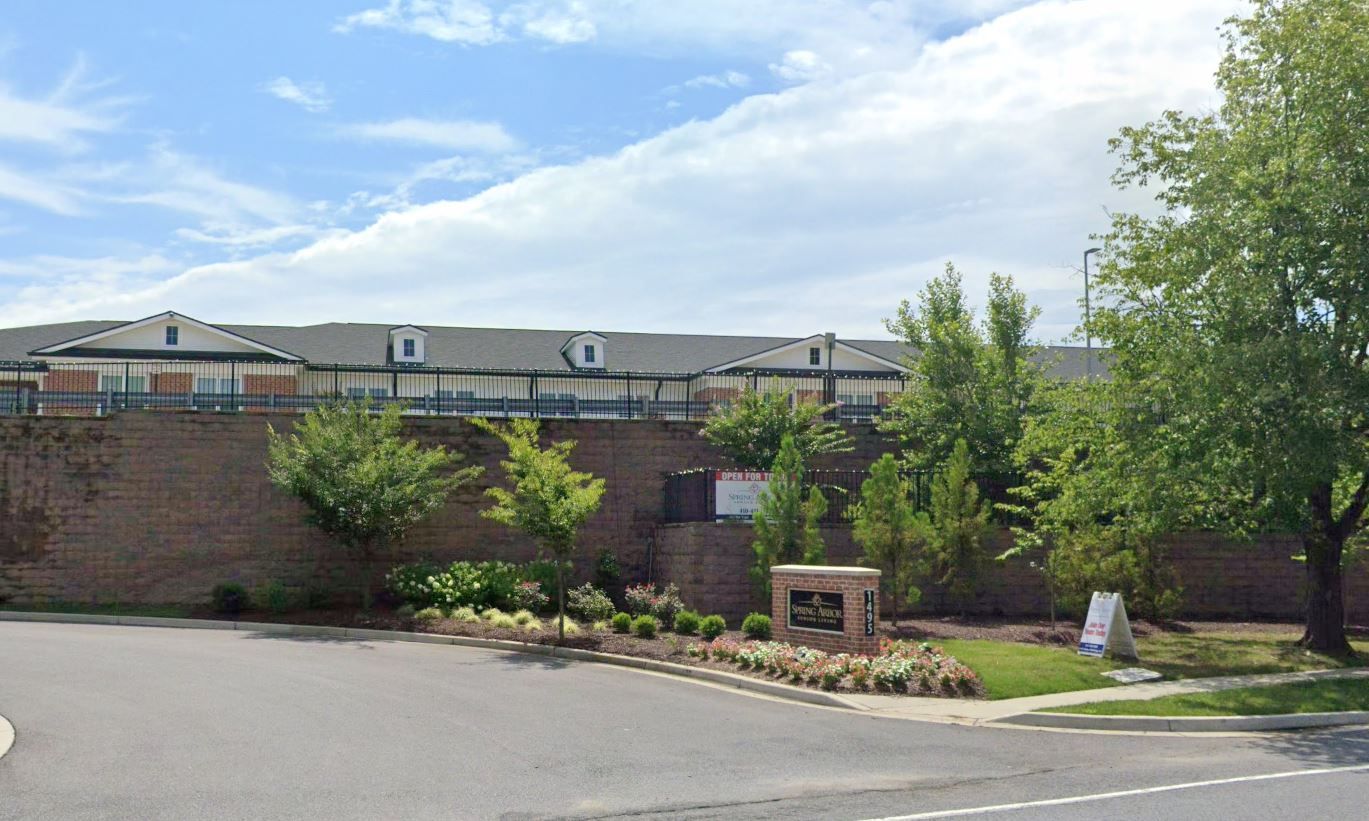
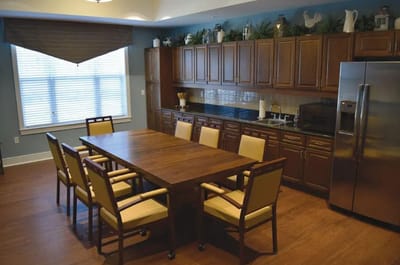
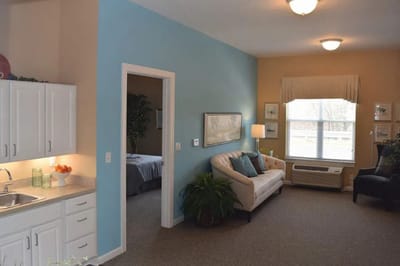
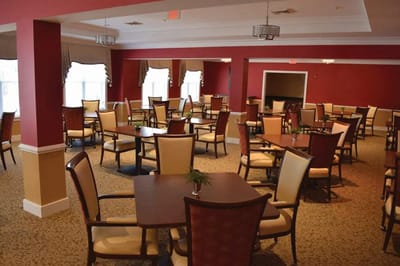


 A smaller, more intimate setting that may offer a quieter environment and closer staff-resident interactions.
93
Rank #70 / 578Bed count — State benchmarked This assisted living community is ranked 70th out of 578 assisted living communities we track in Maryland for bed count. Shows this facility's certified or reported bed count compared to other Maryland facilities. Larger communities may offer more amenities, programs, and on-site services for residents and families. Communities with the same value for a metric share the same rank. Rankings compare like with like: every assisted living community we track in Maryland that reports data for that category. Assisted living communities without available data are excluded, so the pool size varies from metric to metric.
A smaller, more intimate setting that may offer a quieter environment and closer staff-resident interactions.
93
Rank #70 / 578Bed count — State benchmarked This assisted living community is ranked 70th out of 578 assisted living communities we track in Maryland for bed count. Shows this facility's certified or reported bed count compared to other Maryland facilities. Larger communities may offer more amenities, programs, and on-site services for residents and families. Communities with the same value for a metric share the same rank. Rankings compare like with like: every assisted living community we track in Maryland that reports data for that category. Assisted living communities without available data are excluded, so the pool size varies from metric to metric.