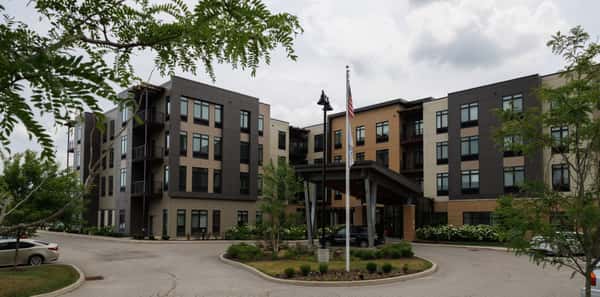
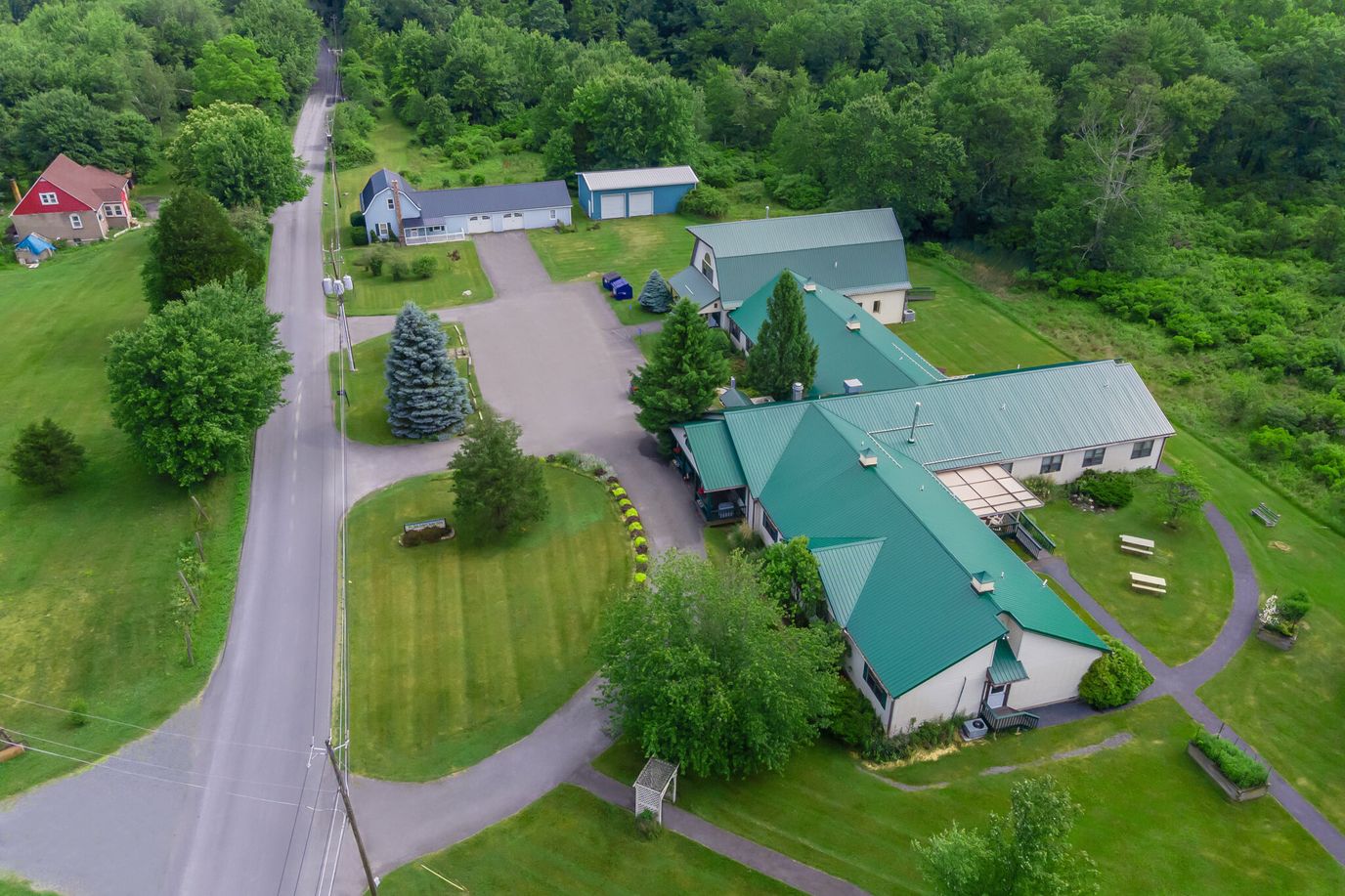
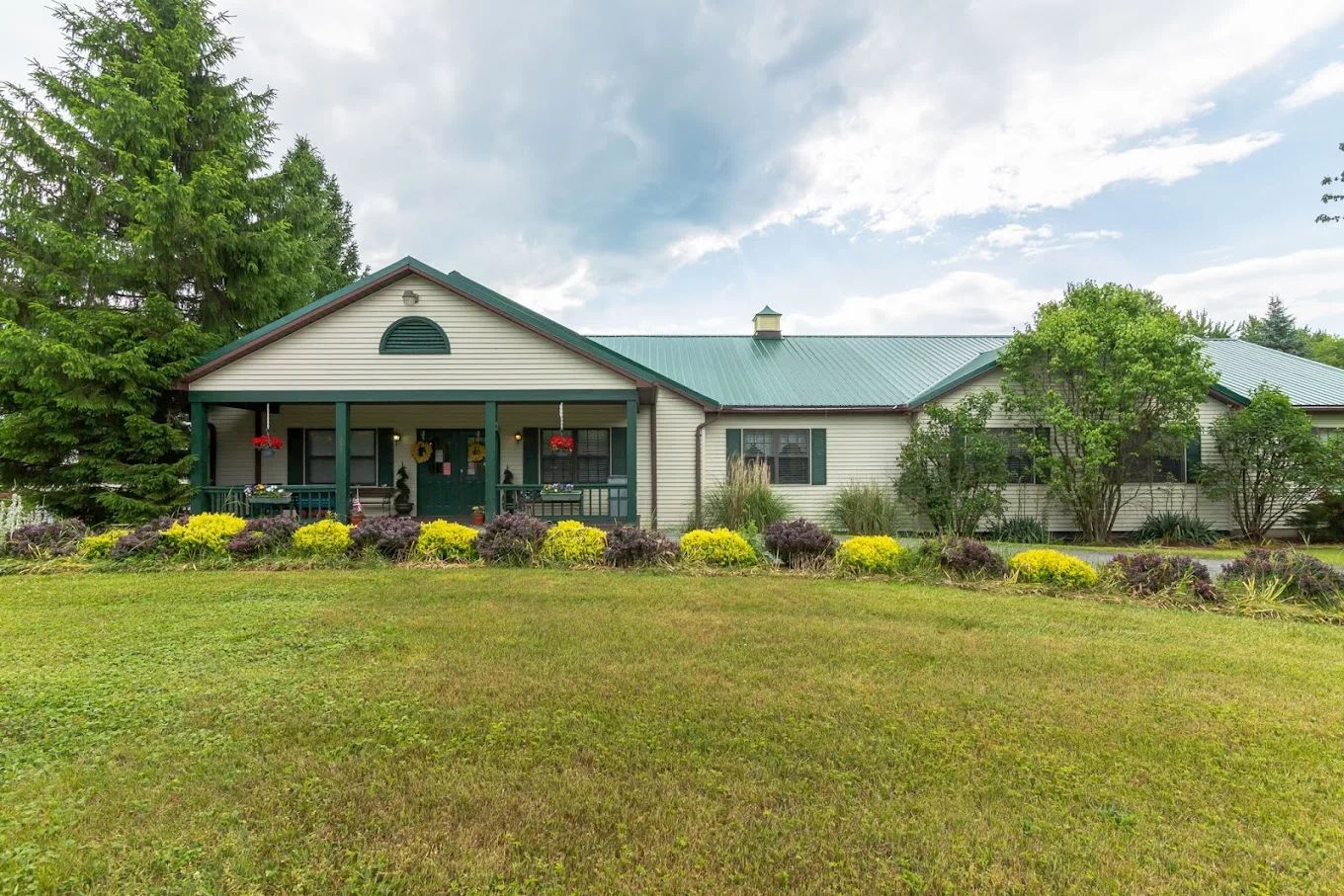
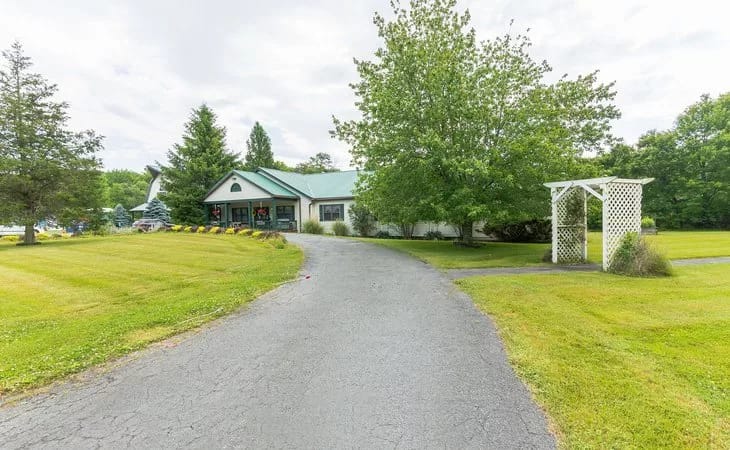
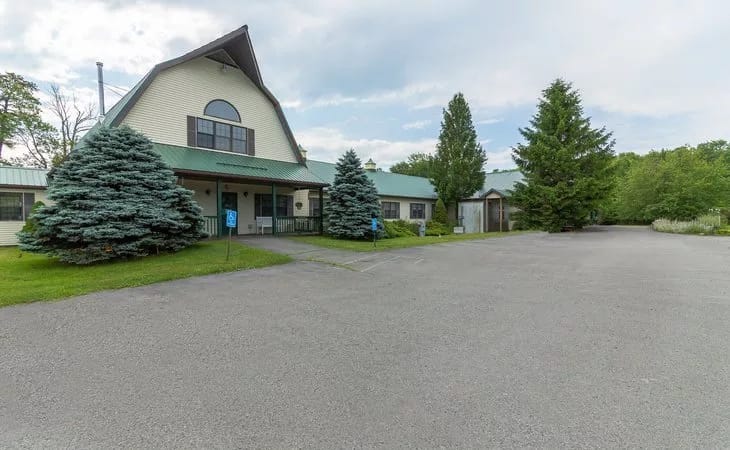
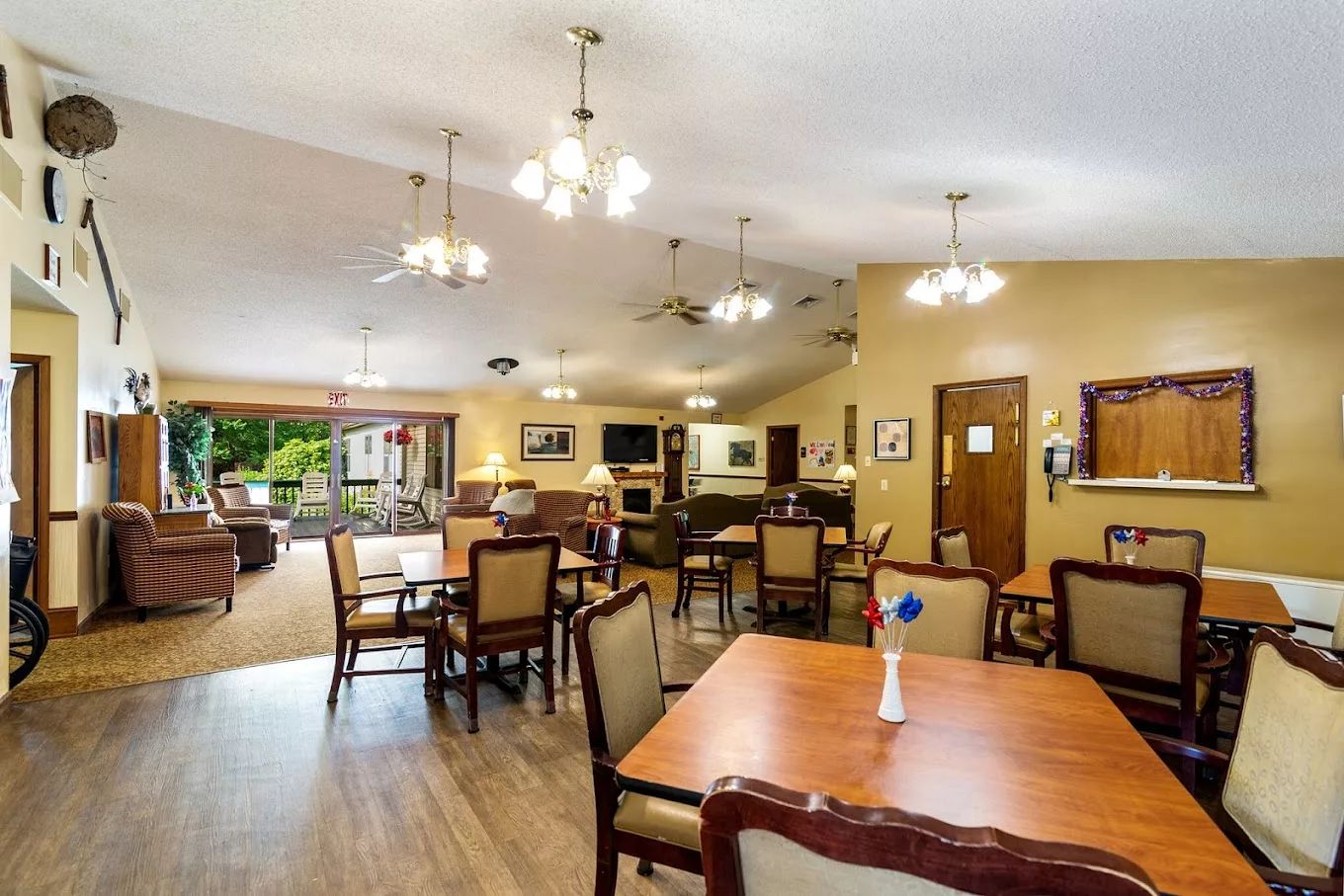
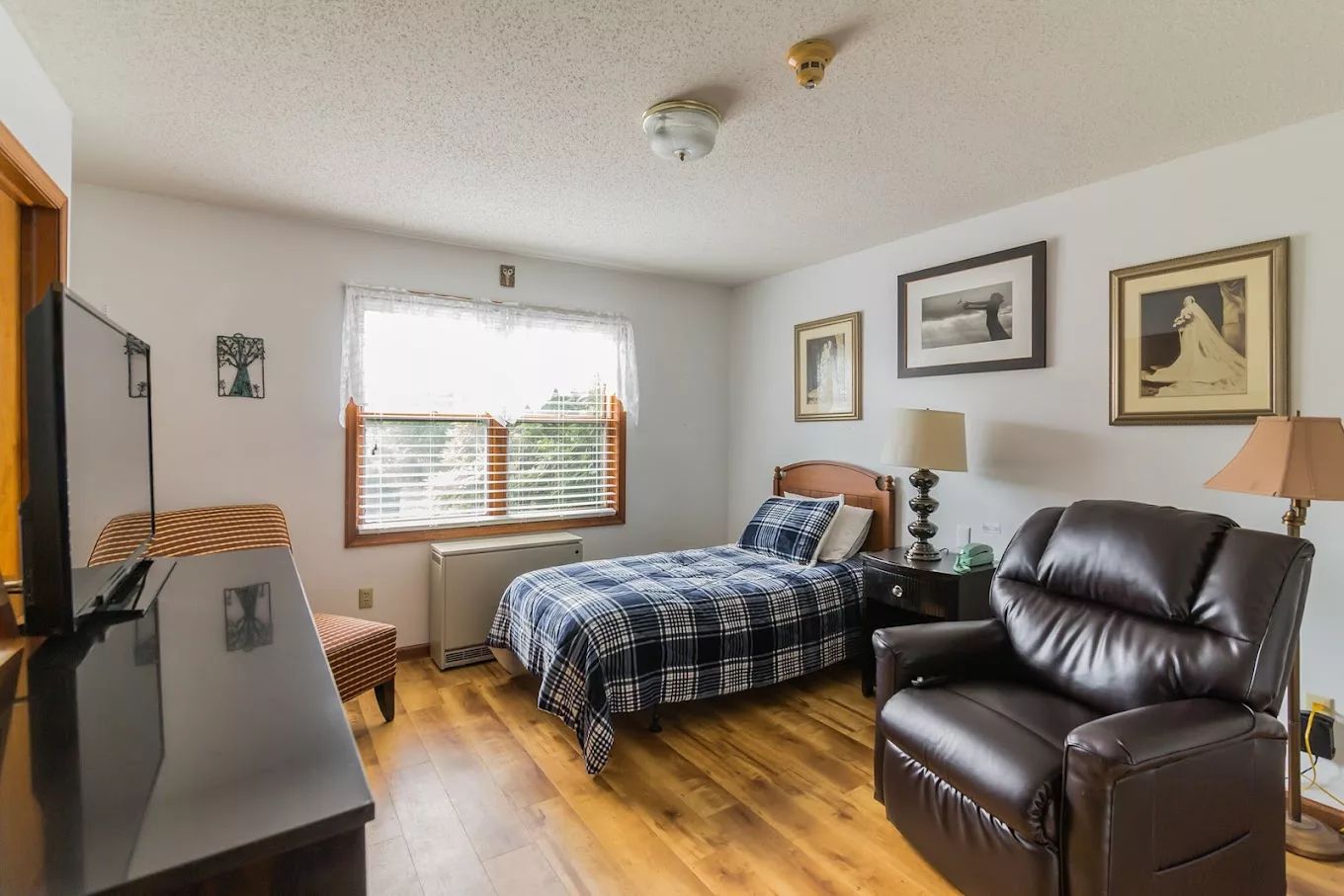
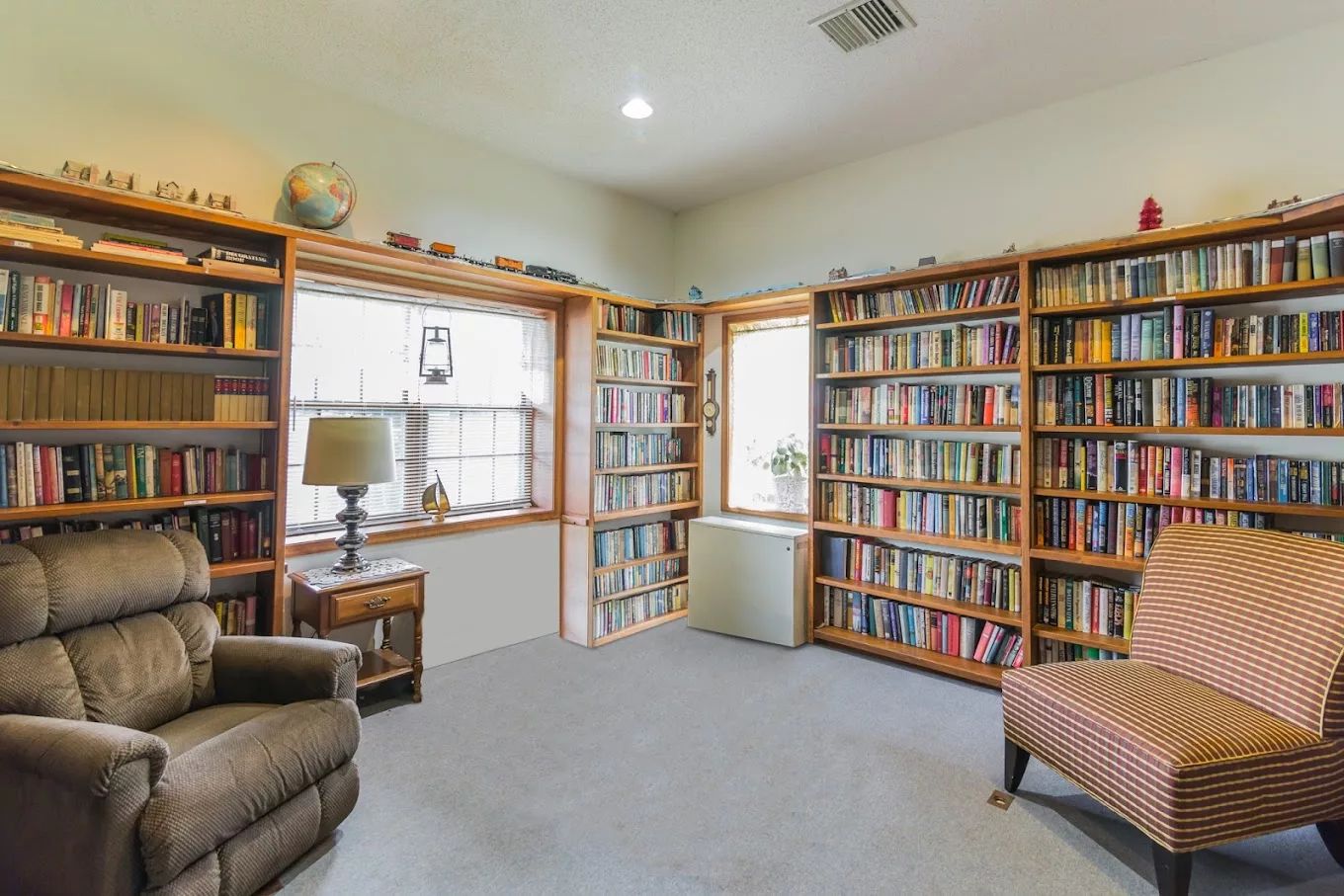
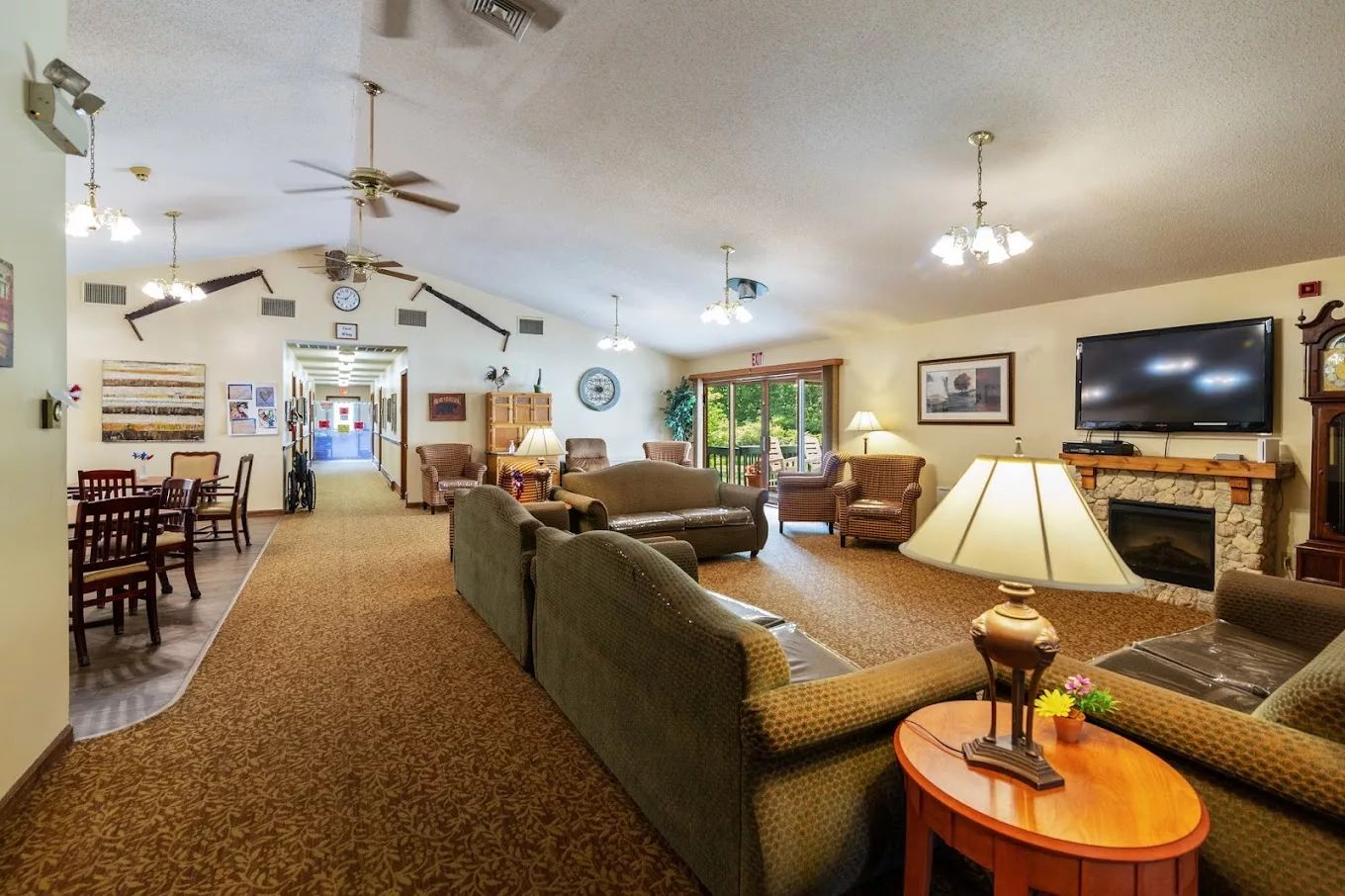
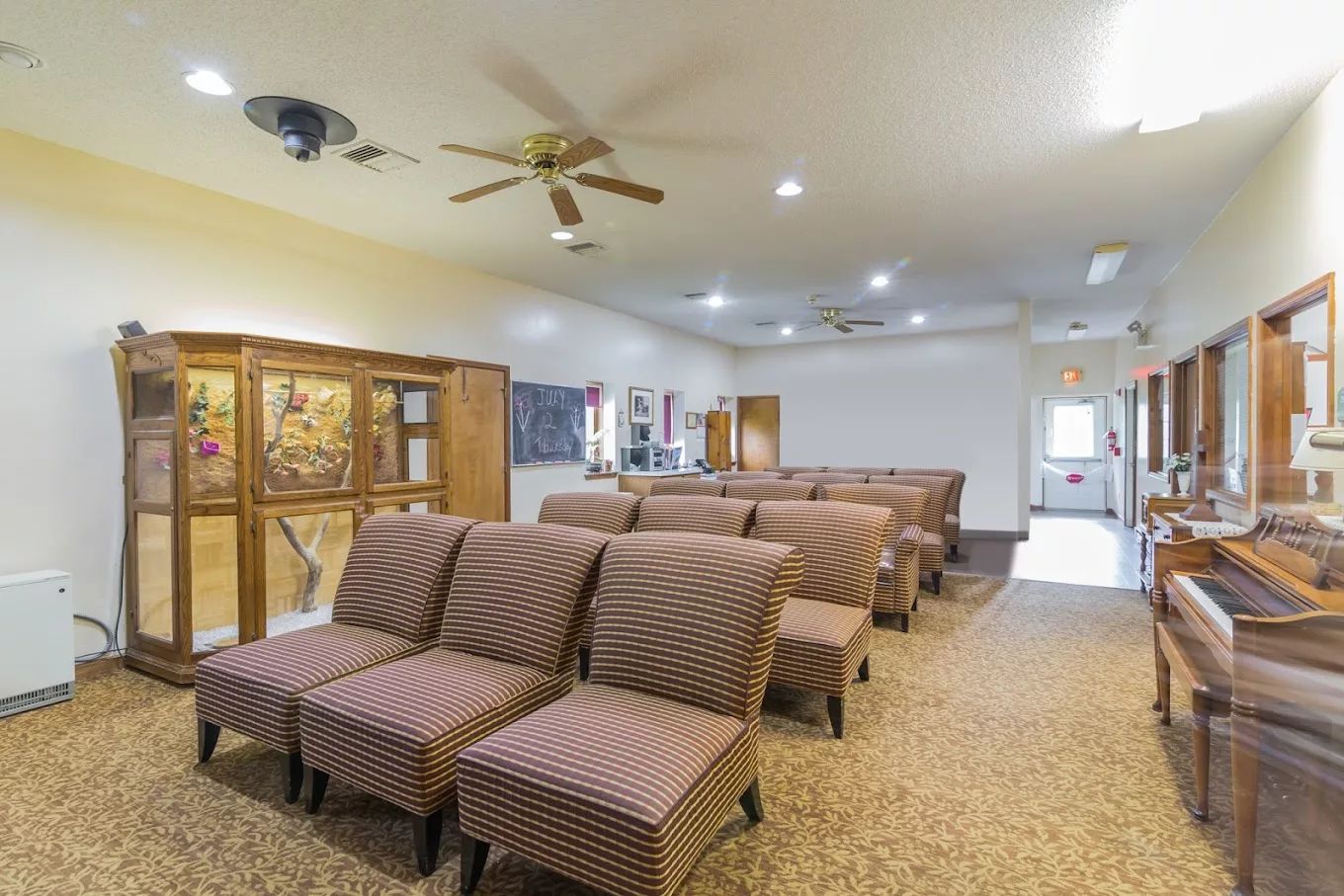
Operated by Little Walker Holdings LLC, Twin Cedar Senior Living is a single-story community in Shohola, Pennsylvania, in Pike County. The community offers assisted living, adult day care, residential care, and respite care, giving families several care options based on a loved one’s needs. Residents can choose from Private, Deluxe Private, and Friendship Suites within the 37-bed community.
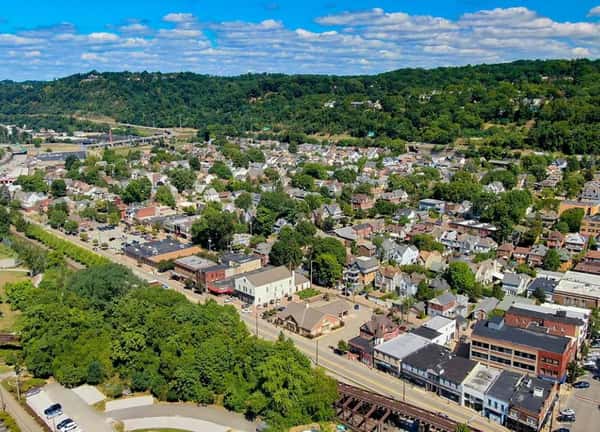
The community is currently home to both long-term and short-term residents. It has an occupancy rate of about 59%. This means there is room for new residents without the community being full. The neighborhood isn’t very walkable, so families need to drive for most errands and outings. Transportation services, fitness and recreation programs, and on-site parking are available. Visits and appointments more convenient for residents and families.
State inspections over the past several years have reviewed documentation and follow-up practices, resident safety procedures, and environmental systems such as water quality management. Corrective actions were completed and verified after each review. Families touring Twin Cedar may want to ask how these safety and quality practices are managed today.
Twin Cedar is dedicated to individual care that enables residents to maintain as much independence as possible and adapts support as needs evolve. The community also provides respite stays, which allow families to access short-term care or to get a feel for the community before making a long-term commitment.
Nearby Cities
Who we are
Your Senior Care Partner, Every Step of the Way
We help families find affordable senior communities and unlock same day discounts, Medicaid, and Medicare options tailored to your needs.
Contact us Today
Frequently Asked Questions about Assisted Living in Pike County, PA
What's the difference between assisted living and memory care in Pennsylvania?
Assisted living in Pennsylvania supports residents with daily activities (bathing, dressing, medication management) while preserving independence. Memory care is a specialized form of assisted living for residents living with Alzheimer's or dementia, and adds 24/7 secured environments, dementia-trained staff, and structured routines designed to reduce confusion and wandering.
What's the difference between assisted living and a nursing home in Pennsylvania?
Assisted living in Pennsylvania is a residential model focused on housing, hospitality, and help with daily activities. Nursing homes (skilled nursing facilities) provide 24/7 medical care from licensed nurses for residents with significant health needs, and are regulated more strictly under both state and federal CMS rules.
Does Pennsylvania Medicaid cover assisted living?
Pennsylvania Medicaid does not directly pay room-and-board for assisted living, but most states (including Pennsylvania) offer Home and Community-Based Services (HCBS) waivers that can offset the cost of care services delivered inside a licensed community. Eligibility, waitlists, and covered services vary — check directly with the state Medicaid agency.
What is assisted living?
Assisted living combines private or semi-private apartments with help on activities of daily living (meals, bathing, dressing, medication management) and a social calendar — for residents who need some support but do not need 24/7 medical care.
How many assisted living facilities are listed on this page?
This page features 1 assisted living facilities in Pike County, PA. Use the filters and comparison tools above to compare ratings, amenities, and pricing.
How do I choose the right assisted living facility in Pike County, PA?
Start by matching the level of care offered to the resident's current and anticipated needs, then compare licensing status, staff-to-resident ratios, recent inspection results, and pricing. Tour at least two or three communities in Pike County, PA, talk to current residents and families, and confirm what is included in the base rate versus billed as add-on services.
What should I look for when visiting assisted living facilities in Pike County, PA?
Pay attention to staff interactions with residents, cleanliness and odor, food quality at meal times, the activity calendar, and how questions about pricing and care plans are answered. Ask to see the most recent state inspection report, the move-out / level-of-care-change policy, and a sample monthly bill that lists every fee.