Best Assisted Living in Washington, PA

Why trust this guide? Our editorial team analyzed 1 assisted living community in Washington, PA using PA Depts. of Human Services & Health data, inspection records, complaints, amenities, and facility-level details. How we rank assisted living in PA
Reviewed by
Last updated
We analyzed These are the facilities in Washington, PA our team has analyzed — not a count of every assisted living provider in Washington, PA.
1 home
Other senior care options in Washington:
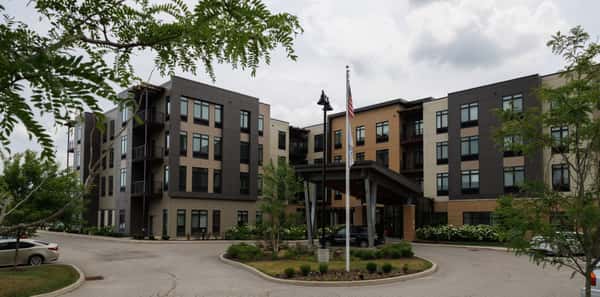
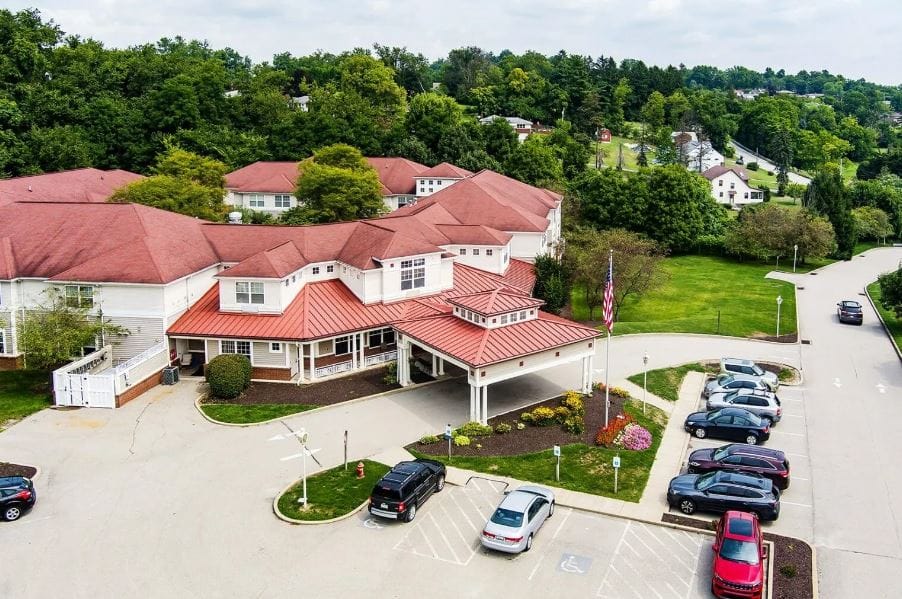
Overview of Hawthorne Woods by New Perspective

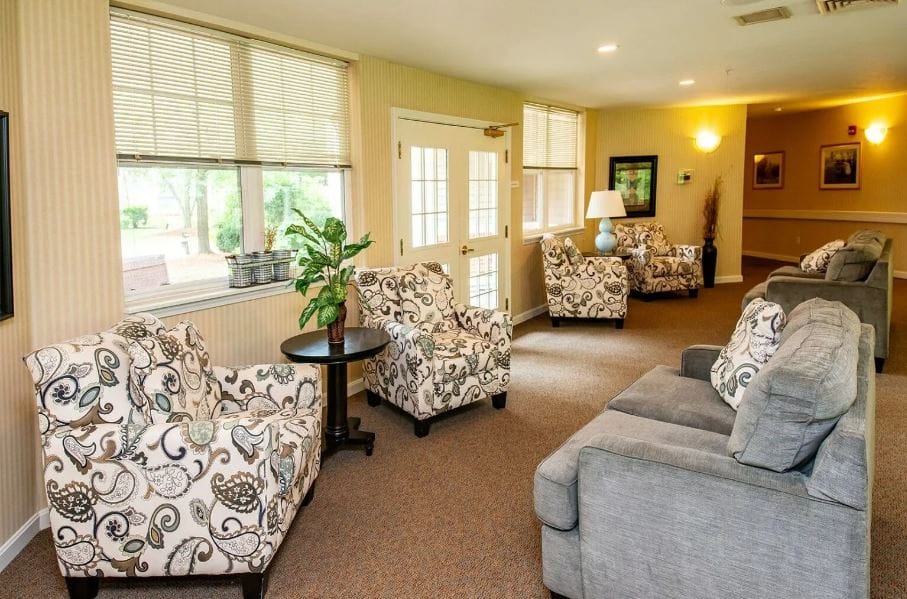
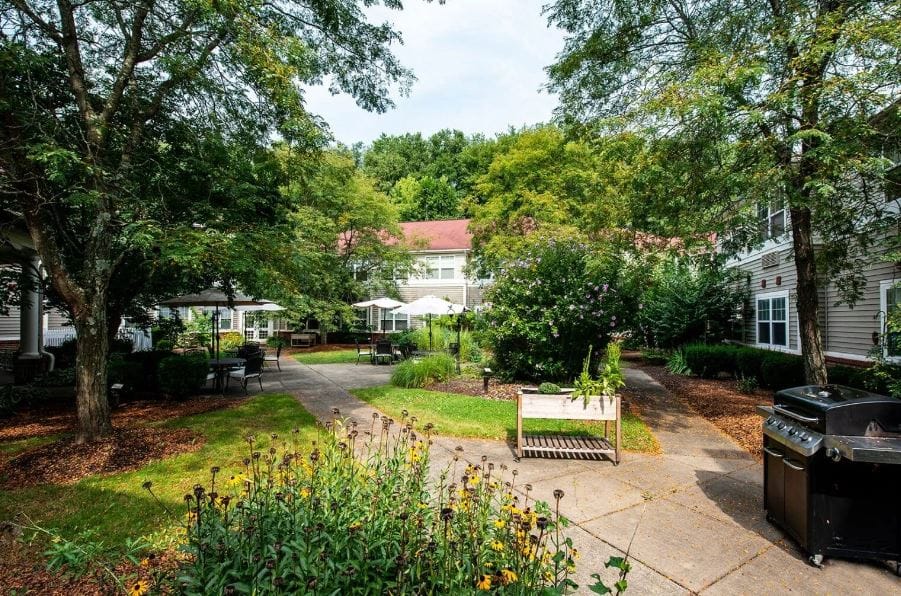
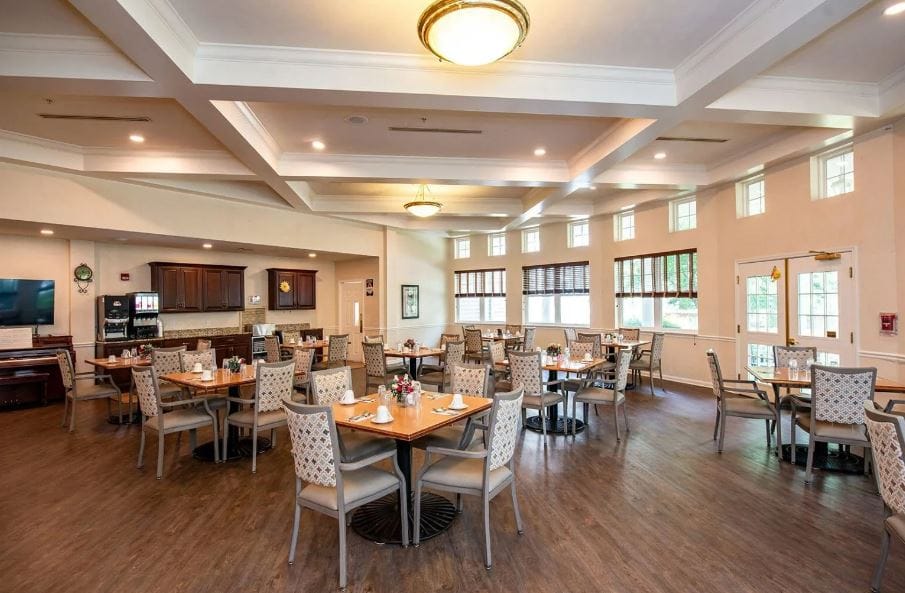
Hawthorne Woods by New Perspective offers assisted living and memory care in Washington, PA. Assisted living includes help with daily tasks such as dressing, bathing, and medication, while the resident lives in a studio or one-bedroom apartment. Memory care provides a secured setting with supervision for someone who may be at risk of wandering.

The community has 81 beds in the South Strabane Township neighborhood. Having both assisted living and memory care can suit a resident whose needs may grow over time without requiring a move to another community. Pets are allowed, which matters to a resident who wants to live with a pet. Washington Ops operates Hawthorne Woods by New Perspective.

Contact Hawthorne Woods by New Perspective

Assisted Living in Washington State at a glance

Avg Walk Score: 19/ 100The average Walk Score across facilities in Washington, PA. A third-party neighborhood walkability score (0–100) measuring convenience and context, not healthcare quality. Individual facilities can vary widely from this average.
National Average: 50/ 100
Avg No. of Beds: 81The average licensed bed capacity across facilities in Washington, PA. Individual facilities can vary widely from this average.
National Average: 90
Who we are

Your Senior Care Partner, Every Step of the Way

We help families find affordable senior communities and unlock same day discounts, Medicaid, and Medicare options tailored to your needs.

Contact us Today

Frequently Asked Questions about Assisted Living in Washington, PA

What is the average cost of assisted living in Washington, PA?

The average monthly cost of assisted living in Washington, PA is approximately $3,600. Actual rates vary by community, level of care, and floorplan.

What is the price range for assisted living in Washington, PA?

Assisted living in Washington, PA typically ranges from $3,300–$5,100 per month, depending on the community, room type, and care needs.

What is the typical staff-to-resident ratio at assisted living facilities in Washington, PA?

Assisted living facilities in Washington, PA typically operate with a staff-to-resident ratio in the range of 1:6 to 1:15.

What's the difference between assisted living and memory care in Pennsylvania?

Assisted living in Pennsylvania supports residents with daily activities (bathing, dressing, medication management) while preserving independence. Memory care is a specialized form of assisted living for residents living with Alzheimer's or dementia, and adds 24/7 secured environments, dementia-trained staff, and structured routines designed to reduce confusion and wandering.

What's the difference between assisted living and a nursing home in Pennsylvania?

Assisted living in Pennsylvania is a residential model focused on housing, hospitality, and help with daily activities. Nursing homes (skilled nursing facilities) provide 24/7 medical care from licensed nurses for residents with significant health needs, and are regulated more strictly under both state and federal CMS rules.

Does Pennsylvania Medicaid cover assisted living?

Pennsylvania Medicaid does not directly pay room-and-board for assisted living, but most states (including Pennsylvania) offer Home and Community-Based Services (HCBS) waivers that can offset the cost of care services delivered inside a licensed community. Eligibility, waitlists, and covered services vary — check directly with the state Medicaid agency.

What is assisted living?

Assisted living combines private or semi-private apartments with help on activities of daily living (meals, bathing, dressing, medication management) and a social calendar — for residents who need some support but do not need 24/7 medical care.