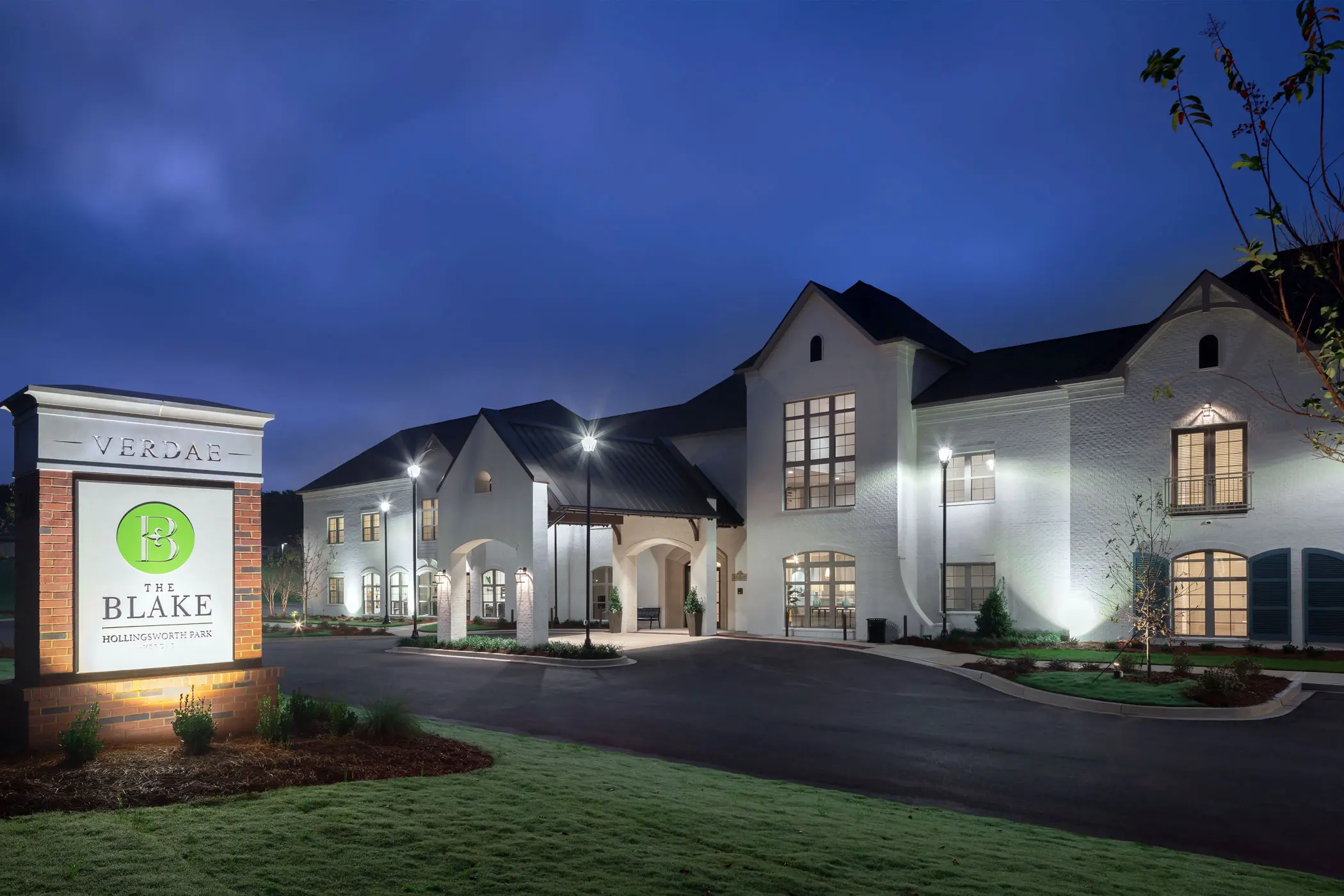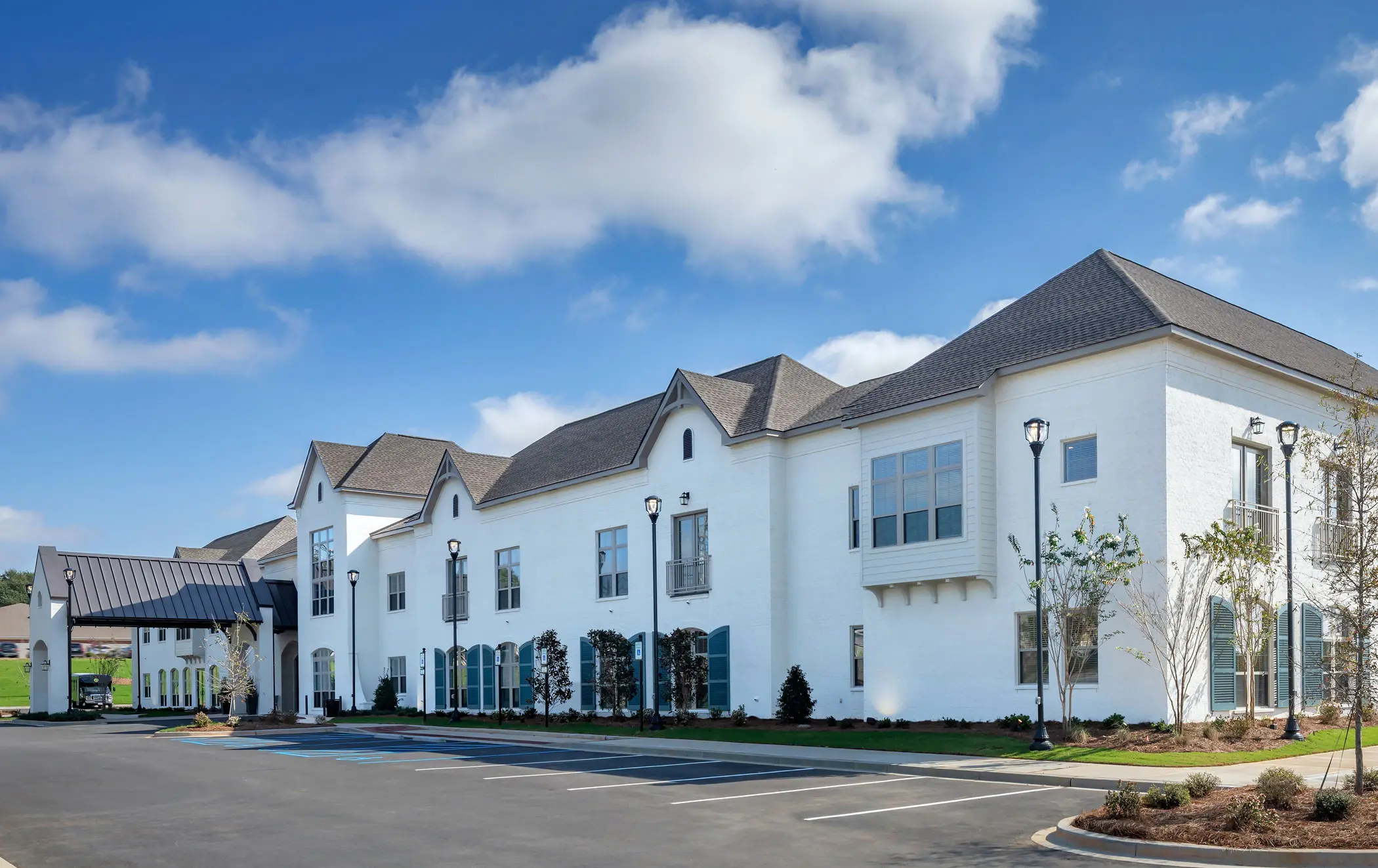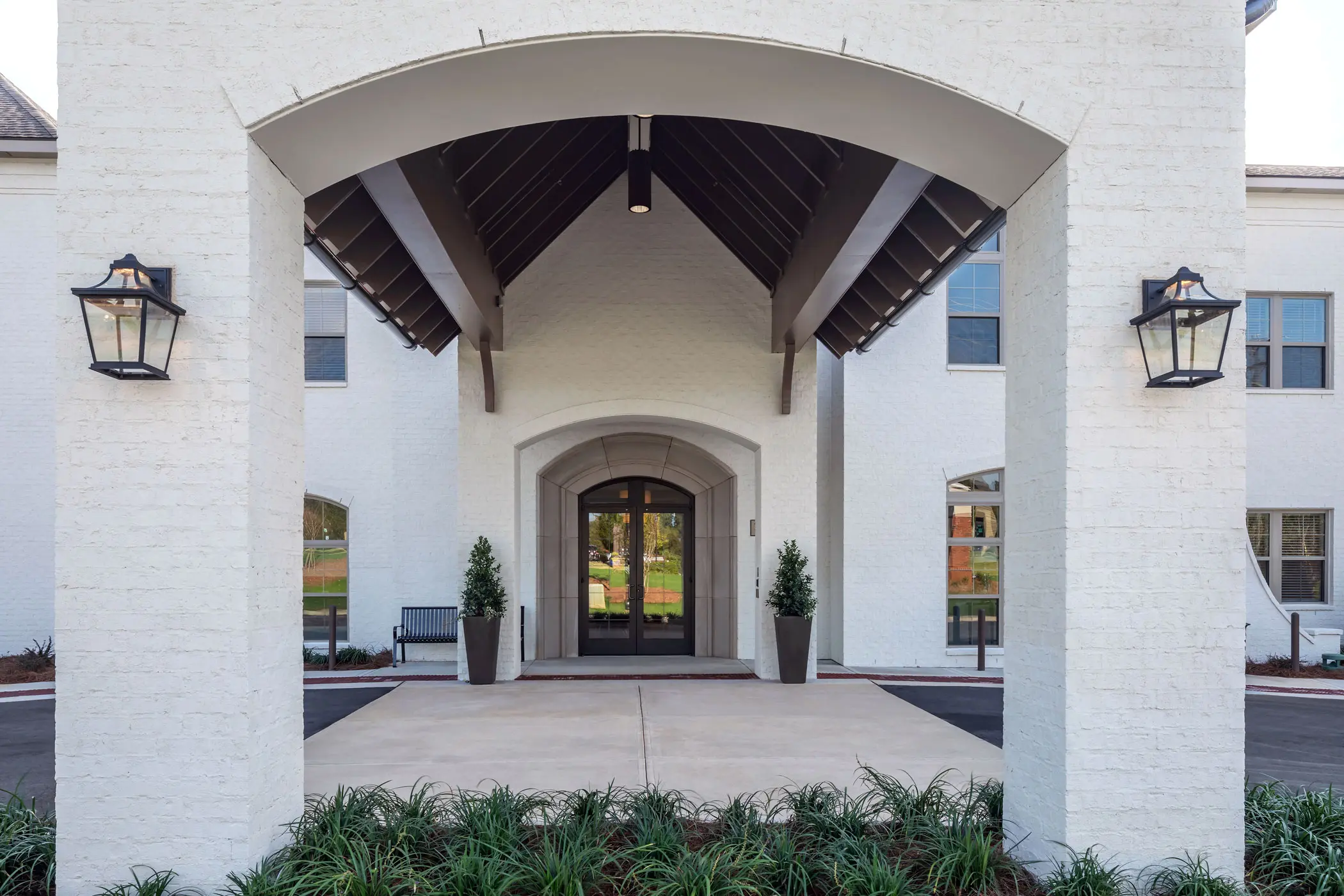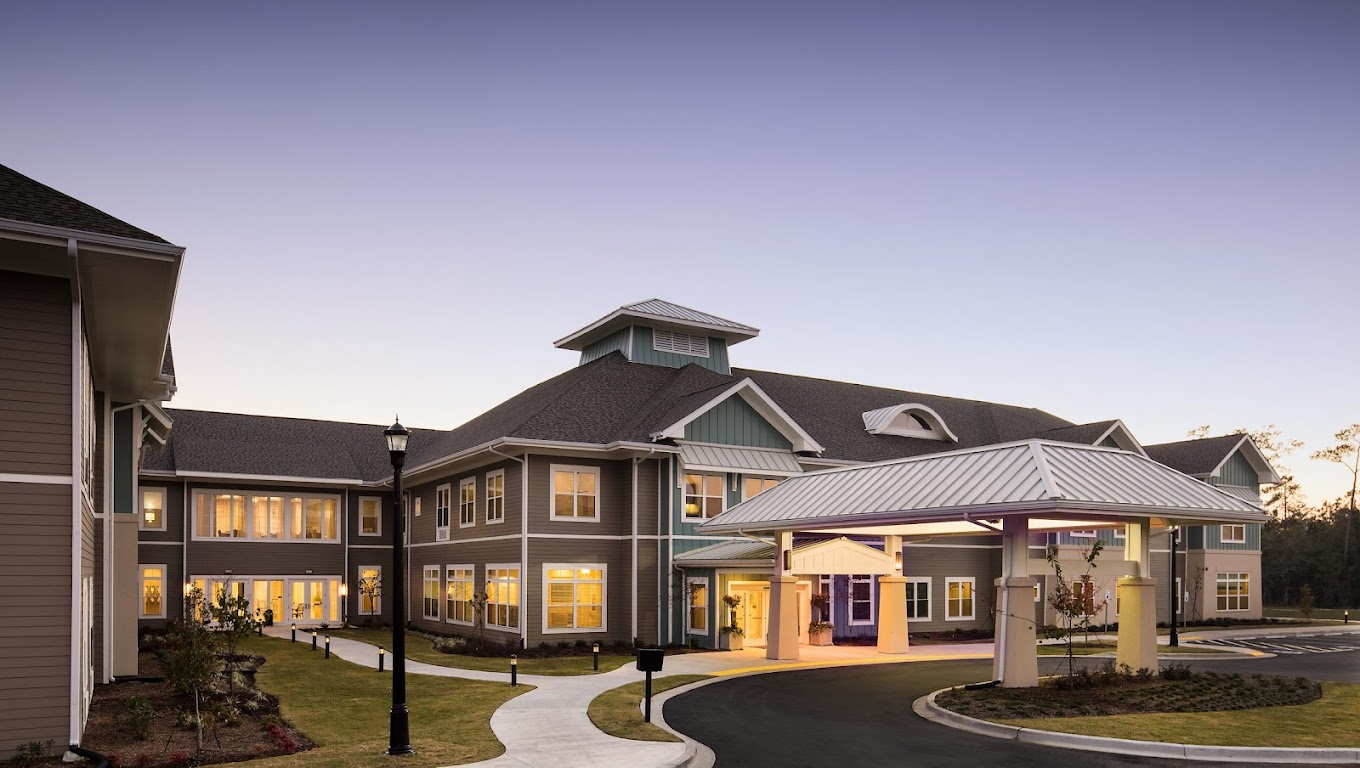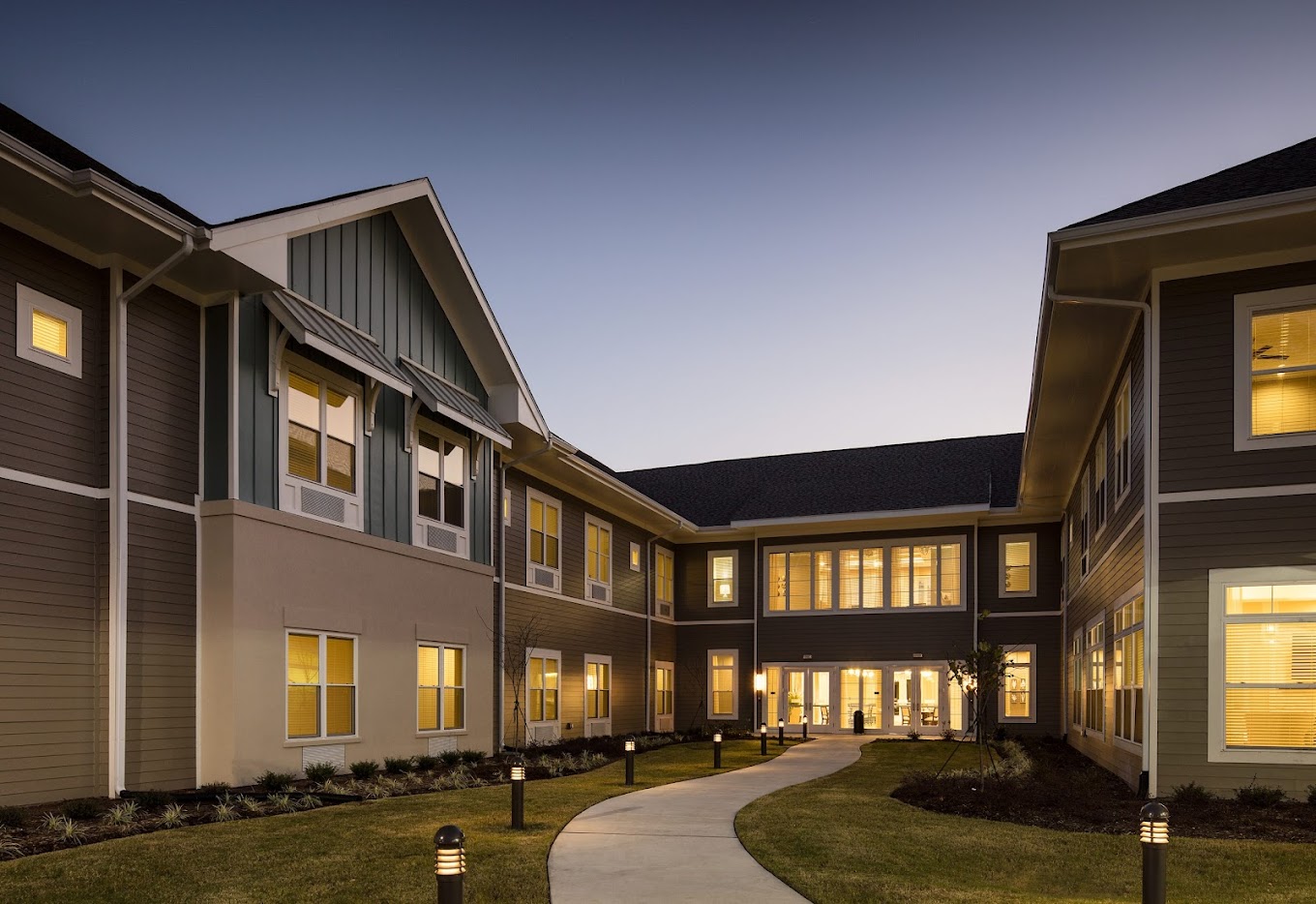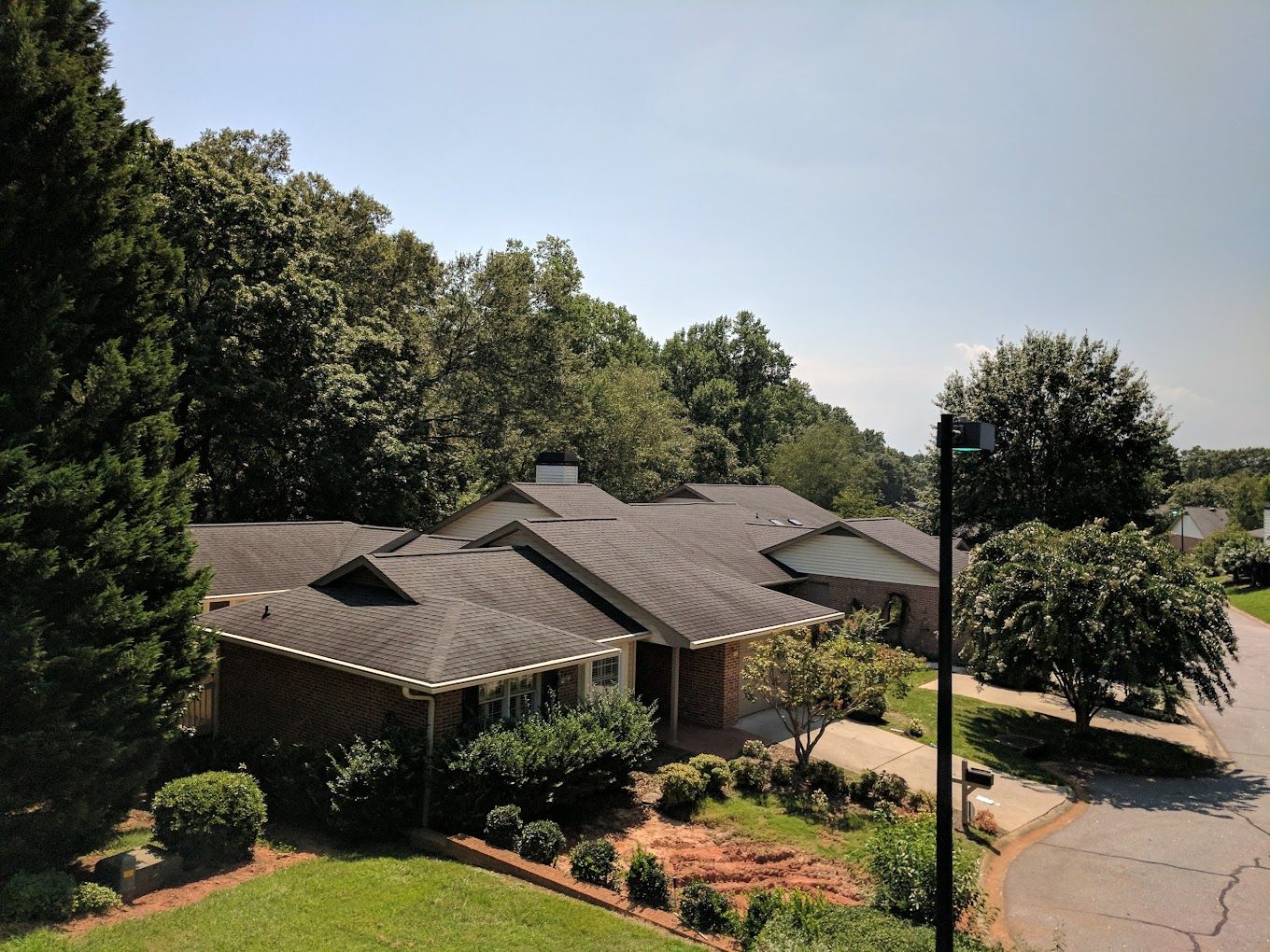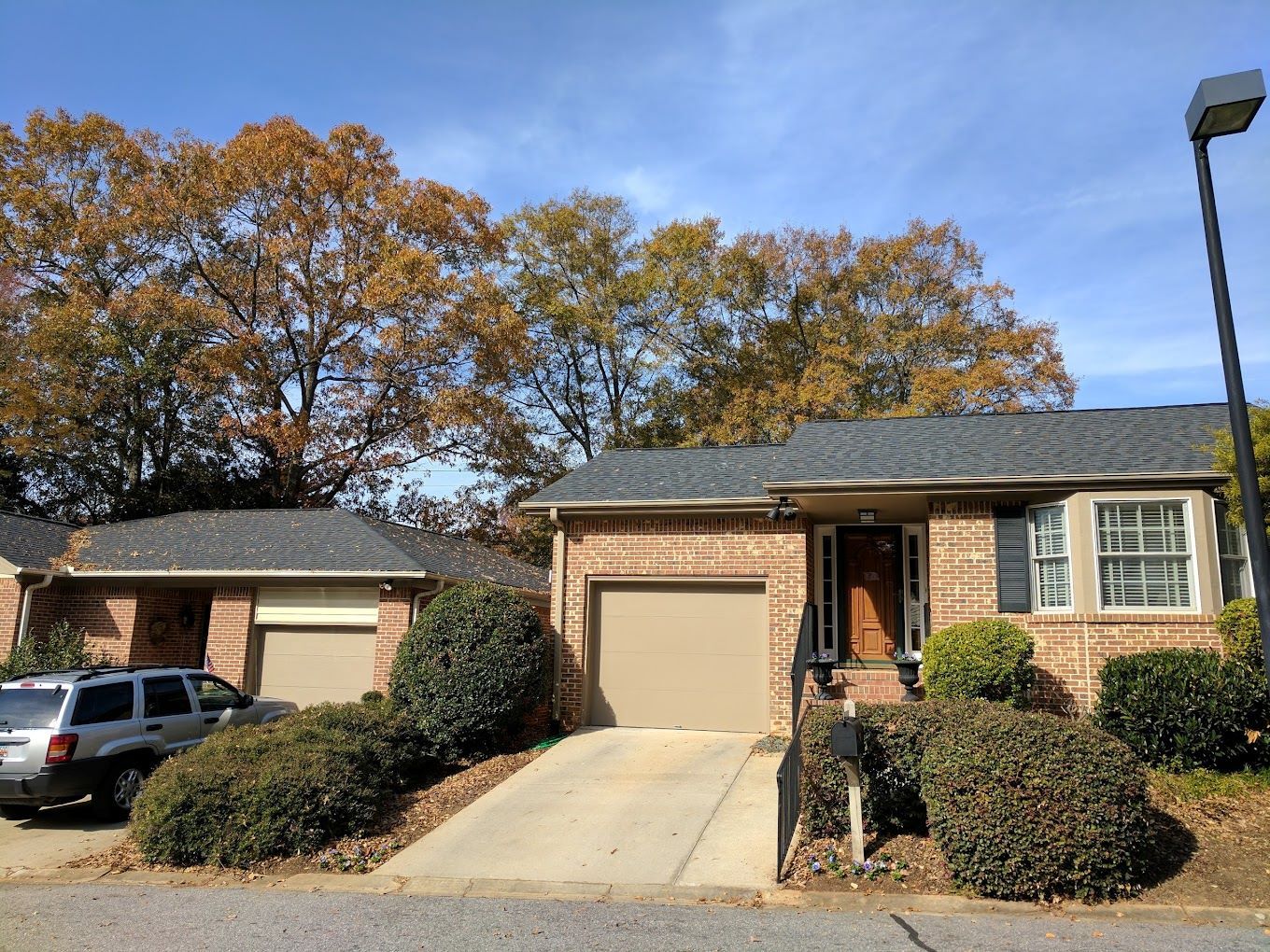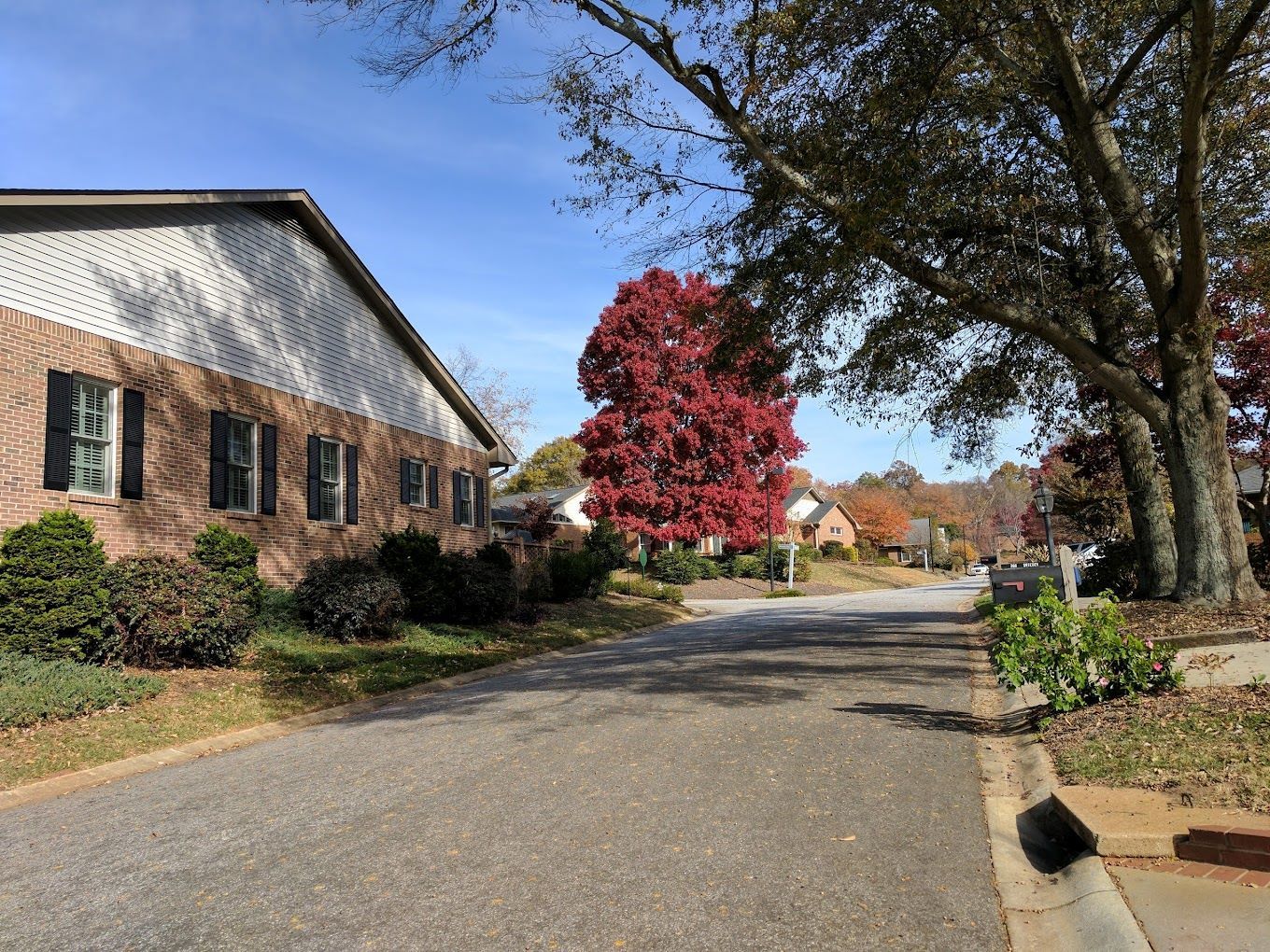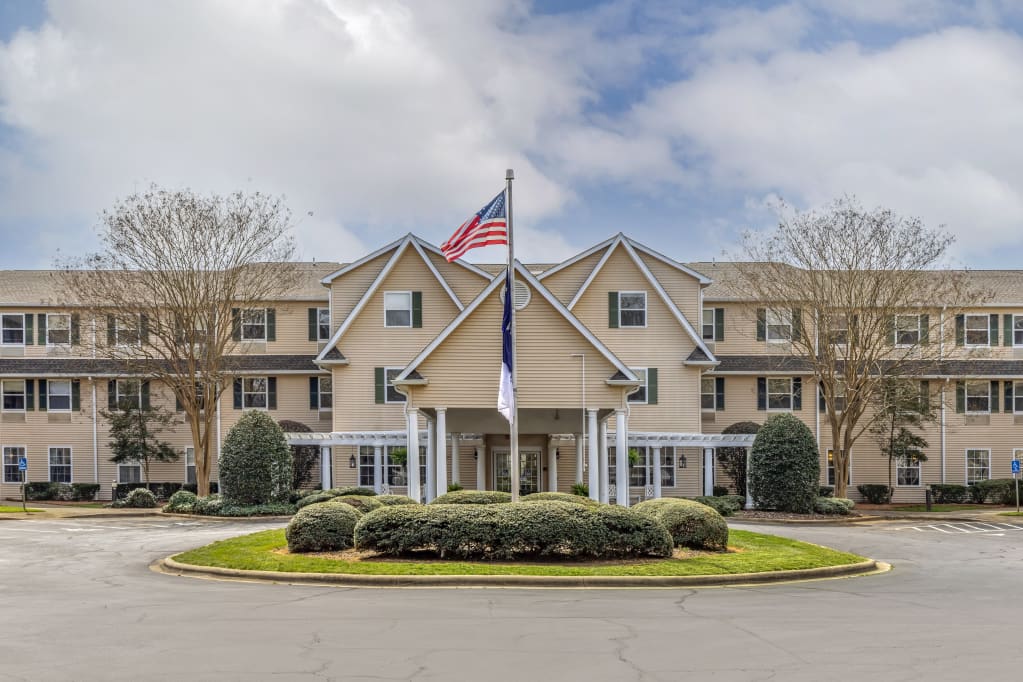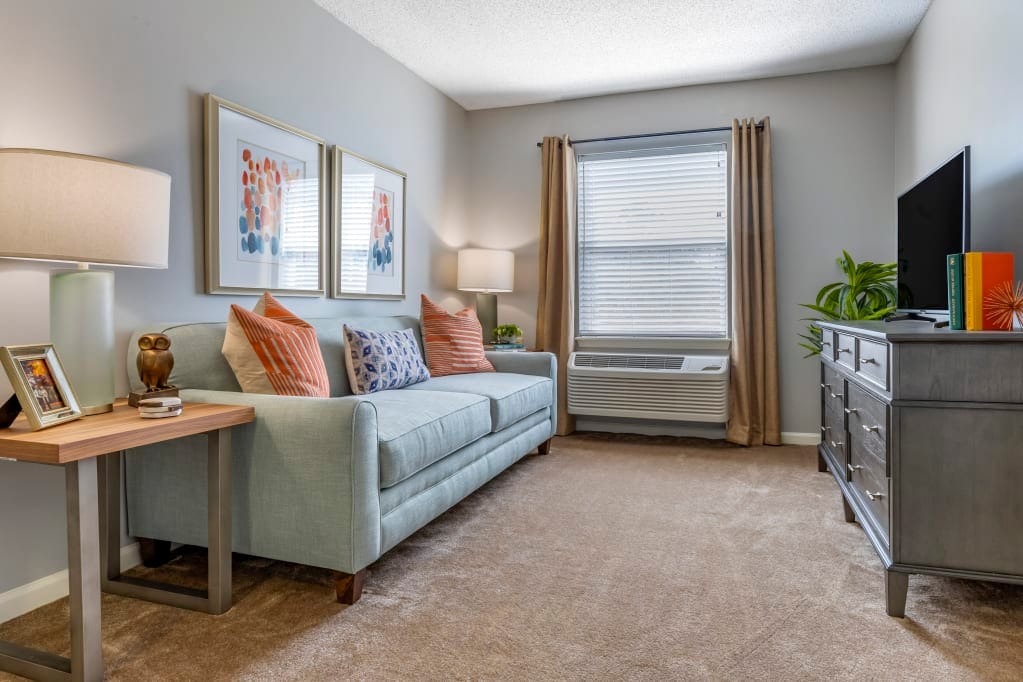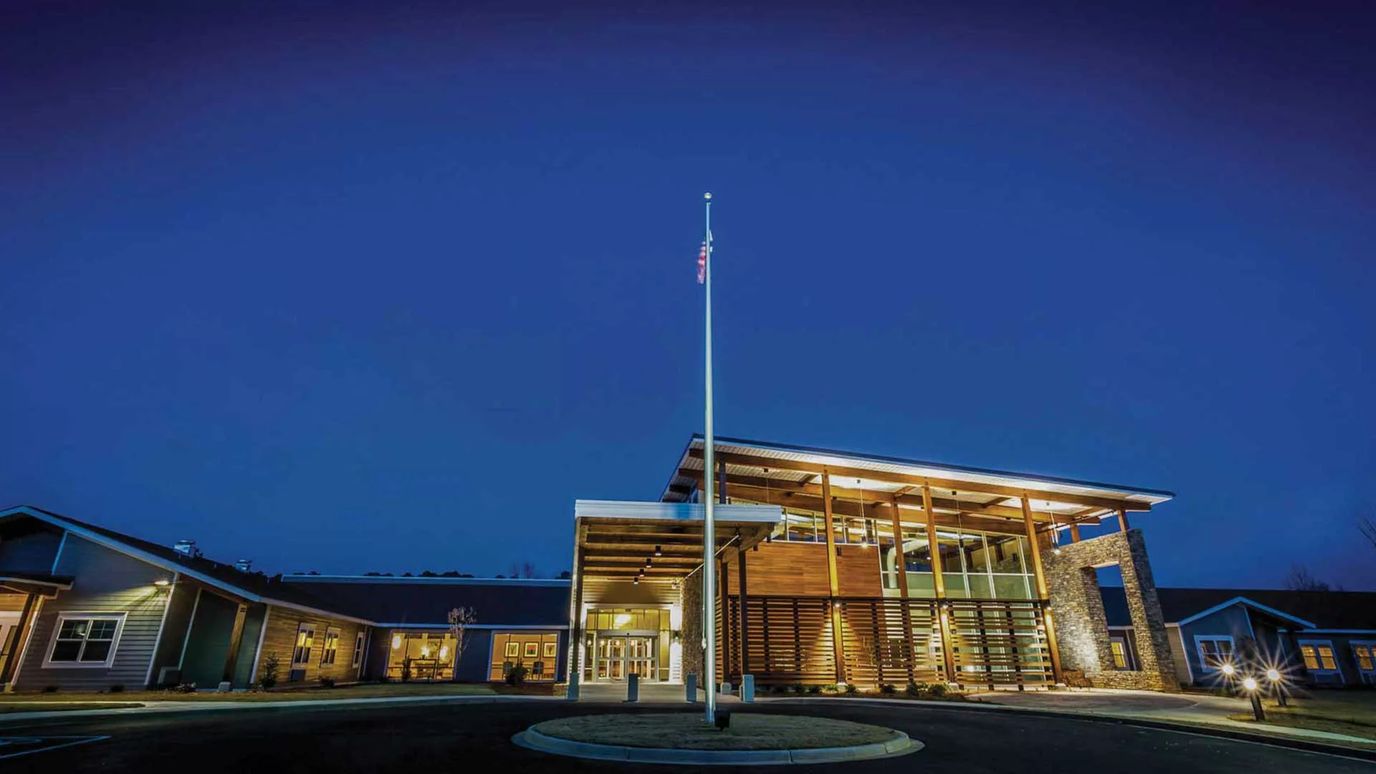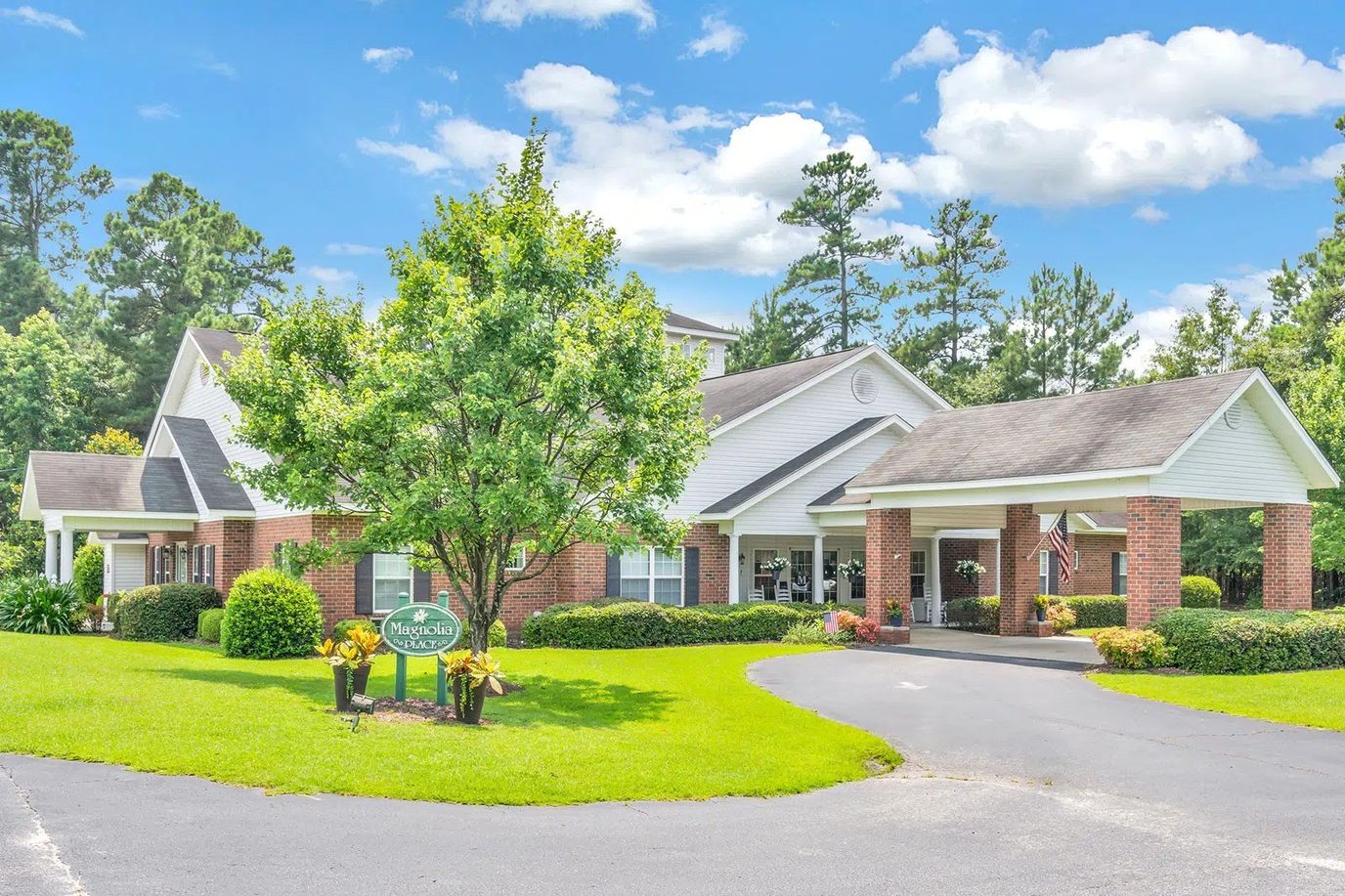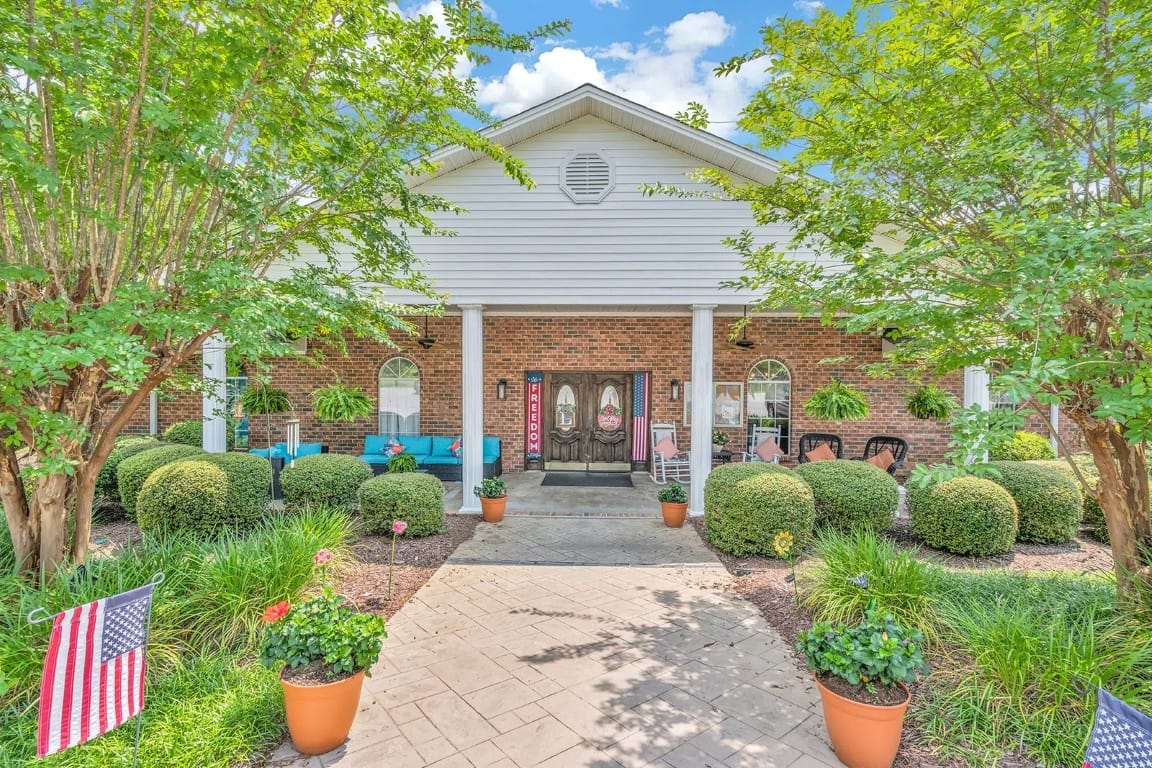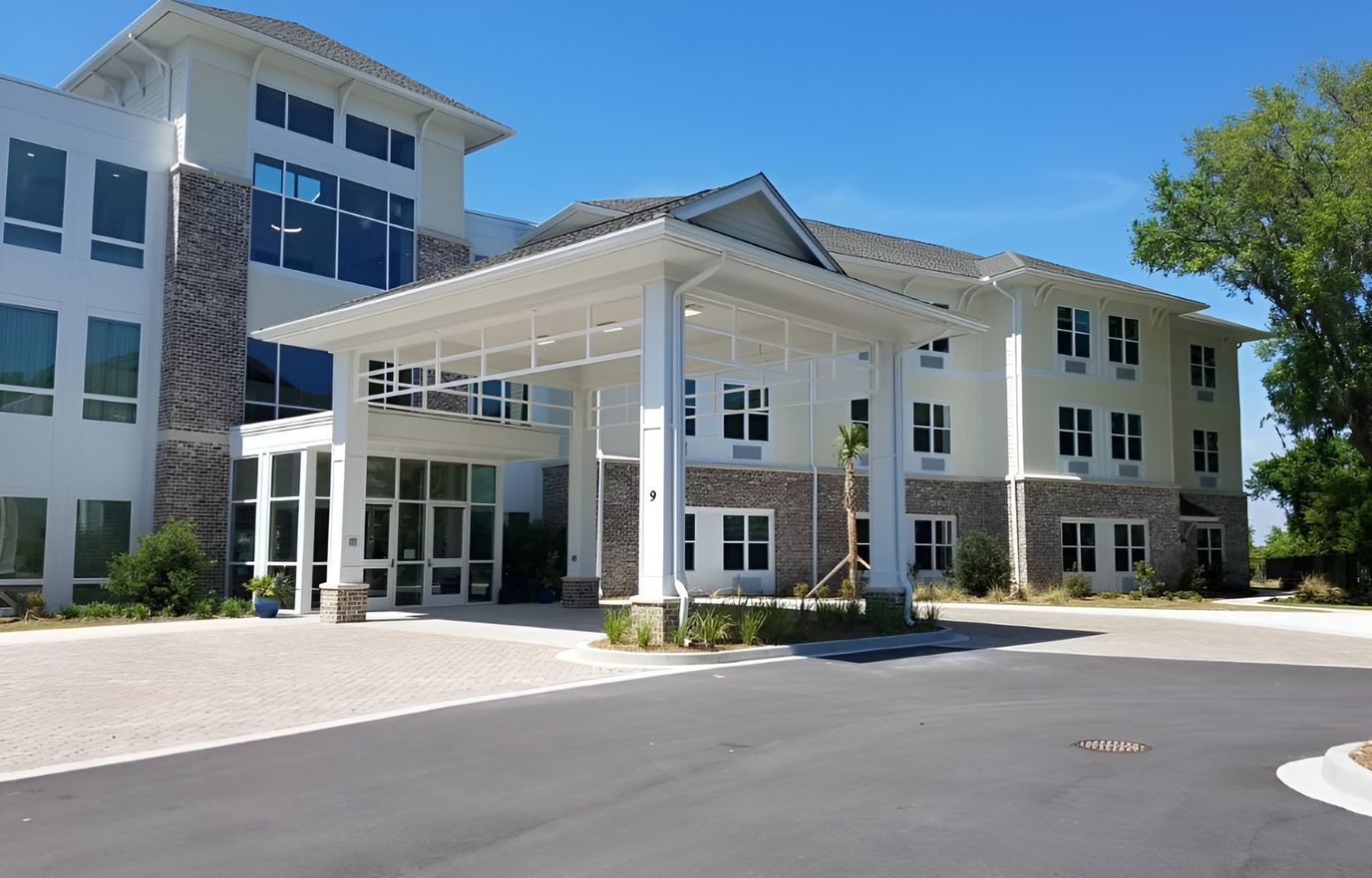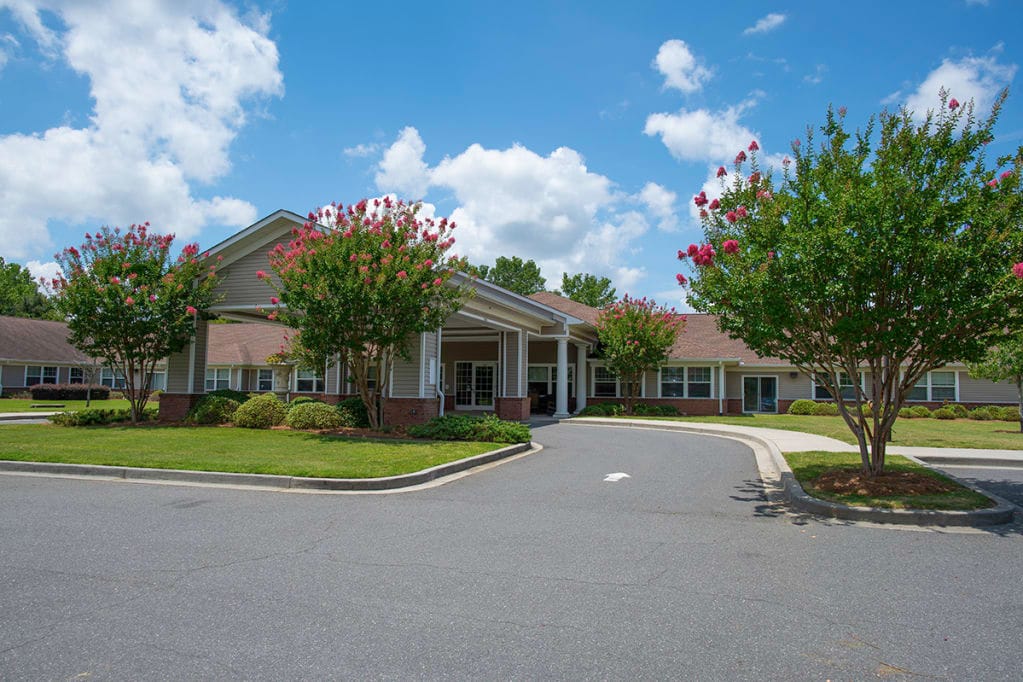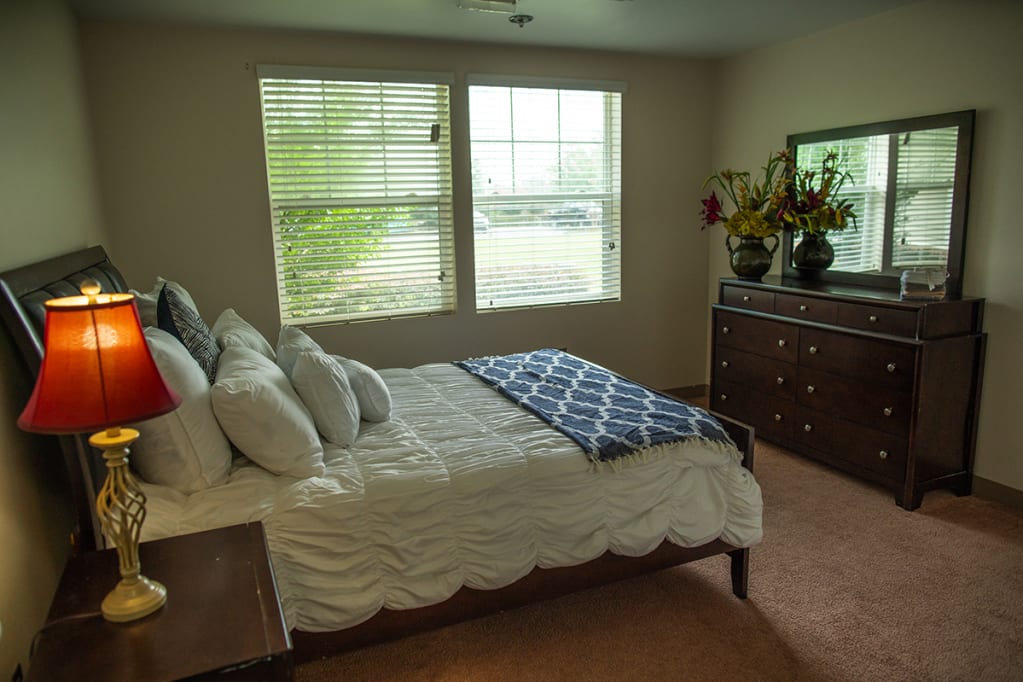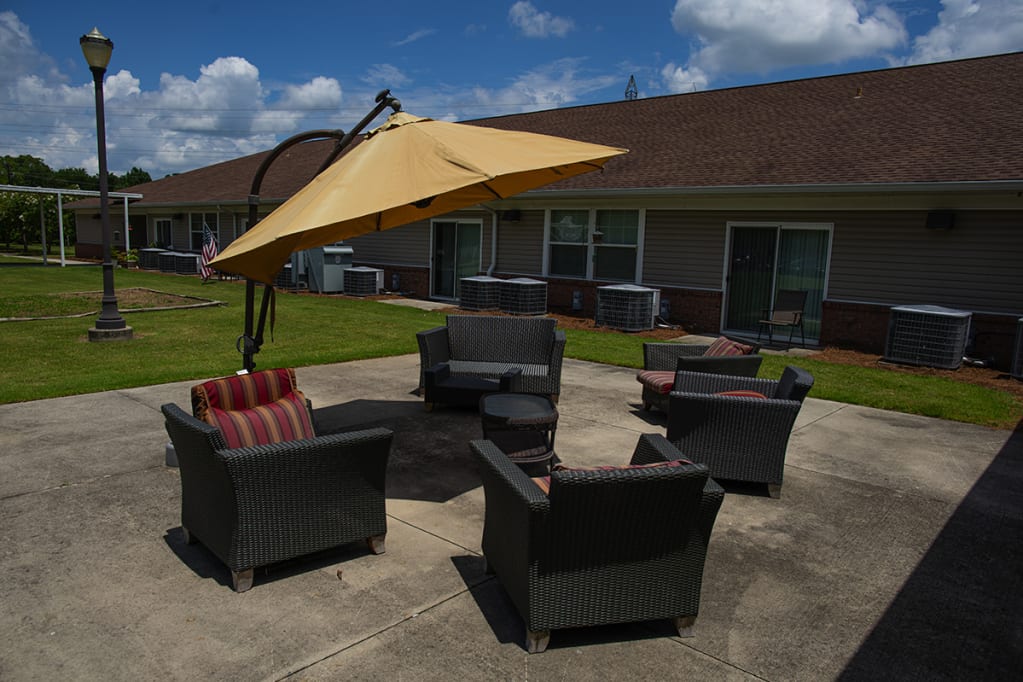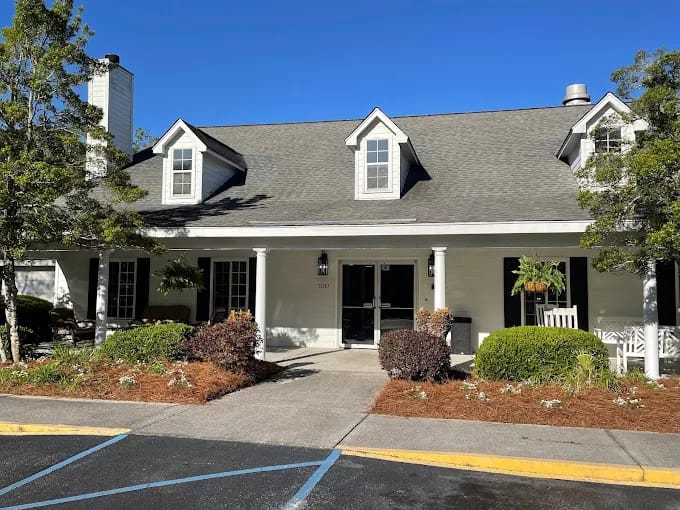
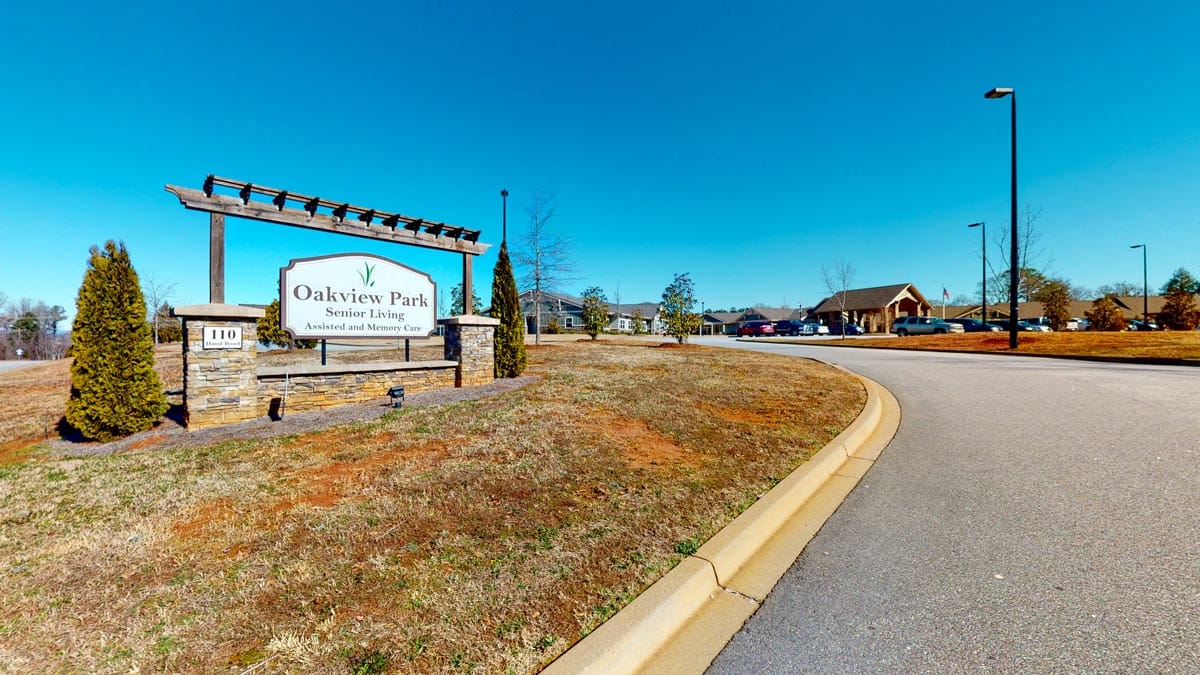


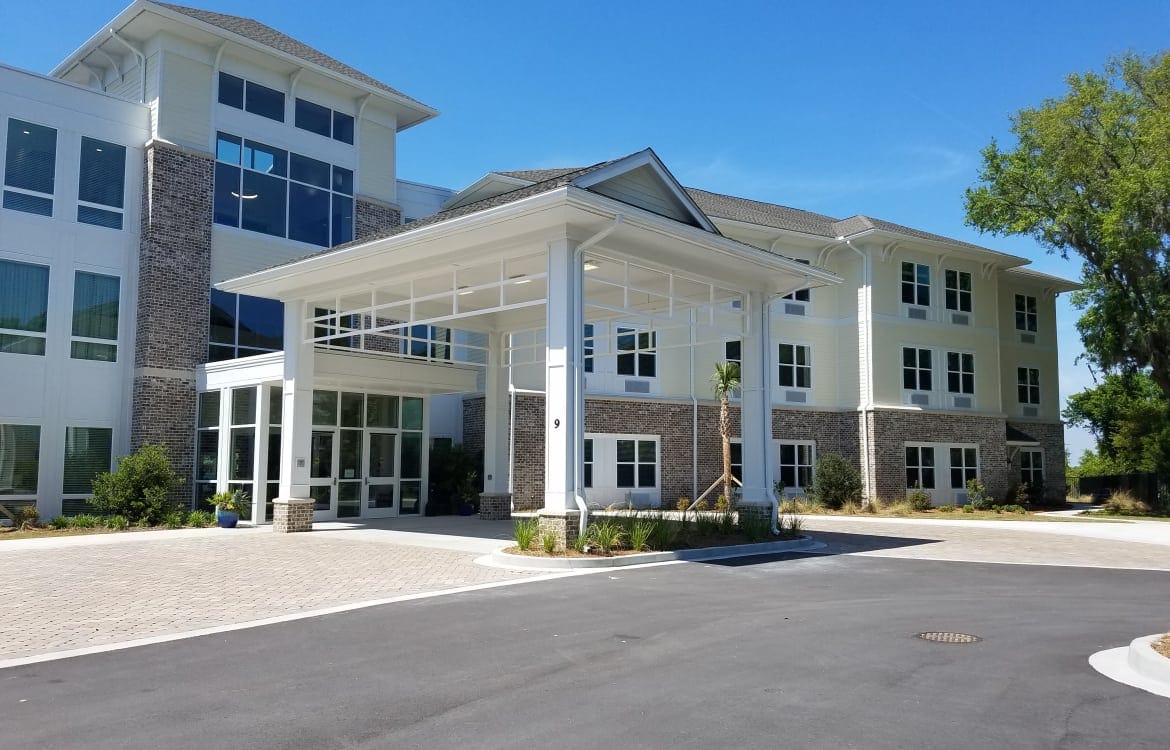
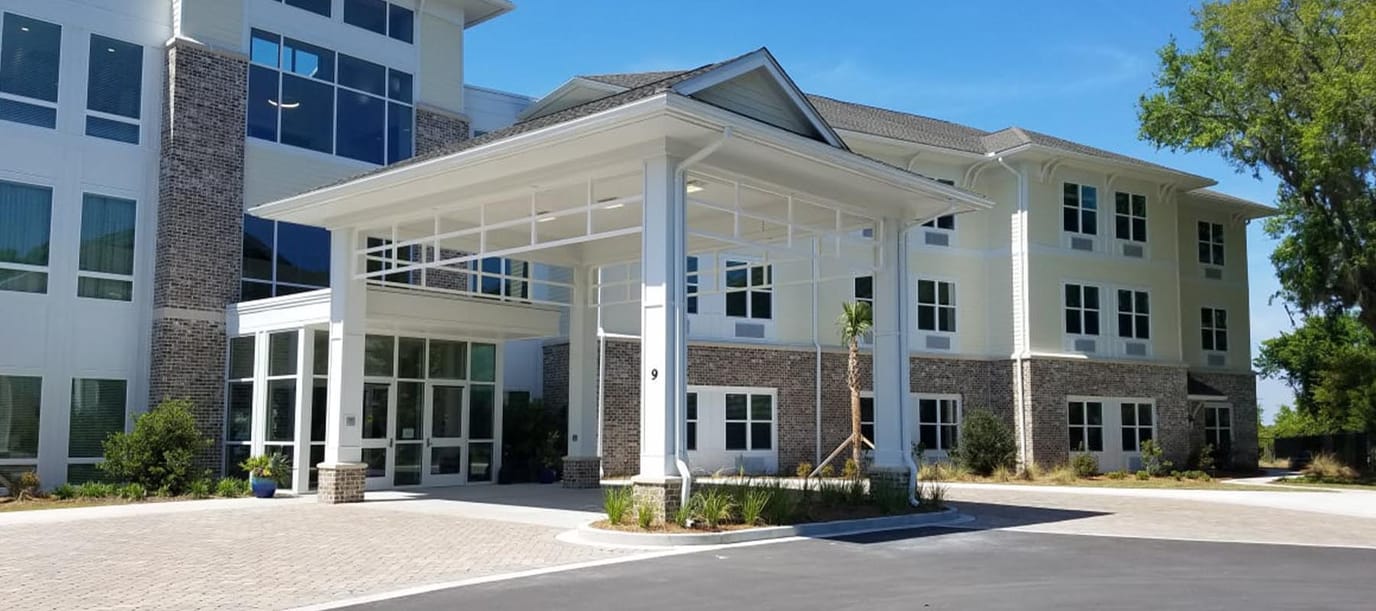
Overview of Myrtle Beach Manor Located in Myrtle Beach on North Kings Highway, Myrtle Beach Manor operates 111 beds serving short-stay Medicare and private-pay residents with an average stay of 23 days. The facility provides assisted living, skilled nursing, memory care with a dedicated Alzheimer’s unit, and respite care services. Administrator Elizabeth Schmeizl manages day-to-day operations.
The facility holds a 1-star CMS overall rating, 65.9% below the state average, driven by health inspection performance 63.6% below peers.
A July 2025 inspection documented one critical pharmacy violation and two serious deficiencies, triggering a $23,000 penalty from CMS. Across six inspections since 2021, the facility accumulated 17 citations, with serious-level deficiencies running 567% above South Carolina’s average. Primary deficiency areas are resident rights (4), pharmacy services (4), and quality of life and care (3).
Payment suspensions were imposed in April 2024 for 27 days; additional penalties of $9,000 and $4,000 were assessed that same month and in December 2023 respectively.
Registered nurse availability is genuinely strong at 76% above state average with weekend RN coverage 138% above peers.
Despite robust staffing hours, clinical outcomes diverge sharply by length of stay. Long-stay residents experience falls with major injury at 9.8%, or 229% worse than state average, and urinary tract infections at 4.1%, 147% above state norm. Short-stay rehabilitation outcomes diverge positively: 63.1% of patients successfully return to home or community, 25% above state average, with 62.6% maintaining or improving self-care ability at discharge.
Occupancy has declined to 44%, well below the 82.1% state average. The facility reported a $1.2 million operating deficit in 2023, reflecting a pattern of financial losses stretching more than a decade.
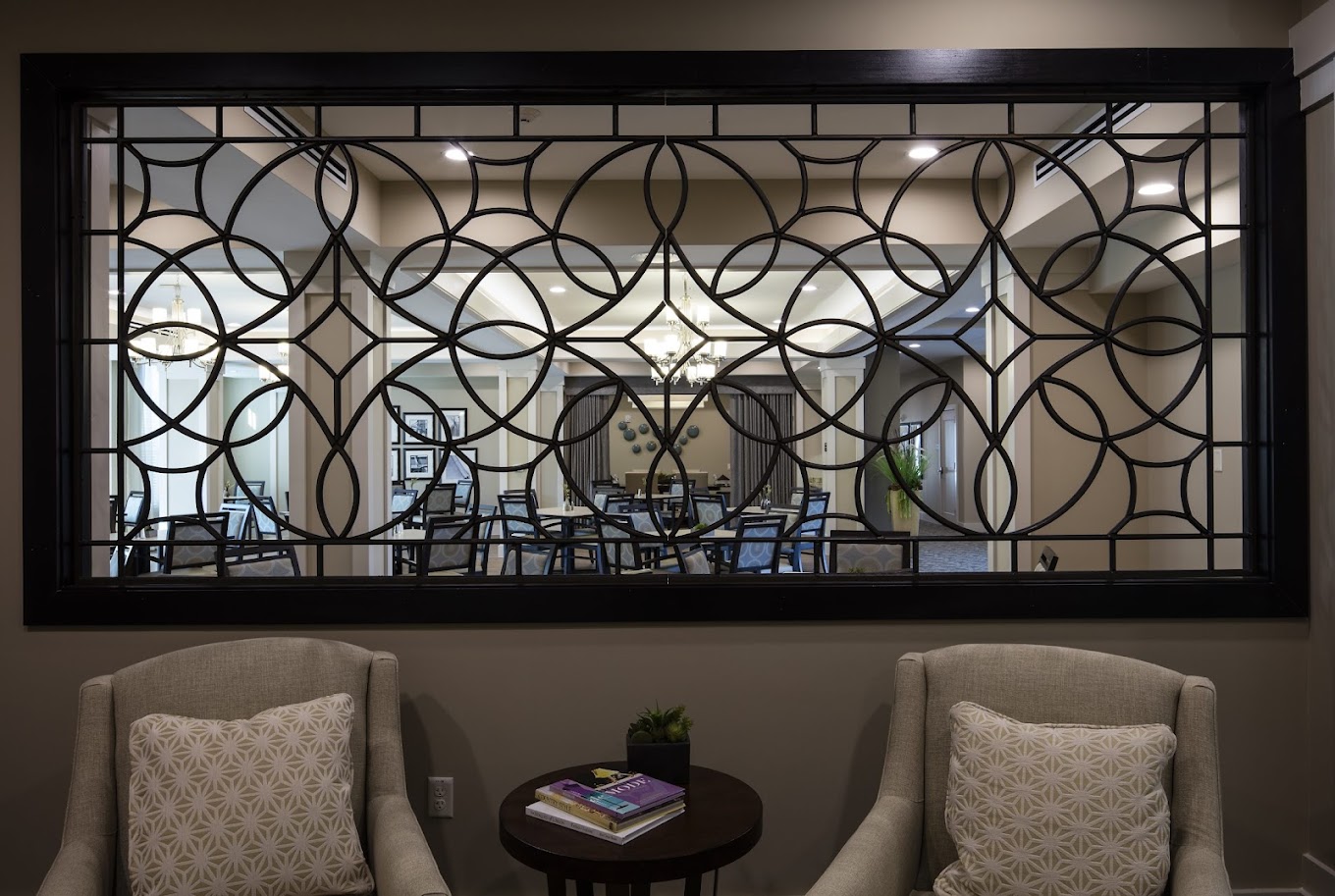
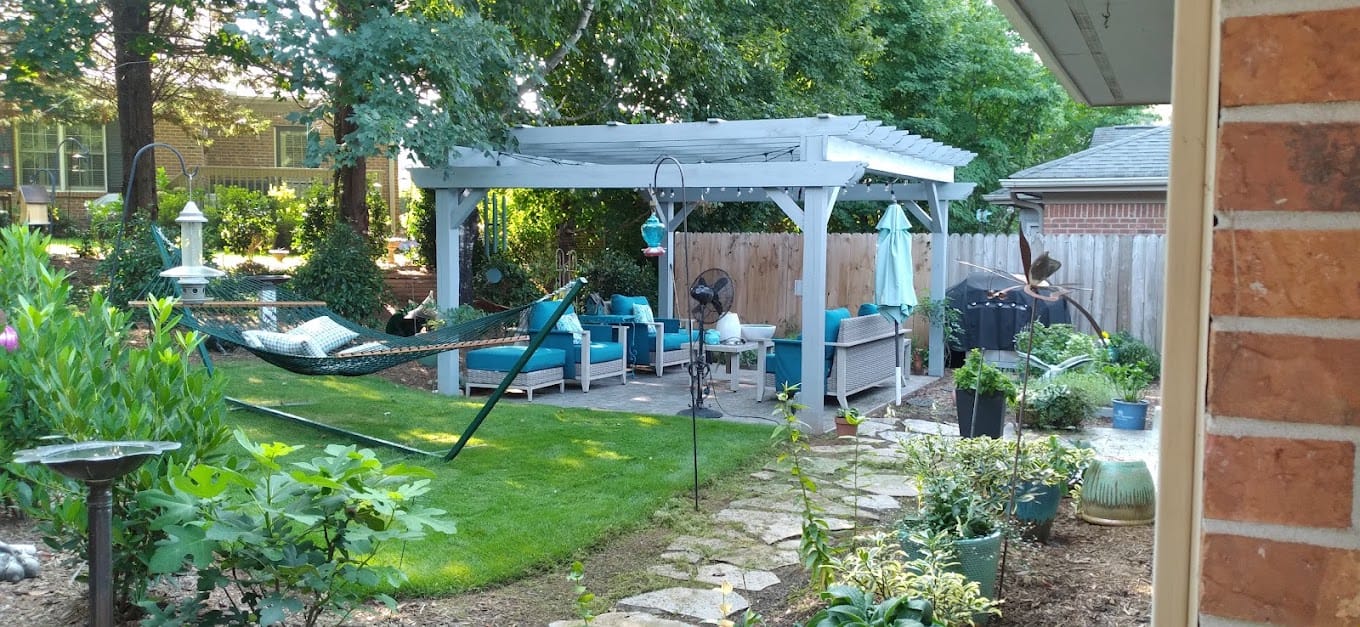
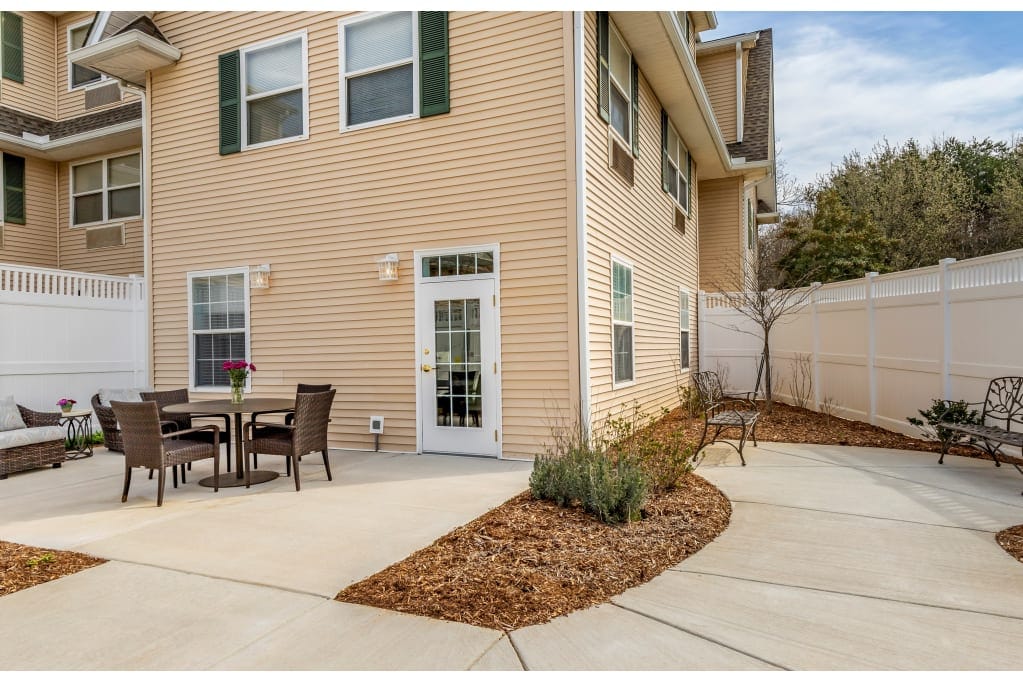
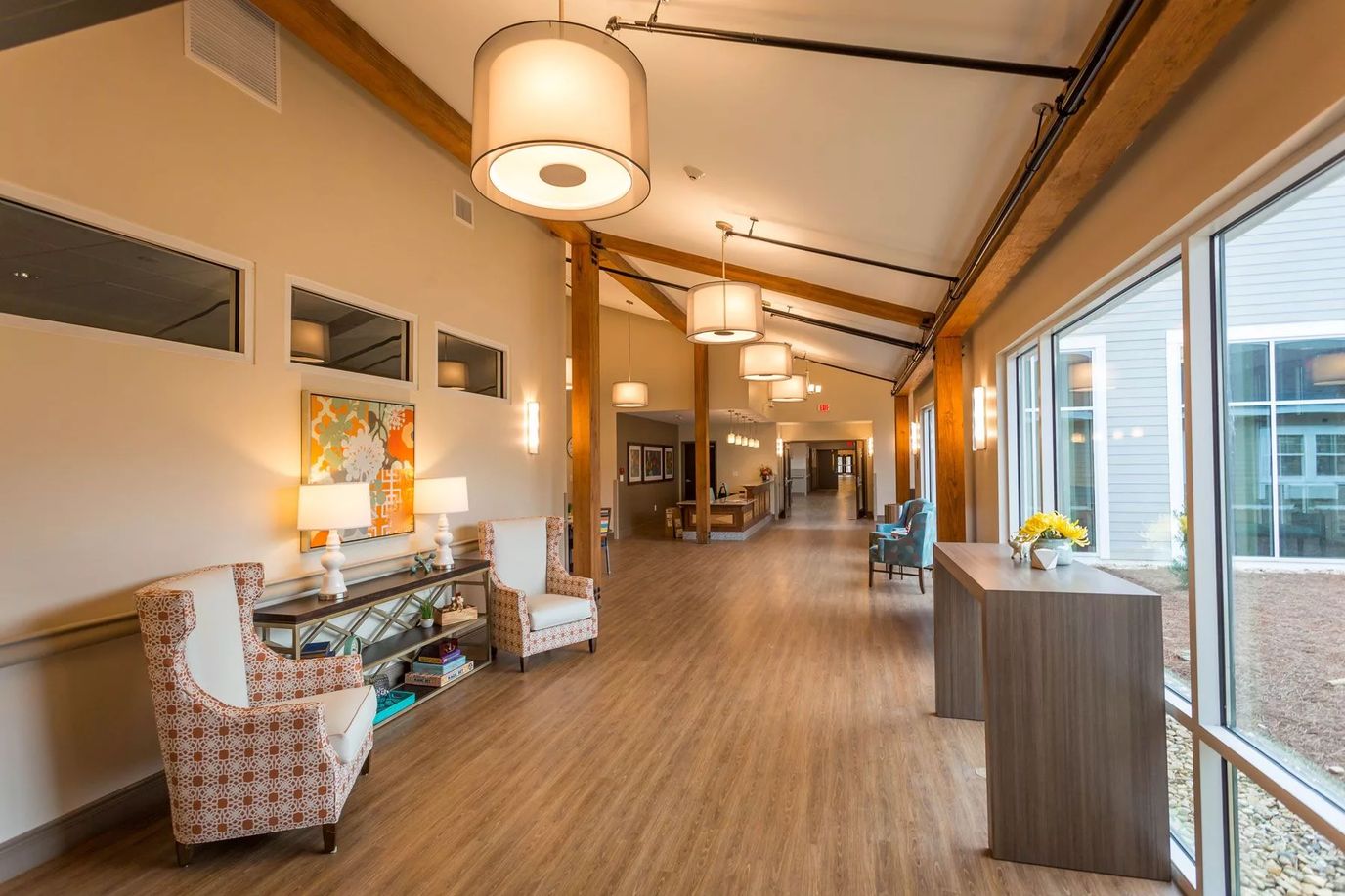
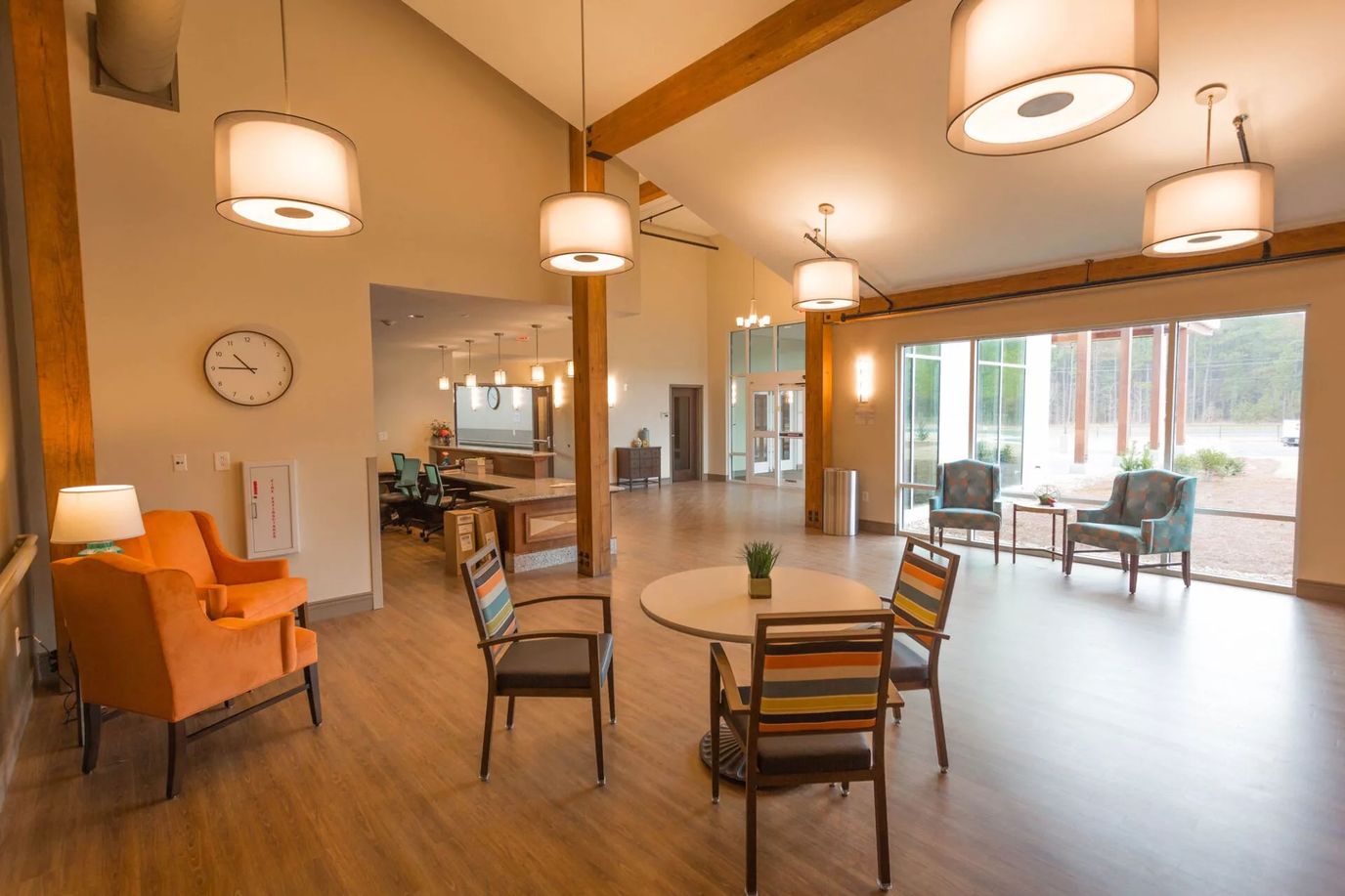
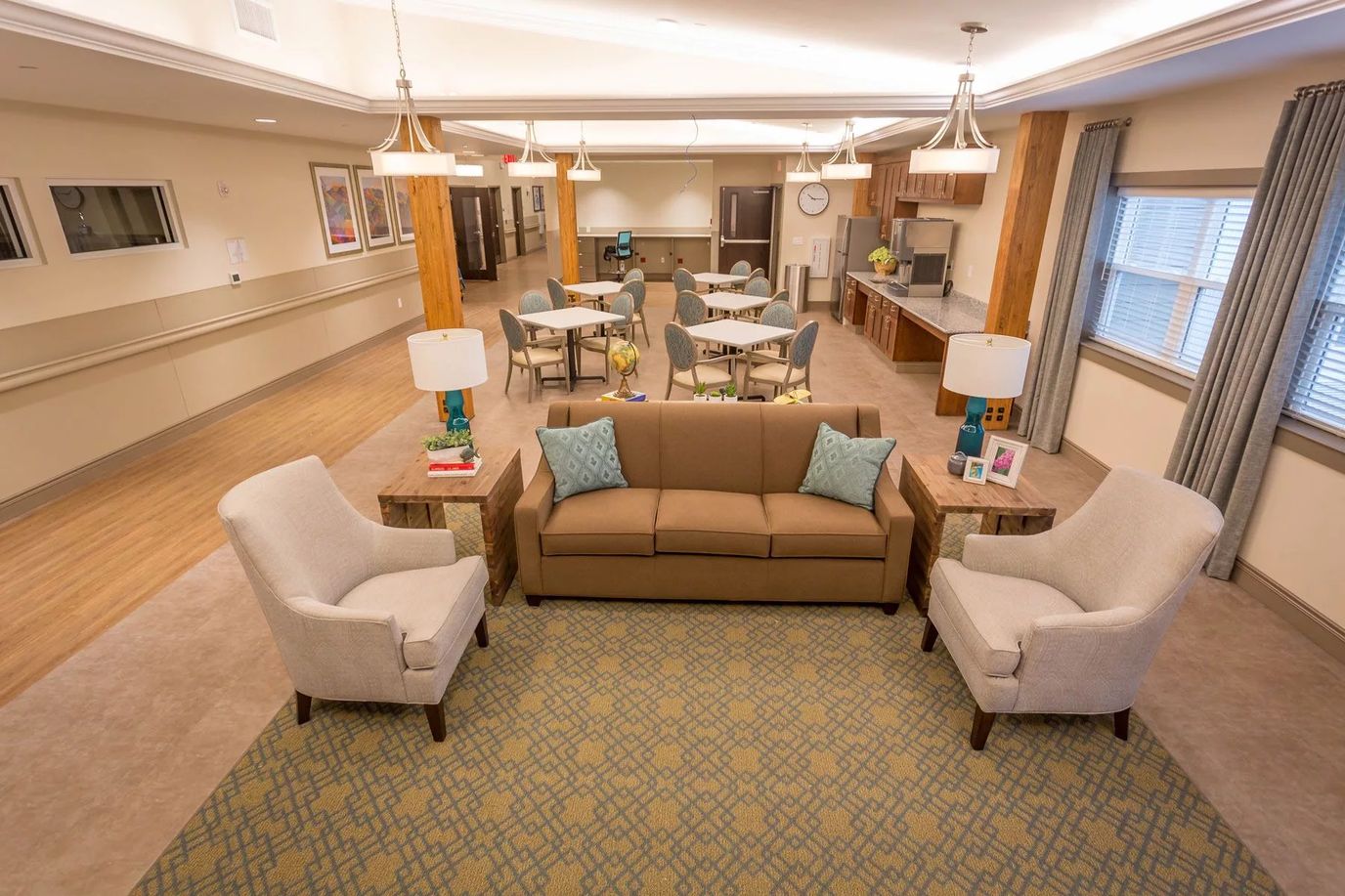
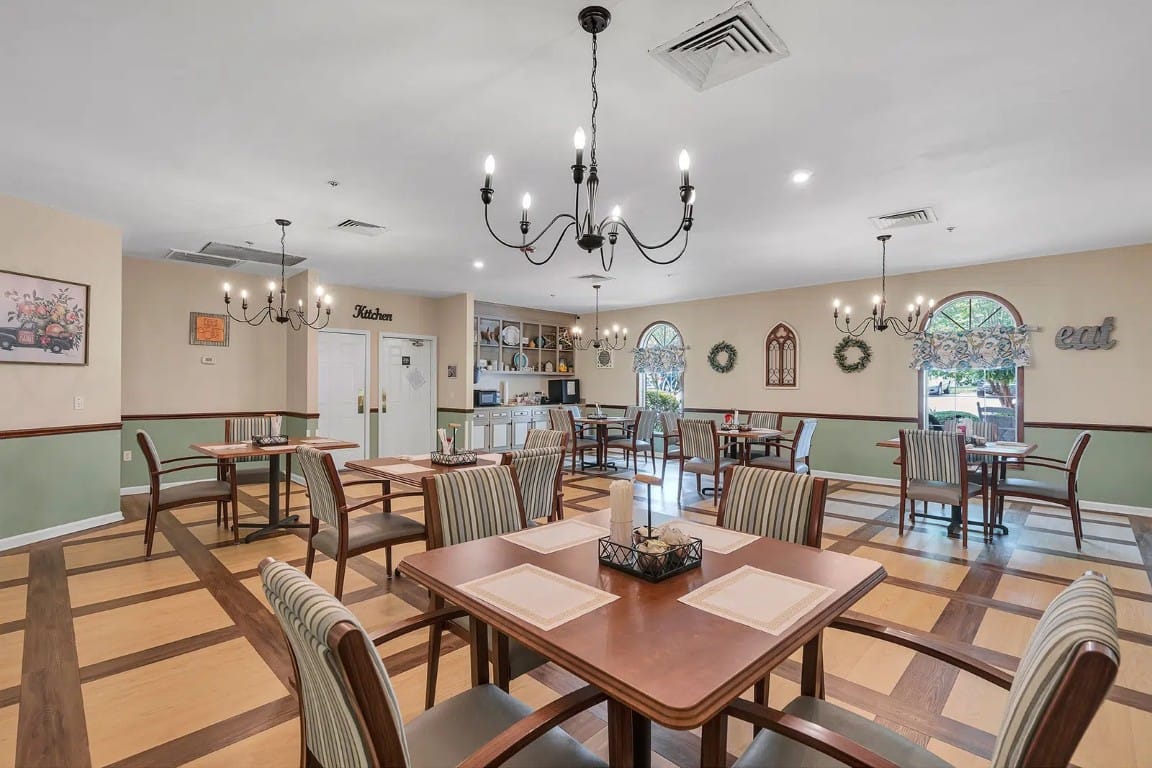
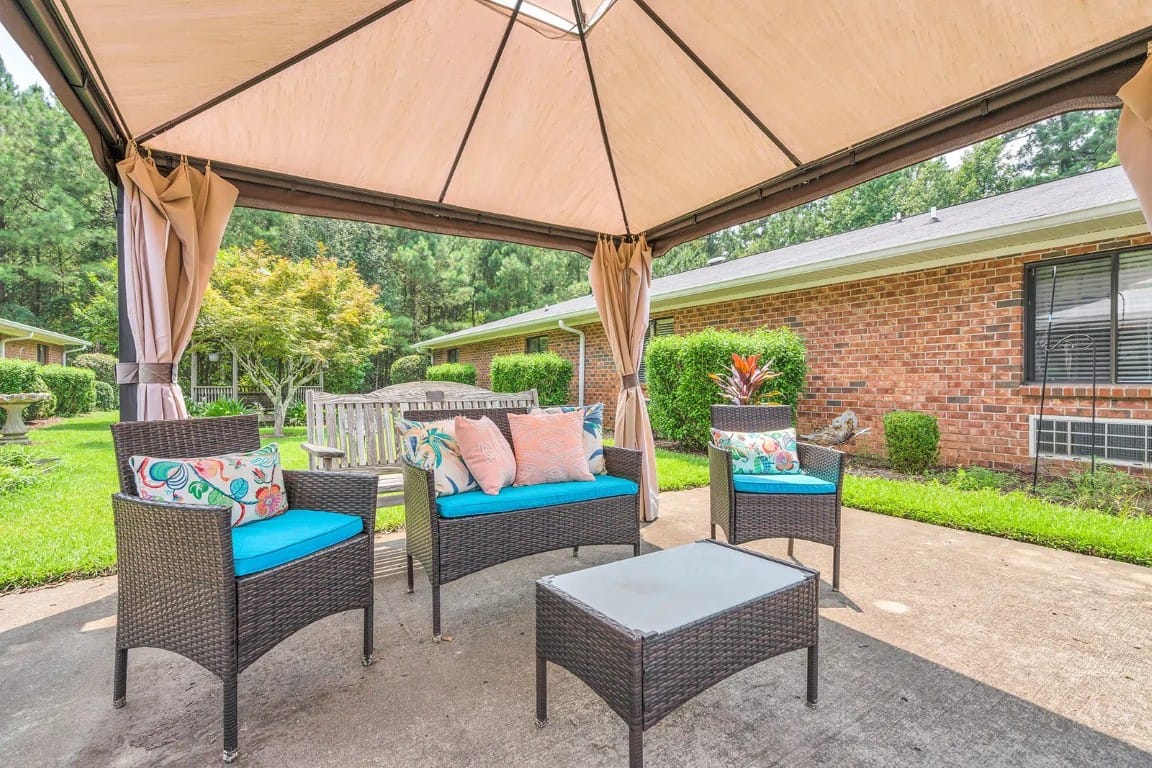
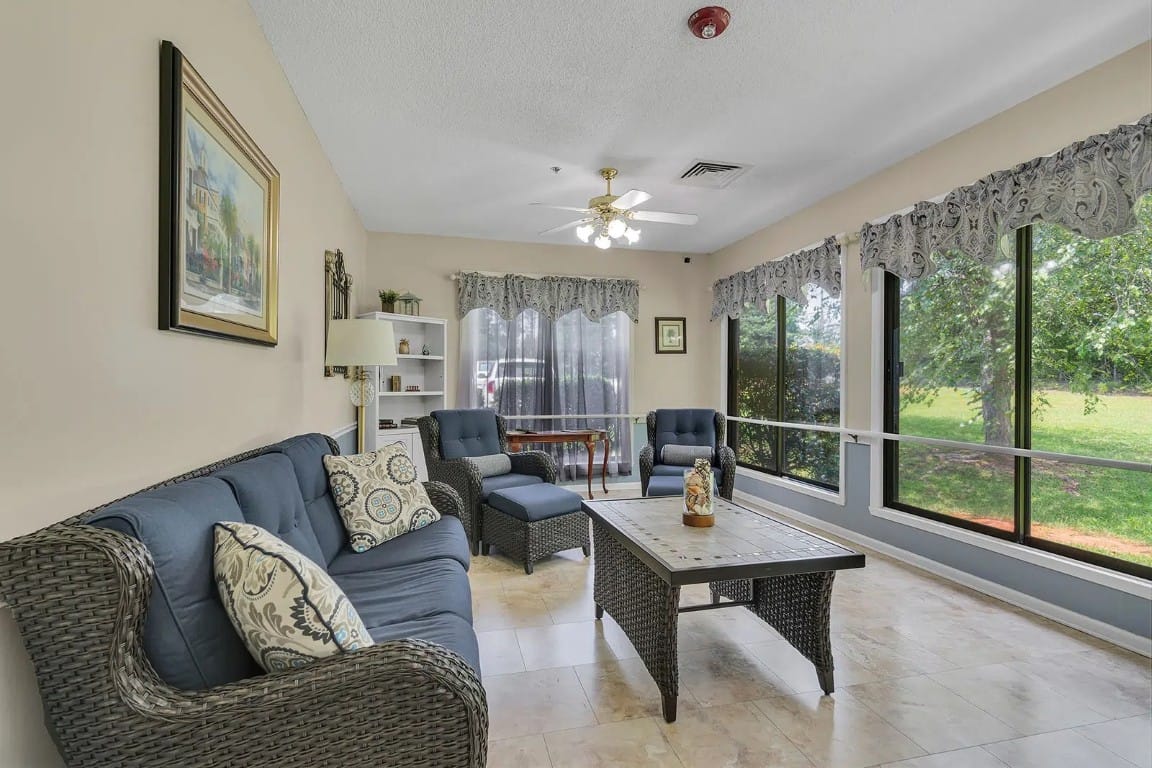
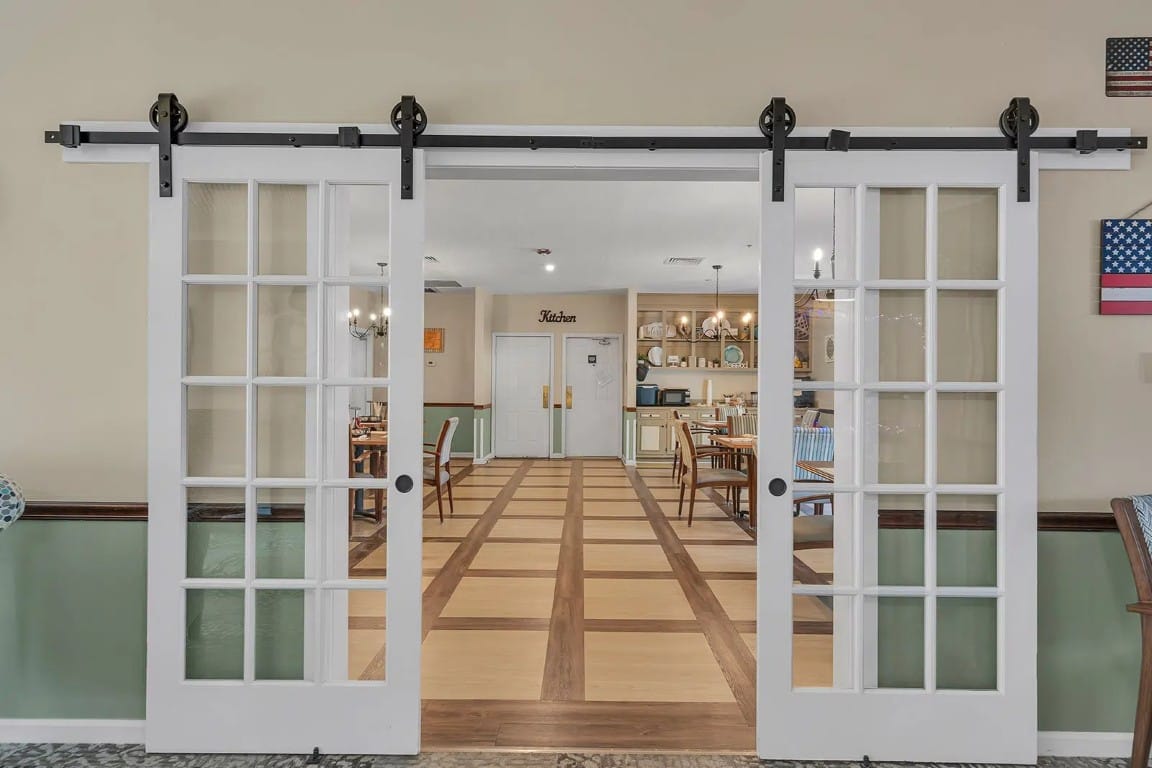
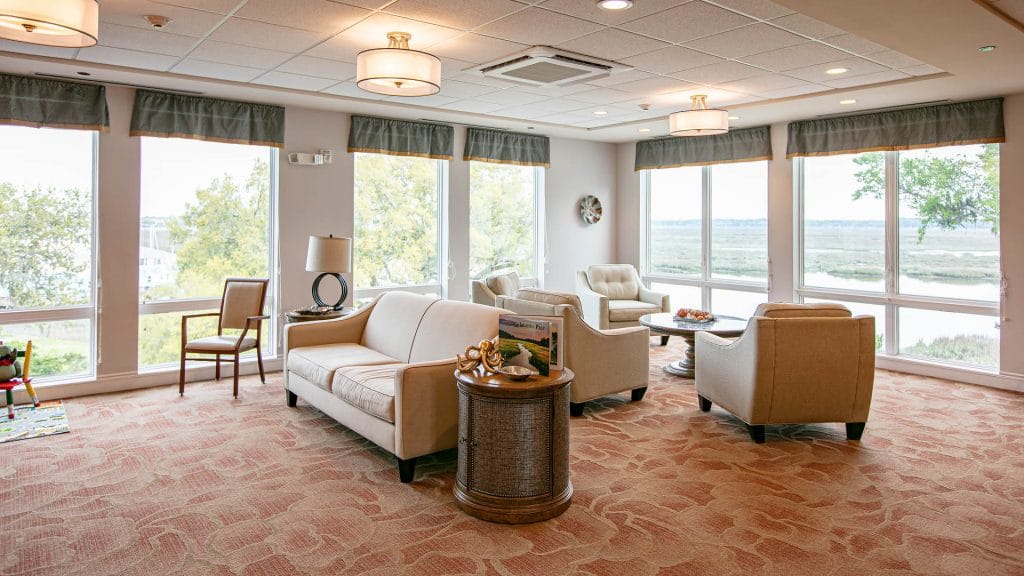
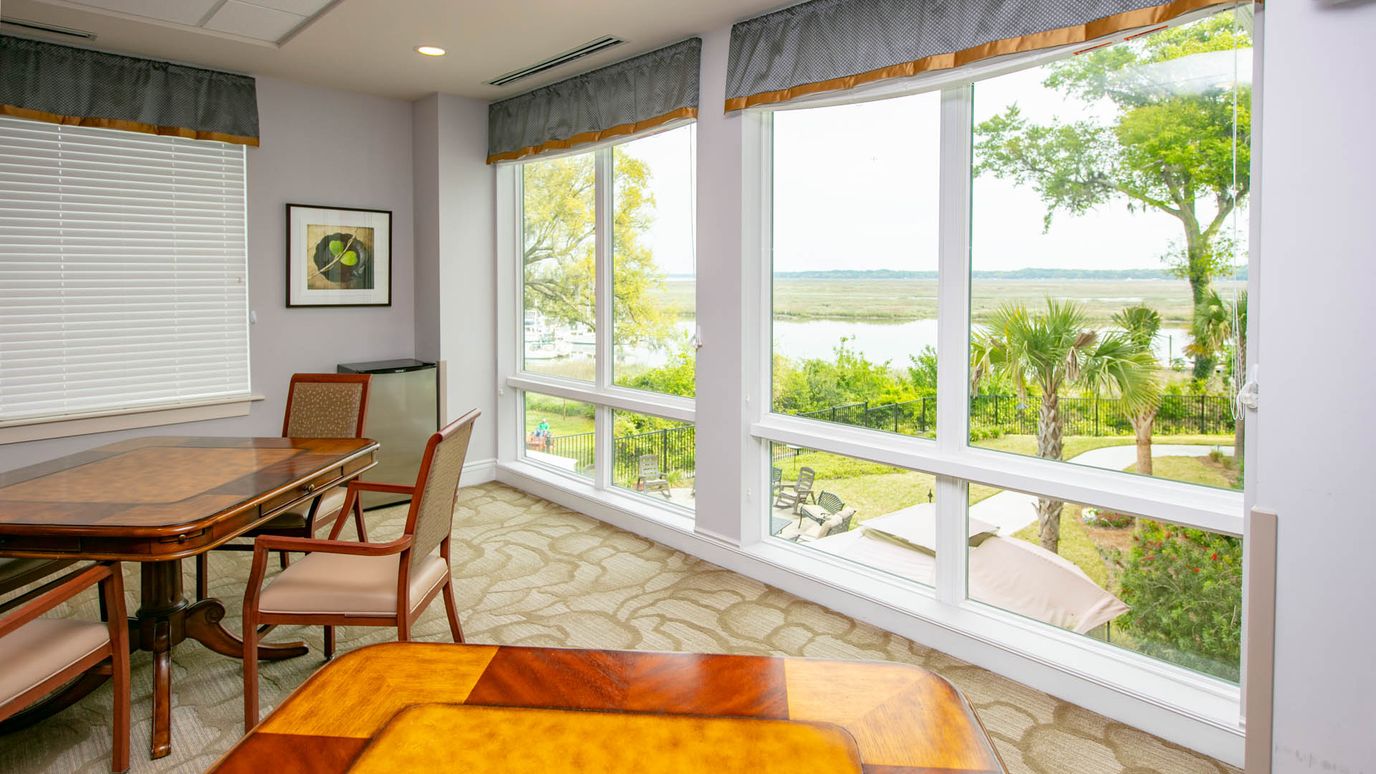
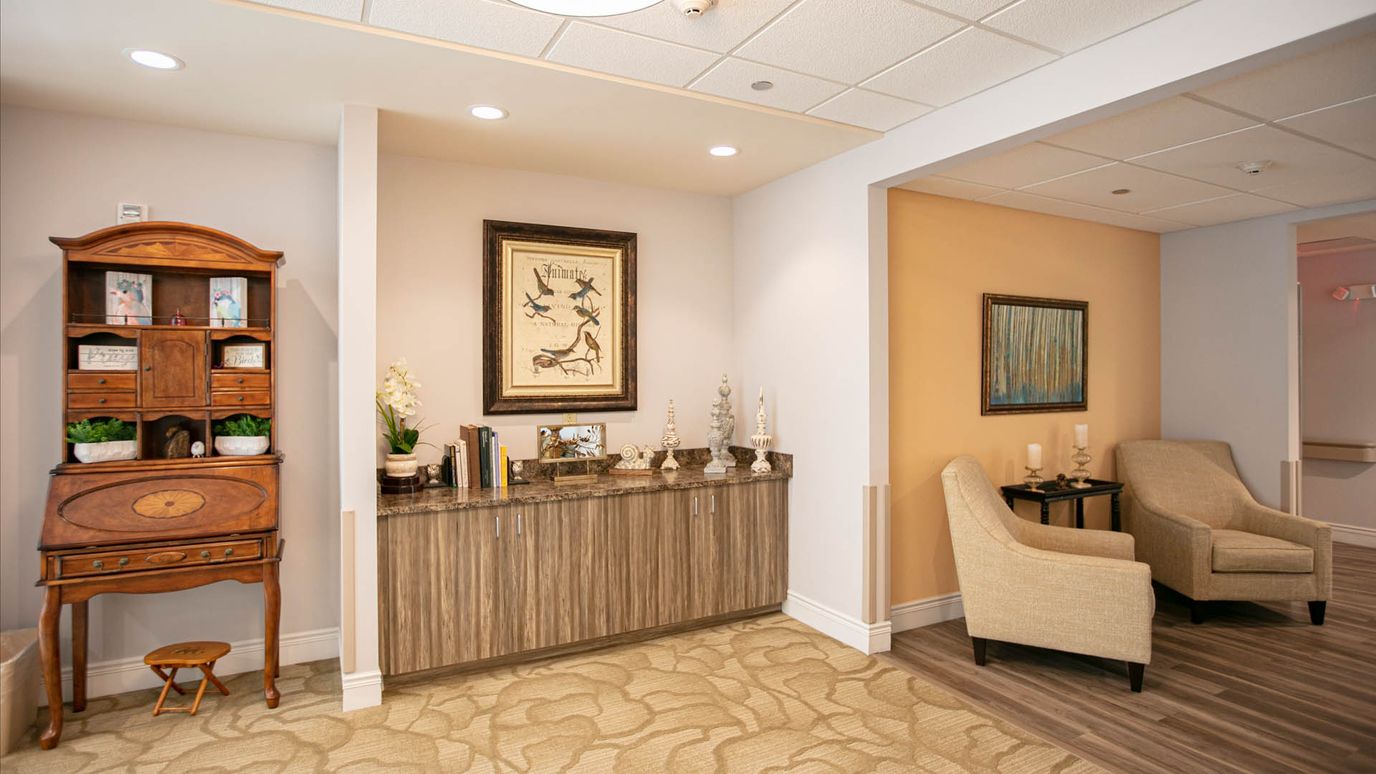
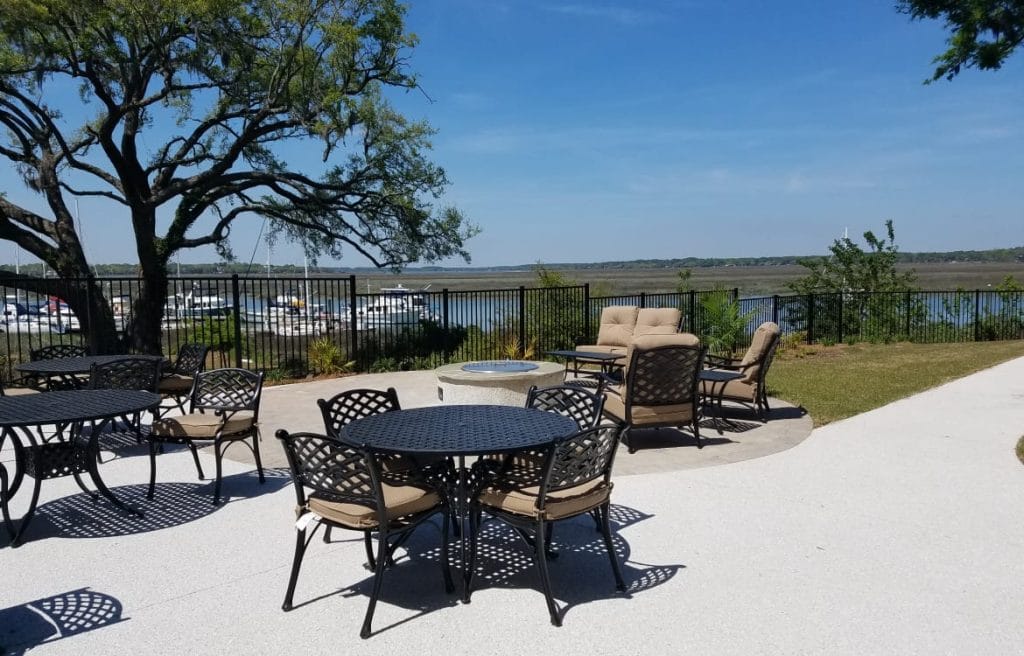
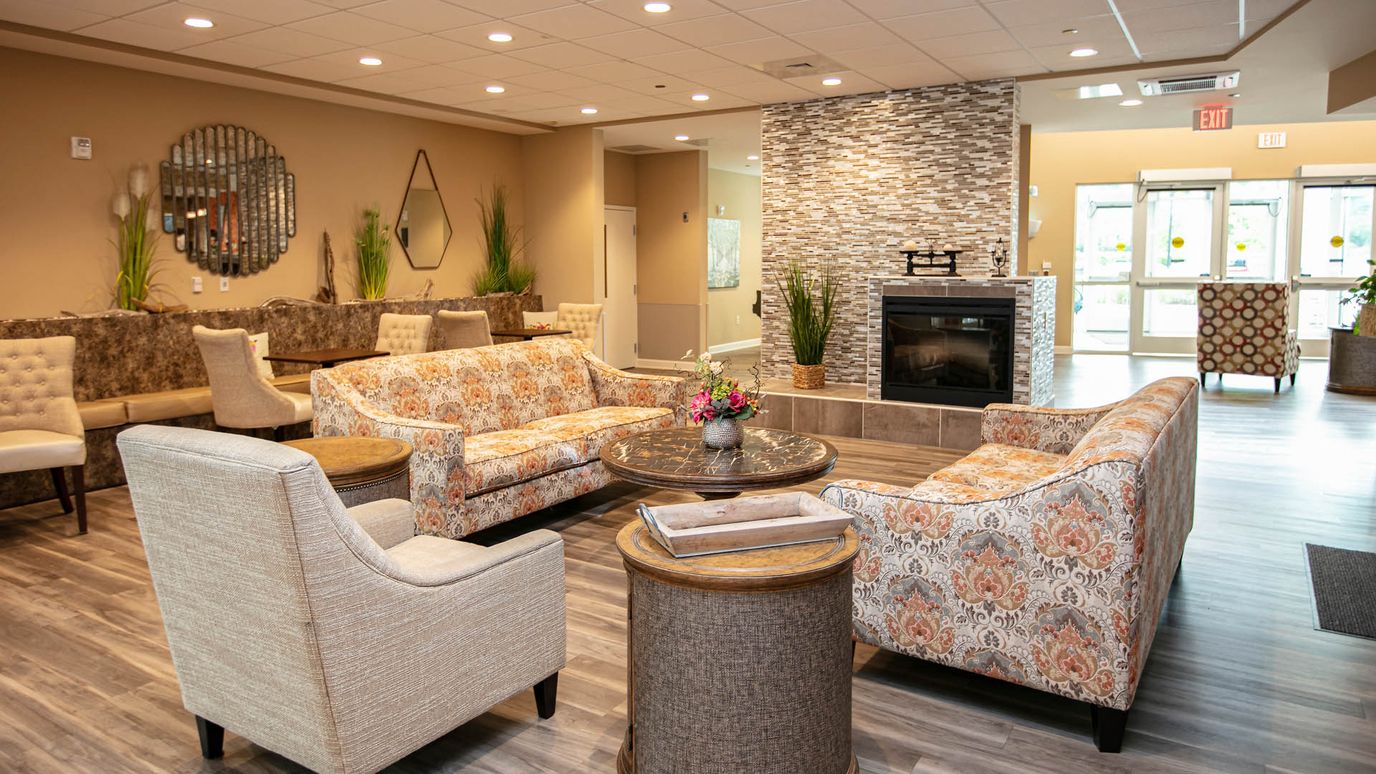
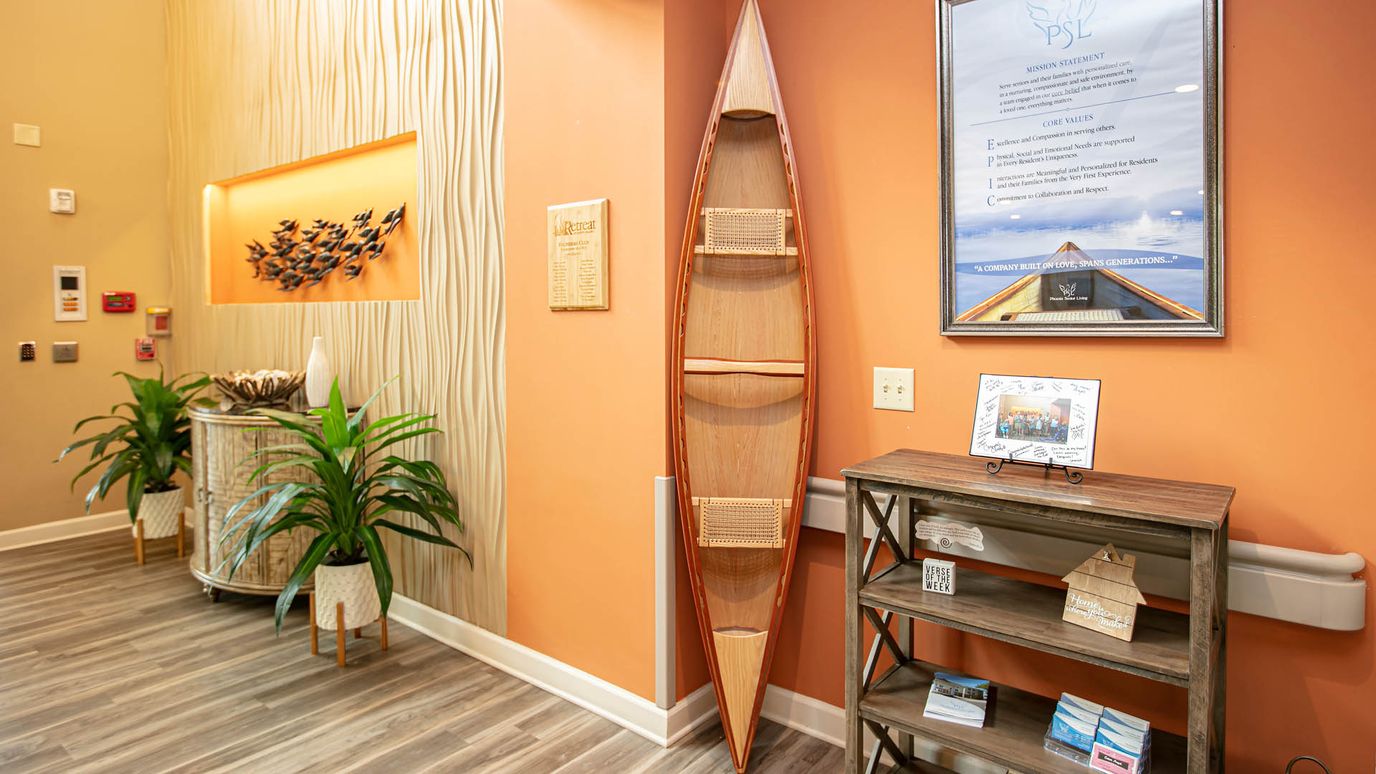
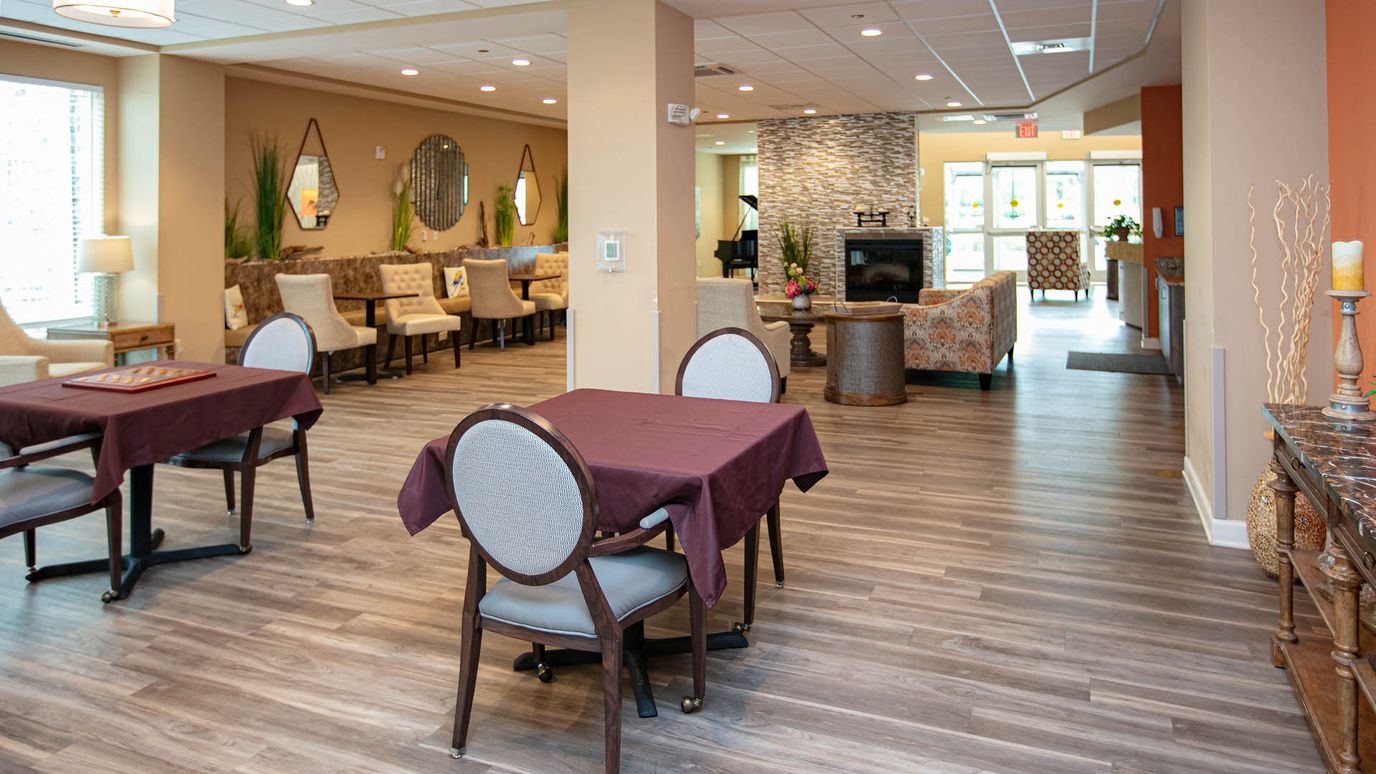
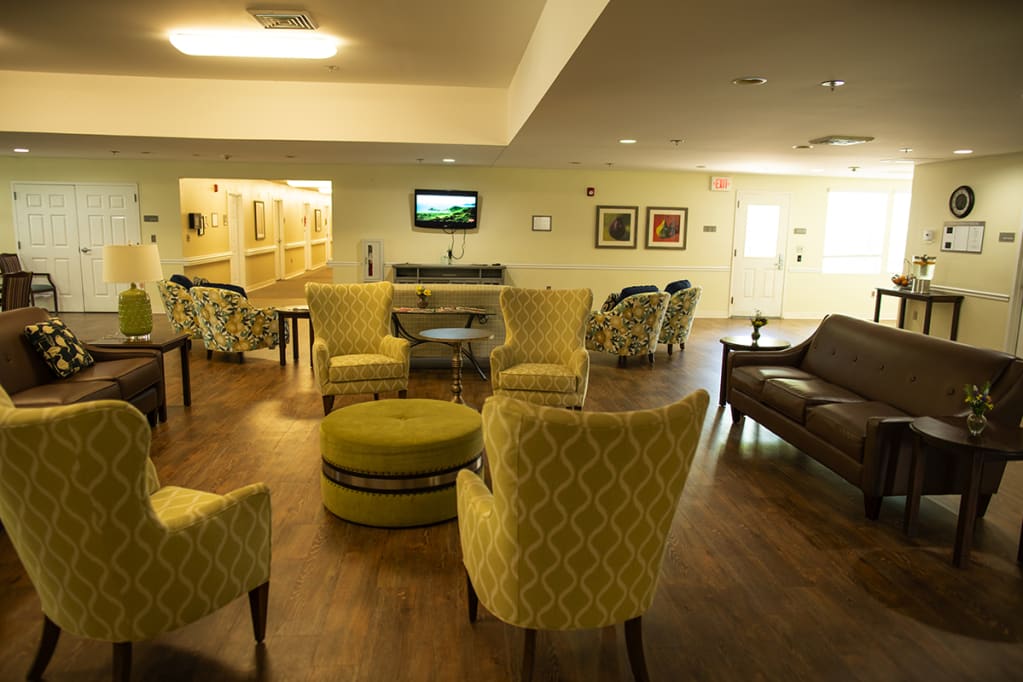
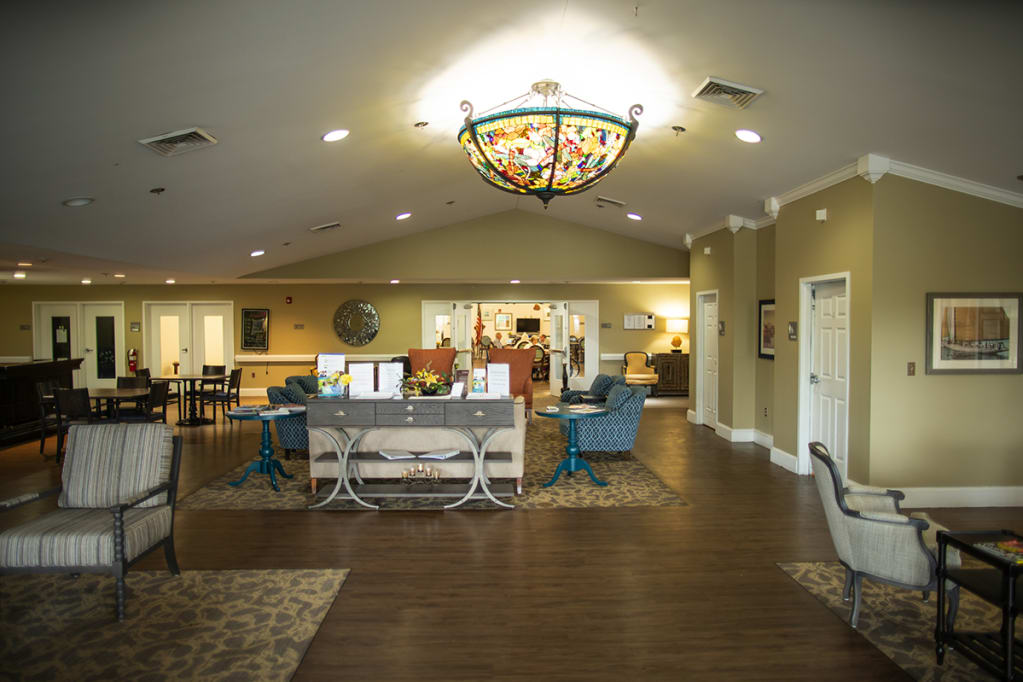
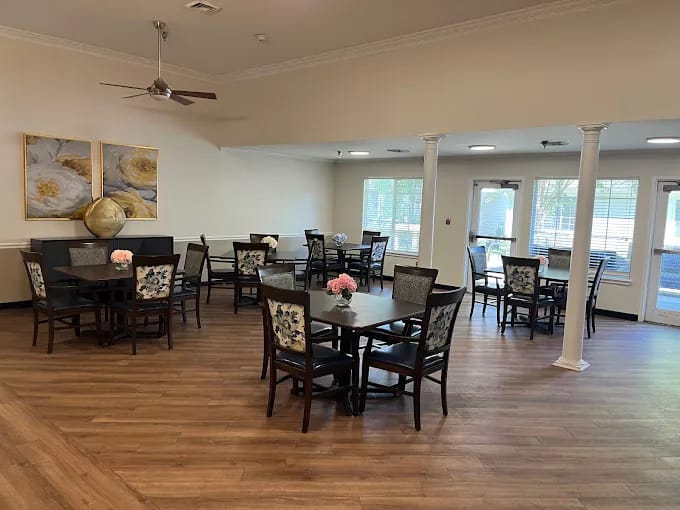
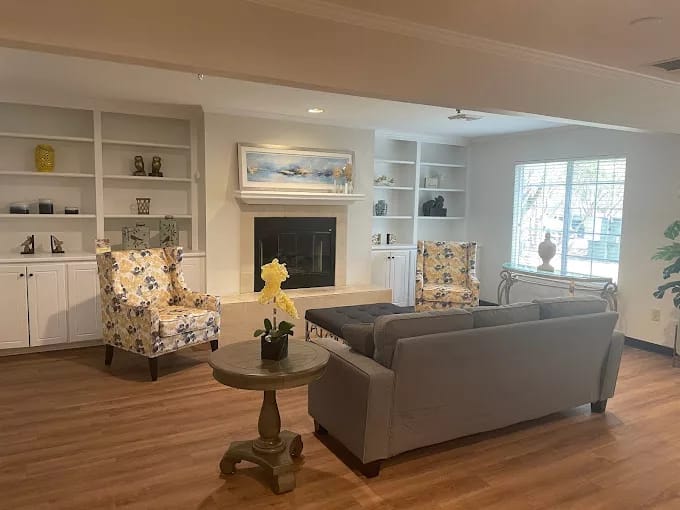
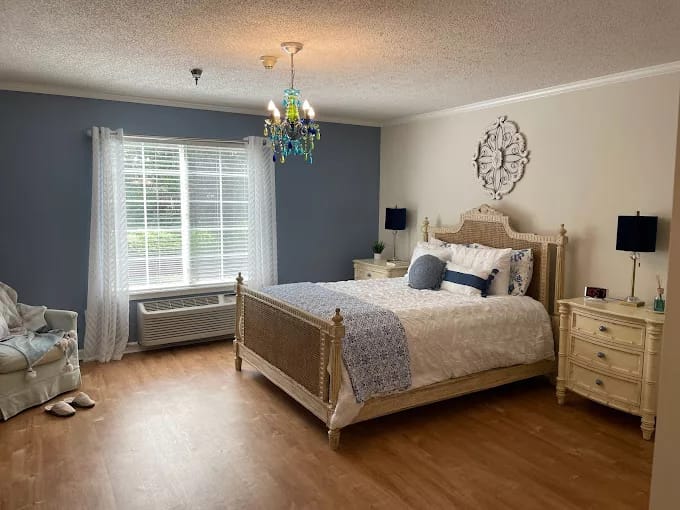
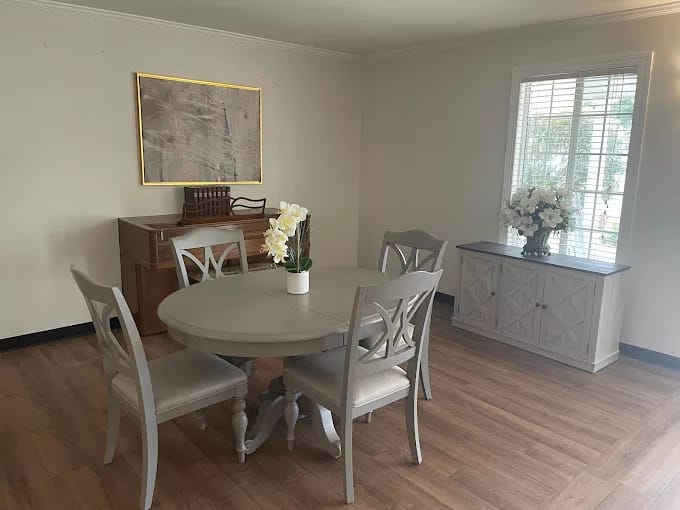
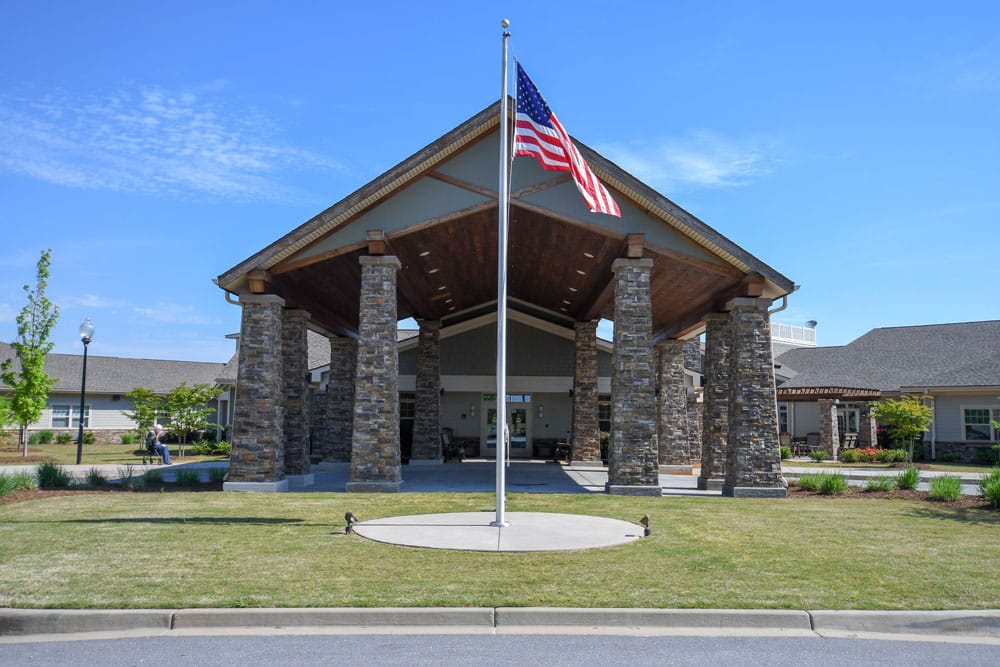
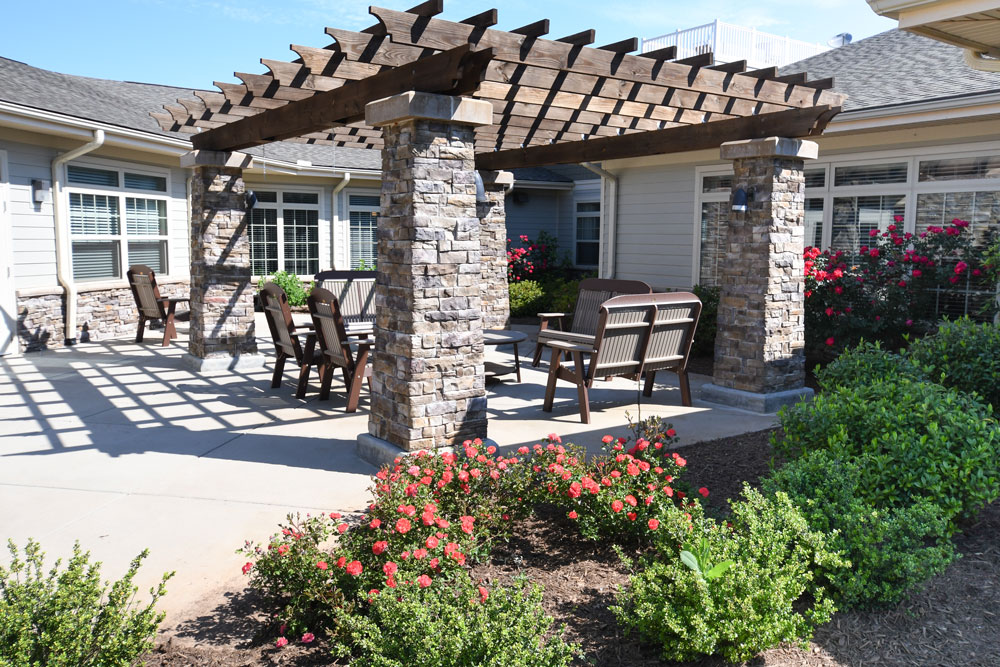
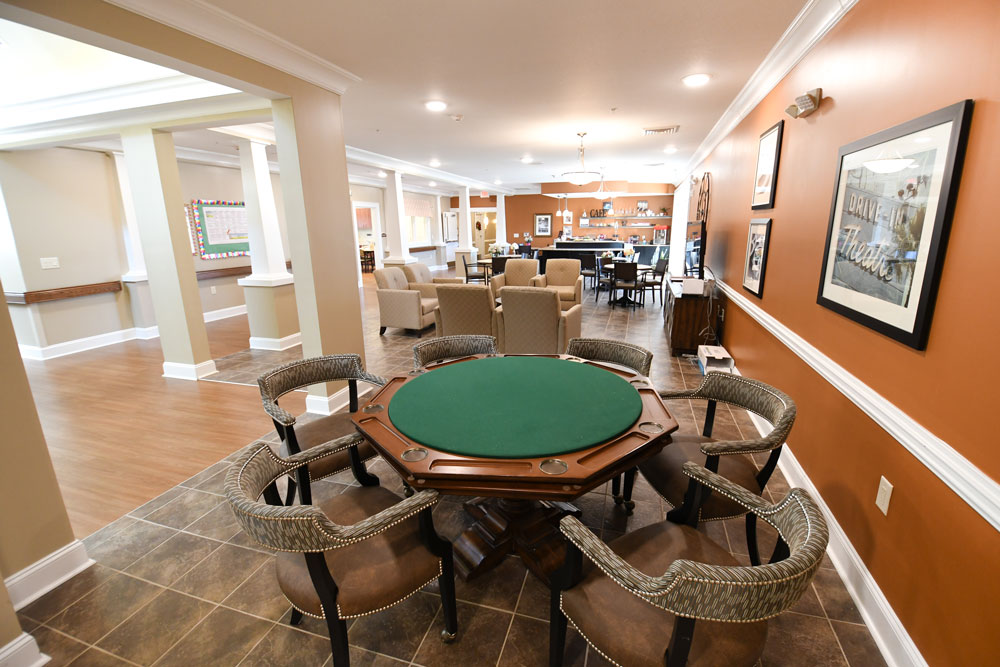
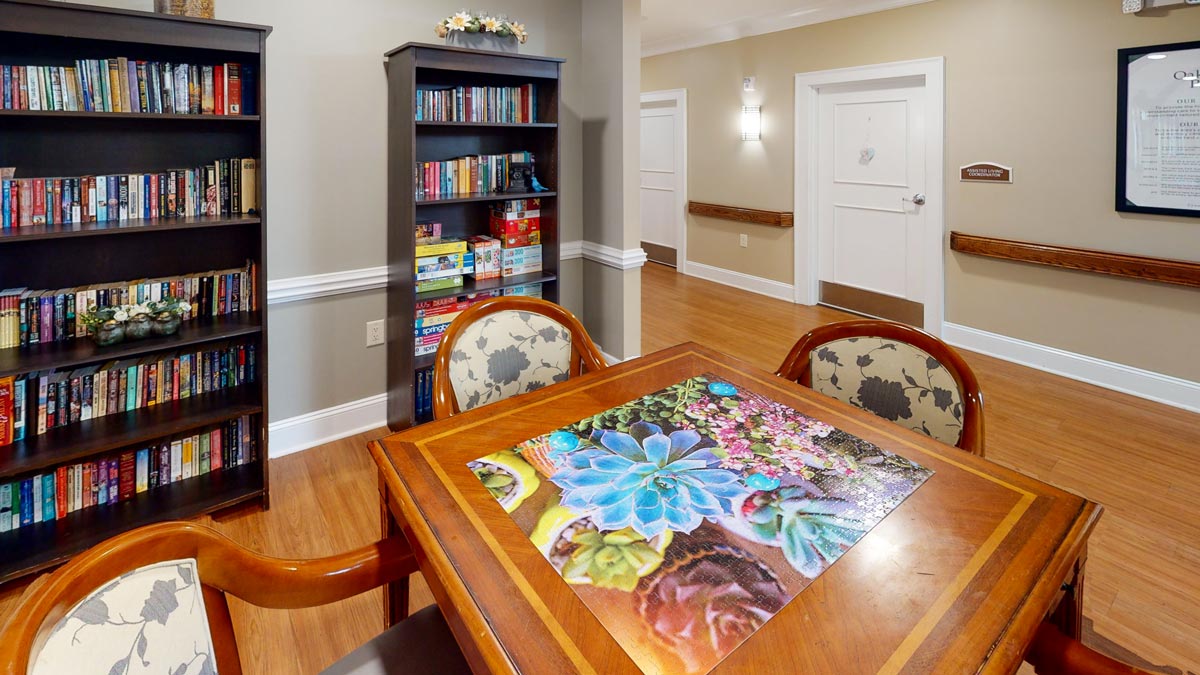
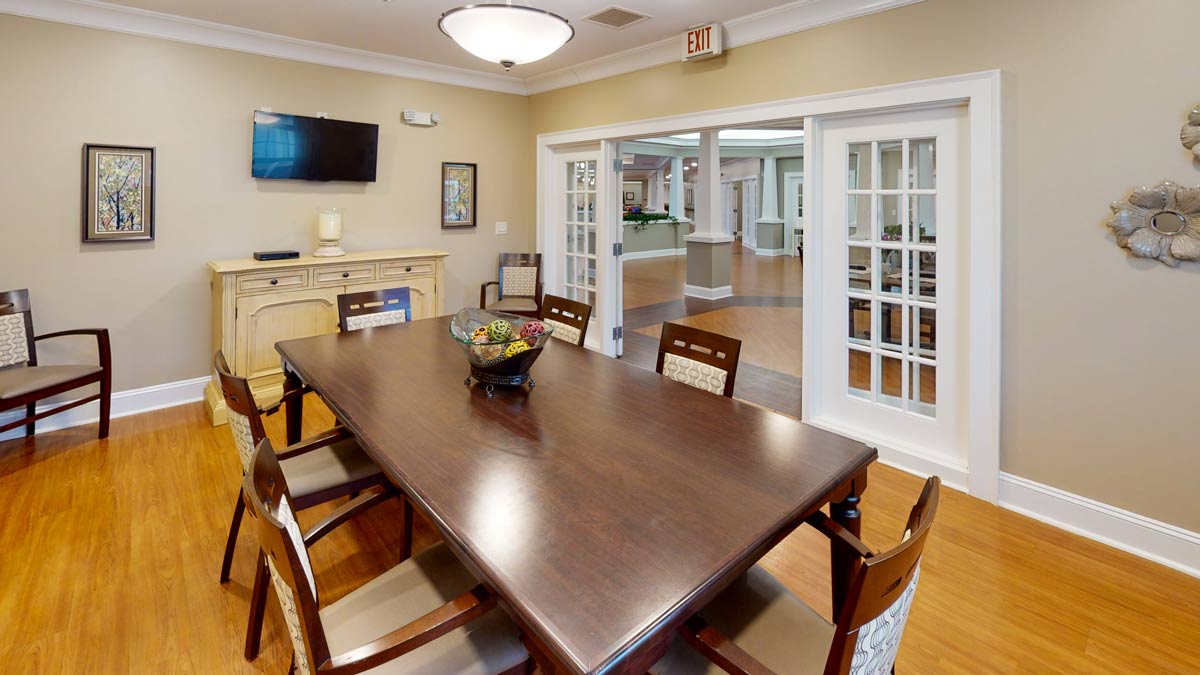
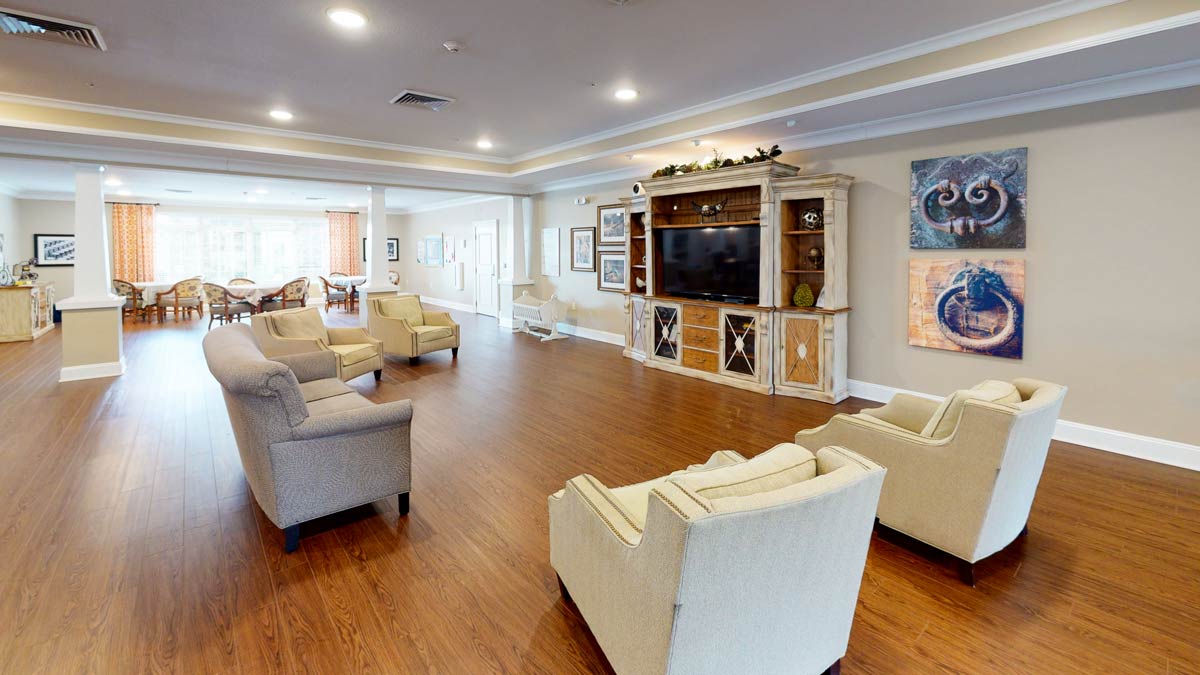
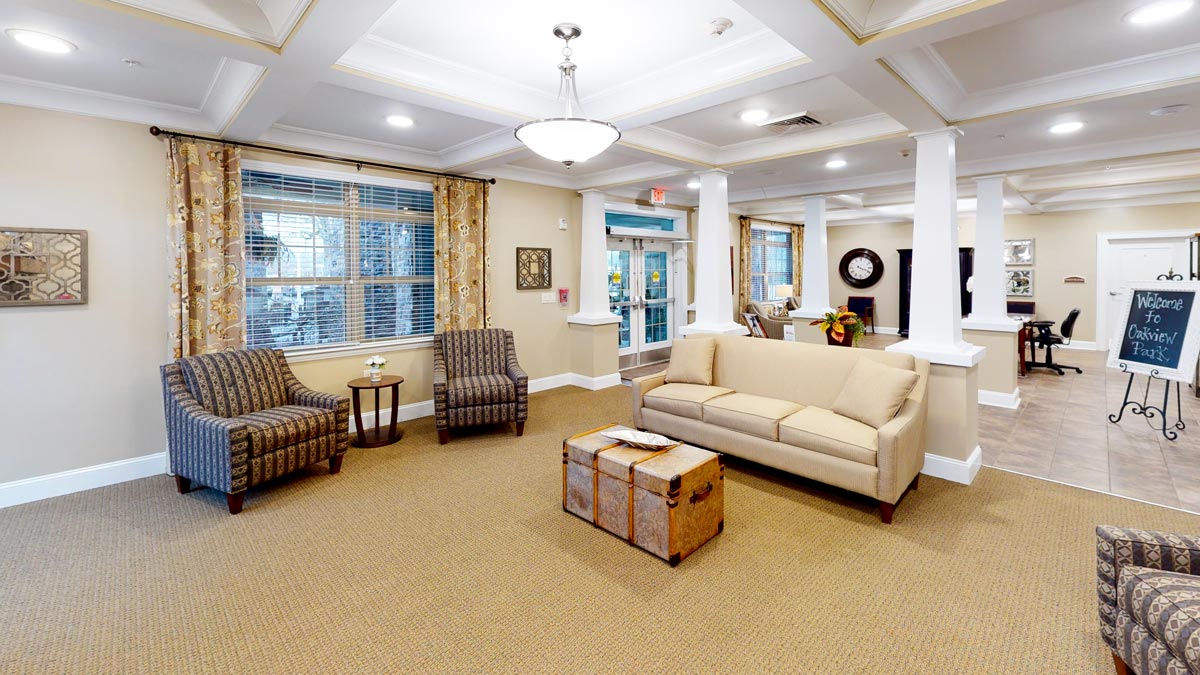
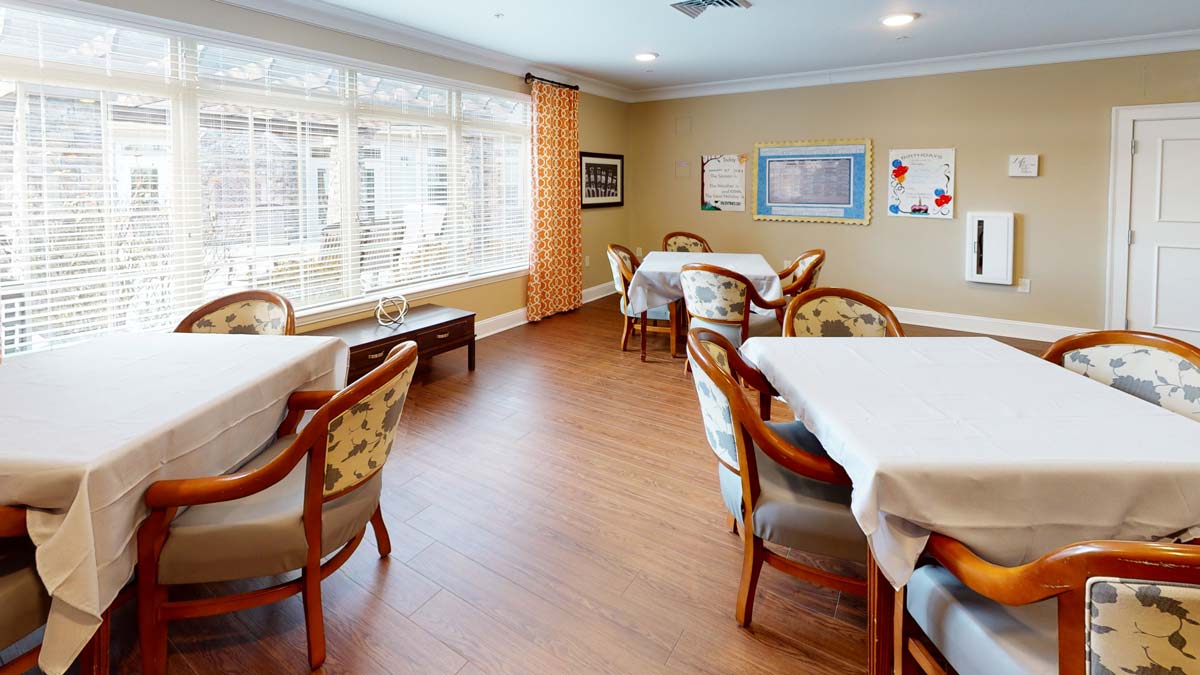
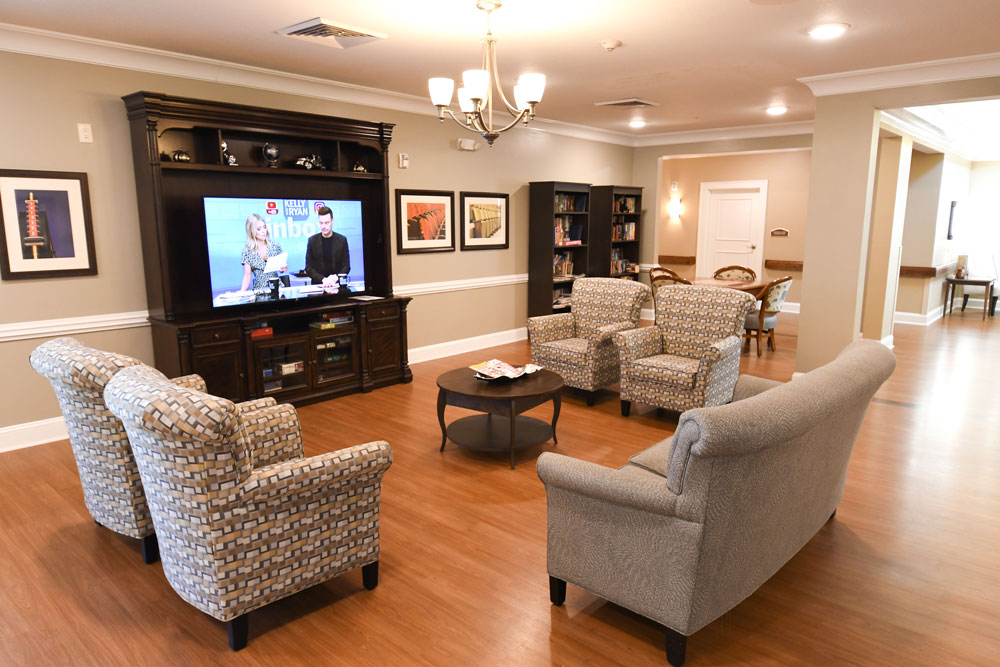
Recent renovations include a salon, arts and crafts studio, bistro, activity rooms, and multiple dining venues.
The community is oriented toward short-term Medicare rehabilitation and private-pay residents; the recent critical compliance findings and chronic financial instability warrant thorough evaluation before placement decisions.