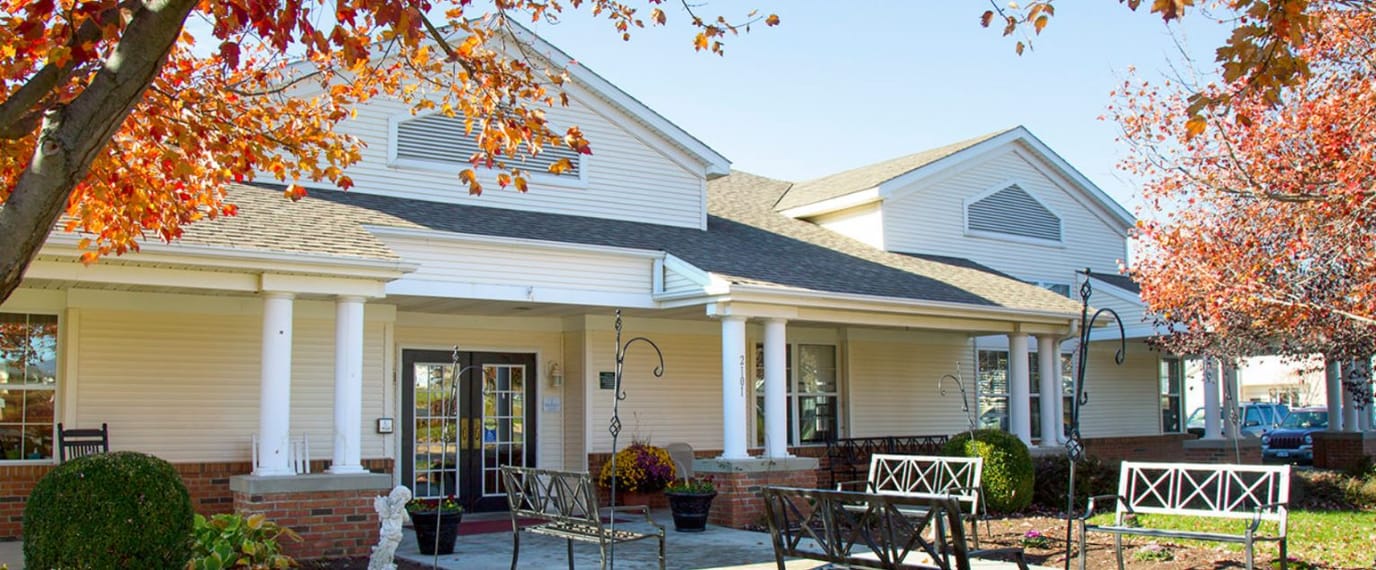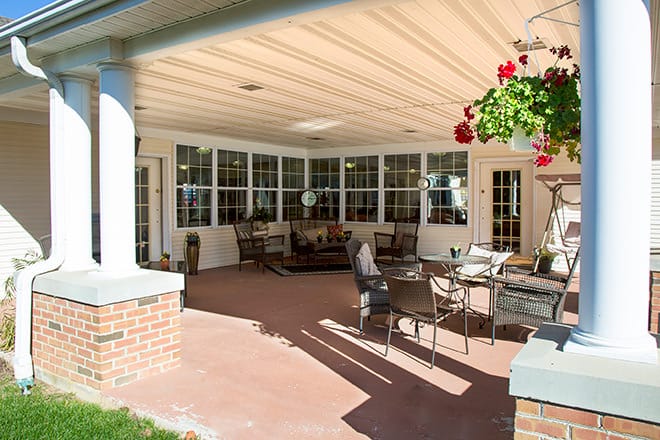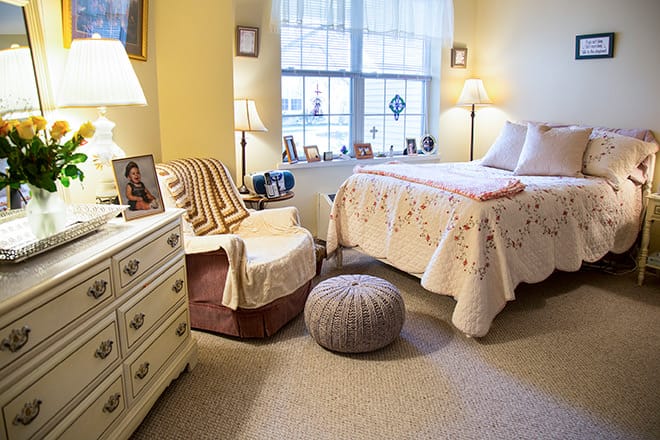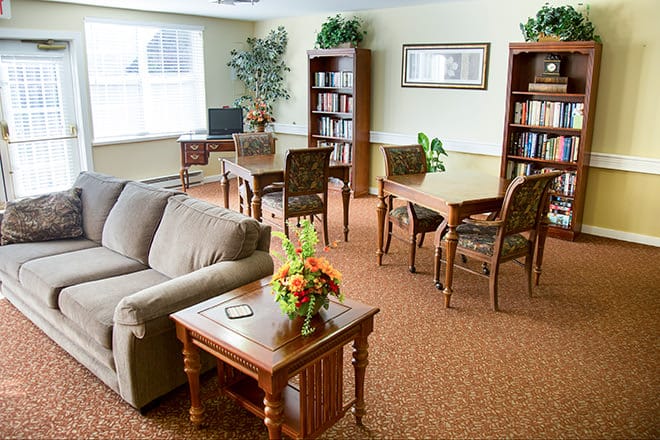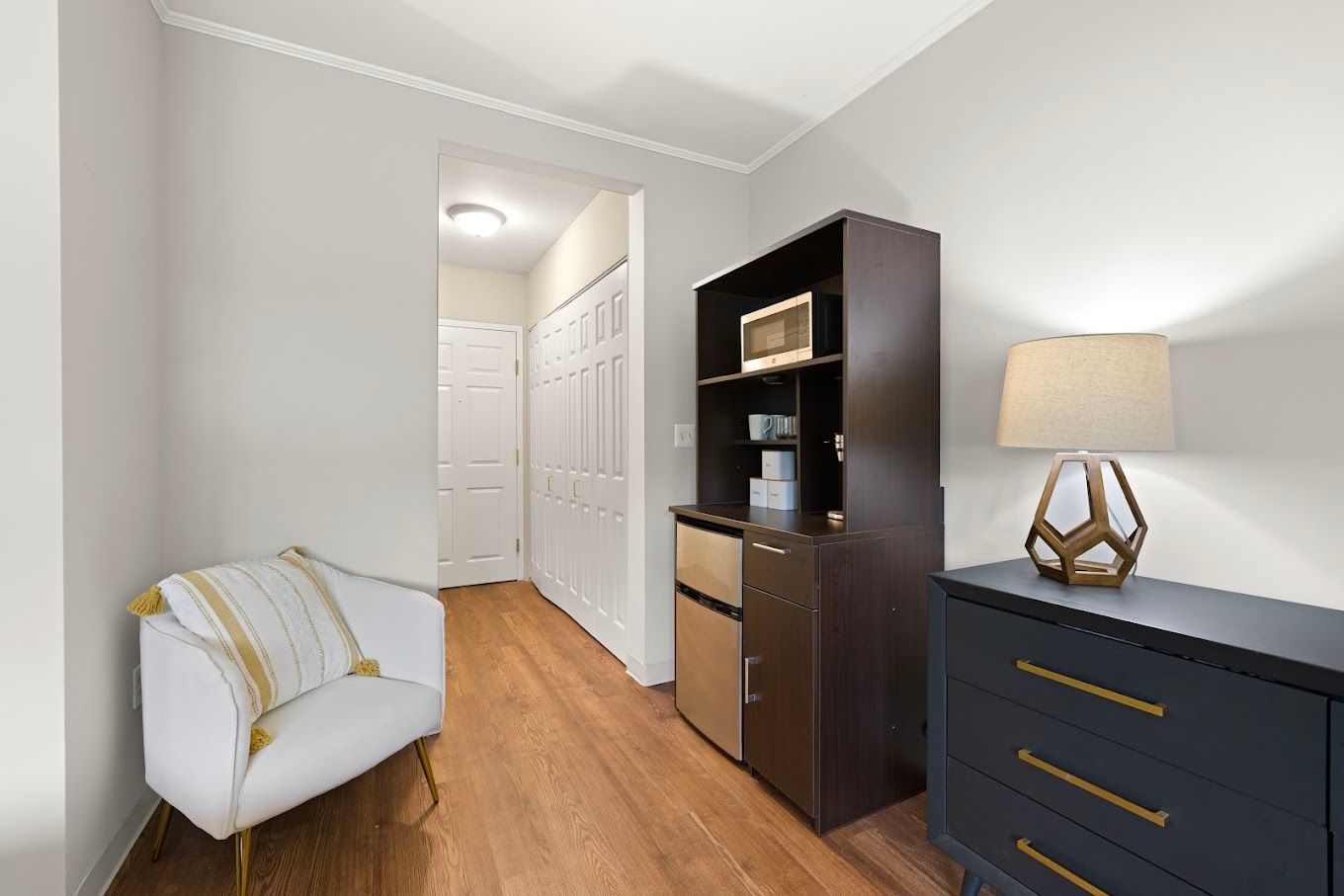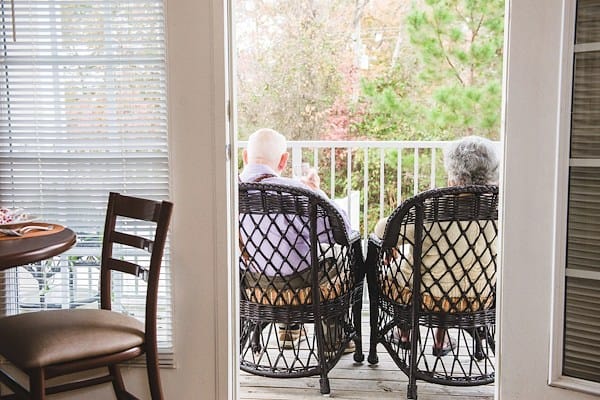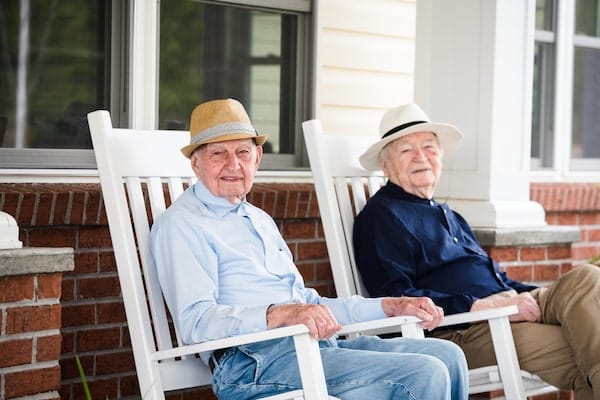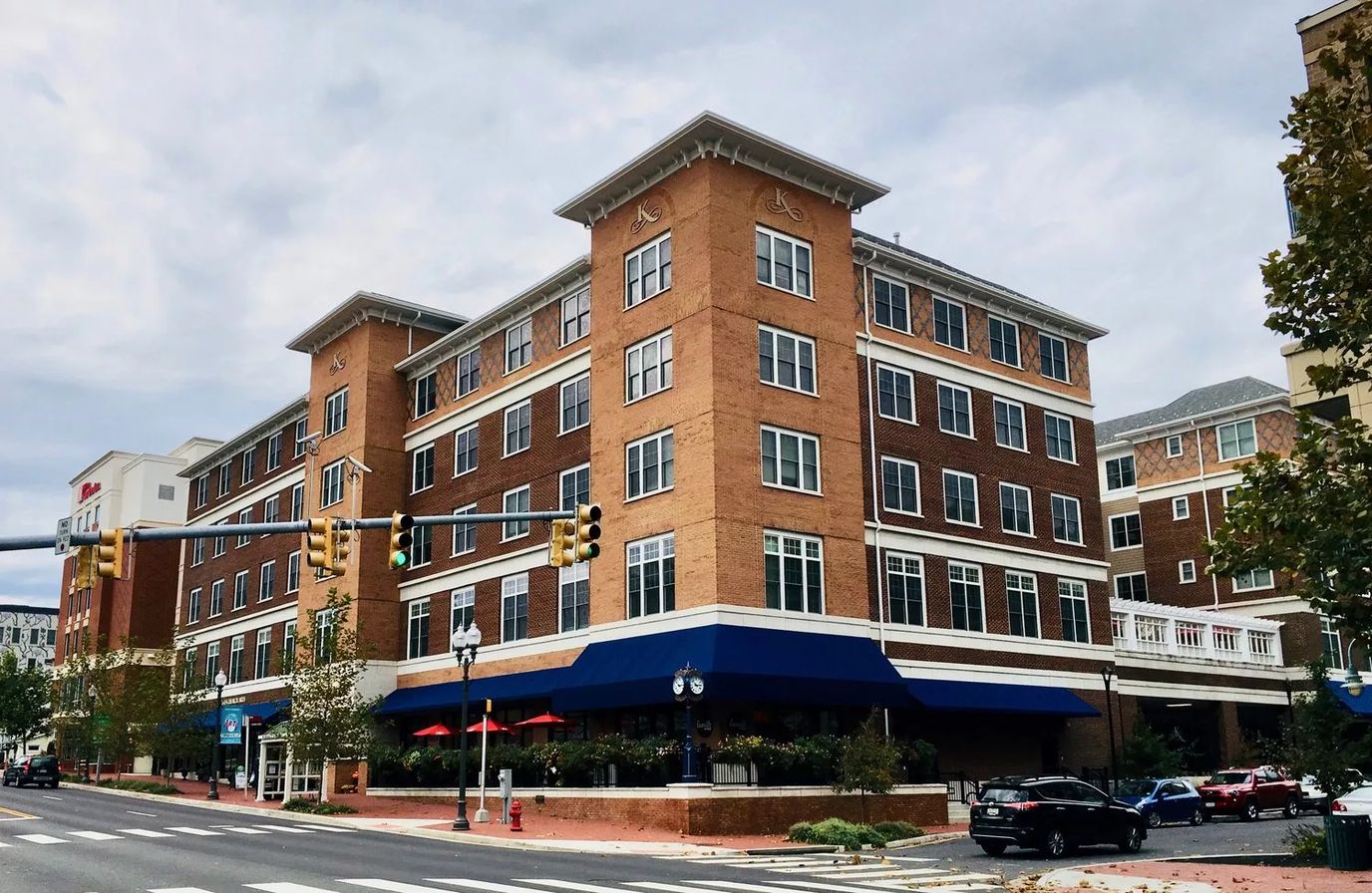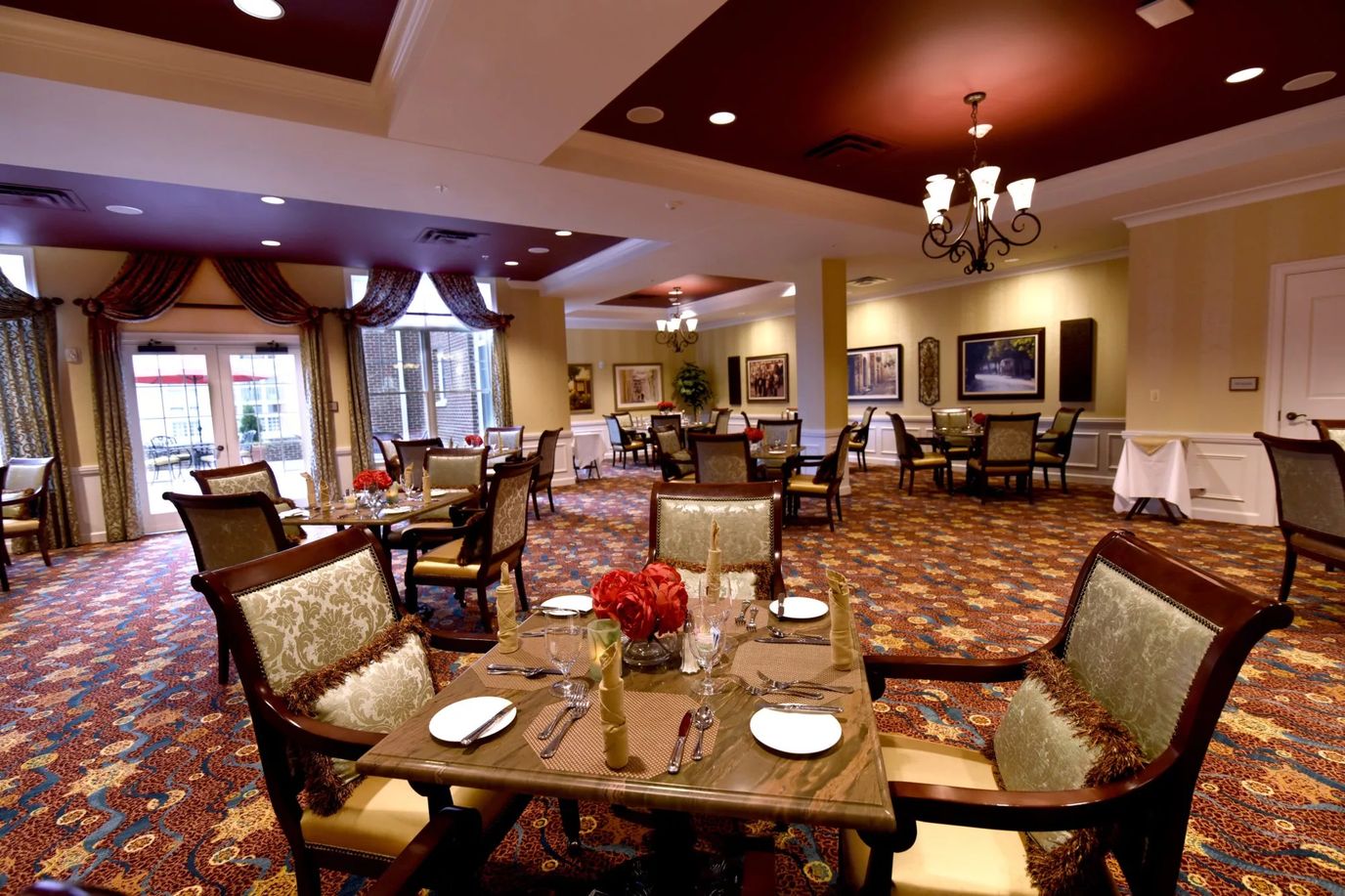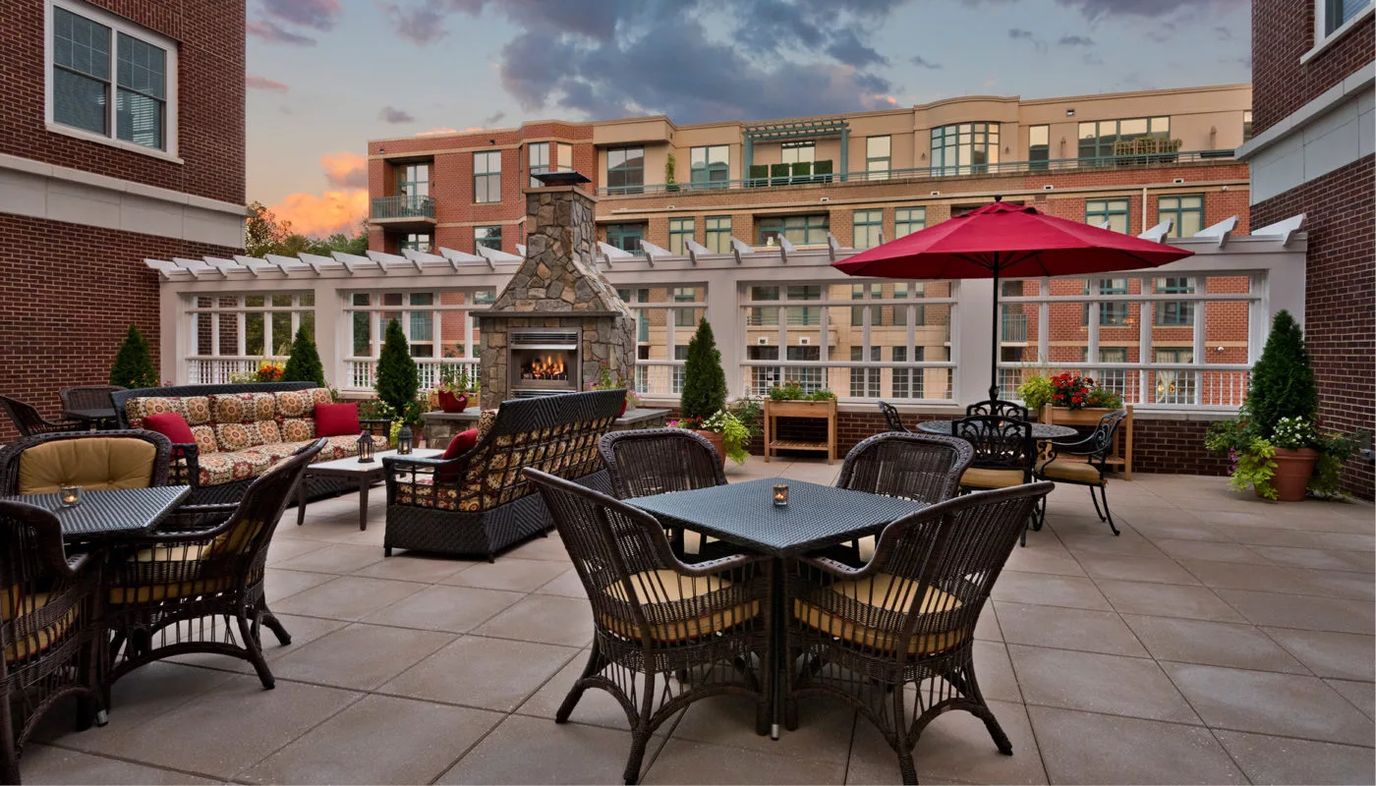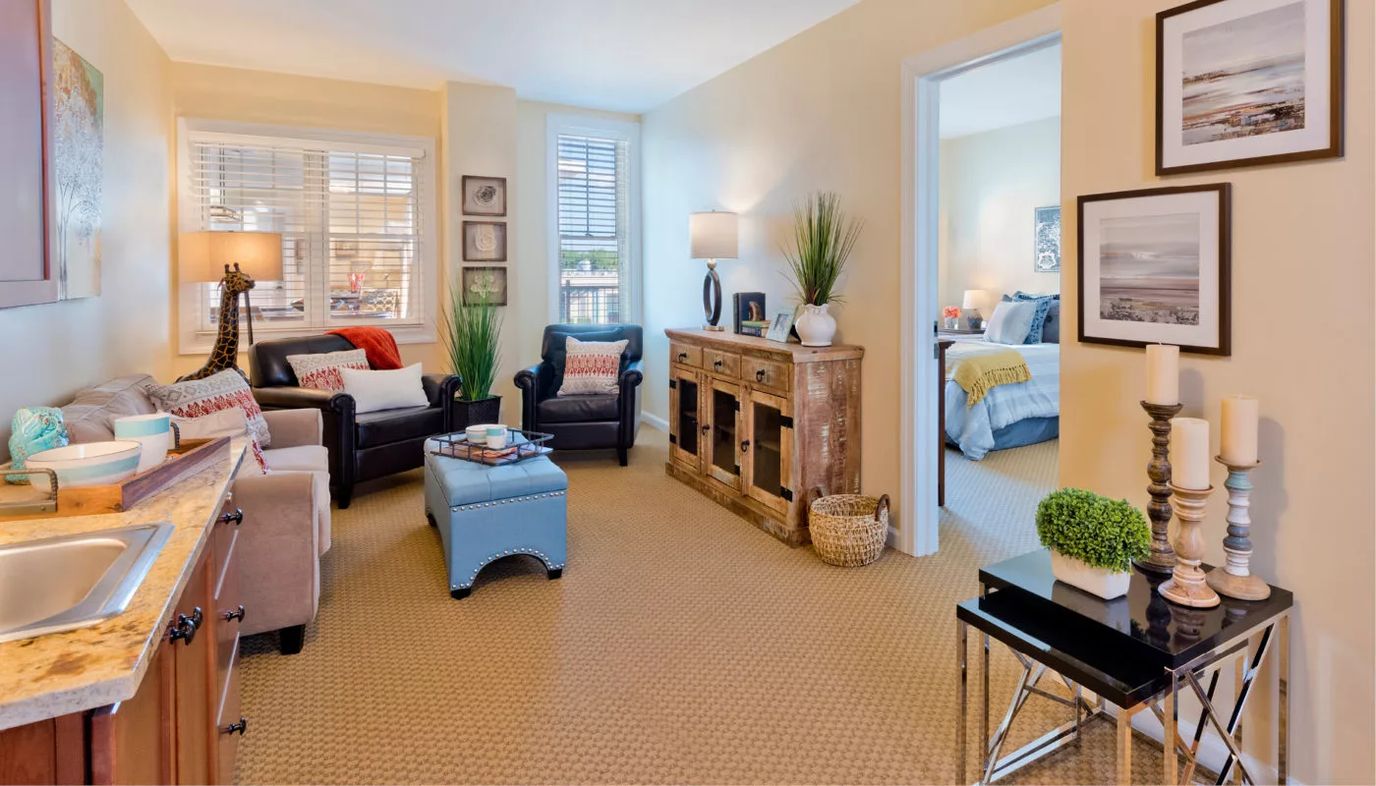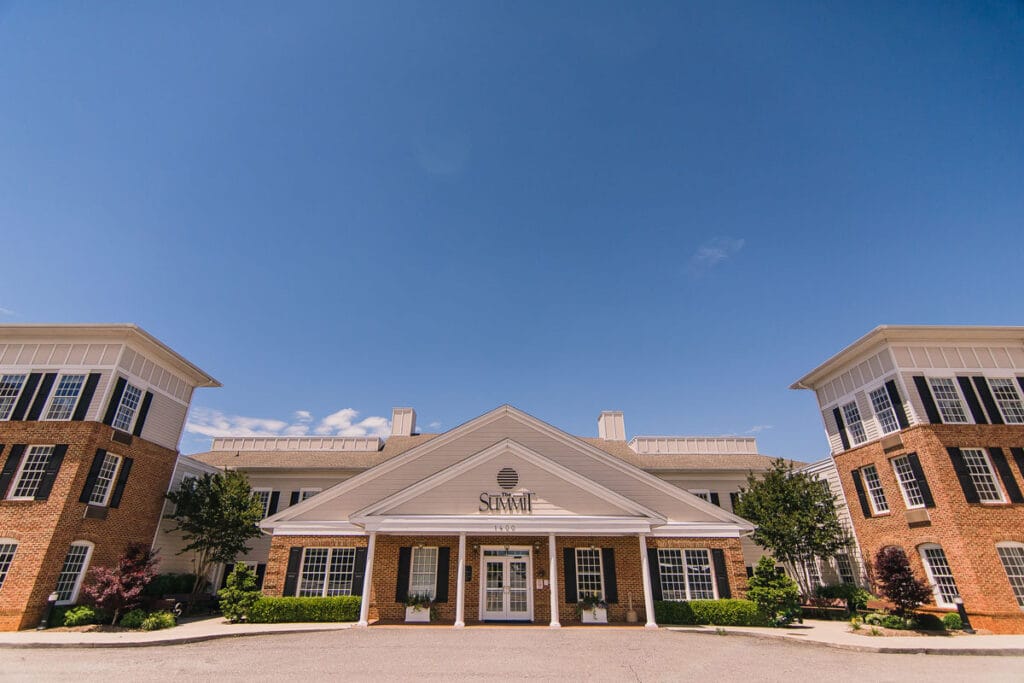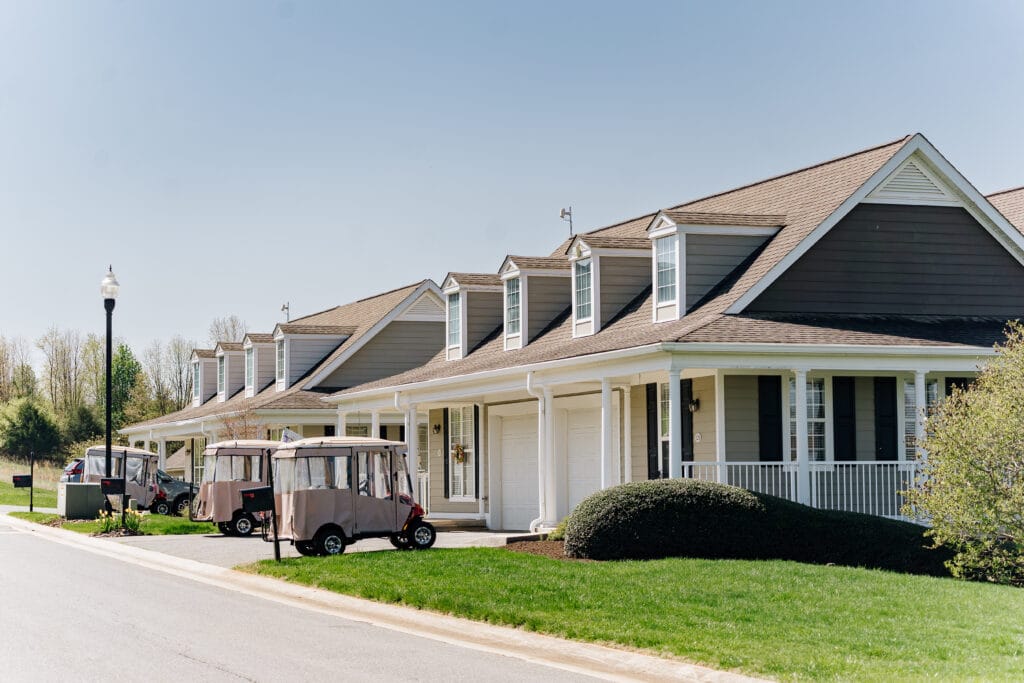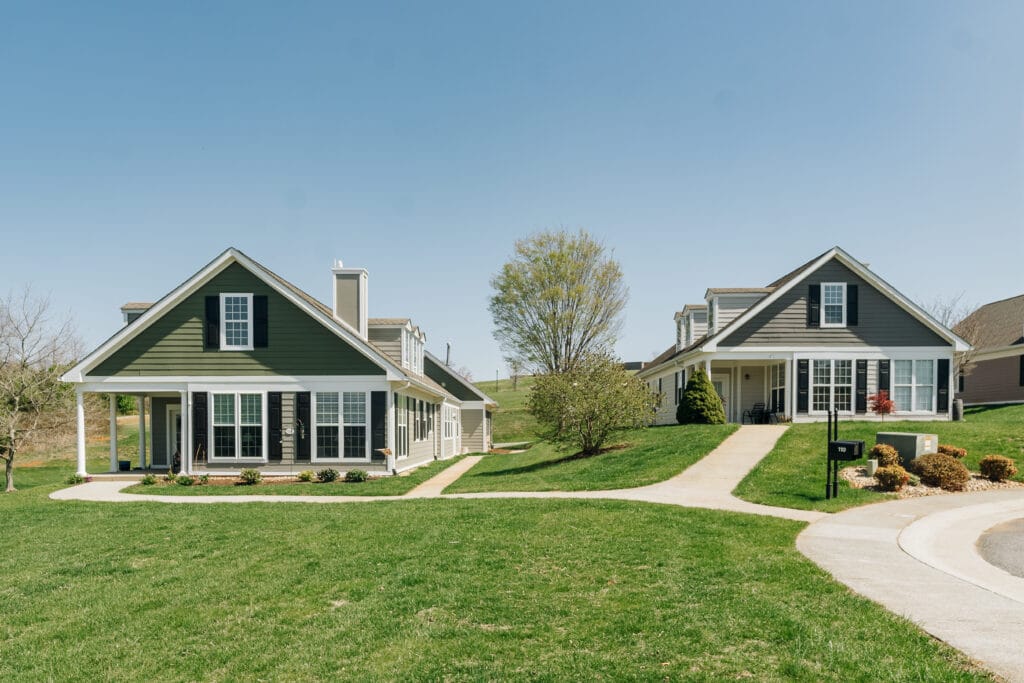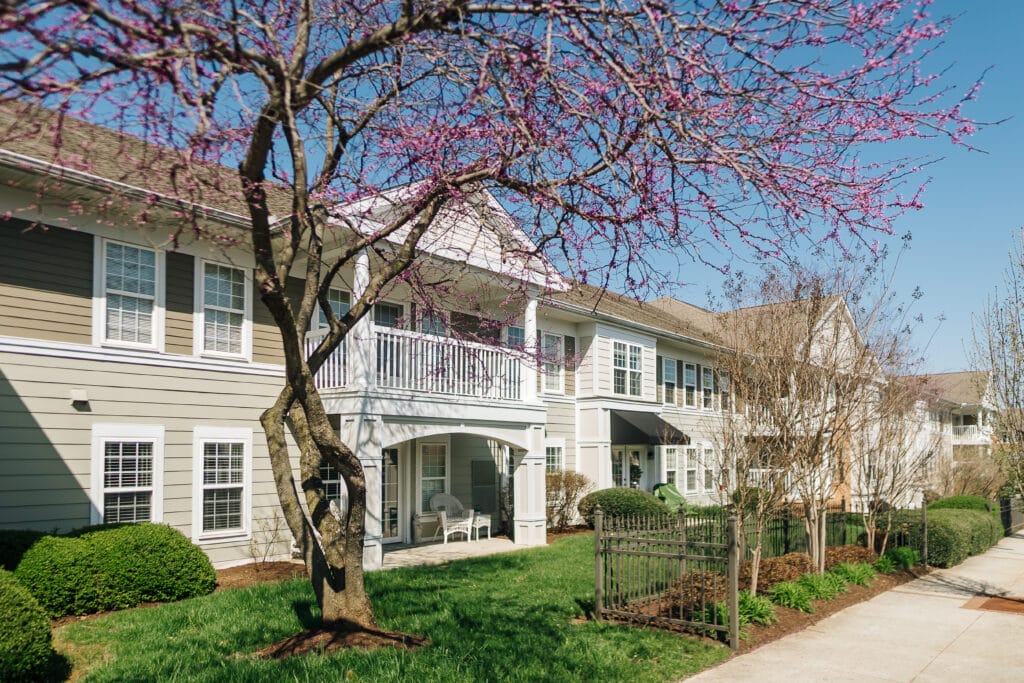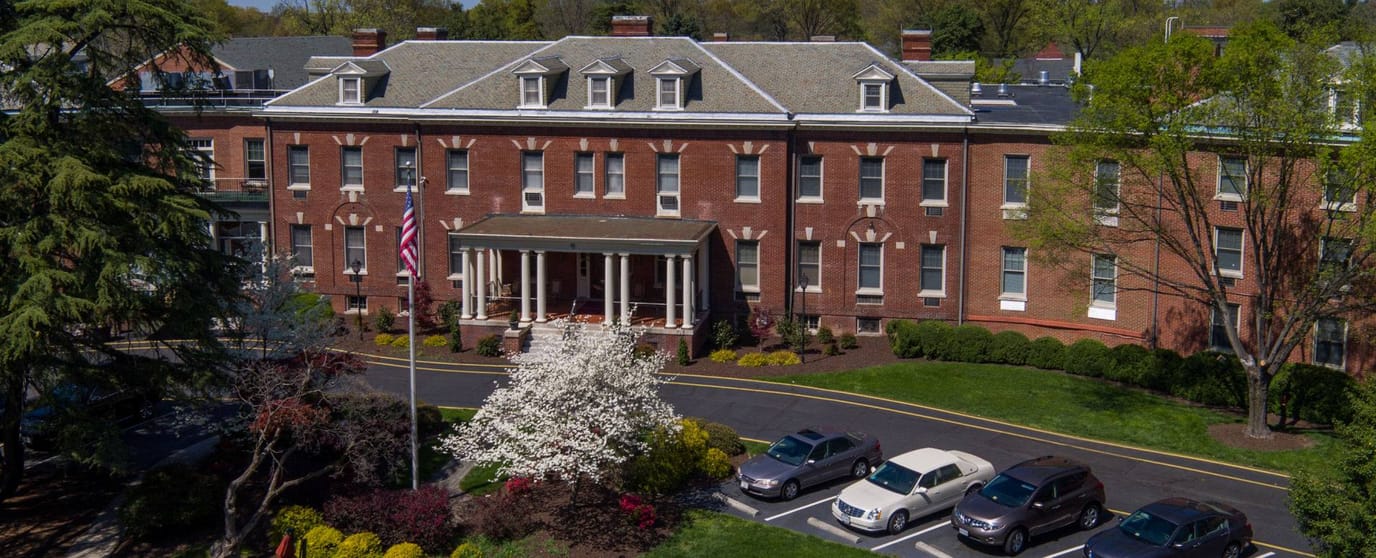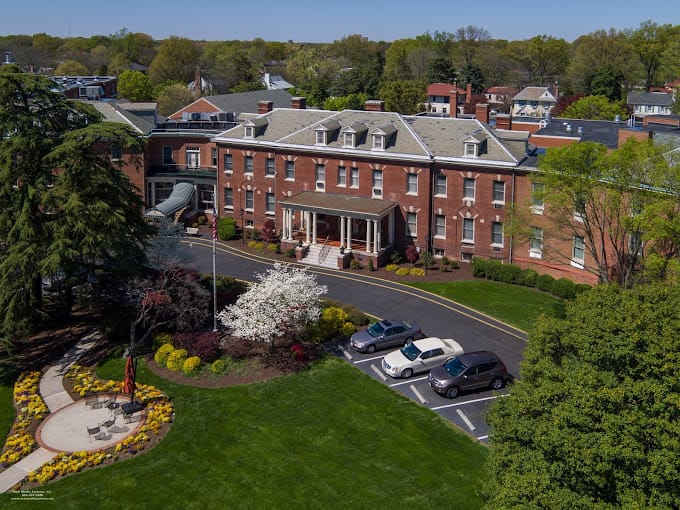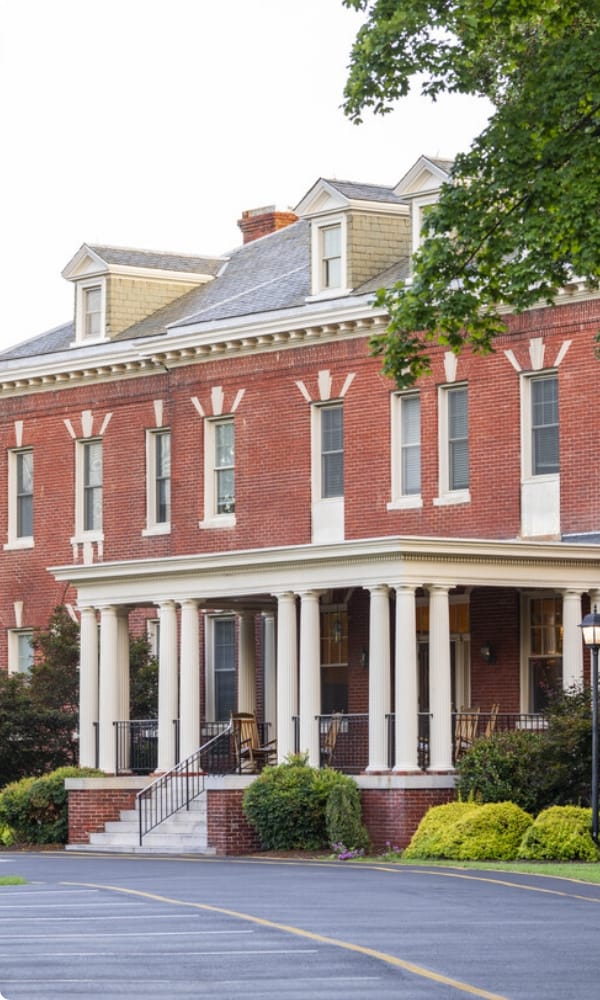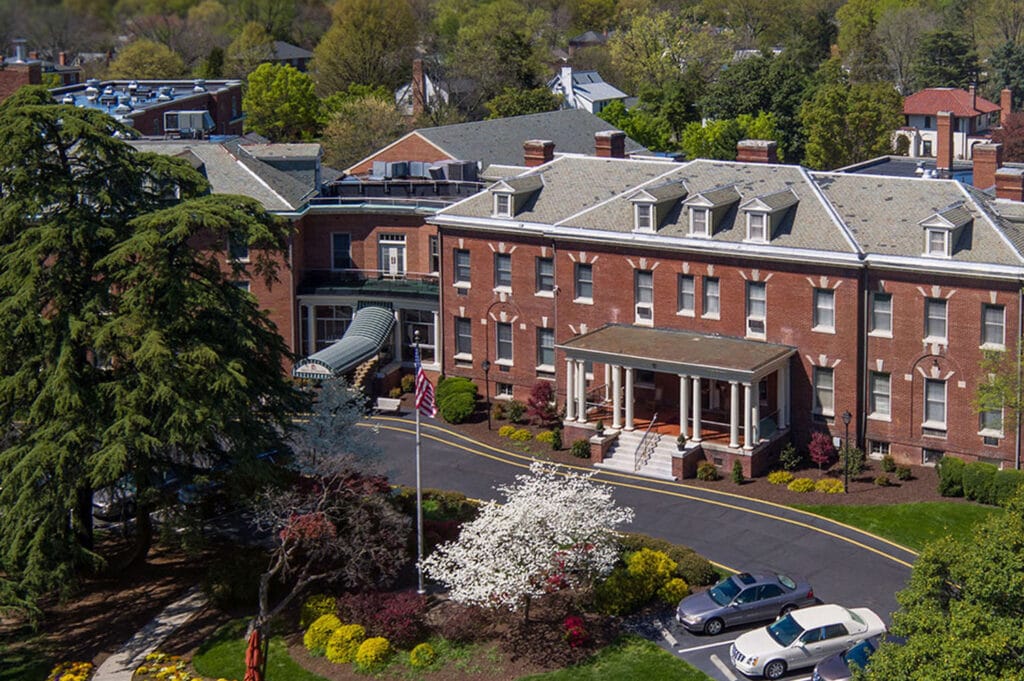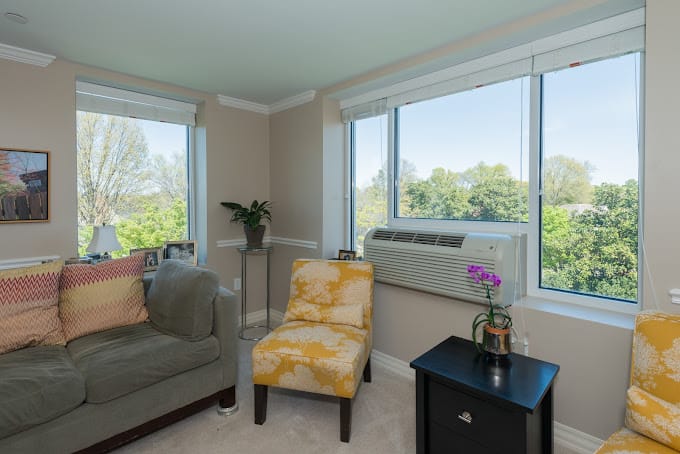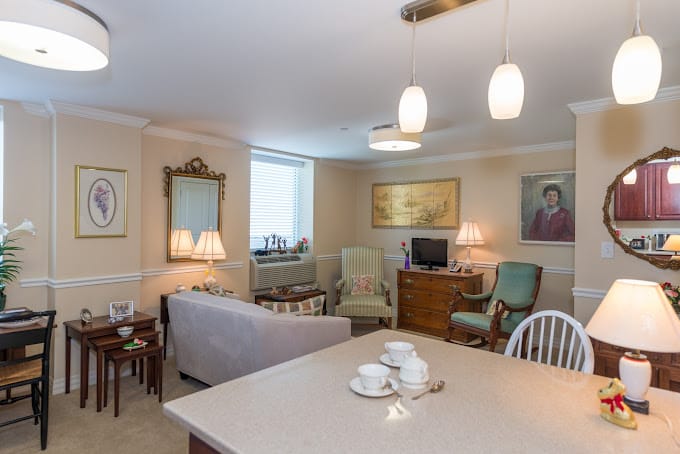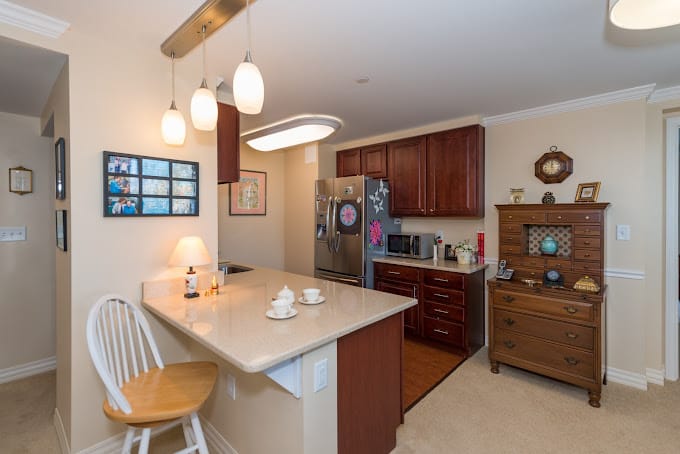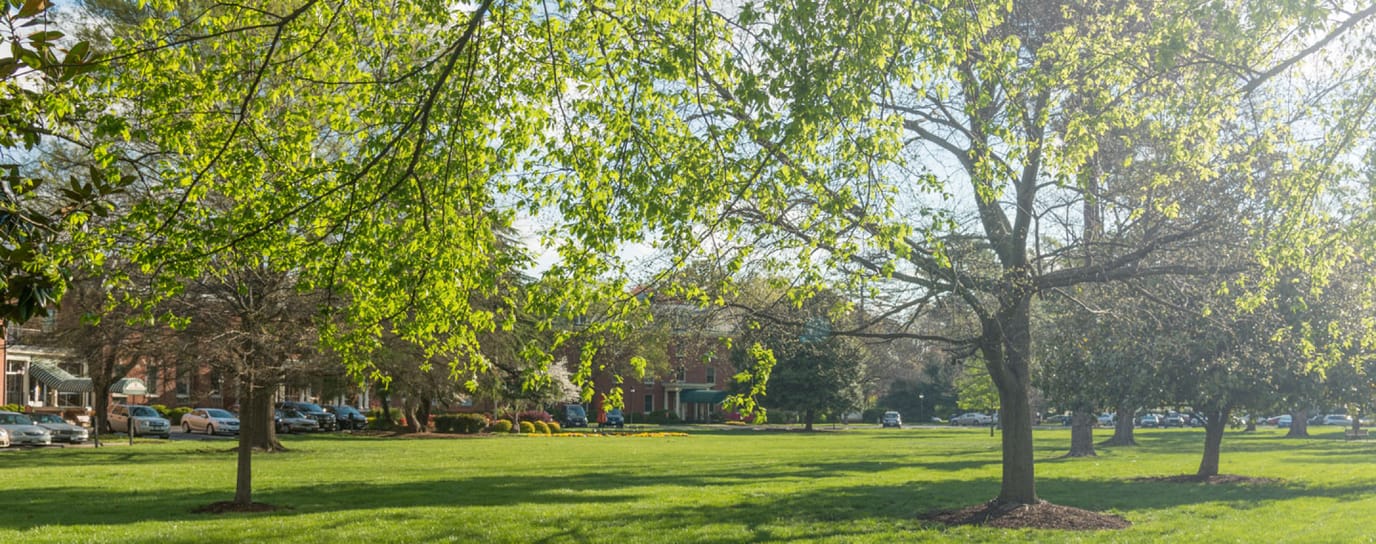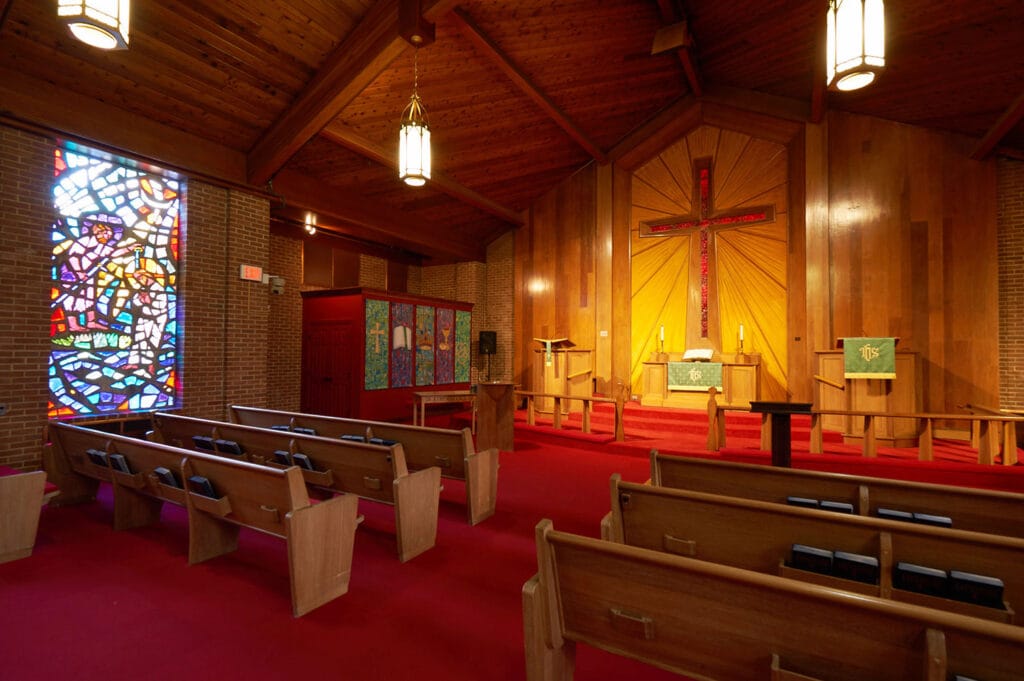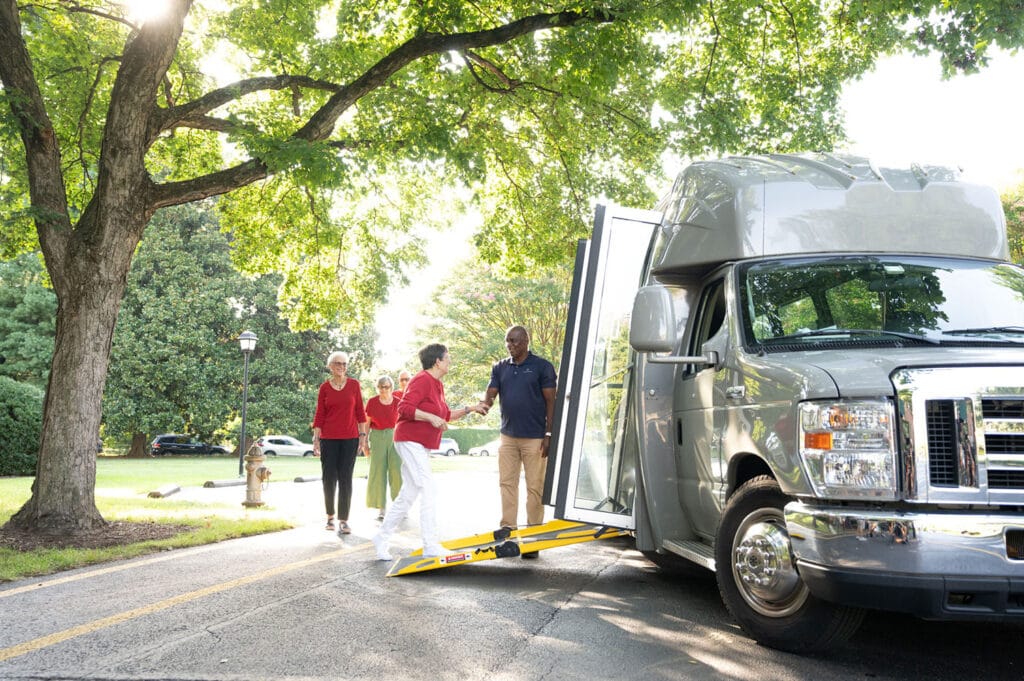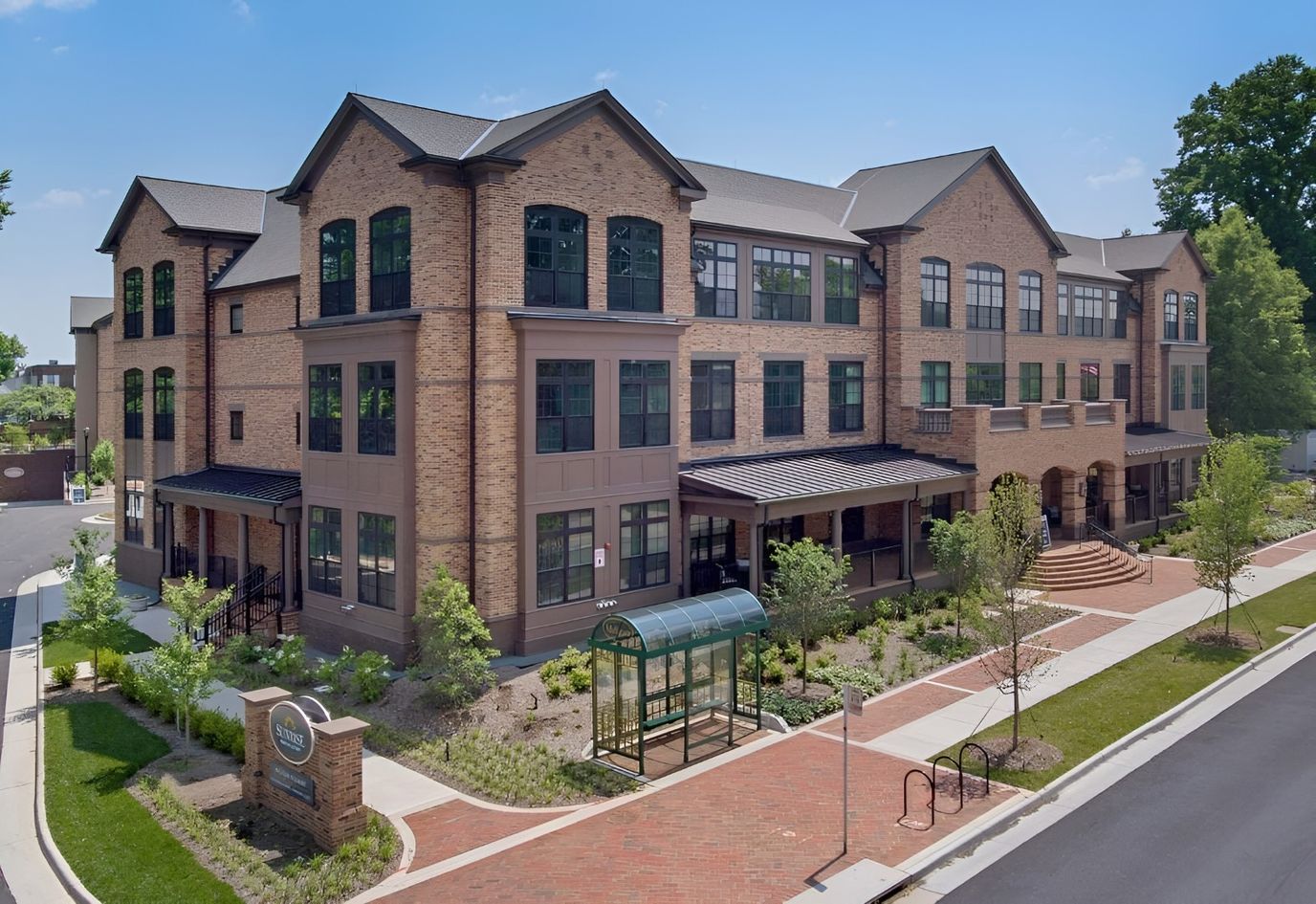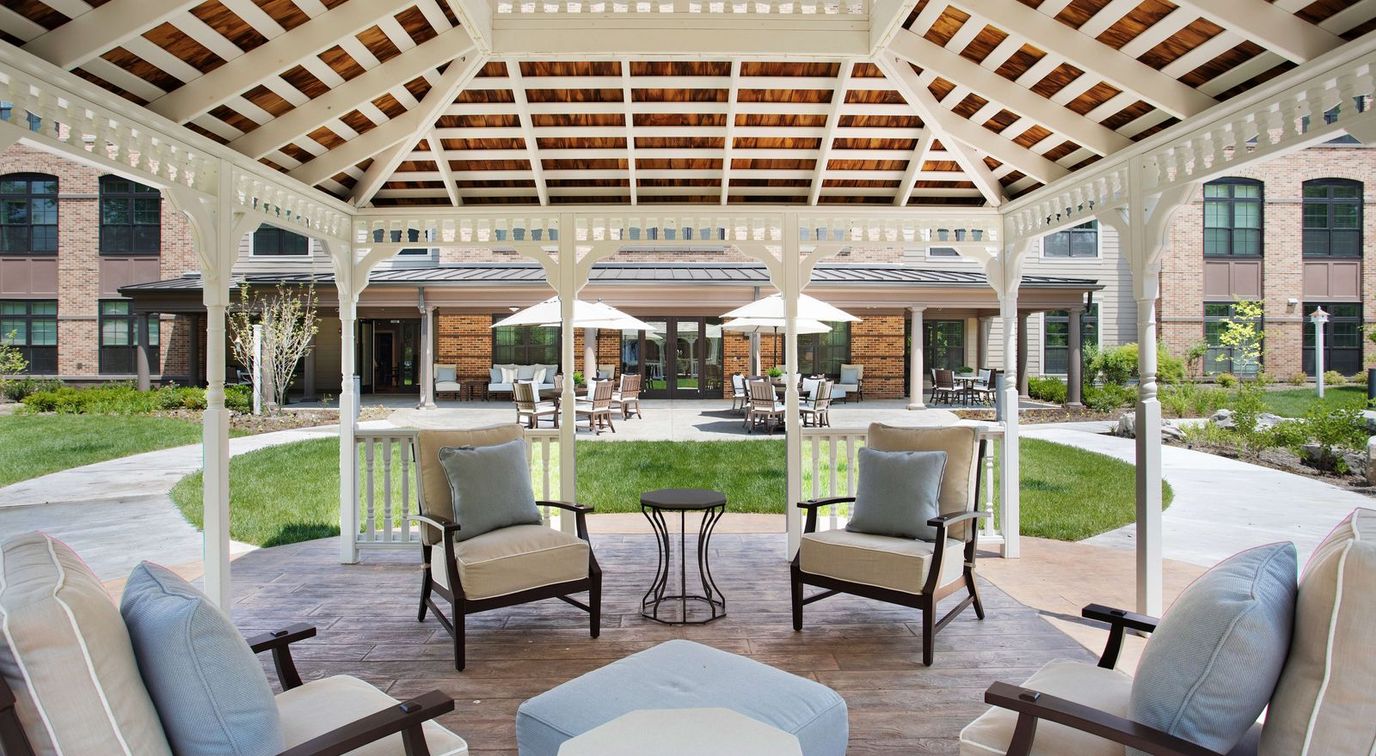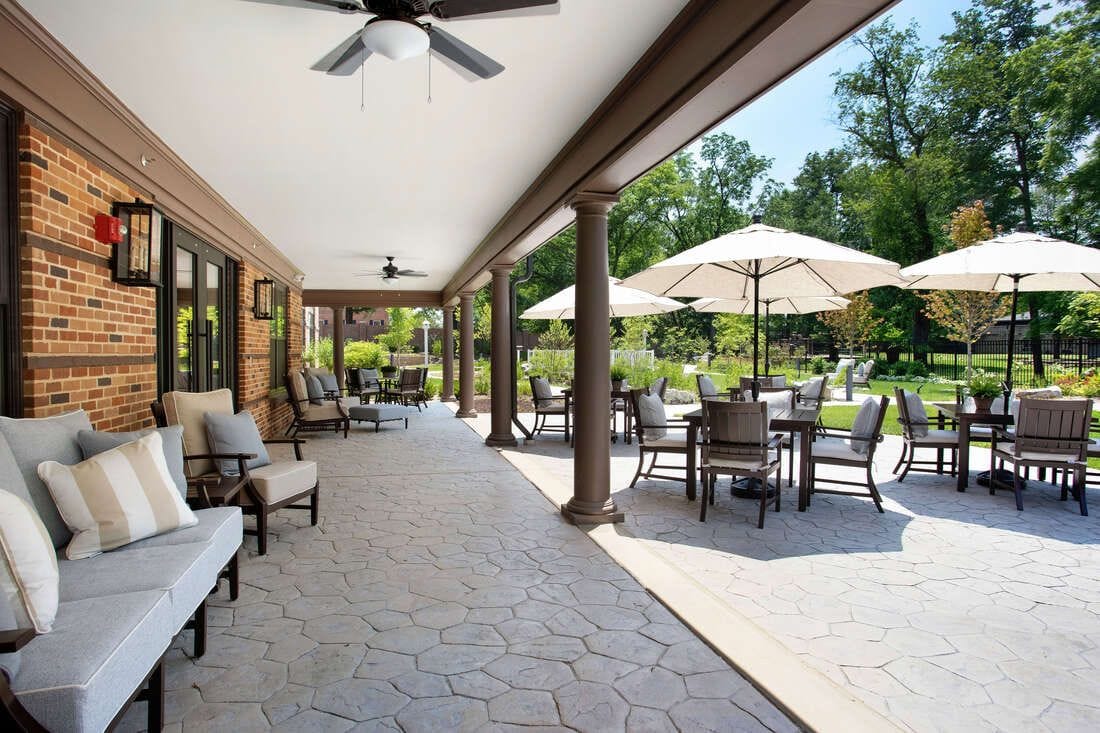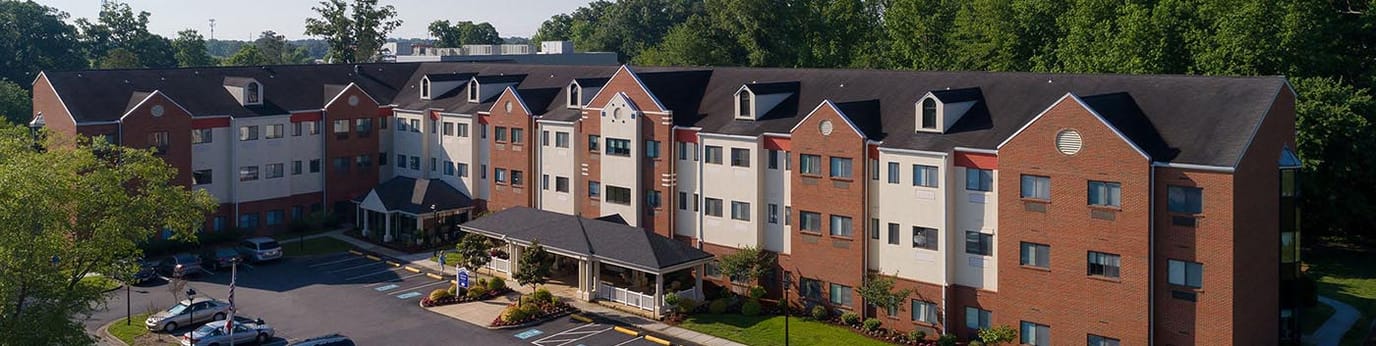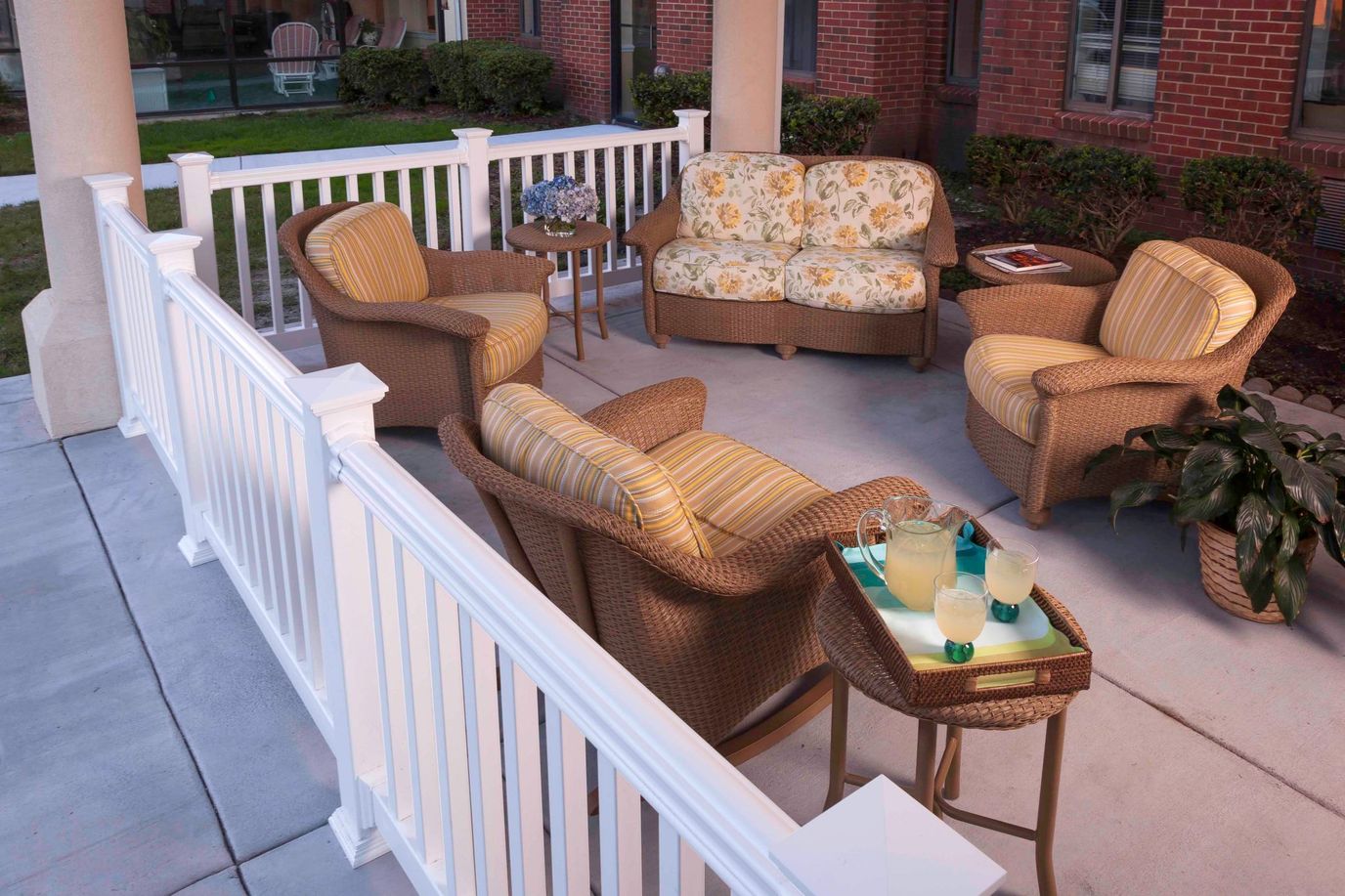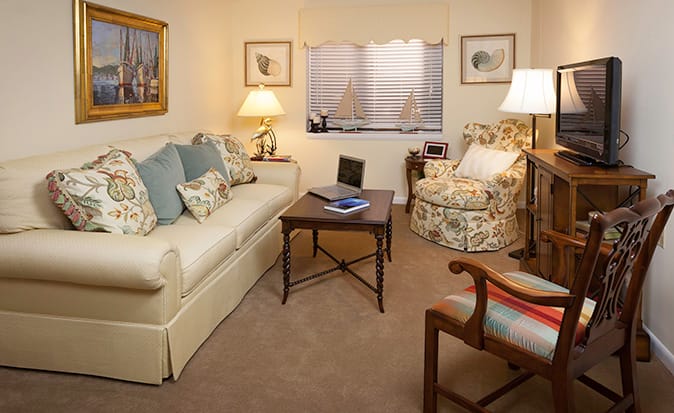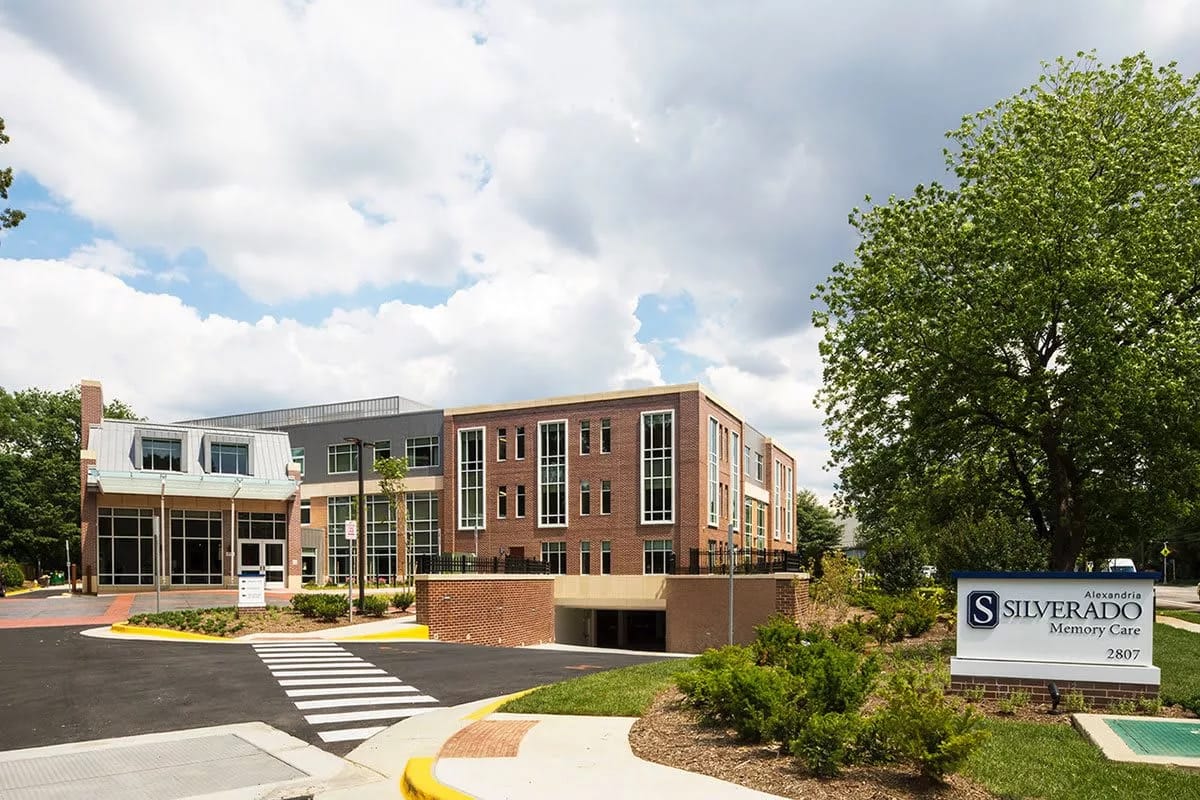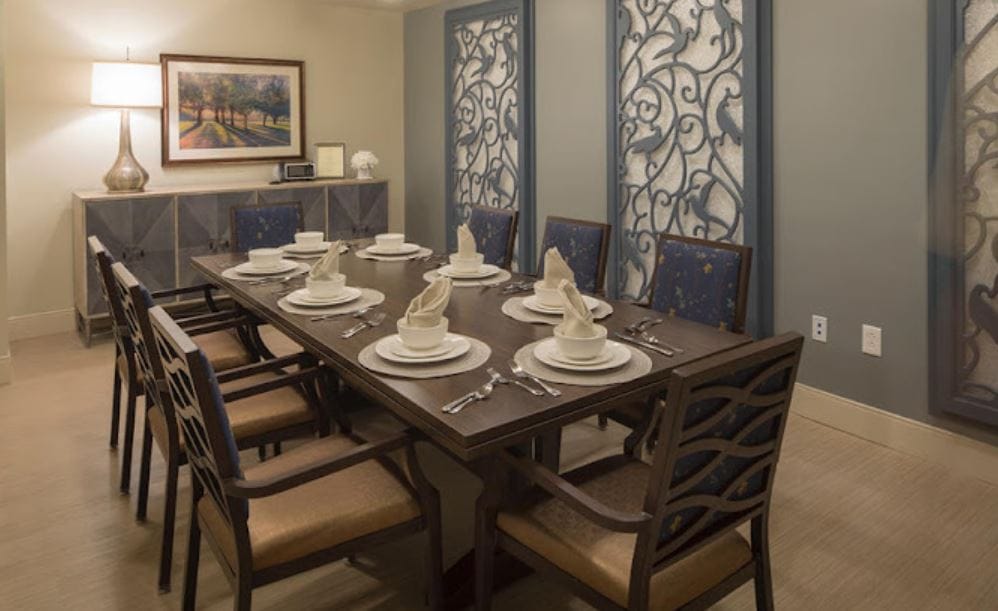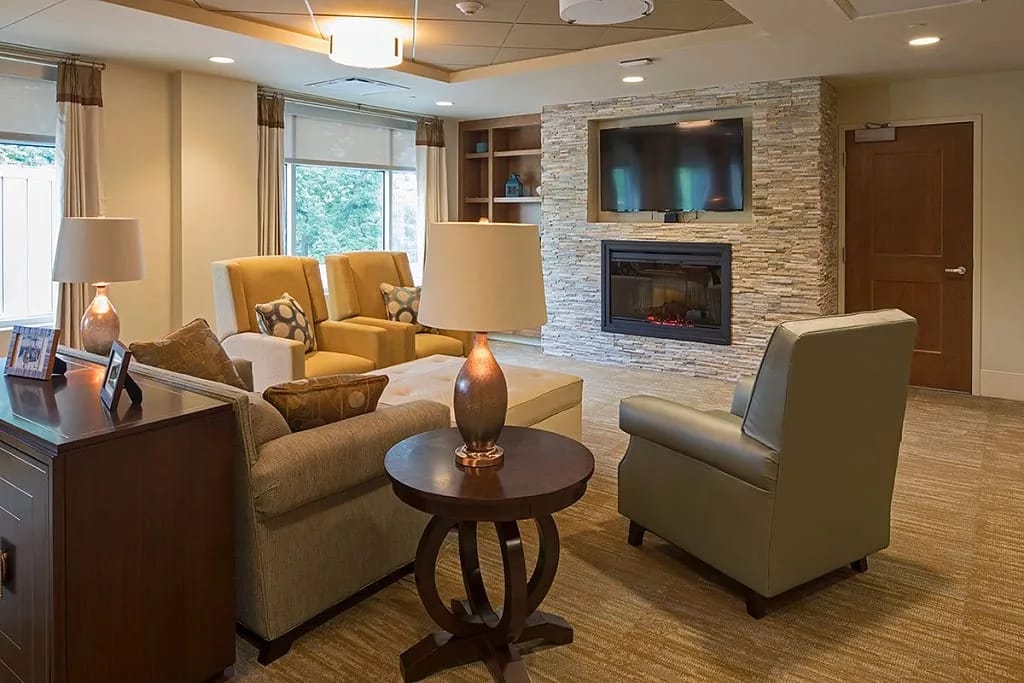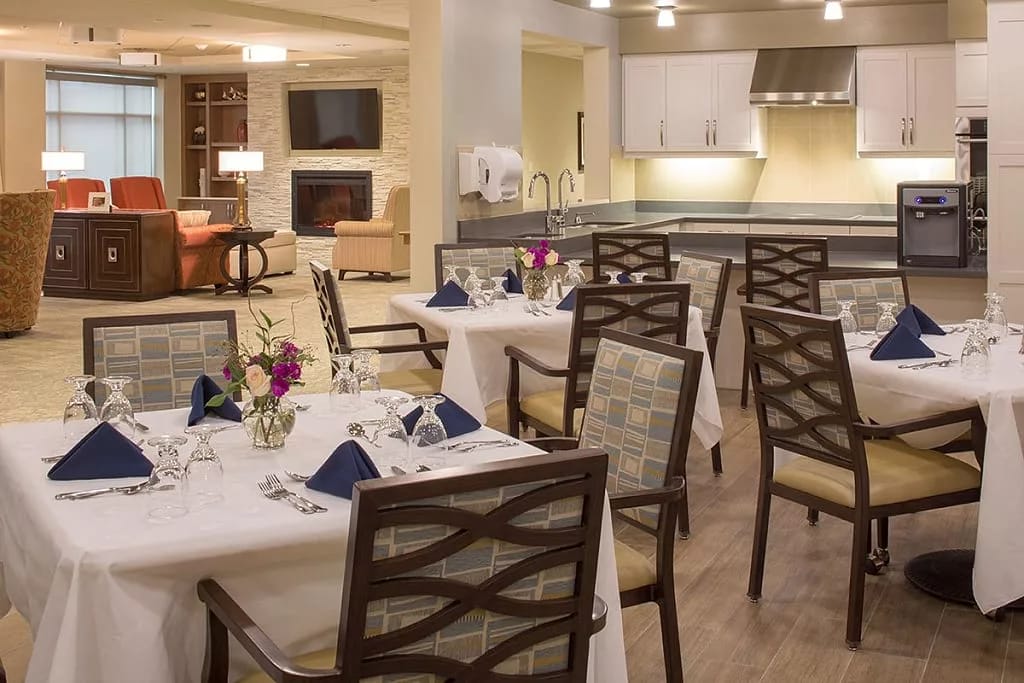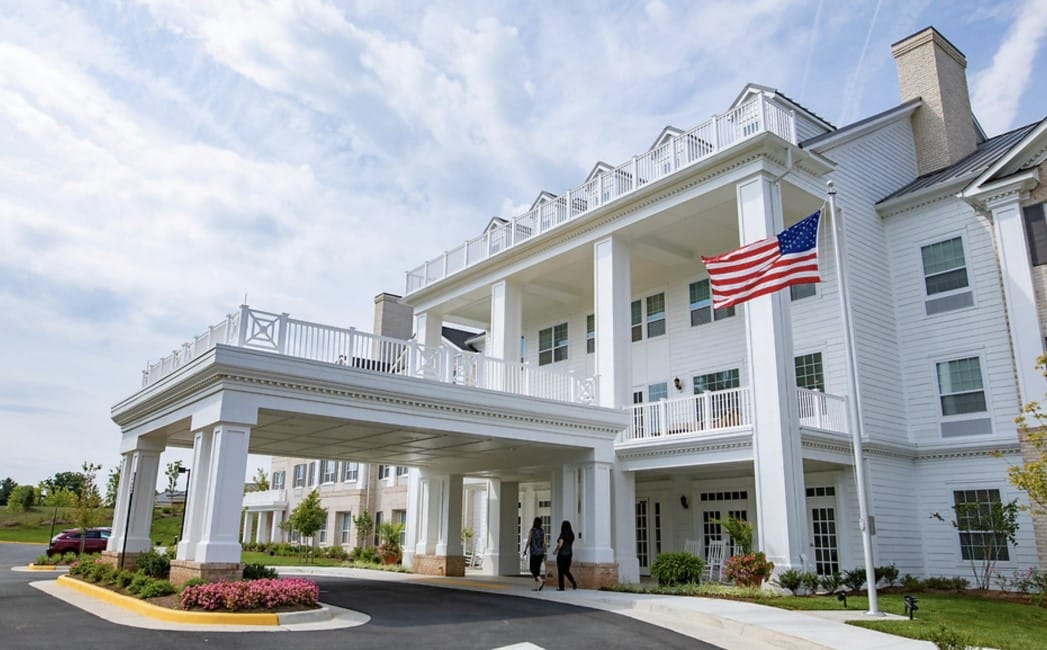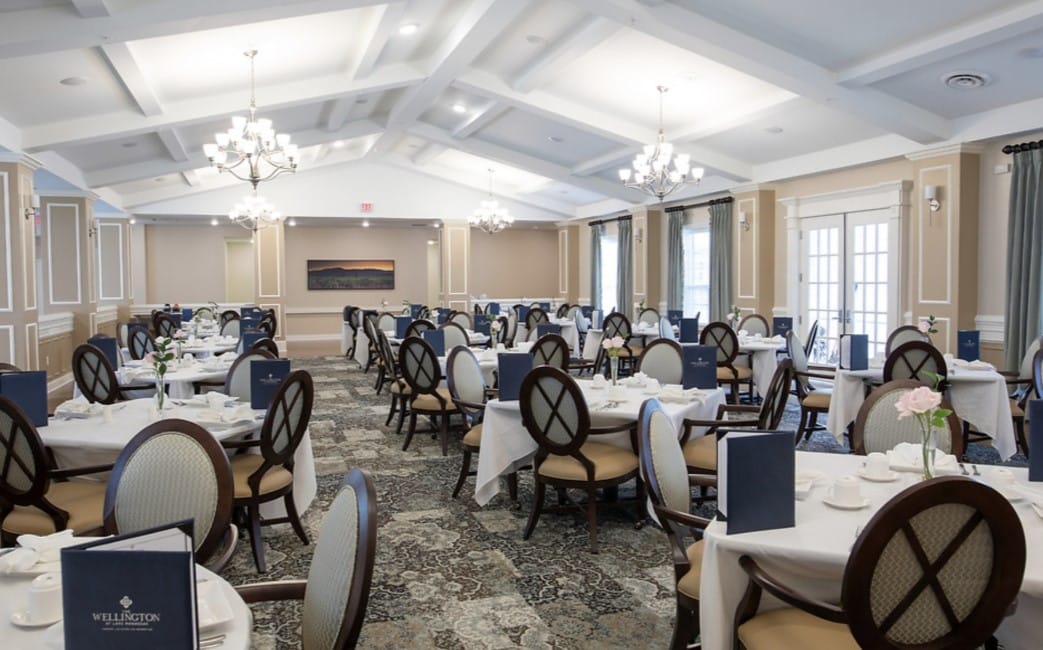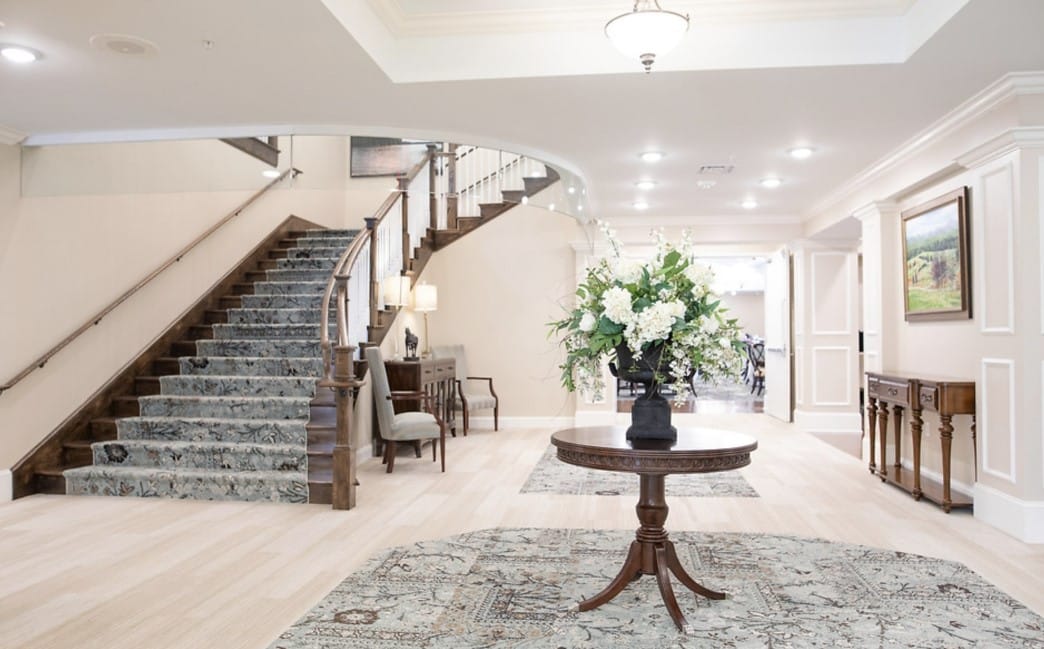
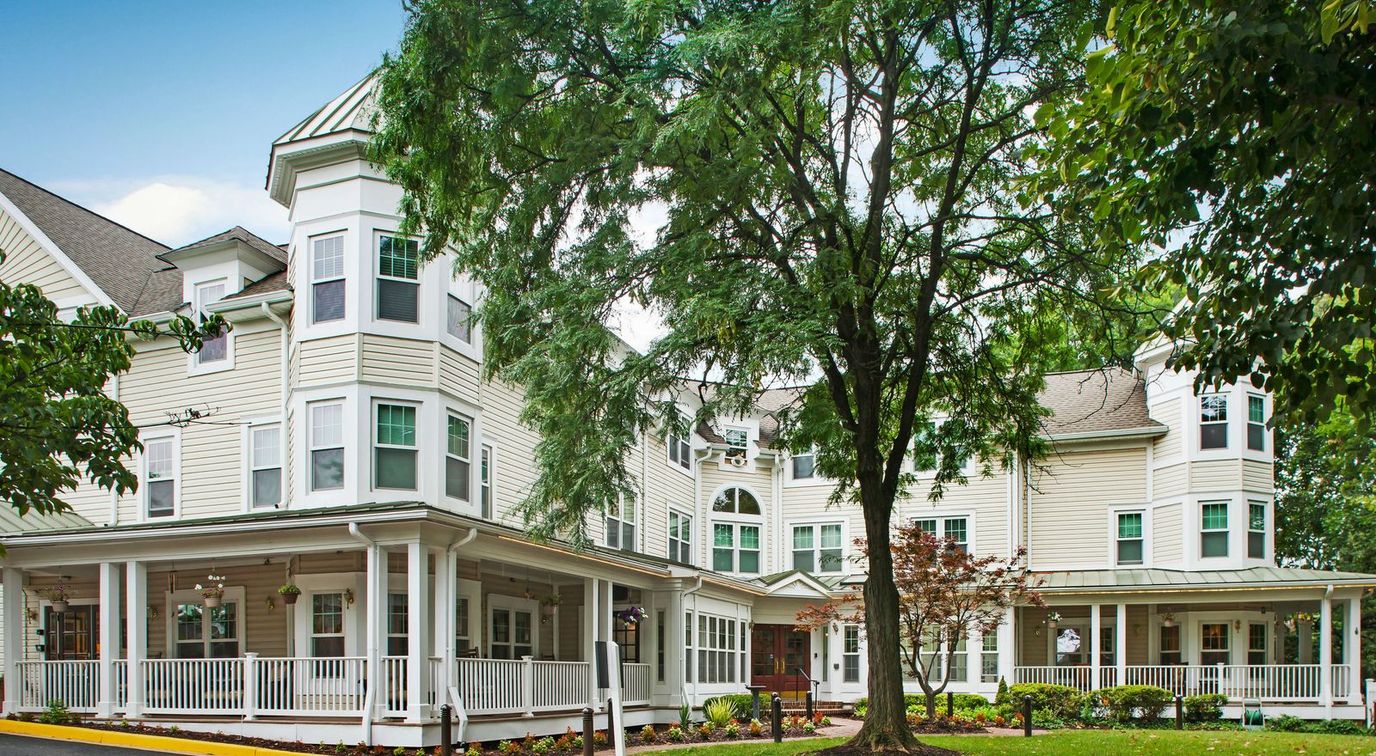
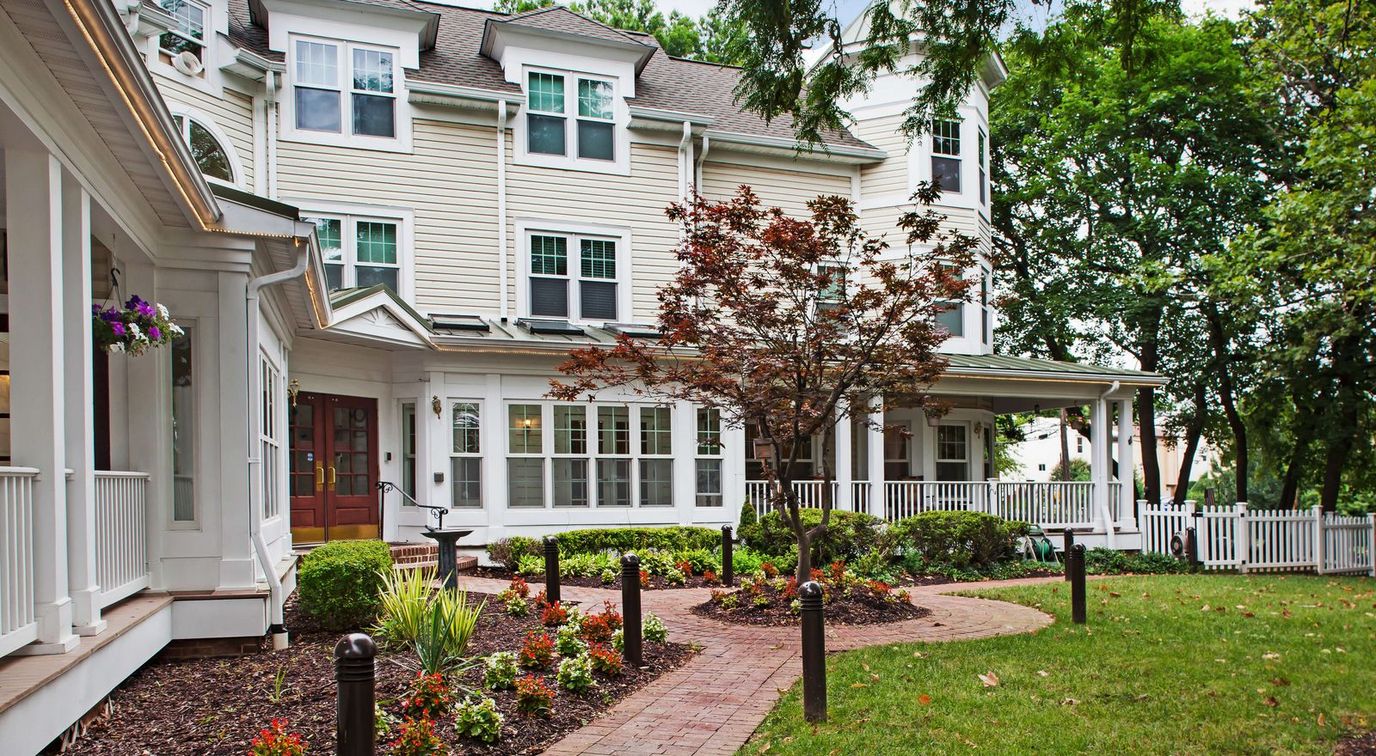
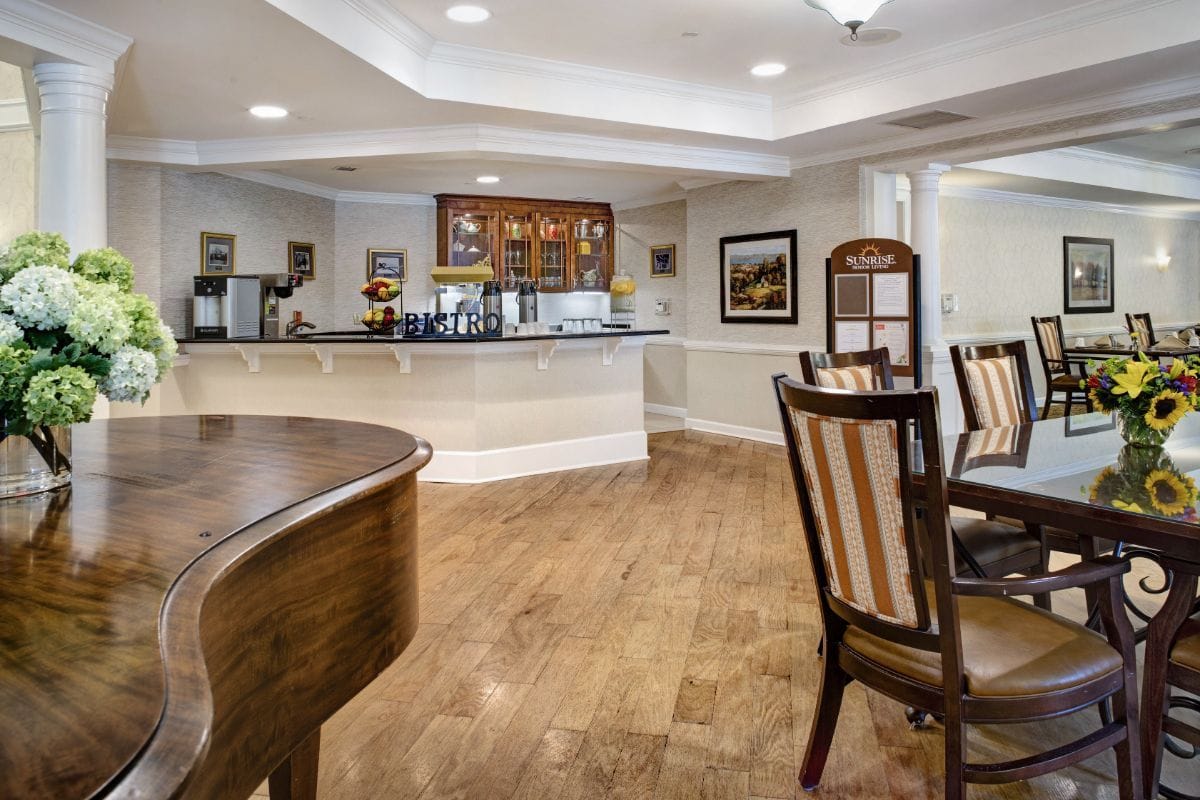
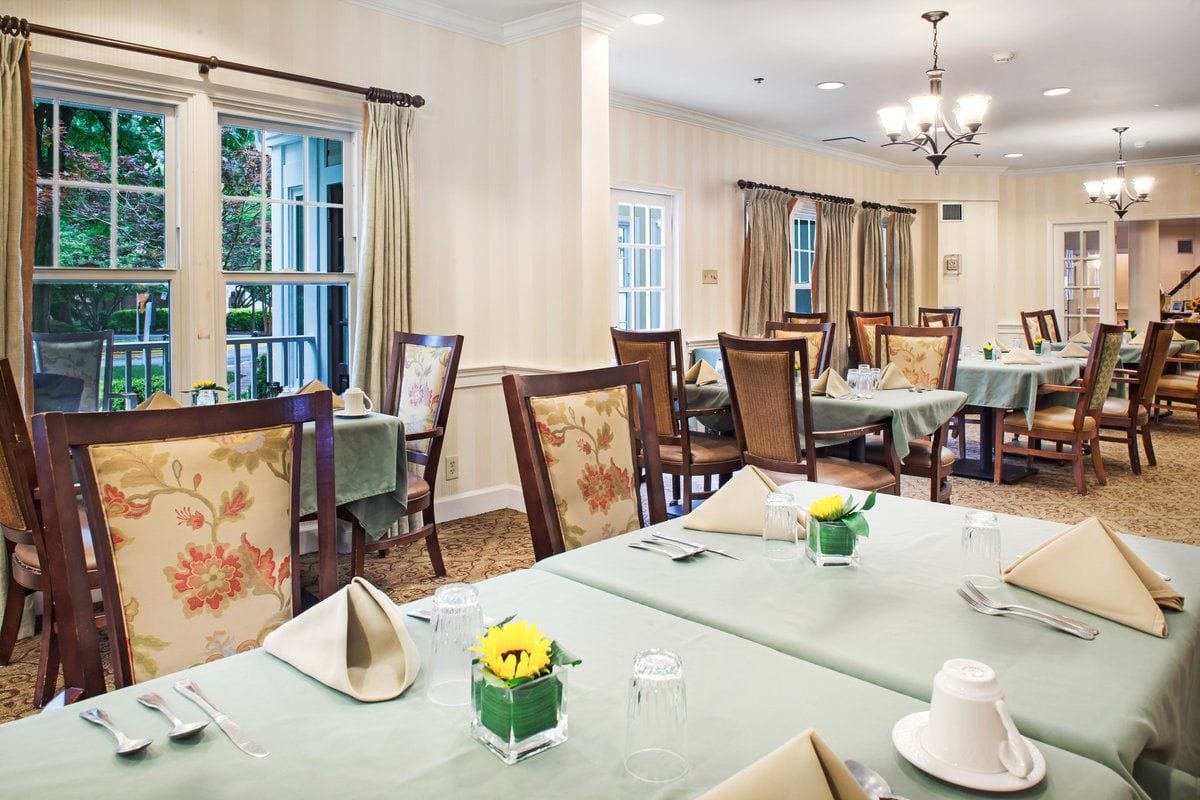
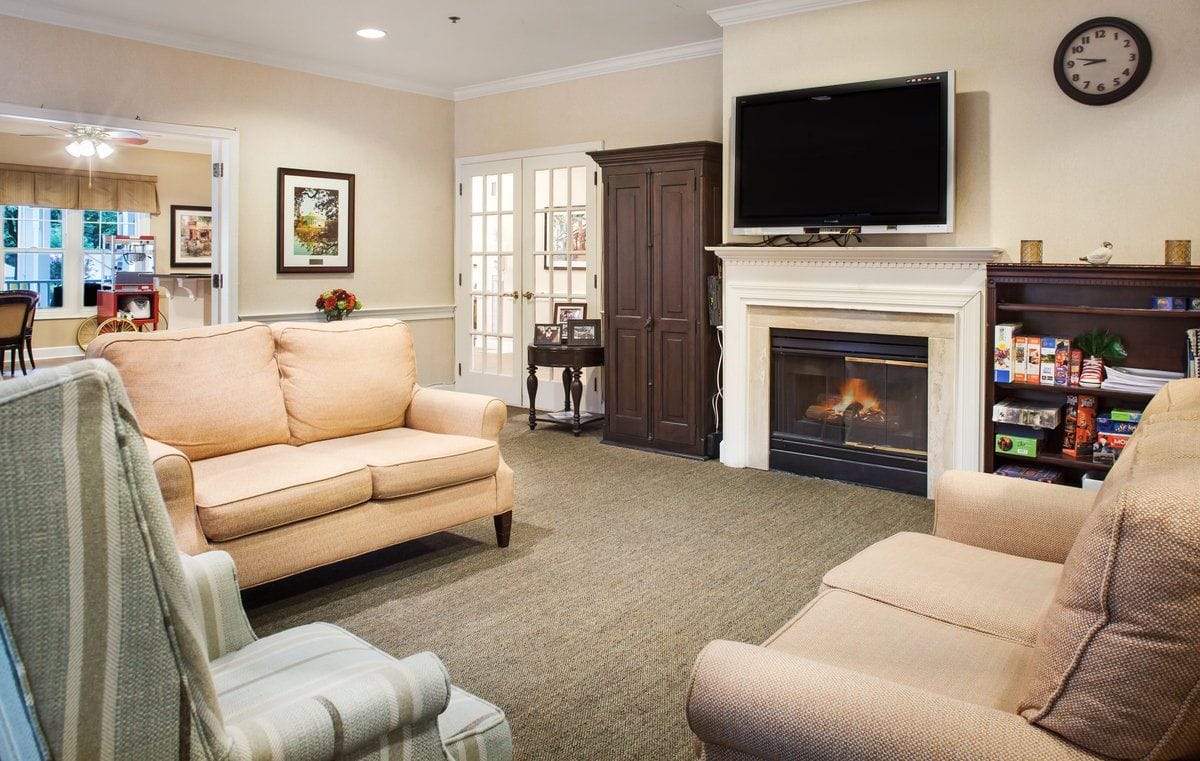
Overview of The Chesapeake Virginia Baptist Homes Inc operates The Chesapeake, a 644-bed continuing care retirement community in the Newport News suburbs. The nonprofit, faith-affiliated facility provides independent living, assisted living, memory care, and nursing home care in a large-scale setting. Residents are predominantly private-pay (87.5% of current census), with Medicare and Medicaid comprising 8.3 and 4.2% respectively.
Occupancy has declined from 66.2% in 2022 to 55.1% in 2023. Average stays run 140 days across all care levels.
The facility earns five-star CMS ratings in health inspection, staffing, and quality measures; each category exceeding benchmarks.
Staffing investment reflects this designation: nurses and aides deliver 5 hours 9 minutes of combined care/resident/day, ranking 19th statewide. Registered nurses provide 1 hour 6 minutes of daily coverage, 61% above state norms. The staff-to-resident ratio reaches 2.04:1, outperforming the average by 23%. Physical therapist hours at 10 minutes/resident/day, are double state averages, indicating emphasis on rehabilitation infrastructure.
The facility’s most recent inspection was January 2022. That inspection identified 23 citations from an eight-year window: no critical or serious deficiencies, 21 moderate, two minor. Resident Rights concerns comprised 35% of findings. No federal penalties have been assessed.
2023 net income was negative $1.1 million, though this represents improvement from negative $2.3 million in 2022. Annual revenue totals $29.5 million. Payroll consumes 46.9% of revenue; a reasonable level for nonprofit operations but below the typical 51–60% range.
Functional decline scores of 37.5 rank 90% worse than average.
Walking ability worsened in 56.1% of residents, 184% above the average. Unintended weight loss affected 18.0% of long-stay residents, 206% above the baseline. Falls resulting in major injury occurred in 6.6% of long-stay residents, 82% above state norms. Urinary tract infections appeared in 2.3% of residents, 51% above state incidence.
High-risk clinical events score 22.3, representing 120% worse performance than average.
Measurable strengths include depressive symptoms at 3.1% (79% better than average) and antipsychotic use at 5.2% (60% better). Influenza vaccination compliance reaches 100%.
Short-stay rehabilitation residents show zero antipsychotic medication initiations versus the average of 1.2%, and zero major-injury falls versus 0.8% statewide. Successful community return reached 58.2%, 15% above baseline. Emergency department visits ran 54% lower than state norms.
The Chesapeake presents as a highly-resourced facility optimized for post-acute rehabilitation with infrastructure that does not translate into sustained functional maintenance for long-term residents.