We arrange tours, appointments, and even moving support so you don’t have to
2
Ranked on Data, Not Dollars
We rank communities on objective measures like inspection records, quality scores, and care data, so you can find trusted options without the guesswork.
3
Personalized Guidance
From lifestyle matching to help with insurance and financial assistance, we make sure the community is the right fit
Explore Open Rooms
1Contact details
2What type of senior care service are you looking for?
3What budget do you have in mind for senior care?
4How soon do you need to find care?
5Additional details
Thank you for your interest!
A member of our team will be in touch by phone or email shortly to help with next steps.
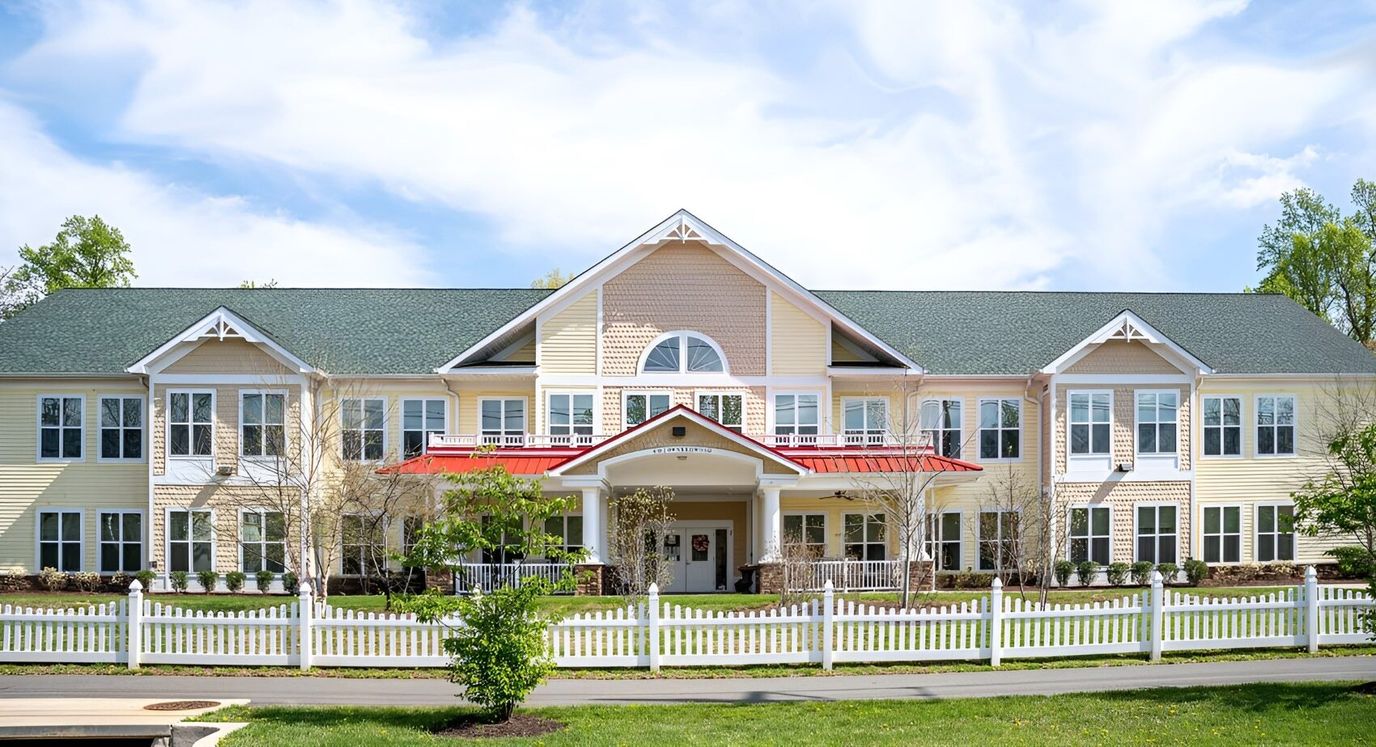
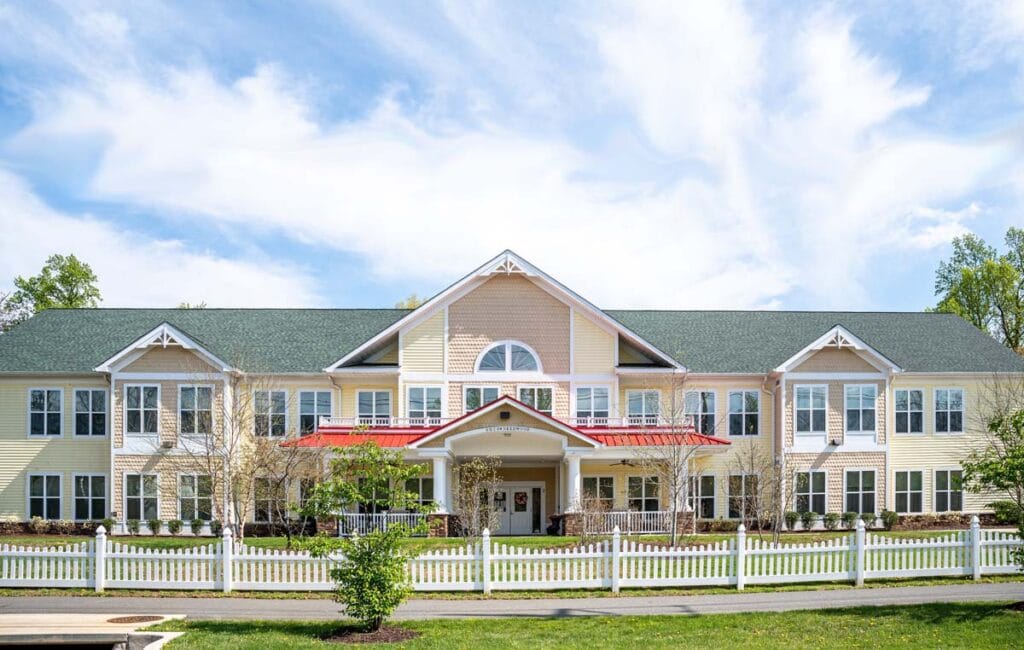
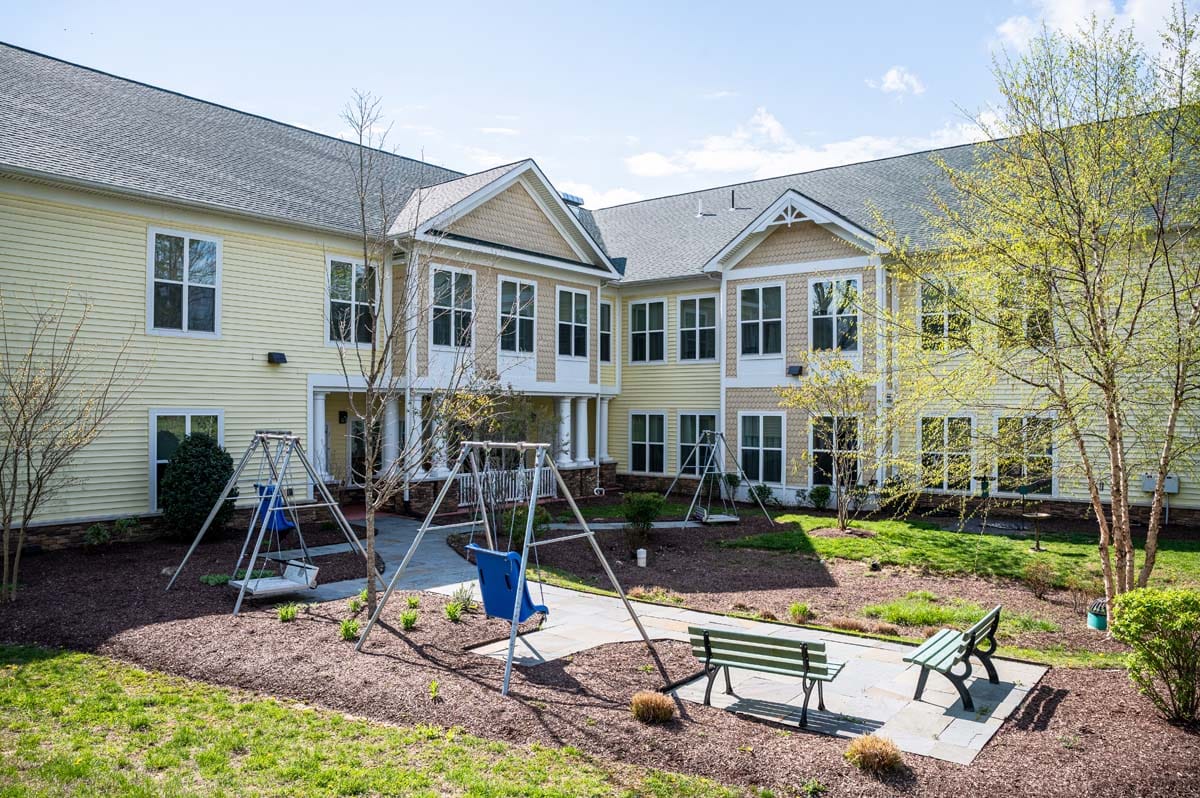
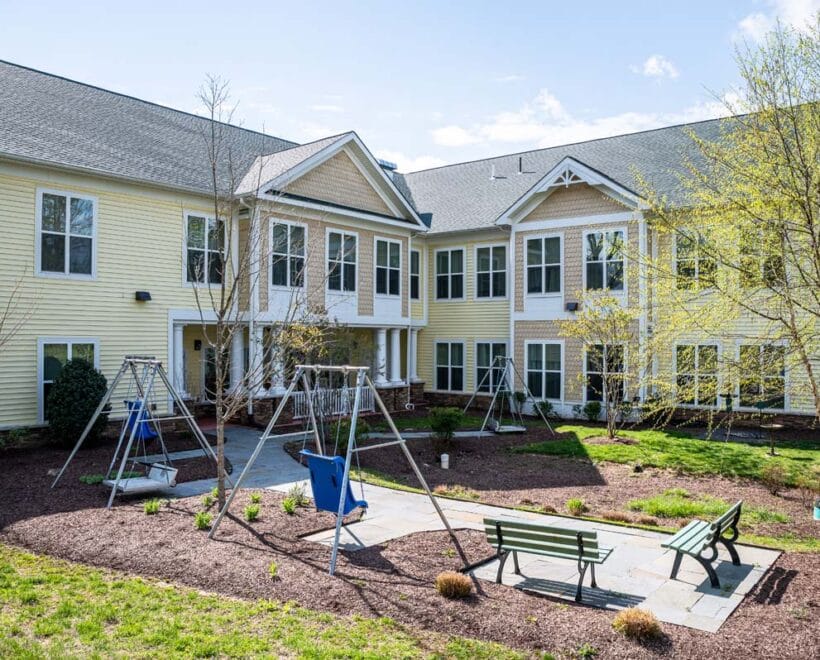
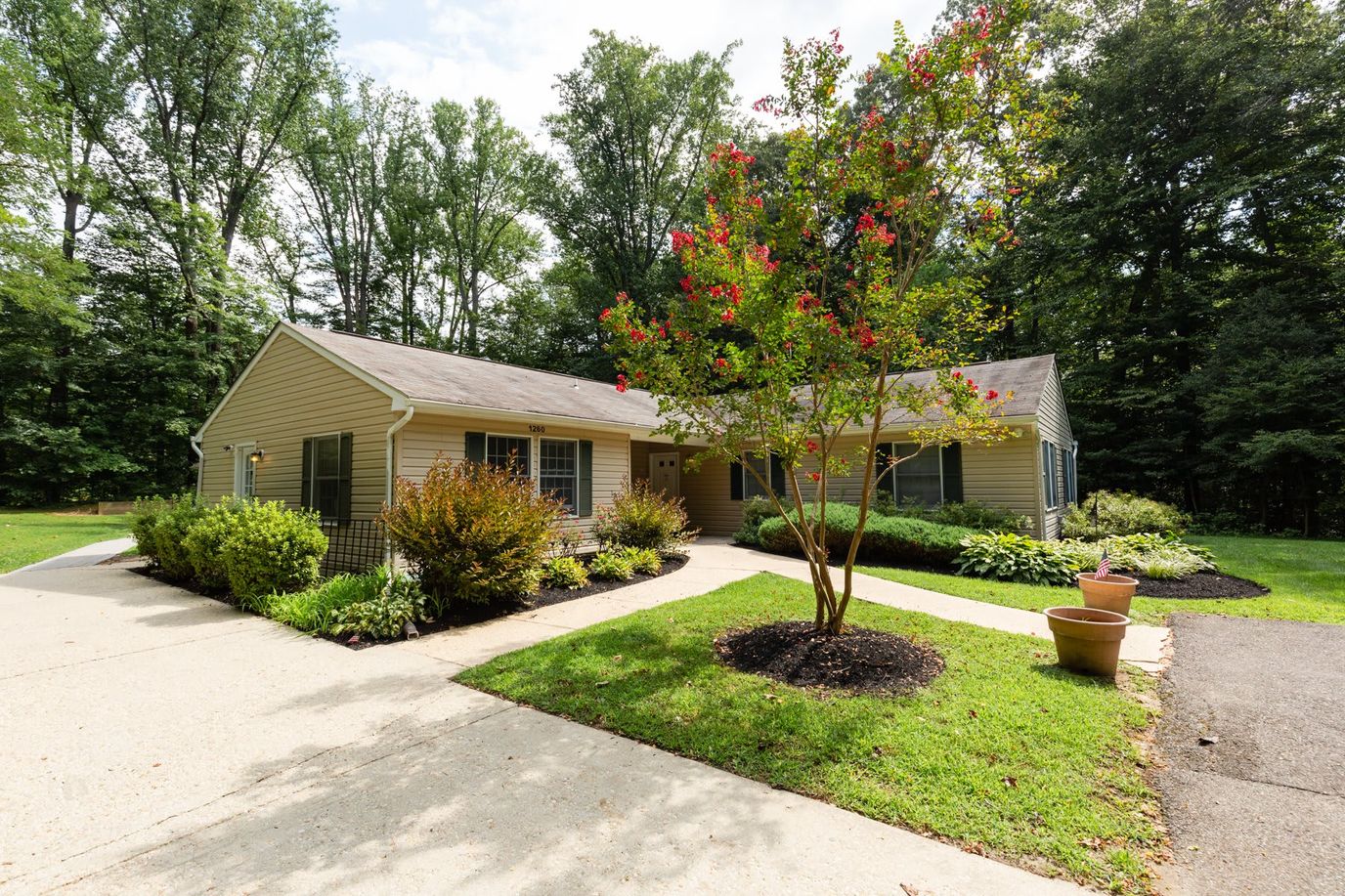
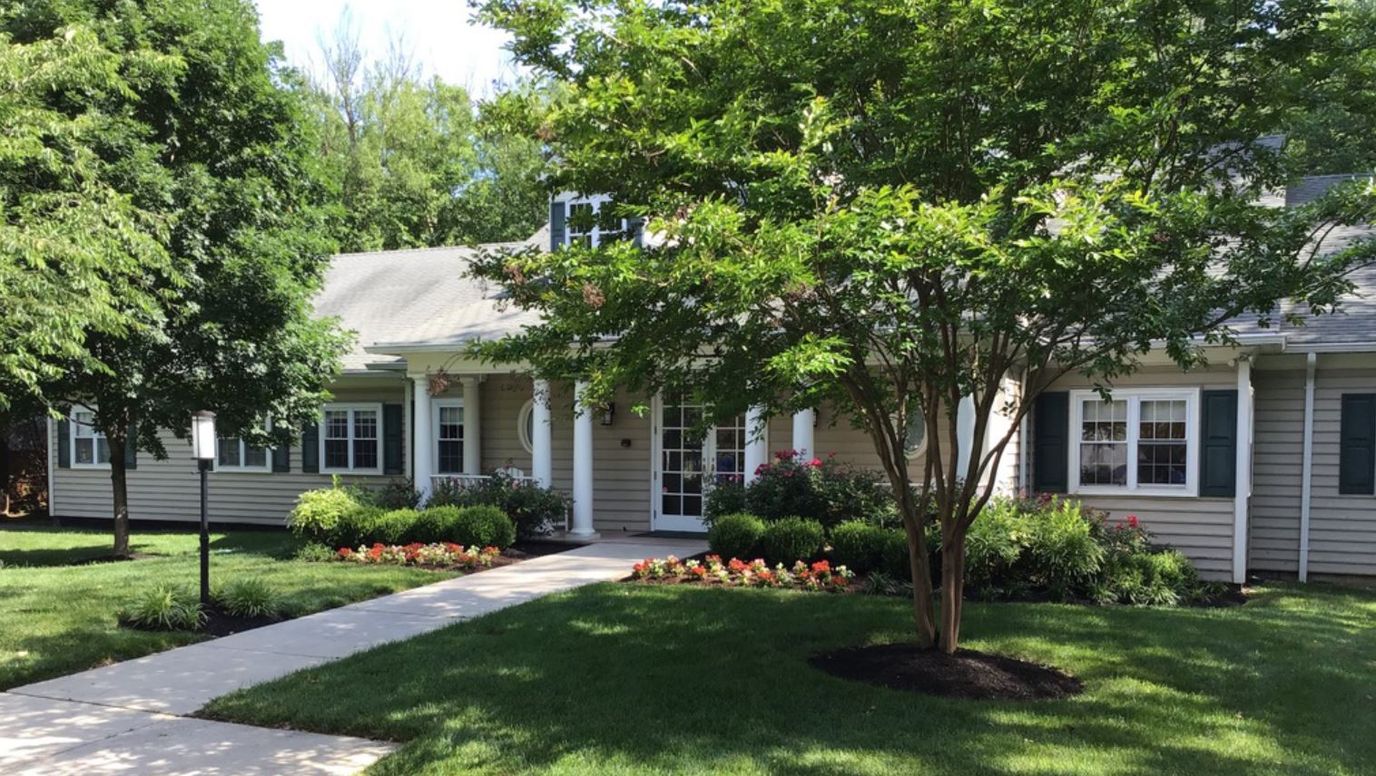
Arbor Place Dementia Care provides memory care and hospice care in Rockville, MD. Memory care offers a secured setting with supervision for a resident living with dementia, while hospice care supports comfort for someone nearing the end of life, so the community may suit a person who needs either type of support.
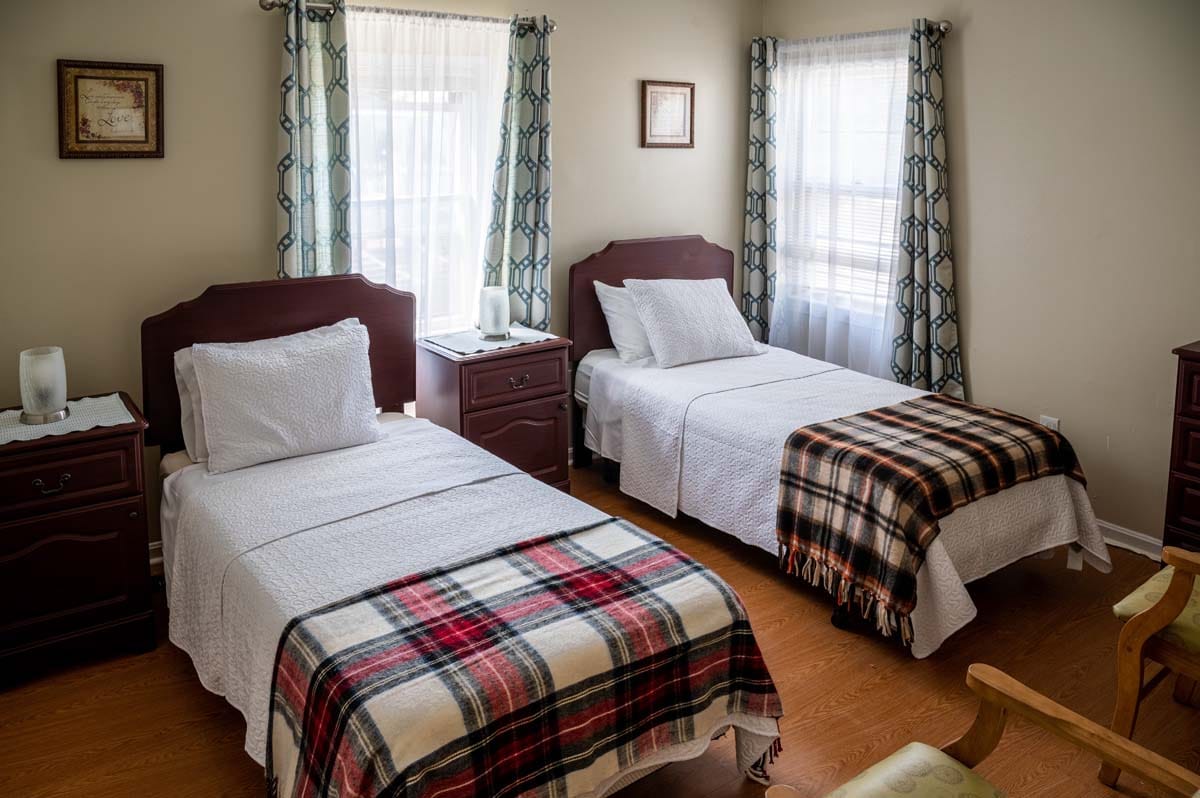
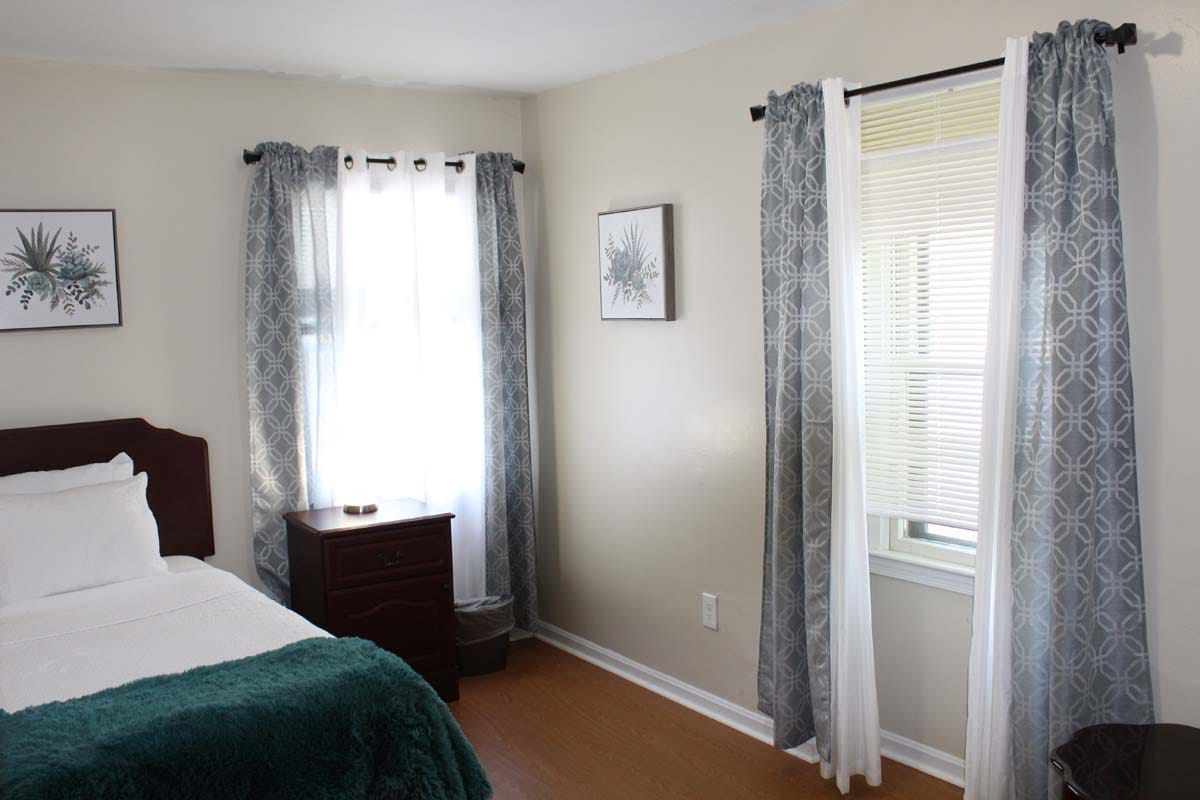
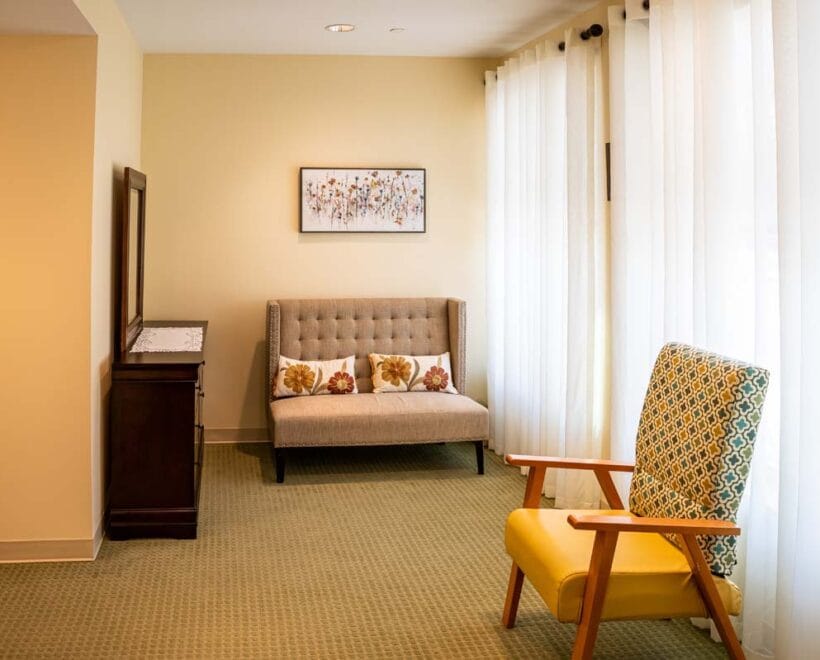
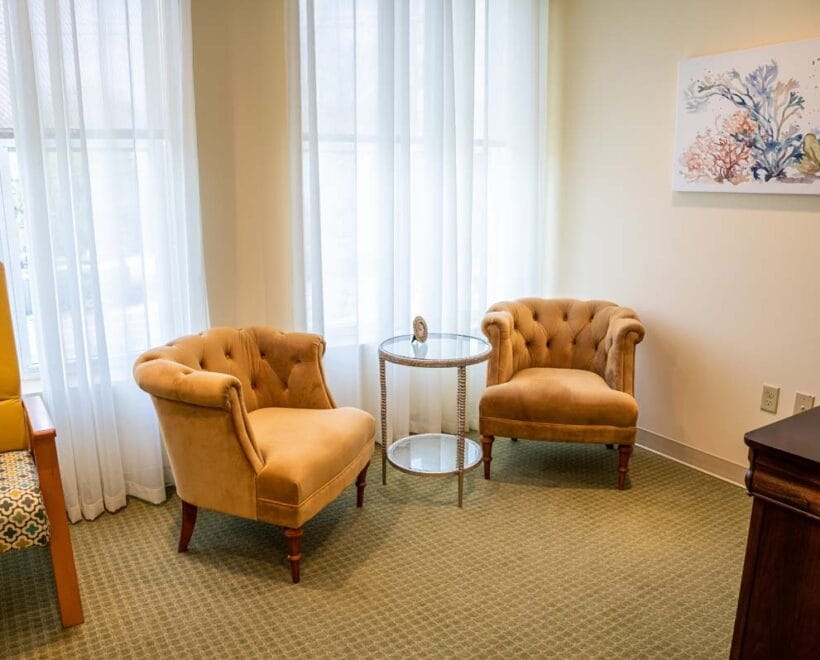
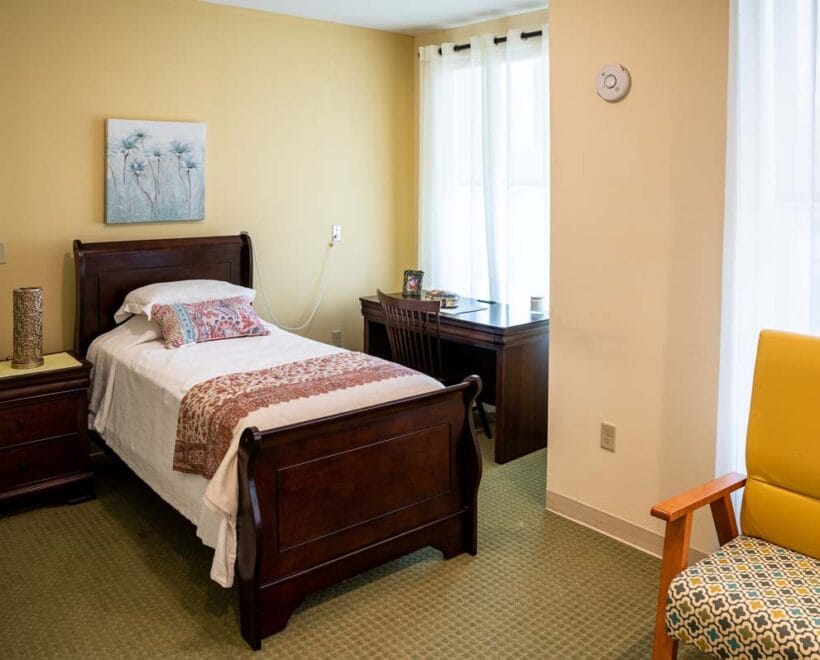
Arbor Place Dementia Care has 16 beds, making it a smaller community where staff and residents can get to know each other. Private rooms provide each resident with a single private space.
Share This Listing
Price range $609 - $800/DayPricing updated on May 21st, 2026
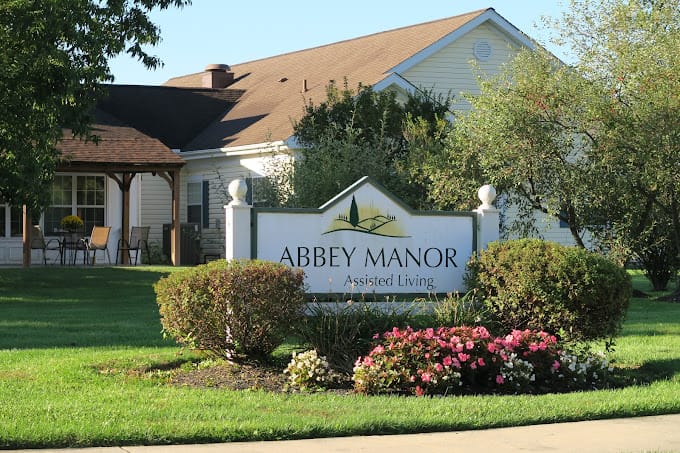
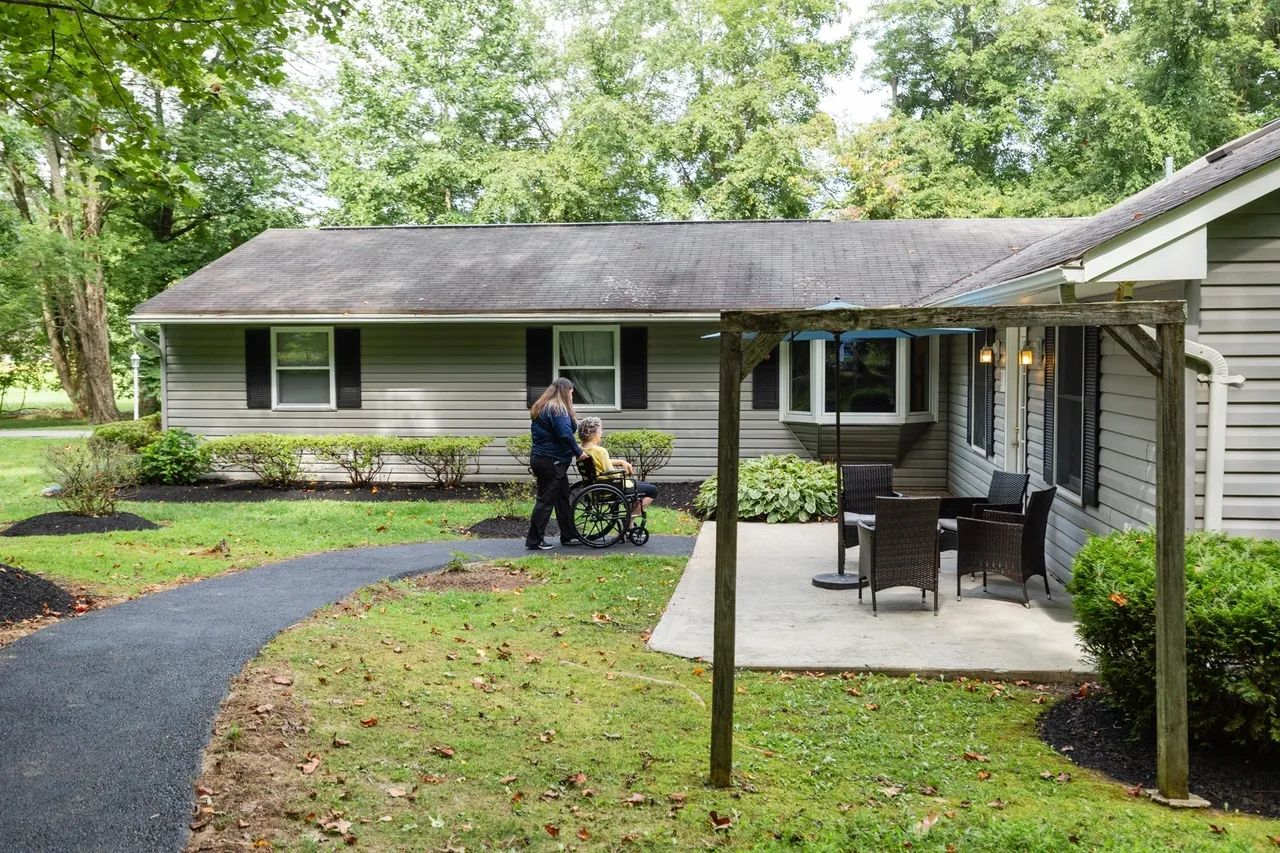
Abbey Manor in Elkton, Maryland, offers a wide range of services, including assisted living, end-of-life care, and respite care. Conveniently located just a 30-minute drive from Wilmington, Delaware, this charming community exudes warmth and coziness. With dedicated nurses providing attentive care, Abbey Manor ensures that the elderly receive the support they need at all times. The community takes pride in its well-designed accommodations, offering impeccable care around the clock through personalized care plans. One standout feature is the low residential staff ratio, allowing each individual to receive individualized attention and assistance. Staff members are well-versed in various areas, including fall prevention, diabetes care, early-stage dementia care, and nutrition.
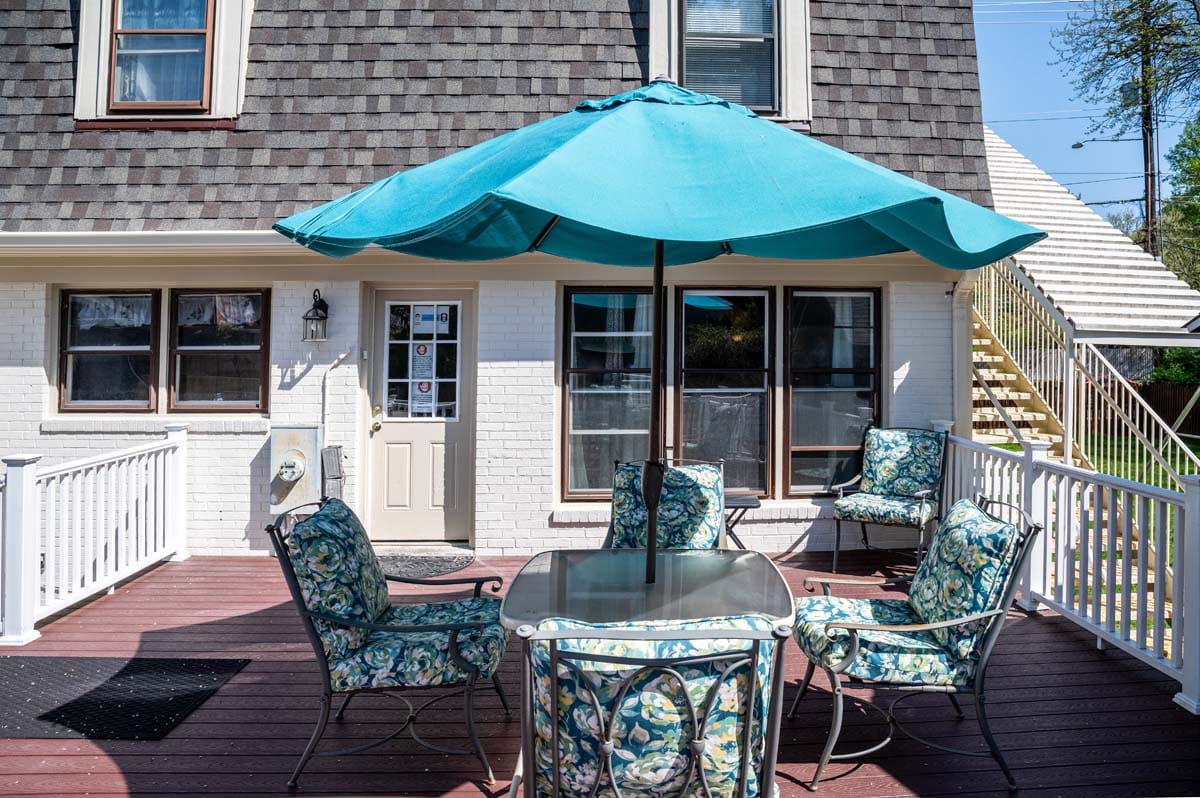
Additionally, residents can enjoy the lovely patio area, an enclosed porch for relaxation, and delectable meals that tantalize the taste buds. Abbey Manor promises a vibrant and fulfilling living experience, where residents can truly feel at home and cherished. The living area boasts an inviting atrium-style design, providing a comfortable and enjoyable space for residents. From engaging in friendly games of dominoes to losing themselves in captivating magazines or joining in song around the piano, the community offers a plethora of sociable and interesting activities to keep spirits high.
Share This Listing
Price range $180 - $233/DayPricing updated on May 21st, 2026
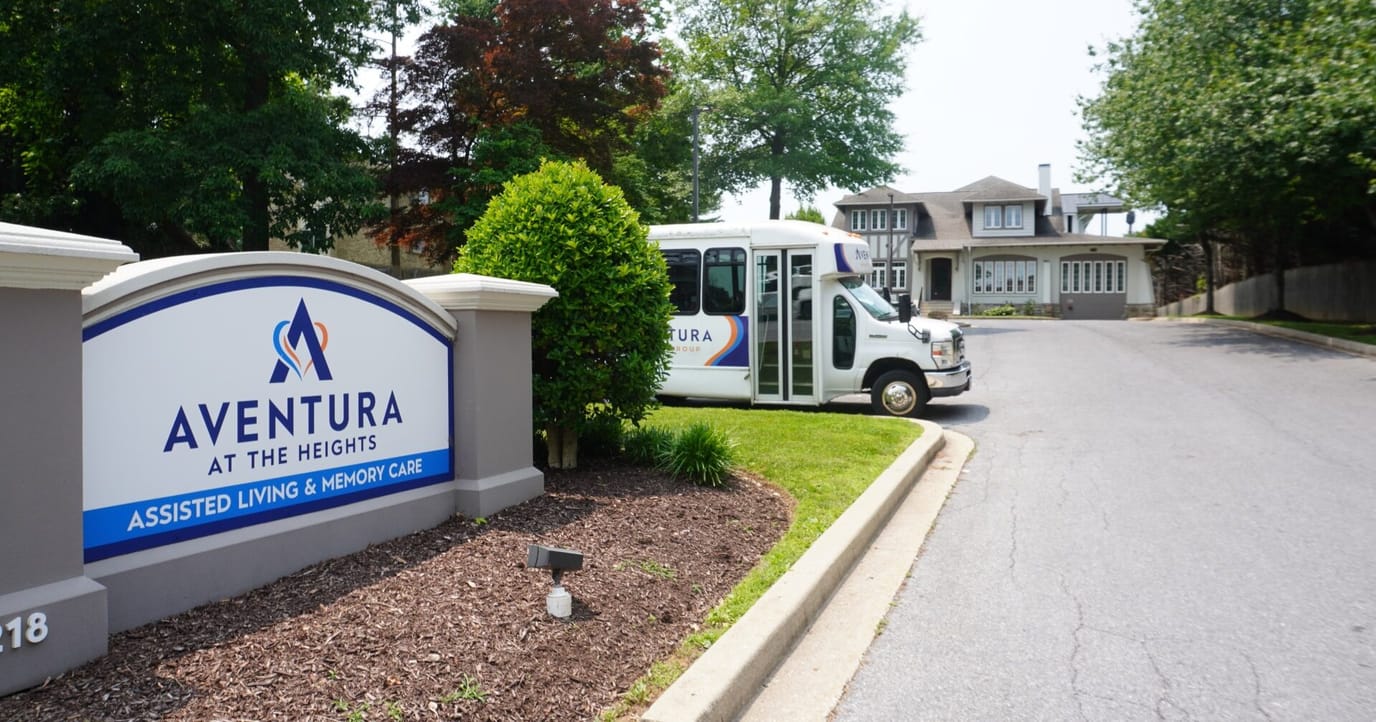
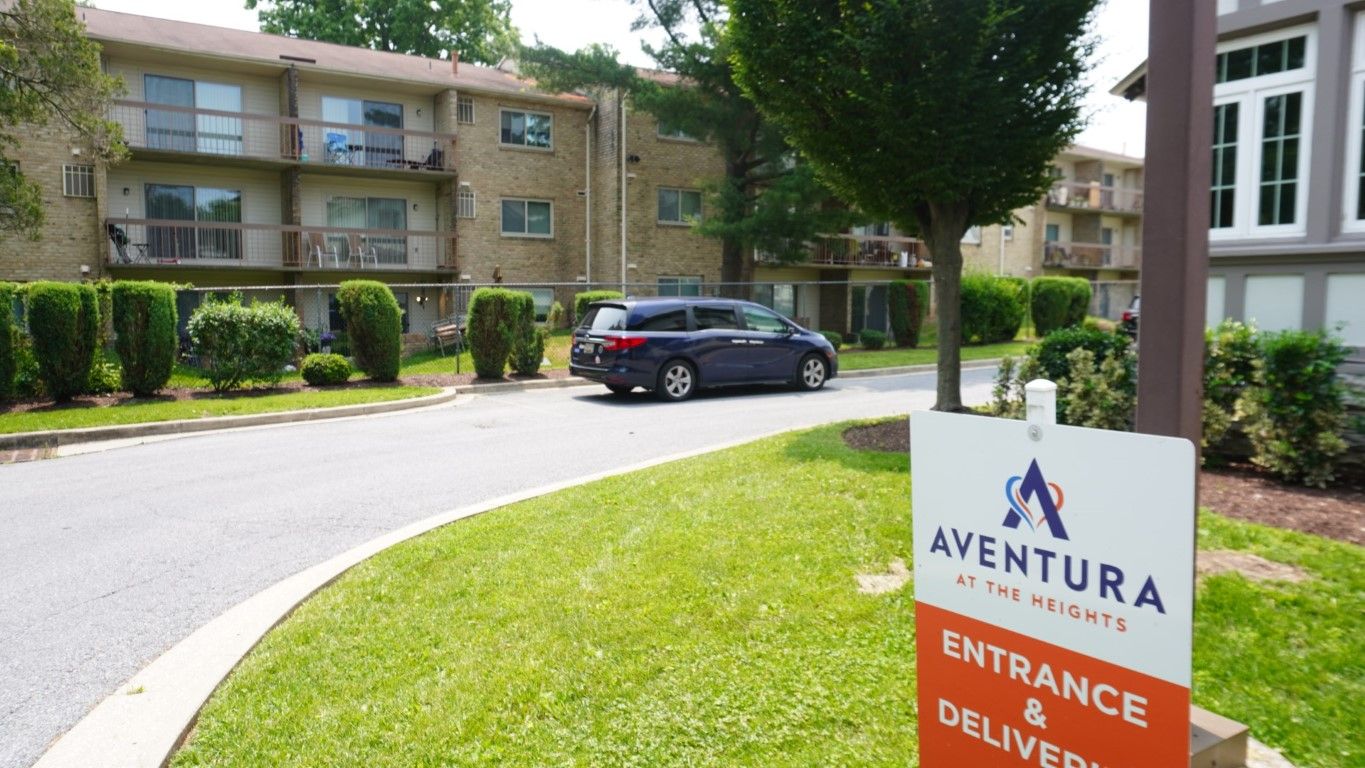
Aventura at the Heights is an assisted living community focused on assisting memory care for all seniors seeking additional support to enhance their quality of life. A proud member of the Aventura, The Heights is ensured to provide a professional senior living environment focused on the wellness, health, and social aspects of each resident. The Aventura experience present in The Heights in Baltimore is guaranteed to create connections and provide engaging experiences among members of the community while maintaining a balance of independence and extra comprehensive assistance.
Life at The Heights provides the Aventura way, they provide an array of services: stroke recovery, respite care, transitional care, long-term care, respite stays, and ventilator care– all designed to fit the lifestyle of seniors with specific needs. Aventura also provides a wound care program where residents with surgical or diabetic wounds may need therapy for a complication-free recovery; with that, there are respiratory therapists on-site who are ready to offer relief for residents who are struggling with respiratory emergencies.
Share This Listing
Price range $141 - $184/DayPricing updated on May 21st, 2026
Conveniently located in Rockville, MD, AlfredHouse Andrus is a paradisal senior living community that offers assisted living, memory care, personal care, and respite care. The community features 15 thoughtfully designed accommodations with standard 1:4 caregiver ratio for excellent care services with a touch of personal support. With a focus on helping residents dealing with memory and cognitive challenges, the community provides an array of specialized care services, including BCAT certified memory care, emotional & behavioral support, and Alzheimer’s & dementia care.
The community makes sure residents’ everyday life is as vibrant as possible by offering an array of engaging activities or fitness programs. Residents enjoy delicious and nutritious meals prepared in collaboration with licensed dieticians to ensure they receive the right nourishment. The community designed their community to foster relaxation, leisure, and convenience with cozy reading rooms, gardening spaces, water therapies, salon, and complimentary WiFi.
Share This Listing
Price range $153 - $195/DayPricing updated on December 4th, 2025
Ideally settled in Derwood, MD, AlfredHouse Symphony is an upscale senior living community that offers assisted living, memory care, personal care, and respite care. The community features 34 bright and spacious accommodations for a comfortable living environment supported with a 24-hour care team and security. Specializing in Behavioral Health, the community offers 22 of its accommodations to treating people with mental health diagnoses as well as dementia-related cognitive challenges.
Here, residents are provided access to a wide array of care services that empower them to continue living a fulfilling lifestyle, such as on-site therapies, mobility care, hospice care, and medication management. Convenient services, such as housekeeping, linen services, and scheduled transportation are also offered to free residents from chores and give them more time for fun and enjoyment. Amenities like gardening spaces, reading rooms, salon, water therapies, and chef-prepared meals are available to further improve residents’ living experience.
Share This Listing
Price range $228 - $296/DayPricing updated on December 4th, 2025
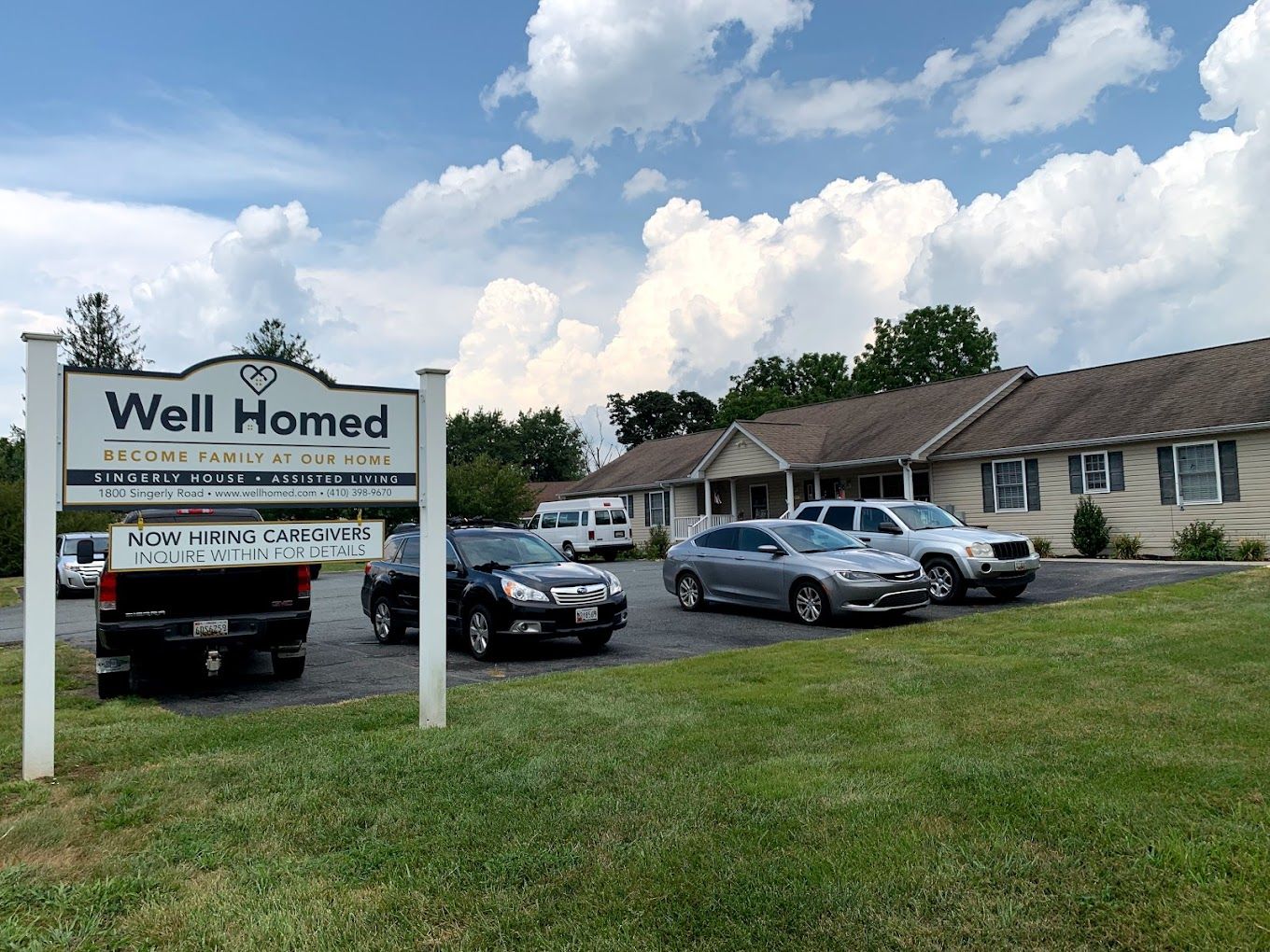
As its name suggests, Well Homed Assisted Living has curated a senior living community that has been adept at delivering a thriving retirement experience for the elderly in Elkton, MD. With its well-mannered approach to assisted living and memory care, residents will expand their social lives and build content lives cultivated by independence. The cozy, home-like environment also offers respite stays for those seeking short, personalized, supportive senior care. Well Homed has skillfully designed a lifestyle that balanced assistance with independence. Residents of the community have enjoyed the recreational activities, specialized memory care training, and care services of its well-respected caregivers.
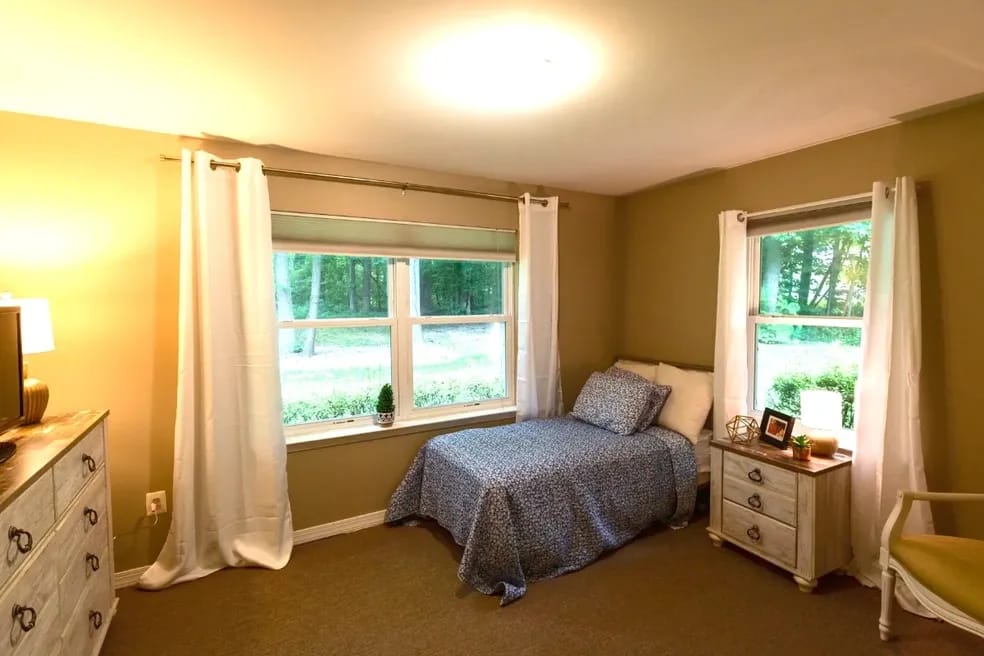
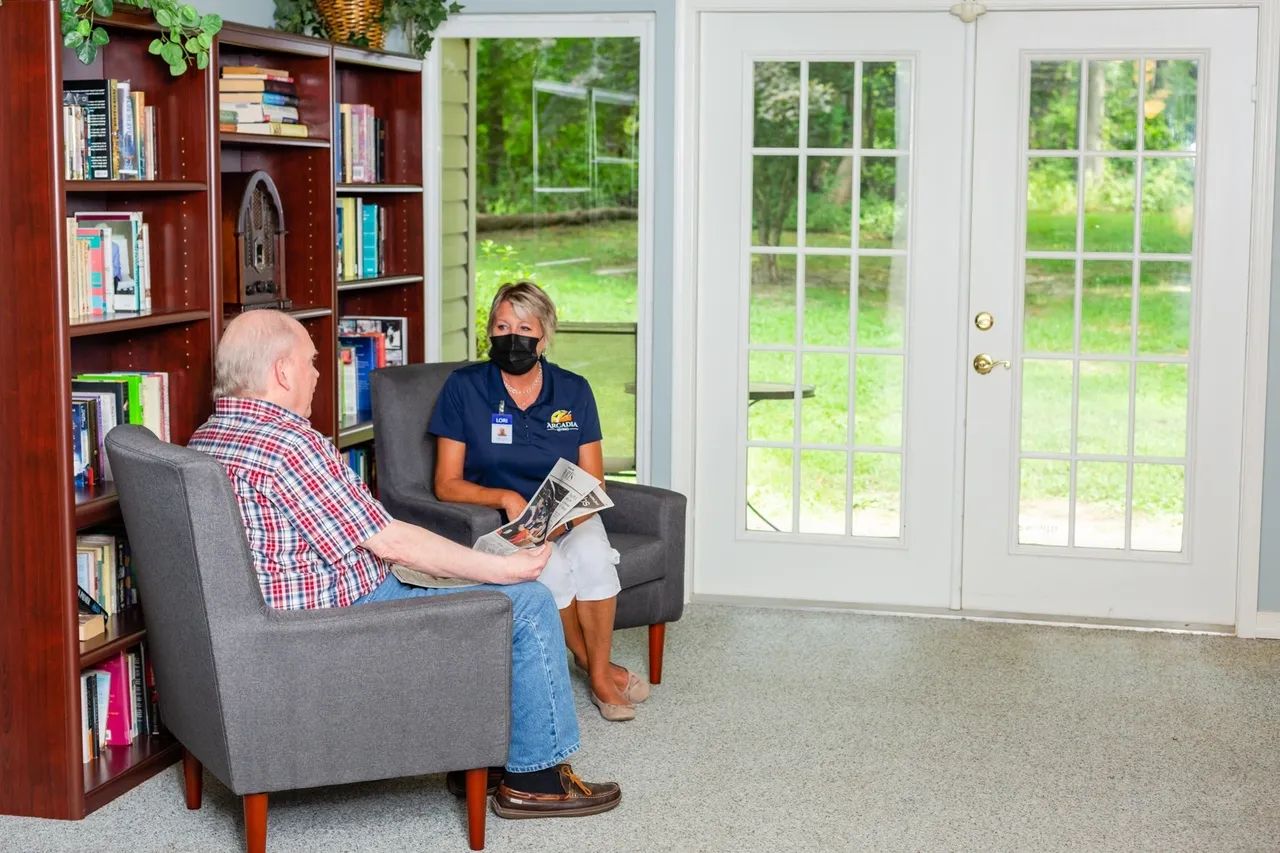
Located within the picturesque landscape of Gambrills, Maryland, Arcadia of Crofton II emerges as a gem, boasting 16 private rooms enveloped by lush surroundings. Formerly known as Autumn Meadows, this charming senior residence offers an inviting atmosphere that captures the essence of worry-free assisted senior living. With a spacious dining area and numerous spaces dedicated to diverse activities, Arcadia of Crofton II is designed to cater to every facet of assisted living homes.
This community also provides round-the-clock care and vigilant supervision, ensuring peace of mind for residents and their families in the realm of assisted senior living. Beyond the cozy confines of their private rooms, seniors can relish in the comfort of three delectable home-cooked meals, perfectly complemented by an emergency call bell system and the convenience of Wi-Fi and cable services. The thoughtful inclusion of a backup electric generator, along with the assistance of housekeeping and laundry services, fosters an environment where residents can truly embrace the joys of assisted living.
La Casa offers home care, hospice care, memory care, nursing care, and skilled nursing in Annapolis, MD. Home care provides assistance in a person’s residence, while hospice care focuses on comfort and support during an advanced illness.
Memory care provides a secured setting with supervision for someone living with Alzheimer’s disease or another form of dementia. Nursing care and skilled nursing provide licensed nursing attention for residents who need ongoing clinical care.
Located in the Parole neighborhood, La Casa has 16 beds, making it a smaller setting where staff and residents can get to know each other. Private rooms give each resident a room of their own, and the combination of memory care with nursing services may suit someone whose cognitive or medical needs require supervised support.
Share This Listing
Price range $200 - $212/DayPricing updated on May 21st, 2026
Evergreen Valley Assisted Living provides assisted living, hospice care, nursing care, and respite care in Baltimore, MD. Assisted living helps residents with daily tasks, while nursing care supports people with greater medical needs. Hospice care focuses on comfort near the end of life, and respite care offers a short stay when a usual caregiver needs time away.
There are 12 beds, making this a small community where staff and residents can get to know one another. Private rooms give one resident a room, while semi-private rooms are shared. The starting rate is $83 per day for a private room and $67 per day for a semi-private room, so room type affects the daily cost. Medicaid is accepted, giving families using that coverage a payment option for care.
The combination of several care types and respite care may suit a resident whose needs change over time or a family needing short-term support. Evergreen Valley Assisted Living is in the Glenham-Belford neighborhood, an area with a Walk Score of 88, placing it in the very walkable range. Most errands can be done on foot, so a resident who no longer drives may still be able to get out independently.
Autumn Lake Healthcare at Alice Manor is a 105 bed nursing home in Baltimore’s Woodberry neighborhood, offering hospice, palliative, respite, and skilled nursing care. Skilled nursing provides licensed nursing care on site around the clock, hospice focuses on comfort at the end of life, and palliative care supports comfort and symptom management during serious illness.
Respite care provides a short stay when a usual caregiver needs time away or recovery. The range of clinical and short term services may suit someone who needs ongoing nursing support, comfort focused care, or temporary care.
Total nurse staffing is 3 hours and 4 minutes per resident each day, representing the daily nursing time provided per resident. Payment options include Medicare, Medicaid, and private pay: Medicare can apply to eligible skilled care, Medicaid can help cover qualifying long term care, and private pay means the family pays directly.
Avg Walk Score:42/ 100The average Walk Score across facilities in Maryland. A third-party neighborhood walkability score (0–100) measuring convenience and context, not healthcare quality. Individual facilities can vary widely from this average.
National Average:50/ 100
Avg No. of Beds:82The average licensed bed capacity across facilities in Maryland. Individual facilities can vary widely from this average.
If you move into a community through us, that community may pay us a referral fee. This never changes your cost or which options we recommend. Learn more
Need Help?
Let us help you or a loved one find the perfect senior home.
We've received your request
Thank you for your interest!
Our team will be in touch shortly to help with next steps.



 Pricing updated on May 21st, 2026