Where in New York are you looking?
Browse communities by city.
Providing a spectrum of senior care services under one roof, Little Neck Care Center offers skilled nursing care for individuals requiring round-the-clock medical attention. Personalized care plans are established by an expert staff to ensure each resident receives the necessary support for optimal well-being. Residents also benefit from advanced medical technology and compassionate care that prioritizes dignity and independence.
Little Neck Care Center recognizes that not all seniors require the same level of care. Beyond skilled nursing, this community offers a range of supportive services for individuals who can benefit from some assistance with daily living activities. Spacious private rooms and a warm, social atmosphere, create a sense of community and connection for everyone. With its commitment to excellent care, and a continuum of senior living services, Little Neck Care Center empowers seniors to live a safe, dignified, and fulfilling life.
King David Center for Nursing and Rehabilitation operates 271 beds in a high-rise building at 2266 Cropsey Avenue in Brooklyn. Operated as a voluntary nonprofit by Arthur New, the facility serves a balanced mix of Medicare (50% of admissions), private-pay (49%), and Medicaid (1%) residents, with current occupancy at 98% and average stays of 193 days. Administrator David Schoenblum leads operations with a clinical team spanning nursing, therapy, social work, dietary, and maintenance.
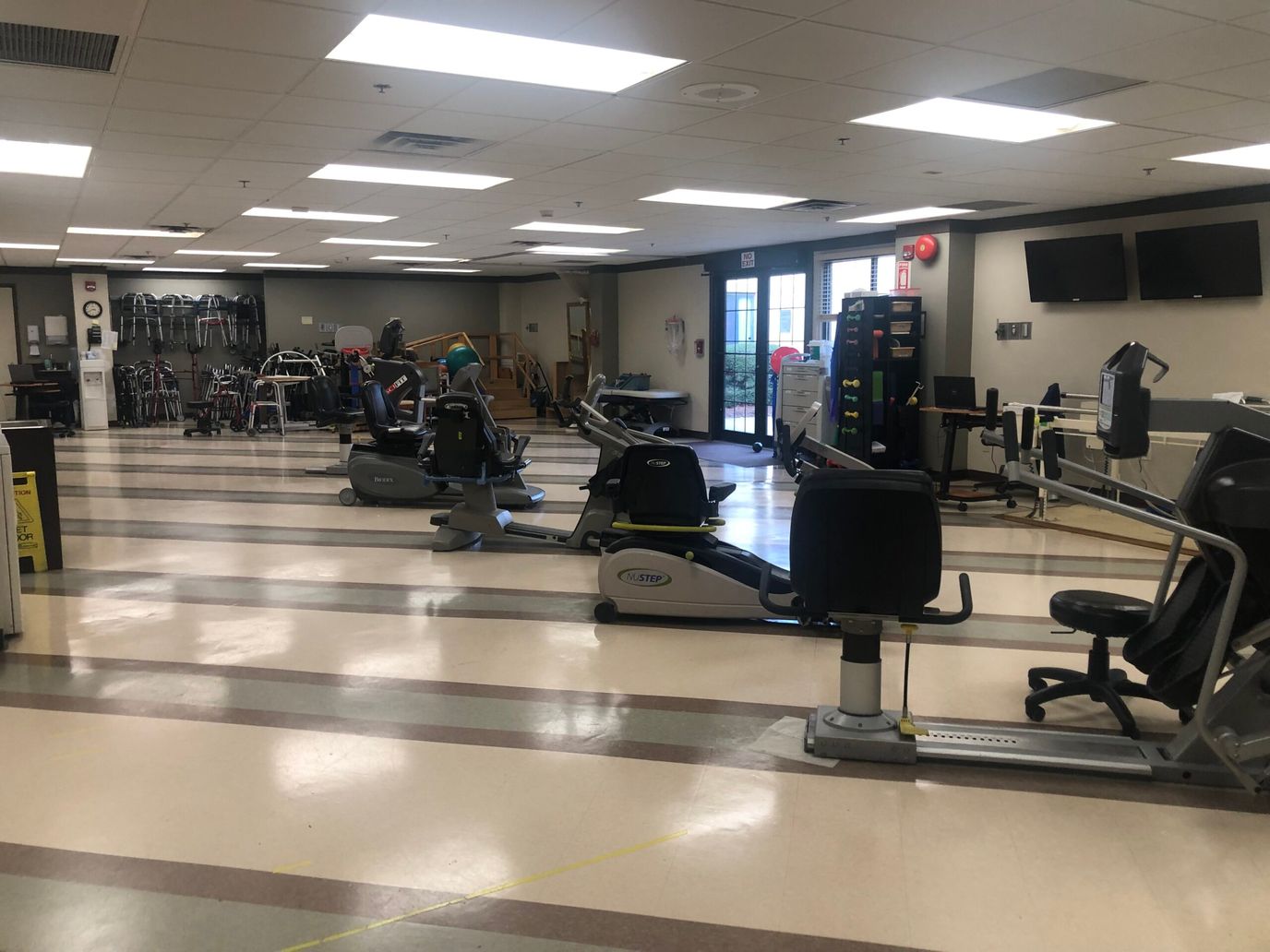
Specialized care offerings span skilled nursing, memory care, and rehabilitation. The facility operates cardiac rehabilitation, orthopedic rehabilitation, neurological rehabilitation, robotics and technology programs, plus therapeutic gardens. Physical plant amenities include an aqua therapy pool, robotics suite, rehabilitation gym, and fine dining.
Clinical staffing reaches 3 hours 21 minutes of nursing per resident per day, 11.1% above New York average, with registered nurse hours 31% above state average. CMS ratings are uniformly strong: 5-star overall (59.2% above state), health inspection 40.8% above average, staffing 11.1% above average, quality measures 26.6% above average.
Long-stay residents demonstrate exceptional clinical outcomes: functional decline of 7.5 (59% better than state), urinary tract infections at 0.3% (76% better), depression symptoms in 3.4% (81% better), and activities of daily living decline at only 9.5% (42% better than state). Short-stay rehabilitation discharge outcomes show 71.5% of residents achieving expected self-care ability (33% better than state).
Recent complaint investigations contradict the strong ratings. December 2025 inspection documentation identified four substantive deficiencies: environmental maintenance failures including ripped window screens and metal staples in resident units, failure to timely report three residents’ abuse allegations to the state within required timeframes, incomplete care plan revisions for residents’ behavioral and wandering risks, and food safety violations (bare hand contact with food, expired food items, staff without proper hair covering). An earlier January 2024 complaint survey identified six deficiencies: absent resident participation in care plan development, non-functional call bell in a resident’s bathroom, inaccurate baseline assessments, staffing information not posted, dietary preferences ignored, and missing hospice documentation. The inspection summary explicitly states the facility shows “a pattern of issues” and “deficiencies have persisted over time with similar themes, indicating ongoing challenges” in care planning, assessments, dietary compliance, and maintenance.
Zero critical violations and zero federal enforcement actions appear in regulatory history.
The facility generated $67.4 million in gross revenue in 2023 with a 4.1% profit margin, ranking 40th in New York for total revenue and demonstrating financial stability.
The community is situated in an urban area with a walk score of 91, indicating a walker’s paradise within easy reach of shops and services. Maimonides Medical Center lies 3.03 miles away.
The facility’s 5-star rating reflects strong clinical outcomes and staffing investment, yet recent inspections document persistent failures in care planning, abuse reporting, environmental maintenance, and food safety; operational deficiencies that suggest systemic supervision gaps despite high resource allocation.
Situated in Great Neck, New York, Highfield Gardens Care Center rises as a meticulously maintained facility offering top-notch rehabilitation and subacute services. With a focus on holistic care, they boast a team of dedicated therapists proficient in physical, occupational, and speech therapies. Beyond the exceptional healthcare services, Highfield Gardens takes pride in its delectable cuisine, ensuring residents enjoy not only nourishing meals but also a delightful dining experience.
Residents can engage in various recreational activities, and the availability of concierge services adds an extra layer of convenience to their daily lives. With 200 beds and participation in Medicare and Medicaid programs, Highfield Gardens Care Center provides a comfortable, supportive, and caring environment for individuals in need of rehabilitation and subacute care.
Type of Care Available
Hospice Care
Memory Care
Nursing Home
Respite Care
Skilled Nursing
Nestled in the vibrant community of Nyack, NY, Tappan Zee Manor is a trusted senior living community providing assisted living and memory care services. Spacious and well-appointed accommodations with several floor plans including large studio and one-bedroom apartments are available for its residents. Having an expert and compassionate team, residents can receive exceptional and personalized care services most especially those with cognitive conditions like Alzheimer’s disease and dementia.
Committed to delivering the highest quality of care, this community offers top-tier amenities and services which are as follows: delicious family-style home cooked meals, laundry and cleaning services, and medication management. Experience its on-site and off-site activities including games, exercises, and gardening to further life enrichment and social engagement. Thus, Tappan Zee Manor proudly stands as a premier life community plan for senior living.
Type of Care Available
Assisted Living
Hospice Care
New York Center for Rehabilitation in Queens keeps one thing in mind when providing their service: healing. Management and staff at the New York Center for Rehabilitation approach their service with the understanding that their residents need a sense of healing– both on the physical and emotional level. The staff ensures residents are inspired to grow as better individuals through their enhanced lifestyle in a vibrant and positive environment. Families can trust that their loved ones are in good hands because residents are given the fullest attention they need all round-the-clock. New York Center for Rehabilitation is committed to ensuring that residents are comfortable and secure in the community.
Services at the New York Center for Rehabilitation revolve around enhancing the quality of life for residents; found through their list of medical services that include dental, ophthalmology, and podiatry services. Short-term and long-term services are also available depending on the needs of the resident. Some community amenities include lounge areas, recreation rooms on every floor, religious services, outdoor patio, hair salon services, housekeeping and laundry services.
Bainbridge Nursing & Rehabilitation Center is a nursing home and rehabilitation facility in the Bronx, New York. Bainbridge Nursing and Rehabilitation Center, LLC has been operating it since 1972. With 200 beds, the facility provides skilled nursing, short- and long-term rehabilitation, Alzheimer’s and dementia care, hospice and palliative care, and specialized wound care. It accepts Medicare, Medicaid, and private pay.
CMS gives the facility 5 stars overall, with performance above New York averages across all four sub-categories. The short-stay Quality Measures rating is significantly above average, with a rehospitalization rate of 15.6% compared with New York’s average of 20.6%.
Since 2020, state inspectors have recorded 15 total citations across 7 inspections. Only 2 inspections resulted in citations against New York’s average of 4, and health citations totaled just 3. No fines, enforcement actions, or substantiated complaints were recorded. The most recent inspection, in July 2025, identified four administrative deficiencies in care plan timing, arbitration agreements, food sanitation, and drug labeling, all of which were corrected.
Total nurse staffing averages 3 hours and 22 minutes per resident per day, modestly below New York’s average of 3 hours and 29 minutes. Physical therapist staffing is 29% above the state average, a meaningful figure for a facility oriented toward post-acute recovery.
The facility’s occupancy rate is 96%, well above New York’s average of 88.3%. It is one of the most highly occupied facilities in the state, indicating steady local demand. Residents have access to amenities including private and semi-private rooms with private bathrooms, outdoor patios on each floor, on-site beauty salon and barber services, and an aviary. On-site dialysis is also available.
The facility is best for residents seeking short-term post-acute rehabilitation and long-term skilled nursing, with particular strength in rehab outcomes and a compliance record, which is among the cleanest in New York.
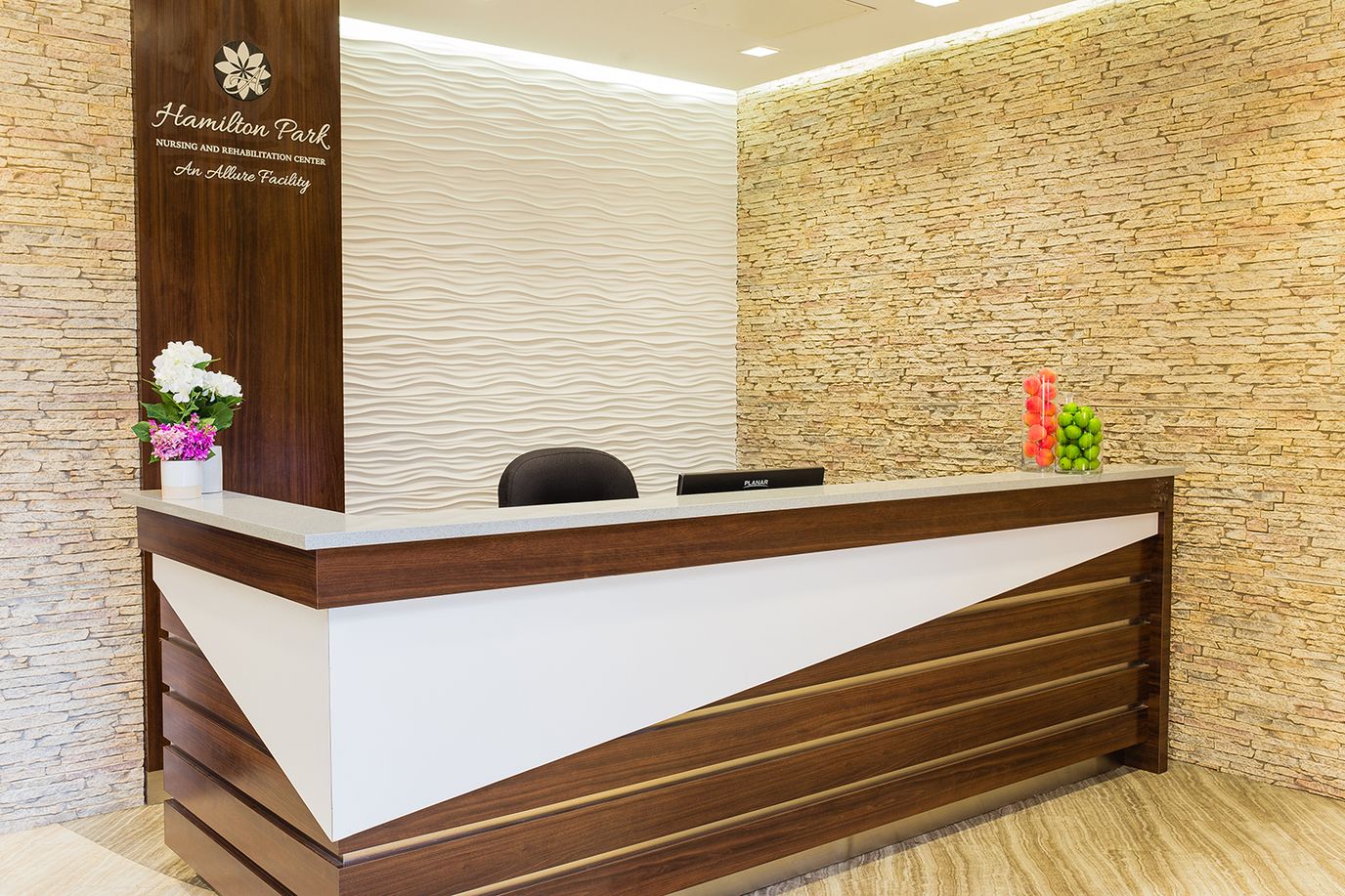
Two hundred beds, 99 percent full. That’s the first thing worth knowing about Hamilton Park Nursing and Rehabilitation Center, tucked into a walkable stretch of Brooklyn where a Walk Score of 80 means most errands don’t need a car. Hamilton Park Multicare, LLC runs the place, and it’s built specifically around skilled nursing care, not just as a general senior living option.
Residents recovering from surgery, illness, or injury get short-term rehab support, plus two programs aimed at specific kinds of recovery: cardiac rehab and orthopedic rehab. If someone needs a higher level of coordinated care while they’re healing, there’s also an Advanced Transitional Care Unit built for exactly that. And when residents want a quiet outdoor space, the Longevity Garden gives them somewhere to go that isn’t a hallway or a dayroom.
Hospice is handled in-house too. Families don’t have to arrange a transfer to another provider if a resident needs end-of-life care, which matters a lot when you’re already juggling a hundred other things during a hard stretch.
On paper, staffing works out to about 3 hours and 4 minutes of nursing care per resident each day, spread across RNs, LPNs, and nurse aides. Medicare, Medicaid, and private pay are all accepted, so most families have more than one way to make the numbers work.
New York’s Department of Health checks in on this facility the same way it checks in on every nursing home in the state: unannounced visits, a look at how things are run day to day. The themes that tend to come up in these reviews here track pretty closely with what regulators look at everywhere, medication handling, infection control, staffing credentials, keeping records straight. None of that is unusual for a nursing home this size, and it’s really just part of how the whole system stays honest.
Put simply: this is a large, nearly full facility built around rehab and skilled nursing, with hospice care available without a transfer and enough payment flexibility that most families have options. That combination is the clearest picture the data offers of what a stay here actually looks like.
Operated by John E., Andrus on Hudson is a 197-bed skilled nursing home in Hastings-on-Hudson, New York. The nonprofit community has been serving older adults in the Hudson Valley for more than 70 years. Families can choose from Medicare, Medicaid, and private pay to cover both short-term rehabilitation and longer-term nursing care.
The community has a 98% occupancy rate and is home to 193 residents. The average length of stay is 240 days, including post-acute rehab patients and those requiring ongoing long-term care. This property is well-suited for recovery after a hospital stay and long-term skilled nursing care.
The home offers a wide range of care services, including skilled nursing, short-term rehabilitation, memory care, hospice care, palliative care, and respite care. It also specializes in post-hospital recovery and complex care management. It’s a practical option for residents recovering from serious medical events or managing multiple health conditions.
Staffing is one the facility’s strength. Nurse staffing averages 3 hours and 31 minutes of nursing care each day. Registered nurses, licensed practical nurses, and certified nurse aides work together to provide both clinical oversight and hands-on daily support. With this distribution, clinical supervision and personal support are provided through each day.
The neighborhood has a very walkable Walk Score of 80. Visiting family members and ambulatory residents can easily get around on foot. With nearby amenities, there is less need for transportation.
The Department of Health has performed state inspections focusing on areas such as care planning, supervision, safety practices, and infection control. The facility has addressed concerns identified and worked to make improvements. When touring the home, families should ask how quality assurance and compliance programs are consistently managed.
Brothers of Mercy Nursing & Rehabilitation Center is an assisted living community in Clarence, near Buffalo in Erie County, New York. The 240-bed home is owned by Teresa Dillsworth and operated by Brothers of Mercy Nursing Home Company, Inc. It accepts Medicare, Medicaid, and private pay, offering families multiple options for covering care costs. The community’s current occupancy rate is 88%. Residents stay an average of 108 days, including both short-term rehabilitation stays and longer-term residents.
Total nurse staffing averages 4 hours and 15 minutes per resident each day. Residents are supported by registered nurses, licensed practical nurses, certified nursing assistants, and 24-hour staffing. That level of hands-on daily support makes the home a practical choice for residents recovering from hospitalization or needing ongoing skilled care.
Rehabilitation is a major part of the care offered by the facility. Physical, occupational, and speech therapy are available on-site. Outpatient therapy services are also available to residents with specialized rehabilitation needs.
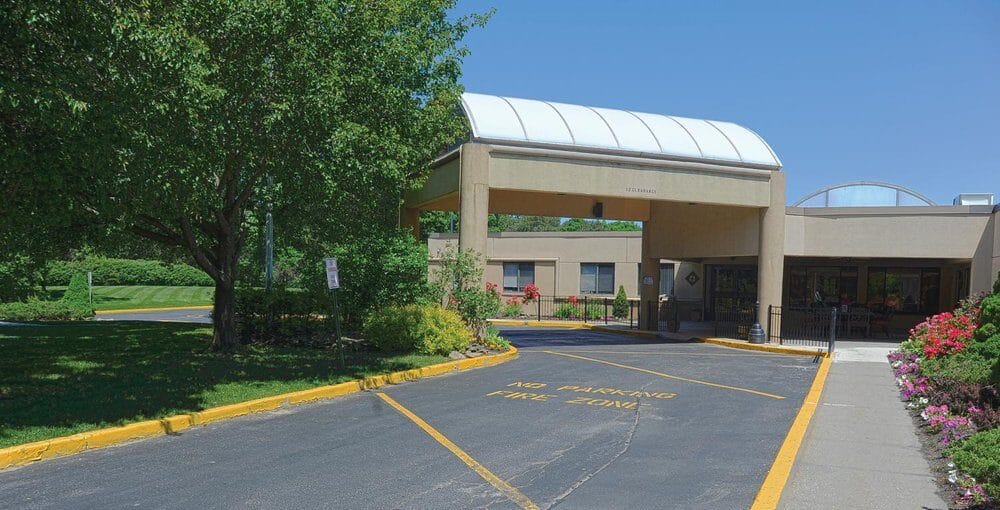
State inspections have cited issues involving life safety systems, including egress pathways and sprinkler maintenance. The facility has also addressed quality-of-care matters in daily living support, medication management, and pressure ulcer care. These issues were corrected promptly. Families considering the facility should ask how life safety and care processes are managed daily.
The facility also offers activity calendars and spiritual care services. Clarence’s location earned a score of 51 on the Walk Score. Some errands can be done on foot, but most trips require driving. That setting suits families who value proximity to Buffalo’s medical resources with a quieter neighborhood feel.
Operating for 27 years as a comprehensive post-acute and long-term care community, Huntington Hills Center for Health and Rehabilitation is a 320-bed skilled nursing facility in Melville, Long Island. The home is operated by East Northport Residential Health Care Facility, Inc., which David Lipschitz owns. Families can choose from Medicaid, Medicare, and private pay to cover both short-term recovery and longer-term care. The facility has a strong occupancy rate of 98%.
Residents stay an average of 101 days. The population is a mix of people recovering after hospitalization or surgery and those who need ongoing skilled nursing care. Rehabilitation is a major focus. There are short-term recovery programs and a dedicated memory care unit called Legacy Living for residents with Alzheimer’s disease and other forms of dementia.
Daily nursing care averages about 3 hours and 4 minutes per resident, providing consistent hands-on support throughout the day. Respite care is available for families seeking temporary relief. There’s a doctor on staff alongside its 24-hour nursing team.
State inspections have identified care quality and documentation issues across multiple survey cycles. The facility has consistently corrected cited deficiencies within required timeframes, showing responsiveness to regulatory oversight.
Residents receive three prepared meals each day along with an always-available menu for added flexibility. The neighborhood is car-dependent, with a Walk Score of 8, so most visits and errands require a vehicle. Families considering the home may want to observe daily routines and ask how the facility manages transitions between short-term rehabilitation residents and those receiving longer-term care.
Nearby Cities
Who we are
Your Senior Care Partner, Every Step of the Way
We help families find affordable senior communities and unlock same day discounts, Medicaid, and Medicare options tailored to your needs.
Contact us Today
Frequently Asked Questions
What government services provide money for senior housing?
Several government programs offer financial assistance for senior housing in various countries, focusing on the United States for a broad overview:
- Medicaid: Medicaid is a state and federally funded program that can cover the costs of nursing home care for those who meet eligibility criteria, including income and asset limits. Some states also offer Medicaid waivers that help pay for home and community-based services to prevent or delay nursing home placement.
- Medicare: Medicare, primarily a health insurance program for people aged 65 and over, does not cover long-term housing costs. However, it can cover short-term stays in a skilled nursing facility under specific conditions following a hospital stay.
- Section 202 Supportive Housing for the Elderly Program: This program provides housing for low-income seniors. It offers rental assistance and access to supportive services, such as cleaning, cooking, and transportation.
- Low-Income Housing Tax Credit (LIHTC) Properties: While not a direct subsidy, LIHTC encourages developers to create affordable housing. Seniors with low incomes can find reduced-rent apartments through this program.
- State and Local Programs: Many states, counties, and cities offer their own programs to assist seniors with housing costs. These can include property tax relief programs, rental assistance programs, and programs that offer affordable senior housing options.
- Veterans Affairs (VA): The VA offers several programs for veterans, including the Aid and Attendance benefit, which provides monthly payments to veterans who require the aid of another person, or are housebound, to help cover the cost of care in homes, nursing homes, and assisted living facilities.
- Social Security: While Social Security primarily provides retirement income, for many seniors, these benefits are a crucial part of their budget, including housing costs.
How do you pick the homes you recommend?
Before recommending homes, we conduct a thorough evaluation on crucial factors that define a senior home such as the quality of care they provide, the reputation of the organization, and a comprehensive review of community testimonials as well. Every detail is assessed to assure that seniors are offered not just senior care options, but trustworthy homes where they can experience the care that they deserve.
Do you help families that need Medicaid?
Yes. Assisting families who need Medicaid is important to us as it plays a crucial role in offering financial support to seniors confronting economic challenges. We would like to keep essential healthcare services accessible to all community members, irrespective of one’s financial circumstances.
How much does this service cost?
We extend our services at no cost, ensuring that families and seniors can benefit from tailored assistance in their search for care and home options. Our ability to offer personalized guidance without charge to families and seniors is made possible through the support and funding from the communities with which we team up.
What services do you offer?
- Finding and ranking the best assisted living facilities
- Finding and ranking the best nursing homes
- Finding and ranking the best memory care facilities
- Our concierge service helps seniors move into the perfect home for them
- Helping seniors use medicare, medicaid, and other government programs to pay for their homes
- Helping seniors avoid senior homes that have bad service or fraud
- Memory care specialists
- Finding and ranking the best independent living communities