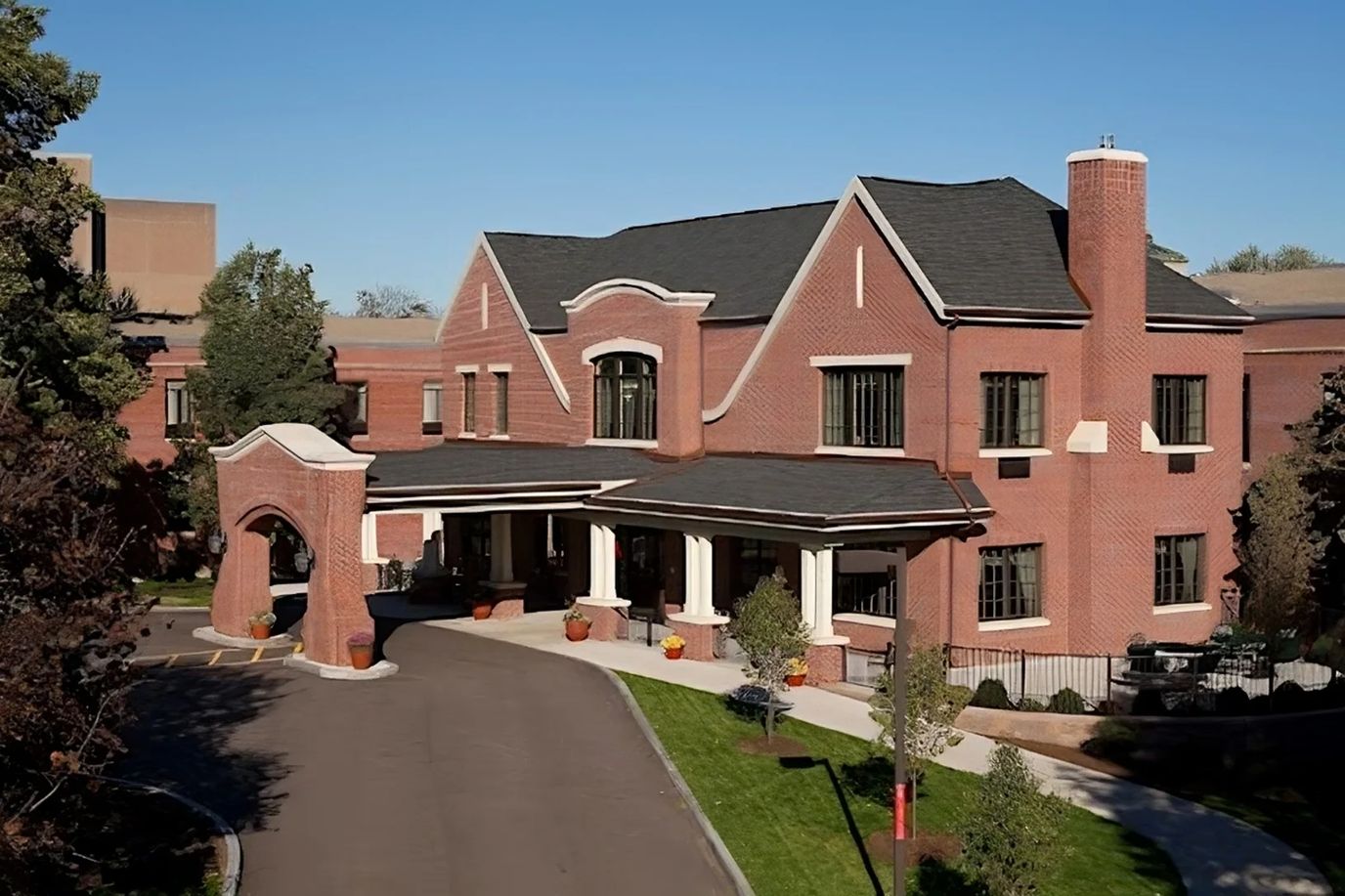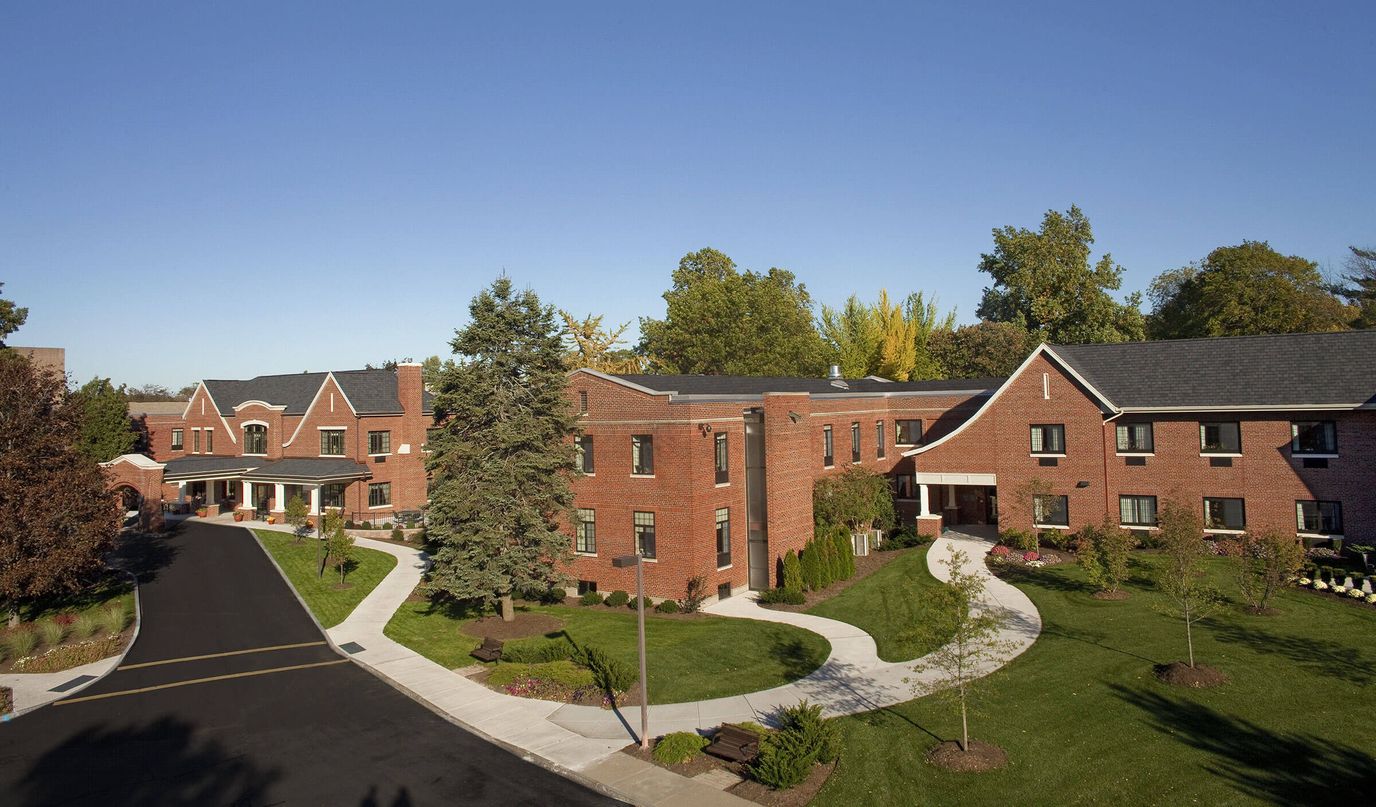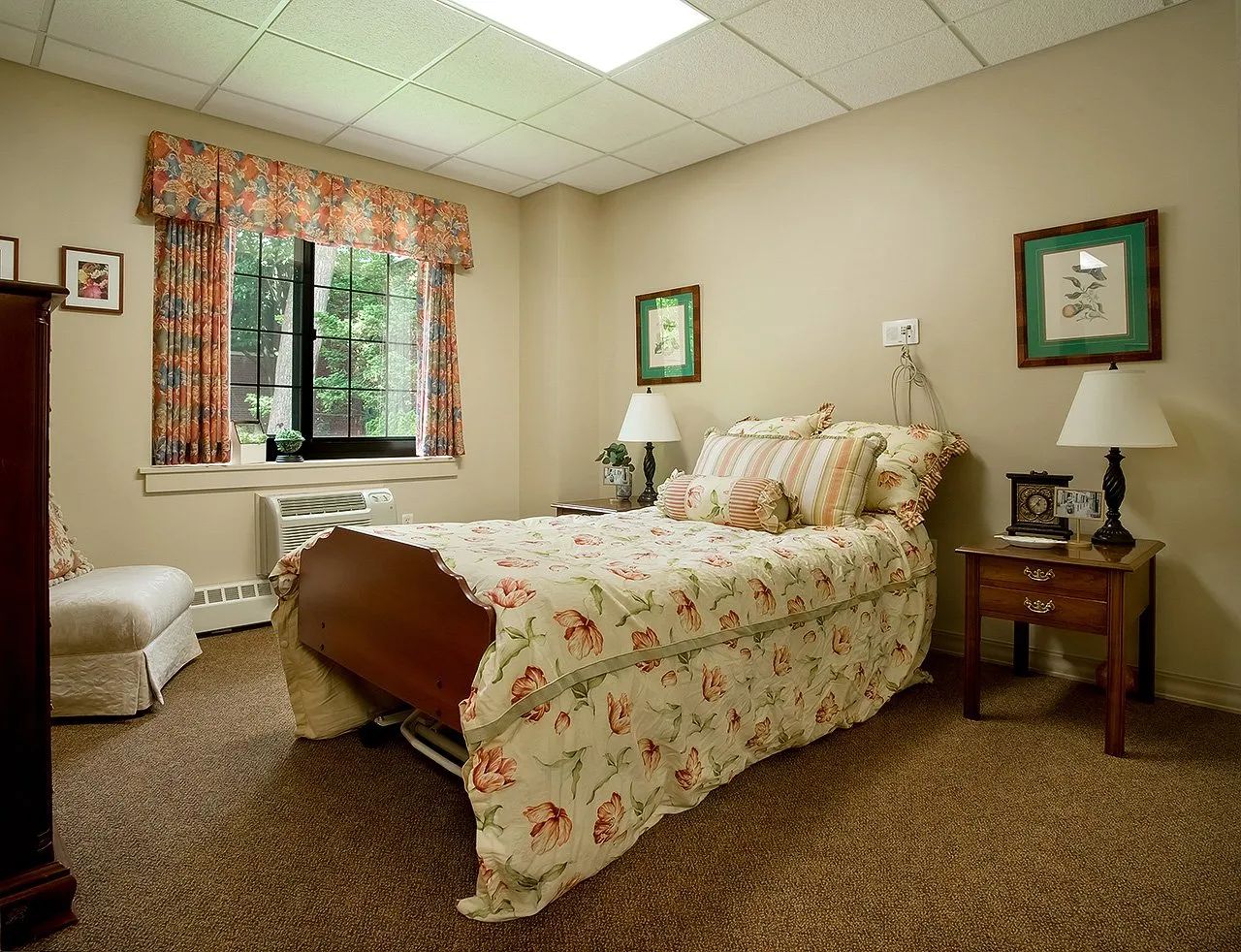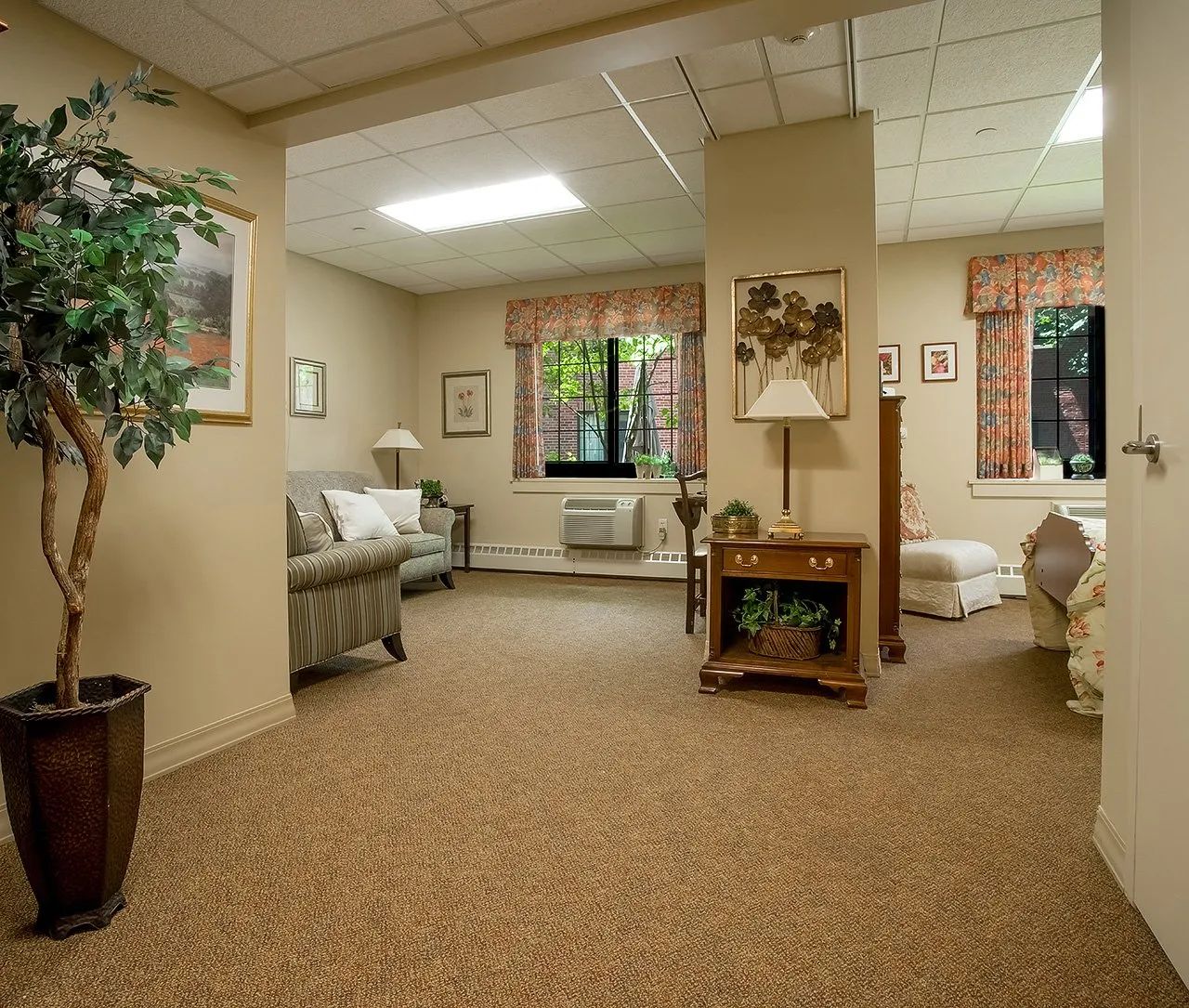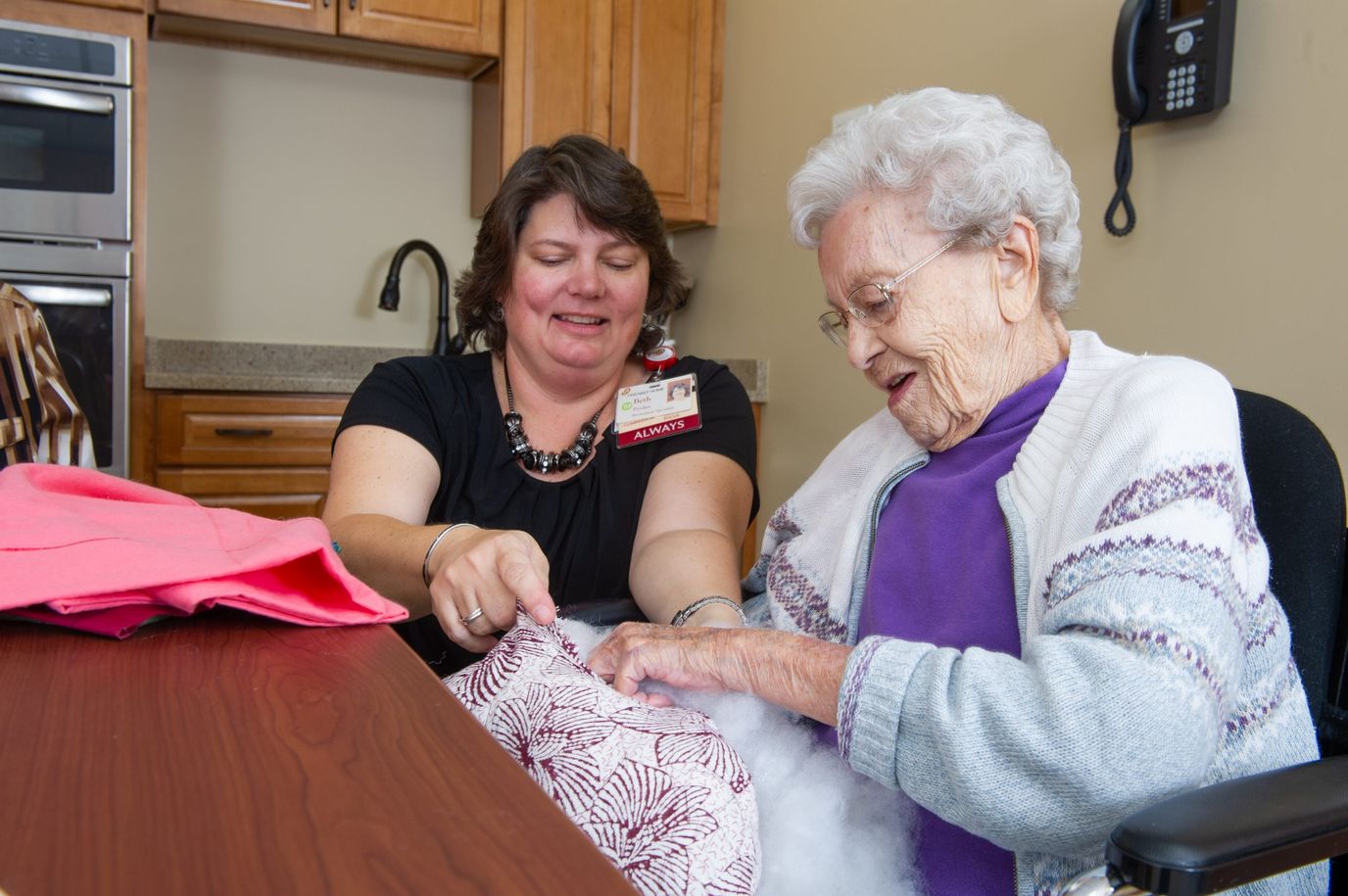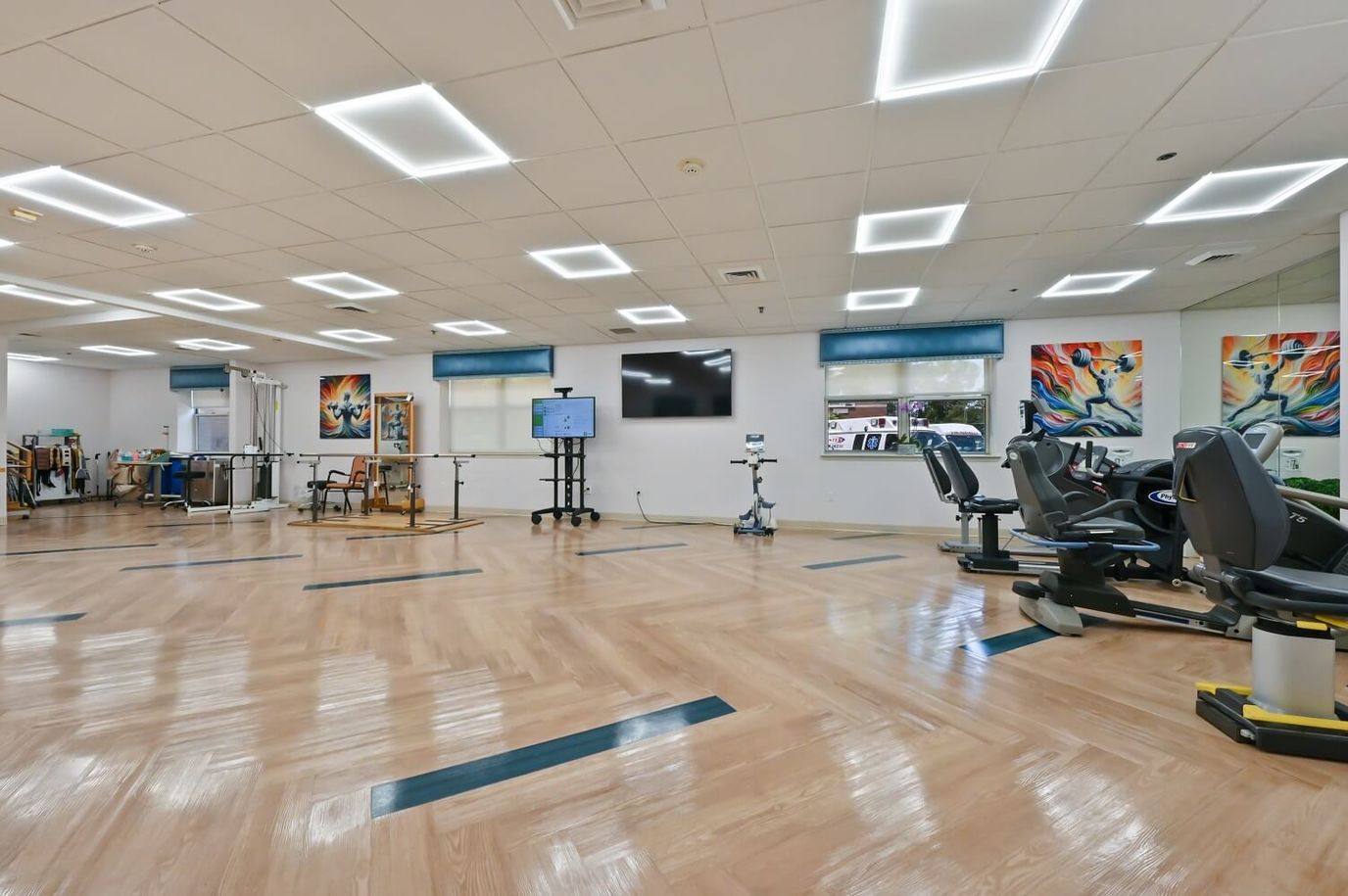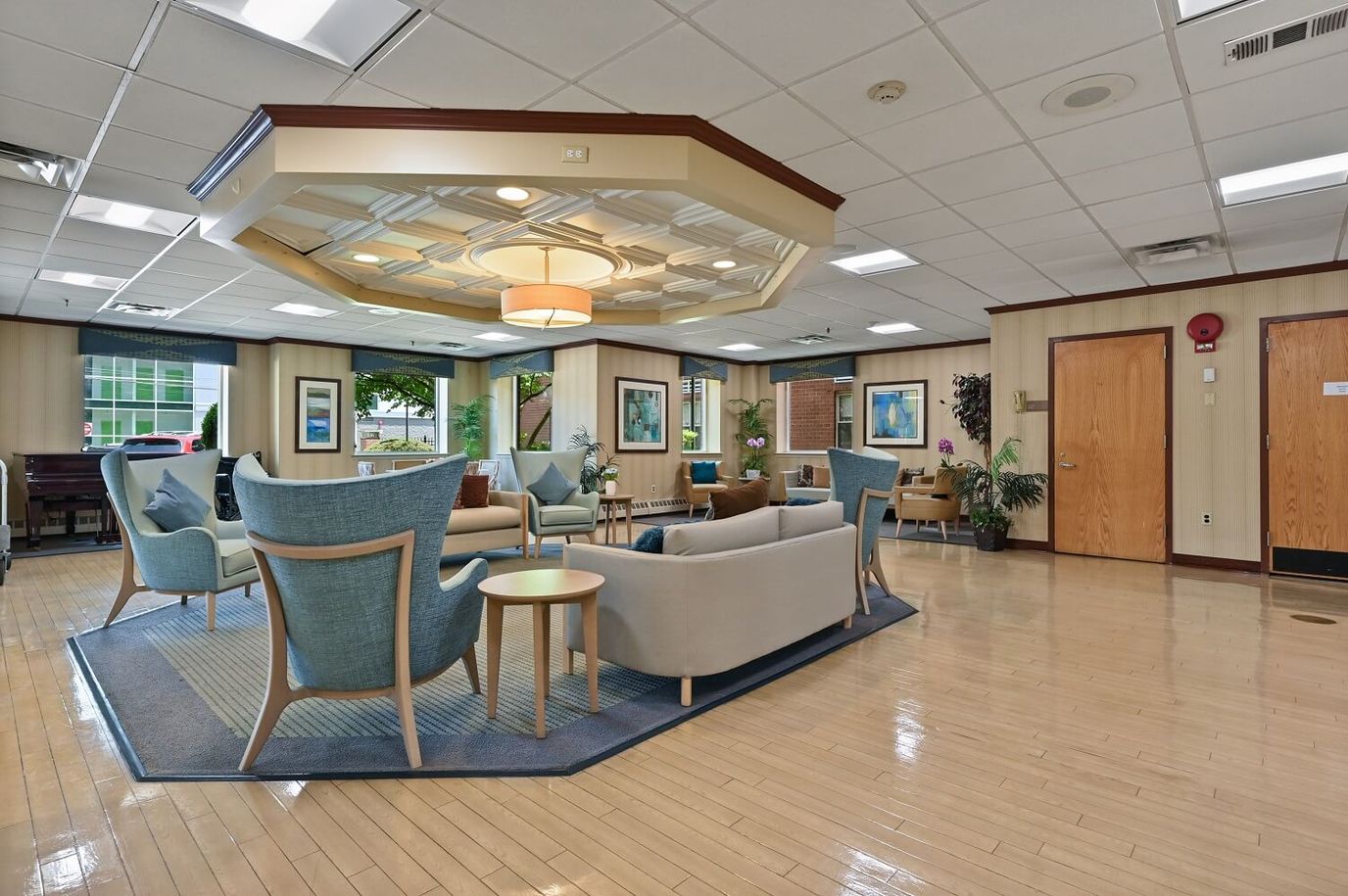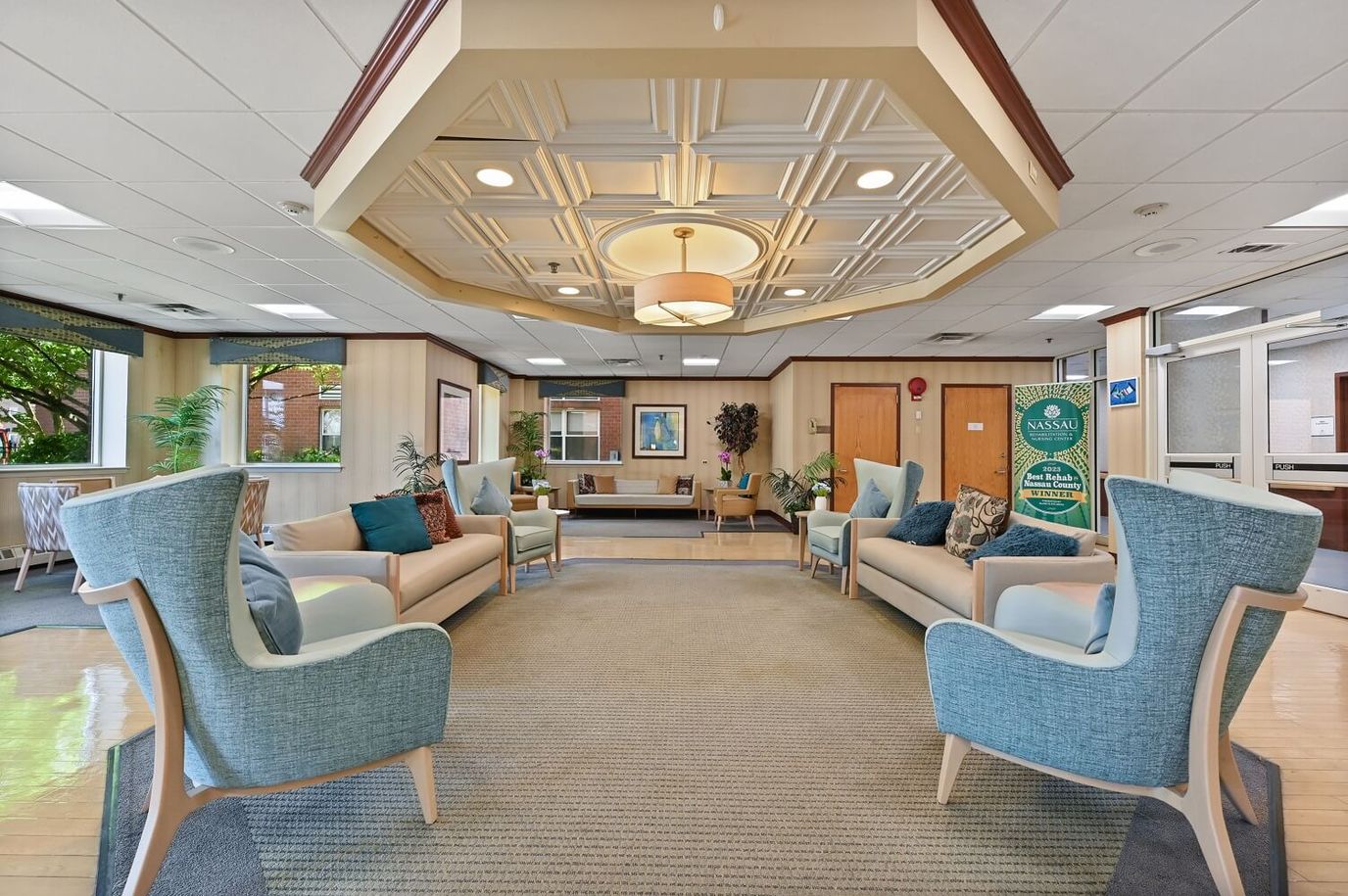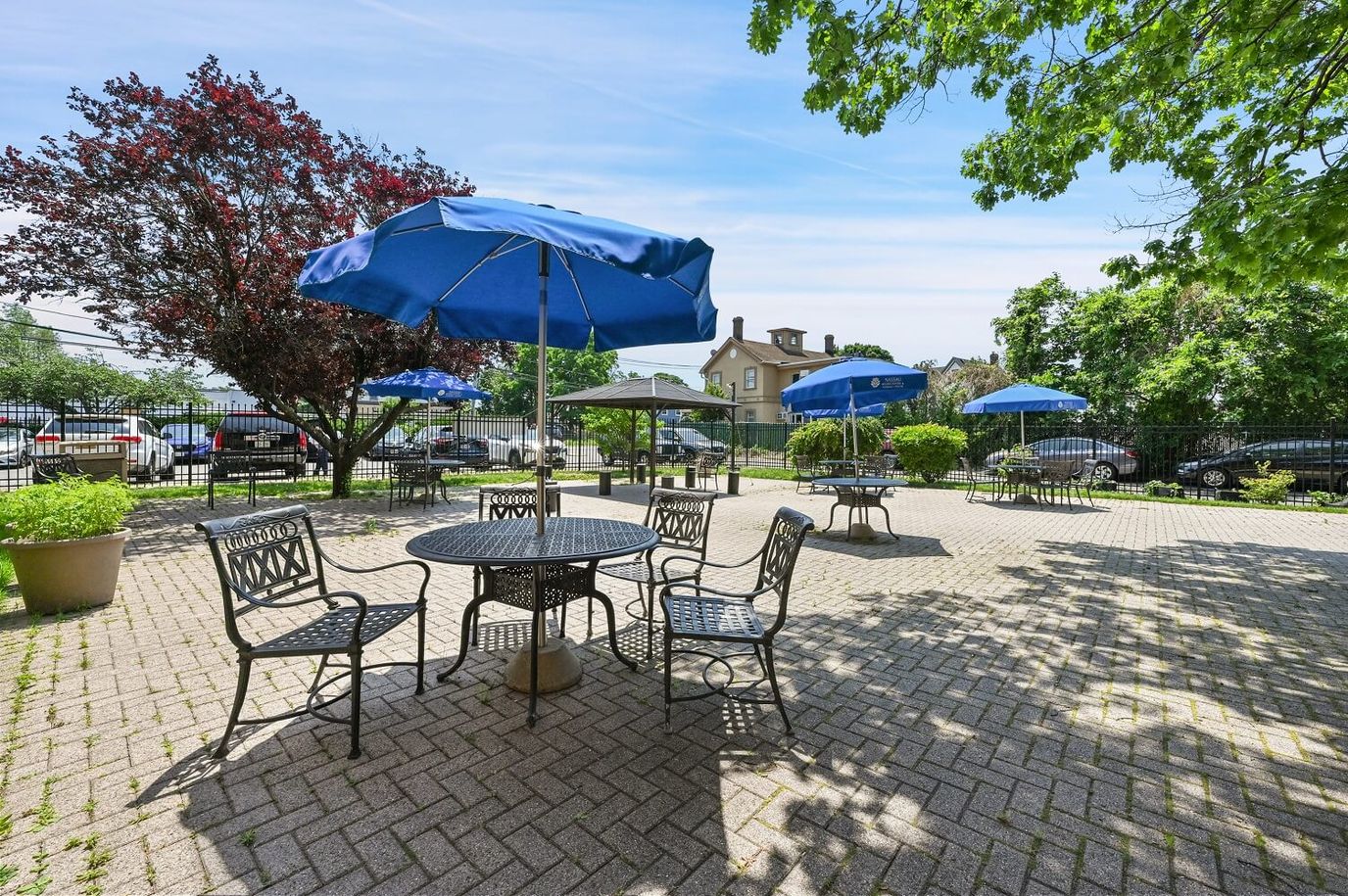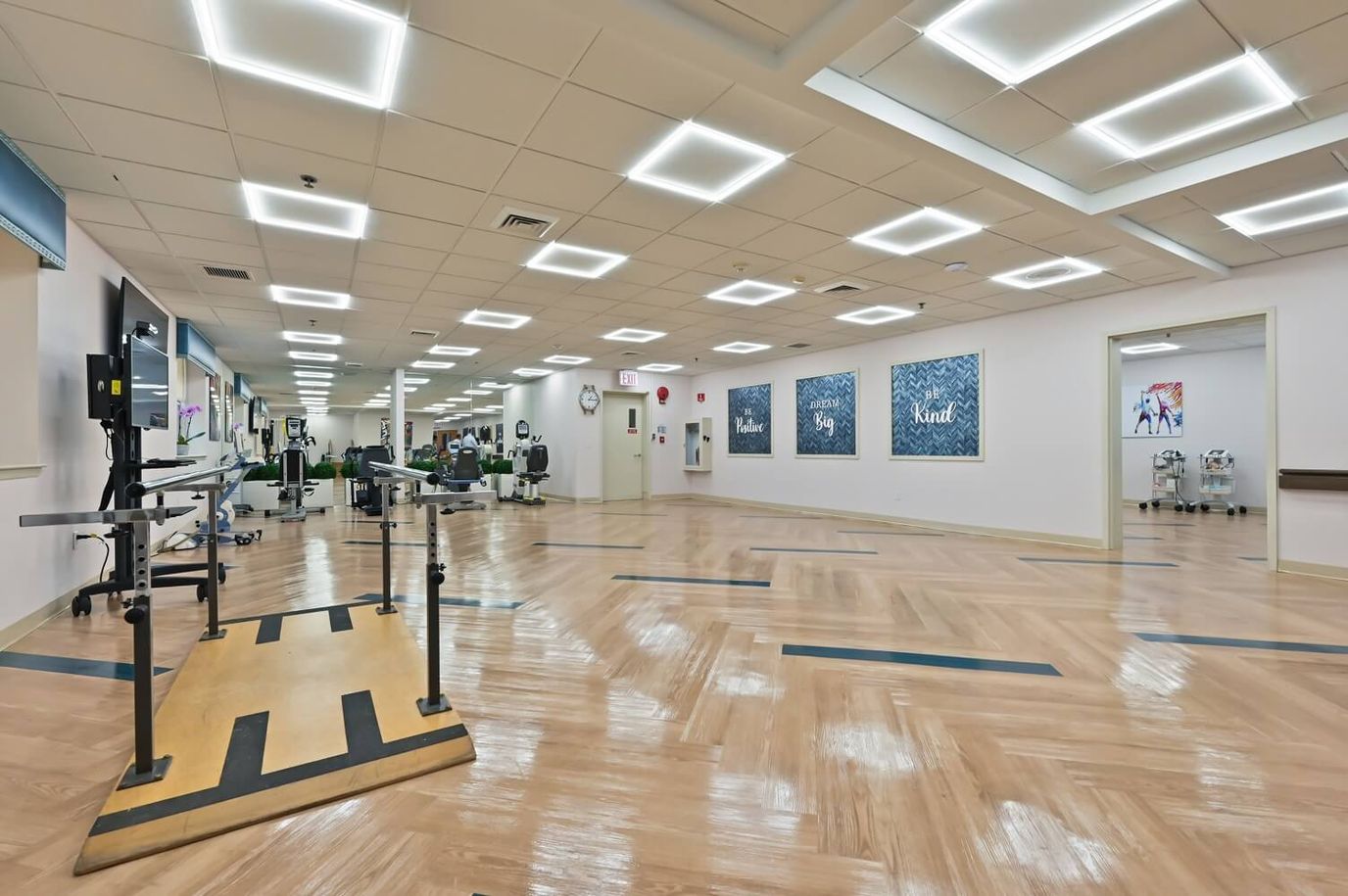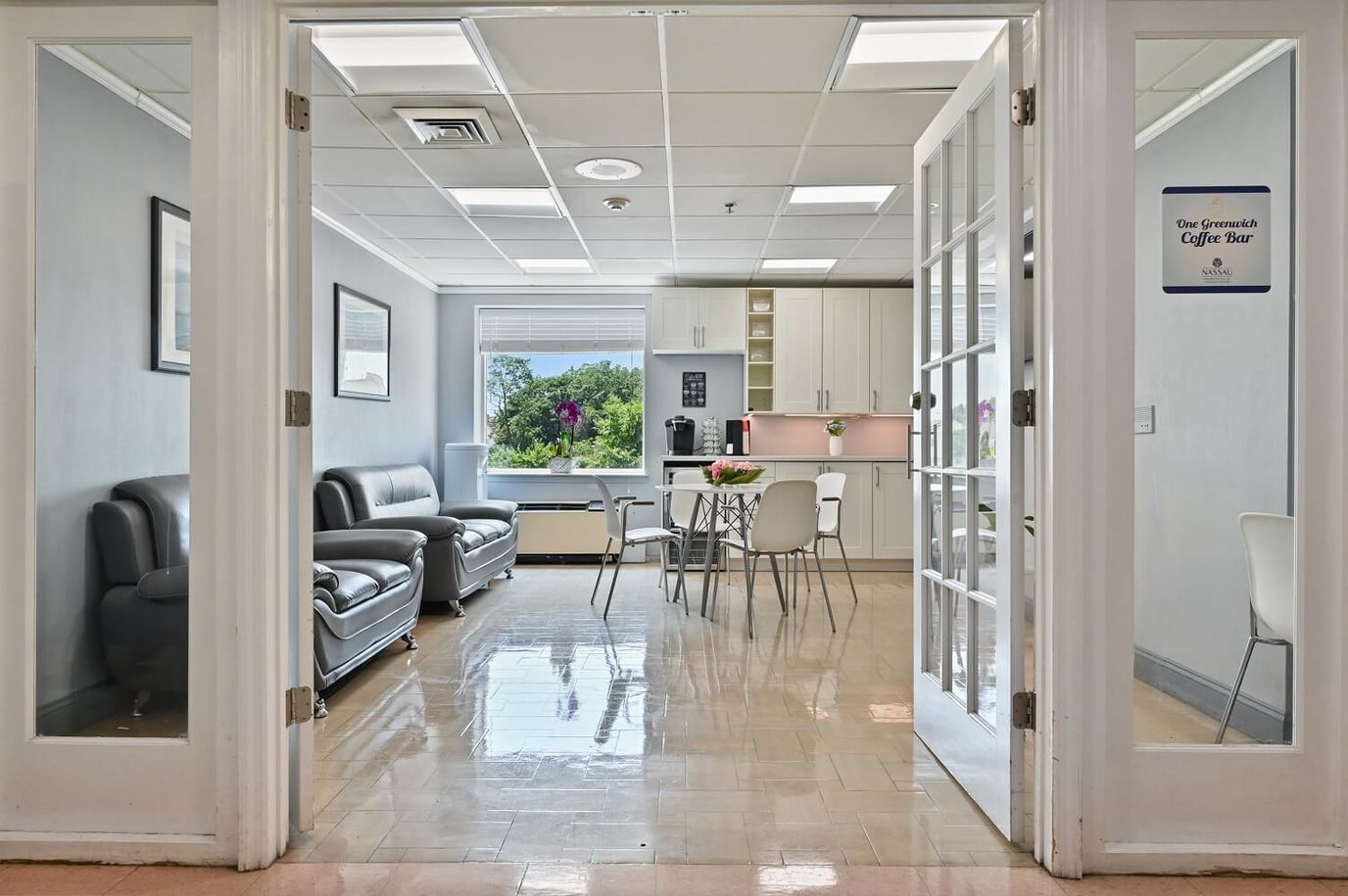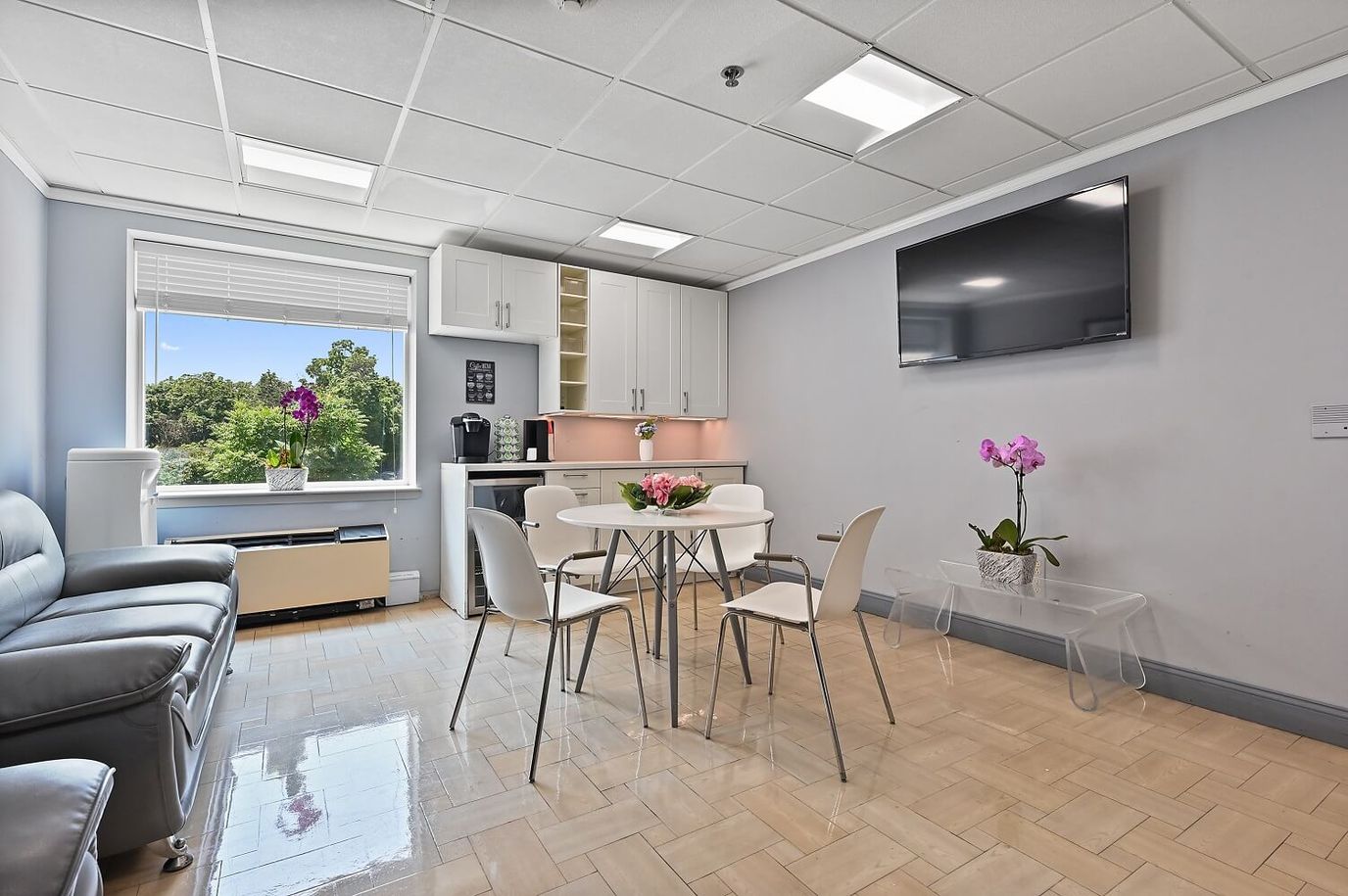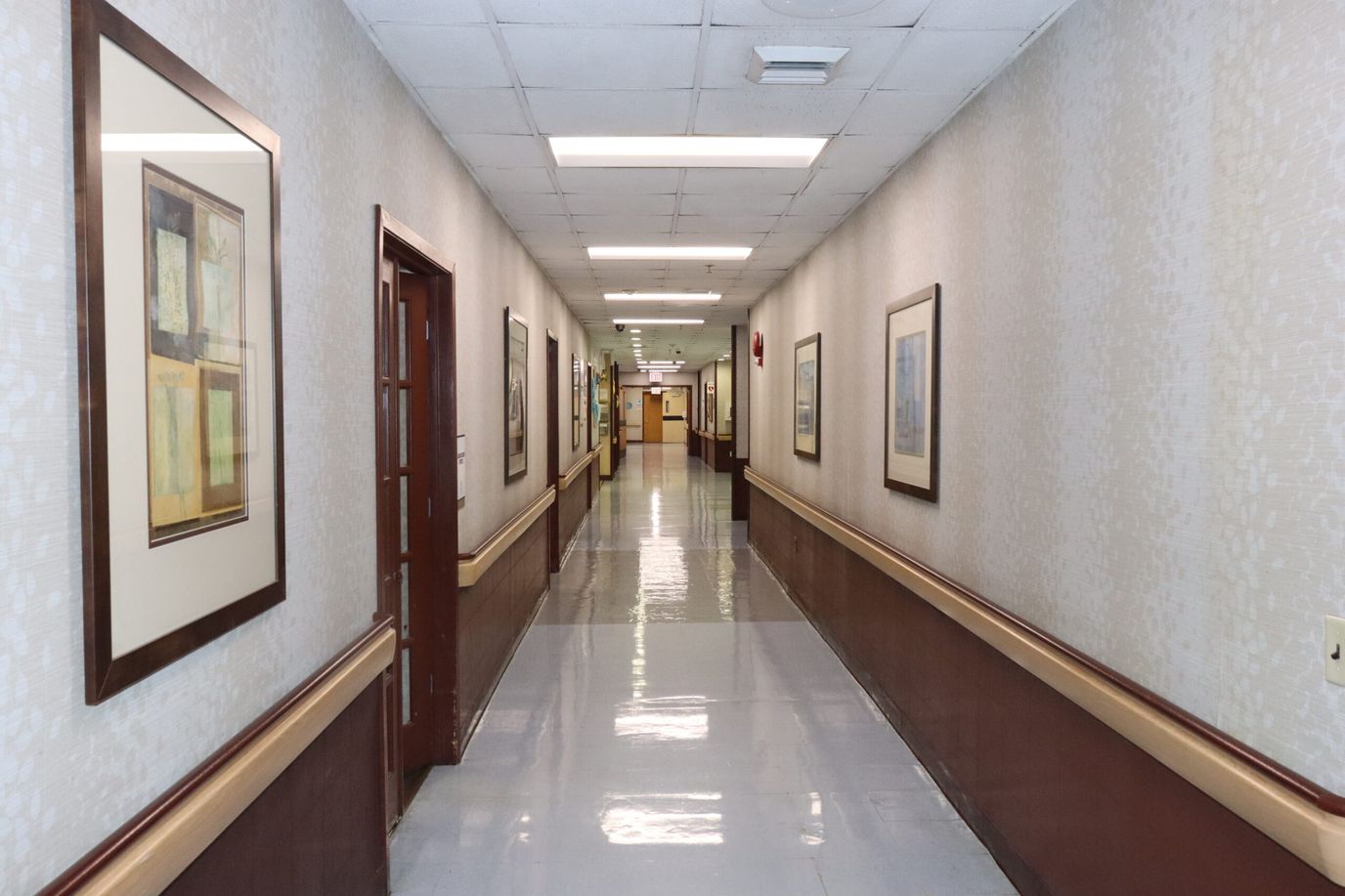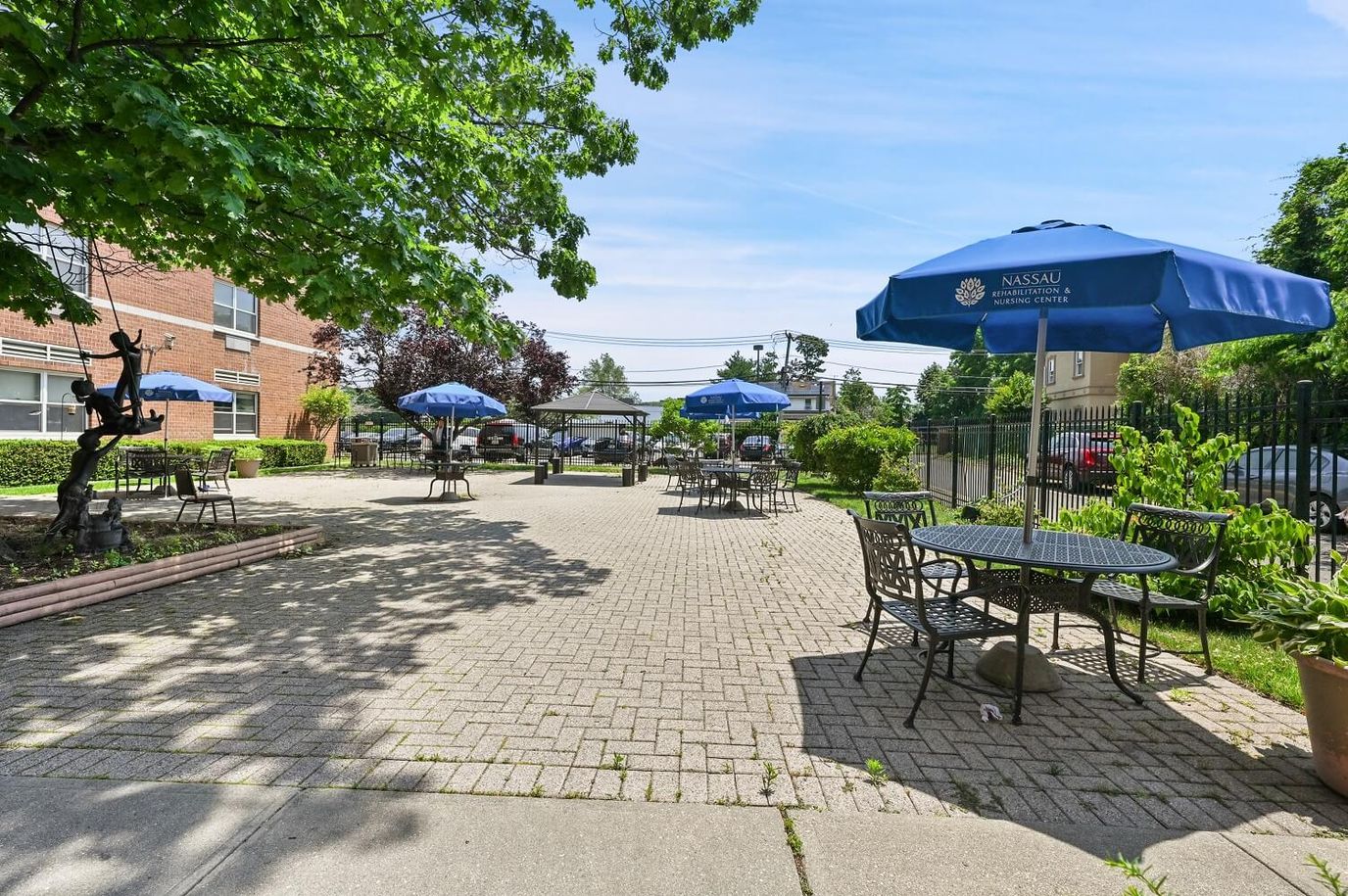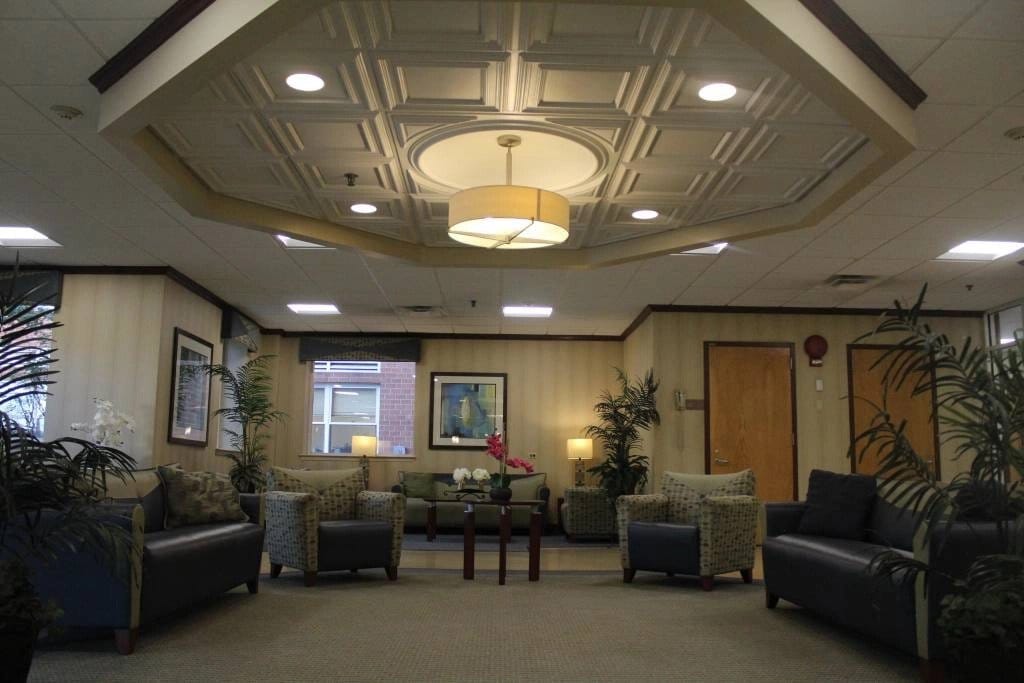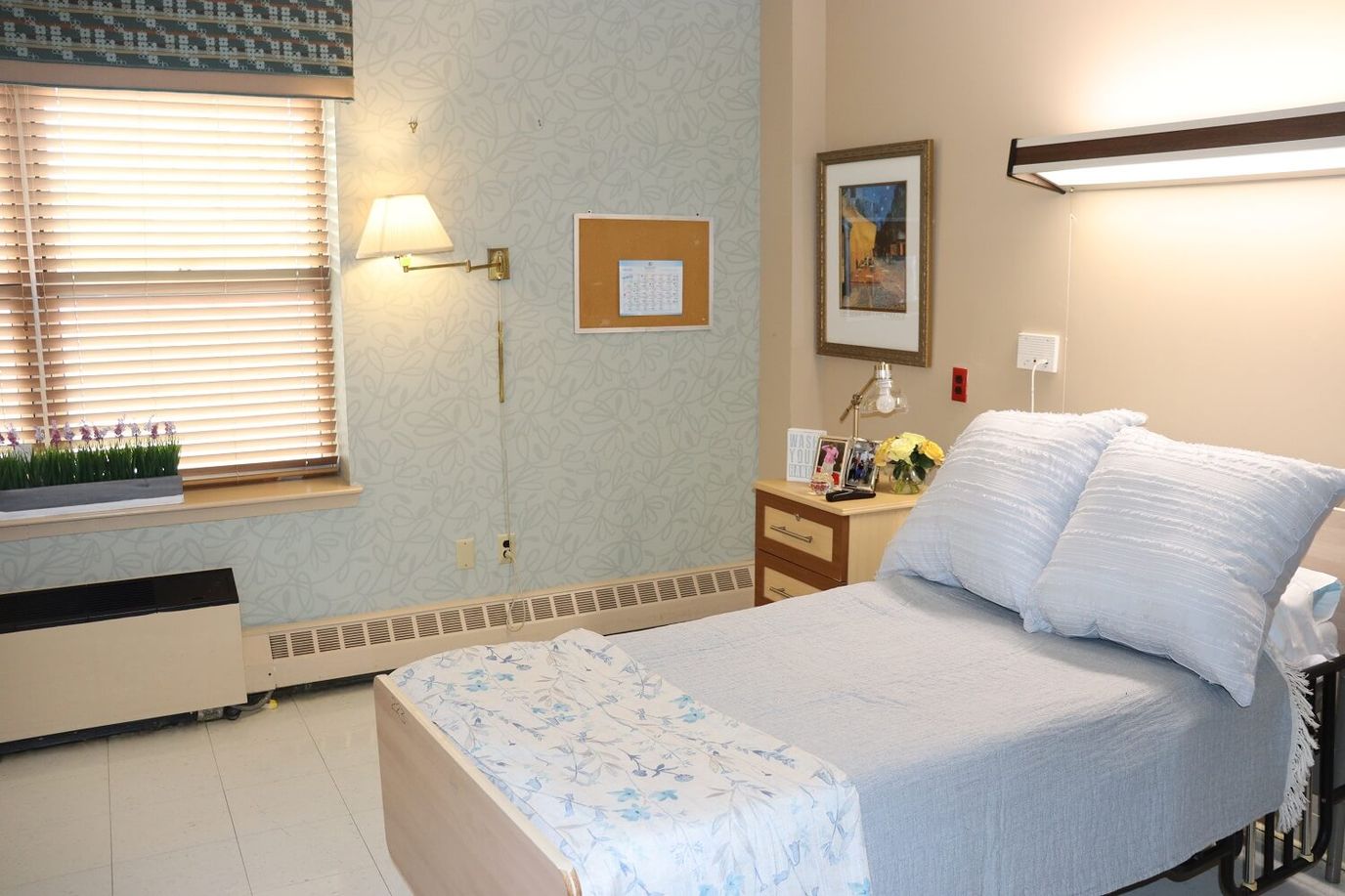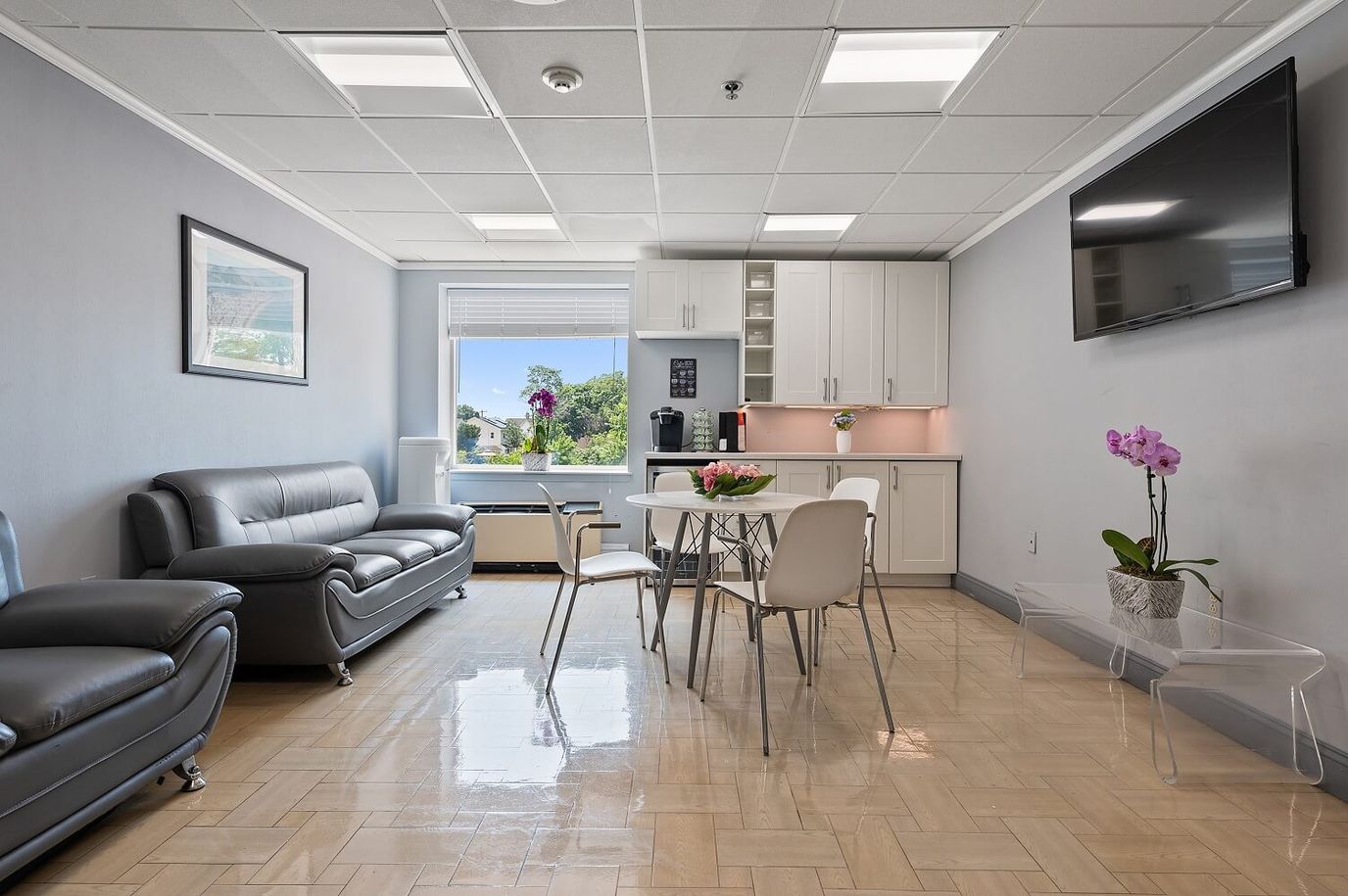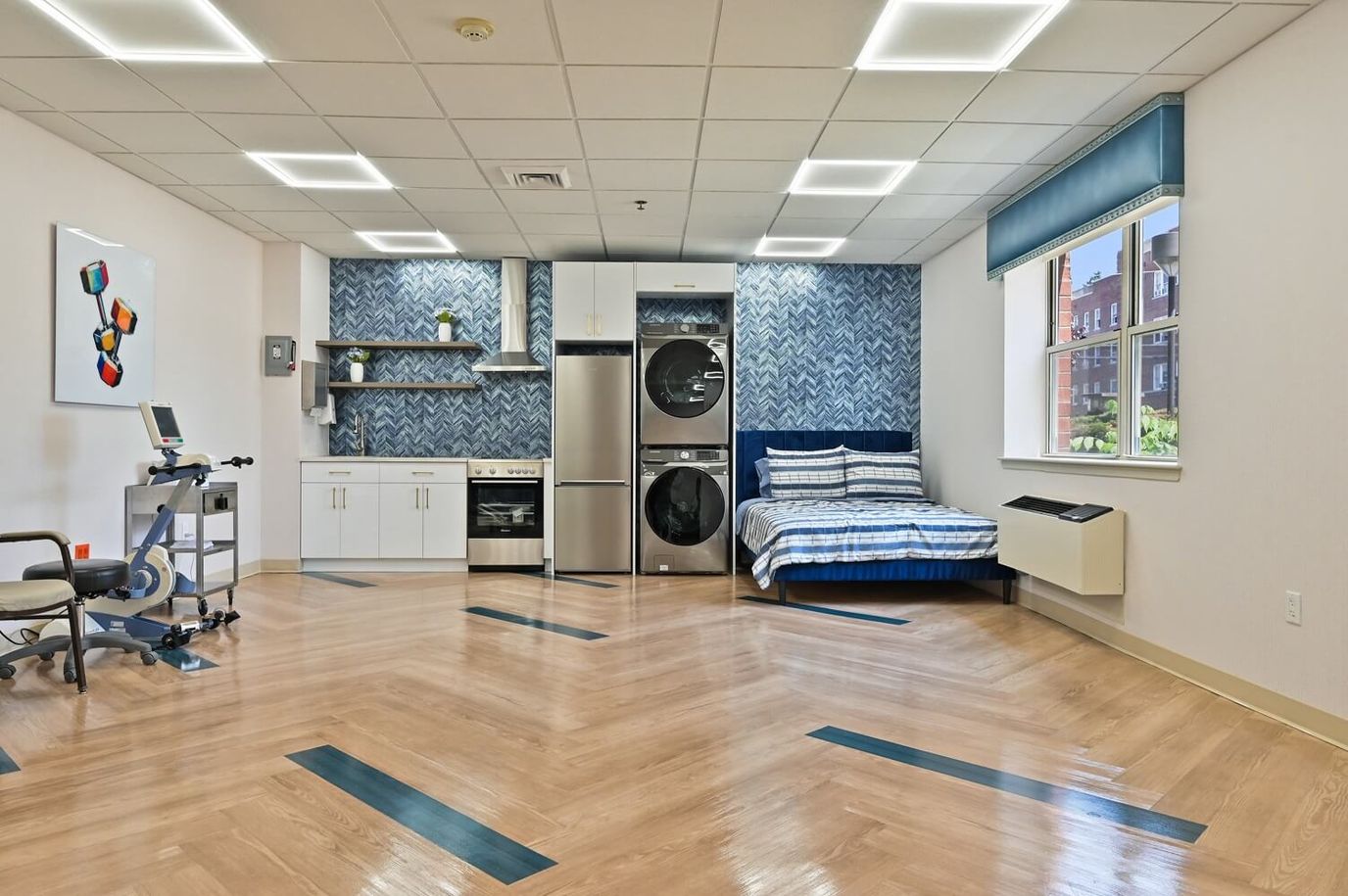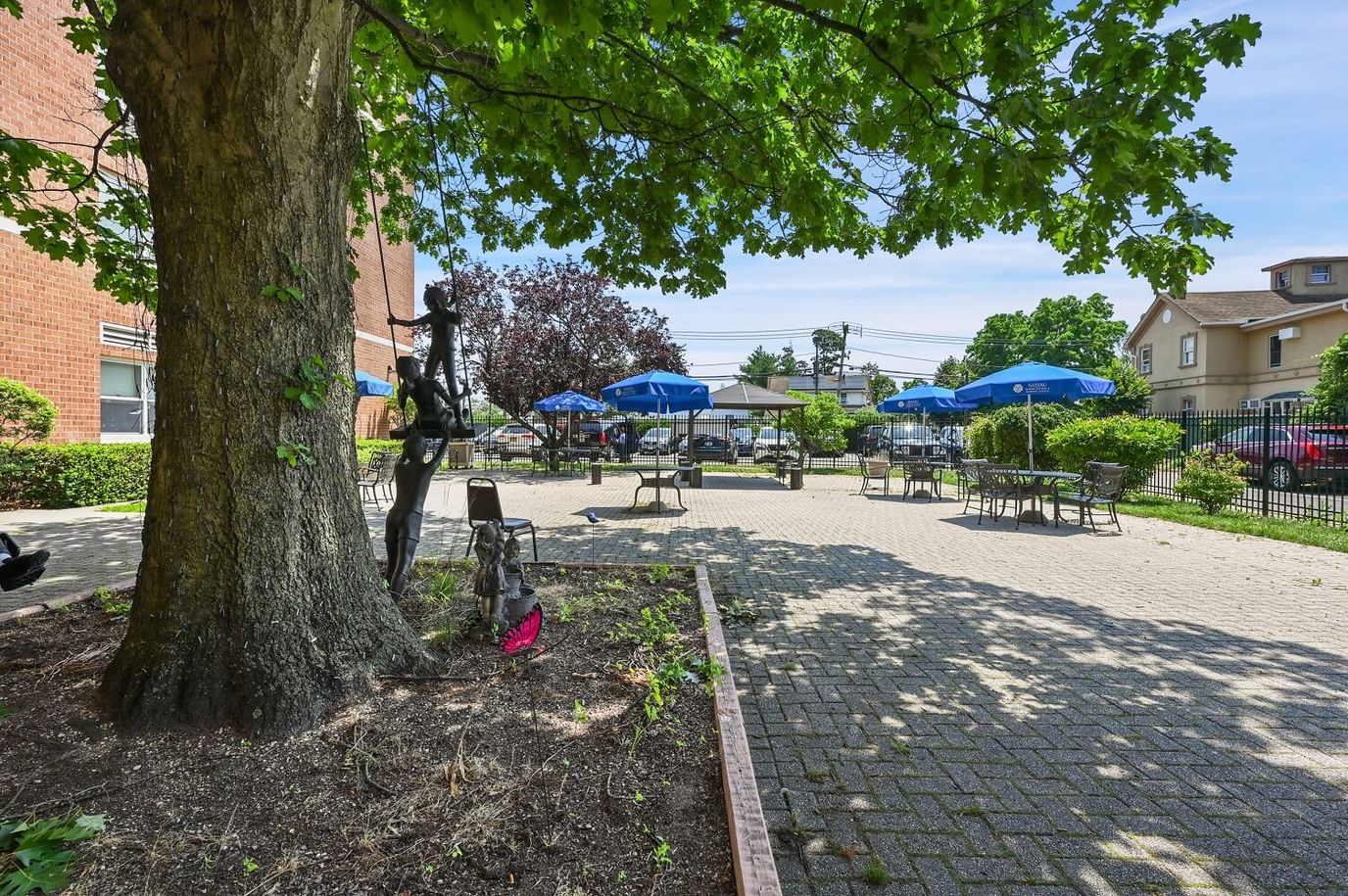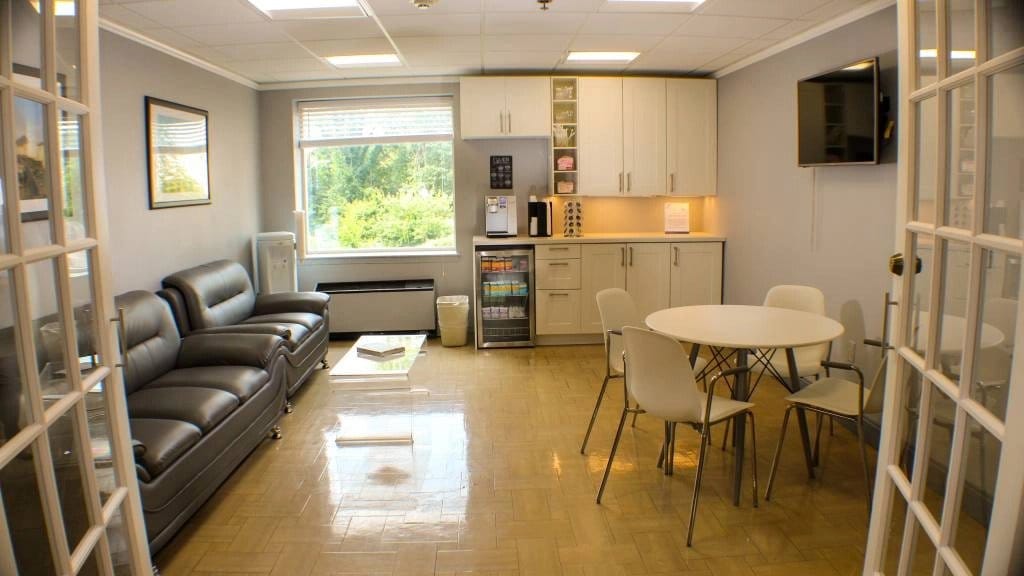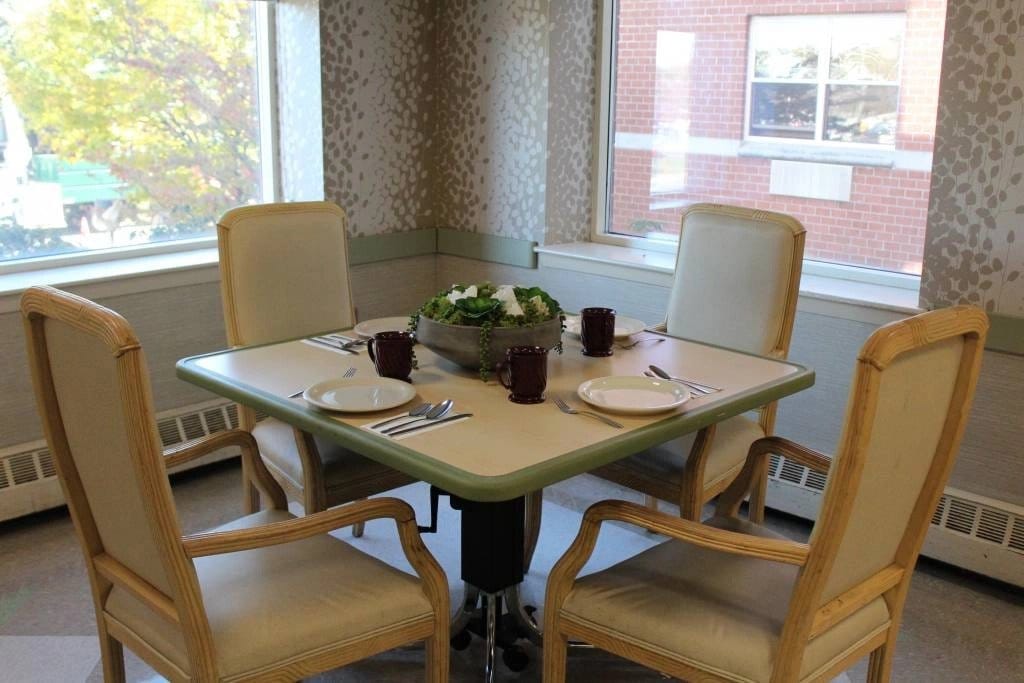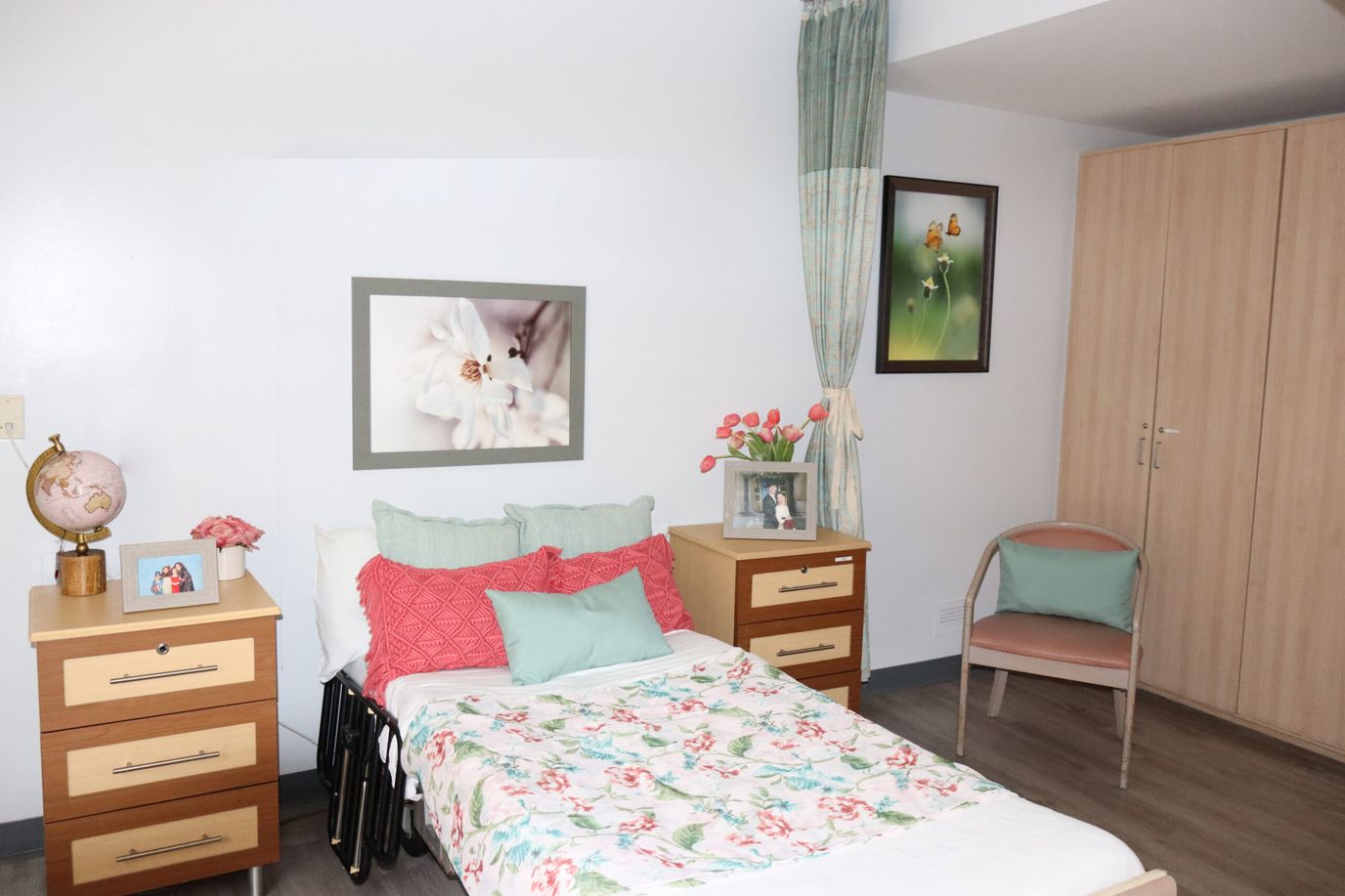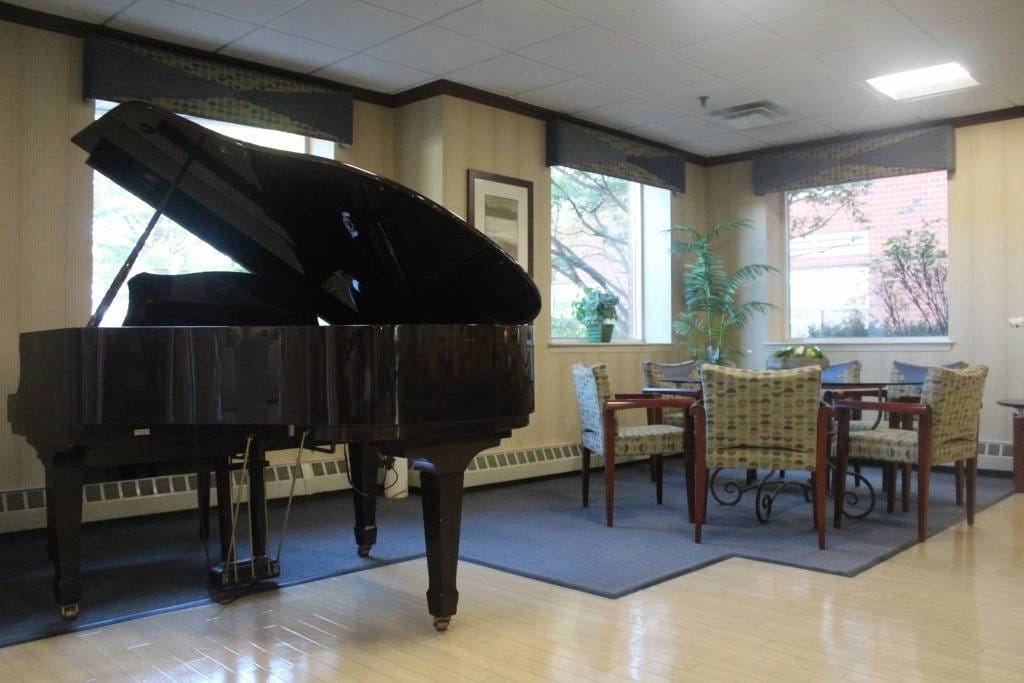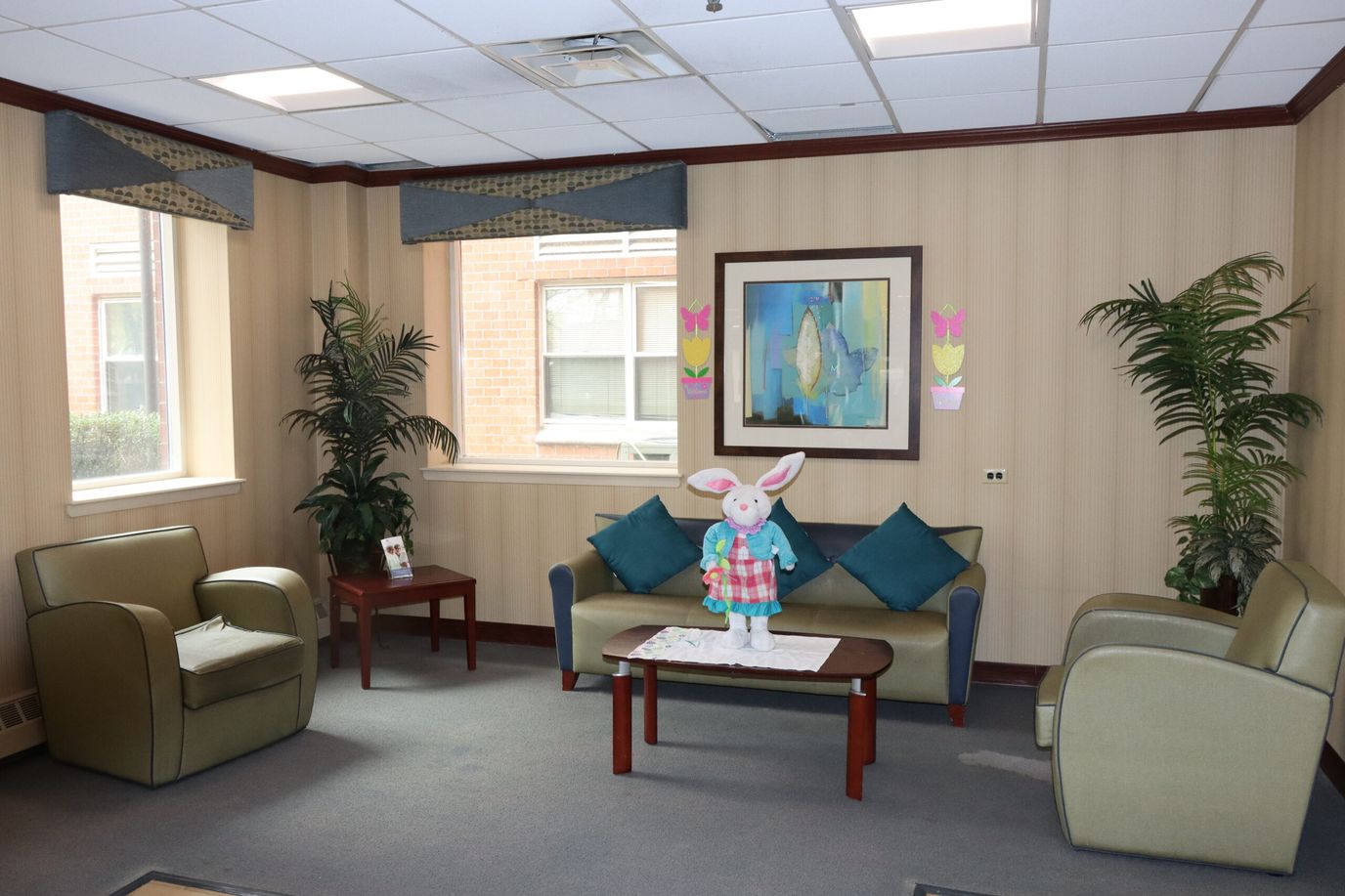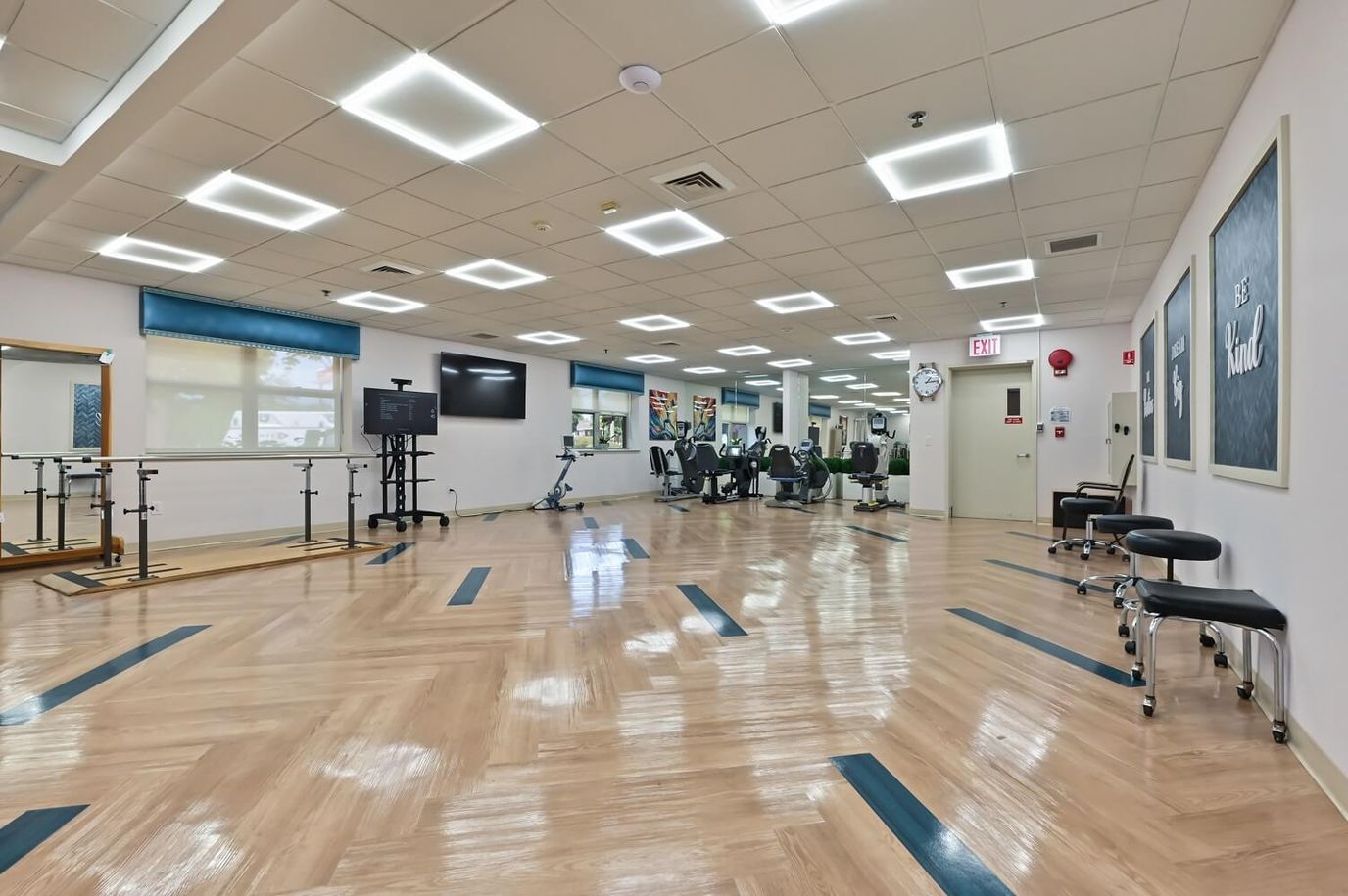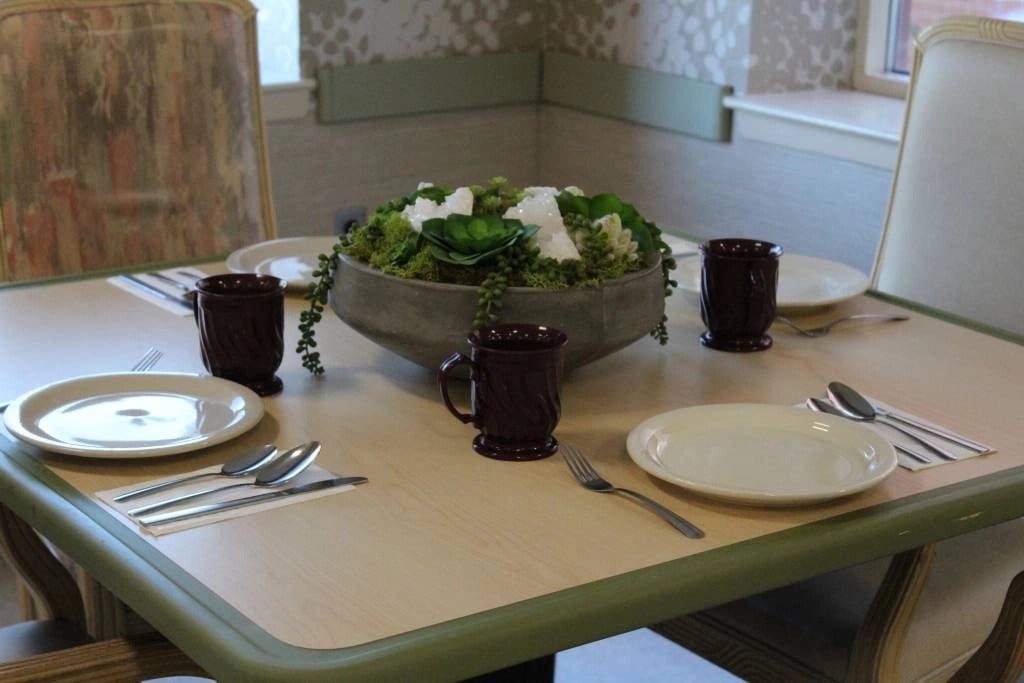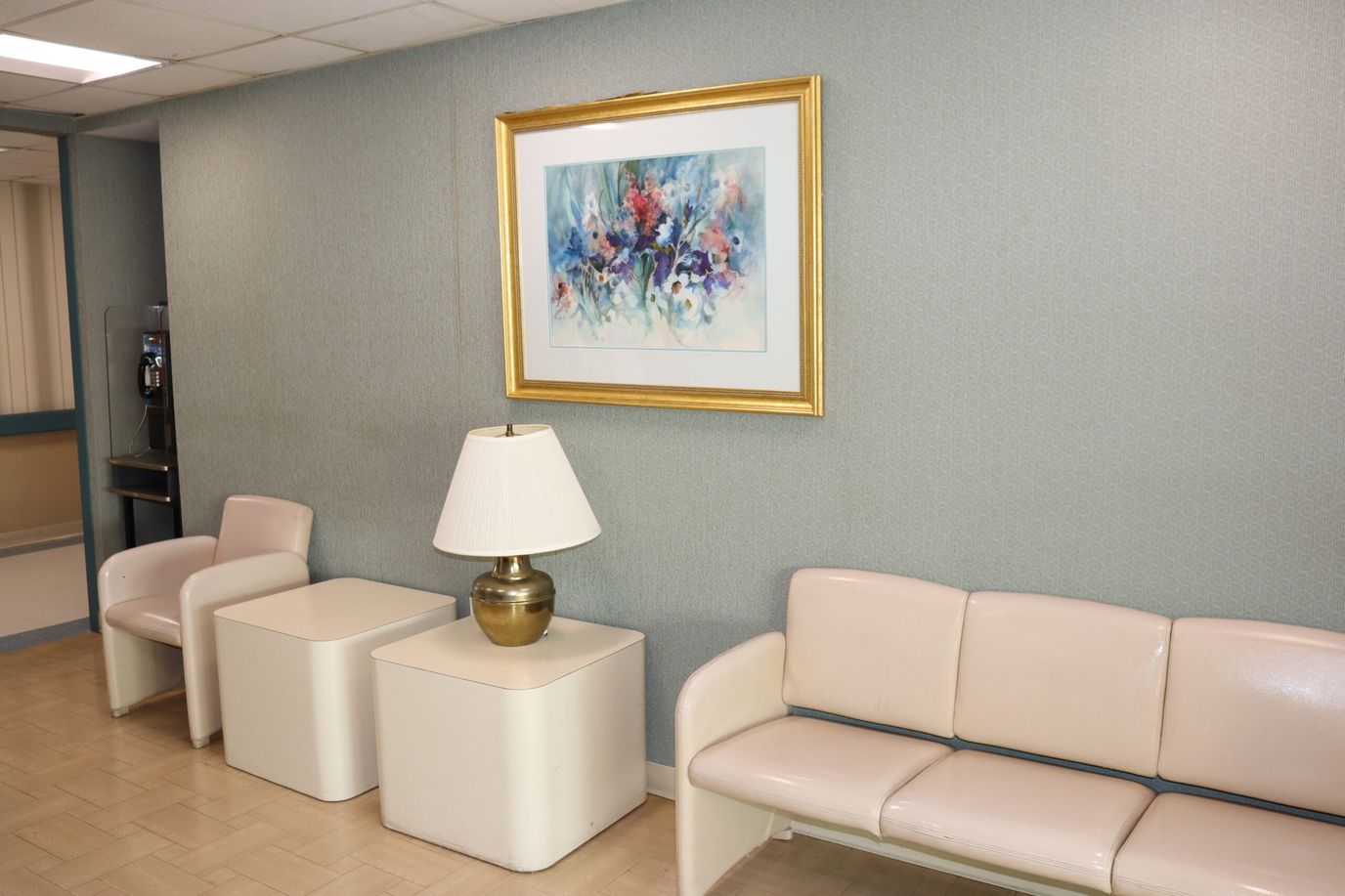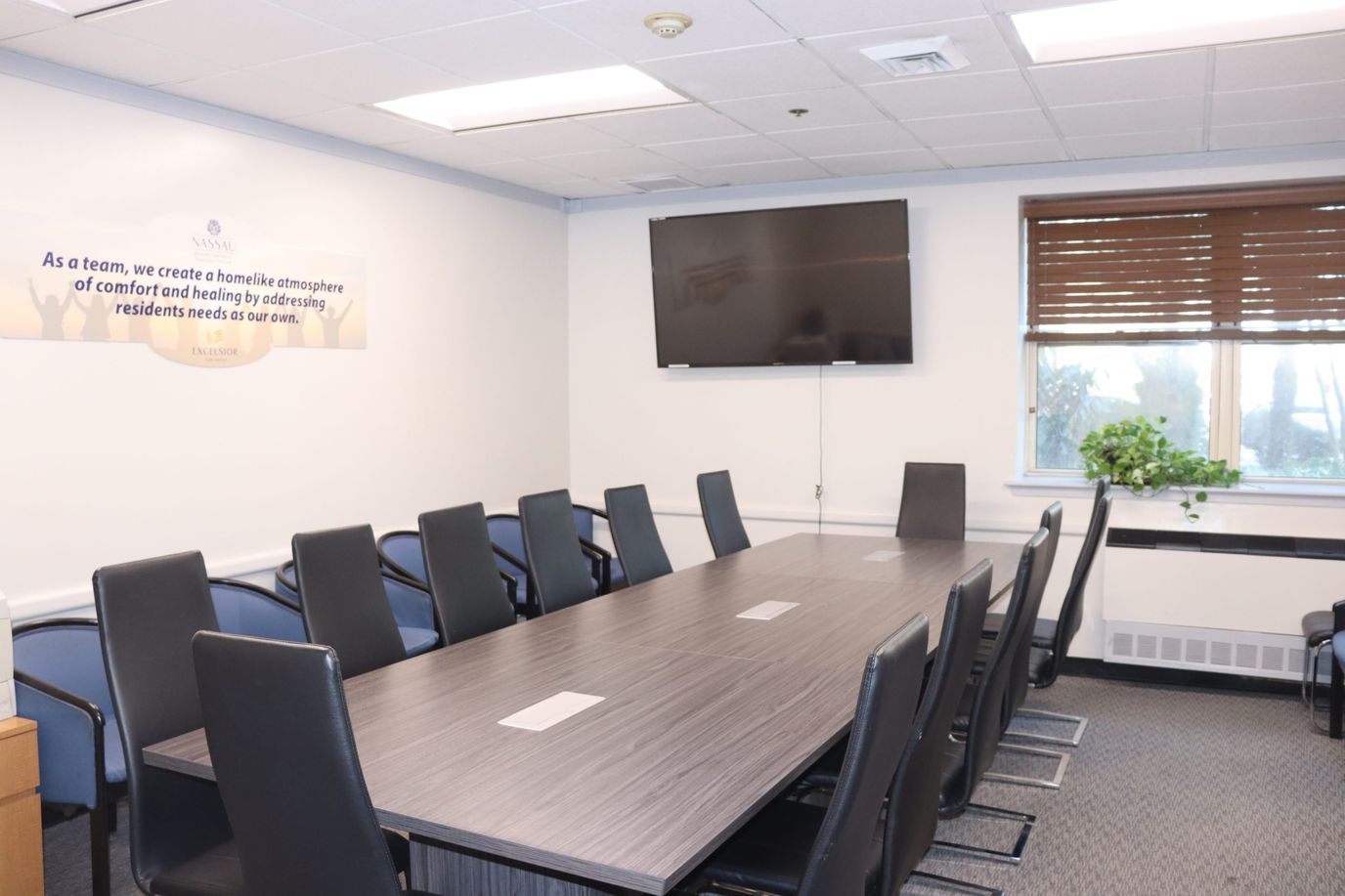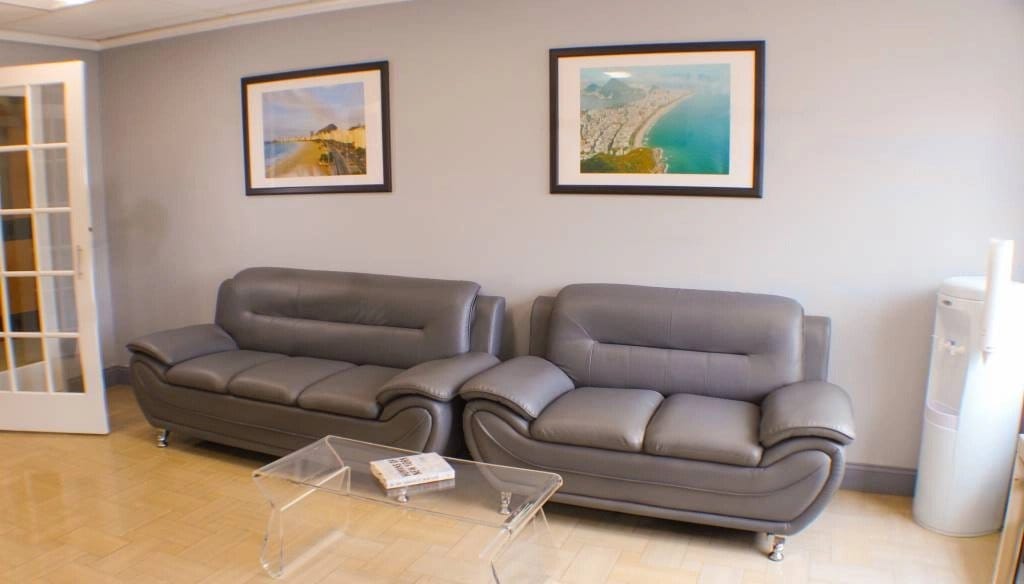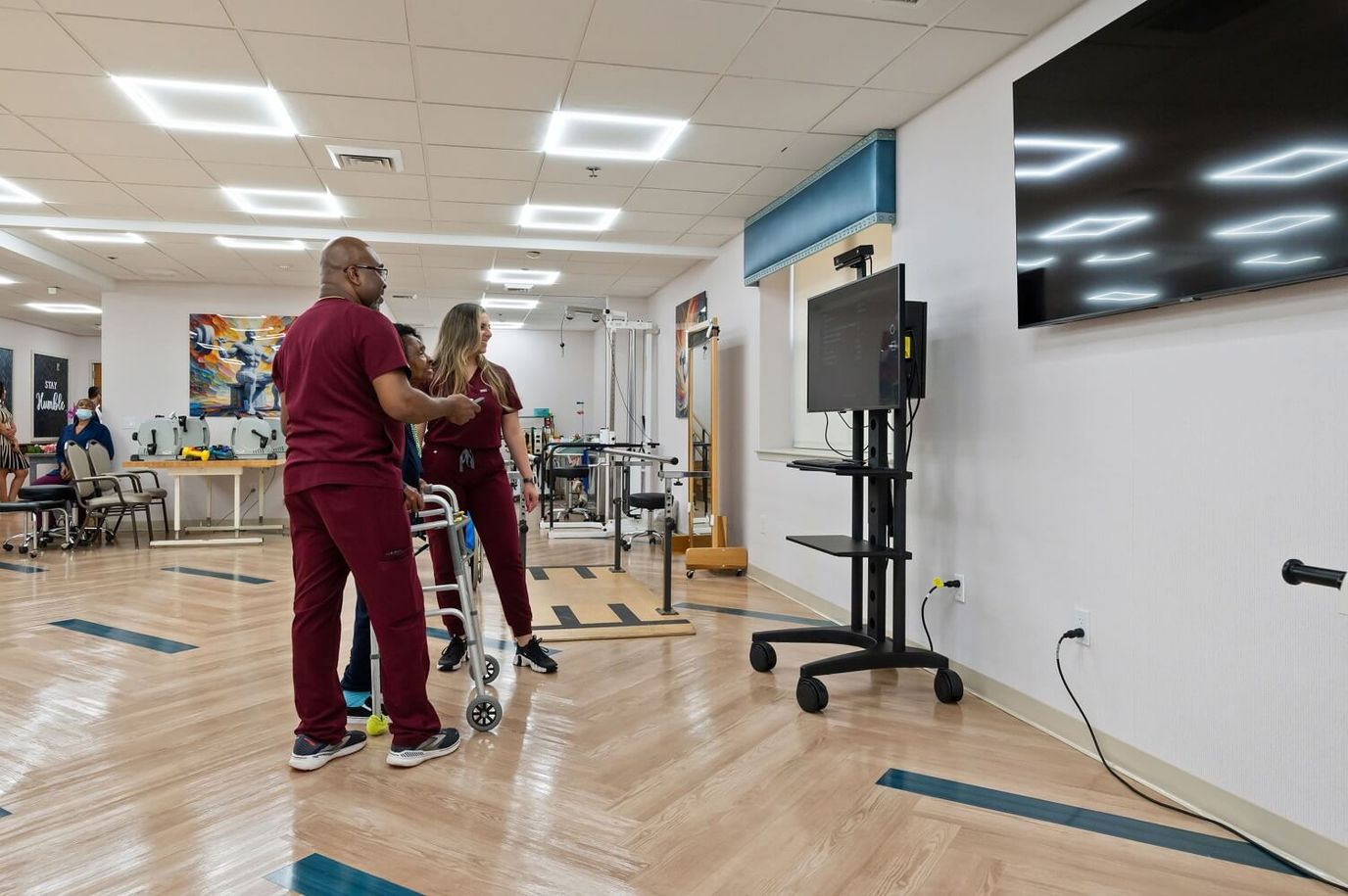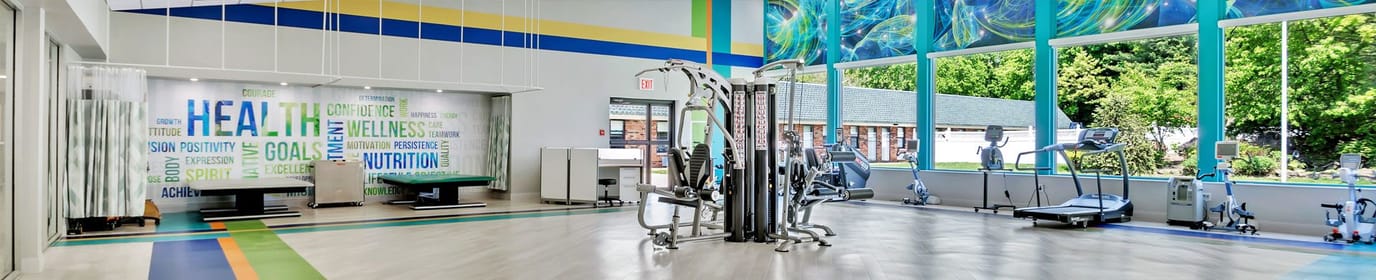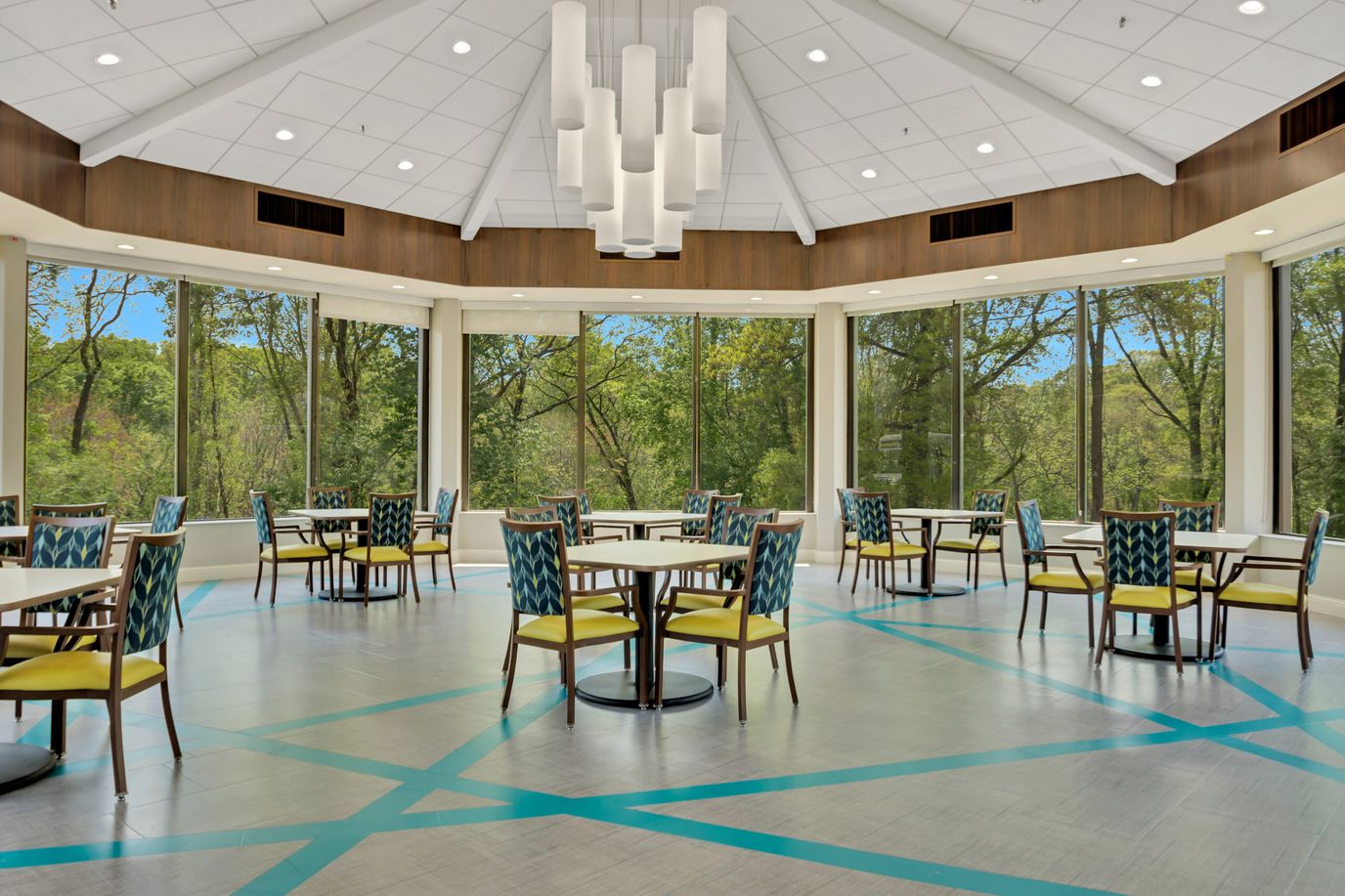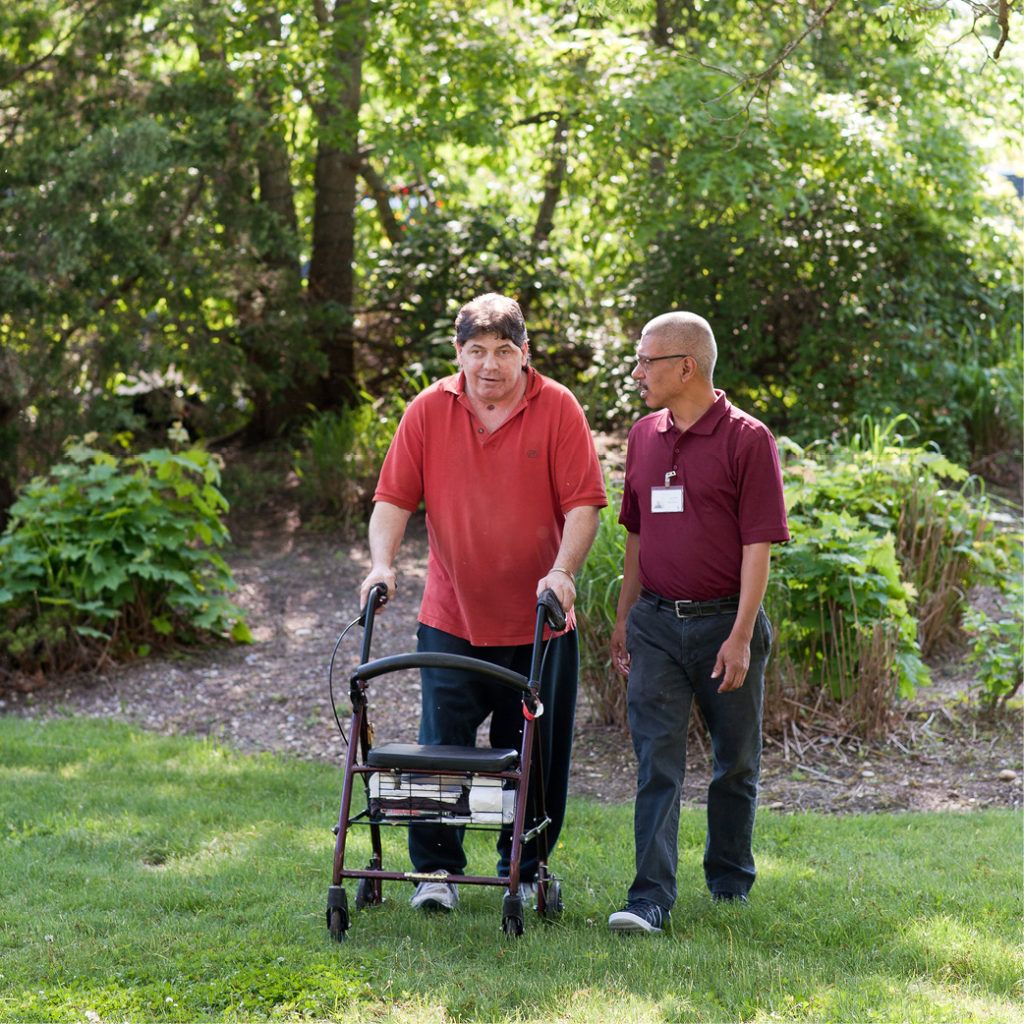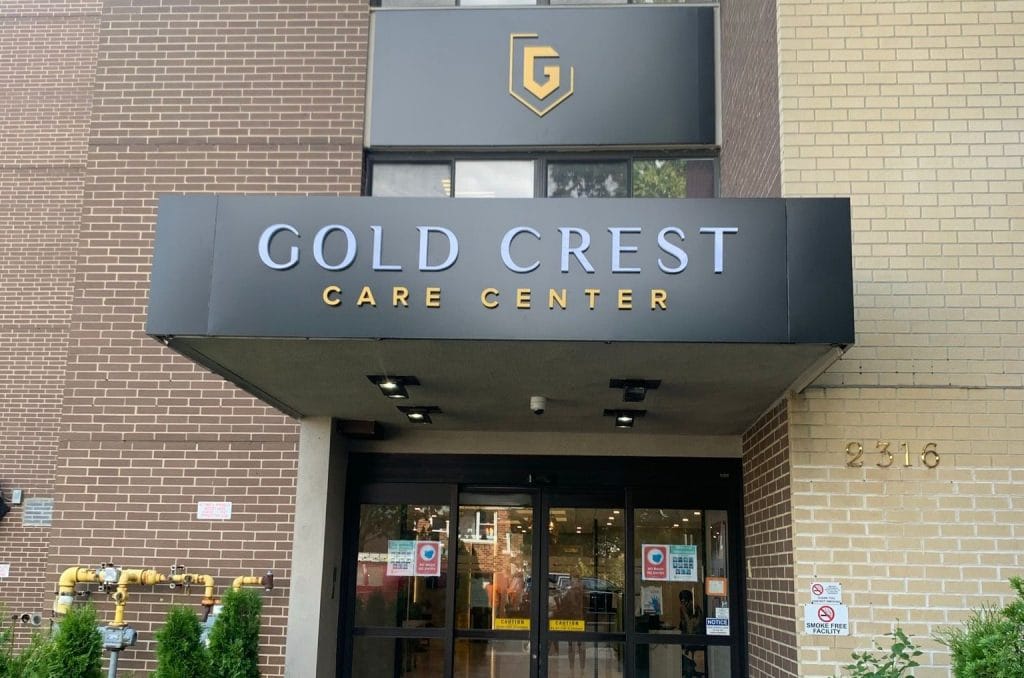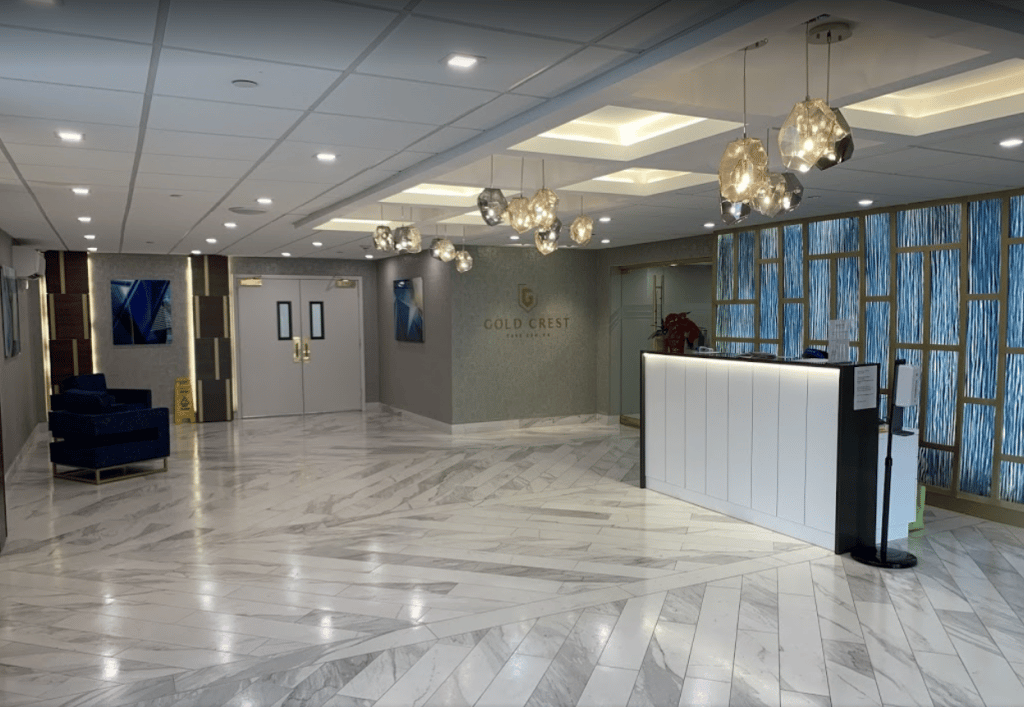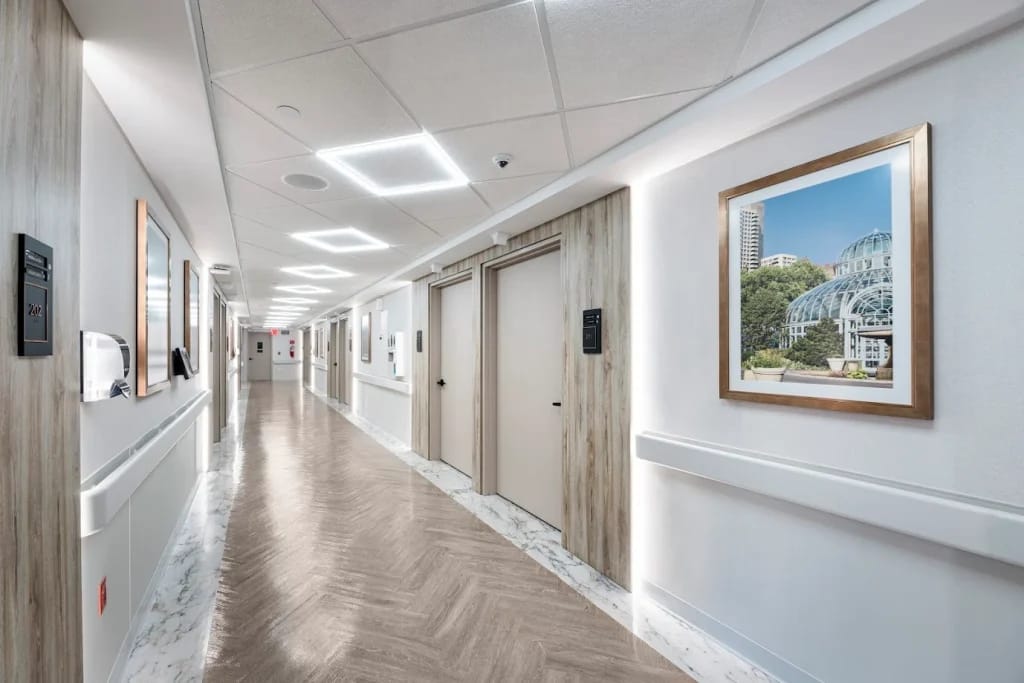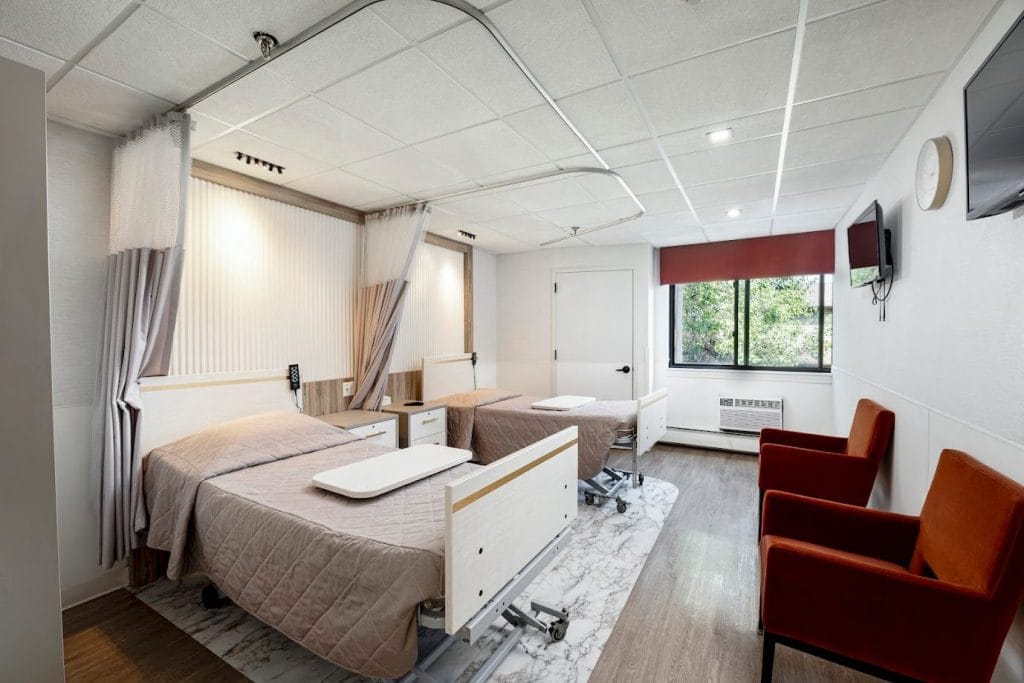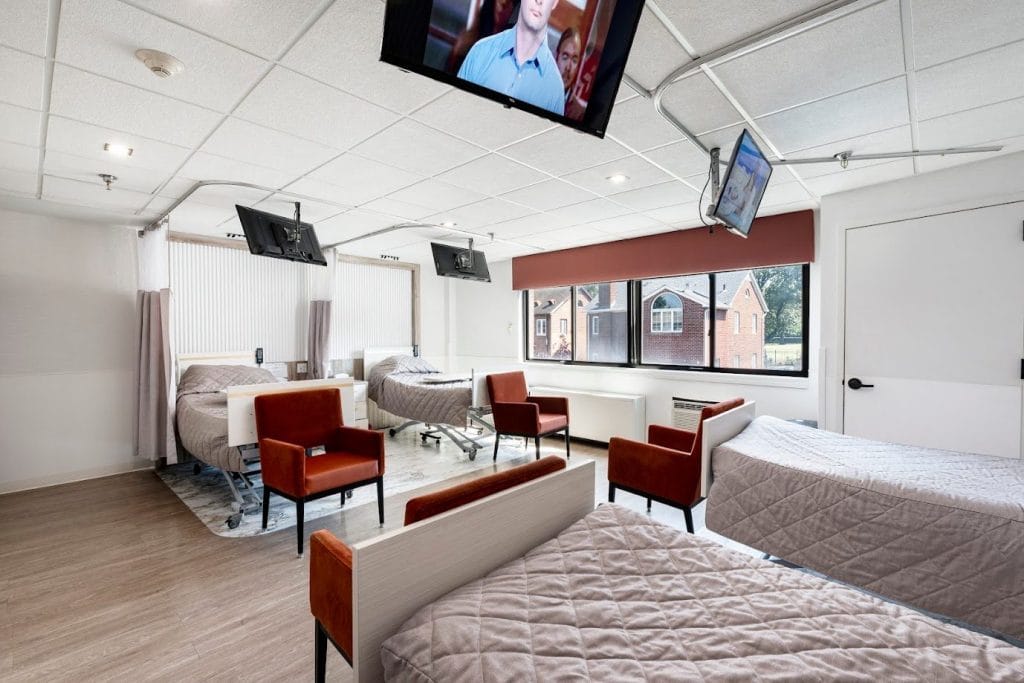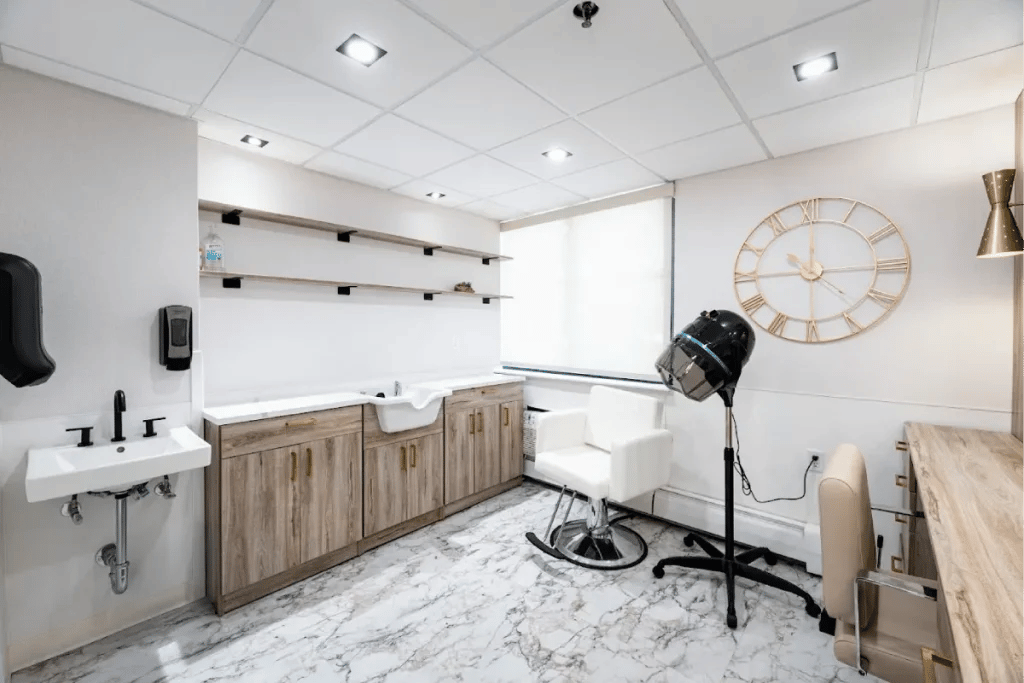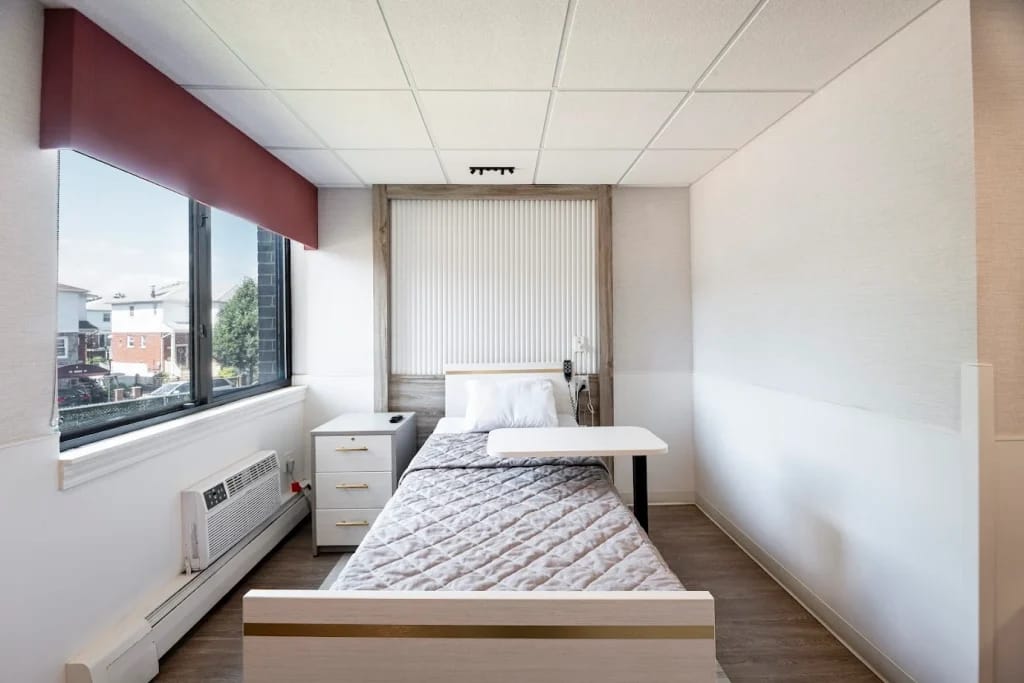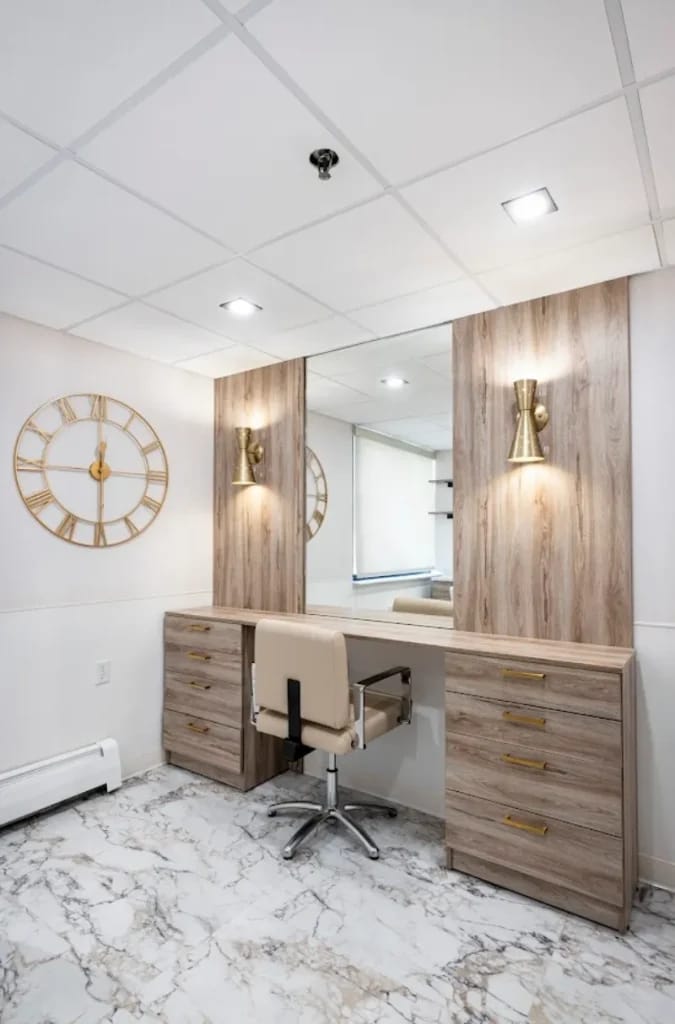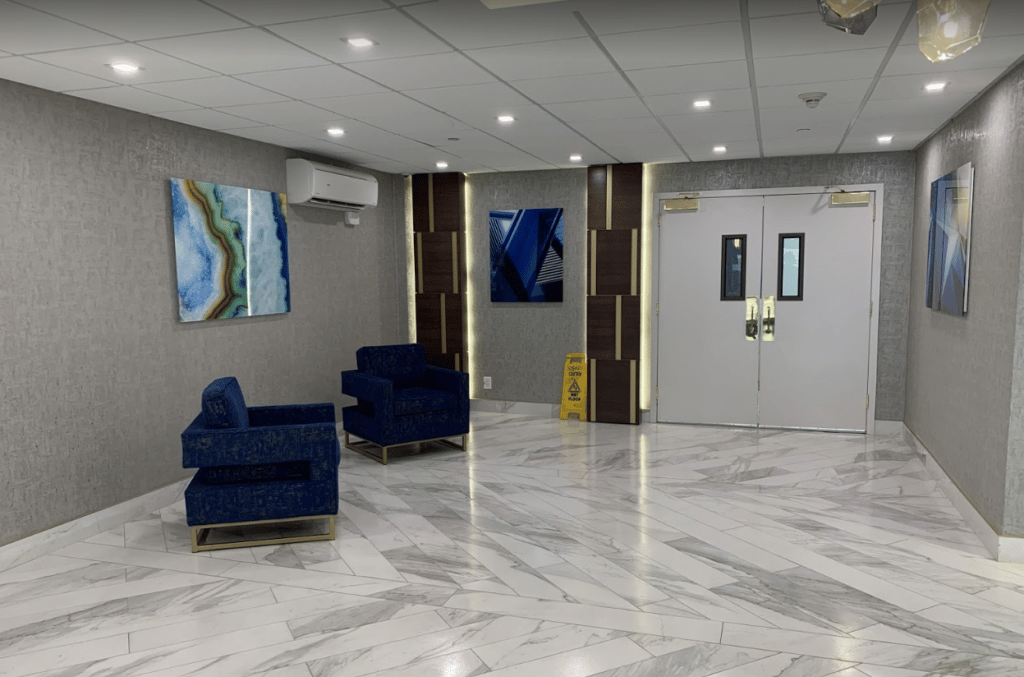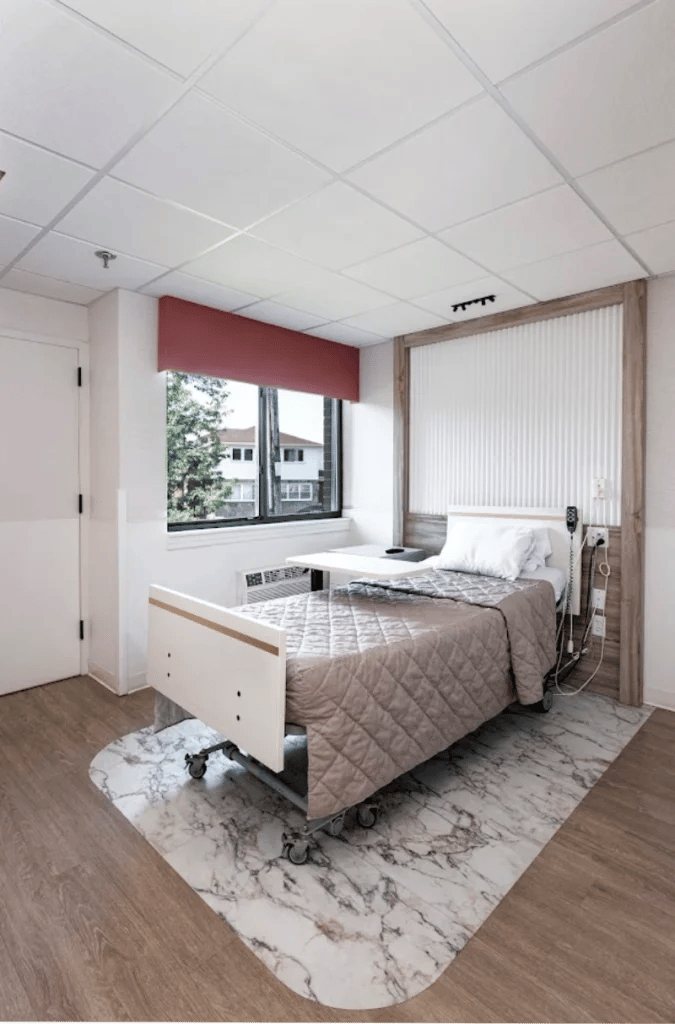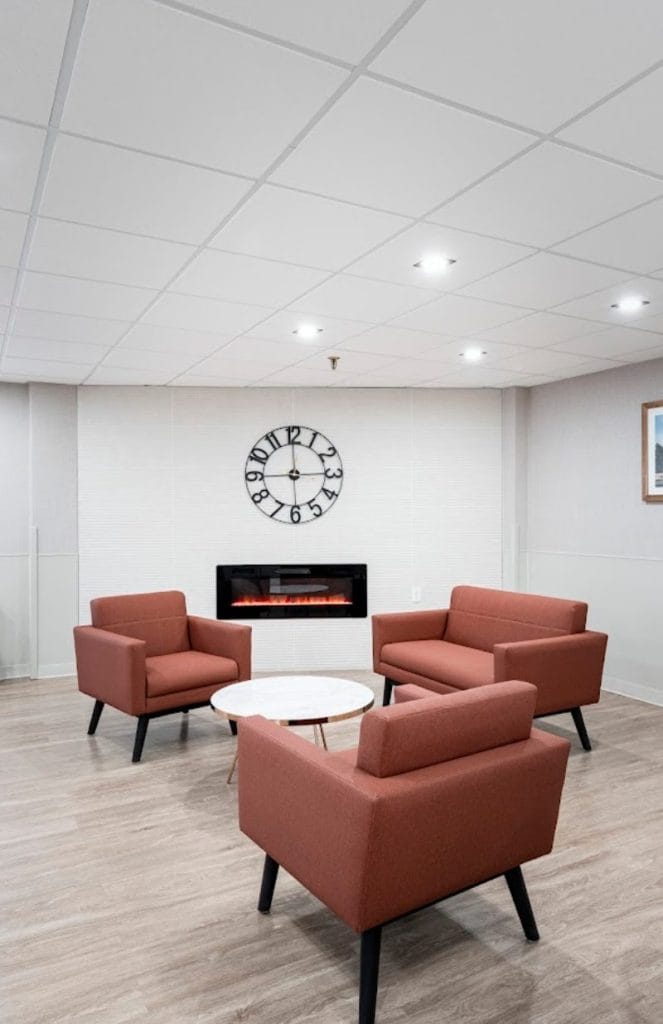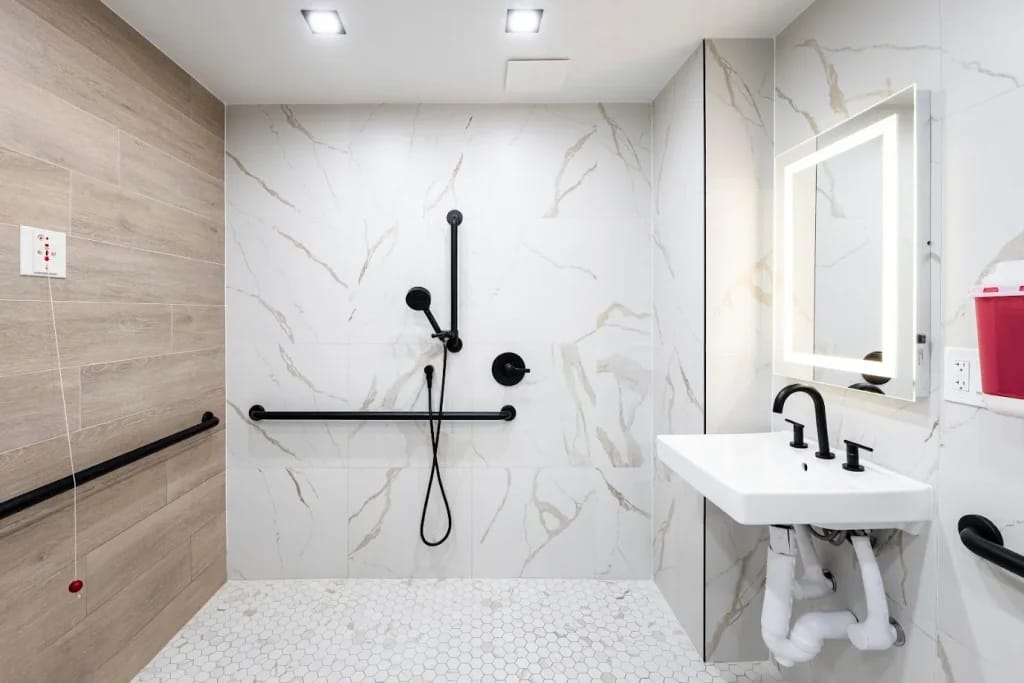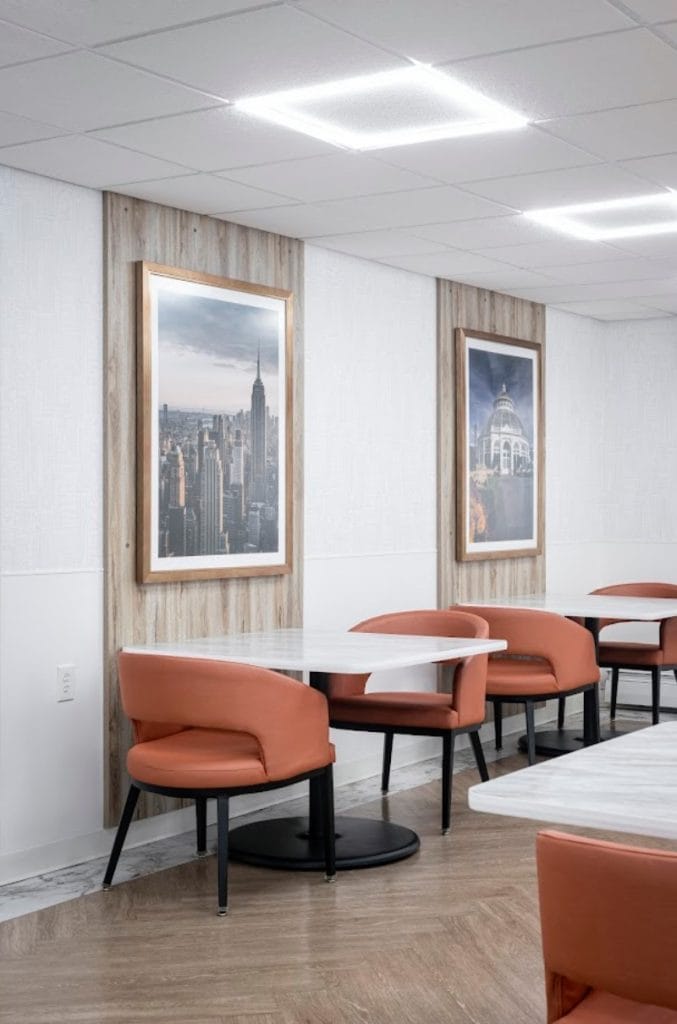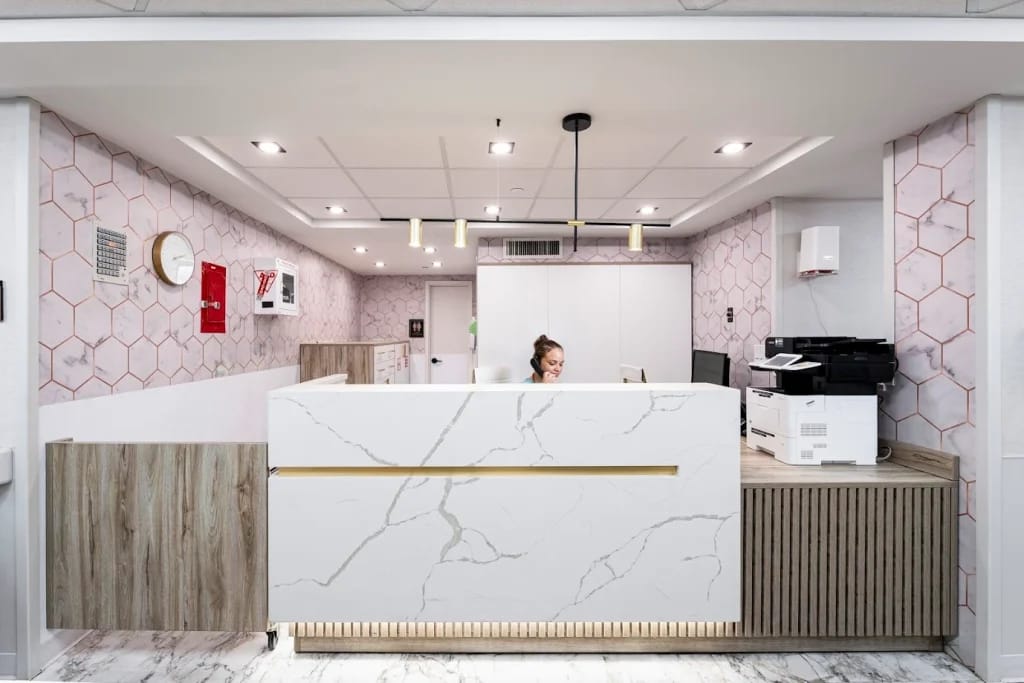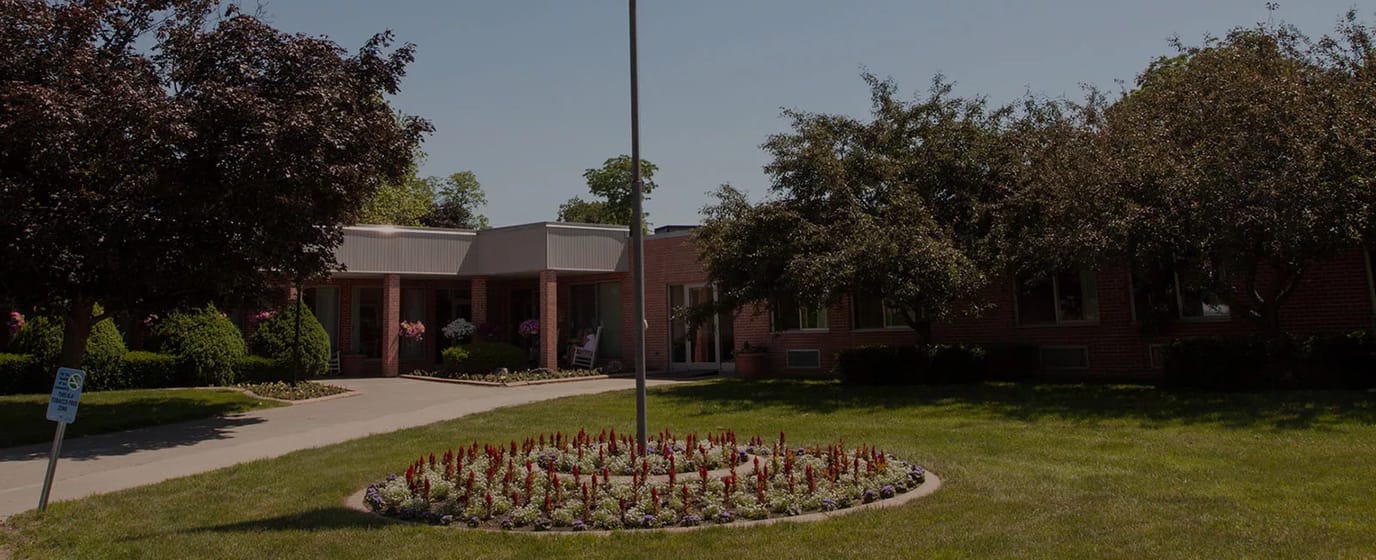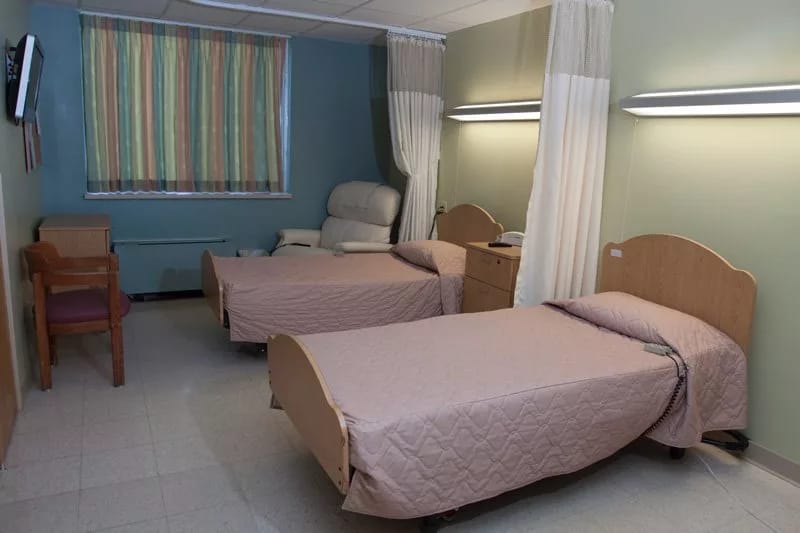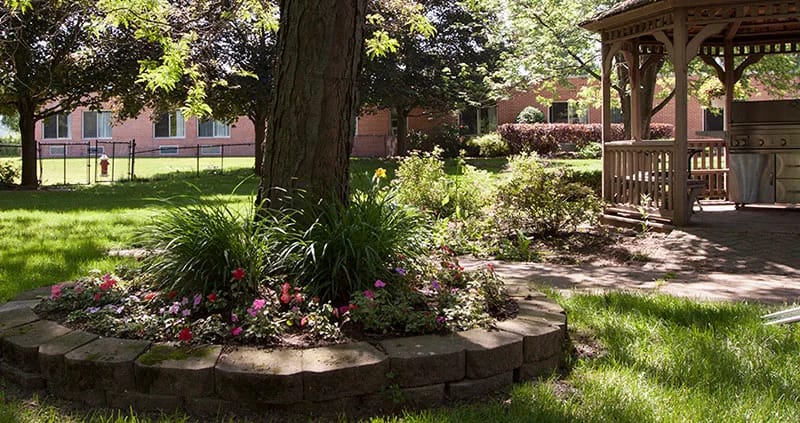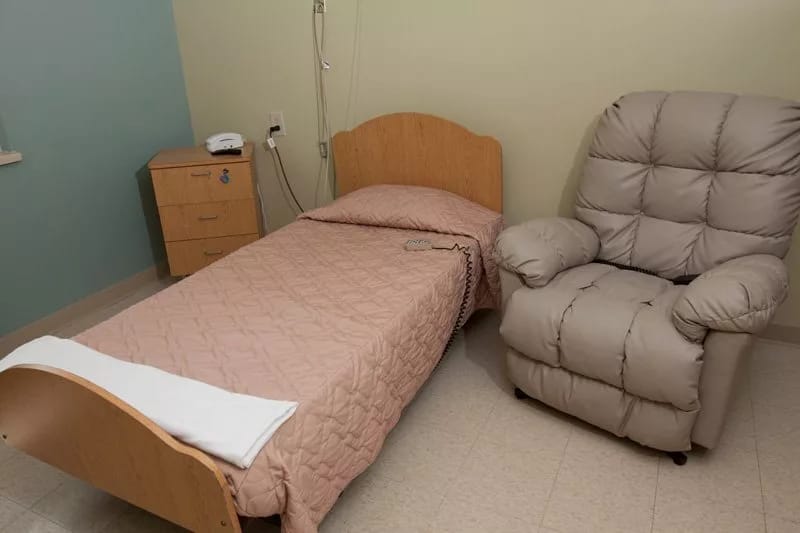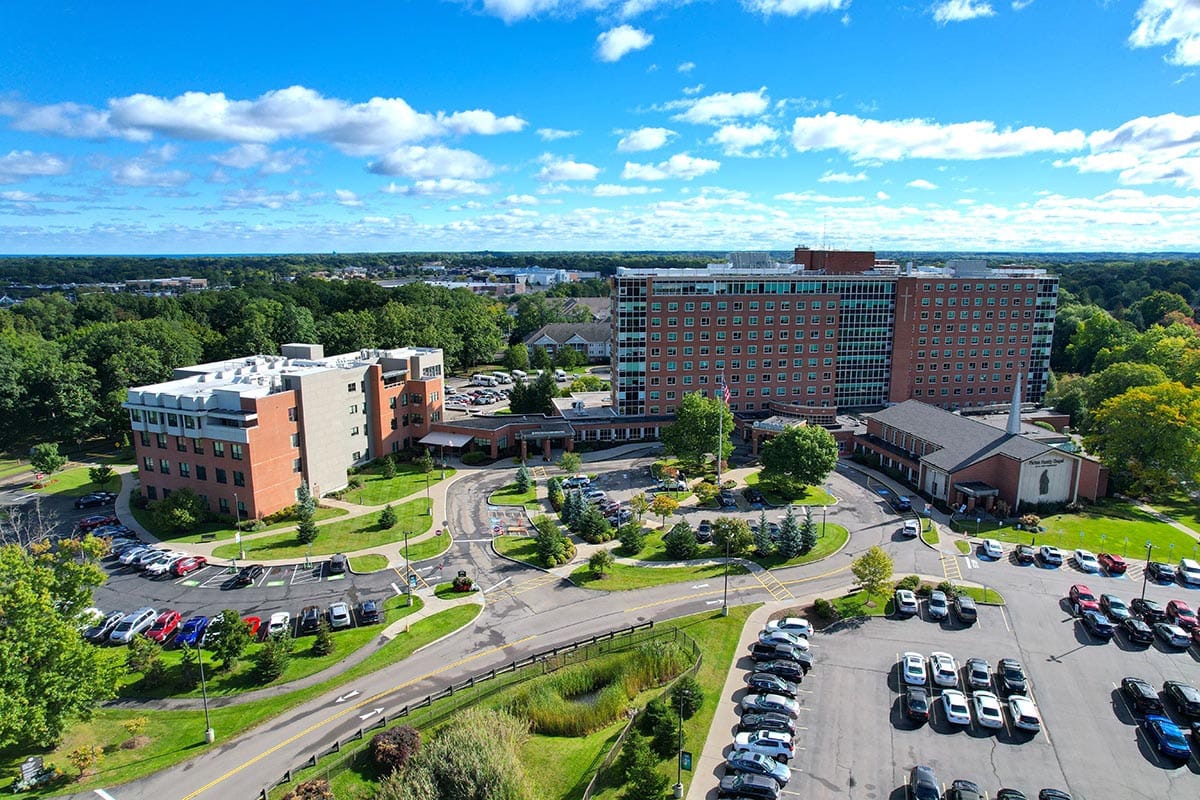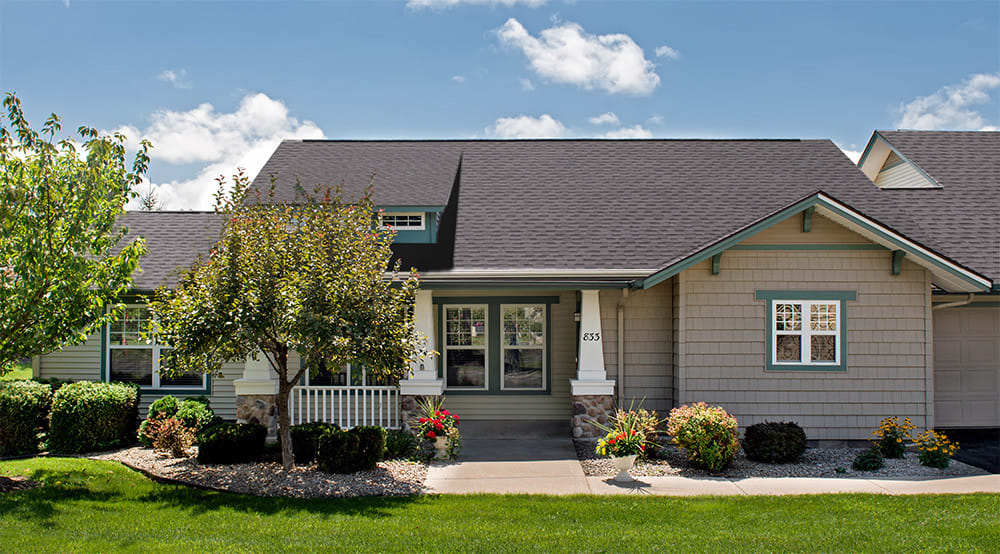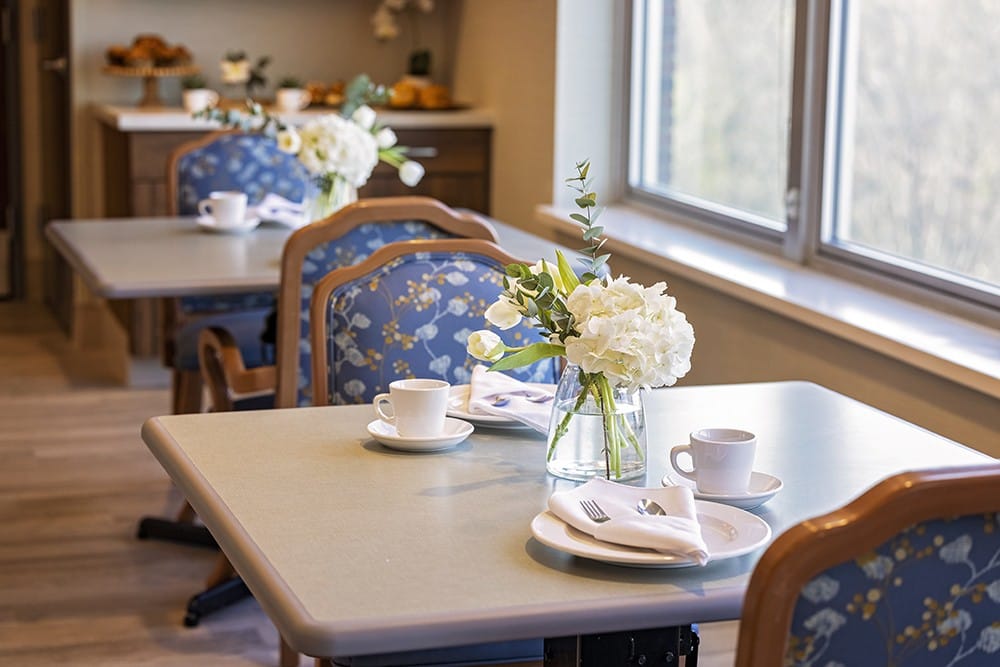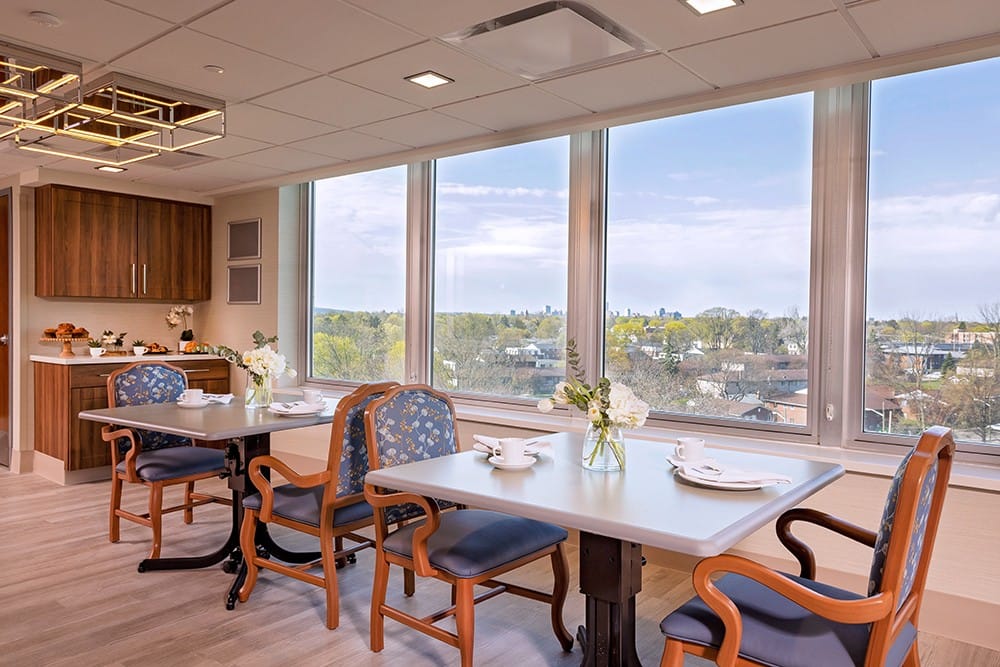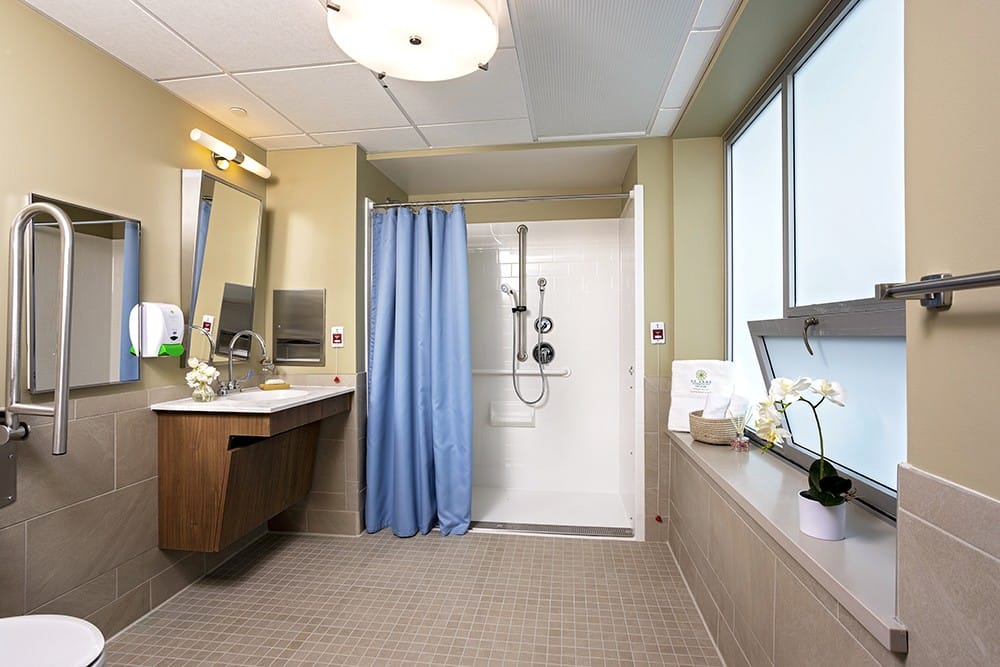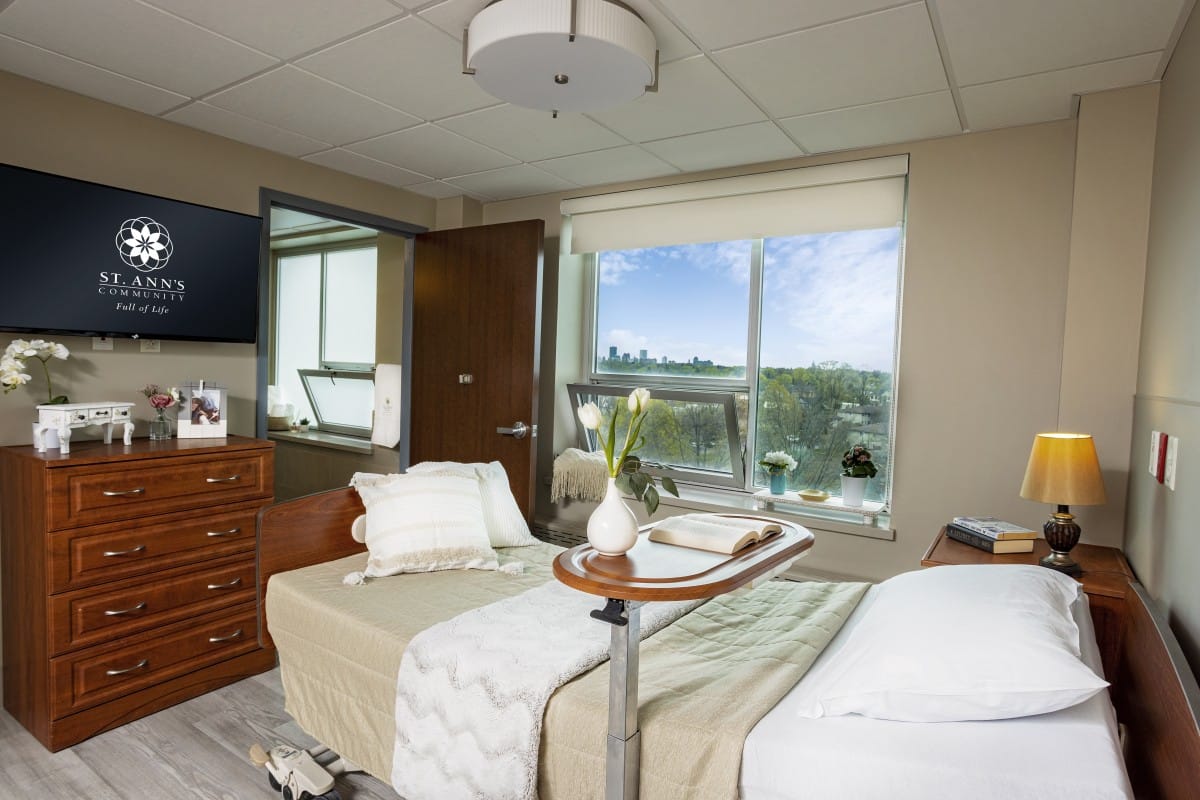

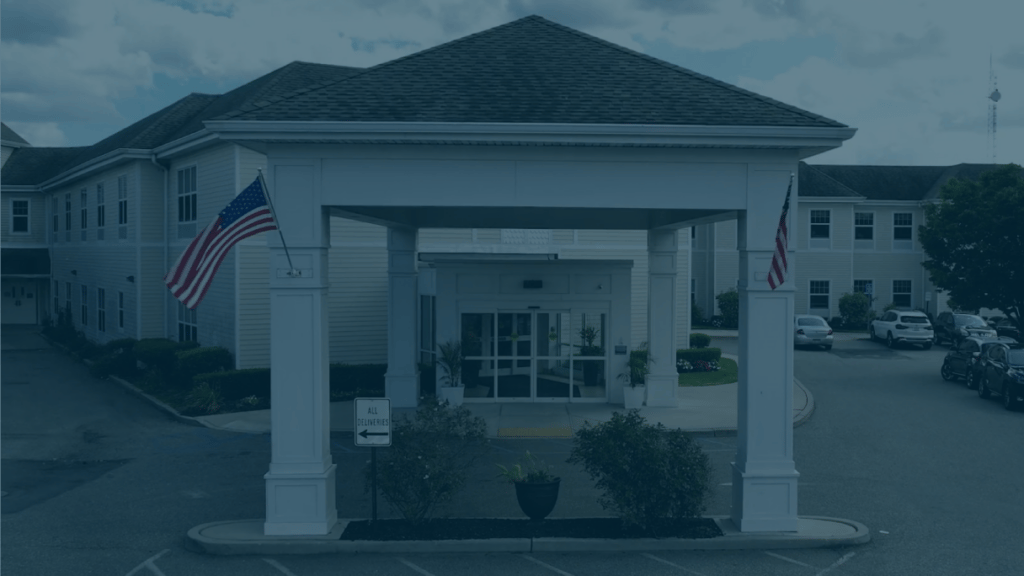
As its name suggests, Friendly Home is the city’s premier skilled nursing and rehabilitation center. The results-driven nursing home care services are centered on a relaxing and rejuvenating recovery journey for seniors; it is delivered by their patient-friendly staff to offer the best care possible for their residents. The upscale nursing home aims to enhance the recovery journey of its seniors through warm and welcoming, family-like care provided.
Nursing home services include a range of services that include individualized care plans, medication management, post-surgical care, and wound care. Essential services include housekeeping, restaurant-style dining, social activities, scheduled transportation, and 24-hour skilled nursing care services, providing compassionate care as it is their utmost priority.
Where in New York are you looking?
Browse providers by city and county.
The Pines at Poughkeepsie Center for Nursing & Rehabilitation
The Pines at Poughkeepsie Center for Nursing & Rehabilitation sits at 100 Franklin Street in Poughkeepsie, Dutchess County, a 200-bed skilled nursing facility managed by Poughkeepsie Crossings, LLC, in a highly walkable urban neighborhood. The community combines short-term rehabilitation with long-term skilled nursing care, supported by its Legacy Living Alzheimer’s, Dementia, and Memory Care Program. It accepts Medicare, Medicaid, and private-pay coverage, maintaining strong occupancy at 96%, above the state’s typical rate.
The center offers daily recreation and spiritual programming, nutritional care management with dining flexibility, and restorative therapies. Recognition includes a 5-Star Quality Measure designation from CMS, McKnight’s Excellence in Technology Award, and certification as a Great Place to Work.
Nursing staffing delivers 3 hours 35 minutes per resident per day, marginally exceeding the New York average. Licensed practical nurses form a larger-than-typical portion of the daily care team, supplied at 50% above state levels; this trade-off reflects staffing decisions that shift clinical weight toward hands-on bedside care. Both long-stay and short-stay residents register 5-star quality ratings.
The August 2024 inspection flagged 17 deficiencies spanning care protocols (pressure ulcers, dialysis, treatment planning) and building systems (electrical infrastructure, sprinkler maintenance, fire readiness). All issues were remedied by October. The facility reports 14 citations across its seven-year inspection history, a slight elevation over the state average of 13. Three lawsuits remain active in the courts.
The facility fits residents seeking short-stay rehabilitation followed by home return, as well as longer-term care recipients looking for structured clinical oversight in an accessible, walkable location.
Morningside Nursing and Rehabilitation Center is a 386-bed for-profit skilled nursing facility in Bronx, New York, providing short-term rehabilitation, long-term care, assisted living, independent living, memory care, respite, and on-site dialysis. Medicare and Medicaid certified with 77 percent occupancy averaging 297 residents, it emphasizes post-acute rehabilitation within a home-like environment.
CMS ratings sharply diverge: NursingHomeSite shows 2-star overall (below average); CareChanges shows 1-star overall with Special Focus Facility candidate designation in 2022-2023 for repeated inspection deficiencies; FamilyAssets shows 3-star overall. Health inspection rated 5-star (July 2017 report, severely outdated); quality measures 5-star; staffing 2-star. Licensed nursing 1.39 hours per resident daily. Recent inspections documented 21 deficiencies, 193 complaints, and 21 citations with zero fines. The 193-complaint-to-21-deficiency ratio indicates systemic operational dysfunction.
Morningside provides physical therapy, occupational therapy, speech pathology, dental, wound care, IV therapy, respiratory support, geriatric mental health, and on-site dialysis enabling integrated care. Memory care unit serves dementia residents. Therapy gyms support rehabilitation. Proximity to Jacobi Medical Center (0.6 miles) and Albert Einstein (0.7 miles) provides specialist access.
Family reviews praise cleanliness, professional staff, and therapy outcomes. Identified concerns include staffing consistency gaps, overnight coverage inadequacy, delayed responses to basic care needs, and unresolved deficiencies triggering Special Focus status.
Morningside suits families able to conduct intensive independent verification. Before placement, families must verify current CMS ratings resolving the 1-star to 3-star range, understand Special Focus Facility candidate status and underlying deficiency patterns, obtain deficiency and corrective action documentation, assess staffing consistency across shifts, evaluate the 193-complaint record and resolution protocols, and conduct multiple unannounced visits across different hours to independently assess care quality.
Harlem Center for Nursing and Rehabilitation is a skilled nursing home on West 138th Street in central Harlem. The 200-bed facility is operated by Harlem Center for Nursing & Rehabilitation, LLC, under owner Joel Landau. It accepts Medicare, Medicaid, and private pay, so families can avail short-term rehabilitation stays and longer-term care. The neighborhood is highly walkable because it’s in a walker’s paradise, with a Walk Score of 93. Nearby transit connects to major medical centers, including Harlem Hospital.
The home includes post-acute and ongoing nursing populations. They stay for an average length of 179 days, and occupancy is 99%. Rehabilitation is the facility’s core focus. There are dedicated cardiac, orthopedic, and neurological rehab programs, which are supported by nurses for an average of 3 hours and 3 minutes per resident daily. That hands-on nursing presence shows how committed they are to support and clinical oversight.
State inspections identified deficiencies in safety and care-quality themes in recent surveys. These included accident-hazard prevention, infection-control practices, and staffing documentation. The facility addressed these areas. Families touring the center can ask how these operations are managed every day.
The daily lives of residents are characterized by comfort and personal service. They receive plush robes and slippers upon arrival, daily newspapers, a choice of beverages, and evening turndown service.
Residents have access to personal bedside tablets and free wireless internet. A personal concierge service handles every senior’s needs. There is a daily recreation calendar, Sunday gospel choir services, and full housekeeping and laundry support.
Dining at the facility is world-class. Residents can expect five-star amenities because the facility strives to make meals a highlight of daily life.
Pine Valley Center for Rehabilitation and Nursing occupies 661 N Main St in Spring Valley, a 160-bed facility that’s been Medicare and Medicaid certified since 1969, more than five decades of continuous operation under Pine Valley Center, LLC. Occupancy runs near capacity, 99 percent, 158 of 160 beds filled.
This is a very walkable part of Spring Valley, Walk Score of 81, and the facility takes Medicare, Medicaid, and private pay. The care model here isn’t narrow. Long-term care, short-term rehabilitation, sub-acute care, hospice, and respite services all coexist, backed by physician oversight and staff on-site around the clock.
Staffing numbers back up the range of care offered. Total nursing time runs 4 hours and 12 minutes per resident, per day, with licensed practical nurses handling 51 minutes of that. Dining includes kosher meals, a detail that matters for residents whose dietary needs come with real specificity, not just a generic accommodation.
Inspections here have tended to center on infection prevention and control and staffing and staff credentials, the kind of operational areas regulators routinely review at large skilled nursing facilities offering this breadth of care.
Pine Valley Center is a long-running, near-full facility built around real staffing depth and a genuinely broad service model, spanning long-term care through hospice, in a walkable Spring Valley location.
Operated by Westchester Park, LLC and owned by Westchester Park Ventures LLC, Sans Souci Rehabilitation and Nursing Center is a skilled nursing facility on Park Avenue in Yonkers, New York. The 120-bed home accepts Medicare, Medicaid, and private pay, giving families several ways to cover both short-term rehabilitation and longer-term nursing care. The facility has an occupancy rate of 92%. Residents stay an average of 99 days, including rehabilitation patients and residents needing ongoing skilled nursing support.
Rehabilitation and therapy services are central to the facility’s care model. Physical, occupational, and speech therapy are available daily. Specialized programs include subacute post-operative care, complex medical care, respiratory care, IV therapy, pain management, and restorative care. Memory care and palliative care programs are also available.
Nurse staffing averages 2 hours and 45 minutes per resident each day. Residents also have access to on-site dental, podiatry, and optometry services.
Nutrition is important in the community. An in-house chef and staff dietitian work together to create daily-changing menus using fresh, high-quality ingredients. Beyond clinical care, there are recreational activities, therapy programs, and concierge services. Residents can choose between private and semi-private room accommodations.
The neighborhood has a Walk Score of 64, so it’s moderately walkable. Some errands can be done on foot, but most trips require driving. The location is convenient for visiting family members and is still in an established residential area.
The Monarch at Brooklyn Rehabilitation and Nursing Center has 200 beds. Right now, 194 are filled. That’s 97% full. For a rehab facility, that’s a high number. It usually means people come in, recover, and leave in a matter of weeks, not years.
The building sits at 135 Linden Boulevard in Brooklyn. The area is very walkable. Walk Score gives it an 87. Family members visiting on foot won’t have trouble getting around.
This isn’t a place for general long-term care. The Monarch focuses on orthopedic rehab and amputee care. Think knee replacements, hip surgery, fractures, or limb loss. Residents here are usually working toward going home, not settling in for good. On top of the medical side, the facility also offers what it calls concierge and patient experience services. That’s a hospitality touch layered on top of clinical care, something not every rehab center bothers with.
Staffing tells the same story. Nursing aides spend about an hour and 50 minutes with each resident every day. Registered nurses add roughly 35 minutes. Licensed practical nurses add about 25. Add it up, and the pattern points to active recovery care, not slow-paced custodial support.
New York’s Department of Health, Office of Aging and Long Term Care inspects facilities like this one. Past inspections here have covered the usual ground: infection control, fire safety, emergency planning, hazardous materials, recordkeeping, food service, and building upkeep. That’s standard territory for nursing homes across the state.
So what does The Monarch look like on paper? A near-full Brooklyn rehab center built for people bouncing back from orthopedic injuries or limb loss, backed by a staffing model geared toward recovery, in a spot families can reach without a car.
At 2806 George Street in Eden, New York, Eden Rehabilitation & Nursing Center operates as a 40-bed skilled nursing facility serving the Erie County area. The privately-owned community, operated by Edrnc Operating, LLC, accepts Medicare, Medicaid, and private pay admissions, with most residents arriving for short-term rehabilitation or longer-term skilled nursing placements.
The facility’s regulatory history spans five inspections since 2019, revealing a recurring focus on building safety and system maintenance: electrical infrastructure, emergency lighting, sprinkler systems, and smoke barriers account for most citations. A December 2023 complaint investigation substantiated abuse and neglect allegations, which the facility corrected within weeks. The most recent May 2024 inspection cited care-planning deficiencies alongside six life safety code violations; all were resolved by July. No monetary penalties, immediate jeopardy citations, or license restrictions have been imposed, and deficiencies have been addressed promptly following each inspection.
Nursing staffing delivers 3 hours 34 minutes per resident daily; marginally above the New York average. More notable is weekend registered nurse coverage at 43% above state benchmarks, indicating sustained clinical oversight during hours when administrative presence typically decreases. The community maintains an occupancy rate of 98%, well above the state average, suggesting consistent local demand. Services include 24-hour staffing, on-site rehabilitation, respite care, and memory care programming.
The facility suits residents seeking post-acute care or extended skilled nursing in a private community where weekend clinical availability and high occupancy reflect operational stability.
Located on Park Avenue in Huntington, New York, Carillon Nursing and Rehabilitation Center is a skilled nursing facility. The 315-bed home is operated by Carillon Nursing and Rehabilitation Center, LLC, under the ownership of Lisa Banger. It accepts Medicare, Medicaid, and private pay, giving families flexibility in how to cover skilled nursing and rehabilitation care.
The facility has an occupancy rate of 89%. The population is a mix of post-acute rehabilitation residents and those needing ongoing nursing care.
The center focuses on comprehensive medical and rehabilitation services. It provides 24-hour skilled nursing care along with specialized programs in cardiac rehabilitation, dialysis, respiratory care, speech pathology, pain management, and palliative and hospice care.
Additional services include enteral nutrition therapy, medical oversight, and social work support for residents and families. Having these services on site allows many healthcare needs to be managed without outside appointments. Residents stay an average of 107 days, reflecting a mix of short-term rehabilitation stays and longer-term nursing care.
Daily nurse staffing averages about 2 hours and 55 minutes per resident. Registered nurses, nurse aides, and licensed practical nurses provide hands-on care and clinical support throughout the day and evening. Huntington has a Walk Score of 91, making the area highly walkable for visiting family members. Many nearby destinations can be reached on foot.
The facility has a variety of amenities that support comfort and engagement. Services include a beauty parlor and barber shop, outdoor courtyard, therapeutic recreation programs, religious services for all denominations, entertainment programs, community outings, and pet visitation to residents. The dining program is overseen by a culinary team that customizes meals to meet individual dietary needs and preferences, allowing residents to maintain familiar eating habits during their stay.
Concerns raised from state inspections include staffing levels, infection control, care documentation, and health and safety compliance. Families touring the facility should inquire about how these areas are monitored and improved as part of daily operations.
Operated by Cabrini of Westchester under owner Donald Amoruso, St Cabrini Nursing Home is a skilled nursing facility at 115 Broadway in Dobbs Ferry, New York. Families can choose from Medicare, Medicaid, and private pay to cover both short-term rehabilitation and longer-term skilled nursing care. Operating at about 96% occupancy, the 304-bed facility is one of the larger nursing homes in the area, and there’s strong demand for its services.
Residents stay an average of 221 days. The population is a mix of post-acute rehabilitation residents and those receiving ongoing nursing care. Daily nursing support averages 3 hours and 48 minutes per resident, provided by registered nurses, licensed practical nurses, and nurse aides available around the clock. The level of staffing supports residents recovering from surgery and those managing chronic health conditions.
Rehabilitation and specialized medical care are key strengths of the facility. Services include physical, occupational, and speech therapy, along with orthopedic rehabilitation, cardiac rehabilitation, stroke recovery, and neuromuscular therapy.
The home also offers cancer care, diabetes management, wound care, and pain management programs. On-site dialysis, IV therapy, and tracheotomy care help residents receive complex medical services without frequent hospital transfers. Additional services include respite care, discharge planning, and memory care programs for residents with dementia or Alzheimer’s disease.
State inspections have focused on areas such as infection control and safety system management. The facility has addressed findings and made corrections when needed.
The location has a very walkable Walk Score of 70, so visiting family members can easily get around on foot. Many nearby services and everyday essentials are within easy reach of the community.
Nearby Cities
Your Senior Care Partner, Every Step of the Way
We help families find affordable senior communities and unlock same day discounts, Medicaid, and Medicare options tailored to your needs.
Contact us Today
Frequently Asked Questions
Several government programs offer financial assistance for senior housing in various countries, focusing on the United States for a broad overview:
- Medicaid: Medicaid is a state and federally funded program that can cover the costs of nursing home care for those who meet eligibility criteria, including income and asset limits. Some states also offer Medicaid waivers that help pay for home and community-based services to prevent or delay nursing home placement.
- Medicare: Medicare, primarily a health insurance program for people aged 65 and over, does not cover long-term housing costs. However, it can cover short-term stays in a skilled nursing facility under specific conditions following a hospital stay.
- Section 202 Supportive Housing for the Elderly Program: This program provides housing for low-income seniors. It offers rental assistance and access to supportive services, such as cleaning, cooking, and transportation.
- Low-Income Housing Tax Credit (LIHTC) Properties: While not a direct subsidy, LIHTC encourages developers to create affordable housing. Seniors with low incomes can find reduced-rent apartments through this program.
- State and Local Programs: Many states, counties, and cities offer their own programs to assist seniors with housing costs. These can include property tax relief programs, rental assistance programs, and programs that offer affordable senior housing options.
- Veterans Affairs (VA): The VA offers several programs for veterans, including the Aid and Attendance benefit, which provides monthly payments to veterans who require the aid of another person, or are housebound, to help cover the cost of care in homes, nursing homes, and assisted living facilities.
- Social Security: While Social Security primarily provides retirement income, for many seniors, these benefits are a crucial part of their budget, including housing costs.
Before recommending homes, we conduct a thorough evaluation on crucial factors that define a senior home such as the quality of care they provide, the reputation of the organization, and a comprehensive review of community testimonials as well. Every detail is assessed to assure that seniors are offered not just senior care options, but trustworthy homes where they can experience the care that they deserve.
Yes. Assisting families who need Medicaid is important to us as it plays a crucial role in offering financial support to seniors confronting economic challenges. We would like to keep essential healthcare services accessible to all community members, irrespective of one’s financial circumstances.
We extend our services at no cost, ensuring that families and seniors can benefit from tailored assistance in their search for care and home options. Our ability to offer personalized guidance without charge to families and seniors is made possible through the support and funding from the communities with which we team up.
- Finding and ranking the best assisted living facilities
- Finding and ranking the best nursing homes
- Finding and ranking the best memory care facilities
- Our concierge service helps seniors move into the perfect home for them
- Helping seniors use medicare, medicaid, and other government programs to pay for their homes
- Helping seniors avoid senior homes that have bad service or fraud
- Memory care specialists
- Finding and ranking the best independent living communities