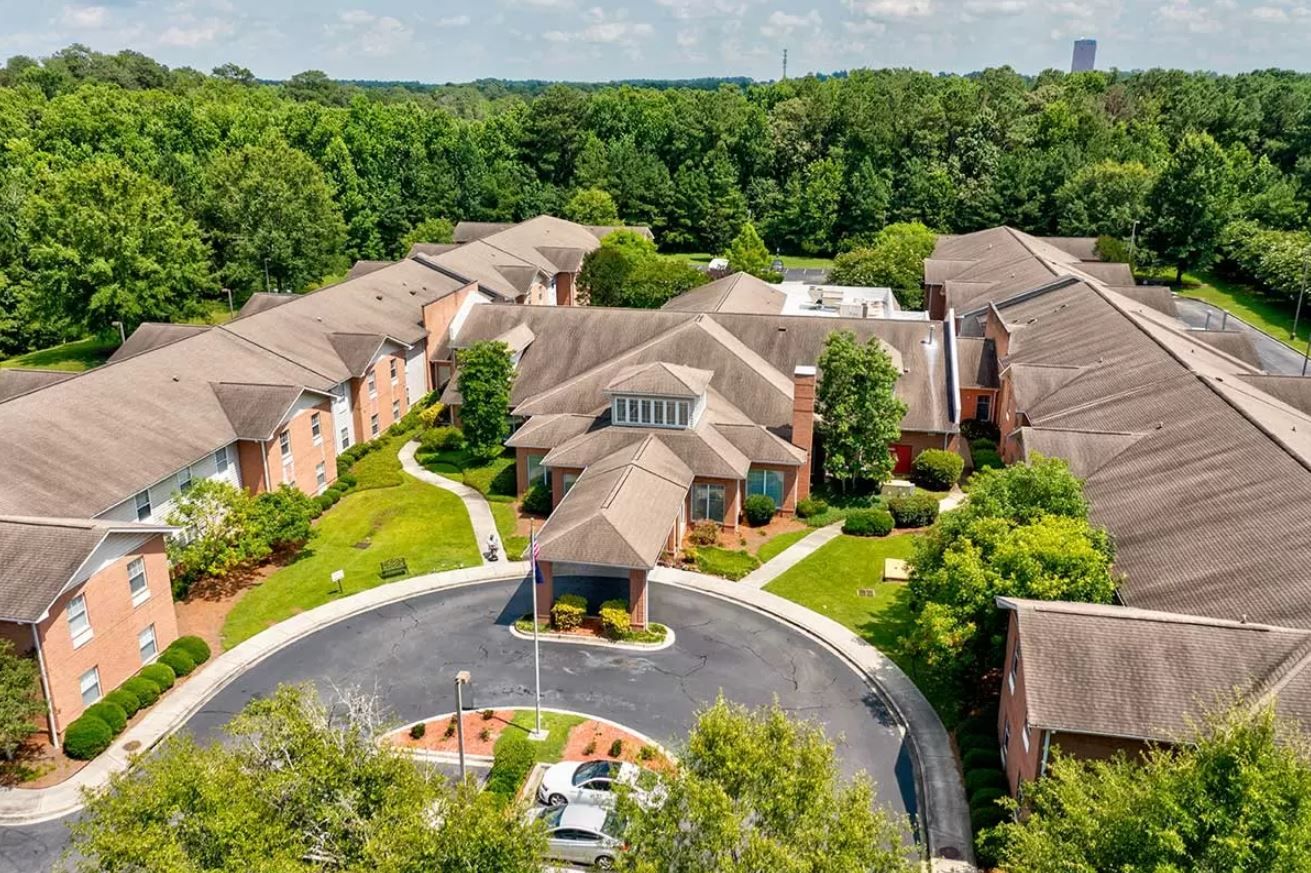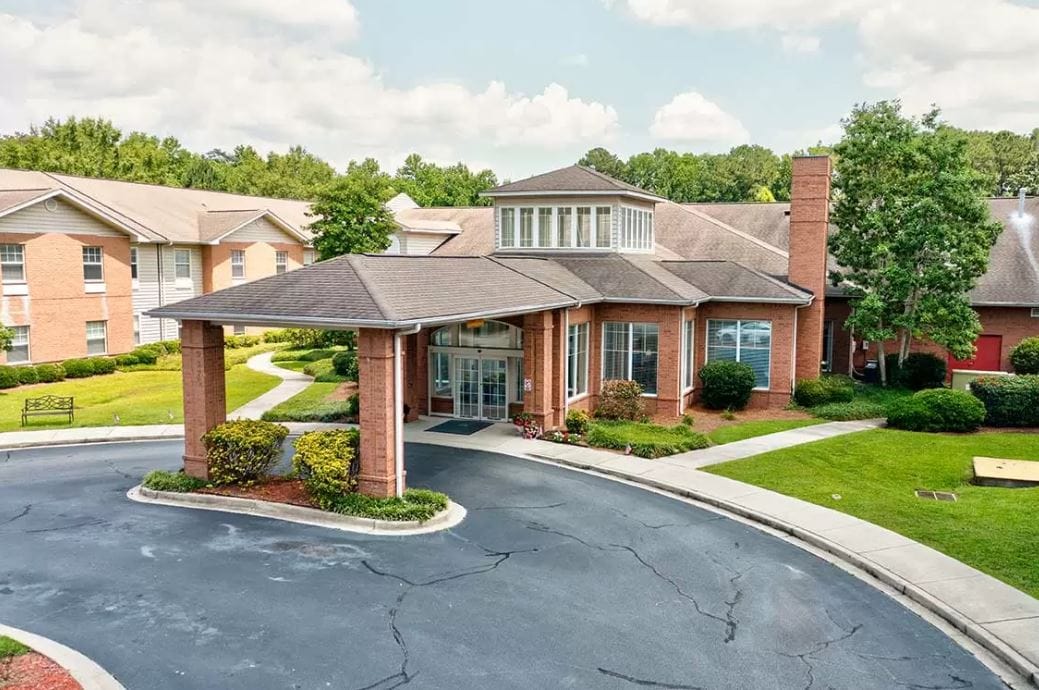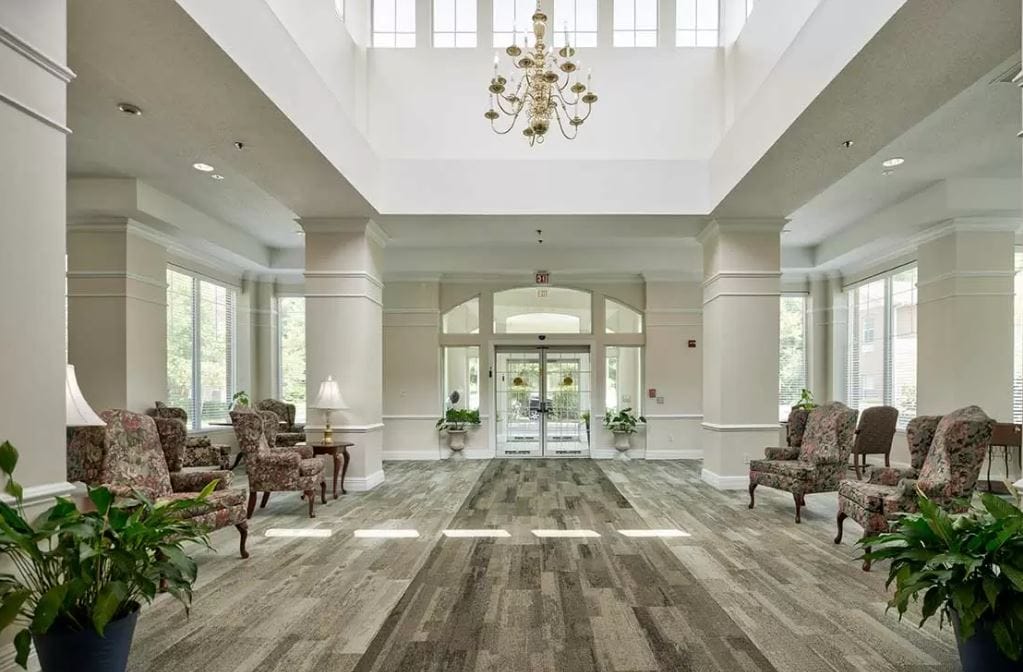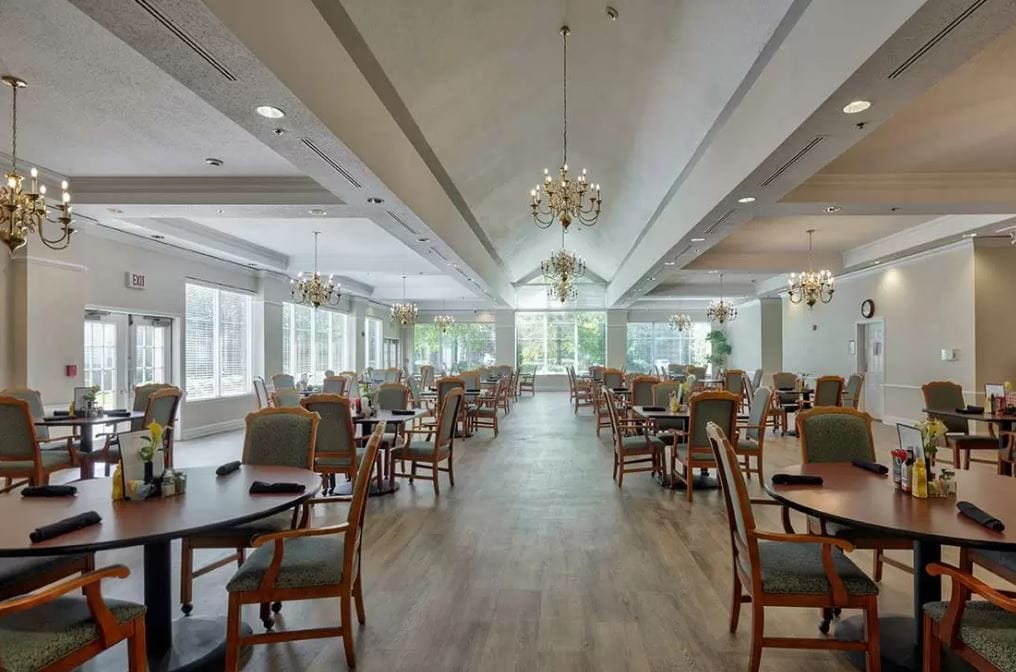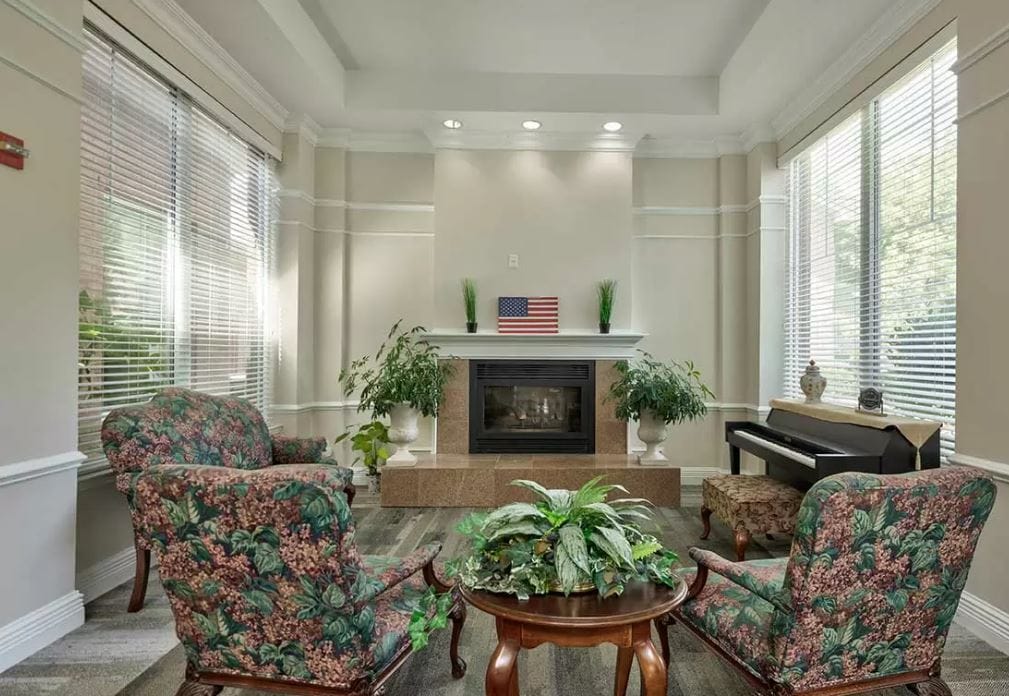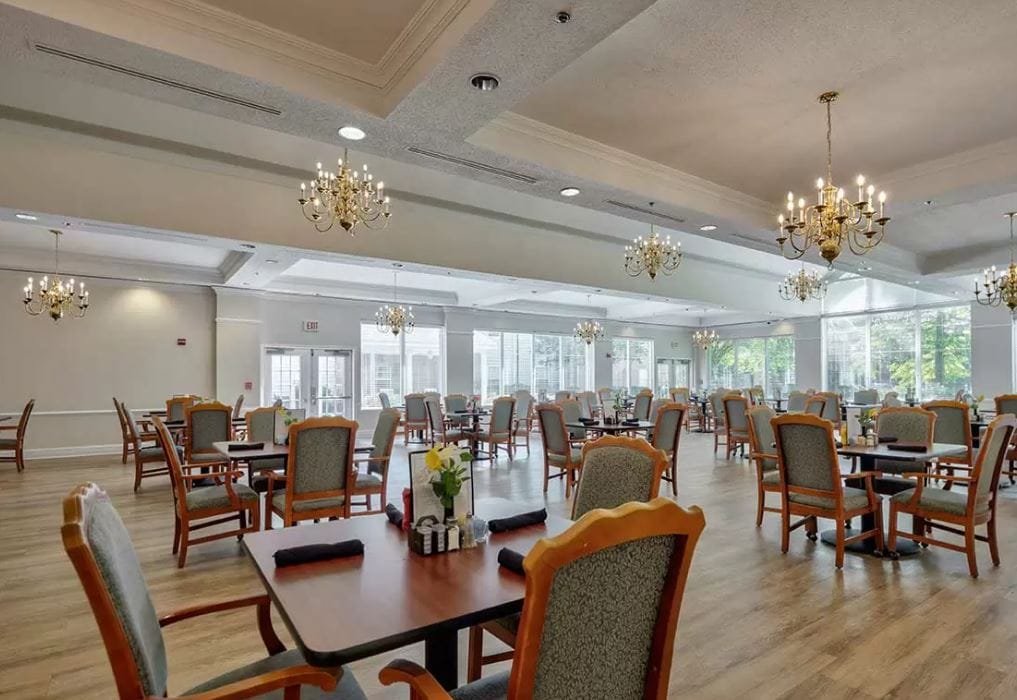


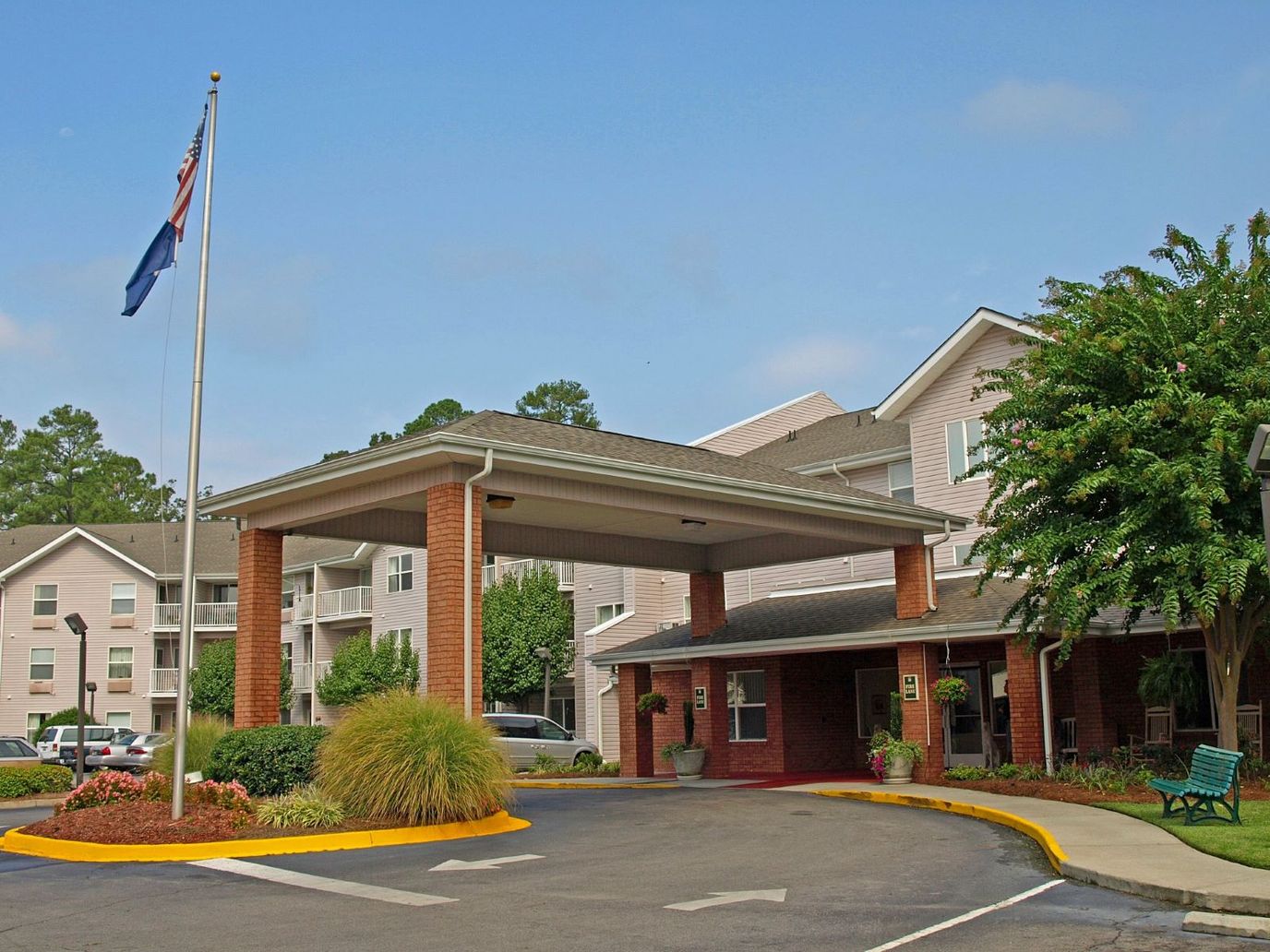
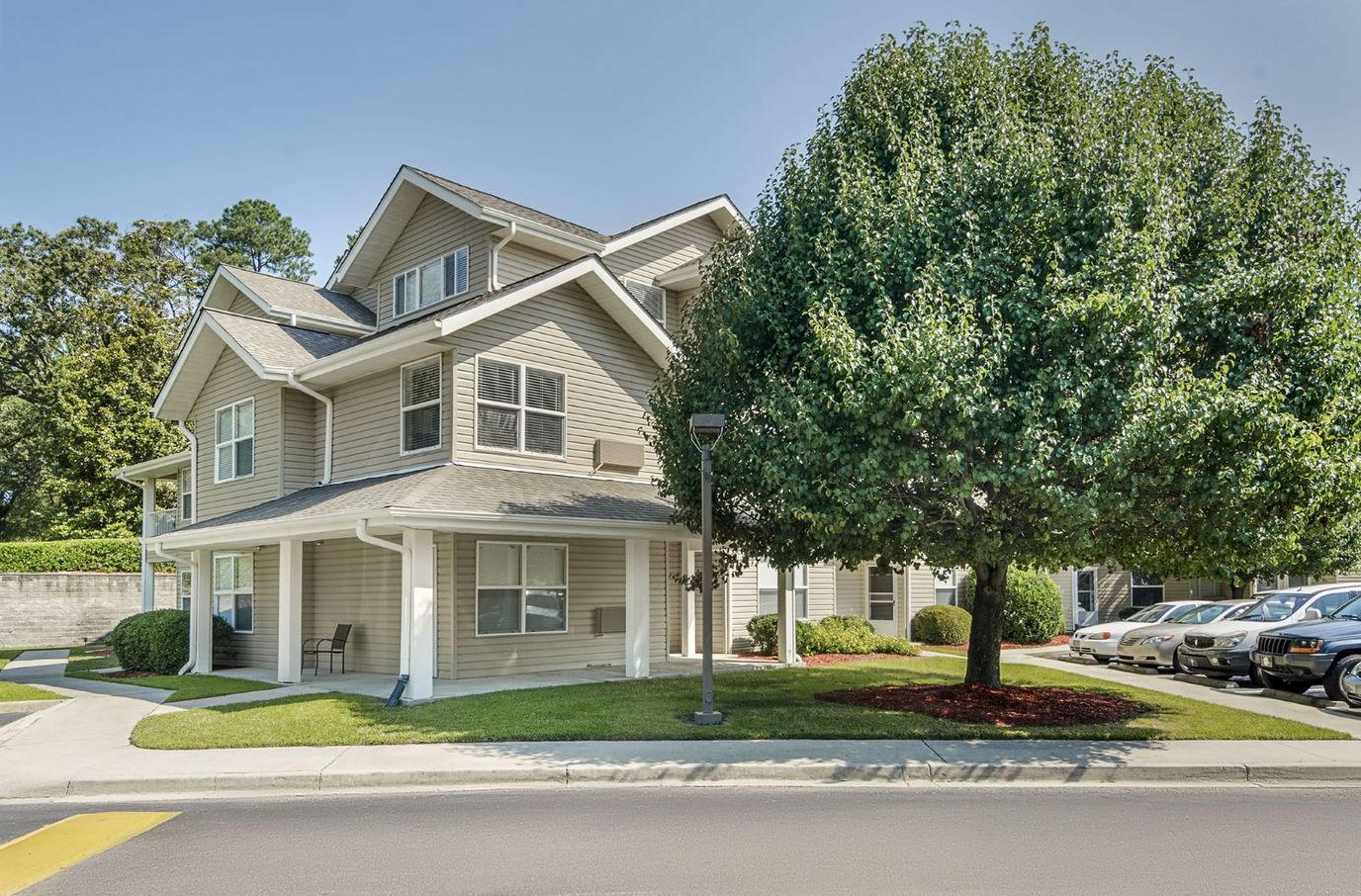
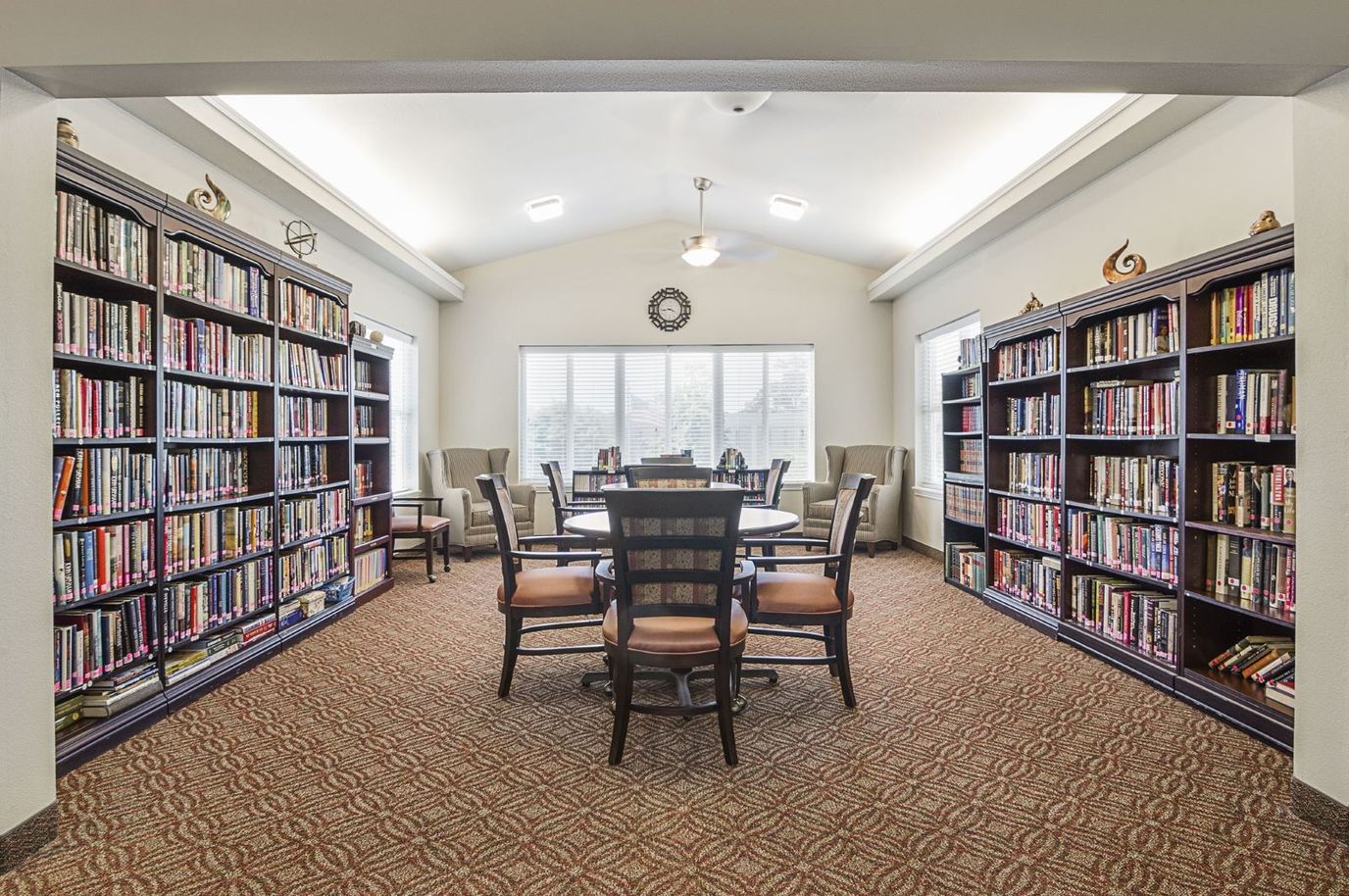
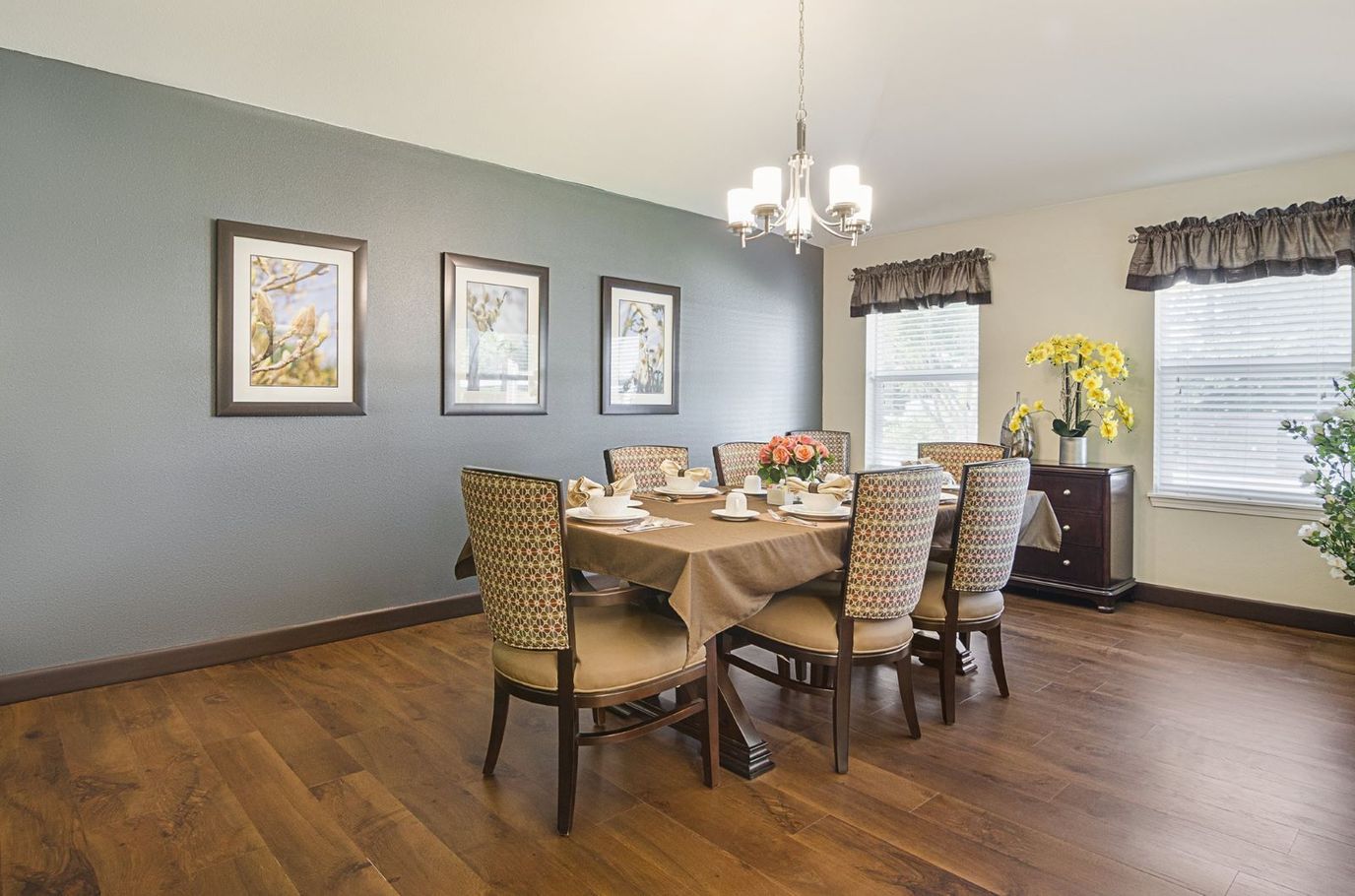
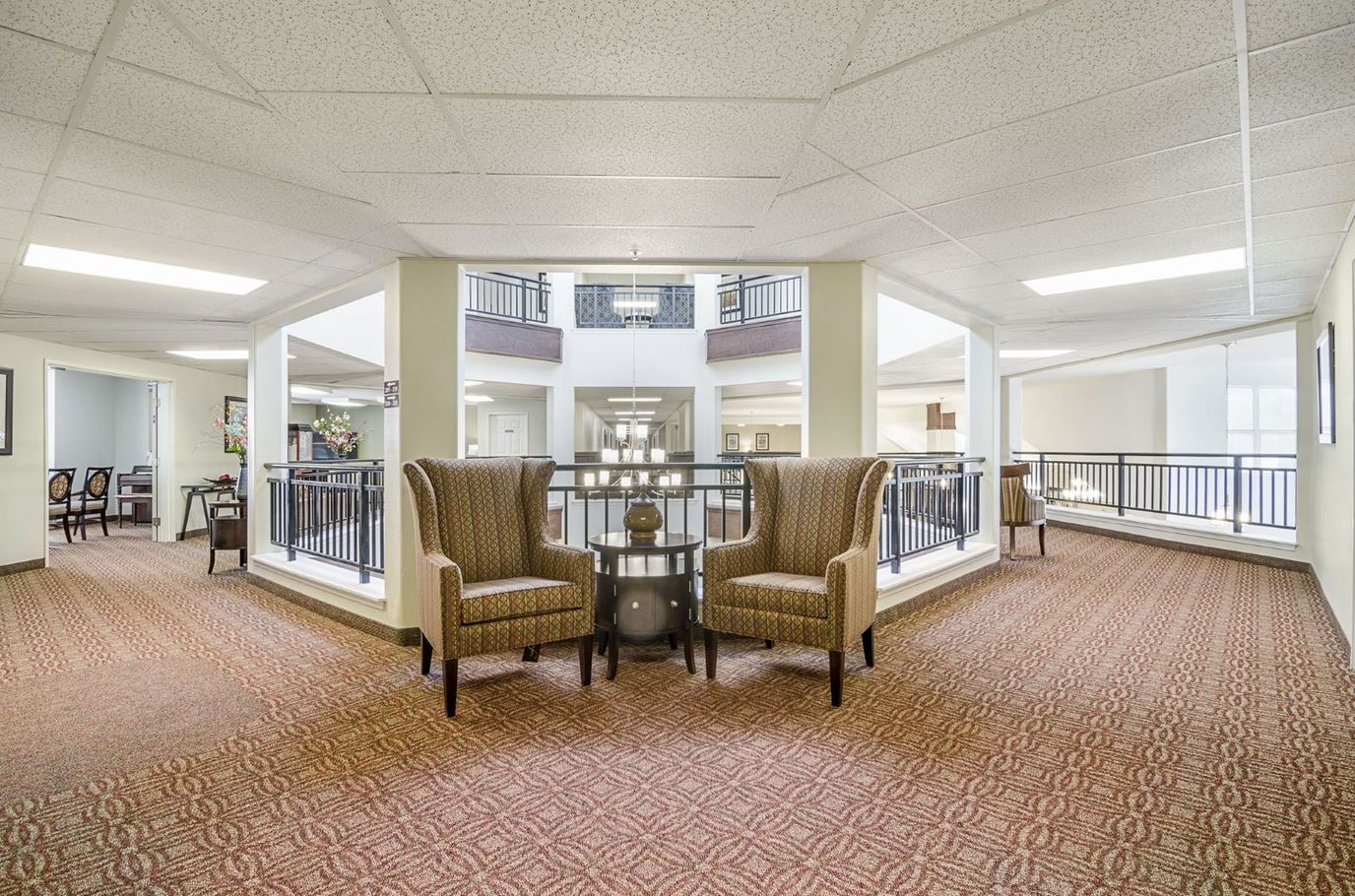
Overview of The Oaks of Orangeburg The Oaks of Orangeburg, a 122-bed church-affiliated nursing facility at 1000 Methodist Oaks Dr in Orangeburg, South Carolina, has operated as a nonprofit since 1956 under the leadership of owner-operator Joseph Fowler.
Spanning 650 acres with nearly 300 living accommodations, the community provides nursing home, independent living, assisted living, and home care across a 3-story building. It accepts Medicare (average 22-day stay), Medicaid (average 9-month stay), and private pay (average 1–2 month stay) populations. Minimum resident age is 55 years; pets are permitted.
The campus features recreational facilities and programming: fitness center, heated pool with personal training programs, exercise classes, bocce games, kayaking, and arts and crafts activities. Operational services include round-the-clock security and scheduled transportation to local medical appointments.
The facility operates at an annual deficit of $263,500 and occupies 76.8% of beds; below the South Carolina average of 82.1%.
Its location, in rural Orangeburg County, registers a walk score of 0 (completely car-dependent); the nearest hospital lies 5.31 miles away.
Nurses provide 2 hours 59 minutes of care per resident per day; 27% below the South Carolina average of 4 hours 5 minutes. Ranked 105th of 112 state facilities in nurse-to-resident ratios, the facility’s weekend coverage drops to 2 hours 25 minutes per resident; still 27% below state norms.
Of 209 total staff, contractors account for 12.2% of quarterly hours; the staff-to-resident ratio of 1.83:1 aligns with the state average.
Payroll represents 55.9% of revenue.
A June 2025 complaint investigation identified a critical deficiency for improper resident restraint (marked corrected). Over five inspections since 2021, the facility accumulated 23 health citations (99th of 113 statewide). Recent citations span Quality of Care (November 2024), pharmacy errors, nutrition practices, and others.
Federal fines totaled $122,000 across 14 penalty actions over three years; 264% above the state average.
Most significantly, preventive care falls far short of standards: pneumococcal vaccination coverage reaches only 26.9% for short-stay residents (66% worse than the 79.5% state average) and 35.8% for long-stay residents (60% worse than 90.5%). Influenza vaccination rates track similarly low at 26.6% and 62.7% respectively. Functional decline and high-risk events score better than state average, but falls with major injury occur at 5.6%; 89% worse than the state average of 3.0%.
The community is organized for short-term Medicare rehabilitation and longer-stay private-pay and Medicaid admissions on a rural, car-dependent campus where low staffing levels and vaccine compliance gaps present measurable clinical risk.