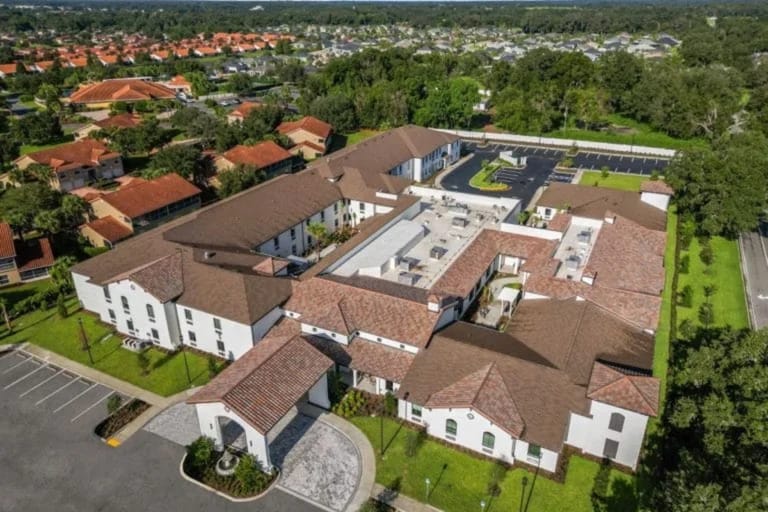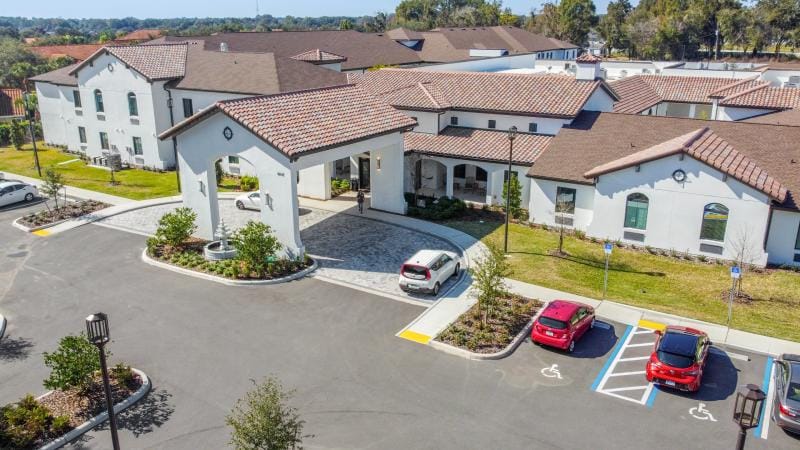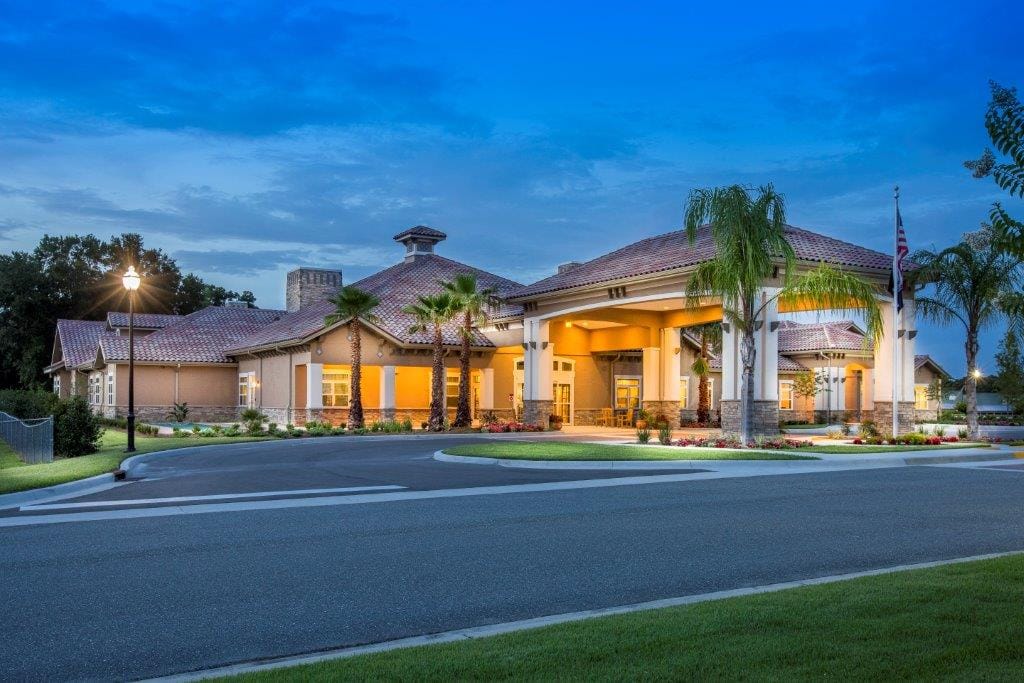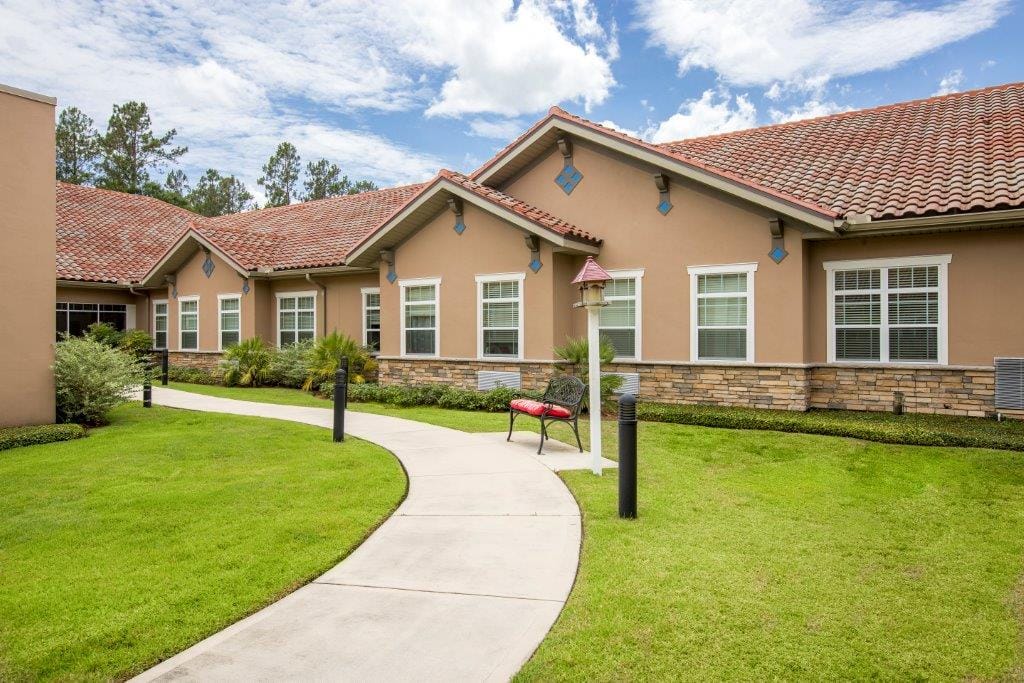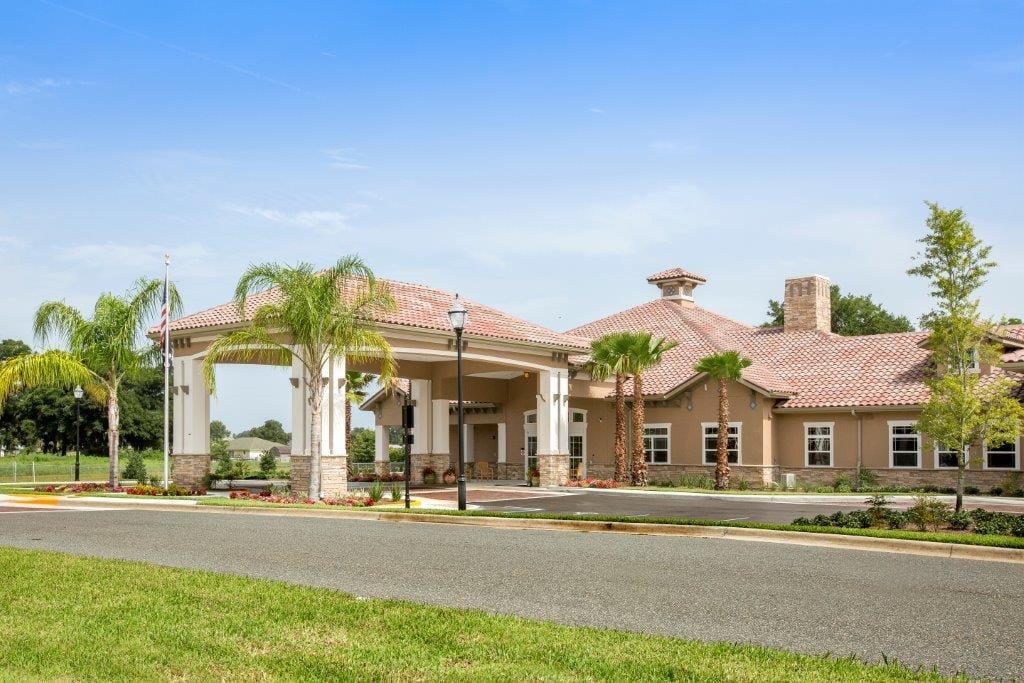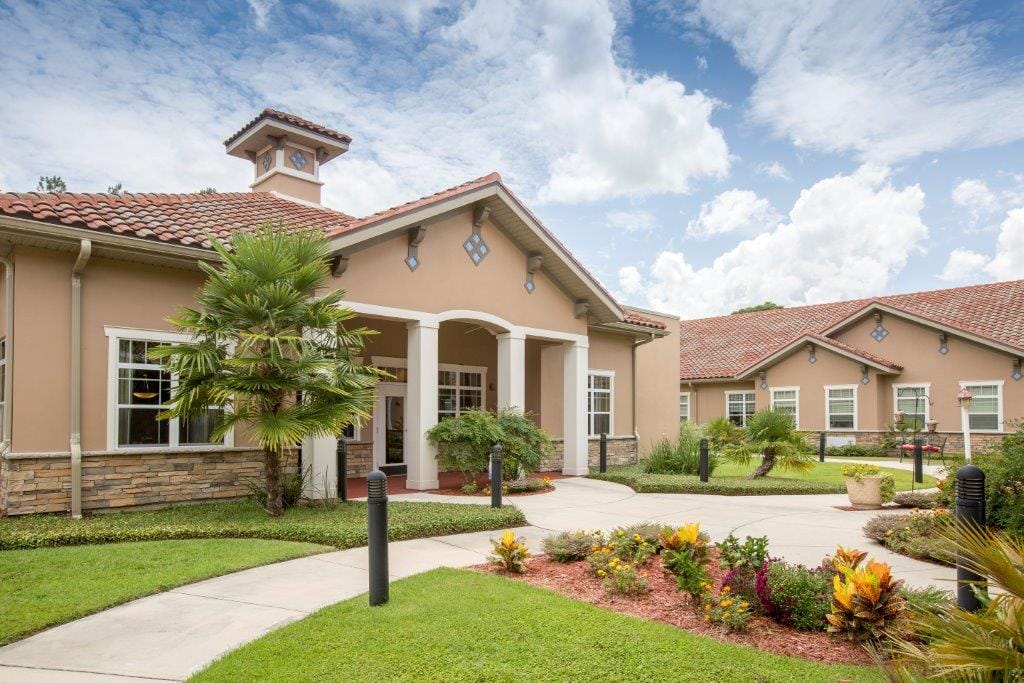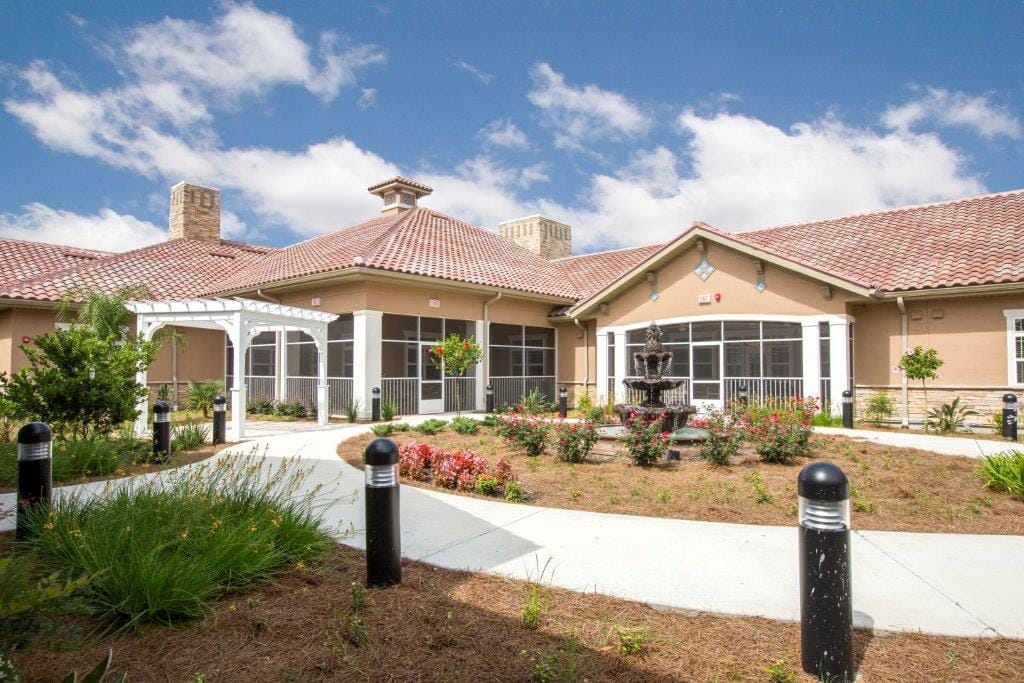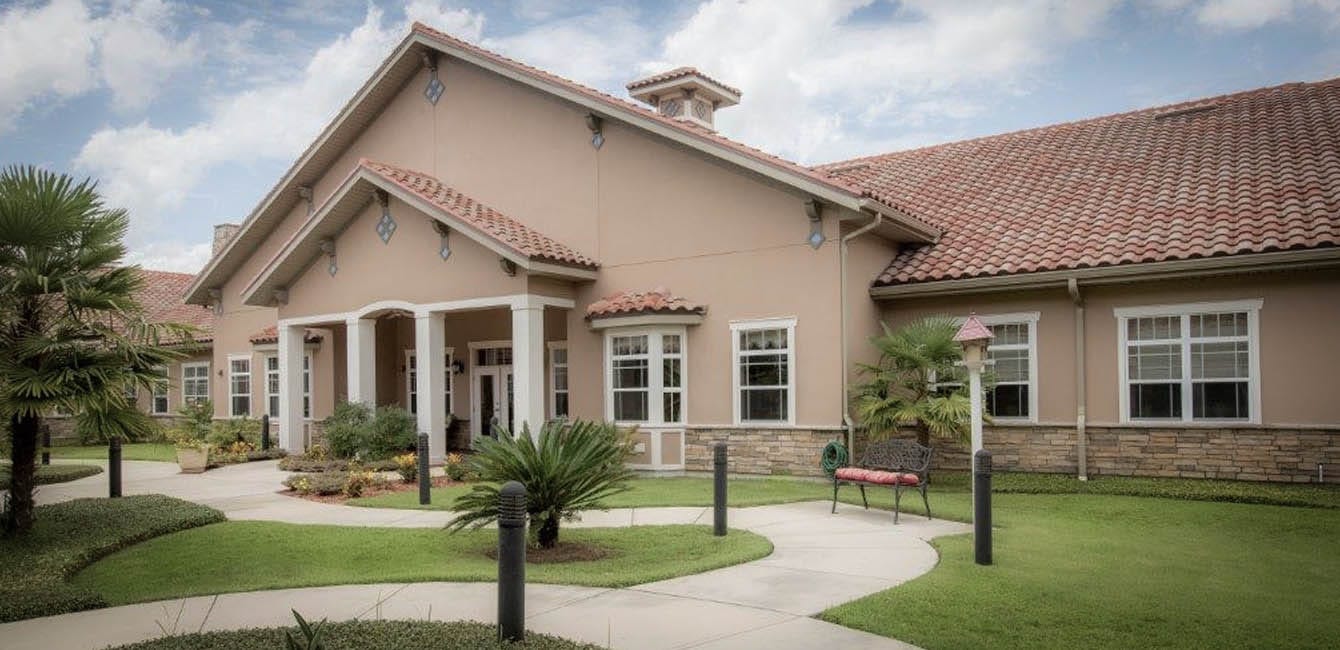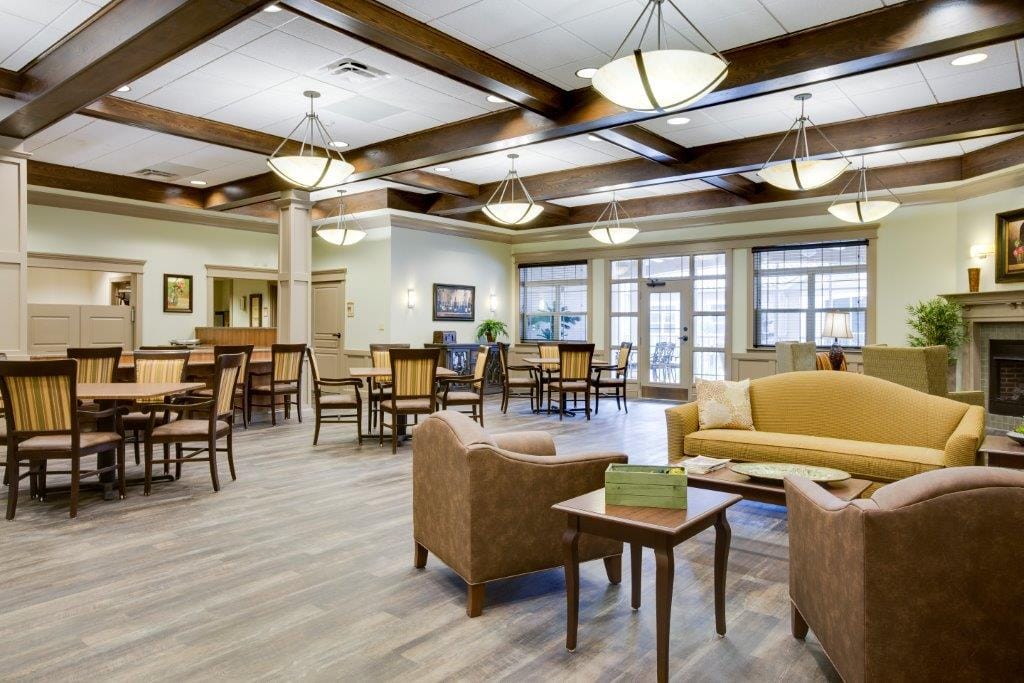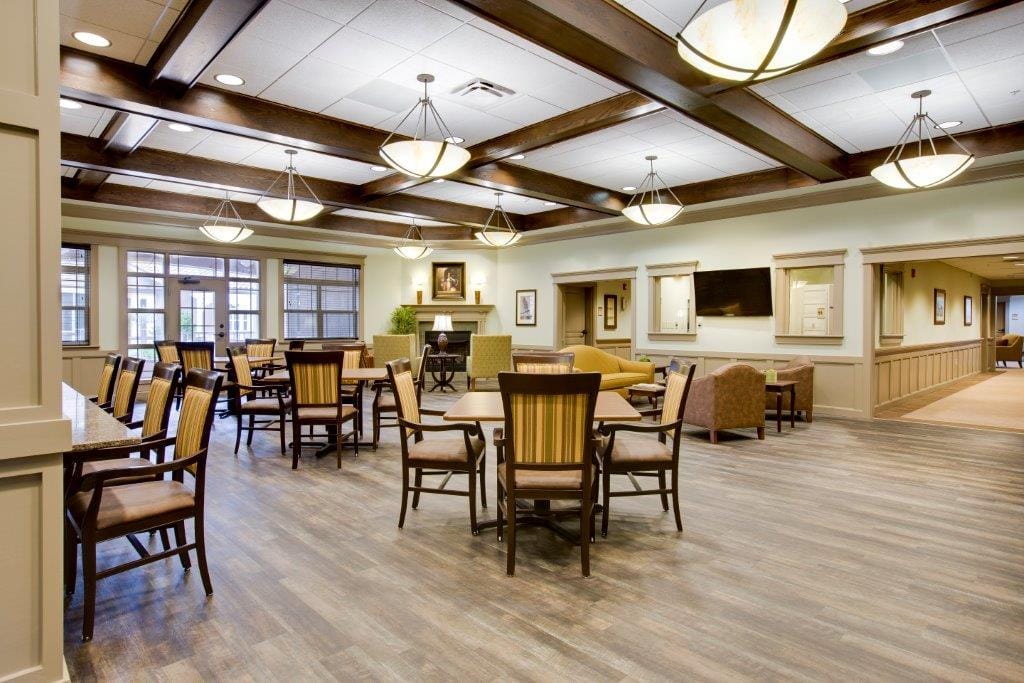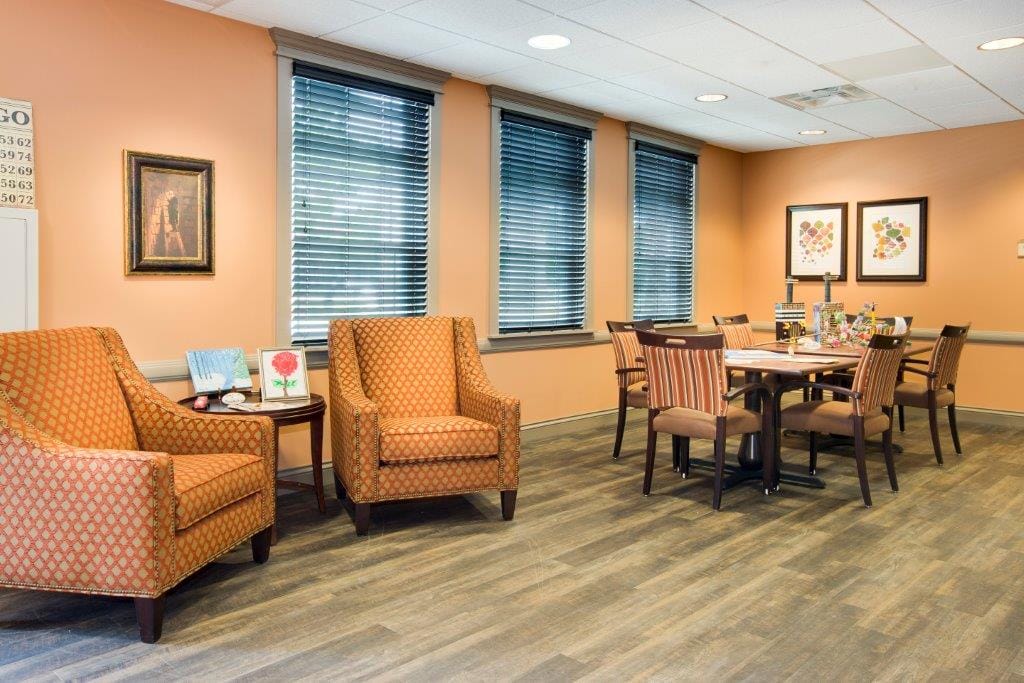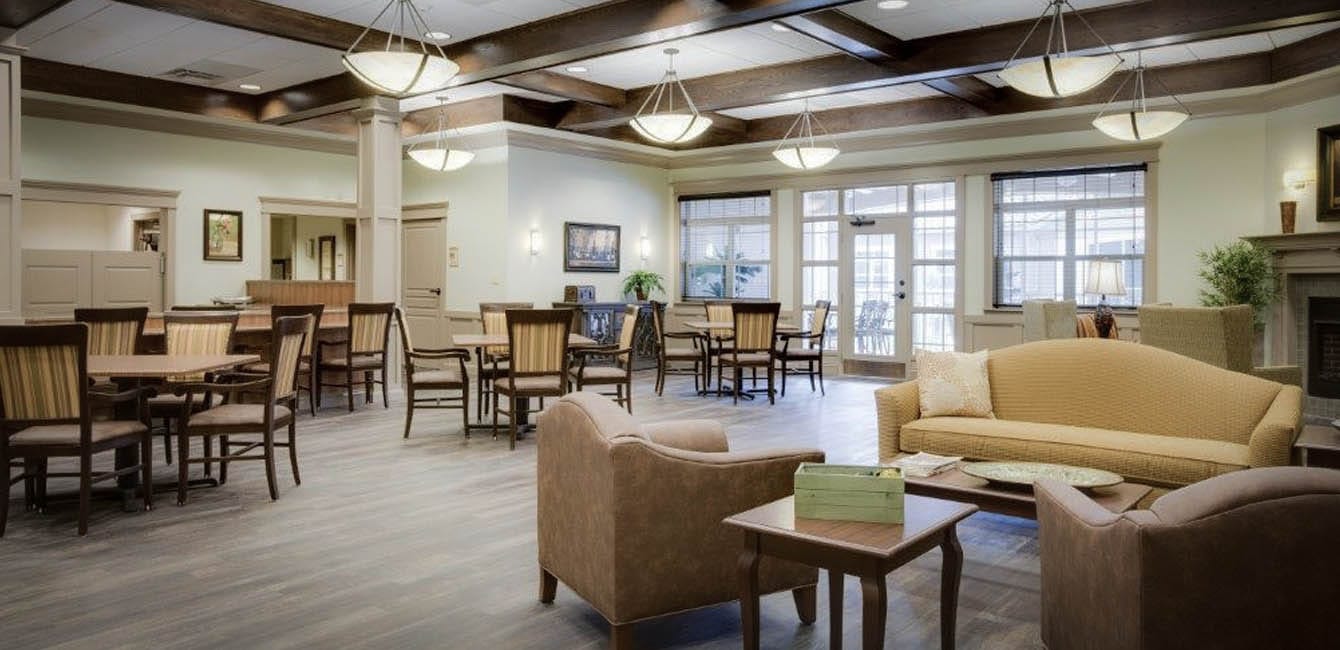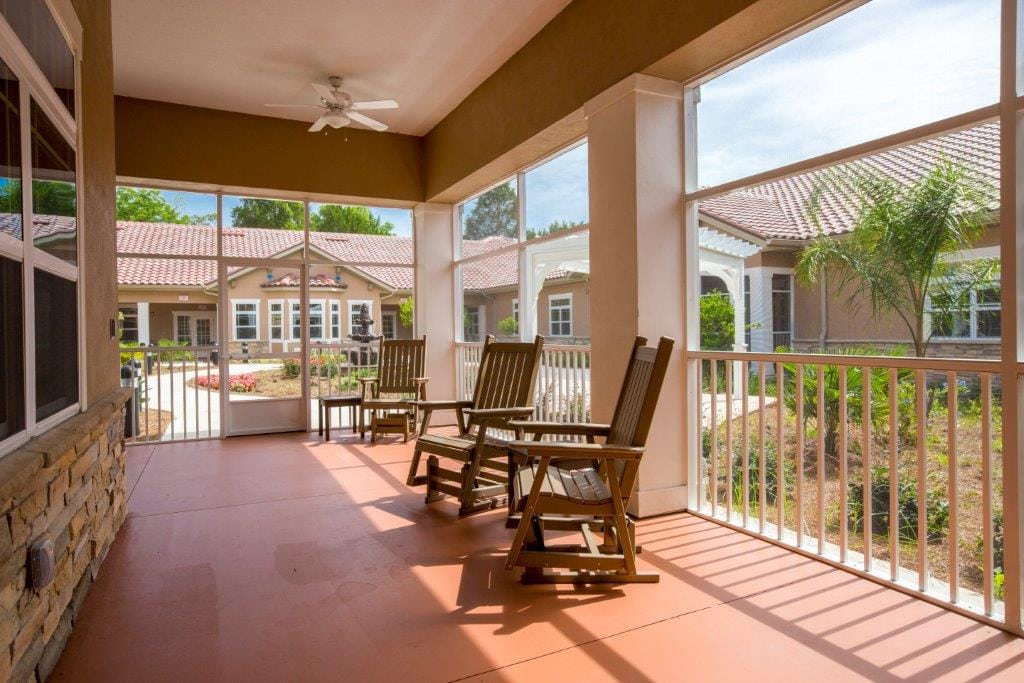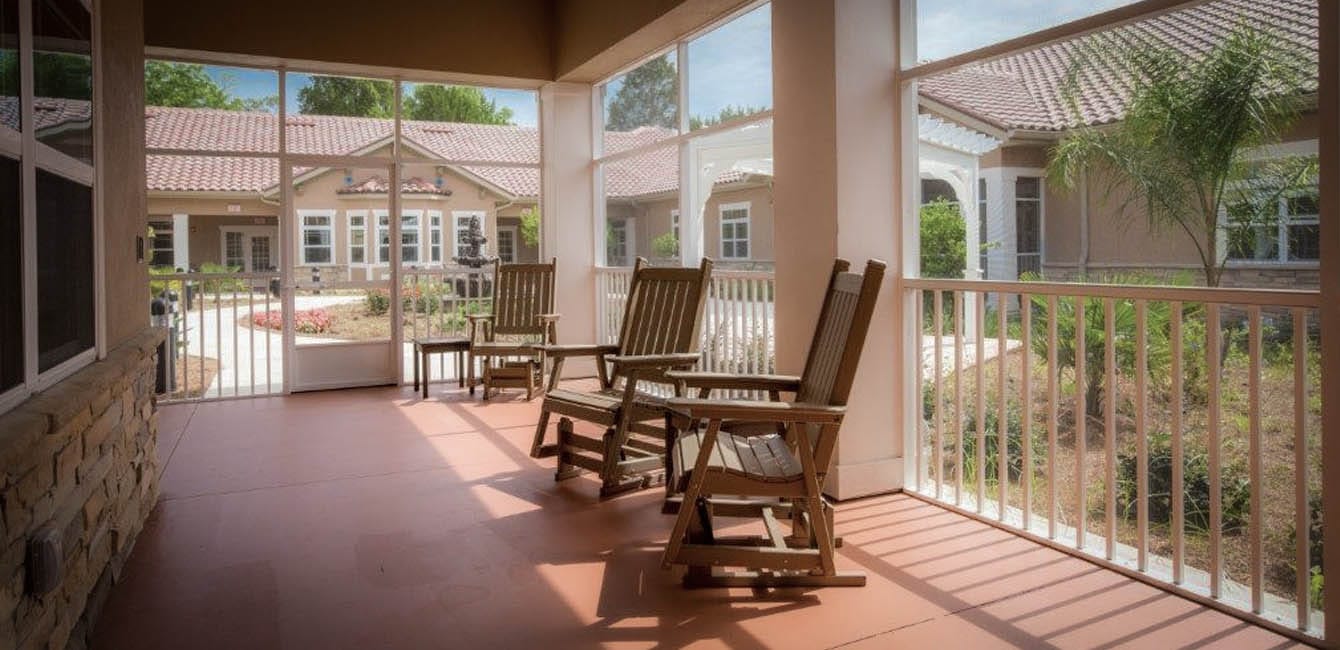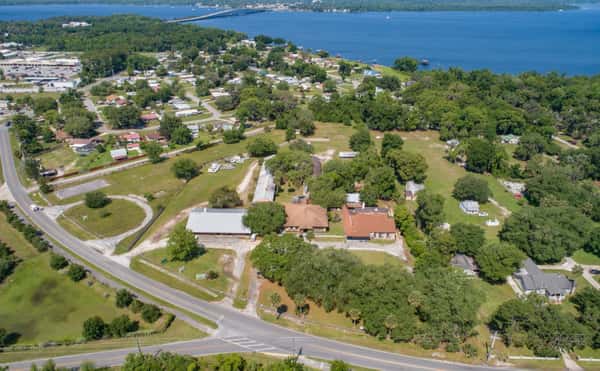


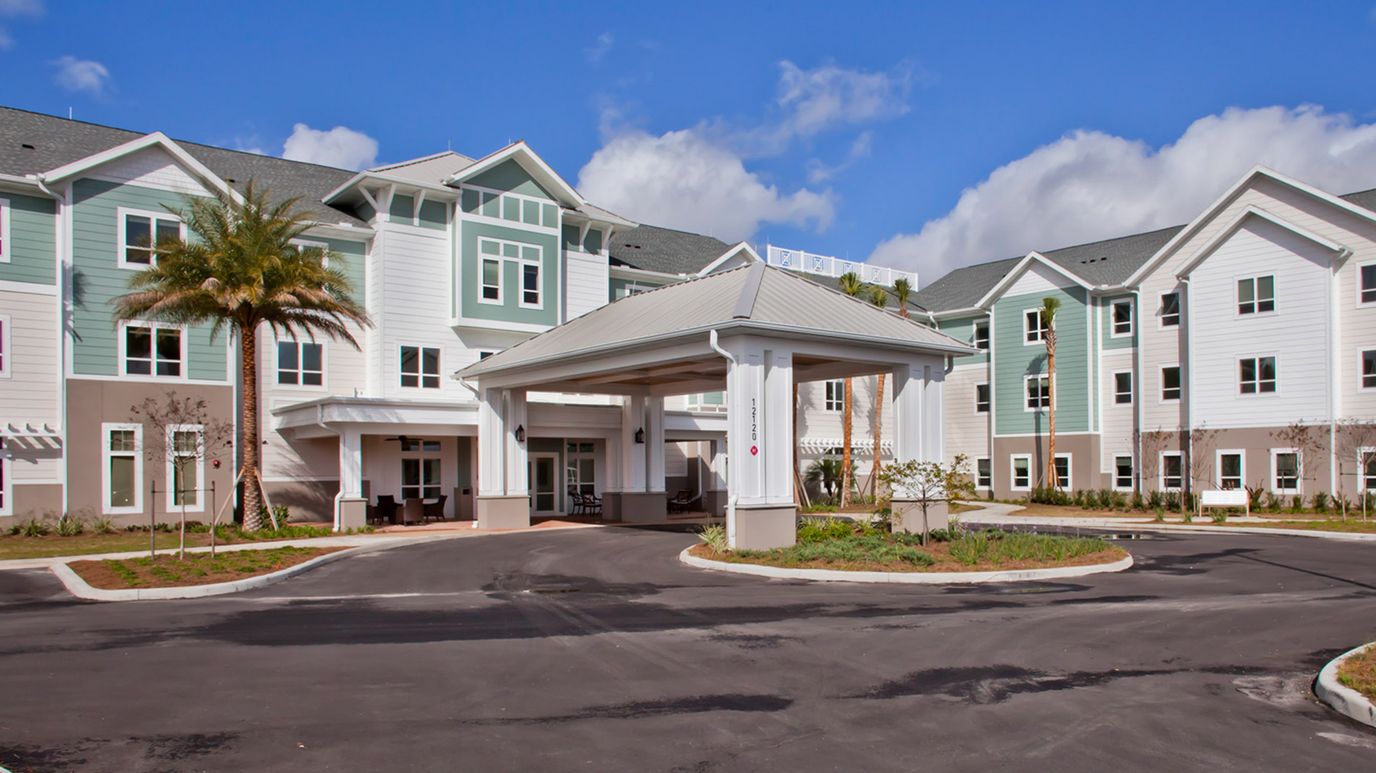

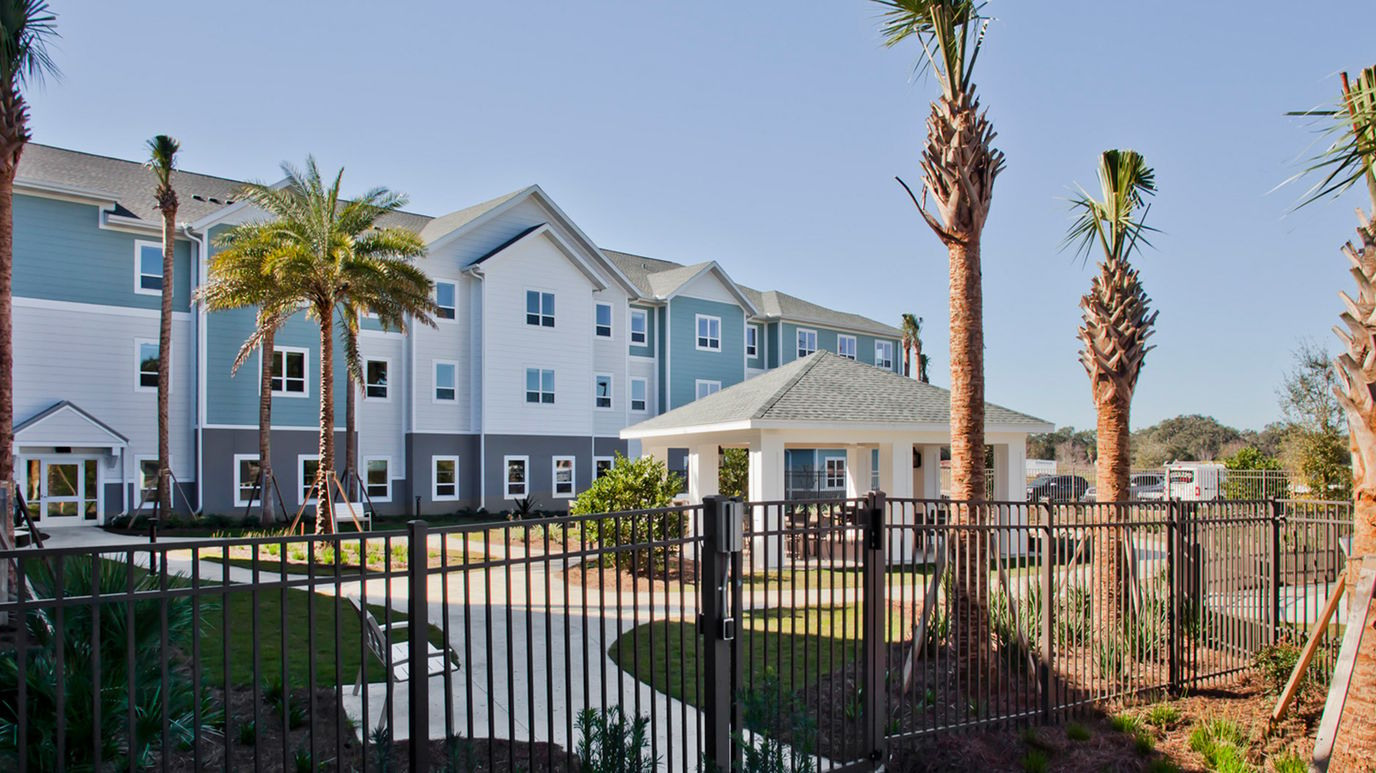
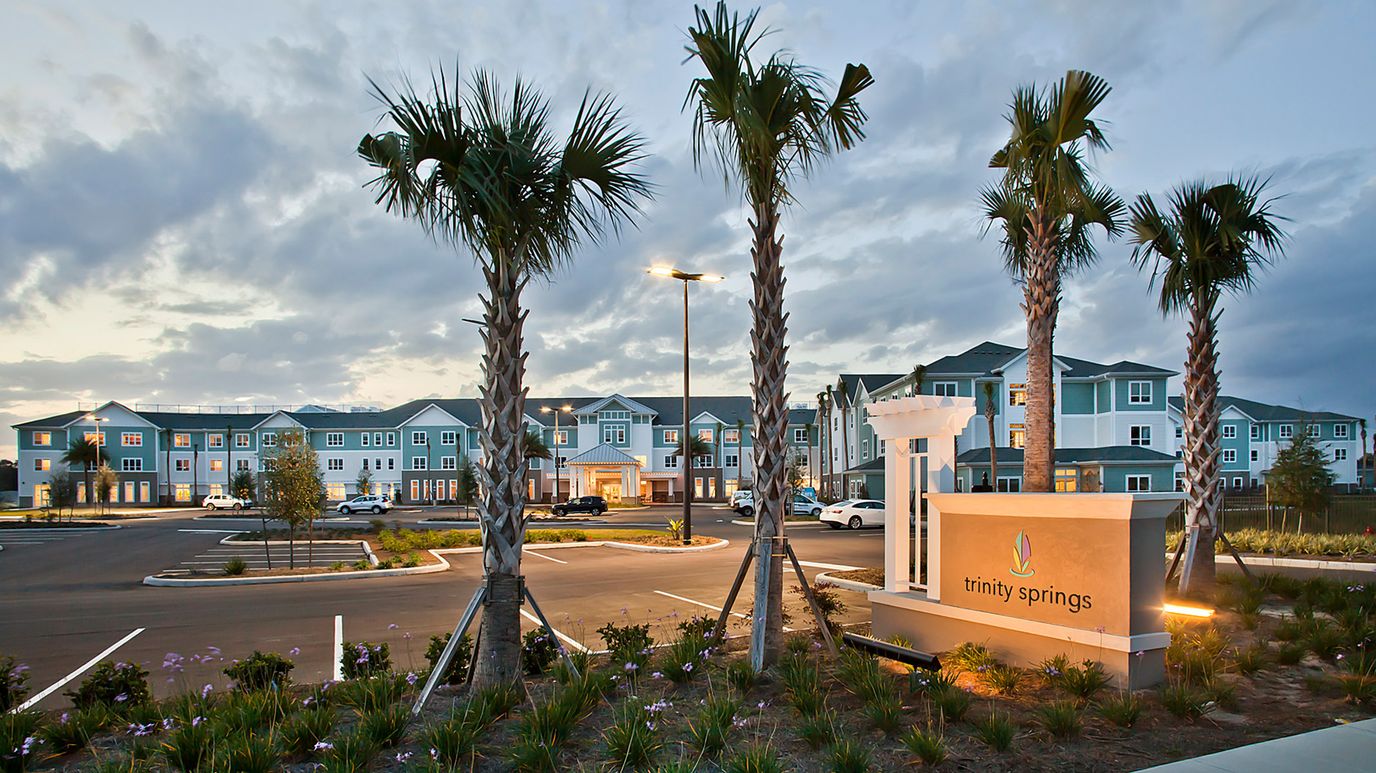
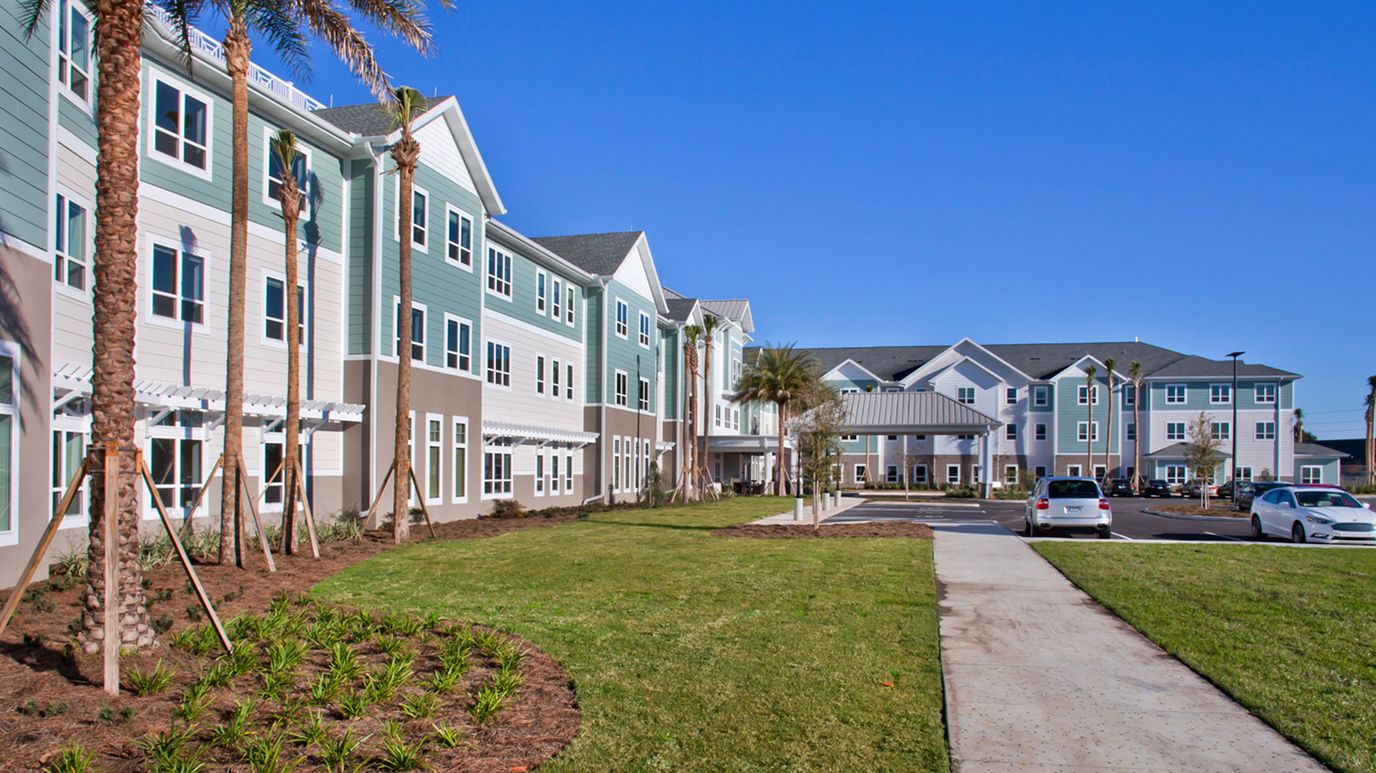
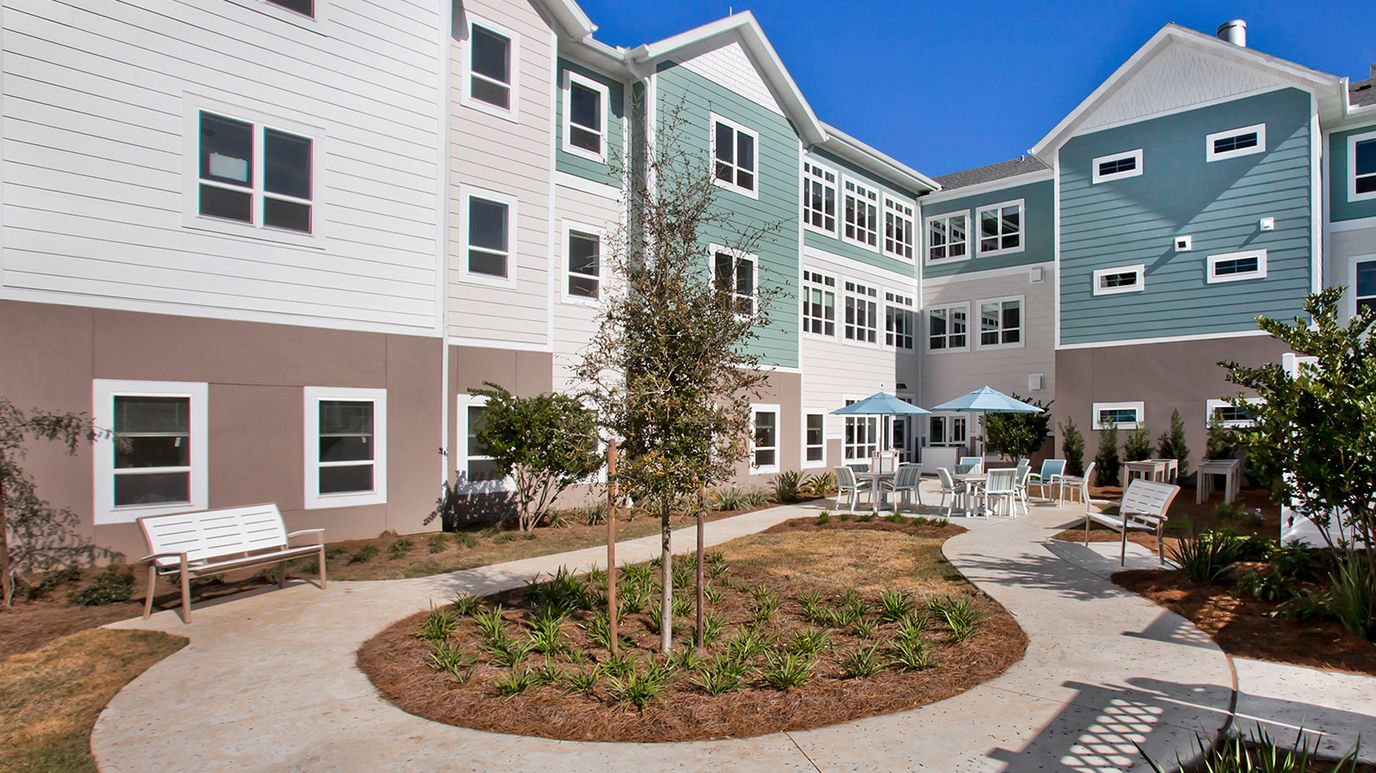




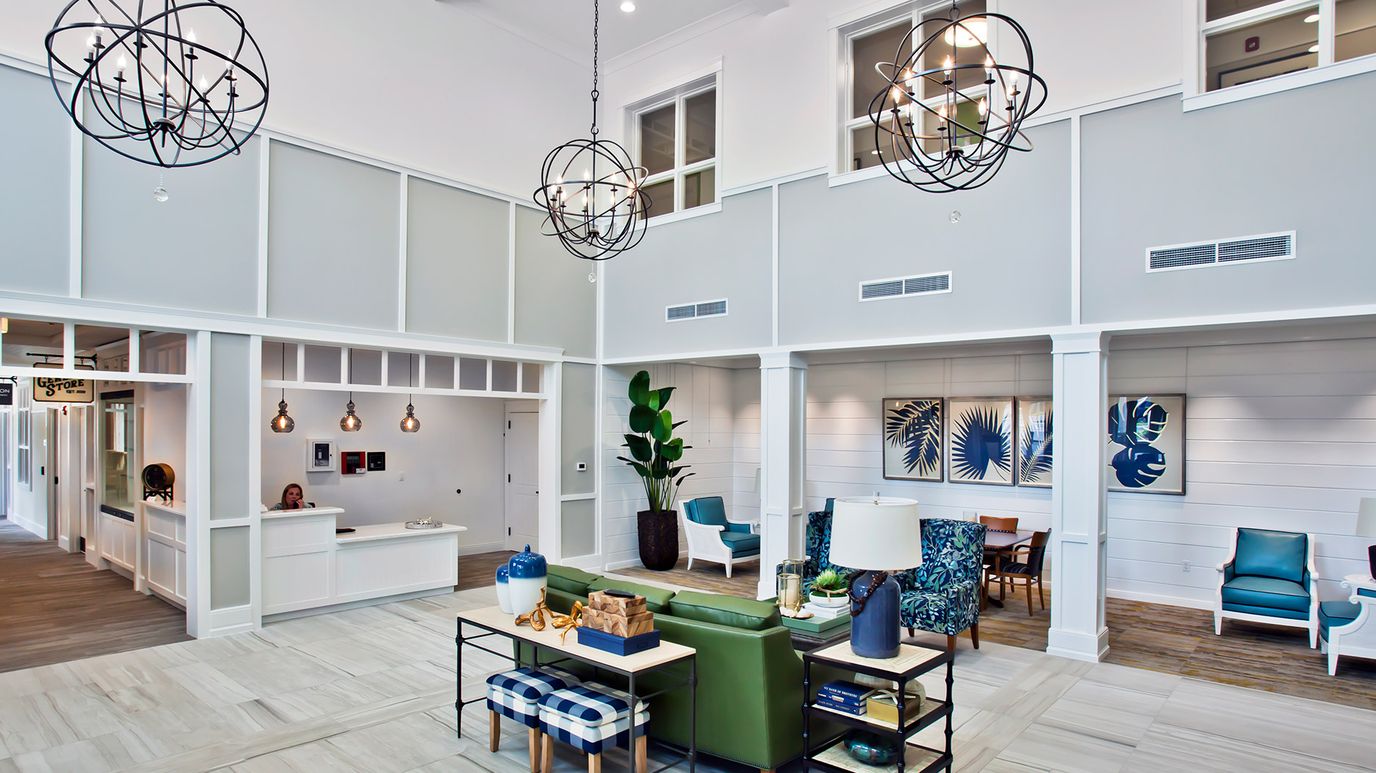
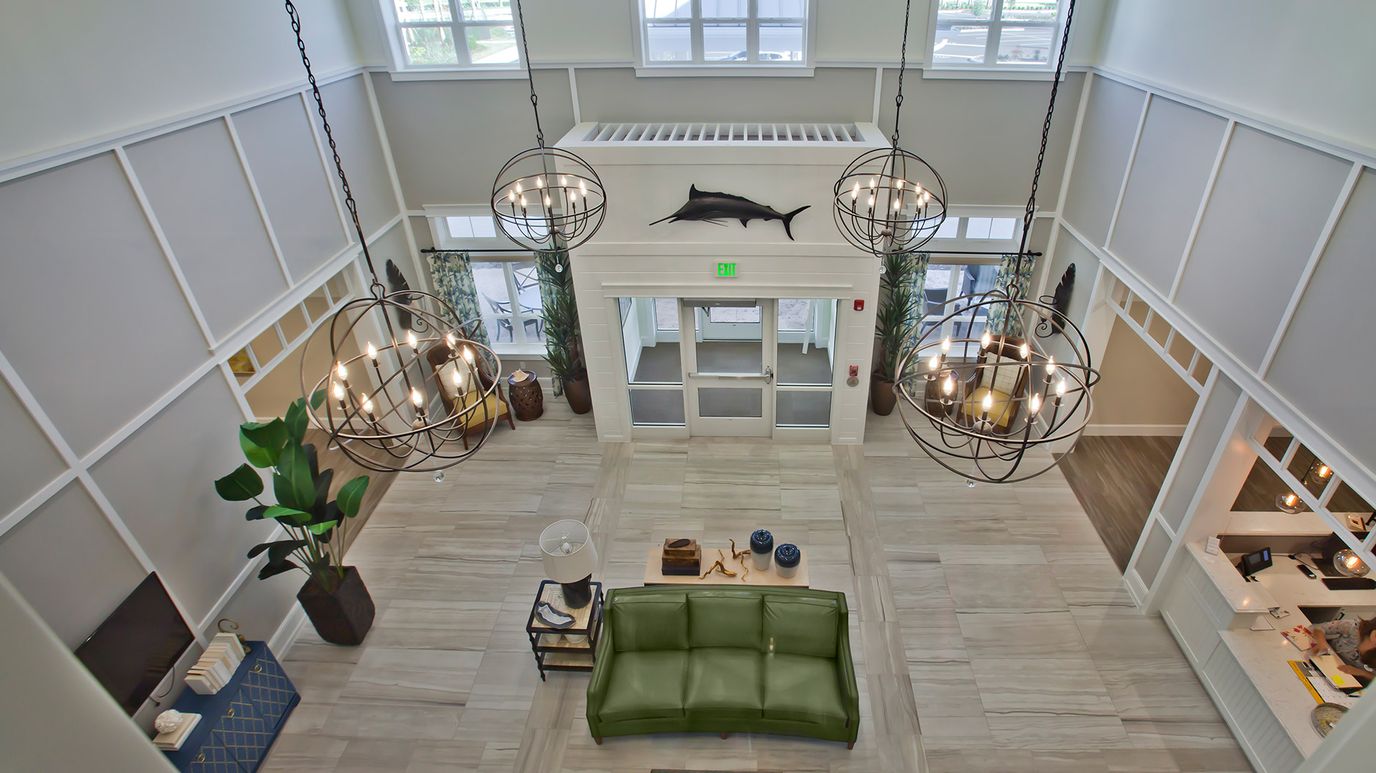
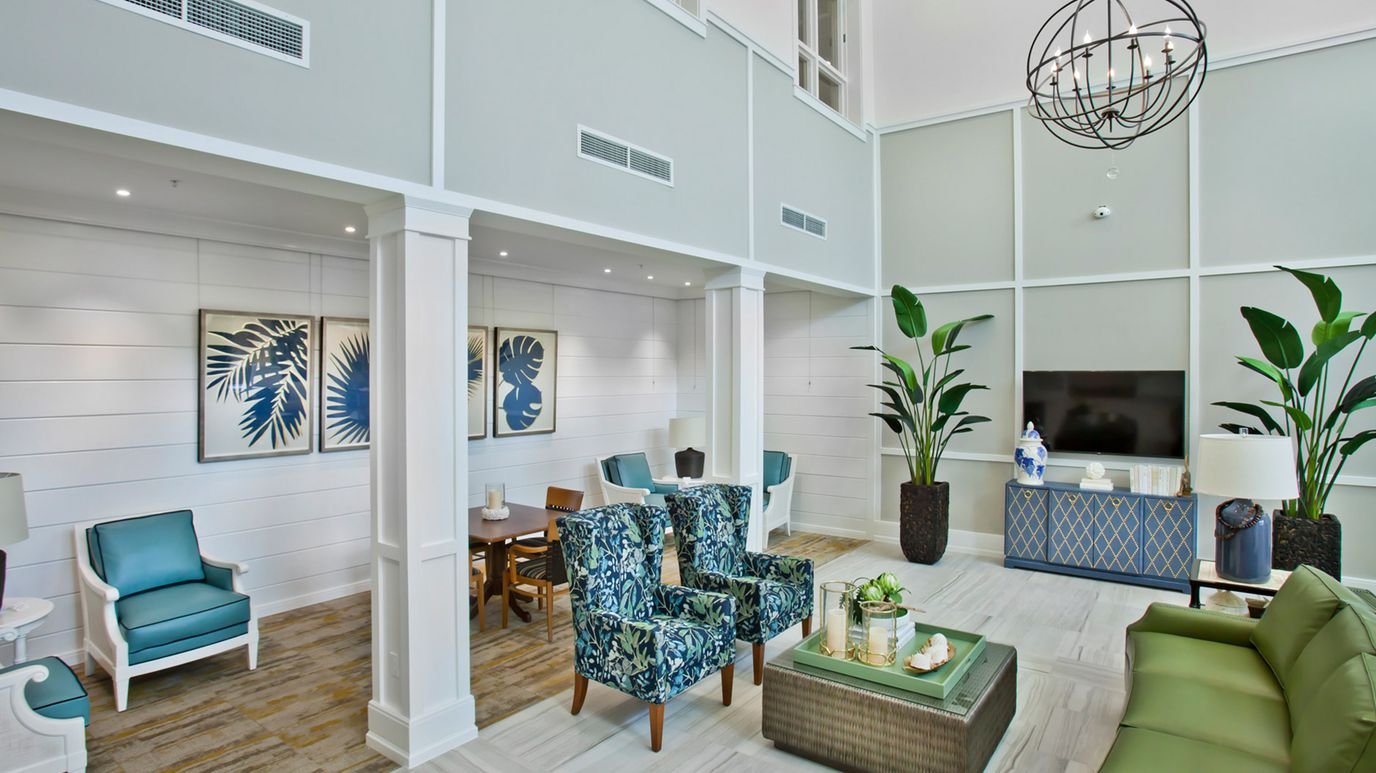
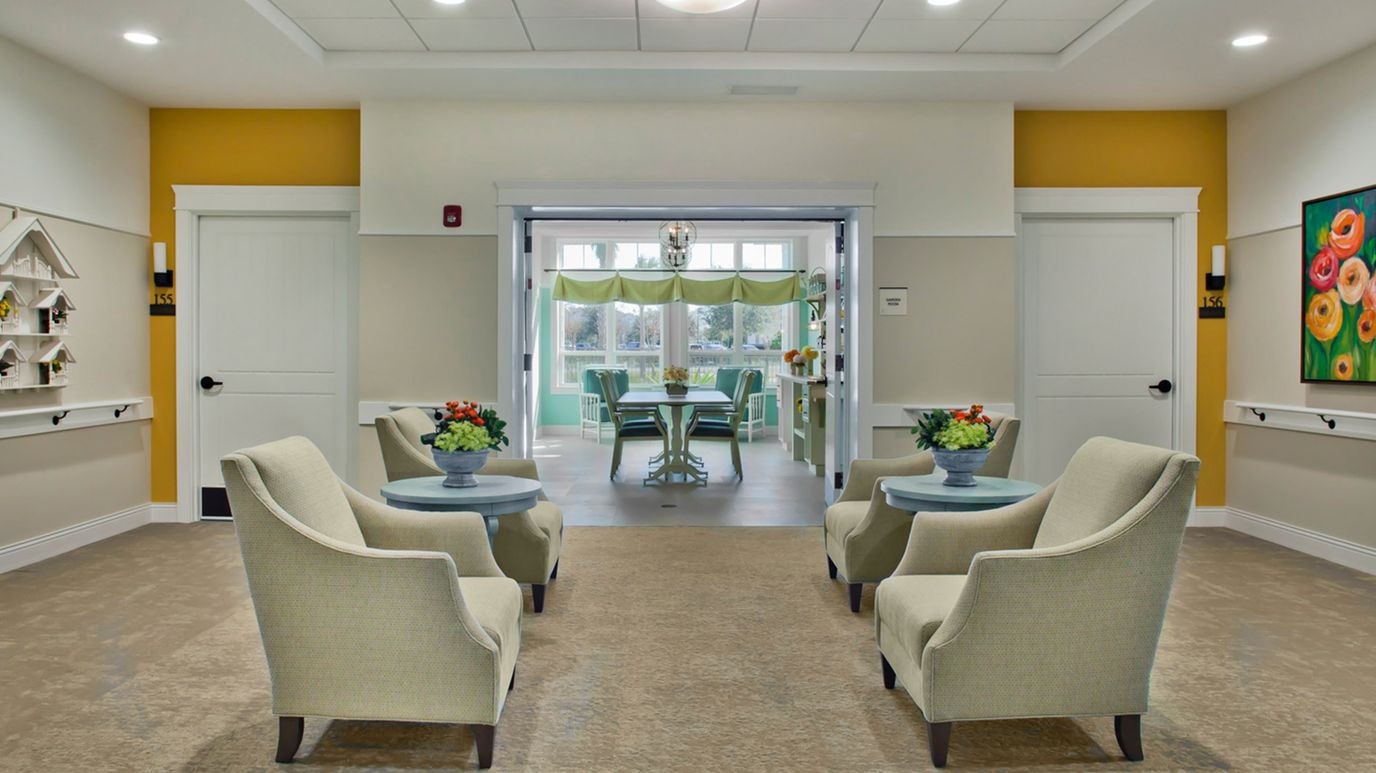






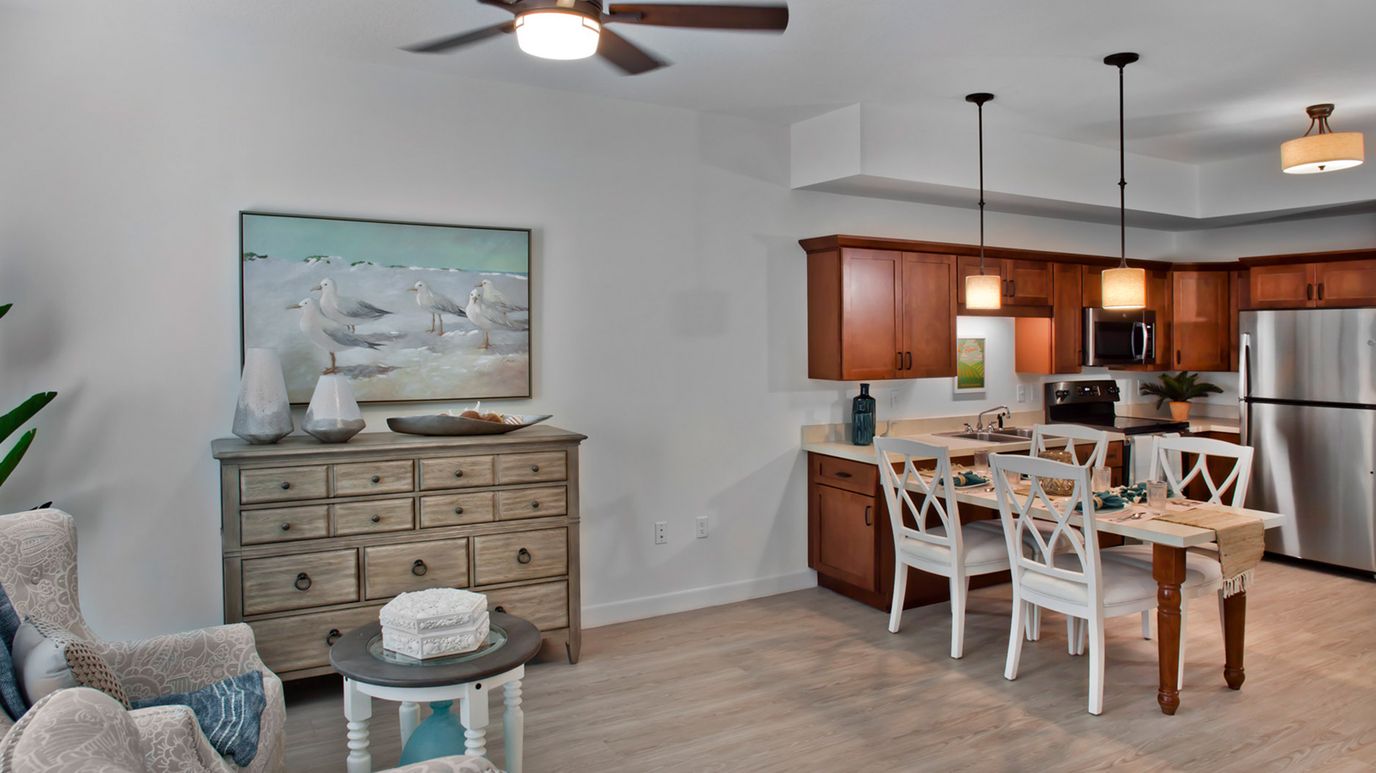
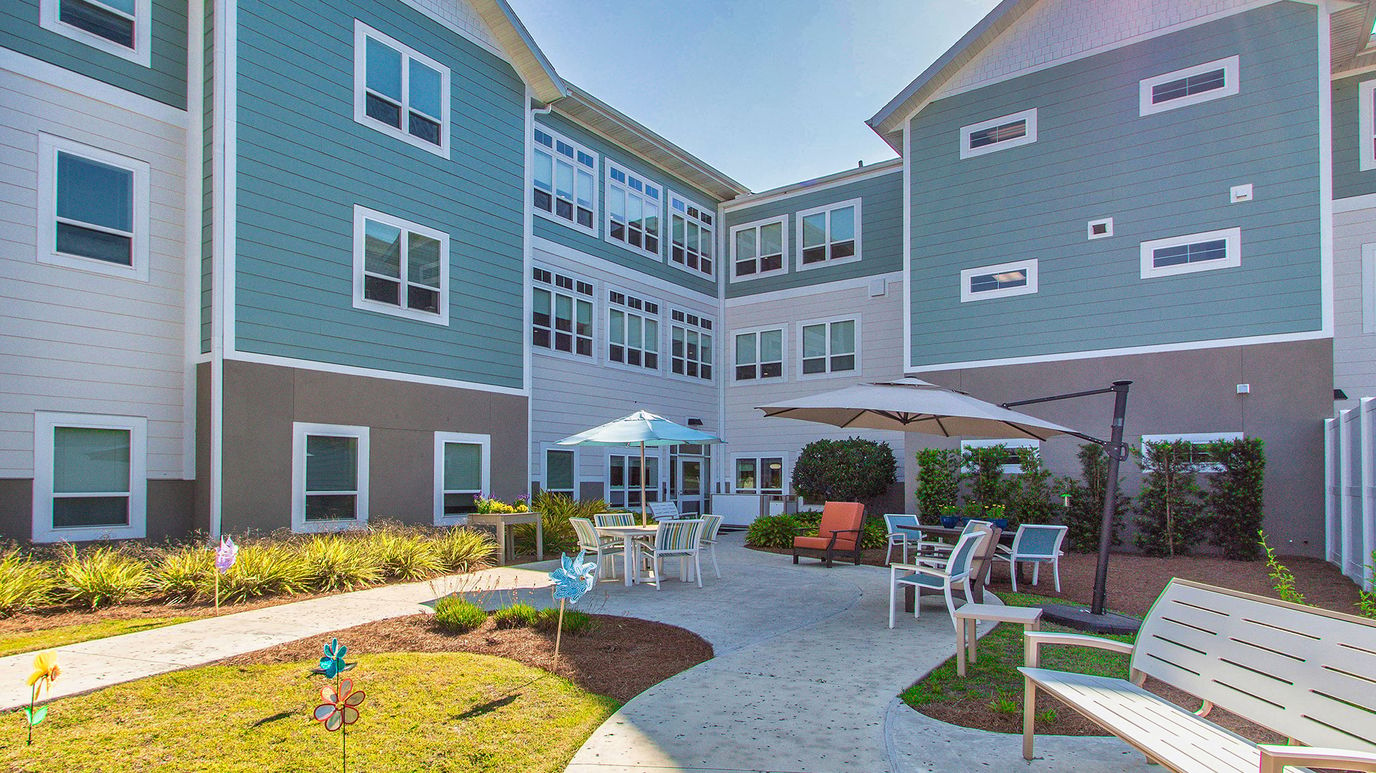
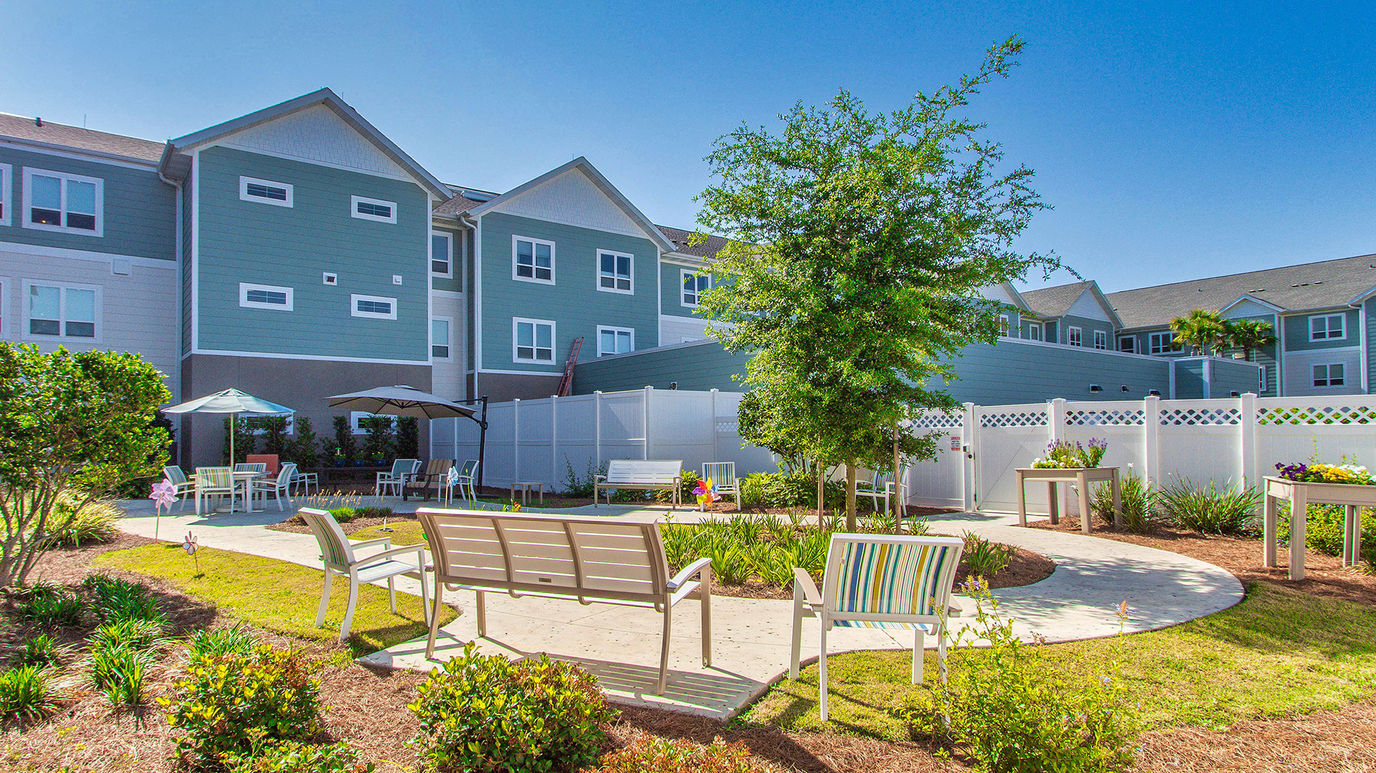




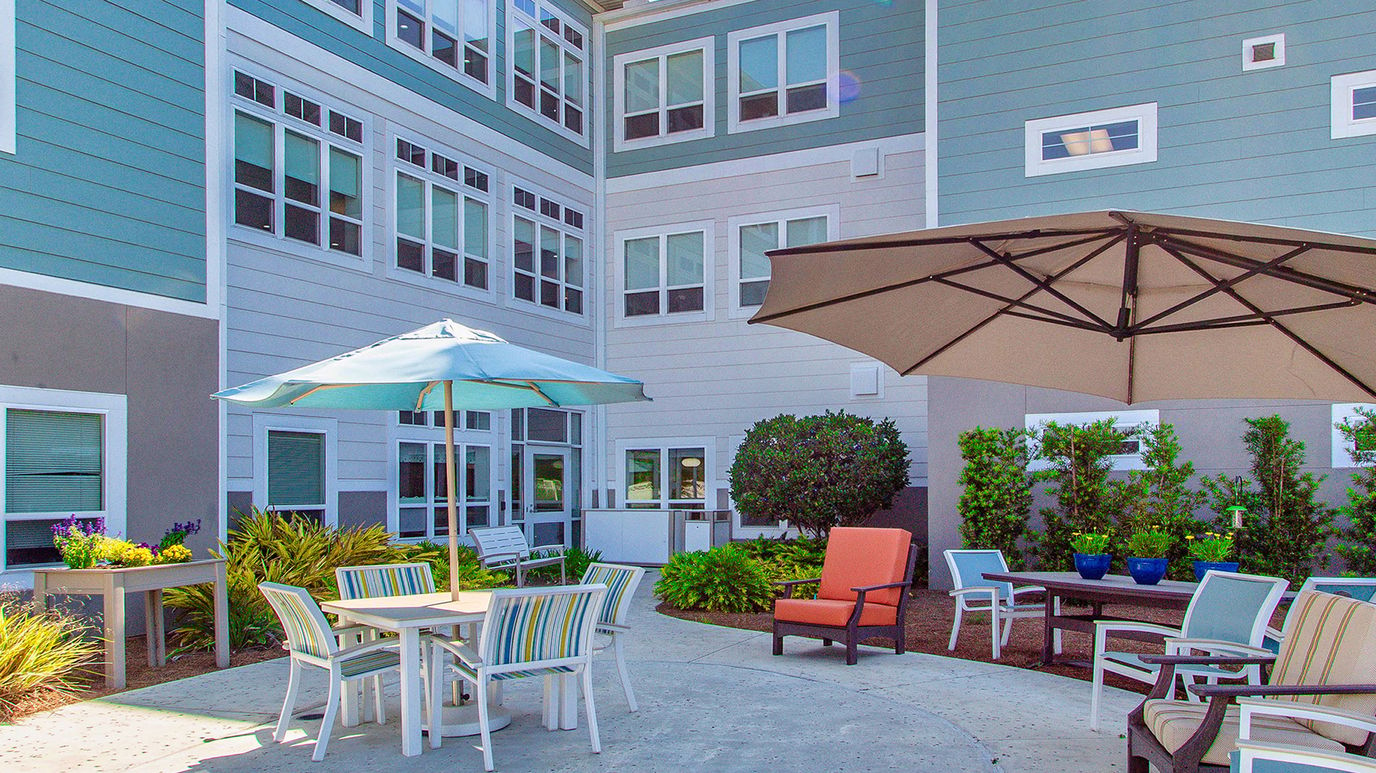
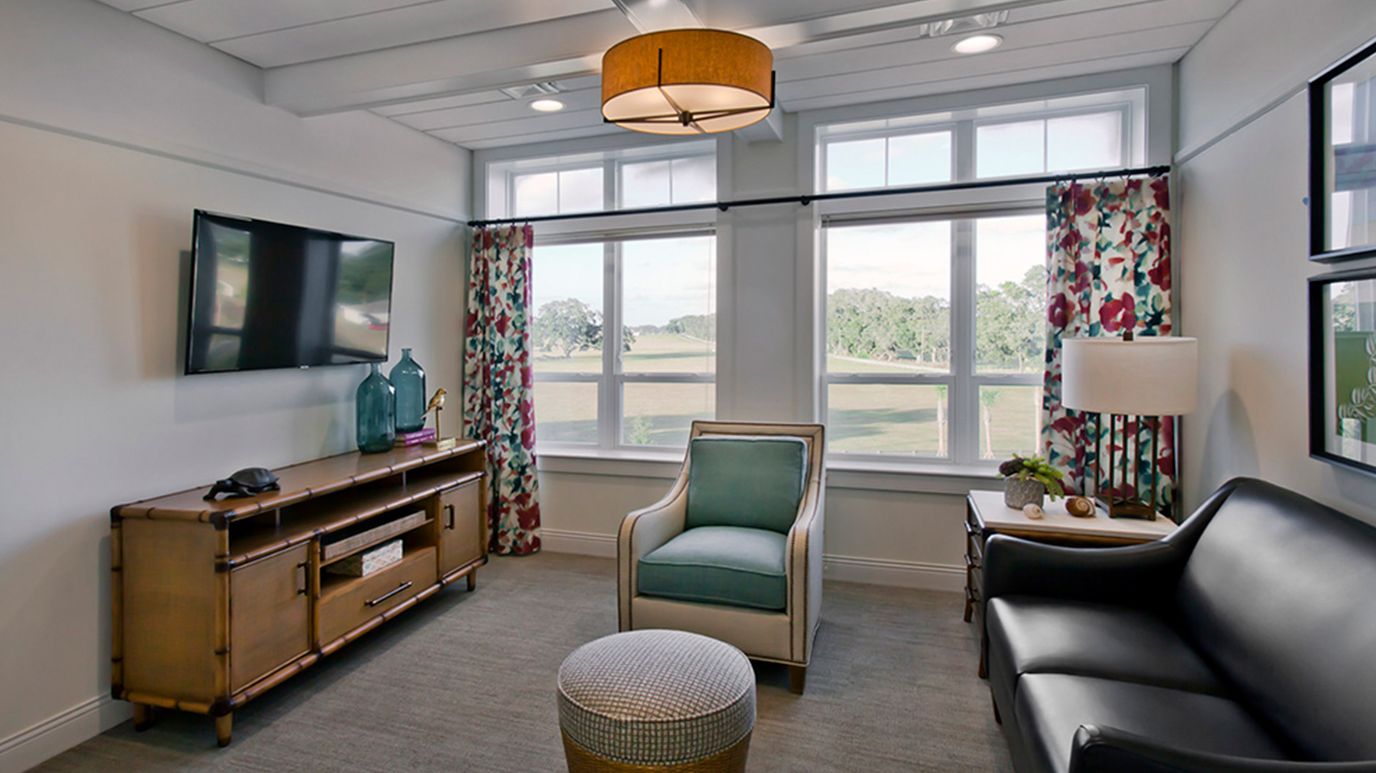

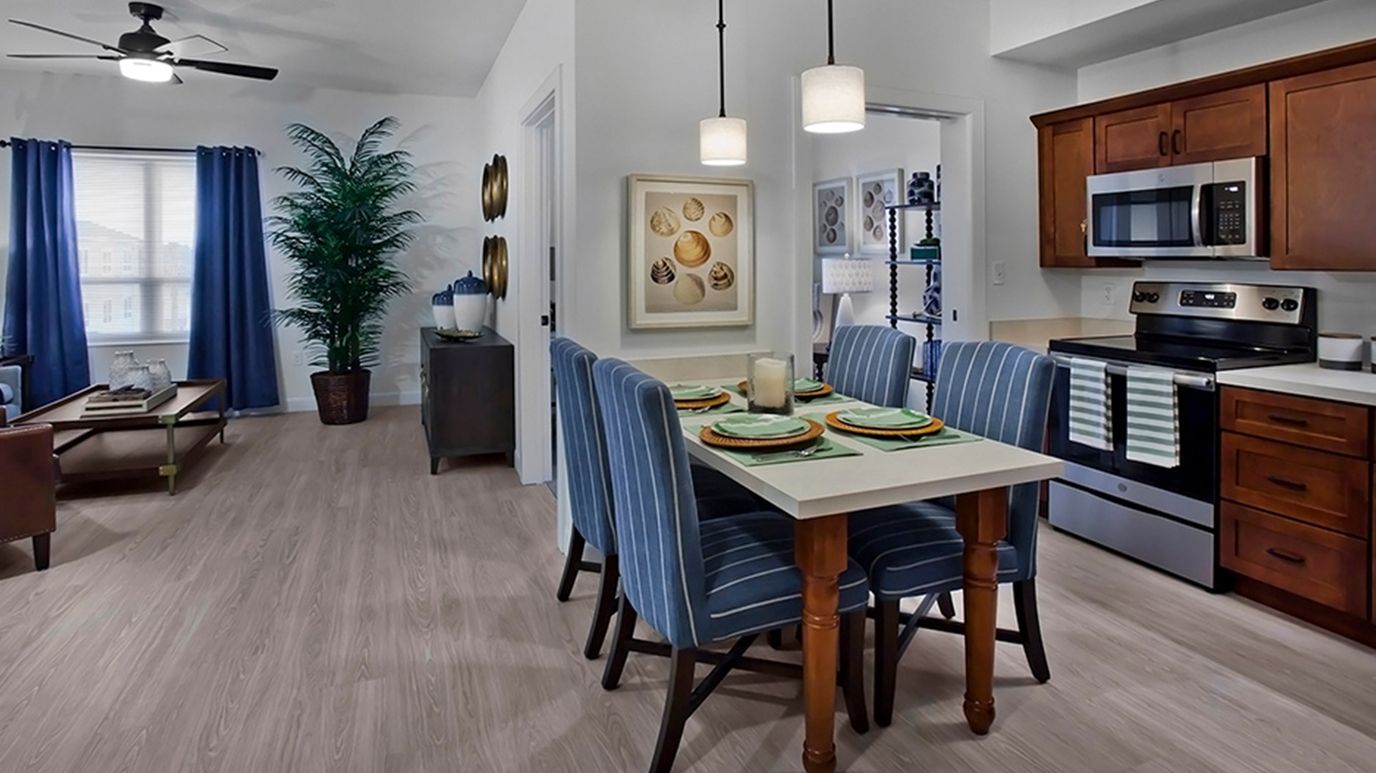
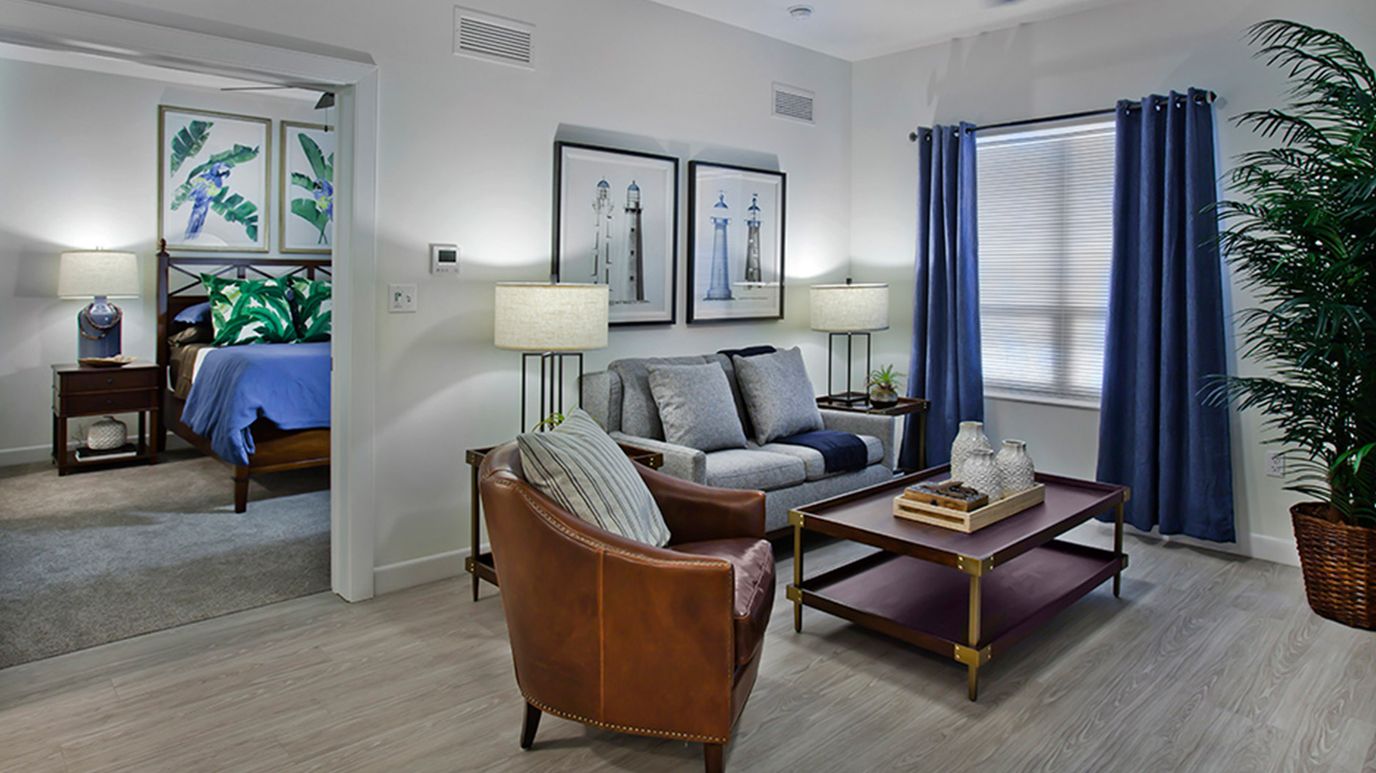
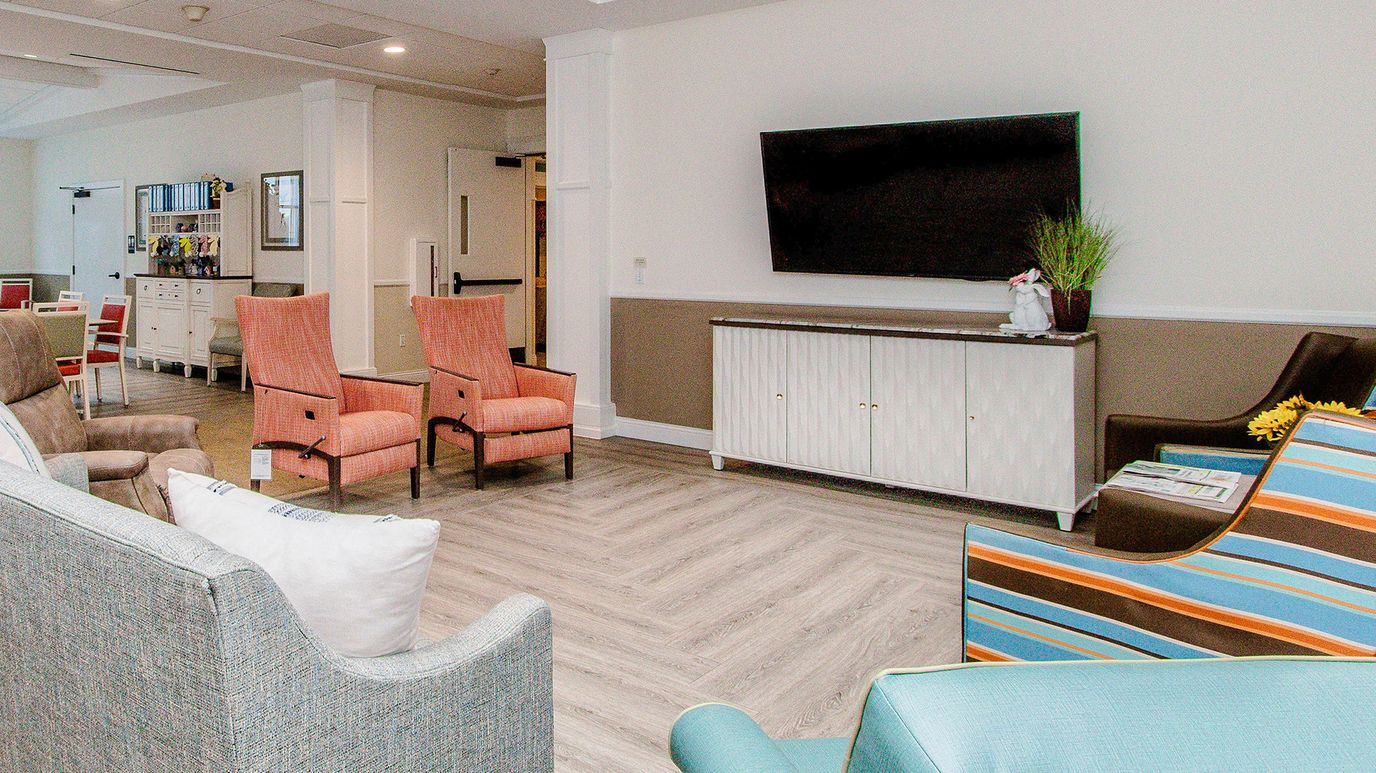
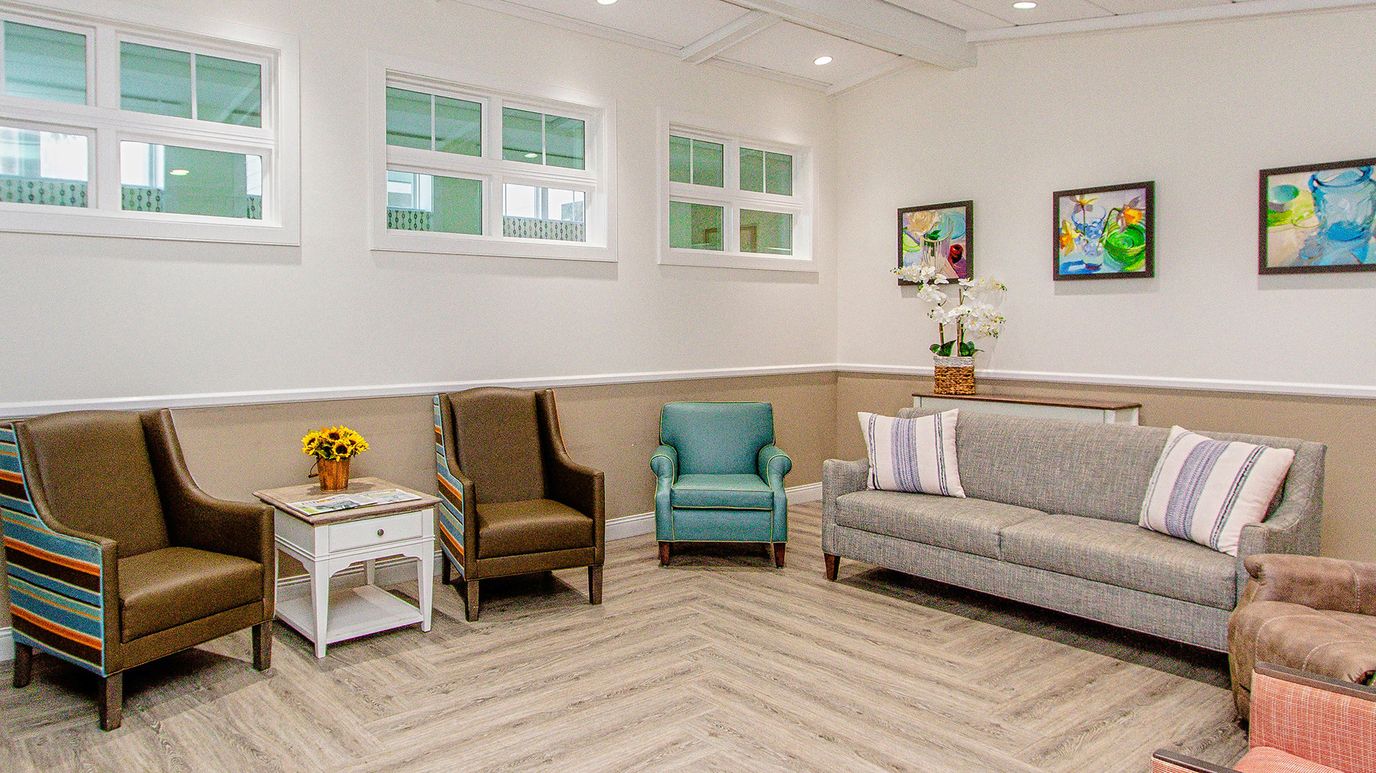






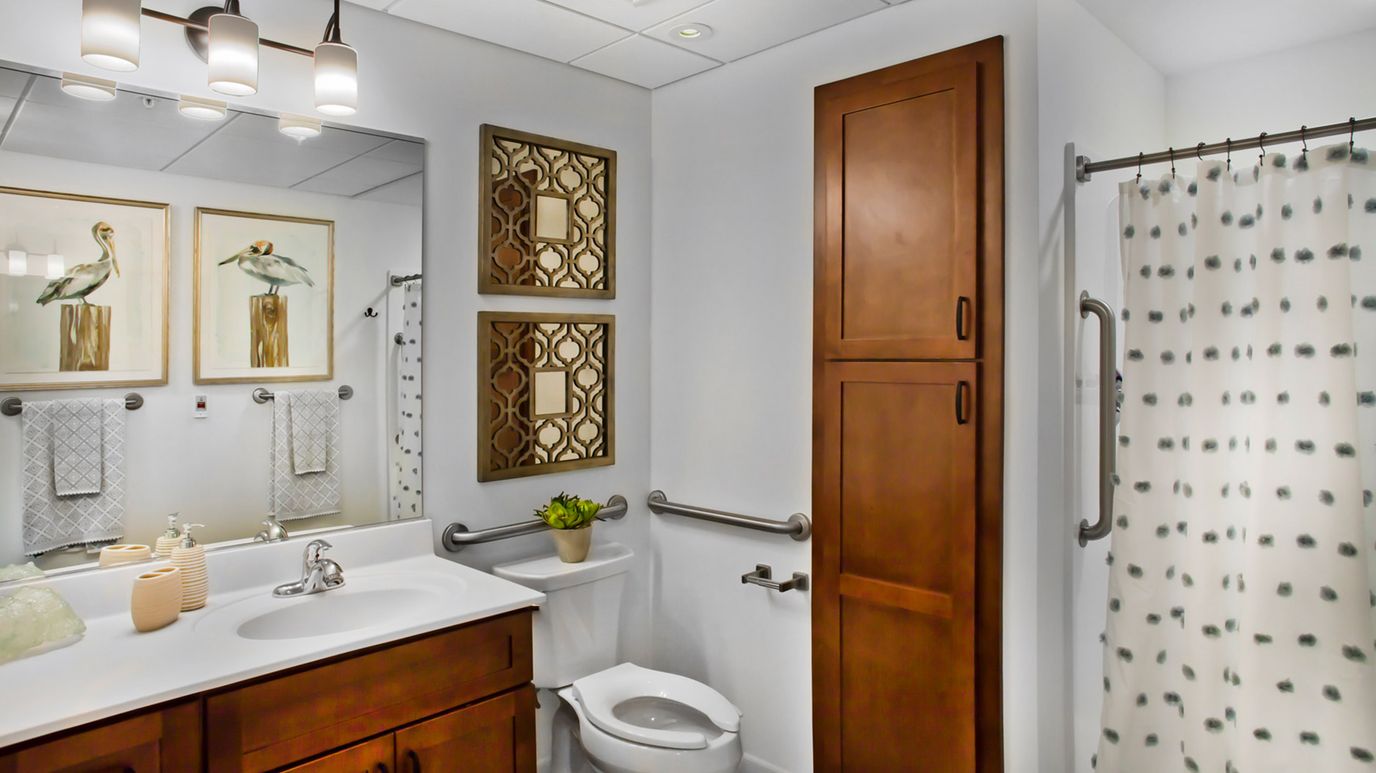
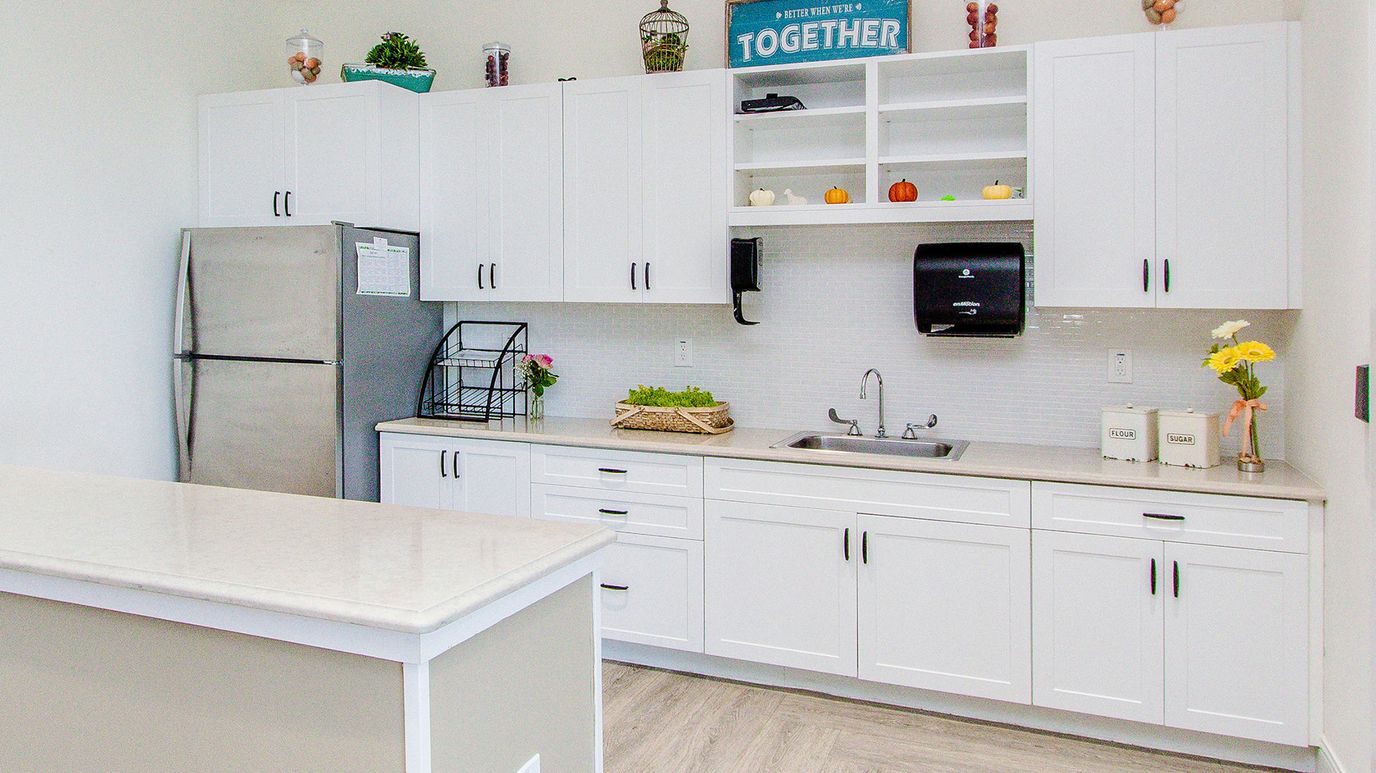







Trinity Springs is an assisted living and memory care community in Oxford, FL. Assisted living provides help with daily tasks such as dressing, bathing, and medication while a resident keeps an apartment, while memory care provides a secured setting with supervision for someone at risk of wandering. Having both care levels on one campus can suit a resident whose needs grow over time, and respite care offers a short stay for someone whose usual caregiver needs time to travel or recover.
Trinity Springs has 235 beds, placing it among communities with more residents, staff, and usually more programming. A Walk Score of 42 places the area in a car-dependent setting, so most errands require a car or a ride. The community is administered by Rhonda Livak and operated by Elim Senior Housing.
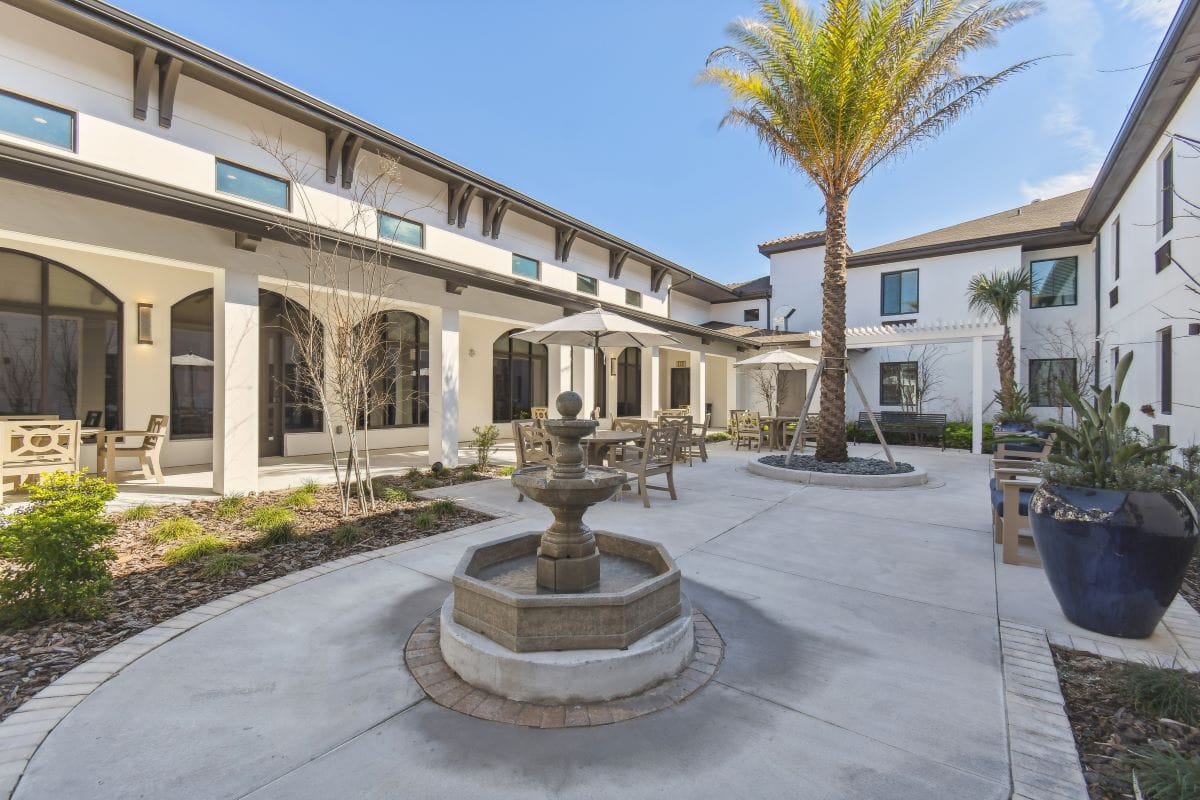
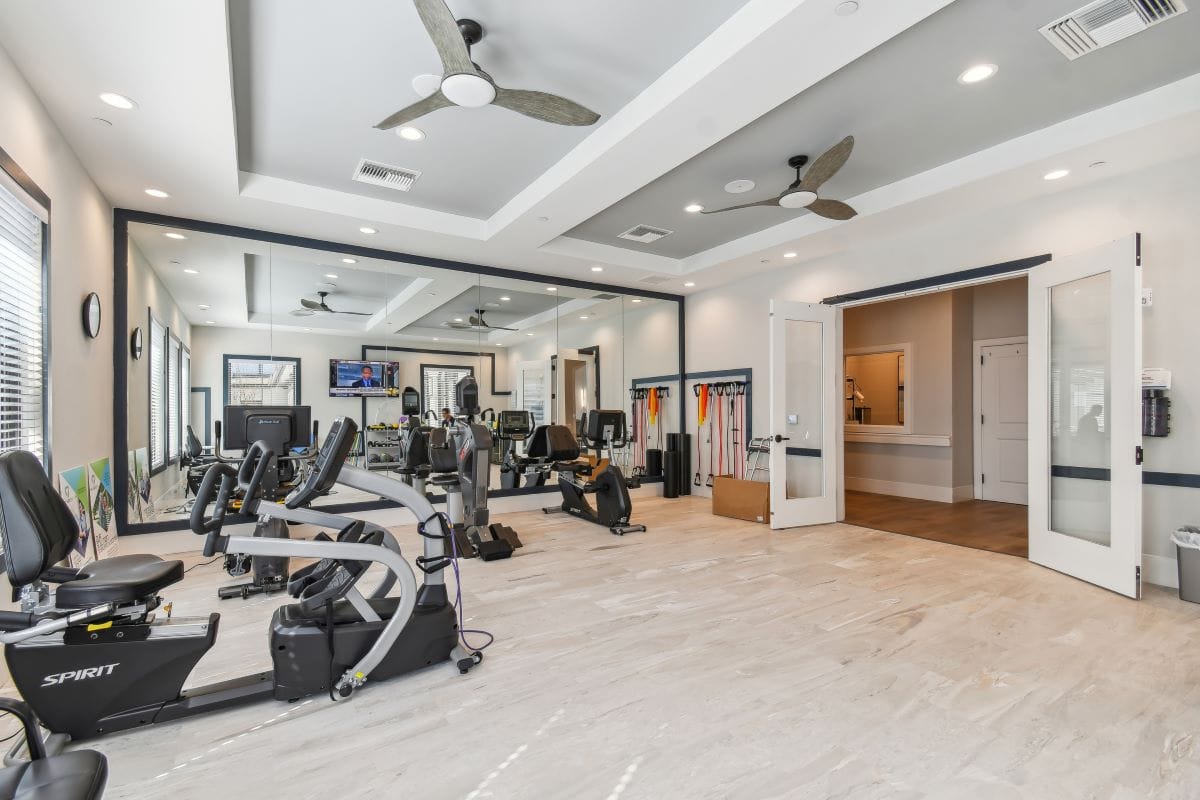
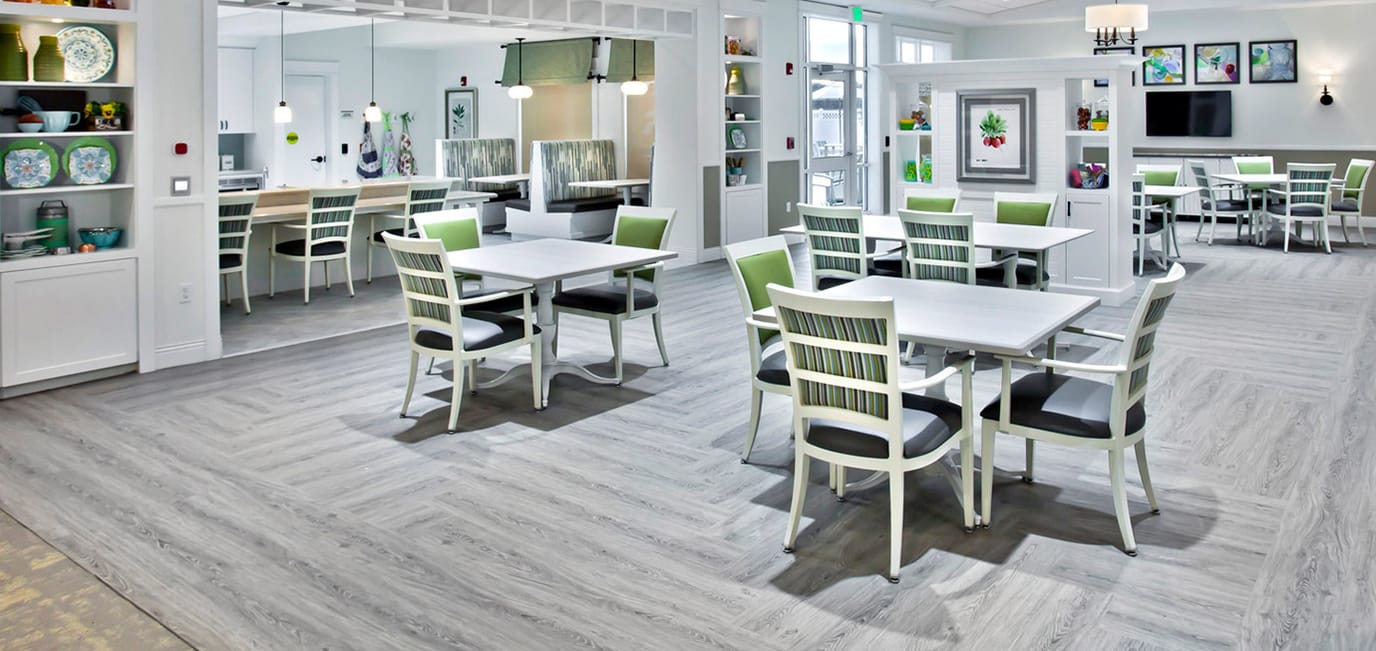
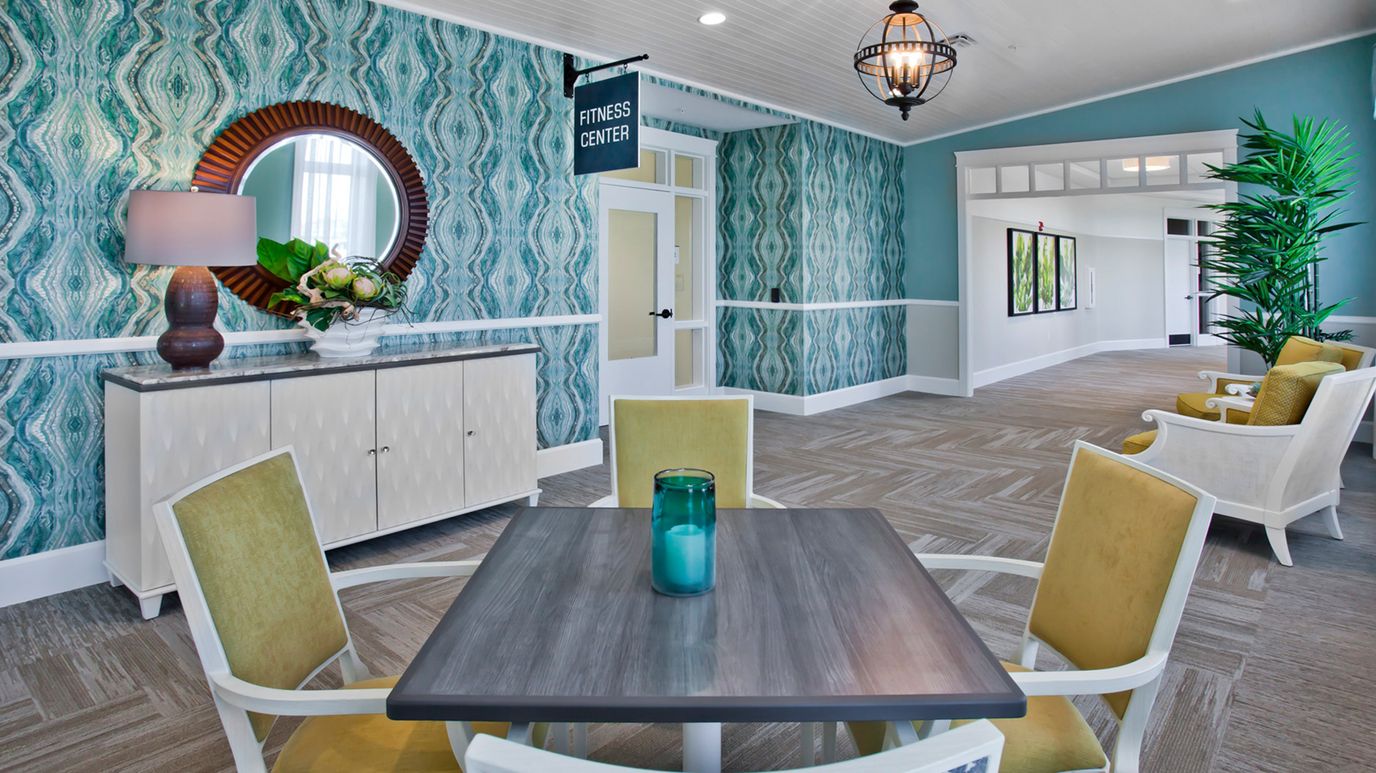
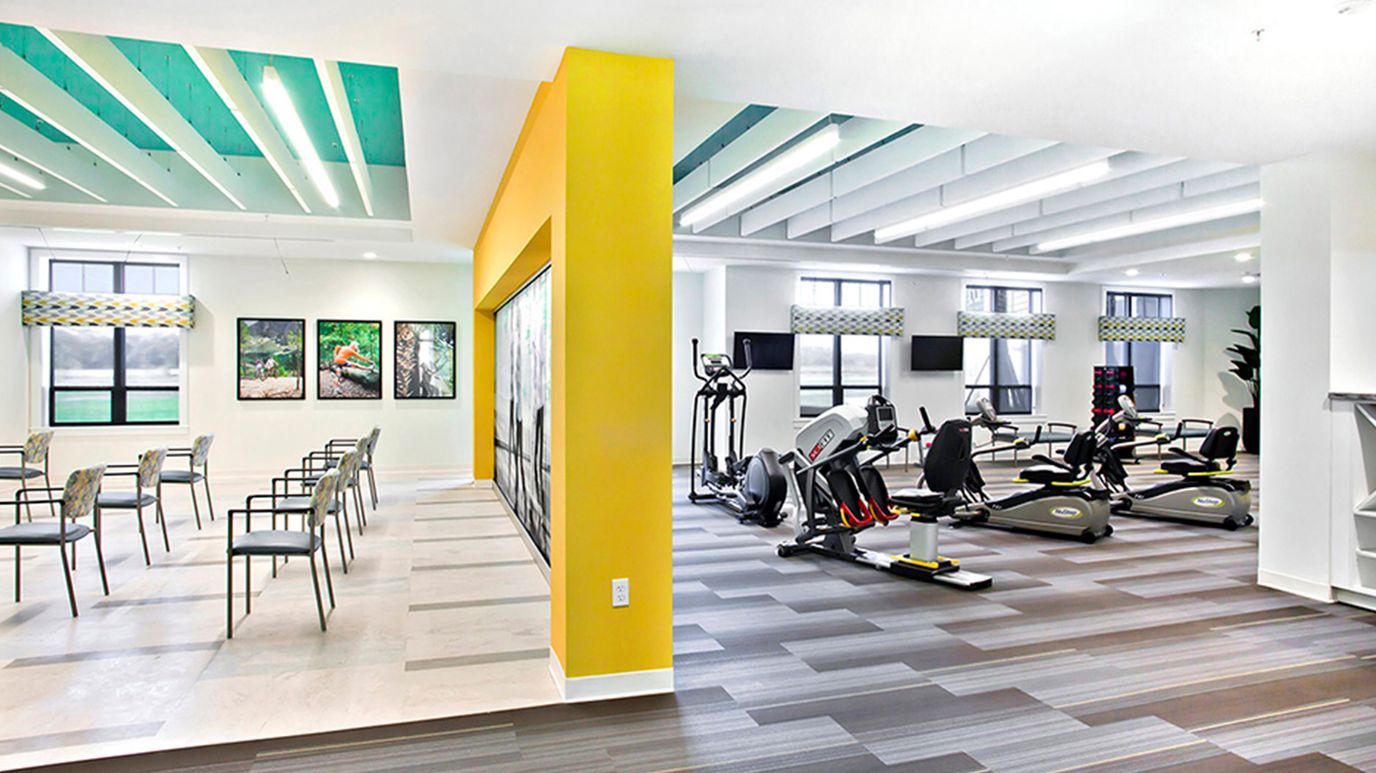
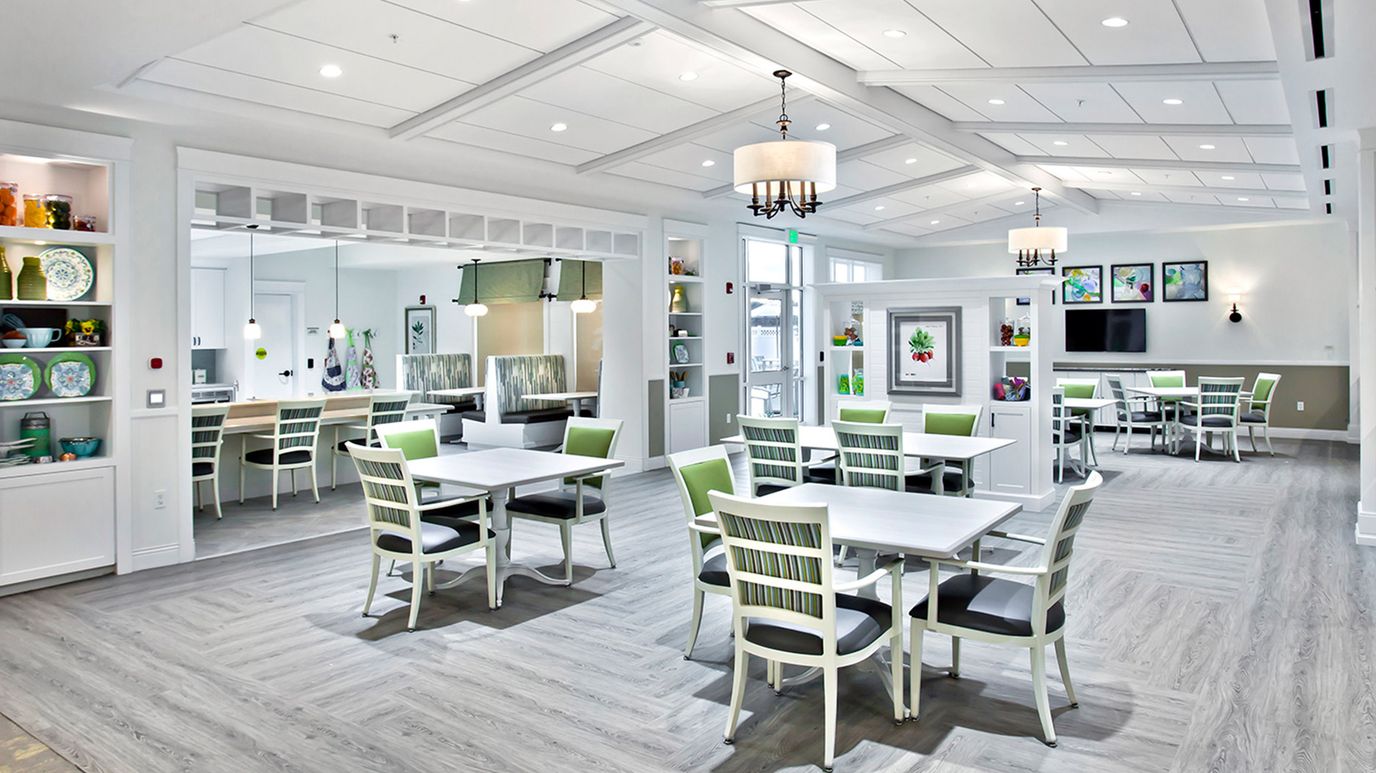
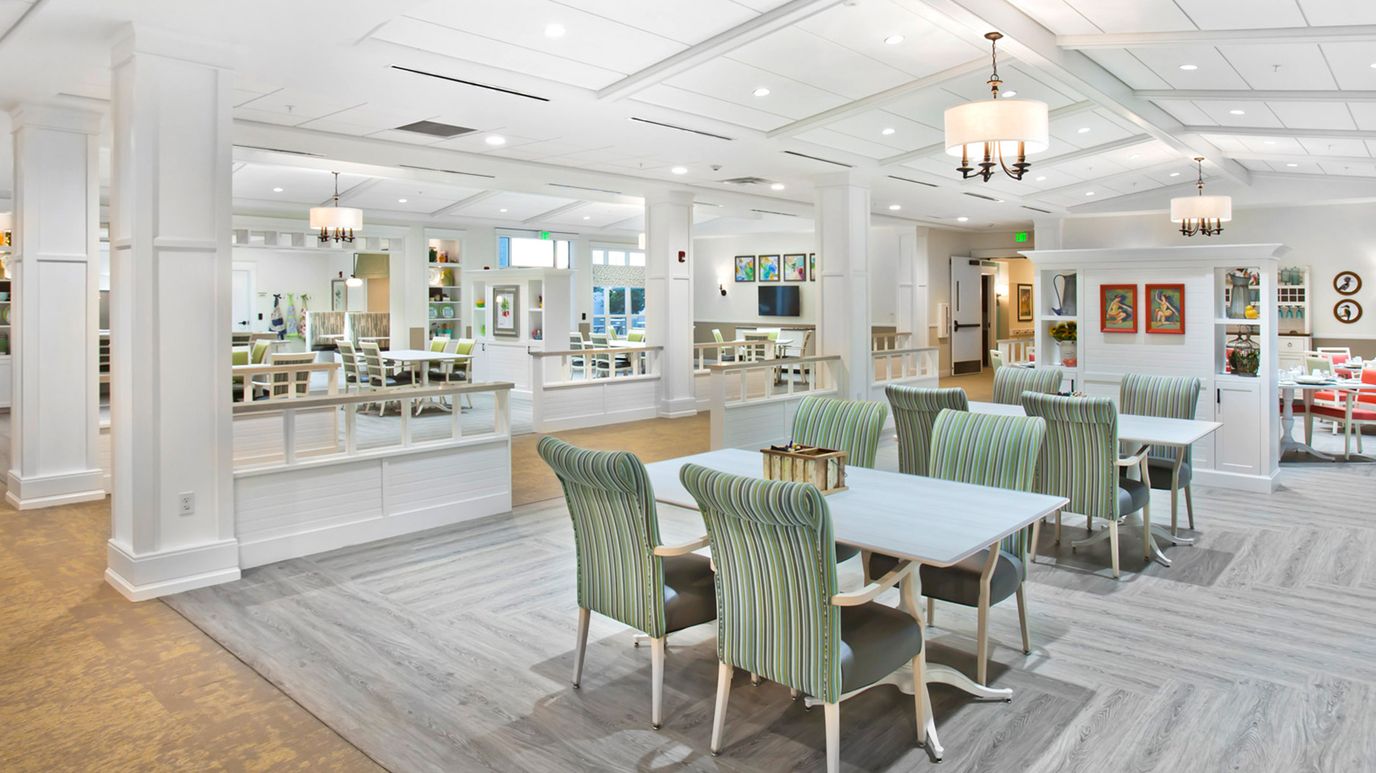
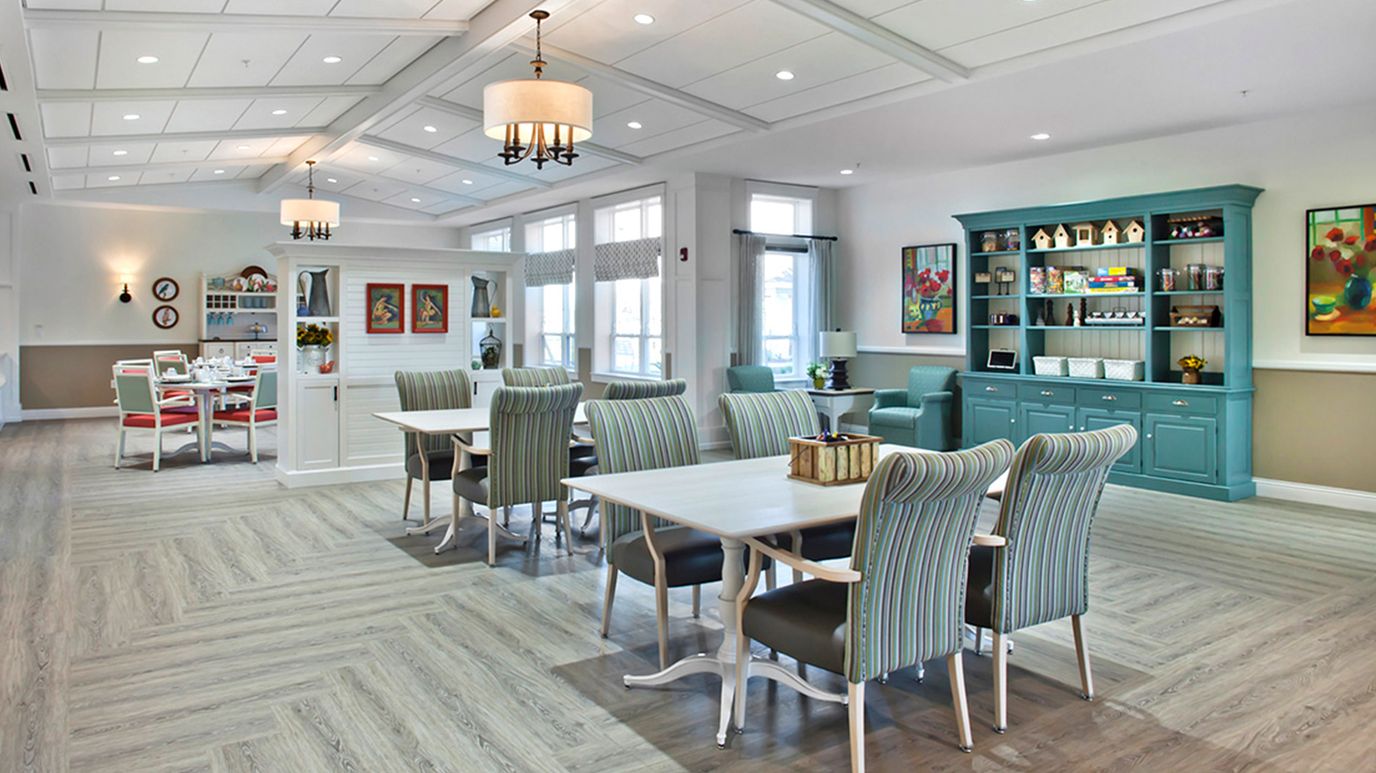
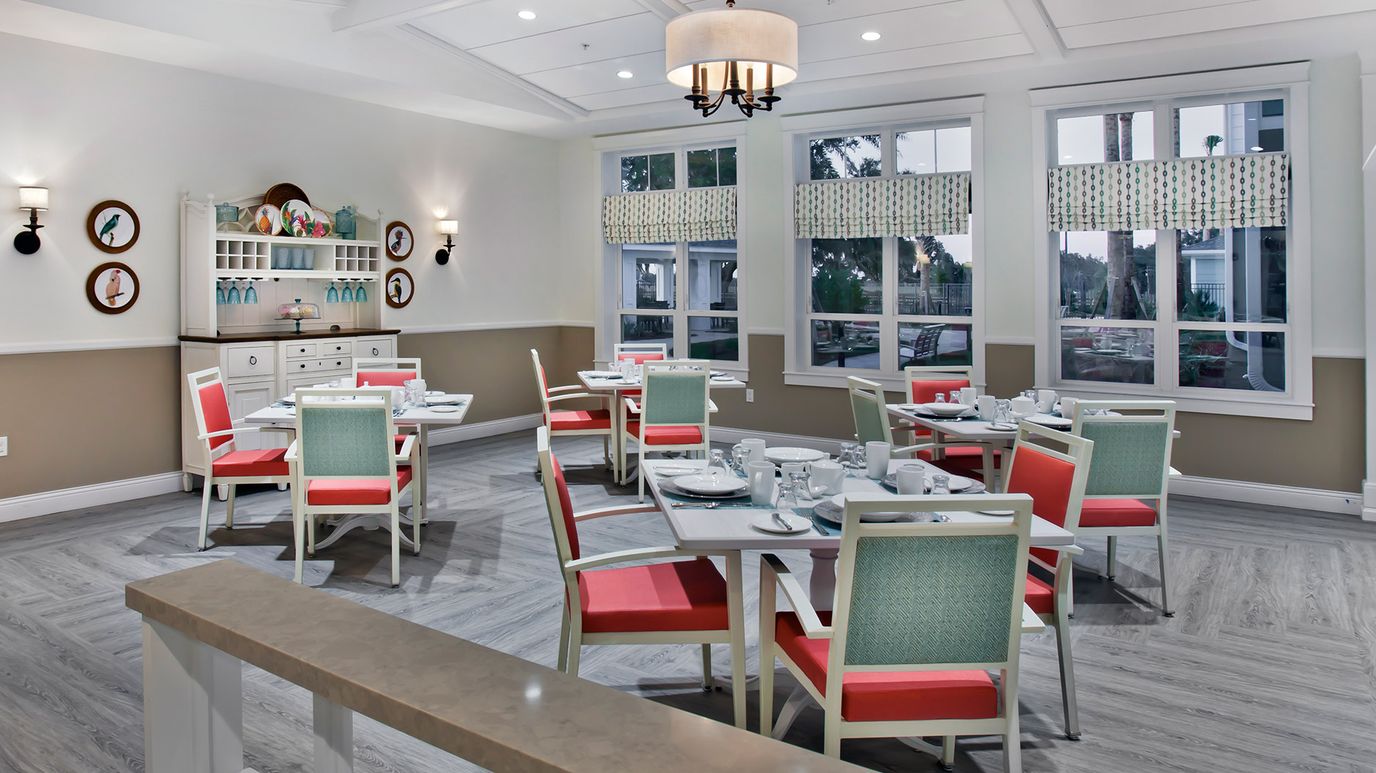
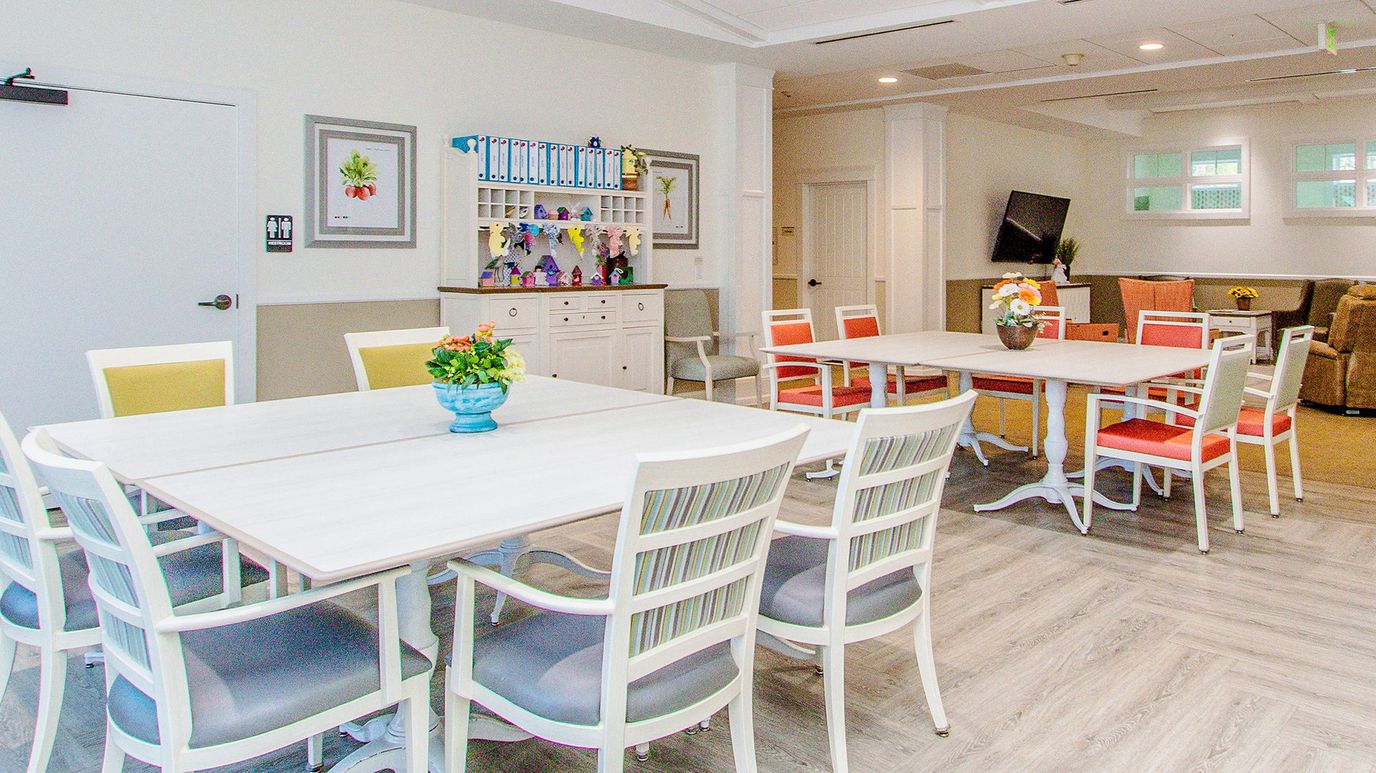
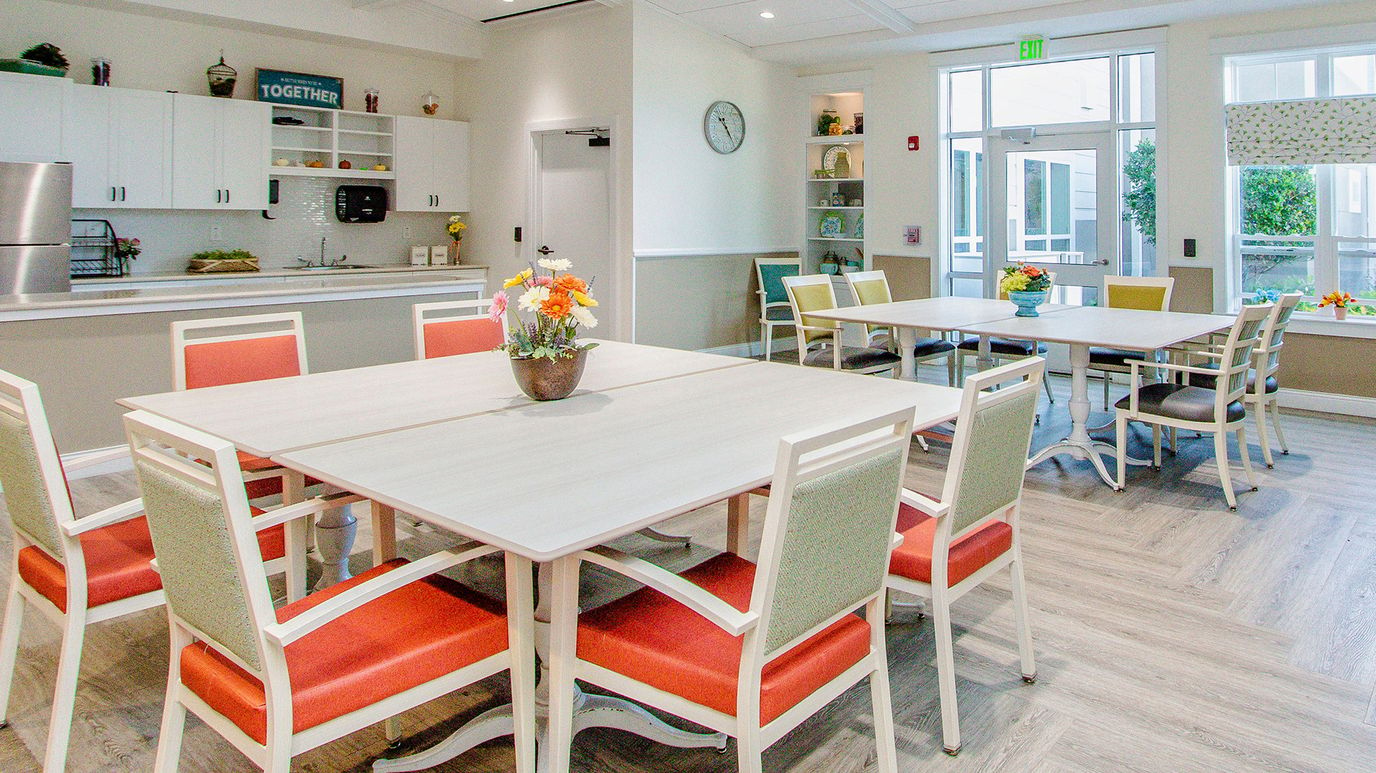
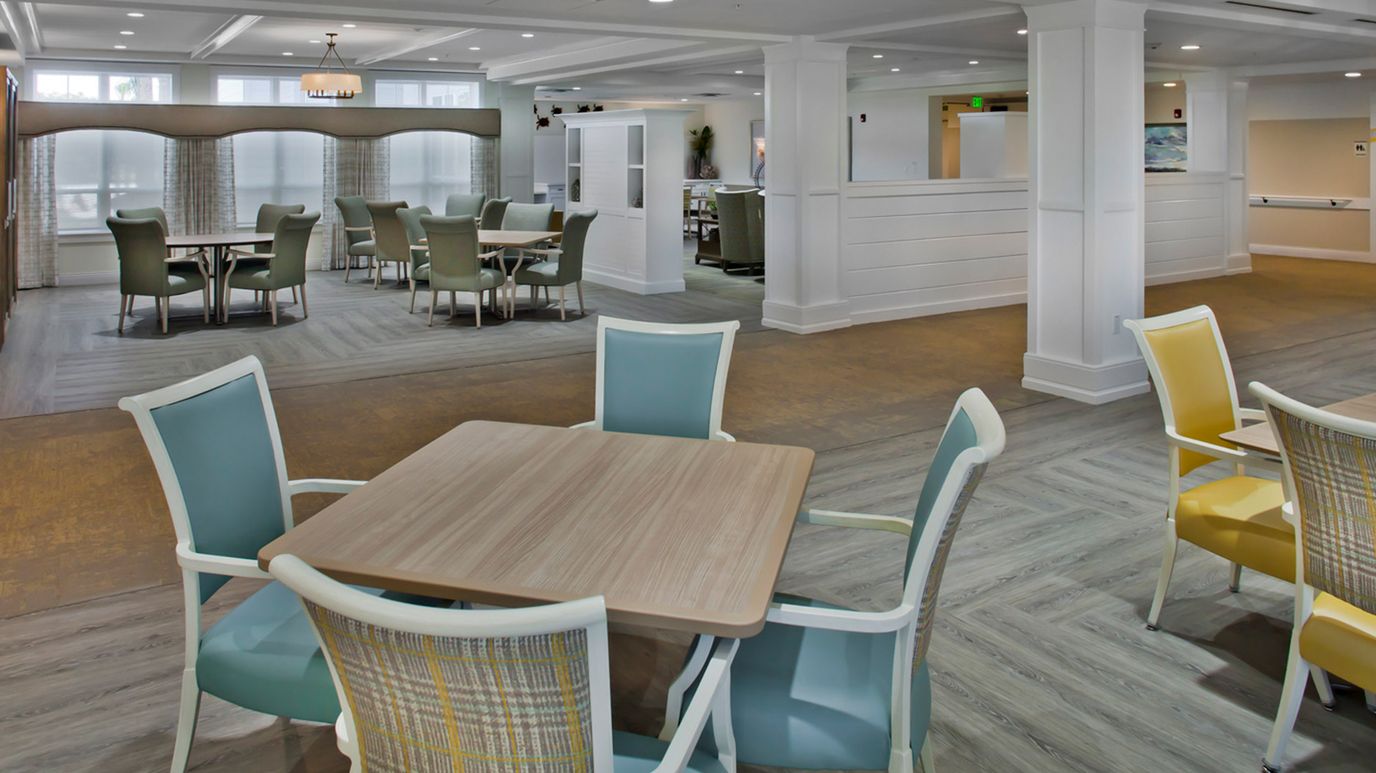
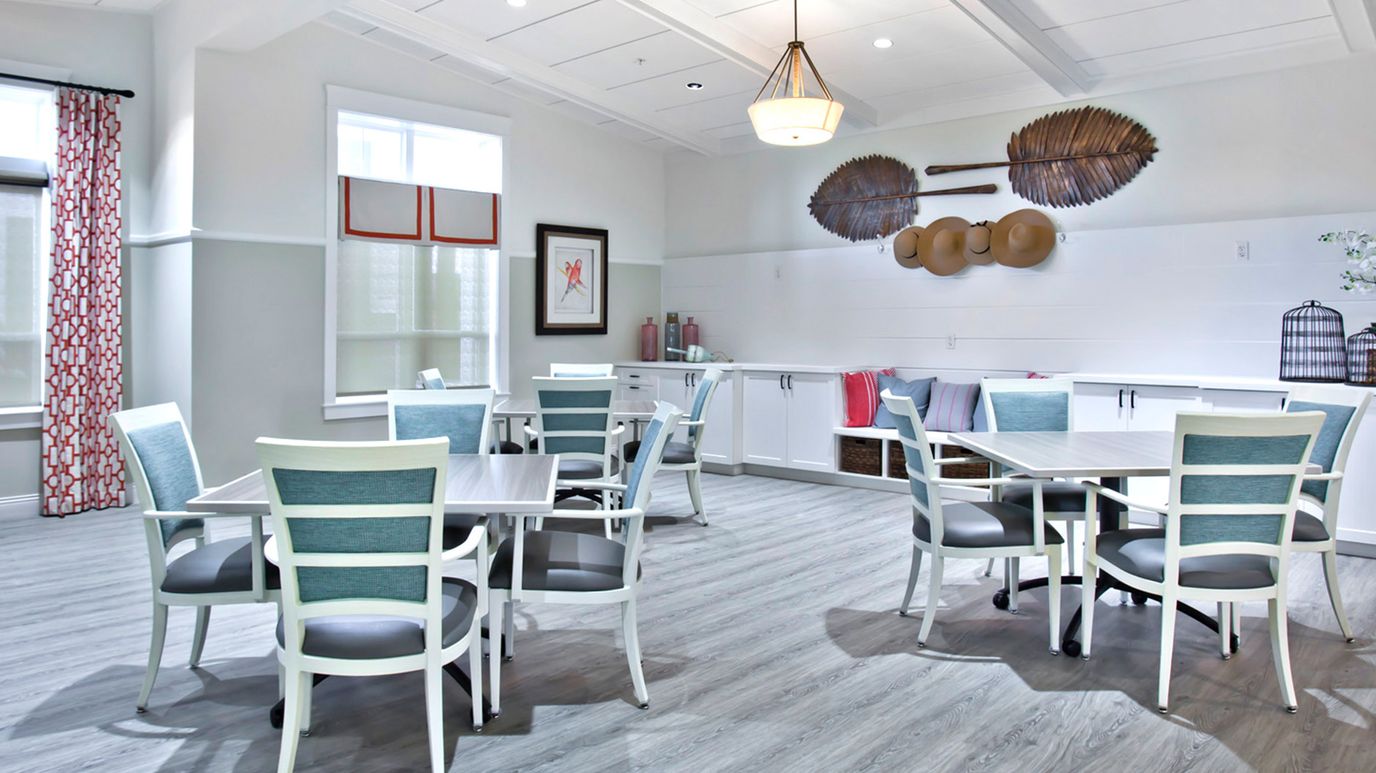
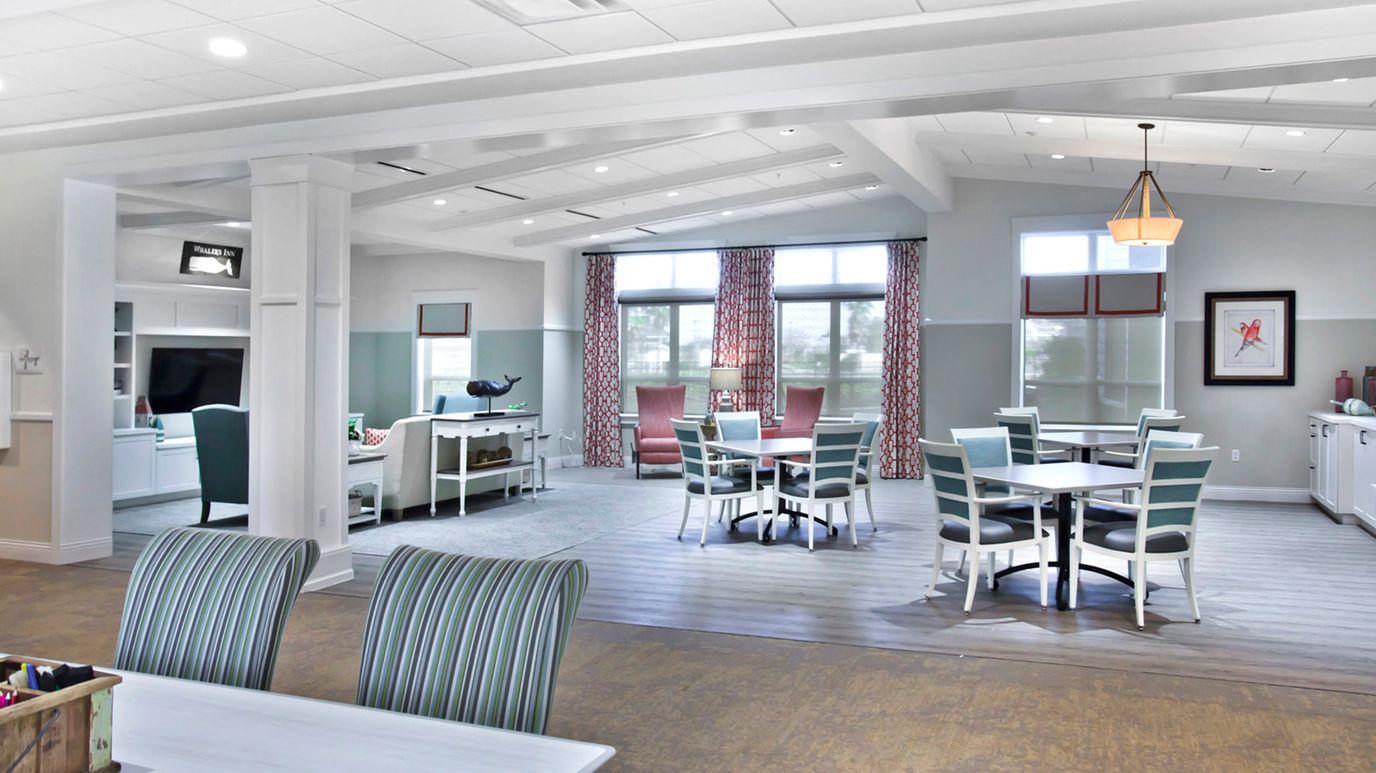
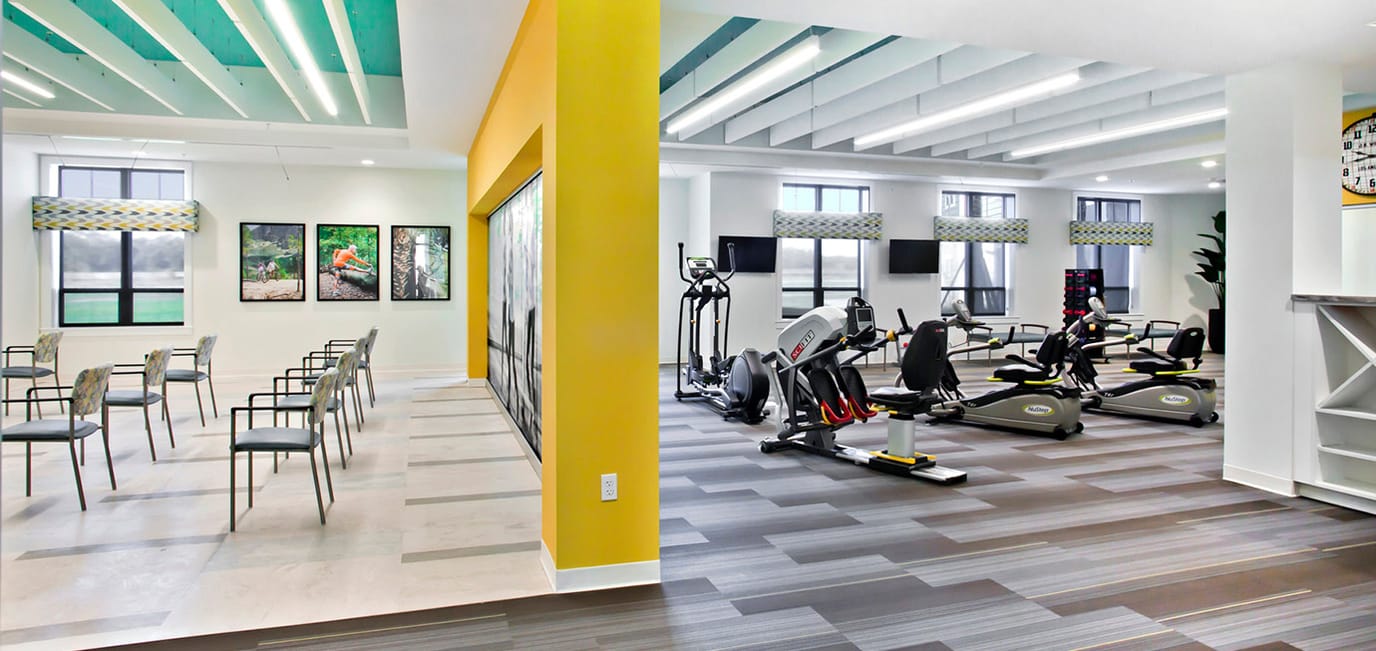
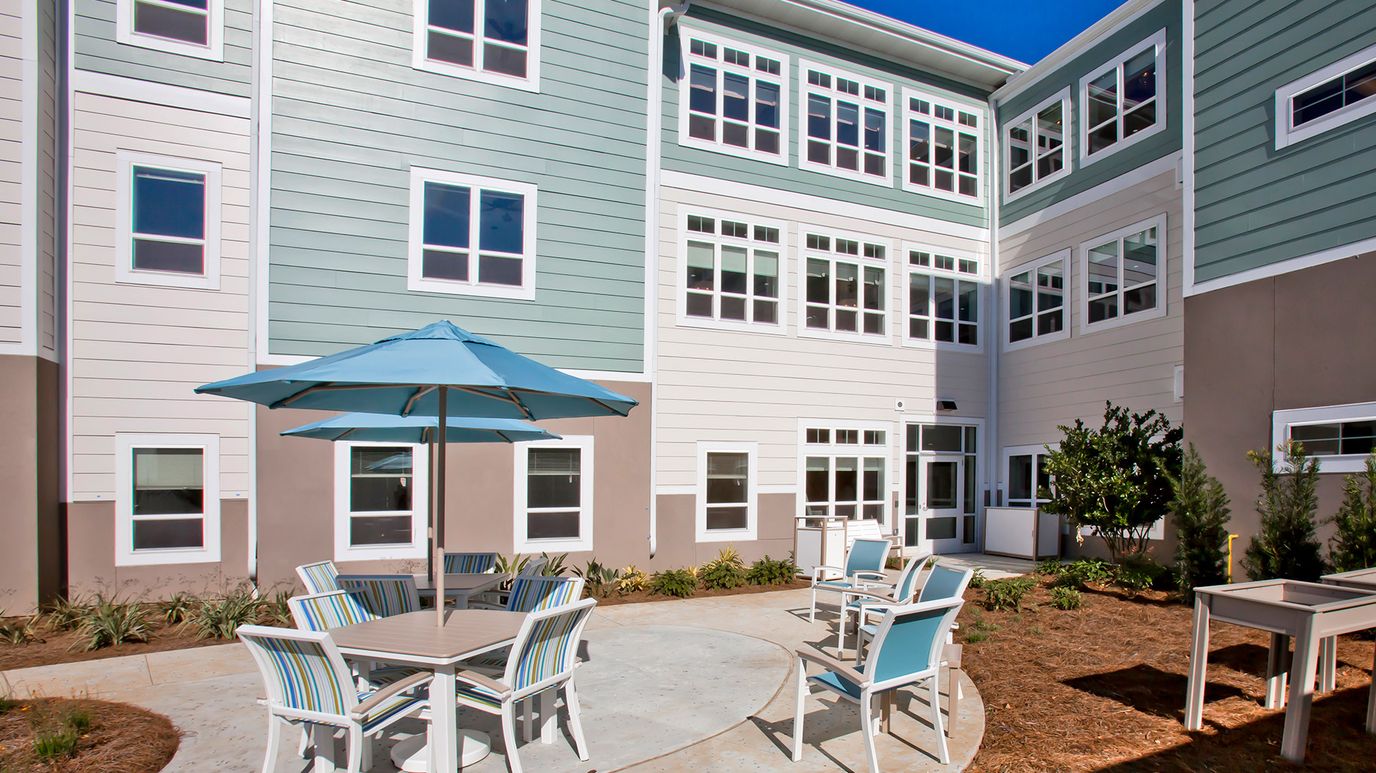
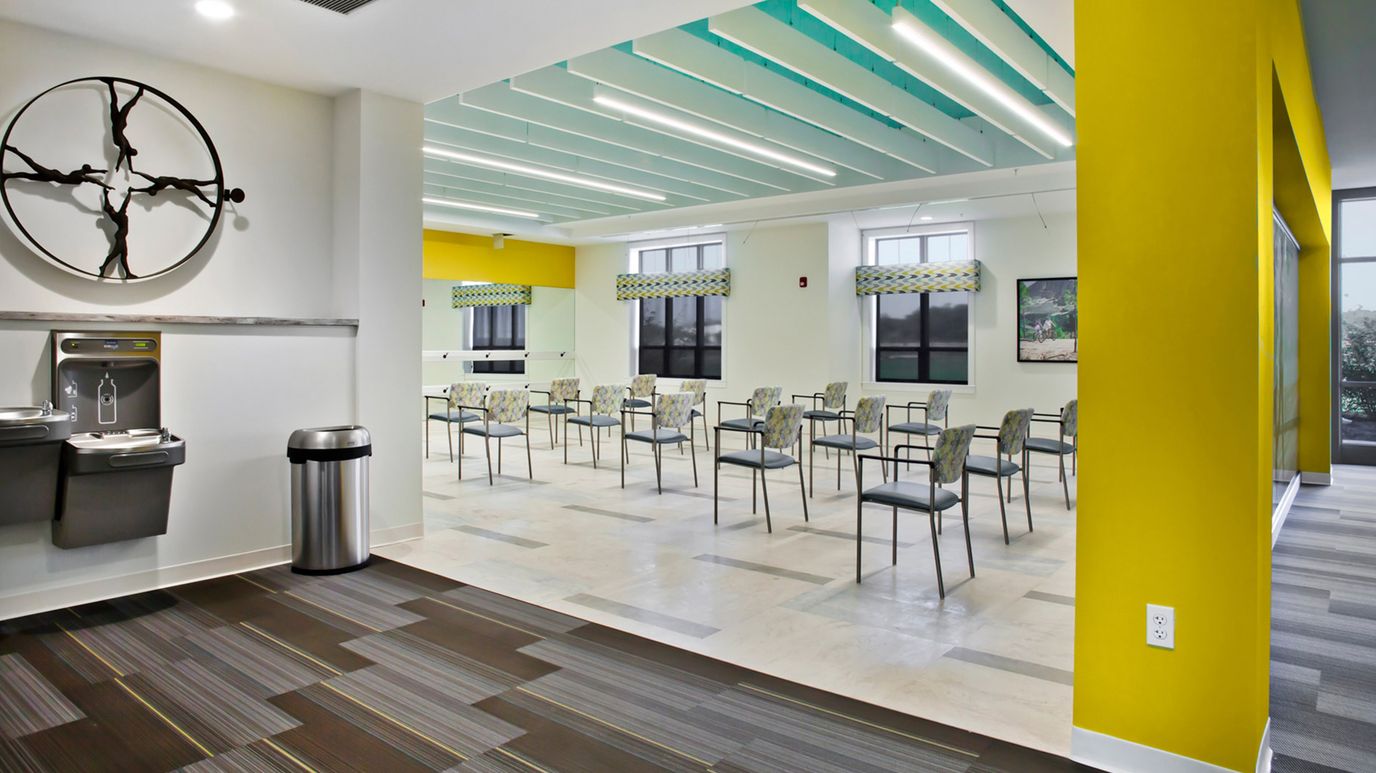
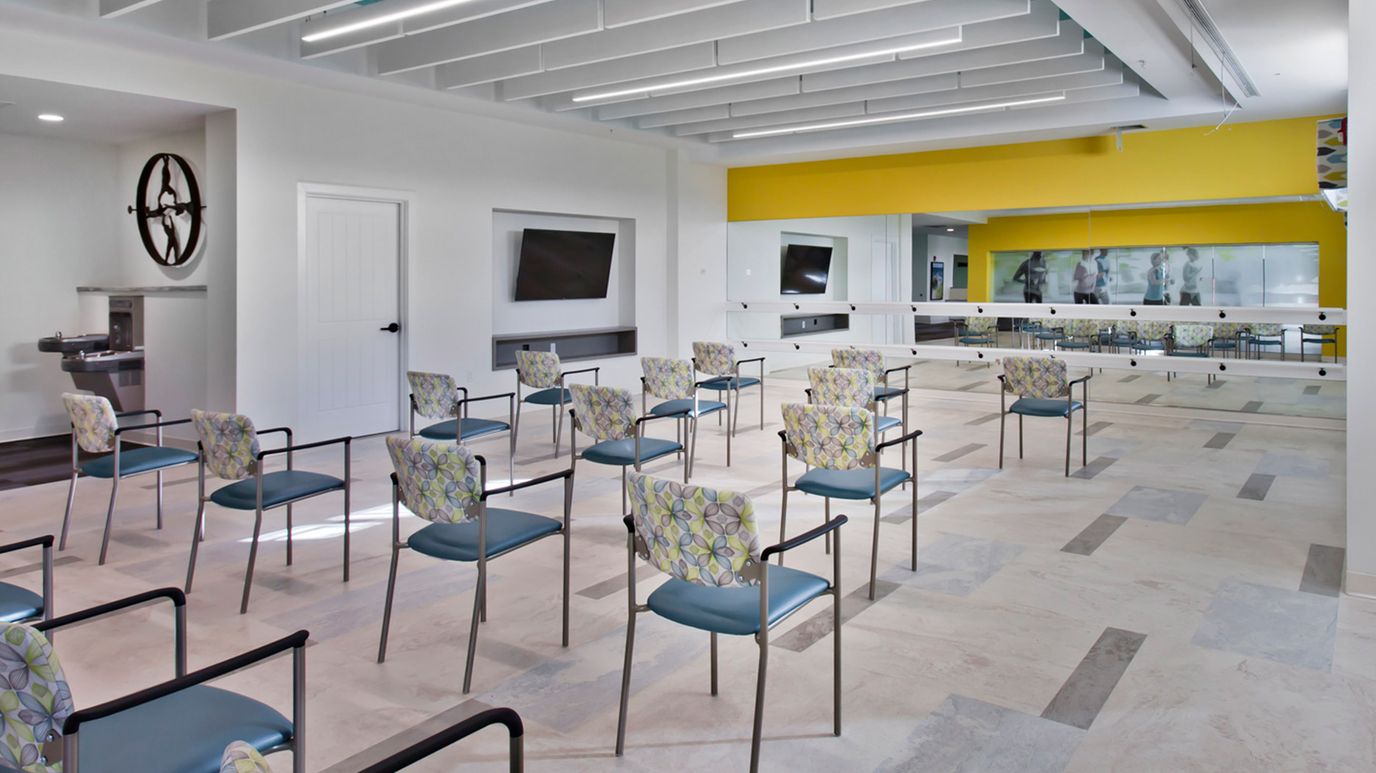
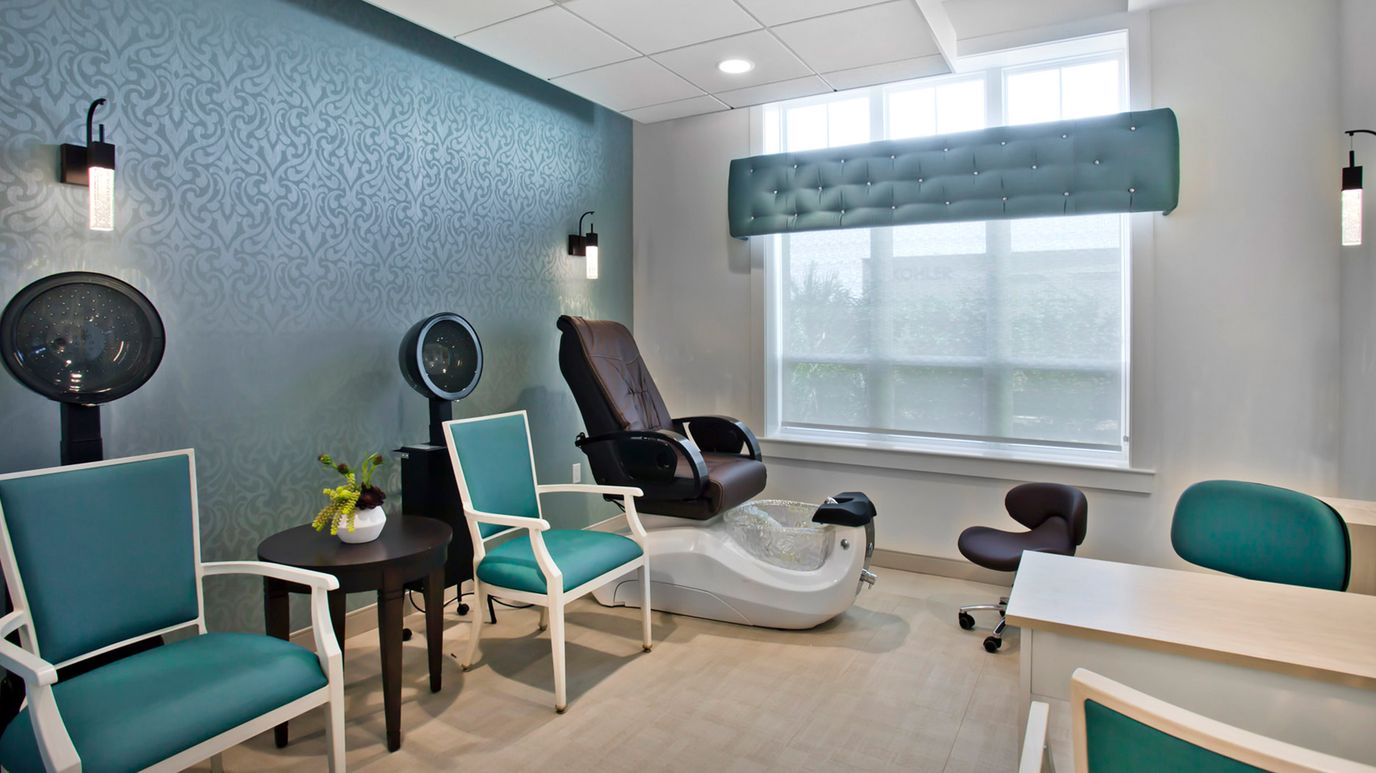
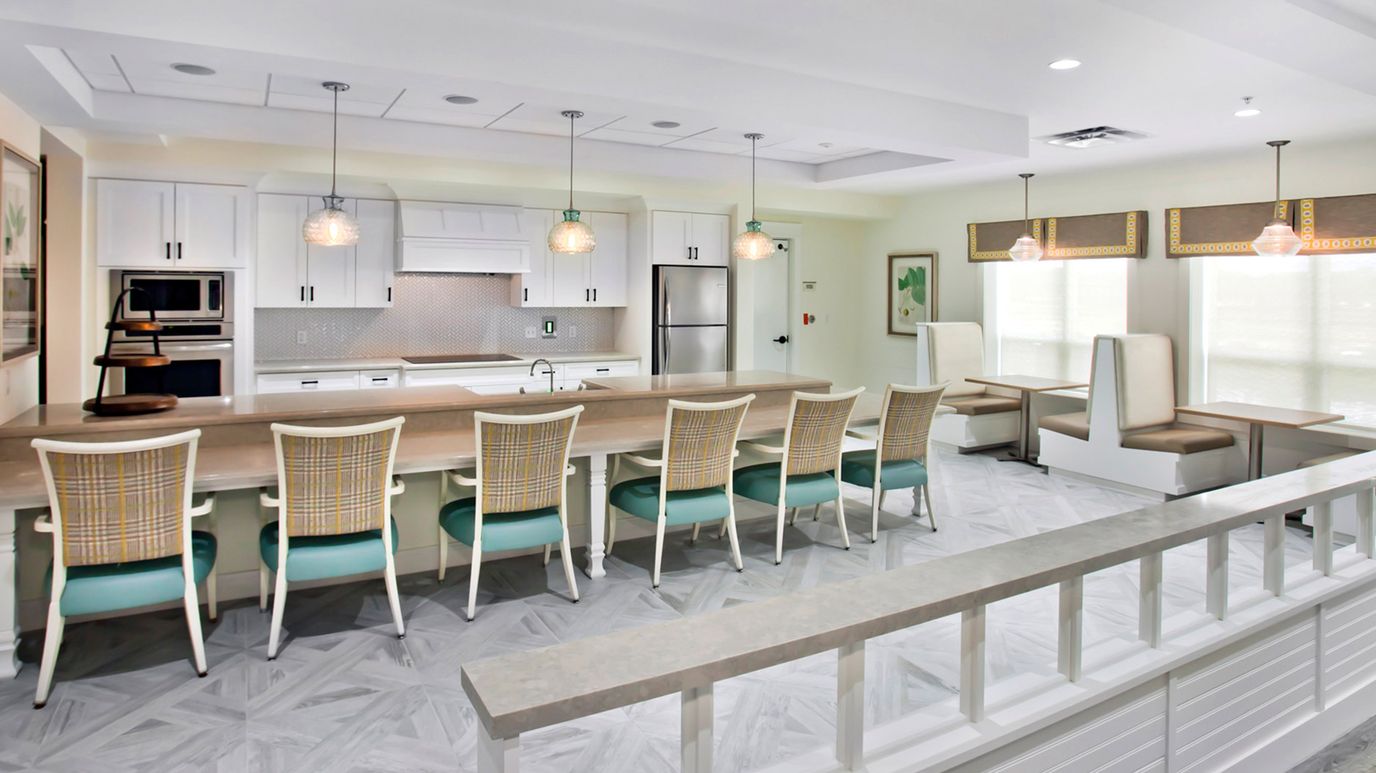
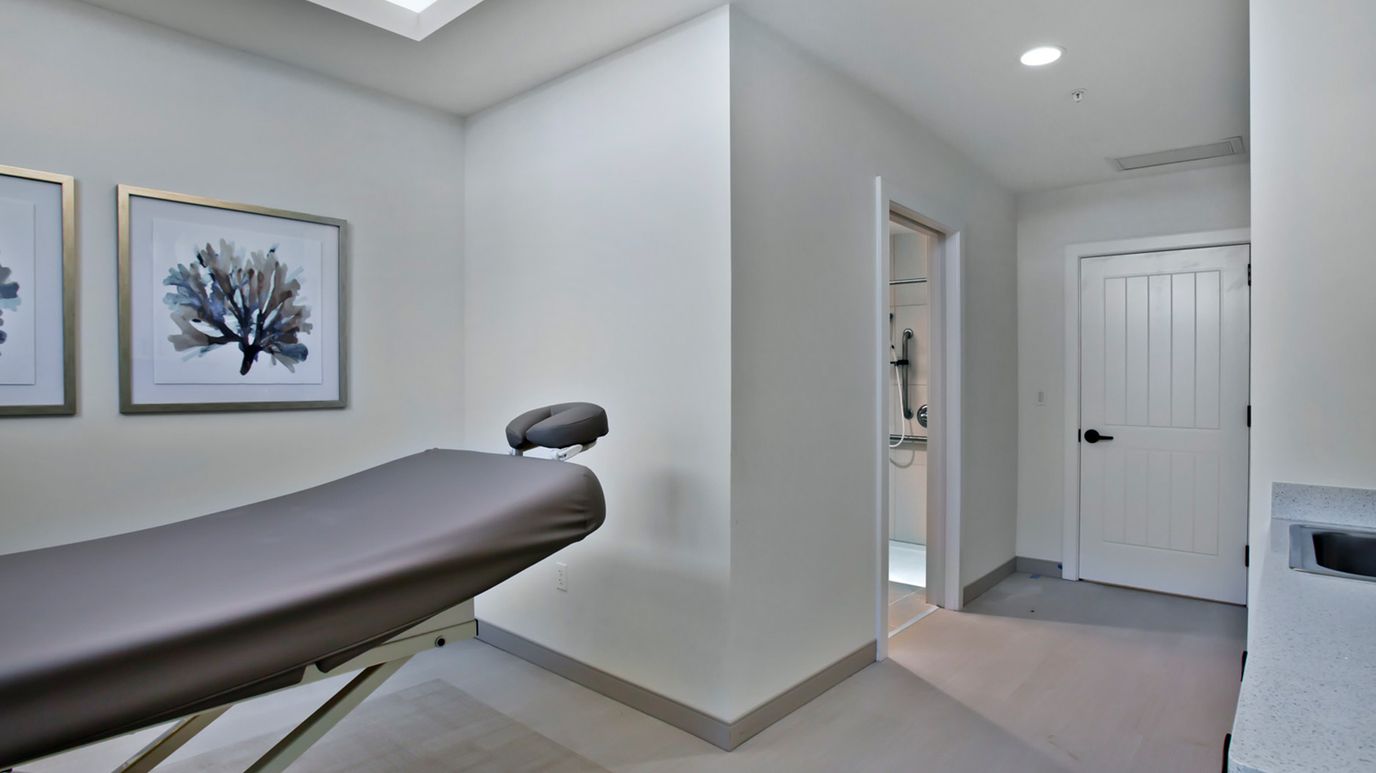
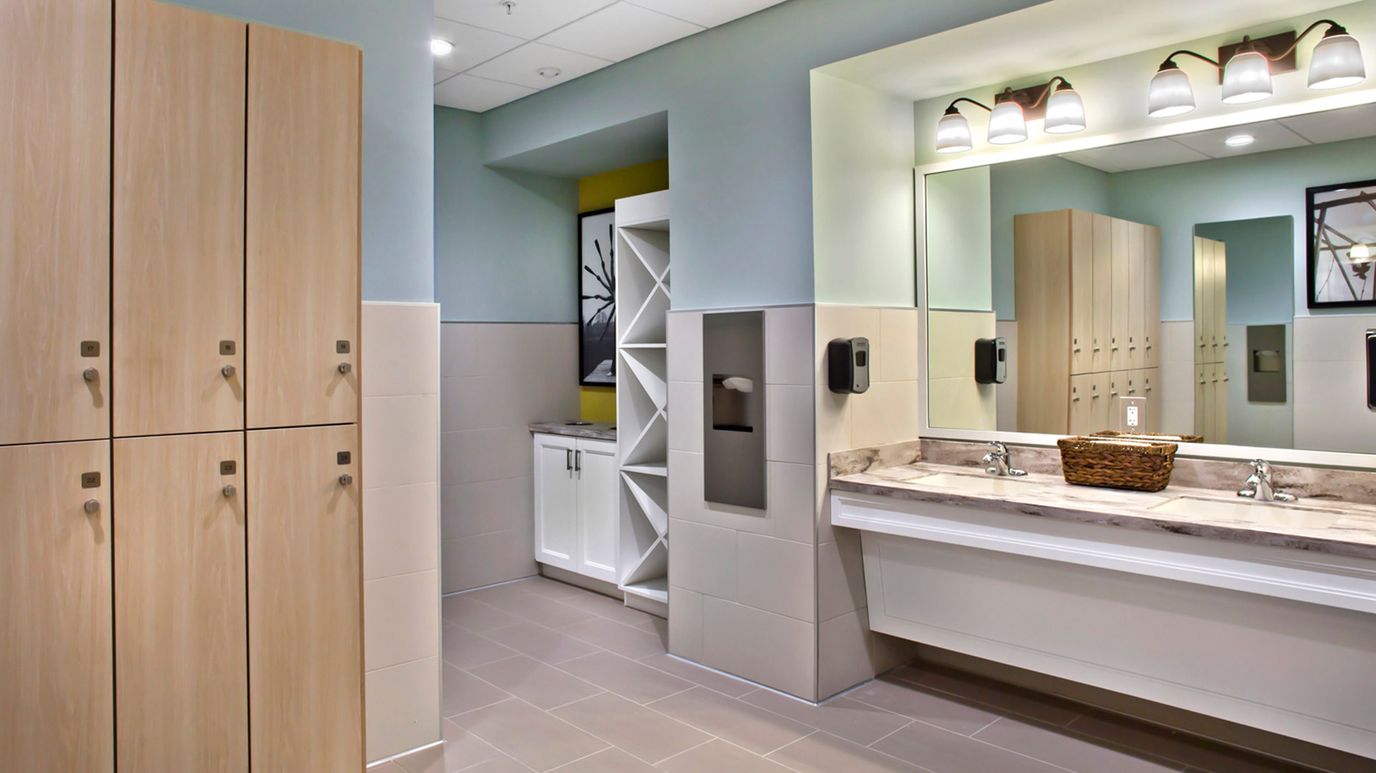
Chef-prepared meals are professionally served in the dining rooms, while the fitness center and fitness programs support exercise activities on site. Residents can also use rehabilitation services, a movie theater, and a salon and spa without leaving the community. Pets are allowed, and a dog park provides a designated outdoor space for residents’ pets.