


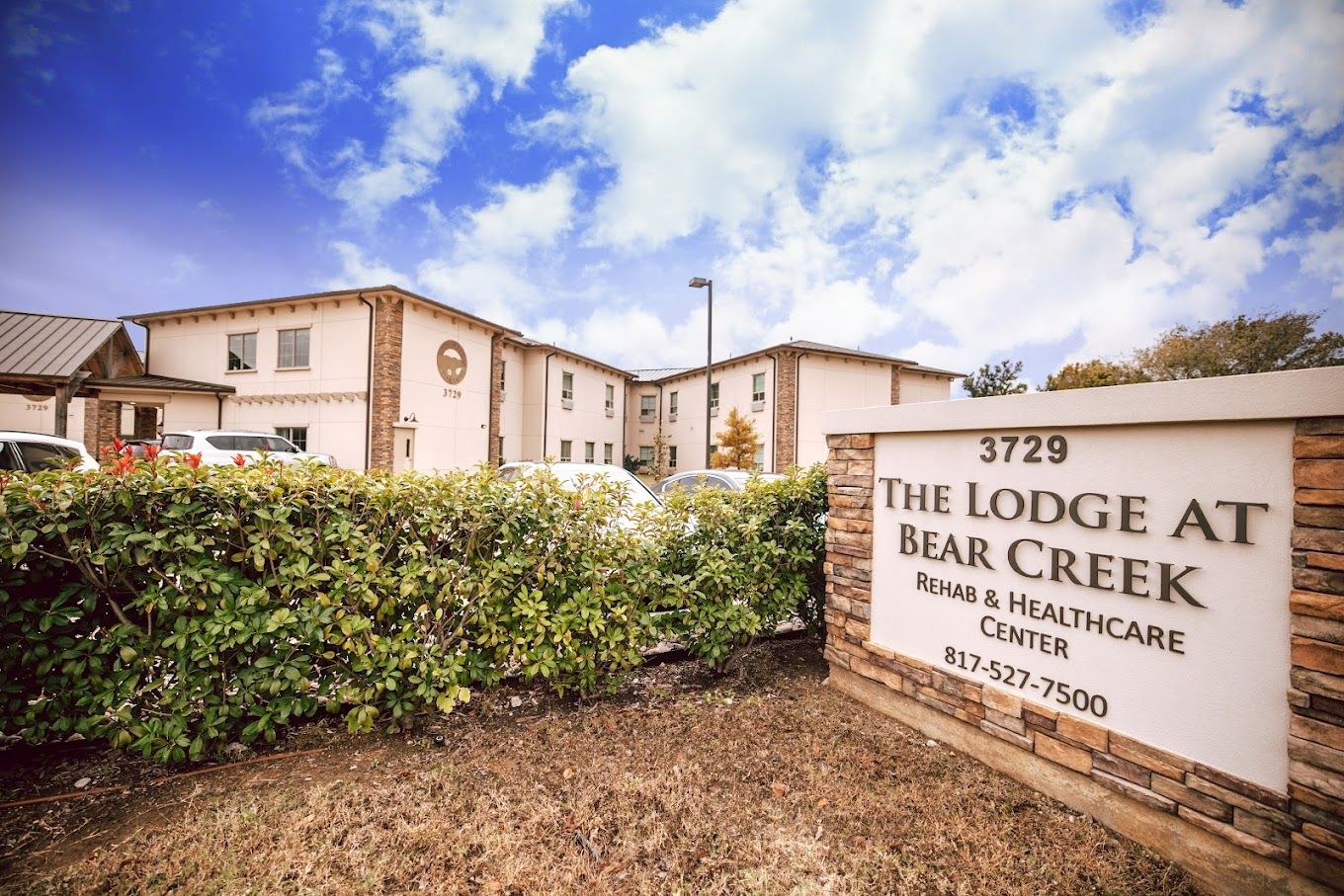

The Lodge at Bear Creek occupies a single-story facility at 3729 Ira E. Woods Avenue in Grapevine, serving a mixed-acuity population across short-term rehabilitation and long-term care. Currently housing 67 residents in a 100-bed structure, the community reports occupancy of 68.8%; notably above the Texas average of 63.5%.
Admissions are split heavily toward private pay (52%) and Medicare short-stay rehabilitation (39%), and an average stay of just over 79 days.
The operator, Grapevine Nursing and Rehab Center, LLC, reported gross revenue of $9.36 million in 2023 after years of operating losses, achieving financial breakeven following a 18.6-percentage-point occupancy rebound from 2022.
Regulatory performance and quality outcomes create a complicated picture.
The facility’s 3-star overall CMS rating sits marginally above the Texas average, but health inspection scores trail state performance by 27.6%. This reflects two recent federal penalties: a substantial $66,000 civil money penalty assessed in October 2024 and a $7,000 penalty in October 2023, indicating current-year regulatory stress.
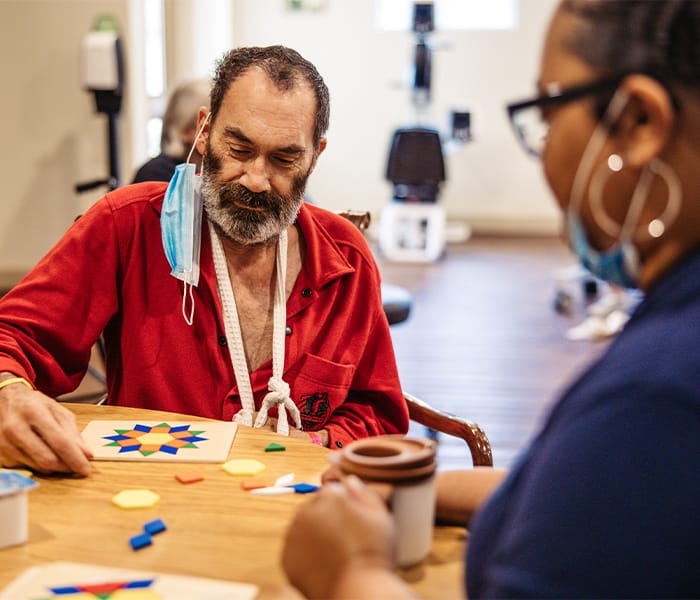
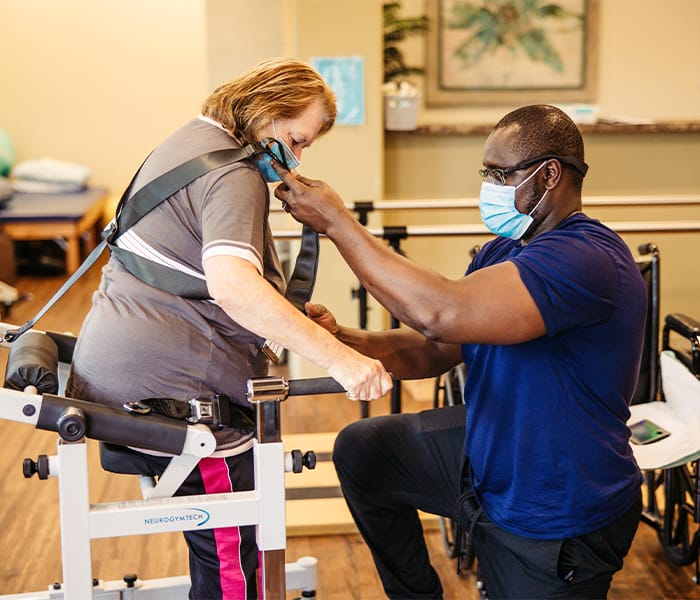
Staffing averages 2 hours 52 minutes of nursing per resident per day, roughly 21% below the Texas average and approaching the threshold signaling inadequate care. Yet the facility invests heavily in rehabilitation: physical therapy reaches 15 minutes per resident daily, 275% above state average.
Long-stay residents show concerning patterns. Functional decline scores rank 47% worse than state average, and 28.2% experienced increased dependence for daily activities (75% worse). Pressure ulcers affected 7.5% of high-risk residents (70% worse), and UTI incidence at 1.4% was 73% worse than average.
Short-stay rehabilitation outcomes, by contrast, excel: 60% of residents successfully returned home or community (19% better than state), and emergency department visits dropped to 7.1% of discharges (41% better). The facility recorded zero major-injury falls in long-stay residents, a genuine care safety achievement.
The facility’s compliance record and staffing adequacy are at odds with its strong short-term rehabilitation focus and improving occupancy, suggesting recent regulatory violations may have addressed operational gaps beneath a well-performing rehab service.